
 For Sale: The Original 1968 Honda CB750 Sandcast Prototype…
This week is the annual Mecum Las Vegas Motorcycle Auction, where more than 2000 historic, vintage, custom, racing, and just plain interesting motorcycles are slated to cross the block. Yesterday we offered a selection of five of the bikes that caught our eye.
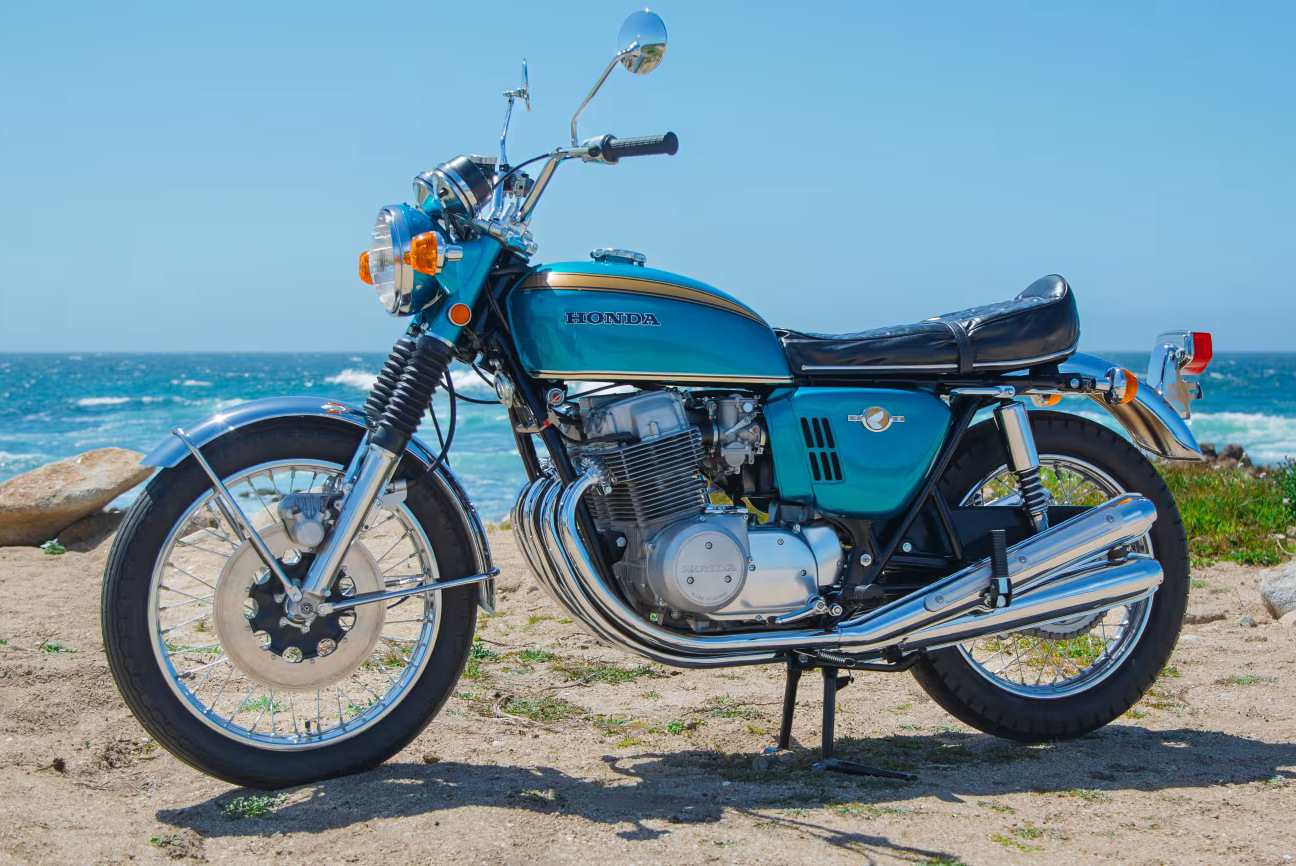
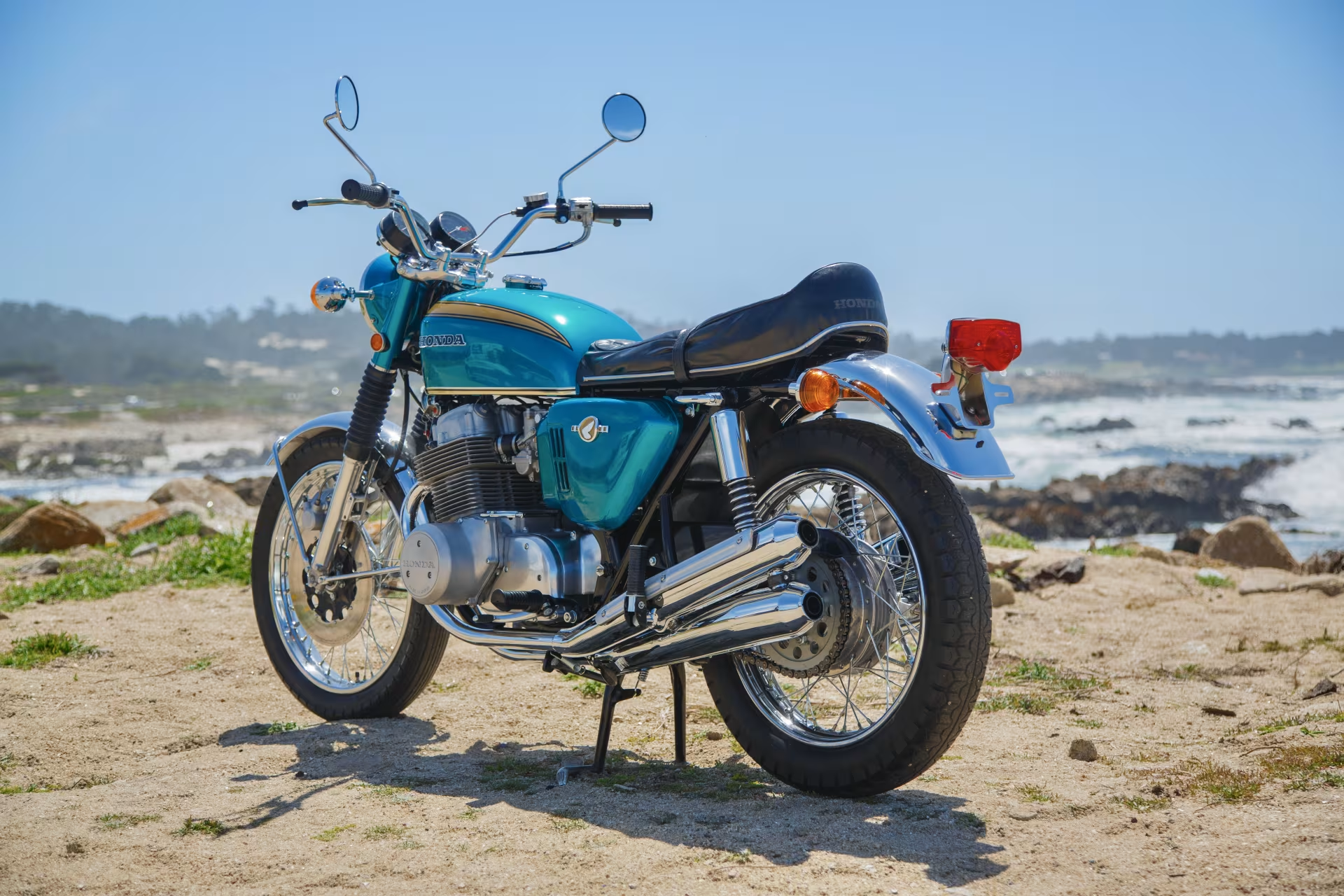
However, we set aside of the biggest stars of the show for its own feature, as it’s one very interesting slice of motorcycling history. It’s the 1968 CB750 sandcast prototype you see here, believed to be the very first CB750 ever sent to the United States for evaluation and press exposure, pre-dating even the pre-production dealer models distributed ahead of the bike’s official launch.
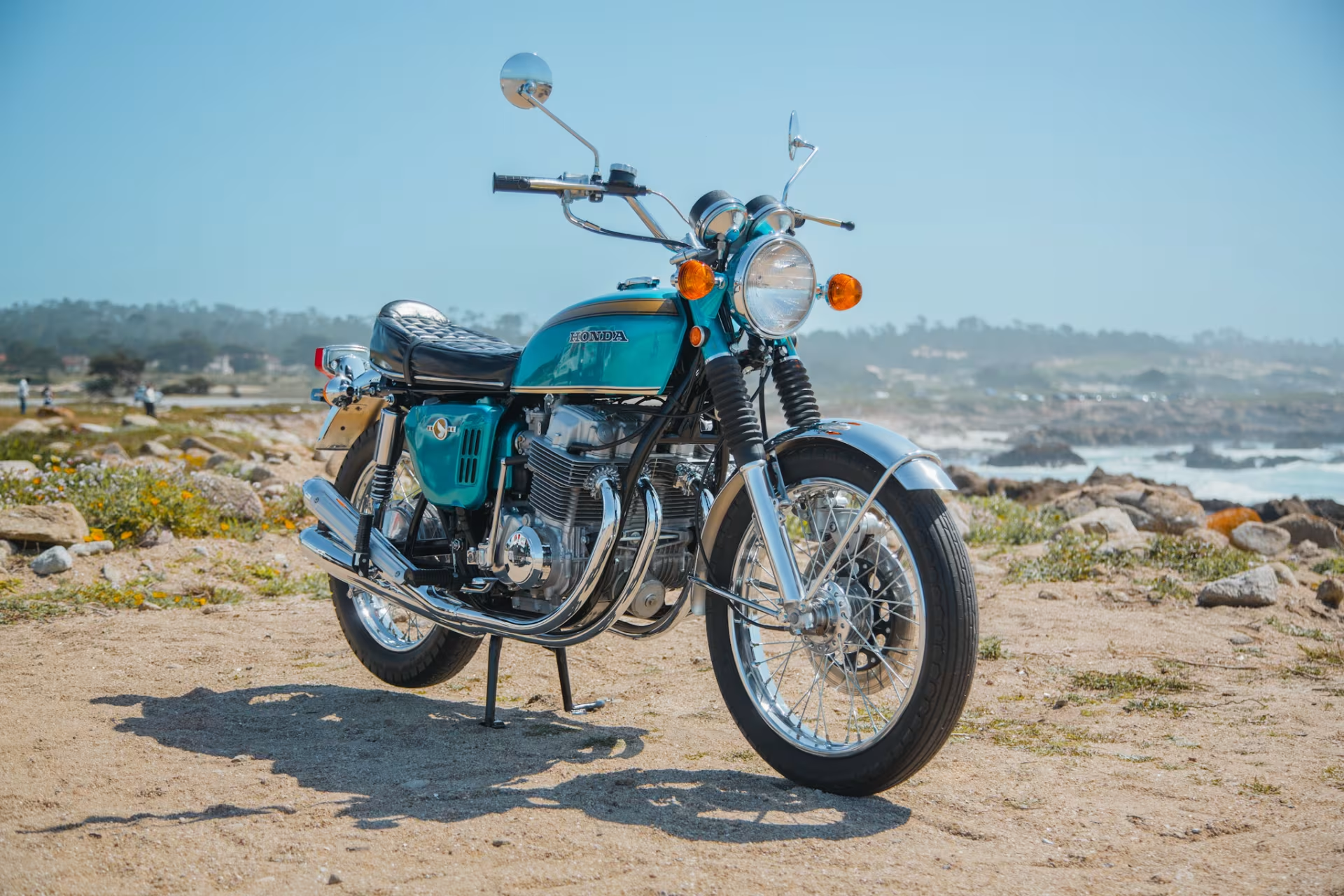
Discovered by SOHC CB750 specialist Vic World some 30 years ago and painstakingly restored, this hand-built prototype was originally sent by Soichiro Honda himself to American Honda’s Bob Hansen in October 1968. Interestingly, it differs greatly from a production CB750, as you’ll see below.
Backing up a Moment: A Motorcycle That Changed the Industry
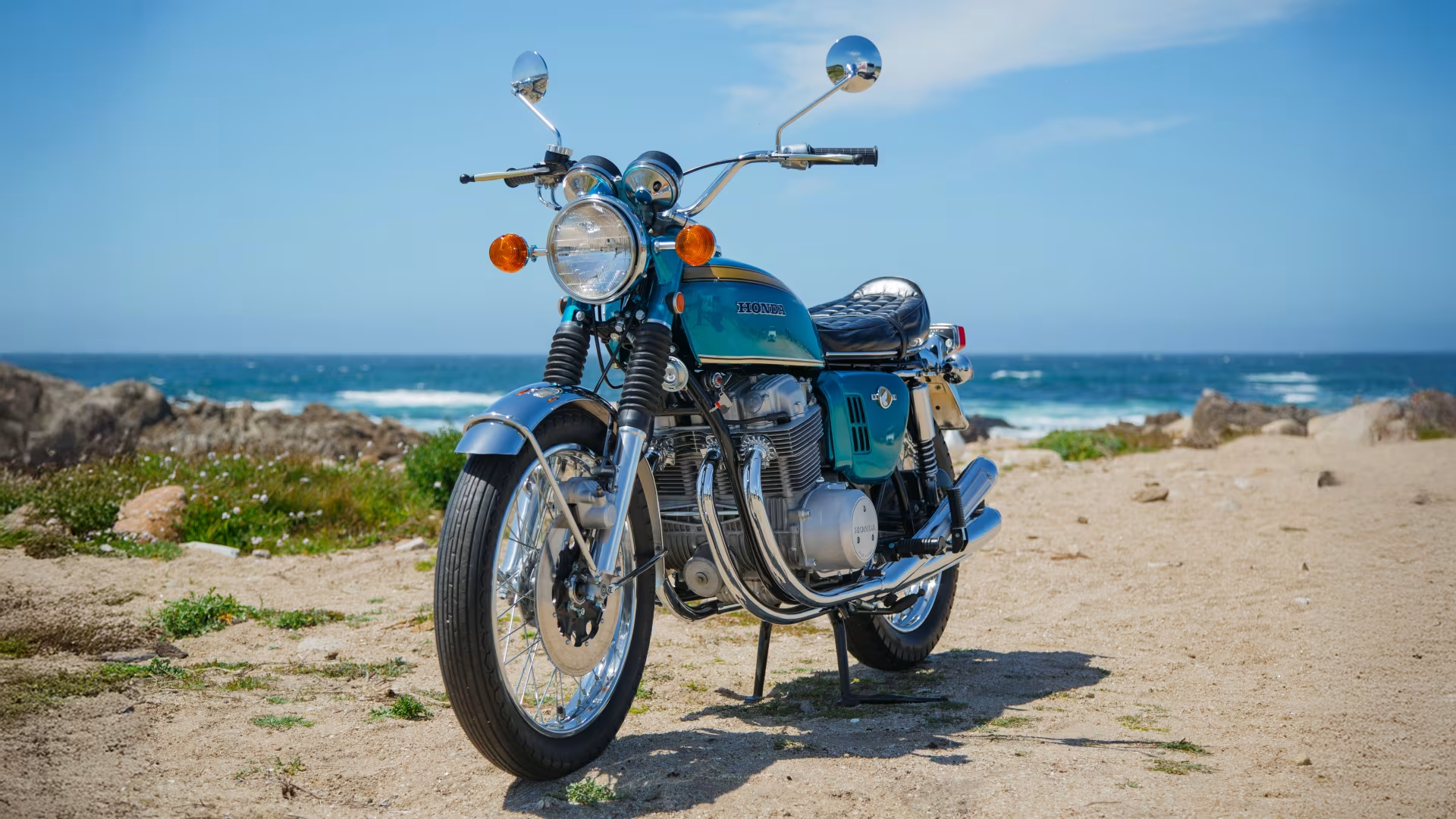
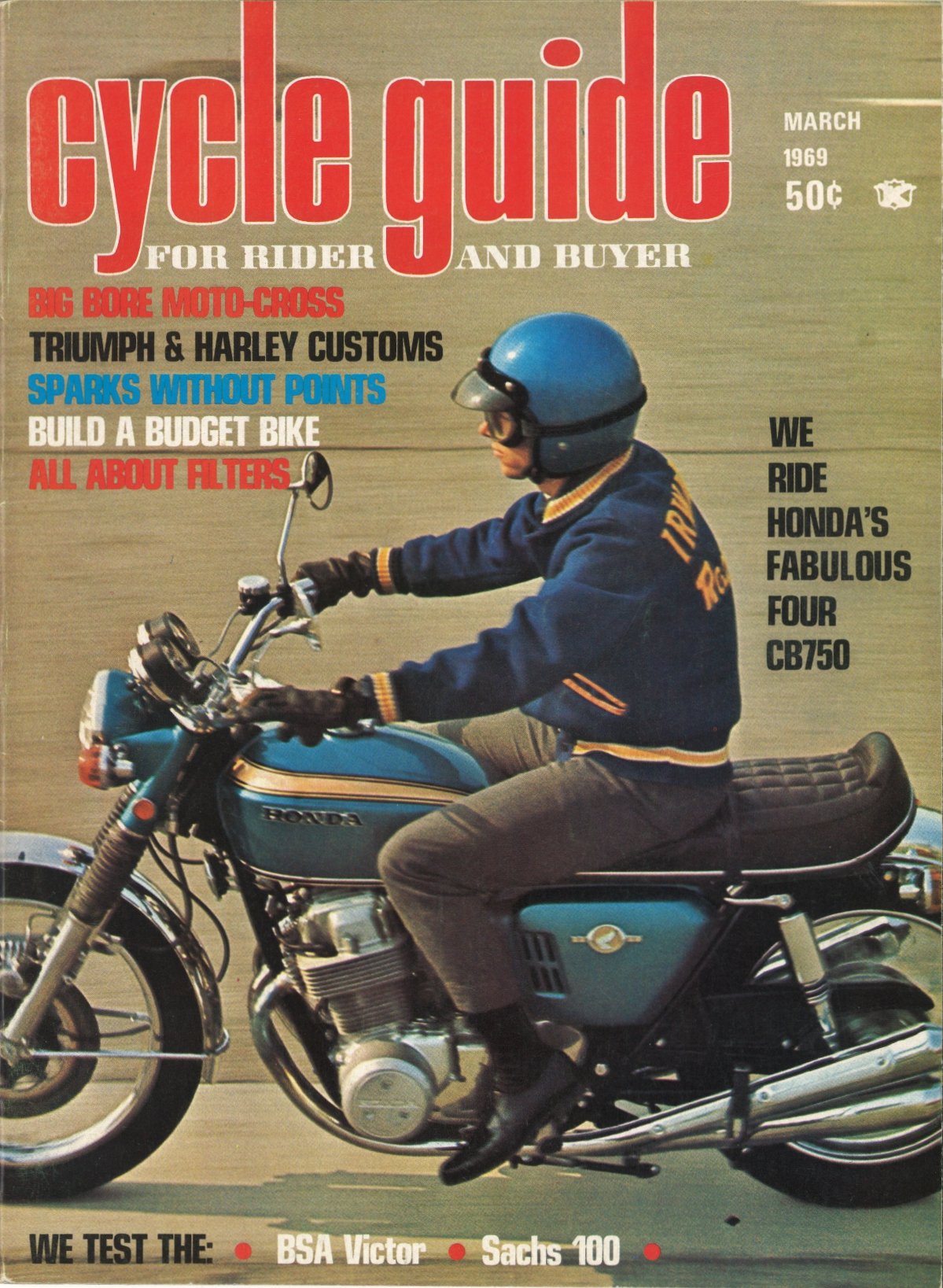
As most of you know, Honda developed the CB750 in the late 1960s expressly to compete in the large-capacity motorcycle segment dominated at the time by British twins and American V-twin machines. The finished production CB750 — introduced in 1969 — is widely credited as the world’s “original superbike” thanks to its combination of a 736cc transverse inline-four engine, electric start, 5-speed transmission, and a front disc brake — features that were revolutionary for an affordable production motorcycle at the time.
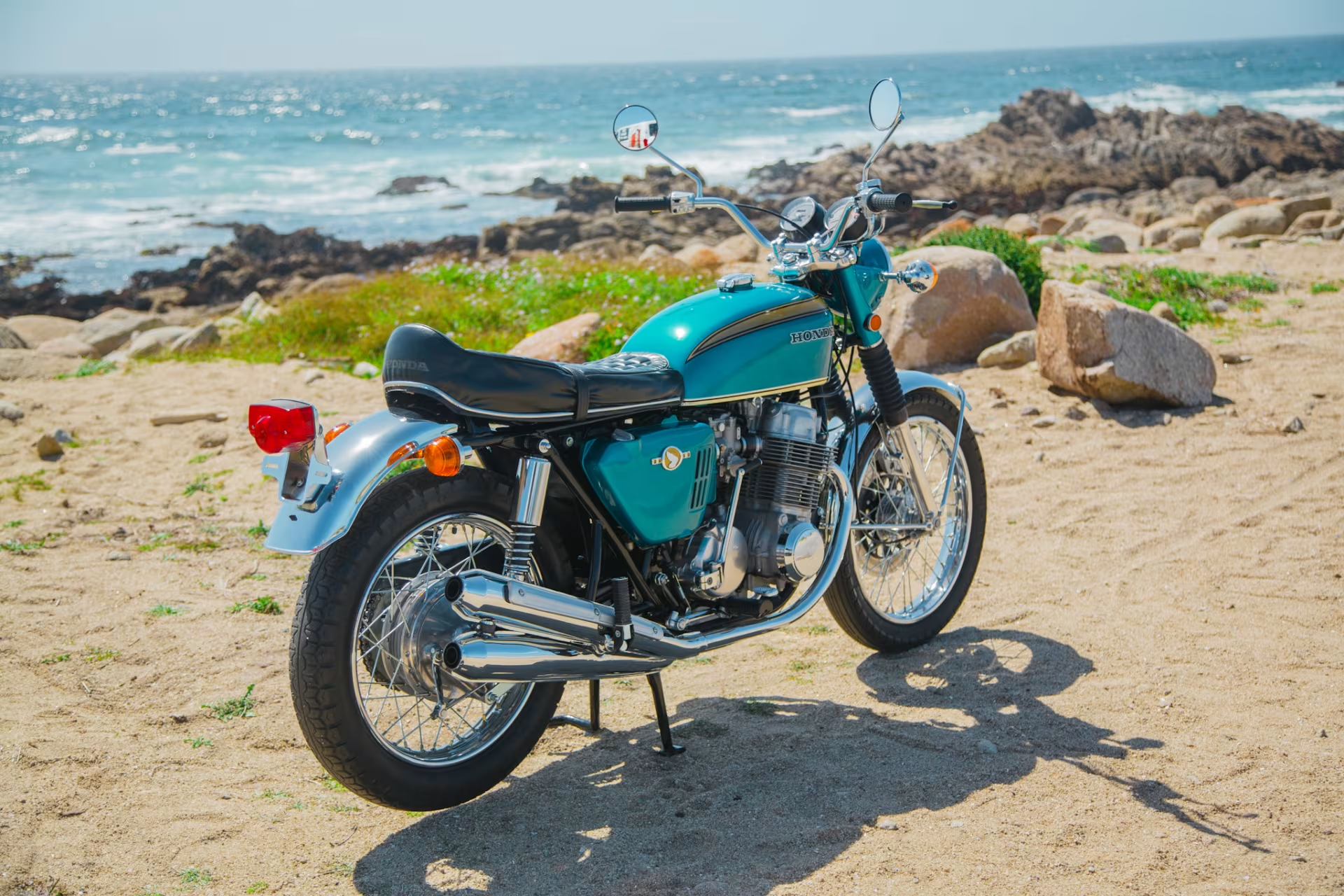
The SOHC CB750 not only redefined expectations for high-performance motorcycles, but also helped establish what would become known as the Universal Japanese Motorcycle (UJM) template embraced by Kawasaki, Suzuki, and Yamaha in the 1970s.
What Makes This 1968 Prototype Unique?

The example being offered at Mecum is far more than a pre-production test mule — it’s a true prototype with unique design cues not found on any other CB750. Sent by Honda founder Soichiro Honda in late 1968 to American Honda dealer Bob Hansen, the motorcycle arrived in the U.S. three months before the four official dealer bikes shown in January 1969.
“The prototype should not be confused with the four pre-production sample CB750s produced and delivered in January 1969 to Honda’s annual Dealer Convention in Las Vegas. The pre-production sample machines Honda sent to the Vegas convention looked and felt exactly like what dealers could expect to arrive in their showrooms. The 1968 prototype, conversely, is a one-of-one machine built entirely by hand and is, quite simply, the only one in existence.” –Mecum

As such an early prototype, it carries several one-off features that set it apart from both the dealer samples and subsequent production models:
- “HONDA” cast into the valve covers instead of the production “OHC 750” designation
- A distinctive oval Honda wing emblem with four small squares — unique to this prototype
- Distinctive airbox and side covers
- A rear-flipping seat rather than the side-opening style later used
- Sand-cast engine components and other custom hardware not used on production machines
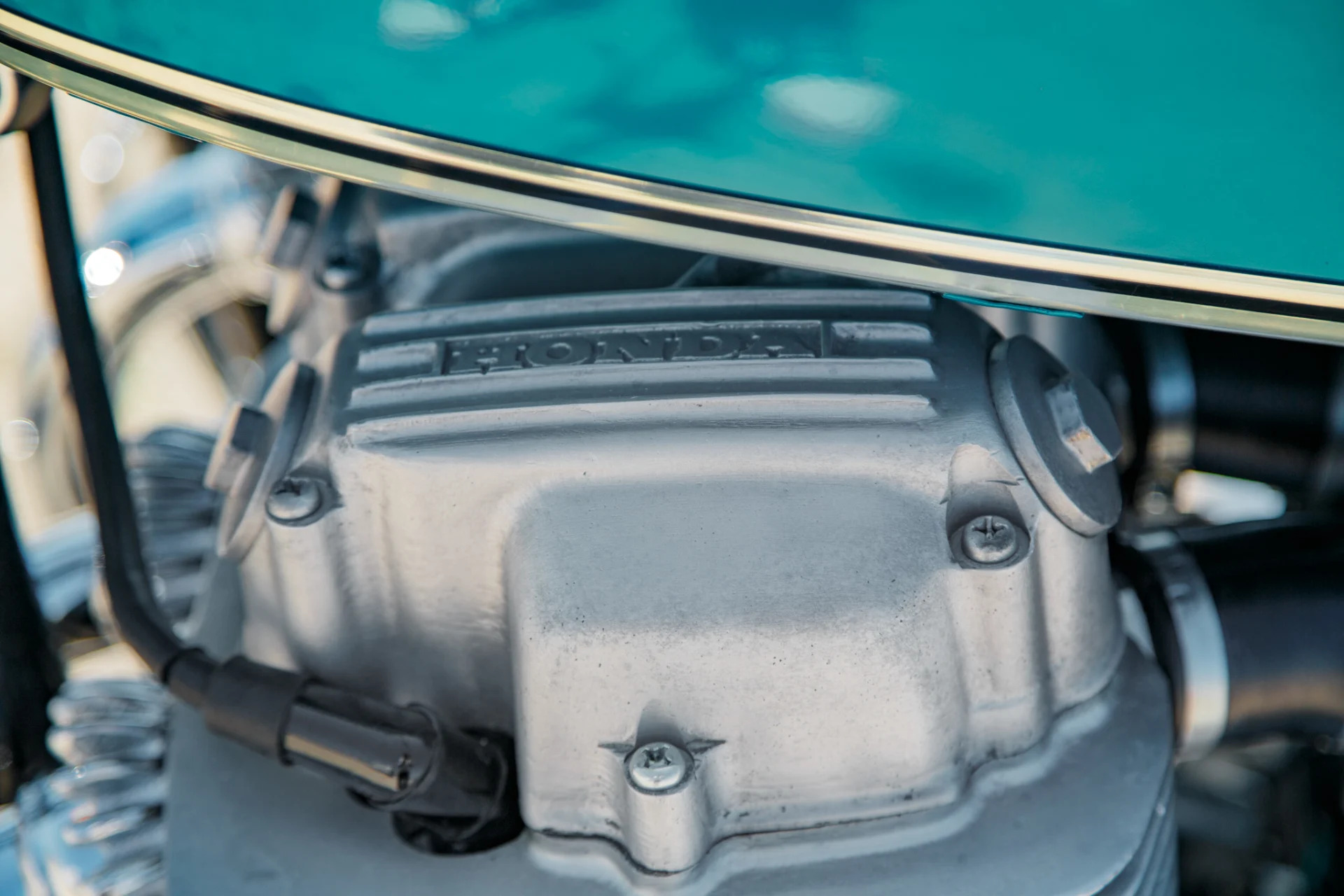

Even the engine itself is distinctive:
“From the billet crankshaft up, the engine of this prototype is narrower than production CB750s. This was most likely done as Honda would have been concerned about comfort for the average rider. To keep the transversely mounted inline-4 engine narrow, the crank features smaller journals with slender connecting rods. The cylinder spacing is more compact, and the cylinder head, with its wide-open spacing under the cam towers, bears no resemblance to street bikes. Rocker assemblies are also unique.”
Restoration and Provenance
When the prototype first surfaced decades ago, it was little more than a collection of rusted parts. The bike was acquired by early Honda CB750 aficionado Vic World in the 1990s, who spent years meticulously restoring the machine. Original details were painstakingly recreated: engine cover molds were shaped from wood, tank badges were hand-painted, and even gauge dials were reproduced through specialist silkscreen work to match the prototype’s original appearance.

The restoration earned high honors on the show circuit, including First Place Japanese and Best of Show at The Quail Motorcycle Gathering in 2024, underscoring its significance and quality as a restored historic motorcycle.
Beyond its rarity, this prototype represents a critical moment in motorcycle history. It embodies the transition from 1960s European and American dominance into a new era where Japanese engineering — focused on performance, reliability, and innovation — reshaped global motorcycling. The CB750 went on to influence every major Japanese manufacturer and spawned countless imitators.
Obviously, this one-off prototype is likely to go for a handsome sum at auction. We’d prefer a regular example we could actually ride, as this prototype is no doubt destined to sit in a collector’s garage and come out only for shows. However, it will be interested to see how much it fetches at auction. It’s scheduled to cross the block this Saturday, January 31.
For those who want to learn more, Vic World has a dedicated website about the bike here: www.cb750prototype.com. Also, the official auction listing when you can register to bid can be found here: www.mecum.com.
Follow Mecum Auctions
Web: www.mecum.com/motorcycles
Instagram: @mecum_auctions
Facebook: Mecum Auctions
Link: All the 2026 Las Vegas Motorcycle Auction Bikes


I owned the third Honda CB 750 that arrived in my hometown of Gainesville Florida. Bought it in the summer of 1970. If my funds were unlimited, or even merely permitted me to do so, I would pay whatever it took to buy this machine and then donate it to the Barber Vintage Motorcycle Museum.