


“The Original Honda Adventure Twin…”
Before the modern CRF1100L and adventure-bike boom, Honda built a machine rooted directly in the toughest rally on earth: the XRV650 Africa Twin. Produced only in 1988–1989, the XRV650 (RD03) wasn’t just another dual-sport — it was a purpose-bred, Dakar-inspired V-twin designed to carry riders across continents with the durability and confidence Honda was famous for.
This early Africa Twin laid the foundation for one of motorcycling’s most beloved adventure platforms. Light by modern ADV standards, rugged, surprisingly capable off-road, and legendary for comfort and reliability, the XRV650 remains one of the most iconic adventure motorcycles ever built.
Africa Twin XRV650: Model Overview
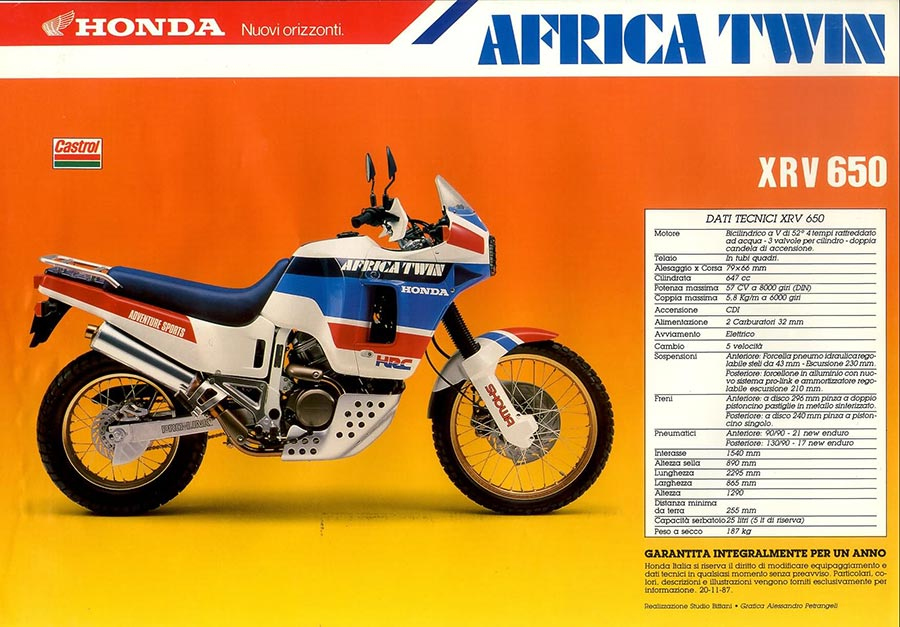
The Africa Twin didn’t come from a marketing meeting — it came from the desert. Honda’s iconic V4-powered NXR750 dominated the Paris–Dakar Rally throughout the late 1980s, winning four consecutive titles. Riders wanted a street-legal version of that rally machine, and Honda answered with the XRV650.
Defining characteristics of the XRV650:
- Dakar-inspired design with unmistakable rally silhouette
- 647cc SOHC V-twin derived from Honda’s bulletproof Transalp series
- Long-travel suspension and 21-inch front wheel for genuine off-road ability
- Proven Honda reliability for long-distance expedition riding
- A riding position and ergonomics built for long hours in the saddle
The XRV650 was a new breed: a motorcycle that could tour, trail-ride, cross deserts, and commute — all without compromise.
Africa Twin XRV650: Engine & Performance
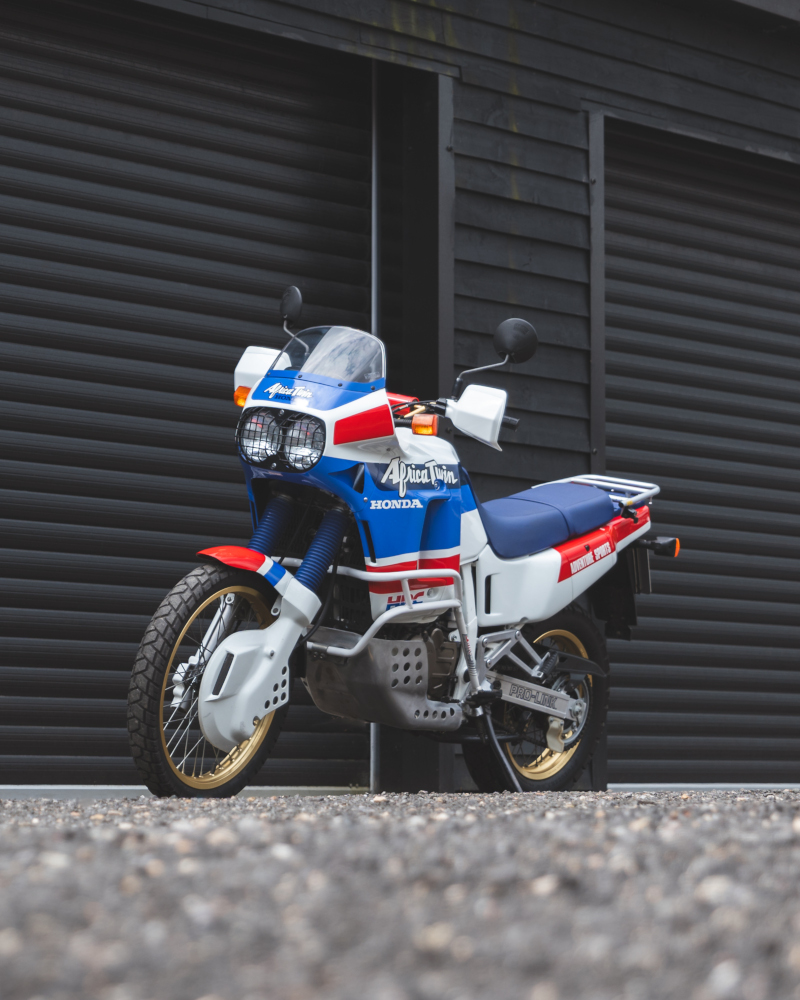
At its core, the Africa Twin used a 647cc liquid-cooled 52-degree V-twin, tuned for smooth, tractable power rather than outright speed.
Typical performance figures:
- ~57 horsepower
- ~37 lb-ft of torque
The power delivery is friendly and flexible, pulling cleanly from low rpm and delivering steady thrust through the midrange. The V-twin layout gives it excellent balance and low vibration, while the broad torque curve makes the bike predictable on dirt and relaxed on pavement.
It won’t outrun modern middleweights, but the XRV650’s real advantage is usability: you can ride it all day, everywhere, in complete confidence.
Africa Twin XRV650: Handling & Chassis

The chassis has long been praised for striking an ideal balance between off-road capability and on-road comfort.
Highlights:
- Long-travel suspension with Dakar-inspired geometry
- Lightweight feel compared to later Africa Twin generations
- 21-inch front wheel for confident off-road tracking
- Stable, neutral road manners even with luggage
- Friendly ergonomics that make long-distance travel effortless
Where many modern ADV bikes feel tall, heavy, or unwieldy in technical terrain, the XRV650 feels nimble — closer to a large enduro bike than a touring machine. Its suspension soaks up rough tracks, while the frame design delivers composure at highway speeds.
Africa Twin XRV650: Design & Build Quality
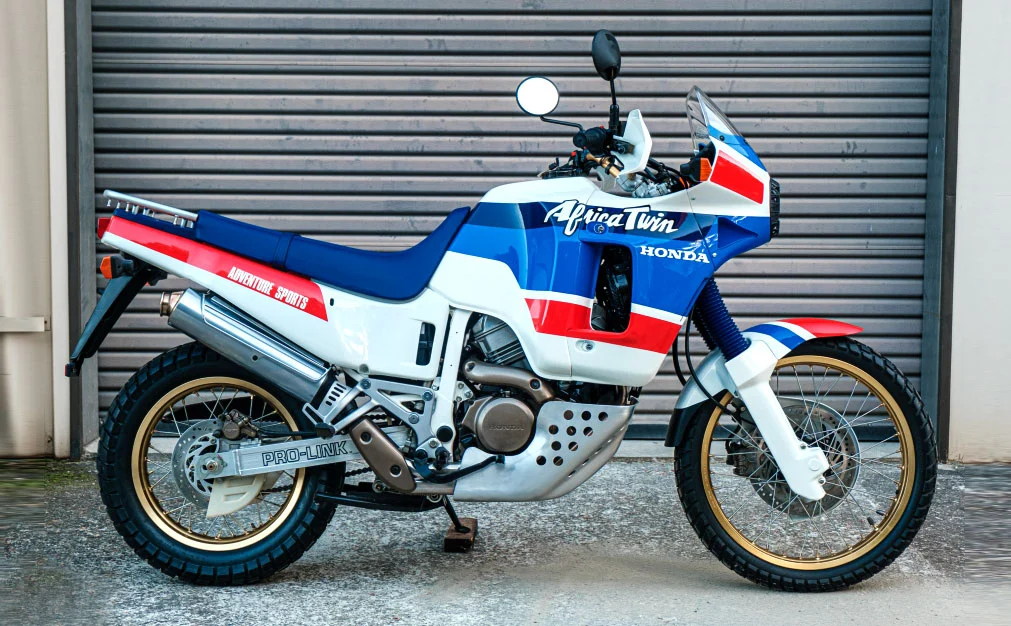
The styling of the first Africa Twin is instantly recognizable: long, slim proportions, compact twin headlights, big rally-style bodywork, and just enough fairing to protect the rider on long rides.
Key visual elements:
- Distinct Dakar-derived fairing and dual headlights
- Slim fuel tank and purposeful rally bodywork
- Signature tricolor Honda livery
- Upright, commanding riding position
- Spoked wheels and dirt-ready stance
Build quality was—and remains—excellent. Countless XRV650s are still traveling the world today, a tribute to Honda’s engineering and simplicity.
Why Riders Love the XRV650 Africa Twin…
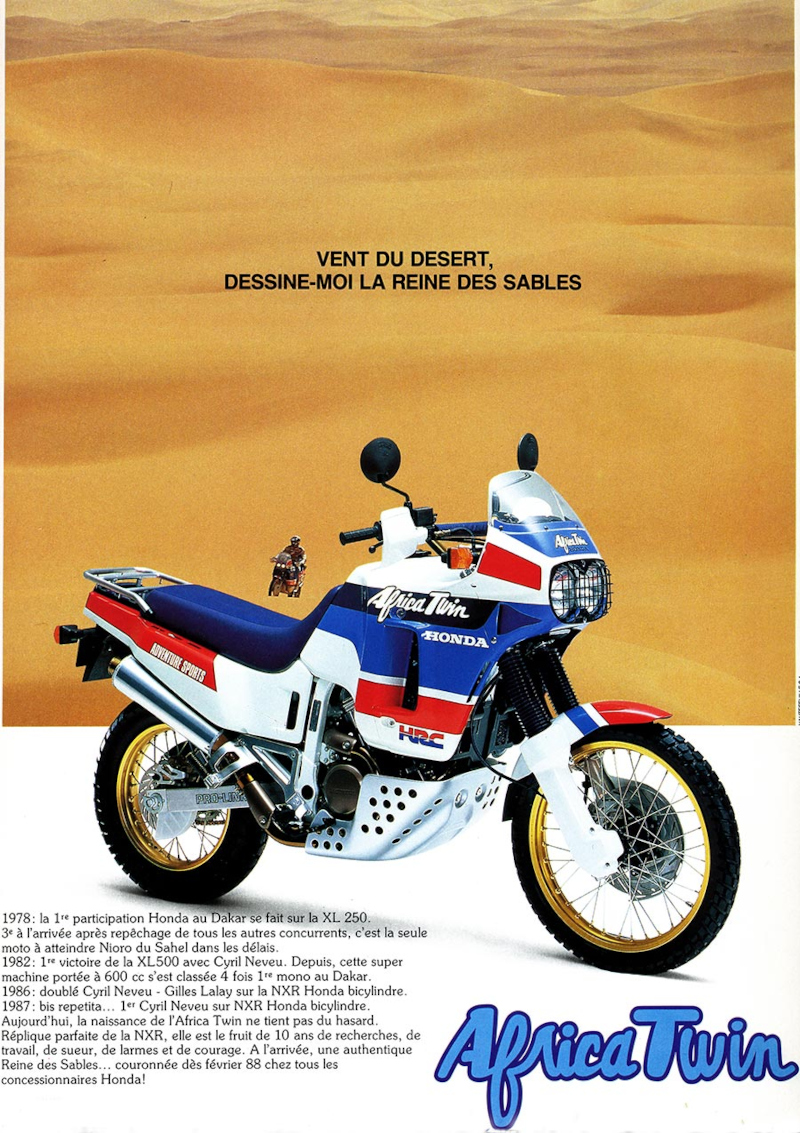
The first Africa Twin became a cult icon for good reason:
- Direct lineage to Honda’s Paris–Dakar-winning NXR750
- Legendary reliability, even by Honda standards
- Perfect balance of comfort, durability, and real off-road capability
- Classic styling that still looks right decades later
- A machine designed for adventure, not spec sheets
Owners describe it as a bike that fades into the background — in the best way. It simply does everything well.
Paris–Dakar Heritage
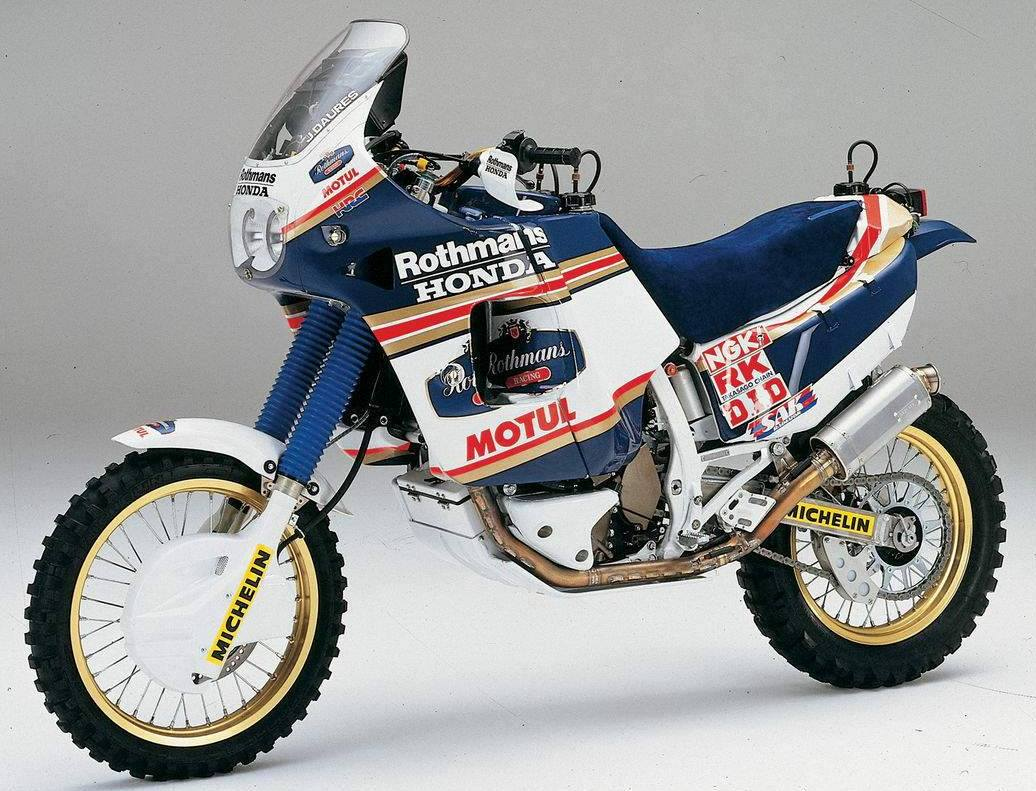
The Africa Twin exists because of the Dakar Rally. Honda’s factory NXR750 dominated the event from 1986–1989, proving that a large-displacement multi-cylinder motorcycle could survive and win in the harshest desert race in the world.
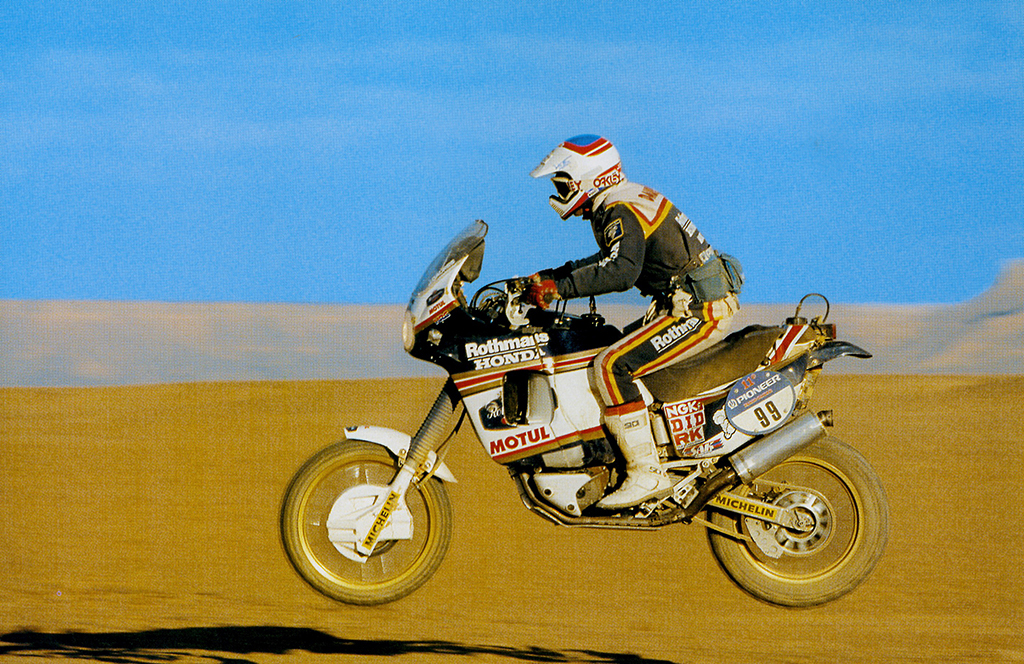
The XRV650 inherited that DNA:
- Styling influenced directly by the NXR factory rally bike
- A chassis engineered for long-range durability
- Suspension tuned for harsh terrain
- Ergonomics shaped by rally experience
- Fuel range and reliability inspired by desert endurance
The Paris–Dakar influence elevated the Africa Twin from a dual-sport to a true expedition motorcycle.
Honda XRV650 Africa Twin Specs:
Engine: 647cc liquid-cooled 52° V-twin
Power: ~57 hp
Torque: ~37 lb-ft
Transmission: 5-speed
Final Drive: Chain
Front Suspension: Long-travel telescopic fork
Rear Suspension: Pro-Link monoshock
Front Brake: Single disc
Rear Brake: Disc
Curb Weight: ~447 lbs (wet, approx.)
Seat Height: ~33.8 in
Fuel Capacity: ~6.1 gal
Honda XRV650 Africa Twin Price
Because of its rarity and historical importance, the XRV650 has become highly collectible. Typical U.S. market pricing (imported examples):
- $7,000–$12,000 for good riders
- $12,000–$18,000+ for fully restored or low-mileage examples
- Special editions or documented Dakar-tribute builds can command even more
As with the R80G/S, demand continues to rise as collectors recognize the XRV650’s place in ADV history.
The Mighty “RD03”

Because the name “XRV650 Africa Twin” includes multiple variations and updates in different markets, enthusiasts use the internal designation RD03 to clarify exactly which version they’re talking about.
“RD03” is Honda’s internal model code for the first-gen model: the 1988–1989 XRV650 Africa Twin. Honda has long used “RD” prefixes to designate platform codes for its large dual-sport and adventure bikes, and the RD03 is historically significant because it was the very first production Africa Twin, developed as a spiritual and visual replica of the NXR750V, Honda’s Paris–Dakar-winning rally machine.
Honda gave each generation of Africa Twin a new RD-series code:
| Africa Twin Generation | Years | Displacement | Honda Code |
|---|---|---|---|
| XRV650 | 1988–89 | 647cc V-twin | RD03 |
| XRV750 (early) | 1990–92 | 742cc V-twin | RD04 |
| XRV750 (mid) | 1993–95 | 742cc V-twin | RD07 |
| XRV750 (late) | 1996–2003 | Revised chassis | RD07A |
The RD03 remains particularly revered because:
- It is the closest production Africa Twin to the Dakar-winning NXR750.
- It established the design language still used today.
- It was a relatively light, rally-focused machine compared to later, heavier XRV750 models.
The XRV650 in Today’s Riding World

Even today, the XRV650 feels remarkably capable:
- Comfortable enough for cross-country touring
- Durable enough for challenging off-road routes
- Simple enough for home mechanics and overland travelers
- Classic enough to draw a crowd at any bike meet
It may not have ABS, ride modes, or modern horsepower, but it offers something many riders value even more: honest, mechanical adventure motorcycling in its purest form.
Dakar DNA, ADV Icon…
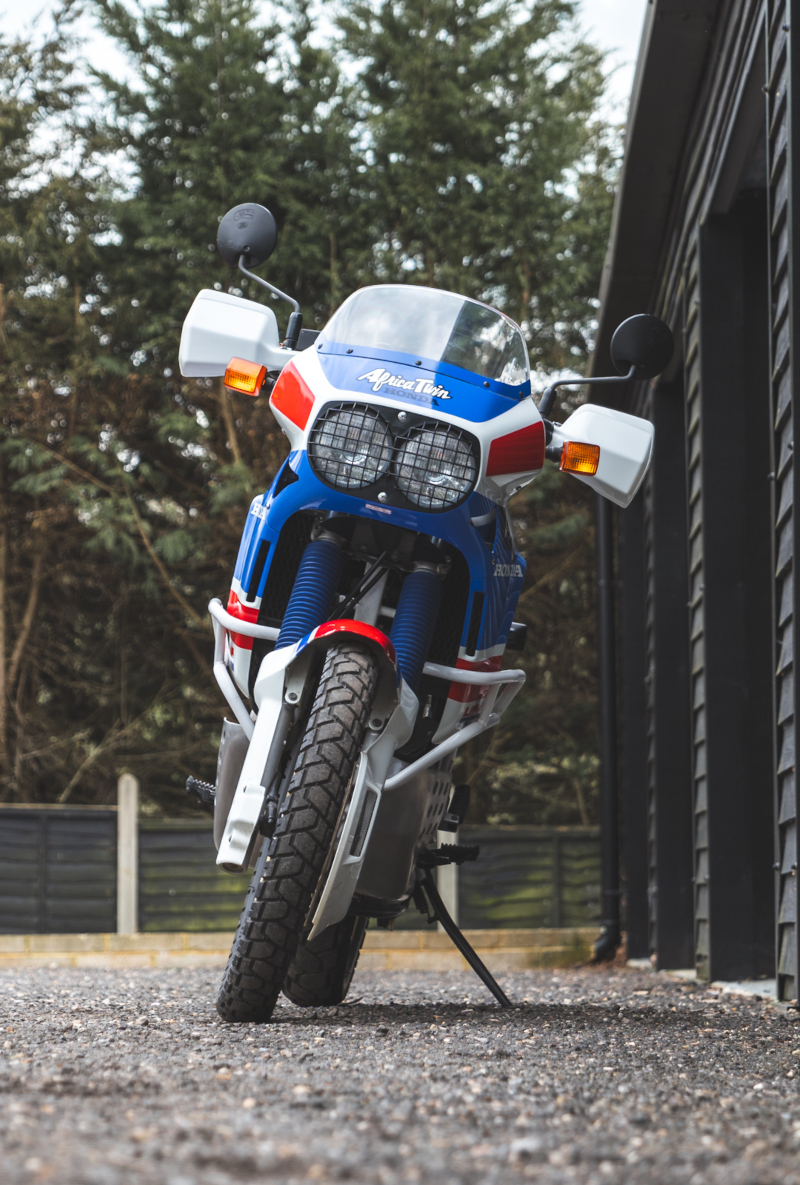
The Honda XRV650 Africa Twin is one of the foundational adventure motorcycles of the modern era. With real Dakar DNA, superb reliability, and an enduring design, it remains one of the most respected ADV machines ever built.
It wasn’t the fastest or the most powerful — but it was balanced, capable, comfortable, and incredibly durable. The formula worked so well that Honda spent the next several decades evolving it, leading to the iconic Africa Twin line we know today.
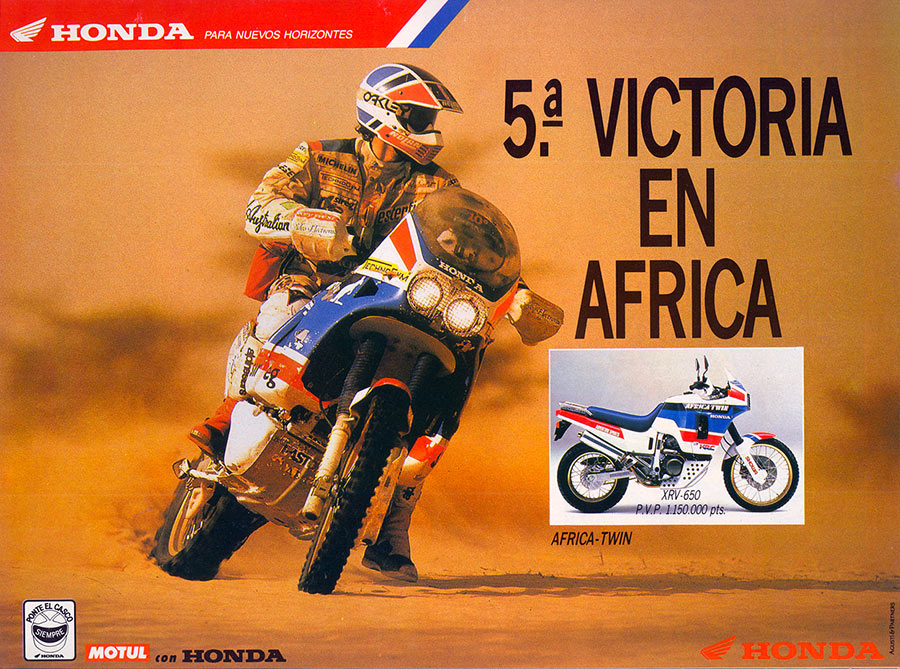
If you want a classic adventure bike with rally heritage, real-world durability, and timeless styling, the XRV650 Africa Twin is a landmark machine. It represents the moment Honda proved that a multi-cylinder adventure motorcycle could traverse deserts, mountains, and continents with ease.
It is not just a motorcycle — it is the beginning of one of the most important ADV lineages in motorcycling history.


