The iconic yellow bike behind The Bride’s revenge…
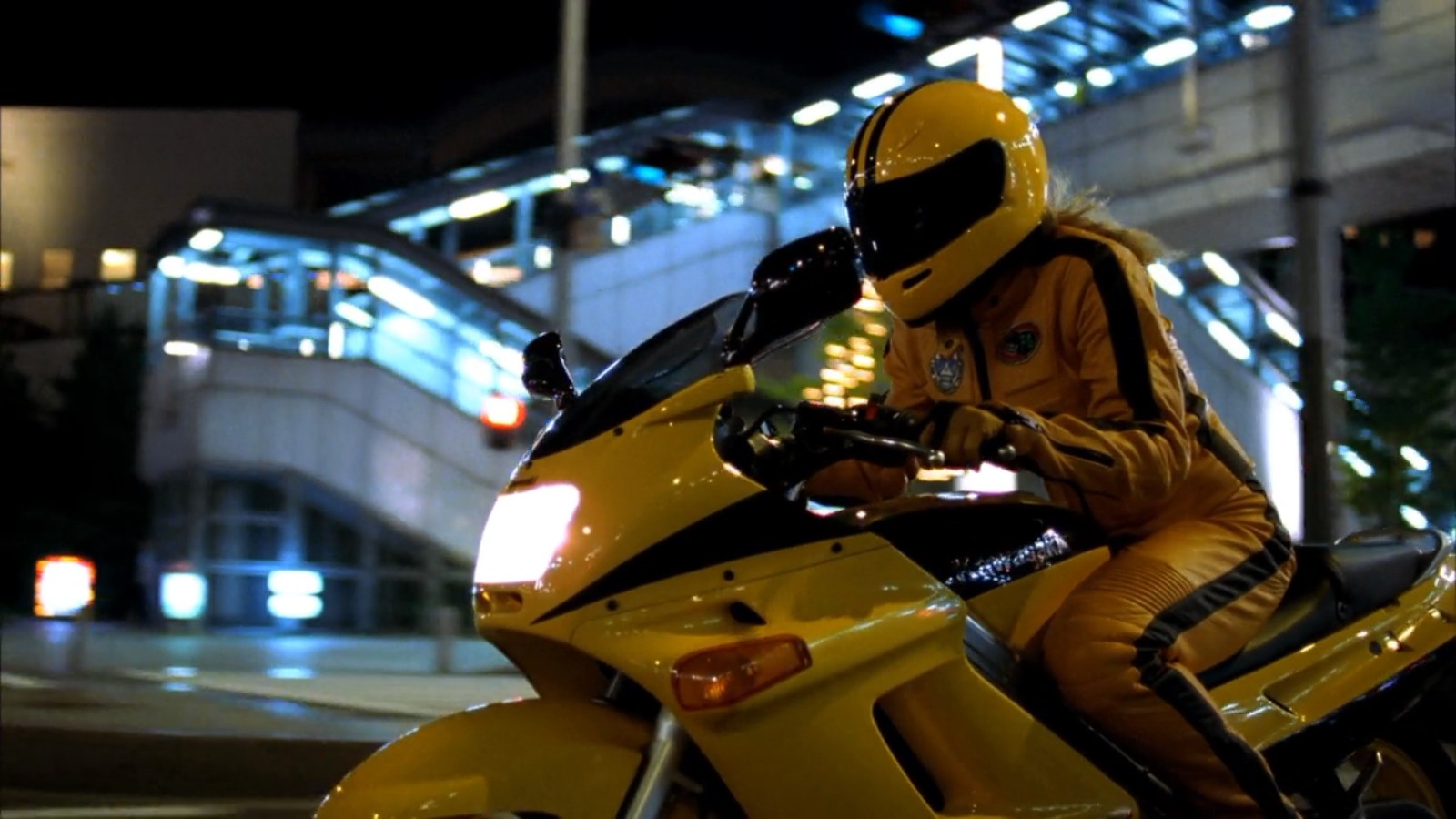
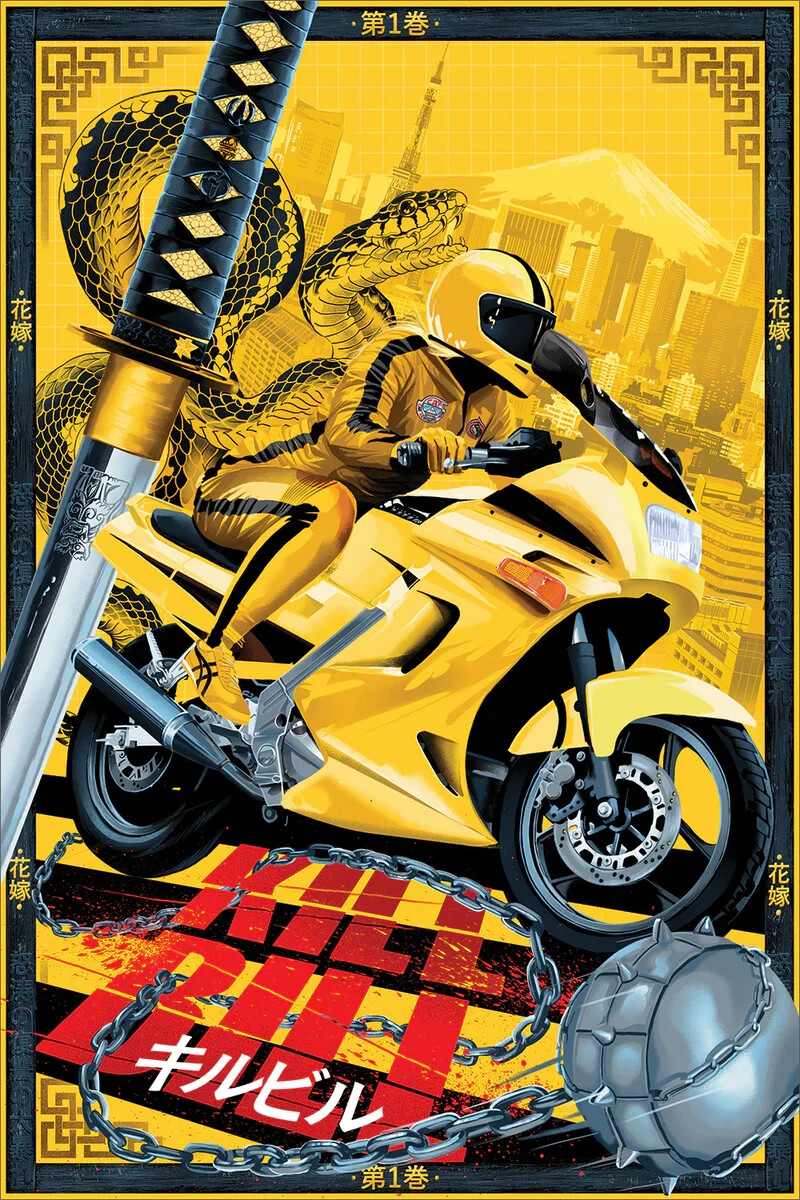
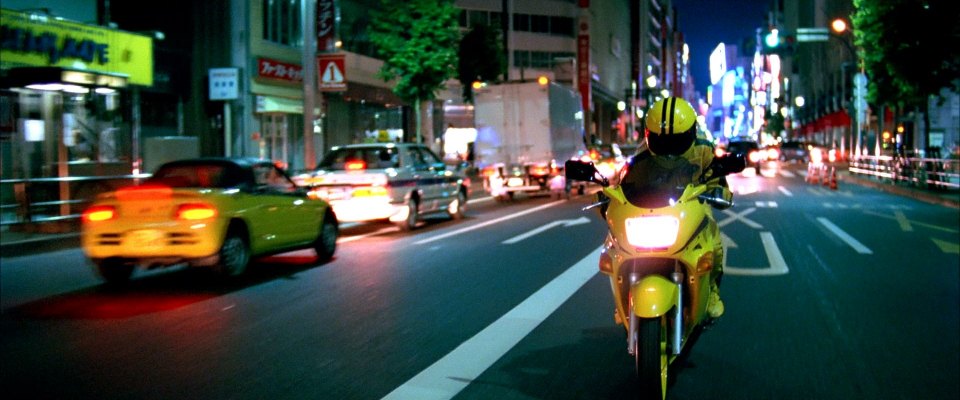
Few films have burned a motorcycle into pop-culture memory quite like Kill Bill Vol. 1. Quentin Tarantino’s martial-arts revenge epic is packed with style, kinetic action, and memorable visual motifs — none more recognizable than The Bride’s bright yellow motorcycle, which perfectly matches her Bruce Lee-inspired jumpsuit.
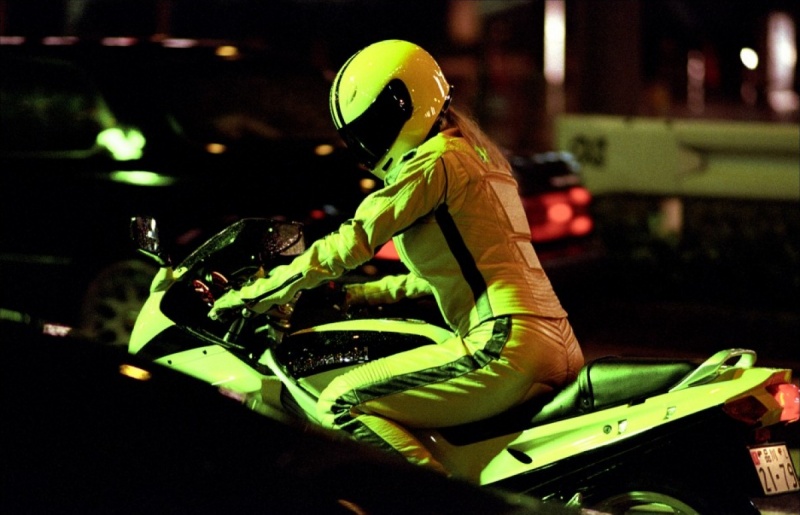
If you’ve ever wondered what machine Uma Thurman’s character is riding through Tokyo traffic before facing the Crazy 88, here’s the full breakdown.
The Kill Bill Motorcycle: 2003 Kawasaki ZZR250
The motorcycle ridden by The Bride in Kill Bill Vol. 1 is a Kawasaki ZZR250, also known in some markets as the Ninja 250. Painted in vivid yellow with black striping, it was chosen for the film for its mix of sporty aesthetics, manageable size, and iconic silhouette — perfect for visual storytelling, especially with Thurman riding it in motion-heavy scenes.
Why the ZZR250 Was the Perfect Choice…
The ZZR250 offered several practical advantages for filmmaking:
- Lightweight and easy to maneuver — ideal for an actor doing repeated take after take.
- Low seat height — makes stop-and-go urban chase filming simpler.
- Sportbike style without intimidating heft — visually aggressive without being cumbersome.
- Reliable and smooth-running for a production schedule that doesn’t stop.
The production team dressed the bike to match The Bride’s iconic yellow-and-black jumpsuit, creating one of the most recognizable hero-bike pairings in modern cinema.
The Kawasaki ZZR250: Specs & More
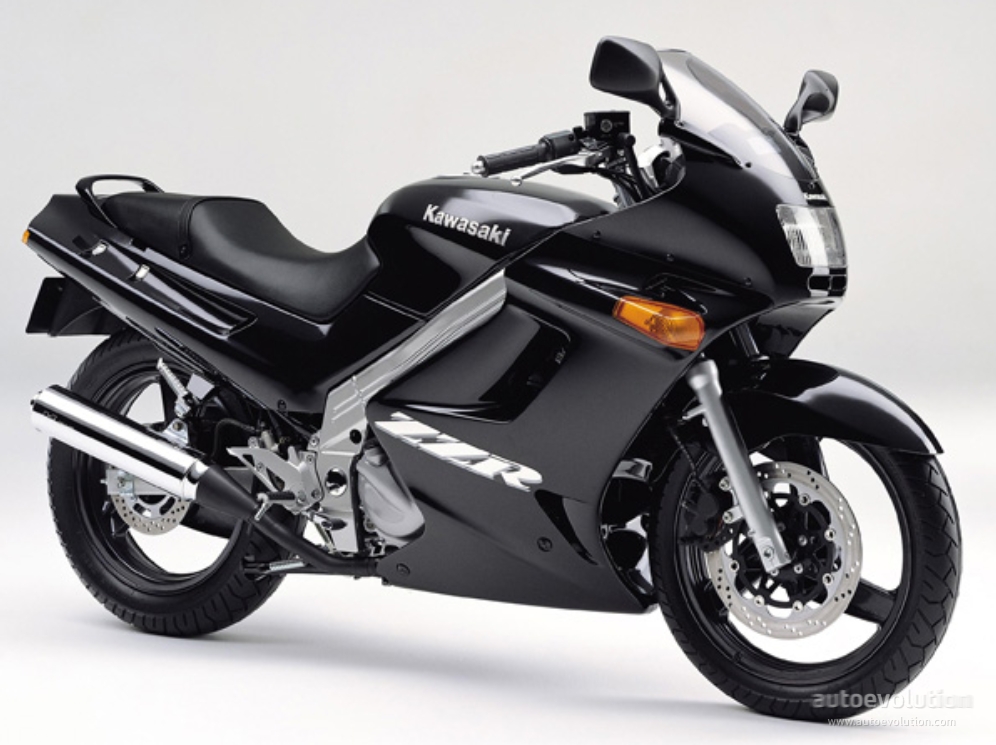
While not a high-performance superbike, the ZZR250 is beloved worldwide for its approachable character and durability.
Basic Specs (Model-Year Approximation):
- Engine: 248cc liquid-cooled parallel twin
- Power: ~35–36 hp
- Seat Height: ~29.3 in
- Top Speed: ~95–100 mph
- Weight: ~330 lbs wet
For many riders — especially in Europe, Canada, Australia, and parts of Asia — the ZZR250/Ninja 250 served as the go-to starter sportbike for decades. It makes perfect sense Tarantino’s team selected something sporty and iconic-looking, but also approachable for non-stunt scenes.
The Bride’s Bike in Context: Homage to Bruce Lee
Nearly every major design visual for The Bride — from her yellow track suit to the black stripes down the arms — references Bruce Lee’s outfit from Game of Death. The motorcycle follows the same logic: a bright yellow machine with black accents that instantly communicates speed, agility, and deadly intent.
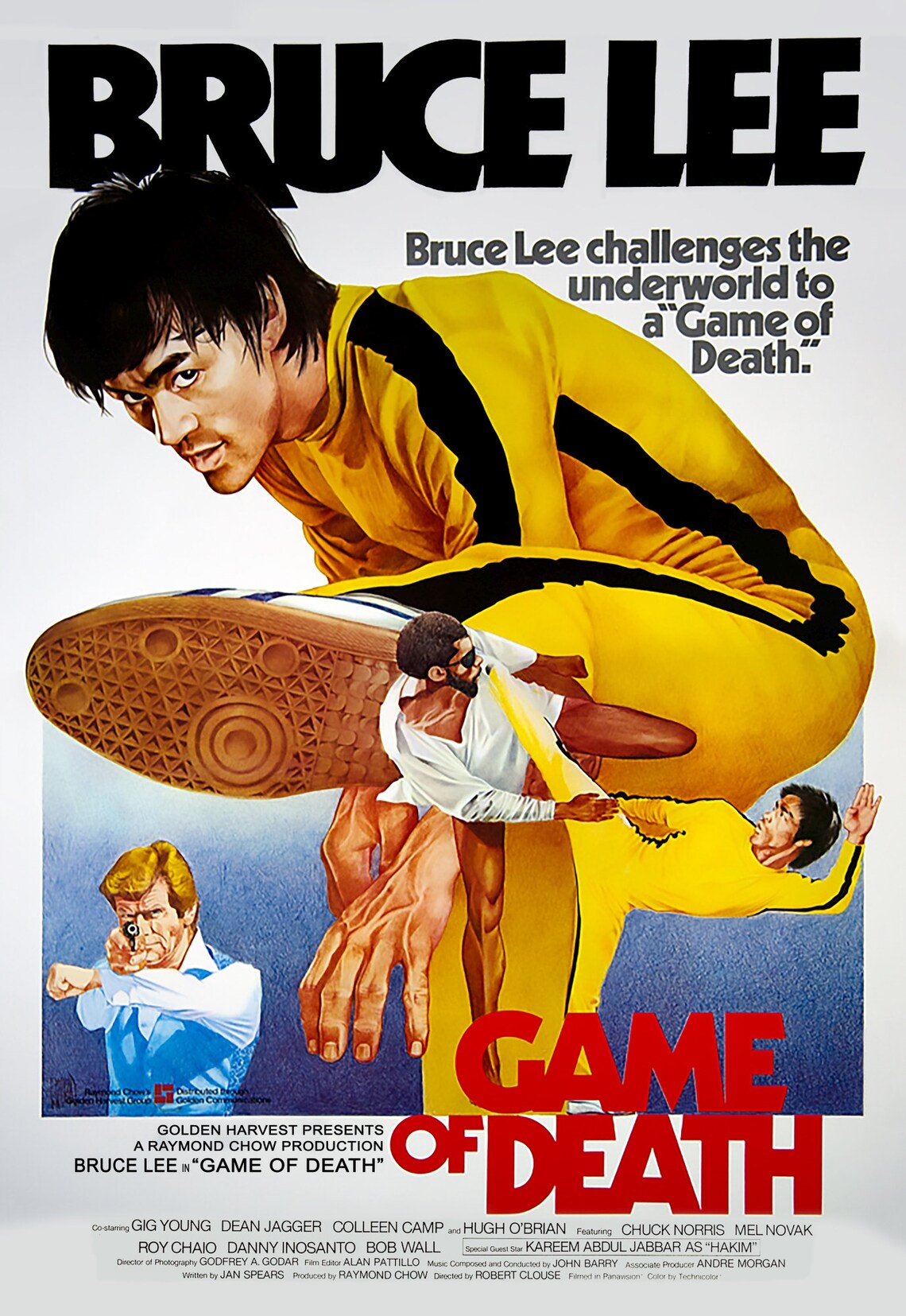
The goal wasn’t realism but visual mythology — and the combination of Uma Thurman + yellow jumpsuit + yellow Kawasaki is now etched into film history.
Did They Use Multiple Bikes for Filming?

Yes — as is typical in Hollywood, productions often use:
- A hero bike for close-up shots
- A lightly modified stunt bike for action scenes
- Additional duplicates for backup
While not every bike used on set was identical in condition or minor trim, they were all based on the Kawasaki ZZR250 platform and painted to match the signature color scheme.
Was the Bike Actually Fast Enough for the Scenes?
For everything shown in the movie — urban riding, lane filtering, filmed pacing shots — the ZZR250 is more than capable. On-screen, the cinematography creates the illusion of much higher speeds. It’s a classic movie trick, and it works beautifully.
Can You Recreate The Kill Bill Motorcycle?
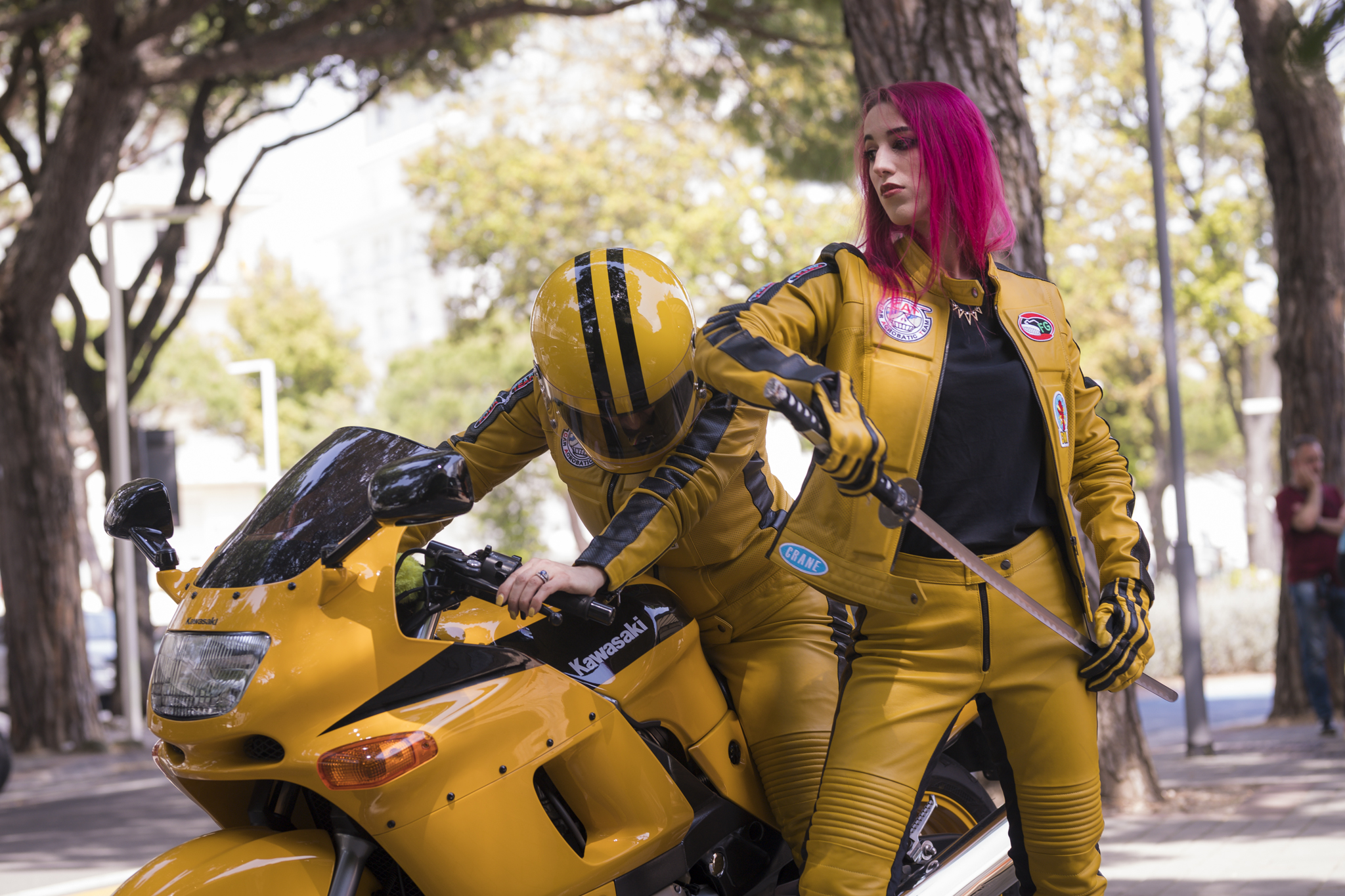
Absolutely — and many fans have. Because the Ninja/ZZR250 is:
- Affordable
- Common on the used market
- Easy to repaint
- Simple to maintain
It’s a fantastic candidate for a movie-accurate replica build. A few tasteful mods (paint, grips, cowl details) and you’ve got a piece of film history for not a ton of money.
Building Your Own Kill Bill Motorcycle
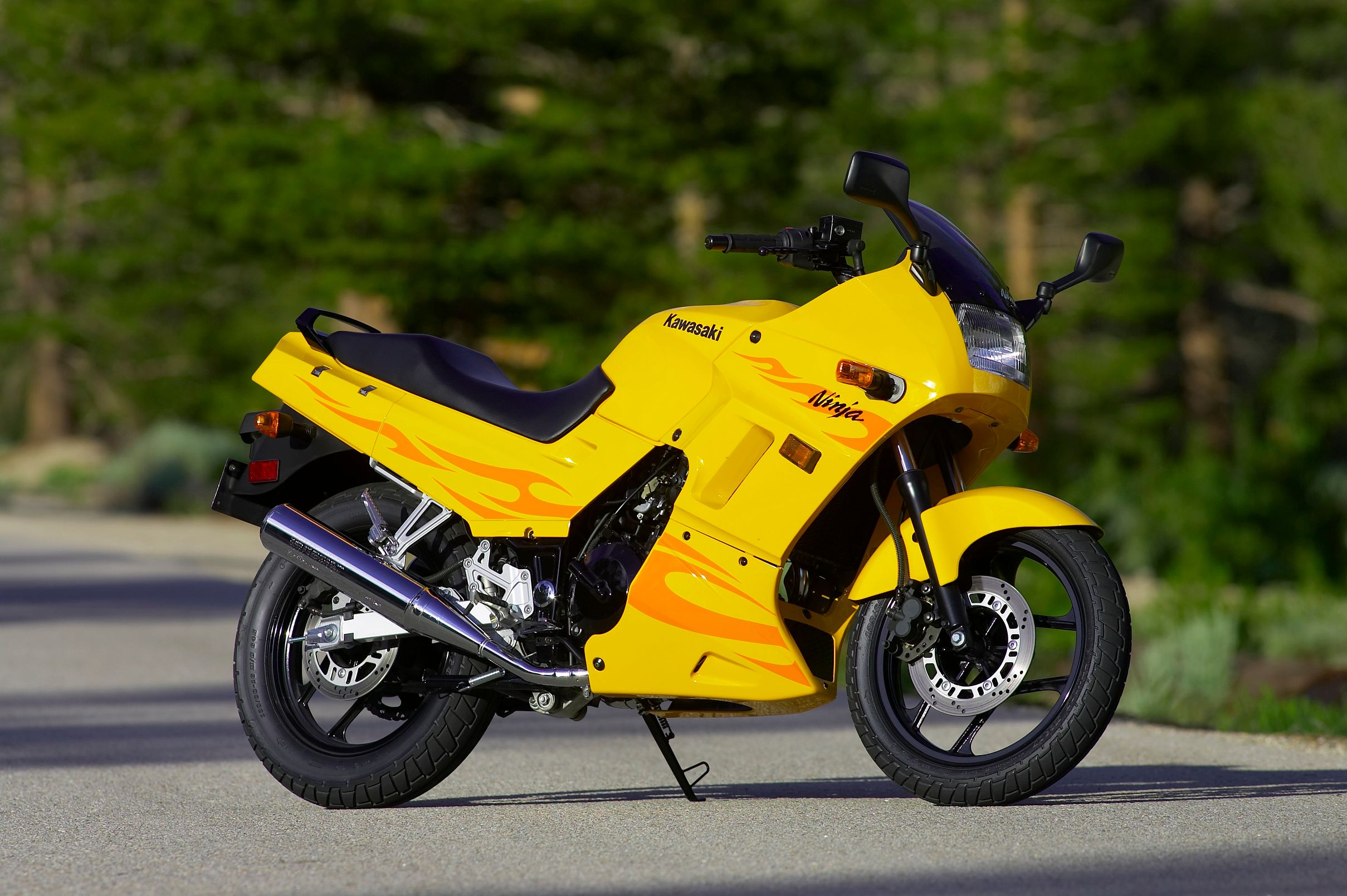
Recreating The Bride’s motorcycle from Kill Bill Vol. 1 is one of the most accessible and rewarding movie-bike builds you can take on.
1. Start with the Right Base Bike
The film used a 2003 Kawasaki ZZR250. Unfortunately, this exact model was not sold in the US — we received the Ninja 250R and EX250F instead. However, nearly any Ninja/ZZR250 from the late 1990s to mid-2000s will work fairly well at capturing the overall silhouette — fairing lines, tank shape, and compact sportbike proportions.
Ideal donor bikes include:
- Kawasaki ZZR250 (obviously)
- Kawasaki Ninja 250 (pre-2008 generation)
- Kawasaki GPX/Gpx250 (same family in some markets)
These models share similar frames, plastics, and profiles, making them visually close to the screen-used version.
2. The Kill Bill Paint Scheme
The signature look is unmistakable: Bright yellow base with black striping. Here’s how to replicate it cleanly:
Base Color: Gloss Yellow — close to Ducati Yellow or Honda’s Pearl Sunbeam Yellow, but any bright primary yellow works.
Striping: Two or three narrow black horizontal stripes over the fairings and tail section.
- Use high-quality automotive paint for durability.
- A vinyl wrap is a great budget-friendly option.
- Matte black stripes can add subtle contrast if you prefer a modernized version.
3. The Seat and Rear Profile
The film bike used a standard Ninja/ZZR two-piece seat, re-covered in darker material. To match the look:
- Keep the factory seat shape.
- Re-cover in black vinyl (a matte or lightly textured finish looks screen-accurate).
- Avoid café-style or race tail conversions — the original aesthetic is simple and sporty.
4. Mirrors, Hand Controls, and Lighting
The bride’s bike appears fairly stock in the cockpit — clean, functional, and not heavily modified. Recommended approach:
- Use OEM-style mirrors
- Keep the factory clip-ons / handlebars
- Retain stock turn signals unless you prefer a modern LED upgrade
- A clear or lightly smoked windscreen matches the on-screen look
The goal is to preserve the “practical urban sportbike” feel.
5. Wheels and Tires
Wheels on the movie bike remained factory silver. If your donor bike has black wheels, you can leave them as-is or repaint them to match the film. Tires were standard street sport tires — nothing aggressive, nothing knobby.
Recommended tire profile:
110/80–17 front
130/70–17 rear
(Or the closest equivalent for your model year)
6. Exhaust and Sound
The Bride’s bike used a stock-style exhaust, which fits the stealthy assassin aesthetic. If you want a slightly richer sound while keeping the look close:
- Choose a slip-on with a short, simple canister
- Avoid oversized, angular modern pipes — they’ll break the vintage-sport silhouette
7. Optional Touches to Nail the Movie Look
These aren’t mandatory, but they elevate the accuracy:
- Yellow helmet with black striping (Bruce Lee homage)
- Minimal decals — the bike in the film is clean and uncluttered
- Keep accessories to a minimum (tank bags, tail bags, etc.)
This build is about sleek simplicity.
Approximate Budget
These numbers will vary by region, but most builders can complete the project affordably:
Donor bike: $1,200–$2,500
Paint / vinyl wrap: $200–$800
Tune-up items (optional): $100–$300
Typical total:
$1,600–$3,500 for a finished, screen-accurate Kill Bill replica. A rare movie bike you can actually afford.
Riding Experience: What to Expect
A Ninja/ZZR250 replica offers:
- Excellent fuel economy
- Nimble handling
- Easy low-speed control (great for cosplay, events, or city rides)
- A lightweight feel that’s unintimidating for new or returning riders
It’s not a high-speed machine — but neither was The Bride’s mission. It’s about style, agility, and cinematic cool.
Revenge is Best Served on Two Wheels…

The motorcycle in Kill Bill Vol. 1 is more than just transportation — it’s a character-defining visual that reinforces The Bride’s iconic imagery. The yellow Kawasaki ZZR250 delivers the perfect blend of style, agility, and cinematic flair. It embodies the film’s blend of martial-arts homage, pulp-action energy, and bold aesthetic choices.
For movie fans and motorcycle fans alike, it remains one of the most memorable screen bikes of the 21st century.


