 Don Vesco’s 300-mph Silver Bird / Lightning Bolt Streamliner Heads to Auction…
The Bonneville Salt Flats have long been a proving ground for engineering audacity. Over the years, riders have chased timed-mile milestones the way mountaineers chased summits — first 200 mph, then 250, and eventually the mythical 300-mph threshold.
One of the greatest two-wheeled pioneers was Don Vesco, who began racing at Bonneville when he was just 16, riding his 1956 Triumph T100R. In 1963, Don became the first American to win the U.S. Grand Prix at Daytona and set a land speed record of 222 mph.
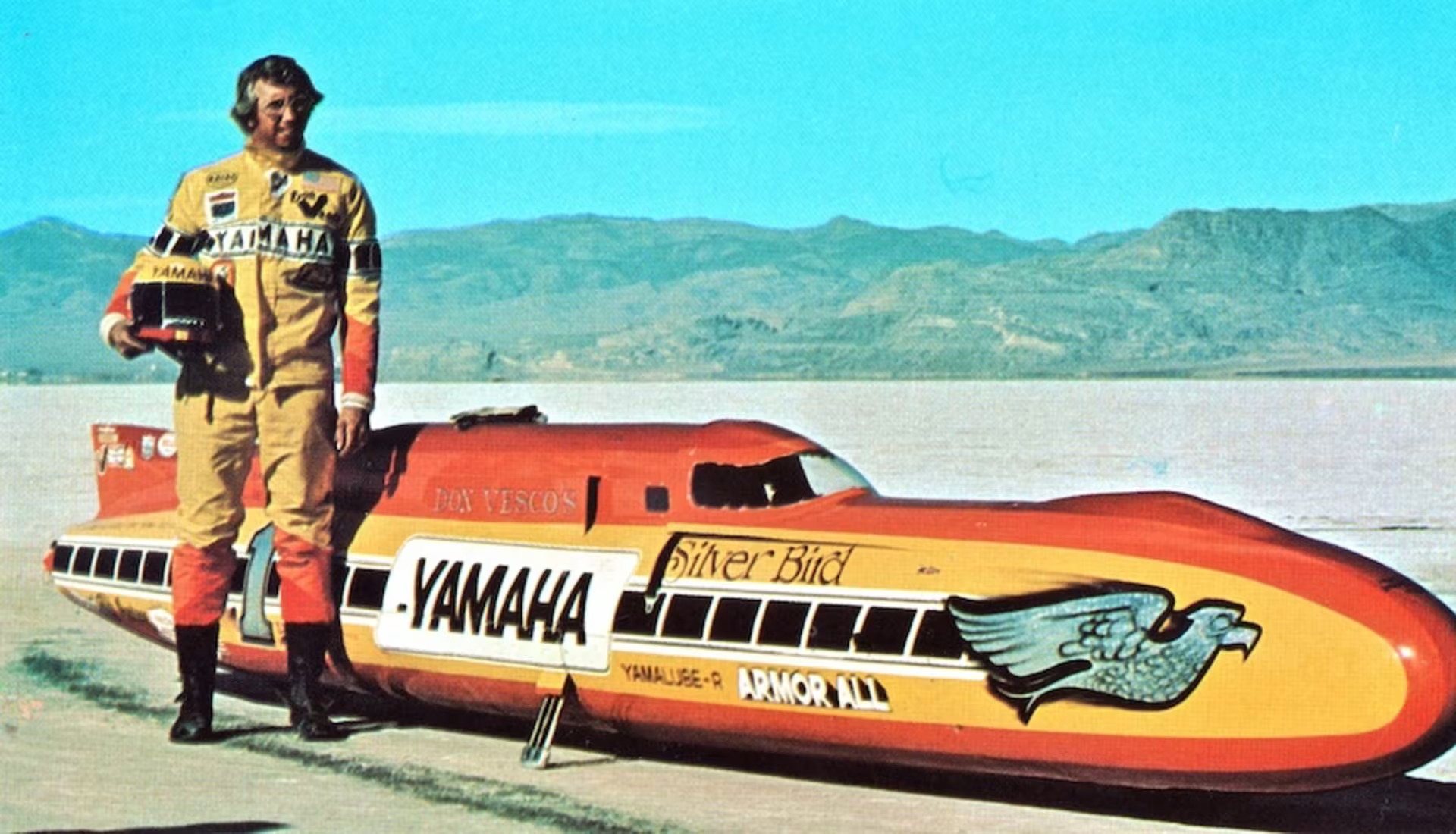 By the time Don was 36, he held 19 national and 8 international motorcycle speed records. He’d pushed his twin-engine Big Red streamliner past 250 mph, but the 300-MPH barrier still beckoned. In the 1970s, he began building Silver Bird to climb this Mount Everest of two-wheeled speed. Silver Bird would be different — smaller, sleeker, and powered by a pair of Grand Prix-derived TZ750 two-stroke fours.
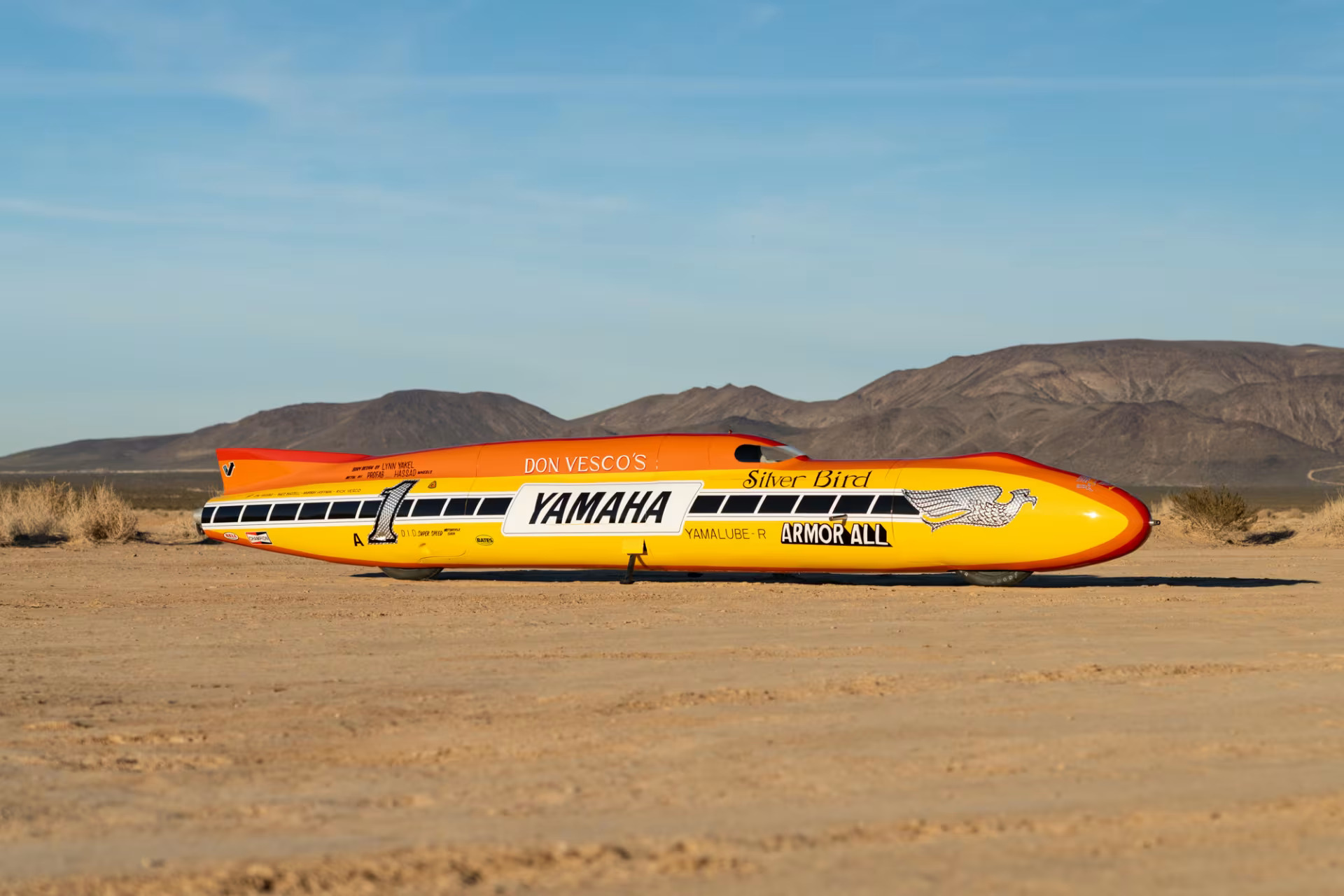 Though Vesco would later move to automobile land-speed racing, establishing a 458-mph wheel-driven record with his Turbinator I streamliner, Silver Bird remains a defining achievement — the first motorcycle to break through the 300-mph barrier.
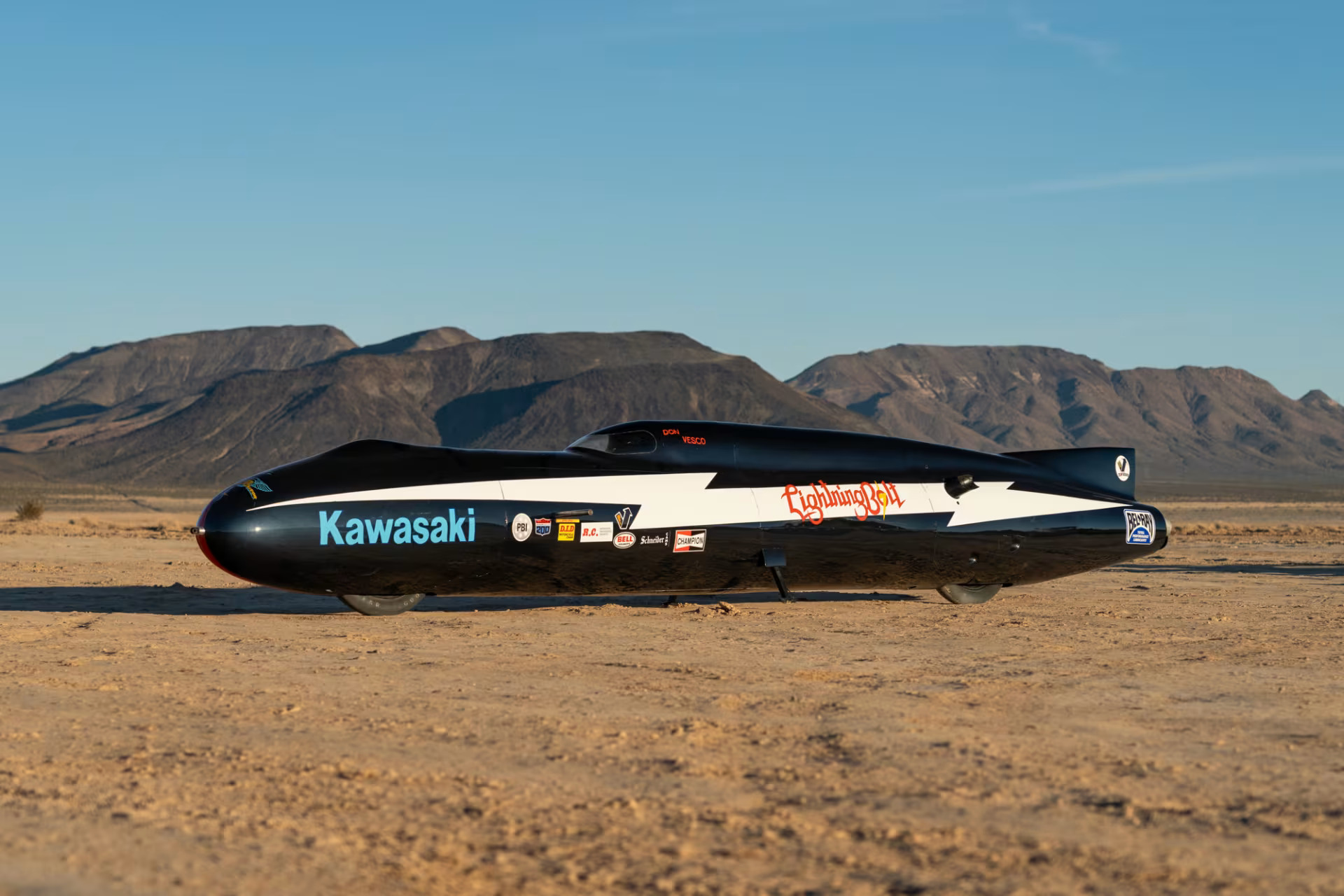
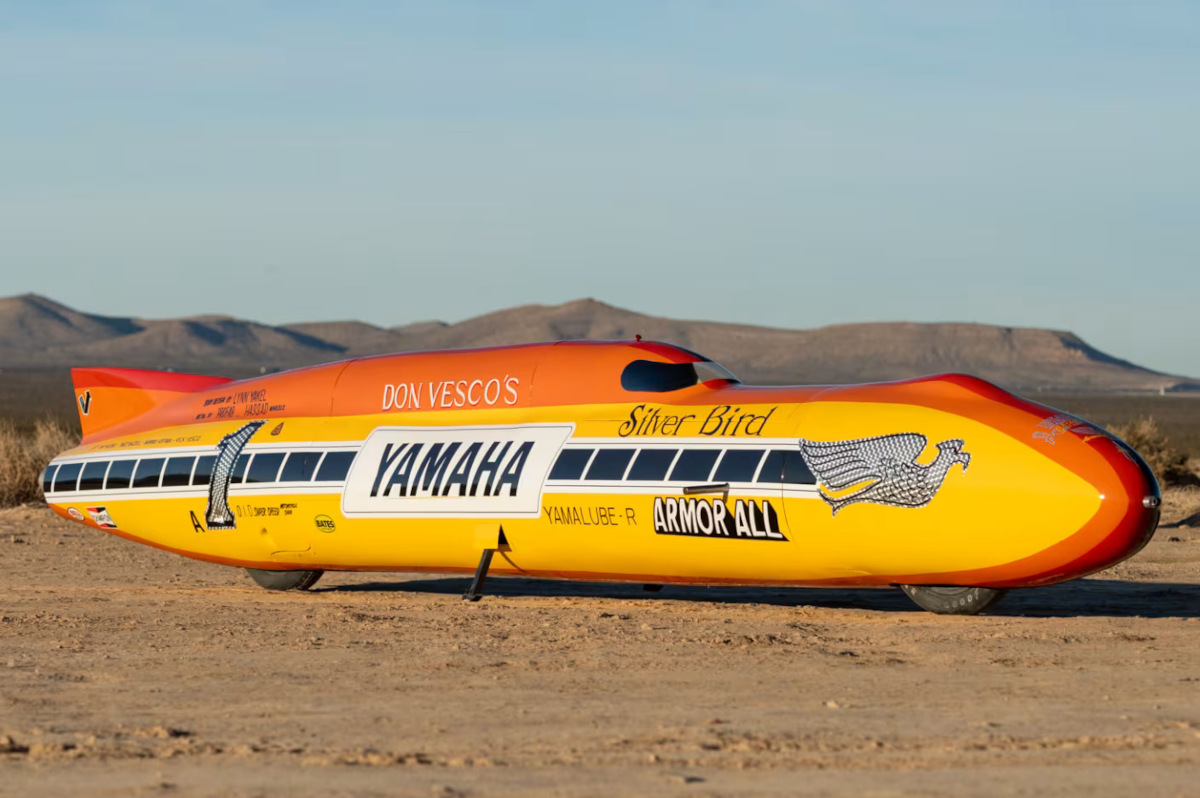
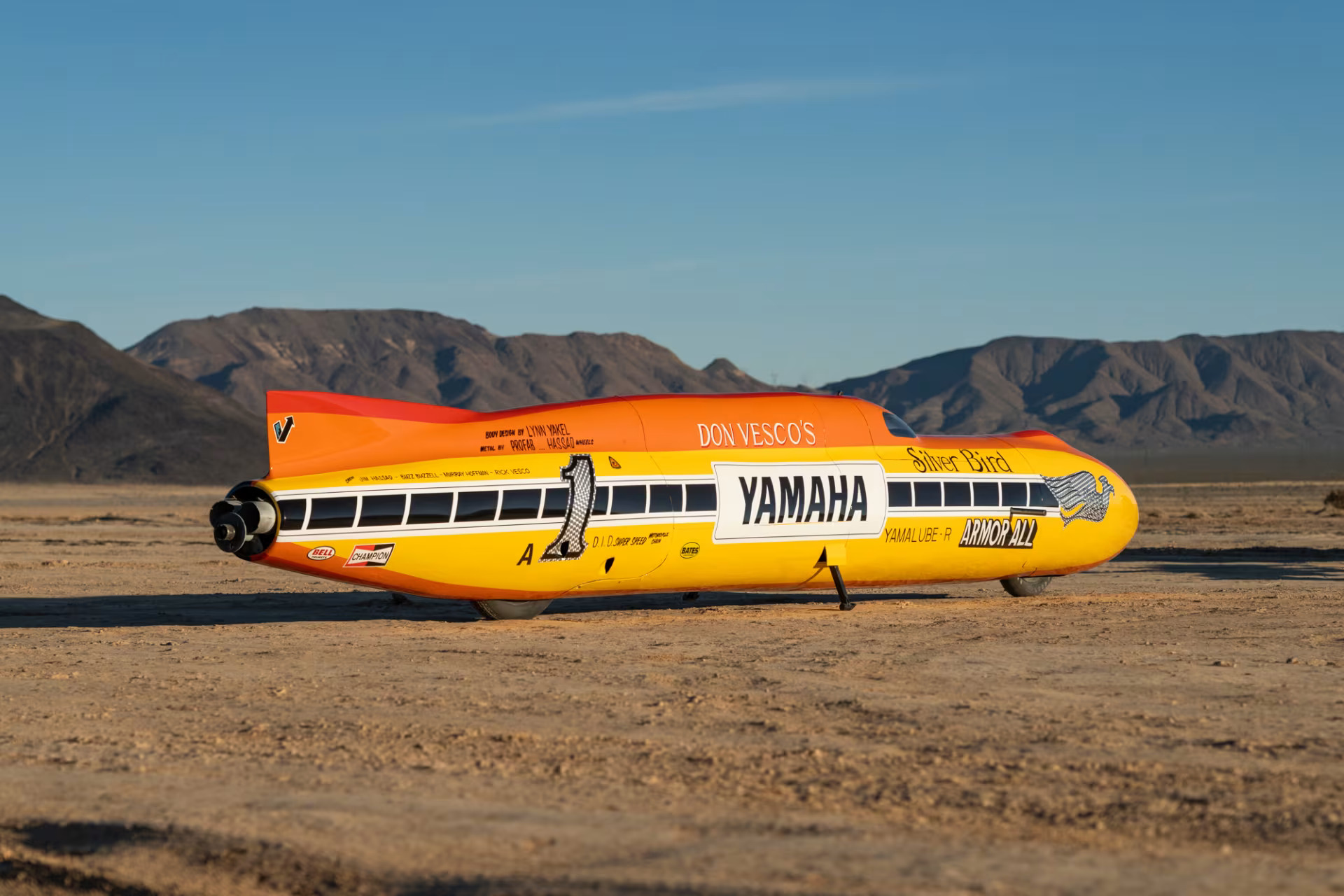
Next month, the Vesco Racing Silver Bird (later revamped as the Kawasaki-powered Lightning Bolt) streamliner is crossing the Mecum auction block, so we thought we’d take a look at this legendary machine from a golden era of Bonneville record-hunting.
Twin TZ750 Power: Grand Prix DNA Meets Bonneville
 At the heart of the Silver Bird were two Yamaha TZ750 engines — the same ferocious inline-four two-strokes that terrorized road-racing grids in the 1970s. These weren’t purpose-built Bonneville powerplants, but road race engines repurposed for an entirely different battlefield.
“They don’t pay me enough to ride that thing!” -Kenny Roberts, after winning the 1975 Indy Mile on the Yamaha TZ750 flat tracker.
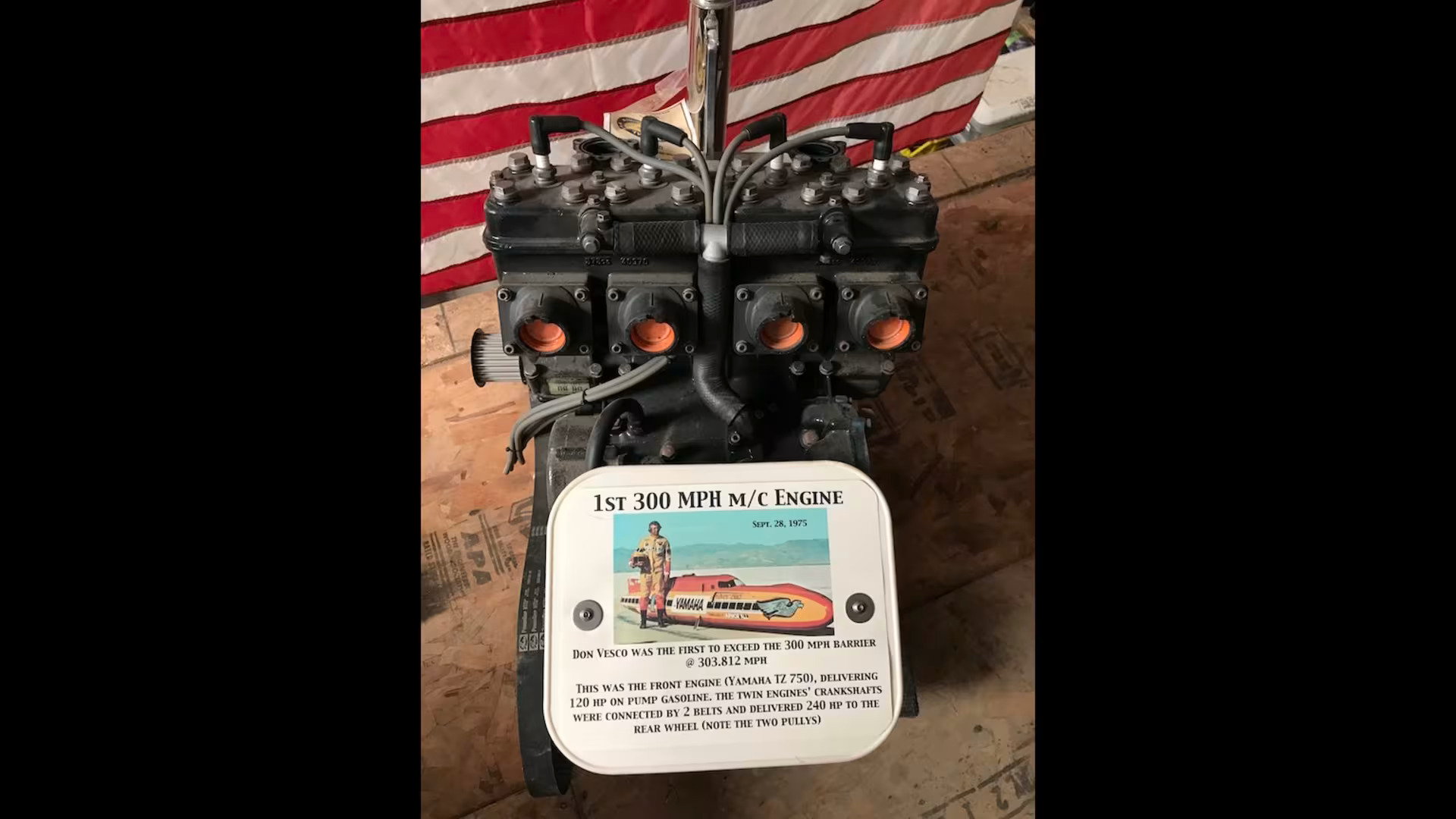 Together, the twin two-stroke fours displaced 1389cc, which equated to 240 rear wheel horsepower. That may sound modest compared to modern hypersport figures, but context matters: in the mid-1970s, the TZ750 was about the baddest motorcycle engine available…and it was light and compact enough be packaging inside an ultra-low streamliner.
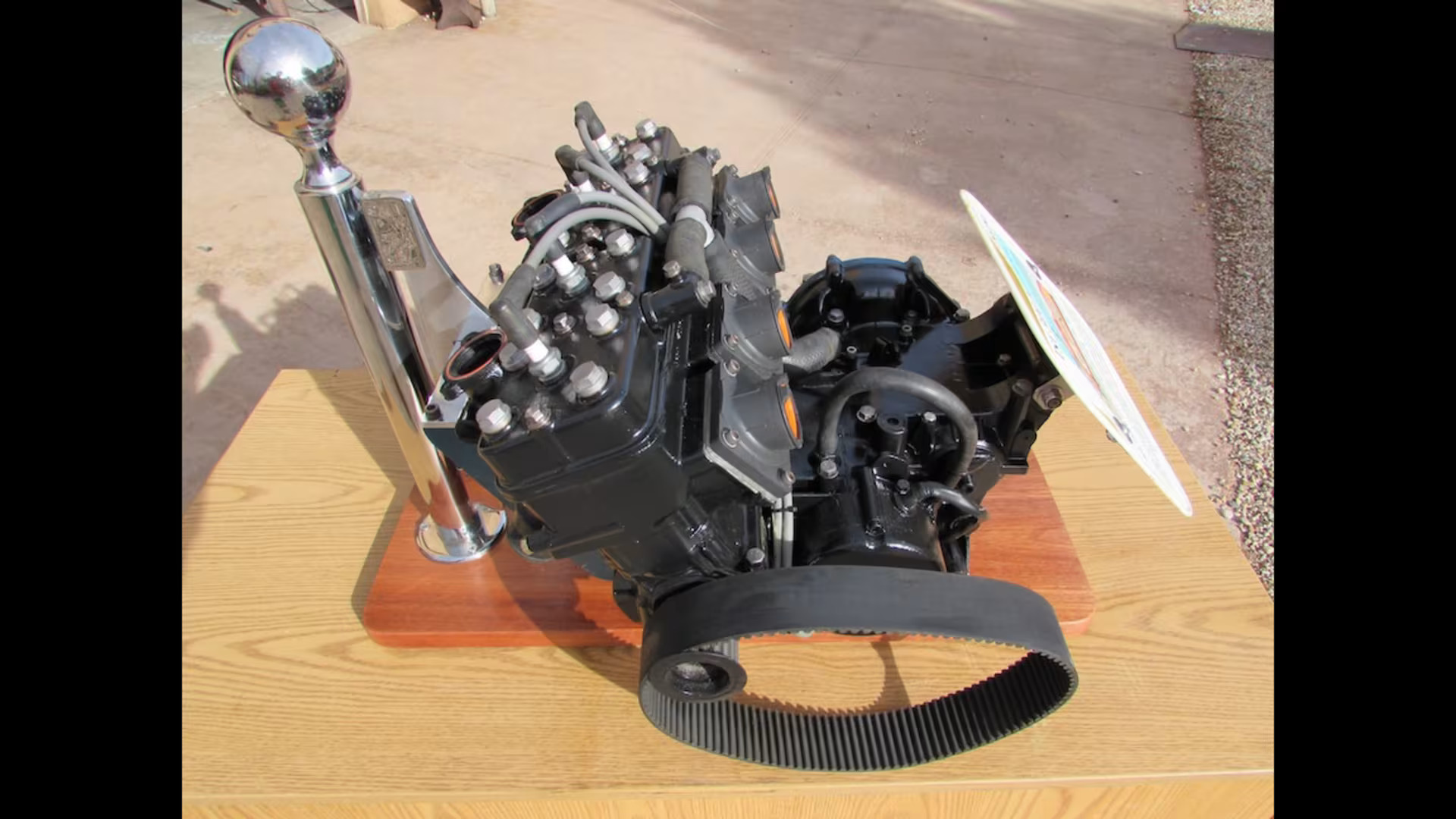 Vesco’s previous record-setter, the 250-mph Big Red, was powered by a pair of 350cc Yamaha TR2 parallel-twin two-stroke engines, so the TZ750 power plants were a significant upgrade. At the time, nothing else could (reliably) offer their power output in such a light and compact package.
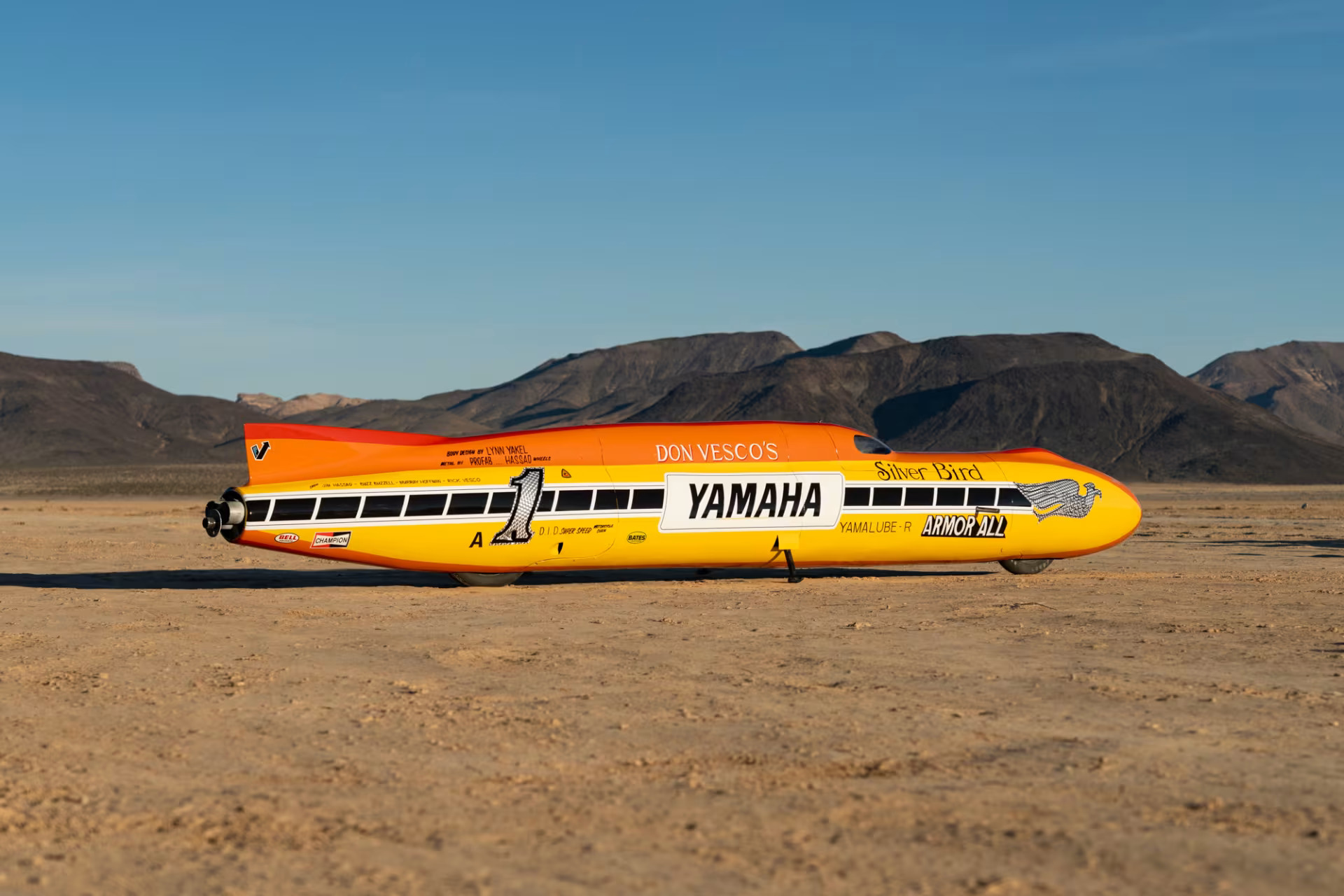
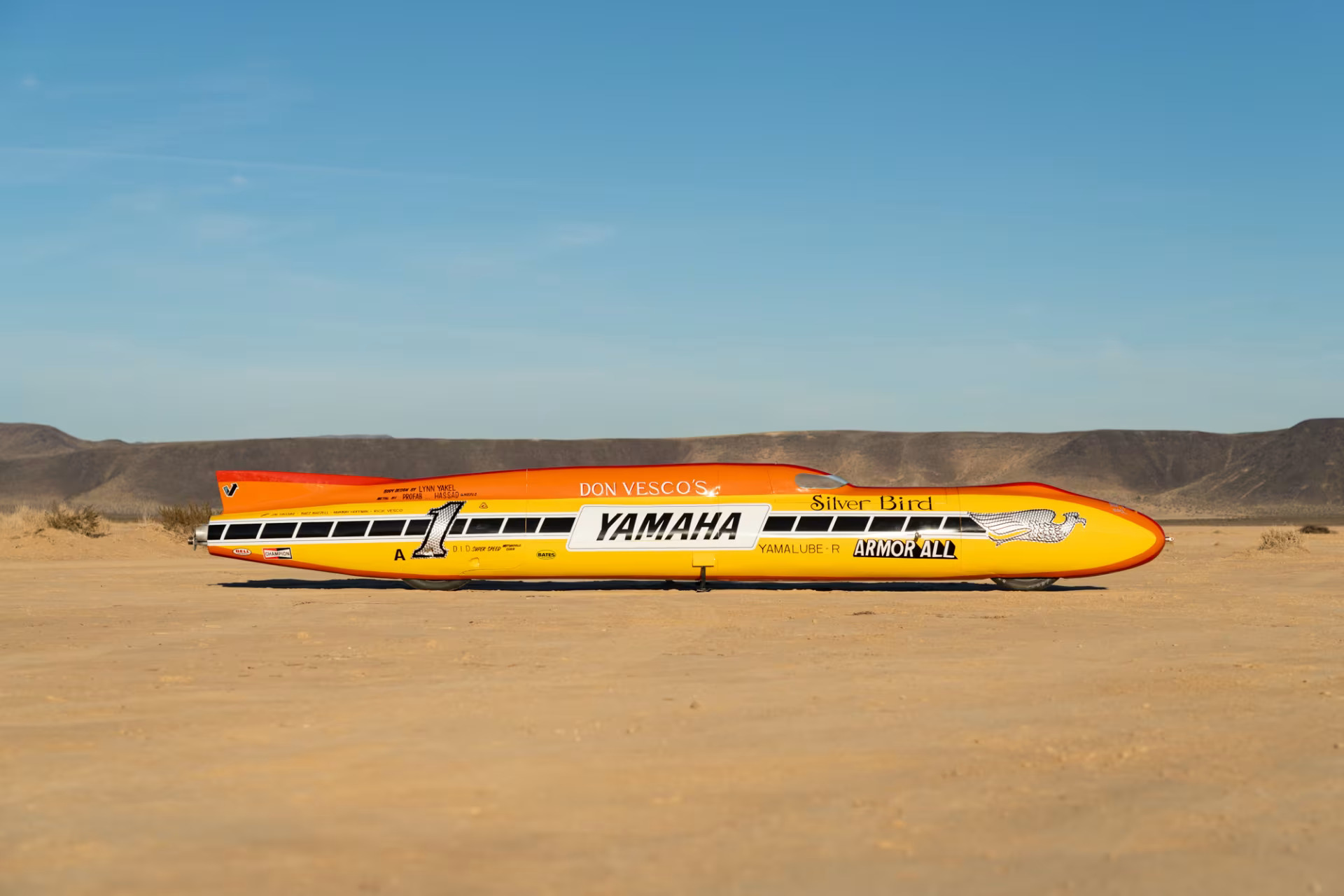
The machine itself measured about 21 feet long and only 32 inches high — essentially a two-wheeled bullet skimming across the salt. Construction reflected one goal: minimize drag, maximize stability, and keep the rider alive long enough to claim history.
- 4130 chromoly tubing frame
- Aluminum bodywork
- Parachutes for braking after record runs
- Disc brakes sourced from Yamaha motorcycles
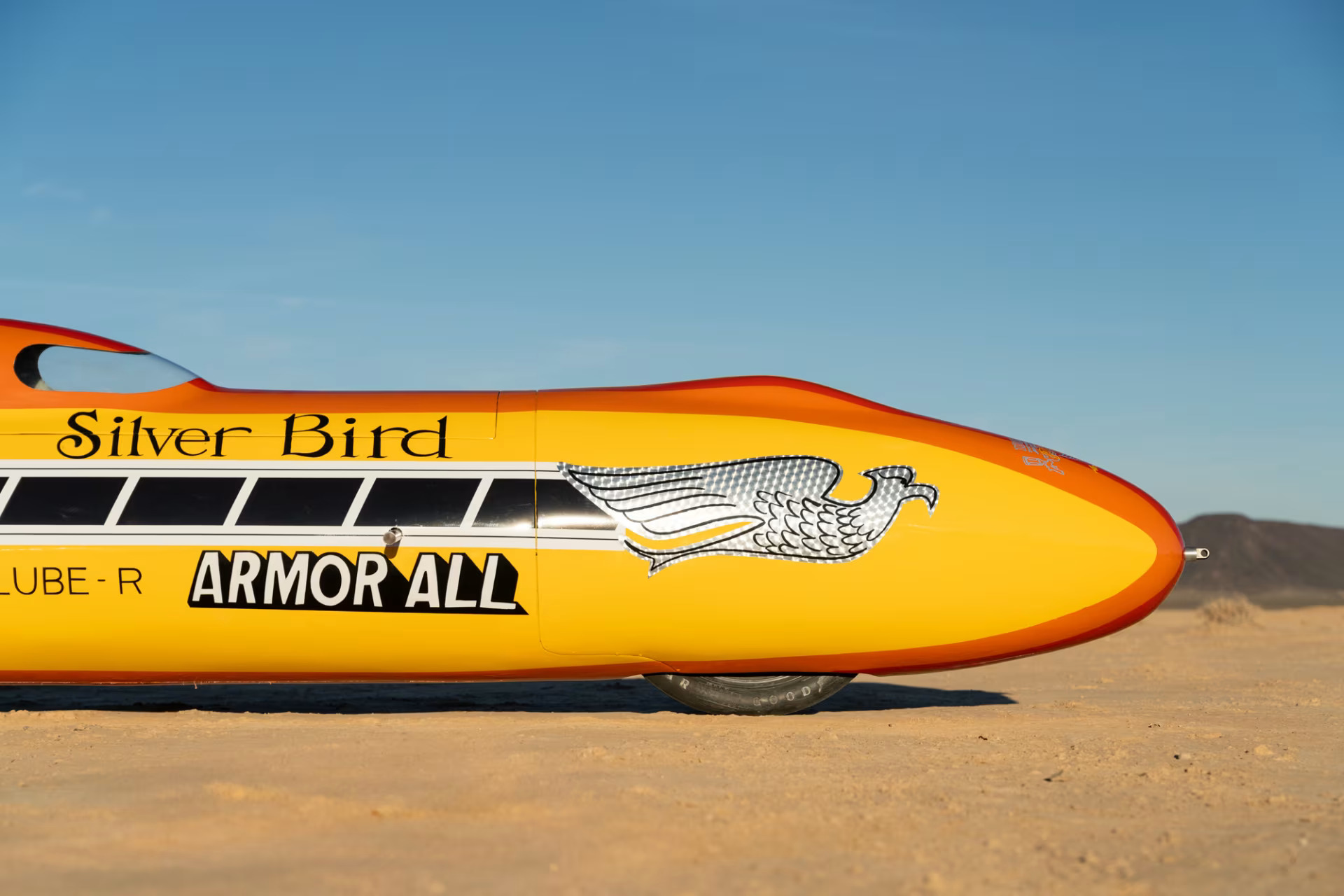
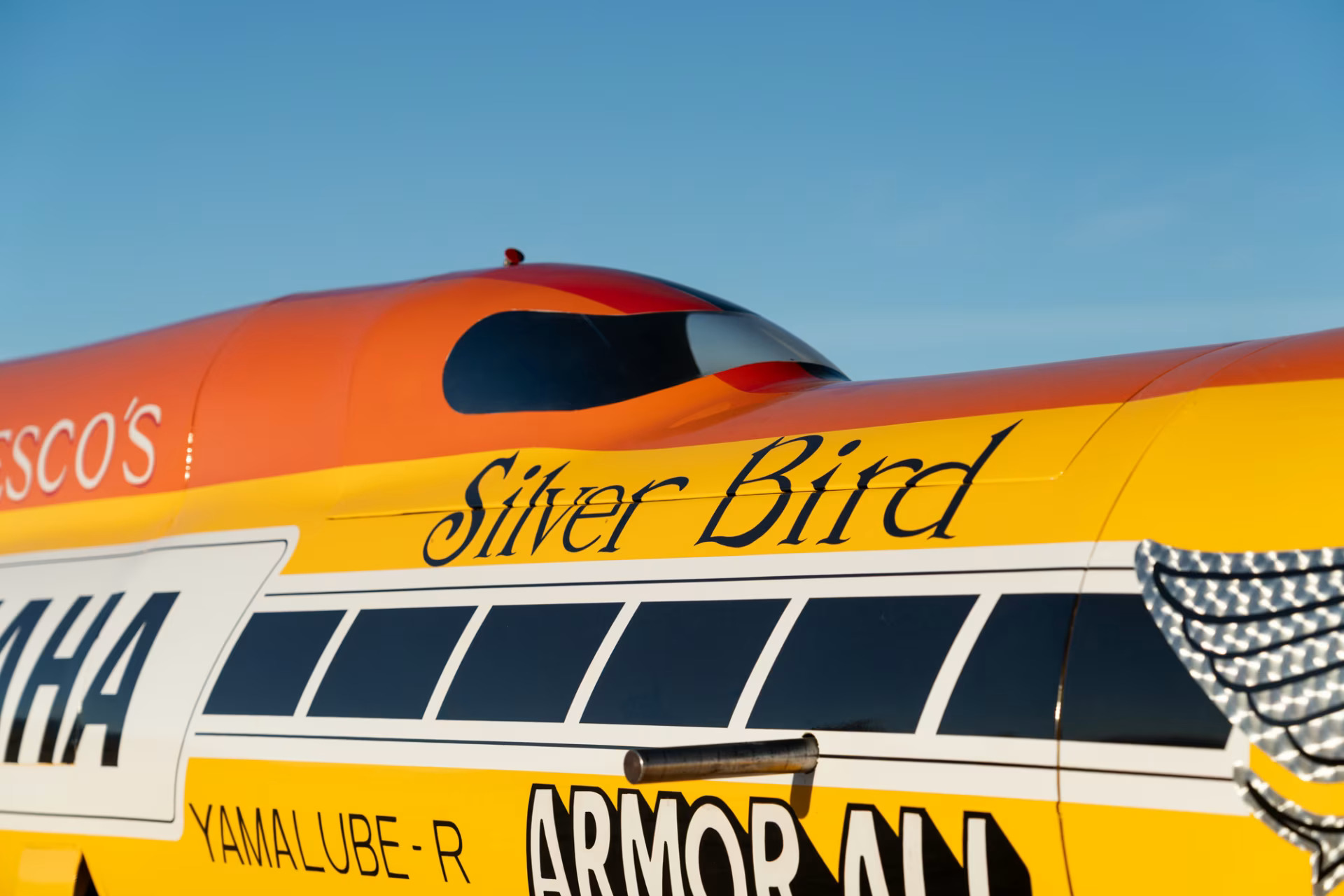
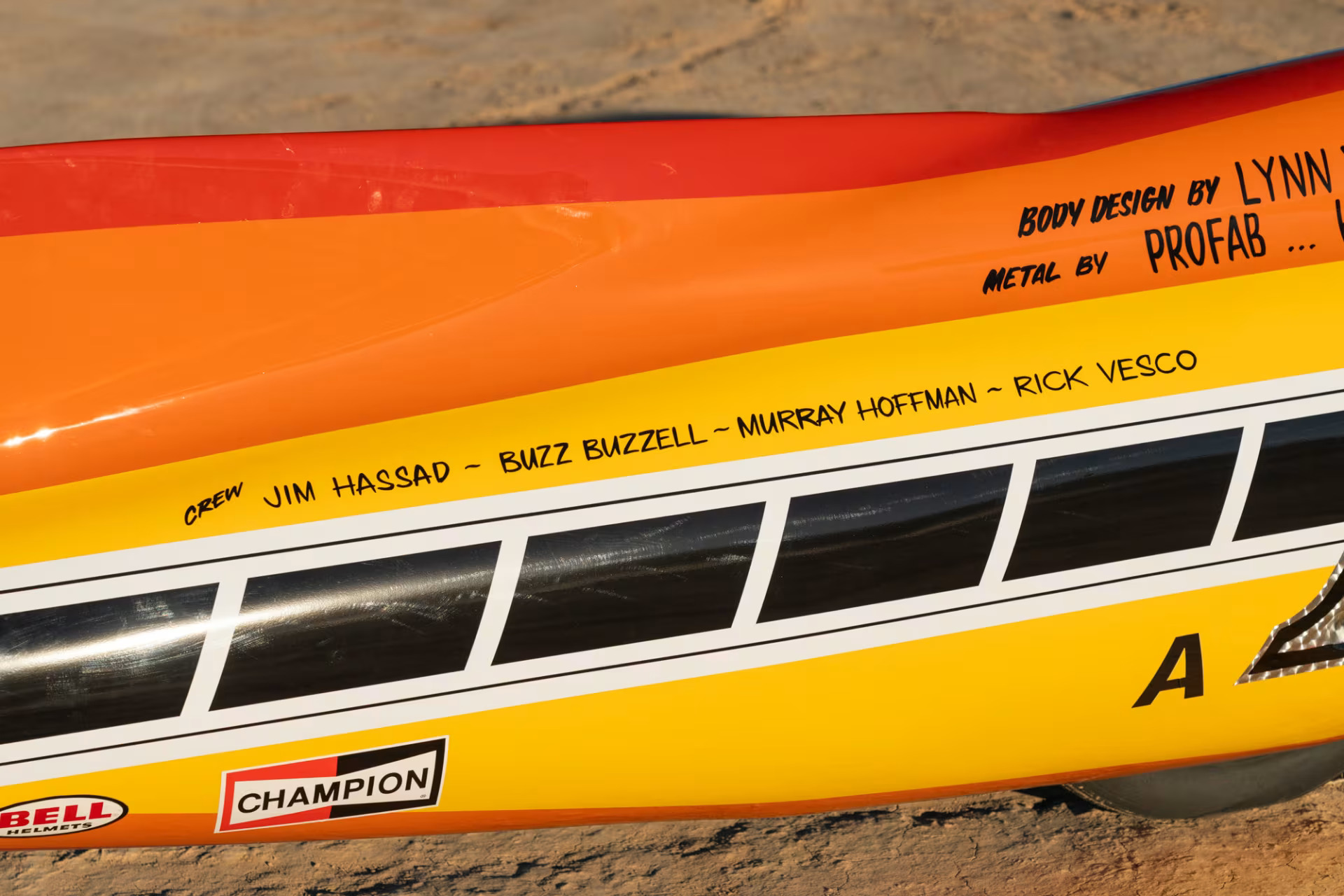
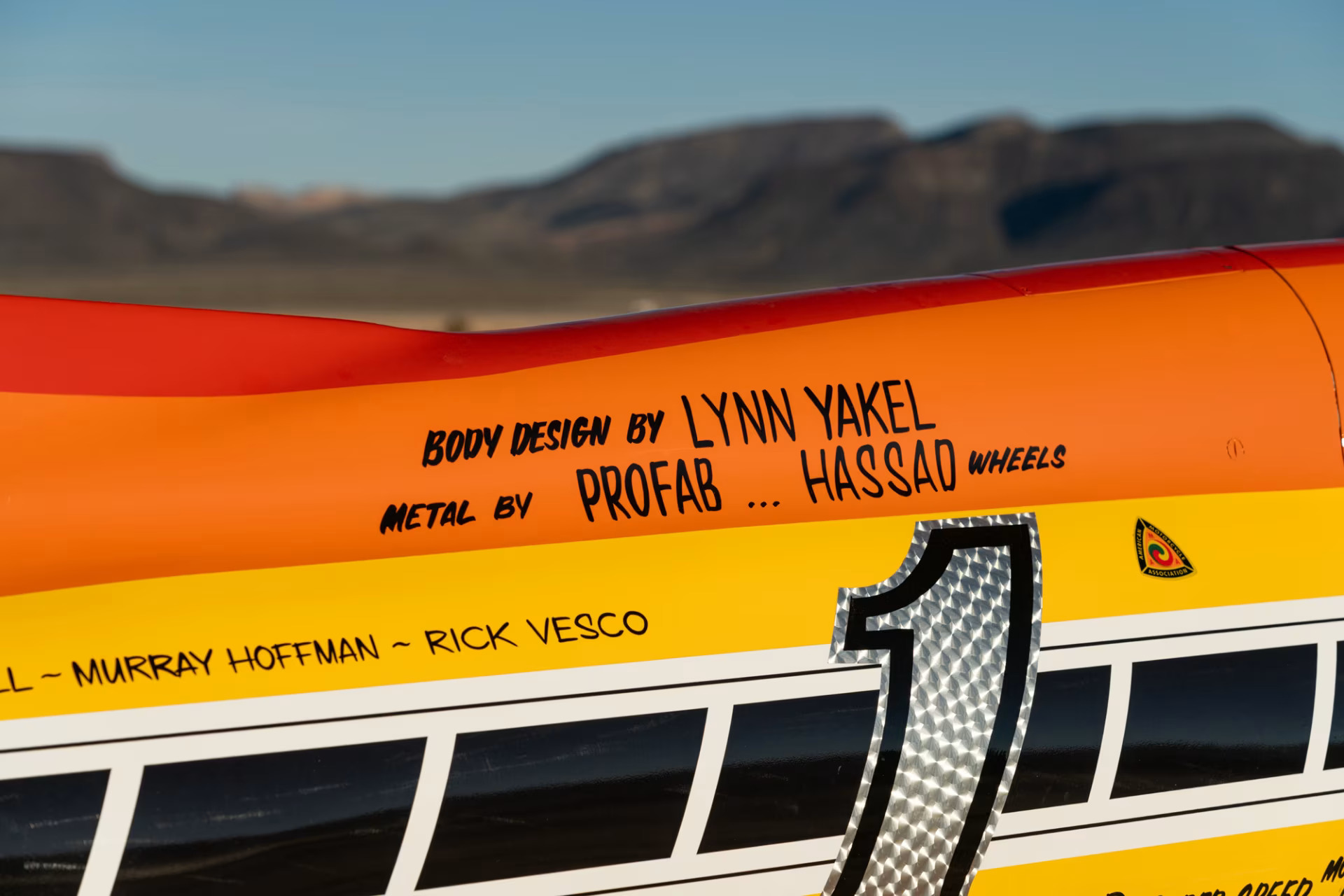
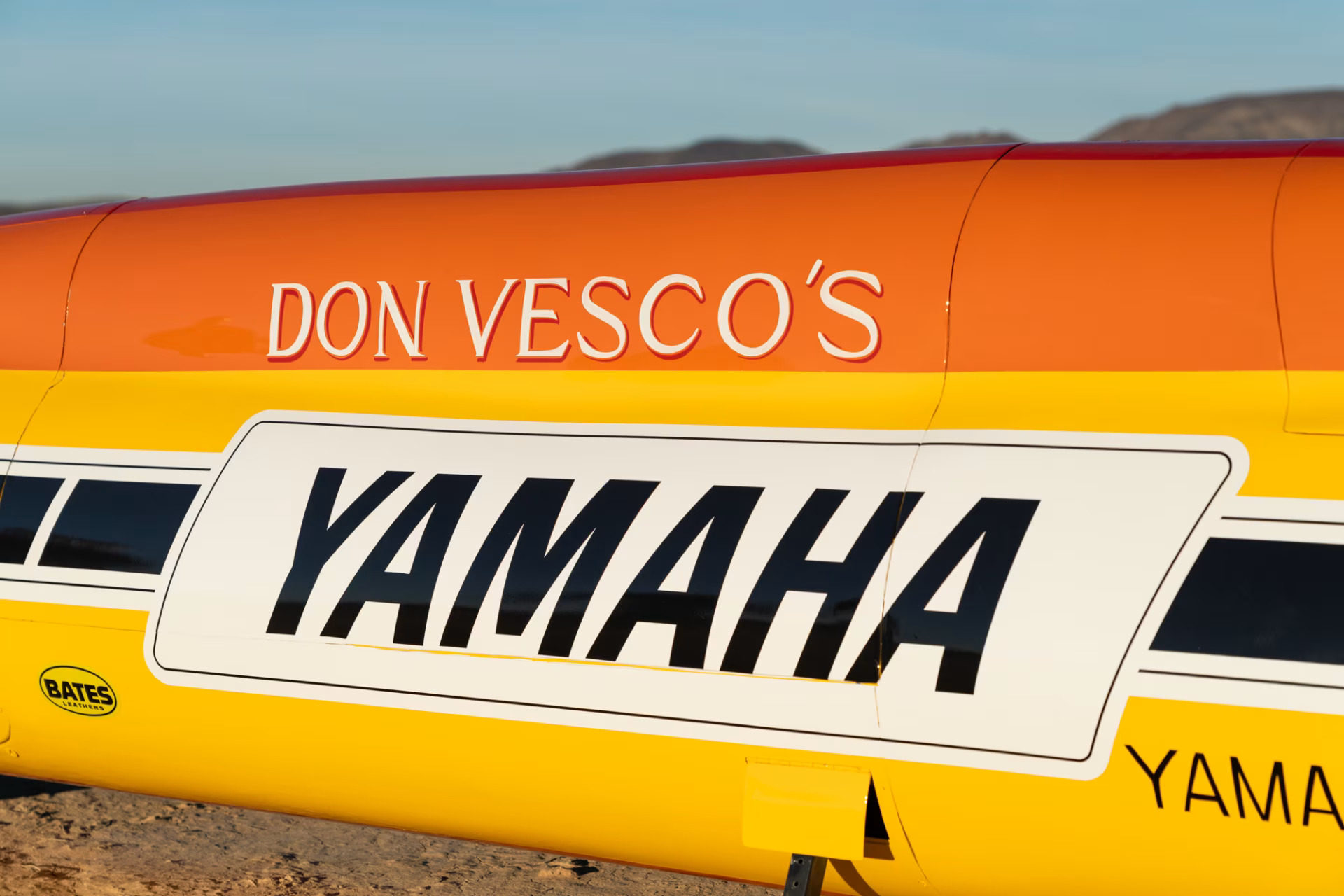
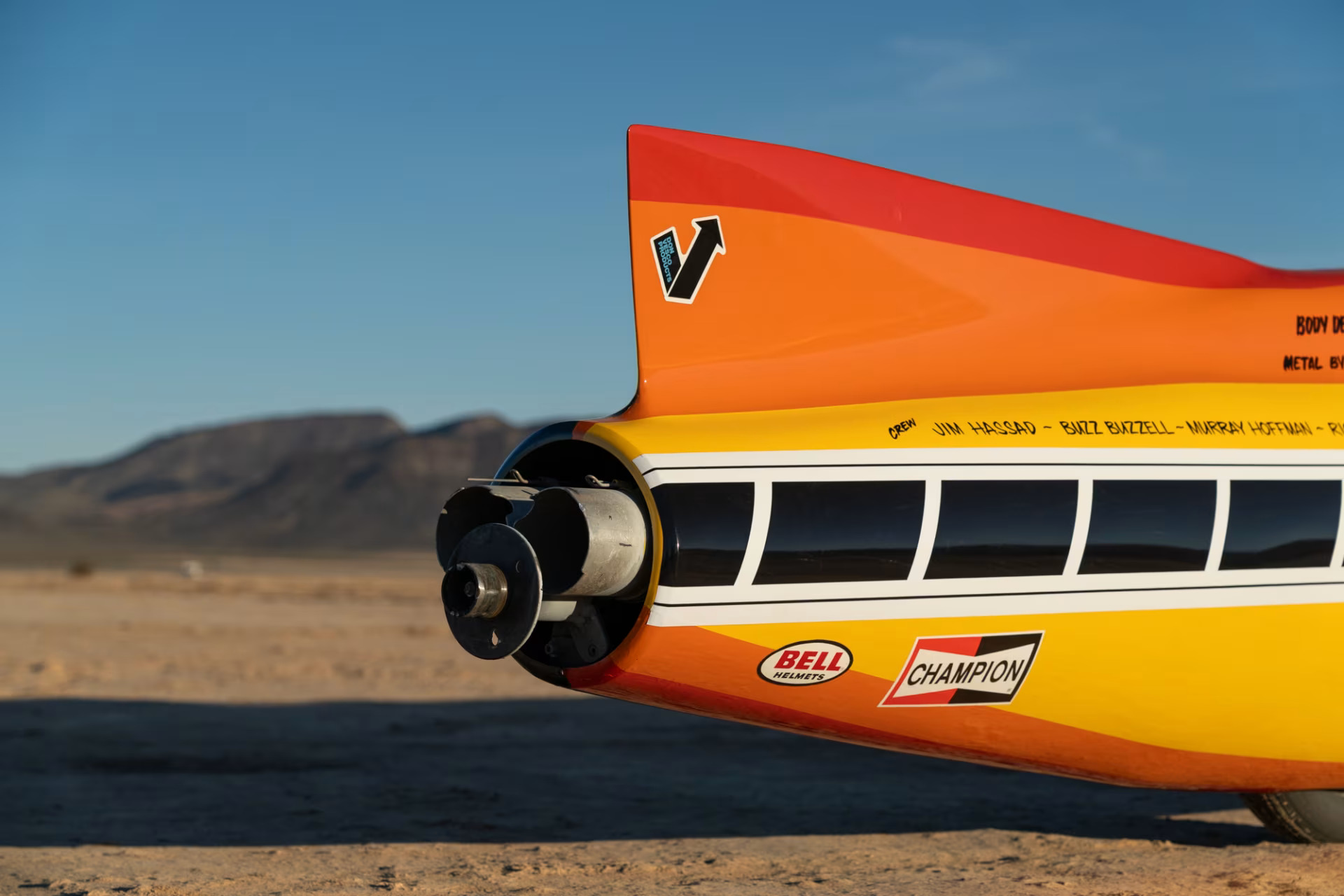
Parachutes waited at the tail to slow the machine once the run was complete — a reminder that braking from triple-digit speeds was as much a challenge as reaching them.
Breaking the 300-MPH Barrier
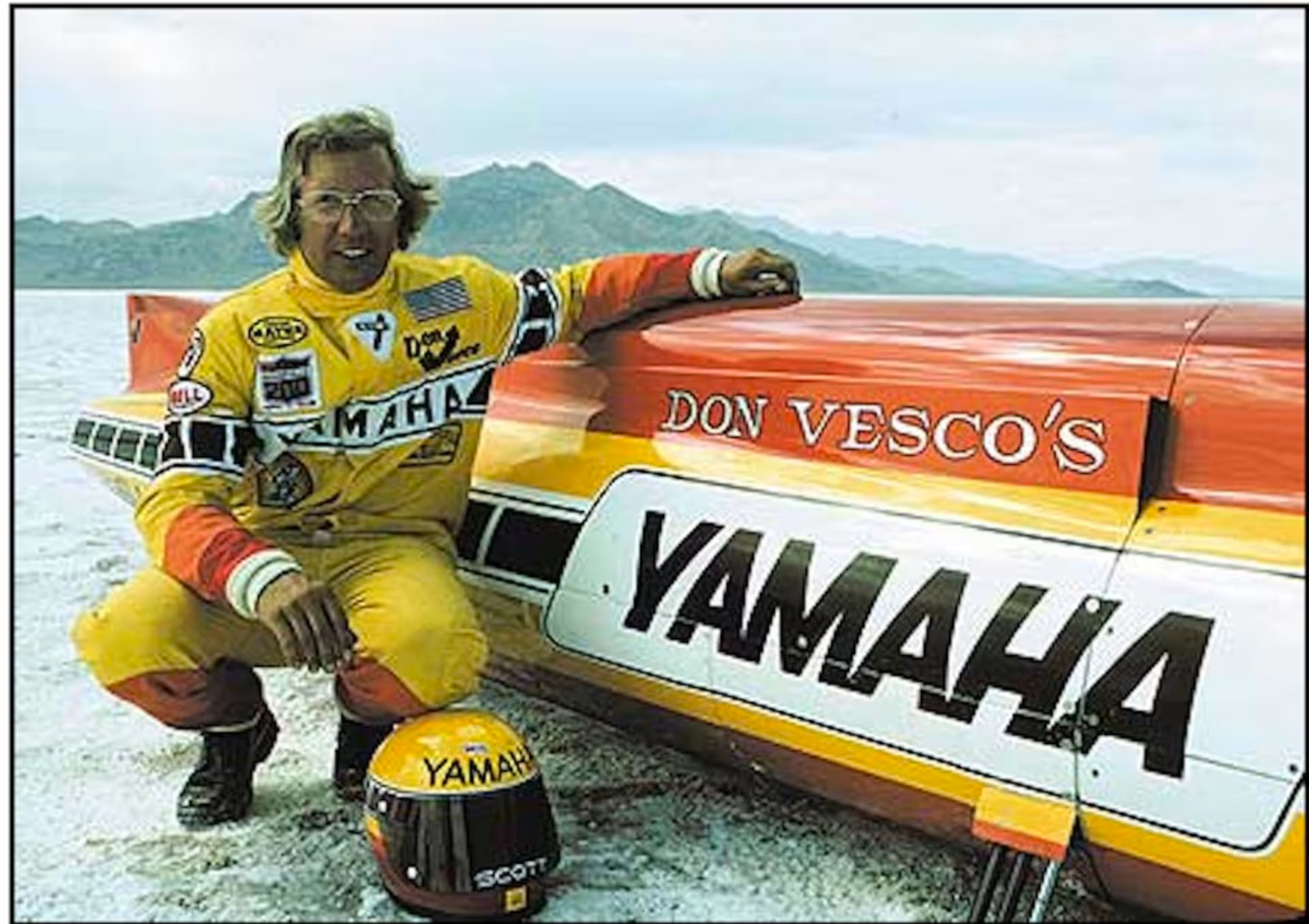
On September 28, 1975, Don pointed the long twin-engine two-stroke machine toward the horizon and changed the trajectory of motorcycle speed forever. Silver Bird became the first motorcycle to break the 300-mph barrier, setting the AMA National Flying Mile Record at 303.812 mph and the FIM International Flying Mile Record at 302.928 mph.
The Silver Bird didn’t just set a record — it reset expectations. Before Vesco’s run, 300 mph seemed almost unreachable for motorcycles. Afterward, the chase escalated rapidly:
- Turbocharged engines
- Multi-engine layouts
- Advanced aerodynamics
Today’s modern streamliners — from Ack-Attack to BUB Seven — all trace part of their lineage back to the lessons learned on this long, low Yamaha-powered projectile.
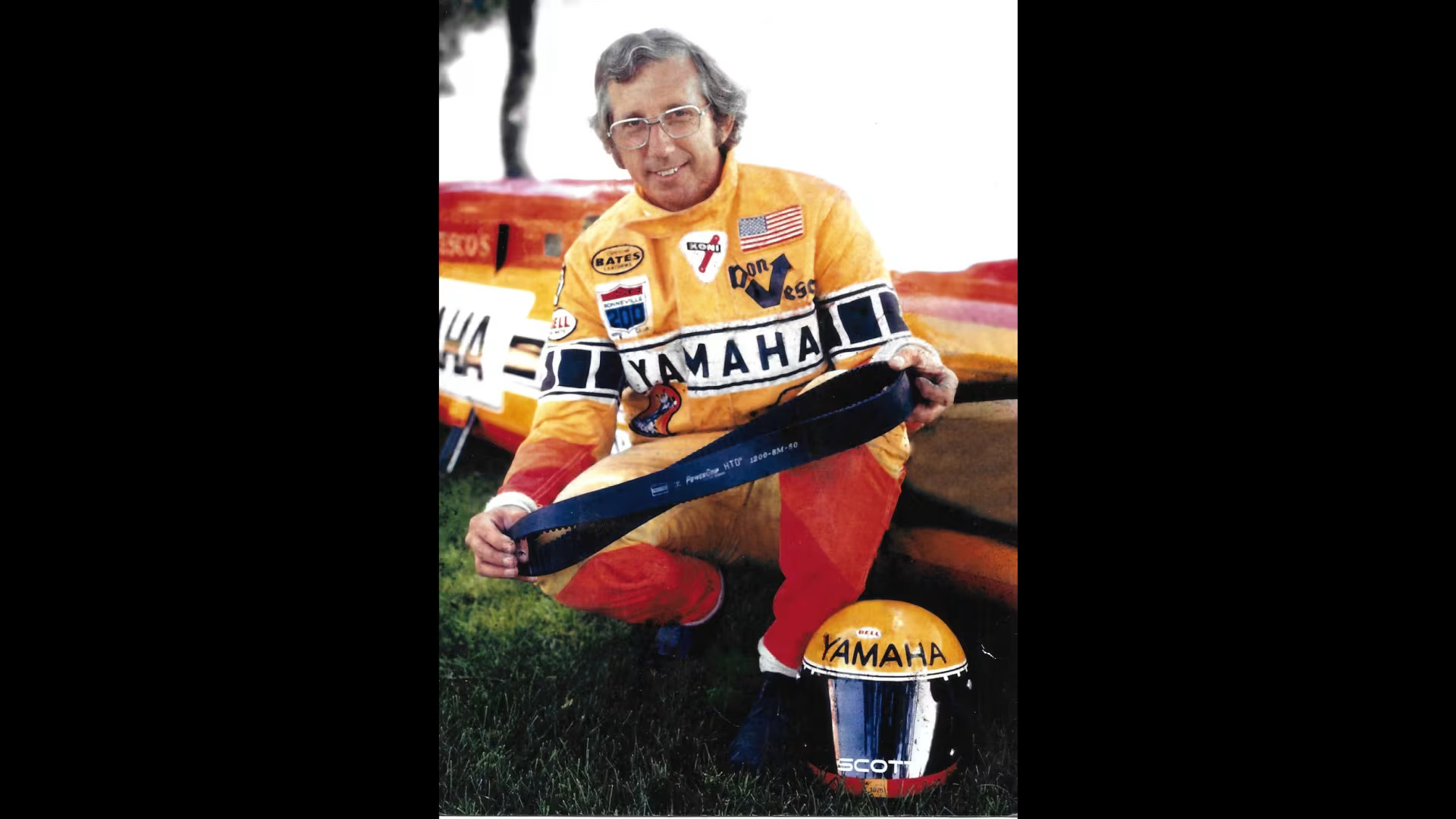 To understand Silver Bird is to understand a turning point — the moment land-speed racing shifted from raw experimentation toward increasingly sophisticated engineering. Modern streamliners, with their carbon-fiber shells and advanced telemetry, owe more to these early aluminum rockets than many realize.
From Silver Bird to Lightning Bolt…
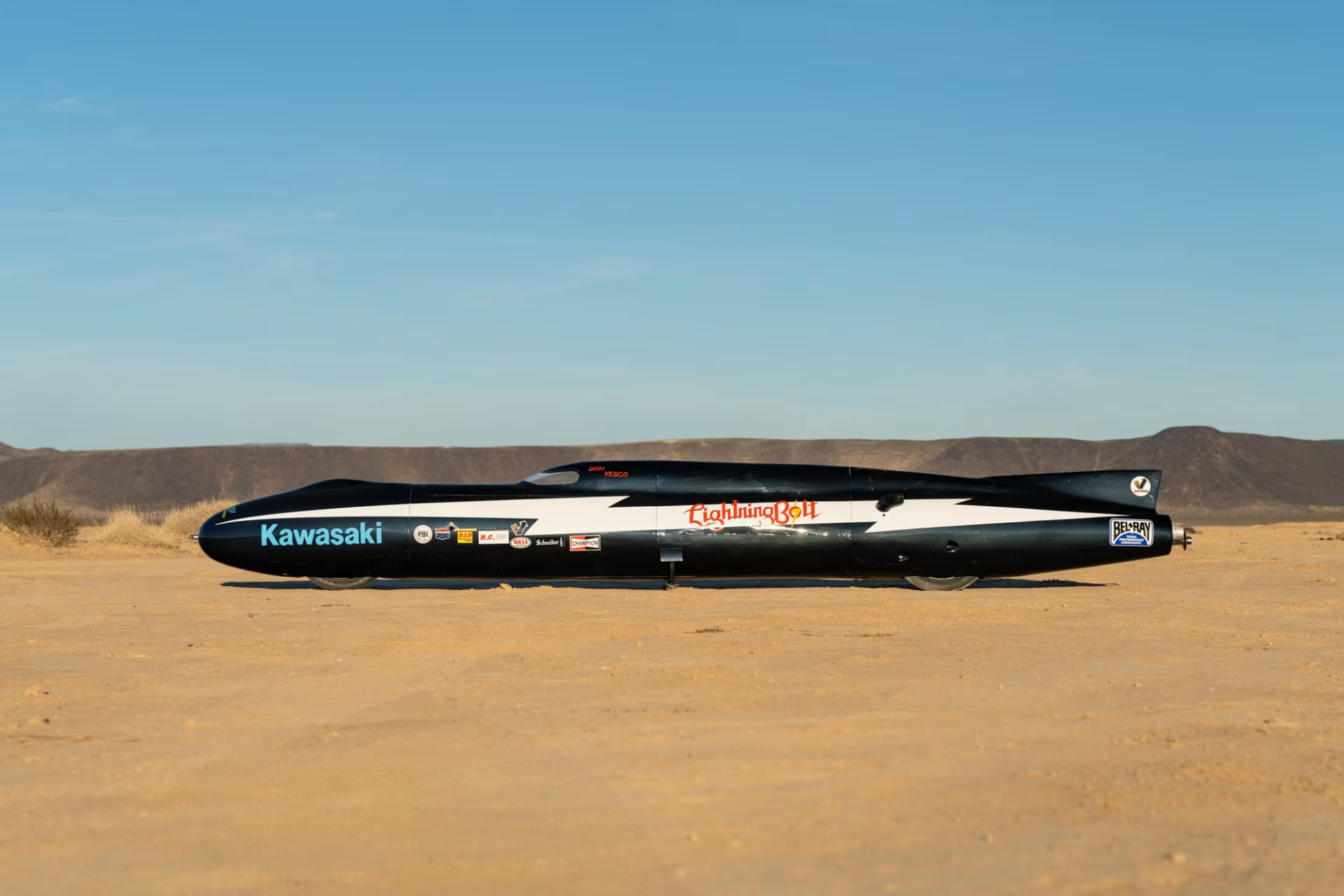
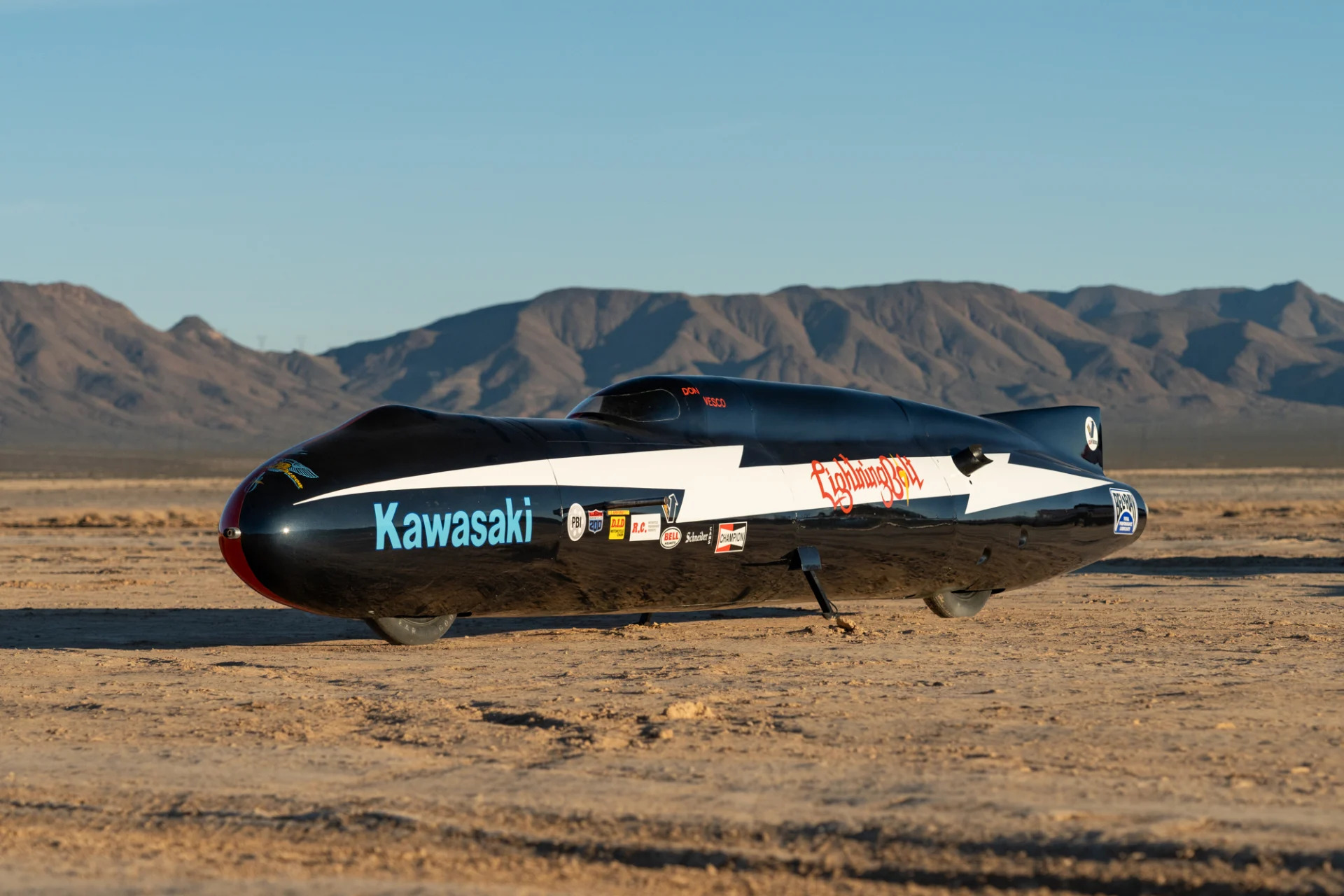
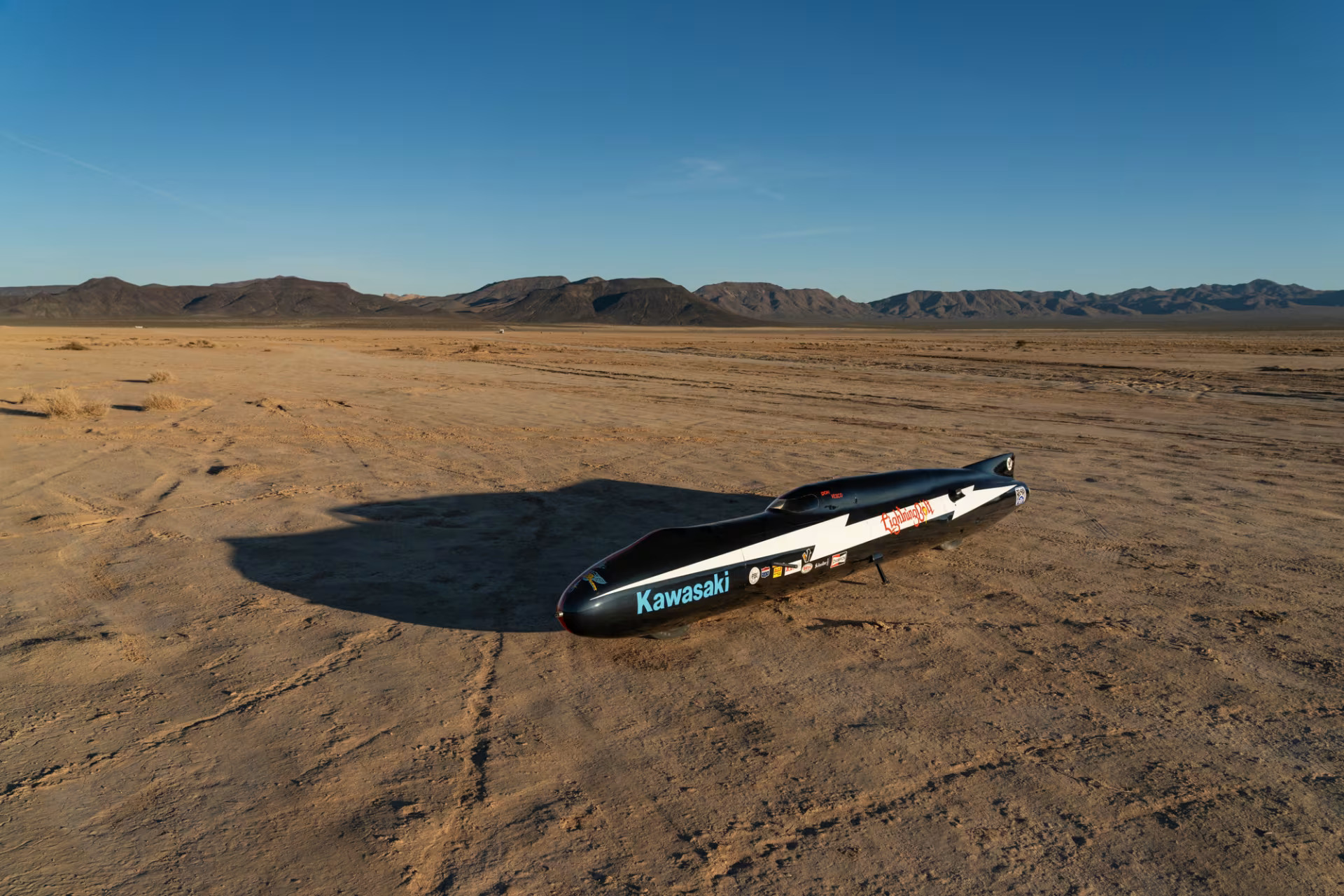
You’ll notice the streamliner has a dual paint scheme: Silver Bird on one side, Lightning Bolt on the other. This is to highlight the two separate records the machine set. Three years later after his 300-mph Silver Bird run, Vesco returned to the salt with Kawasaki sponsorship and revamped speed machine:
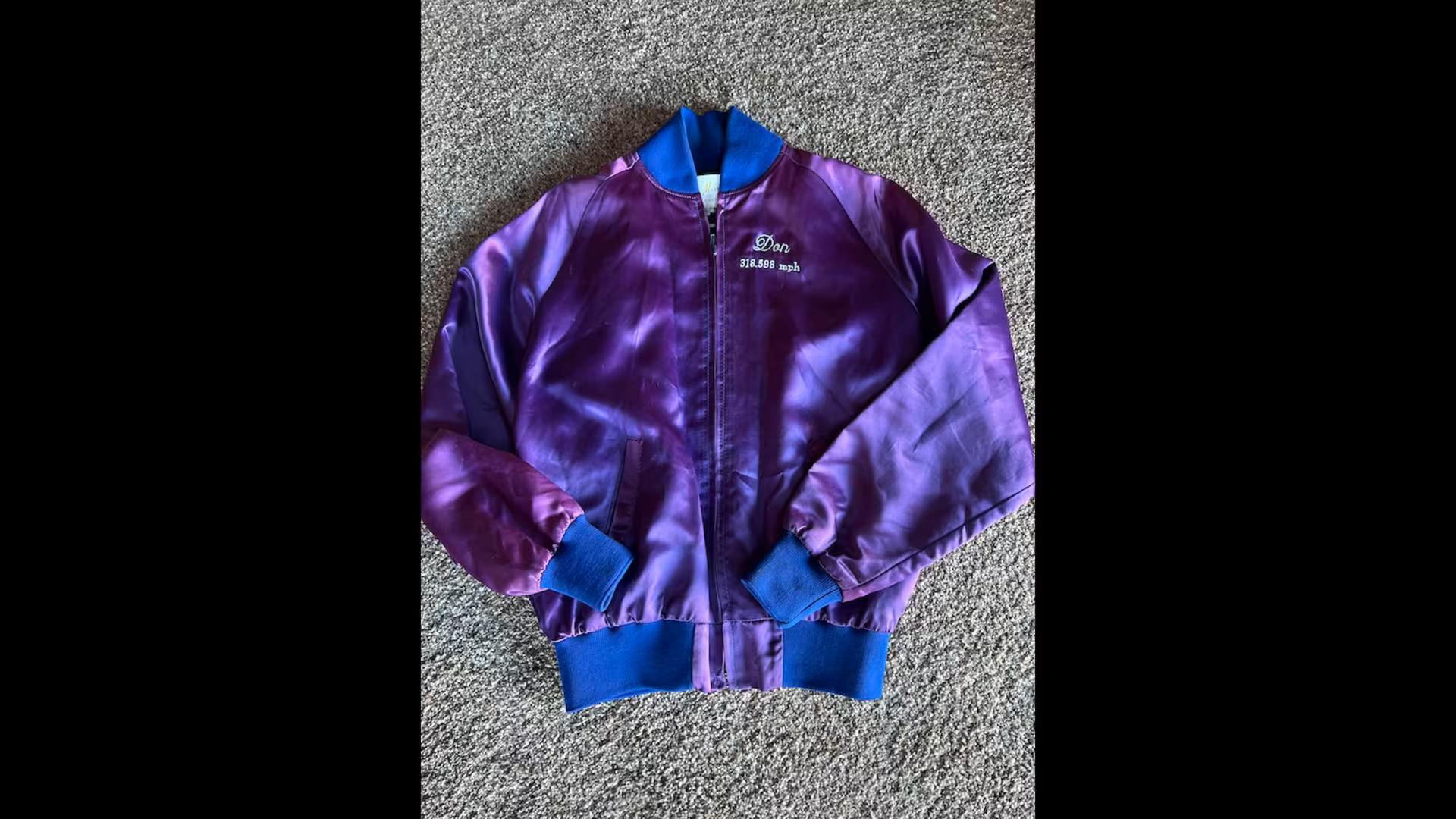
“Don refitted his motorcycle streamliner, now known as Lightning Bolt, with two turbocharged 1000cc Kawasaki motors and a new paint scheme. Back at the salt flats, Don broke his own record, upping it to an astounding 318.598 MPH, a record which stood the test of time for 12 years. Don became the only motorcyclist to win the coveted Hot Rod Magazine trophy for fastest flying mile time during Bonneville’s Speed Week since 1949.”
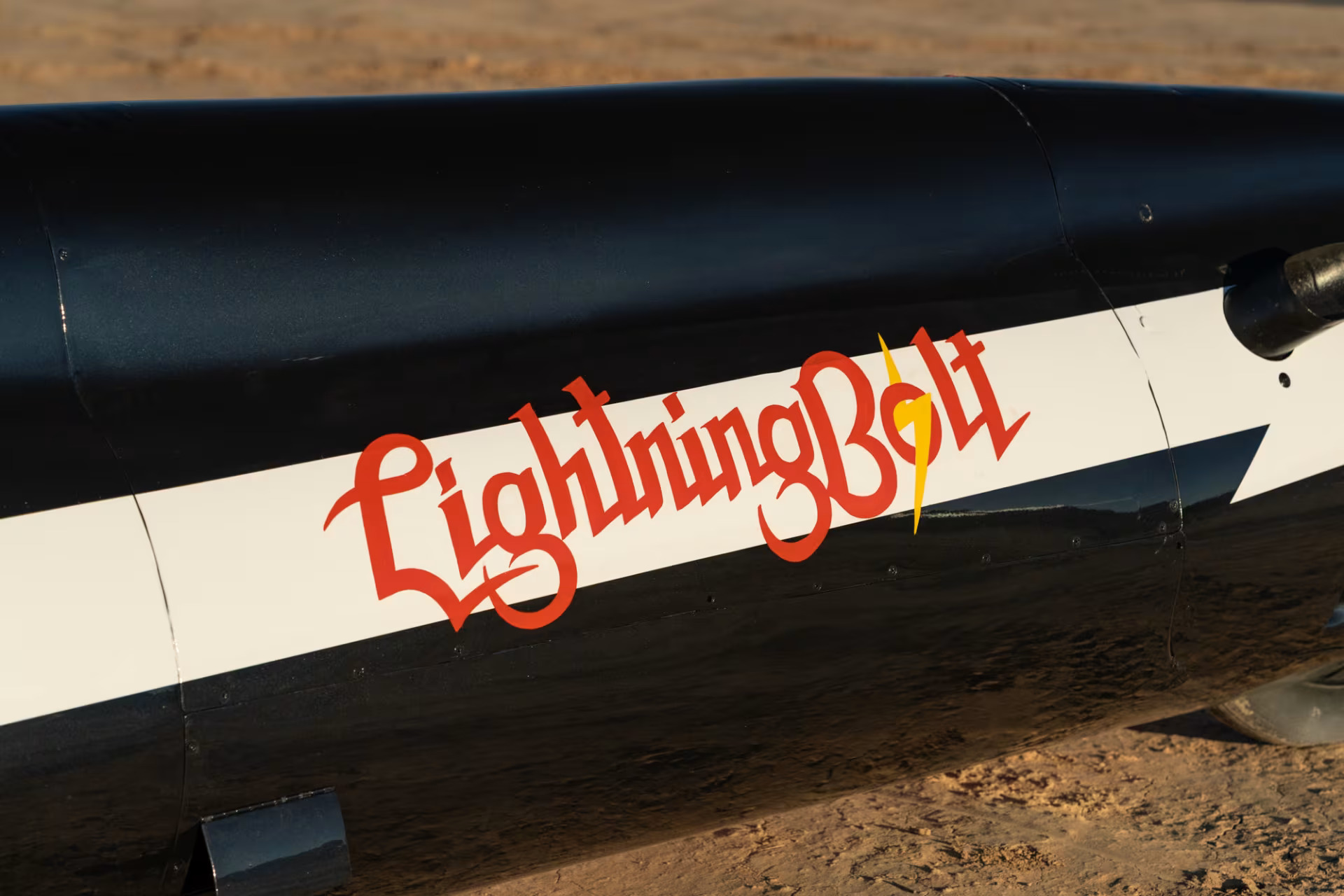
So Silver Bird was the twin Yamaha TZ750 machine that broke 300 mph in 1975, while Lightning Bolt was the turbocharged twin Kawasaki version that Vesco debuted in 1978.
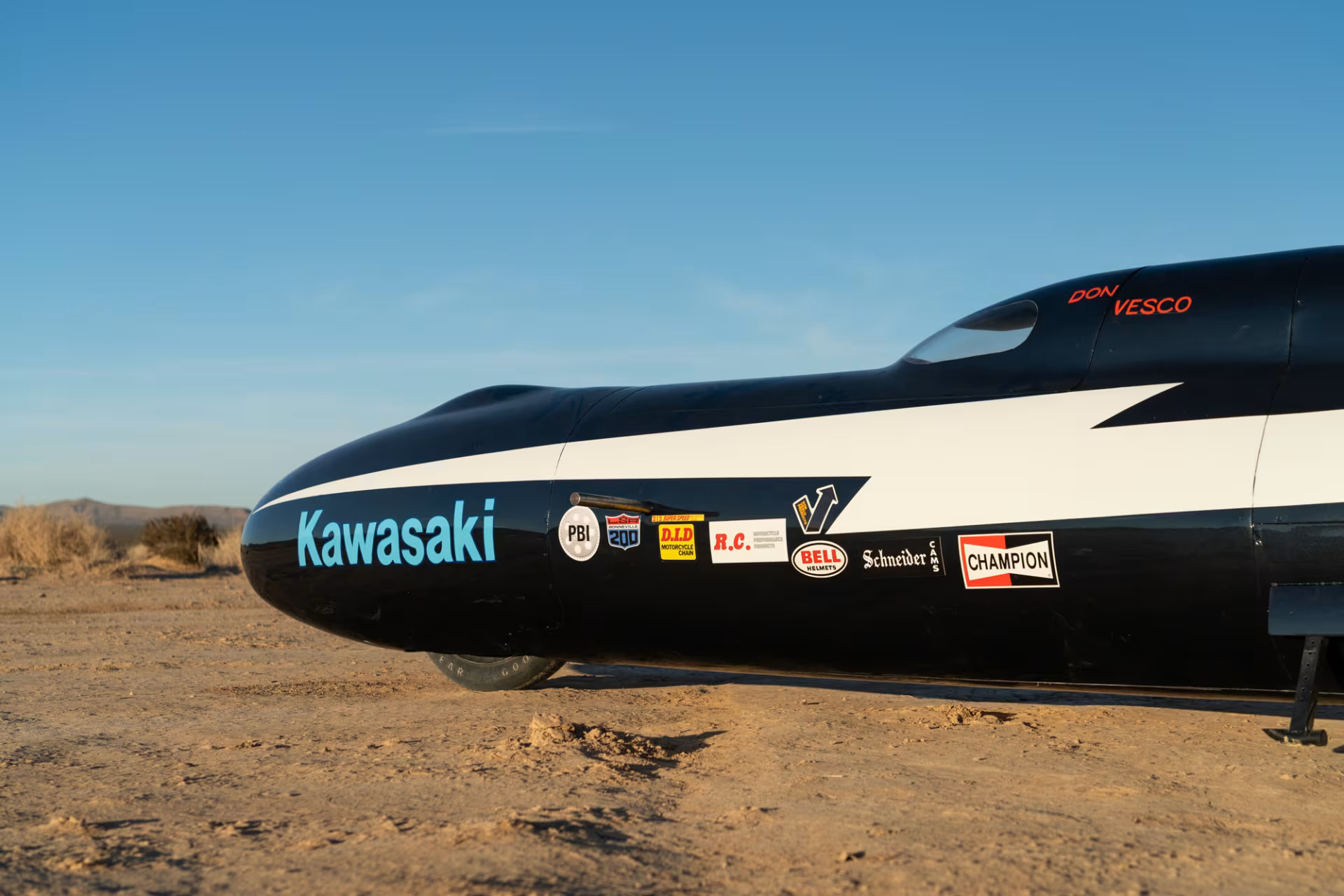
Many enthusiasts use the two names interchangeably because the later Lightning Bolt evolved directly from the aerodynamic and engineering lessons learned with Silver Bird, and they shared the same basic architecture outside of their power plants. The dual paint scheme reflects that legacy, highlighting the lineage that carried Vesco from Yamaha two-stroke power into turbocharged Kawasaki dominance.
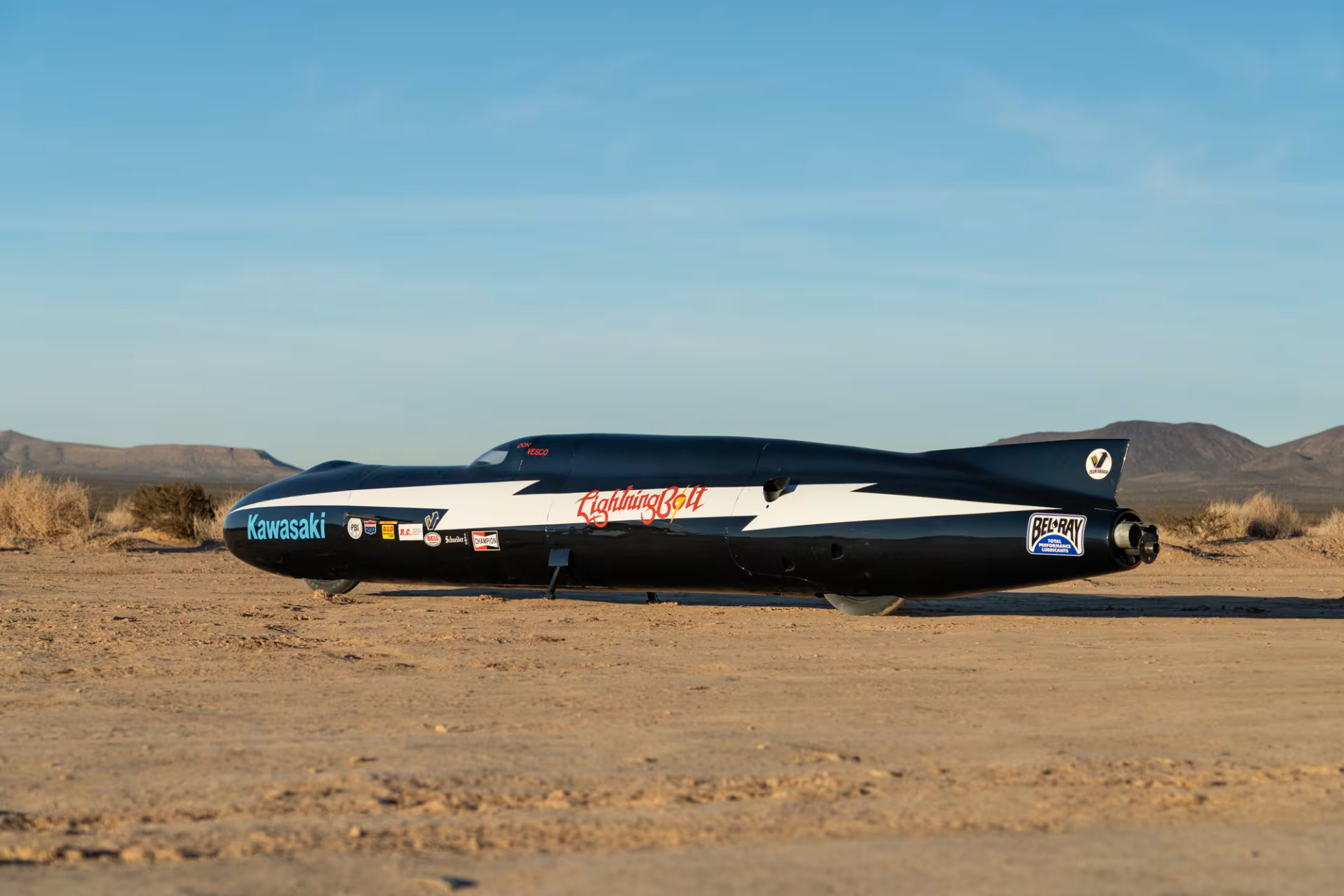
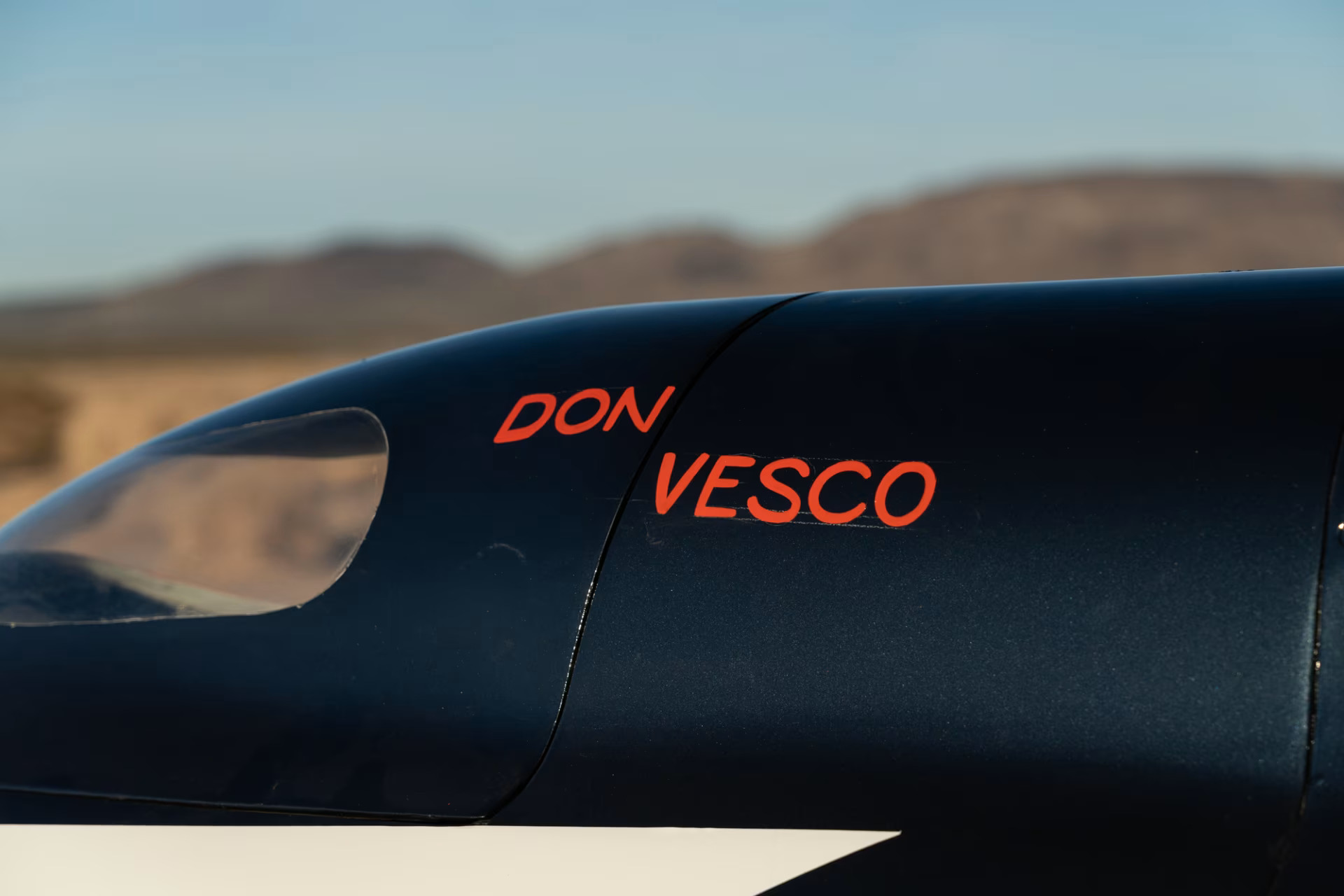
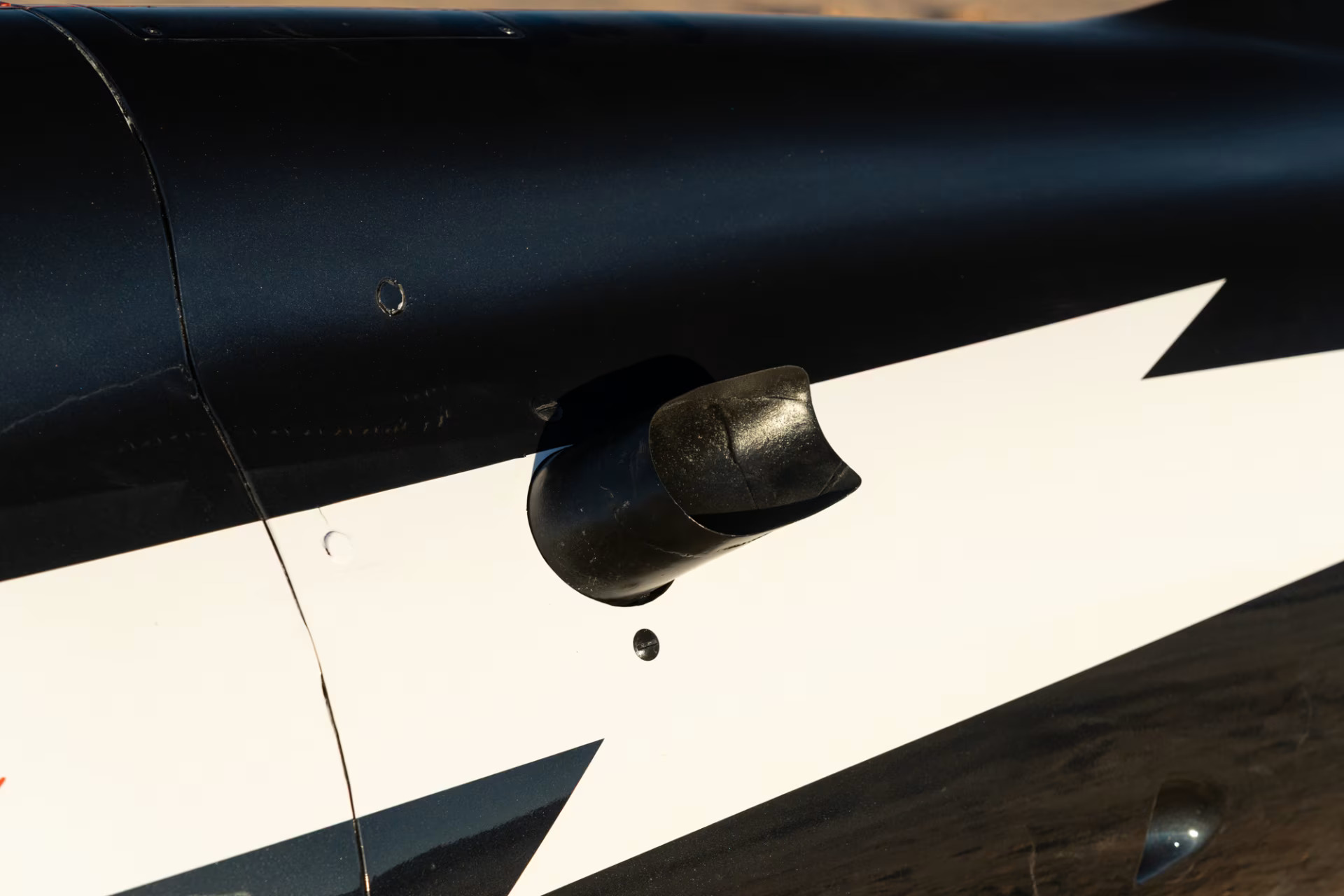
That evolutionary chain — Big Red → Silver Bird → Lightning Bolt — forms one of the most important arcs in motorcycle land-speed history. Modern streamliners, with their carbon-fiber shells and advanced telemetry, owe more to these early aluminum rockets than many realize.
Vesco Racing Silver Bird Streamliner: Key Specs
Rider: Don Vesco
Purpose: Land-speed record streamliner
Engines: Twin Yamaha TZ750 inline-four two-stroke race engines
Combined Displacement: Approximately 1,389cc
Estimated Power Output: ~240 horsepower (combined)
Construction: 4130 chromoly chassis with aluminum bodywork
Length: ~21 feet
Height: ~32 inches
Estimated Weight: ~900 pounds
Braking: Disc brakes with parachute deceleration system
Historical Significance: First motorcycle streamliner to exceed 300 mph
A Rare Moment for Collectors
 Streamliners rarely change hands publicly, and machines tied to milestone records almost never surface outside museum collections. Silver Bird / Lightning Bolt is slated to cross the Mecum auction block on March 21 in Glendale, AZ. You can find the auction listing here.
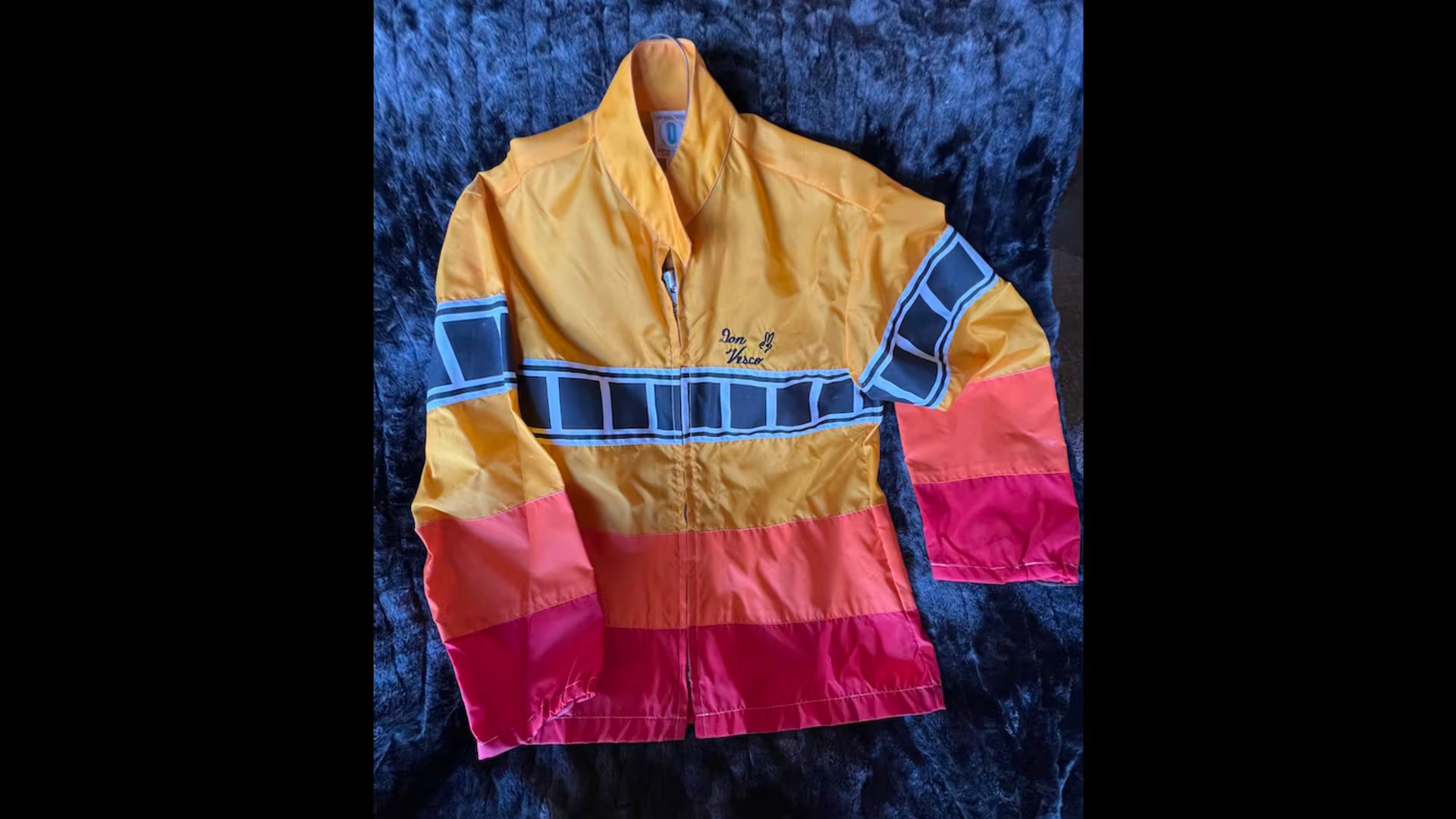
This machine comes with the front TZ750 Yamaha engine from the Silver Bird (for display purposes only), a driving suit, helmet, boots, and vintage photos.
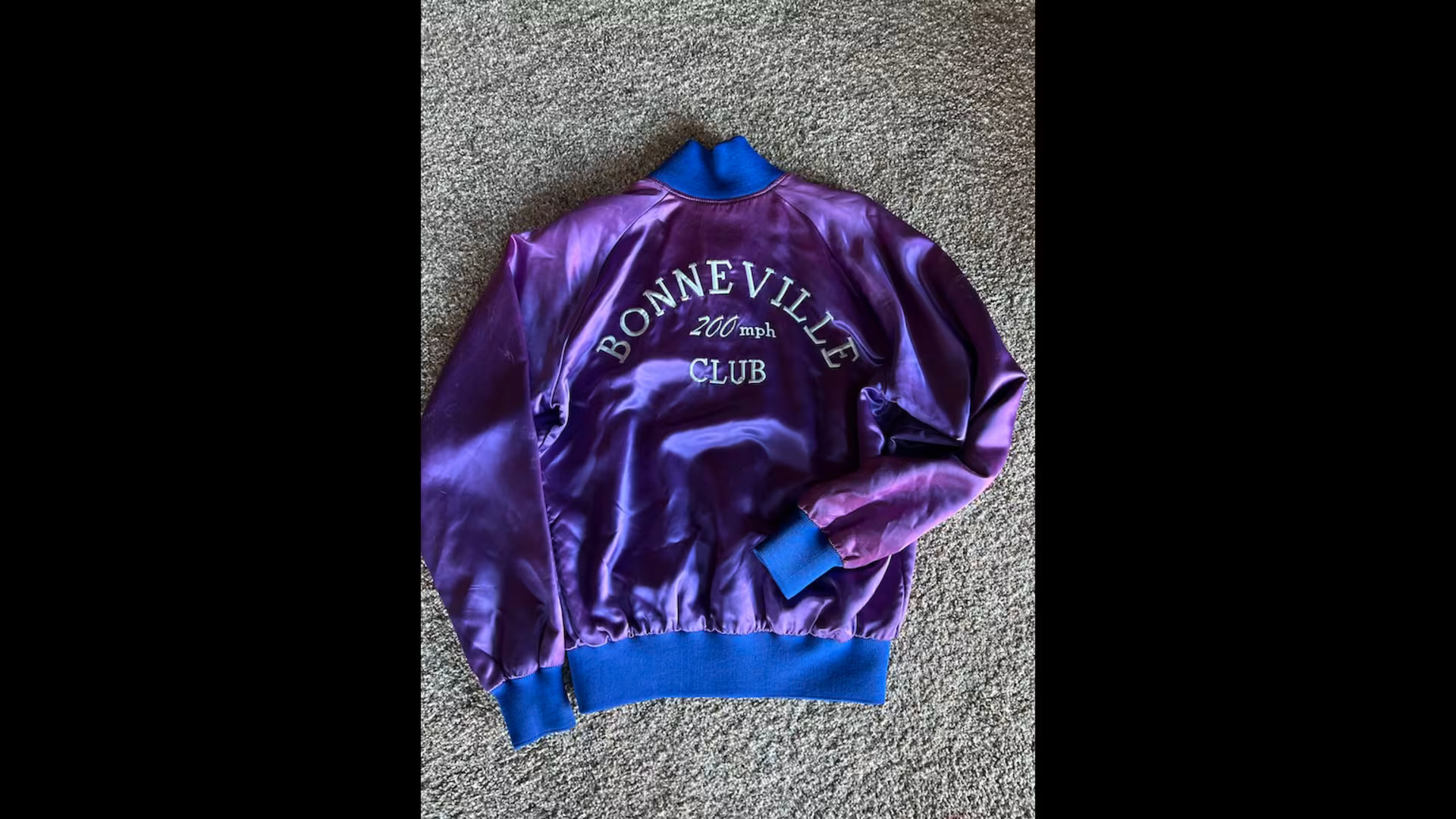
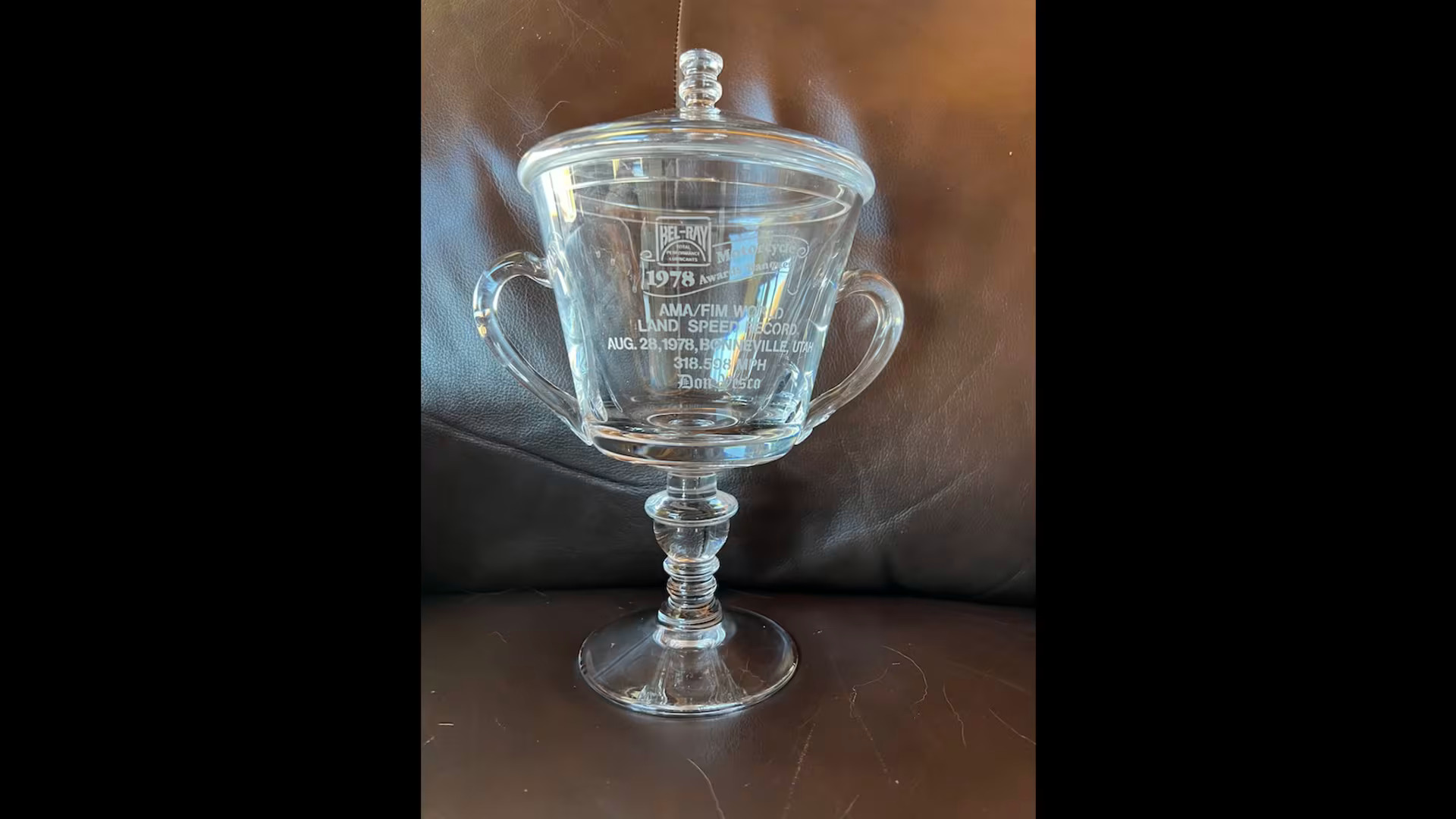
For collectors, historians, and speed-obsessed dreamers alike, this isn’t just another racebike — it’s the moment the motorcycle world crossed into the 300-mph age.
Follow Mecum Auctions
Web: www.mecum.com/motorcycles
Instagram: @mecum_auctions
Facebook: Mecum Auctions
More from Mecum
 The First 300-MPH Motorcycle: Silver Bird Streamliner - Don Vesco’s 300-mph Silver Bird / Lightning Bolt Streamliner Heads to Auction… The Bonneville Salt Flats have long been a proving ground for engineering audacity. Over the years, riders have chased timed-mile milestones the way […]
 The Original, “Original Superbike” — 1968 Honda CB750 Prototype - For Sale: The Original 1968 Honda CB750 Sandcast Prototype… This week is the annual Mecum Las Vegas Motorcycle Auction, where more than 2000 historic, vintage, custom, racing, and just plain interesting motorcycles are slated to […]
 Mecum Las Vegas Motorcycle Auction 2026: Top 5 Favorites - The Mecum Las Vegas Motorcycles Auction returns this week, bringing one of the largest and most anticipated motorcycle auctions of the year to the South Point Hotel & Casino in Las Vegas, Nevada. Scheduled for […]
 Flying X: 1912 Excelsior Board Tracker - Crossing The Block: Ultra-Rare Excelsior Board Track Racer… On December 30, 1912, a California Class B racer named Lee Irving Humiston became the first motorcyclist to break the 100-mph barrier on a production-based machine, riding […]
 Brooklands Replica: BSA M24 Gold Star - 1 of 298: 1939 BSA M24 Gold Star… In 1937, racer Wal Handley lapped the historic Brooklands circuit at over 100 mph (102.27 mph to be exact) on a highly-modified BSA Empire Star sporting an […]
 First American Four-Cylinder: 1912 Pierce Four - Mecum’s 2024 Monterey auction is this week, and while the event is primarily focused on cars and trucks, some 60-70 motorcycles will be crossing the auction block. One of the rarest and most interesting machines […]
 Hell Rider: A Daredevil’s 1932 Harley-Davidson VL! - The ’32 Harley-Davidson VL of Jimmy “Daredevil” Washburn… The Monterey 2024 edition of Mecum Auctions is fast approaching, and that means some rare and unique motorcycles will soon be crossing the auction block. One of […]
 National Motorcycle Museum: Top 10 Auction Bikes - 10 Collector-Grade Bikes from the John Parham Estate Collection… Last week, we featured the Indian Scout Wall of Death bike from the collection of John Parham, the late founder of mail-order giant J&P Cycles. John […]
 Wall of Death Bike: 1931 Indian 101 Scout - In 1975, John Parham opened his first motorcycle shop in Anamosa, Iowa. Later he started J. Parham Enterprises with his wife, Jill. That company would become known as J & P Cycles, one of the […]
 Skoal Bandit Special: ’86 Suzuki GSX-R1100 Restomod - Big-Bore 80s Superbike from Drew Halliday… These days, we’re seeing a rise in the popularity of so-called “Youngtimer” superbikes from the late 1980s and 1990s. What’s a Youngtimer motorcycle? These are generally bikes that are […]
 Vintage Thunder: Harley-Davidson XR1000 BOTT Racer - Battle of the Twins Veteran: 1983 Harley-Davidson XR1000 Race Special… Launched in 1983, the Harley-Davidson XR1000 was conceived as a road-going version of the mighty XR750 — the most successful race bike in the history […]
 Mecum Las Vegas 2023: Top 10 Motorcycles! - Last week was the 32nd annual Mecum Vintage & Antique Motorcycle Auction in Las Vegas, and it was quite the show. North of 1800 motorcycles crossed the auction block, including bikes from 15+ storied private […]
 Sold for $935,000: 1908 Harley-Davidson Strap Tank! - This past week, January 24-28, was the 32nd annual Mecum “Vintage & Antique Motorcycle Auction” in Las Vegas, held at the South Point Hotel & Casino. Nearly 2000 motorcycles crossed the auction block, including bikes […]
 Quarter Miler: ’52 Vincent Rapide Drag Bike! - Vincent drag bike with an engine by Hall of Famer Marty Dickerson! The origin story of the Vincent V-twin is legendary. Designer Phil Irving, while working at his office in Stevenage in 1936, noticed two […]
 Factory Experimental Board Tracker: 1924 Harley JDCA/B - An alcohol-fueled “Murderdrome Missile”… In their first decade of operation, Harley-Davidson eschewed factory-backed racing efforts in favor of focusing on reliable motorcycles for the public. By 1914, however, they’d changed their minds, formed a factory […]


