


The BMW R 12 nineT is a striking mix of heritage aesthetics and modern engineering—a neo-retro roadster that brings BMW’s iconic boxer twin into a fresh package tailored for style, performance, and customization.
Design & Build
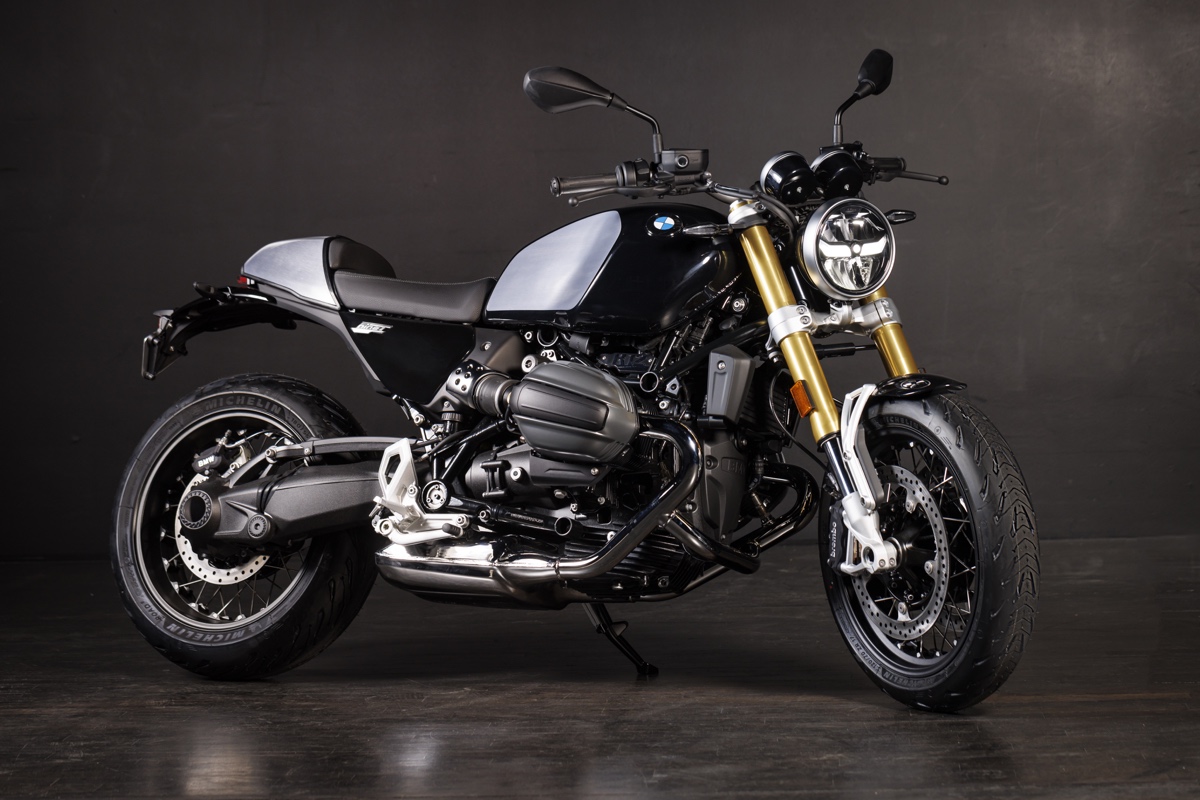
The R 12 nineT evolves from the long-running R nineT platform, but introduces a new one-piece trellis-style frame and reworked bodywork to sharpen its visual and dynamic presence.
Looking at it, you’ll notice the signature horizontally-opposed boxer cylinders, a brushed-aluminum tank with clear lacquer finish, minimal tail section, and a mix of classic cues (round headlight, twin instrument pods) with modern touches.
Ergonomically, the seating position strikes a balance between upright and sporty: not as aggressive as a full sportbike, but with enough lean-in to hint at performance. BMW lists a standard seat height of ~795 mm (~31.3 in) for the nineT.
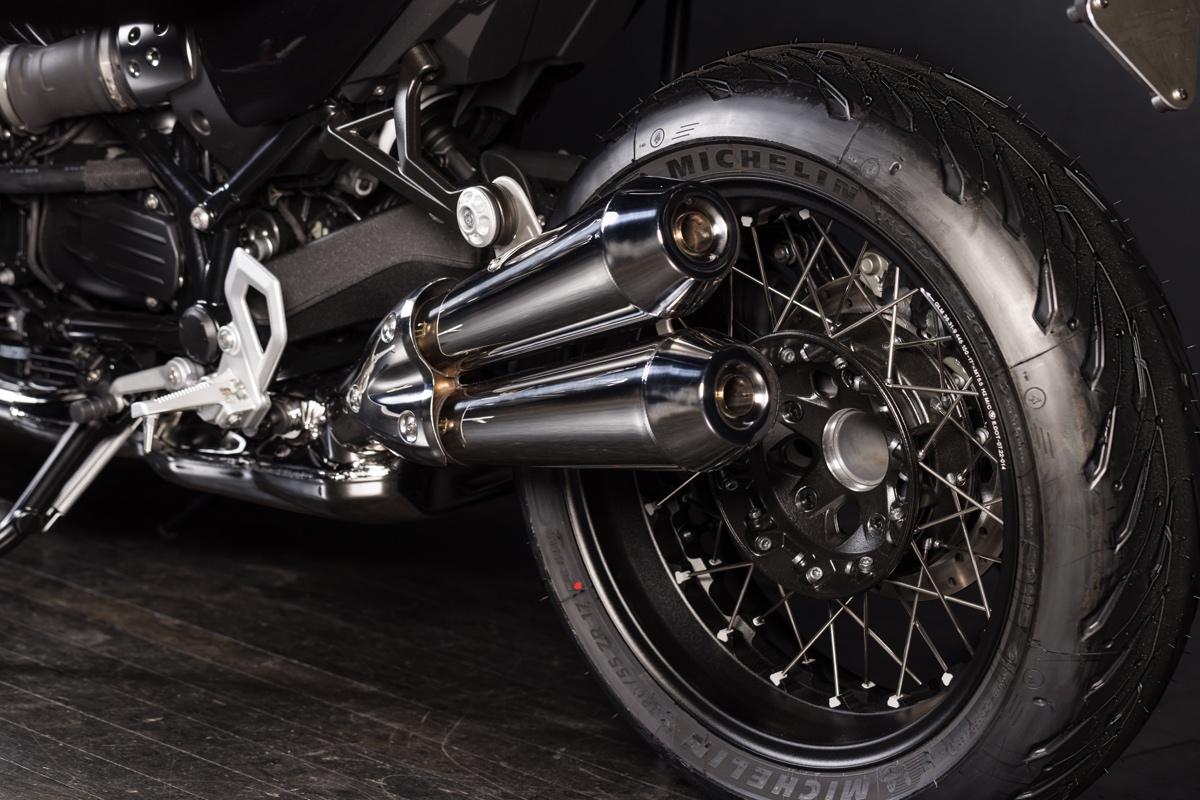
Overall, it carries a premium feel—machined parts, quality finish, and a design that invites customization while retaining strong “ready to ride” sensibility.
Engine & Performance
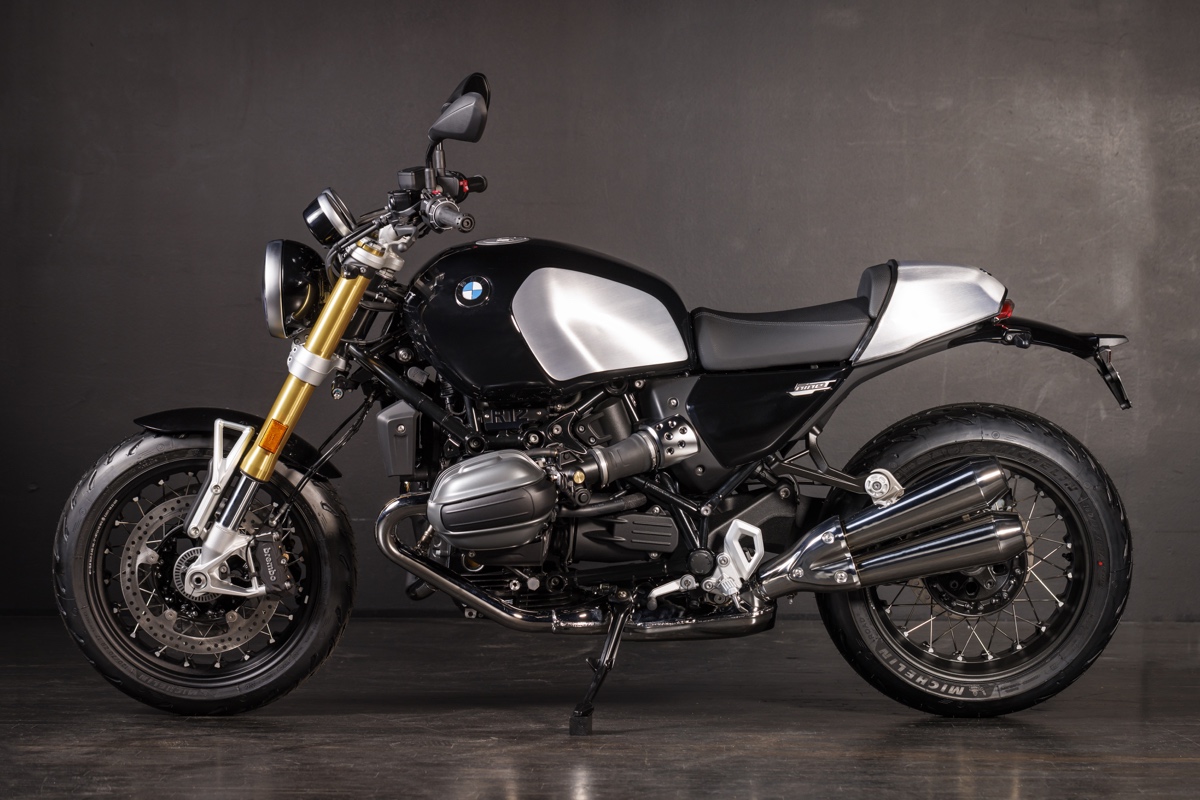
The heart of the R 12 nineT is a 1,170 cc air/oil‐cooled boxer twin that develops around 109 hp (80 kW) at 7,000 rpm and about 115 Nm (~85 lb-ft) of torque at 6,500 rpm in its standard tune.
This engine gives the bike substantial real-world punch. Whereas many retro bikes lean simpler, the R 12 nineT brings serious performance credentials: strong mid-range torque, smooth behavior, and a commanding exhaust note from the boxer layout
The shaft drive (typical of BMW boxer bikes) means the drivetrain is clean and low‐maintenance compared to chain drives.
In ride terms: expect friendly low-RPM behavior, effortless highway overtakes, and a satisfying boxer surge when you open it up. It may not rev as high as sportbikes, but the character is strong and very usable.
Chassis, Suspension & Features
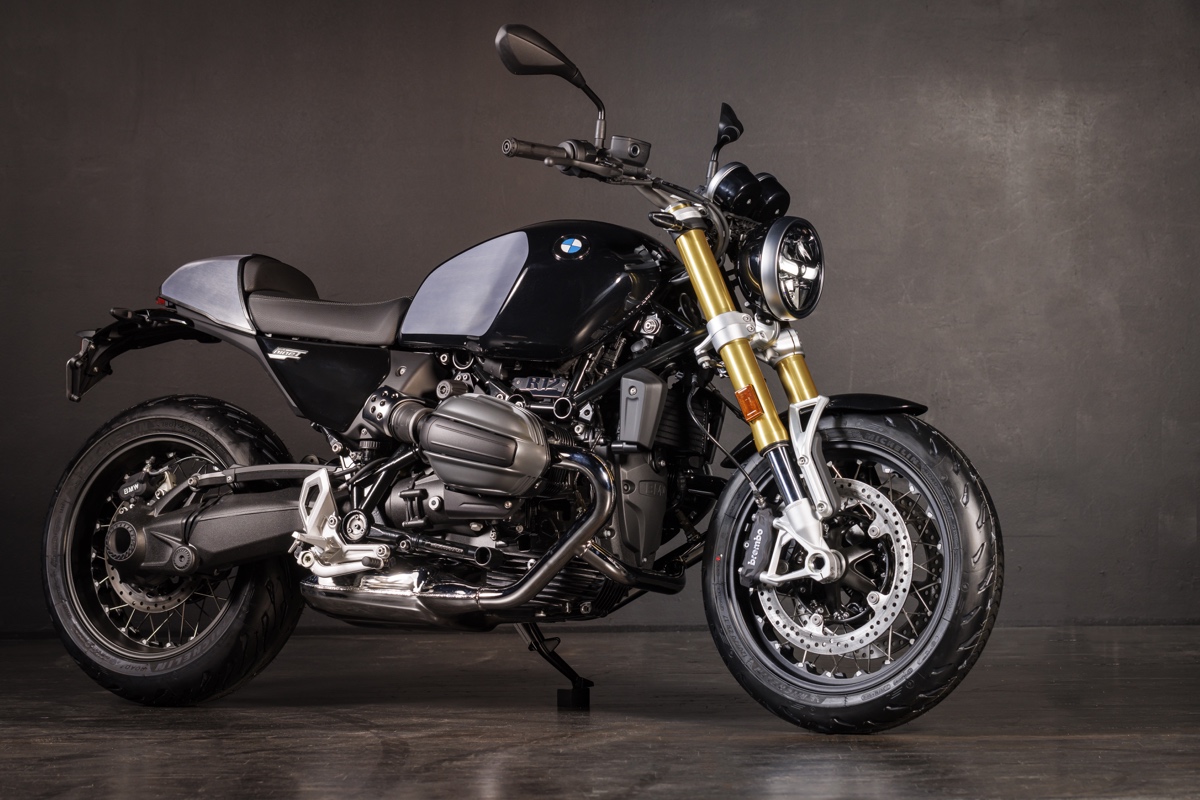
BMW redesigned the chassis for the R 12: a new frame concept reportedly allows improved ergonomics and handling.
Suspension is high quality: inverted (USD) fork up front, adjustable preload/rebound/damping in many markets. Rear uses BMW’s Paralever single-sided swingarm paired with a central shock. For example, one specification sheet lists 220 kg kerb weight and a 45mm USD fork.
Brakes: strong twin front discs (e.g., 310mm) and rear disc, with full ABS and advanced rider aids (traction control, engine drag torque control) for the nineT model.
The wheels are 17-inch cast alloys (road-biased) with tubeless tyres; spoked options or special editions may offer alternate setups.
Electronics & extras: riding modes (Rain, Road, Dynamic), keyless ride, LED lighting, USB/12V socket depending on spec.
Overall, the bike’s mechanical spec is very strong for a neo-retro roadster—handling and build feel stand out.
Riding Experience
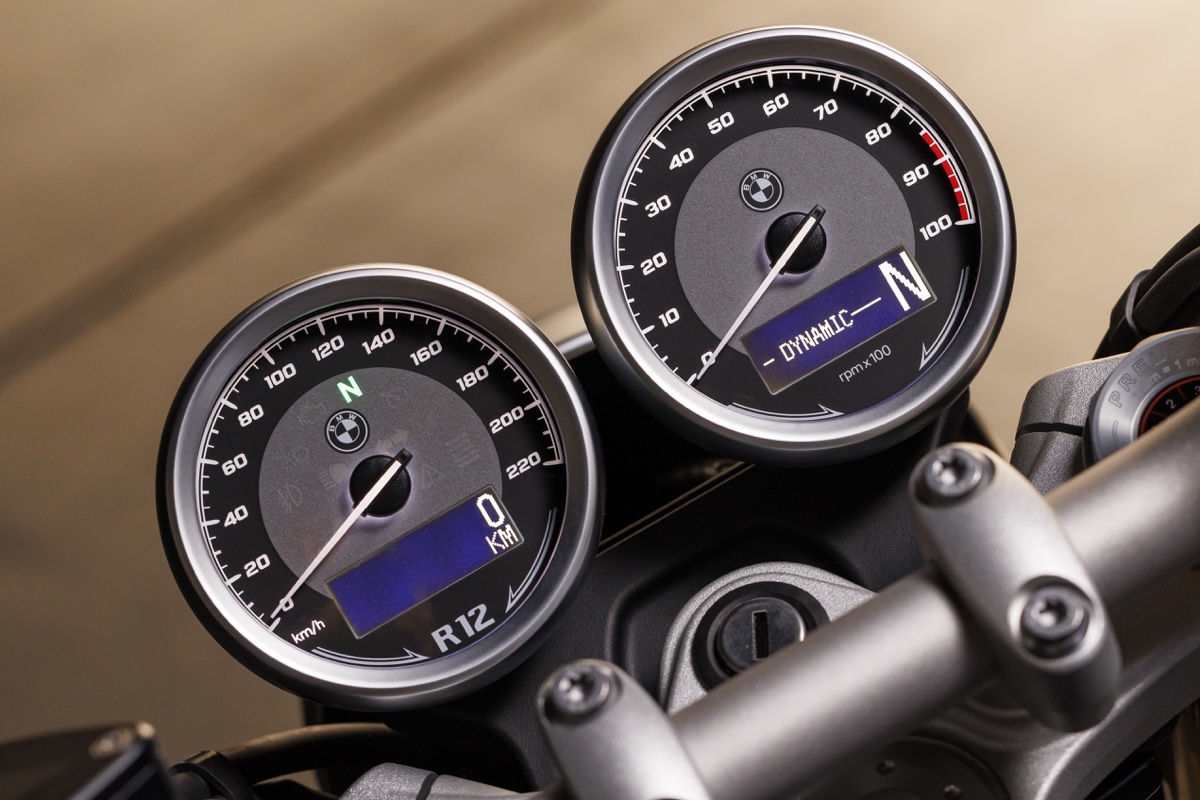
On the road, the R 12 nineT delivers a refined and confident ride. The boxer engine gives smooth power delivery and a distinctive character, especially compared with more anonymous inline engines. The seating and bar setup create a balanced posture that suits both urban cruising and spirited canyon carving.
The suspension provides composed behavior — perhaps not full track-bike stiffness, but more than enough for enthusiastic riding. Its road manners are excellent: stable at higher speeds, agile enough for twisties.
The weight (~220 kg kerb in some European spec) is noticeable but manageable given the strong torque and chassis refinement. The shaft drive adds peace of mind for commuters who don’t want constant chain maintenance.
If you’re looking for a bike that can do daily use, weekend rides, and turn heads, the R 12 nineT ticks the box
BMW R 12 nineT Specs
Engine: 1,170cc air/oil-cooled flat-twin boxer
Horsepower: 109 hp @ 7,000 rpm
Torque: 85 lb-ft (115 Nm) @ 6,500 rpm
Transmission: 6-speed manual, shaft drive
Frame: Steel trellis-bridge frame, engine partially load-bearing
Suspension:
• Front: 45mm USD fork, fully adjustable
• Rear: Paralever swingarm with preload & rebound-adjustable shock
Brakes:
• Front: Dual 310mm discs, radial-mount 4-piston calipers
• Rear: Single 265mm disc
• ABS Pro and cornering-sensitive traction control standard
Electronics:
• Riding modes: Rain, Road, Dynamic
• Traction control (DTC)
• Cornering ABS
• TFT display with onboard computer
• Optional quickshifter (depending on package)
Dimensions:
• Wheelbase: Approx. 59.5 in
• Seat Height: ~31.3 in (795 mm)
• Fuel Capacity: 4.2 gal (16 L)
• Curb Weight: ~485 lb
Performance:
• Top Speed: ~130 mph (estimated)
• 0–60 mph: Low 4-second range
• Fuel Economy: ~45–50 mpg (varies by riding style)
Available Options & Packages:
• Option 719 customization parts (machined components, premium finishes)
• Performance upgrades: sport suspension tuning, quickshifter
• Comfort upgrades: heated grips, higher or lower seats
• Aesthetic packages: heritage colors, retro-style accessories
• Luggage options: soft bags, tail racks
Pros & Cons
Pros:
- Premium build quality, materials and finish
- Strong boxer twin engine with character and usable torque
- Versatile road performance — comfortable but capable
- Heritage styling blended with modern tech and features
- Shaft drive and modern rider aids enhance usability and maintenance ease
Cons:
- Premium price compared to simpler retro bikes
- Seat height and weight may challenge shorter/newer riders
- Although sporty, it’s not a full supersport or dedicated track weapon
- Retro aesthetic means less wind protection and touring comfort than full-fairing bikes
BMW R 12 nineT vs Triumph Scrambler 1200
The BMW R 12 nineT brings a sophisticated neo-retro roadster feel: its 1,170 cc air/oil-cooled boxer twin makes about 109 hp and ~85 lb-ft of torque.
Meanwhile the Triumph Scrambler 1200 uses a 1,200 cc liquid-cooled parallel twin, claiming around 89 hp and 81 lb-ft (≈110 Nm) of torque.
In ride character:
- The BMW’s boxer layout gives it strong torque, great highway ability, and a premium feel.
- The Triumph’s twin offers more scrambler-/adventure-bike stance (especially the XE trim) with a higher seat, longer travel suspension, bigger front wheel in some trims, and a more “mixed surface” vibe. (Cycle News)
In terms of usage:
- If your ride is mostly paved roads, commuting and weekend canyon blasts, the BMW offers elegance + performance + heritage.
- If you want to mix road with light off-road or gravel, enjoy scrambler style, maybe get off the beaten path now and then, the Triumph Scrambler 1200 gives you more versatility.
On value:
- The Triumph tends to undercut some premium models in price while offering serious capability (especially in the XE).
- The BMW carries premium brand/value and higher build quality, but often commands a higher price and may cost more in maintenance/ownership.
BMW R 12 nineT vs Ducati Scrambler 1100 Sport Pro
Here the story shifts somewhat: the Ducati is more lightweight in feel (though still large displacement) and leans more street-friendly in spec. The Scrambler 1100 Sport Pro uses a 1,079 cc air/cooled L-twin, claimed ~86 hp and ~65 lb-ft of torque.
Comparison in feel:
- The Ducati offers retro charm, manageable weight, and fun street manners. Because it doesn’t aim to be an adventure or off-road machine in the same way, it may feel lighter and more city/road oriented.
- The BMW again brings more size, more premium parts, and perhaps more “presence” — it’s less about lightweight flickability and more about big-feel roadster character.
Usage differences:
- If you ride mostly on roads, want vintage styling but modern performance, the Ducati is very appealing.
- If you want something that can do everything from daily ride to spirited weekend blast and have premium componentry (BMW), then the R 12 nineT is very compelling.
Value wise:
- The Ducati might deliver excellent value for the style + performance quotient.
- The BMW likely costs more upfront — but gives you more premium build, heavier displacement, and possibly better long-term brand resale (depending on region).
Summary
- For pure road use with premium build and performance, the BMW R 12 nineT stands out.
- For road + occasional gravel/trail use with scrambler aesthetics, the Triumph Scrambler 1200 offers broader capability.
- For street-oriented retro styling with manageable size and strong value, the Ducati Scrambler 1100 Sport Pro sits neatly in that niche.
Verdict
The BMW R 12 nineT is a superb choice for riders who want a stylish, capable roadster with strong engine character, premium finishing, and everyday usability. It doesn’t compromise style for performance, nor does it sacrifice practicality for looks. If you ride mostly pavement, appreciate the heritage layout, and want a bike that stands out and performs well, the R 12 nineT delivers a compelling package.


