

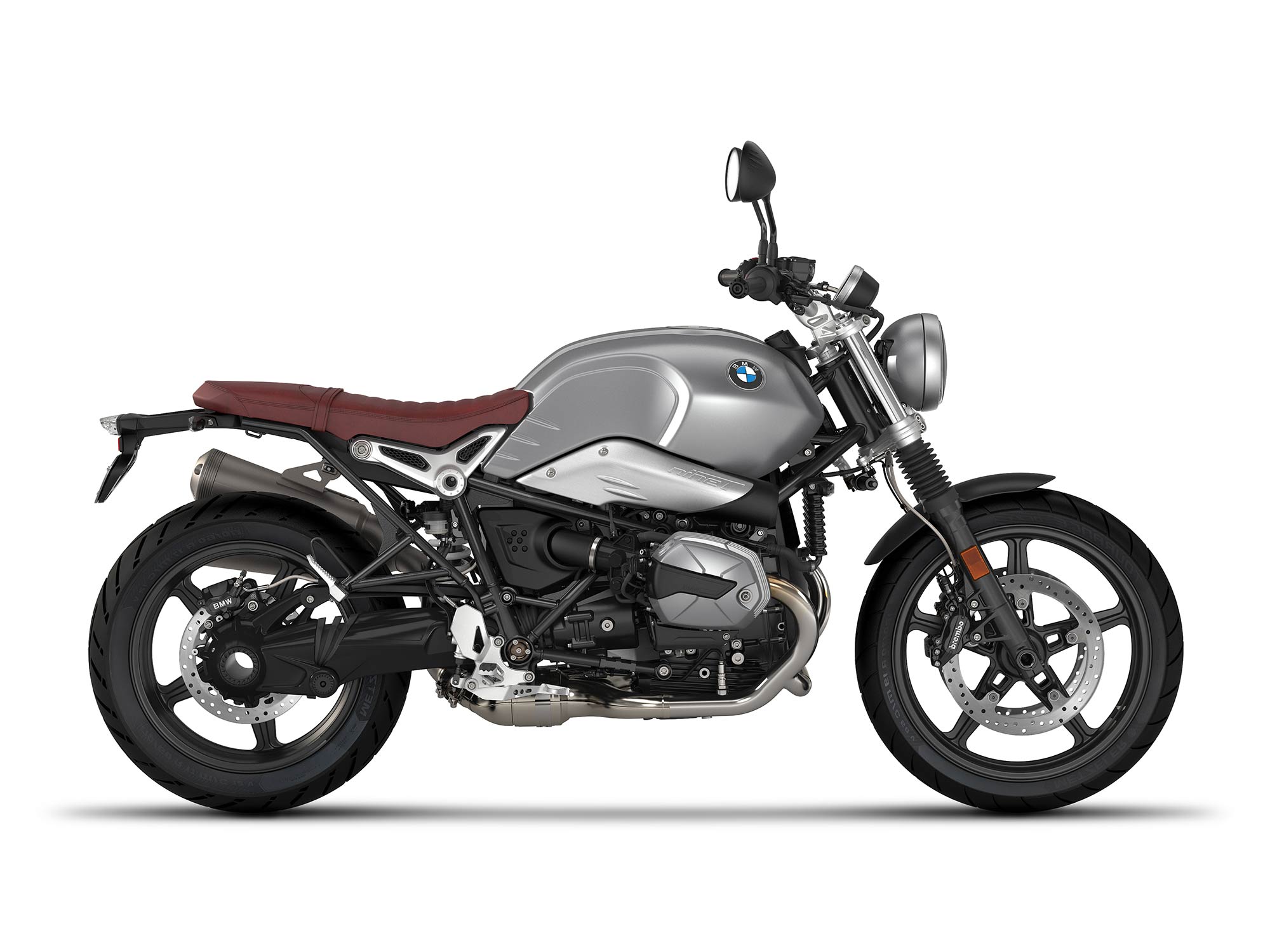
The BMW R nineT Scrambler is one of the most distinctive heritage scramblers on the market, combining classic styling, premium craftsmanship, and the unmistakable character of BMW’s air-/oil-cooled boxer engine. While many scrambler-style bikes focus largely on aesthetics, the R nineT Scrambler brings real-road performance, a torquey engine, and a surprisingly playful nature.
Design & Build
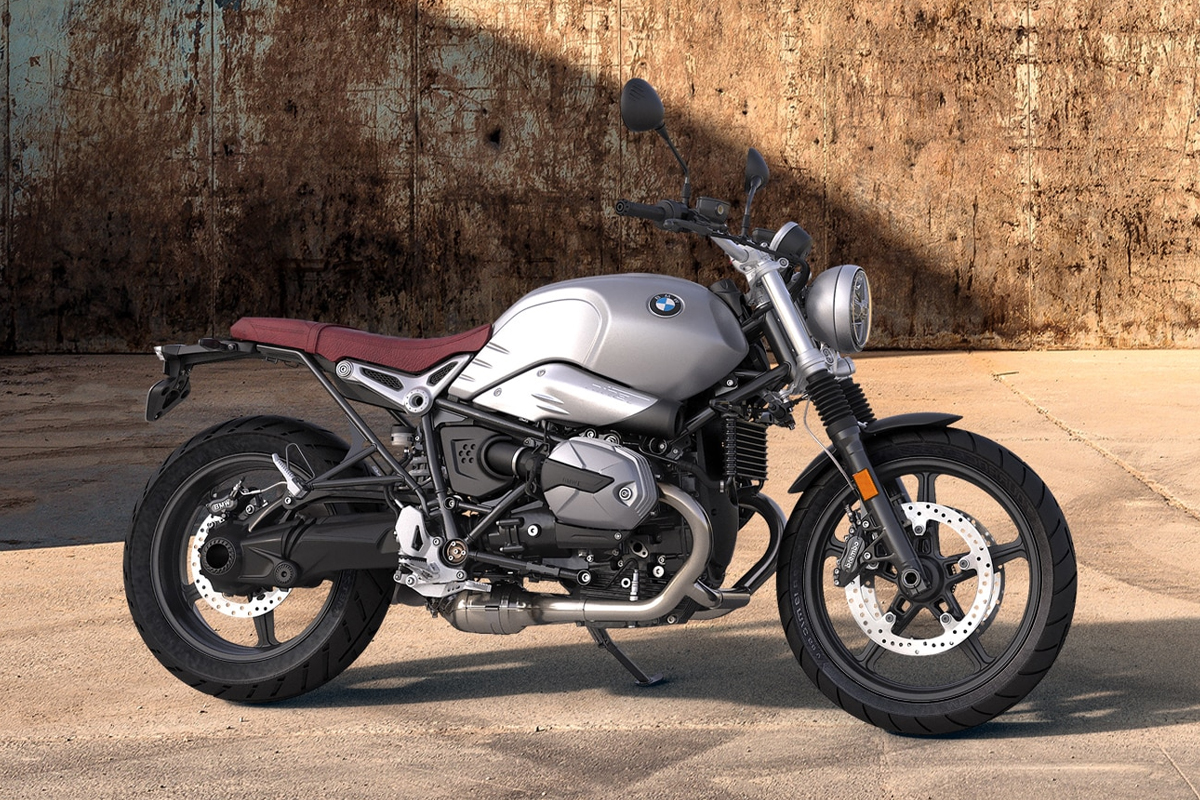
The design language of the R nineT Scrambler is unmistakably BMW. The exposed boxer cylinders give the bike its signature wide stance, while the frame, tank shape, and minimalistic tail section pay homage to vintage BMW machines. The ergonomics are upright and relaxed, with a tall handlebar and mid-set pegs that make it more comfortable than many sport-leaning street bikes.
Fit and finish are premium throughout: brushed aluminum accents, high-quality switchgear, and clean, classic instrument design make the bike feel handcrafted rather than mass-produced. Though it looks rugged, the R nineT Scrambler leans more toward a “road scrambler” aesthetic than a true dirt bike — but it carries that scrambler attitude with honesty.
Engine & Performance
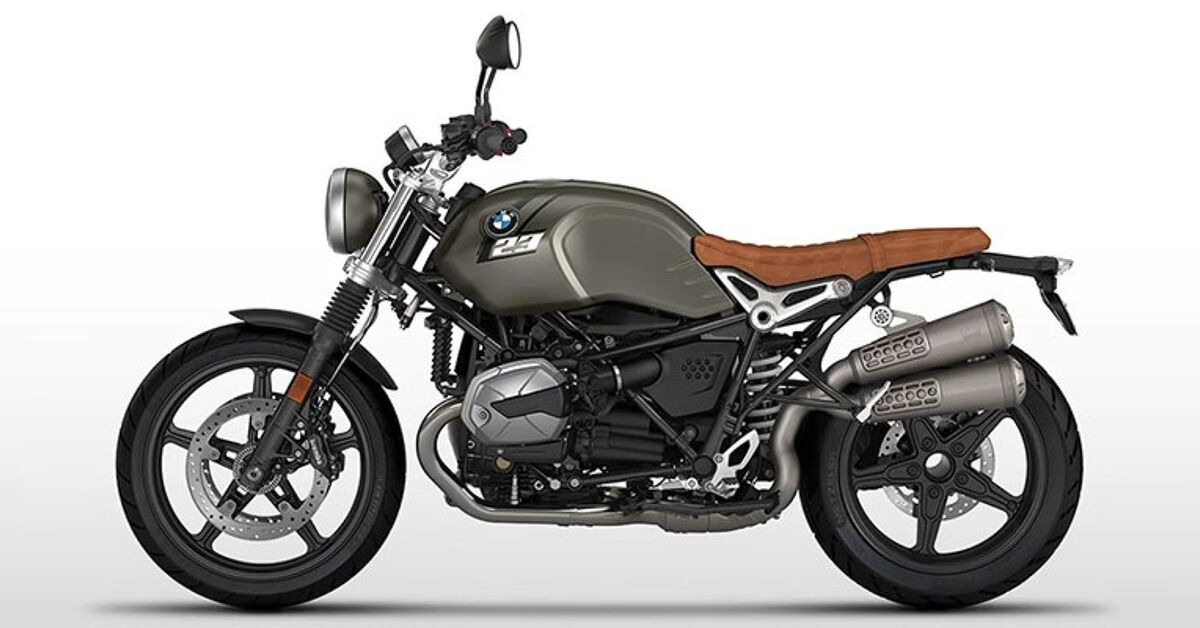
Powering the R nineT Scrambler is BMW’s iconic 1,170cc air-/oil-cooled boxer twin, producing around 110 horsepower and 86 lb-ft of torque, depending on year and market. The engine is the star of the show: it’s smooth, torquey, and full of mechanical personality. Riders often describe it as charming and muscular, with plenty of grunt for highway passes and tight backroads.
Torque delivery is broad and immediate, letting the bike pull from low revs without hesitation. While it doesn’t chase high-RPM thrills like an inline-four or rev-happy twin, the boxer’s mid-range punch and unique “pulsing” feel make it genuinely engaging. The bike’s lateral engine movement at idle — a signature boxer trait — adds to the character.
In the corners, the R nineT Scrambler is surprisingly agile. Despite its size and the wide engine layout, it tips in easily and feels composed at speed. Many riders note that it’s more capable in sporty riding than they expected from a heritage-style machine.
Chassis, Suspension & Brakes

The chassis uses a tubular steel frame paired with a 19-inch front wheel and a 17-inch rear — a slightly taller stance compared to pure street bikes. Suspension is tuned primarily for road comfort and stability, offering decent compliance for uneven pavement but not the long-travel performance of a true off-road machine.
Brakes are strong and confidence-inspiring, usually with dual front discs and ABS. One standout feature is the shaft drive, which is clean, low-maintenance, and rare among scramblers. It contributes to cost savings over time and adds to the bike’s refined feel.
Overall, the chassis is built more for spirited street riding and light gravel than aggressive trail exploration.
Practicality & Daily Use
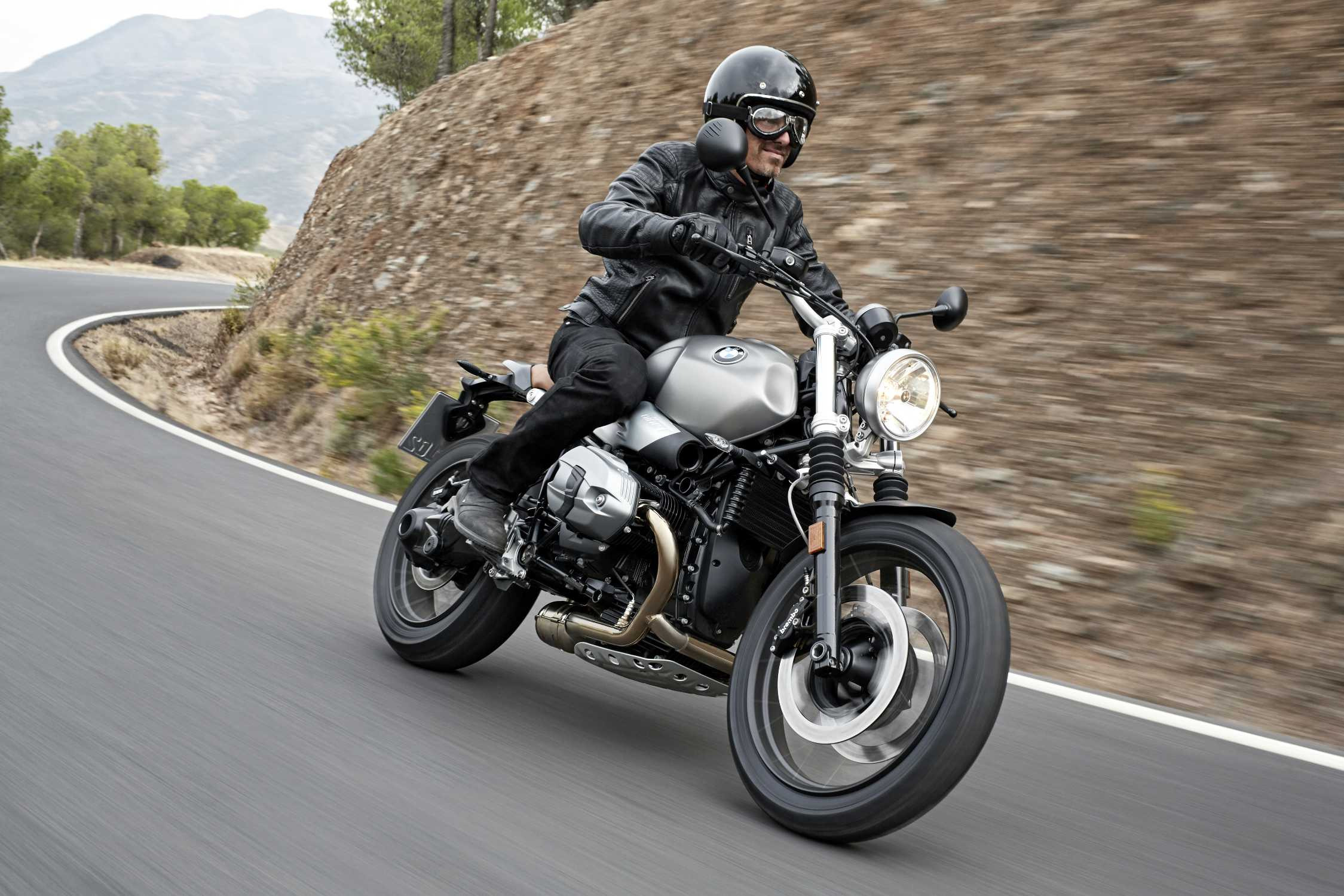
Although it’s a premium machine, the R nineT Scrambler works well as a daily rider:
- Upright ergonomics make it comfortable for commuting and moderate-distance rides.
- The boxer engine is smooth and tractable, perfect for real-world speeds.
- Shaft drive means no chain cleaning or adjustments.
- Weight and size can make it a bit cumbersome at parking-lot speeds, especially for shorter riders.
- Fuel tank size is modest, and wind protection is minimal — expected for this style of bike.
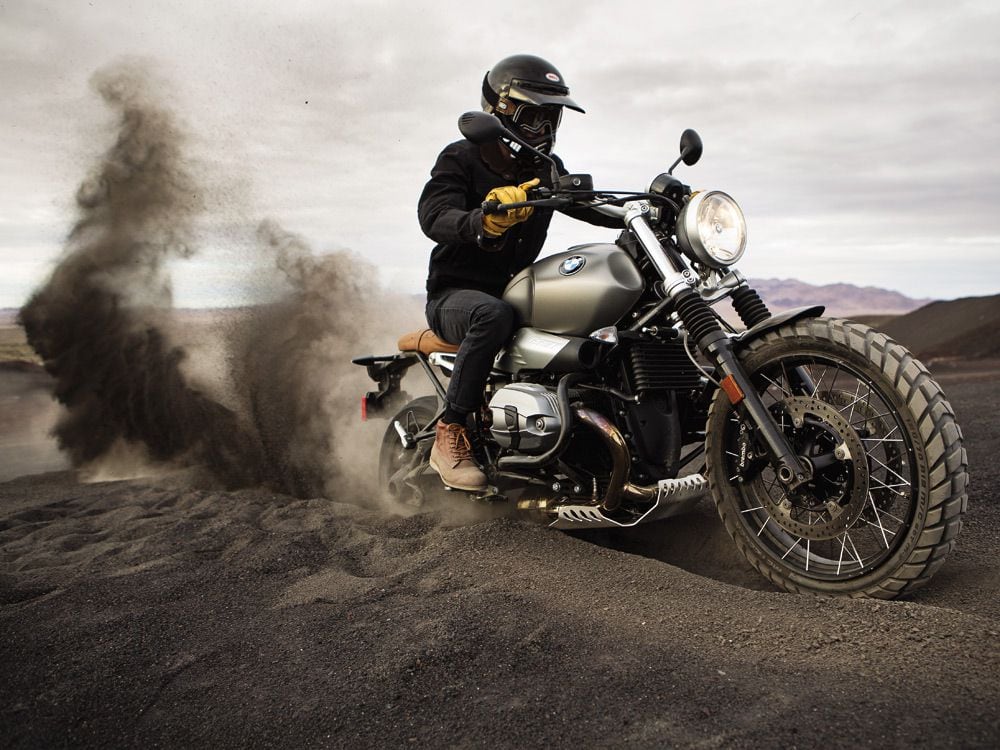
Off-road use is possible, but more in the realm of dirt roads, gravel, and mild trails. The bike’s weight, wheel sizes, and suspension travel limit serious off-pavement ambitions.
Who Is It For?
Great for:
- Riders who value style, craftsmanship, and mechanical character.
- Those who ride primarily on pavement but want the scrambler look and relaxed ergonomics.
- Fans of BMW’s boxer engine who want something more retro and artisanal than a GS.
- Experienced riders looking for a charismatic weekend machine with everyday usability.
Less ideal for:
- Riders targeting genuine off-road capability — the Triumph Scrambler 1200 XE or dedicated ADV bikes are far better for that.
- New riders who may find the size, weight, and price intimidating.
- Touring riders seeking wind protection or long-distance comfort.
BMW R nineT Scrambler Specs
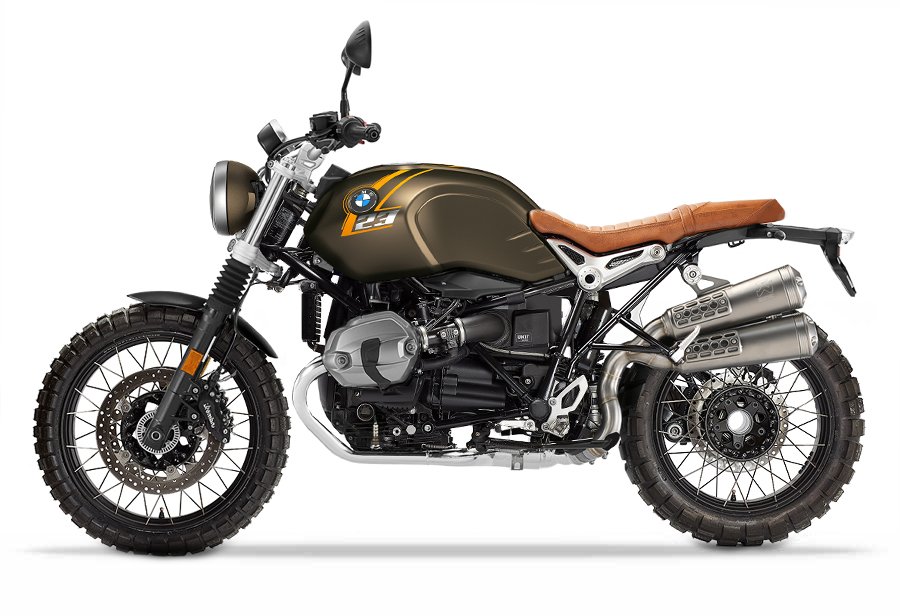
Engine: 1,170cc air/oil-cooled boxer twin
Power: 109 hp @ ~7,250 rpm
Torque: 85 lb-ft (115 Nm) @ ~6,000 rpm
Transmission: 6-speed manual, shaft drive
Weight: ~492 lbs (ready to ride)
Frame: Modular three-piece steel frame, engine load-bearing
Suspension:
• Front: 43mm telescopic fork
• Rear: Paralever single-sided swingarm w/ preload & rebound-adjustable shock
Brakes:
• Front: Twin 320mm discs with 4-piston calipers
• Rear: 265mm disc
• ABS Pro
Electronics: Riding modes (Rain, Road), traction control, LED lighting, USB port
Seat Height: ~32.3 in
Fuel Capacity: 4.5 gal
Wheelbase: ~60.1 in
Performance:
• Top Speed: ~124 mph (est.)
• 0–60 mph: Mid-4-second range
Options & Packages:
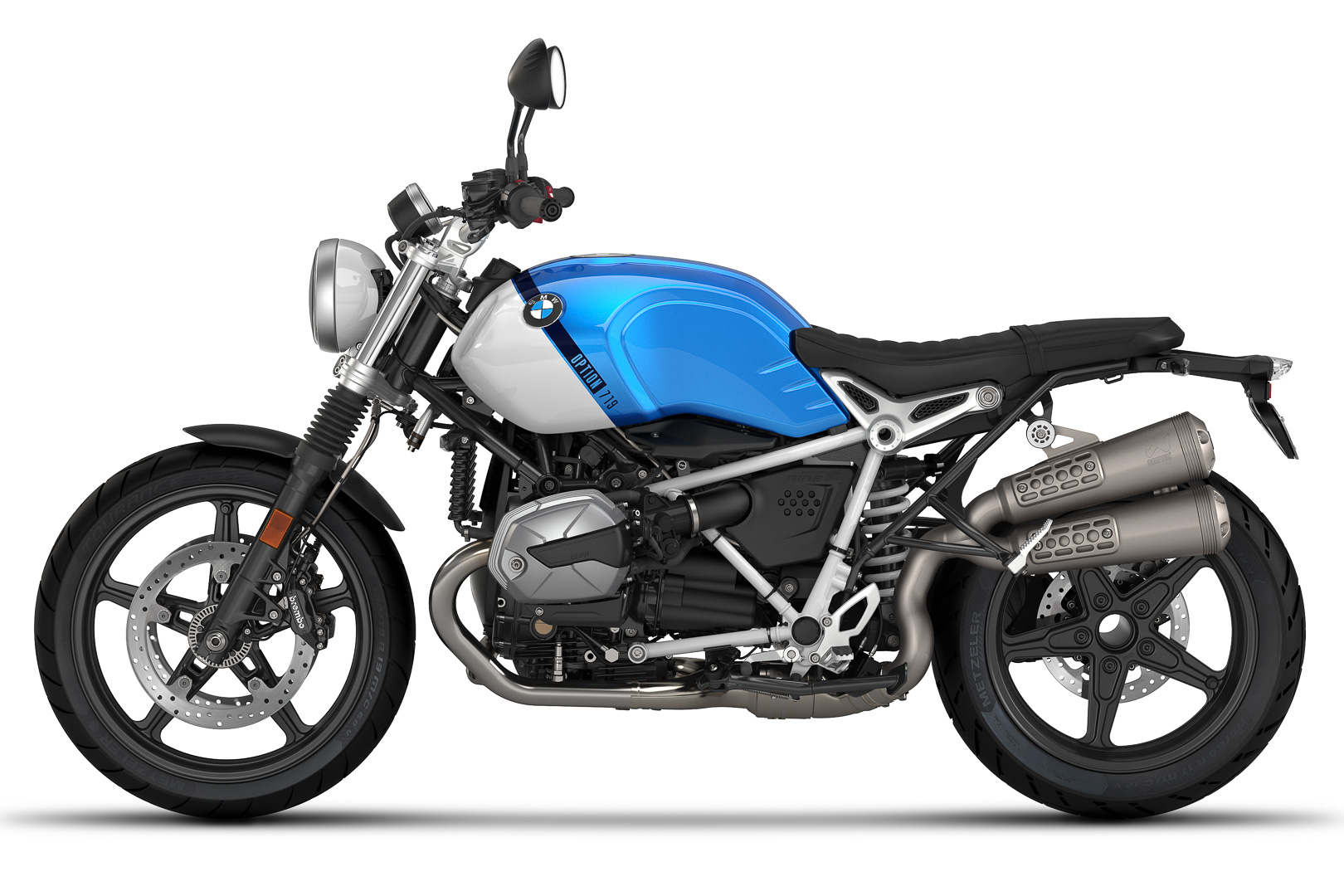
• Option 719 finishes and premium components
• Heated grips and alternate seat heights
• Off-road-style accessories and scrambler add-ons
• Luggage and touring options
Pros & Cons
Pros:
- Distinctive 1,170cc boxer engine with tons of torque and character
- Premium craftsmanship and retro styling
- Shaft drive for low maintenance
- Surprisingly agile on twisty roads
- Upright and comfortable riding position
Cons:
- Expensive compared to simpler scramblers
- Limited off-road capability
- Weight and height can be challenging for smaller riders
- Modest fuel range and minimal wind protection
Rivals
Major rivals / competitors include the Triumph Scrambler 1200, Ducati Scrambler 1100, and Moto Guzzi V85 TT.
BMW R nineT Scrambler vs. Triumph Scrambler 1200
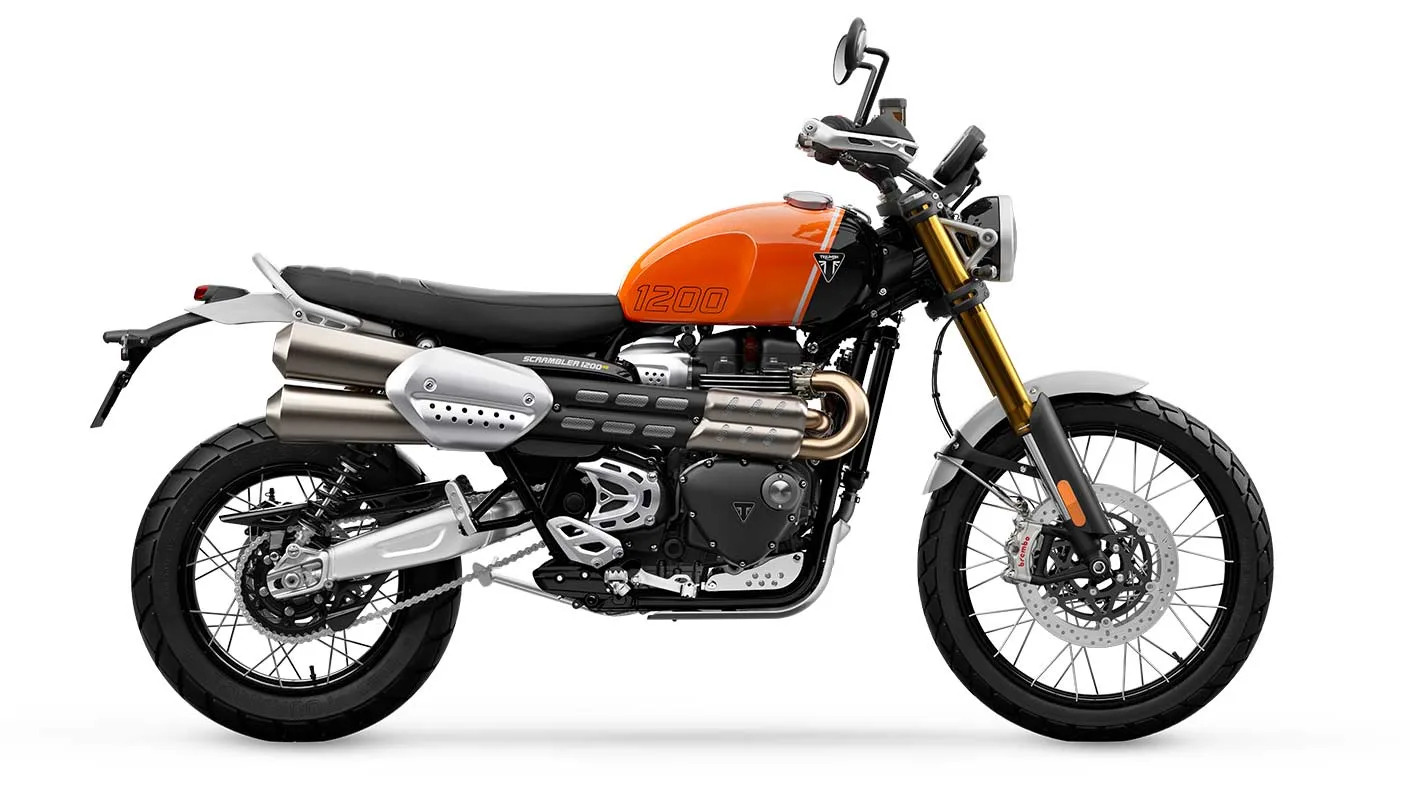
- The BMW brings a distinctive boxer-engine character, premium build quality and strong heritage styling. It uses a 1,170 cc air/-oil-cooled engine with big torque and a refined feel. Meanwhile, the Triumph uses a 1,200 cc liquid-cooled twin with more low-end grunt and a greater bias toward mixed-road/off-road use (especially in its XE trim).
- The BMW is more road-focused: the suspension travel is moderate, the ergonomics are classic scrambler/heritage style, and the performance is strong but tuned more for smooth pavement. The Triumph, particularly its “XE” version, leans further toward mixed surfaces (fire roads, gravel) with long-travel suspension and a 21-inch front wheel.
- If you ride mostly paved roads, value premium finishing, and prefer refined character over off-road versatility, the BMW is an excellent fit. If you want a scrambler with more adventurous capability — good on pavement and less-maintained surfaces — the Triumph offers more breadth.
BMW R nineT Scrambler vs. Ducati Scrambler 1100 (Sport Pro)
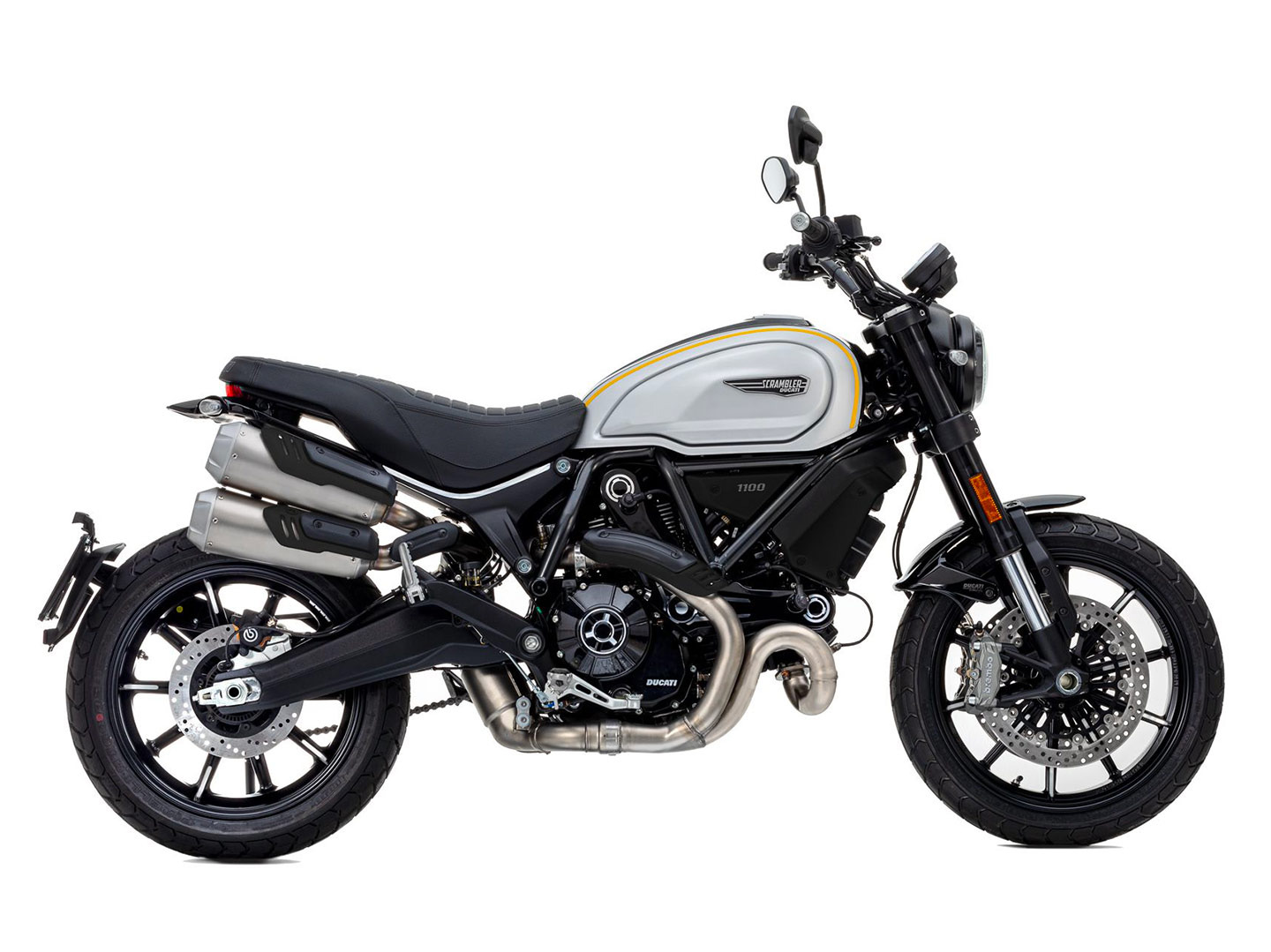
- The Ducati is a lighter, more compact machine (≈1,079 cc L-twin), emphasising street style, agile handling and retro charisma. It uses simpler chassis geometry which makes it highly manoeuvrable in urban and twisty road settings. The BMW, on the other hand, brings a larger boxer engine, shaft drive (lower maintenance), and heavier, more substantial presence.
- The Ducati is better suited for riders who prioritise style, light weight and street agility above mixed-terrain capability. The BMW trades some of that agility for character, weight and premium components — you feel the heft and build quality of the machine.
- So if your riding is almost entirely on pavement, you like minimalist retro styling and want sharp handling above all, the Ducati is compelling. If you want engine character, premium materials, a little more comfort and everyday usability built in, the BMW is hard to beat.
BMW R nineT Scrambler vs. Other Heritage / Mixed-Use Bikes
- Compared against many “modern classic” bikes that use smaller engines (<900 cc) or basic components, the BMW stands out for its large displacement, strong torque, shaft drive (rare in scrambler class), and premium finishing.
- However, compared with true adventure or off-road-capable bikes, the BMW lacks very long suspension travel, big 21-inch wheels, and serious off-path geometry — so while it scrambles and looks the part, it is less capable on rough trails than dedicated off-roaders.
- Value wise: The BMW typically commands a premium price for brand and build. Some rivals may offer slightly less power or premium finish but at lower cost — so the BMW works best if you value the sum of parts (engine character, build quality, brand) rather than just spec numbers.
Summary: Which One Fits You?
- Choose the BMW R nineT Scrambler if you want a stylish, well-built machine with strong engine character, upright heritage ergonomics, and mostly road-use with a bit of gravel when desired.
- Choose the Triumph Scrambler 1200 if you want greater mixed-terrain capability and are comfortable with larger seat height / weight and want to explore dirt/gravel as part of your ride.
- Choose the Ducati Scrambler 1100 if you prioritise light weight, retro street style, urban riding and nimble performance above fully mixed terrain use.
Verdict
The BMW R nineT Scrambler is a premium retro machine that blends heritage styling with real performance and unmistakable personality. It’s a road-focused scrambler with a muscular engine, refined components, and a unique riding feel that few bikes can match. If you ride mostly pavement, appreciate craftsmanship, and want a bike that turns every trip into an experience, the R nineT Scrambler is a standout choice.


