
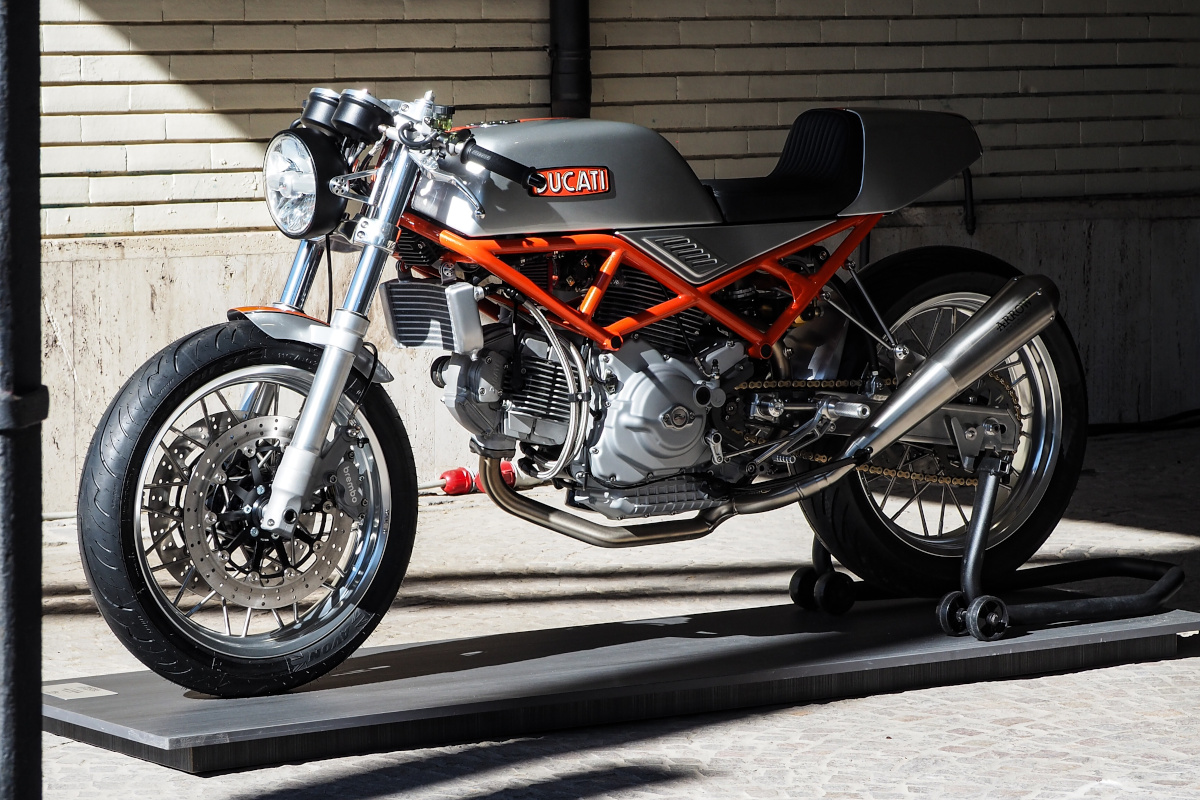
Eternal Iron Prize: 70s-Inspired M900 “Massimo” by Fuchs Workshop…
We all know the story of the original Monster, “the bike that saved Ducati.” What began as a mere styling exercise in the early 90s evolved into a naked machine with a “head-down, charging bull stance” (MCN), which would come to account for more than half of Ducati’s annual sales. The original M900 hit dealerships in 1991, featuring an 851 superbike frame, 750SS forks, and a 900SS L-twin.
For 2000, the Monster 900ie received fuel injection (iniezione elettronica = ie) to smooth out power delivery for the air-cooled twin, which produced a solid 78-bhp. The liquid-cooled S4 arrived a year later, but the air-cooled Monsters are still favored by many enthusiasts.
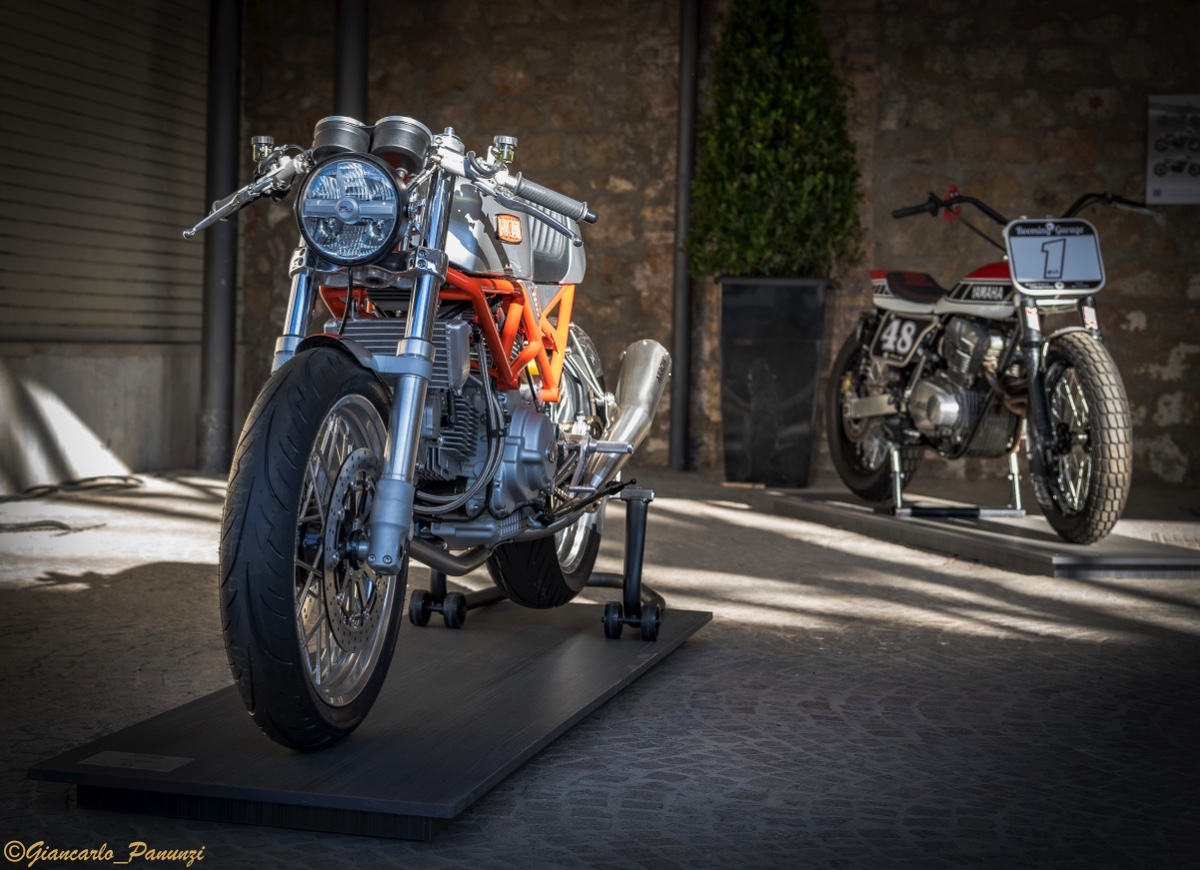
This 2000 Ducati Monster 900ie comes from our old buddy Massimo Rinchiuso, whose championship-winning Yamaha “FTX500” flat tracker was a big hit earlier this month.
While Massimo has a soft spot for flat trackers, he also builds his share of full-blown custom street bikes. This one was built for a friend who’s a fan of Italian and British café racers.
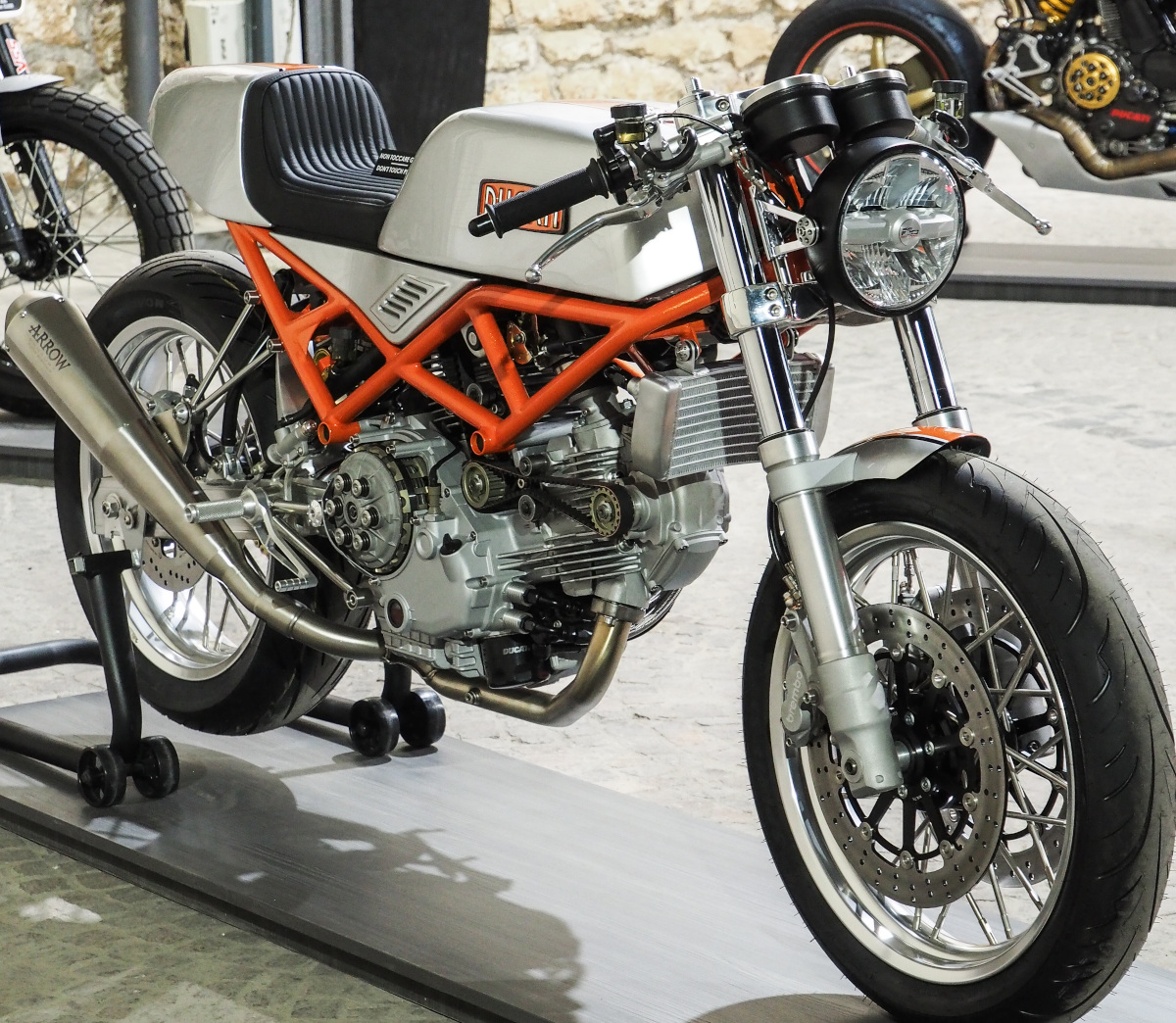
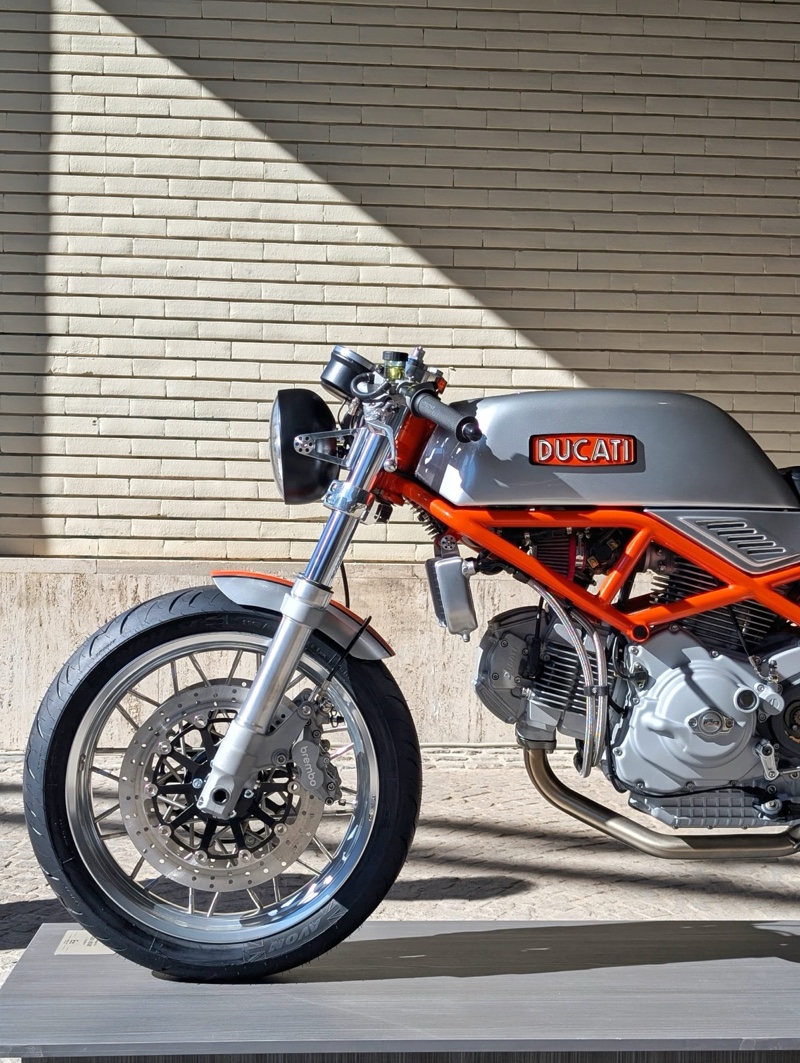
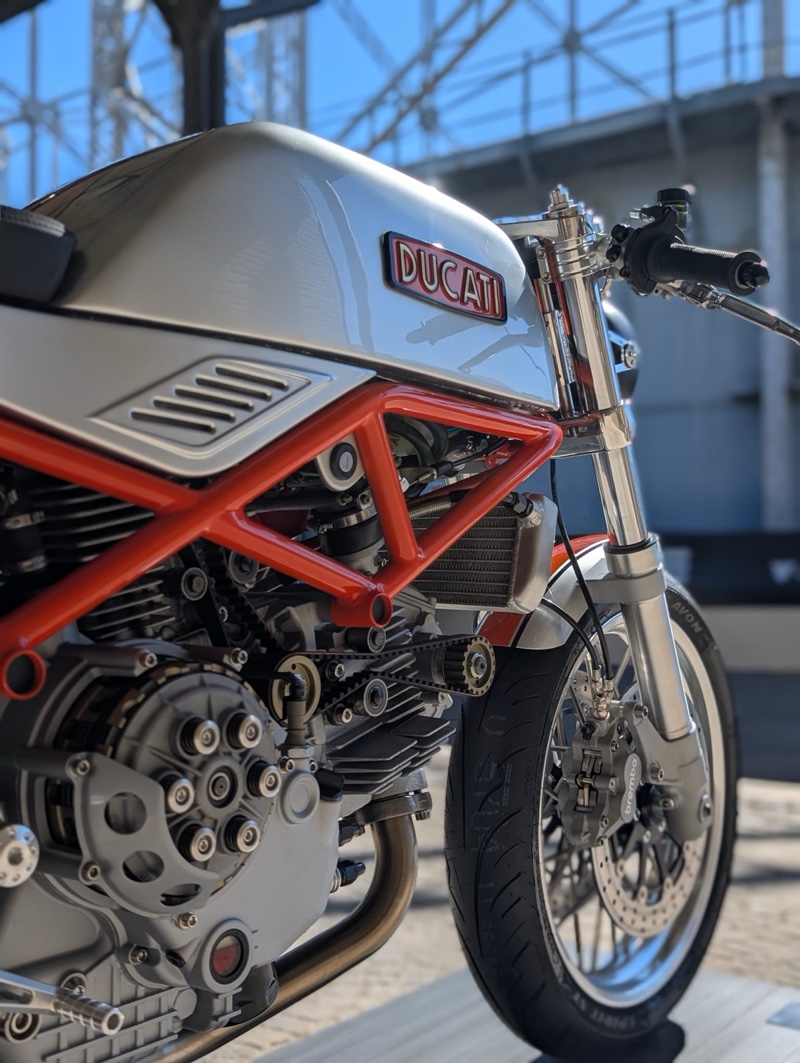
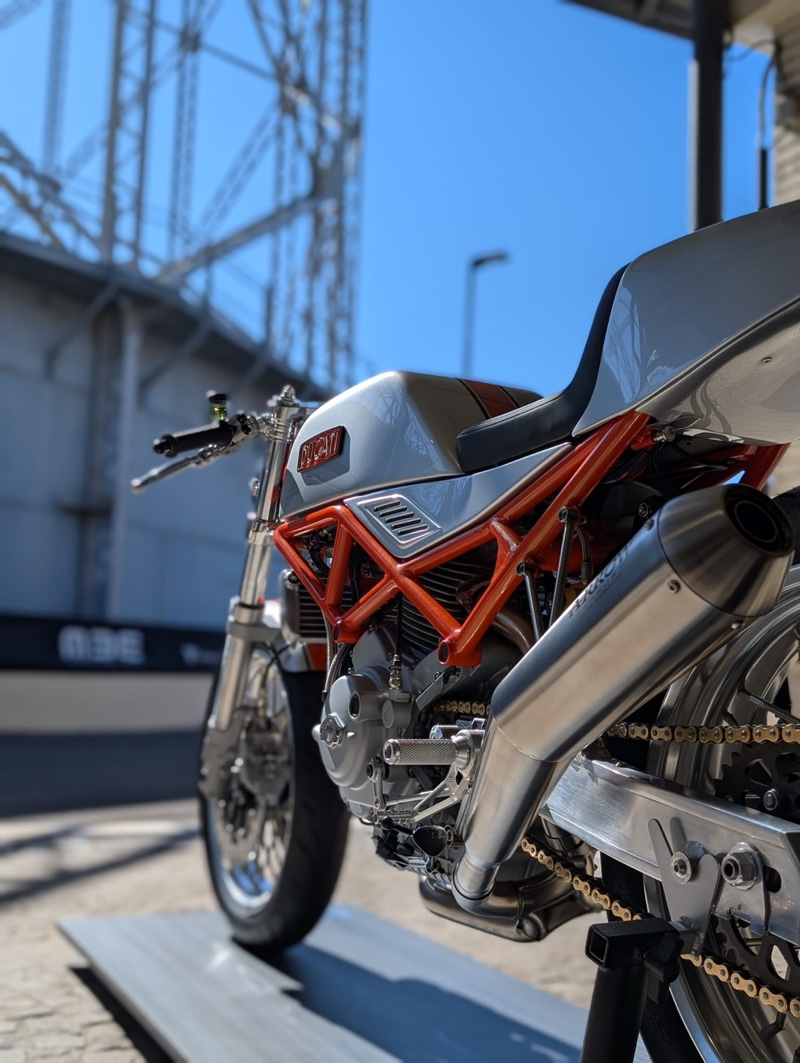
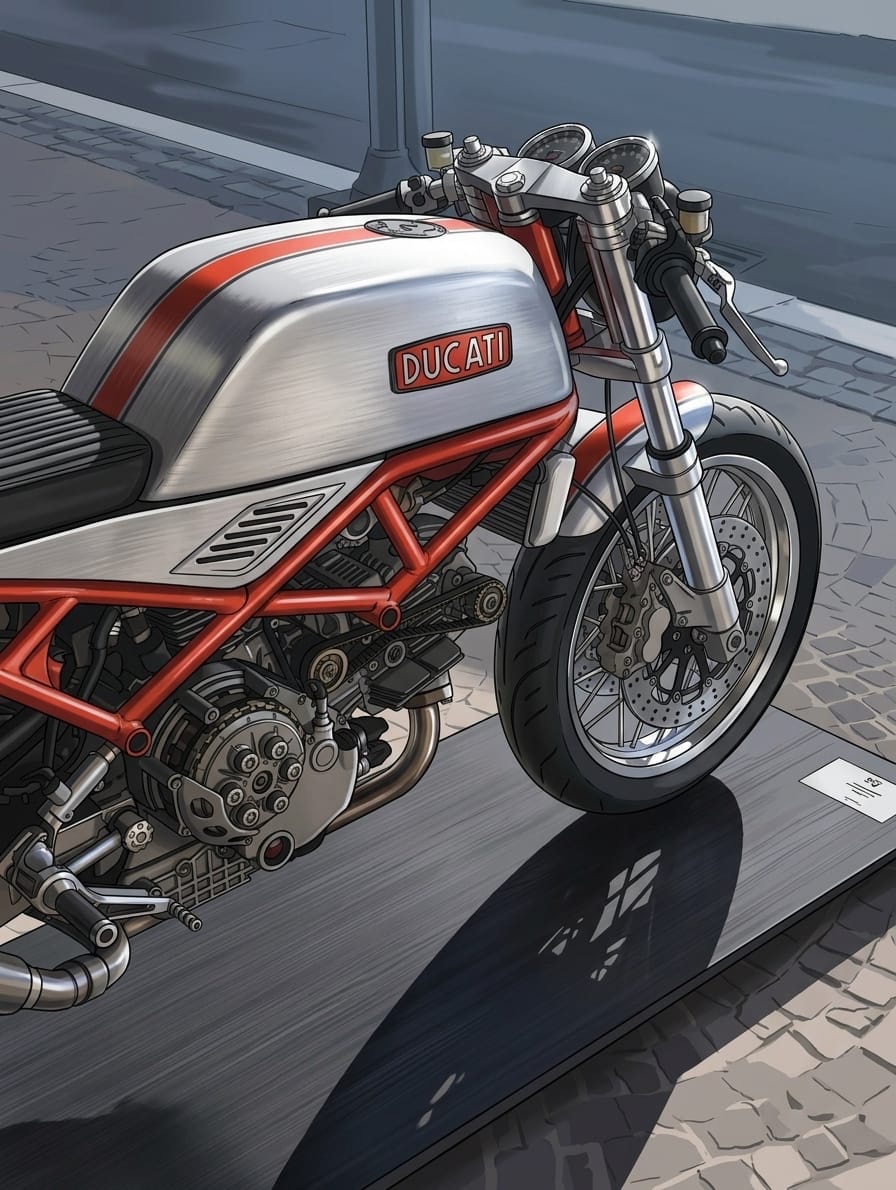
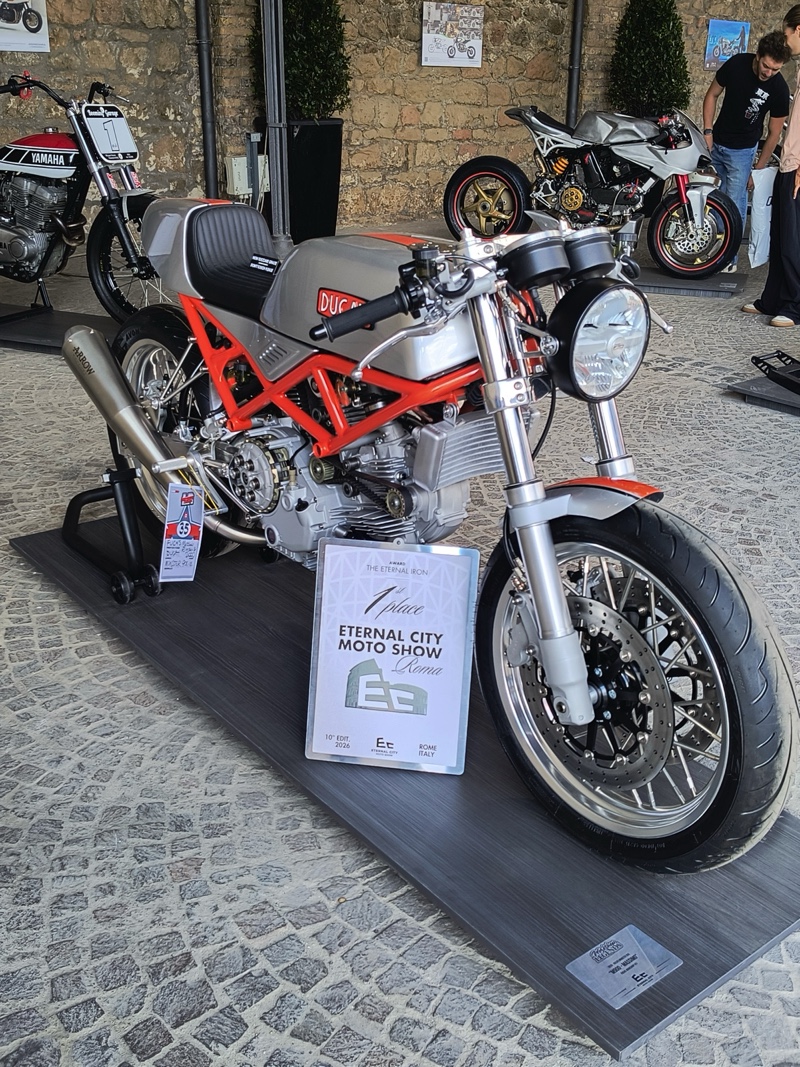
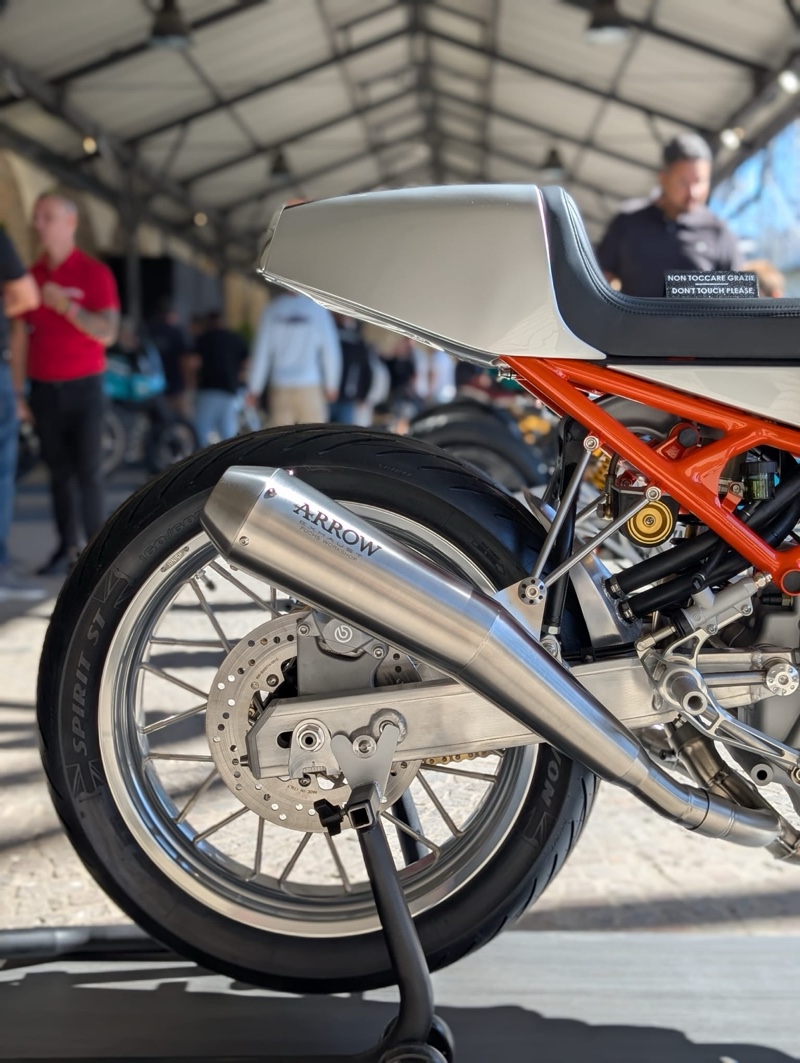
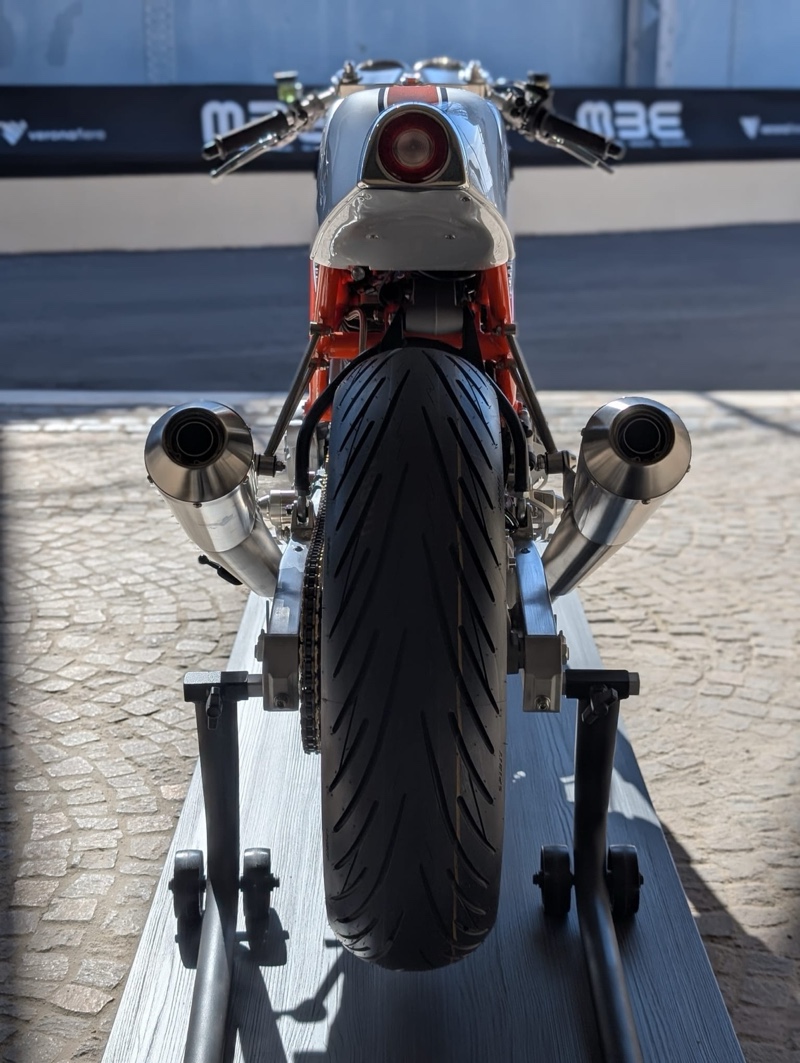
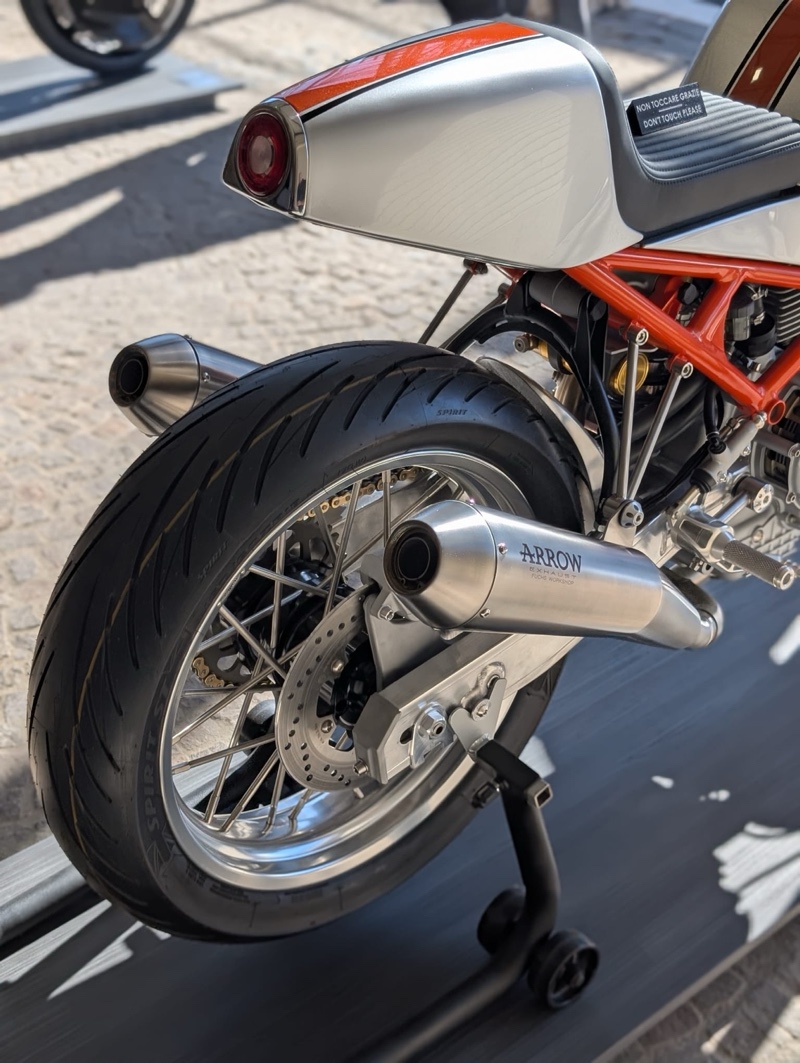
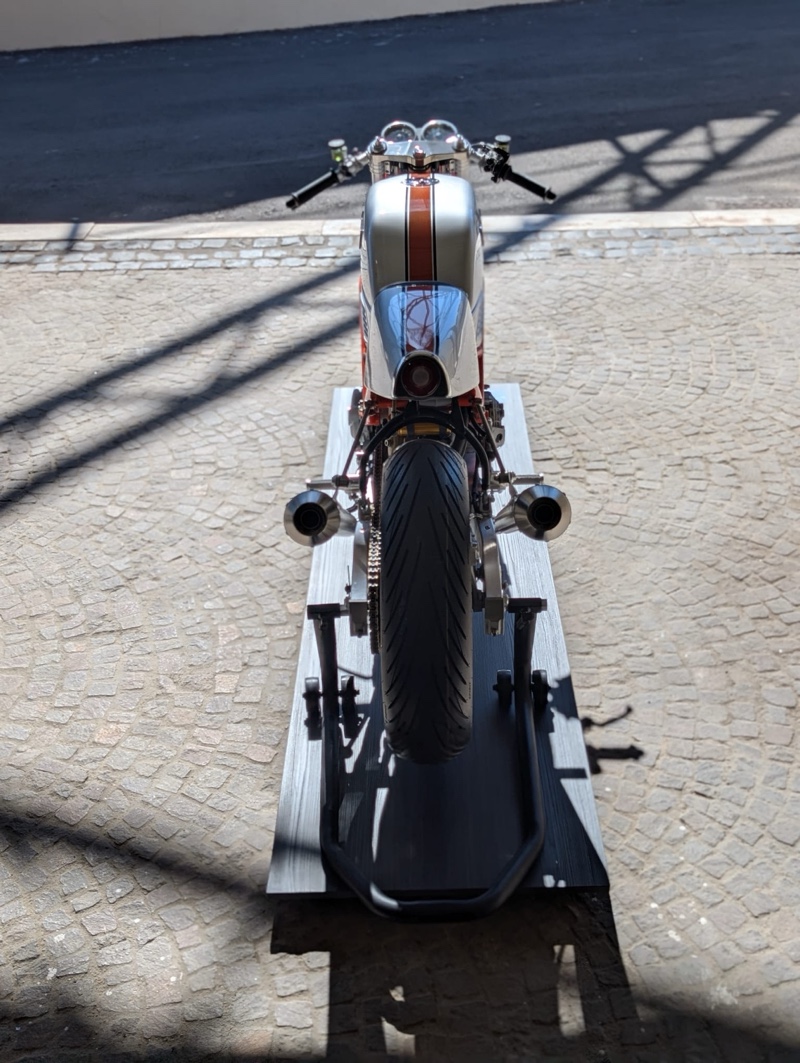
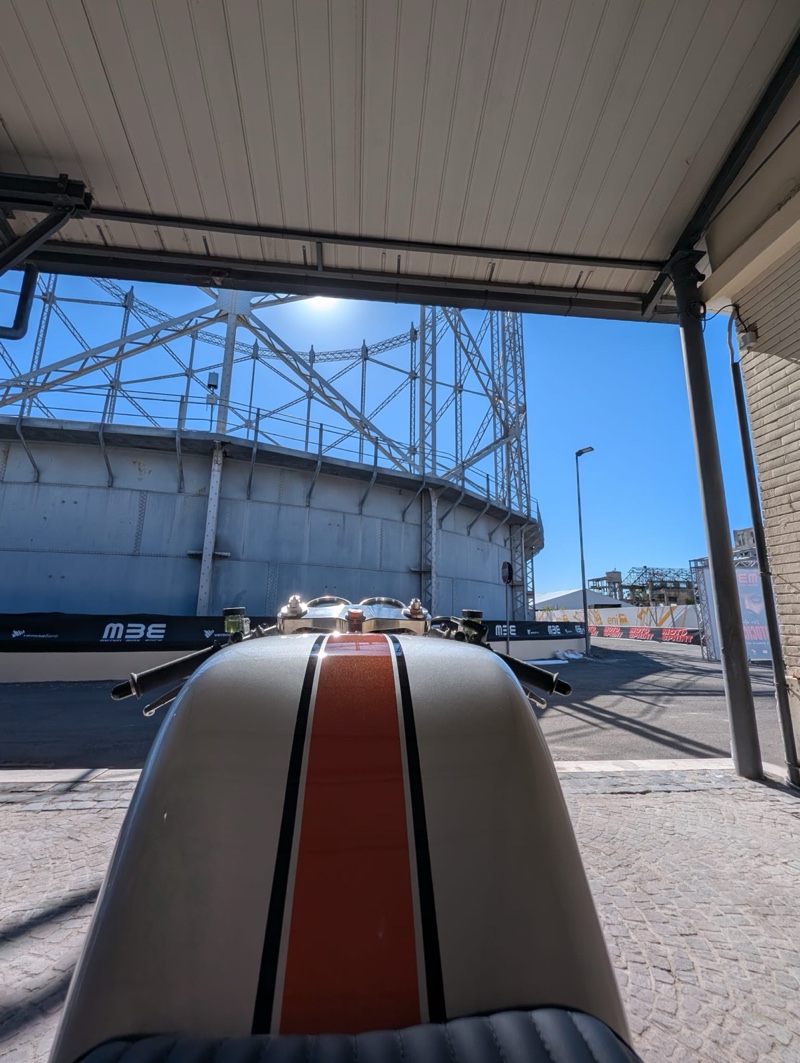
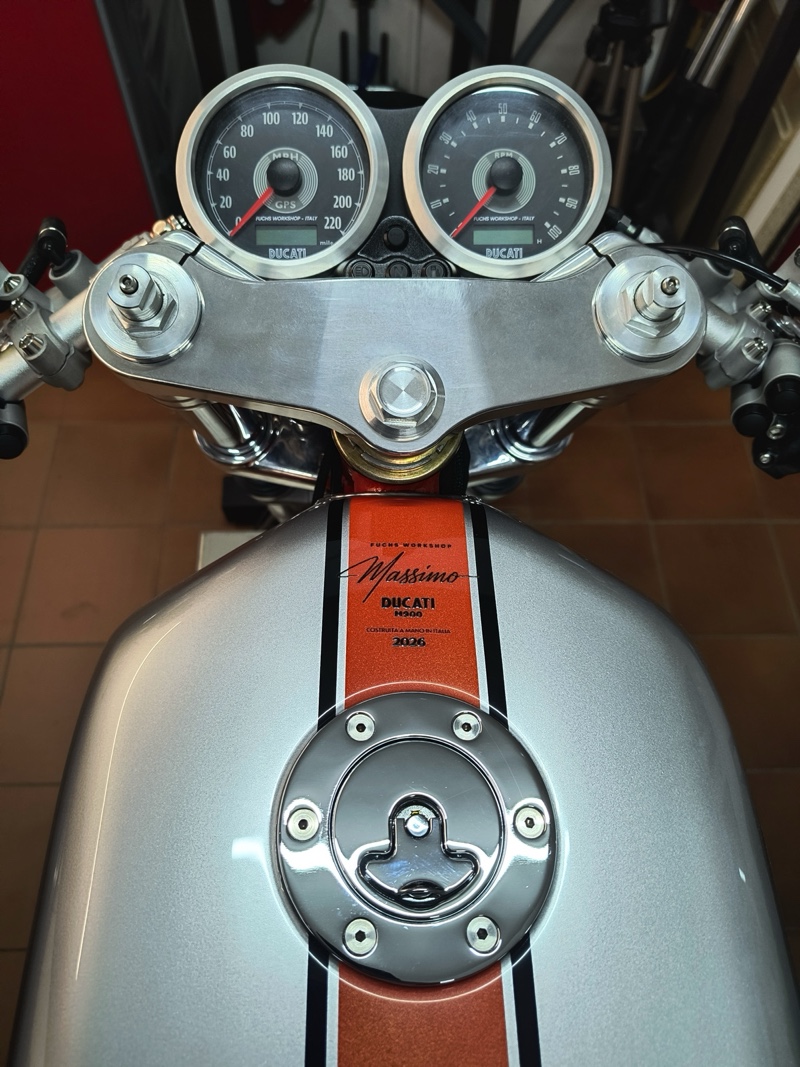
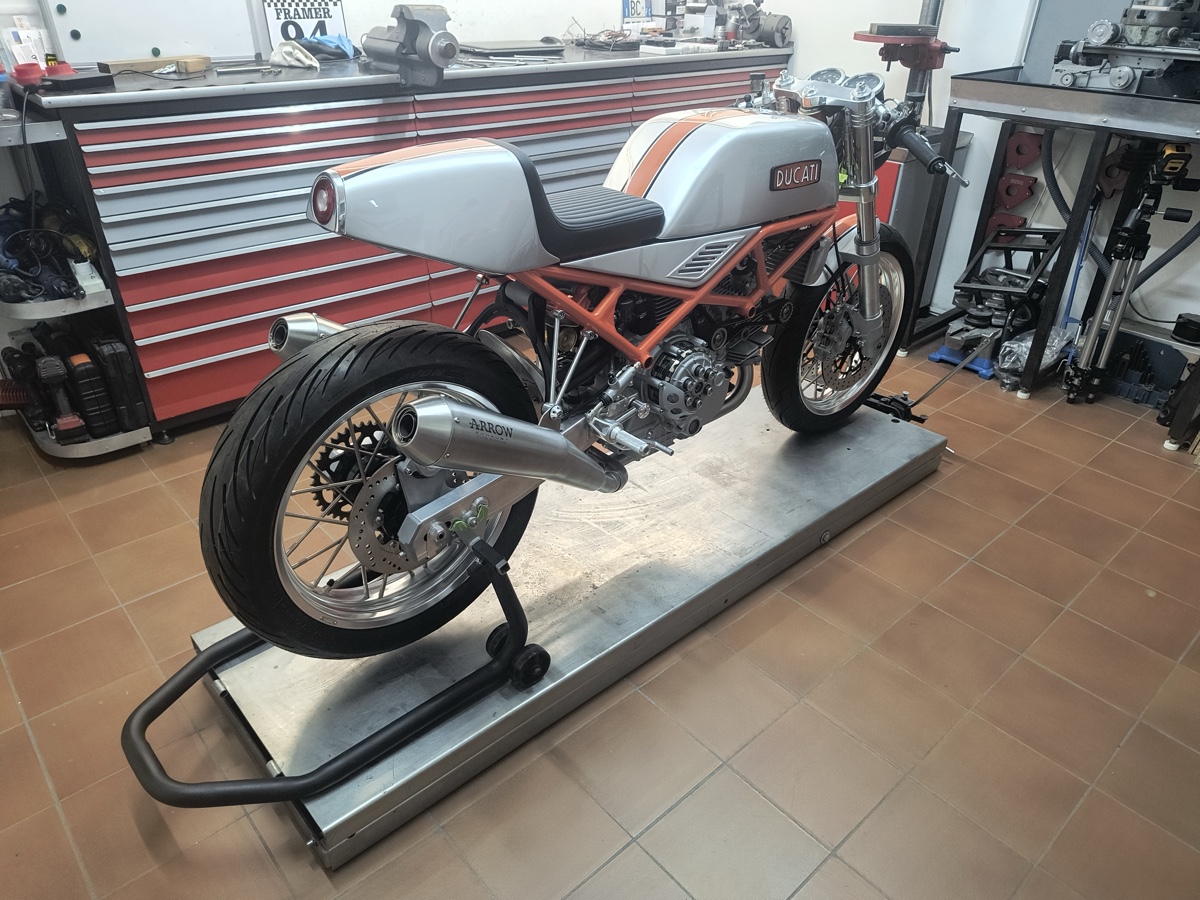
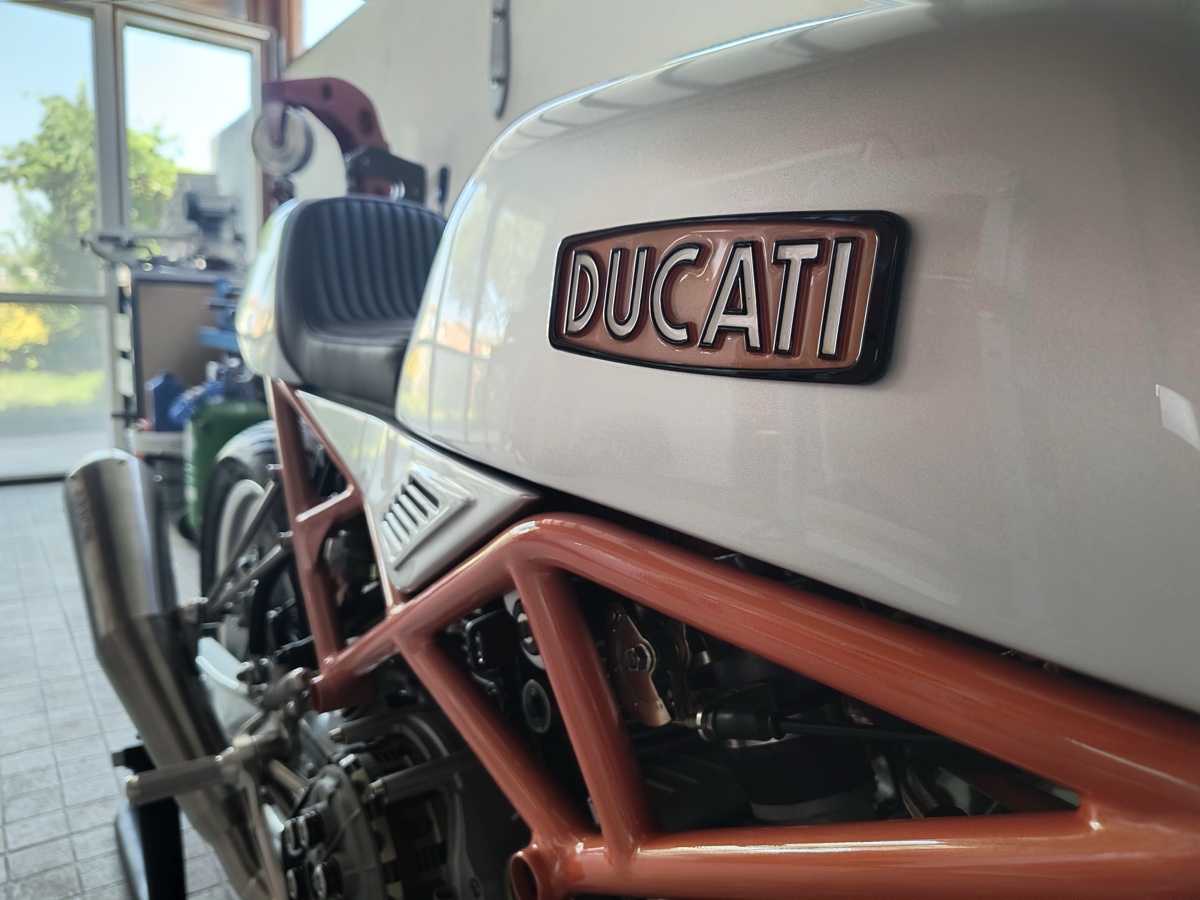
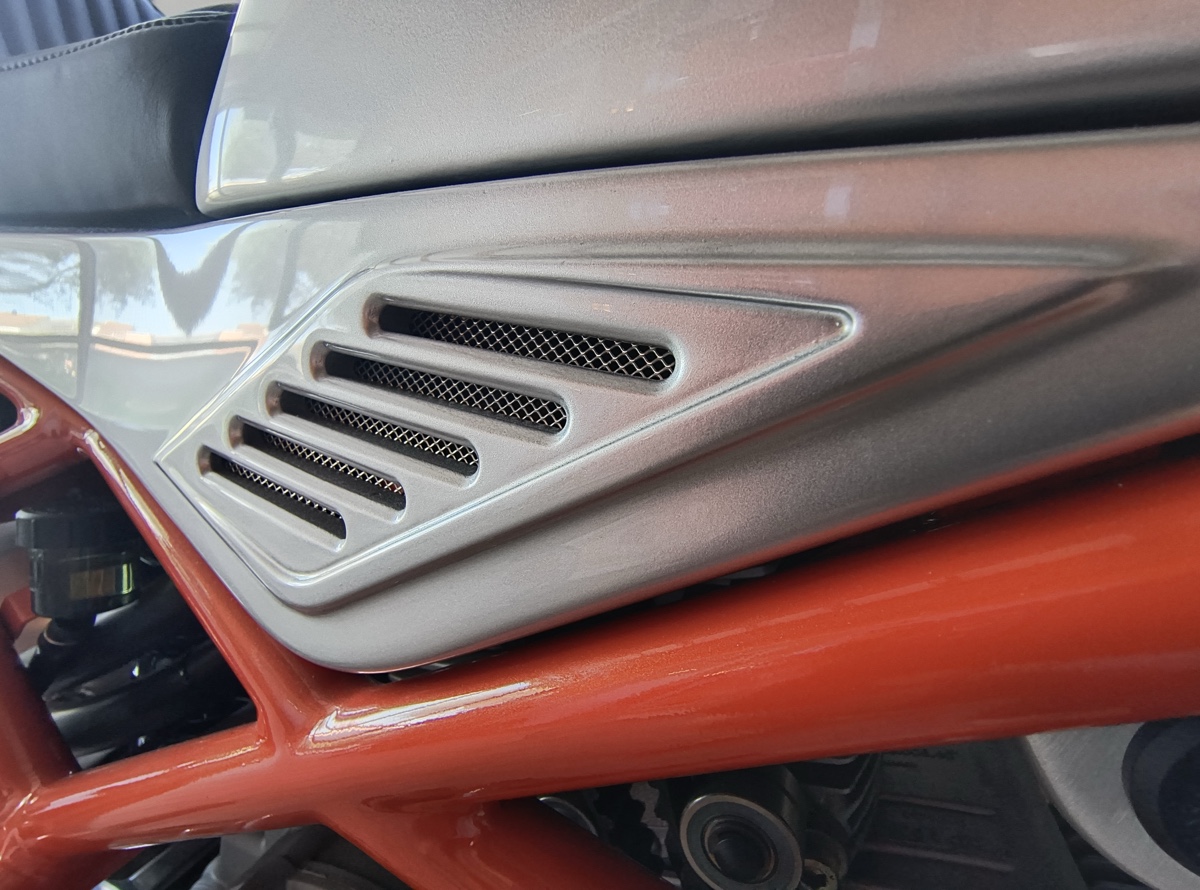
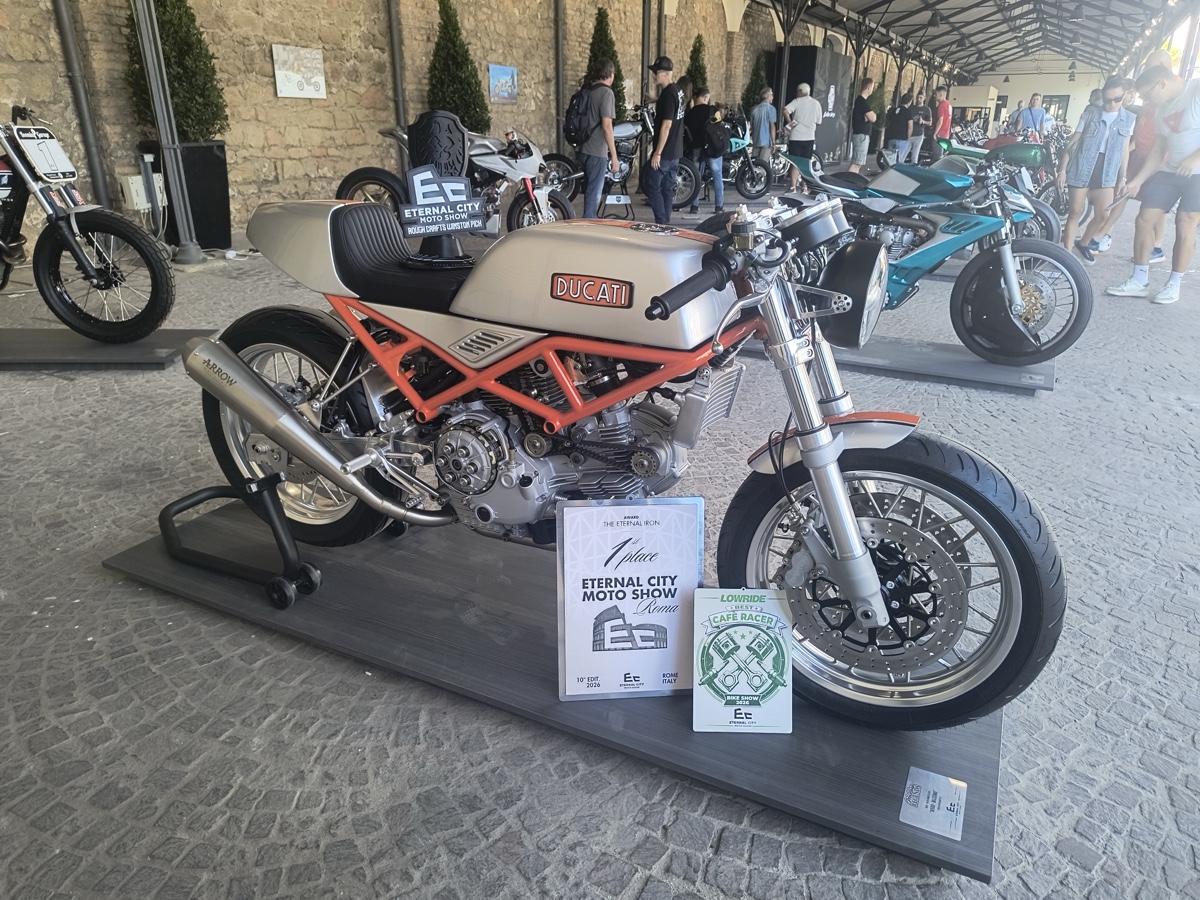
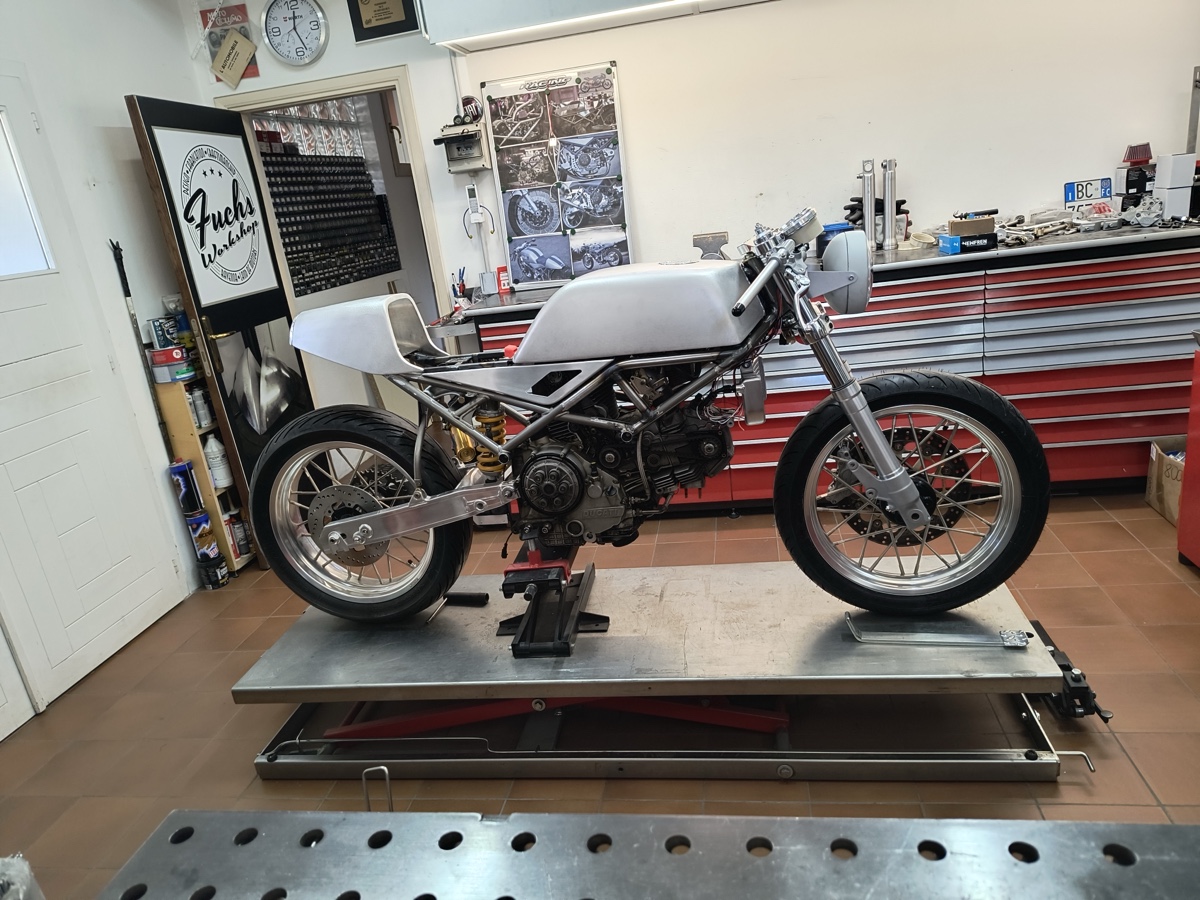
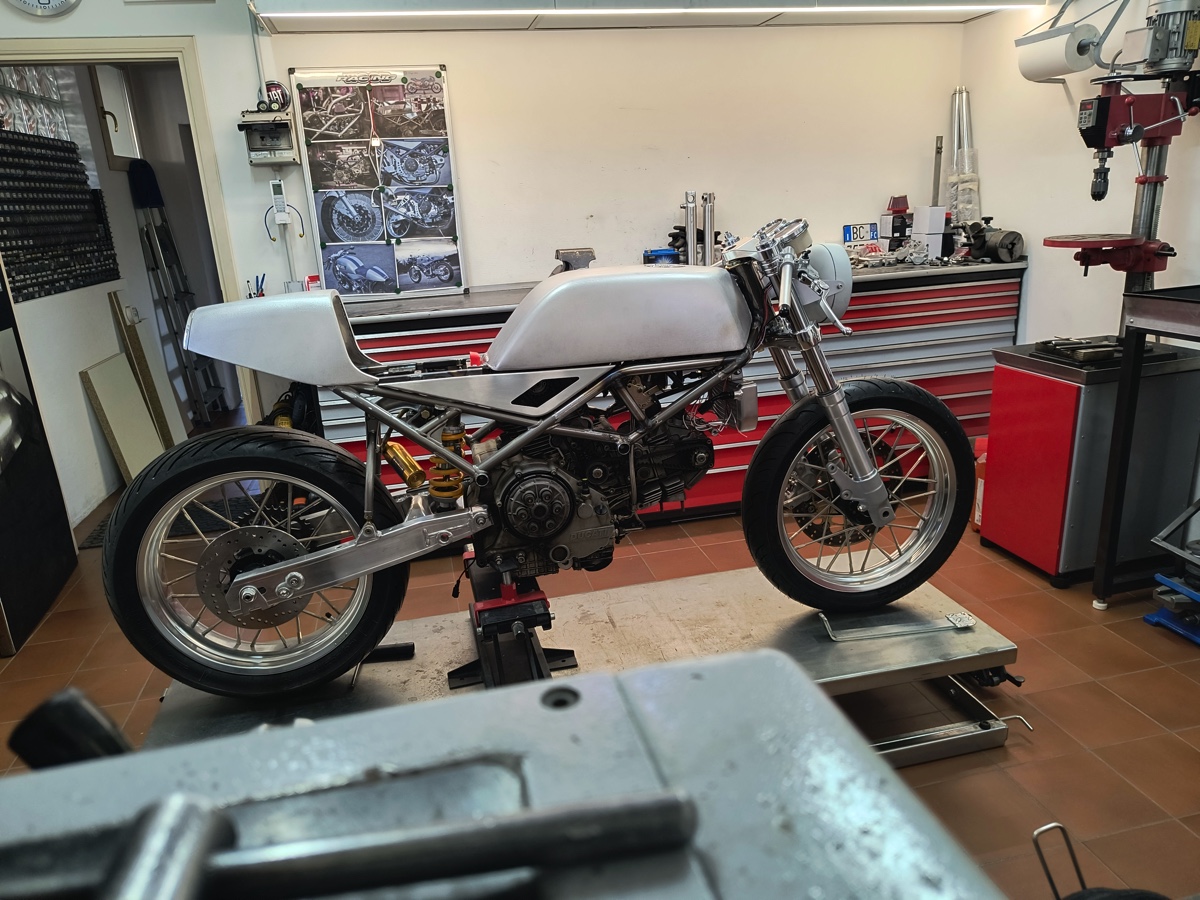
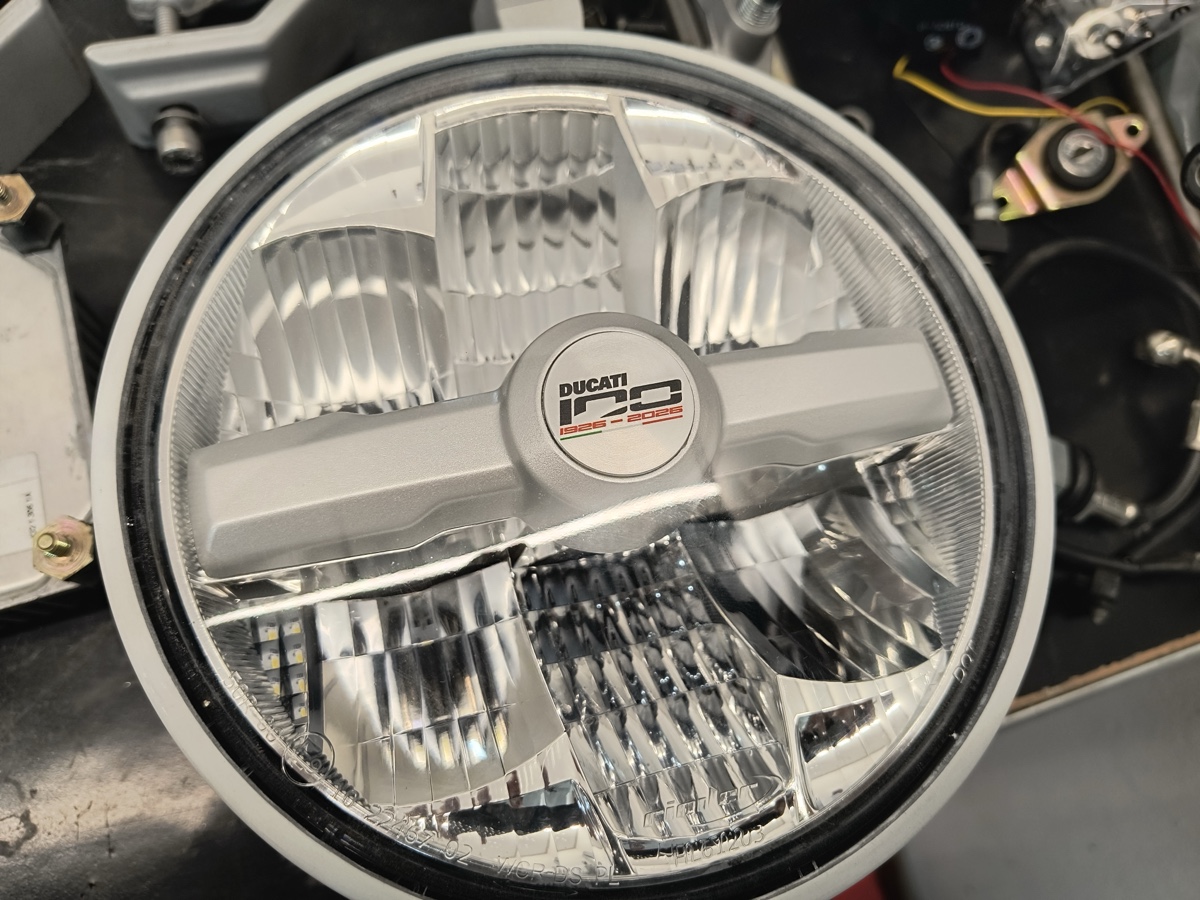
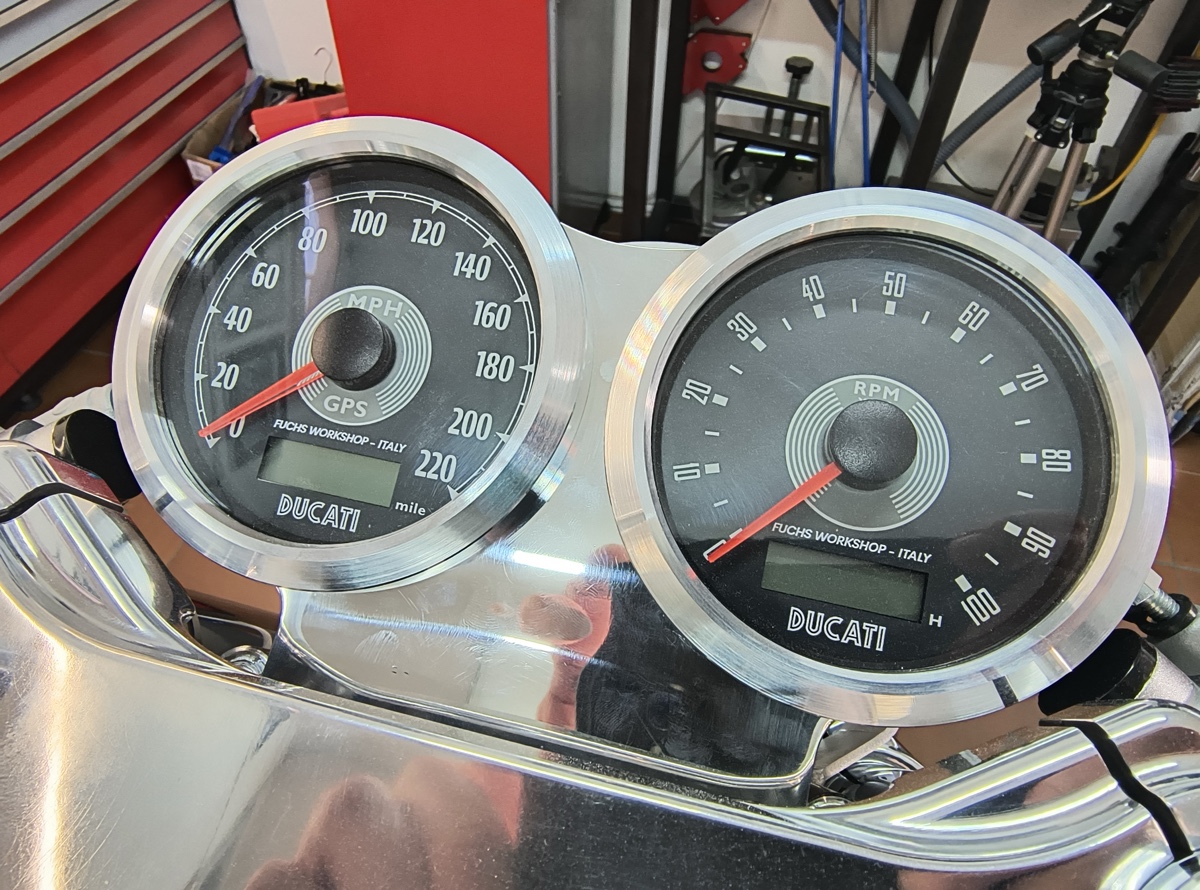
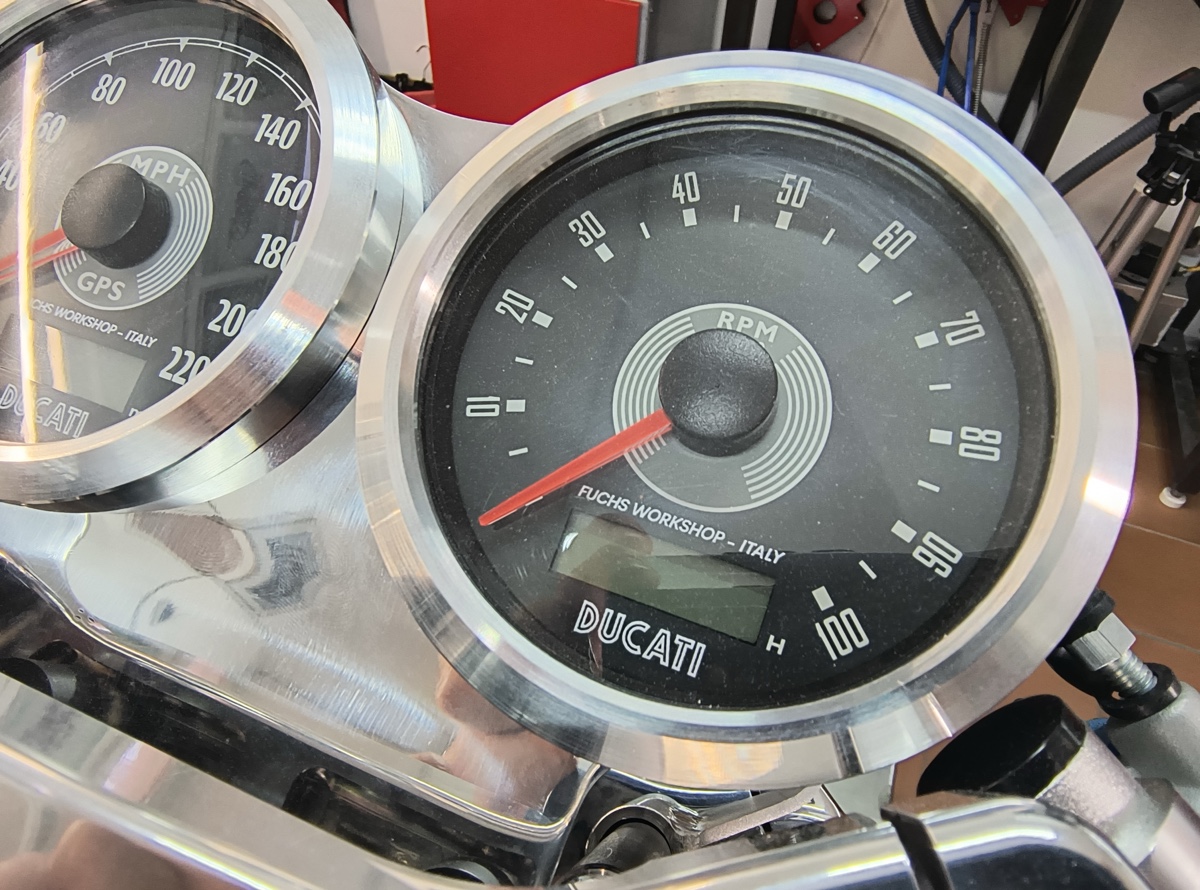
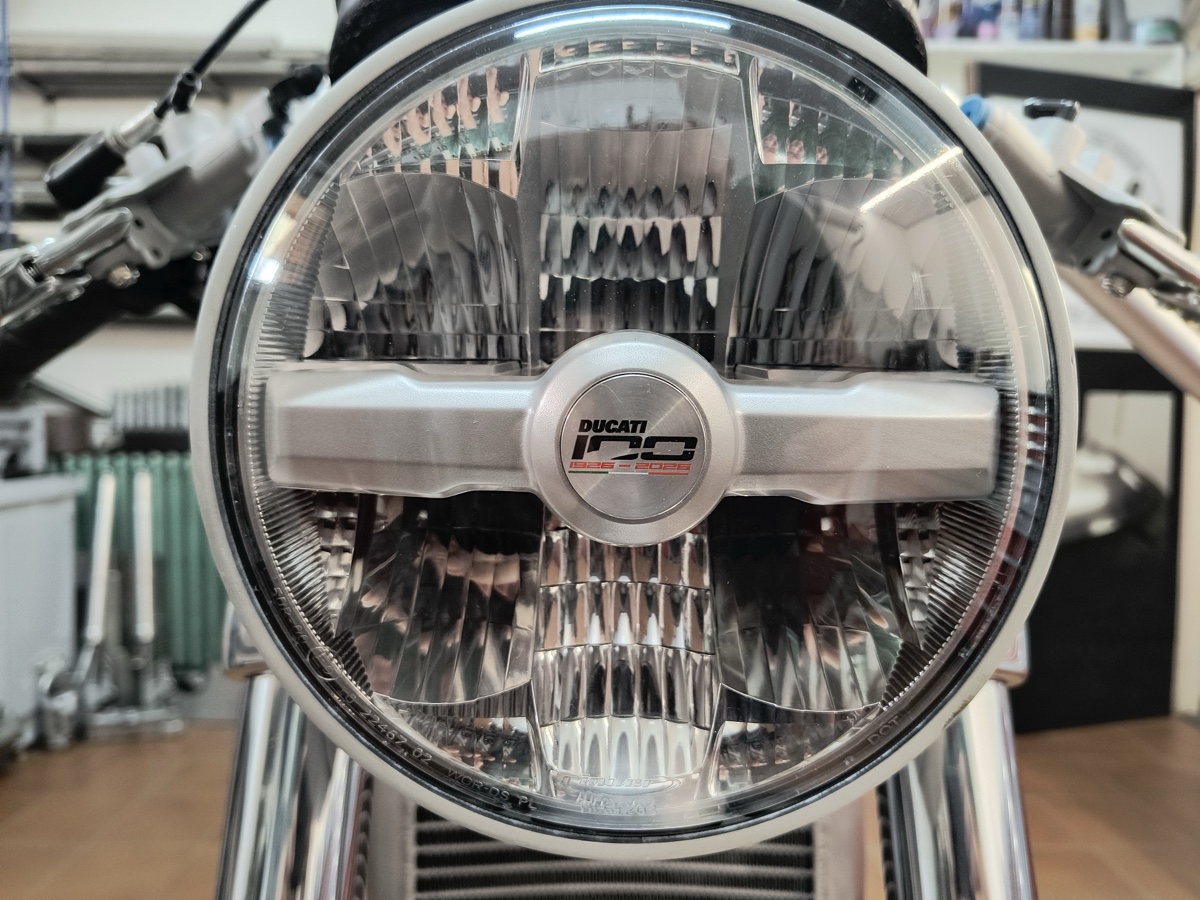
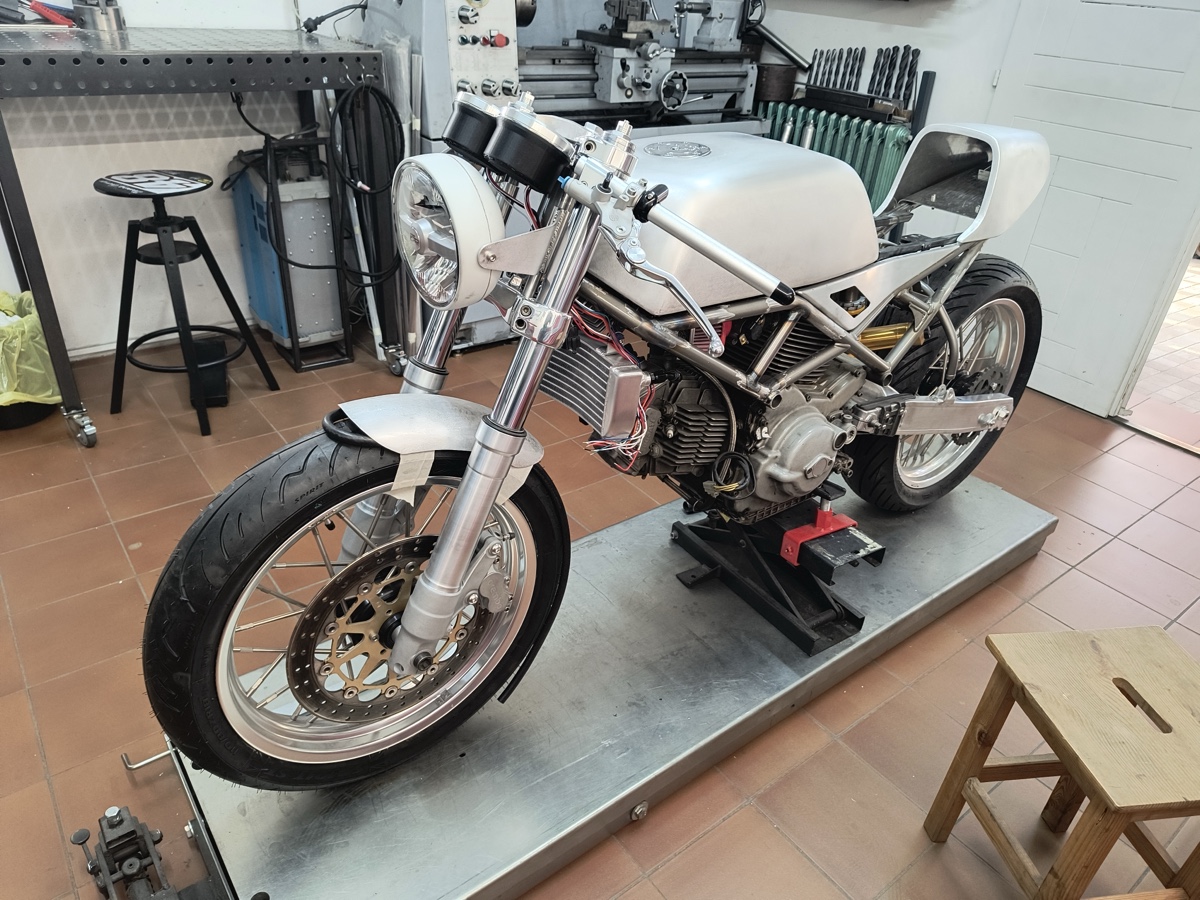
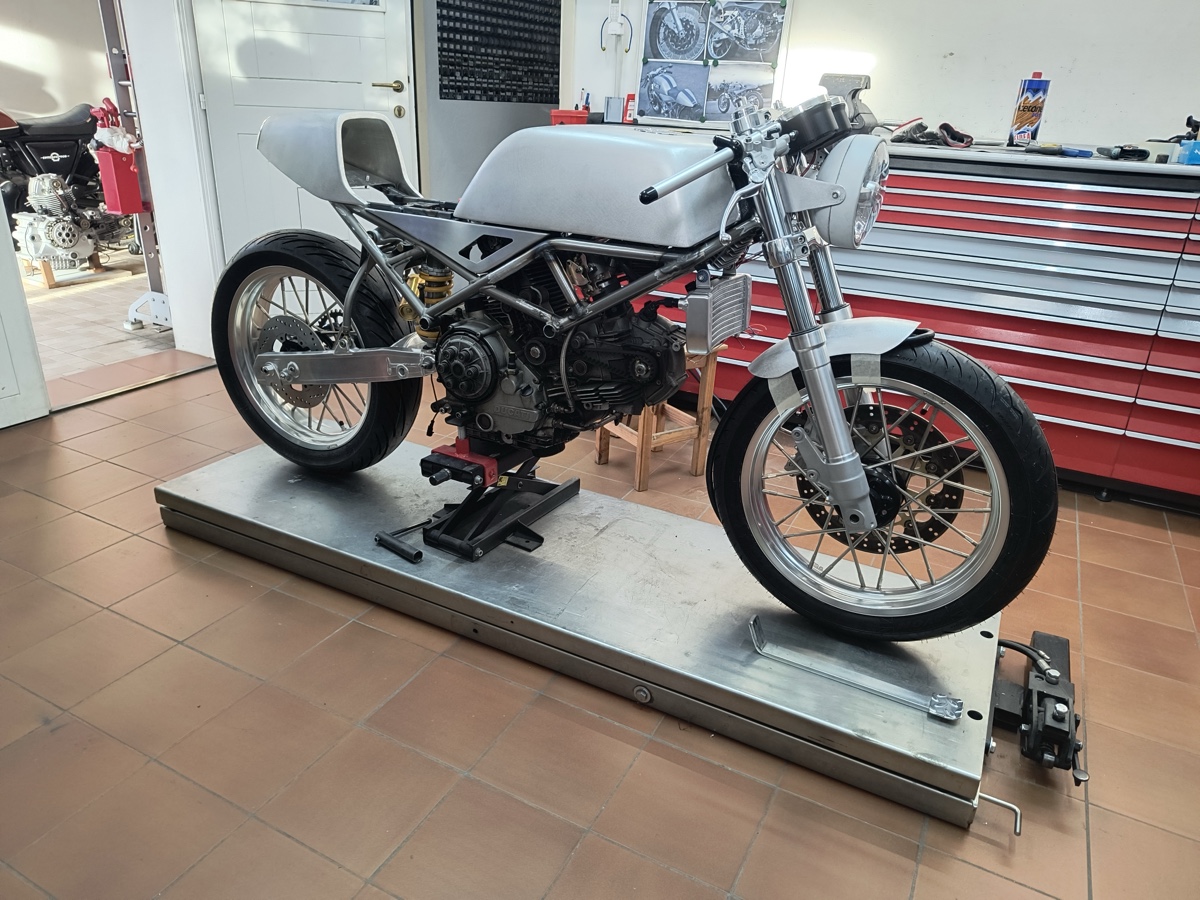
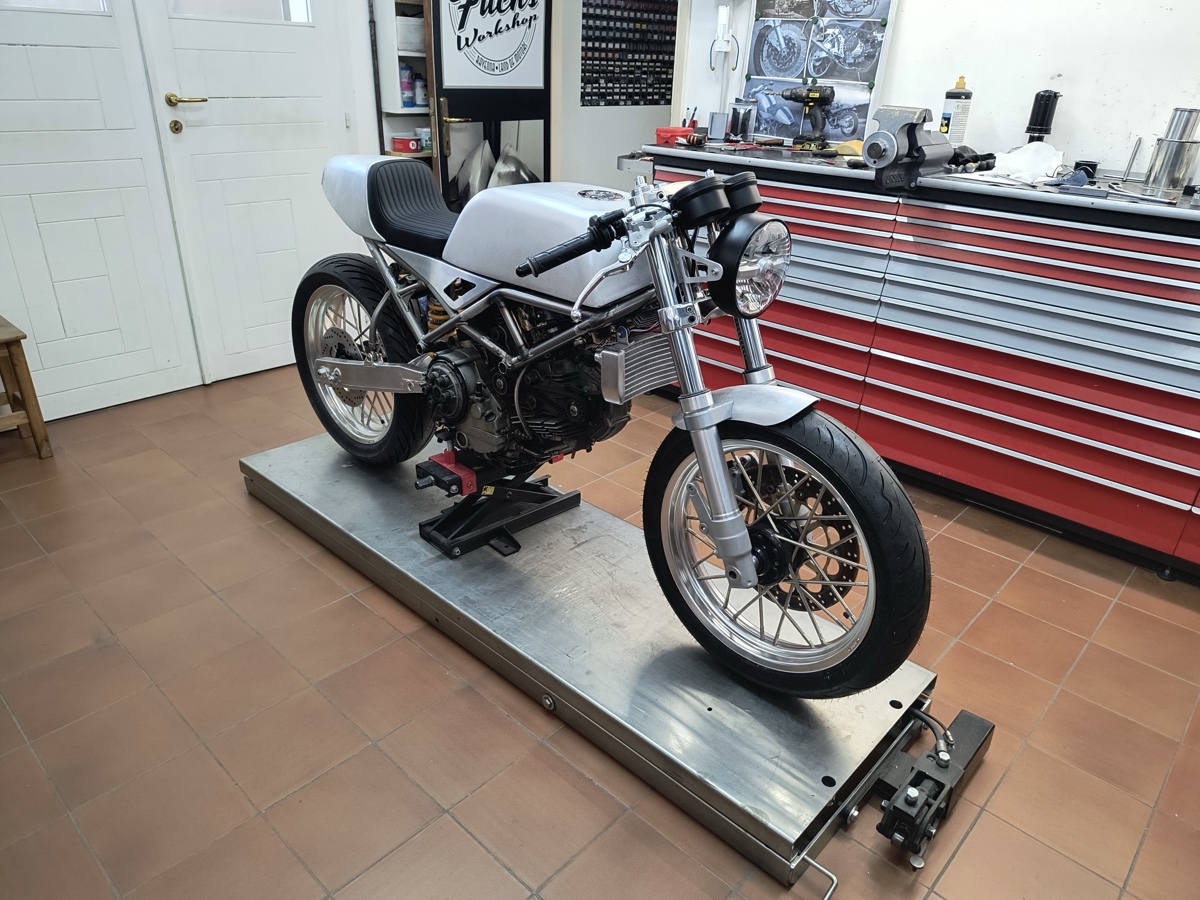
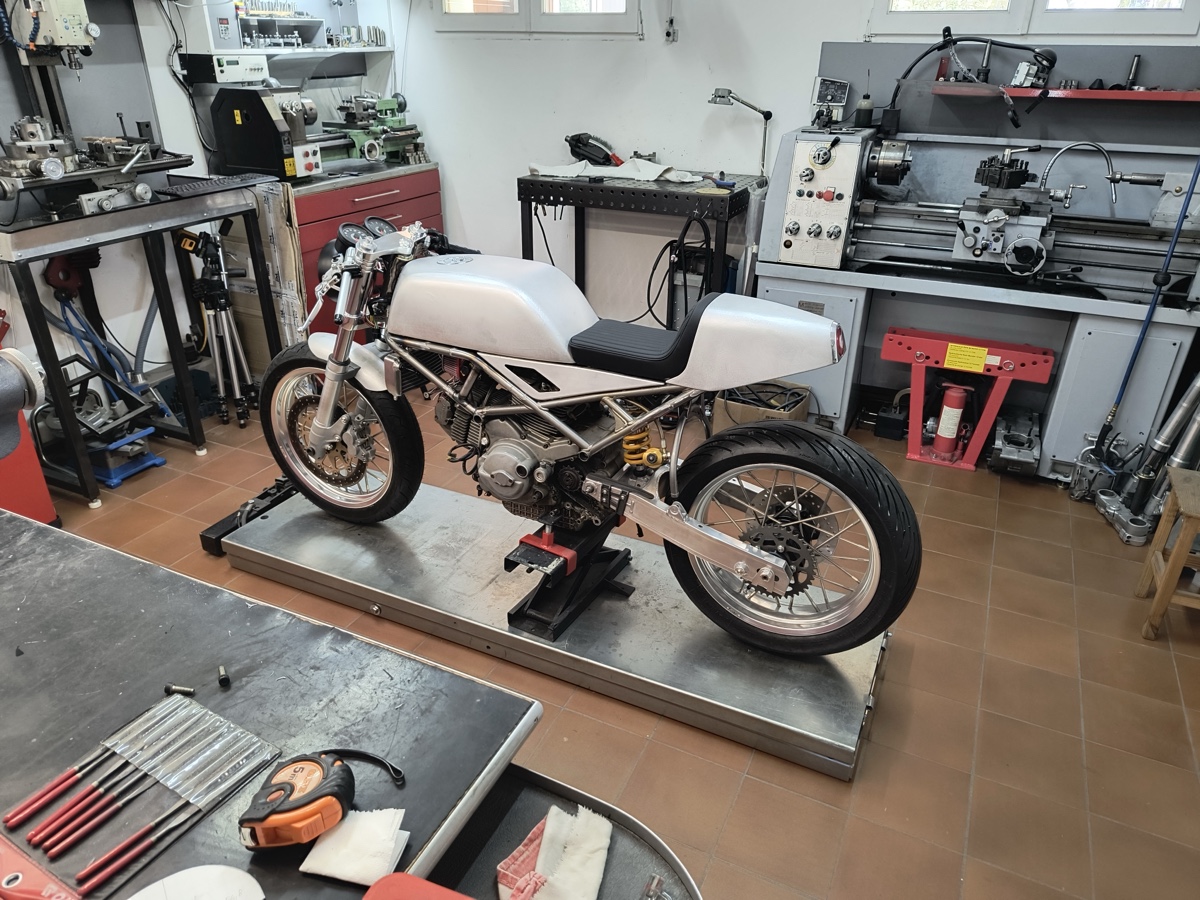
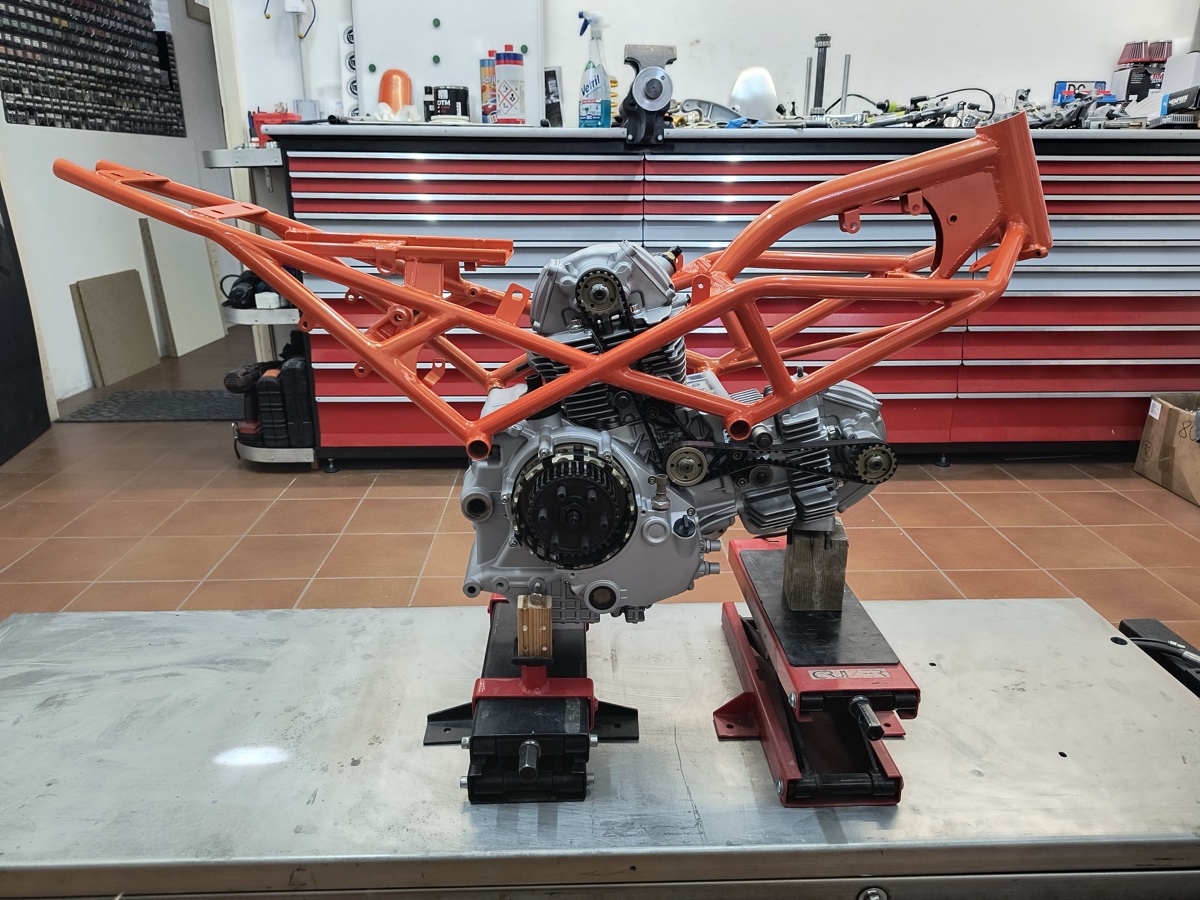
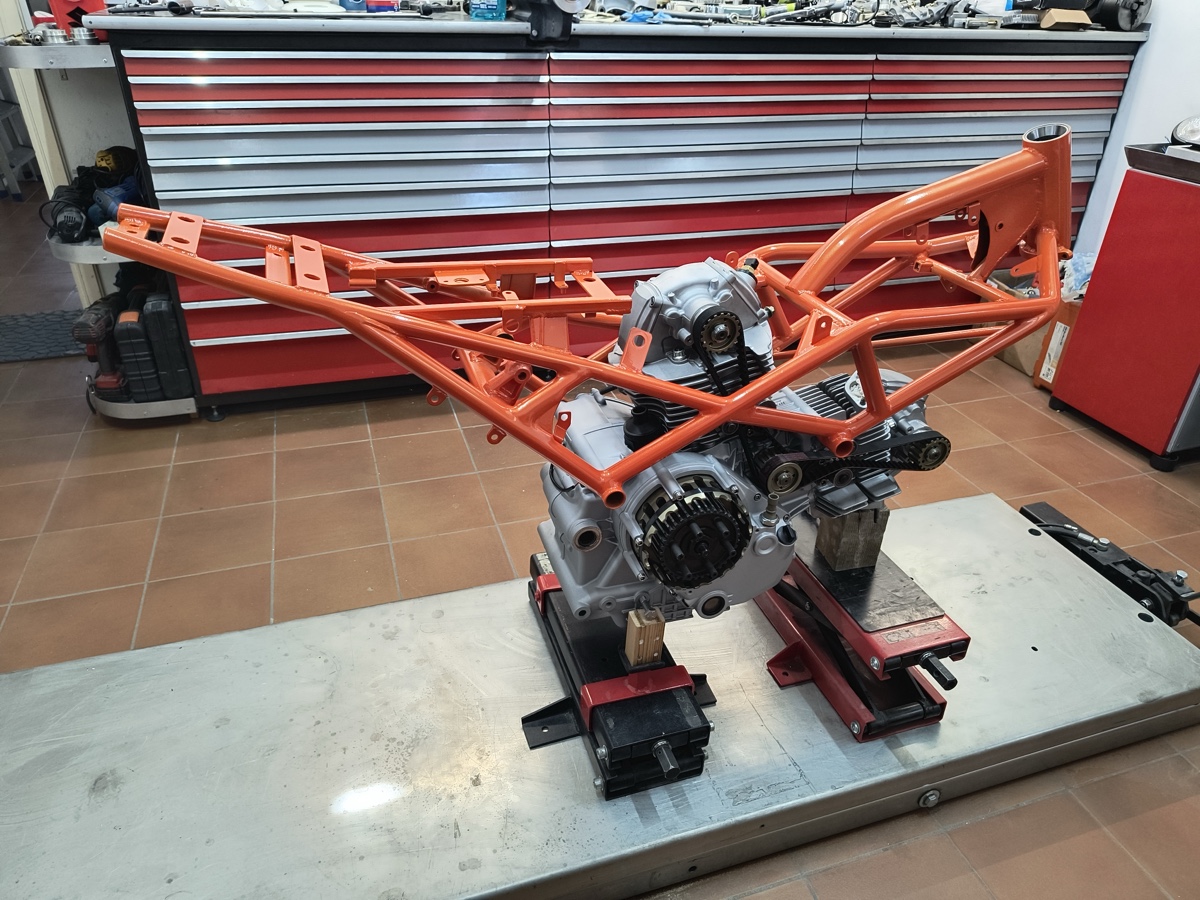
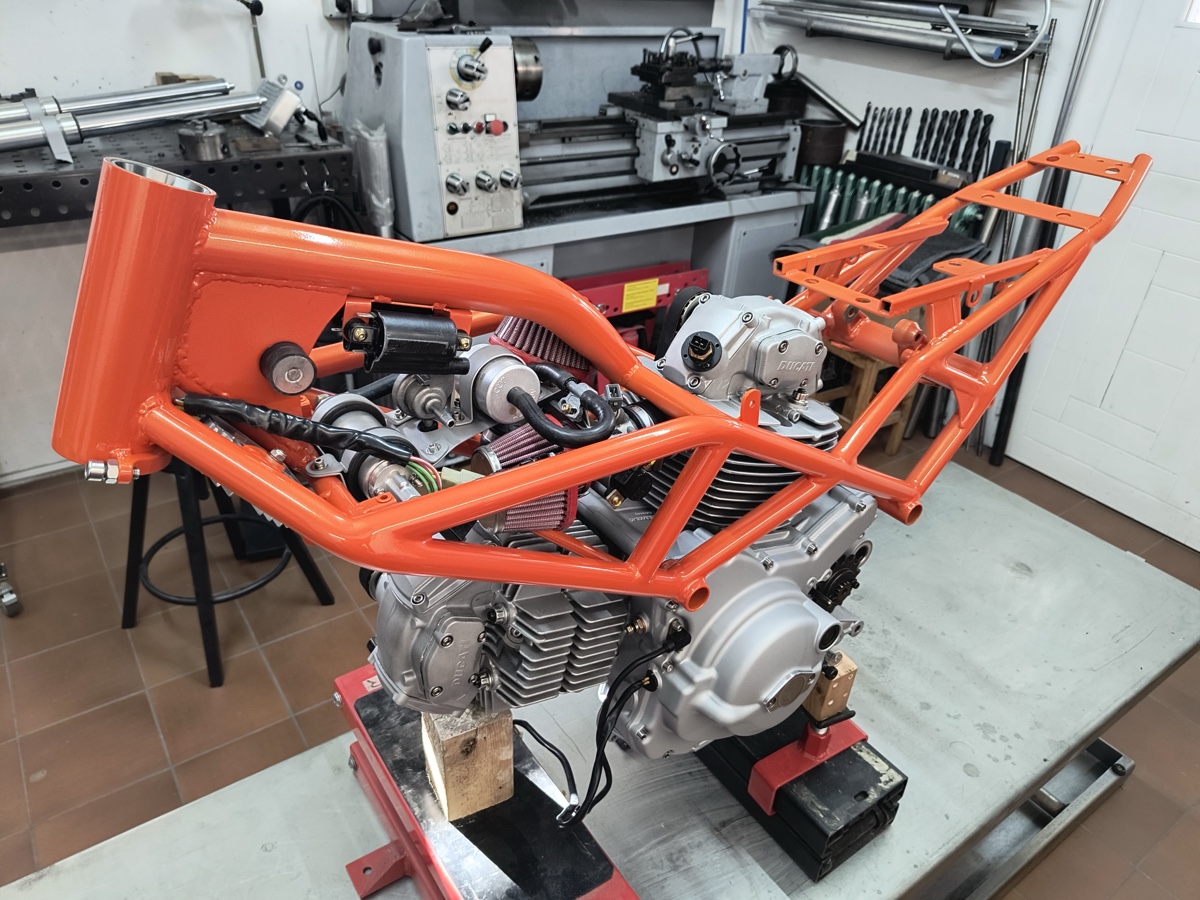
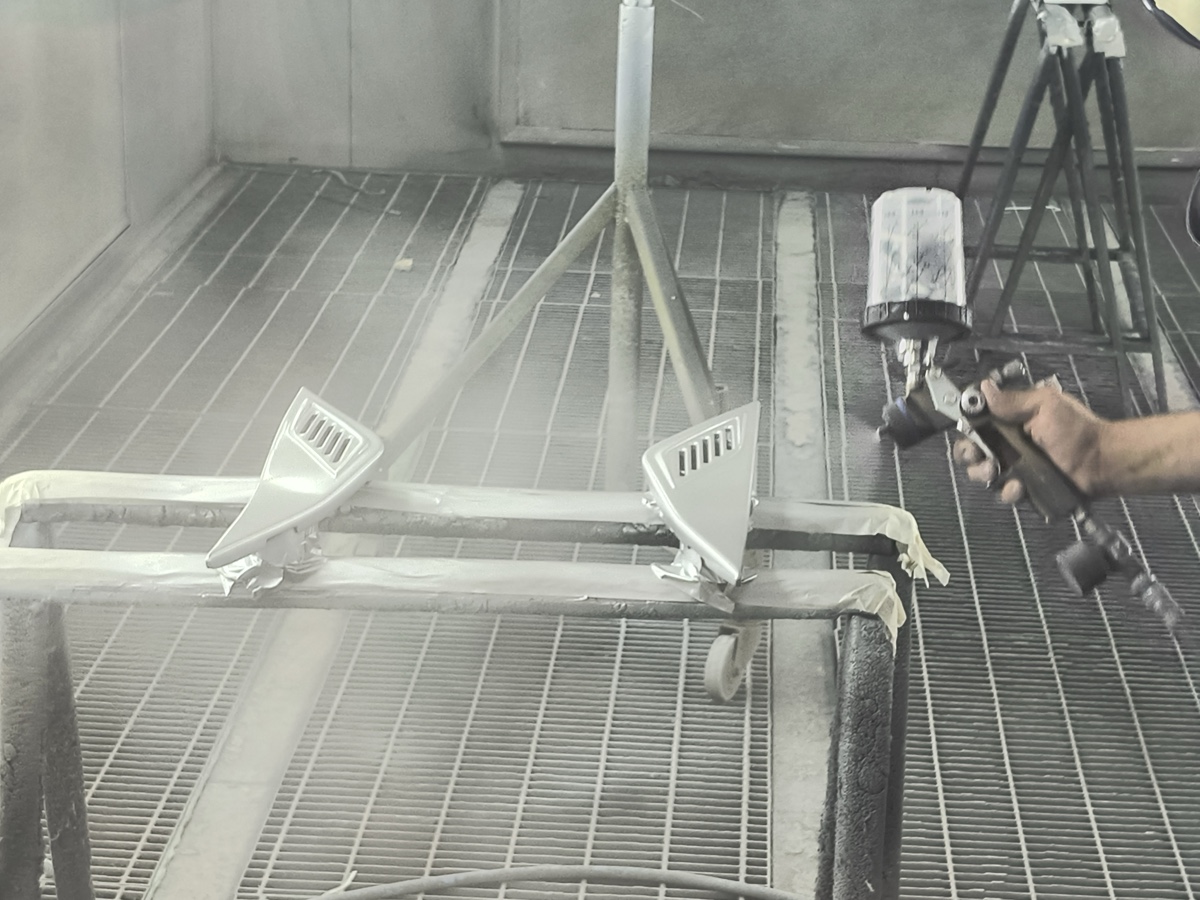
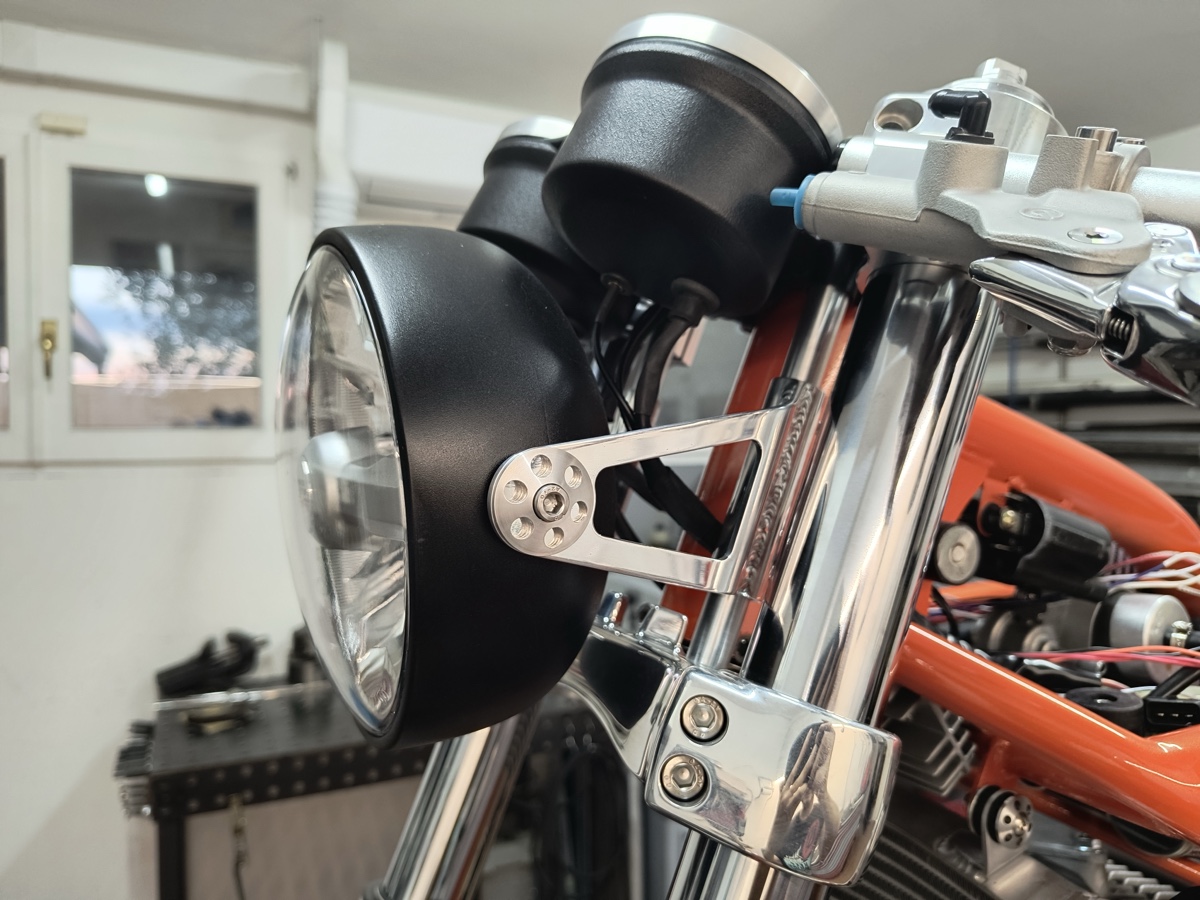
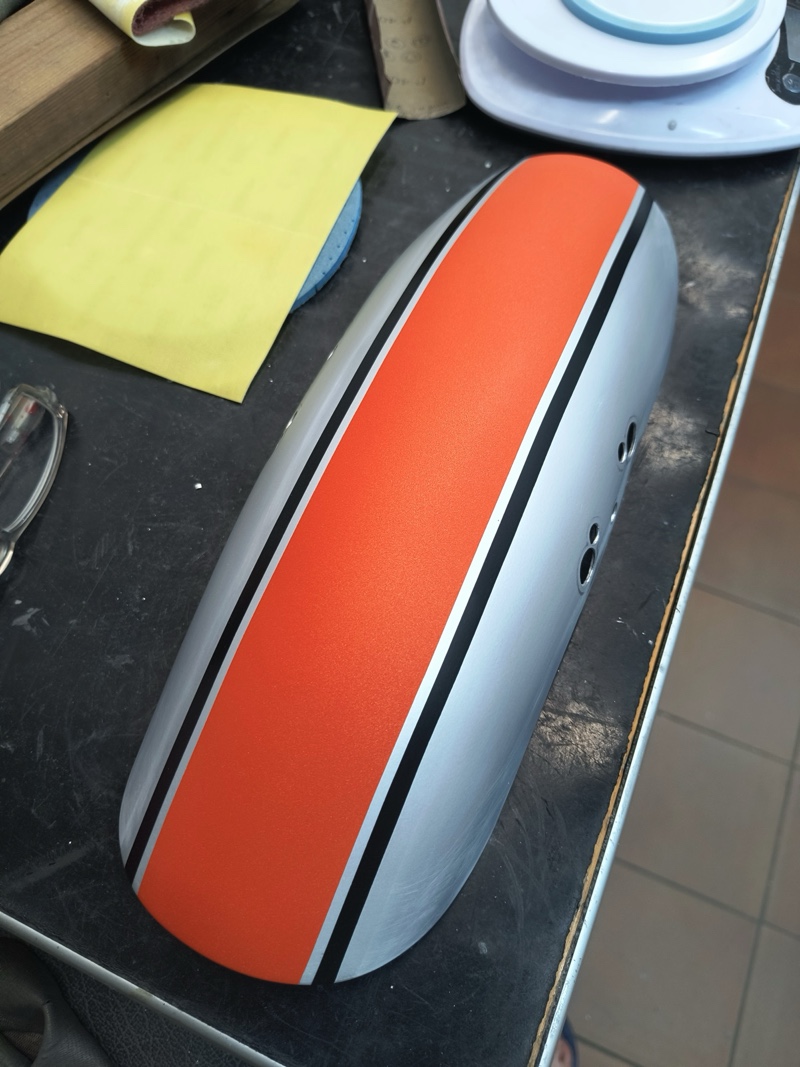
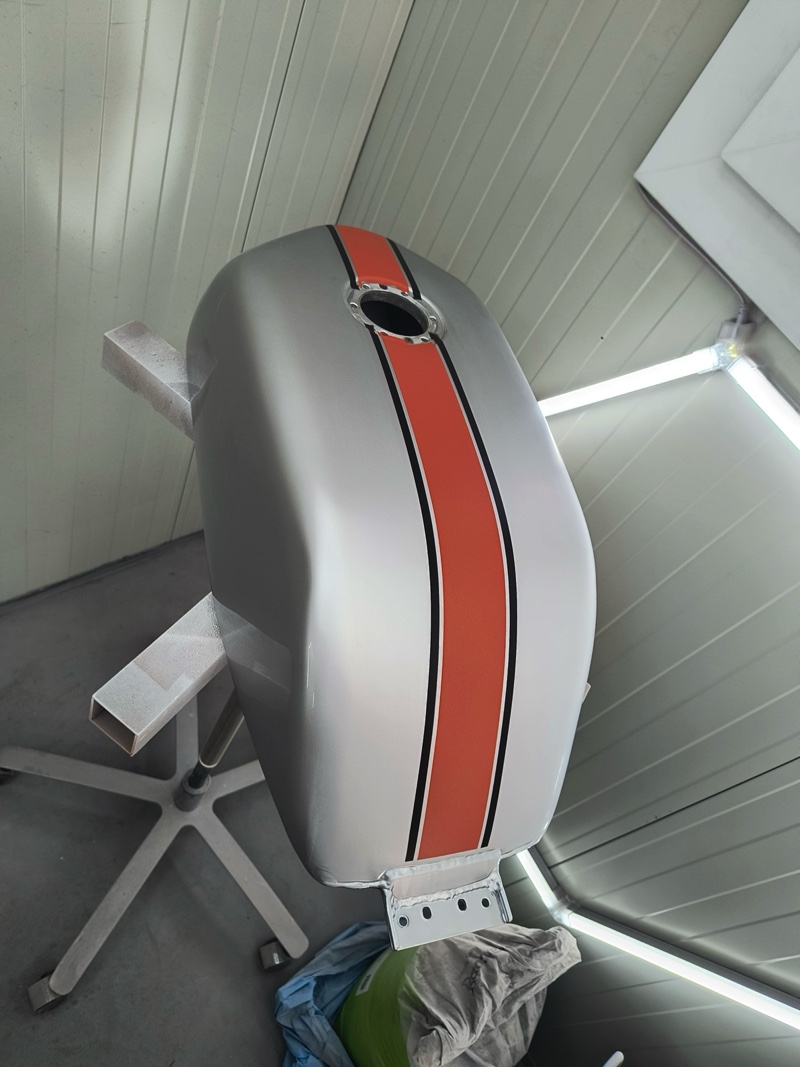
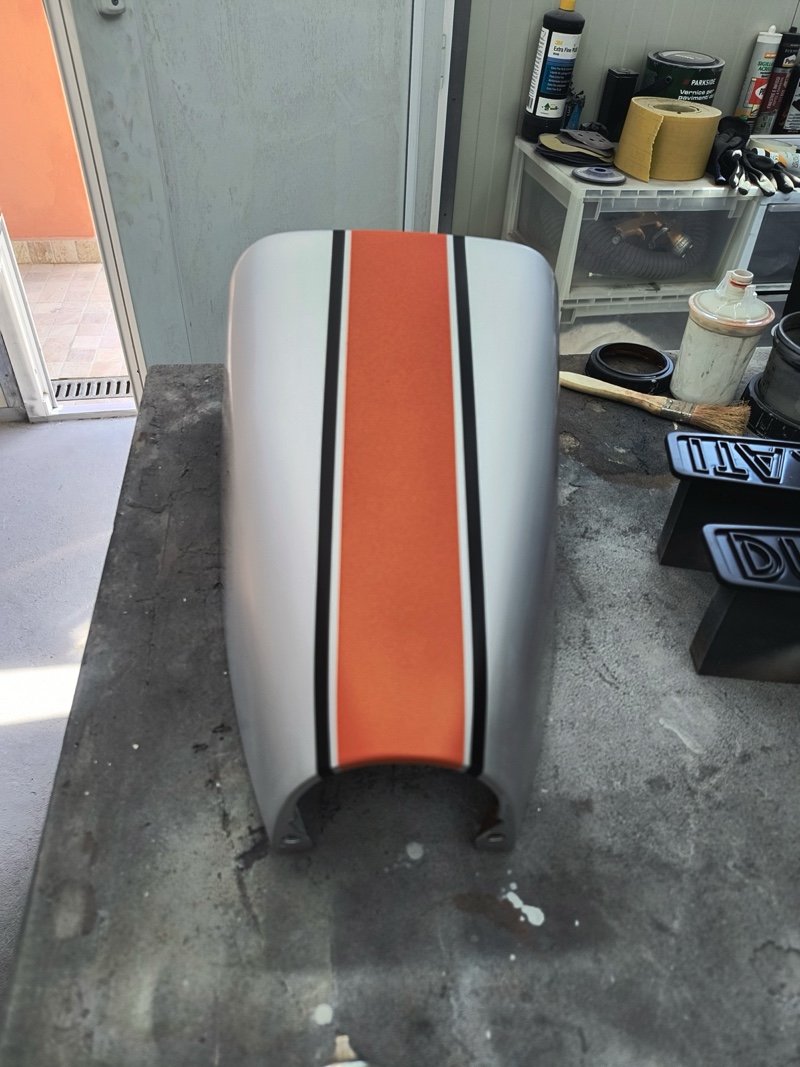
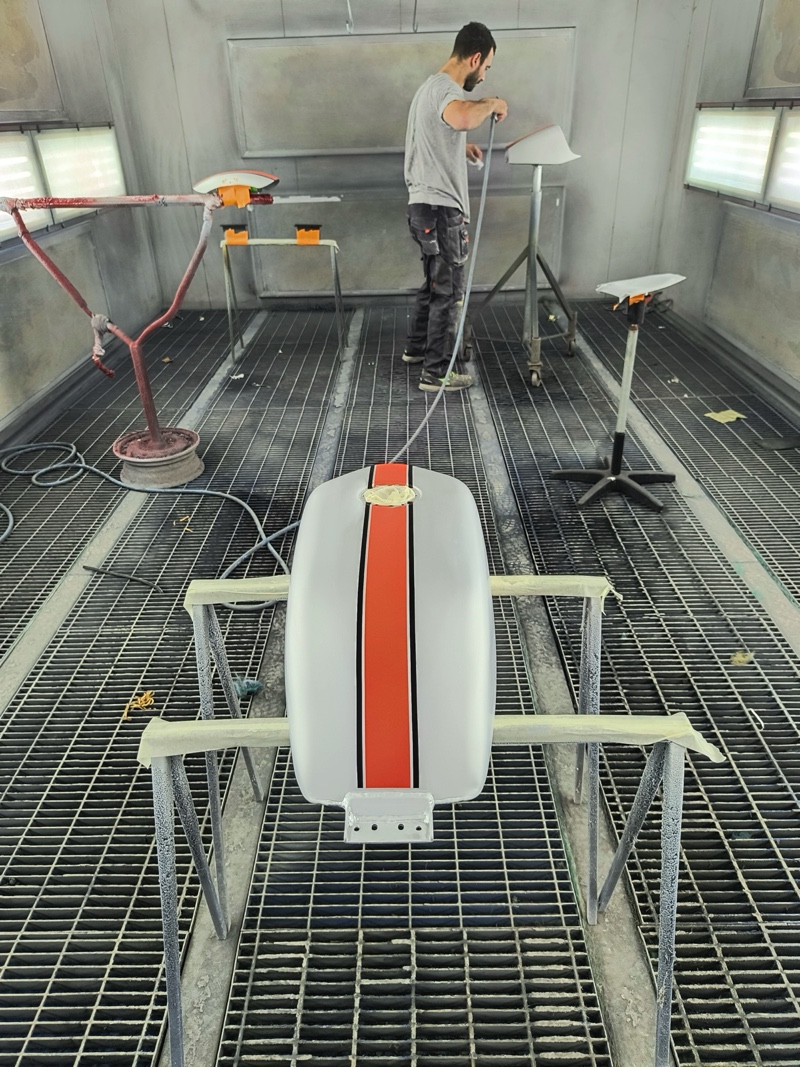
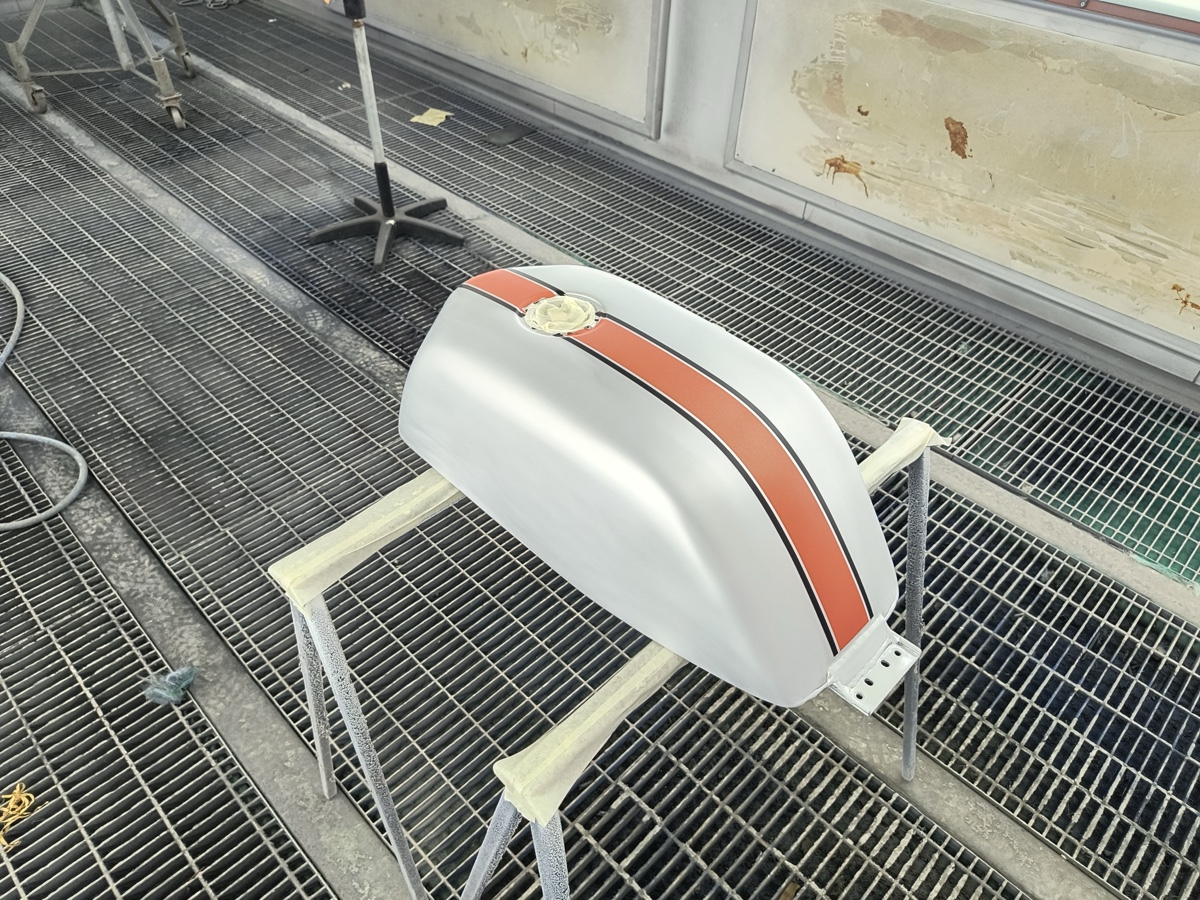
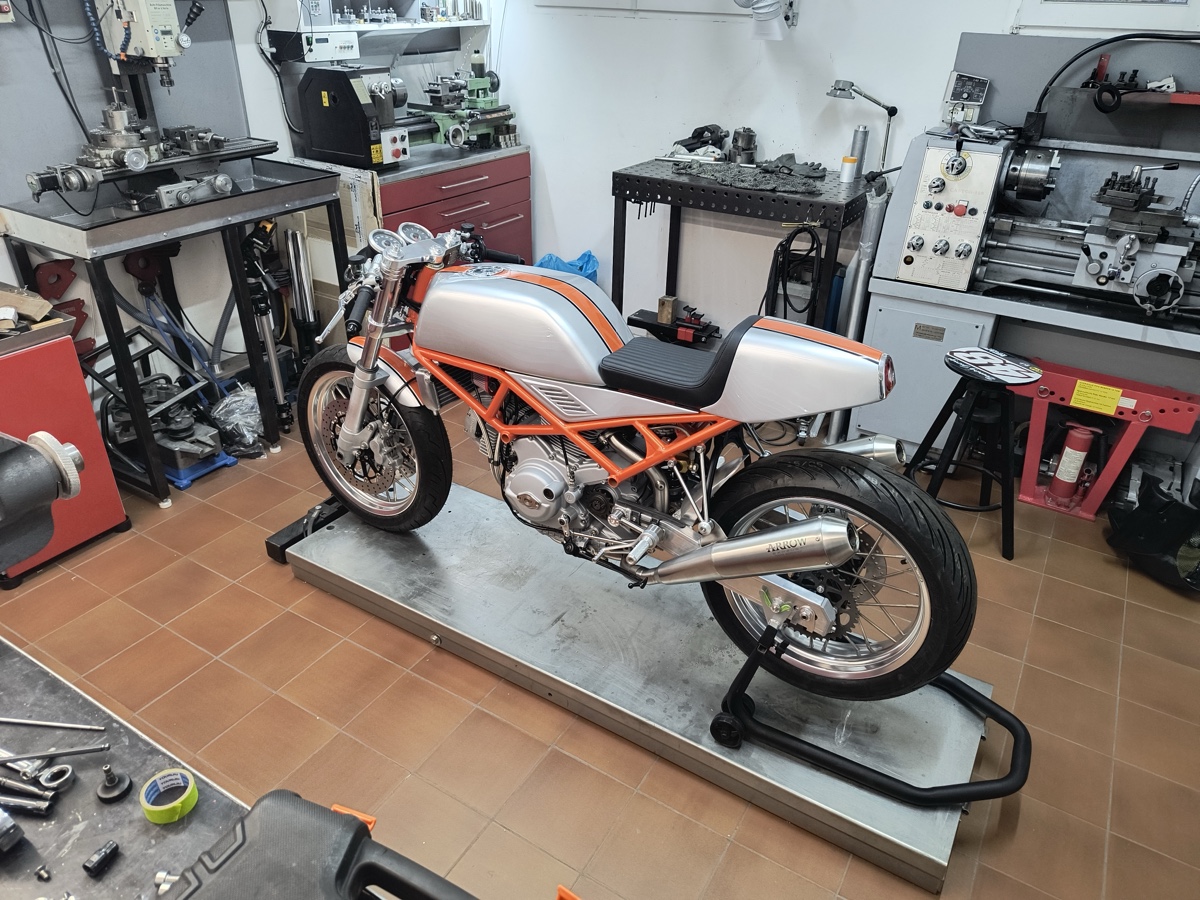
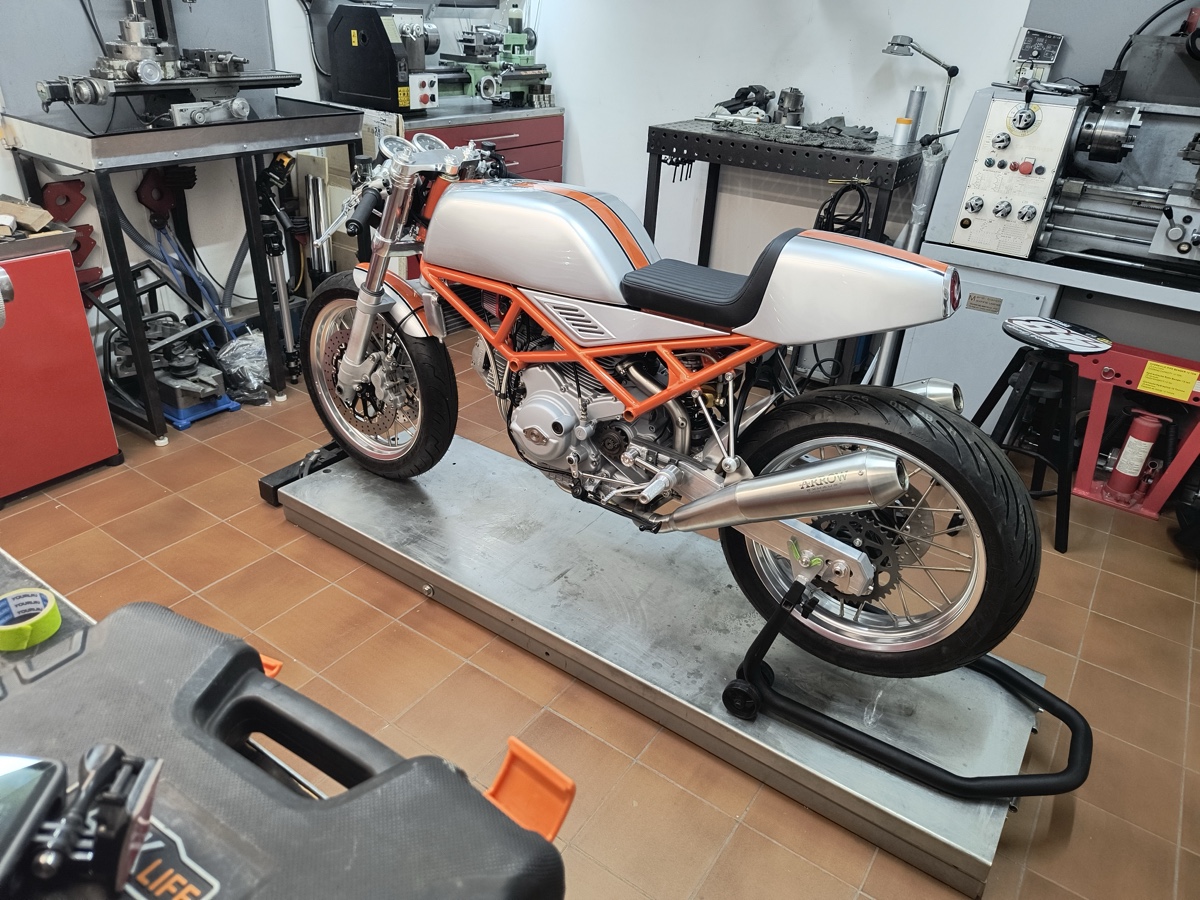
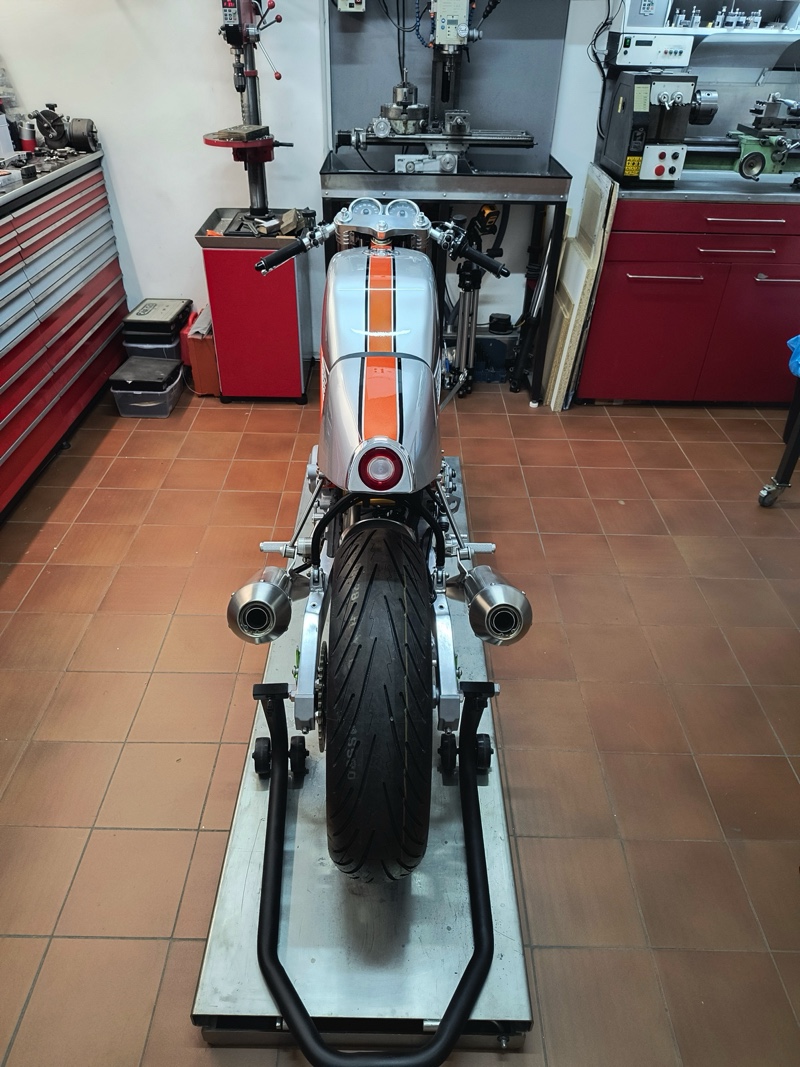
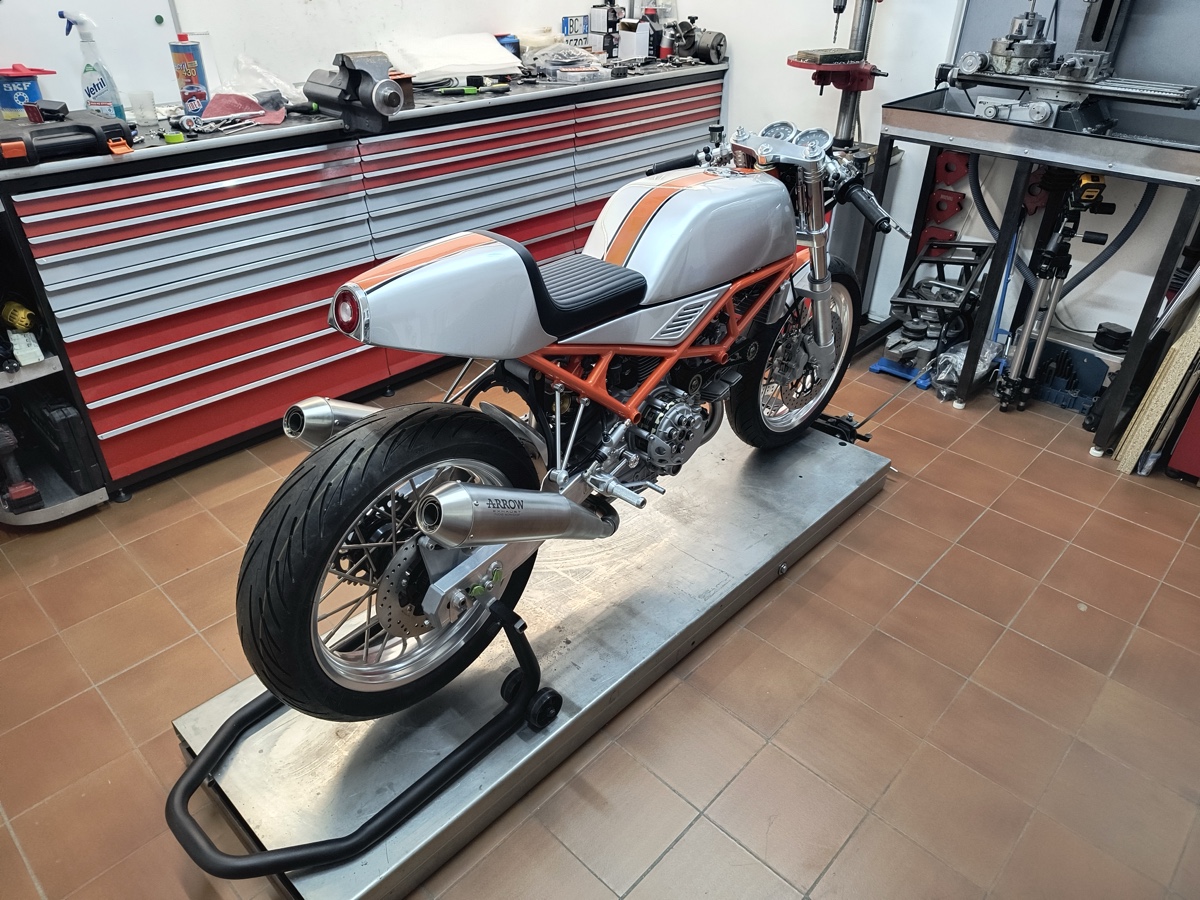
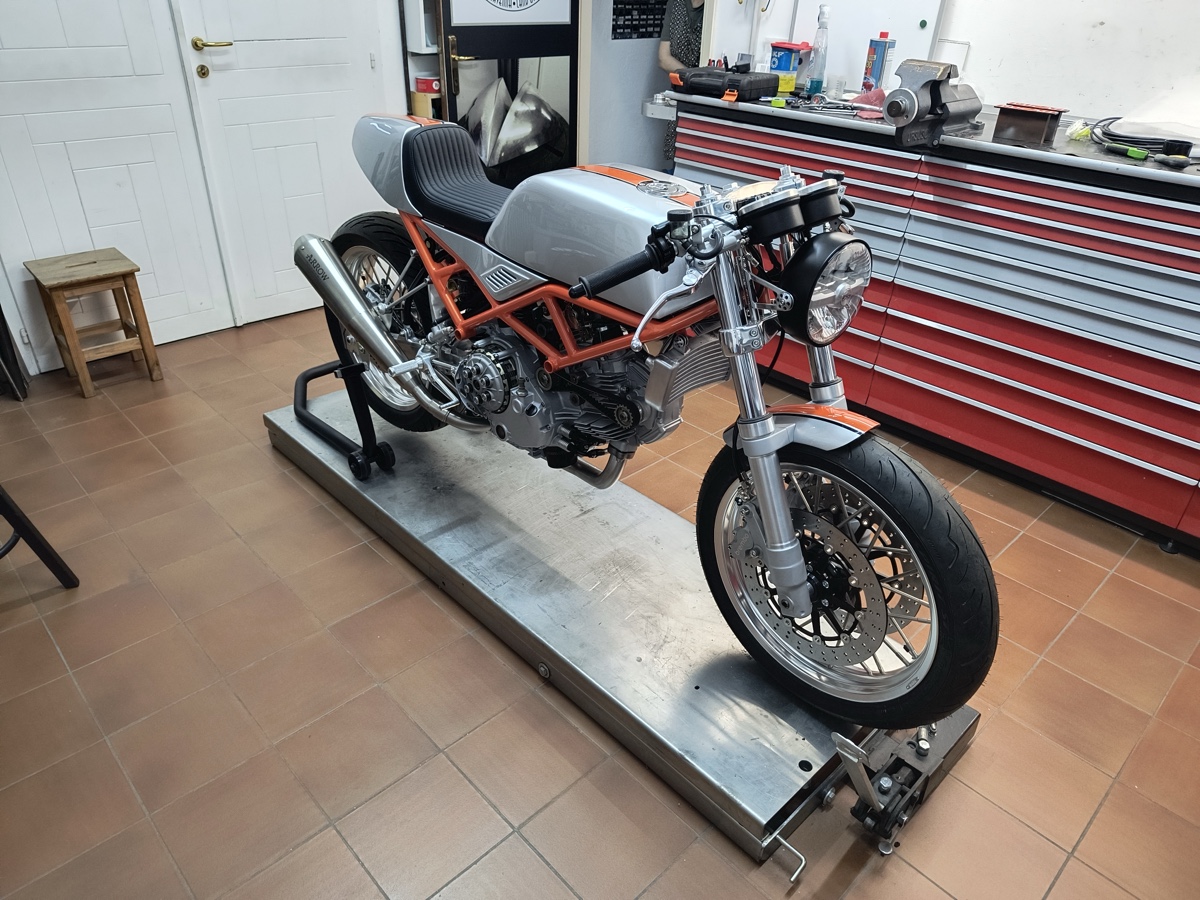
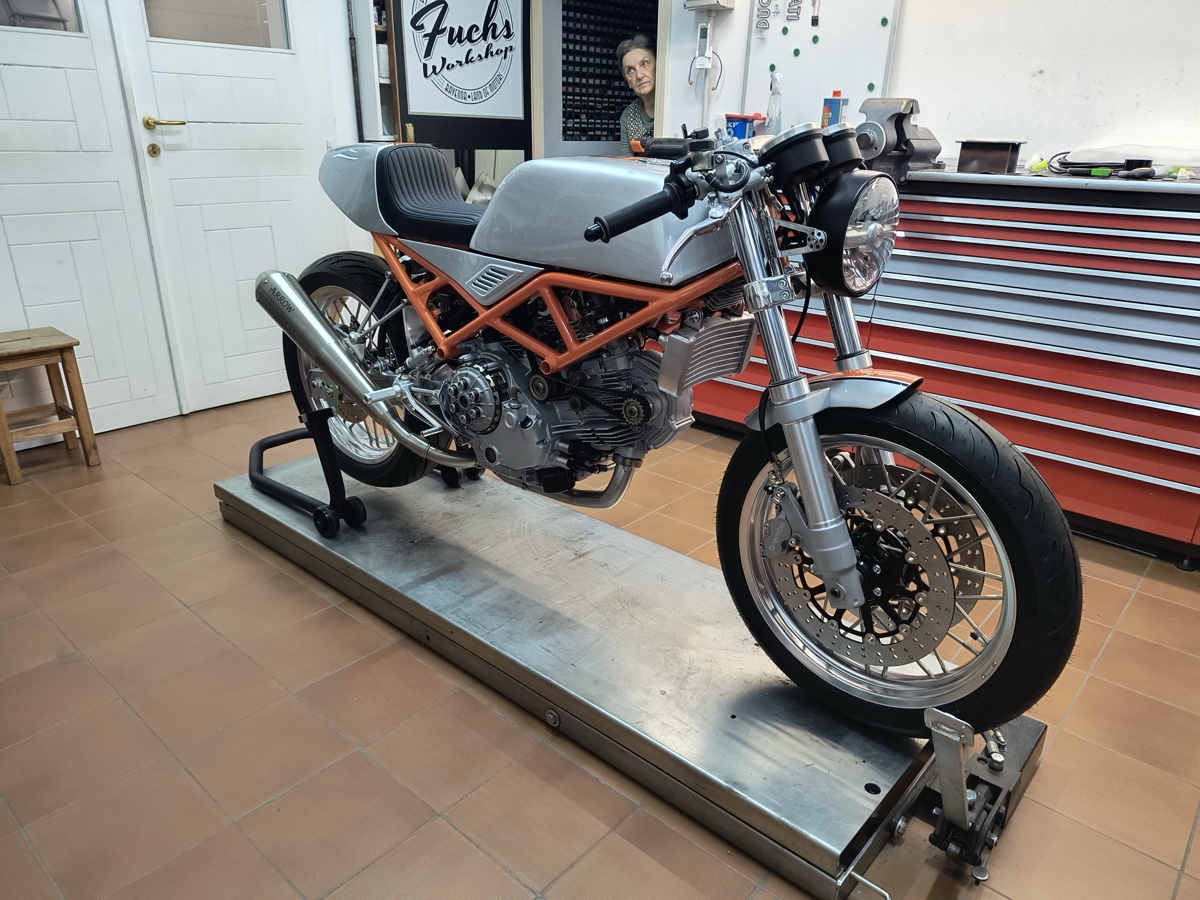
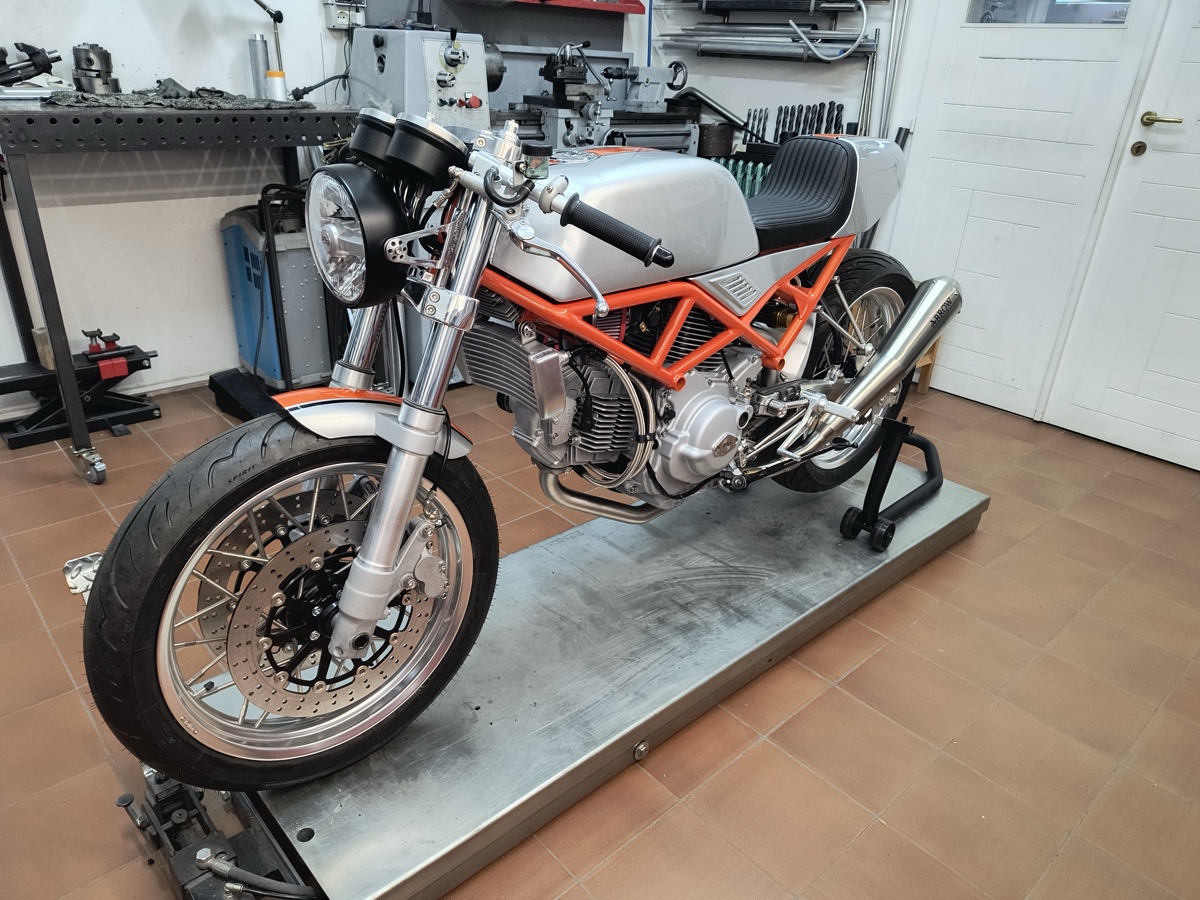
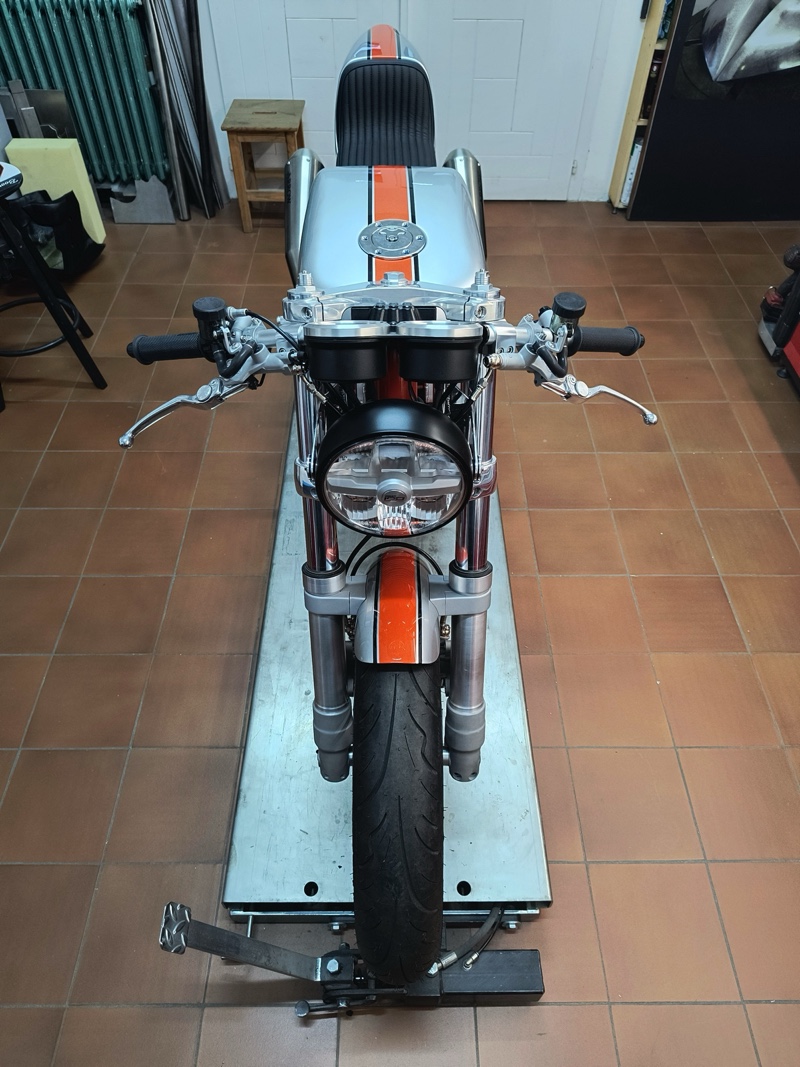
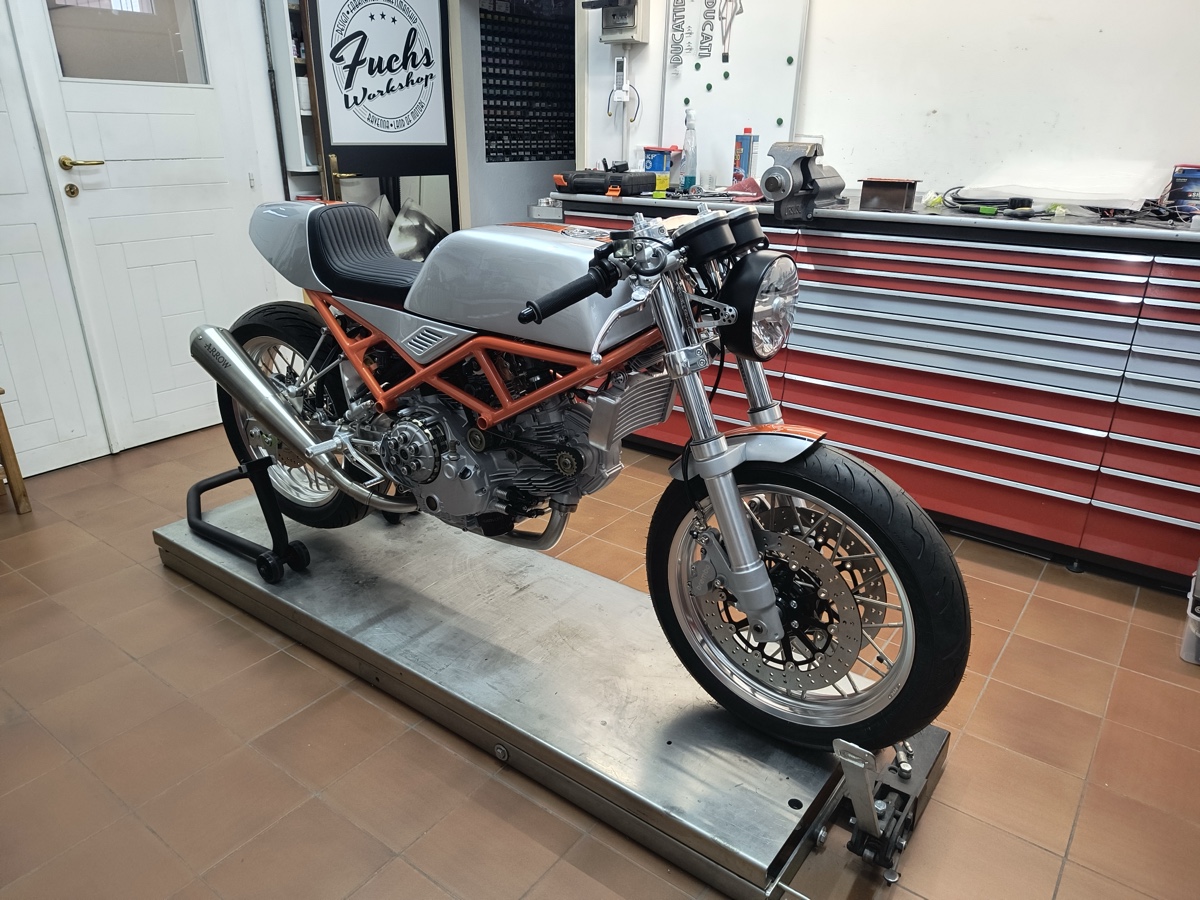
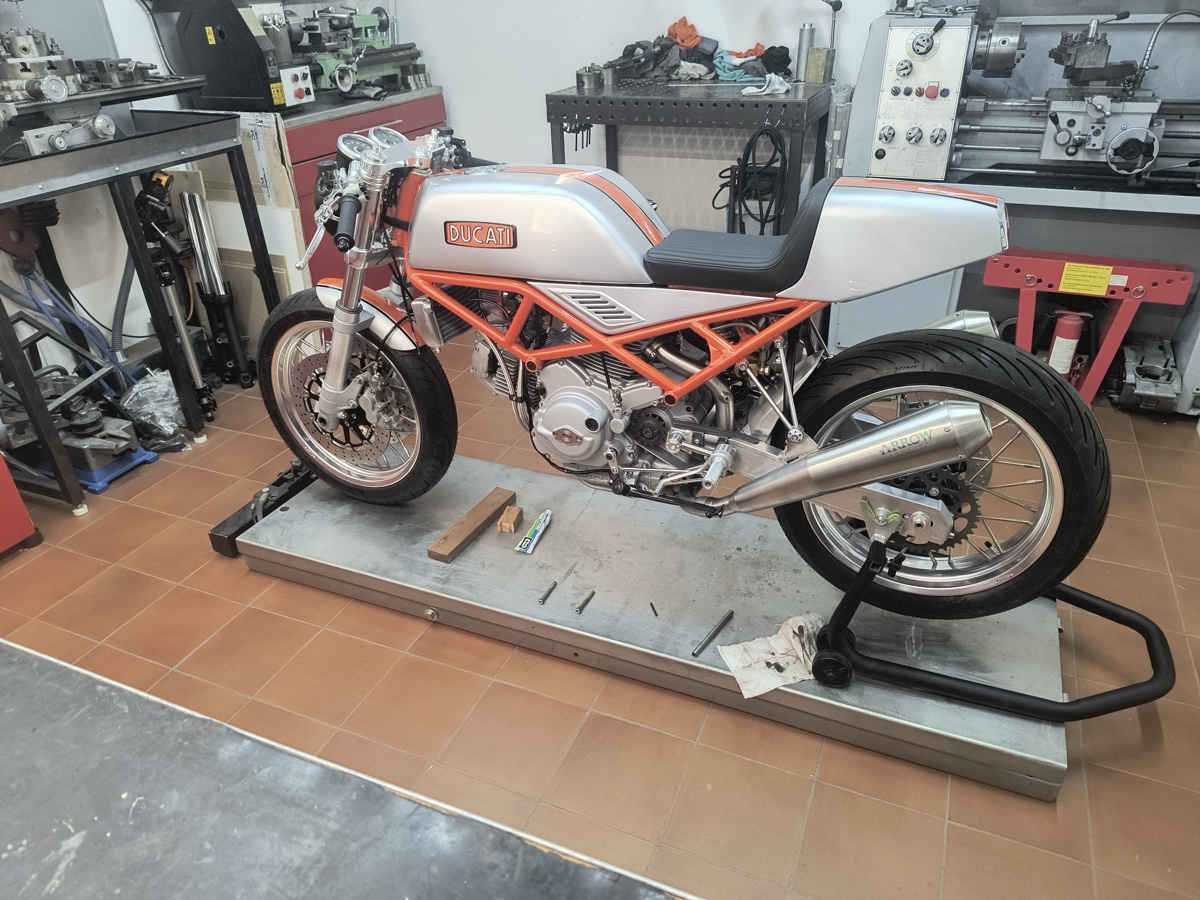
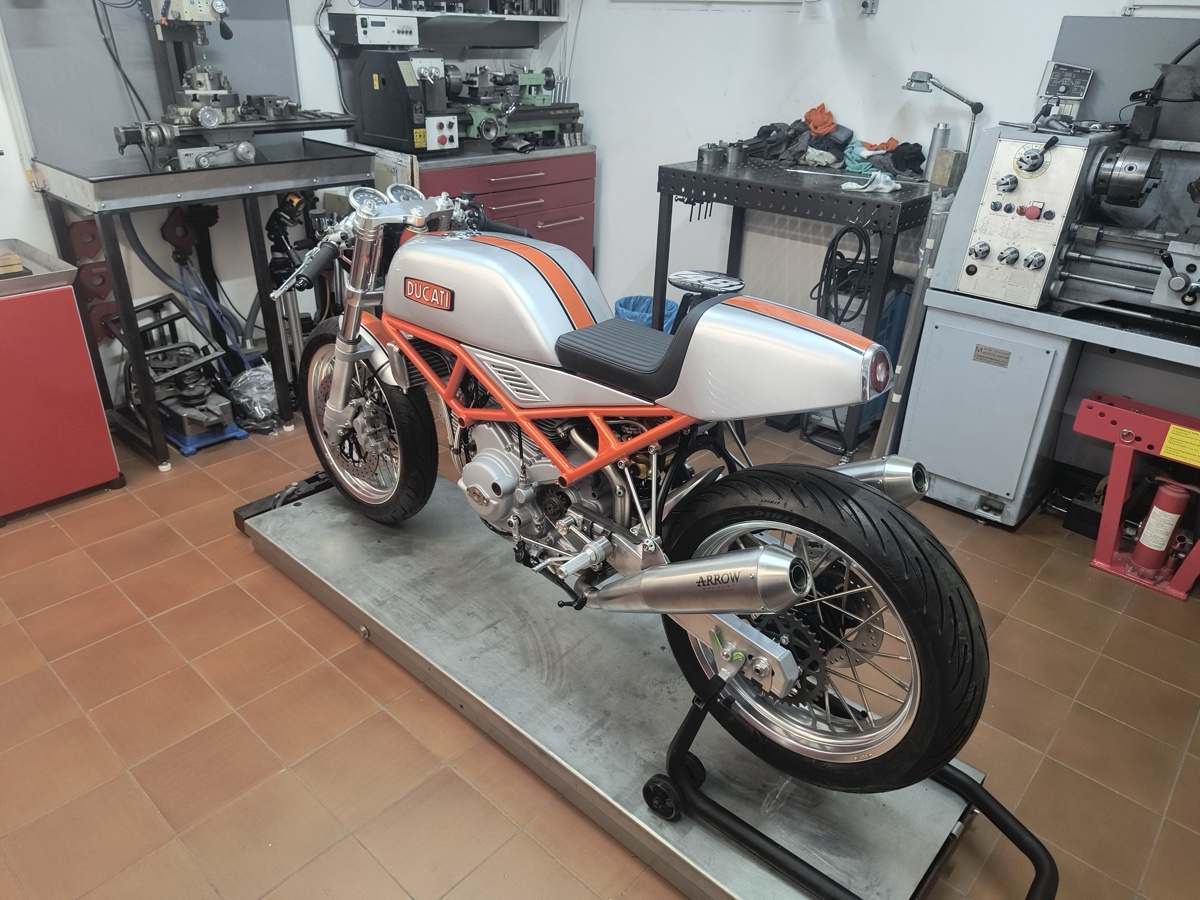
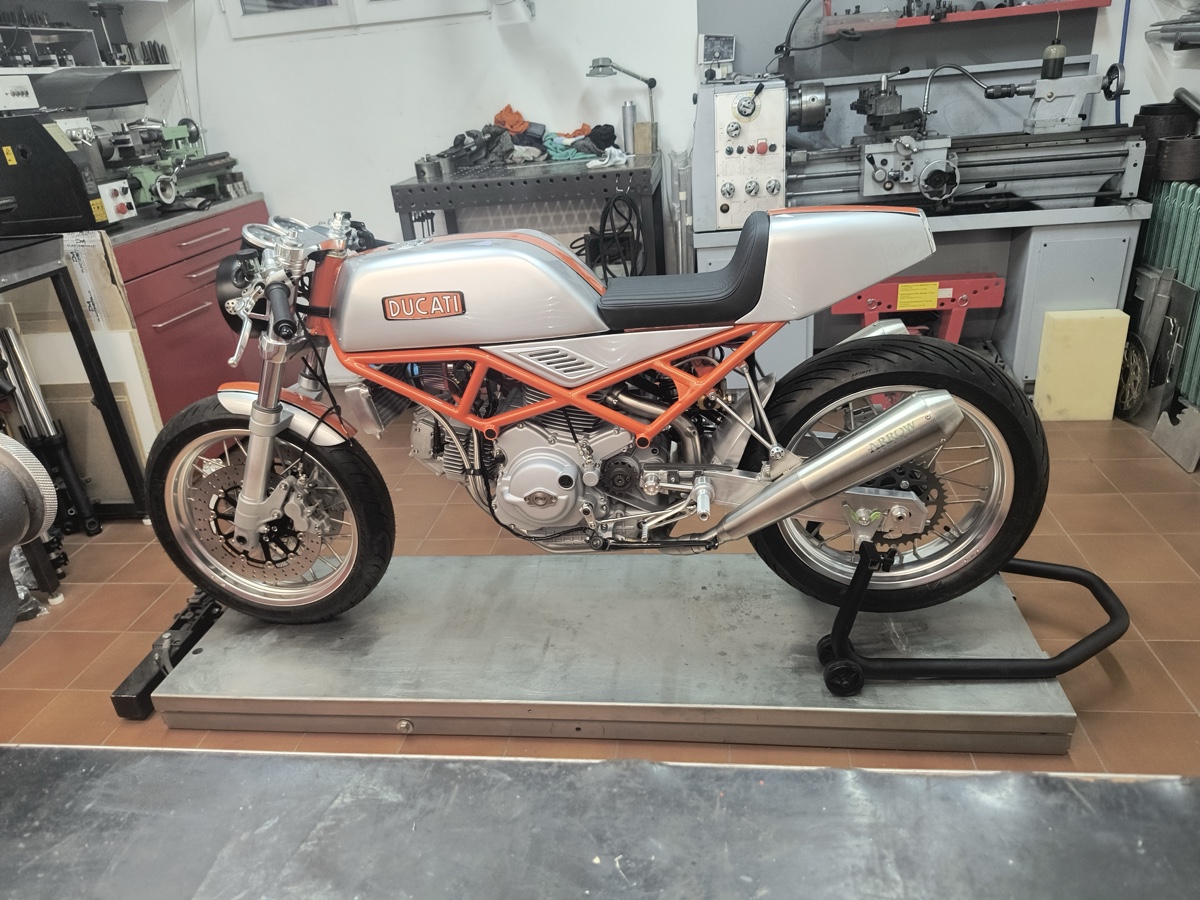
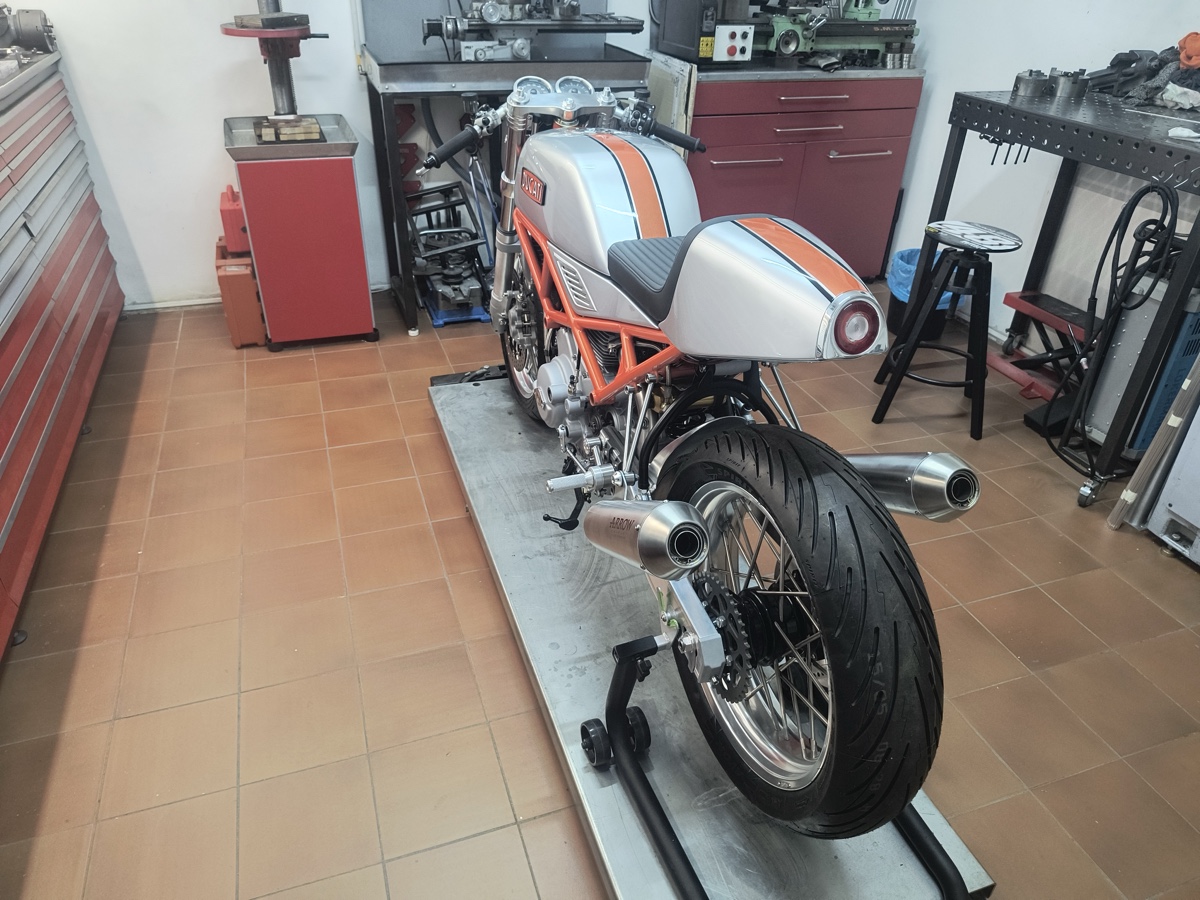
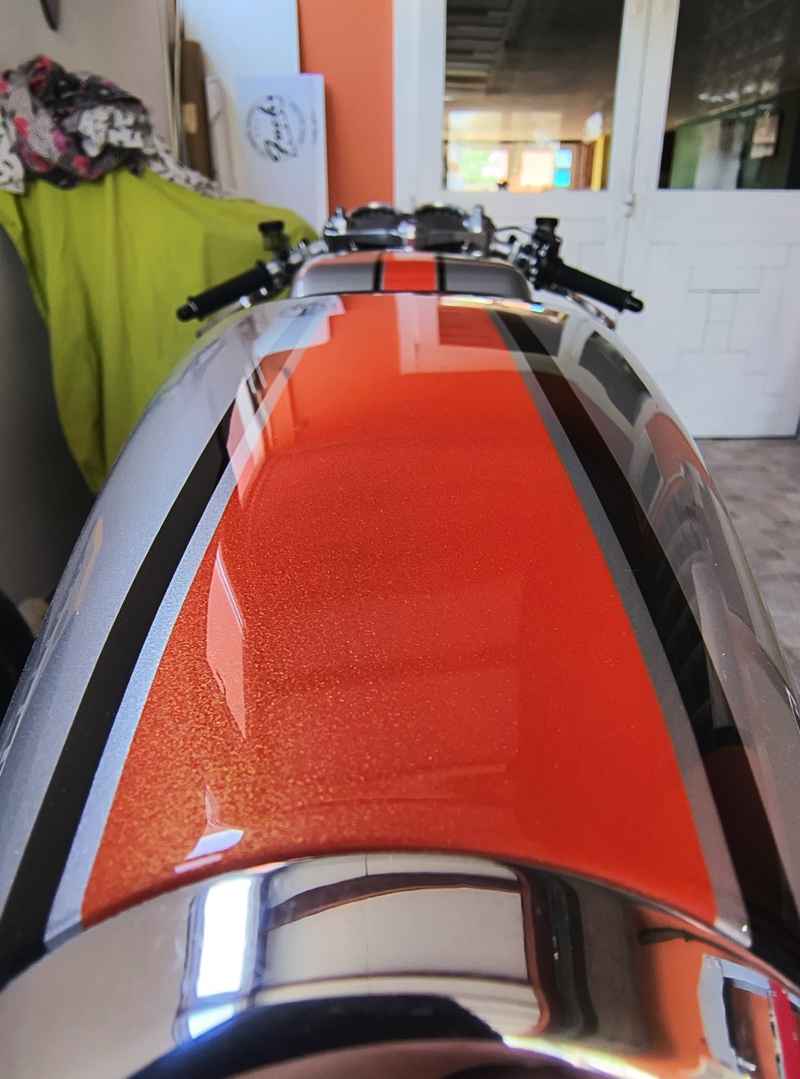
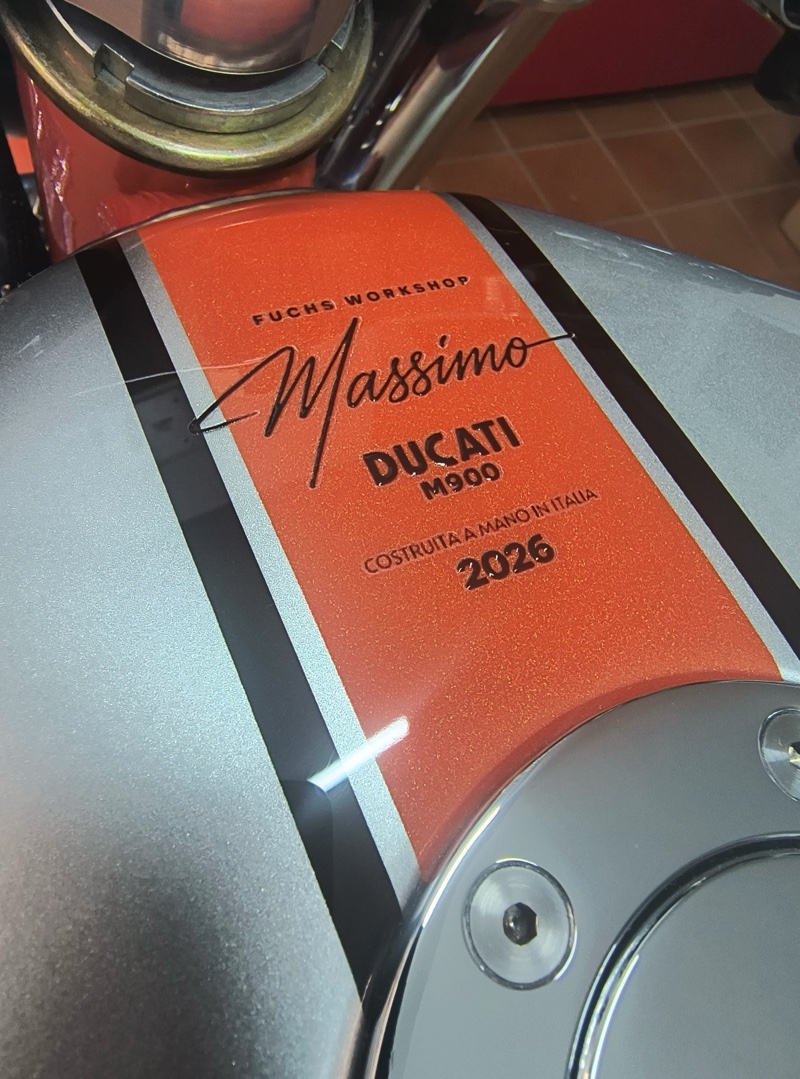
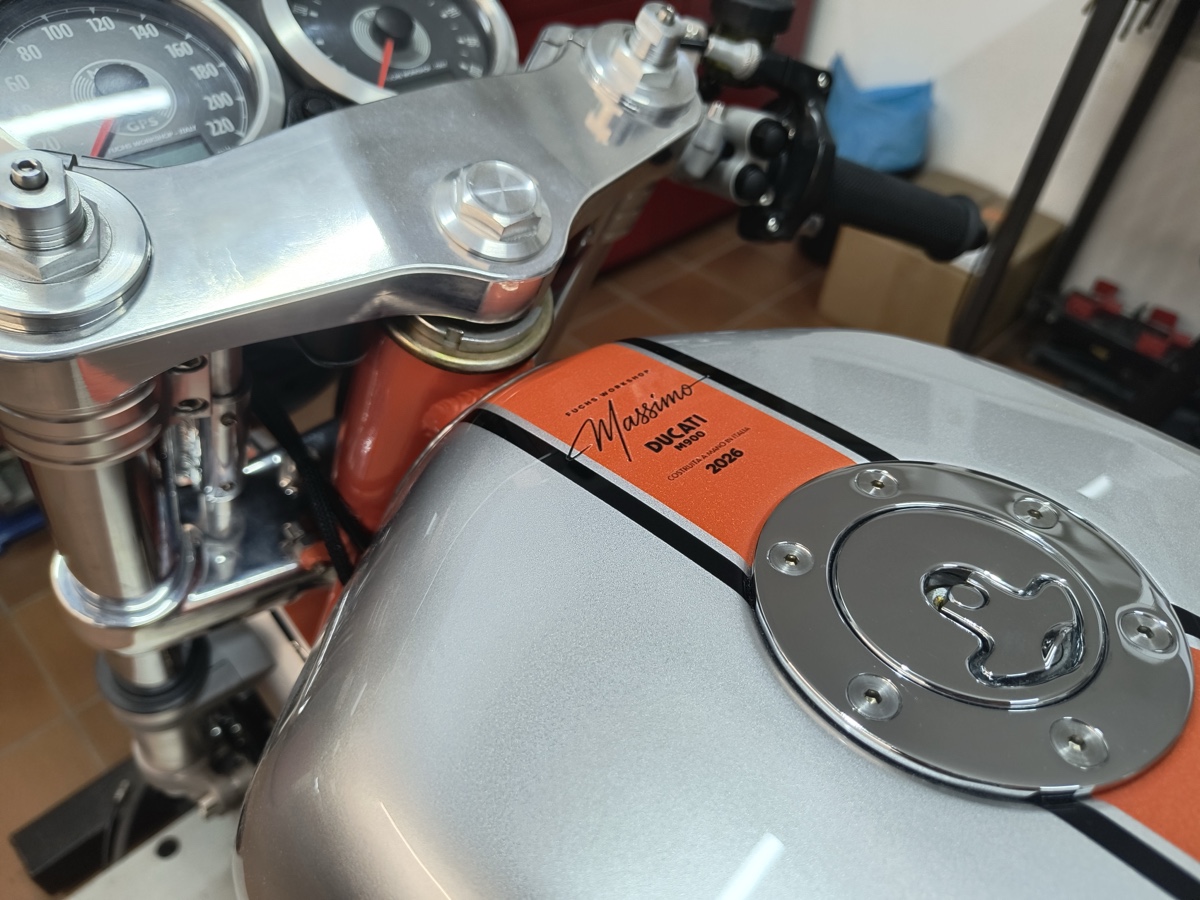
“The client who commissioned the project wanted a bike inspired by the classic Italian legends of the ’70s, specifically the Ducati 750 GT. I tried to incorporate as many key design cues as possible, such as the color (the orange used back in those years), the 18″ wheels, the side panel louvered vents, and the dual instrument gauges.”
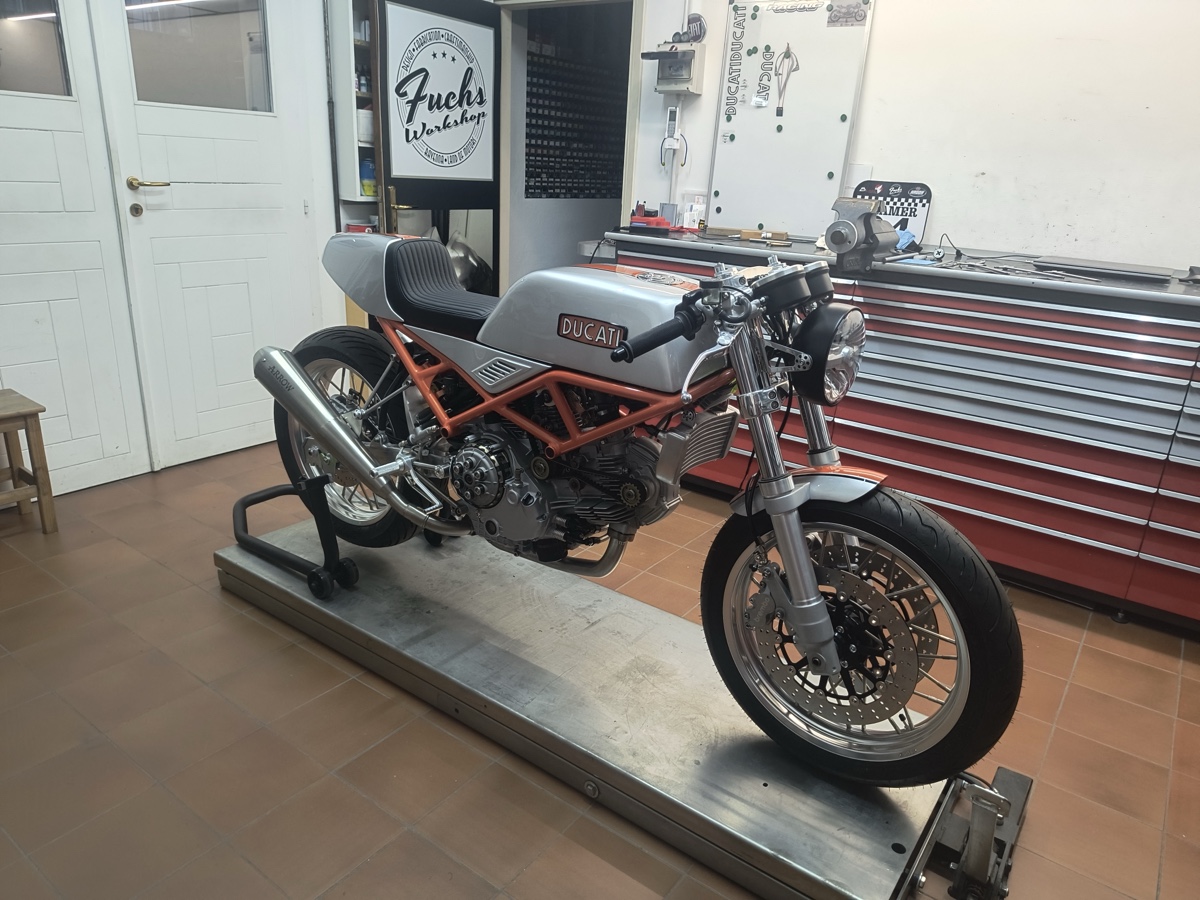
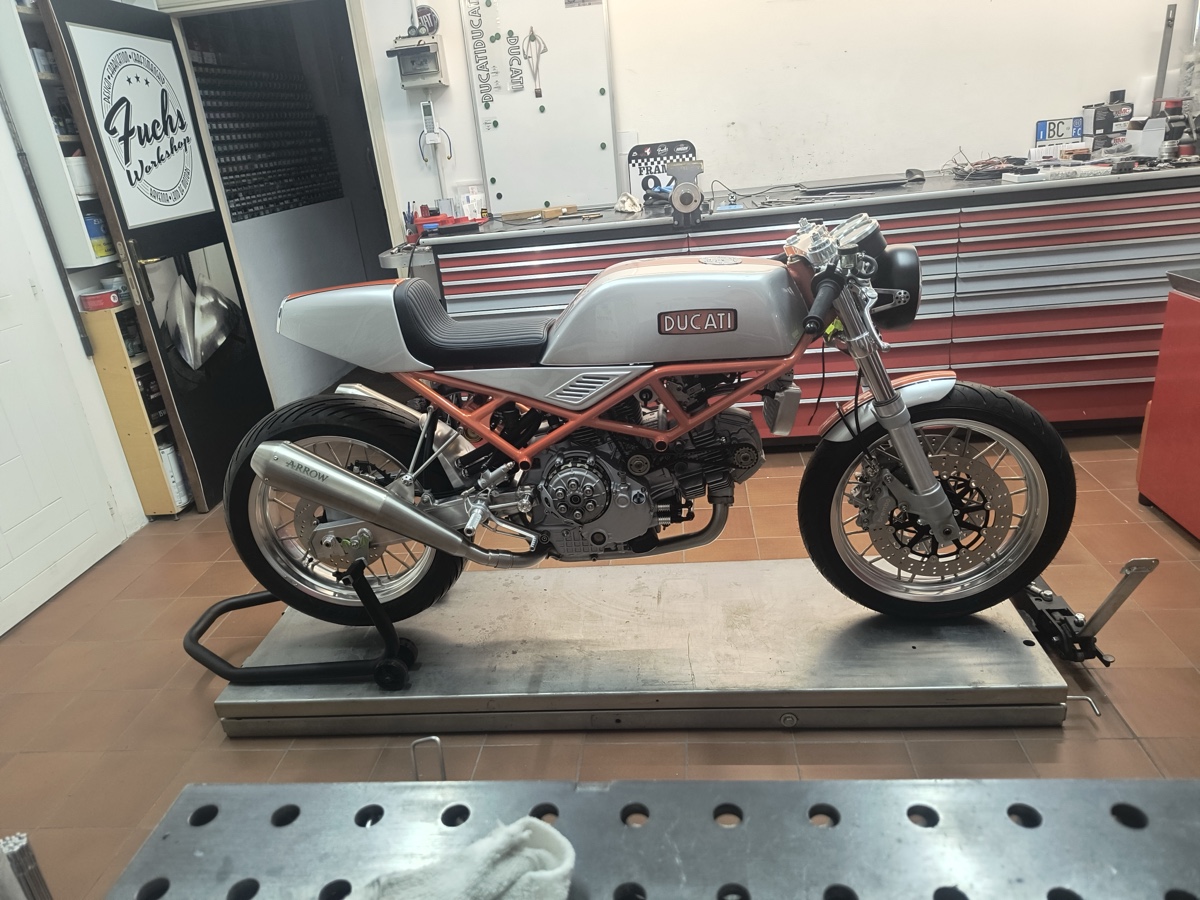
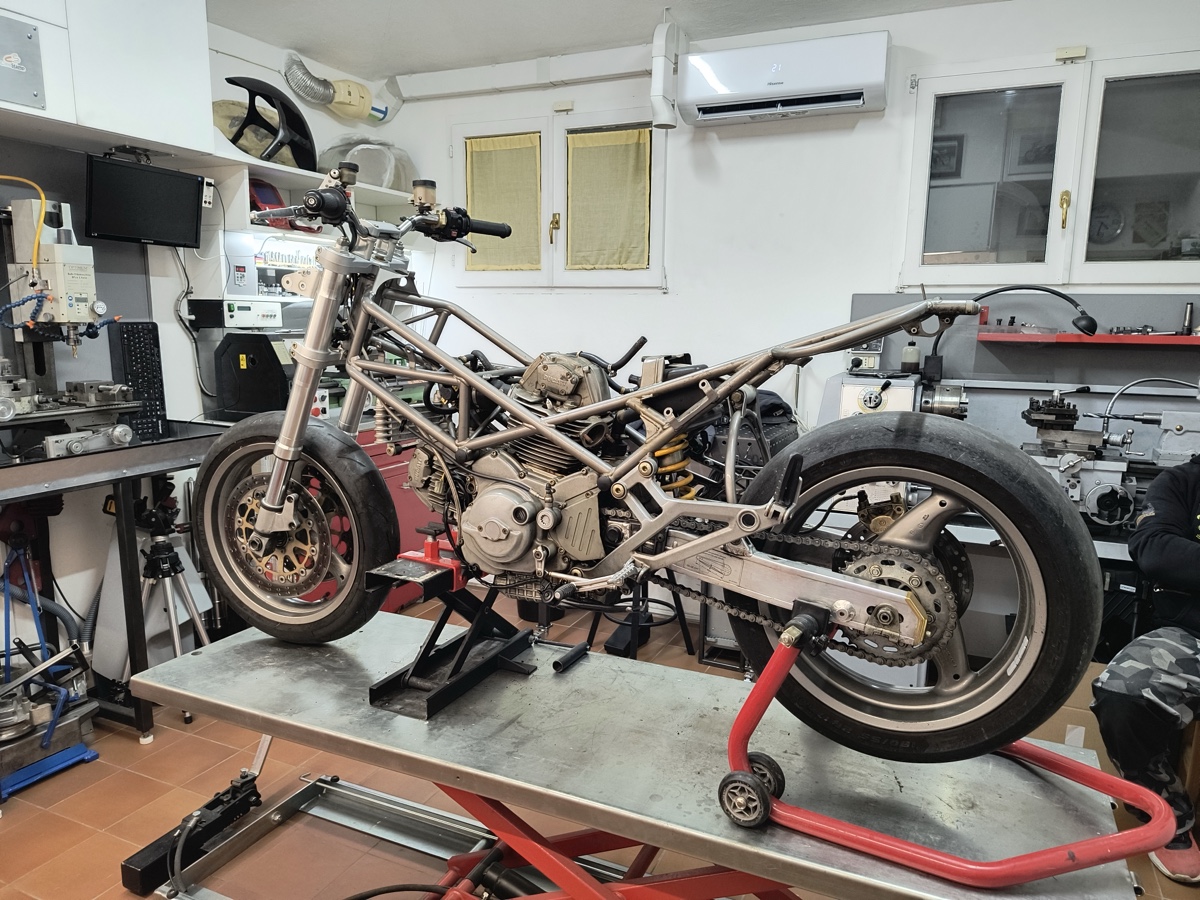
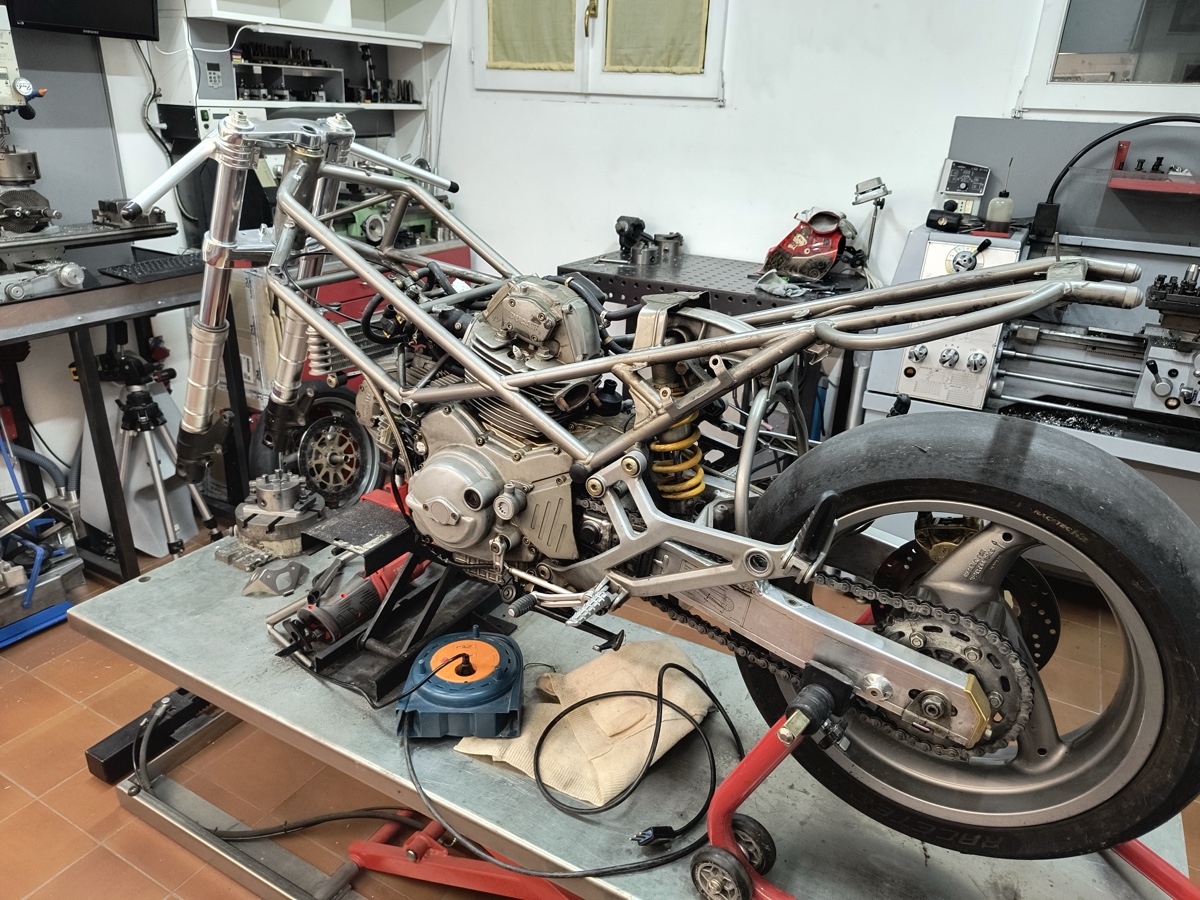
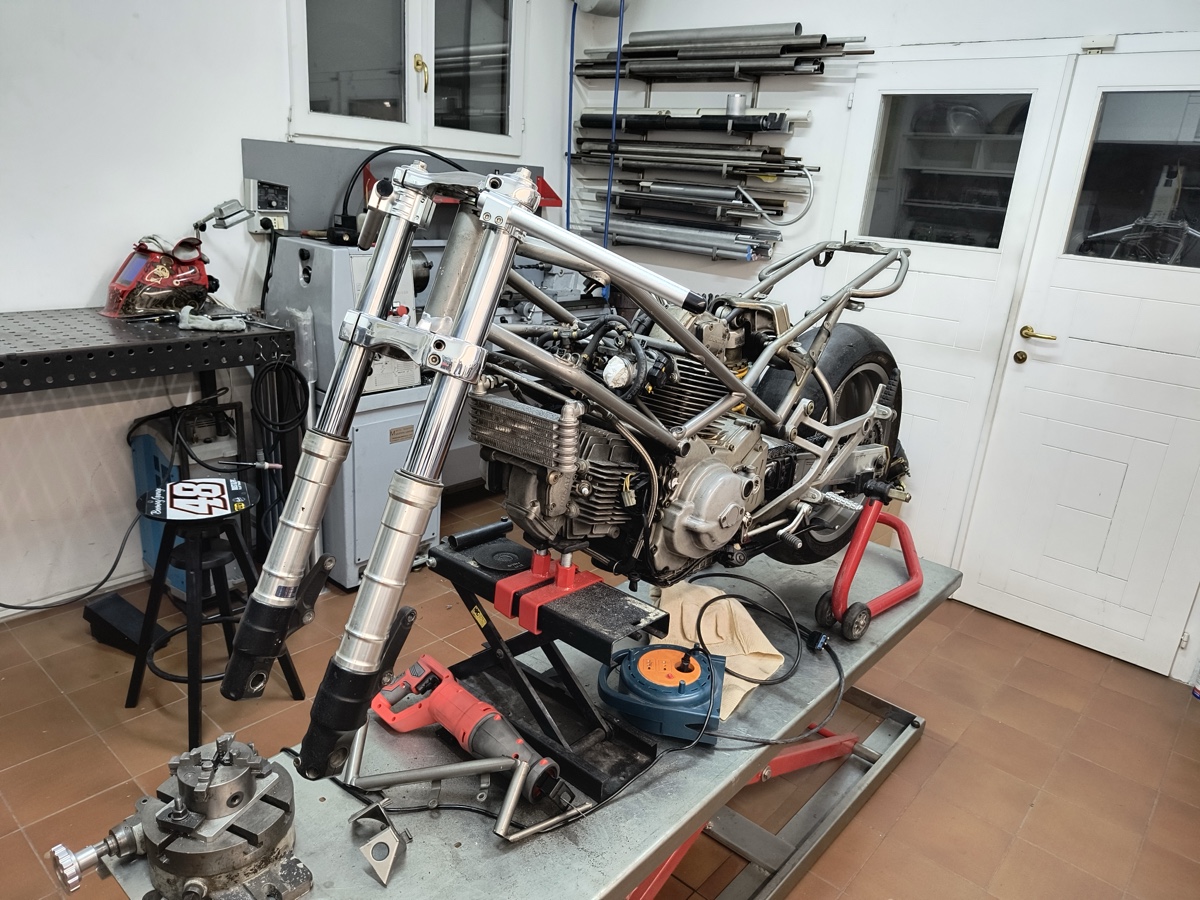
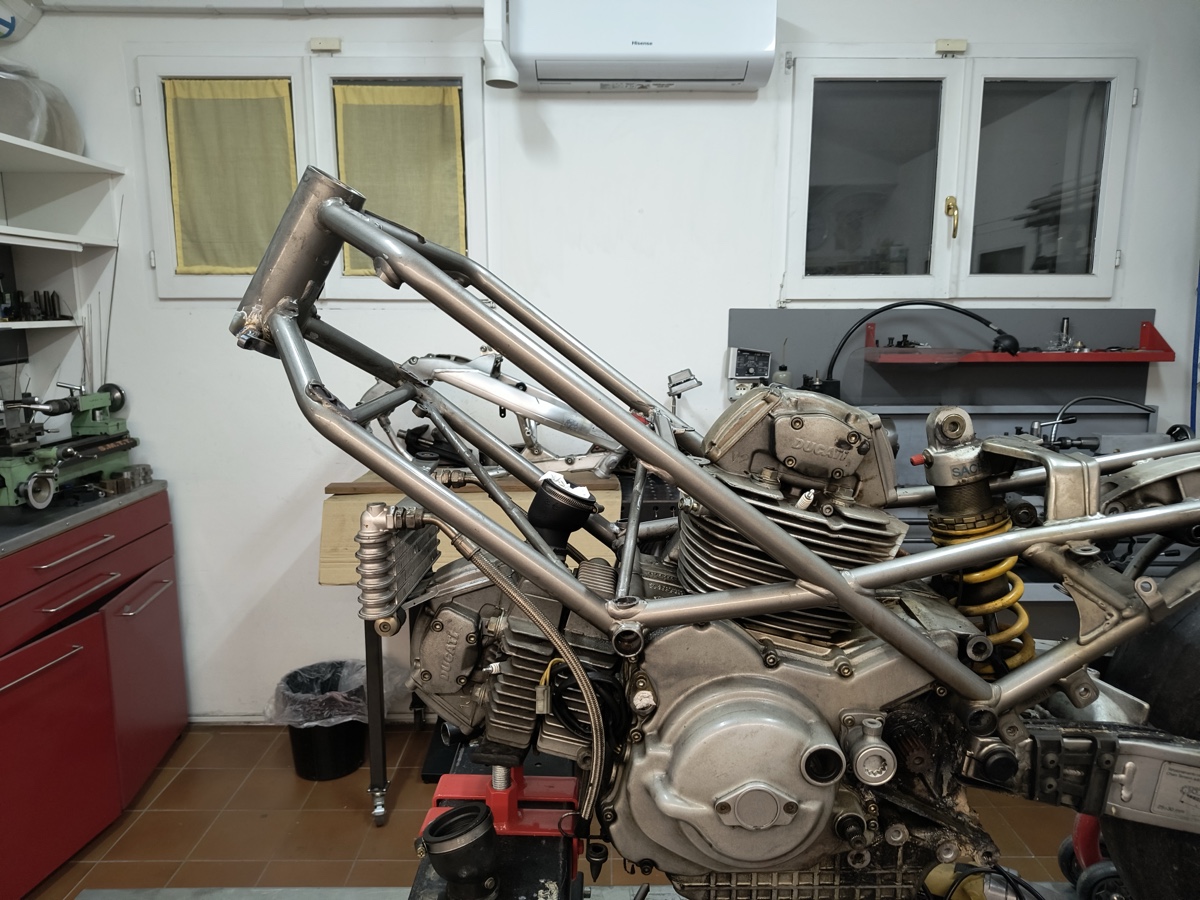
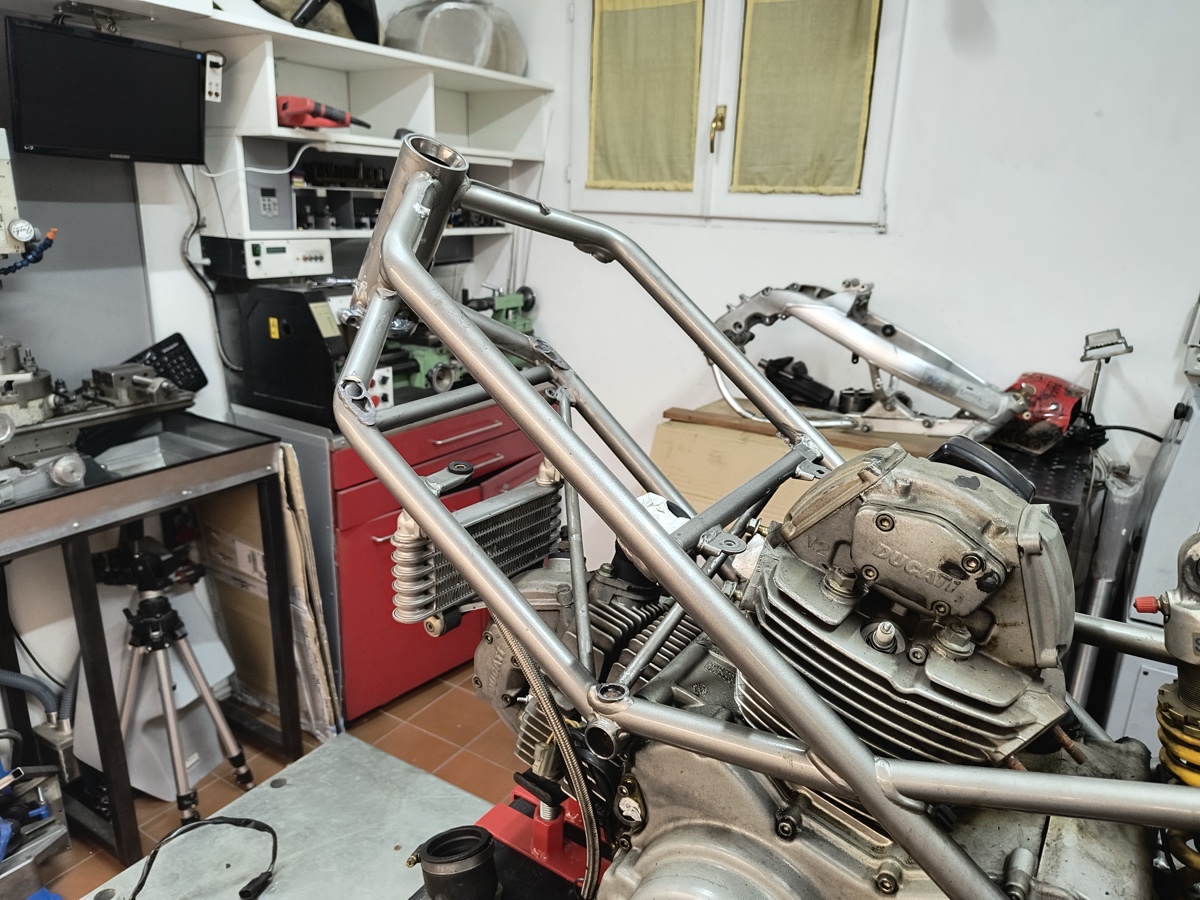
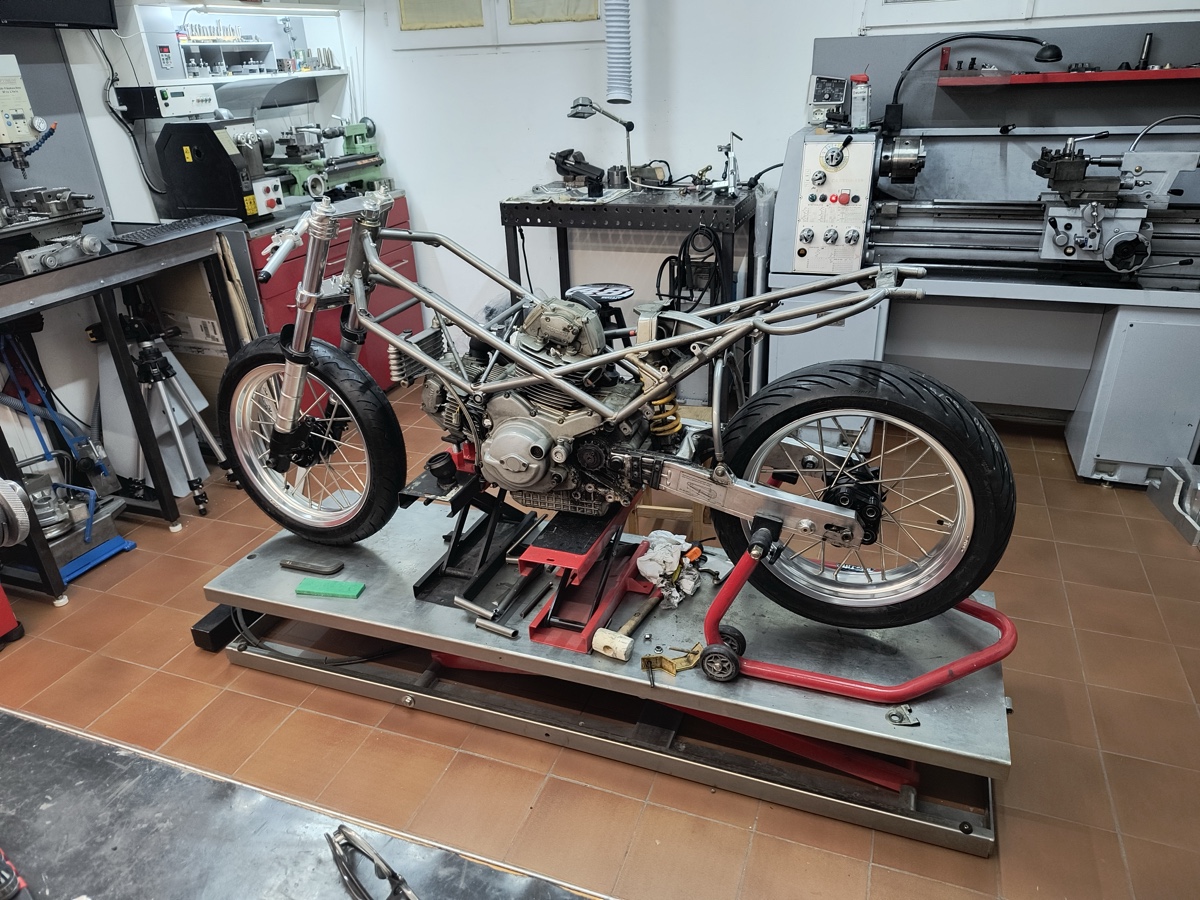
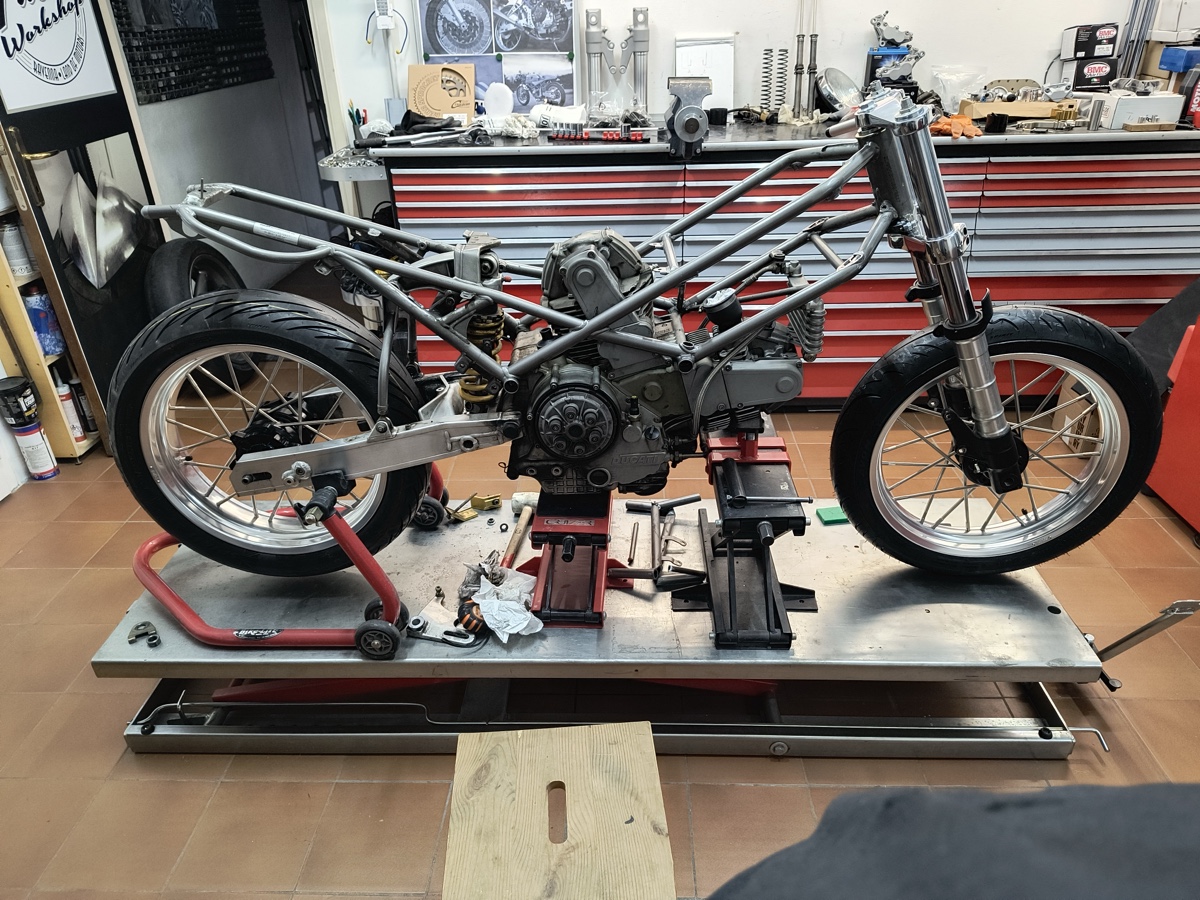
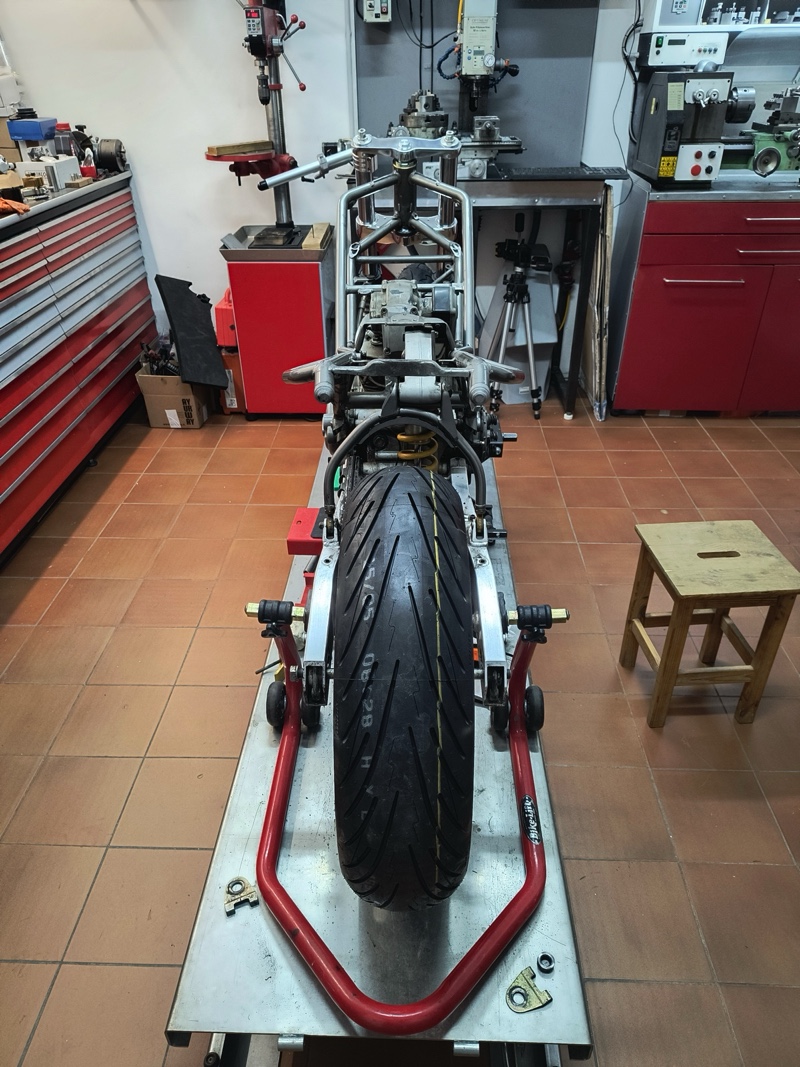
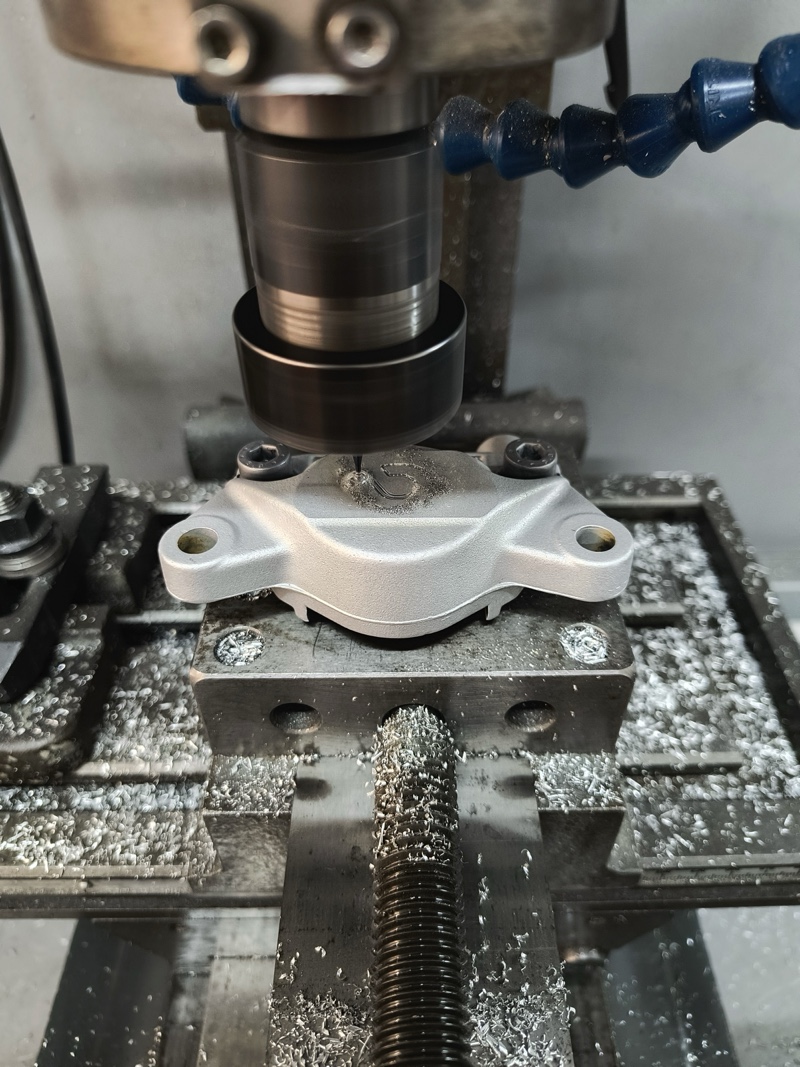
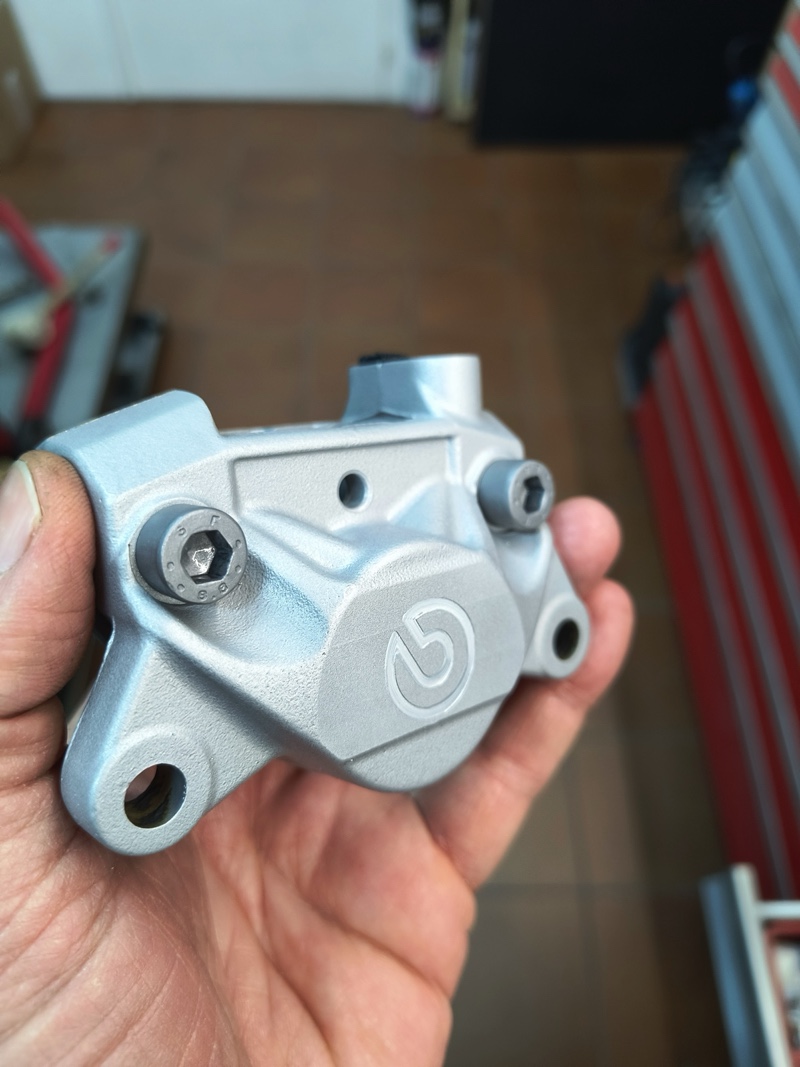
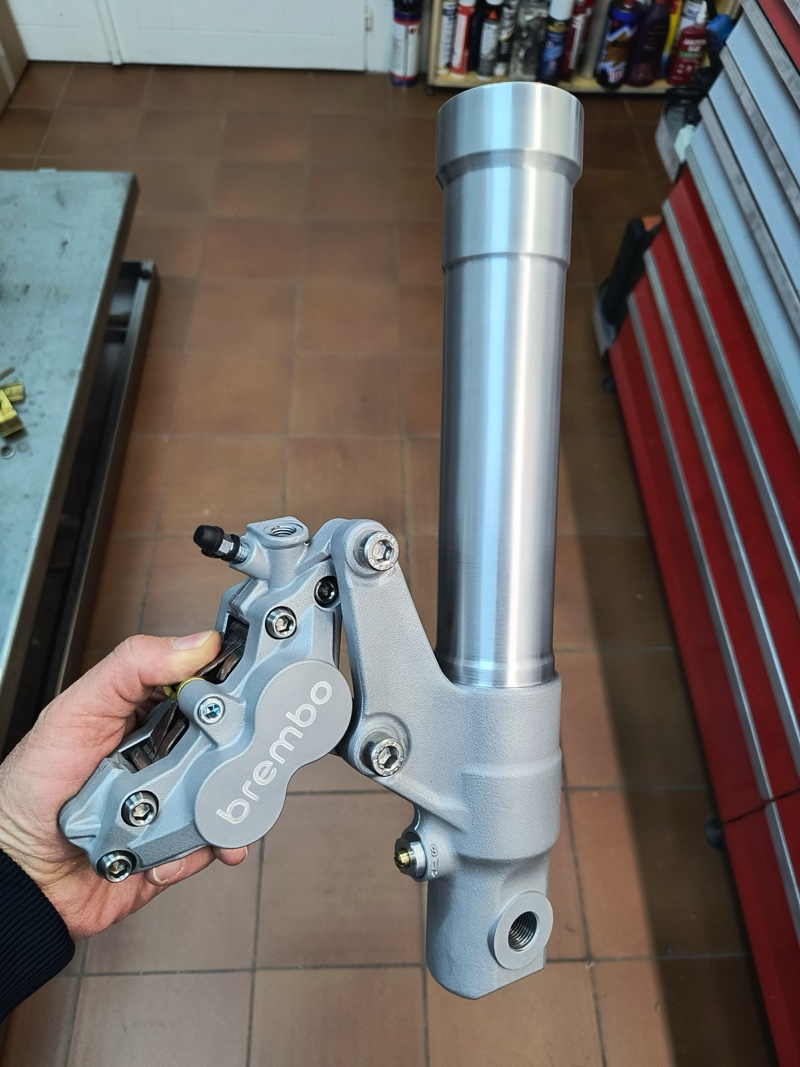
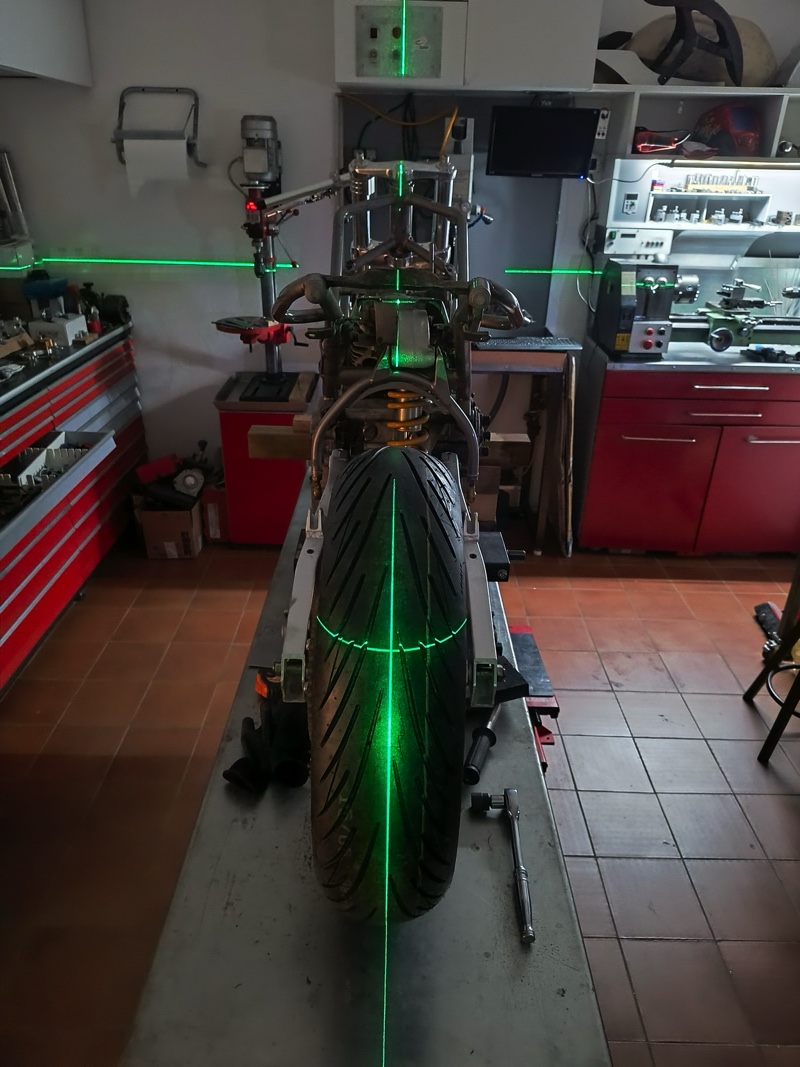
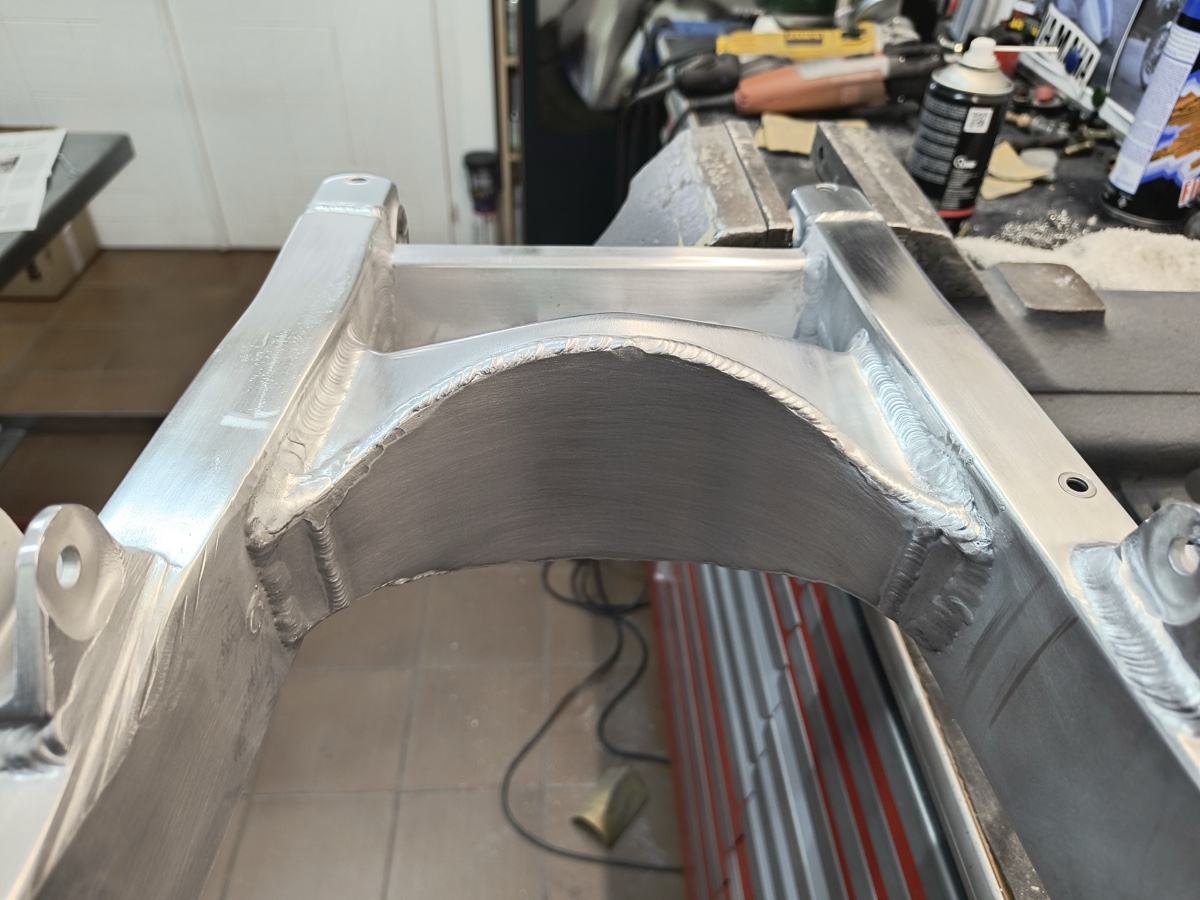
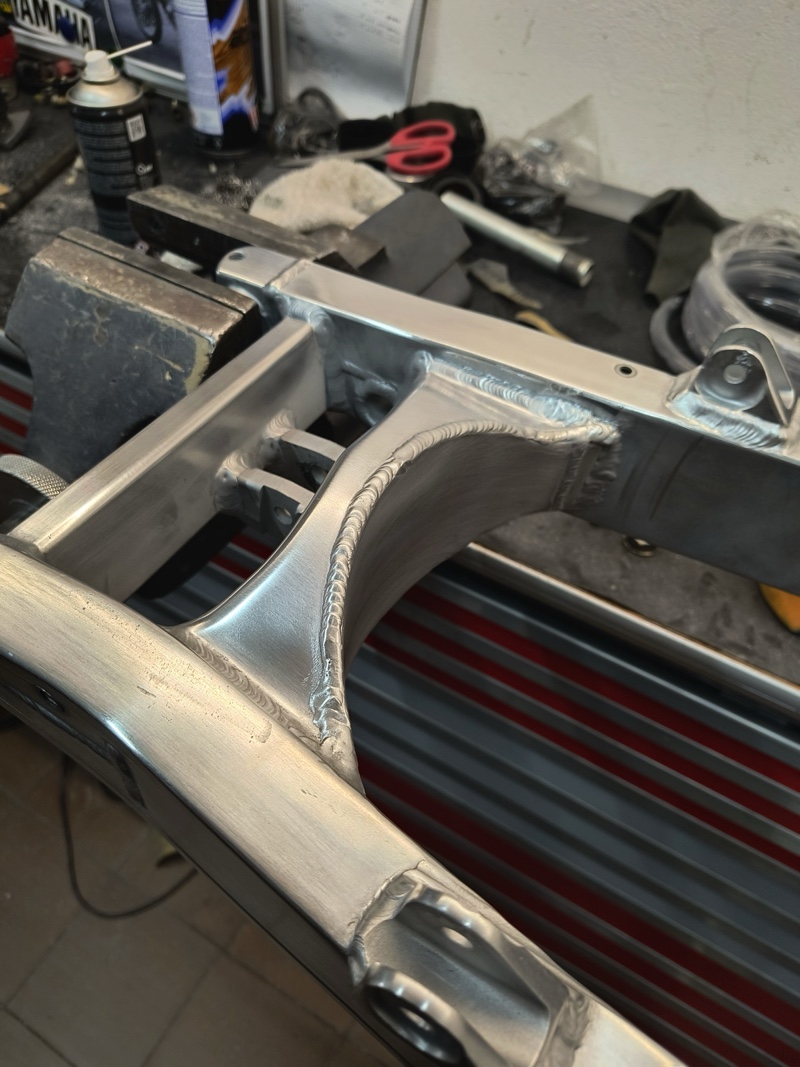
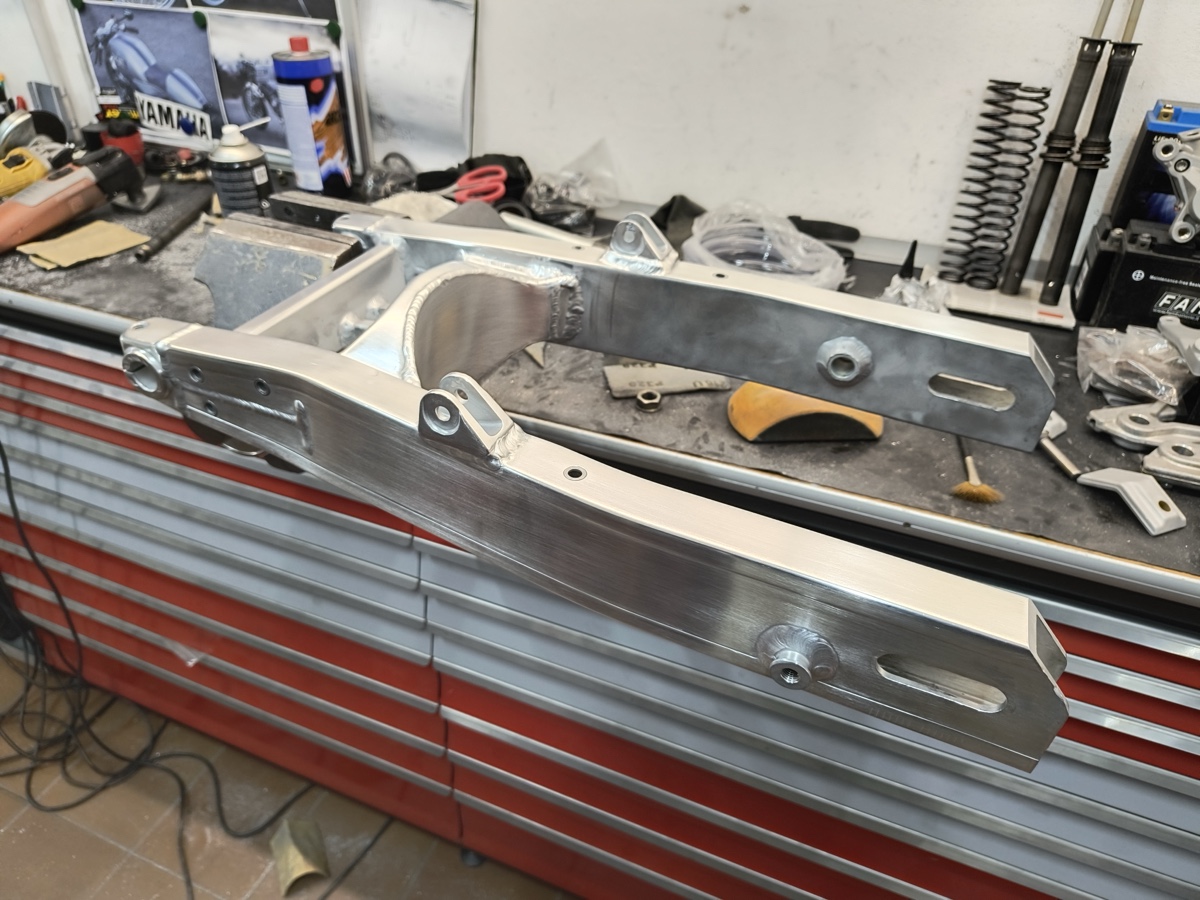
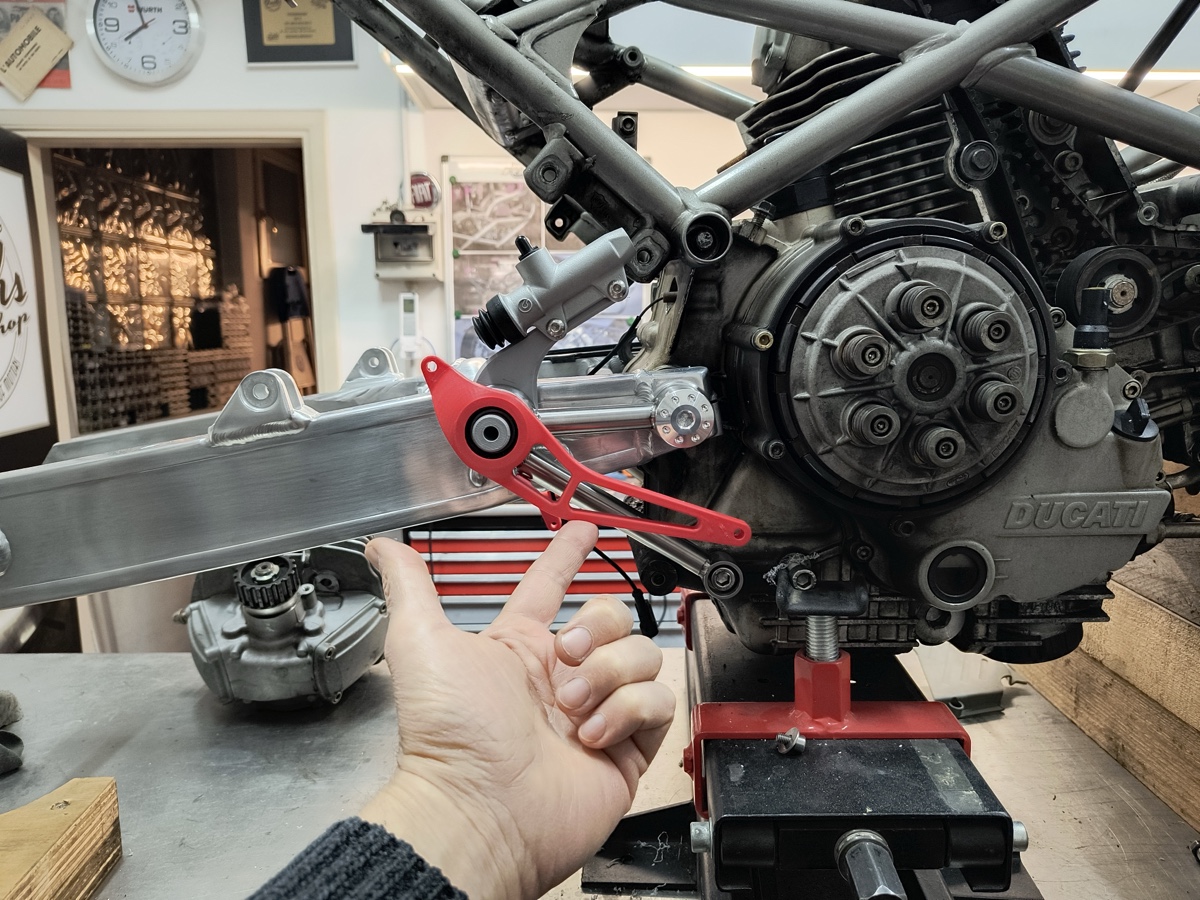
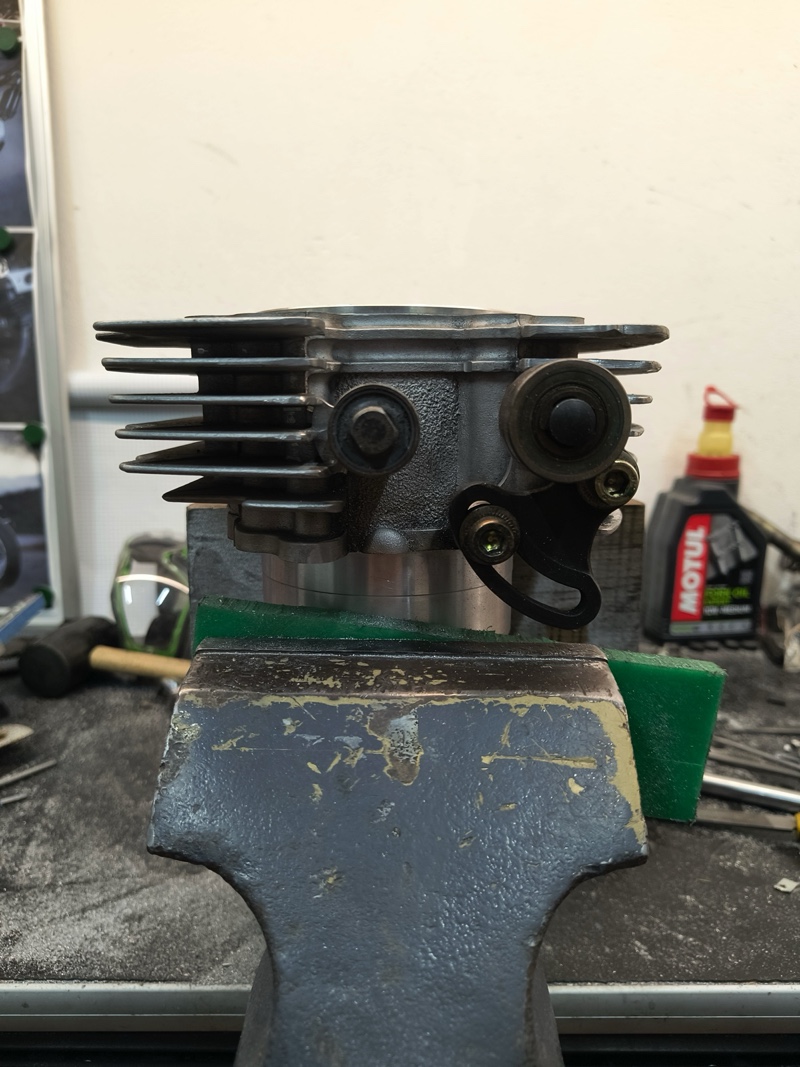
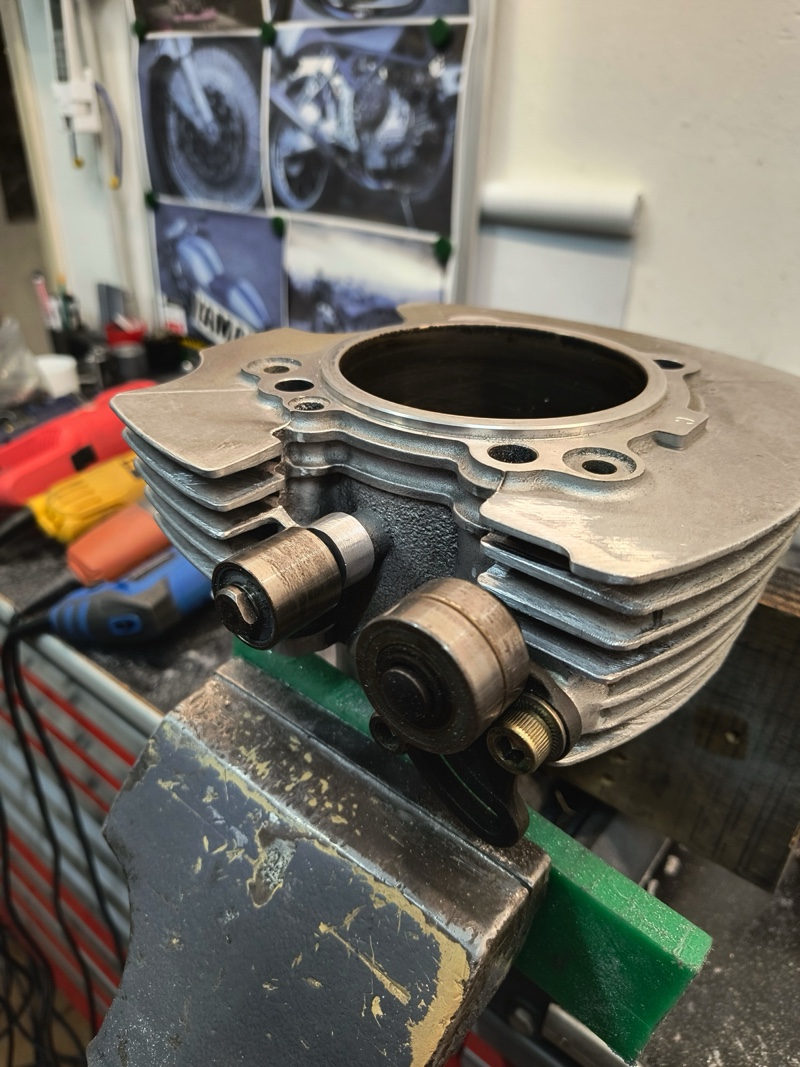
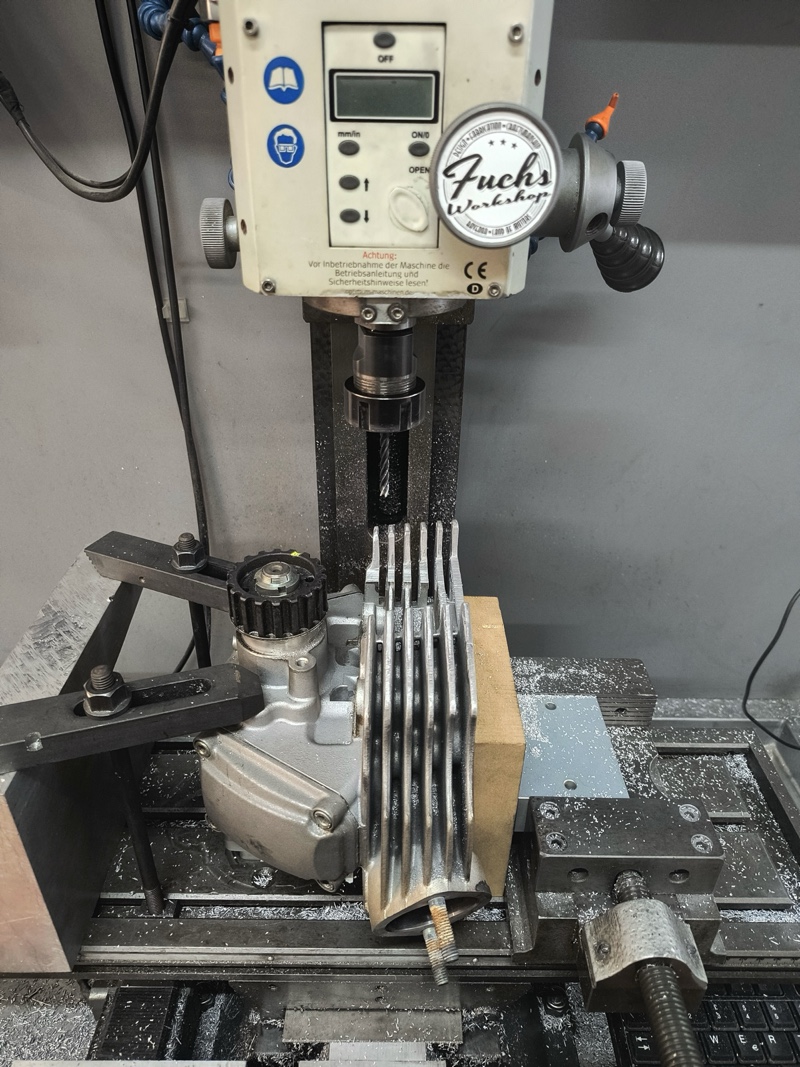
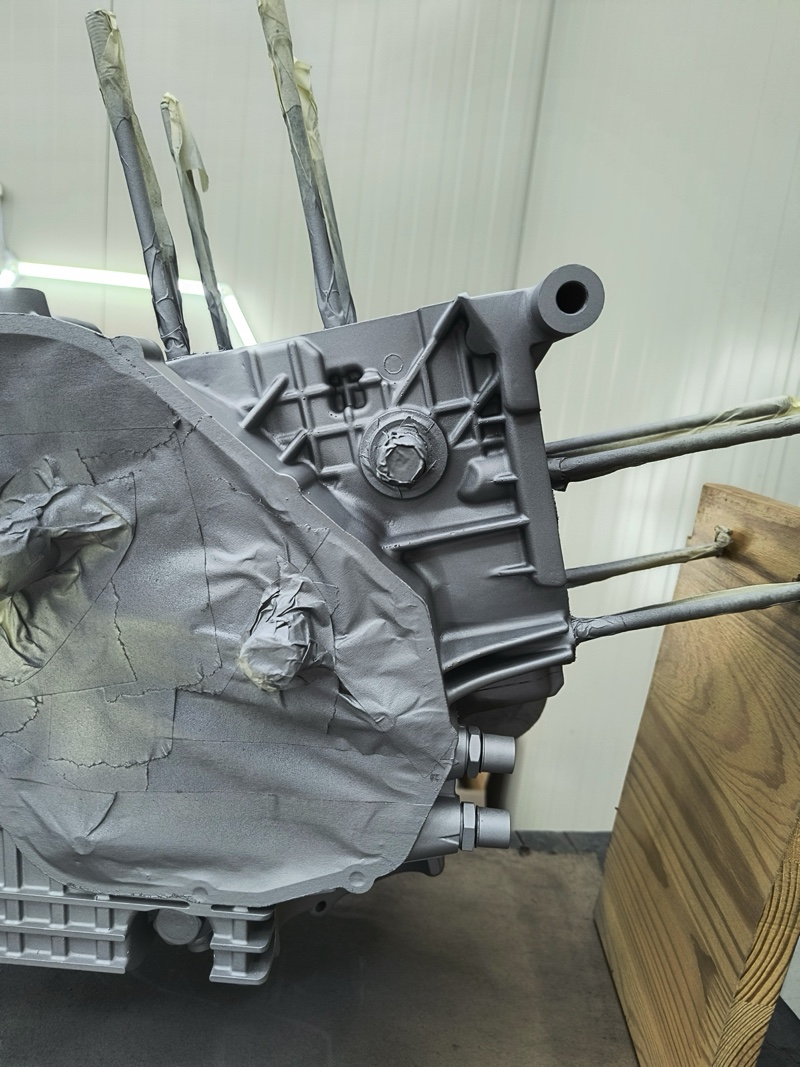
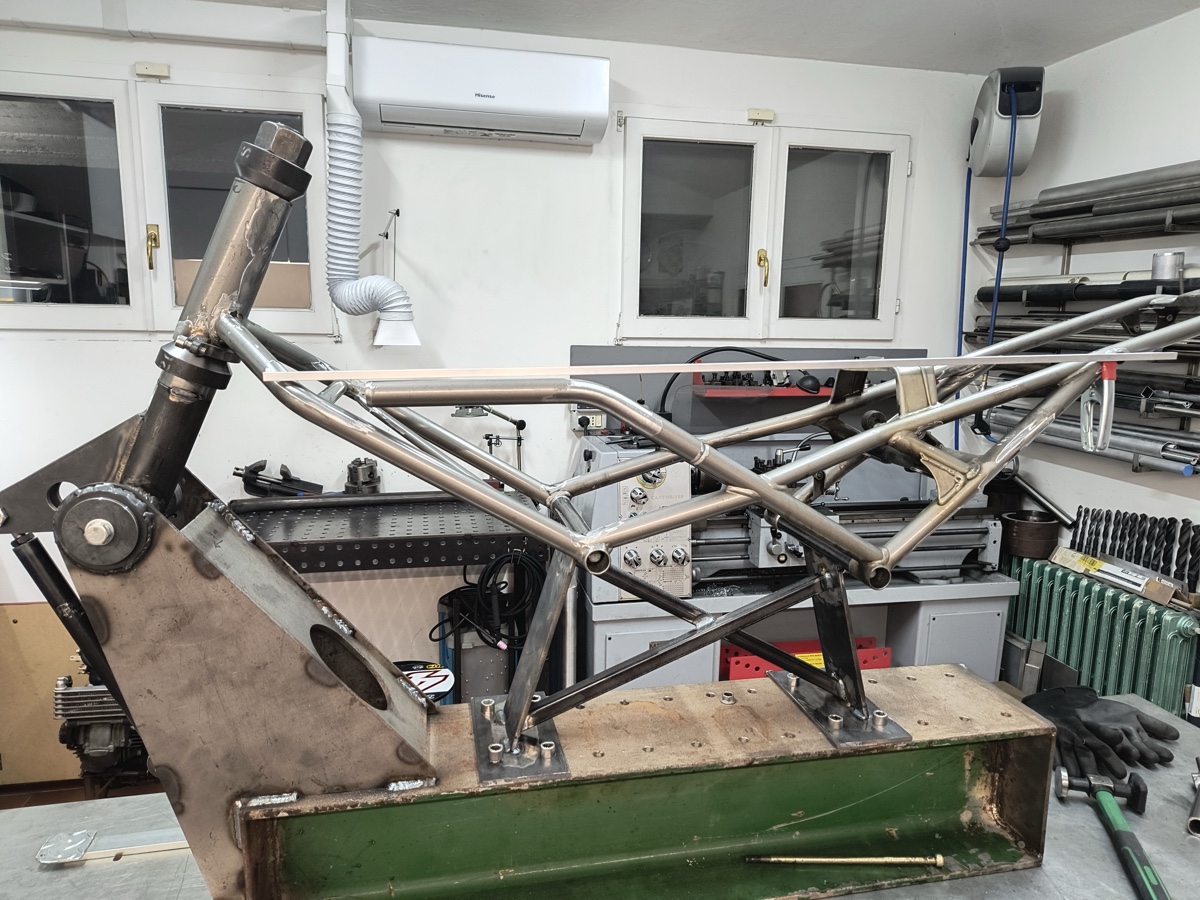
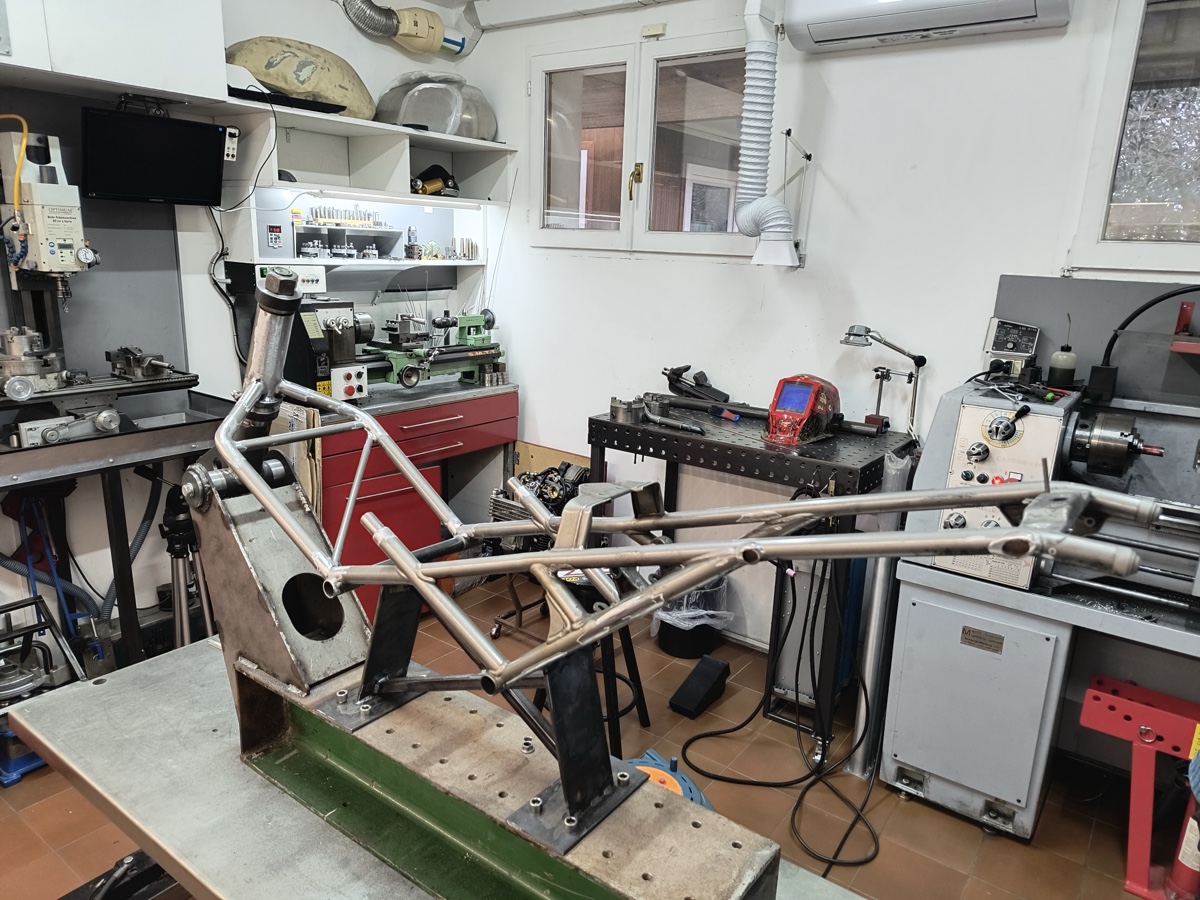
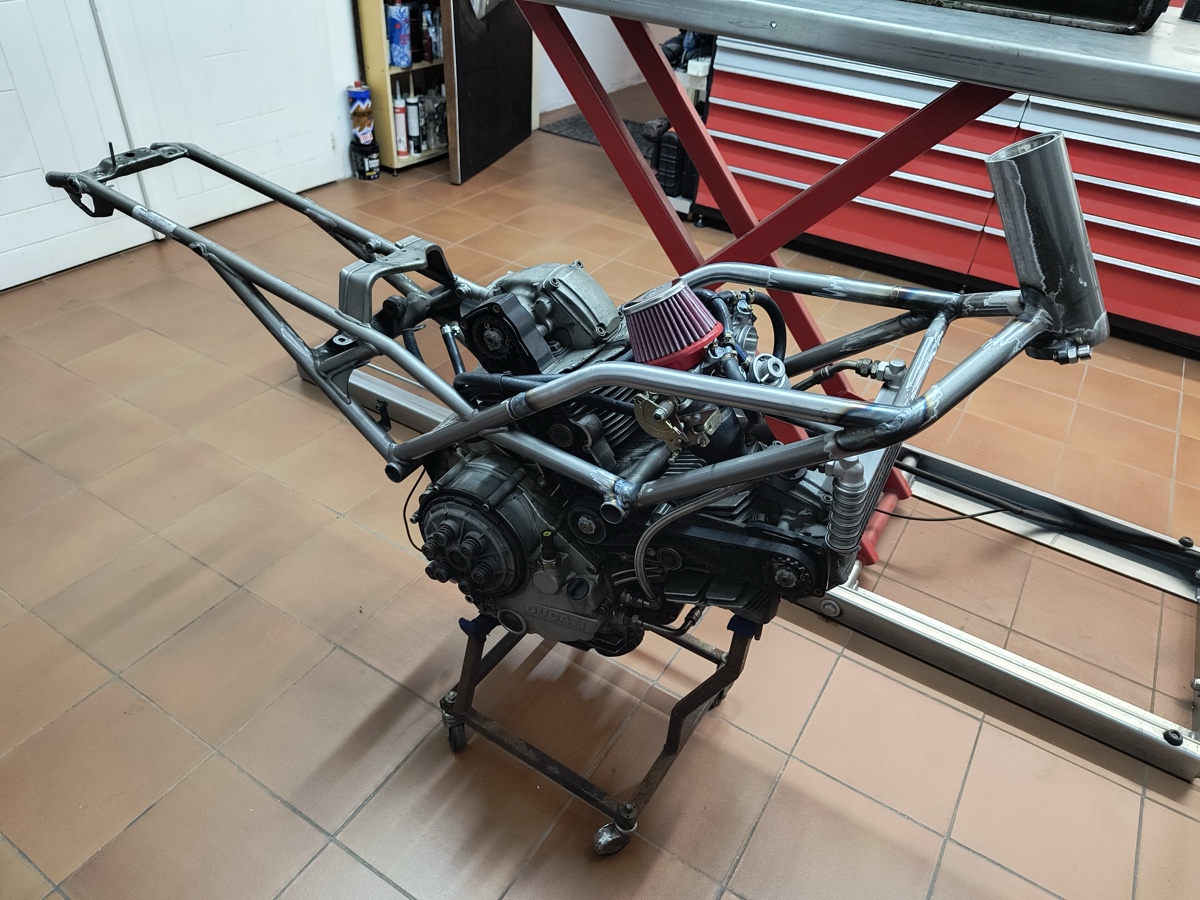
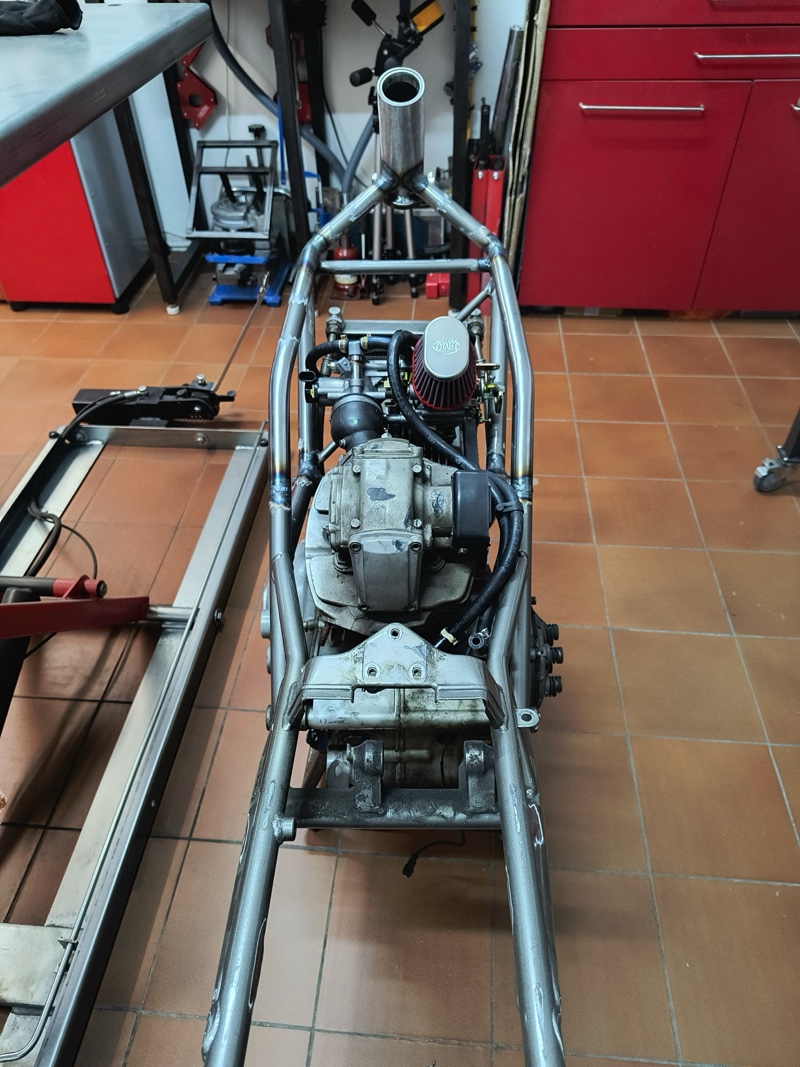
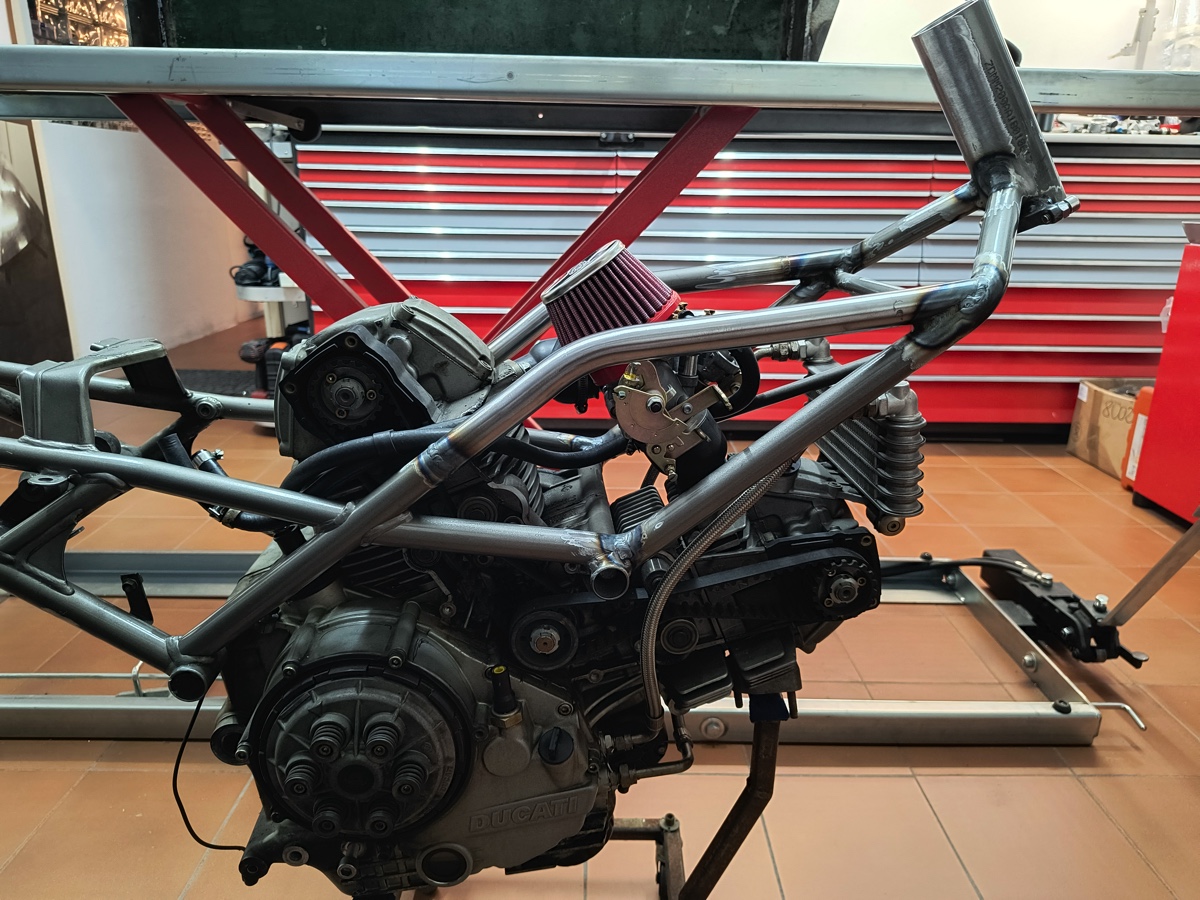
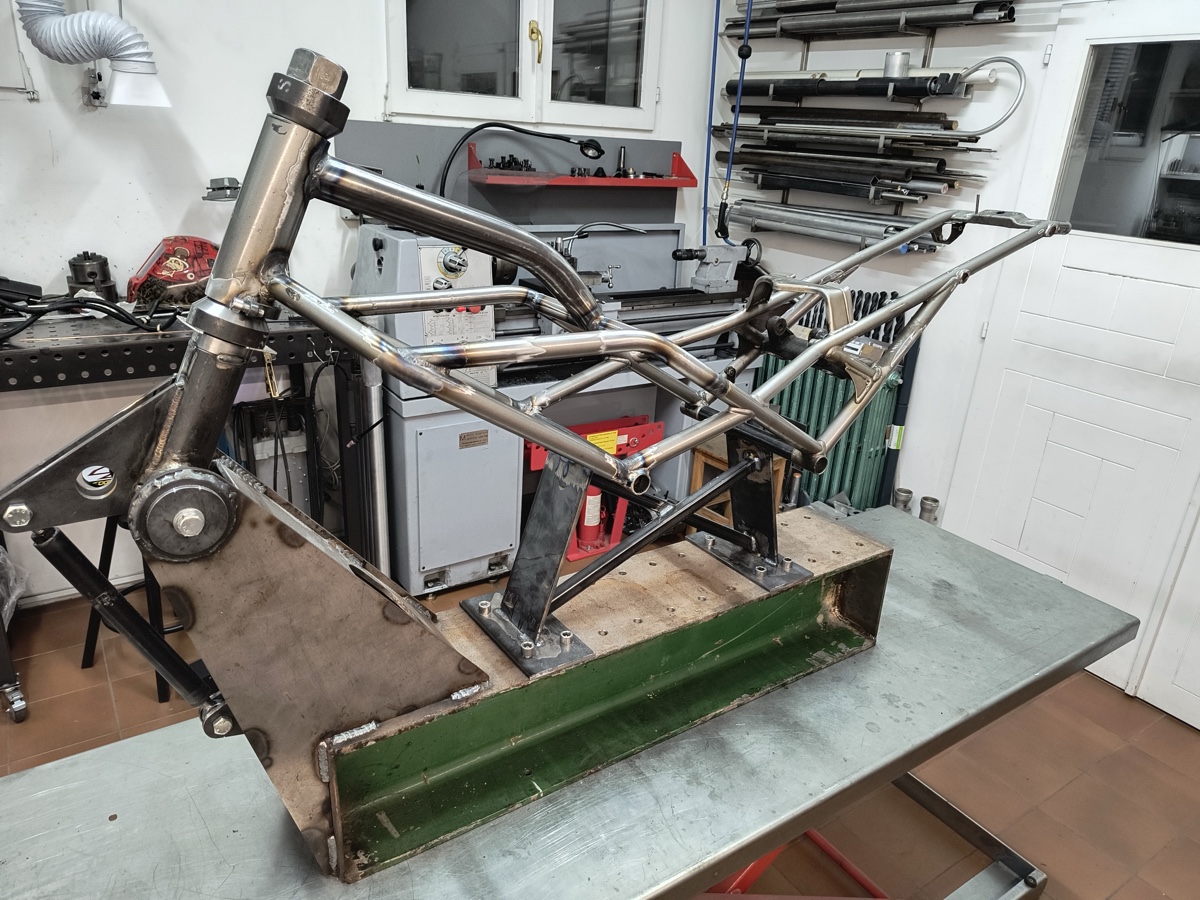
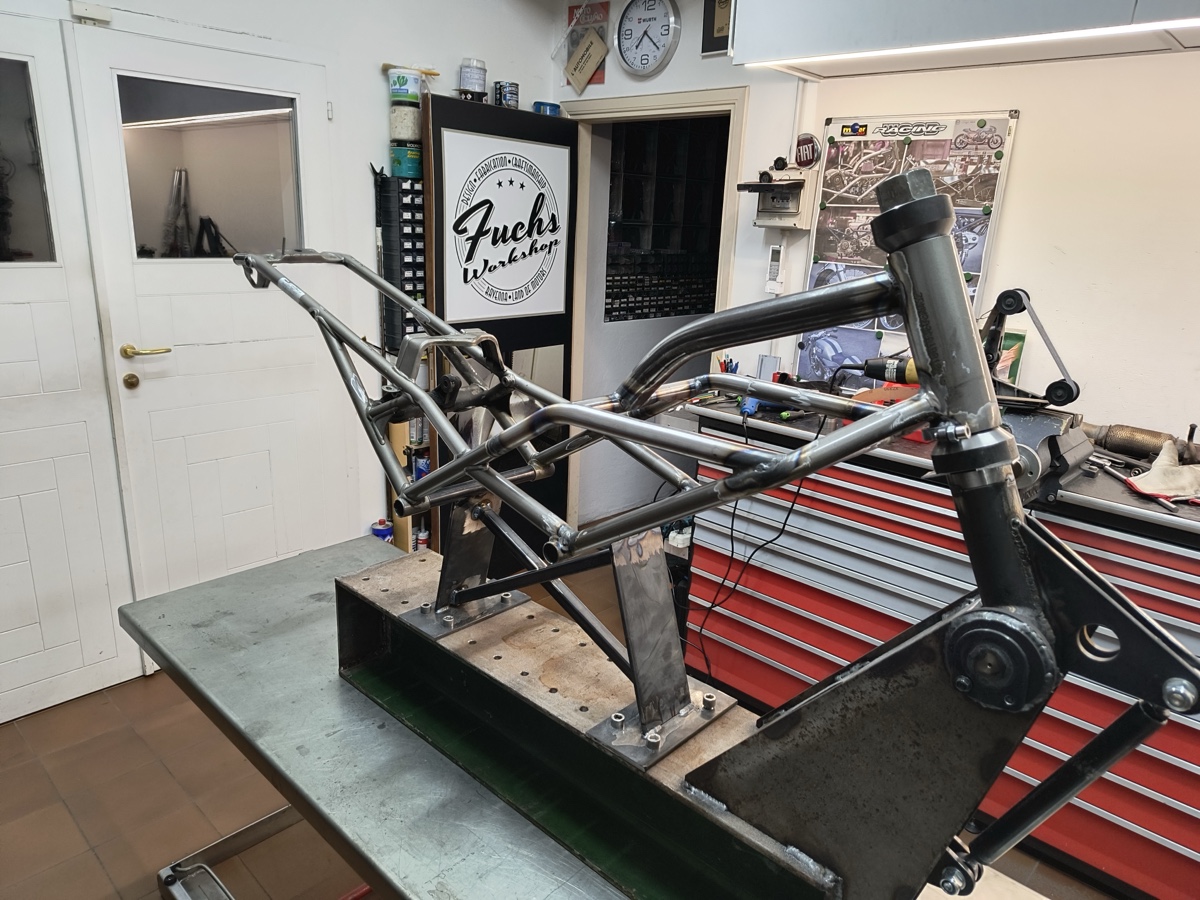
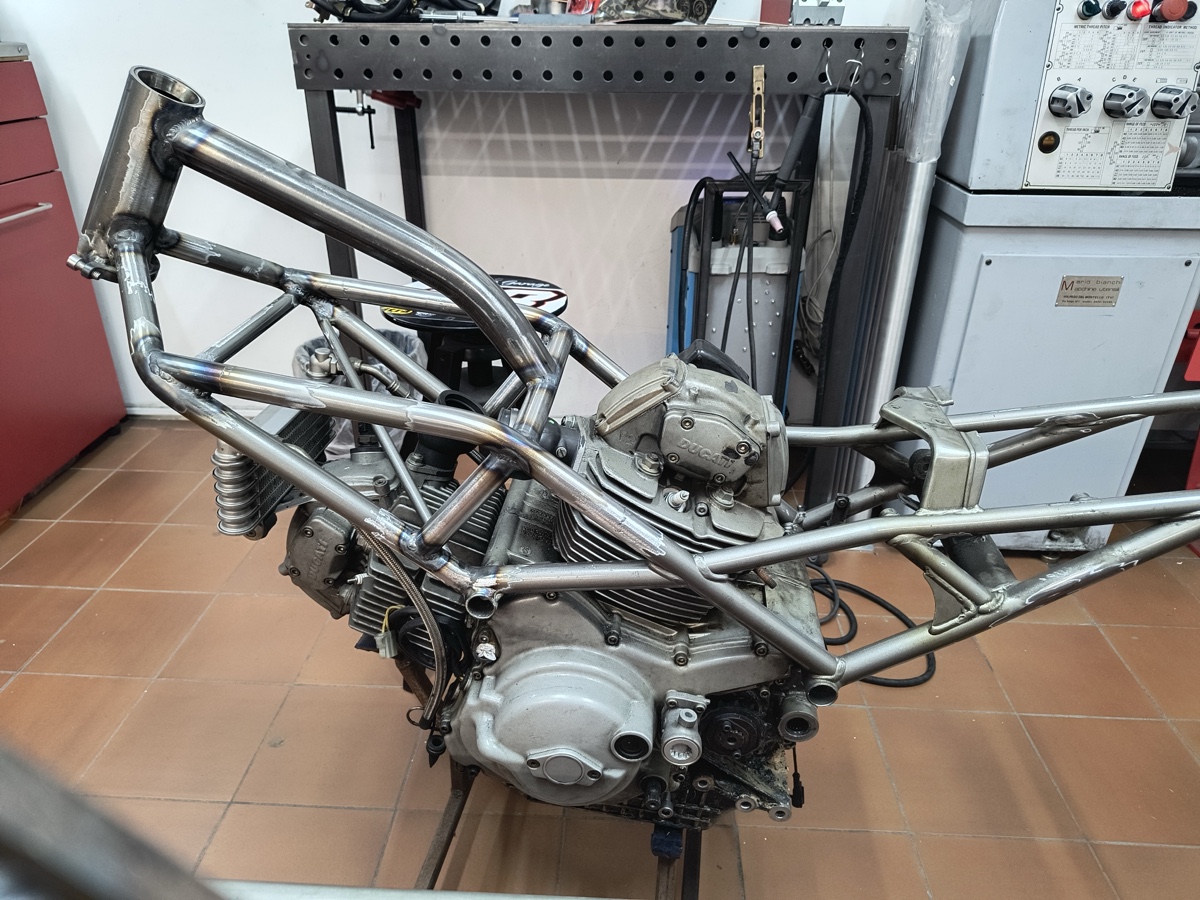
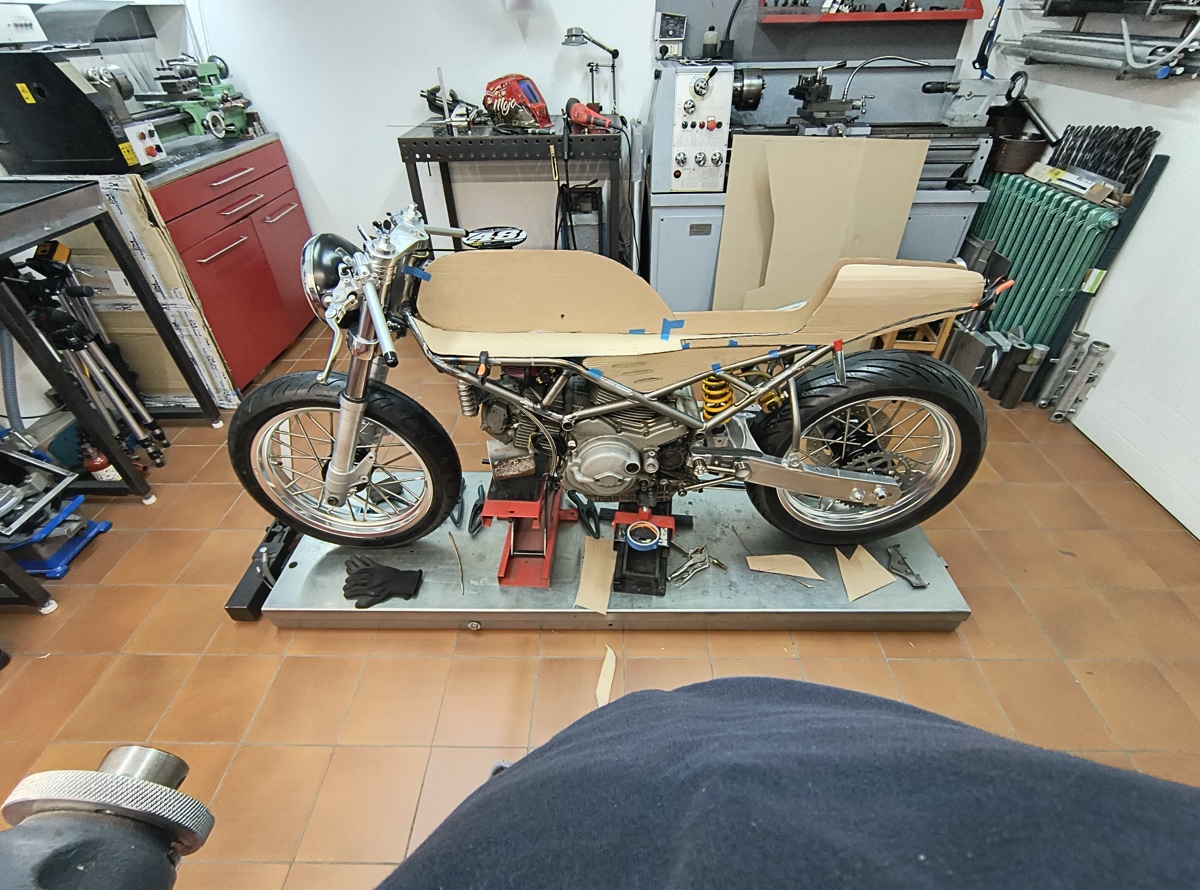
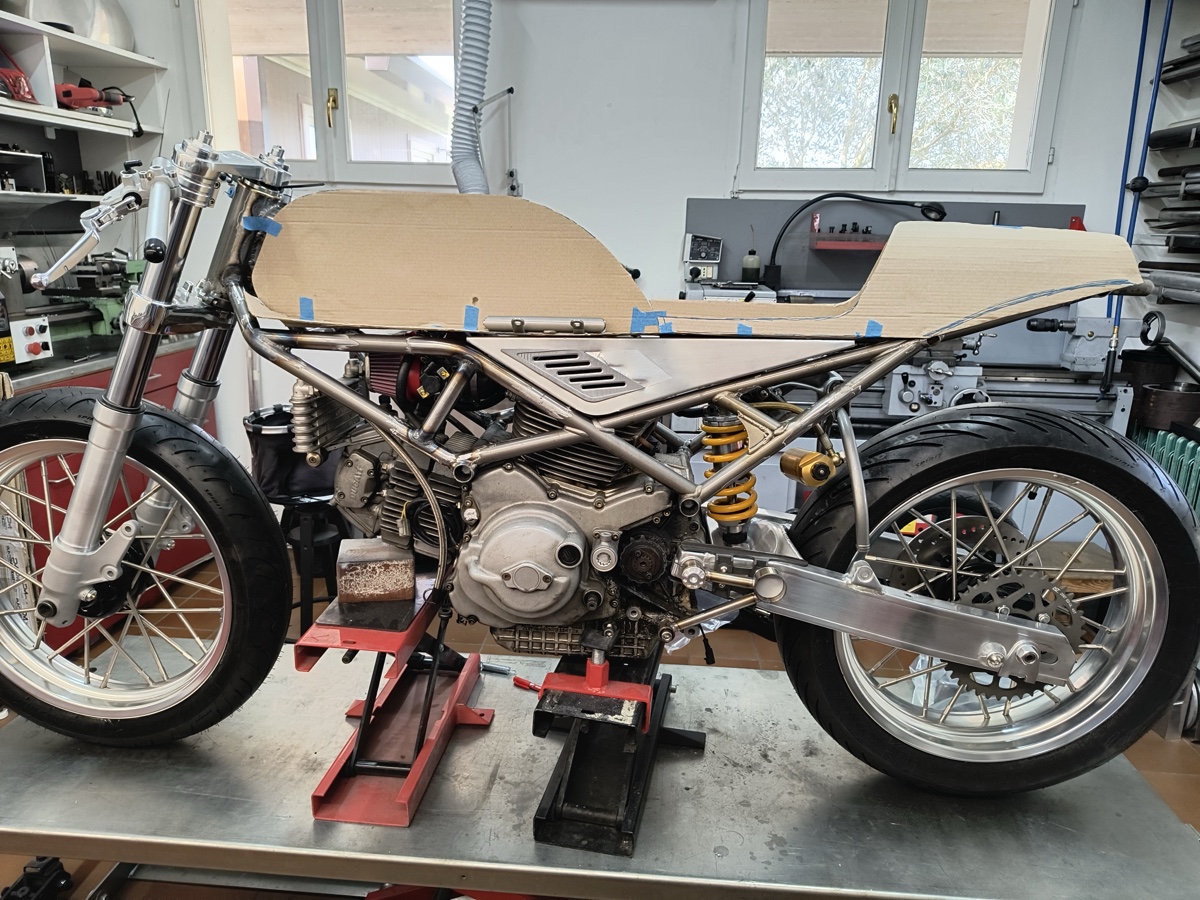
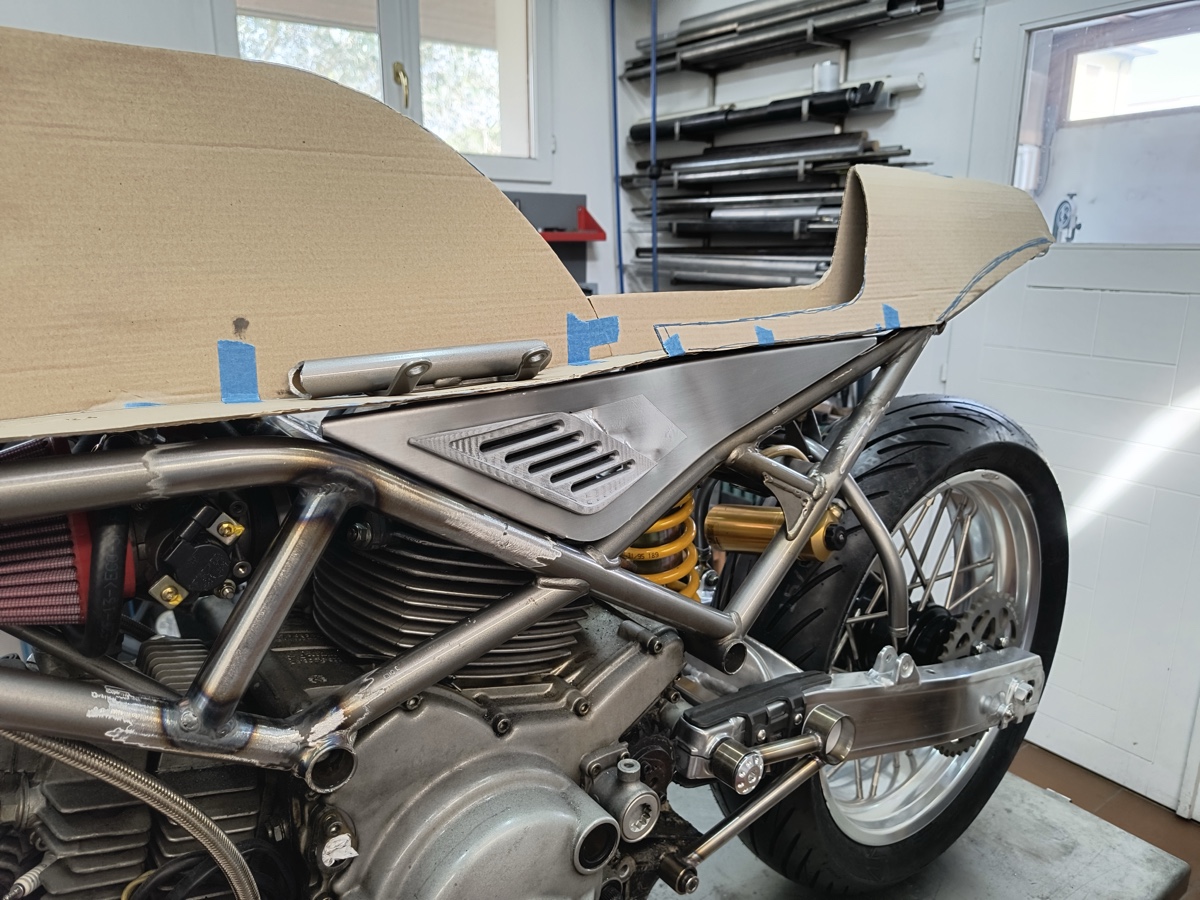
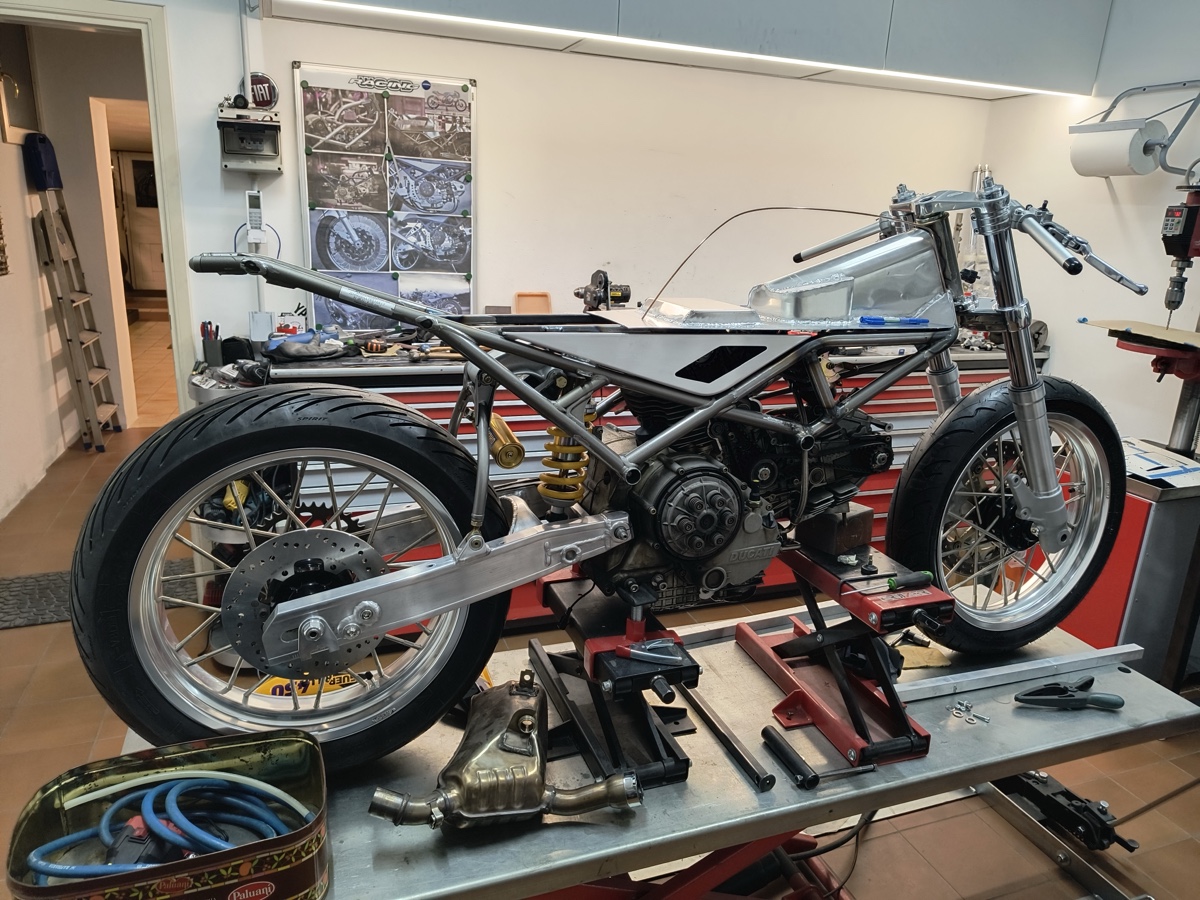
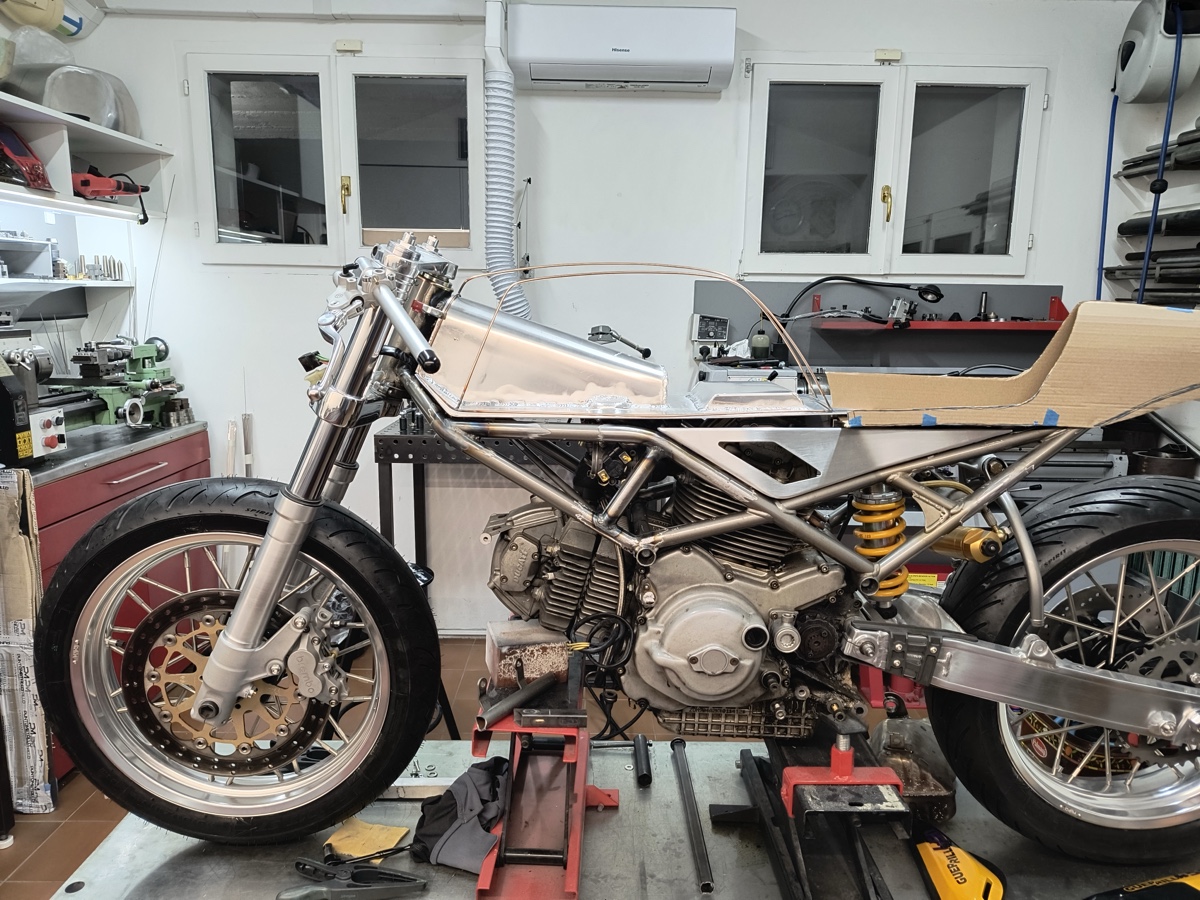
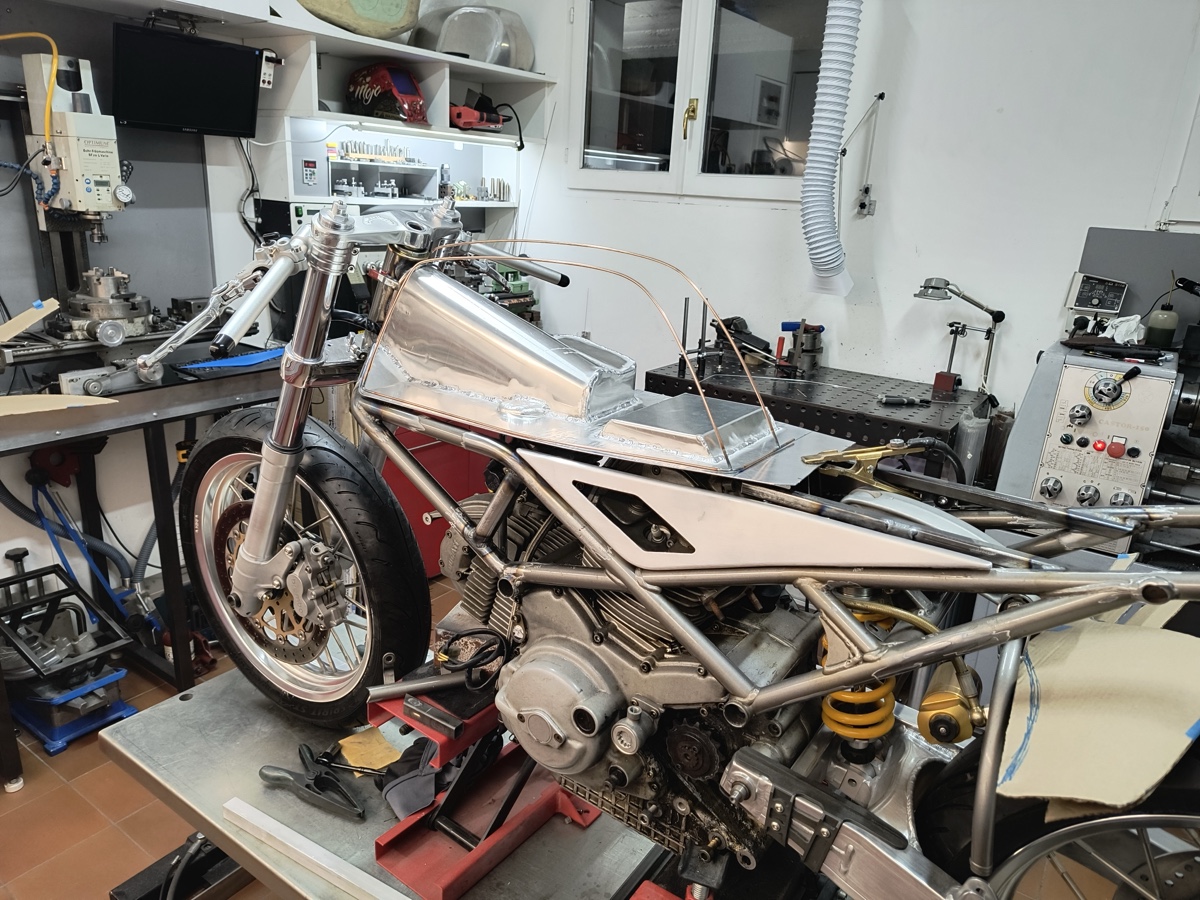
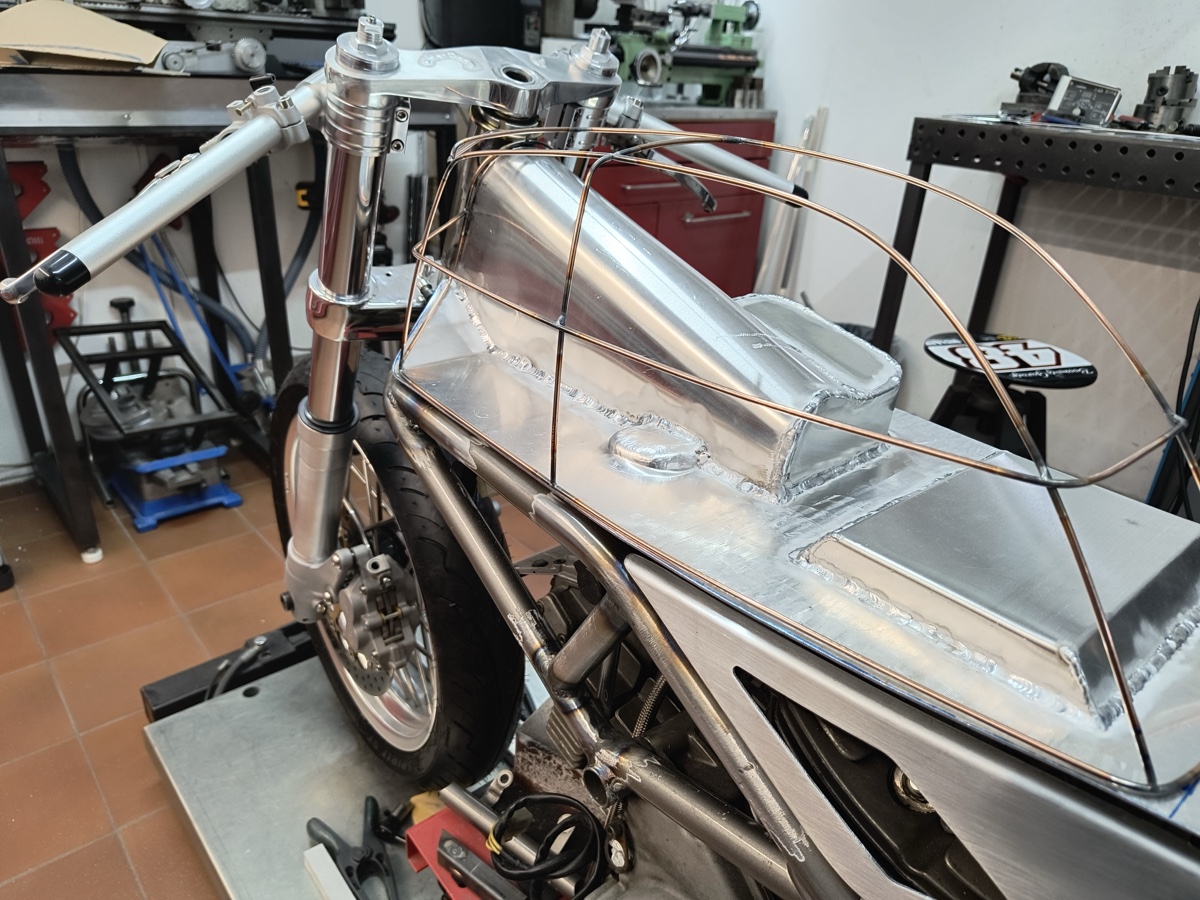
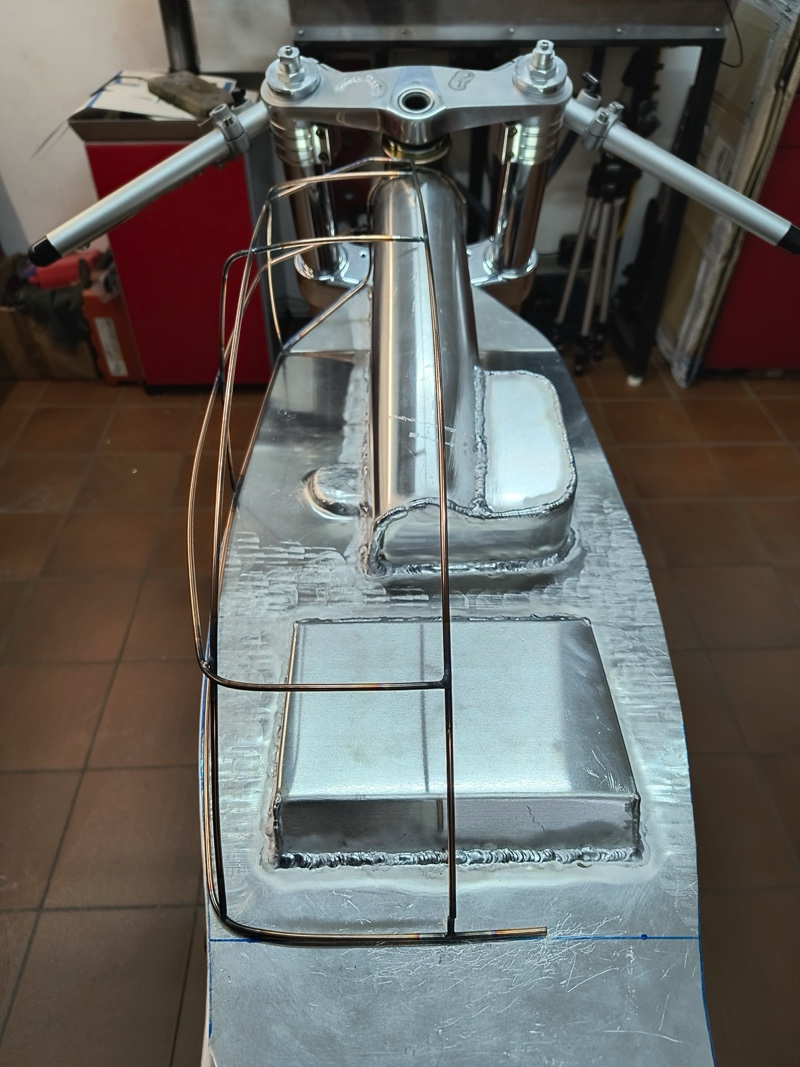
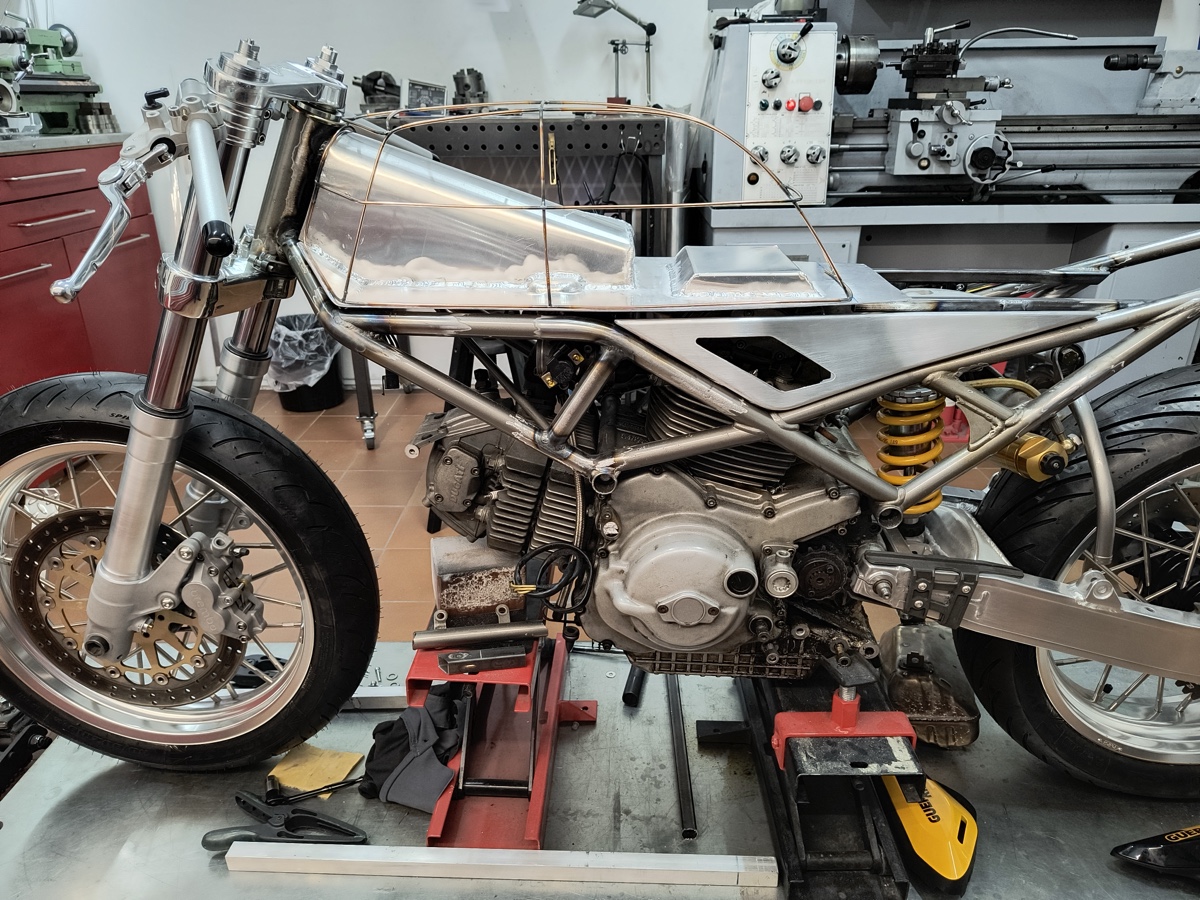
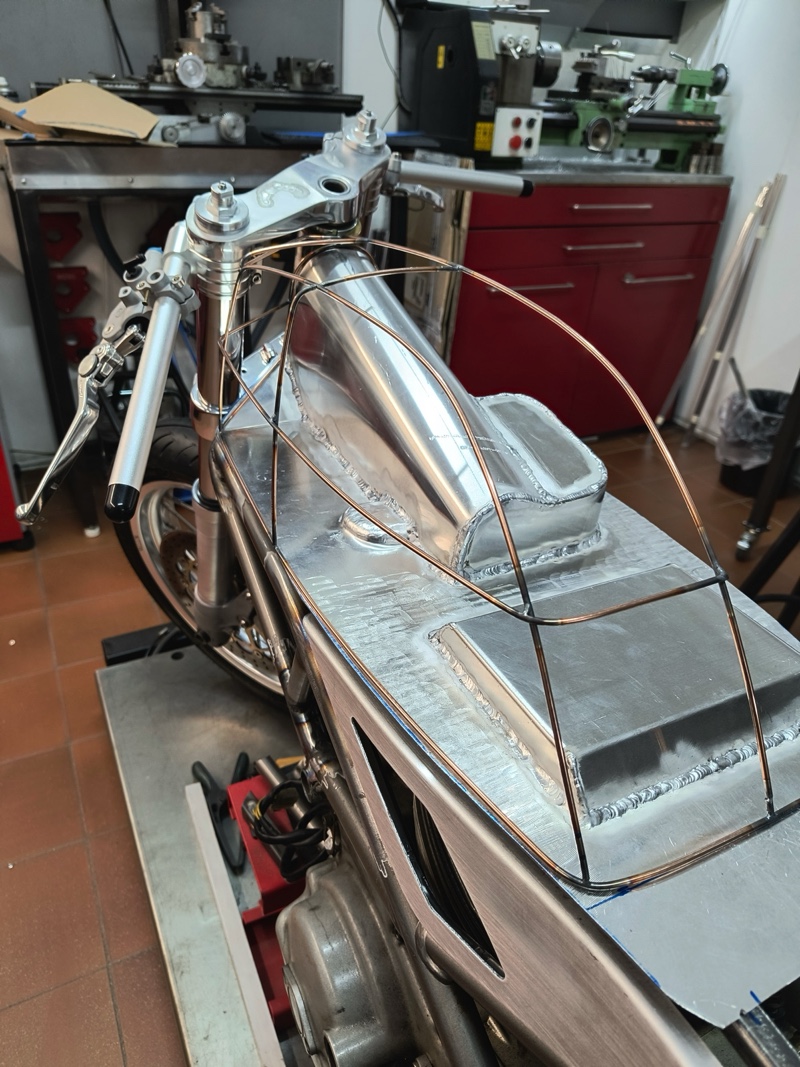
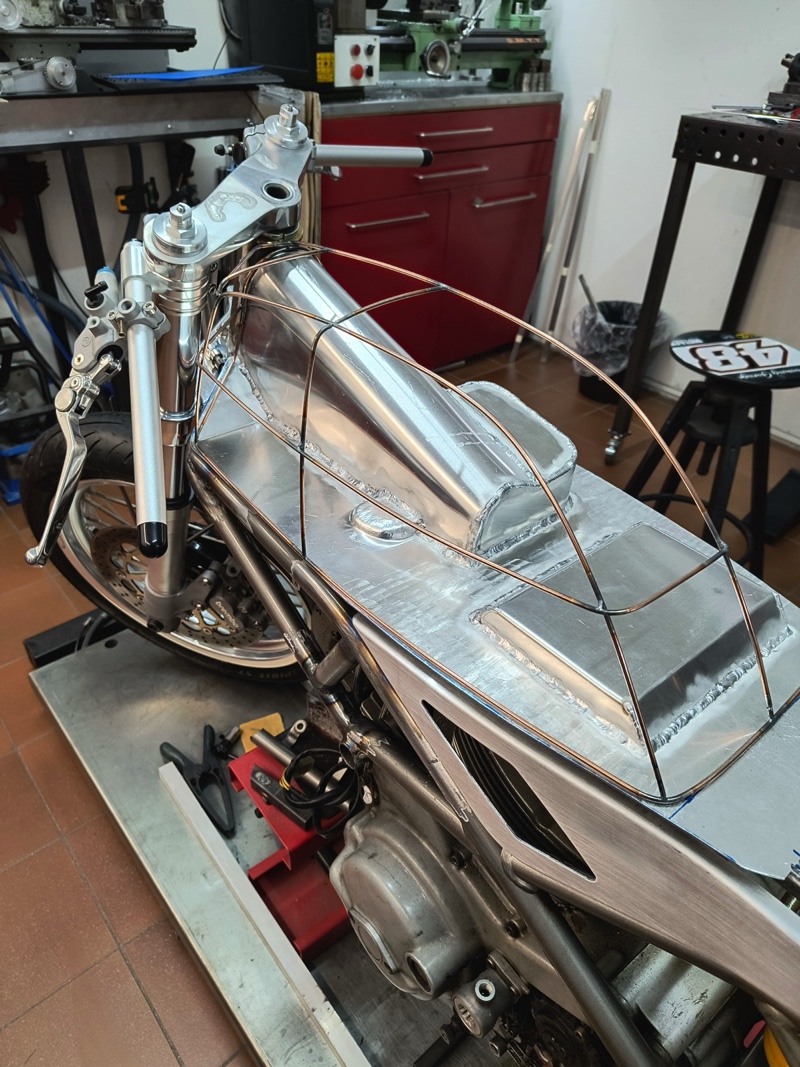
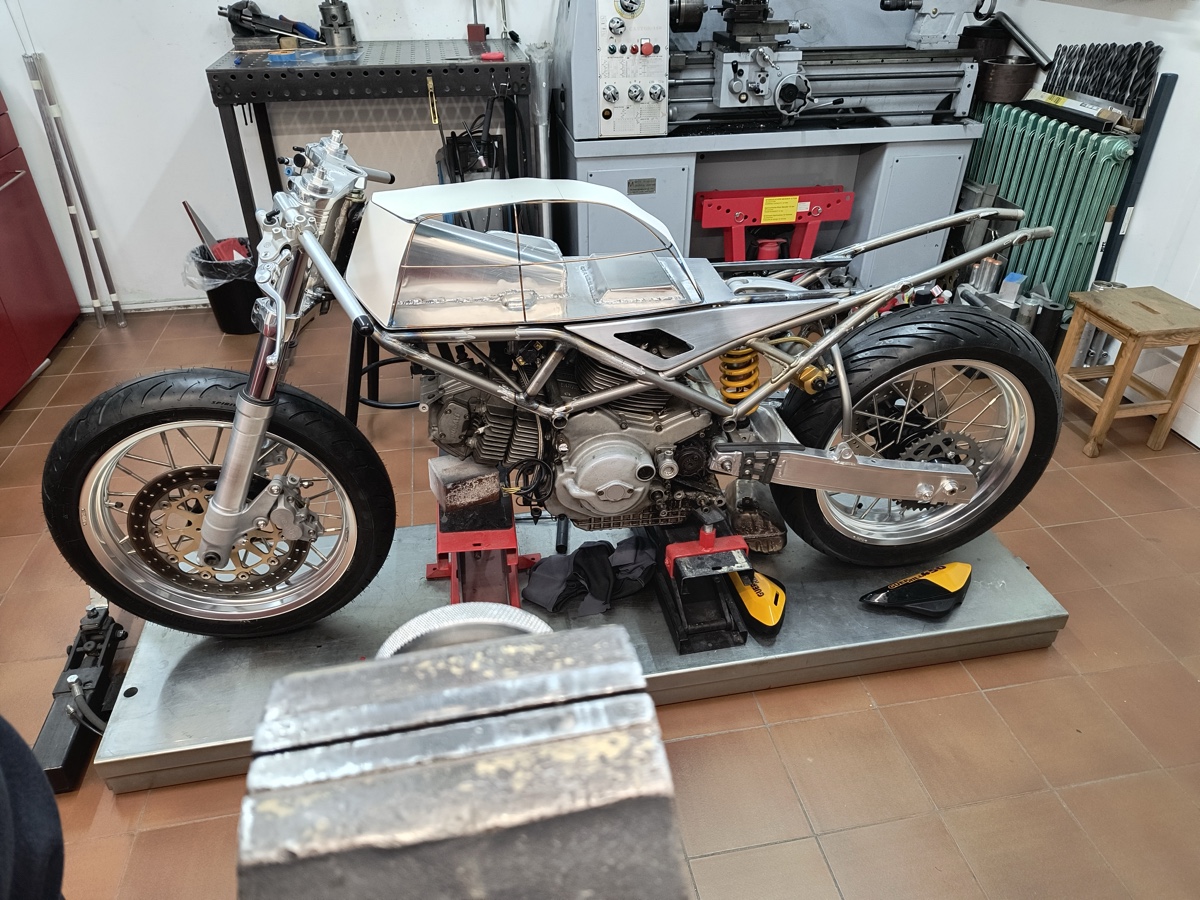
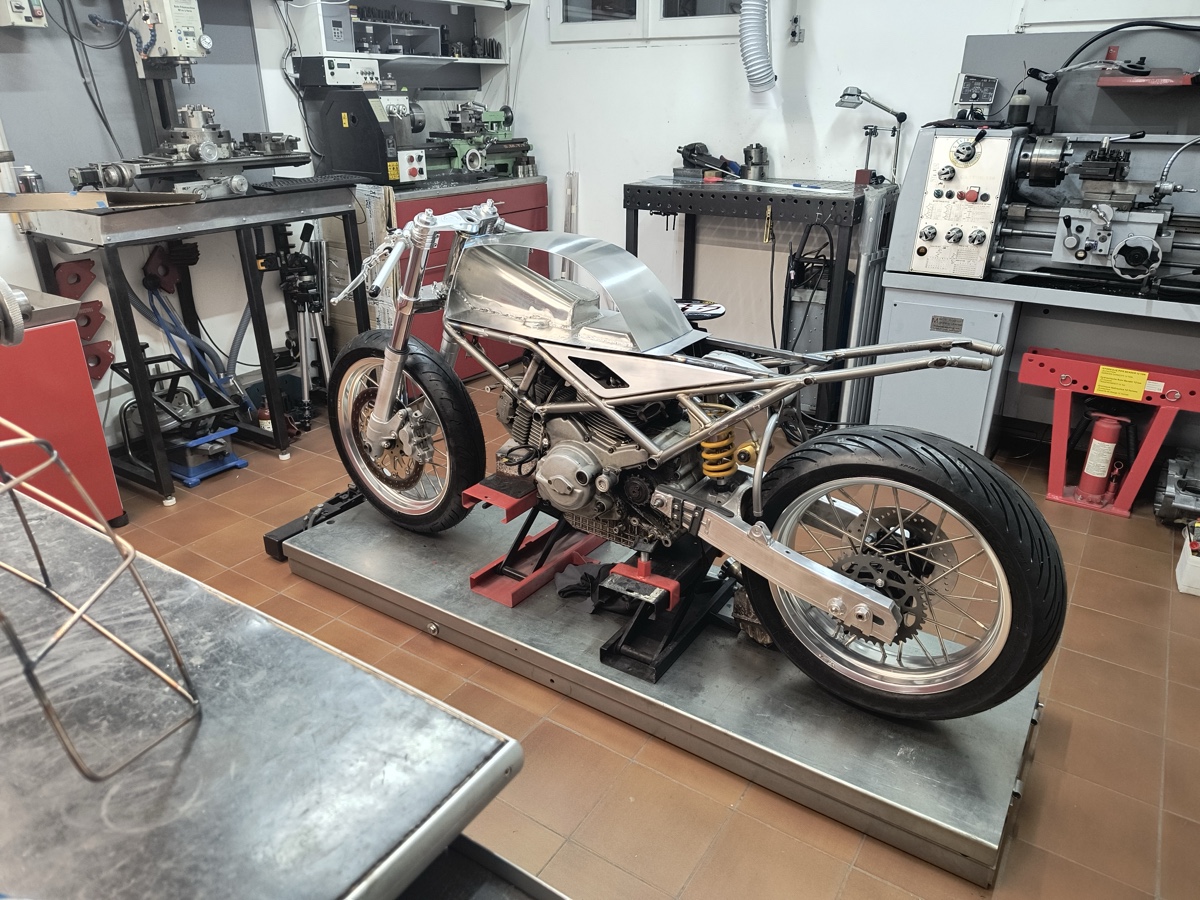
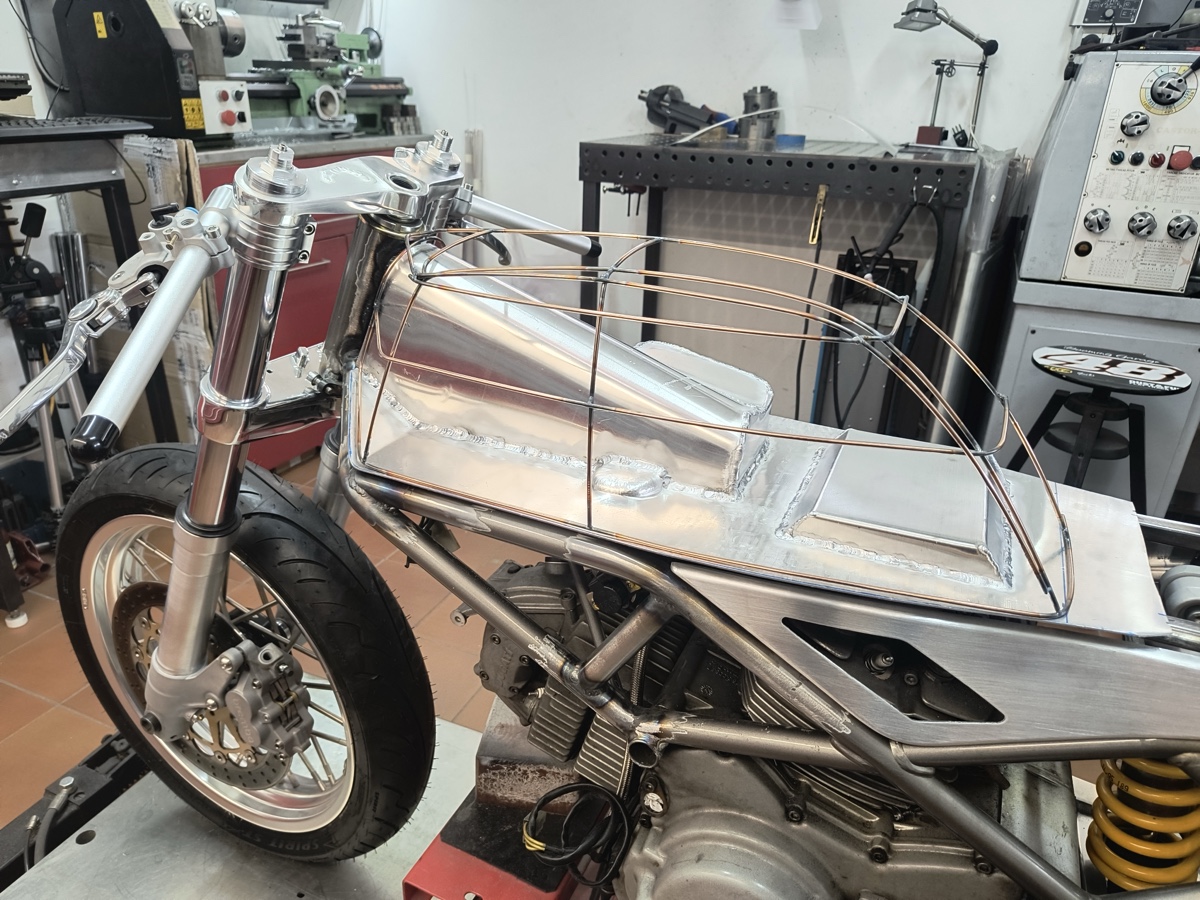
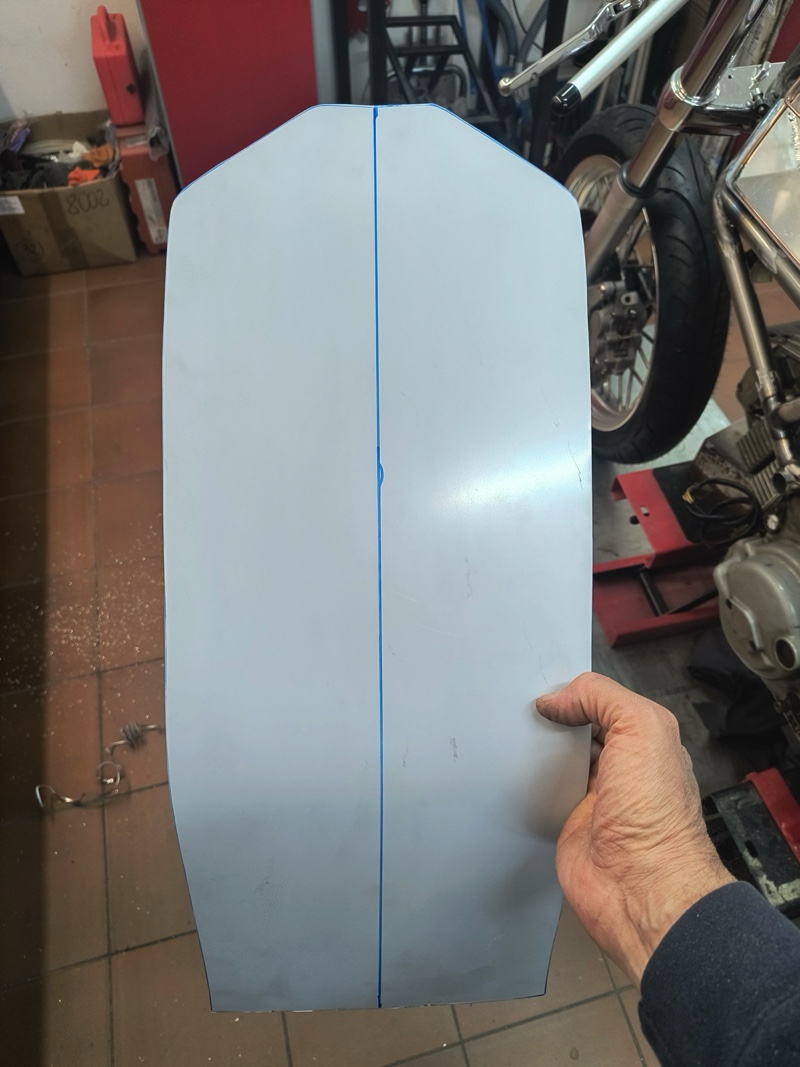
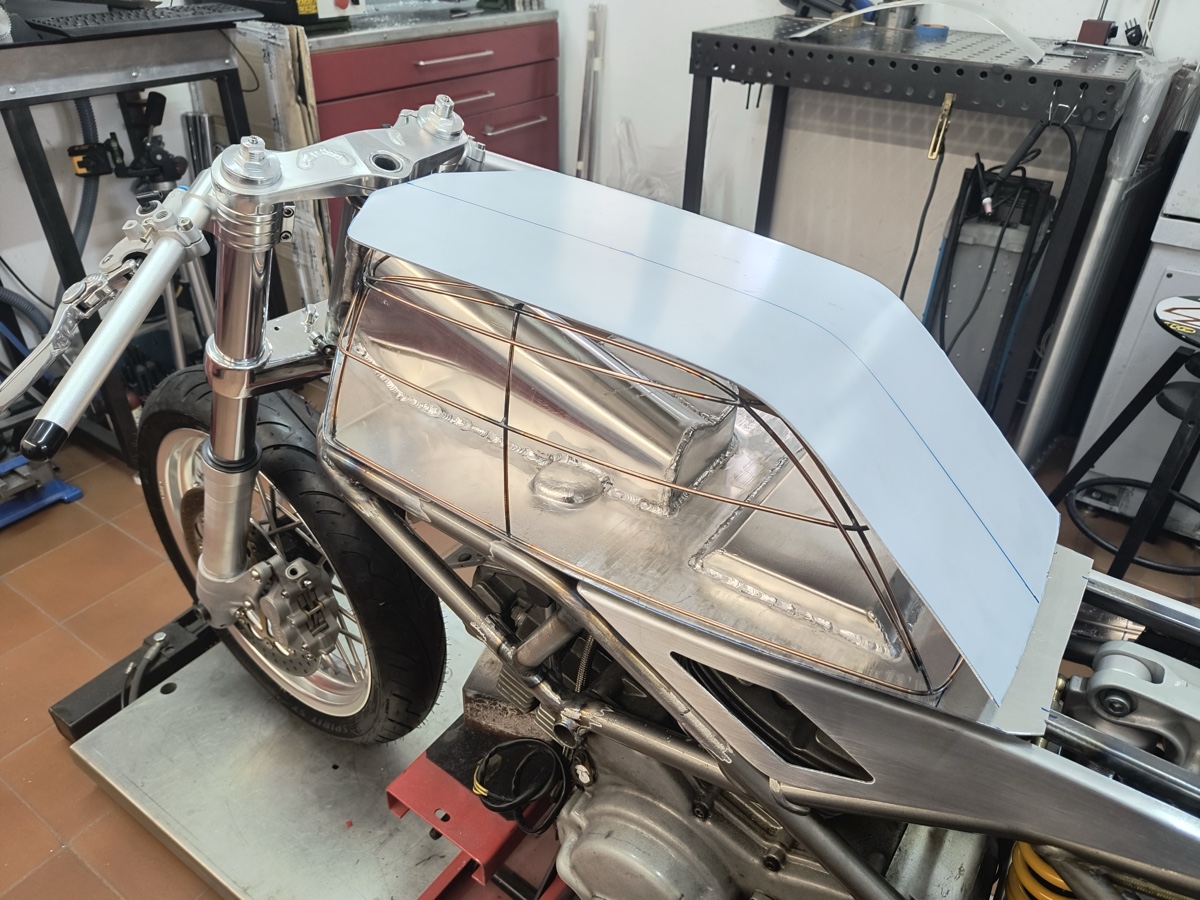
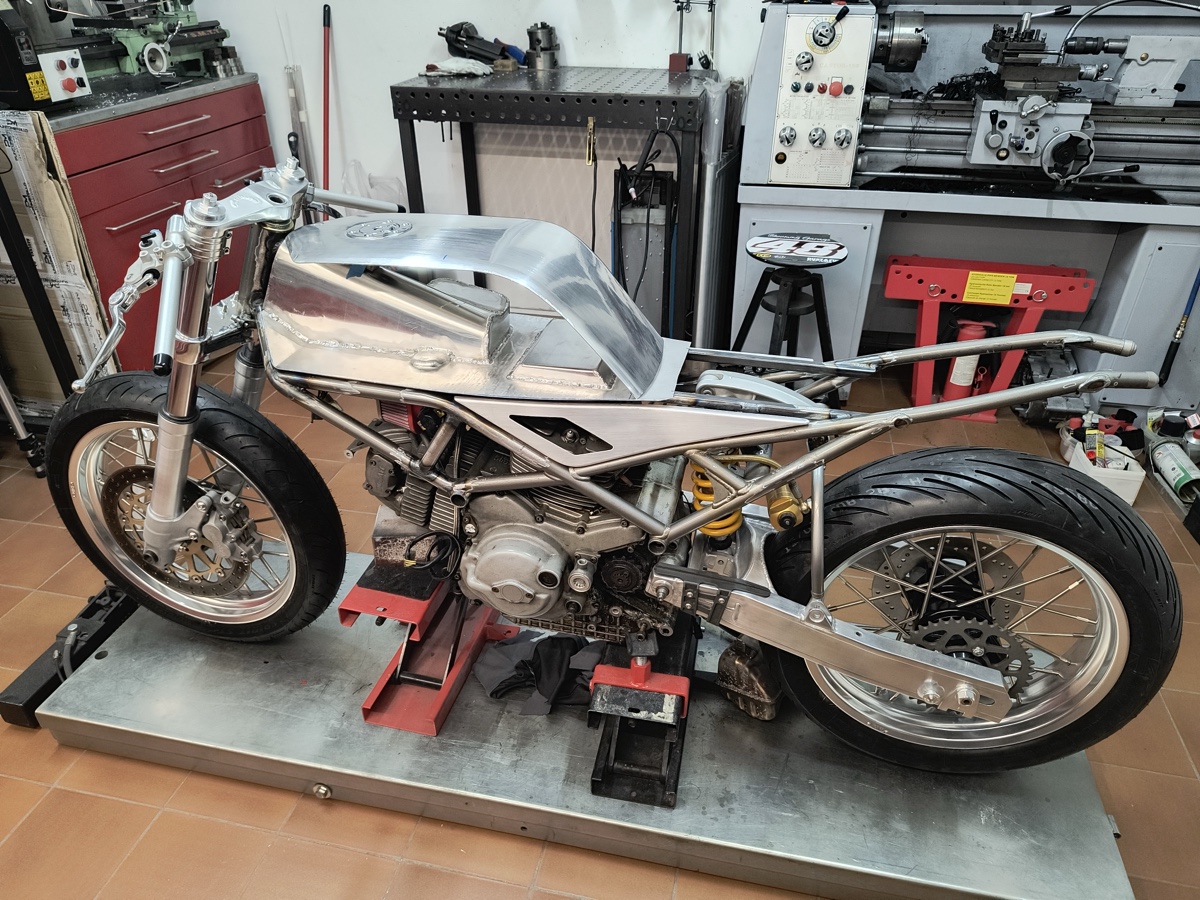
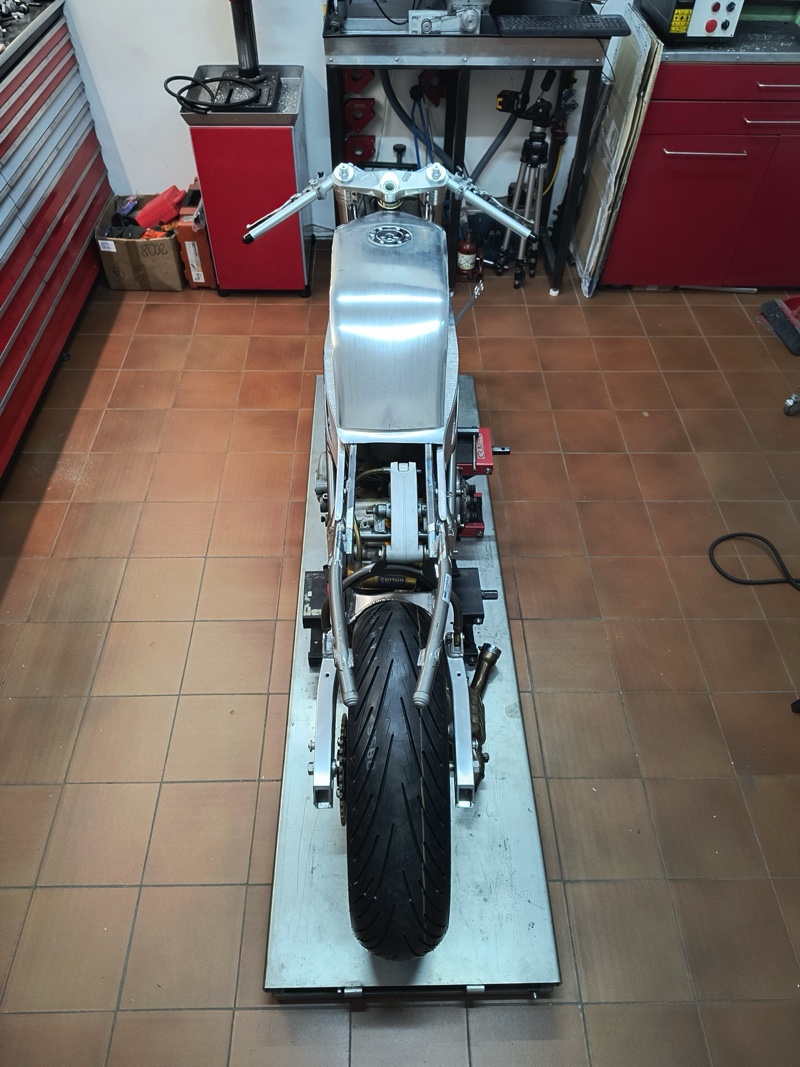
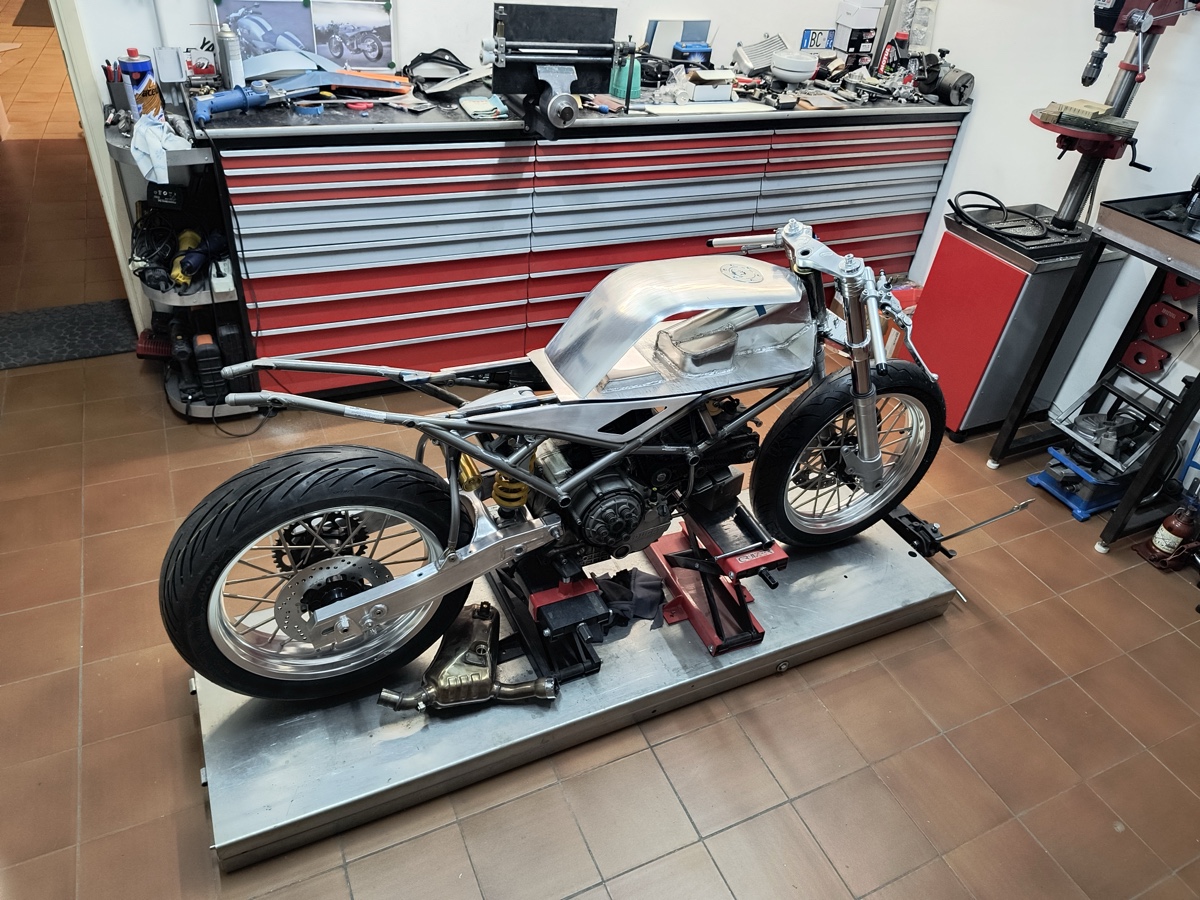
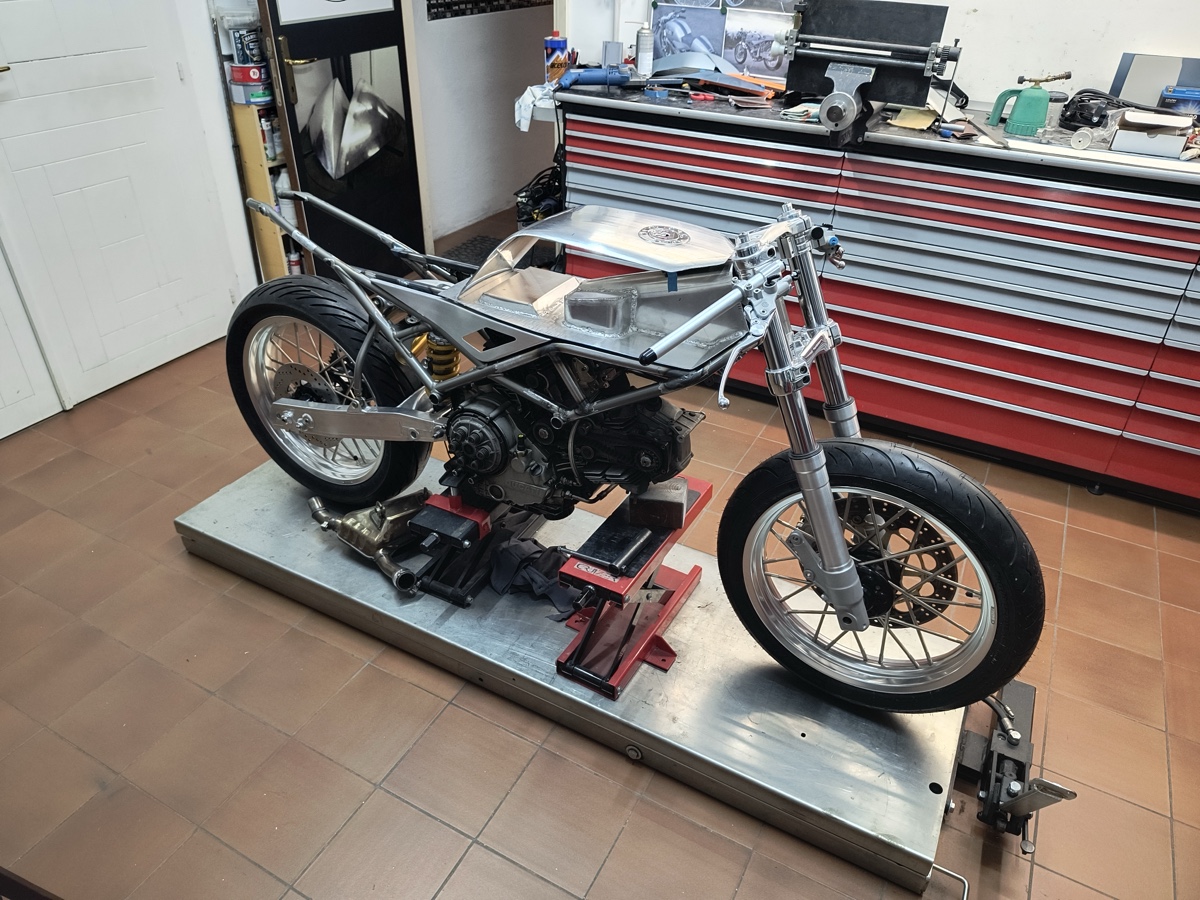
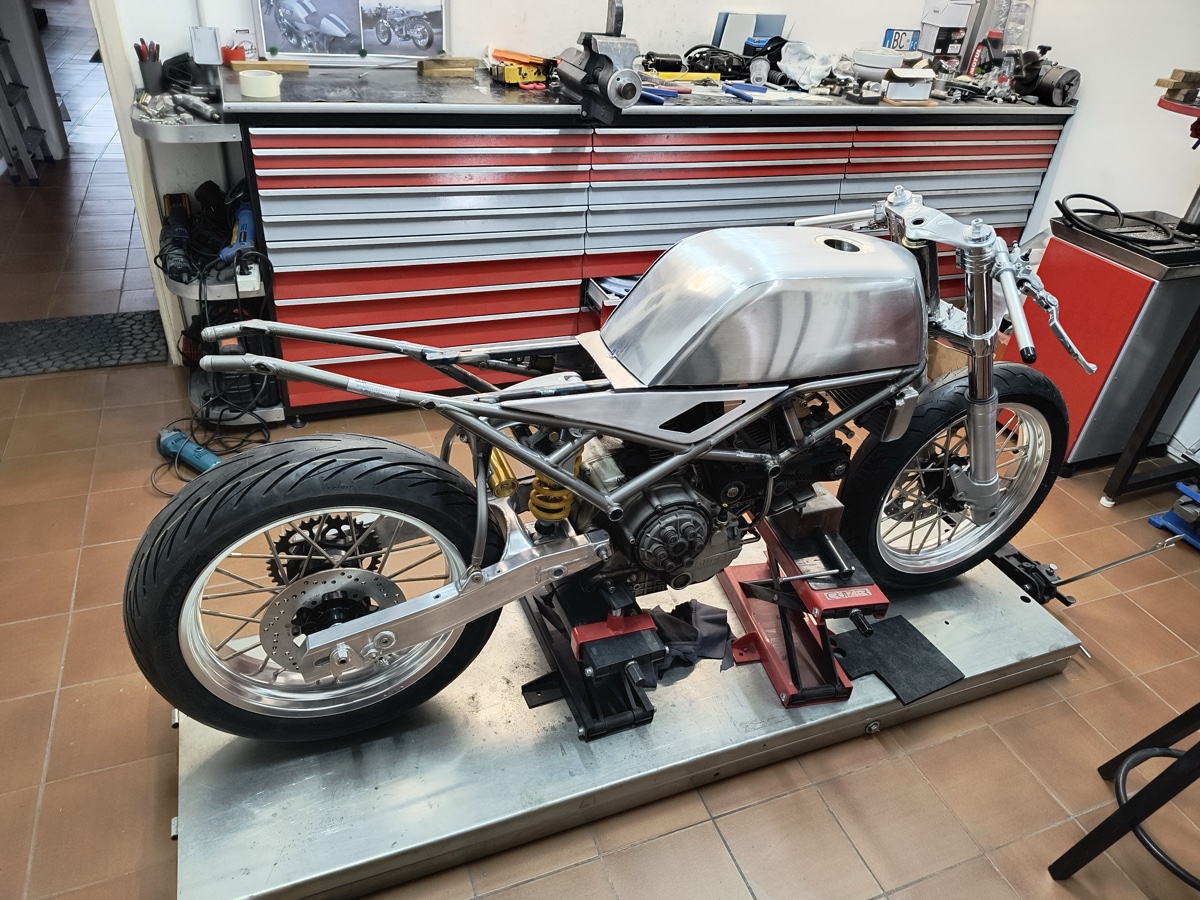
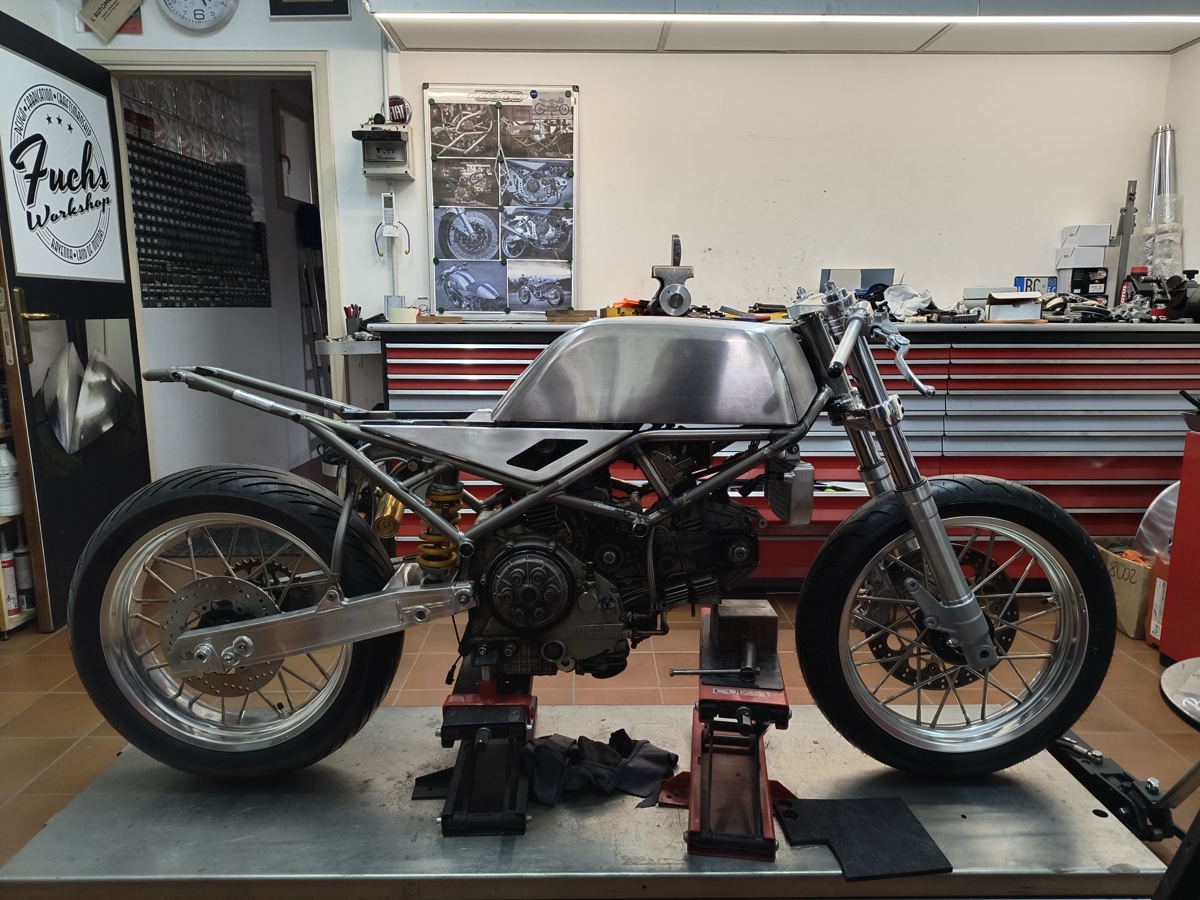
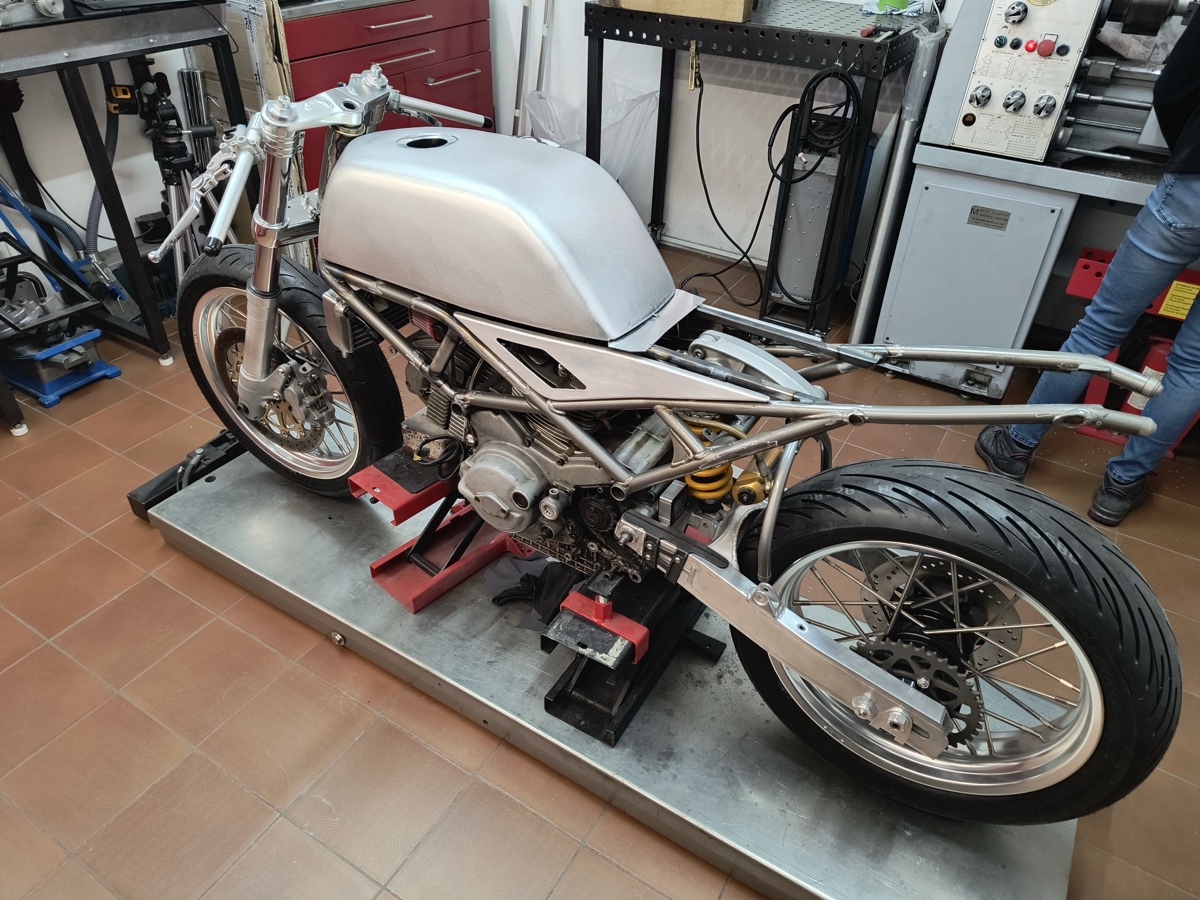
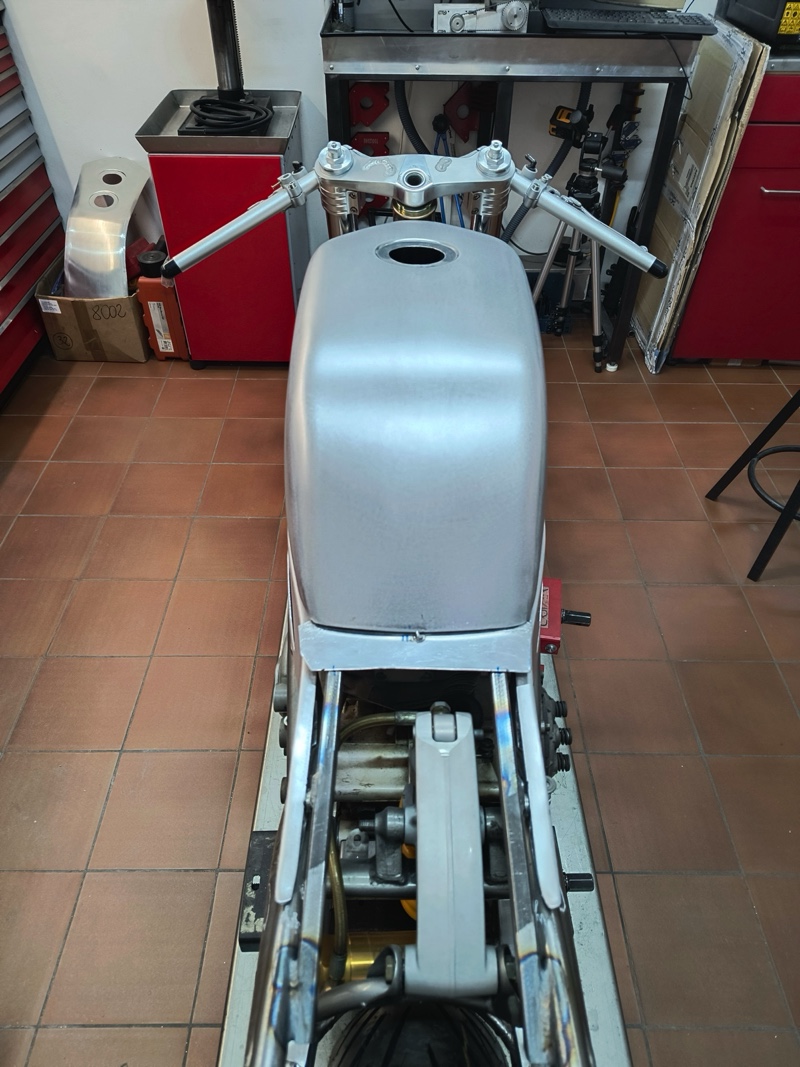
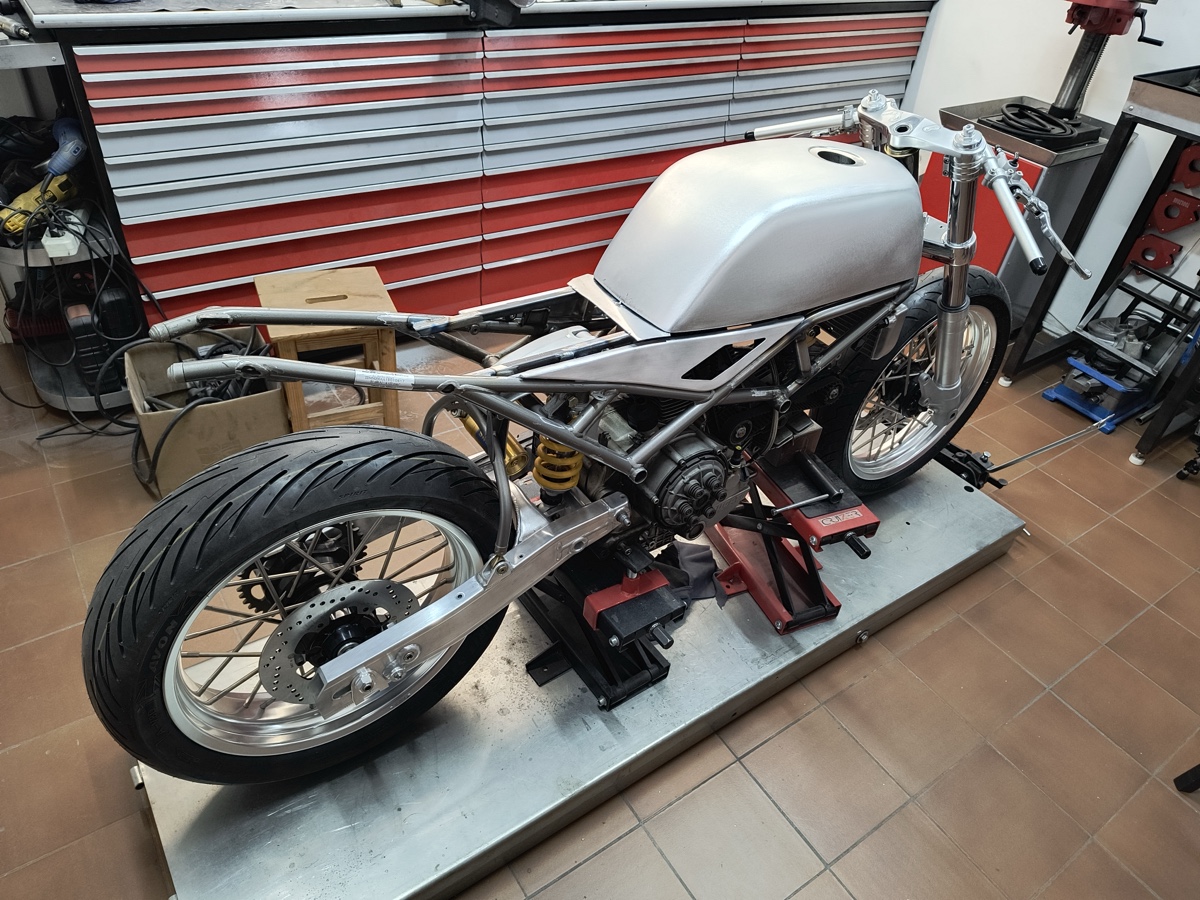
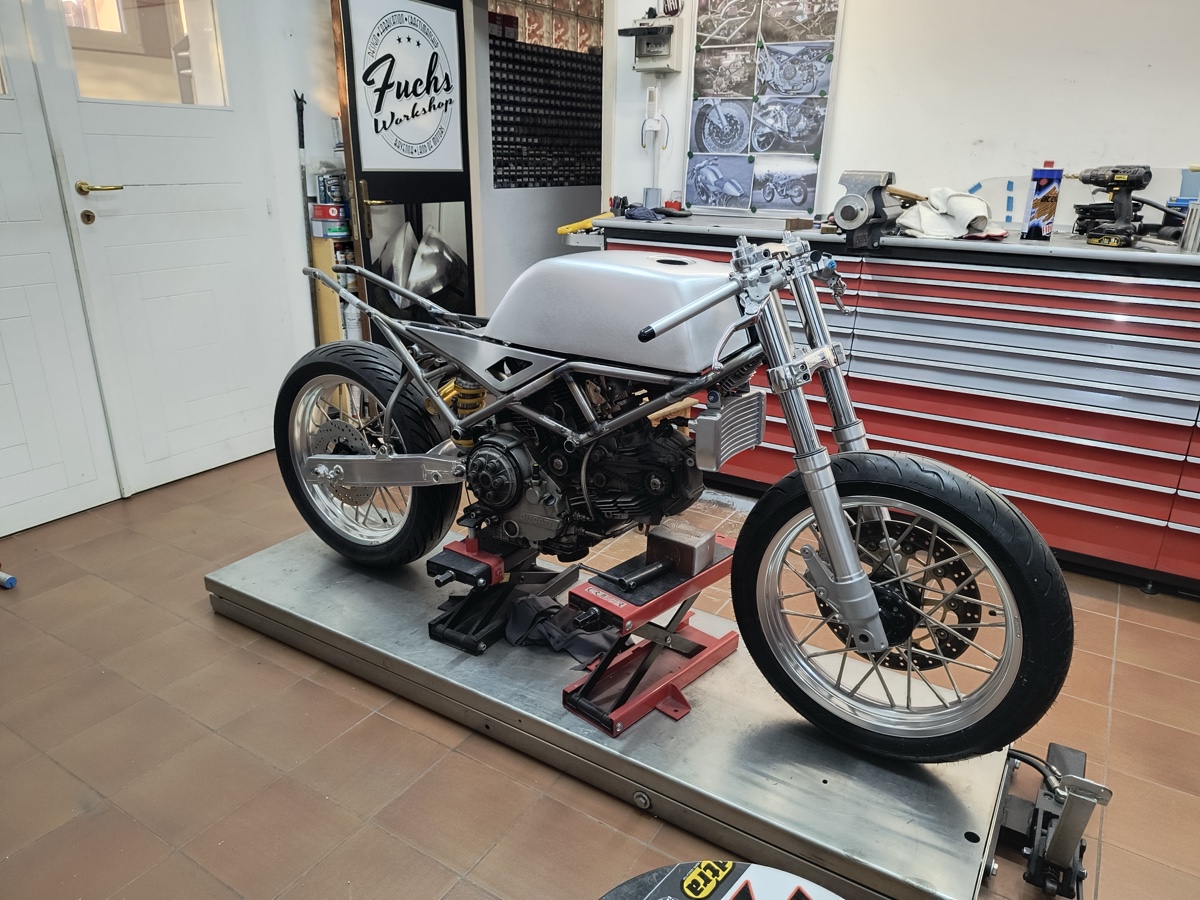
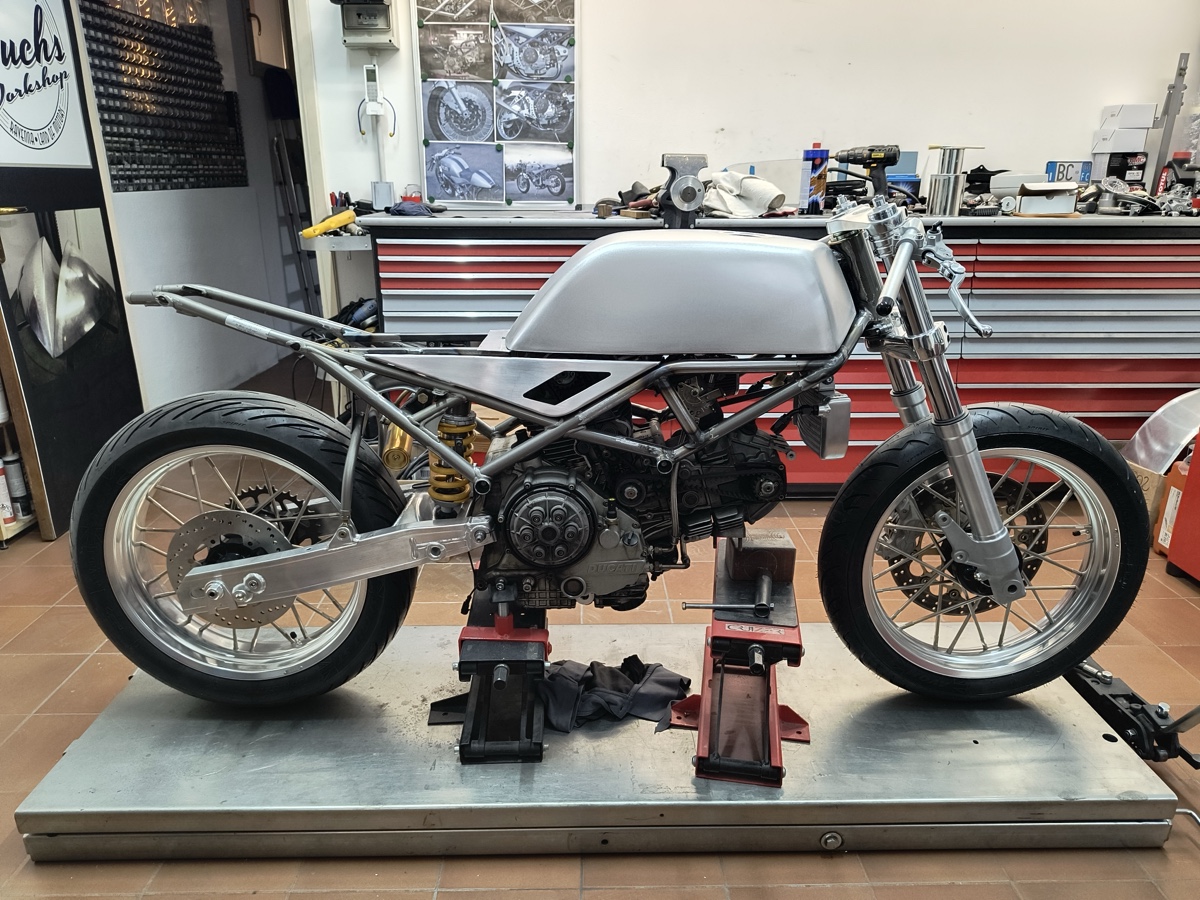
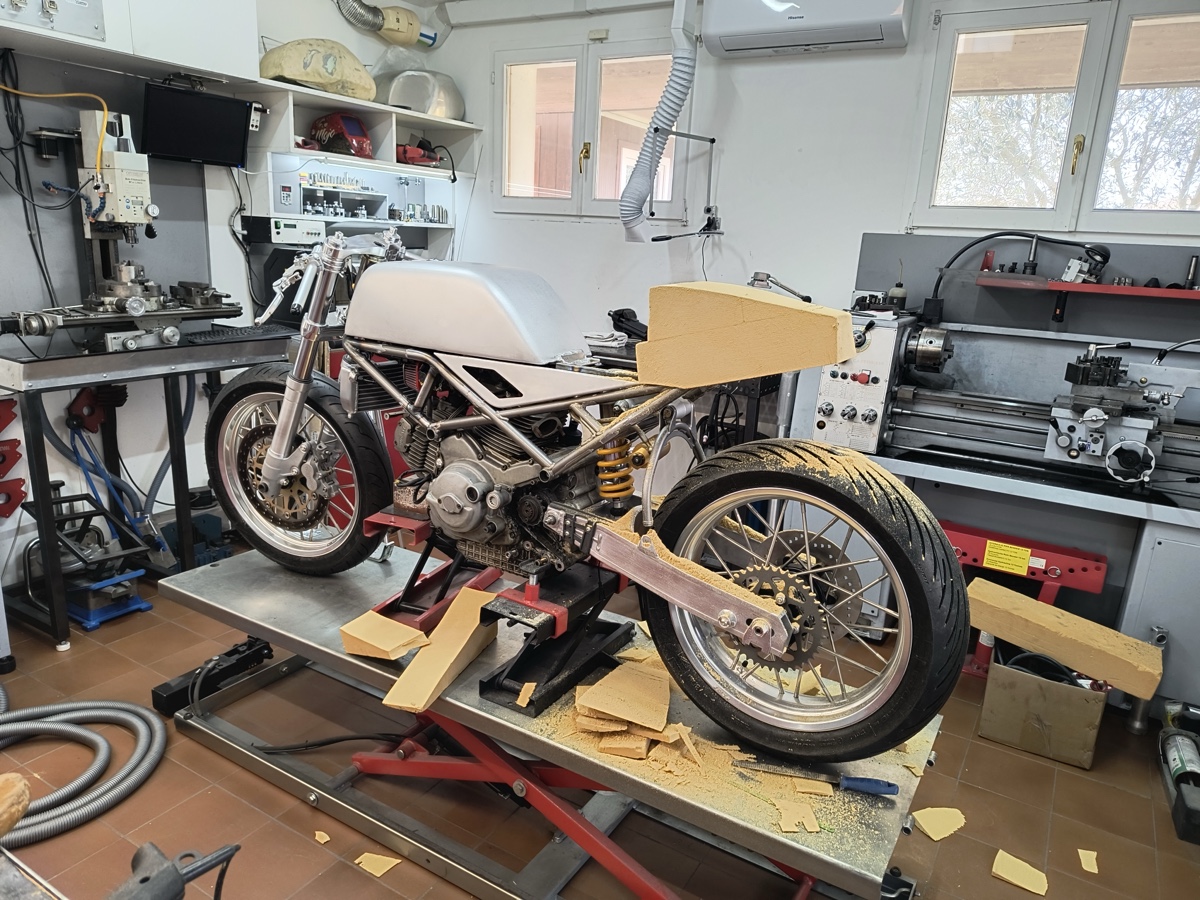
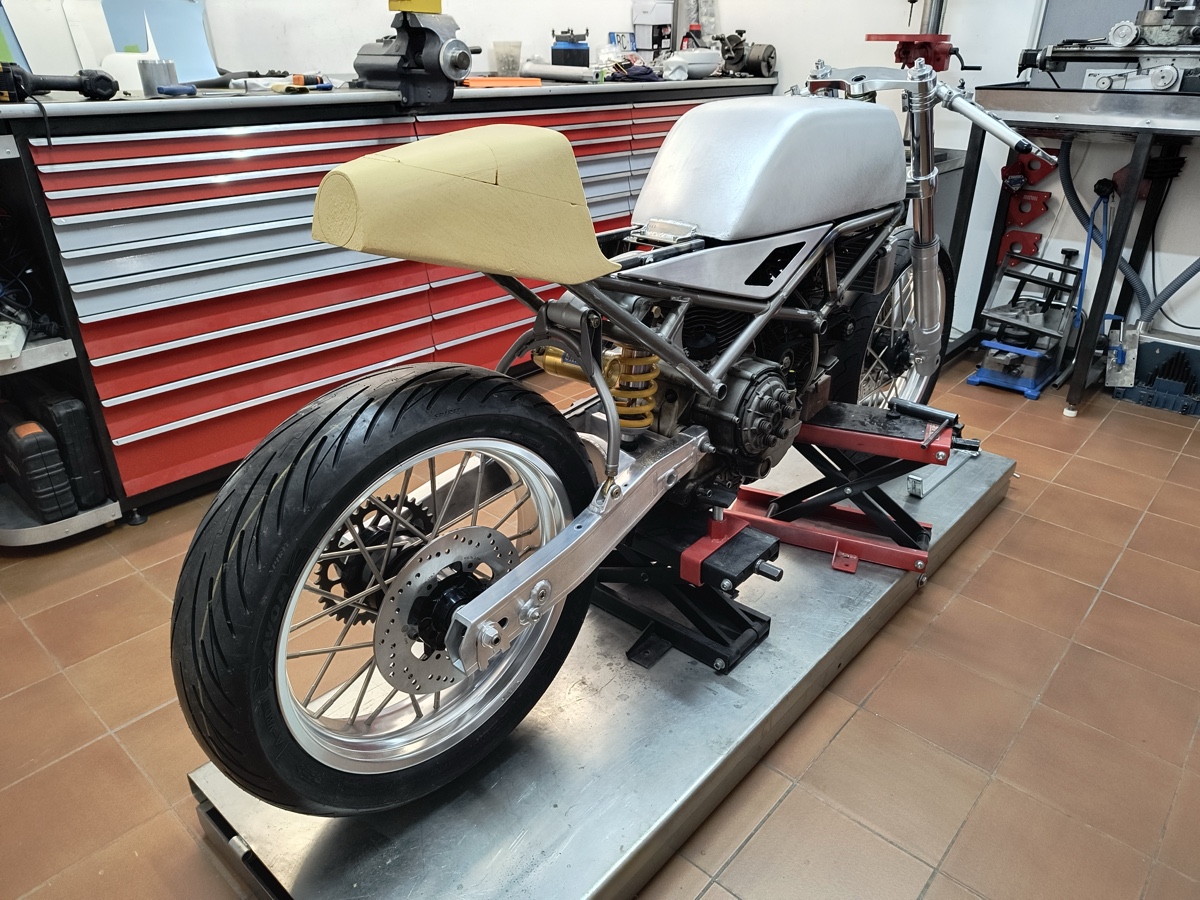
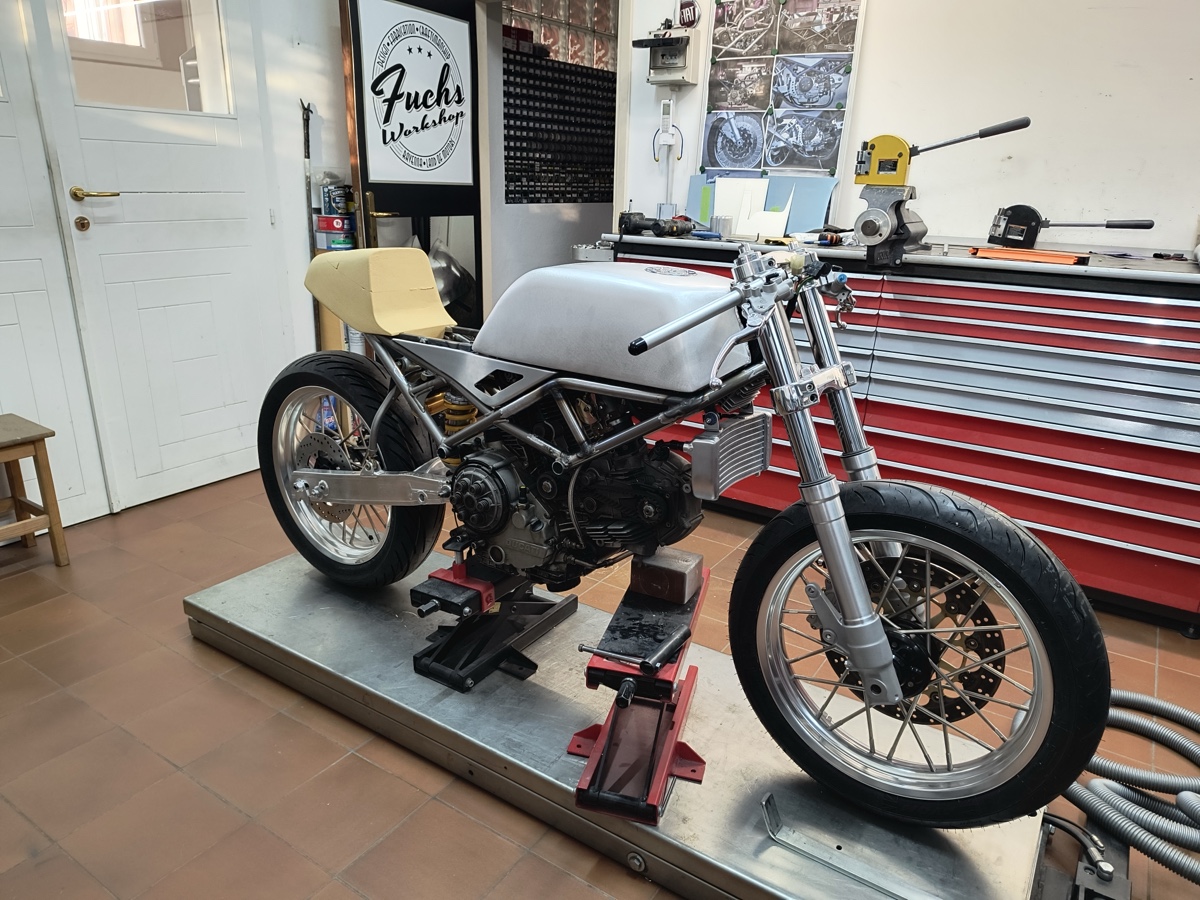
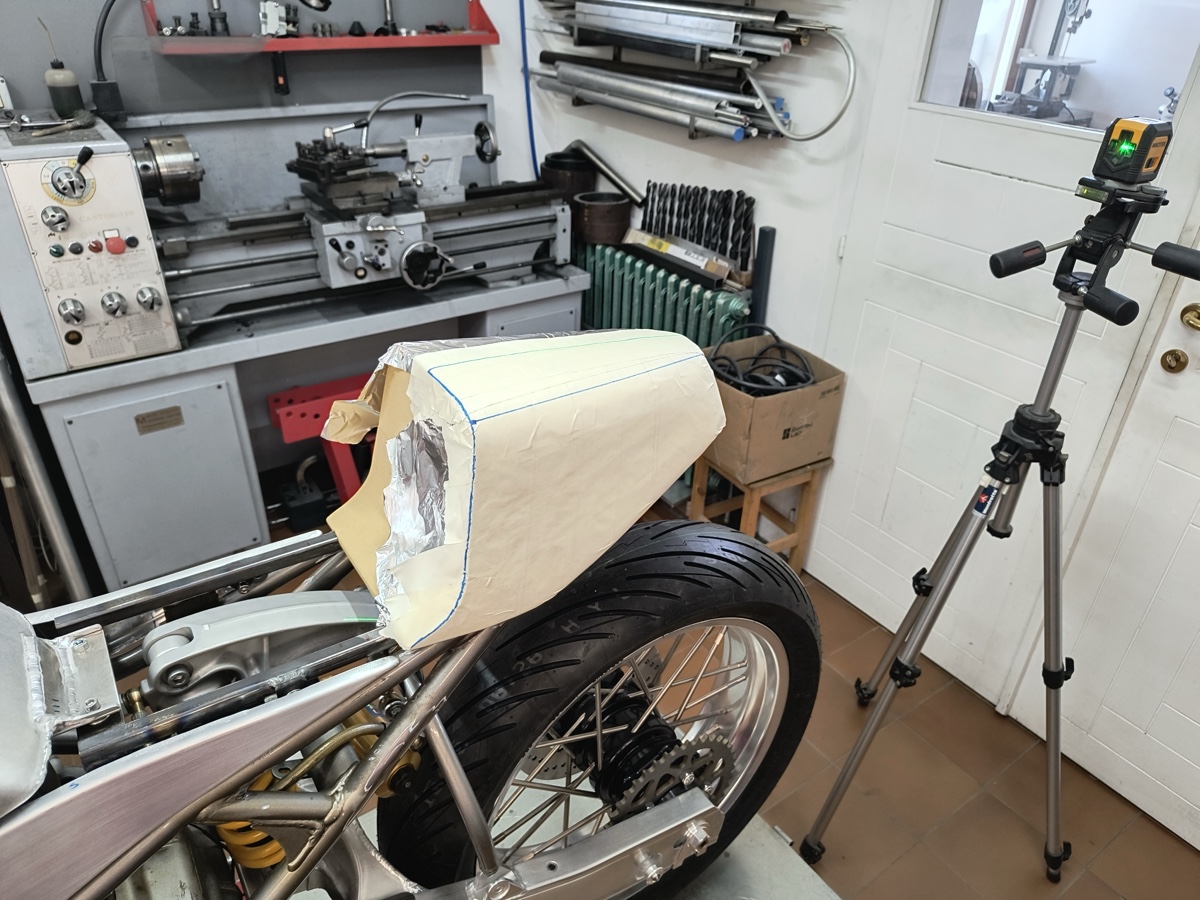
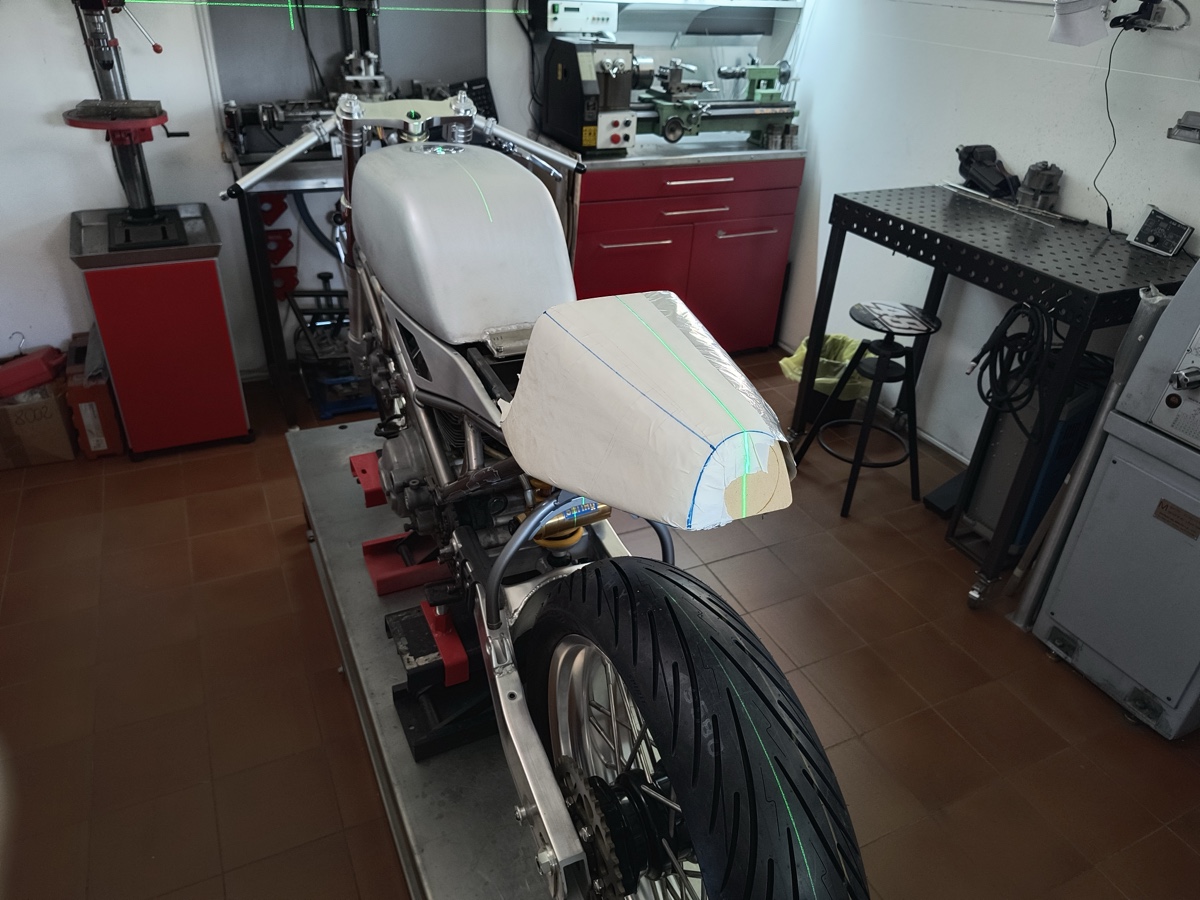
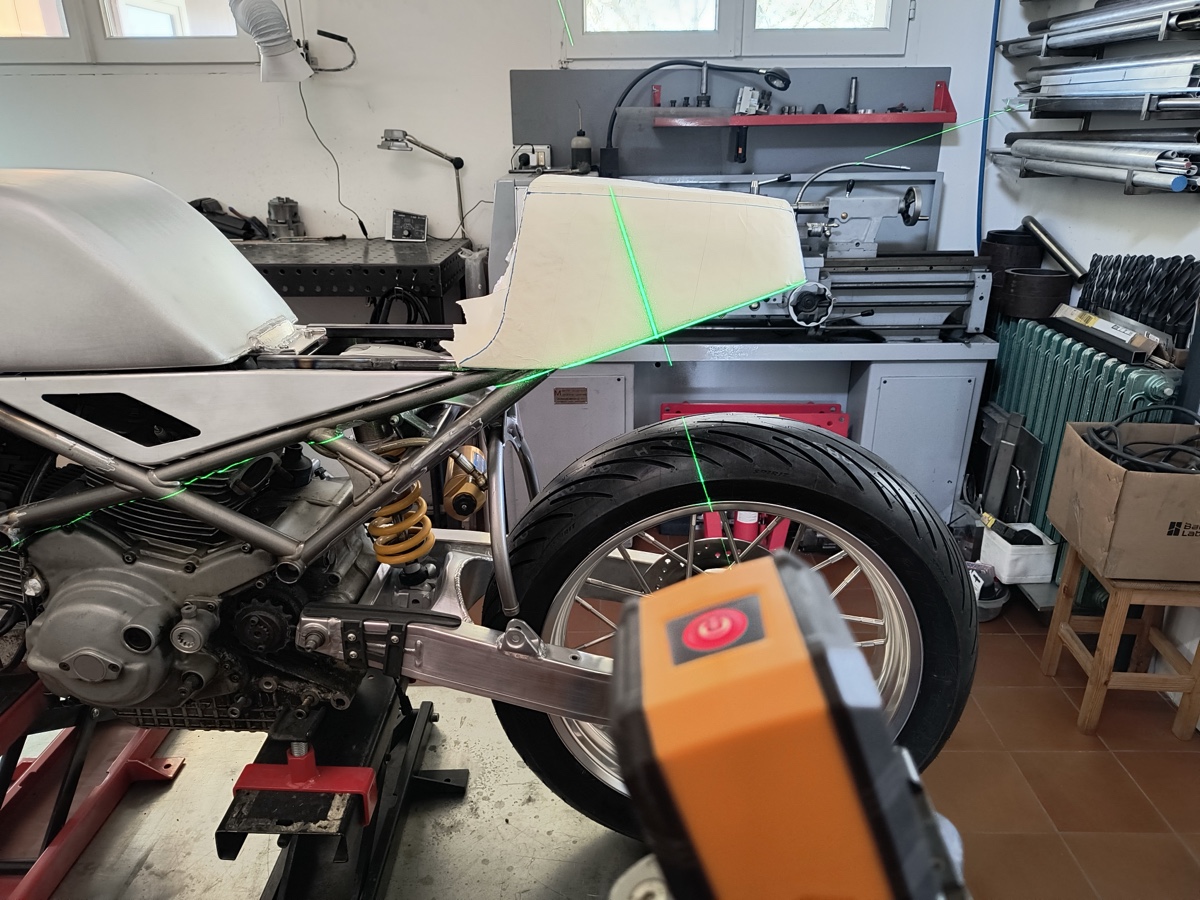
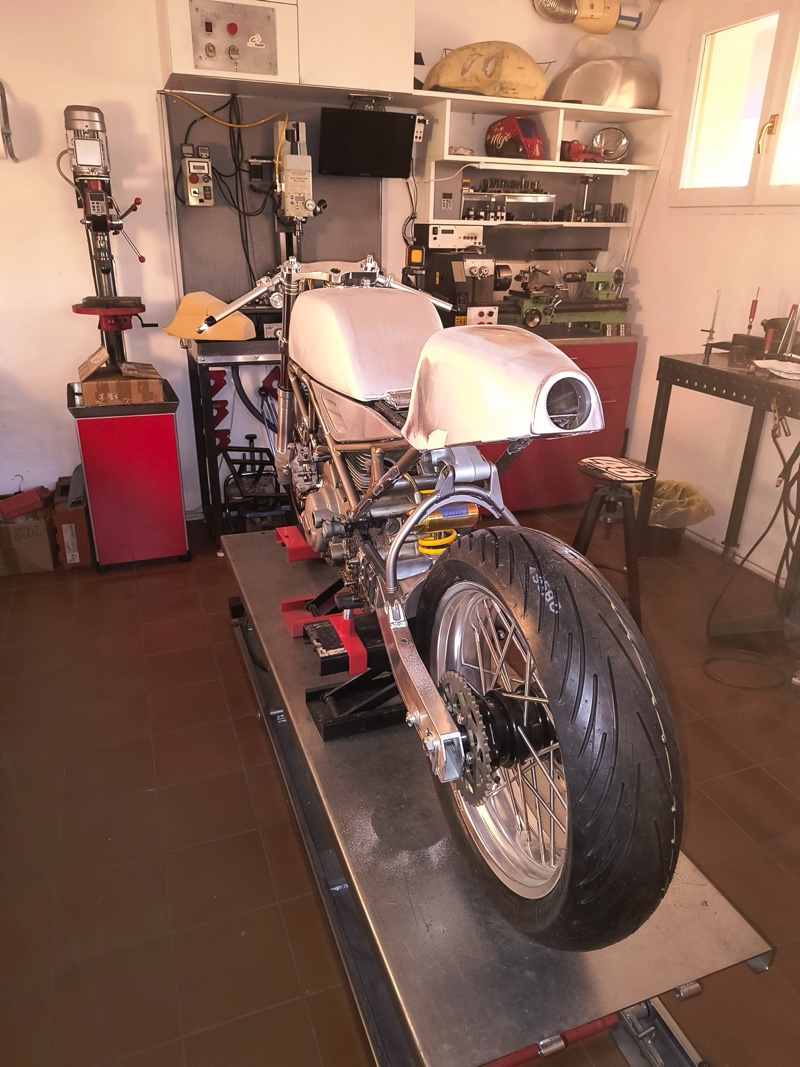
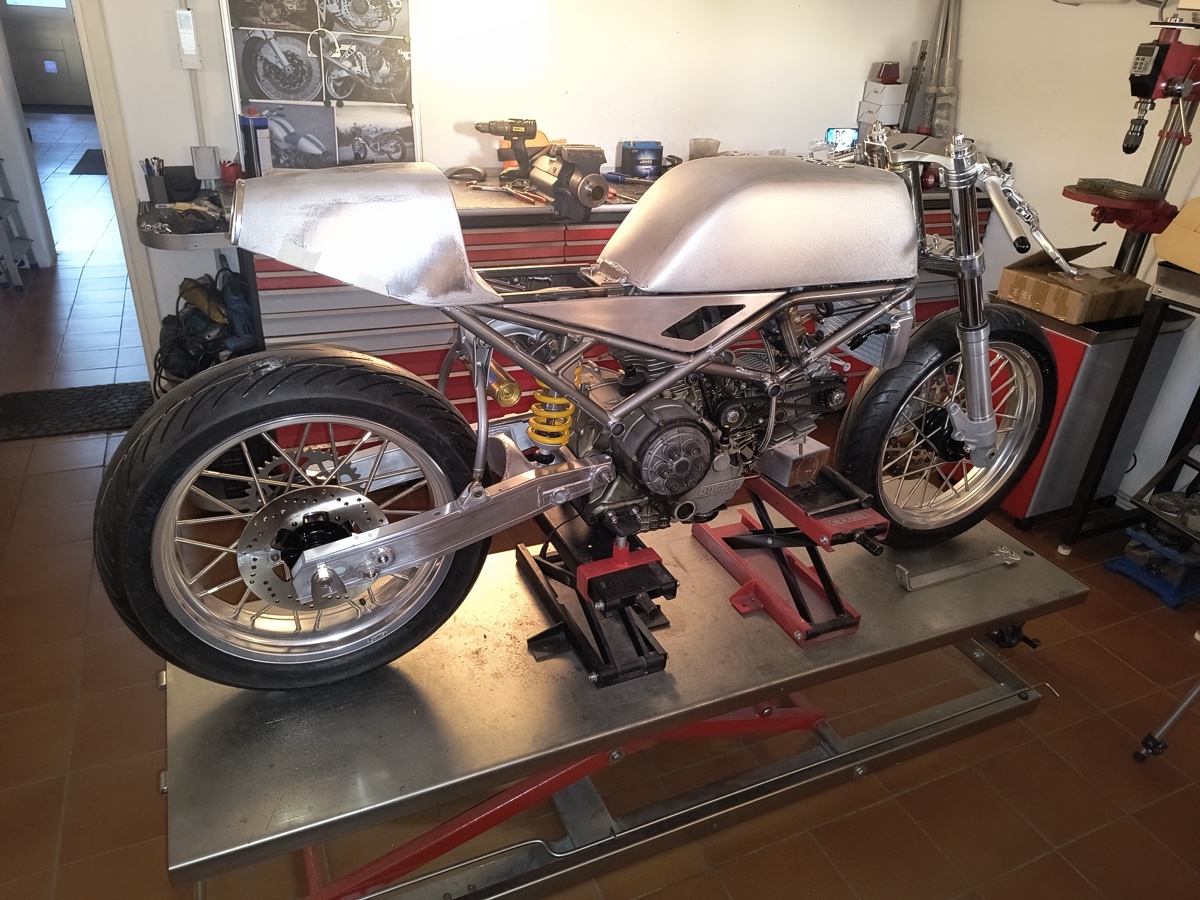
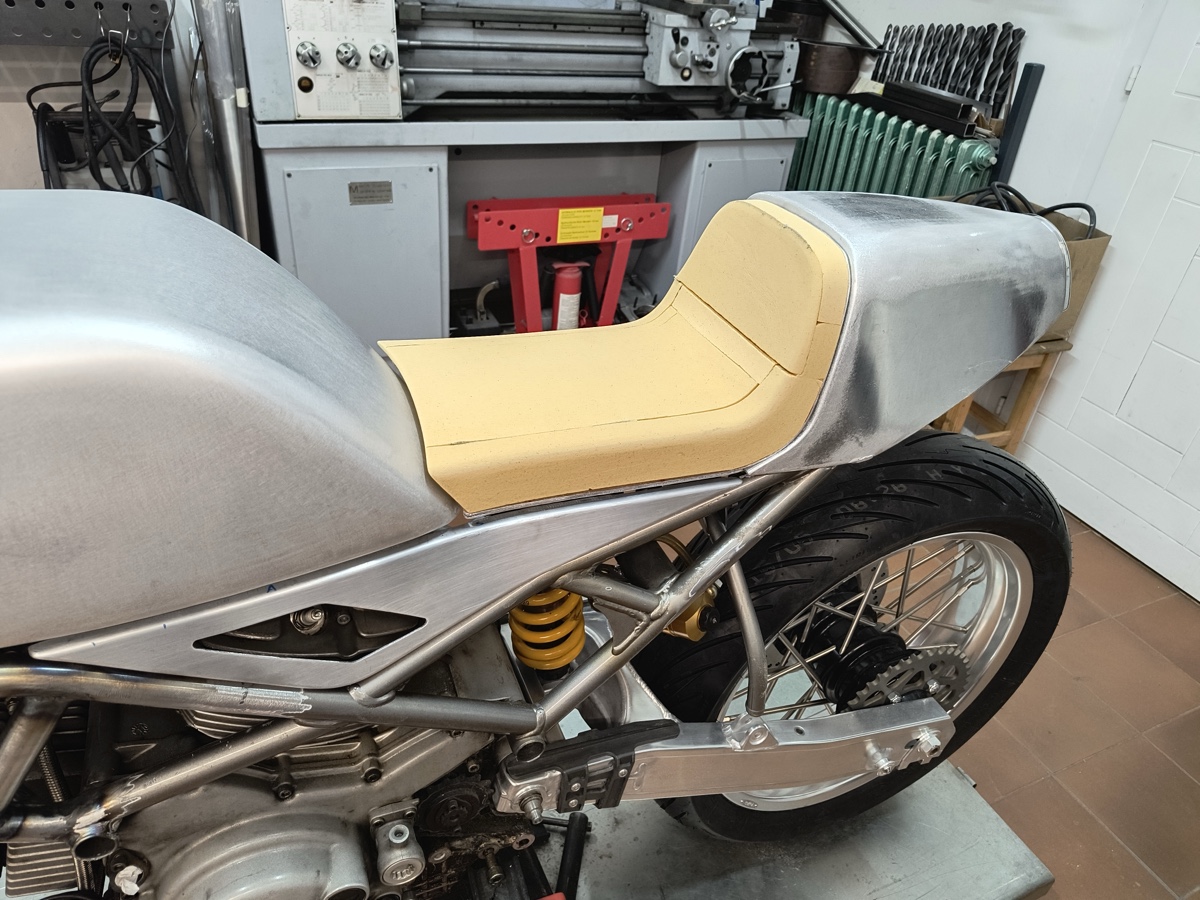
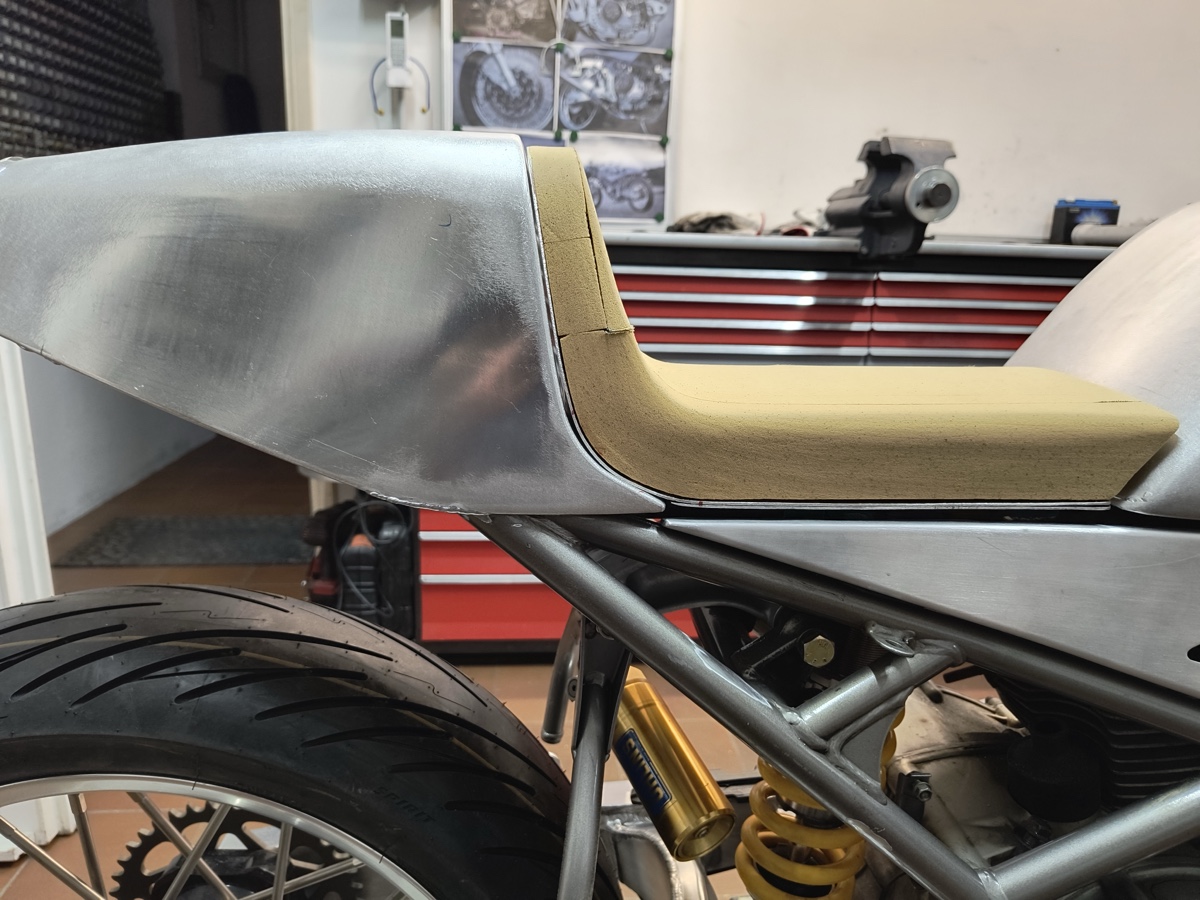
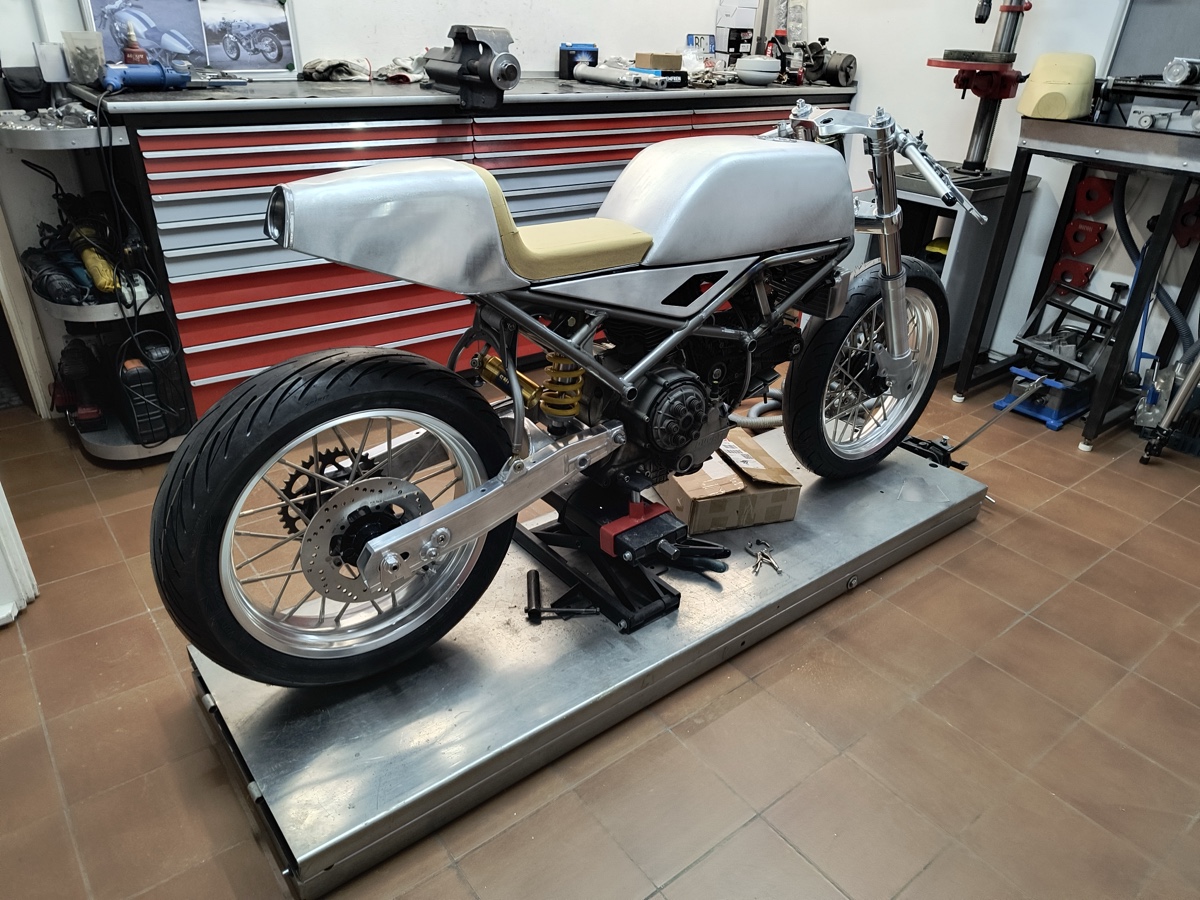
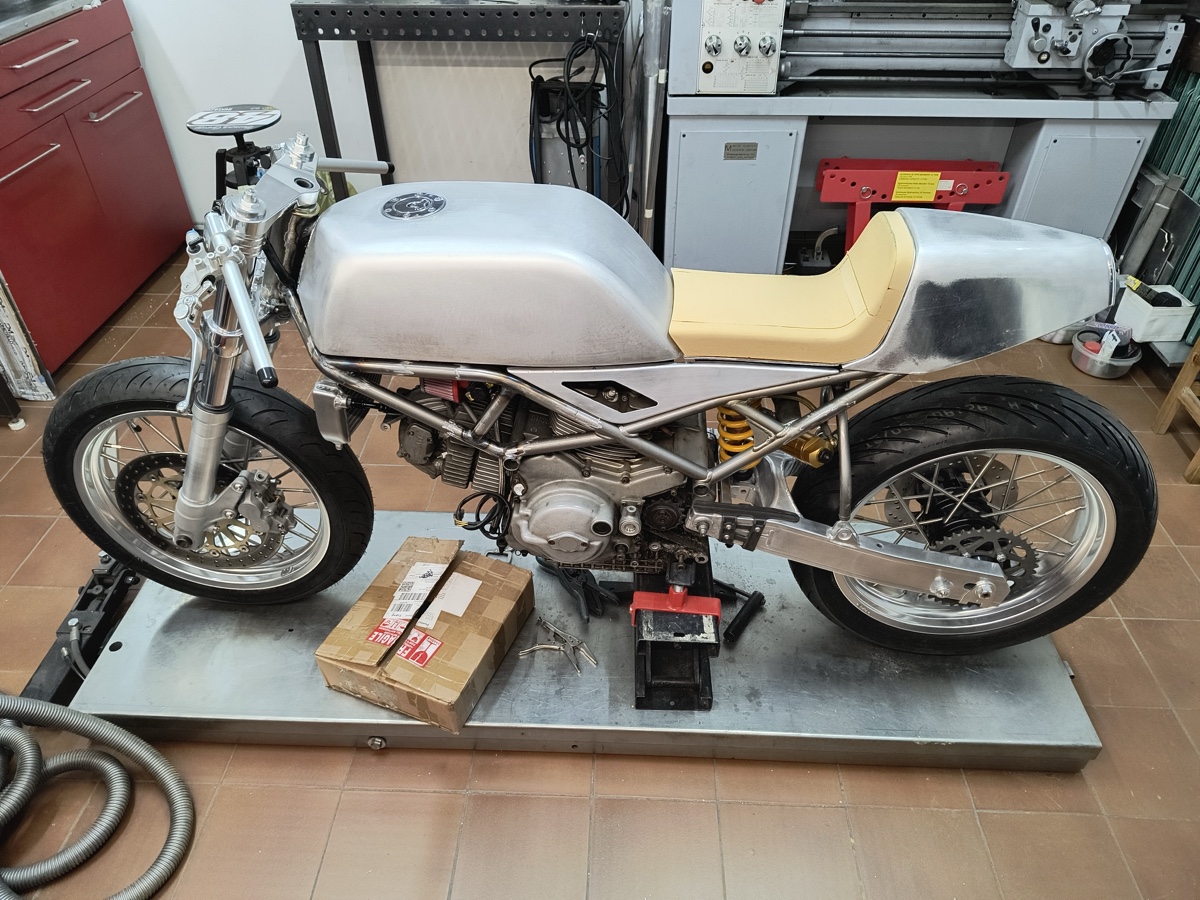
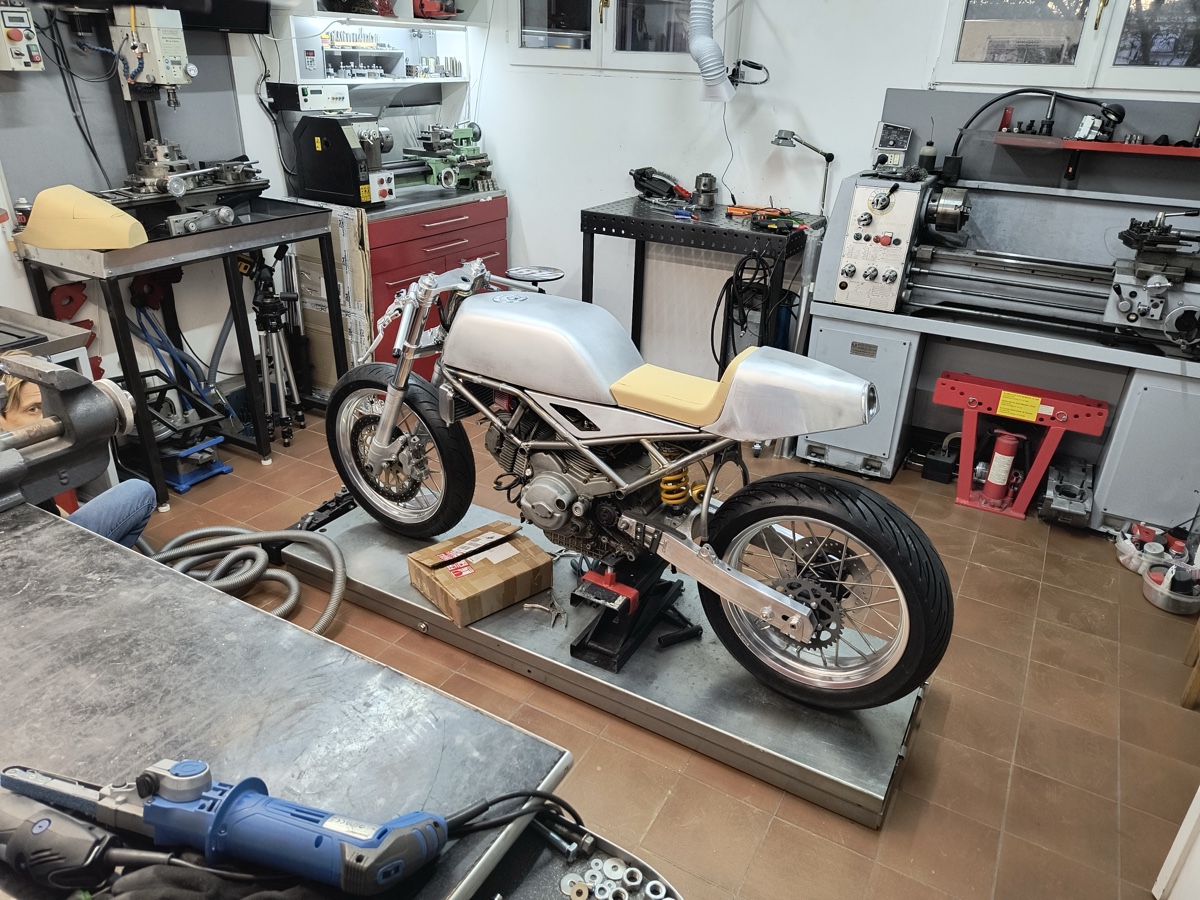
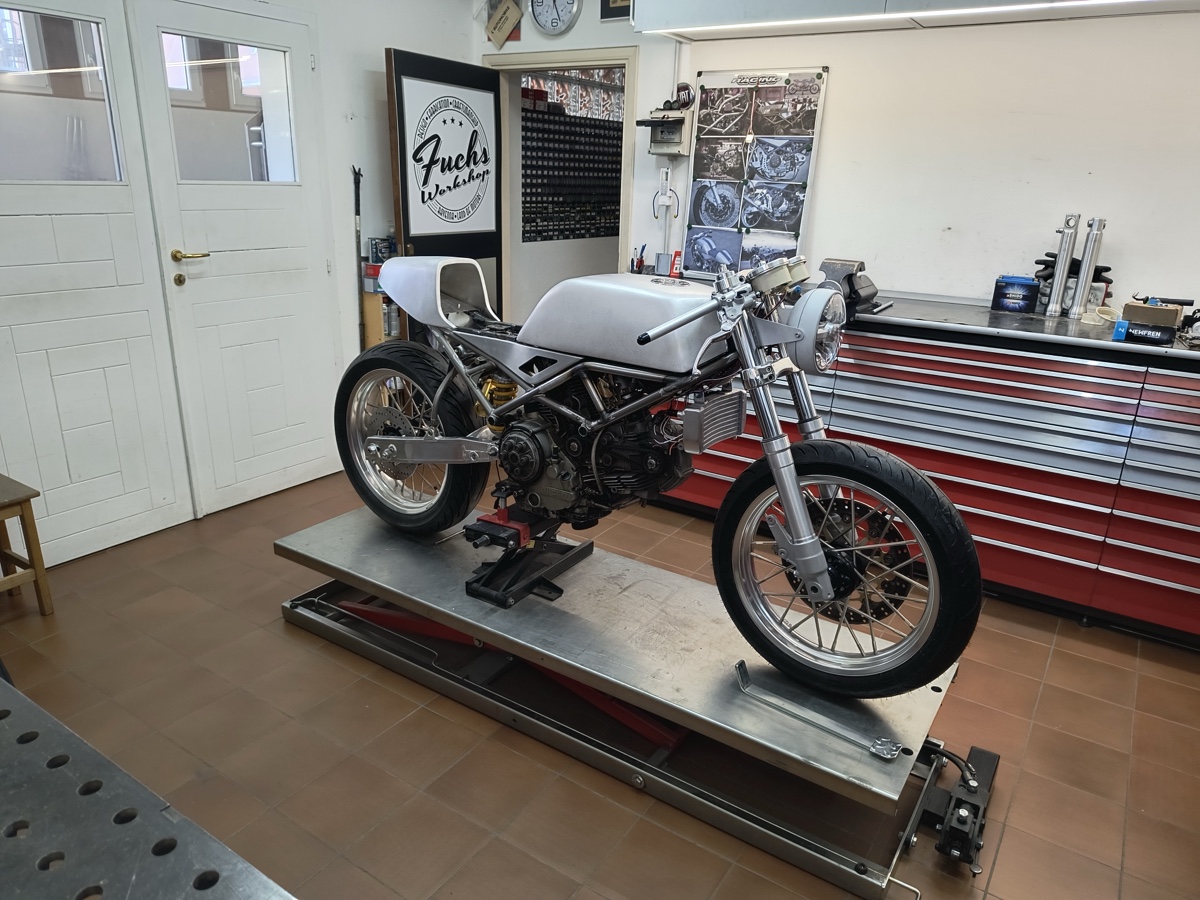
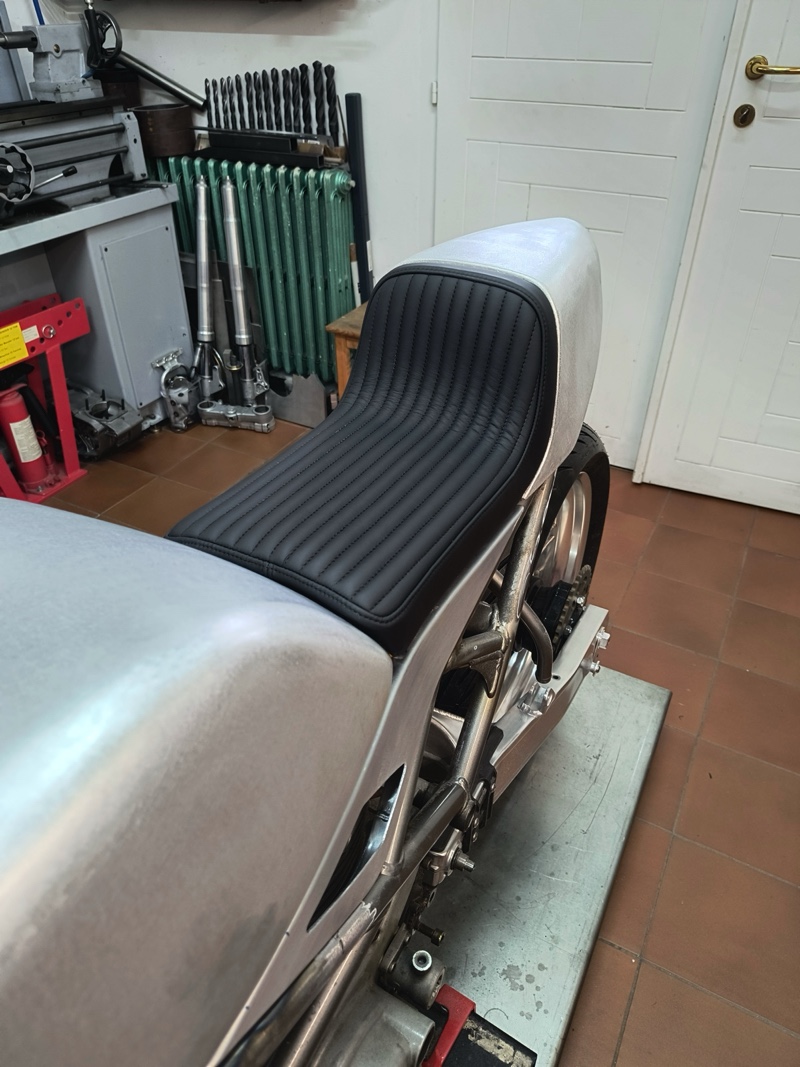
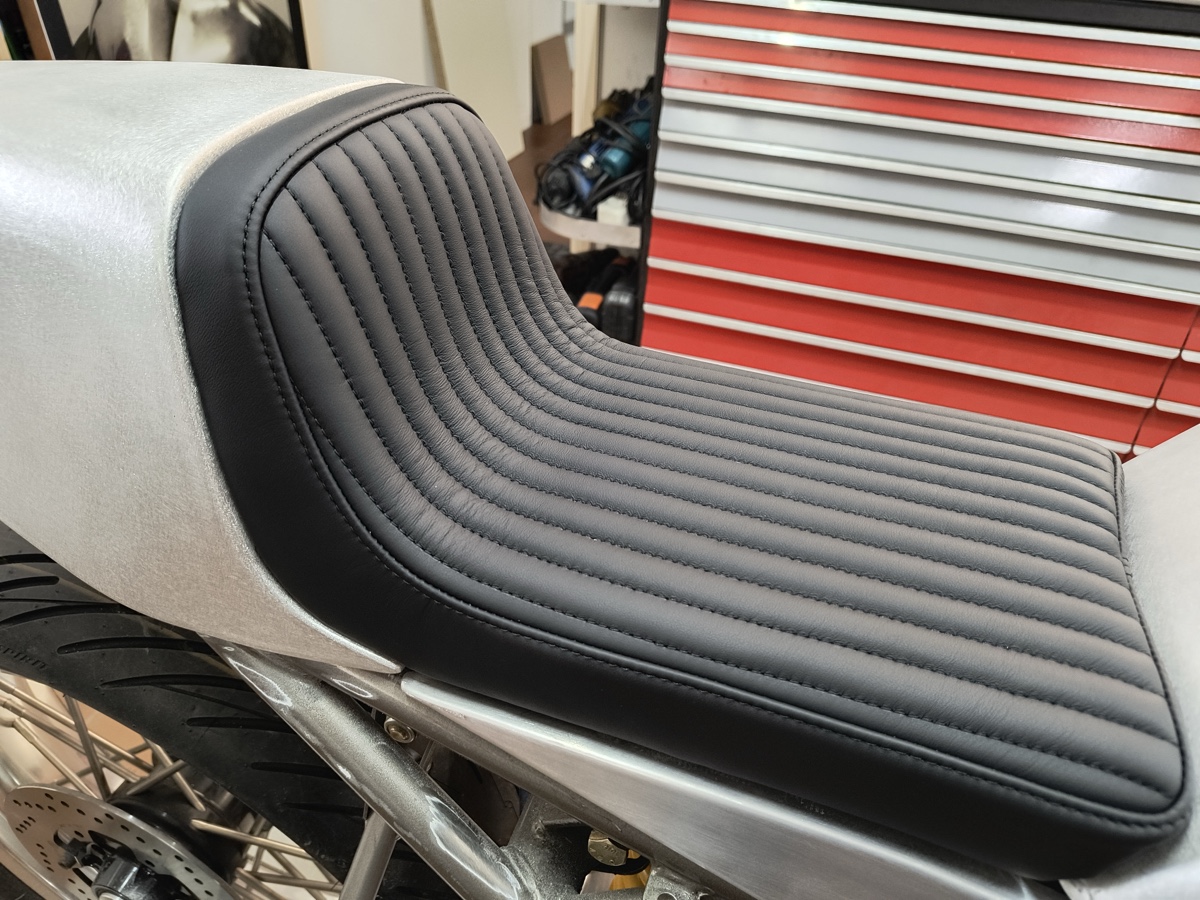
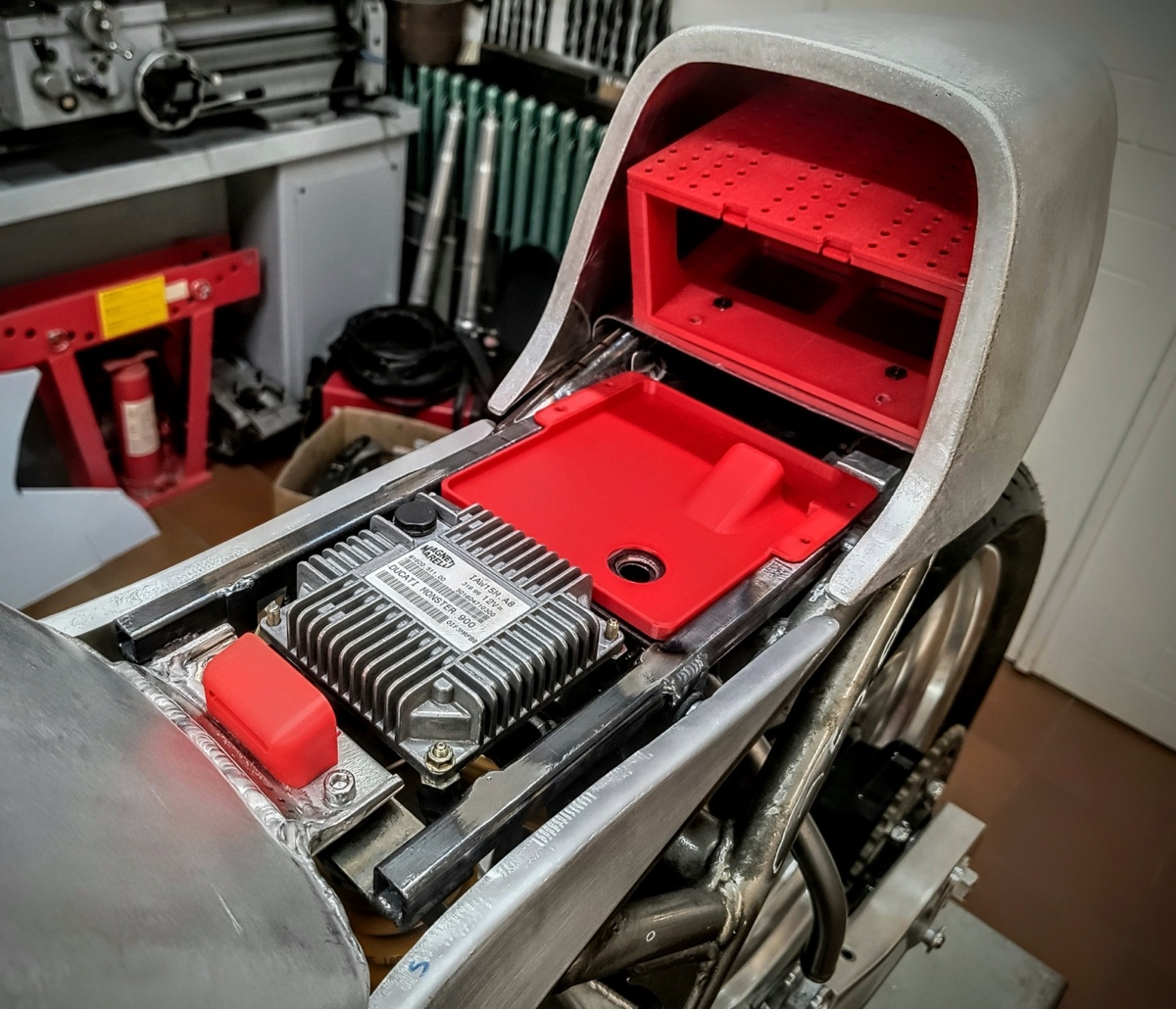
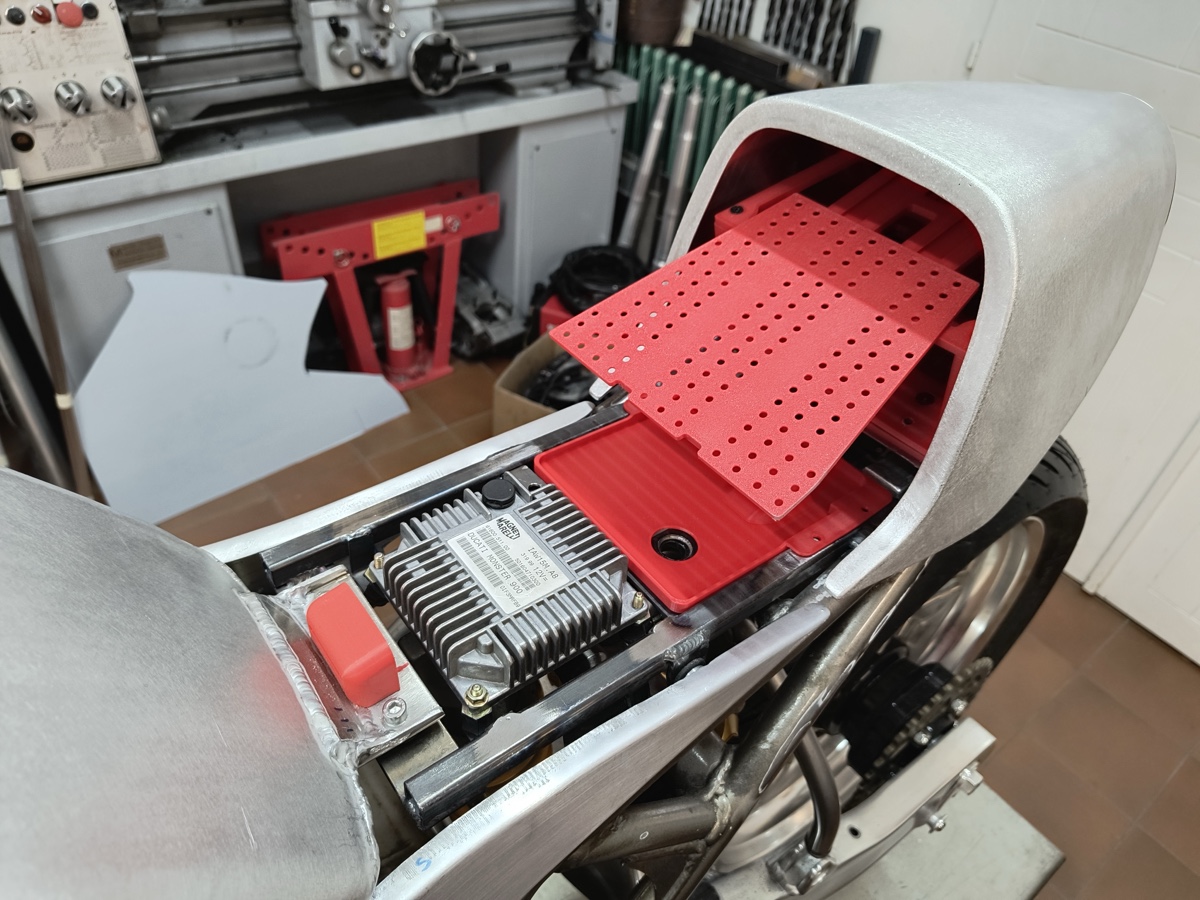
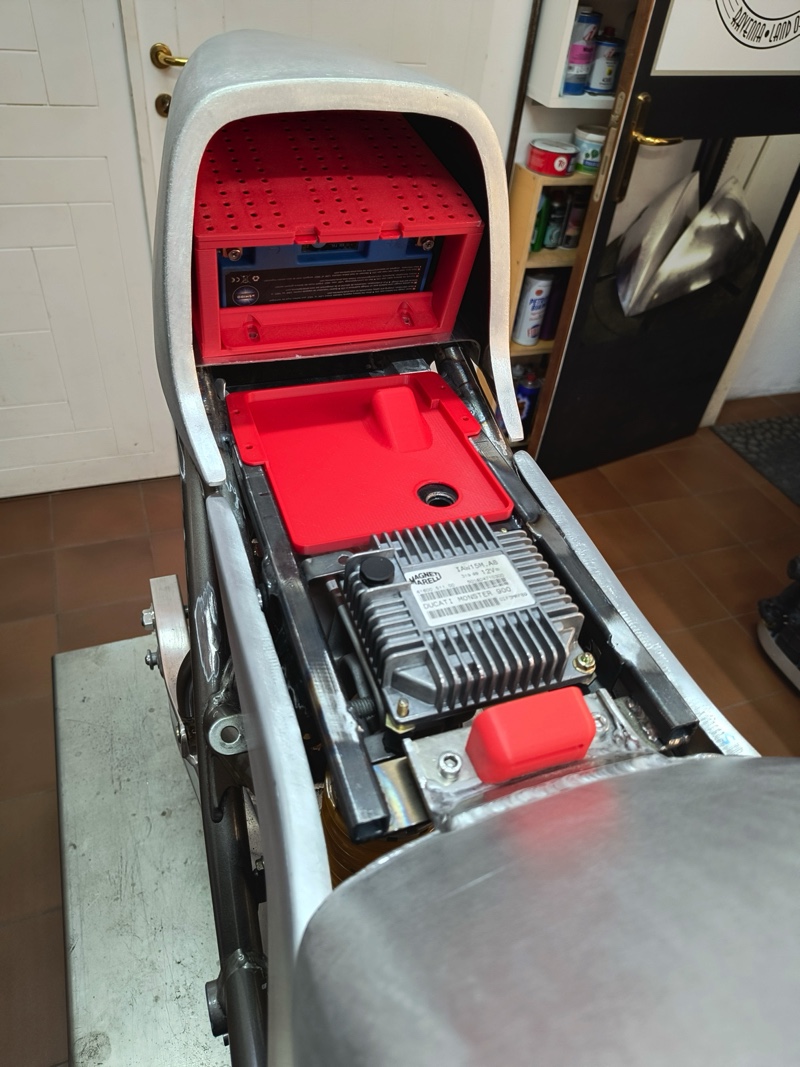
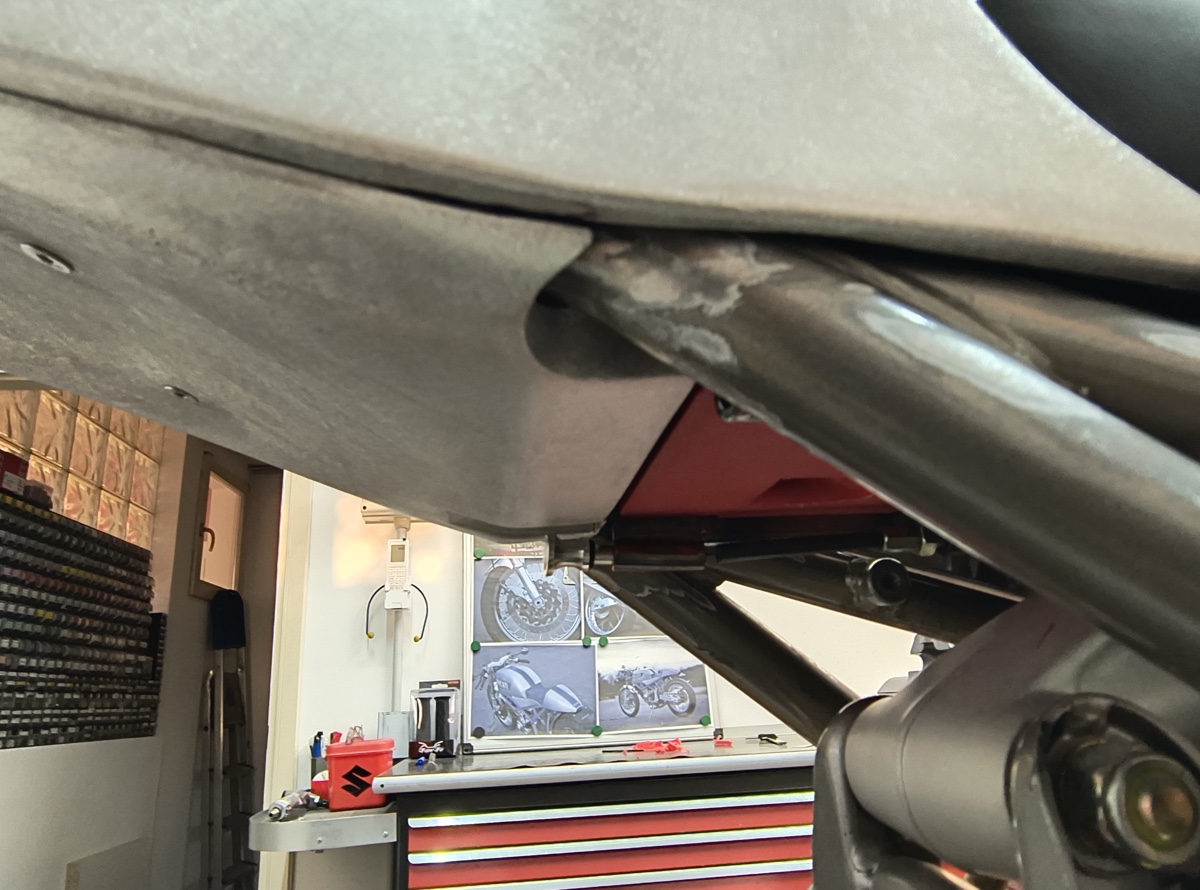
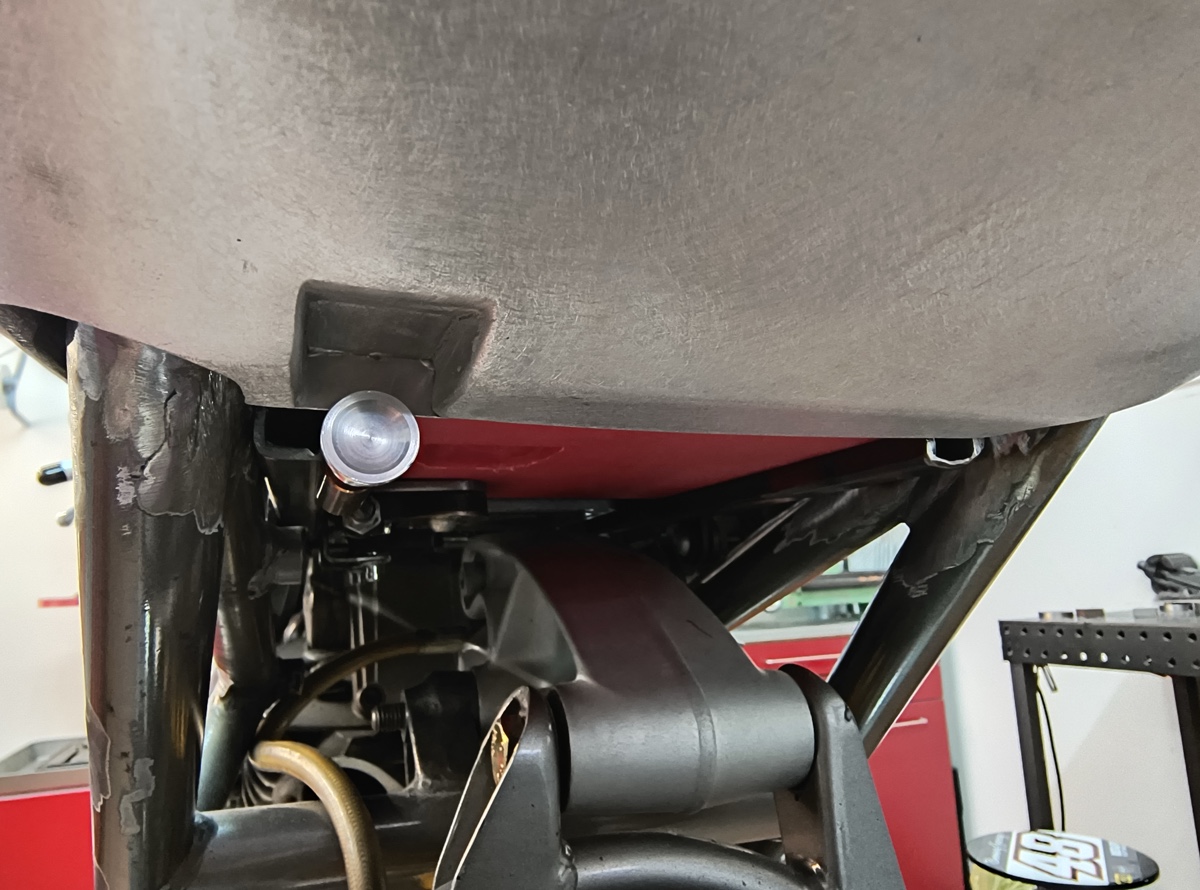
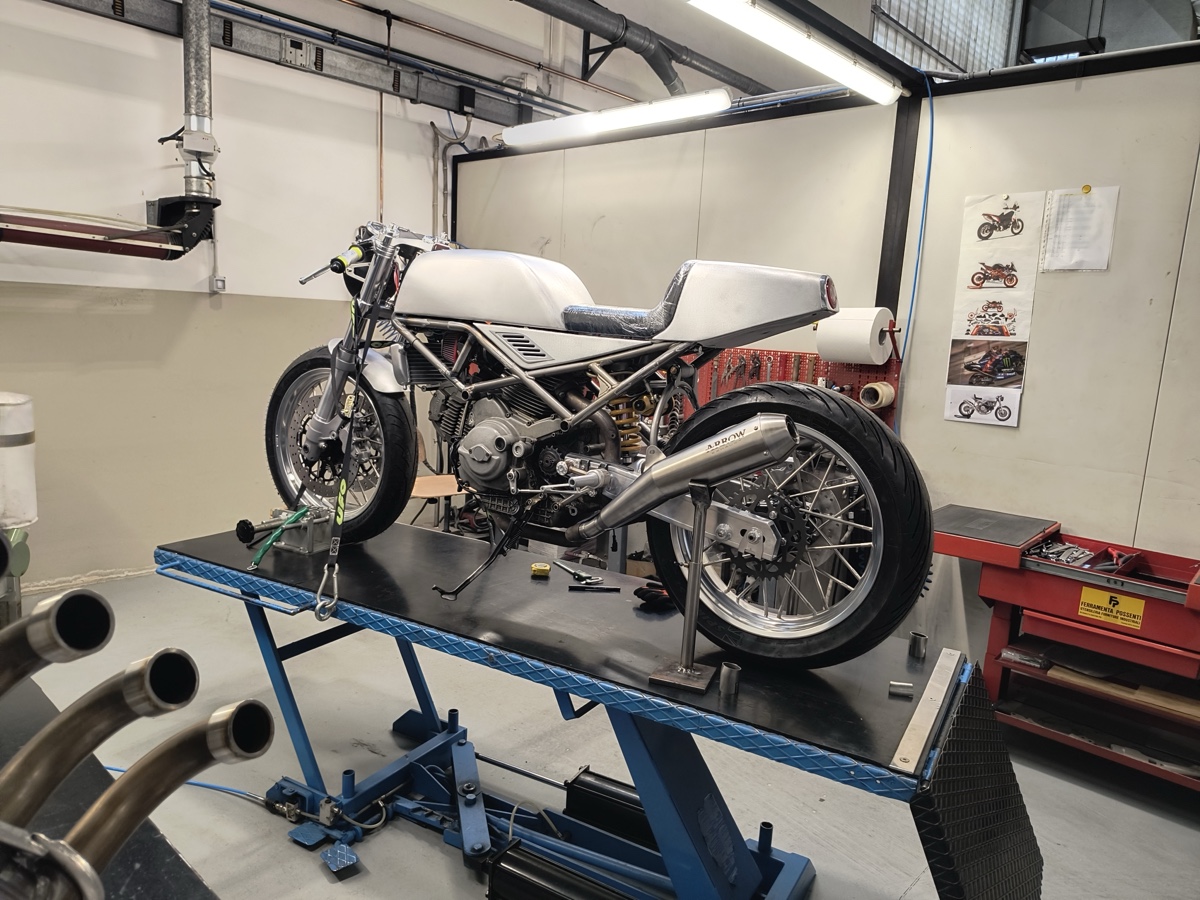
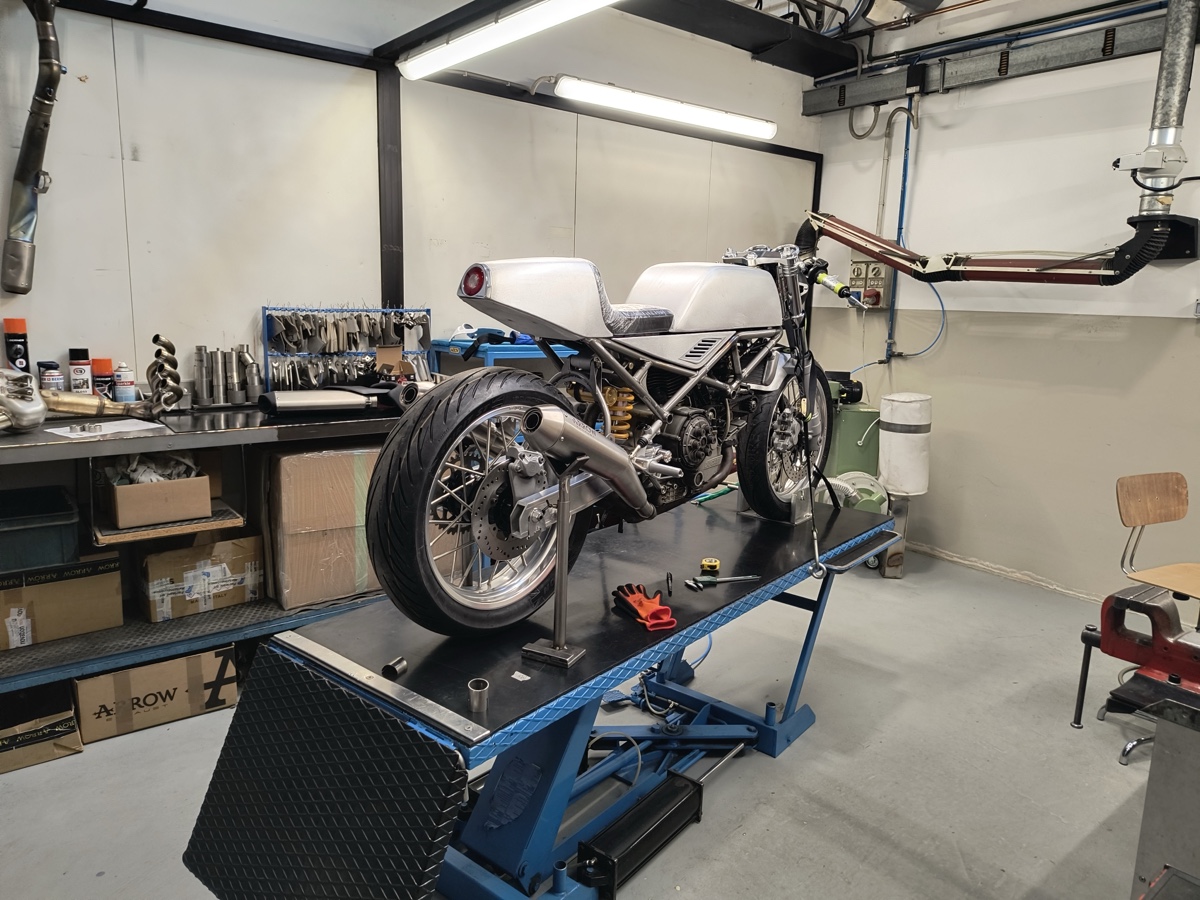
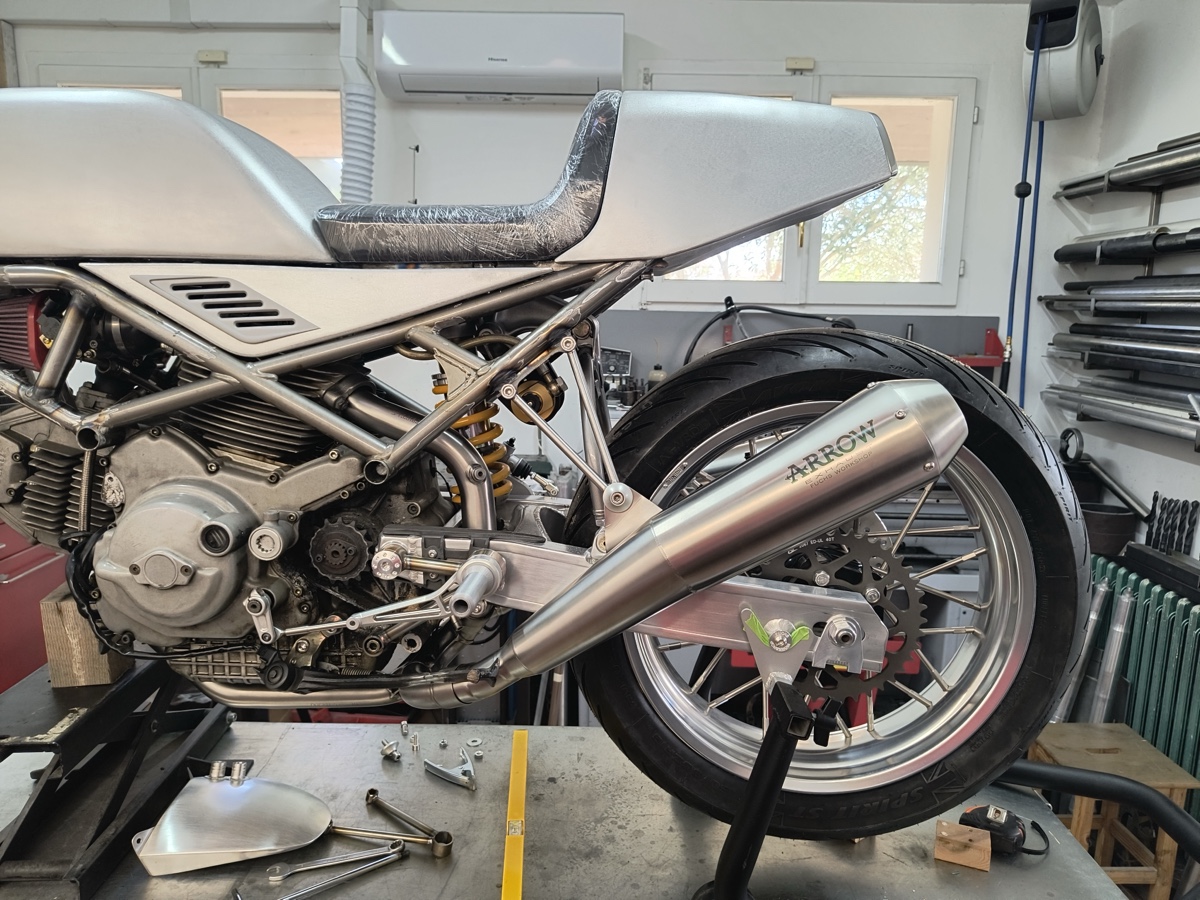
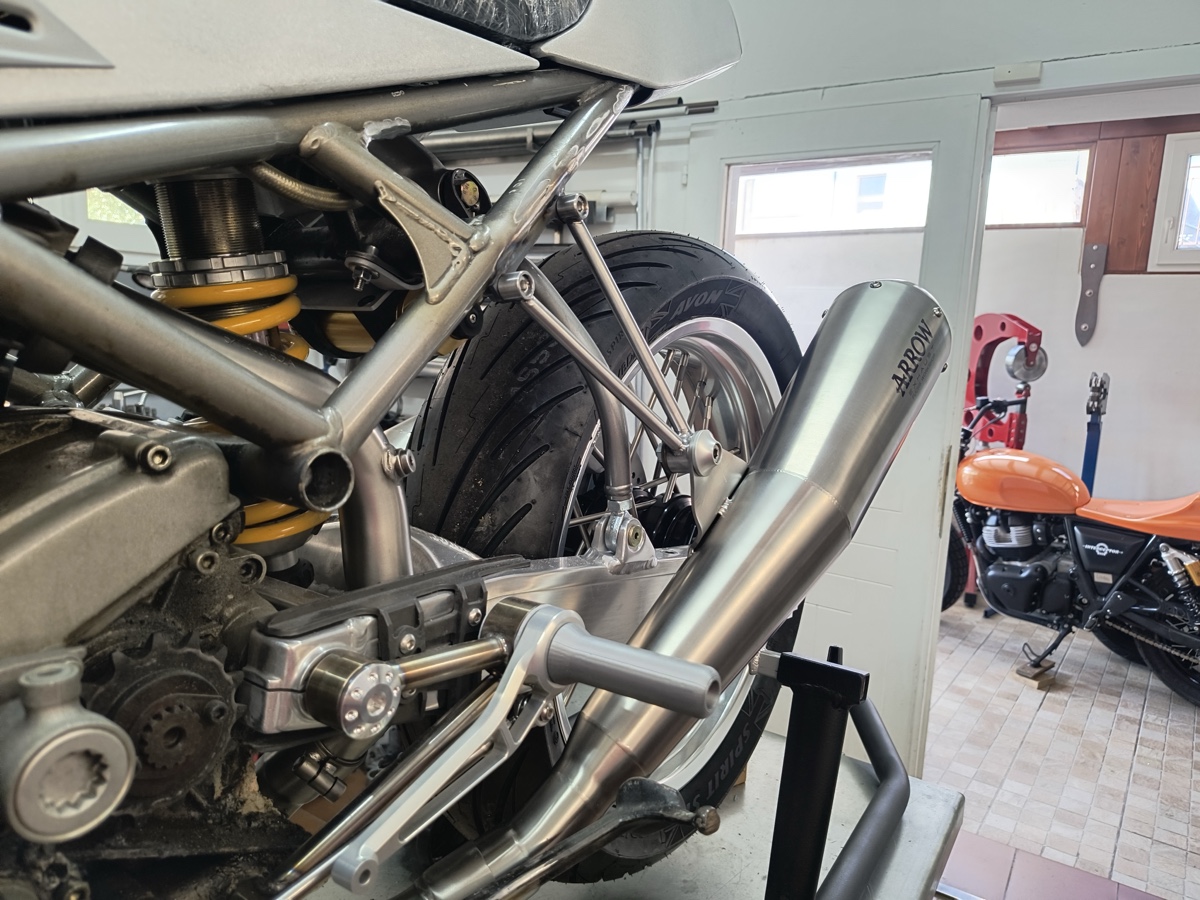
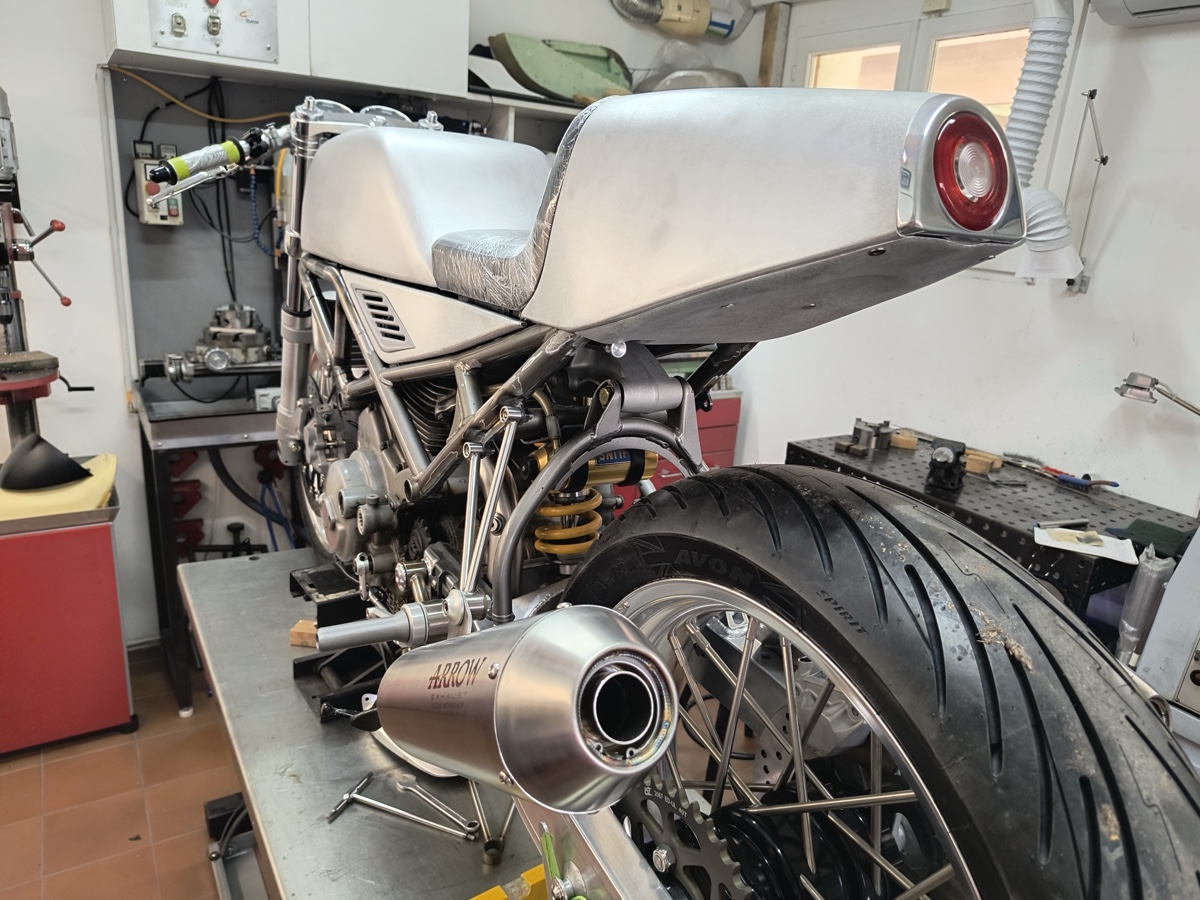
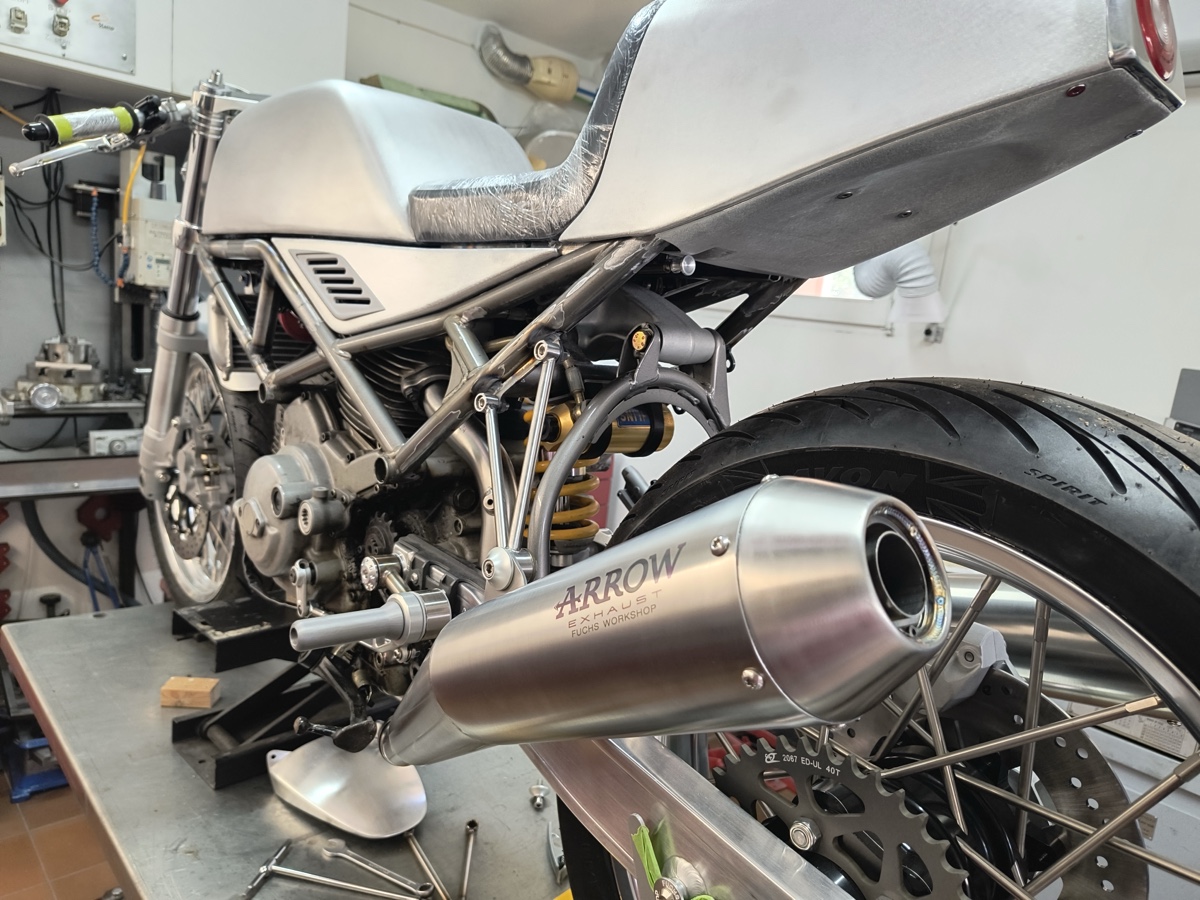
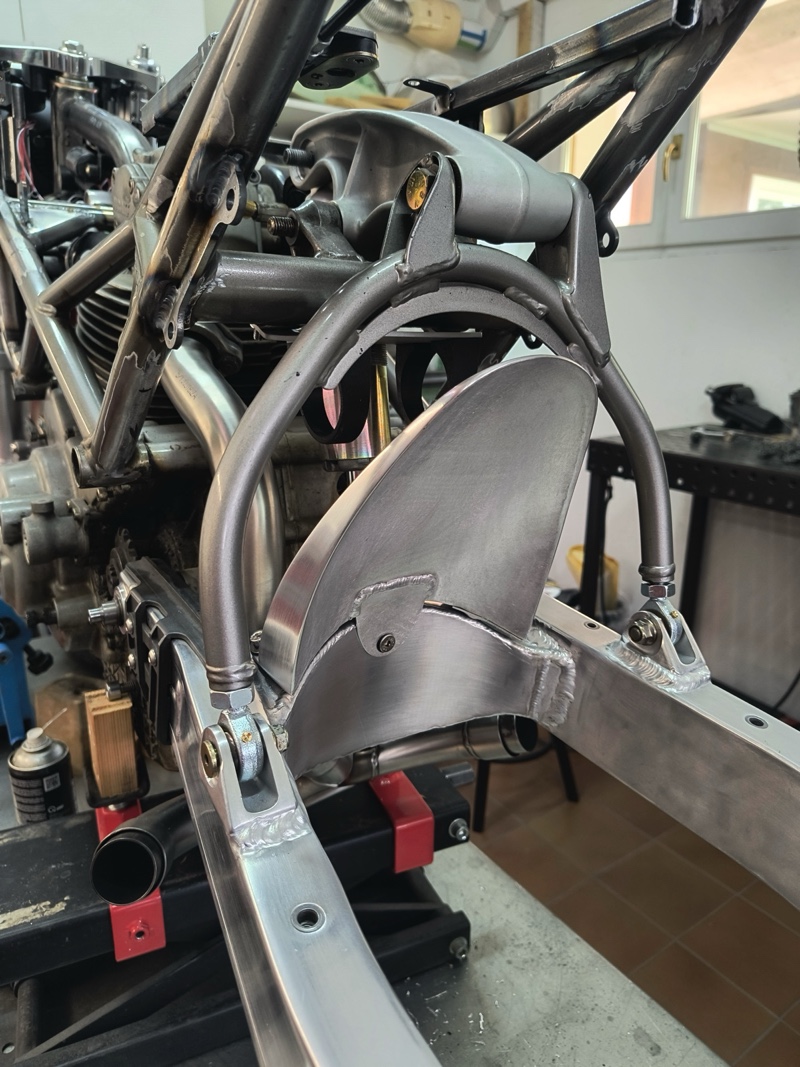
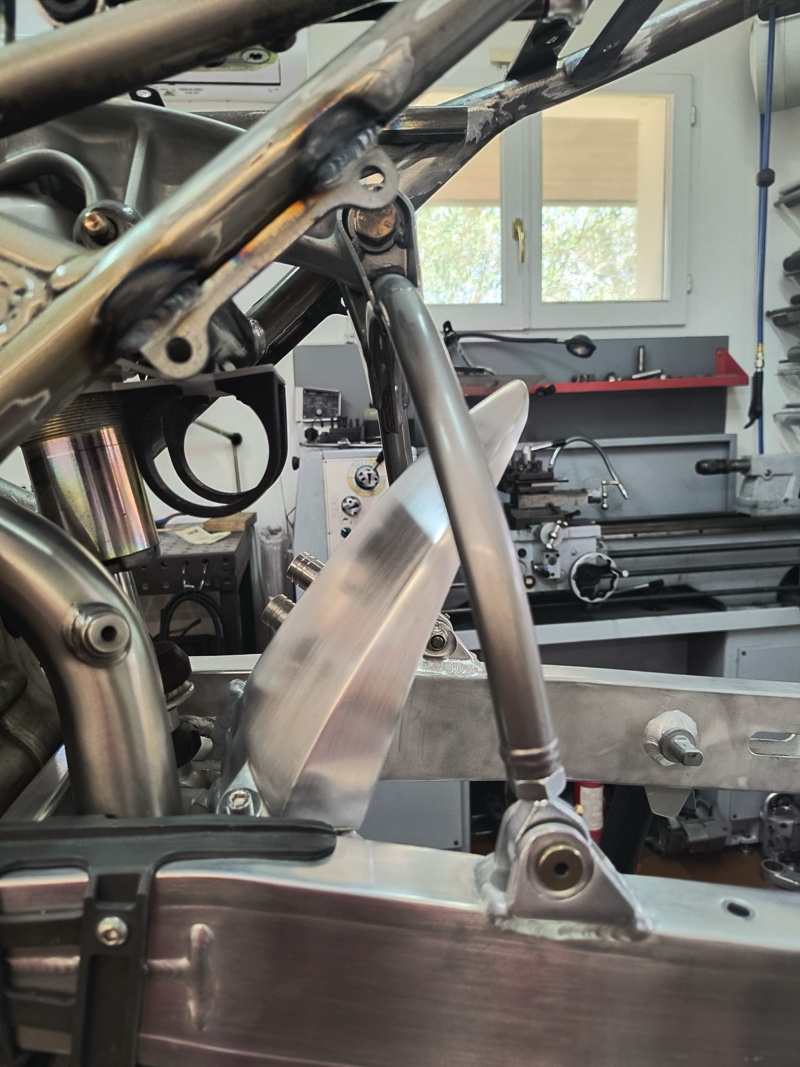
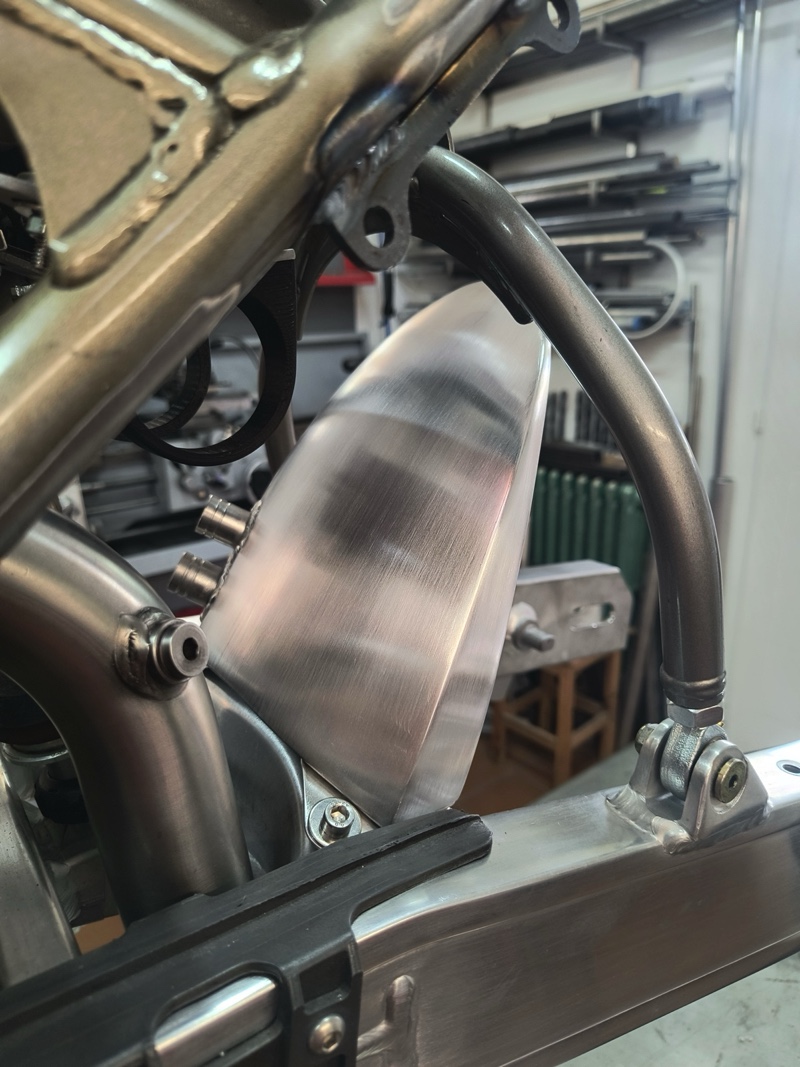
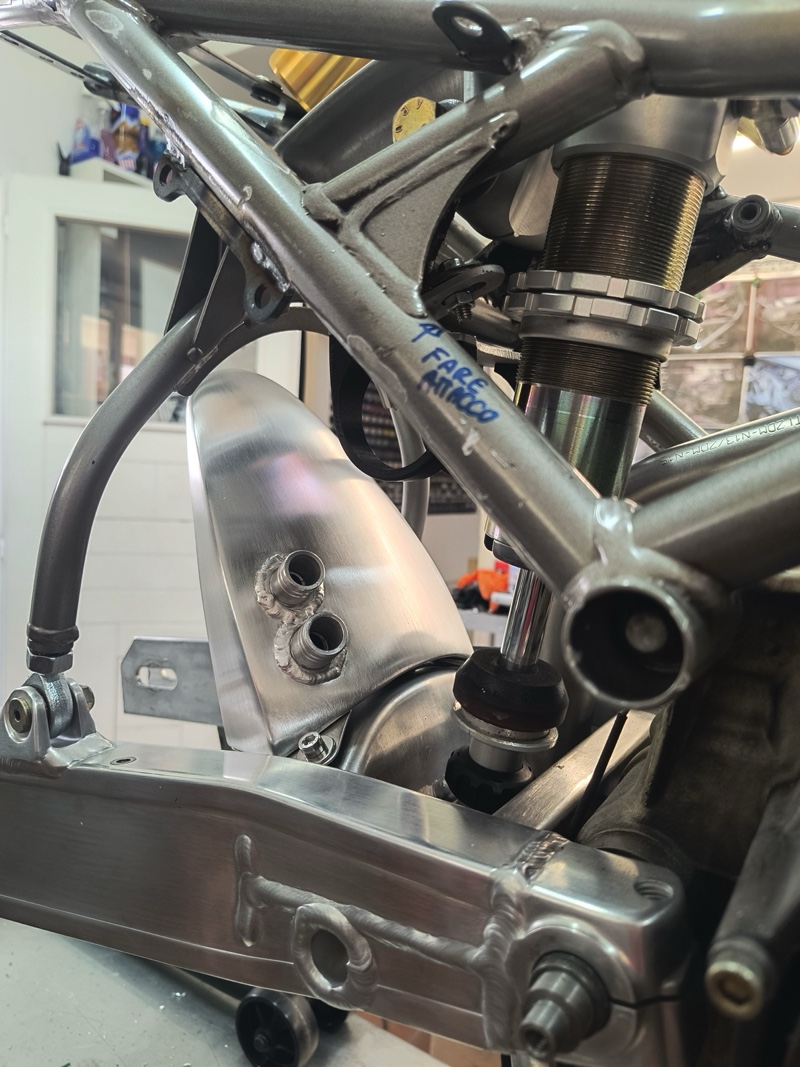
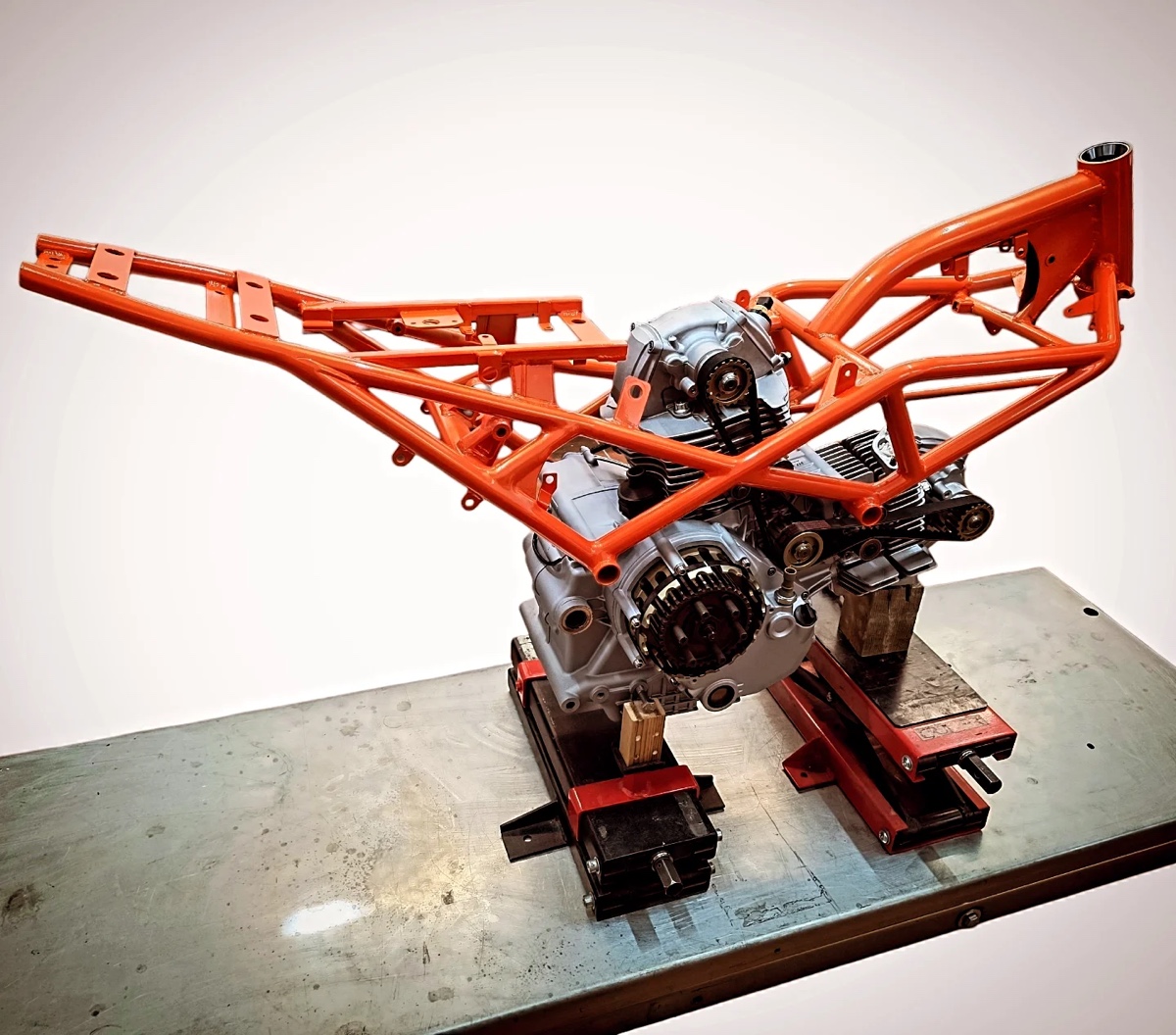
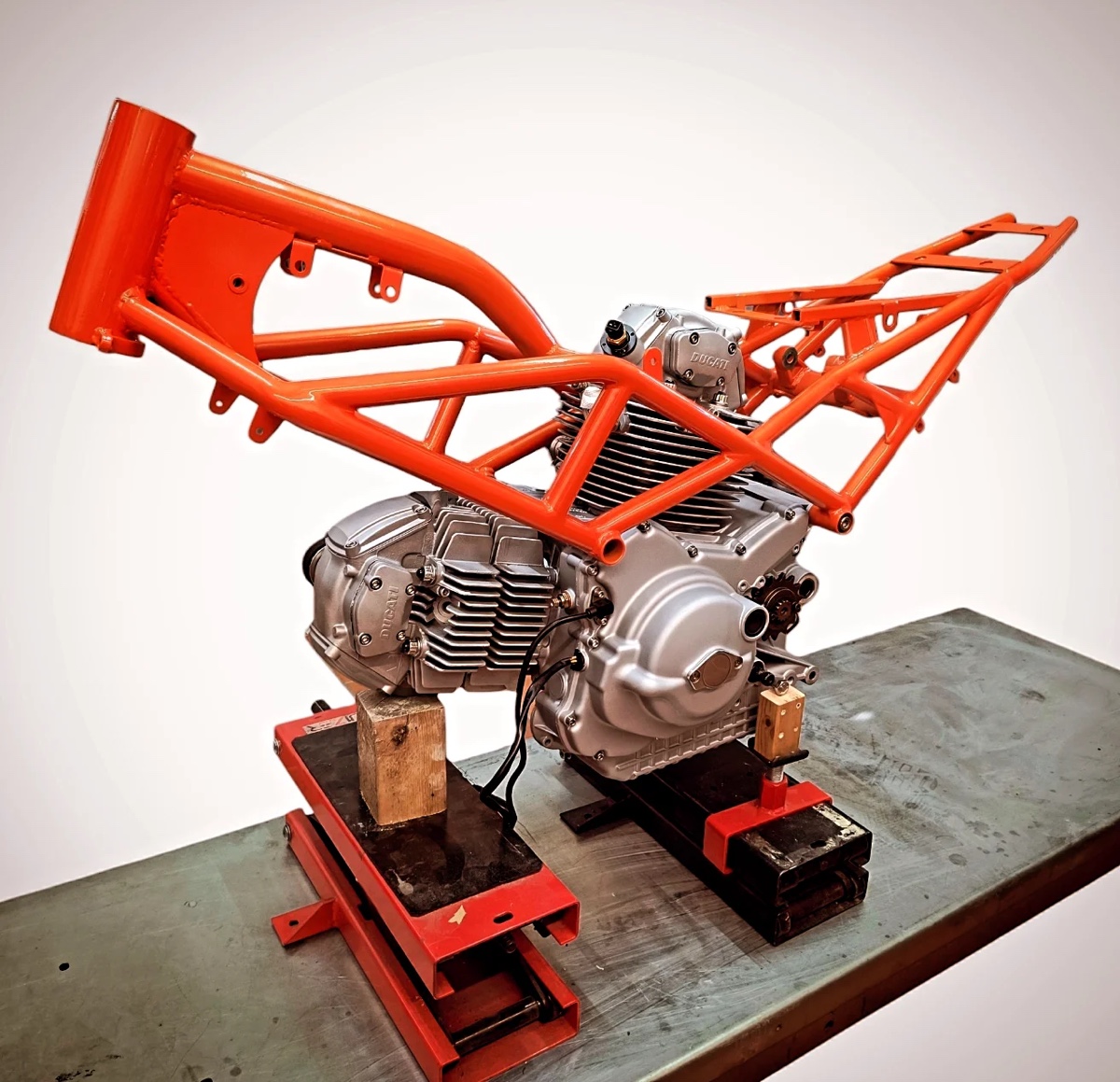
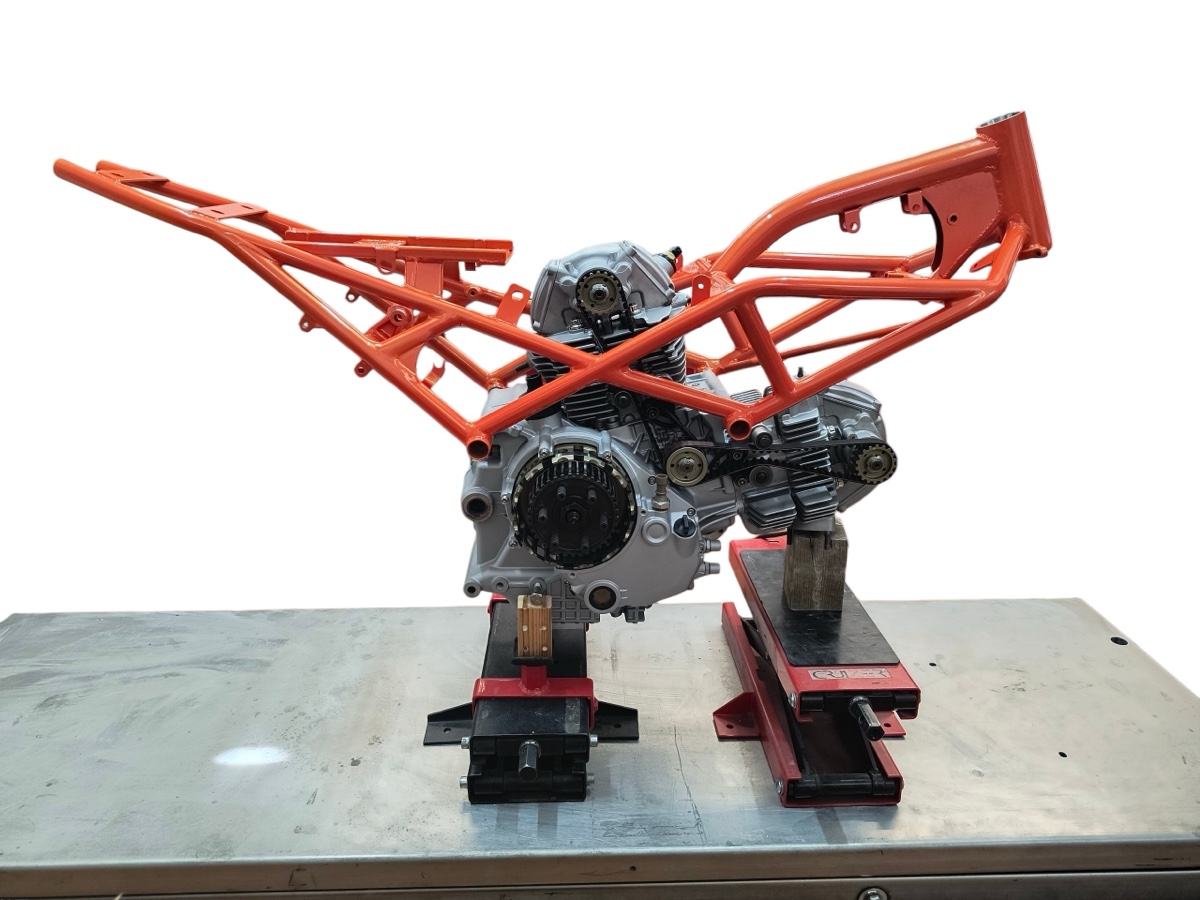
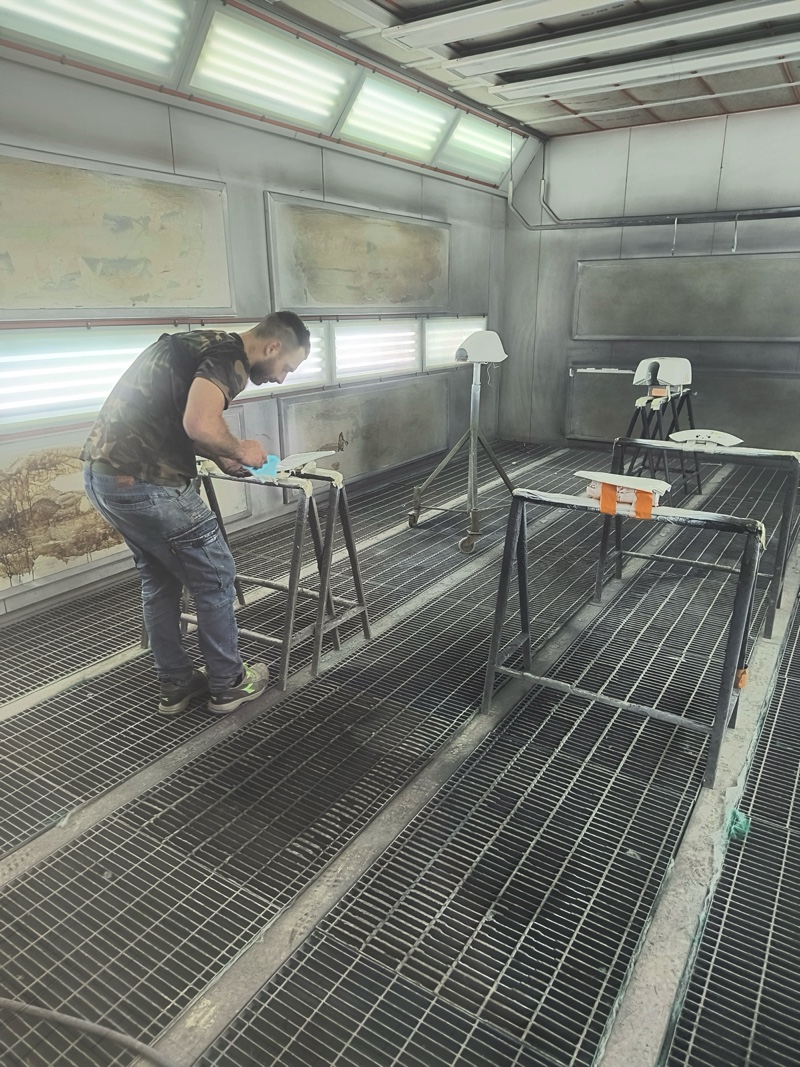
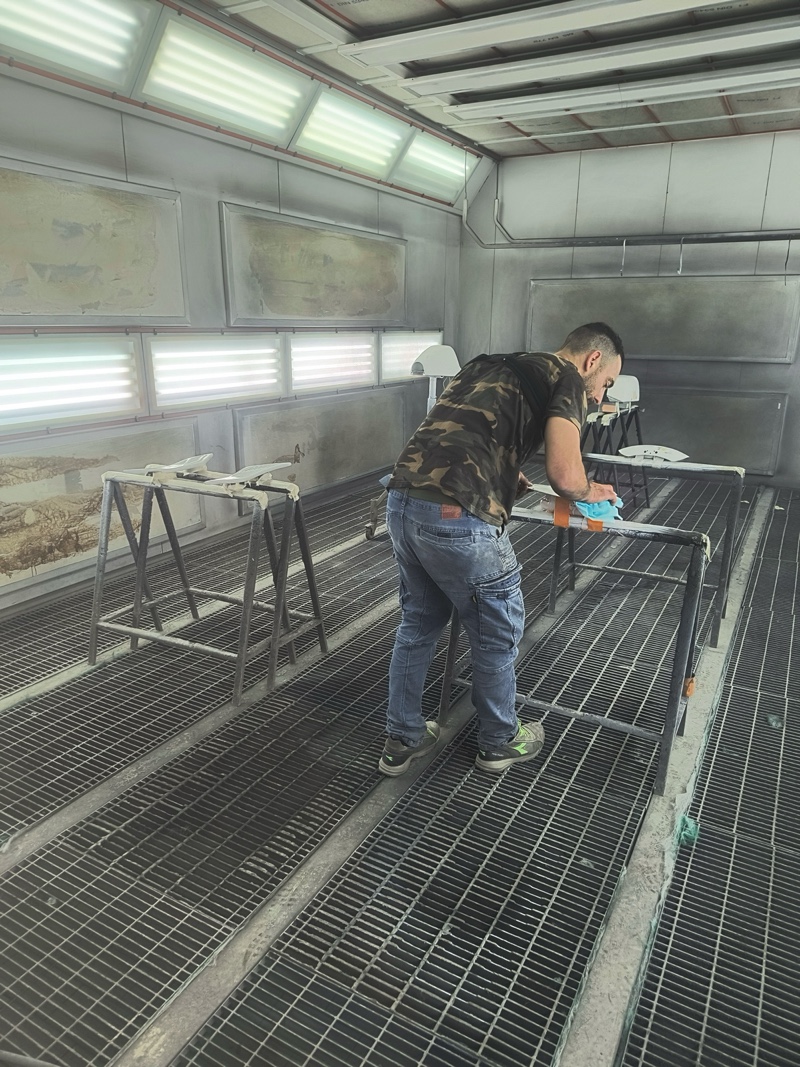
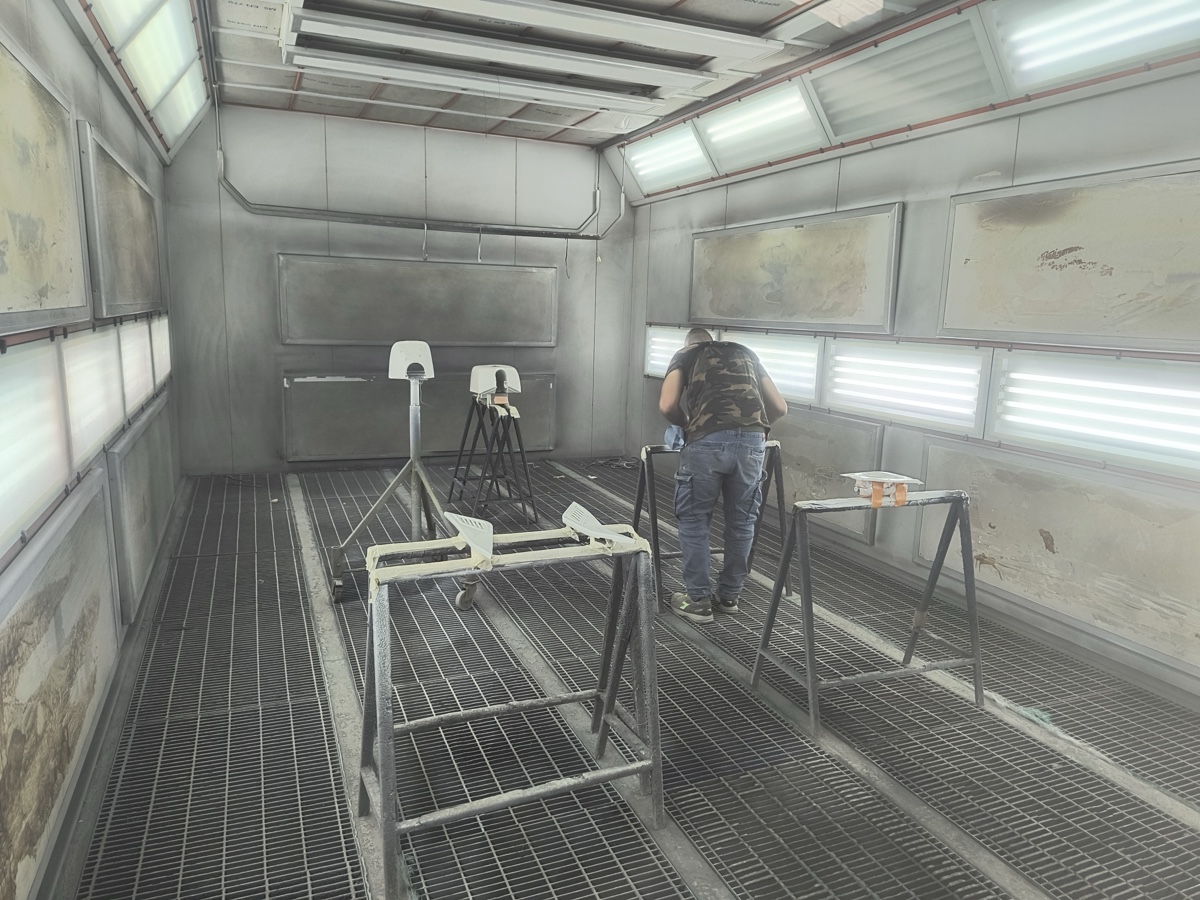
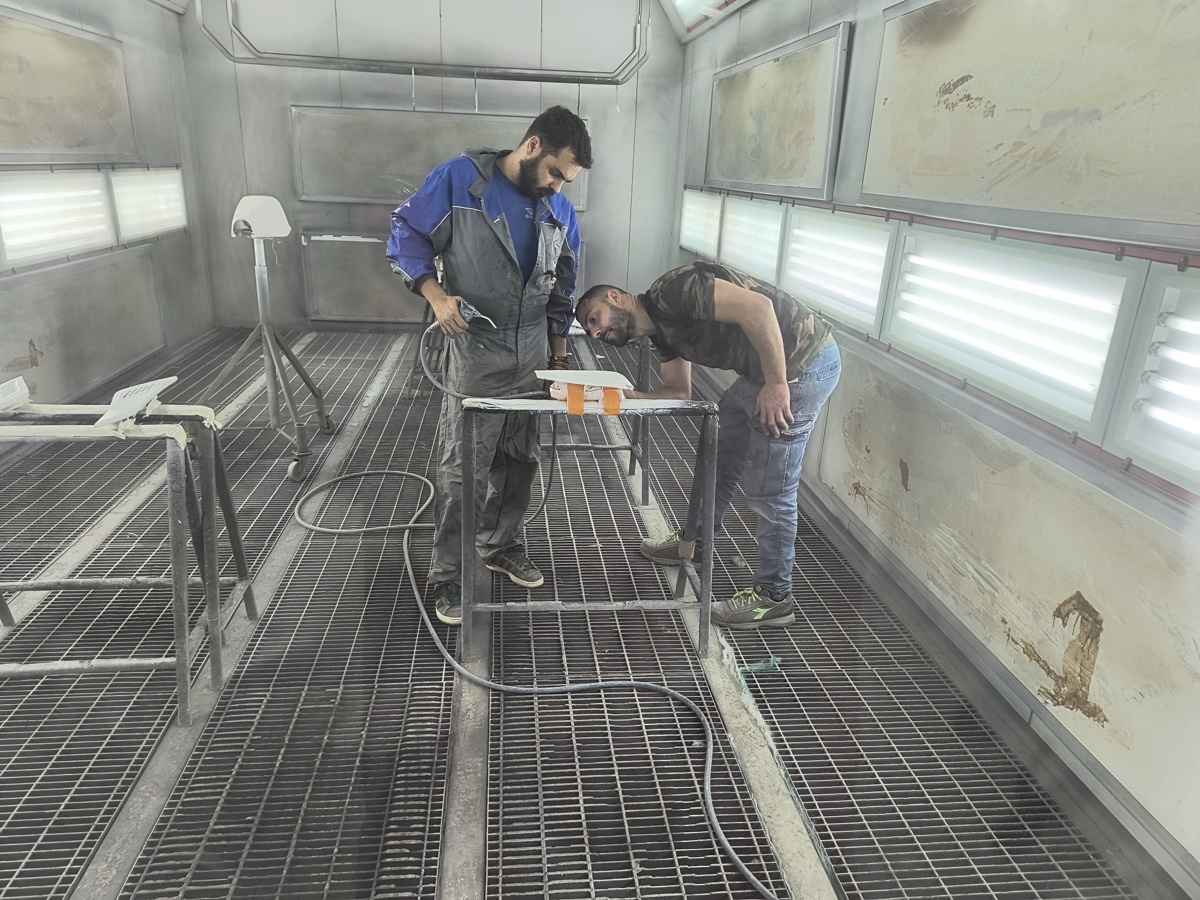
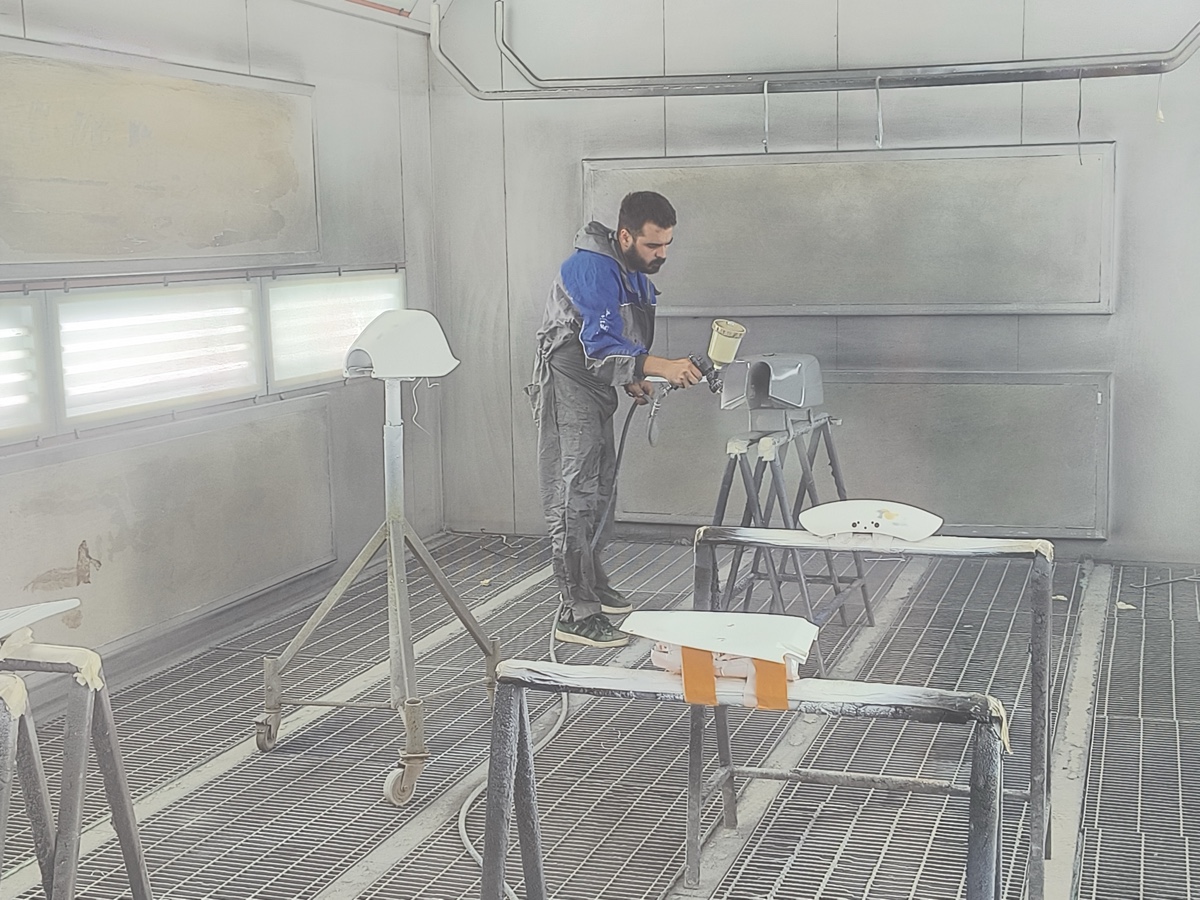
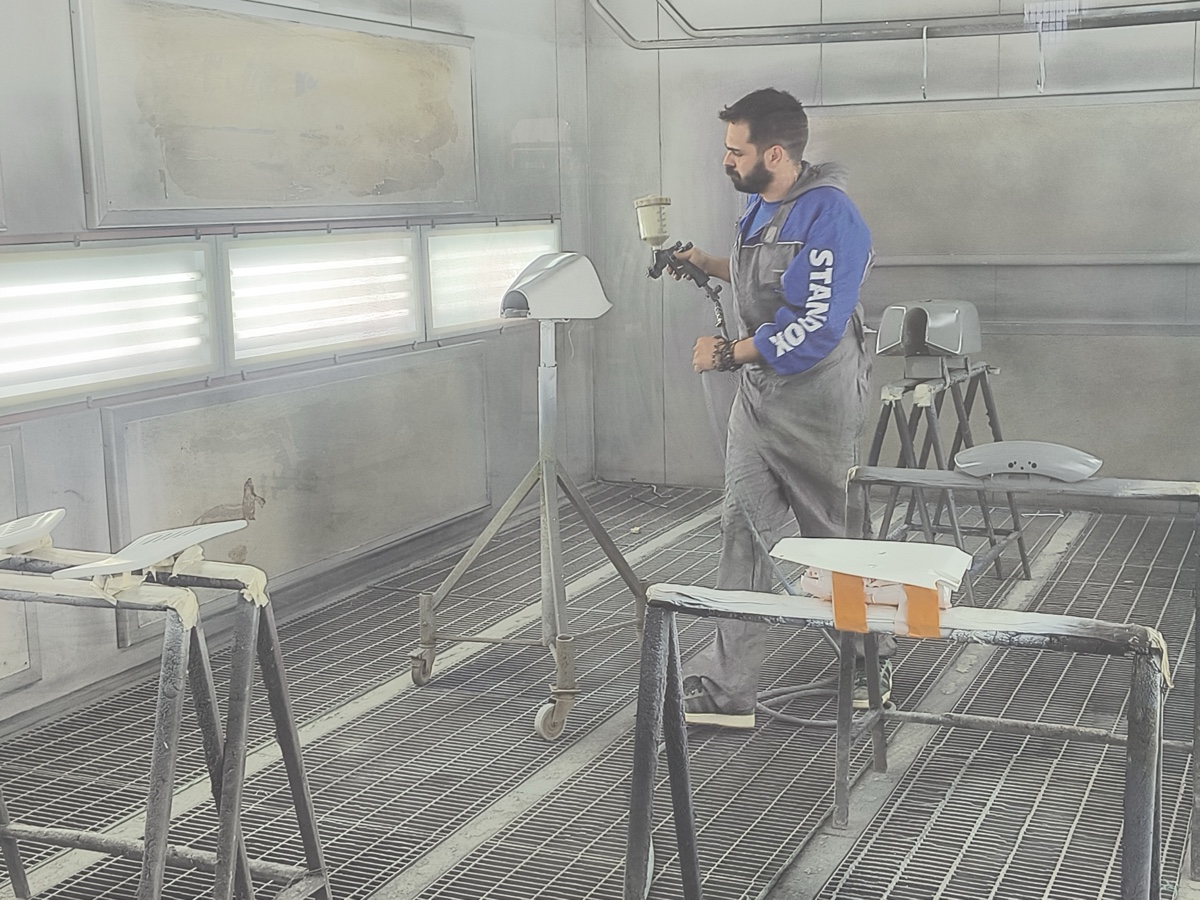
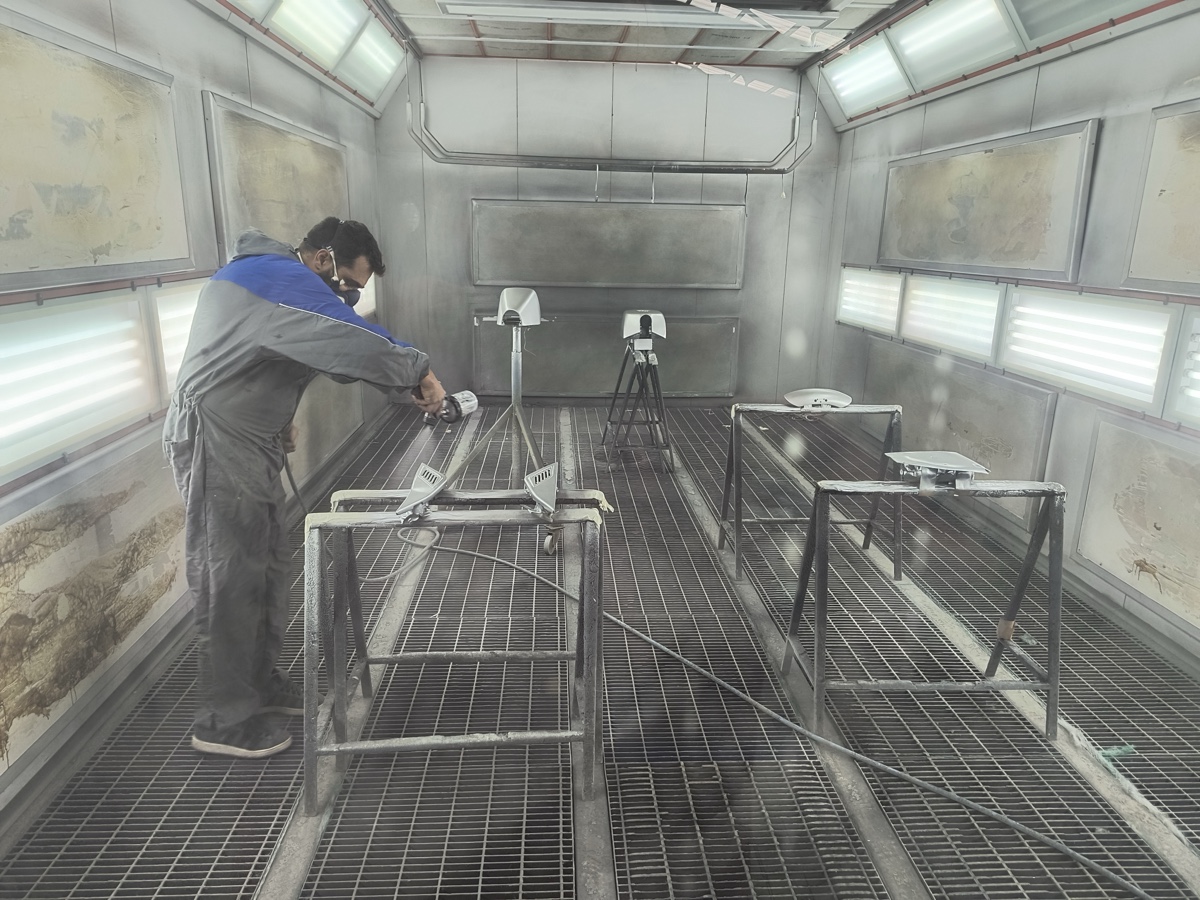
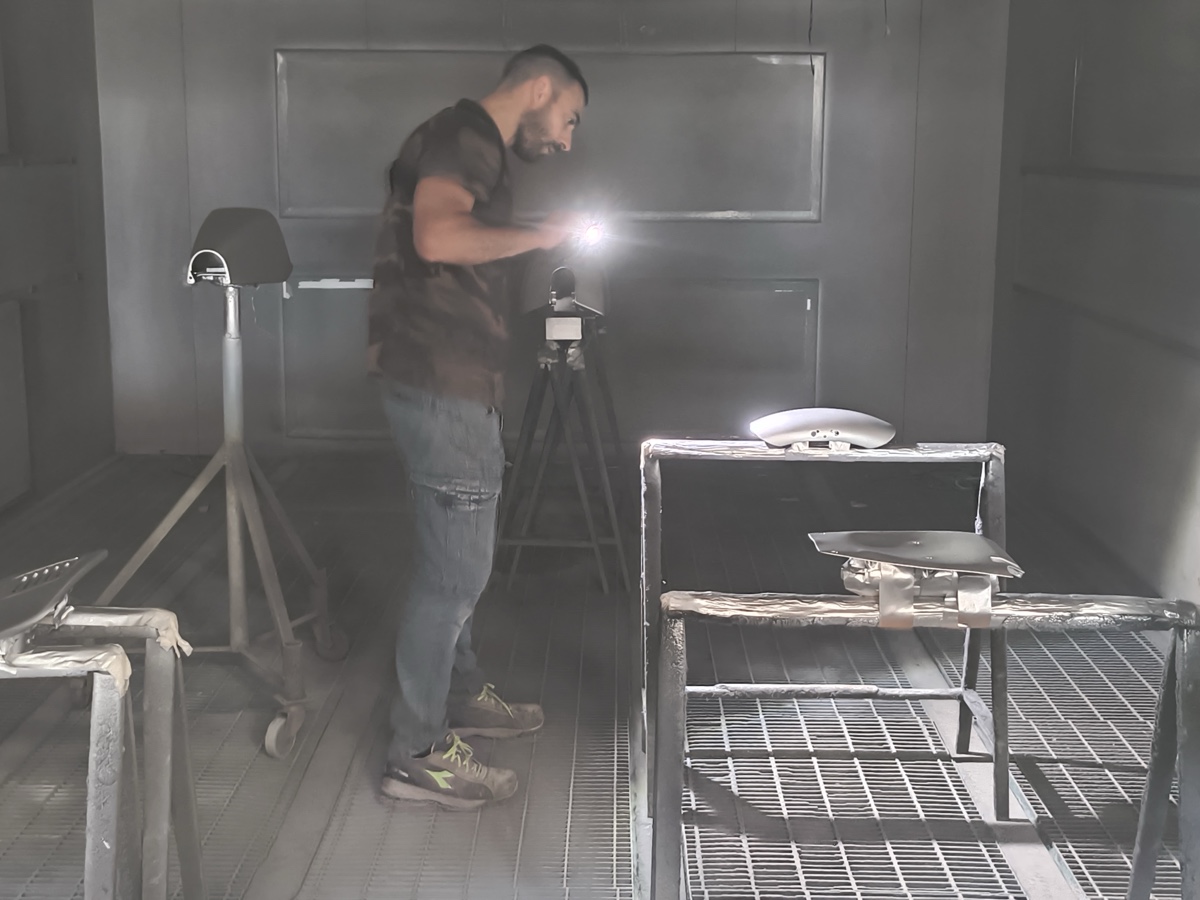
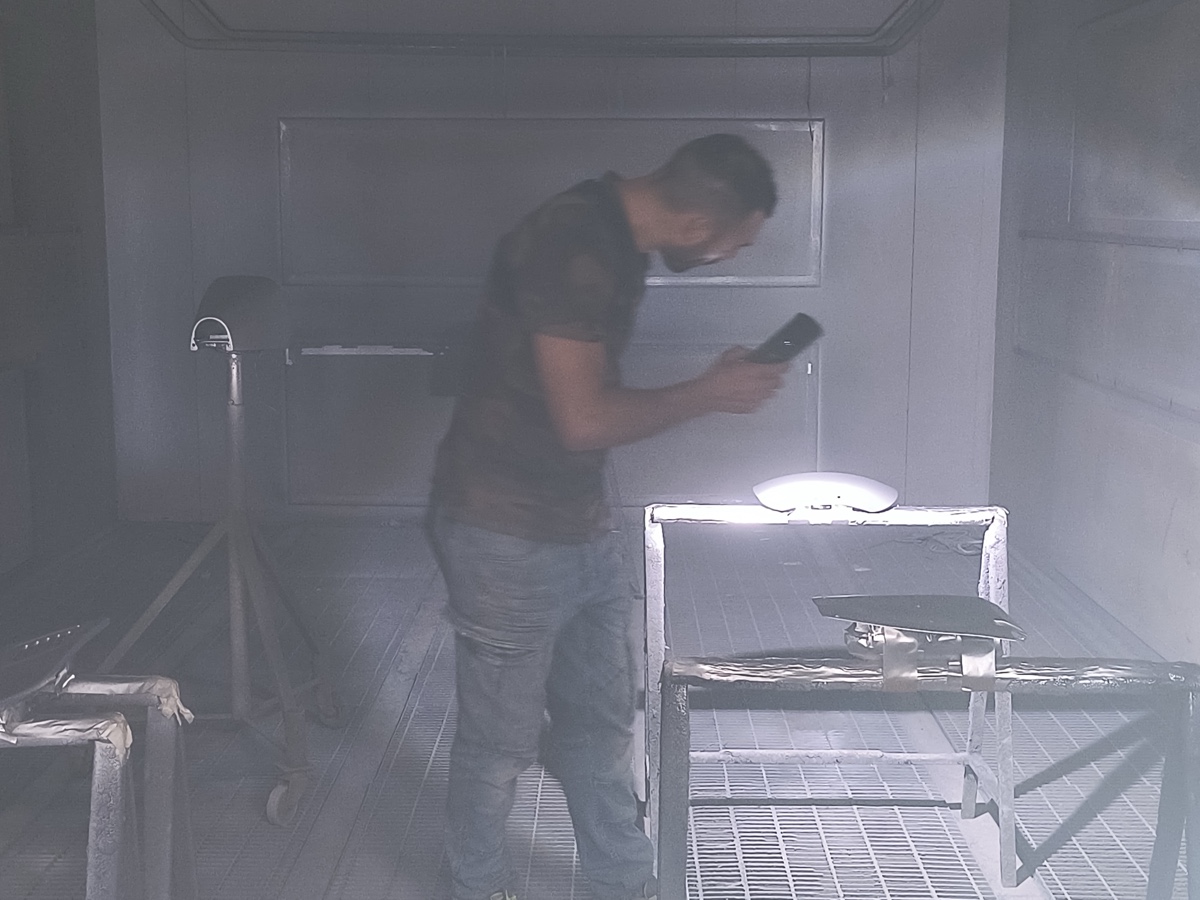
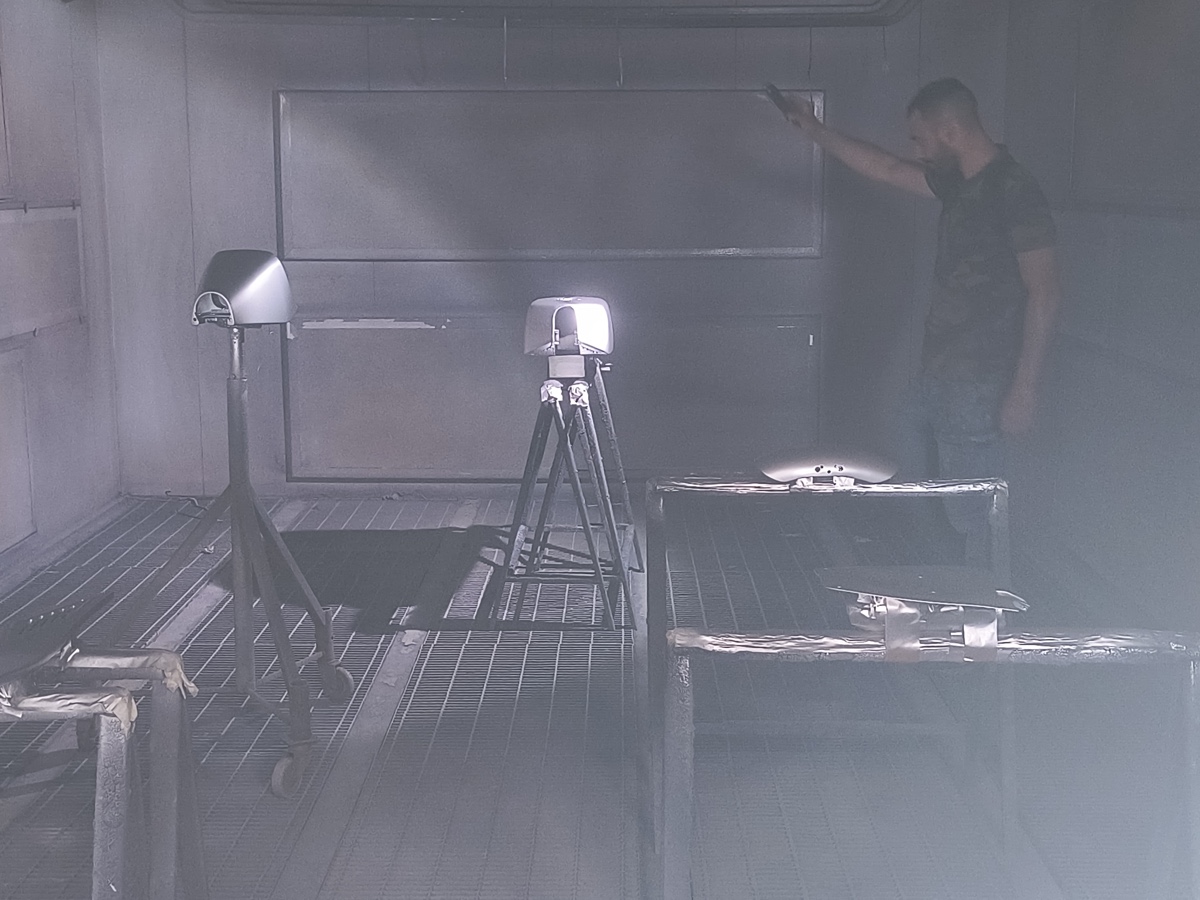
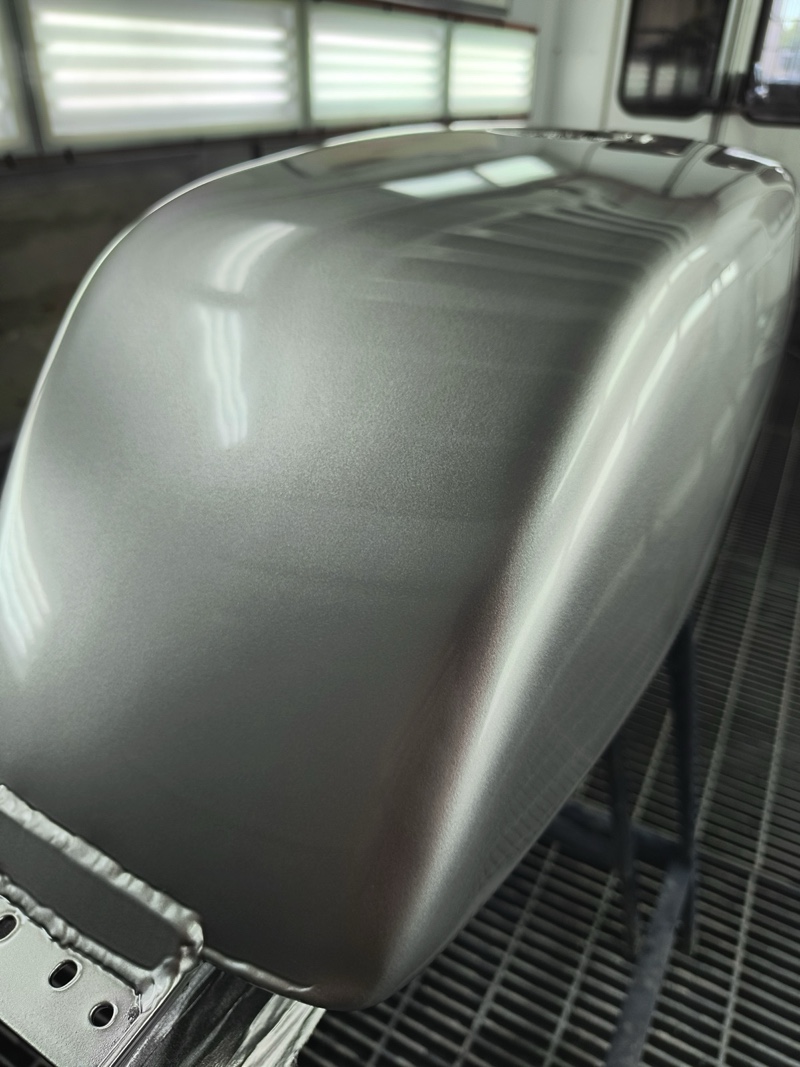
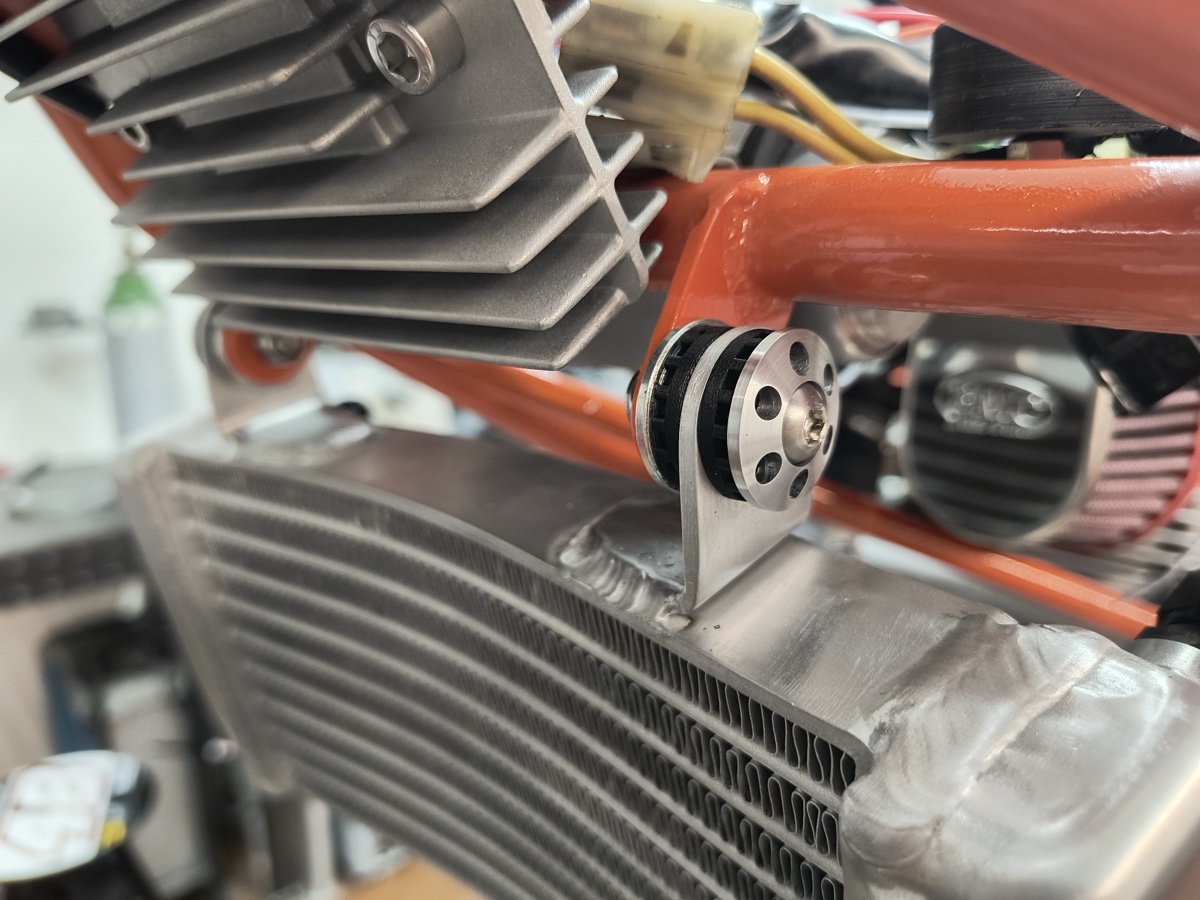
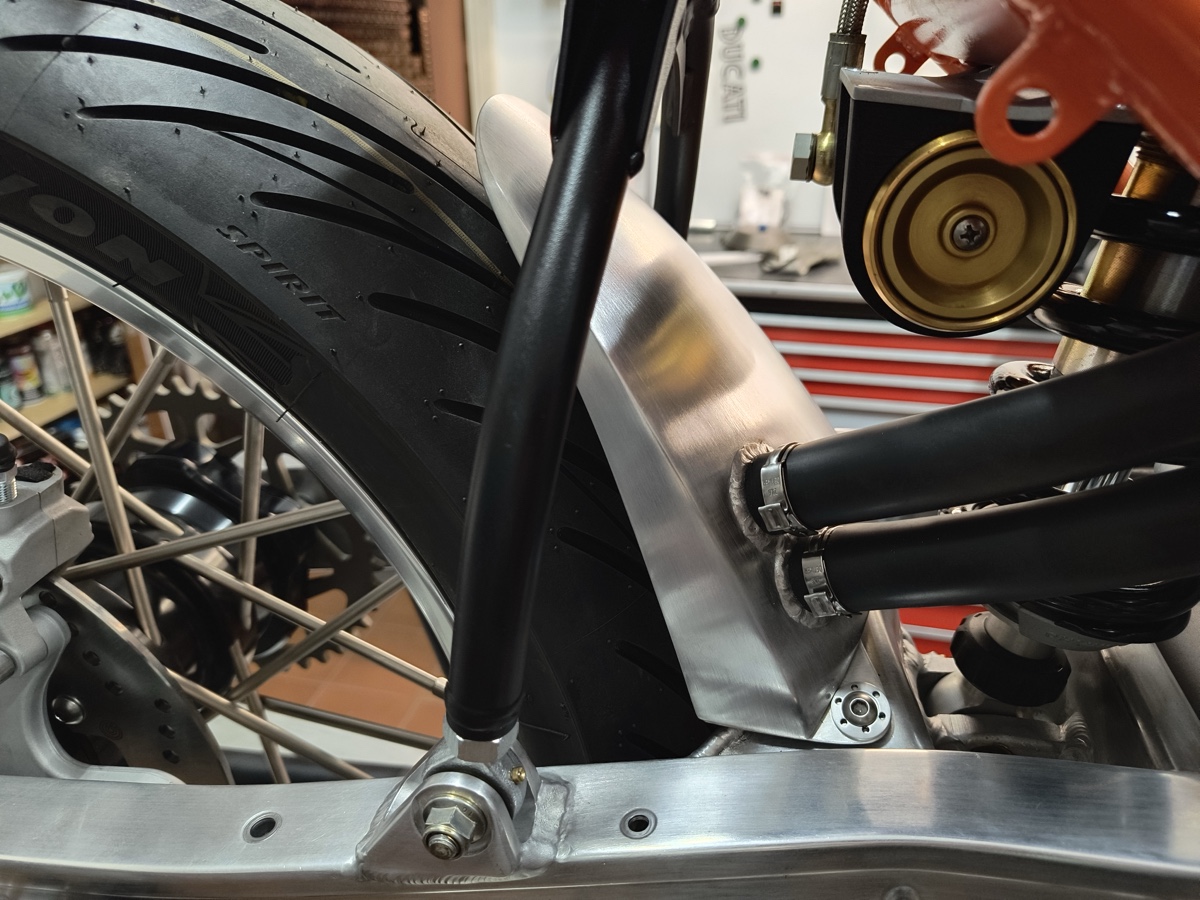
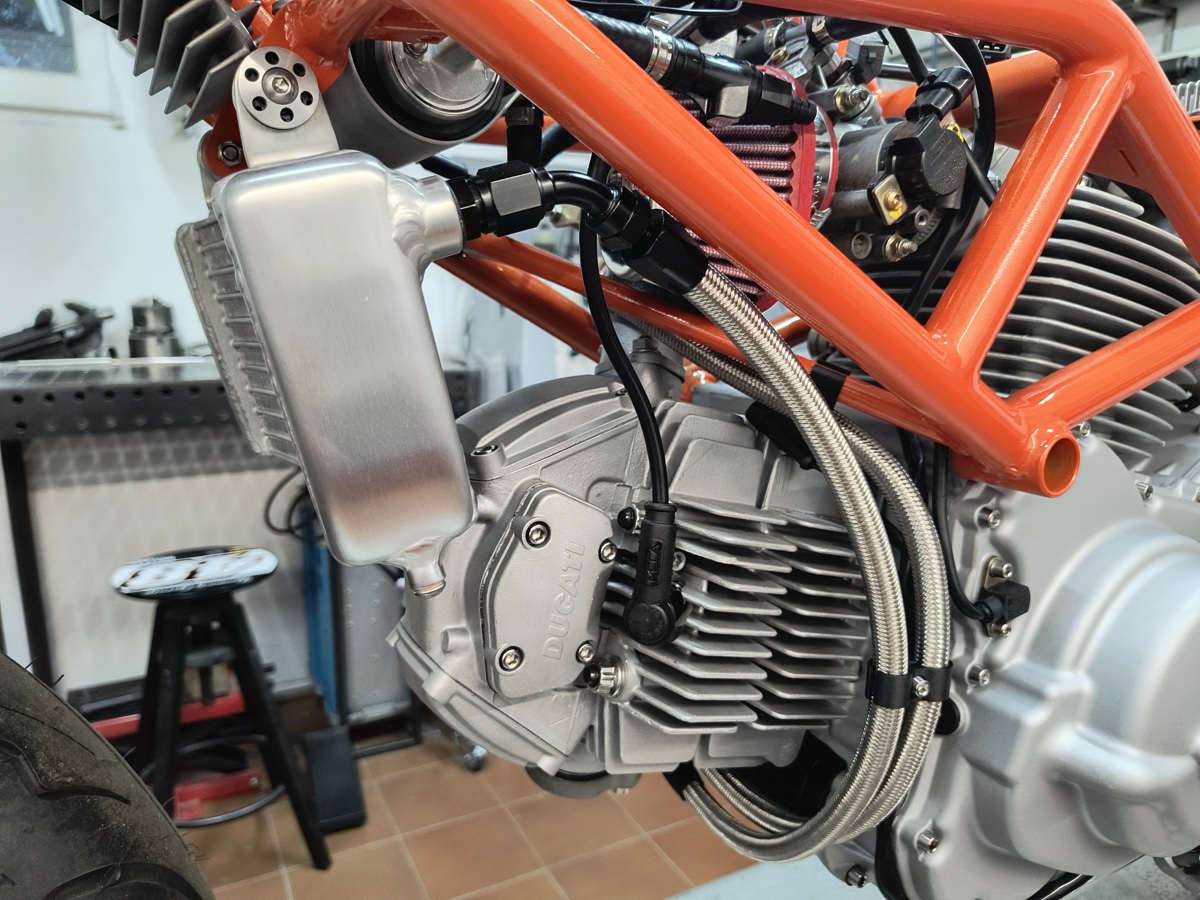
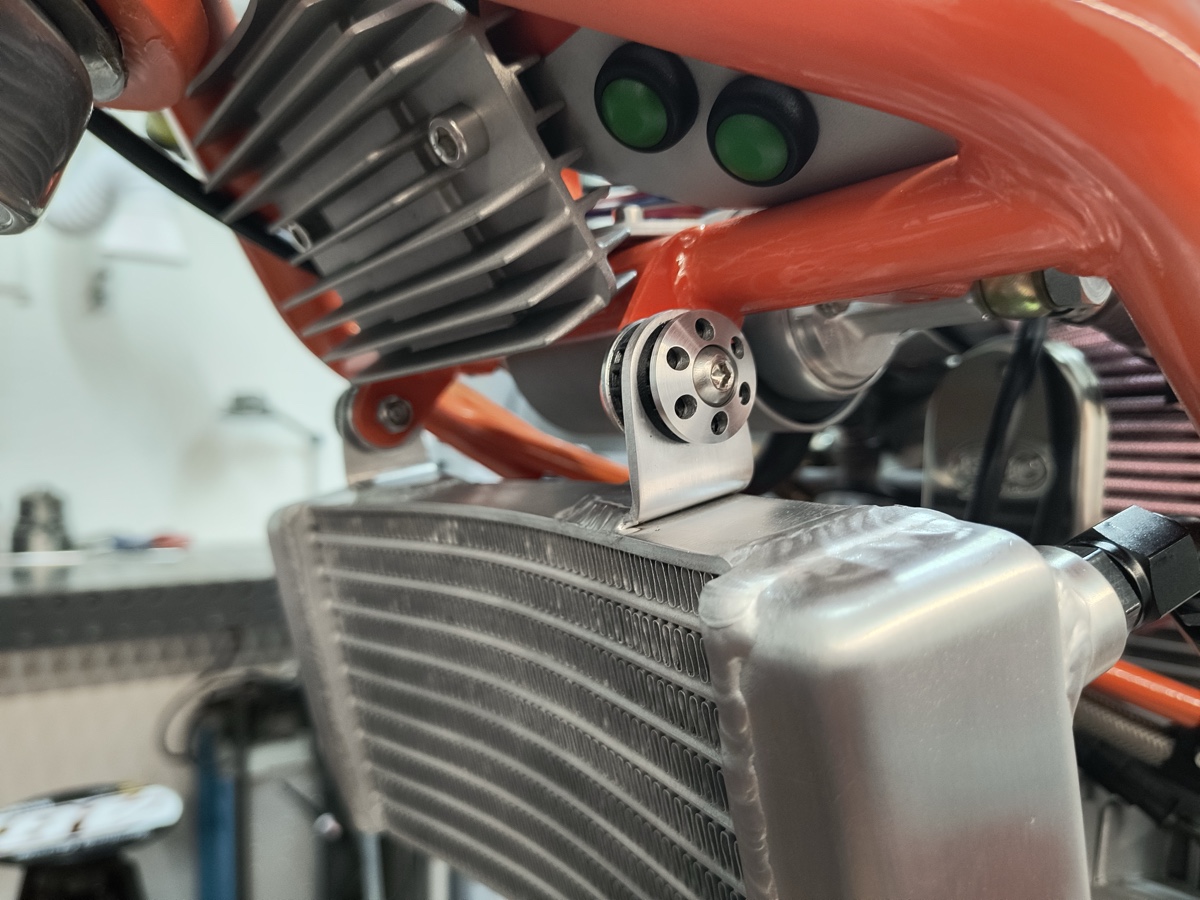
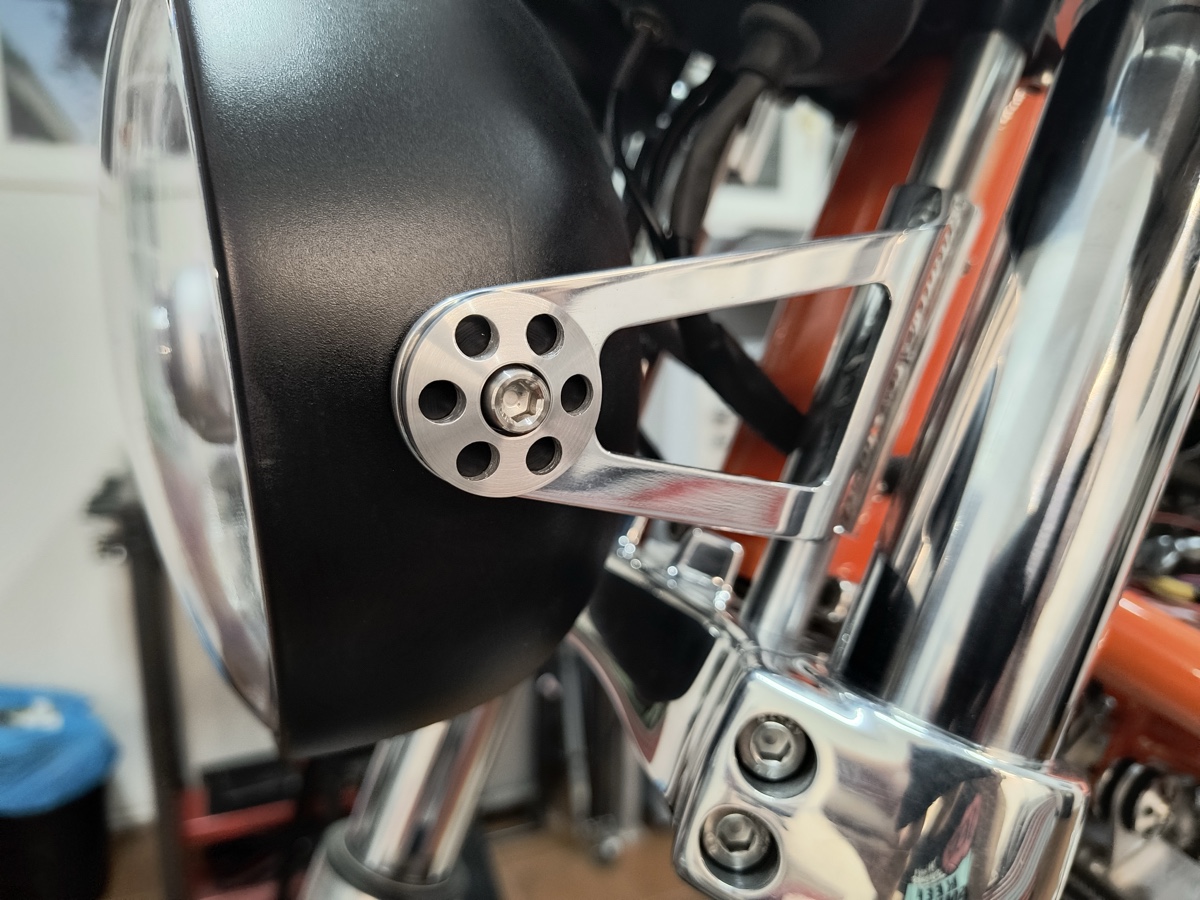
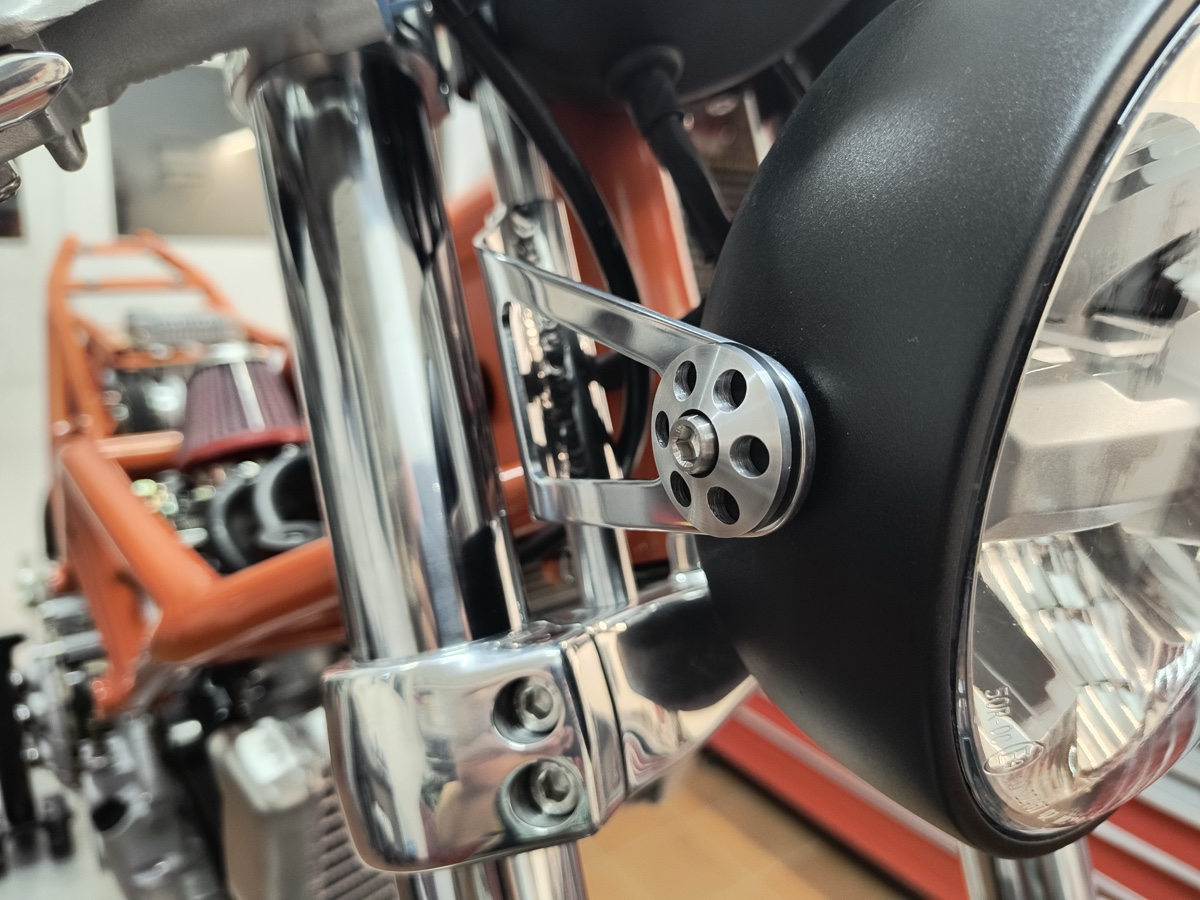
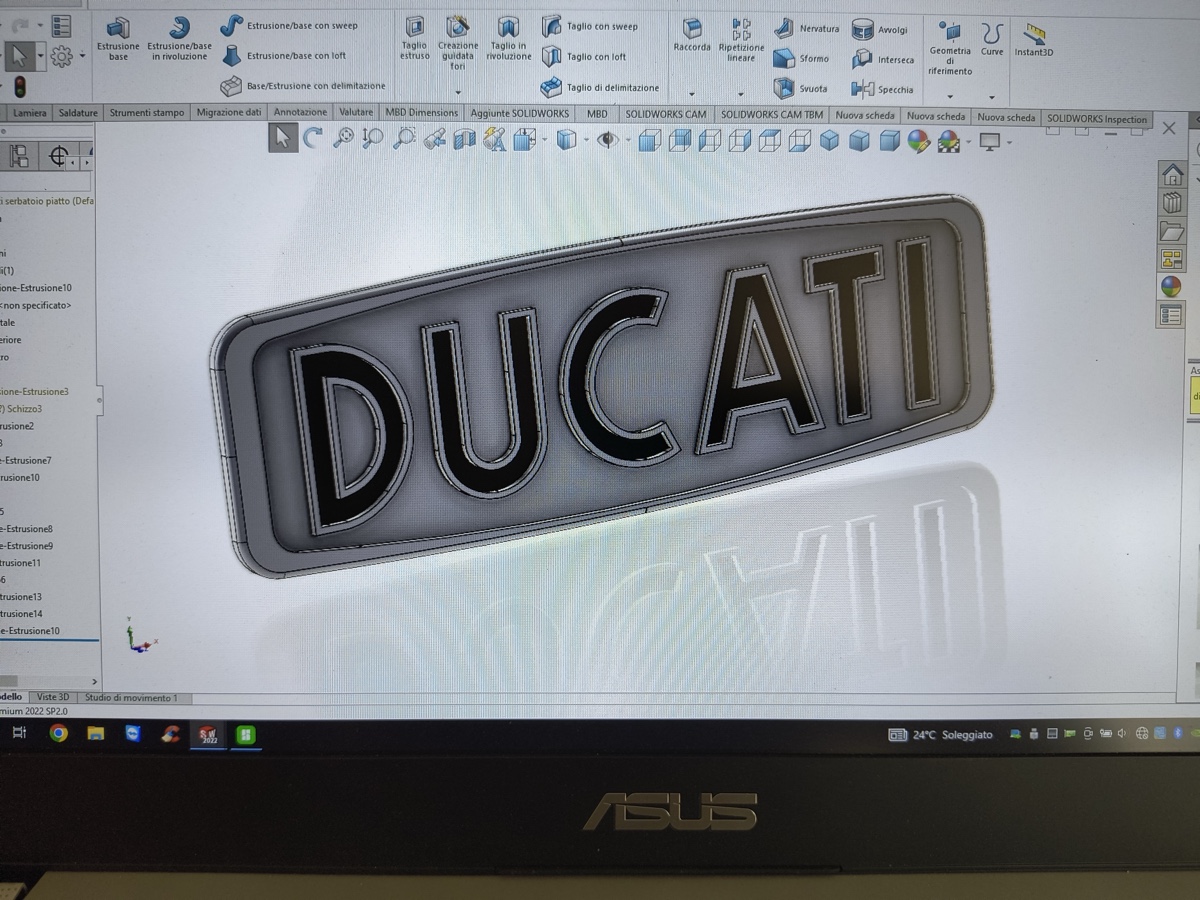
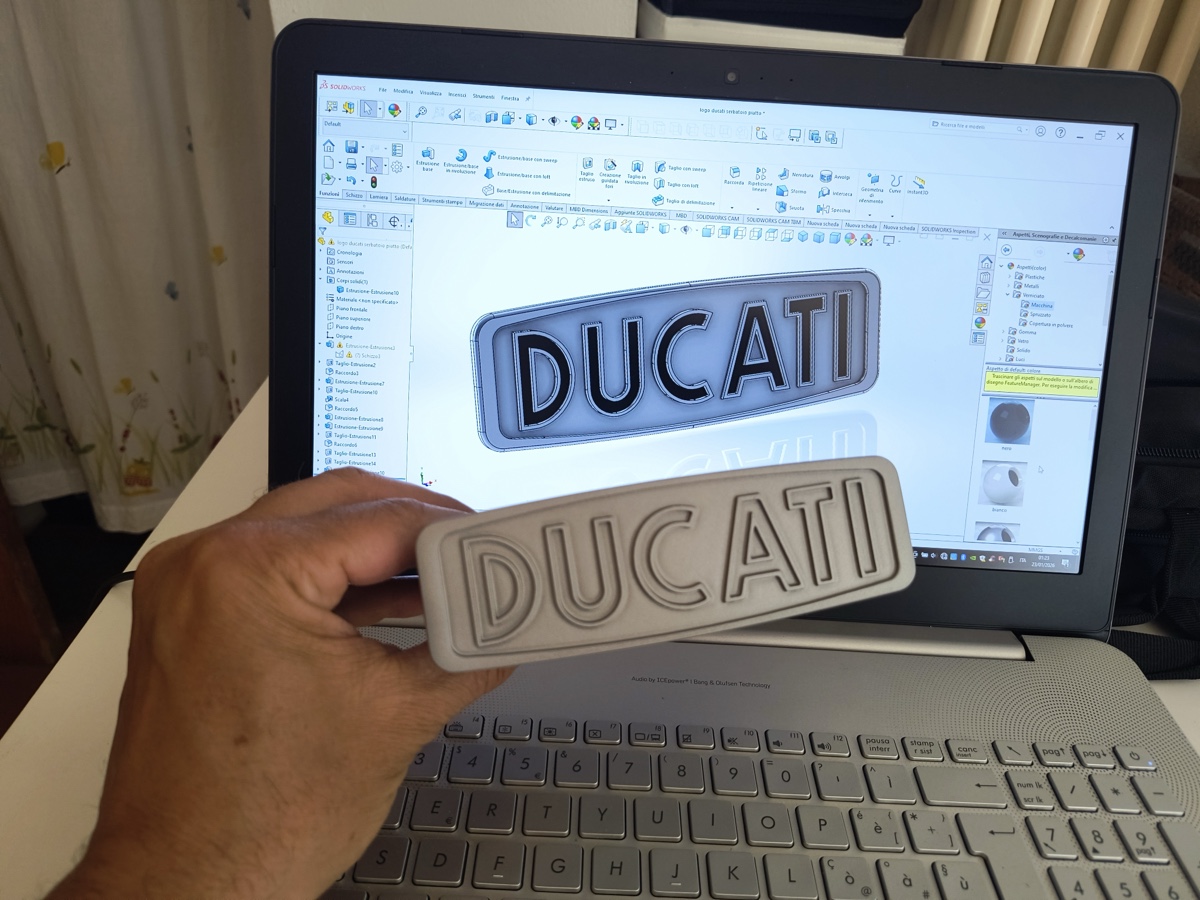
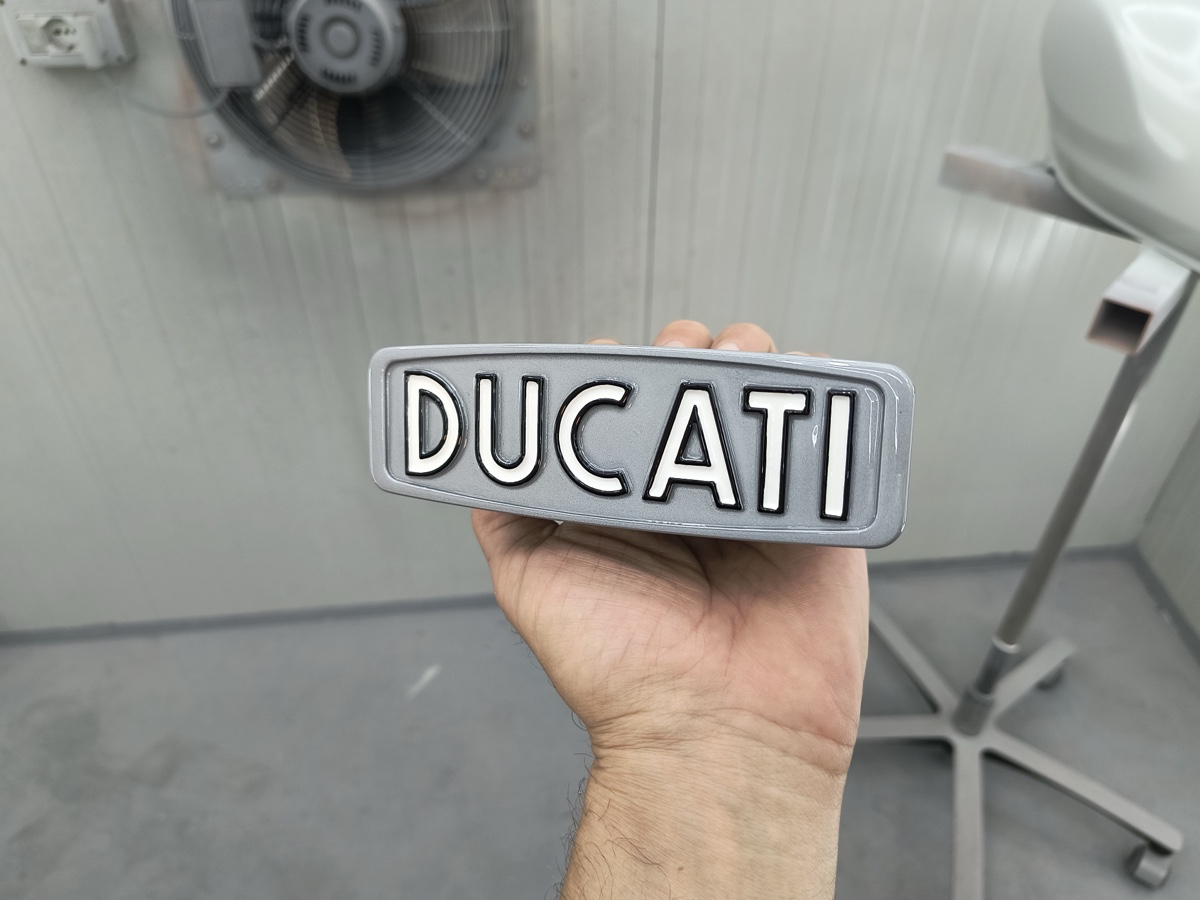
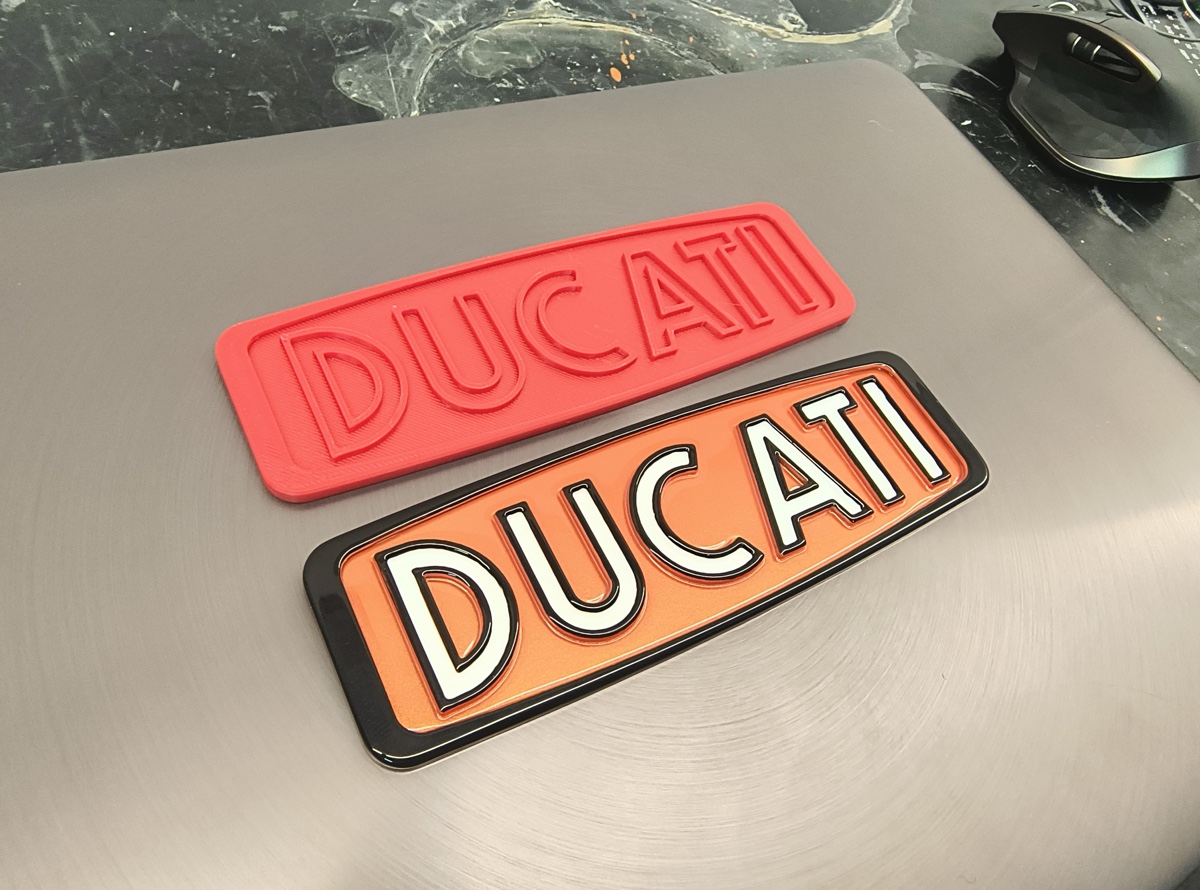
As you’ll see in the build gallery below, the modifications were incredibly extensive. Massimo says the bike was redesigned and rebuilt from the ground up. The work includes major frame modifications, custom aluminum bodywork, billet-machined parts designed in-house, several 3D-printed parts…even the wheels themselves are one-offs built specifically for this project by Jonich Wheels.
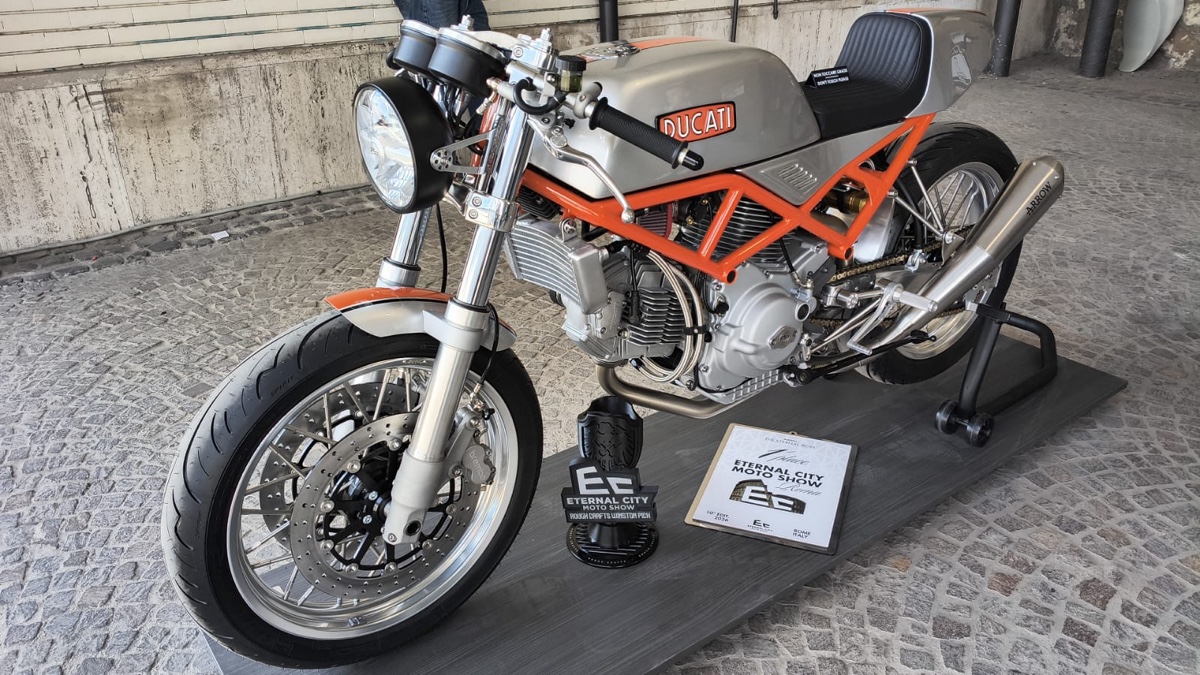
The resulting bike truly looks like a machine out of the 70s, but with more modern performance, power delivery, and handling…not to mention a veritable arsenal of gorgeous one-off parts.
“The bike is enjoyable and easy to ride; the riding position and 18-inch wheels give it a feel relatively similar to what riding a bike from that era must have been like. Naturally, it’s much easier and more effective to handle, thanks to its lower weight and shorter wheelbase compared to vintage ’70s motorcycles.”
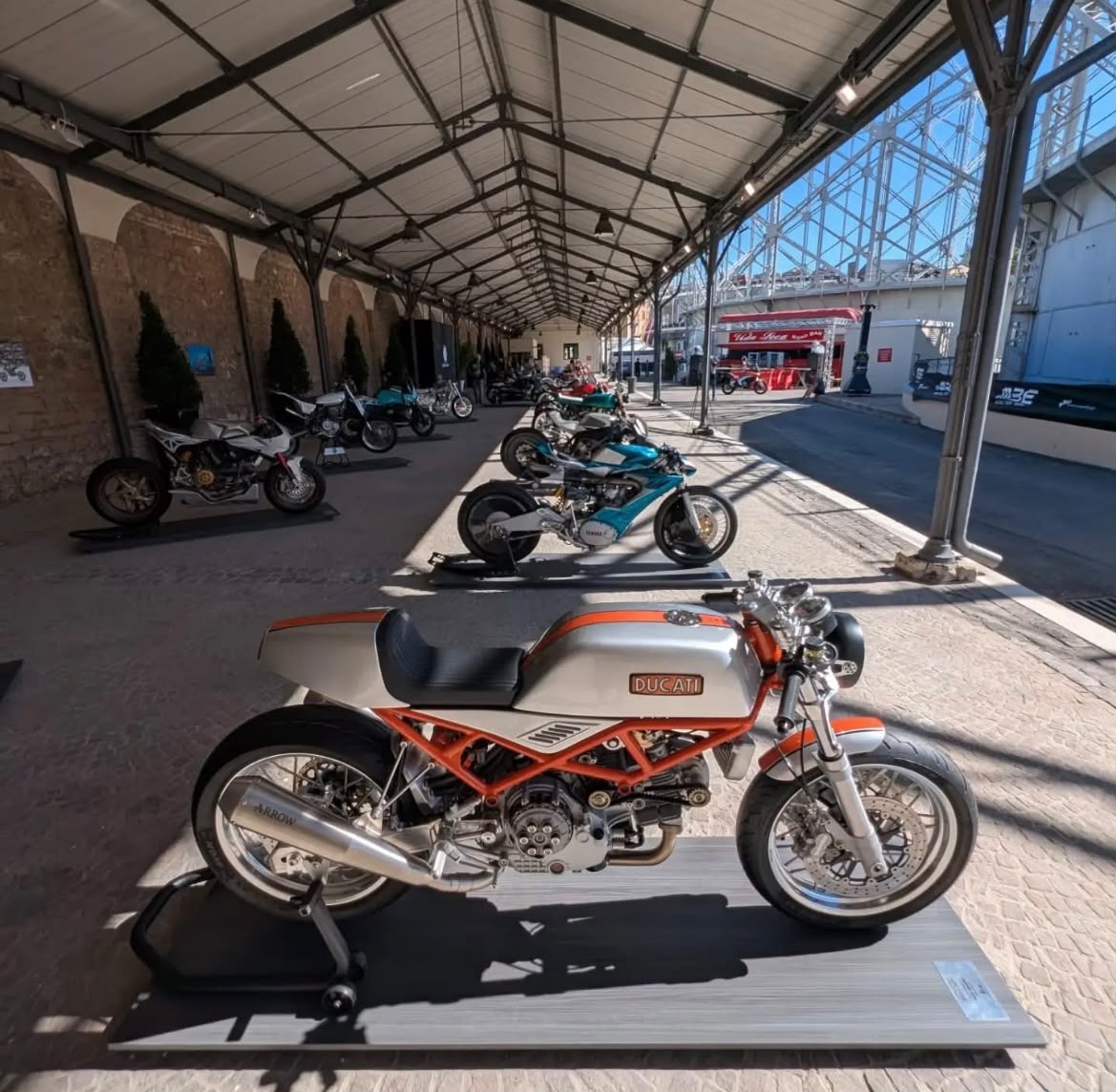
The owner was so happy with the bike, he christened it “Massimo” after its builder. Massimo says he’s flattered and a bit embarrassed at such an honor, but the bike did turn out just how he hoped.
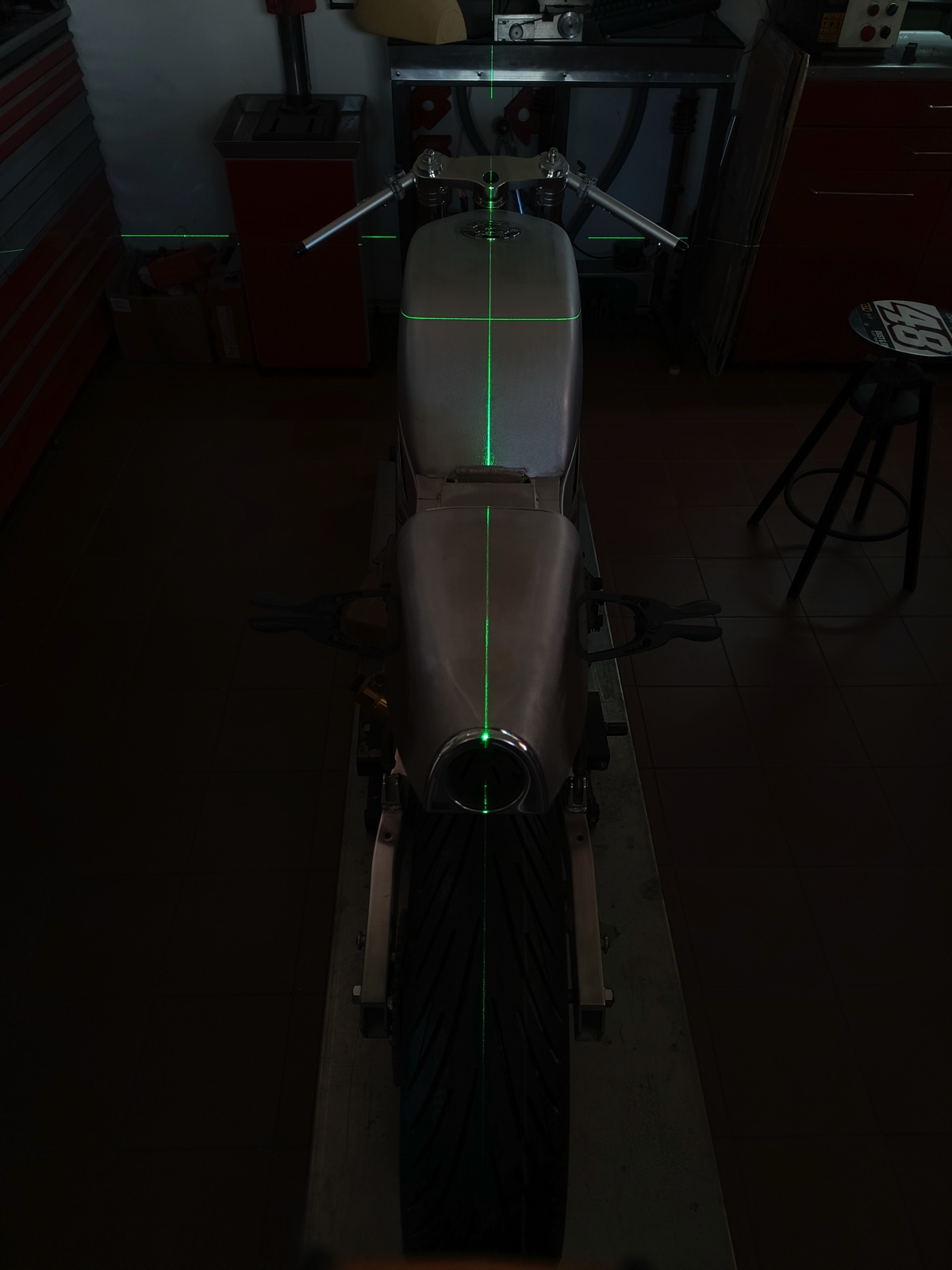
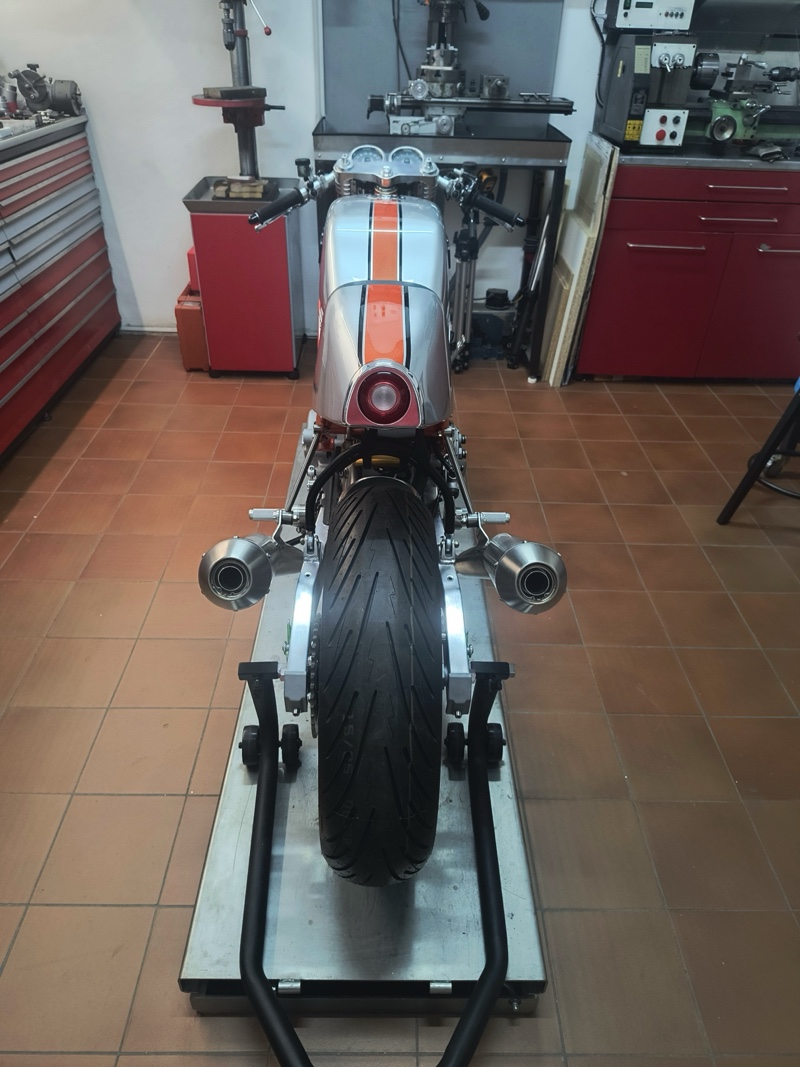
“The highlight is definitely the outcome of the lines and overall proportions. I feel the whole build came together really well — the bike is sleek, narrow, and cohesive. I’m truly happy with how it turned out.”
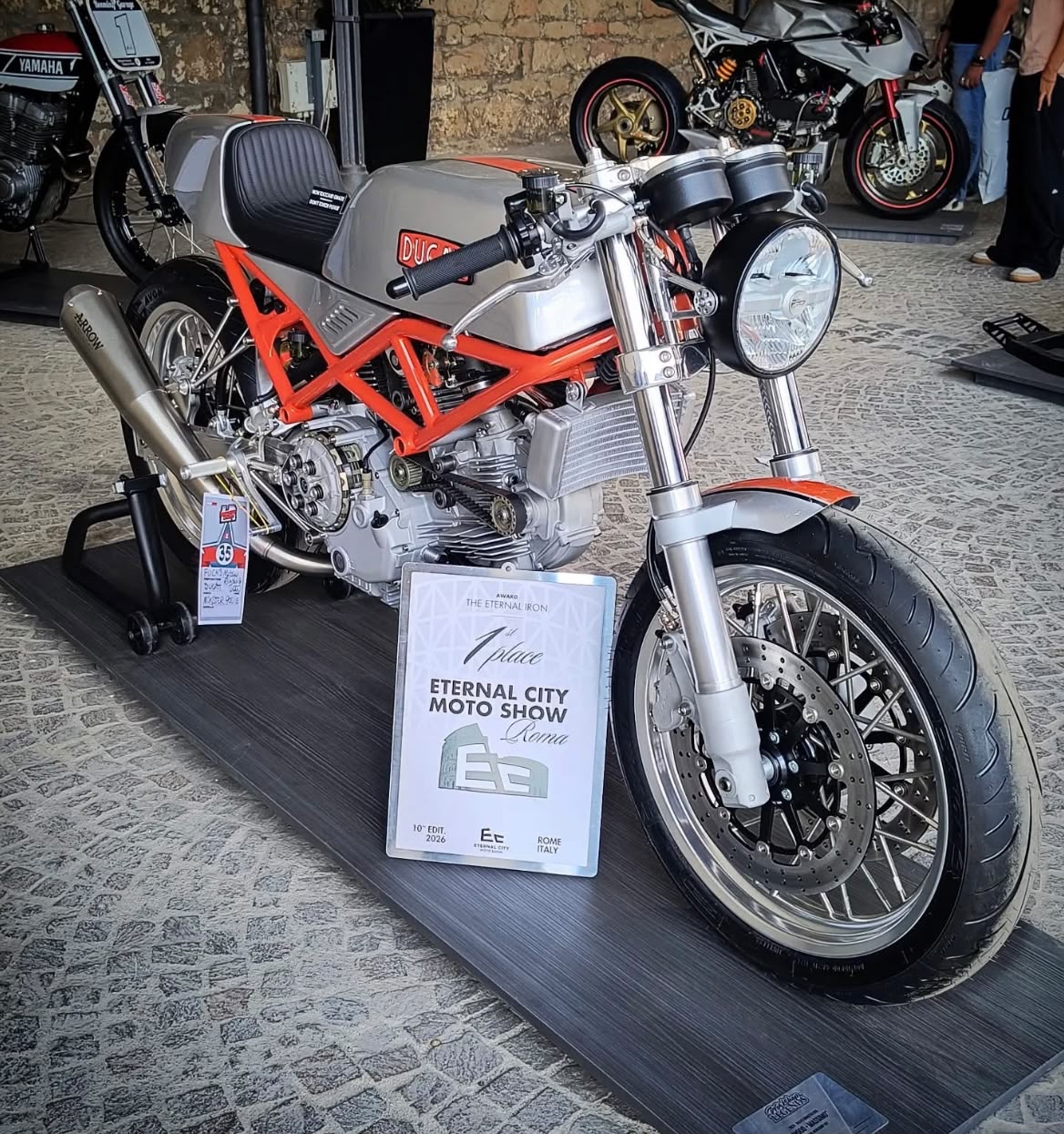
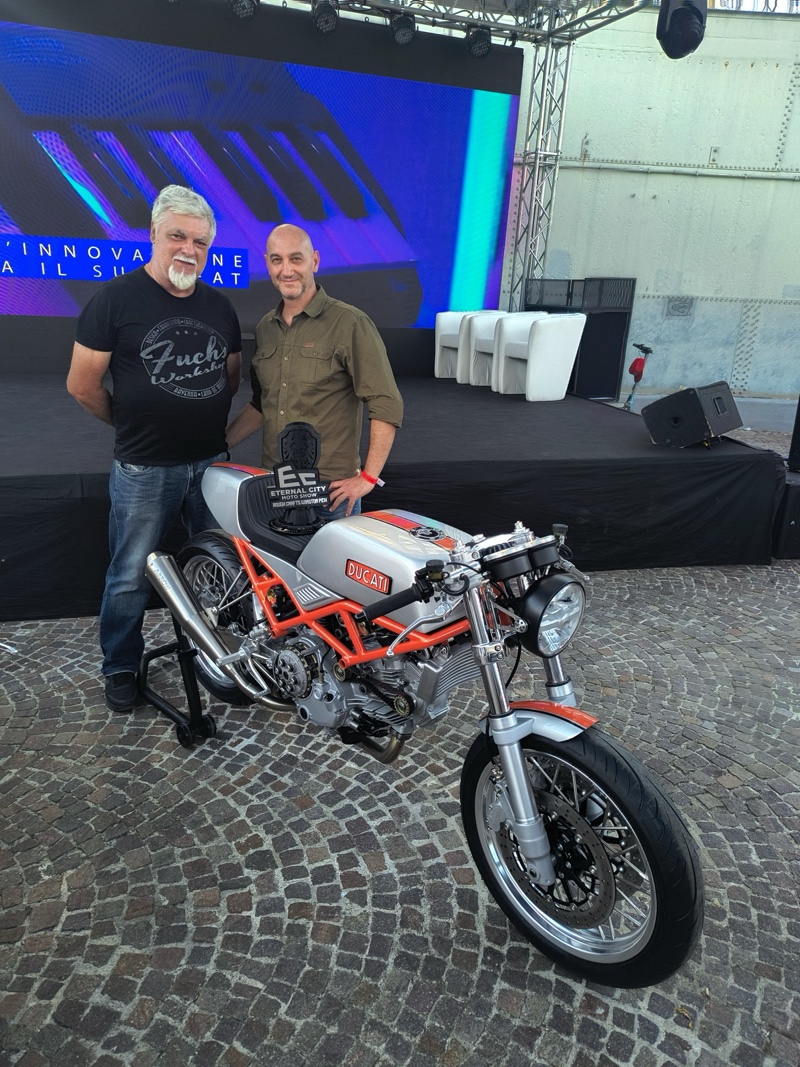
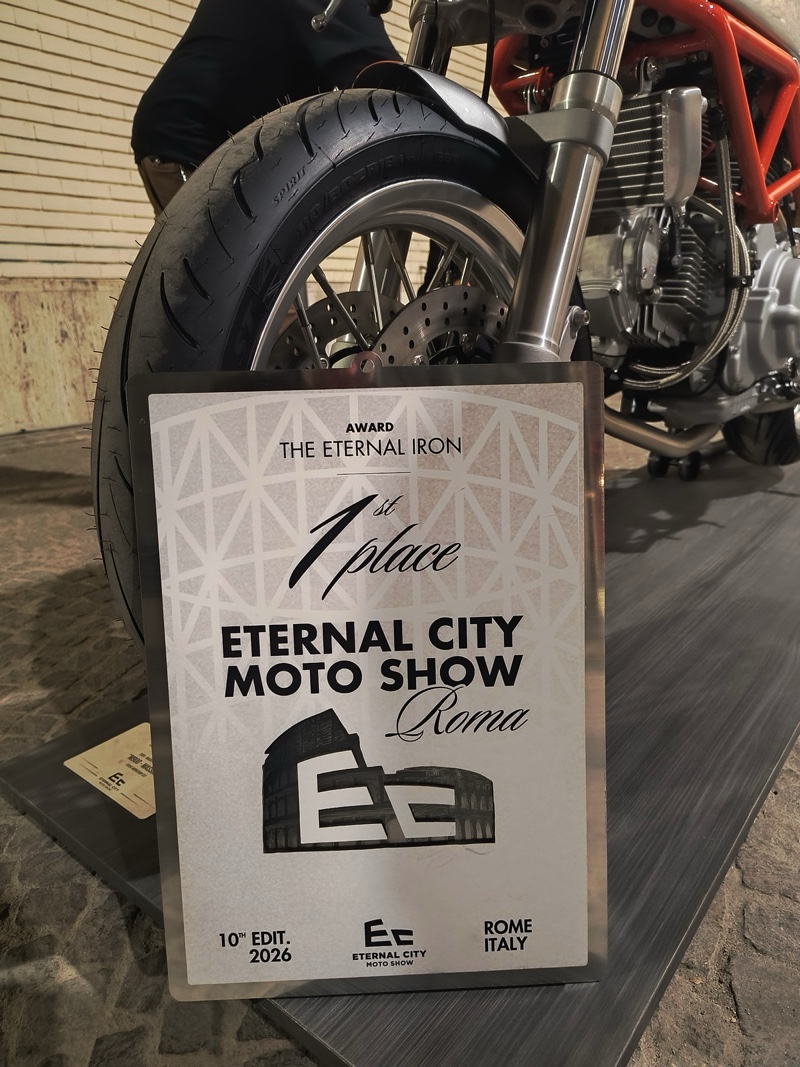
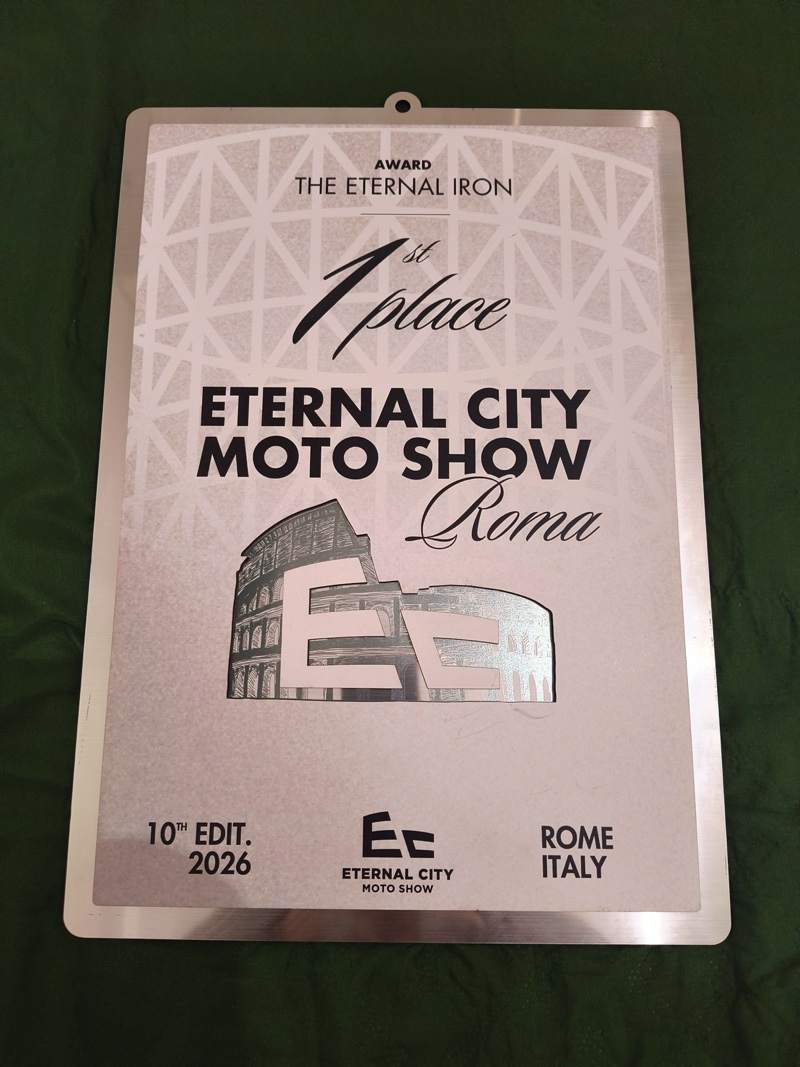
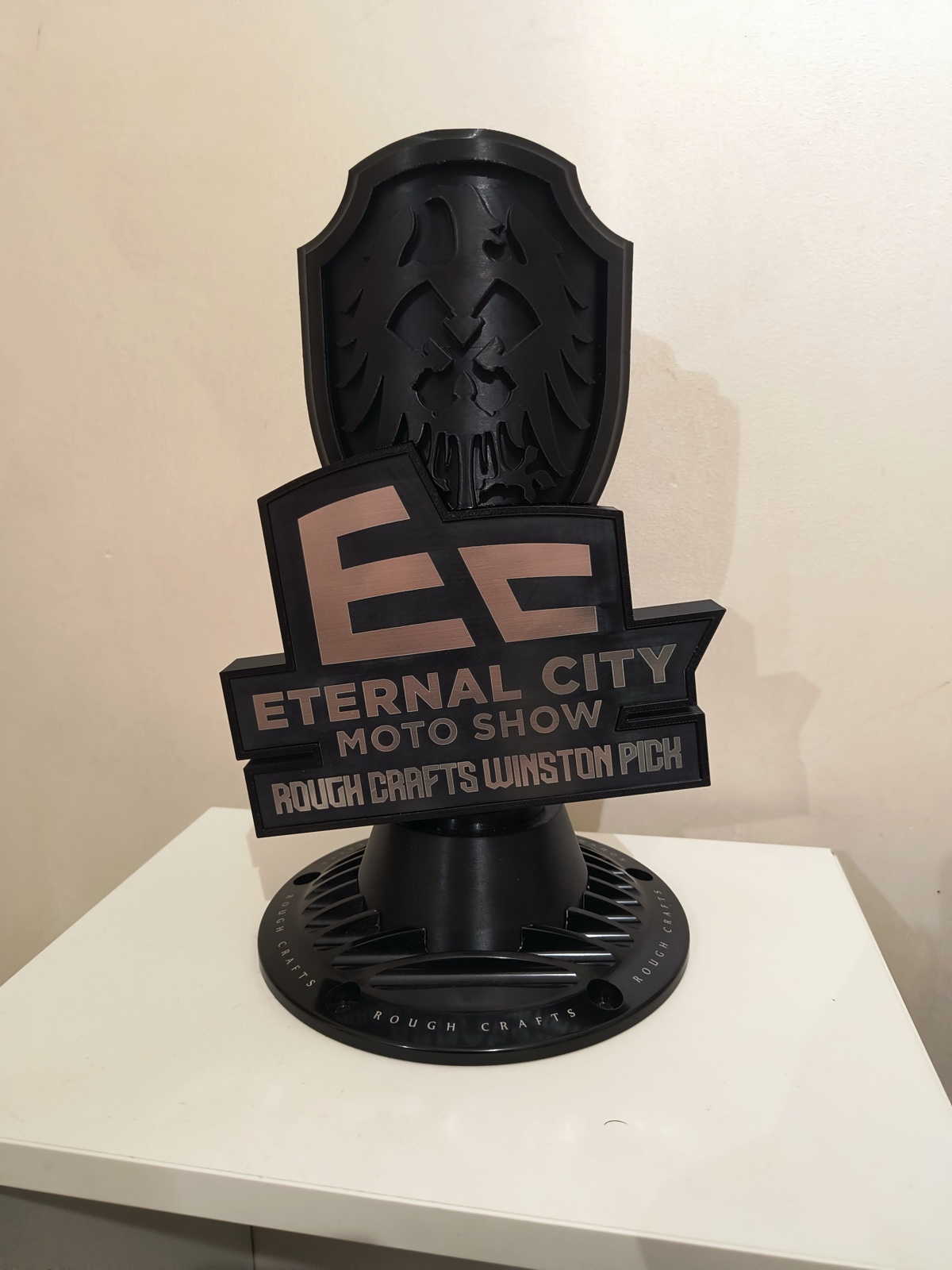
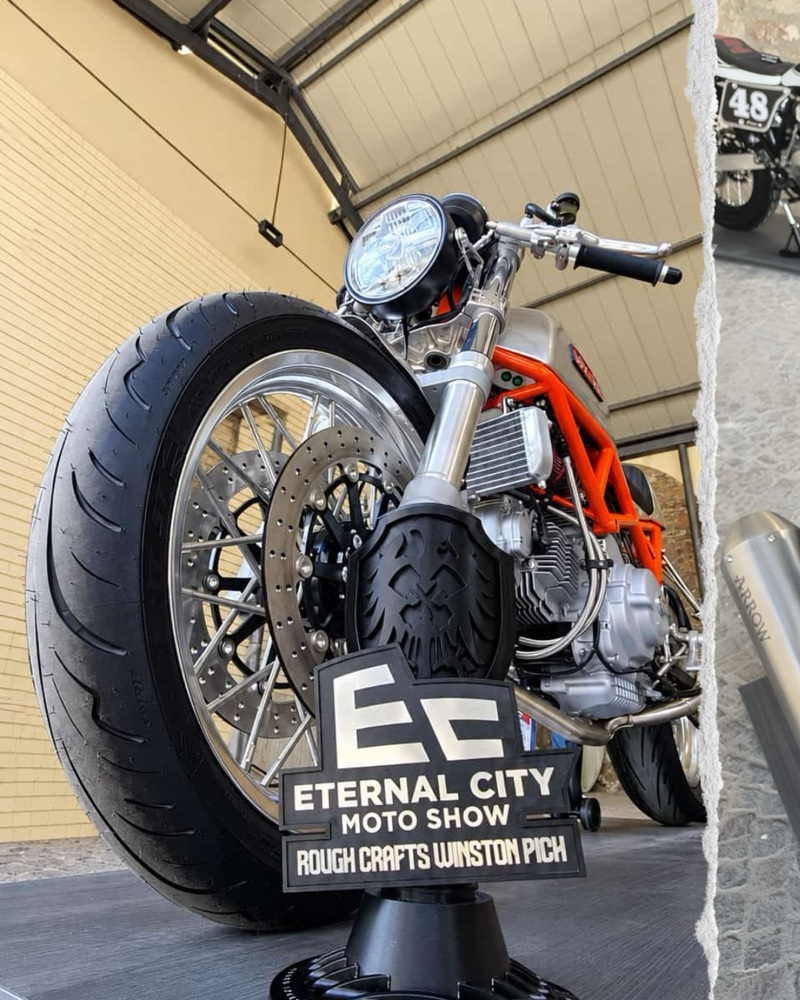
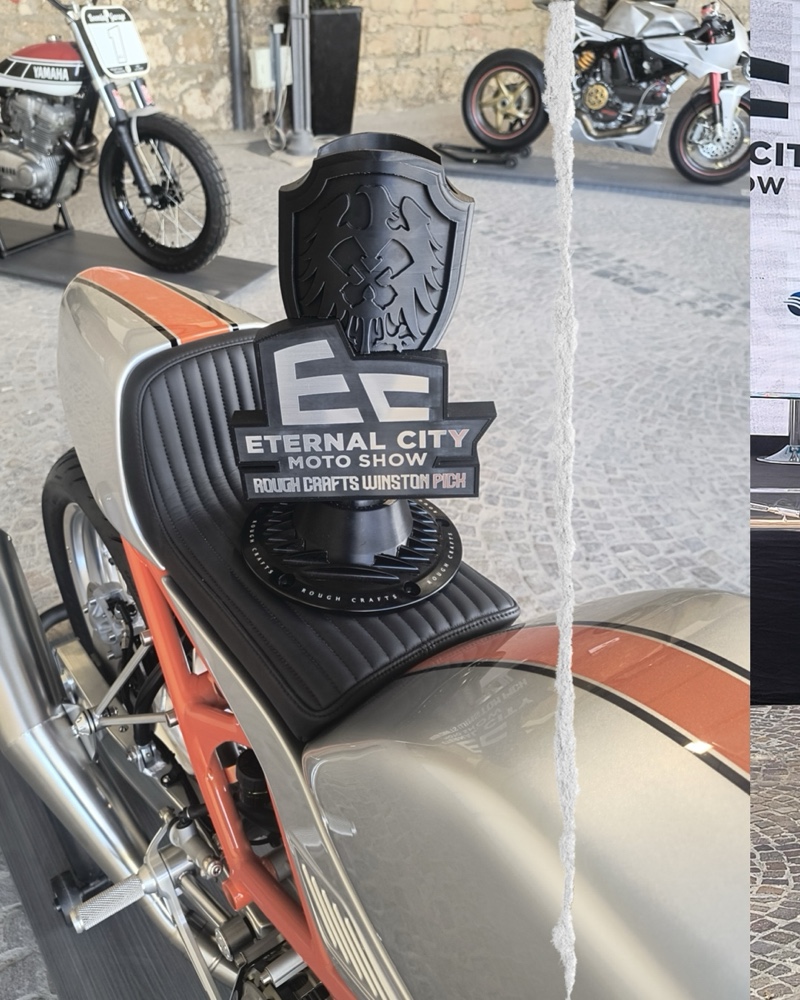
“Massimo” was a standout at the recent Eternal City Moto Show in Rome, where it received the Eternal Iron Prize and the Rough Crafts pick from bike-building luminary Winston Yeh. Bravo and congrats, Massimo!
Below you’ll find our full interview with the man himself about the build.
Ducati M900ie Café Racer: Builder Interview
• What’s the make, model, and year of the donor bike?
2000 Ducati Monster 900ie.
• Why was this bike built?
A project born from the request of a friend — a fan of Italian and British café racer motorcycles.
• What was the design concept and what influenced the build?
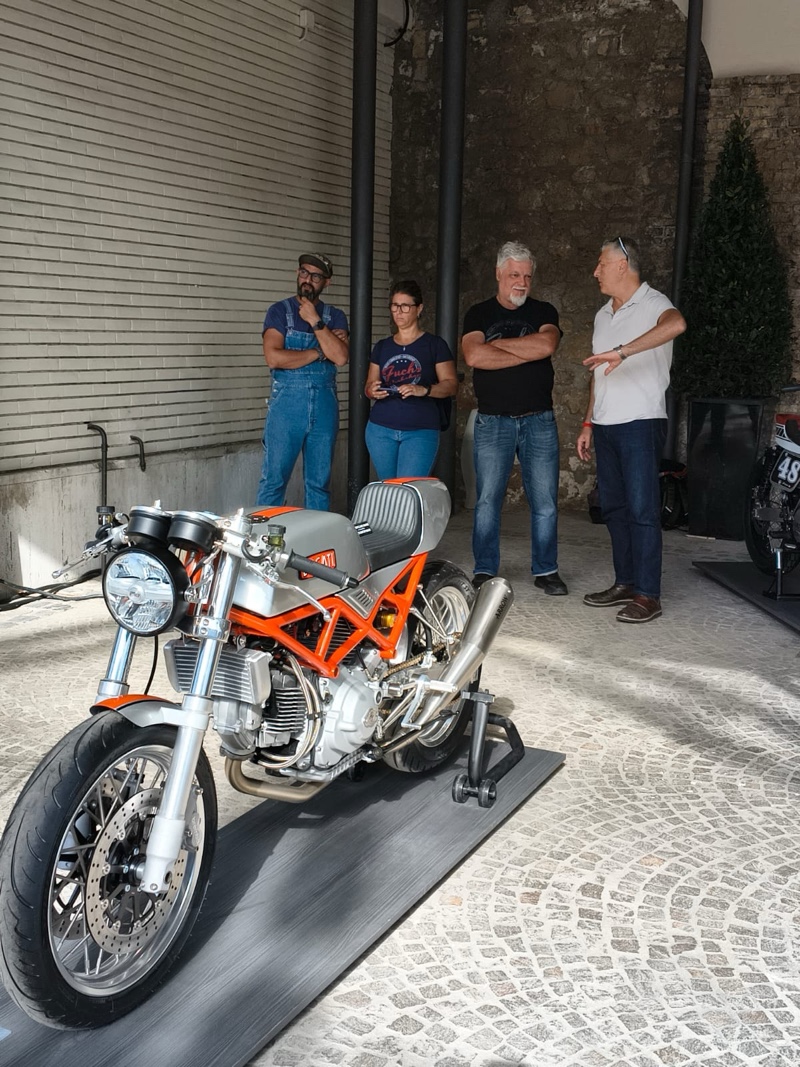
The client who commissioned the project wanted a bike inspired by the classic Italian legends of the ’70s, specifically the Ducati 750 GT. I tried to incorporate as many key design cues as possible, such as the color (the orange used back in those years), the 18″ wheels, the side panel louvered vents, and the dual instrument gauges.
• What custom work was done to the bike?
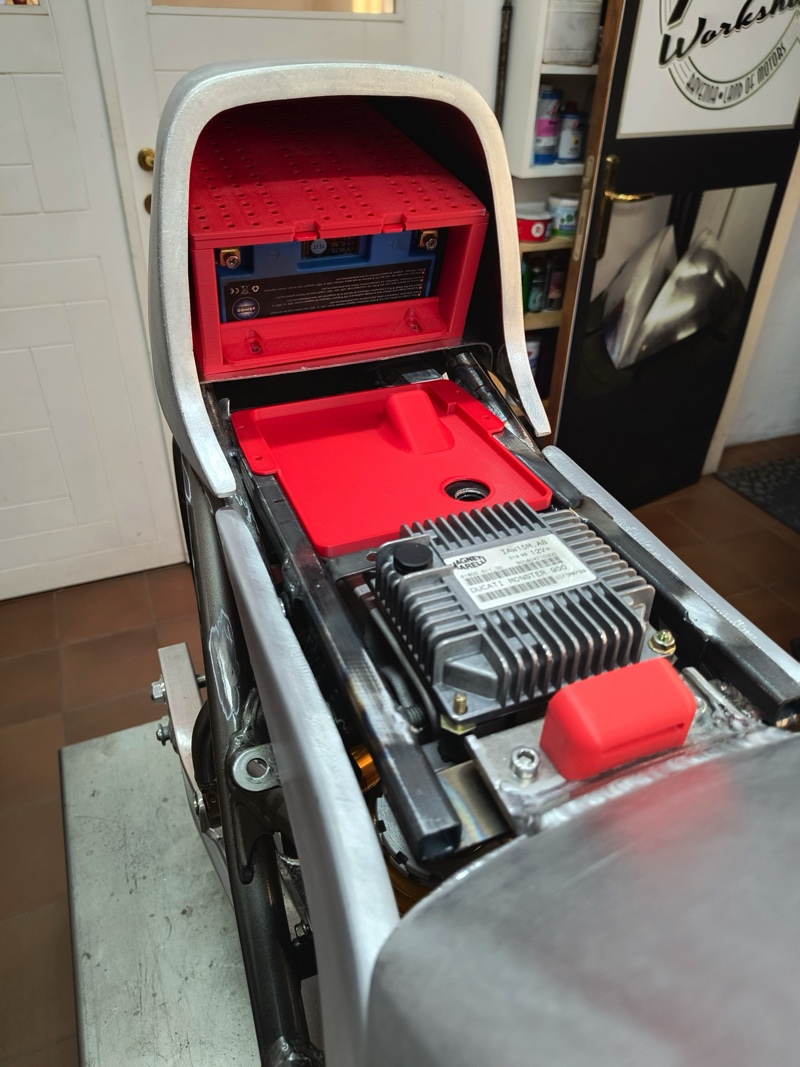
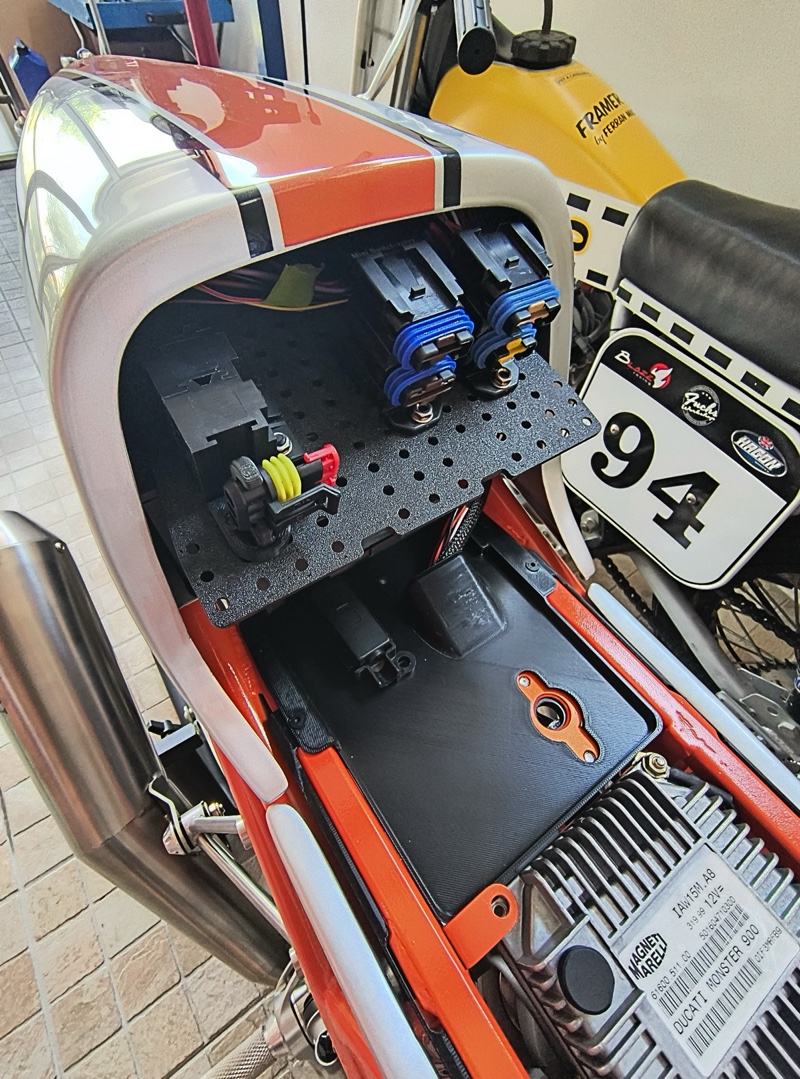
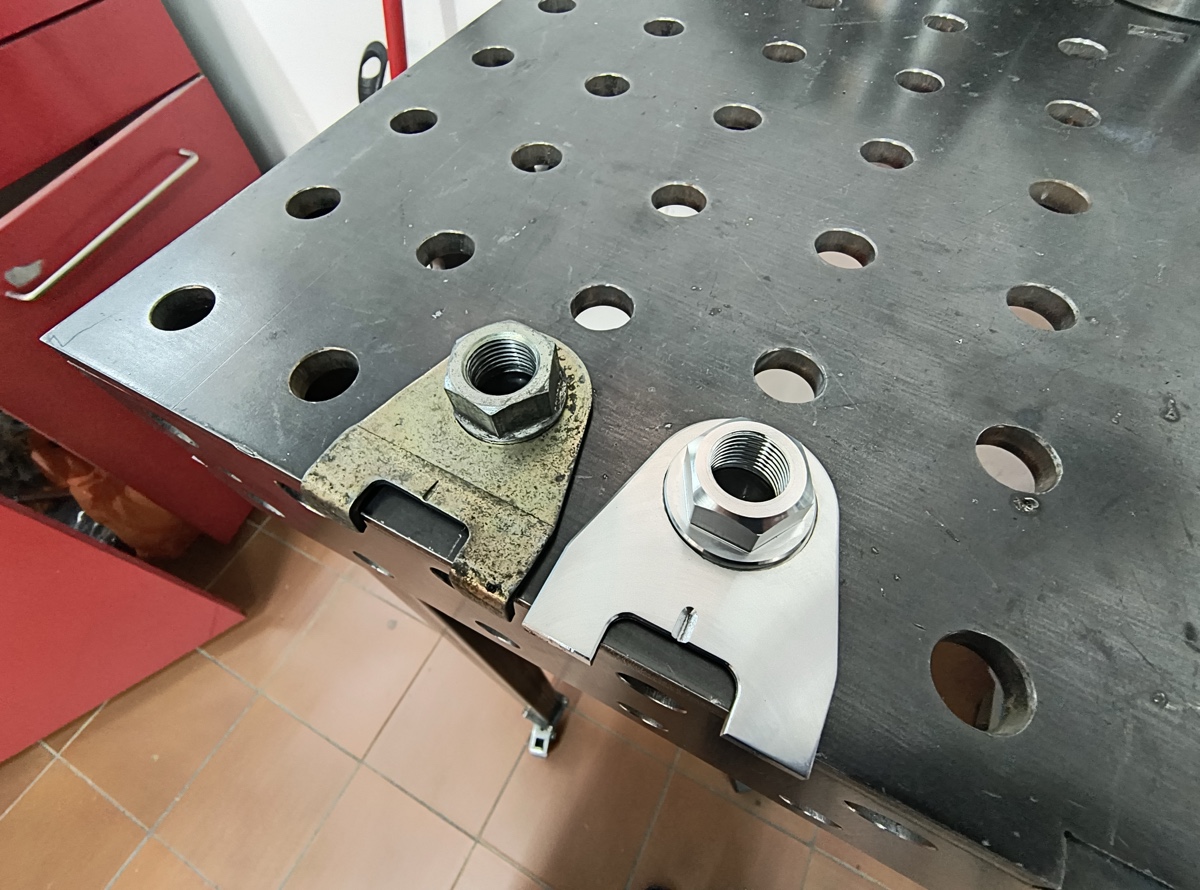
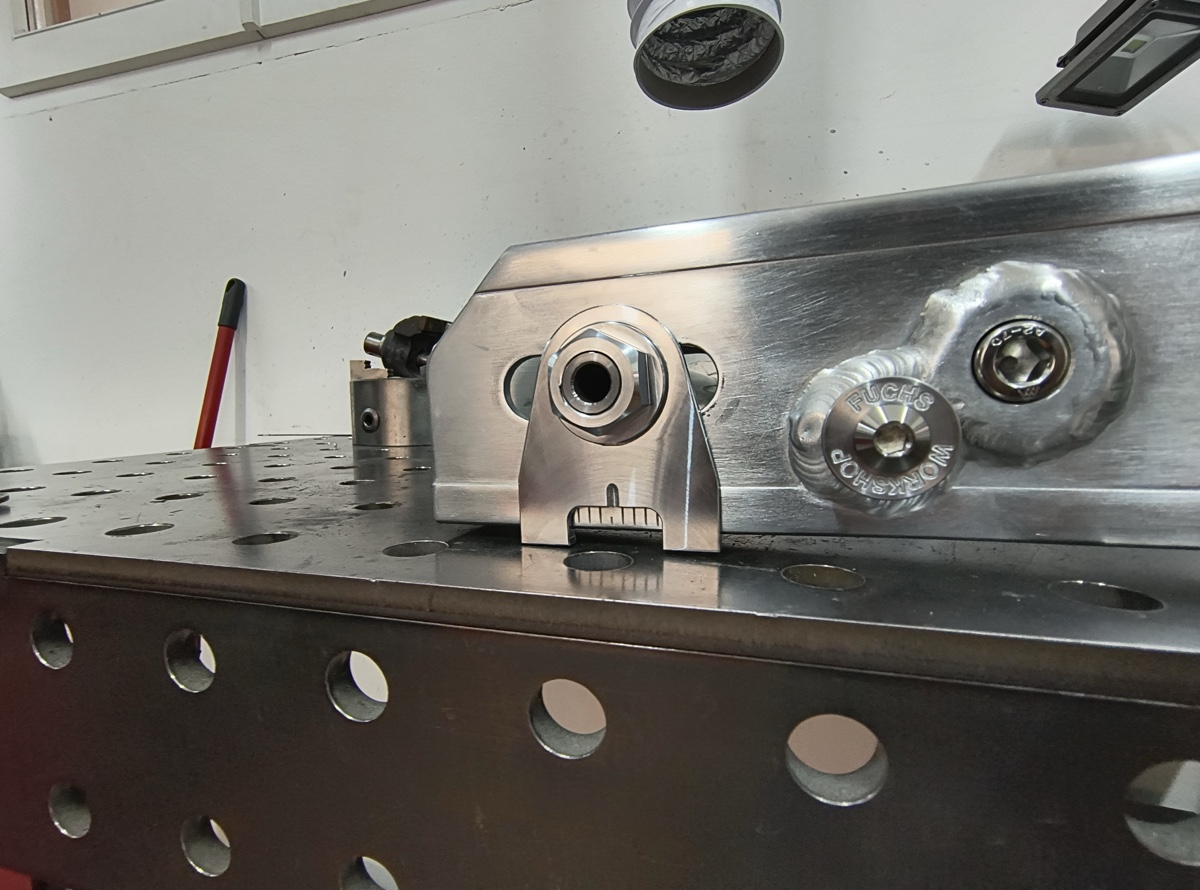
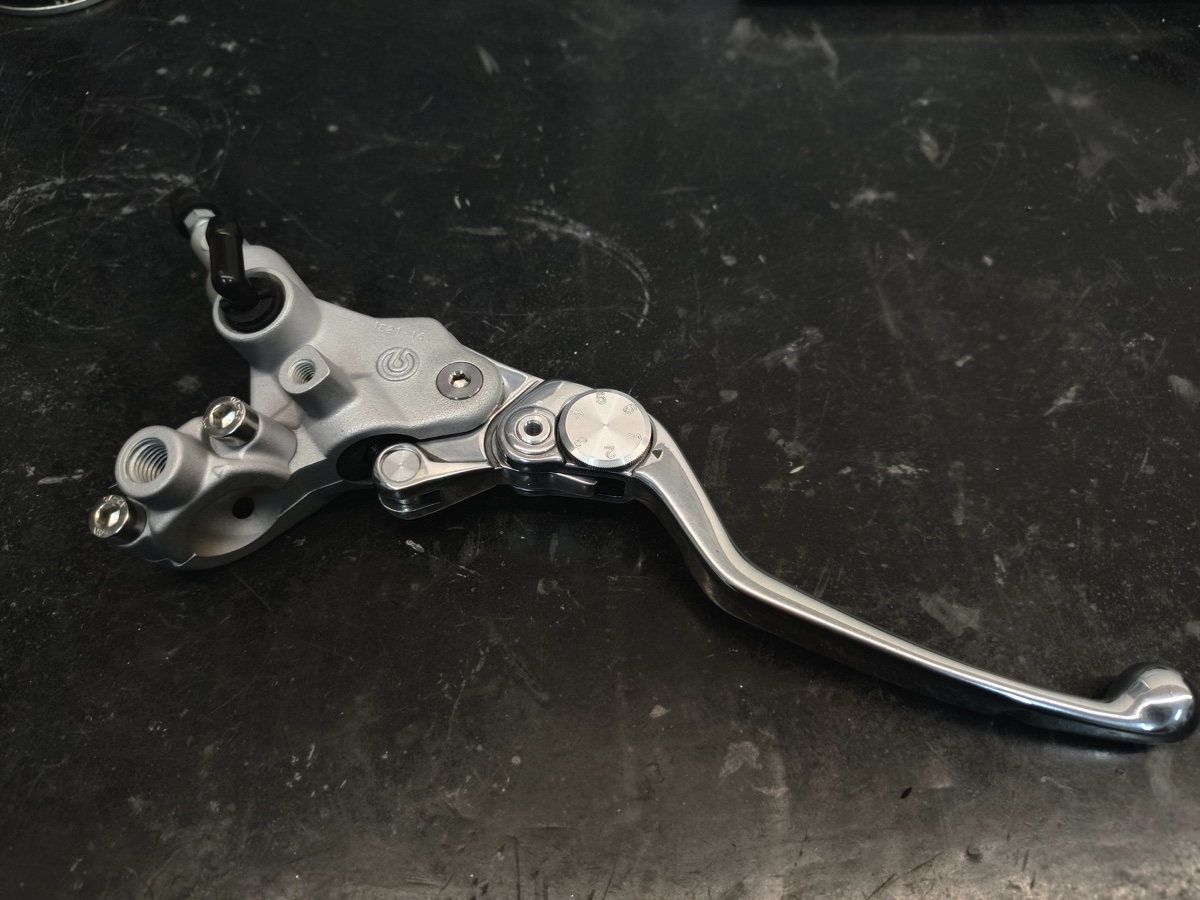
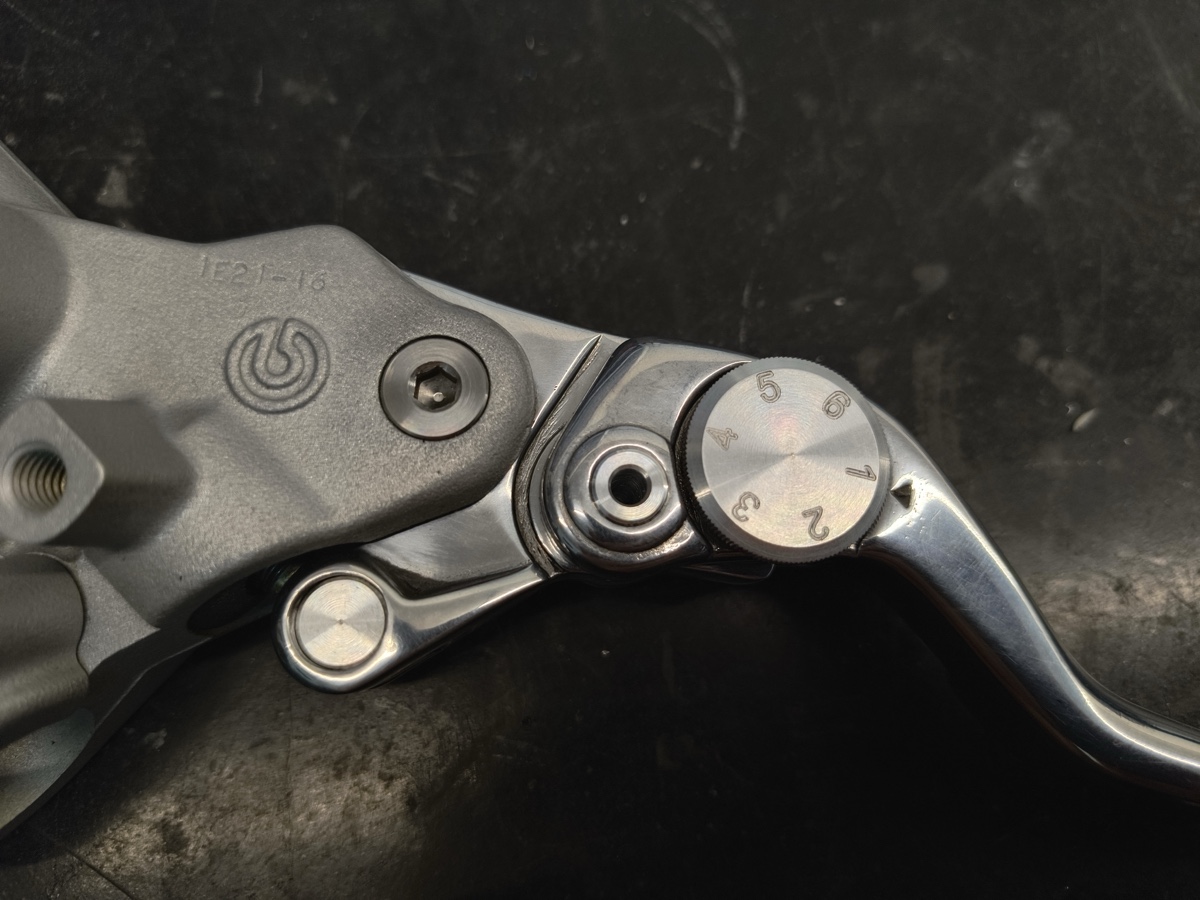
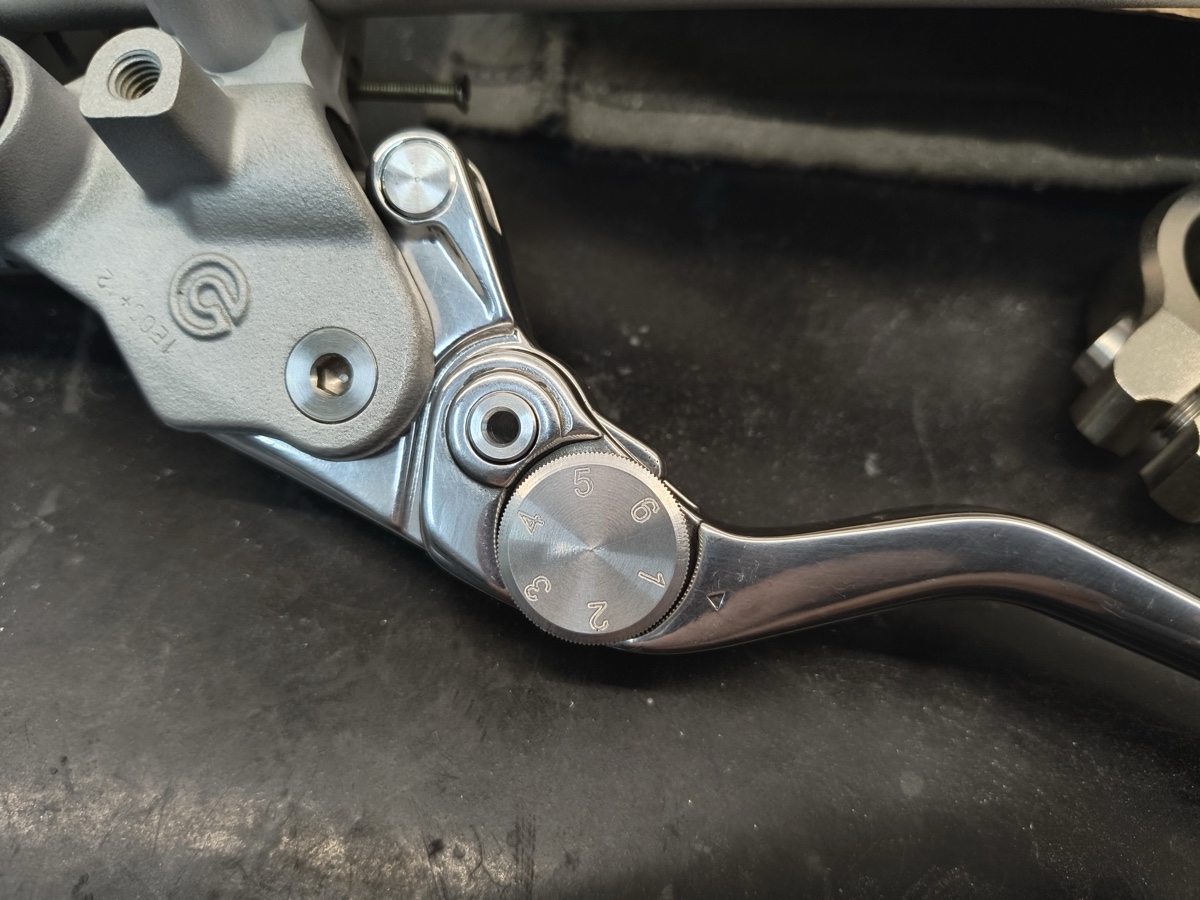
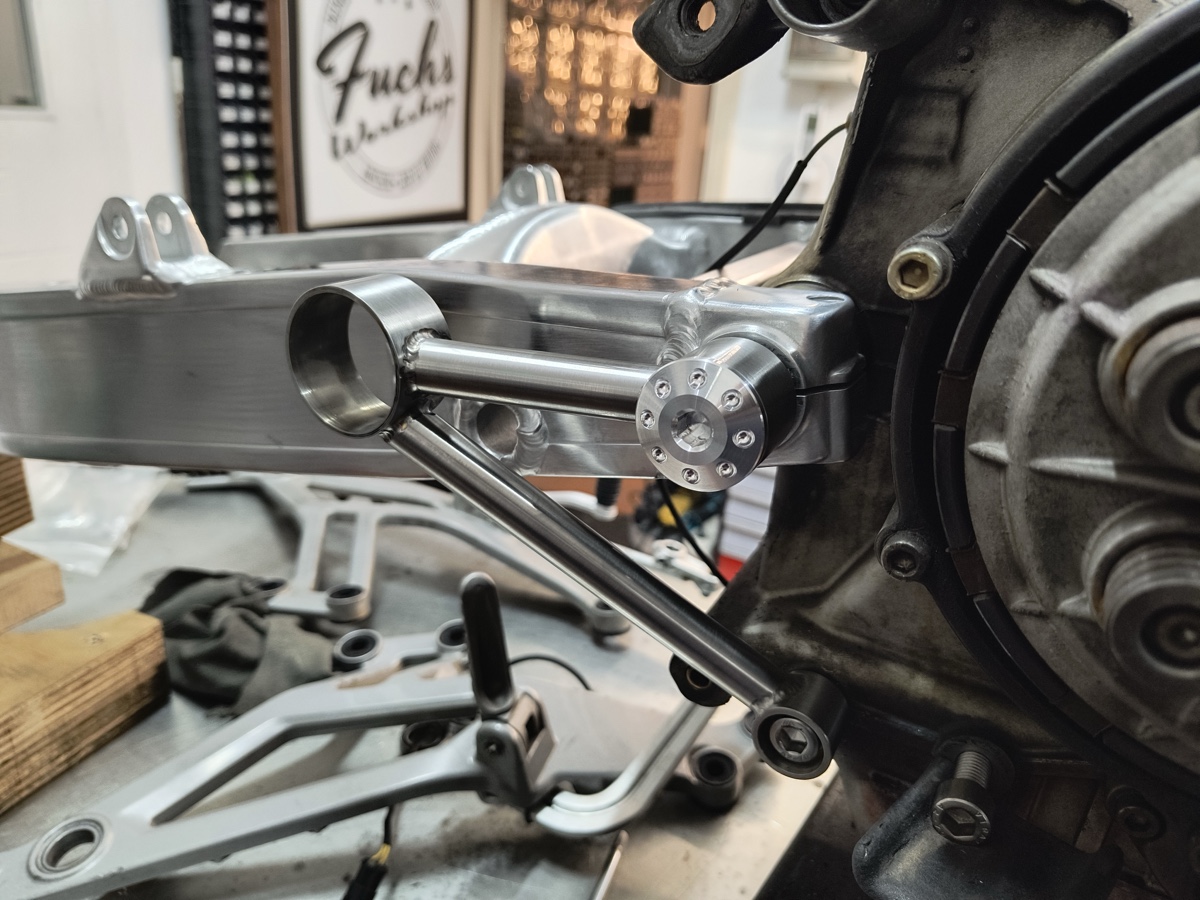
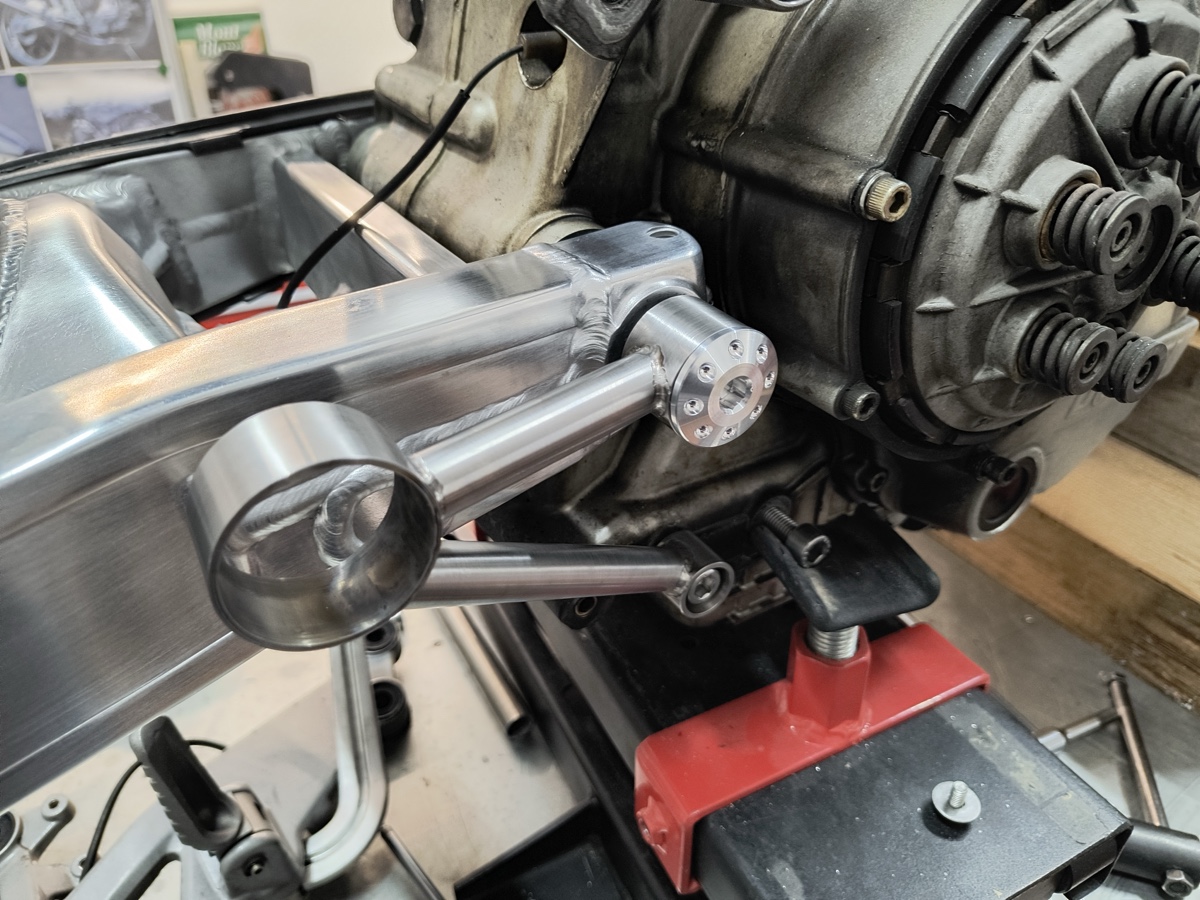
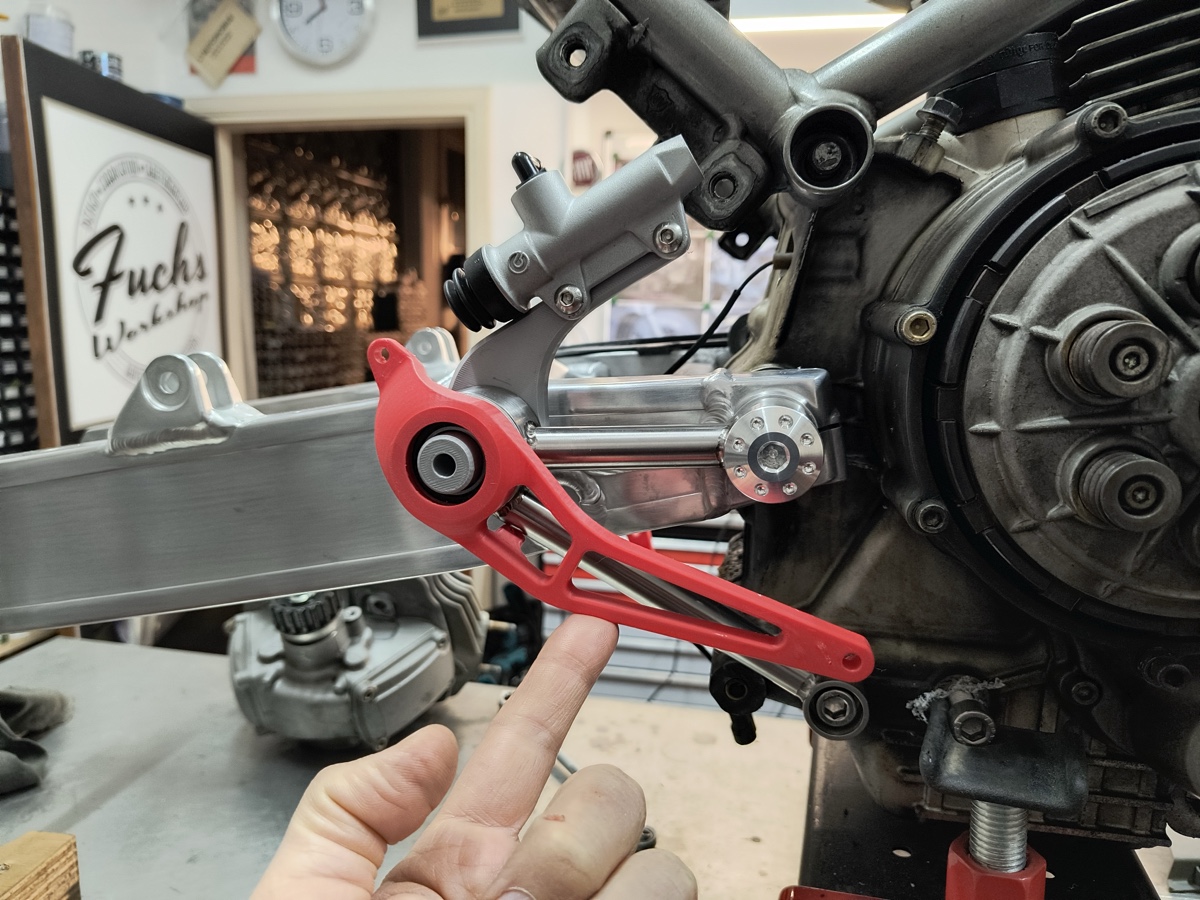
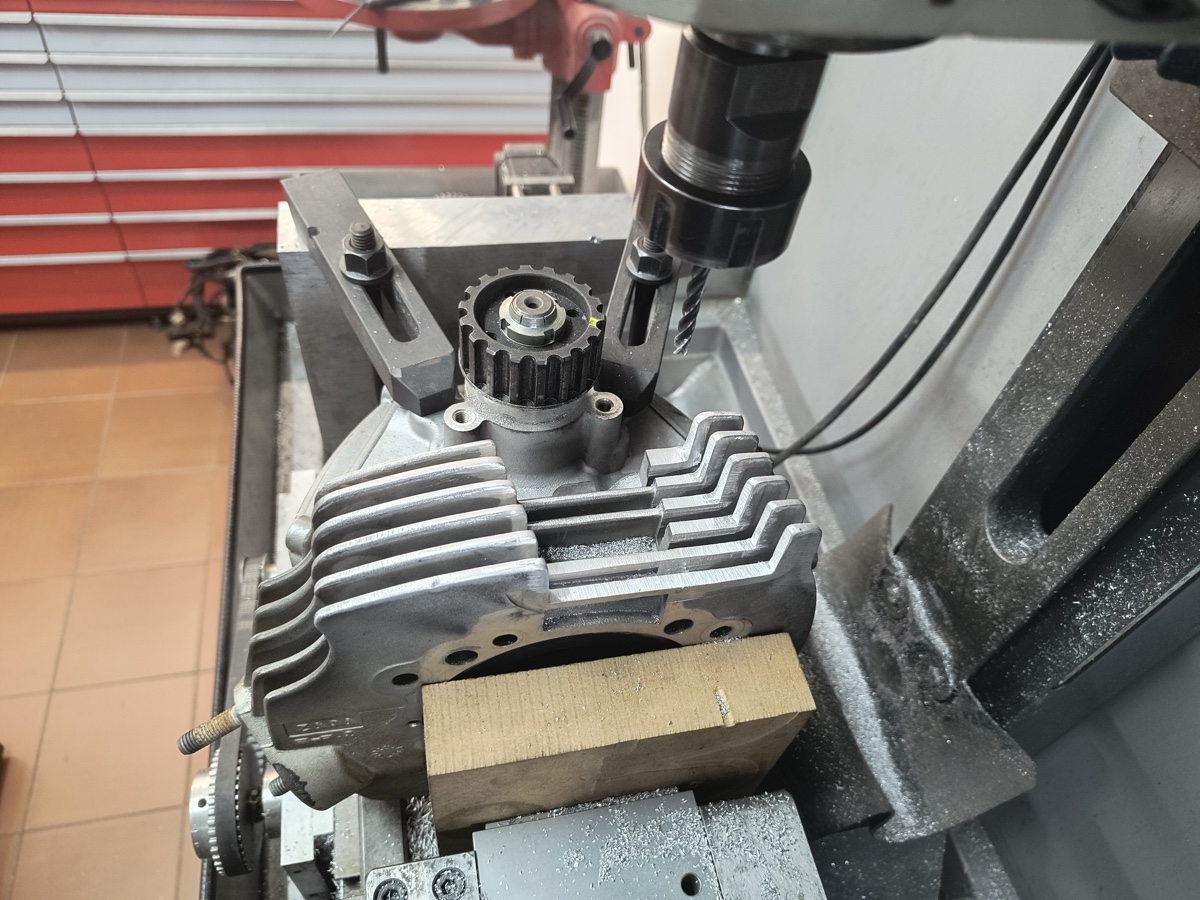
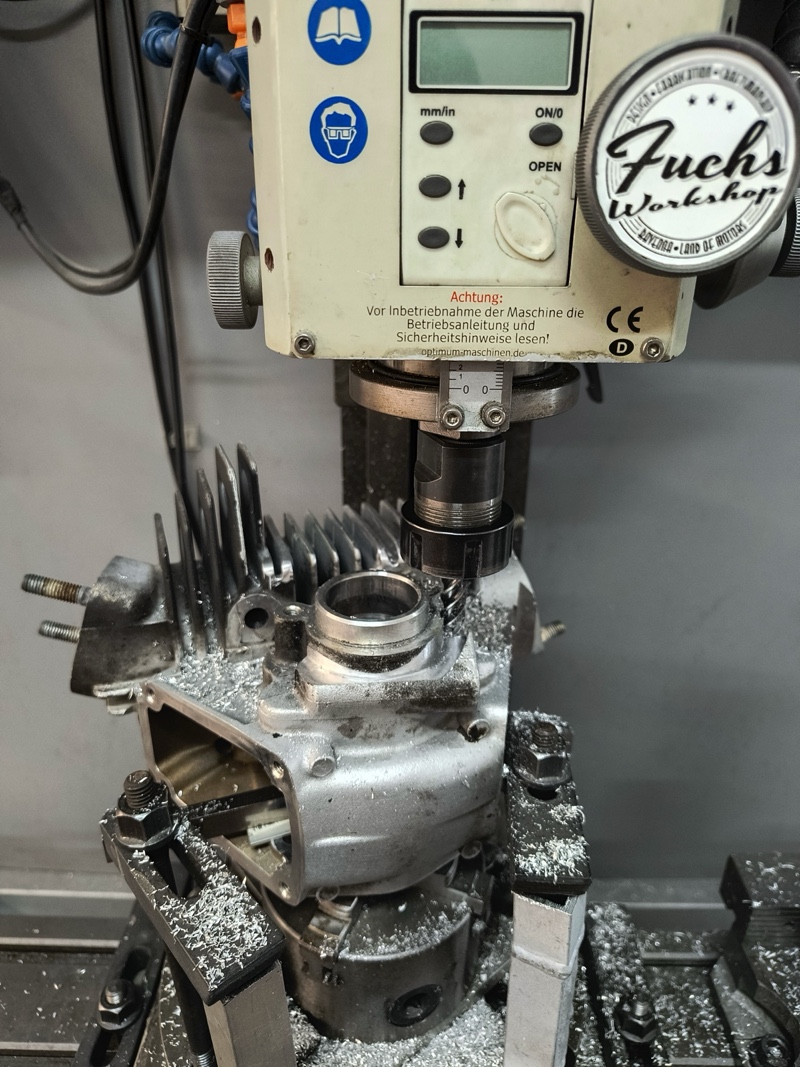
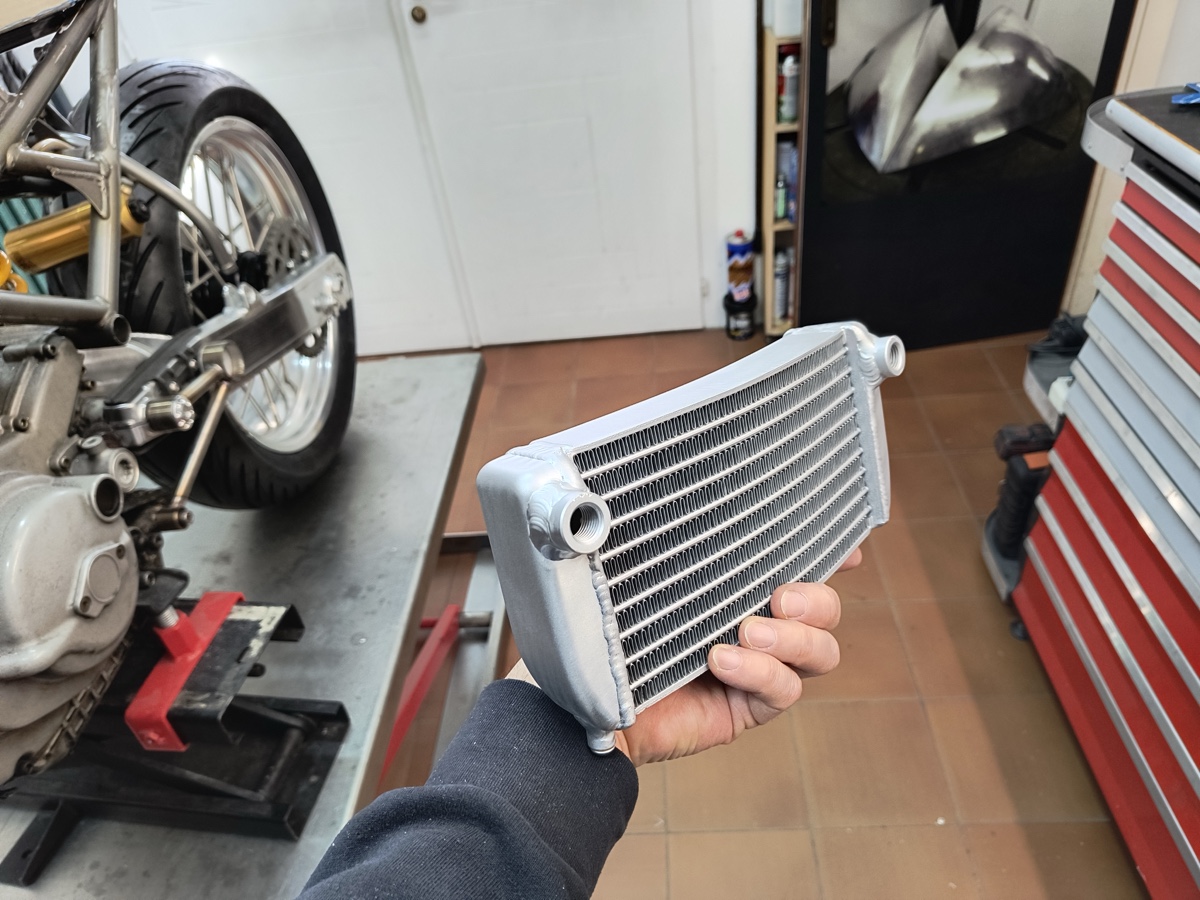
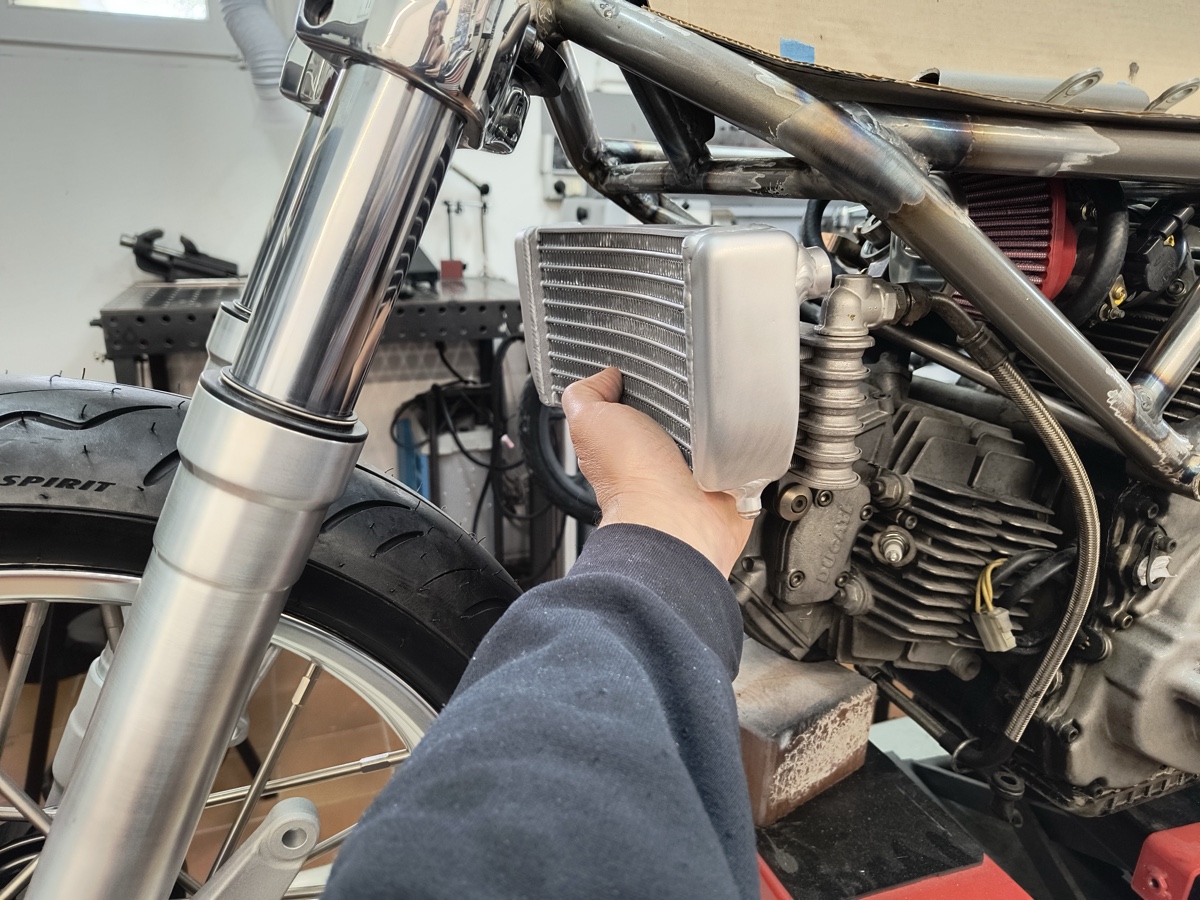
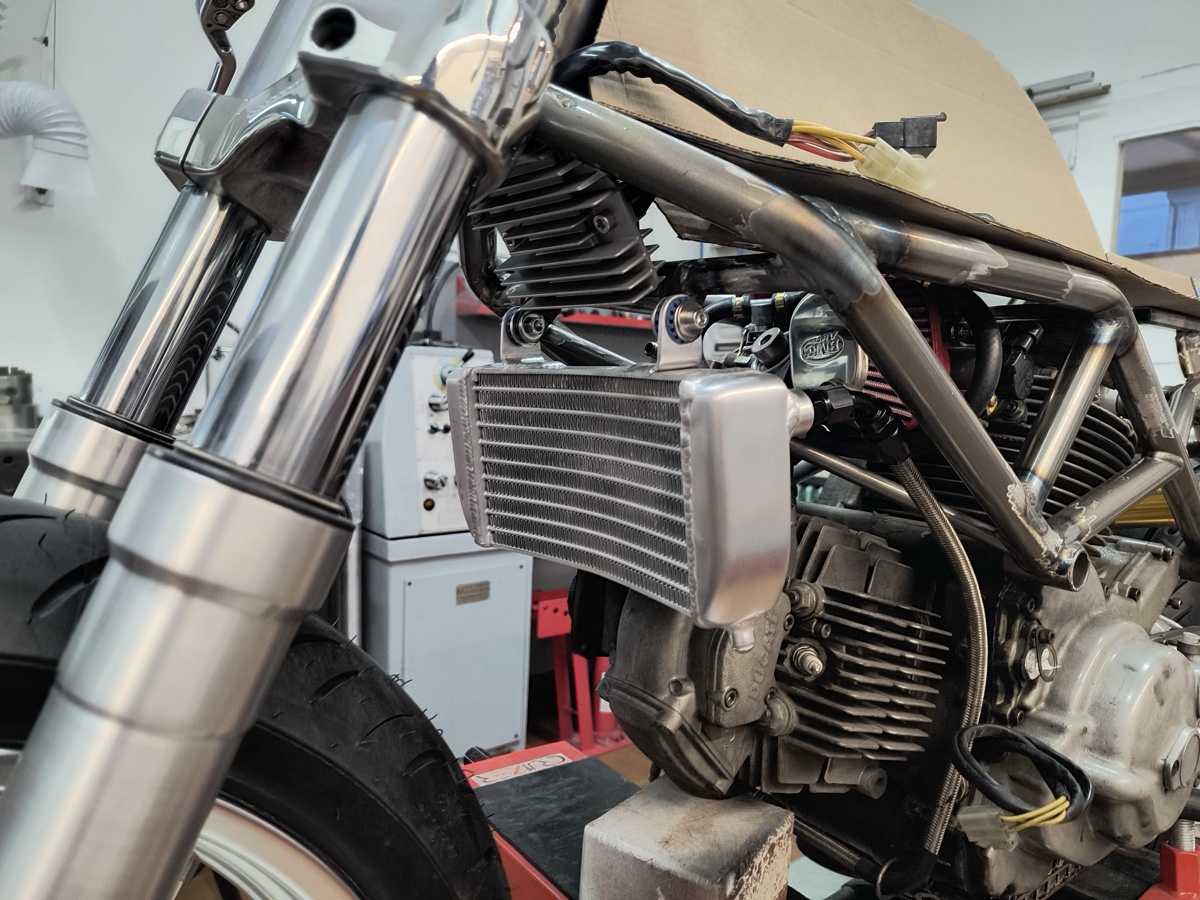
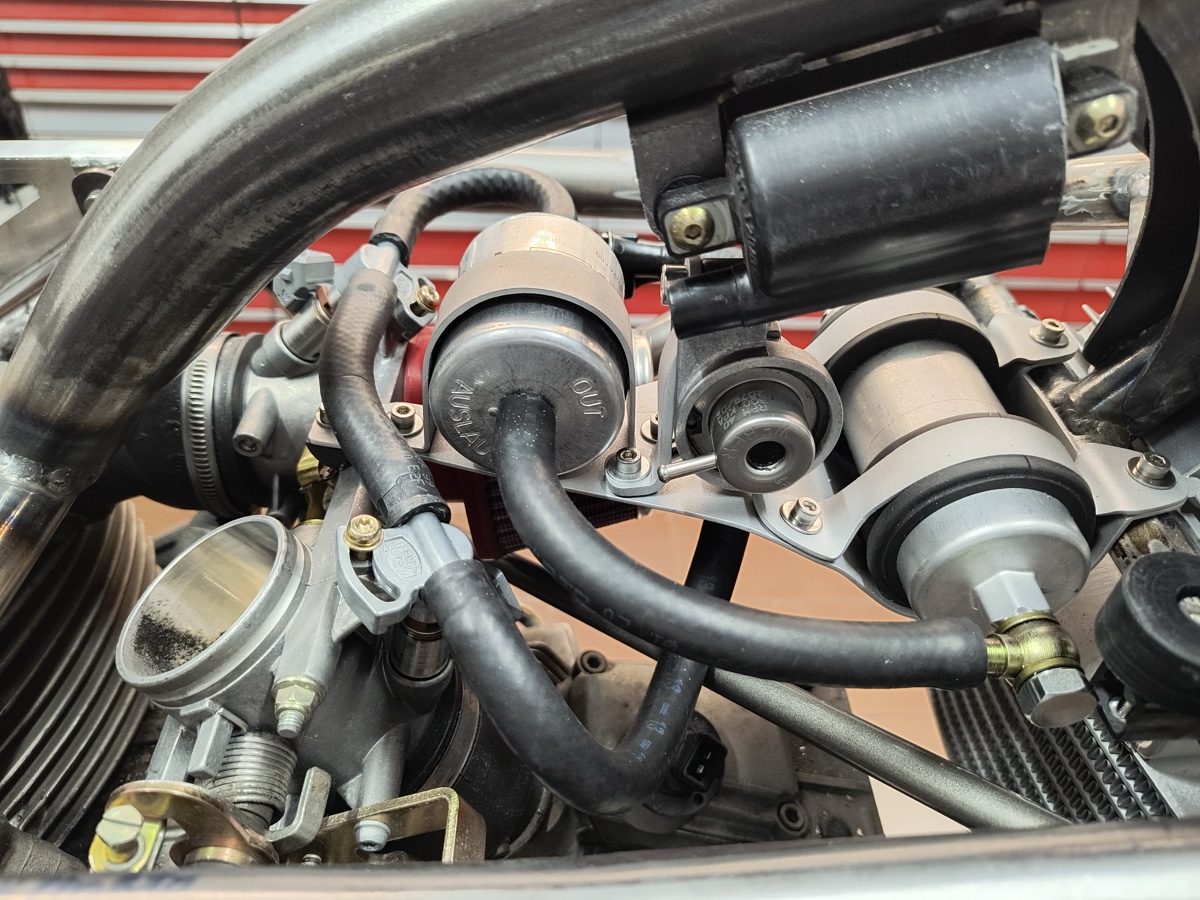
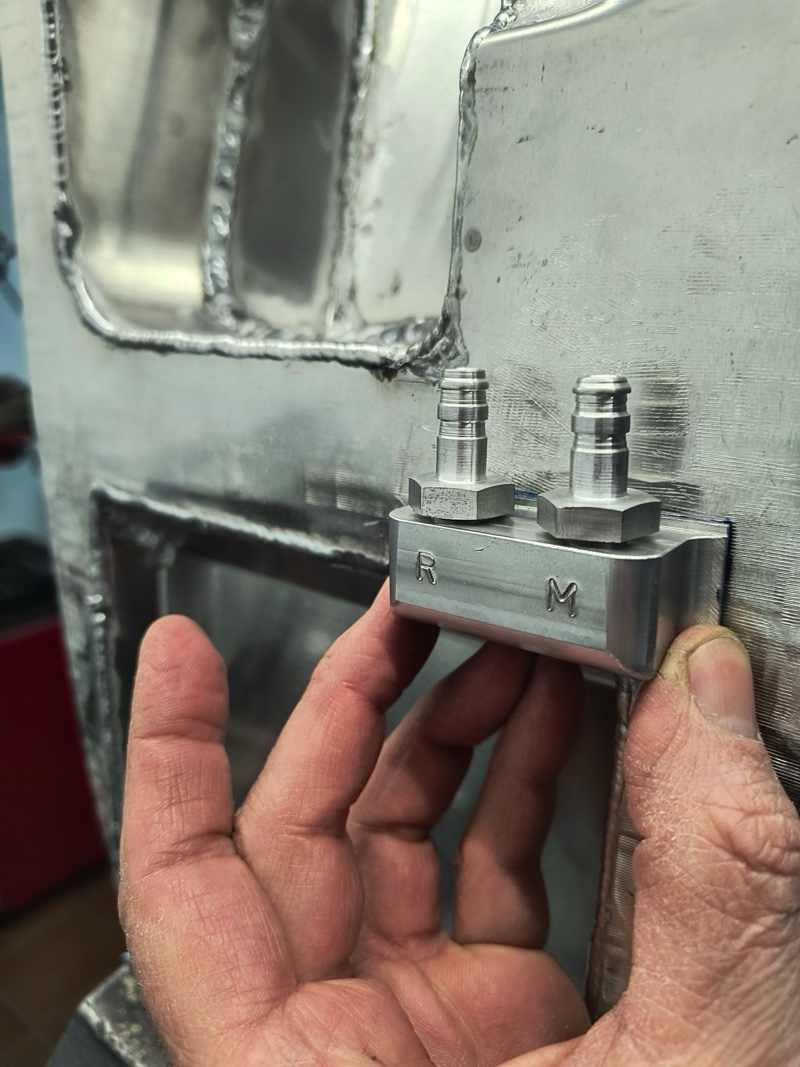
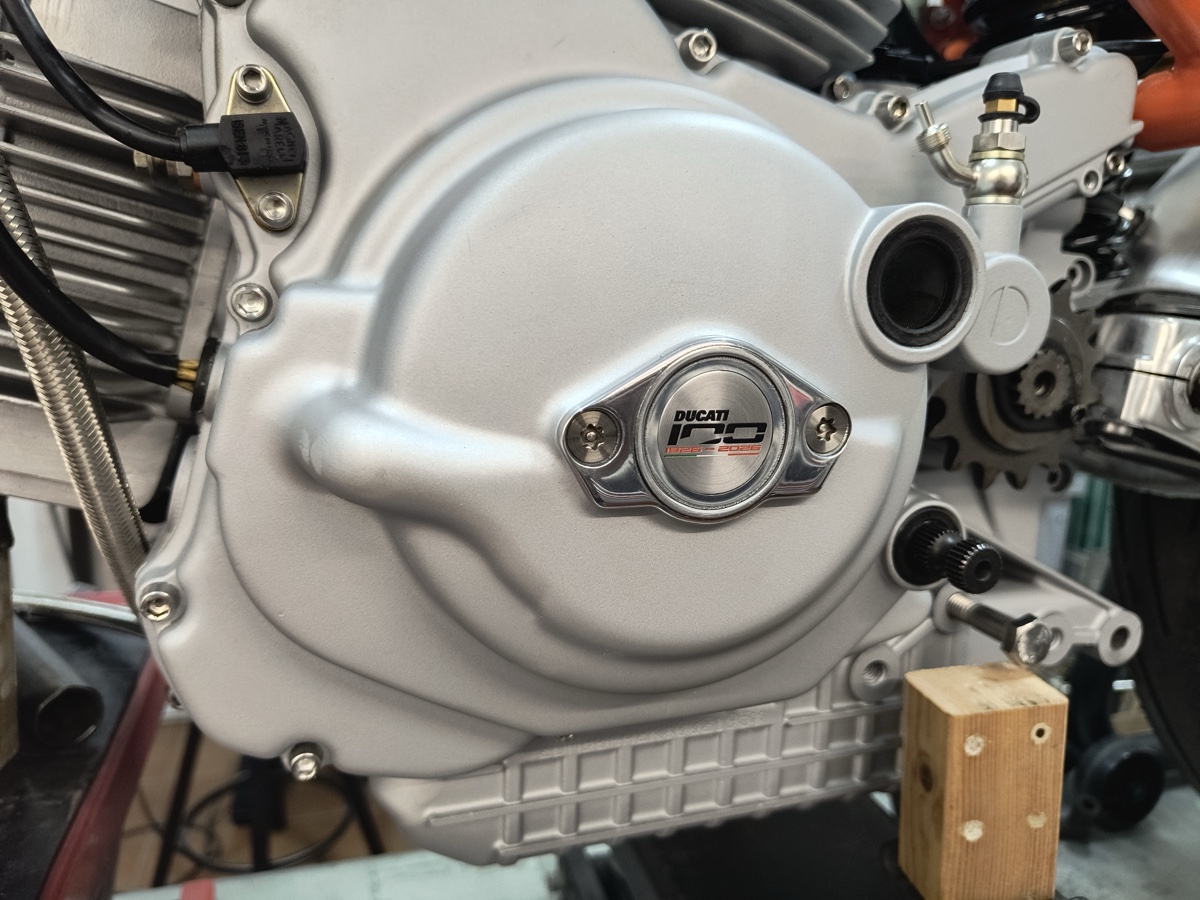
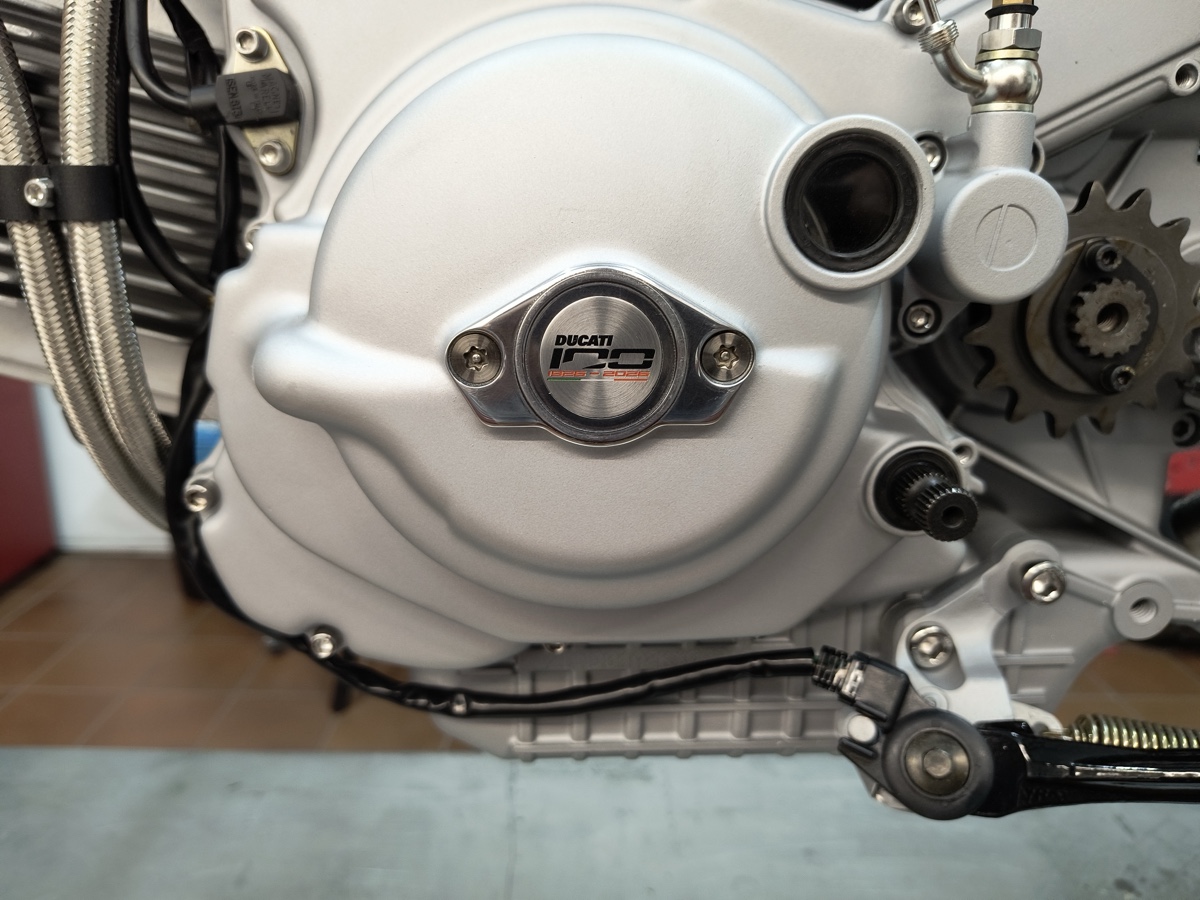
The bike is virtually rebuilt and redesigned from the ground up, piece by piece. From major frame modifications and custom aluminum bodywork to billet-machined parts designed in-house, right down to the wheels, which are completely custom and made specifically for this build. There are also several 3D-printed parts.
• Does the bike have a nickname?
The bike is named “Massimo” — a choice made by the client, who wanted to pay tribute to me. I’m as flattered as I am a bit embarrassed by it; far be it from me to be boastful! 😁
• Any idea of horsepower, weight, and/or performance numbers?
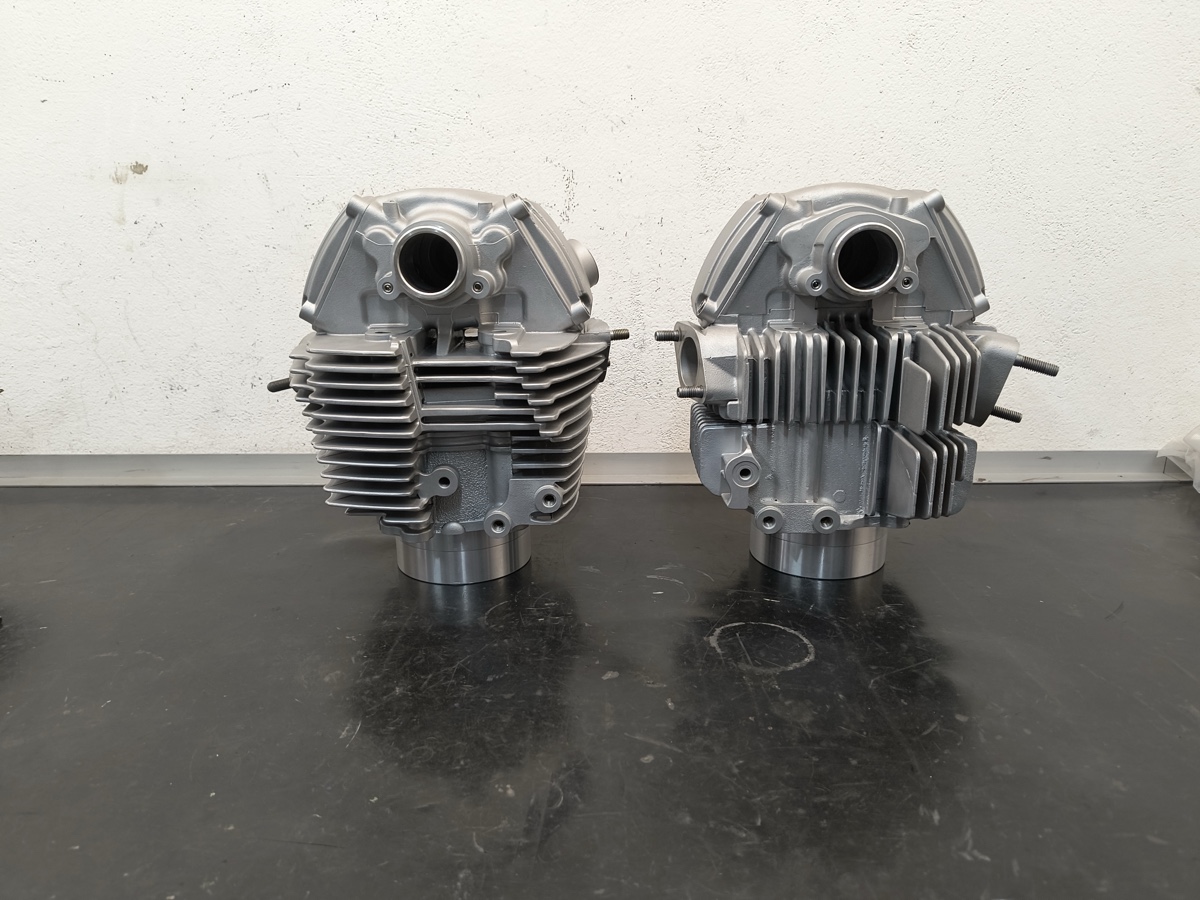
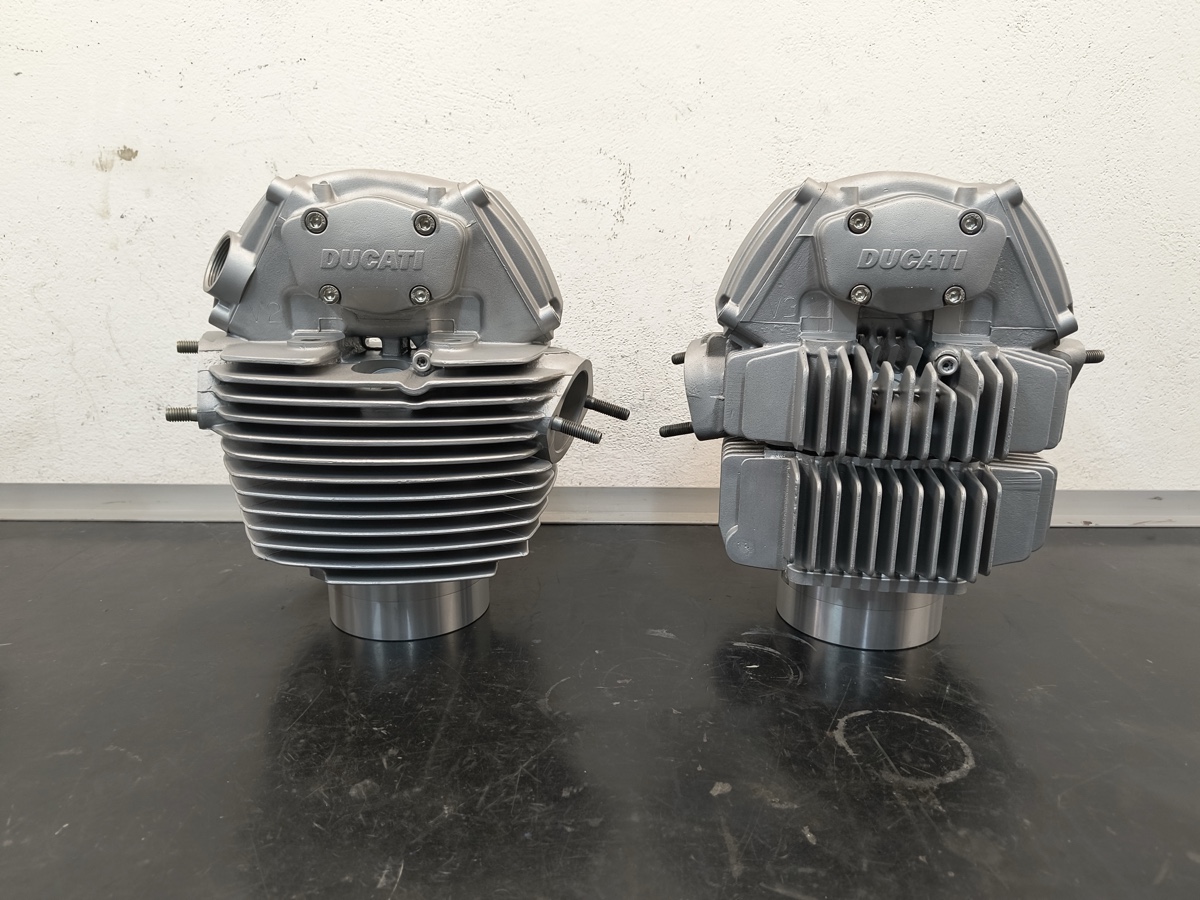
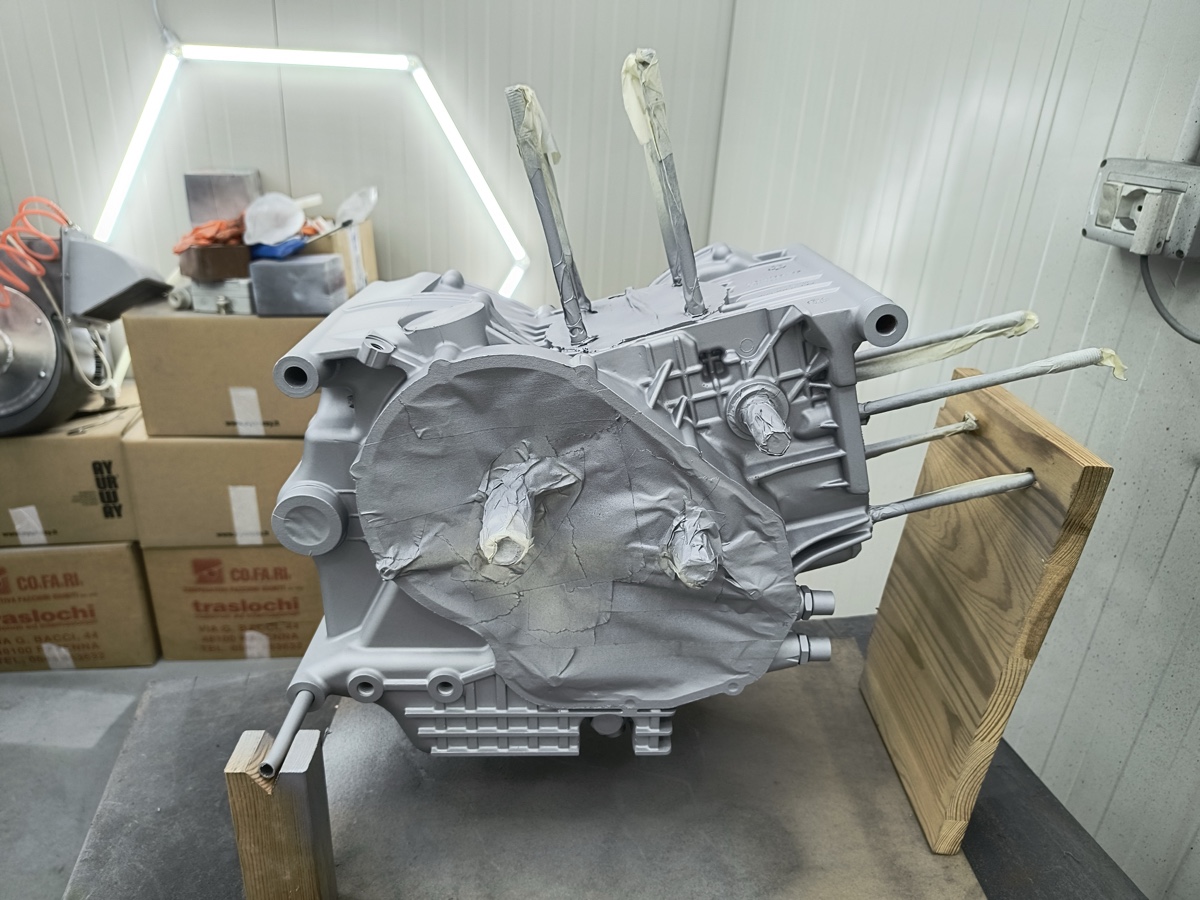
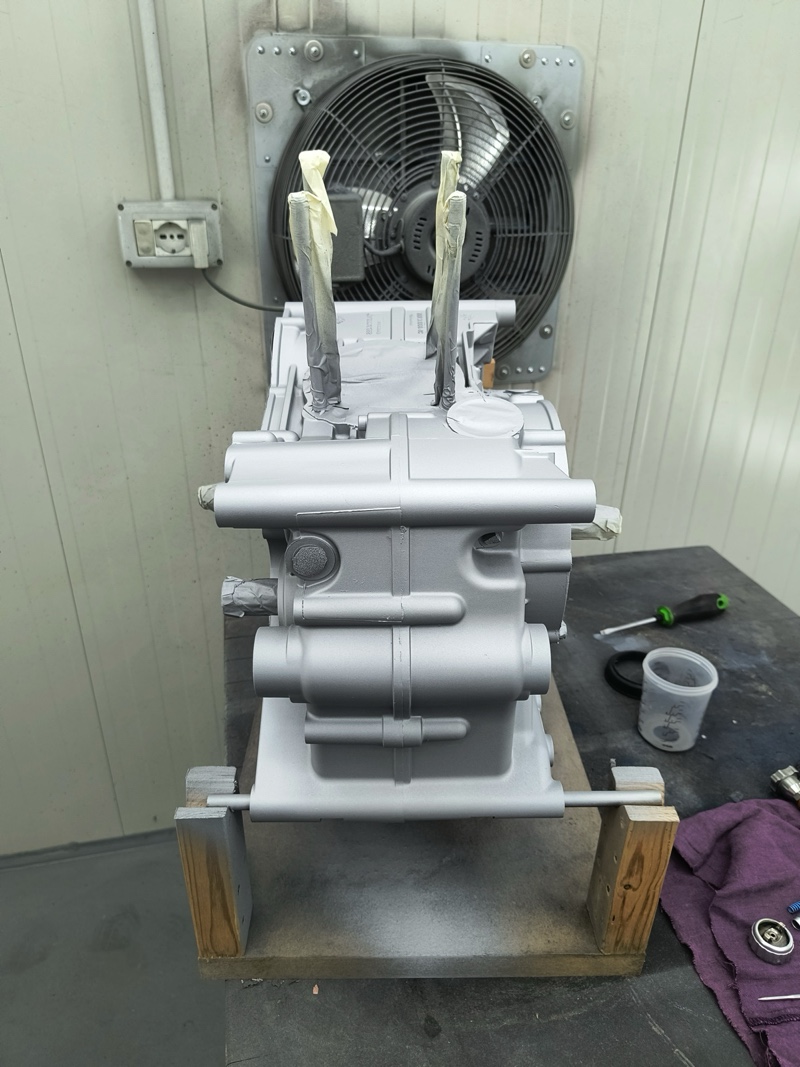
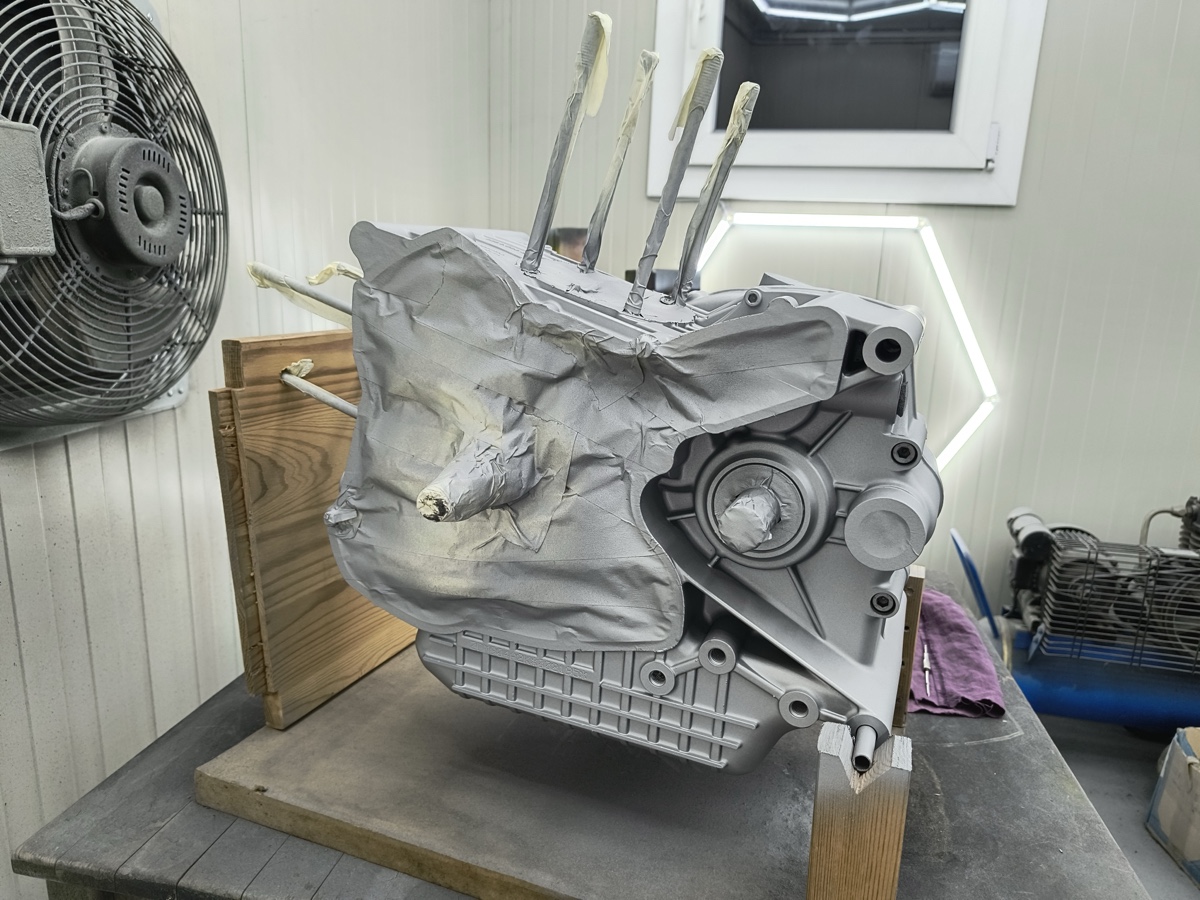
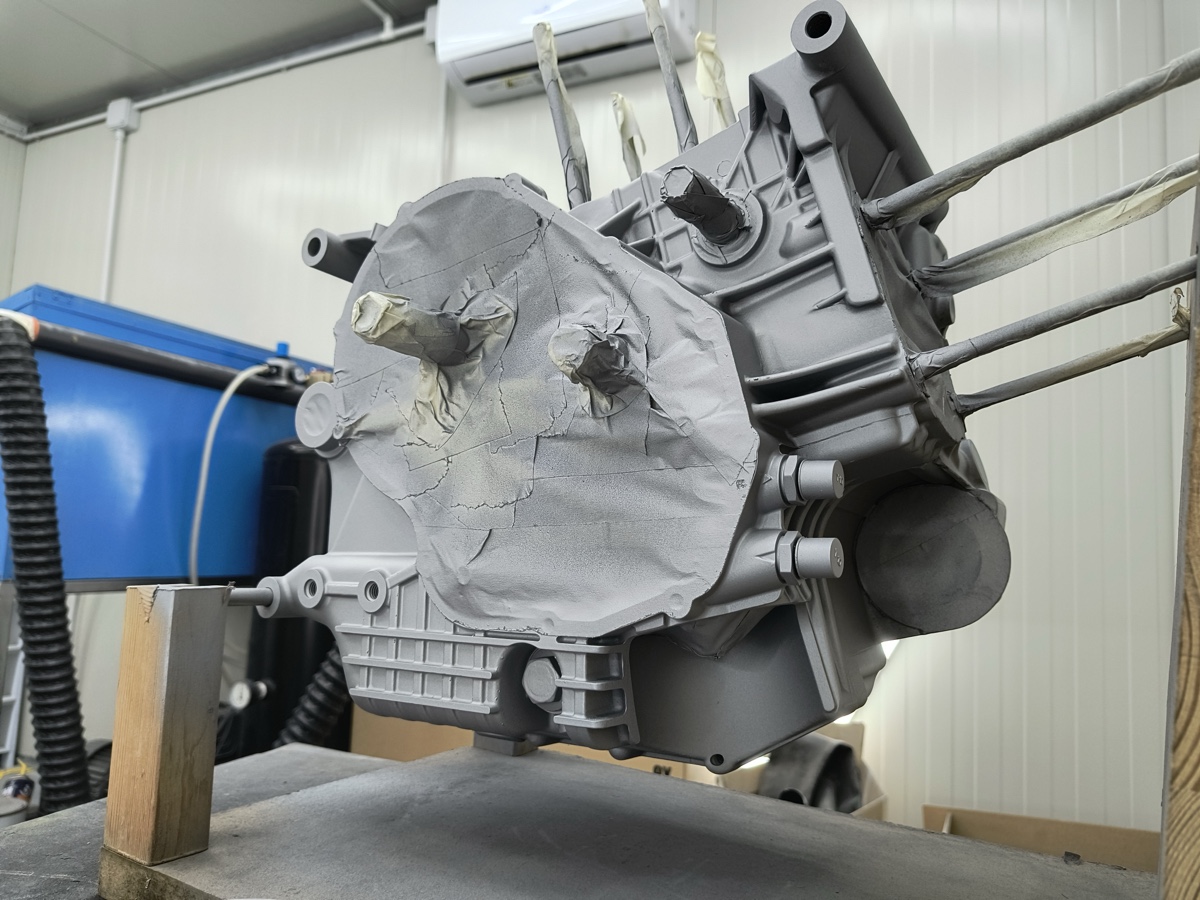
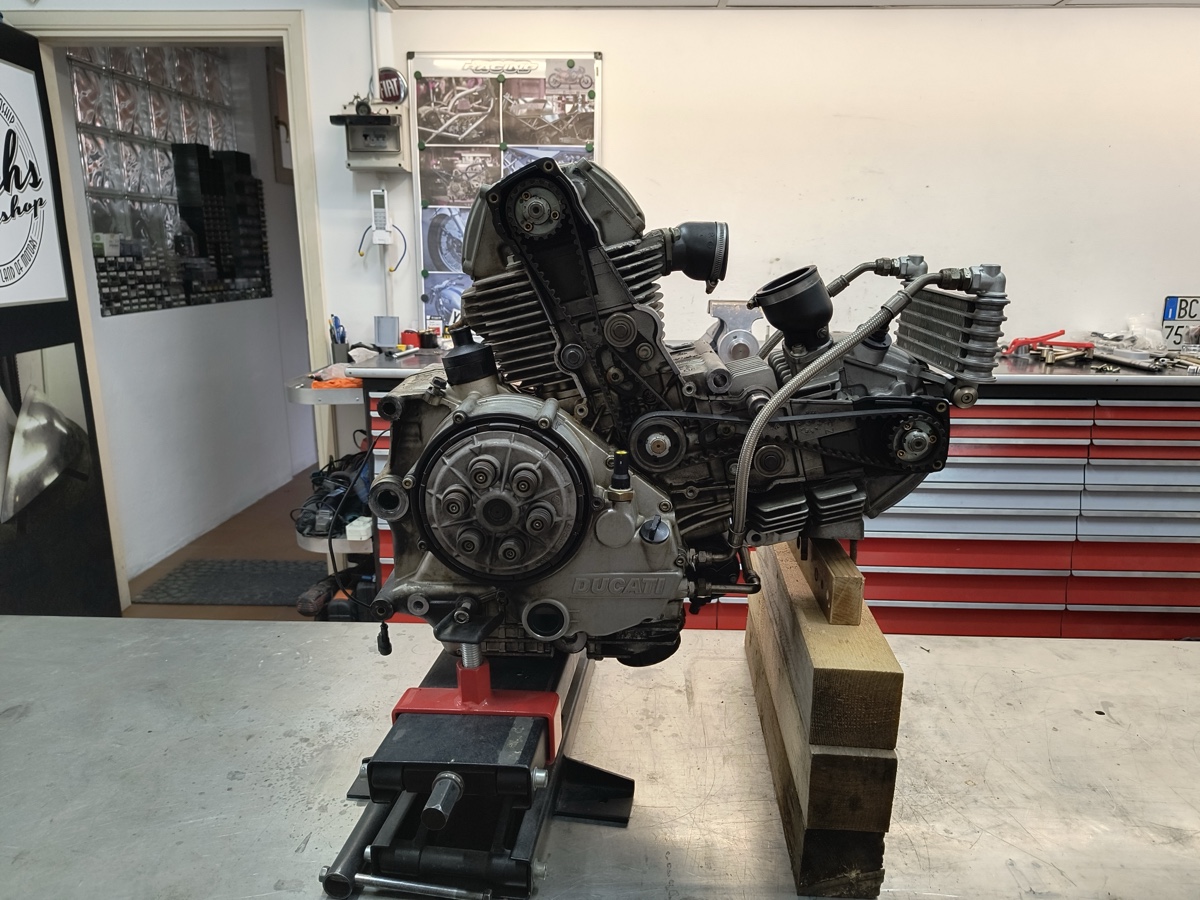
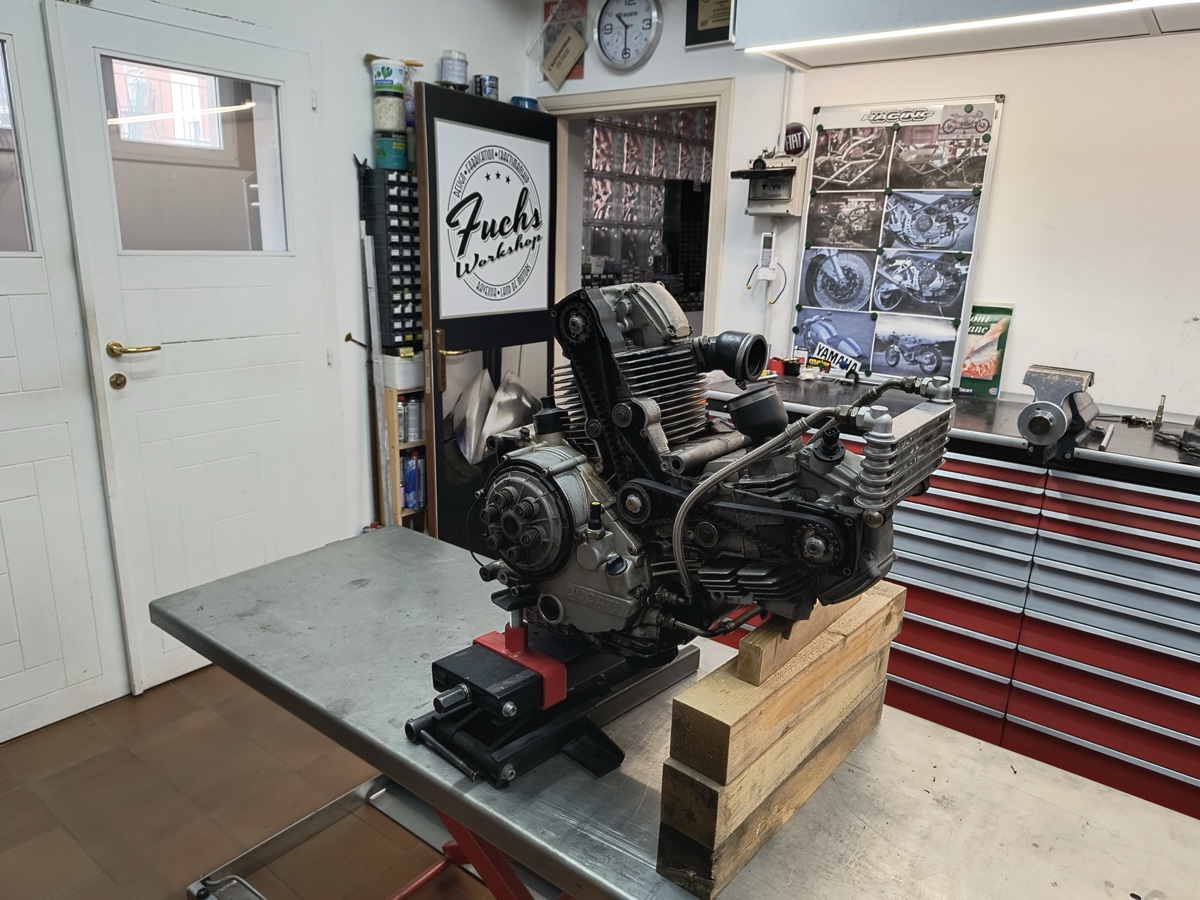
The engine hasn’t undergone any performance-oriented modifications — it was simply fully restored to like-new condition, so the horsepower remains virtually the same as the original bike. The weight, however, has dropped to 156 kg including oil, which definitely has a positive impact on overall performance.
• Can you tell us what it’s like to ride this bike?
The bike is enjoyable and easy to ride; the riding position and 18-inch wheels give it a feel relatively similar to what riding a bike from that era must have been like.
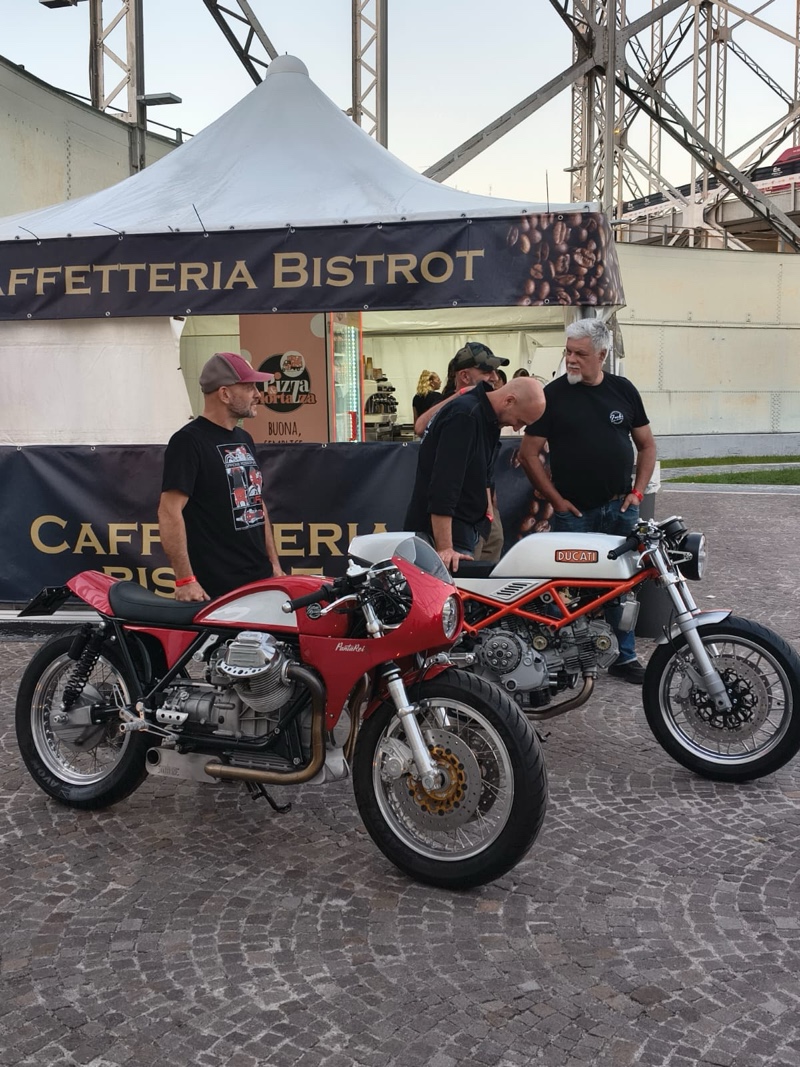
Naturally, it’s much easier and more effective to handle, thanks to its lower weight and shorter wheelbase compared to vintage ’70s motorcycles.
• Was there anything done during this build that you are particularly proud of?
The highlight is definitely the outcome of the lines and overall proportions. I feel the whole build came together really well — the bike is sleek, narrow, and cohesive. I’m truly happy with how it turned out.
• Is there anyone you’d like to thank?
- First and foremost, Claudio Lanconelli, who in addition to taking care of the engines, always helps me out with so many things.
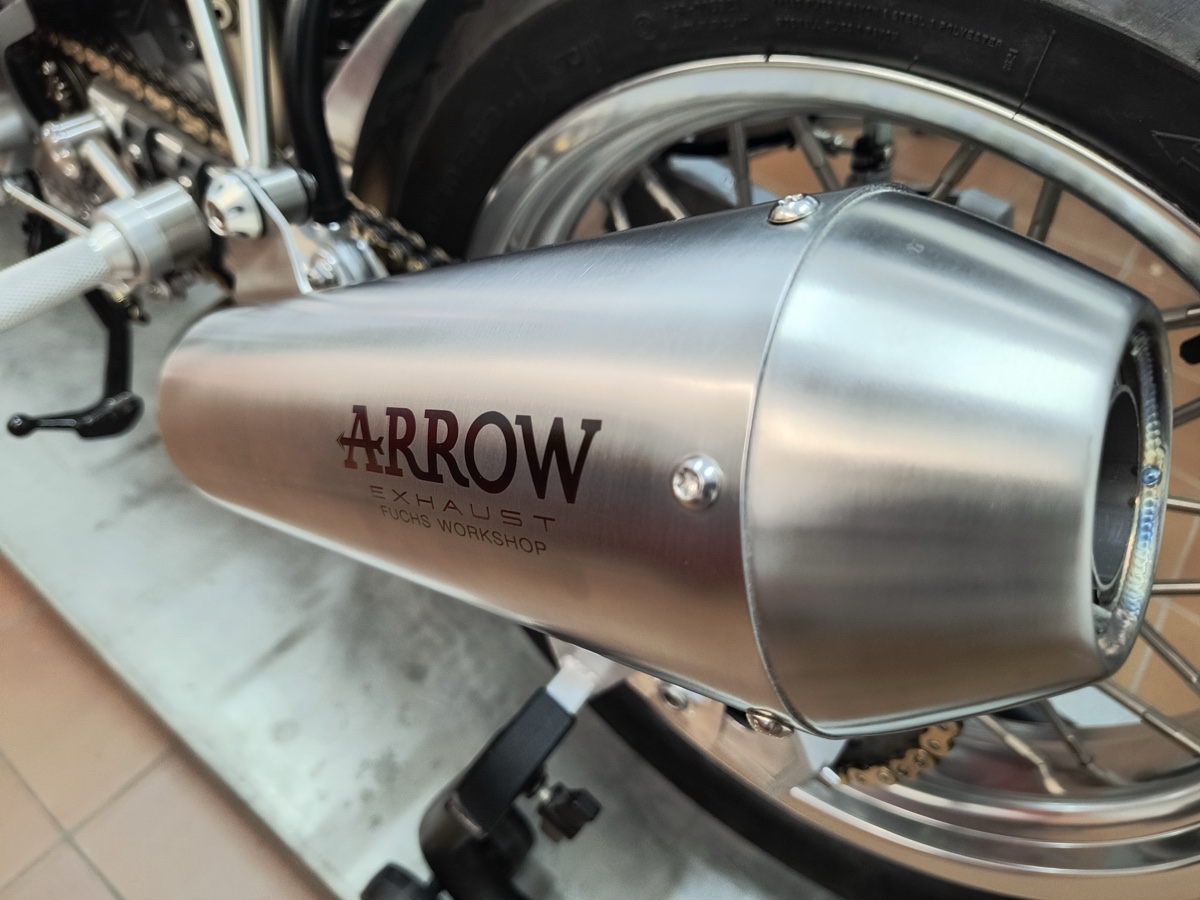
- Then Arrow Exhaust, who supplied the silencers and carried out the fitting work directly at their factory.
- Jonich Wheels for crafting the custom wheels.
- The Moto Europa dealership in Ravenna for their assistance and fine-tuning the electronic fuel injection.
- And Marco Bezzi for building the new custom dedicated wiring harness
Gallery: Build Process
Follow the Builder
Instagram: @fuchs_workshop
Facebook: @fuchsworkshop
More from Fuchs Workshop
 Sleek, Narrow, Cohesive: Ducati Monster 900ie Café Racer - Eternal Iron Prize: 70s-Inspired M900 “Massimo” by Fuchs Workshop… We all know the story of the original Monster, “the bike that saved Ducati.” What began as a mere styling exercise in the early 90s evolved […]
 The Attitude of a Rodeo Bull: Yamaha “FTX500” Flat Tracker - Oldie But Speedy: Championship-Winning TX500 Tracker from Fuch’s Workshop… In 1972, Yamaha introduced their first middleweight four-stroke twin, the TX500, later to become the XS500. Whereas the TX/XS650 resembled the British twins of yesteryear, the […]
 Big Single Thunderbike: Honda XL600S Tracker - Honda XL600R Thunderbike from Fuchs Workshop… Last week we had the pleasure of featuring the #48 Honda 650 flat tracker of professional racer Niko Sorbo, built by Italy’s Fuchs Workshop to compete in the Thunderbike […]
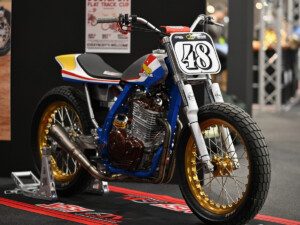 Sorbo’s Thunderbike: Honda Dominator 650 Flat Tracker - From Fuchs Workshop: Niko Sorbo’s Honda Thunderbike, “Rusinella”… More than two decades ago, Massimo Rinchiuso of Italy’s Fuchs Workshop began preparing track bikes. Today, his Ravenna-based workshop specializes in hand-shaped aluminum bodywork, 3D design, CNC […]
 Moto Guzzi “Riviera” Custom Cruiser - From the Land of Motors: Moto Guzzi “Riviera” from Fuchs Workshop… The Italian region of Emilia-Romagna has been christened the “Land of Motors” or “Motor Valley” for its high concentration of car and motorcycle manufacturers, […]
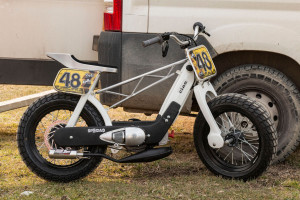 Special Ciao: “Speciao” 75cc Piaggio Tracker - Fuchs Workshop builds a Piaggio mini-tracker… In 1967, Piaggio introduced their first moped, the Ciao — a 50cc two-stroke with a belt drive, drum brakes, and 6-volt electrics. Produced in various versions well into […]


