
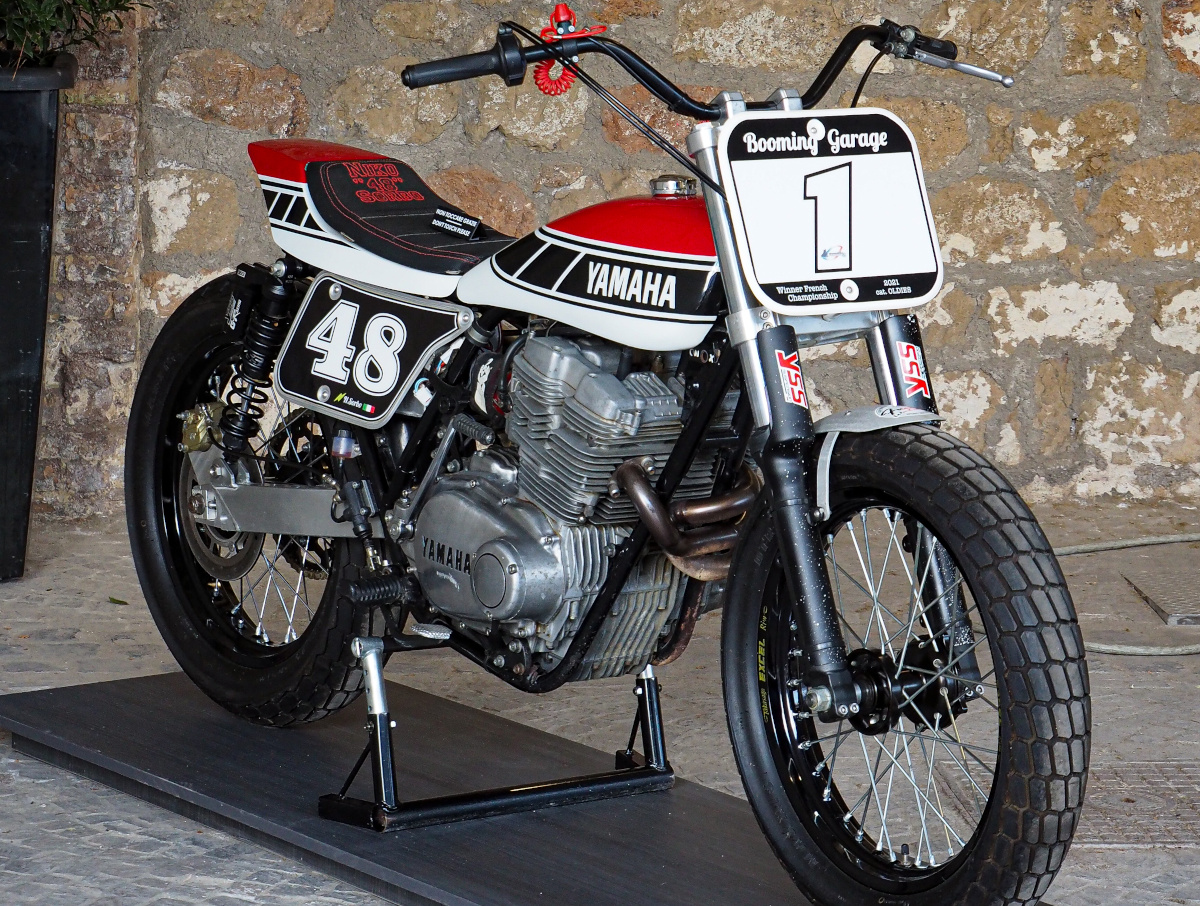
Oldie But Speedy: Championship-Winning TX500 Tracker from Fuch’s Workshop…
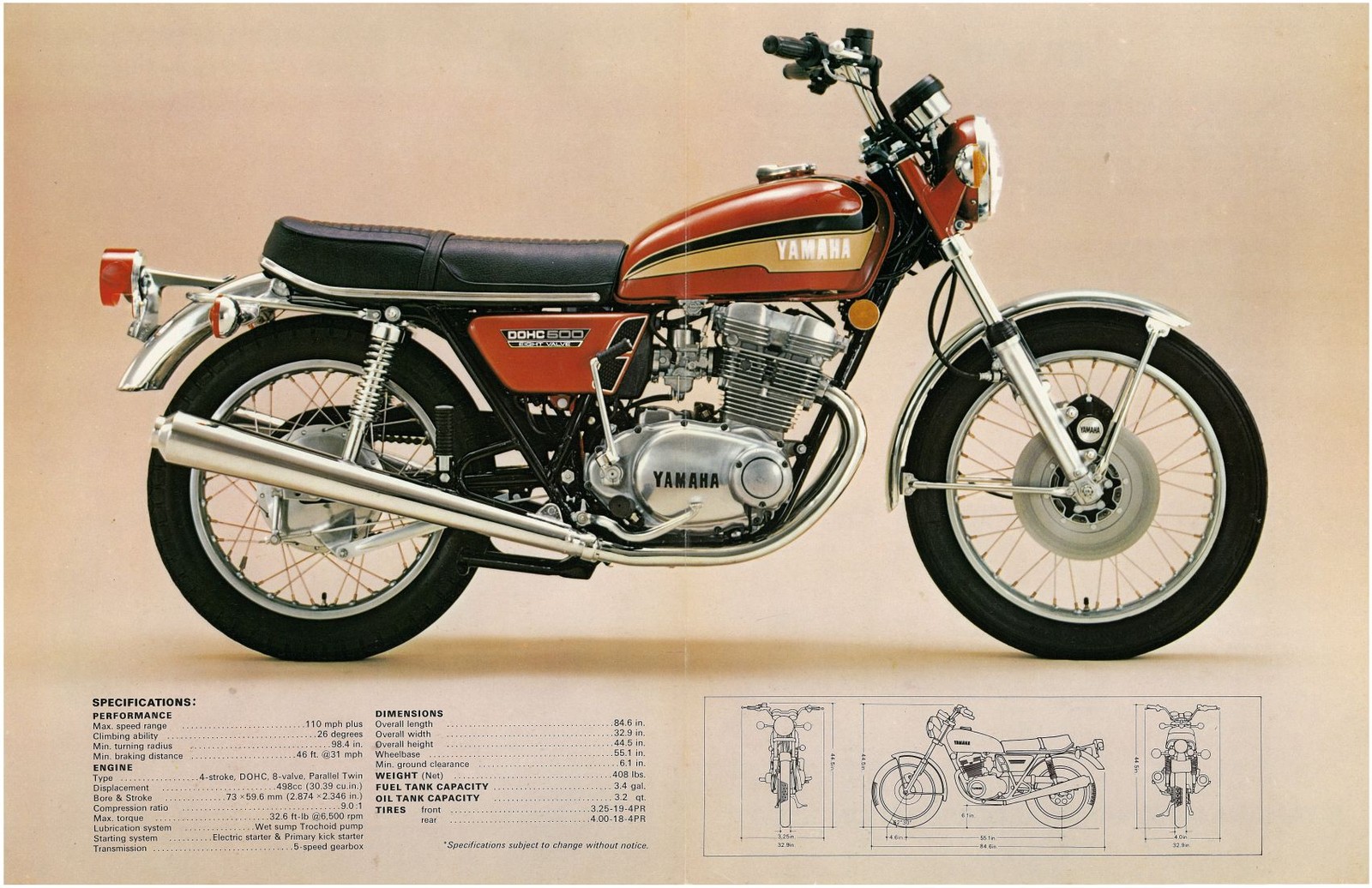
In 1972, Yamaha introduced their first middleweight four-stroke twin, the TX500, later to become the XS500. Whereas the TX/XS650 resembled the British twins of yesteryear, the TX500 looked more like a four-stroke version of Yamaha’s own RD350 two-stroke, sporting a boxy engine and bodywork design. The bike was quite trick for its day:
“The 500cc vertical Twin that powers the TX has twin overhead camshafts, four valves per cylinder, an electric starter and an Omni-phase balancer to control vibration. That alone is enough to place the machine in the trick category, but there’s more. There is a disc brake up front and somehow Yamaha engineers have fit all this in a machine not much larger than their RD350 two-stroke.” –Cycle World, 1973
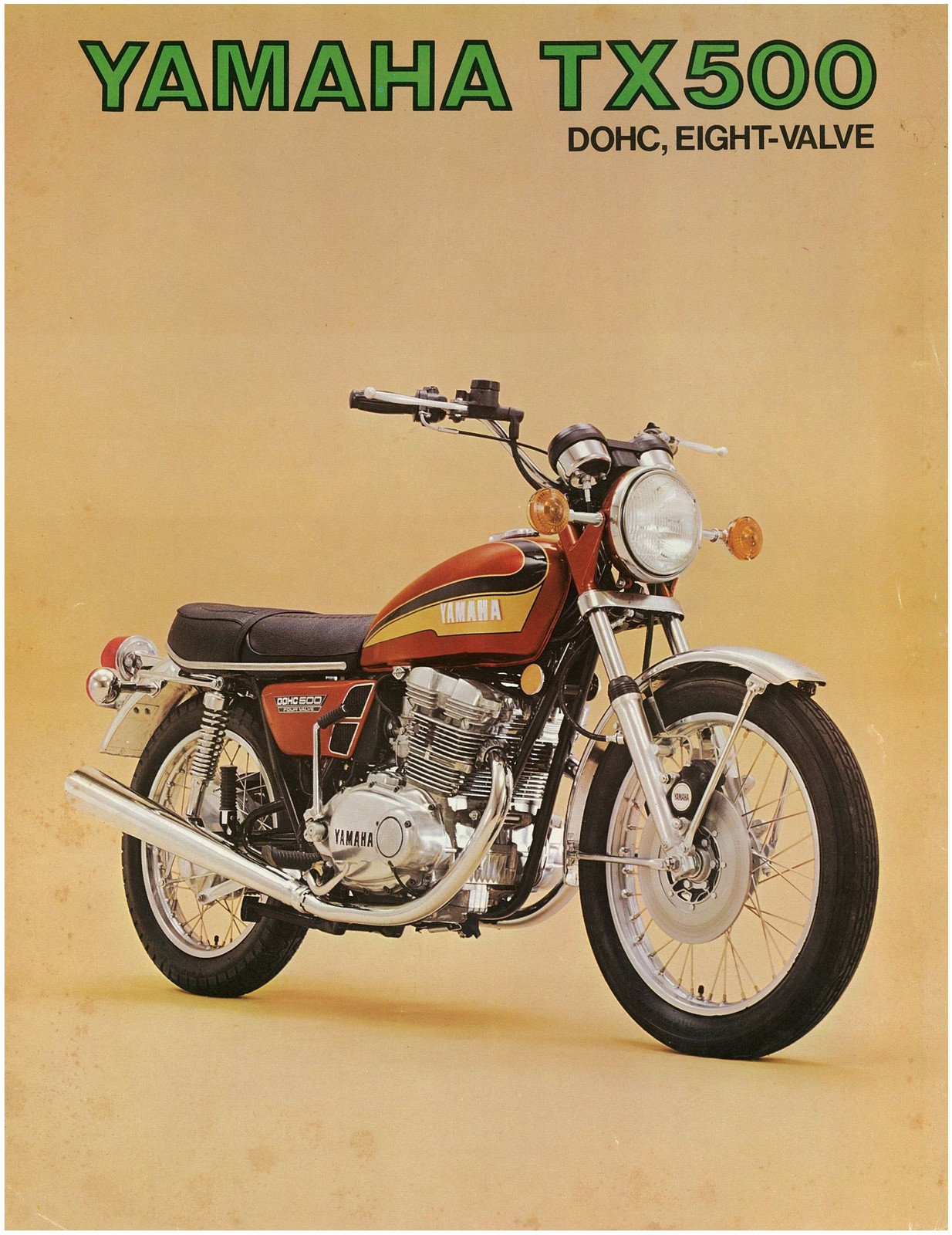
Unfortunately, all that innovation couldn’t mask a few issues: excessive heat, warped valve seats, and cracked cylinder heads. Yamaha corrected these problems, dropping the TX name when they abandoned the disastrous TX750, and the 400cc Honda, Kawasaki, and Suzuki four-stroke twins would all owe much to the TX. In that way, the TX500, though imperfect, was something of a class pioneer.
This “FTX500” tracker began as little more than a partially complete TX500 engine and a frame. Professional flat track racer Niko Sorbo commissioned Massimo Rinchiuso of Italy’s Fuchs Workshop to transform the box of parts into a competition machine intended for the “Oldies” class — a category reserved for pre-1975 twins. You may remember Niko and Massimo from their #48 and #94 Honda trackers.
Massimo, who specializes in handmade aluminum bodywork and CNC parts as well as full-blown custom builds and competition flat trackers, wasn’t initially jazzed about the project.
“I was hesitant to accept, as it felt like a waste of time to build a bike for races where real powerhouses like H-D XR750s and similar machines would surely be competing — engines far too powerful to race against with a Japanese 500 pulled from a box in a basement. Fortunately, I was wrong…”
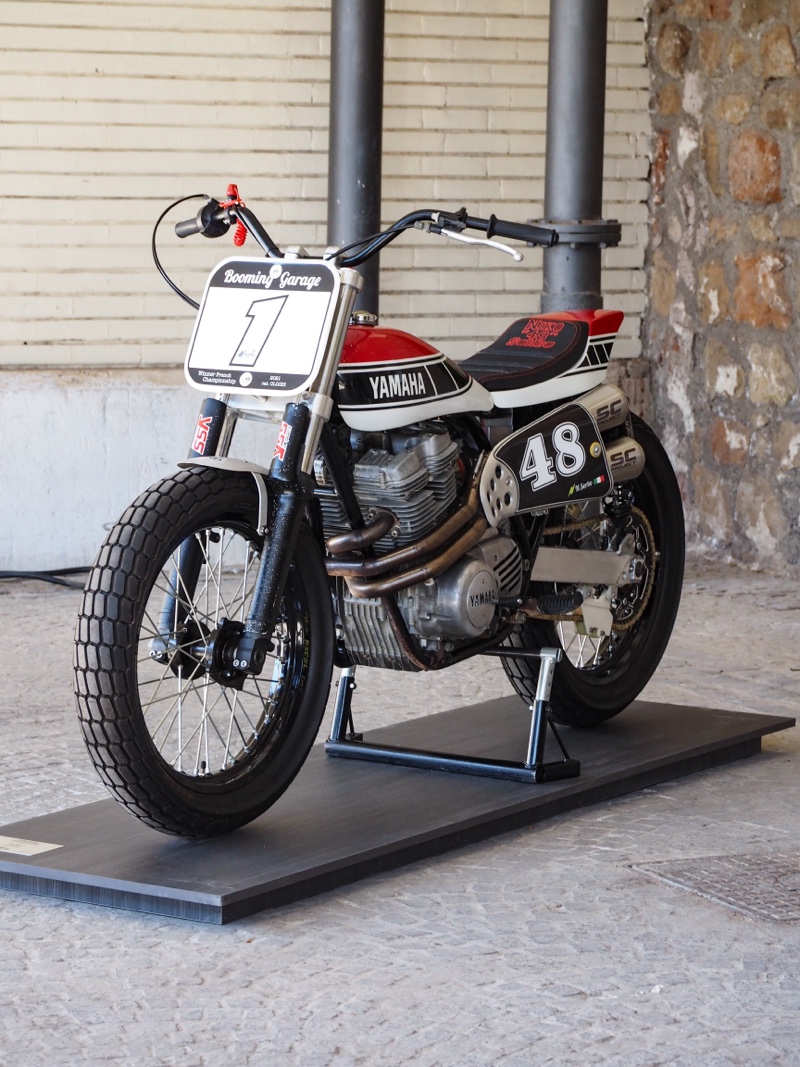
However, as Massimo began working on the hand-beaten aluminum tank and tail section, he had a light bulb moment when he could envision how the final build would look.
“I started having fun. If nothing else, the bike would at least look good standing still 😁”
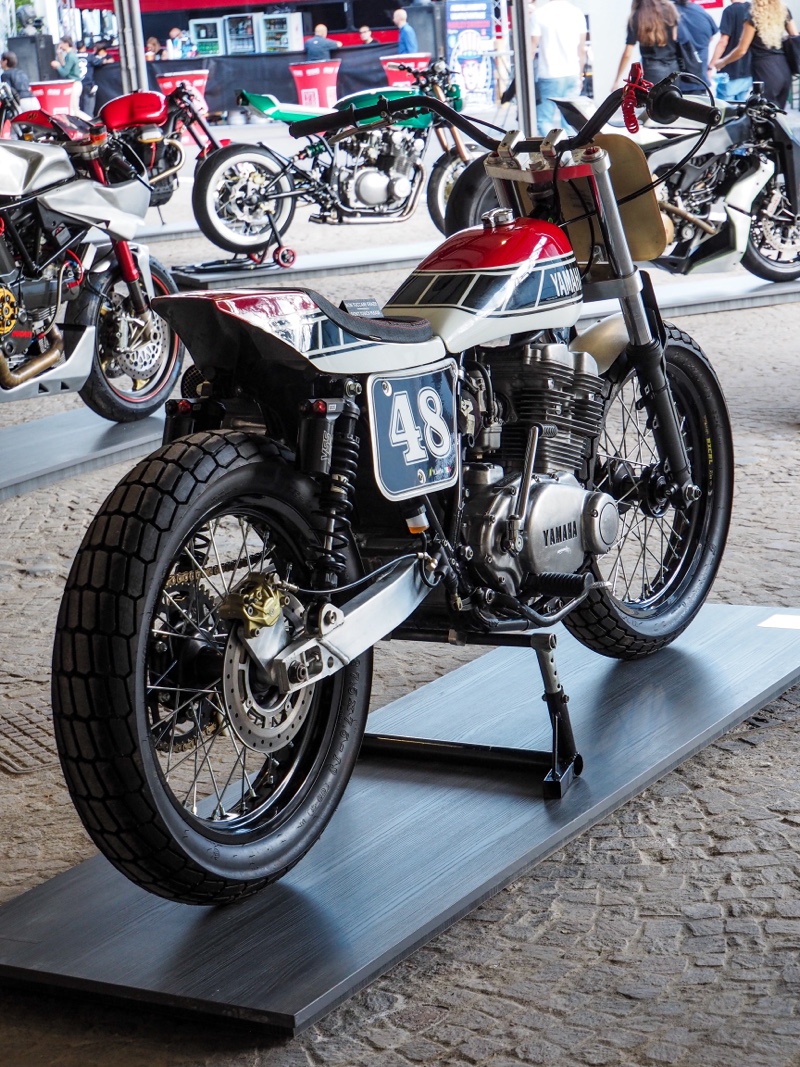
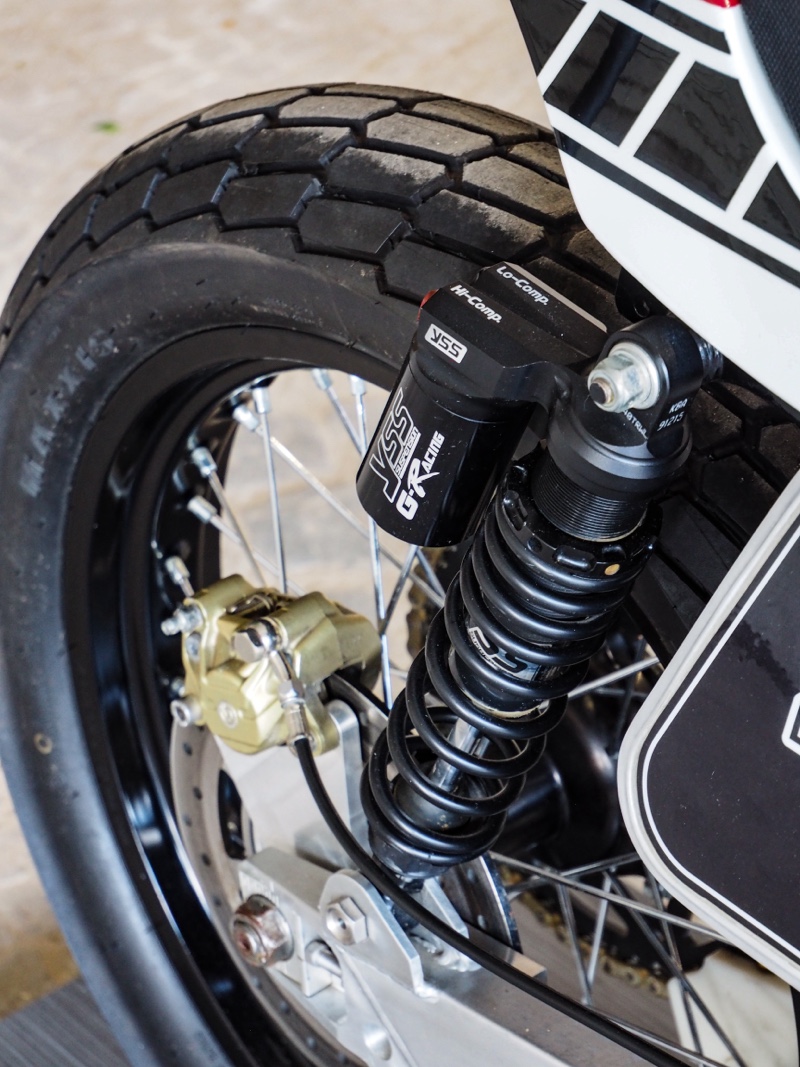
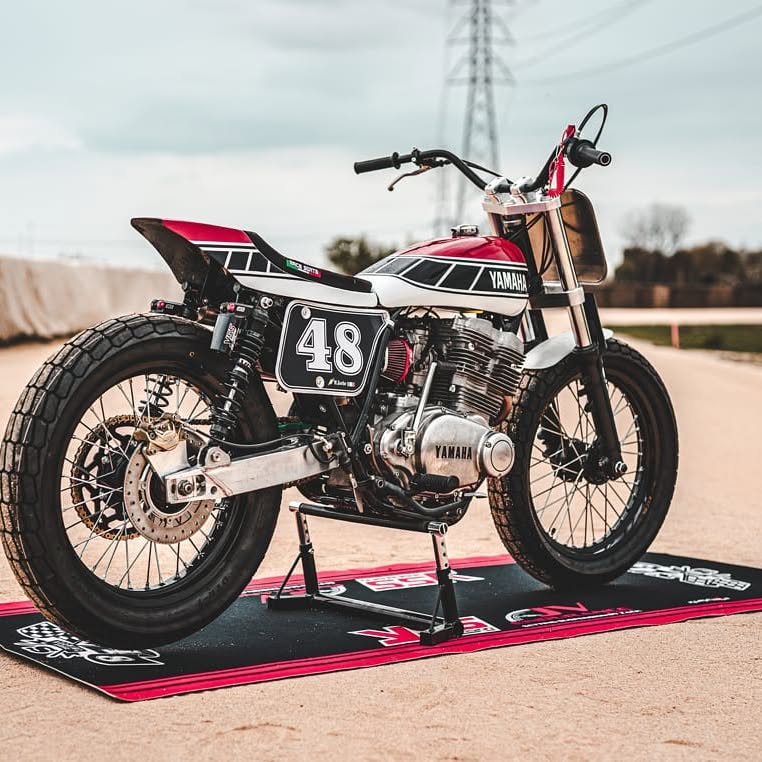
The frame itself was heavily modified, and Massimo says practically everything else was built from scratch. The front forks come from a Yamaha R6, held in custom CNC-cut triple clamps, while mounts were welded to a modern aluminum dirt bike swingarm to run twin YSS shocks.
Massimo shaped the aluminum bodywork by hand — one of his specialties — while Claudio Lanconelli of Lanko Tuning worked his magic on the engine, which was fully rebuilt with heavy modifications.
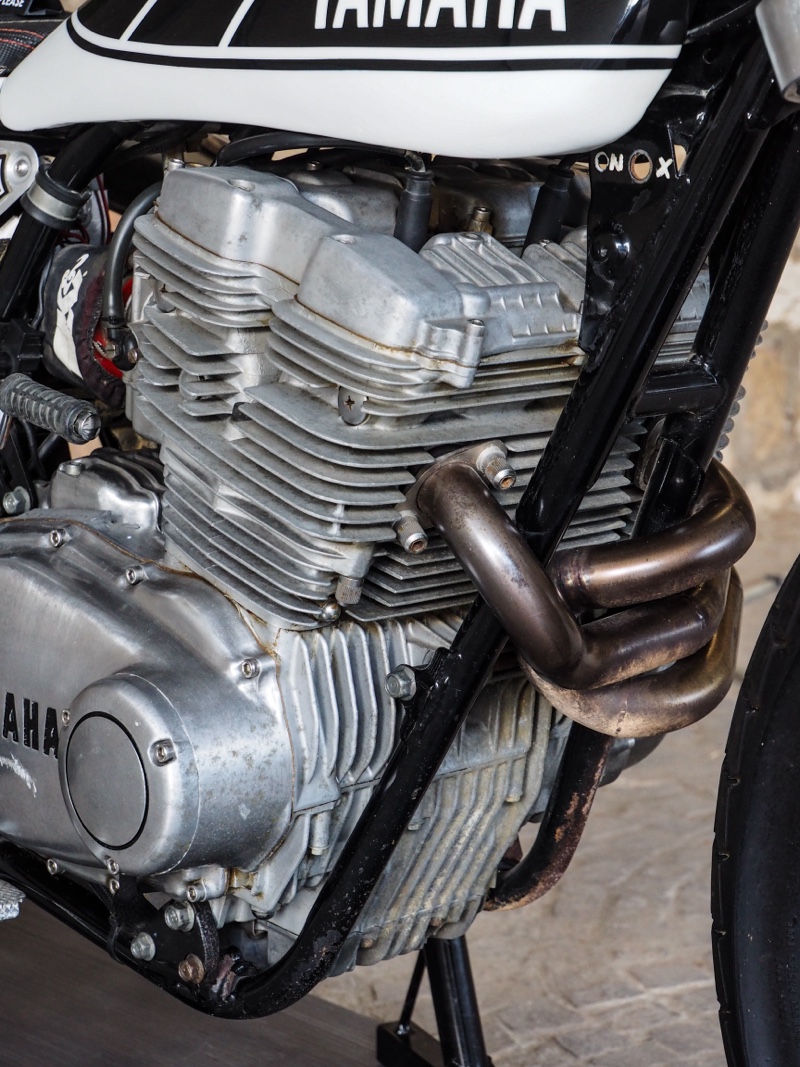
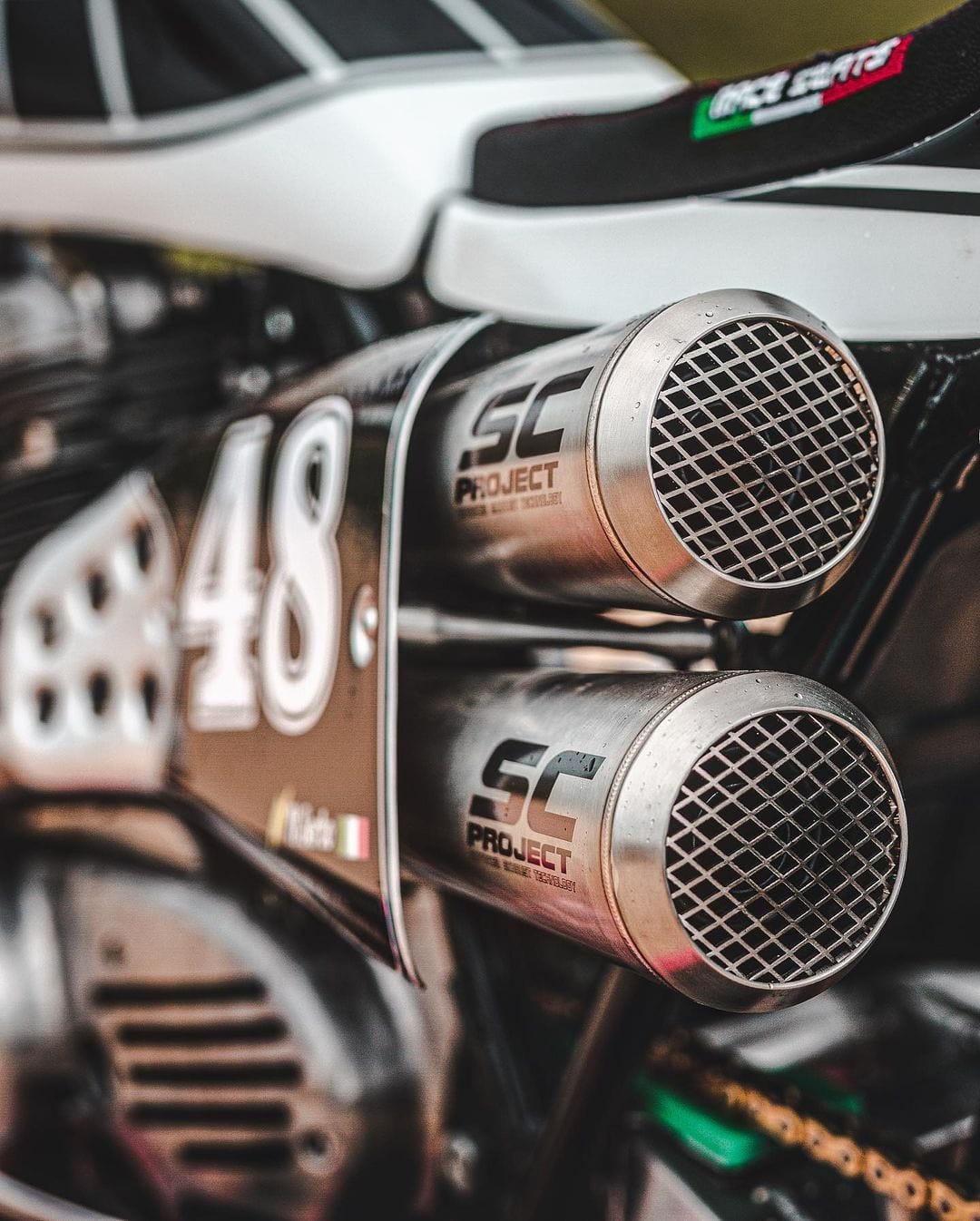
The electronic ignition was designed and built exclusively for this engine, and SC Project donated the exhaust.
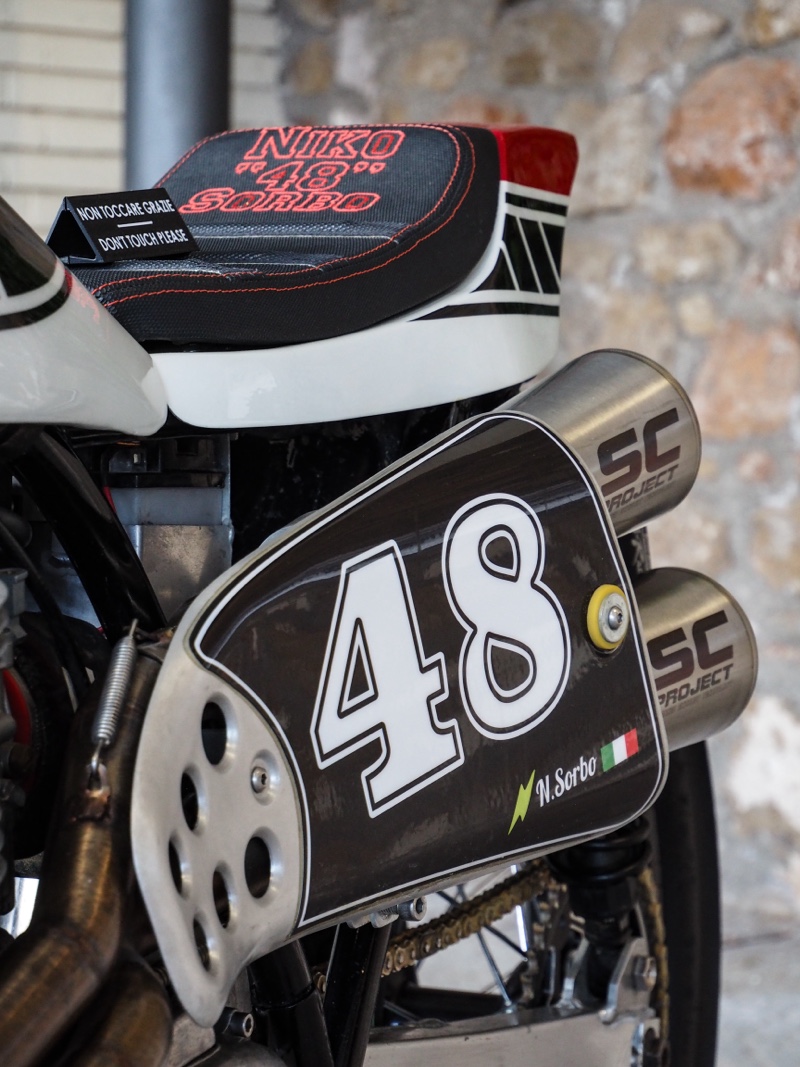
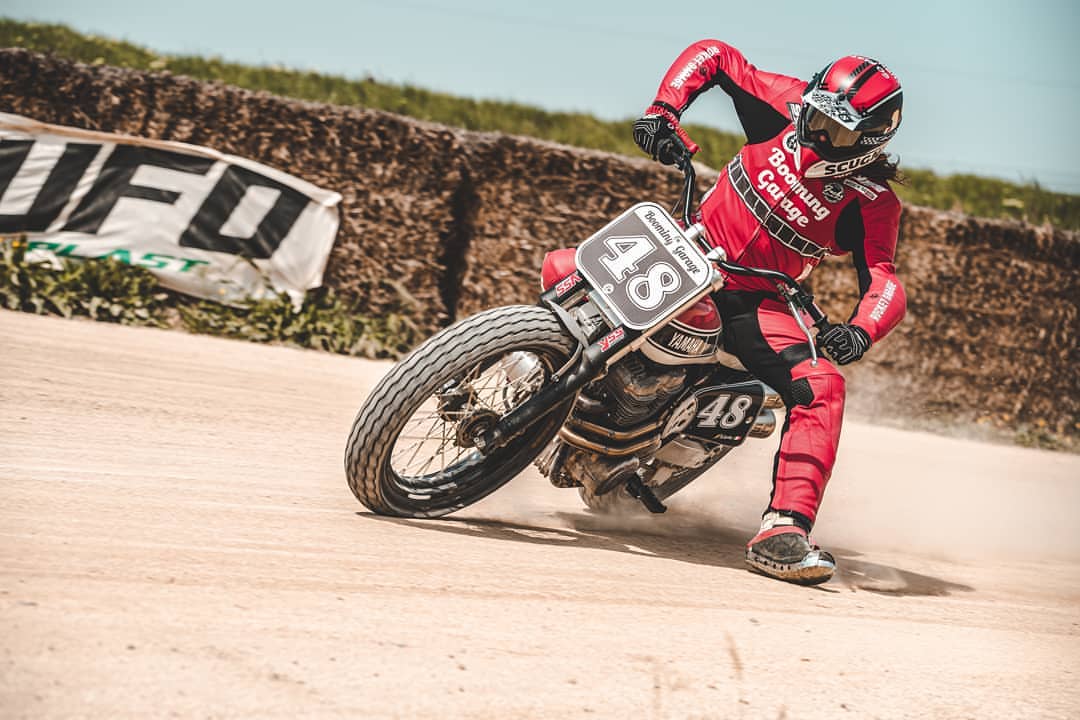
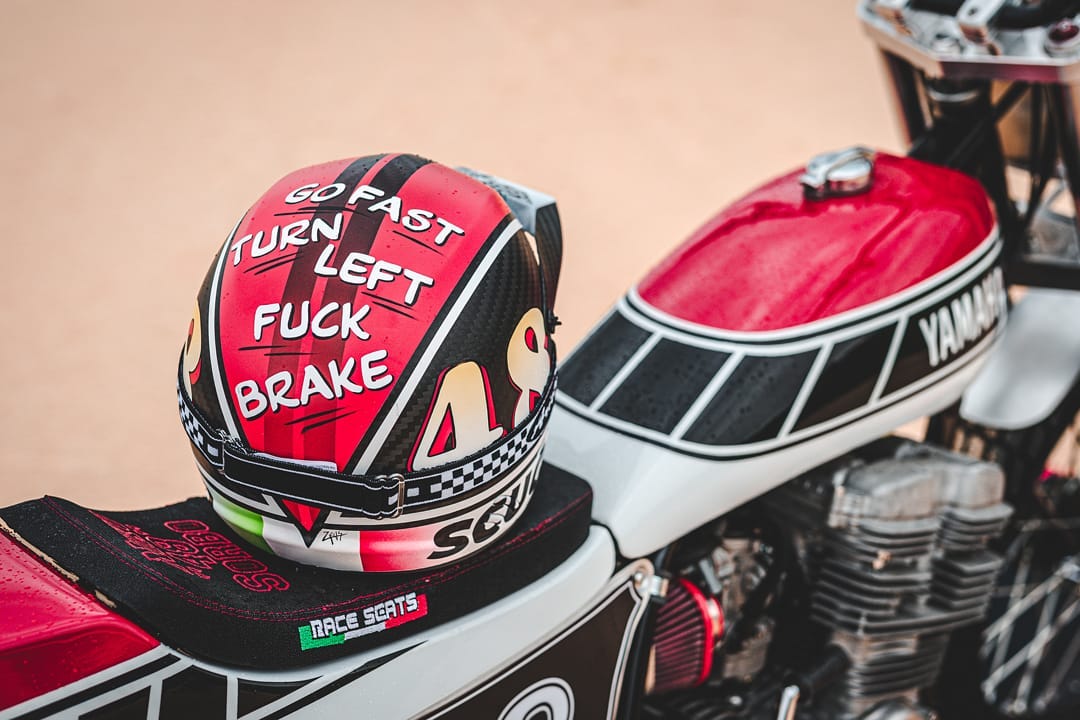
In the end, the build did much, much more than look good standing still: Niko made history on the FTX500, winning back-to-back French championships and taking third place in the German championship…not to mention several other successes. Massimo says that Niko makes riding this “Oldie” look easy, but his own experience was anything but:
“Watching Niko ride it, you’d think it’s as manageable as a modern bike — agile and easy to handle. But when I gave it a try myself, I have to say it felt like riding a surface-to-air missile with broken control fins… Insane vibrations, unbelievable pull, and the attitude of a rodeo bull 😁”
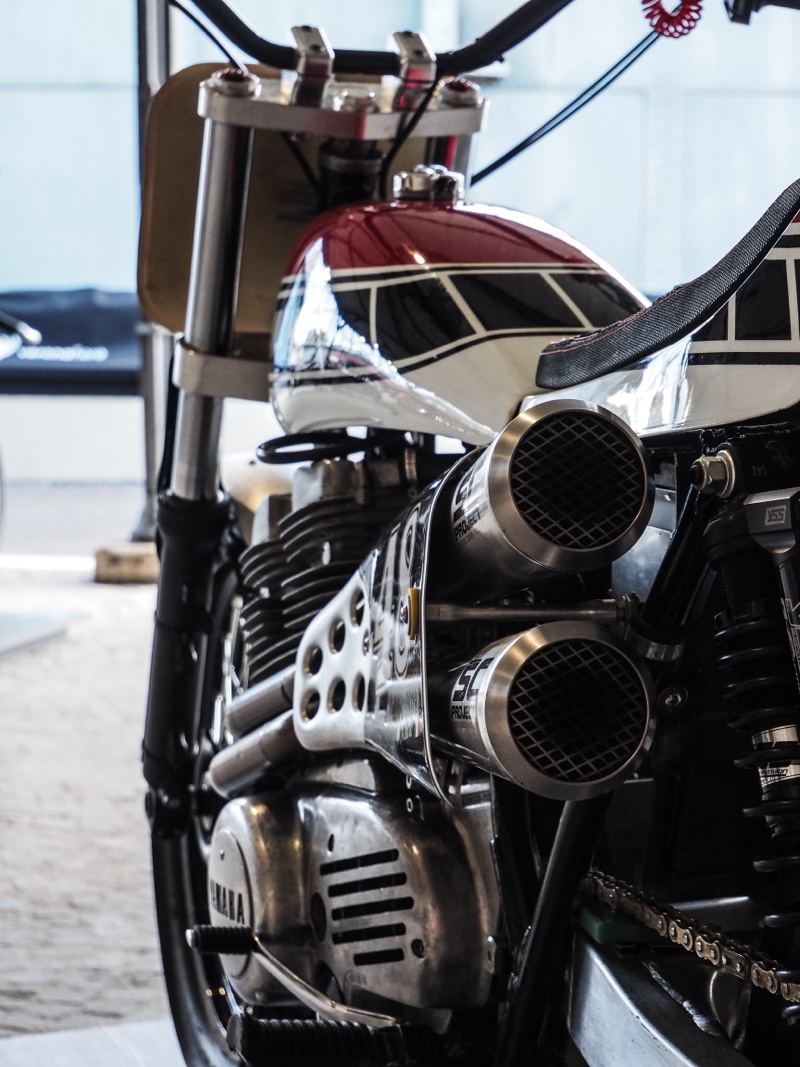
Congratulations to both Massimo and Niko for taking this TX500 from the basement to the podium! It was one of our favorite builds from the Eternal City Moto Show in Rome, where our friend, builder, and photographer Tom Boissel (@custom_motorcycle_tom_boissel) brought home these photos of the bike on display. Meanwhile, the outdoor photos come courtesy of Christian Fussi (@chrifussi).
Below you’ll find our full interview with Massimo about the build.
Yamaha TX500 Tracker: Builder Interview
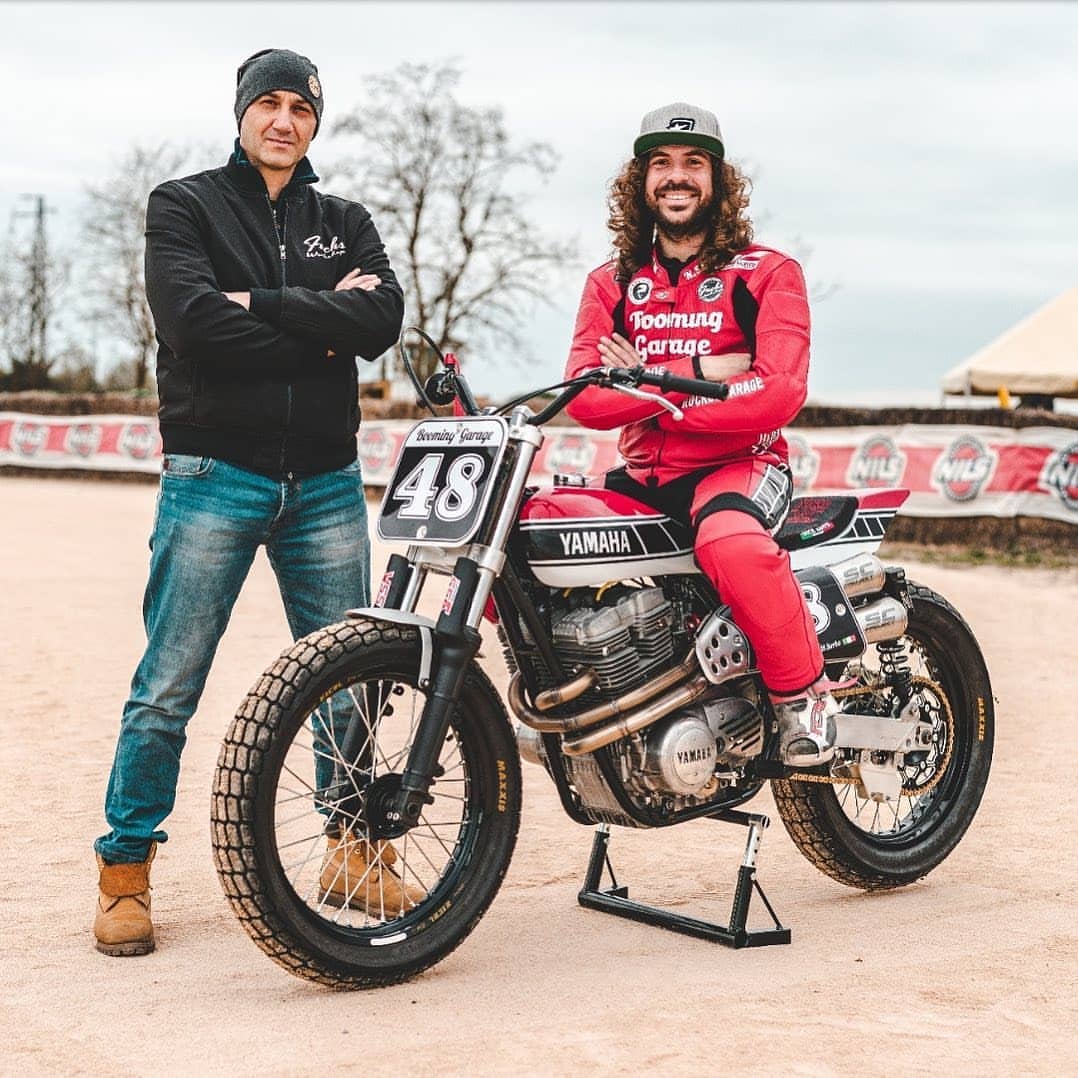
• What’s the make, model, and year of the donor bike
The bike was built starting from a 1972 Yamaha TX500, or rather, from a box containing a partially complete engine and a bare frame.
• Why was this bike built?
The project was commissioned by Niko Sorbo to enter a specific flat track category called “Oldies,” which was reserved for pre-1975 twin-cylinder motorcycles.
I was hesitant to accept, as it felt like a waste of time to build a bike for races where real powerhouses like H-D XR750s and similar machines would surely be competing — engines far too powerful to race against with a Japanese 500 pulled from a box in a basement. Fortunately, I was wrong…
• What was the design concept and what influenced the build?
Mainly due to that initial hesitation about the engine, the overall project didn’t spark any inspiration at first either… I started working on it with the mindset of getting it done quickly and putting in minimal effort. Then, when I got around to defining the lines of the tank and tail section, a light bulb went off. The bike could actually turn out really great.
From that moment on, my approach changed — I could “see” the finished result, and I started having fun. If nothing else, the bike would at least look good standing still 😁
• What custom work was done to the bike?
Truth be told, apart from the frame — which was heavily modified anyway — practically everything else was built from scratch.
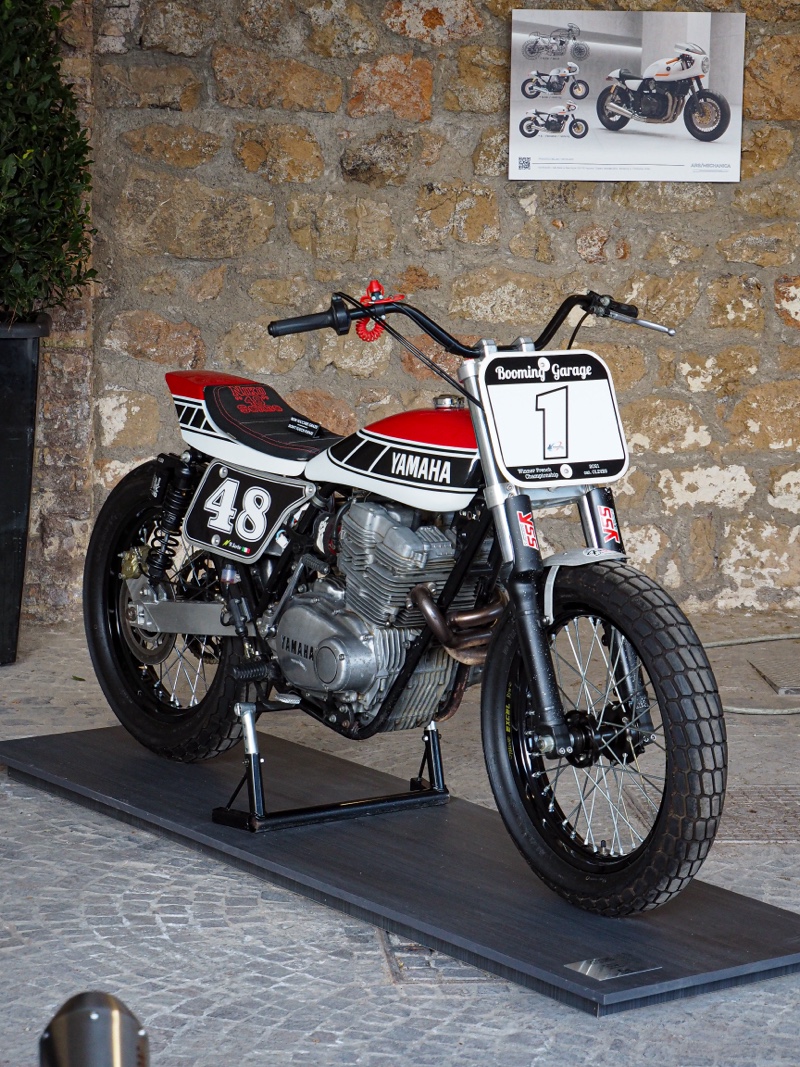
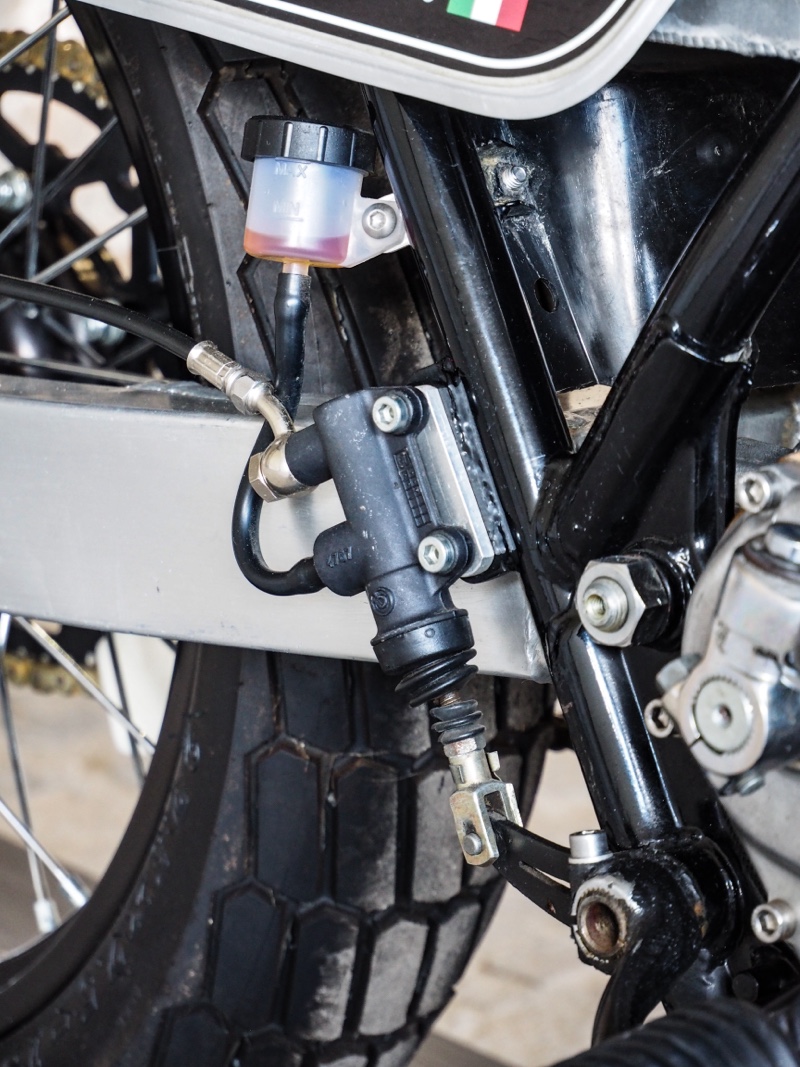
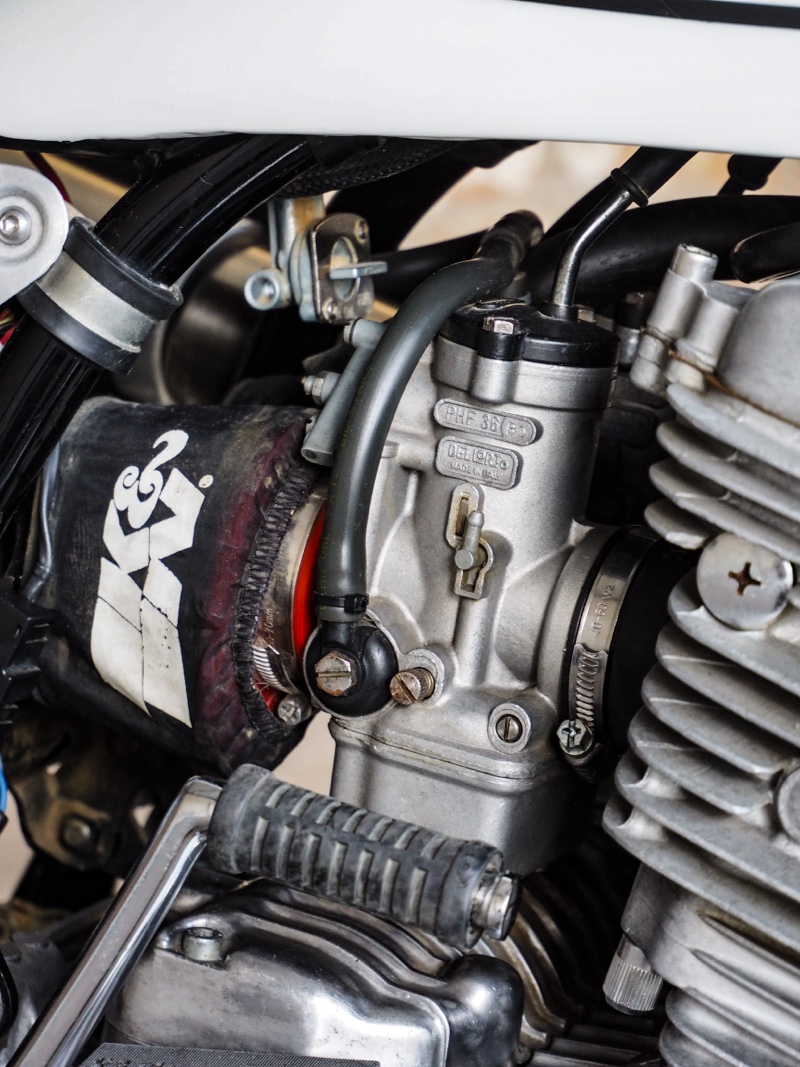
From the billet triple clamps to the Yamaha R6-derived front fork, from the aluminum swingarm sourced from a modern dirt bike to the modifications required to fit the twin YSS shocks, from the hand-beaten aluminum tank and tail section all the way to the full engine build — which now runs a custom electronic ignition designed and built exclusively for this bike — and so on.
• Does the bike have a nickname?
FTX 500.
• Any idea of horsepower, weight, and/or performance numbers?
We’ve never put it on the dyno, but I can tell you it’s seriously fast… The engine underwent heavy modifications that turned it into a monster, especially considering what the original bike was capable of.
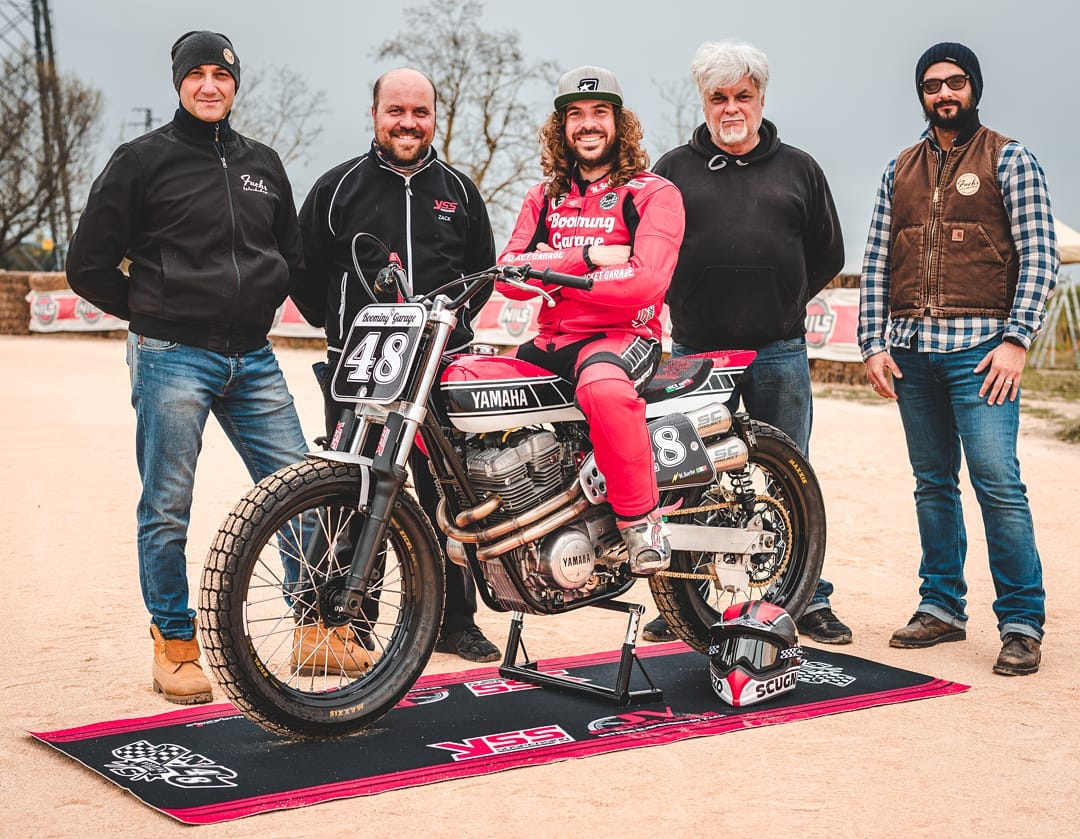
• Can you tell us what it’s like to ride this bike?
Watching Niko ride it, you’d think it’s as manageable as a modern bike — agile and easy to handle. But when I gave it a try myself, I have to say it felt like riding a surface-to-air missile with broken control fins… Insane vibrations, unbelievable pull, and the attitude of a rodeo bull 😁
• Was there anything done during this build that you are particularly proud of?
Without a doubt, the exhaust system. False modesty aside, I think it turned out really well — it’s super effective and looks great, too. In my opinion, the pipe routing and tailpipe placement account for at least 50% of this bike’s overall look.
• Is there anyone you’d like to thank?
Absolutely, yes. Claudio Lanconelli’s (Lanko Tuning) work was crucial, especially given the incredible engine performance. All credit for the engine build goes to him, on top of giving me a huge hand in building the entire bike. We’d also like to thank YSS for supplying the suspension, and SC Project for providing the exhaust mufflers.
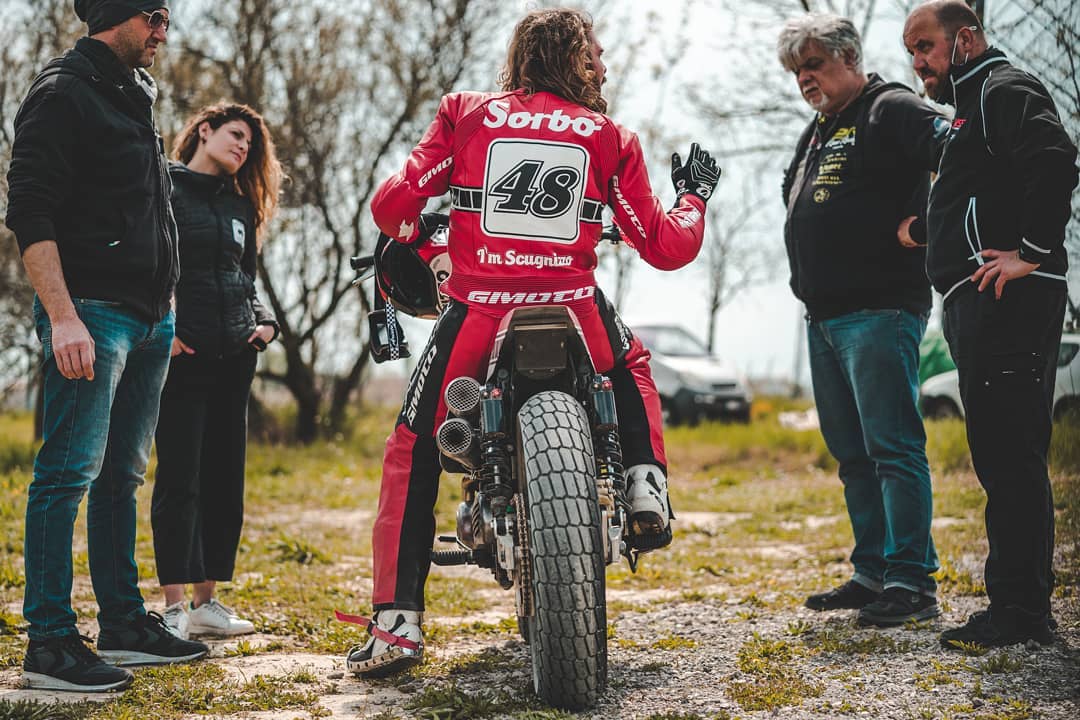
And, of course, Niko Sorbo, for making history with this bike by winning back-to-back French Championships in 2021 and 2022, taking third in the German championship, along with several other successes.
Follow the Builder
Instagram: @fuchs_workshop
Facebook: @fuchsworkshop
Indoor Photography: Tom Boissel (@custom_motorcycle_tom_boissel)
Outdoor Photography: Christian Fussi (@chrifussi)
More from Fuchs Workshop
 The Attitude of a Rodeo Bull: Yamaha “FTX500” Flat Tracker - Oldie But Speedy: Championship-Winning TX500 Tracker from Fuch’s Workshop… In 1972, Yamaha introduced their first middleweight four-stroke twin, the TX500, later to become the XS500. Whereas the TX/XS650 resembled the British twins of yesteryear, the […]
 Big Single Thunderbike: Honda XL600S Tracker - Honda XL600R Thunderbike from Fuchs Workshop… Last week we had the pleasure of featuring the #48 Honda 650 flat tracker of professional racer Niko Sorbo, built by Italy’s Fuchs Workshop to compete in the Thunderbike […]
 Sorbo’s Thunderbike: Honda Dominator 650 Flat Tracker - From Fuchs Workshop: Niko Sorbo’s Honda Thunderbike, “Rusinella”… More than two decades ago, Massimo Rinchiuso of Italy’s Fuchs Workshop began preparing track bikes. Today, his Ravenna-based workshop specializes in hand-shaped aluminum bodywork, 3D design, CNC […]
 Moto Guzzi “Riviera” Custom Cruiser - From the Land of Motors: Moto Guzzi “Riviera” from Fuchs Workshop… The Italian region of Emilia-Romagna has been christened the “Land of Motors” or “Motor Valley” for its high concentration of car and motorcycle manufacturers, […]
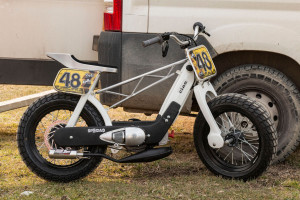 Special Ciao: “Speciao” 75cc Piaggio Tracker - Fuchs Workshop builds a Piaggio mini-tracker… In 1967, Piaggio introduced their first moped, the Ciao — a 50cc two-stroke with a belt drive, drum brakes, and 6-volt electrics. Produced in various versions well into […]


