


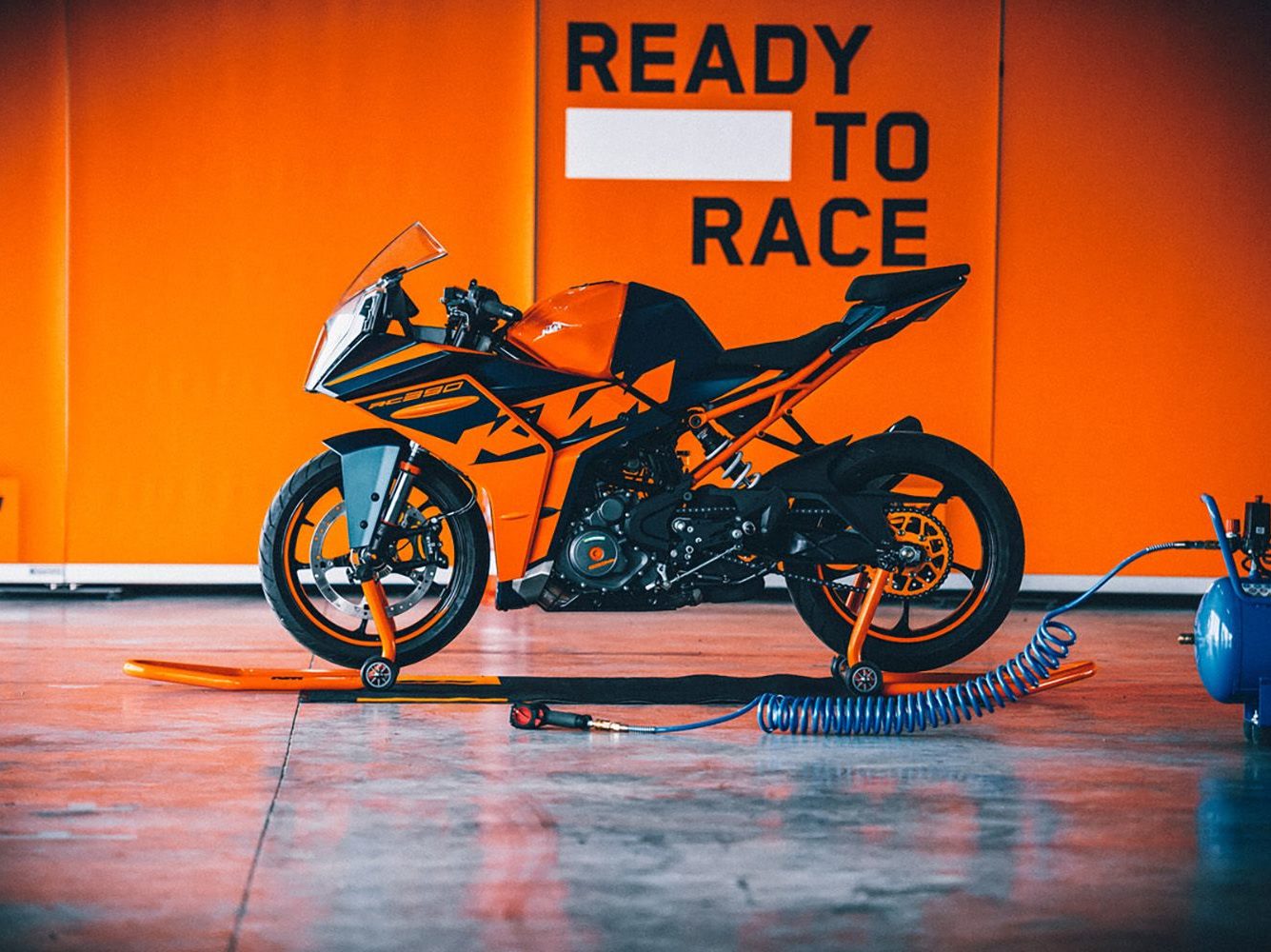
The KTM RC 390 is a high-performance, lightweight sport bike that punches well above its displacement. Designed with “Ready to Race” DNA, the RC 390 delivers a thrilling ride whether you’re hitting the track or carving through twisty roads.
Design & Build
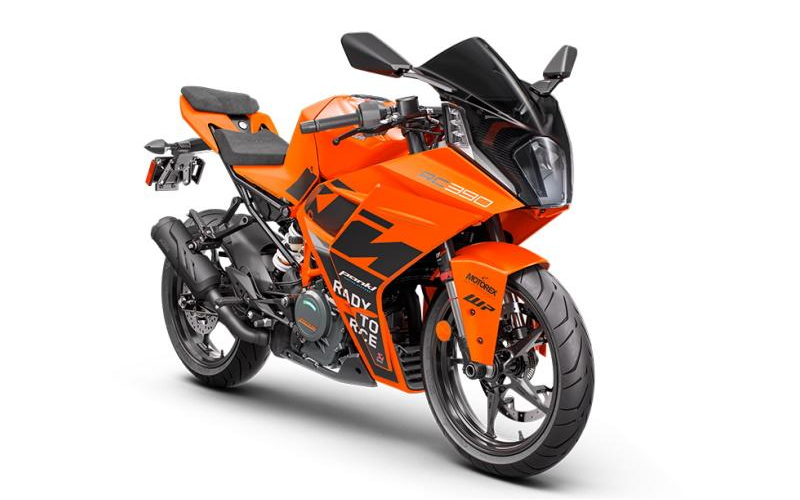
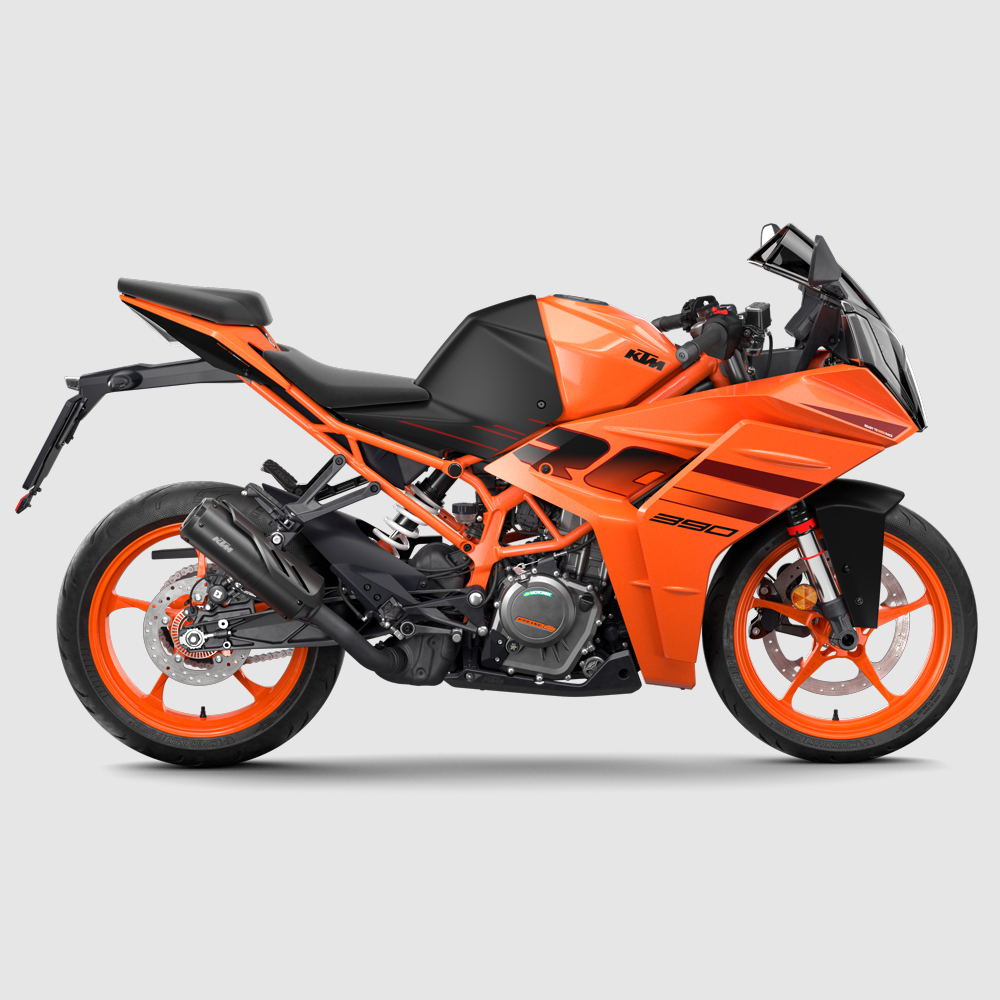
The RC 390 wears its racing pedigree proudly. Its full fairing, sharp nose, and aggressive bodywork look pulled right from the track. The frame uses a steel trellis design, which gives the bike a rigid yet lightweight backbone. (KTM)
The ergonomics lean sporty: clip-on handlebars, a rear-set footpeg position, and a compact tail section make for a true supersport riding posture. That said, KTM has incorporated features like an adjustable handlebar height (10 mm of adjustment) to make the bike a little more usable for street riding. (Mountain Motorsports)
Engine & Performance
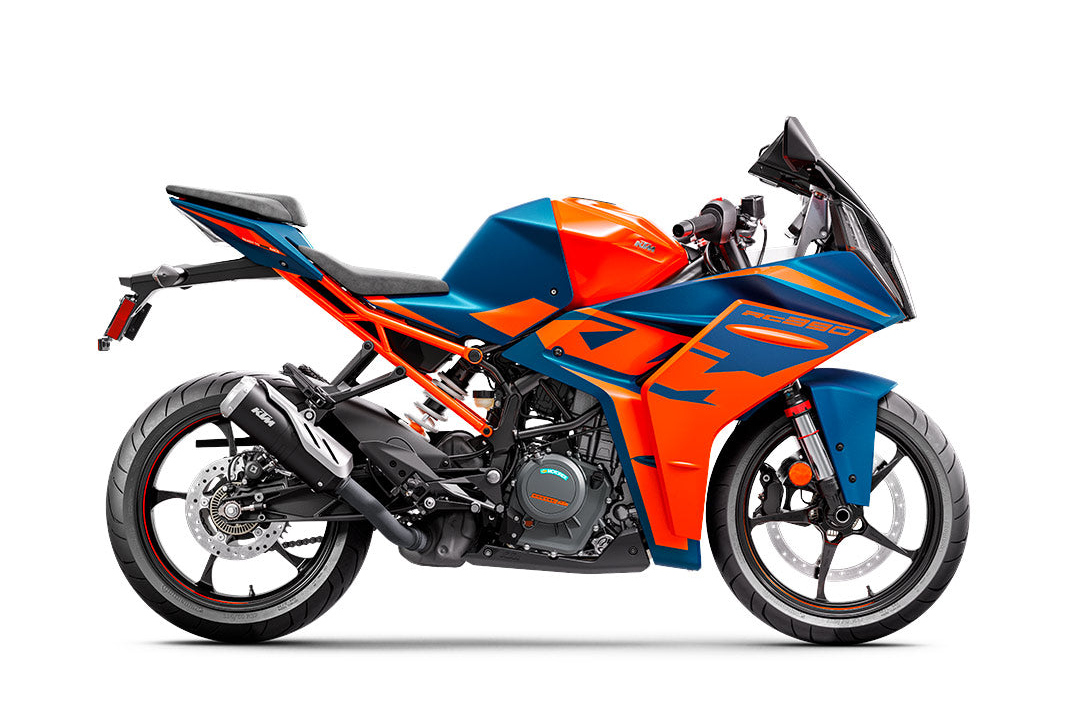
At its core, the RC 390 is powered by a 373 cc single-cylinder, liquid-cooled four-stroke engine. The engine is tuned for punchy, usable performance, producing roughly 44 hp (32 kW) according to various spec sources. Torque is rated around 37 Nm, giving it plenty of low-to-mid grunt.
The RC 390 also features ride-by-wire throttle mapping, which allows for more precise throttle response and better control.
For downshifts, many model years include a PASC anti-hopping clutch, which helps reduce rear-wheel chatter under aggressive deceleration.
Chassis, Suspension & Brakes

- Frame: Lightweight steel trellis frame with a bolt-on subframe.
- Front Suspension: WP APEX 43 mm upside-down fork, fully adjustable.
- Rear Suspension: WP APEX monoshock with preload and rebound adjustability.
- Brakes: A strong 320 mm front disc with a radially mounted 4-piston caliper, and a 230 mm rear disc.
- ABS: Uses Bosch 9.1 MP two-channel ABS for better safety and lean-angle coverage.
The wheels are cast aluminum and designed to minimize weight; KTM claims a “bionic” style wheel to reduce unsprung mass.
Dimensions & Ergonomics
- Seat Height: ~824 mm (32.4 in), relatively tall, which gives the bike a more aggressive, race-oriented feel.
- Fuel Tank Capacity: 13.7 liters (about 3.6 gal), which is decent for a sport bike this size.
- Dry Weight: Around 155 kg (~341.7 lb) per spec sources.
- Ground Clearance: ~158 mm.
Electronics & Rider Aids
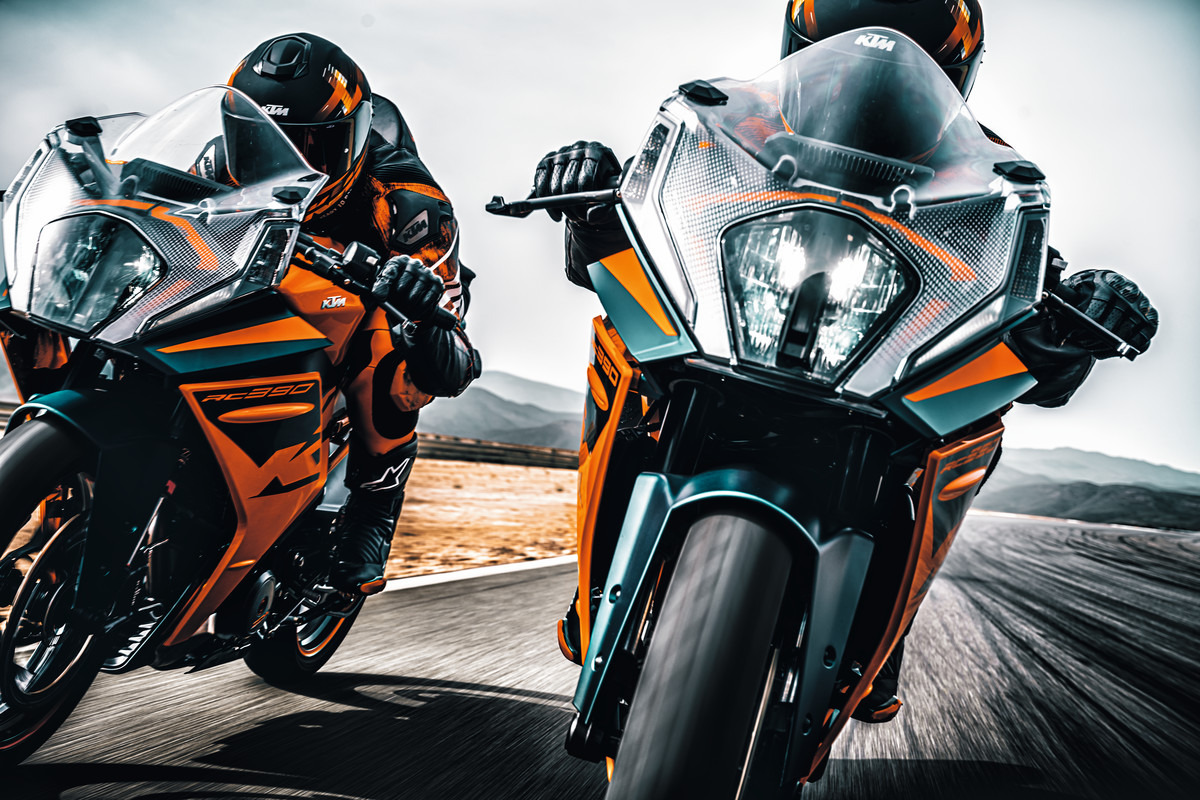
The RC 390 is well-equipped for a sub-400cc sport bike. Key tech includes:
- Traction Control (MTC) — helps keep power manageable in corners.
- Cornering ABS — ABS that works even when the bike is leaned over.
- Quickshifter+ (Optional) — available on some model years to enable clutchless up- and down-shifts.
- TFT Display — a modern full-color screen that gives you ride data, gear, and more.
Practicality & Usability
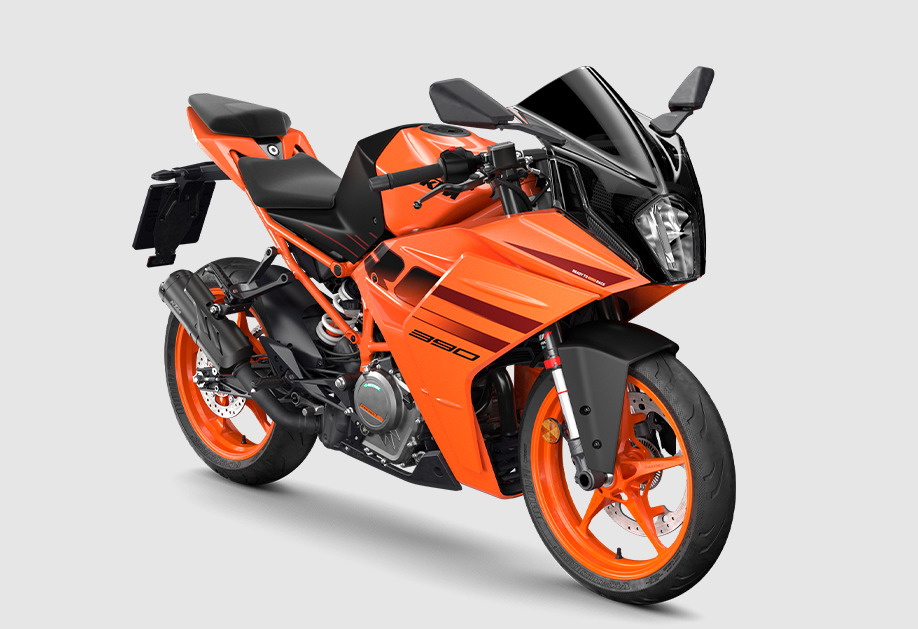
Although it’s race-inspired, the RC 390 is quite usable on the street:
- Its single-cylinder engine delivers a torquey punch that’s usable in city and highway situations.
- The fuel tank and efficiency mean you can do reasonably long rides (for a sport bike) without constant fill-ups.
- However, the riding position is aggressive, so it may be less comfortable over long distances for some riders — especially newer ones.
Rider Impressions & Real-World Feedback
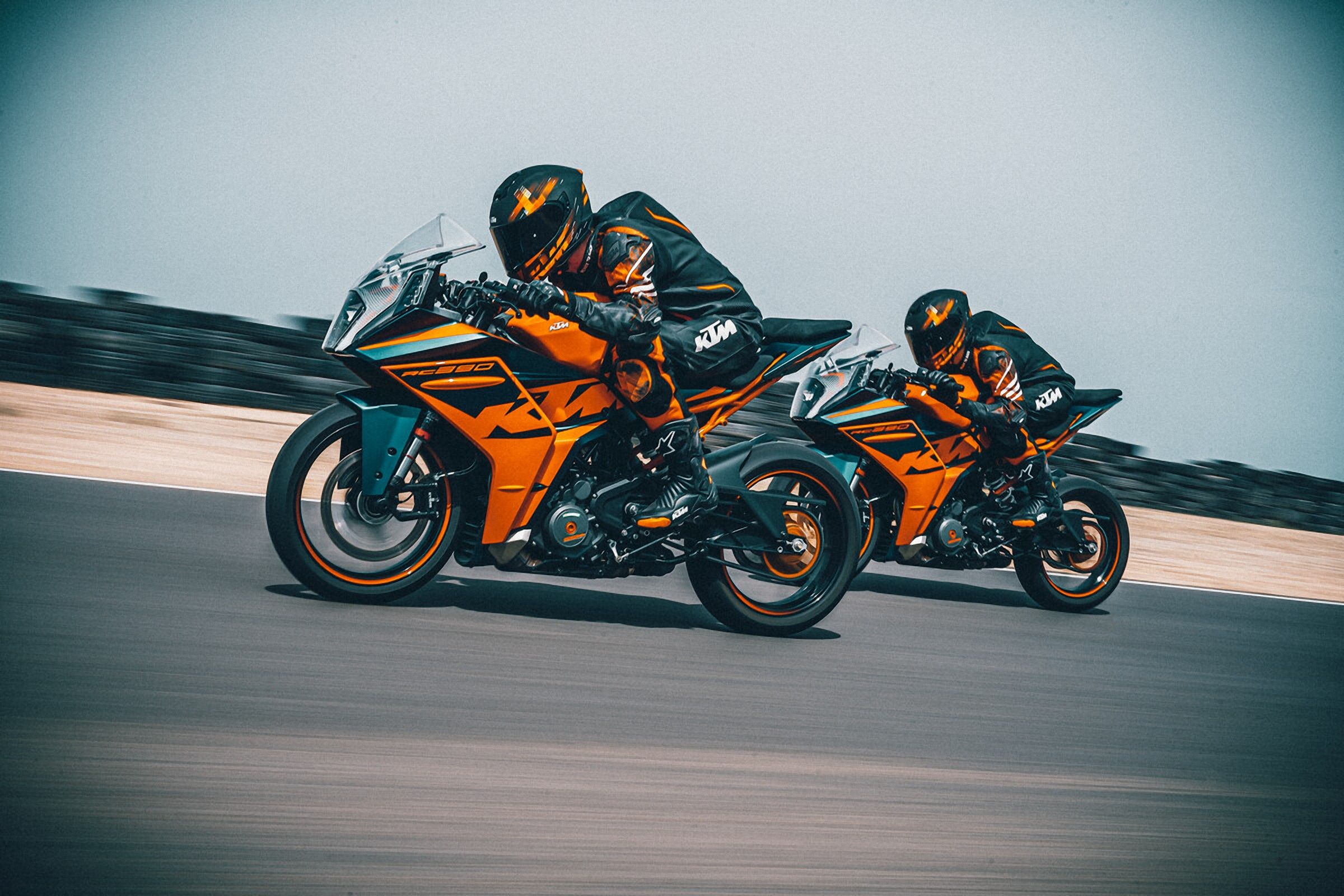
From real-world owners:
- Some riders love the exhilarating performance and handling:
“My 2024 KTM rc390 … it’s been a beast … super fun to ride.”
- Others call out comfort issues:
“the position can be a little aggressive if you do longer rides.”
- On reliability:
“KTM is pretty solid … just buy one and have fun.”
But some warn about higher heat and narrow engine temperature tolerances if not tuned properly.
Who Is the RC 390 For?
Great For:
- Riders who want a serious, race-derived sport bike in a lightweight package.
- Track-day enthusiasts looking for a sub-400cc machine that feels very capable.
- Experienced riders who want a fun, flickable bike with a real sport posture.
- Intermediate riders who want a performance machine but don’t want a liter-class bike yet.
Less Ideal For:
- Total beginners who want a super relaxed riding position or minimal risk.
- Riders prioritizing long-distance comfort — the aggressive stance and firm suspension may be fatiguing.
- Someone who wants a “just commute” bike — there are more practical options in commuter or naked styles.
KTM RC 390 Pros & Cons
Pros:
- Very strong “race-feel” for a small-displacement bike
- Excellent chassis, brakes, and suspension — track-capable
- Lightweight — great power-to-weight ratio
- Modern electronics: traction control, ABS, quickshifter available
- Fuel-efficient while still being fun to rev
Cons:
- Aggressive ergonomics can be tiring
- Single-cylinder vibe — less smooth than a twin at high revs
- Seat height might be high for shorter riders
- Some reliability concerns reported if not properly maintained and tuned
- Less storage / practicality than more commuter-focused bikes
KTM RC 390 Specs
Engine: 373 cc liquid-cooled single-cylinder
Power: ~43.5 PS (~42.7 hp) @ ~9,000 rpm (varies by market)
Torque: ~37 Nm (~27.3 lb-ft) @ ~7,000 rpm (varies by market)
Transmission: 6-speed manual, chain drive, assist/slipper clutch
Weight: ~364 lbs dry (~158 kg without fuel)
Frame: Steel trellis frame
Suspension:
• Front: 43 mm WP APEX inverted fork, fully adjustable
• Rear: WP APEX monoshock, preload & rebound adjustable
Brakes:
• Front: 320 mm disc with radial 4-piston caliper
• Rear: 230 mm disc with single-piston caliper
• ABS: Dual-channel / Cornering-capable ABS
Electronics & Features:
• Ride-by-wire throttle
• Traction control (MTC)
• Cornering ABS (and Supermoto mode in some markets)
• Optional quickshifter+
Seat Height: ~32.4 in (824 mm)
Fuel Capacity: ~3.6 gal (≈13.7 L)
Wheelbase: ~53.0 in (≈ 1,350 mm)
Ground Clearance: ~6.2 in (≈158 mm)
Performance:
• Top Speed: ~110-115 mph (estimation varies)
• 0-60 mph: Low to mid-4-second range (depending on rider/conditions)
• Fuel Economy: ~45-55+ mpg (varies widely)
Options & Packages:
• Special colour/graphics editions (Factory Racing inspired)
• Accessory upgrades: quickshifter+, performance exhaust, track fairings
• Race-ready components in some markets (e.g., upgraded wheels, lighter sub-frame)
2025 KTM RC 390 – Model Breakdown
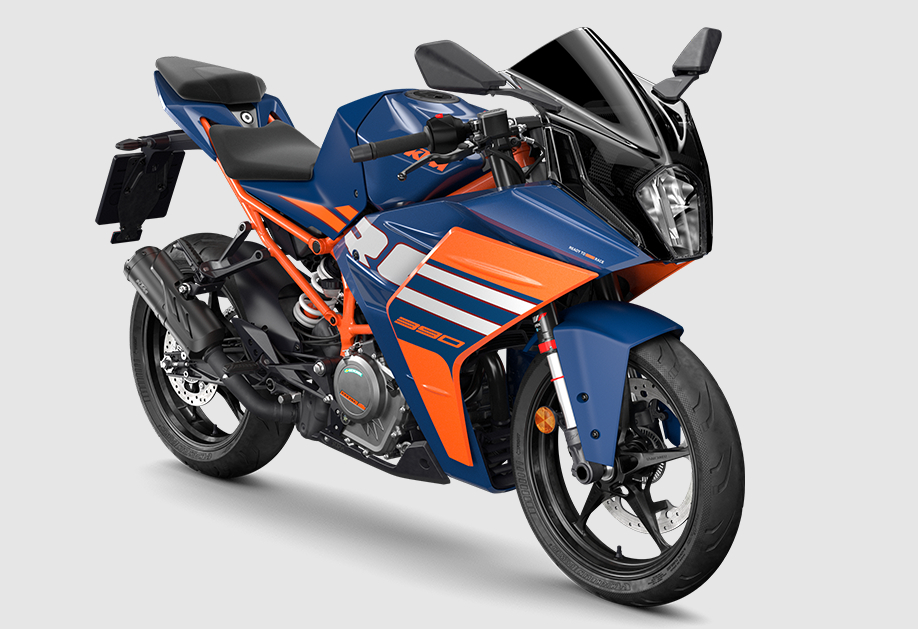
What’s New for 2025…
The 2025 KTM RC 390 looks to be a significant evolution, not just a refresh. With a potentially larger engine, modern electronics, and sharper styling, it’s poised to remain one of the most exciting lightweight supersports on the market.
For serious sport-bike fans, this could be the best 390-class RC ever — and for newer riders, it may be a more viable “performance bike for learning” than before.
Comparison: KTM RC 390 vs Aprilia RS 457 vs Kawasaki Ninja 400
Here’s how these three lightweight sport bikes stack up in 2025: what they do well, where they shine, and what trade-offs you might face.
| Spec / Feature | KTM RC 390 (2025) | Aprilia RS 457 (2025) | Kawasaki Ninja 400 (2025) |
|---|---|---|---|
| Engine / Displacement | Likely ~399 cc single — strong rumors point to upgraded motor. | 457 cc, liquid-cooled parallel twin. | 399 cc parallel twin. |
| Power & Torque | Reported ~46 PS and ~39 Nm if the 399cc is real. | 47.6 hp (~35 kW) @ 9,400 rpm, 43.5 Nm @ 6,700 rpm. | ~48 HP and ~38 Nm per recent 2025 spec listings. |
| Frame & Chassis | Trellis / steel frame (KTM style) — very track-focused feel. | Aluminum twin-spar frame — gives a more premium, race-derived structure. | High-tensile steel trellis frame. |
| Suspension | WP APEX USD fork + APEX monoshock — both adjustable. | 41 mm USD fork (120 mm travel) + adjustable monoshock (130 mm). | 41 mm telescopic fork front, Uni-Trak rear shock. |
| Brakes | Big 320 mm front disc / strong rear disc + ABS. | 320 mm front / 220 mm rear. | 310 mm front / 220 mm rear disc; ABS available. |
| Seat Height | Around 824 mm (race-oriented, somewhat tall) | ~805 mm (31.7 in) per dealer spec. | ~785 mm |
| Weight | Very light (KTM typically optimizes for weight) — reported 155 kg in past spec / similar model | Wet weight ~174 kg (per spec). | ~168 kg kerb (2025 spec) |
| Fuel Capacity | ~13.7 L (KTM-type small race-bike tank) | ~13 L (3.4 gal) per spec. | ~14 L per Kawasaki spec. |
| Electronics / Rider Aids | Likely ride modes, ABS, traction control; Quickshifter rumored for 2025 | 3 riding modes, switchable traction, dual-channel ABS, optional quickshifter. | Assist & slipper clutch; ABS; economical riding indicator. |
| Power-to-Weight Character | Very aggressive / “pure” race feeling, especially if the 399cc engine is real | Balanced, with a good power/weight ratio and more torque flexibility thanks to the twin | Slightly less aggressive than KTM — but very well-balanced and user-friendly with twin-cylinder smoothness |
| Best For | Enthusiastic riders who want a lightweight, track-capable sport bike | Riders who want a premium-feeling “mini superbike” with modern electronics and twin-engine characteristics | Riders who want a very usable, sporty bike for both city and canyon — great for beginners to intermediates |
| Trade-Offs | Less comfort, more aggressive ergos, single-cylinder vibrations | More complex, maybe costlier maintenance, potentially not as “peaky” at top RPM vs single | Slightly heavier than KTM; not quite as “race-bred”; twin-cylinder costs / maintenance may be a bit more than single |
Key Takeaways: Which One Should You Prefer & Why
- Go for the RC 390 (2025) if you prioritize performance and race feel above all. If the displacement bump is real, it’ll deliver a very engaging ride with raw power, and its lightweight frame means it’s likely the most agile of the three.
- The RS 457 is the smart middle ground: modern electronics, a balanced twin engine, and genuine sportbike DNA. It’s ideal for someone who wants a premium, capable “everyday super-sport.”
- Pick the Ninja 400 if you want a reliable, well-rounded sport bike. It’s probably the most user-friendly, with good ergonomics, enough power, and enough refinement to handle commuting, canyon carving, and longer rides.
Verdict
The KTM RC 390 is one of the most compelling “mini supersport” bikes on the market. It’s not just a beginner bike — it’s a real racer in a lightweight package. If you want a sport bike that feels alive, handles like a track bike, and isn’t afraid to be revved, the RC 390 delivers.
But if comfort and long-distance usability are your top priorities, you might want to look at more relaxed or larger bikes. This one is about fun first, practicality second — and it nails the “fun” part.


