
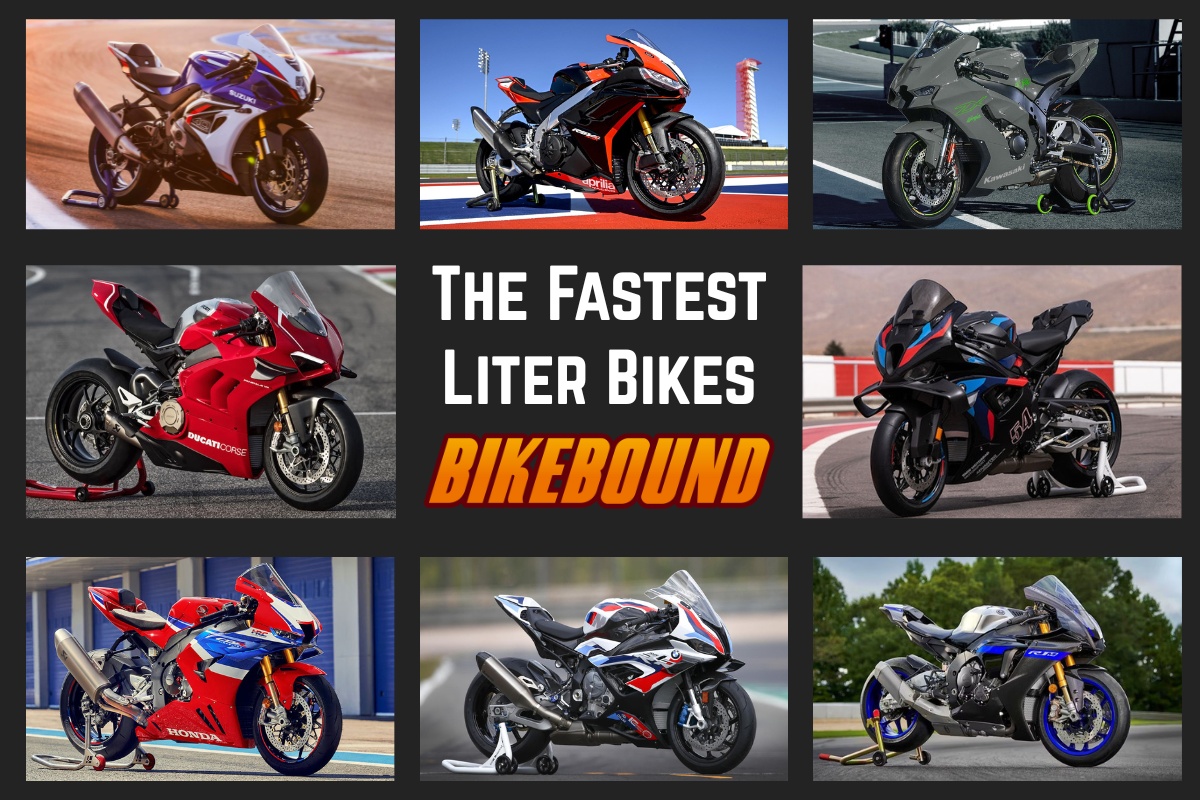
The Fastest in the 1000cc Class…
Liter-class motorcycles have always represented the upper edge of performance for production sportbikes. Once considered nearly unrideable for mere mortals, today’s 1000cc machines blend extreme horsepower with advanced electronics, aerodynamic engineering, and racing-derived chassis tech. They accelerate harder than most supercars, reach aerospace levels of top speed, and offer precision once reserved for MotoGP machines.
But with so many contenders — some track-focused, some road-biased, some bordering on hyperbike territory — which liter bikes are the fastest?
Below is a deep dive into the machines that define the modern 1000cc performance category.
What Is a Liter Bike?

A “liter bike” is a high-performance sport motorcycle with an engine displacement of approximately 1000cc, or one liter — hence the name. The term is most commonly used to describe 1000cc-class superbikes, which occupy the top tier of production sportbike performance.
While early sport motorcycles came in many engine sizes, the modern superbike world has standardized around the 1000cc category as the benchmark for racetrack homologation and top-speed engineering.
Core Traits of a Liter Bike
A true liter bike typically features:
- Engine size: ~998–1000cc (some vary slightly above or below)
- Power output: 180–220+ horsepower
- Top speed: Often electronically limited to ~186 mph (300 km/h)
- Advanced electronics: traction control, wheelie control, launch control, cornering ABS, quickshifter
- Race-focused design: aerodynamic bodywork, stiff chassis, track-oriented ergonomics
- Extreme power-to-weight ratio: often exceeding one horsepower per kilogram
These motorcycles are built for speed, acceleration, and precision, forming the backbone of racing series such as World Superbike.
Why Liter Bikes Are So Significant
- They represent the pinnacle of mass-produced sportbike performance.
- Manufacturers use them to showcase new aerodynamic, electronic, and engine technologies.
- They are the closest machines the public can buy to actual race bikes.
In short, a liter bike is the ultimate expression of modern superbike engineering — brutally fast, technologically advanced, and capable of performance that exceeds what most riders can fully exploit.
What Makes a Liter Bike “Fast”?
Top speed is only one piece of the puzzle. True superbike performance comes from:
- 0–60 mph and 0–100 mph acceleration
- Quarter-mile times
- Peak horsepower
- Power-to-weight ratio
- Electronics packages that put the power to the ground
- Aerodynamics and stability at high speed
The fastest liter bikes aren’t just powerful — they’re engineered to use that power efficiently.
The Fastest Liter Bikes on the Market Today
Below are the fastest production 1000cc-class motorcycles available today, judged by real-world acceleration, top speed, and overall performance capability.
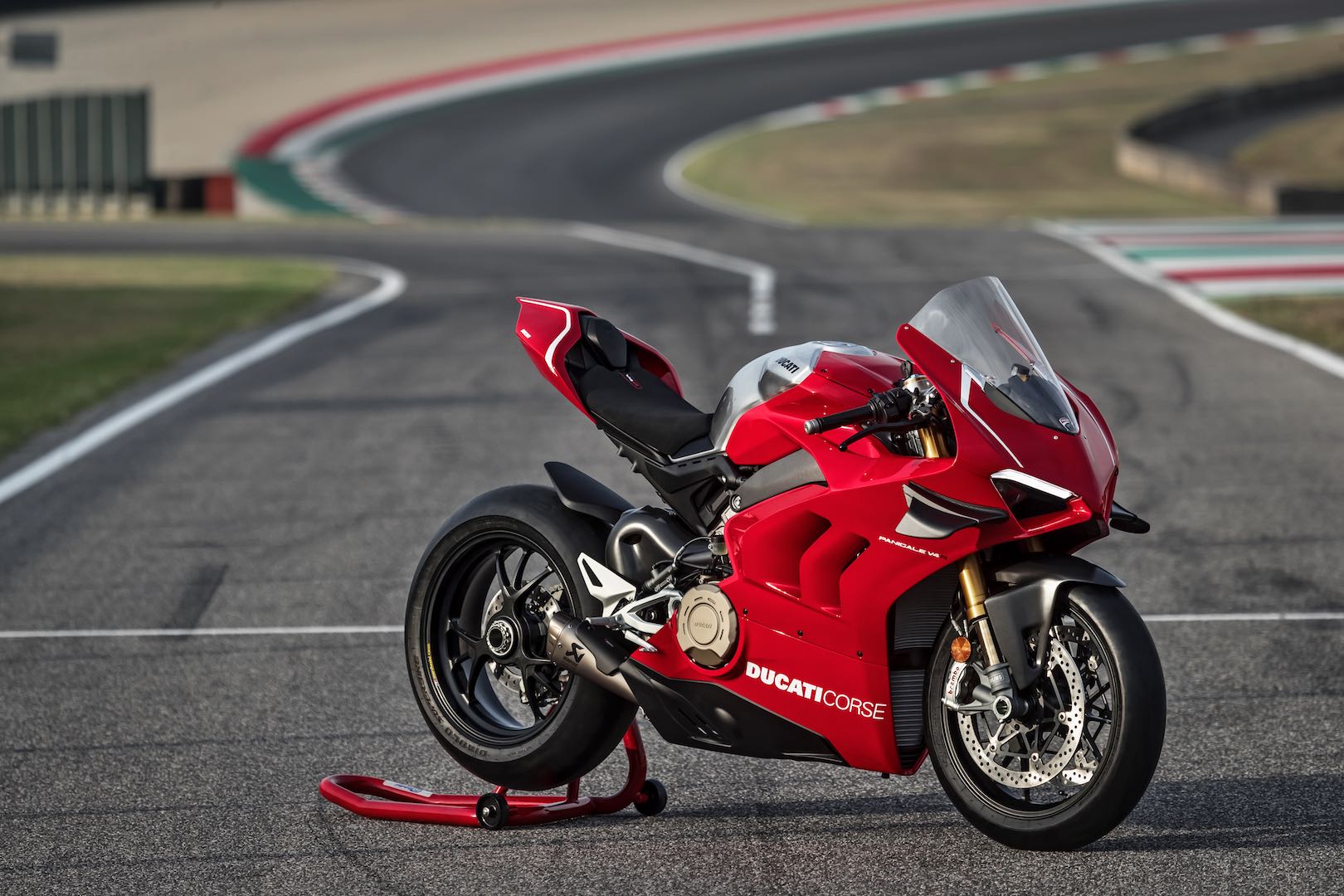
1. Ducati Panigale V4 R

Top Speed: ~199–202 mph
Horsepower: ~240 hp with race exhaust (218 hp standard)
Quarter Mile: ~9.5–9.7 sec
The Panigale V4 R is the closest thing to a WorldSBK race bike you can buy. It revs to a staggering 16,500 rpm and makes near-MotoGP power figures with the race kit.
- MotoGP-derived V4 engine
- Aerodynamic winglets for stability
- Ultra-lightweight construction
- One of the highest power-to-weight ratios of any production motorcycle
This is the apex predator of the liter-bike class.
2. Kawasaki Ninja ZX-10R / ZX-10RR

Top Speed: ~186 mph (electronically limited)
Horsepower: ~200 hp
Quarter Mile: ~9.7–9.9 sec
Kawasaki continues to dominate racing with the ZX-10R platform. Even with the limiter, its real-world acceleration is ferocious.
- WorldSBK championship pedigree
- Race-focused chassis geometry
- Ultra-stable at high speed
- Top-tier electronics for traction and launch control
The ZX-10RR is the homologation model with lighter internals and racier gearing.
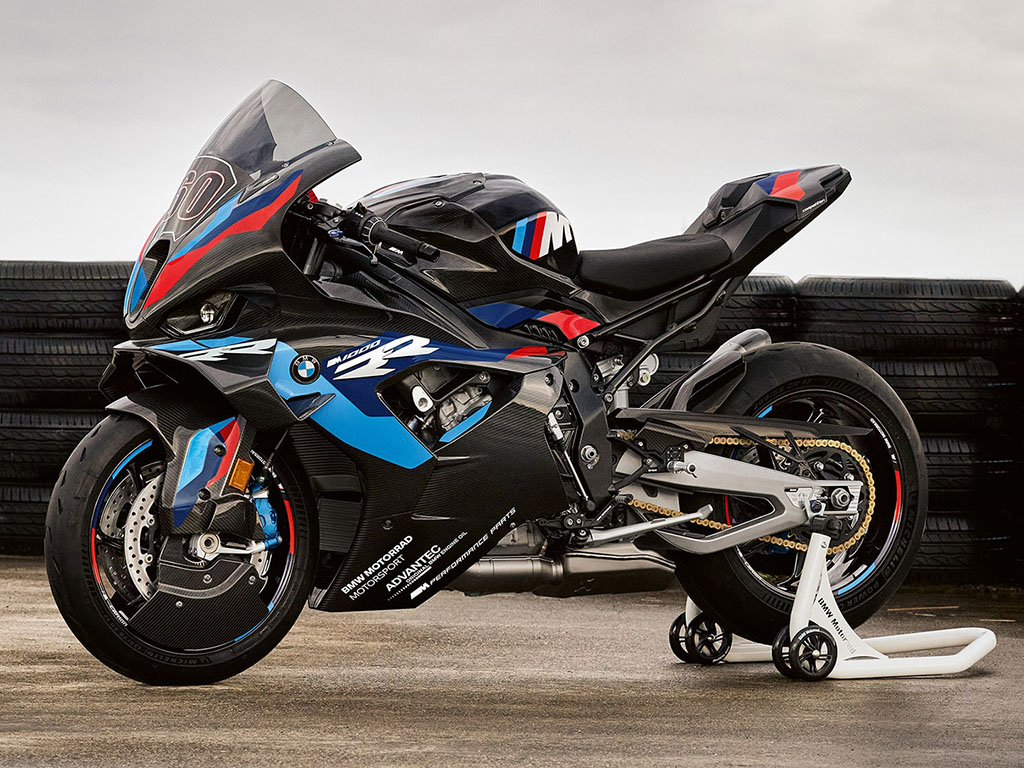
3. BMW S1000RR / M1000RR
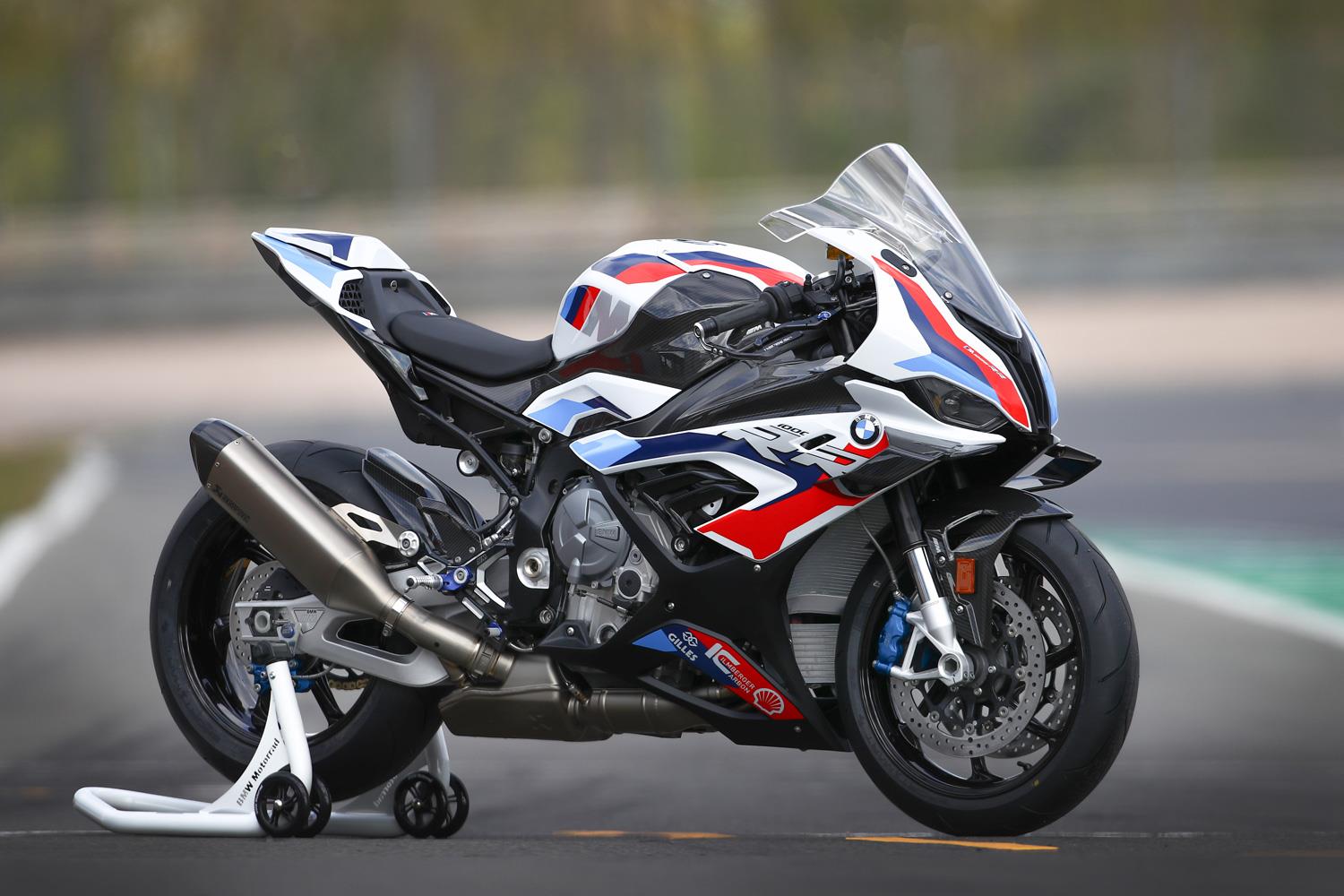
S1000RR Top Speed: ~188–193 mph
M1000RR Top Speed: ~192–196 mph
Horsepower: 205–212+ hp
Quarter Mile: ~9.5–9.8 sec
BMW’s ShiftCam technology gives the S1000RR huge midrange and top-end power, while the M1000RR adds aero winglets, lighter internals, and racier gearing.
- Class-leading electronics package
- Razor-sharp chassis balance
- Strong torque curve and brutal top-end pull
- Excellent aerodynamic stability
Few liter bikes are as consistently fast in both straight lines and lap times.
4. Yamaha YZF-R1 / R1M
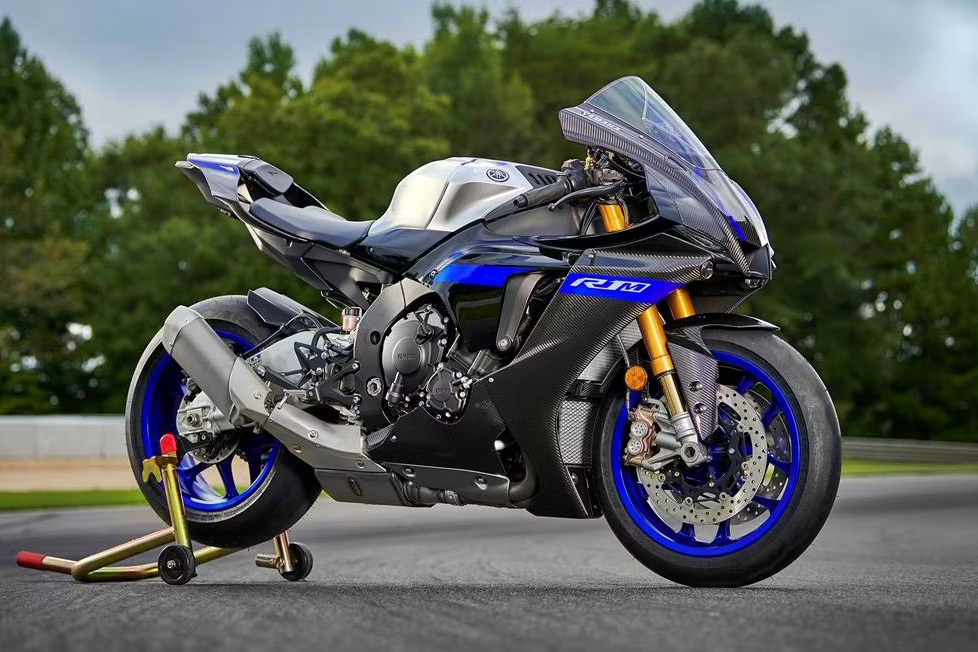
Top Speed: ~182–186 mph
Horsepower: ~200 hp
Quarter Mile: ~9.8–10.1 sec
Inspired directly by Yamaha’s M1 MotoGP machine, the R1 uses a crossplane-crankshaft engine that delivers unmatched throttle feel and traction
- Crossplane crank for smoother, grippier power delivery
- Extremely predictable handling
- MotoGP-derived electronics suite
- High corner speed capability
It may not be the peak horsepower king, but it’s one of the most “rideably fast” liter bikes ever made.
5. Suzuki GSX-R1000R
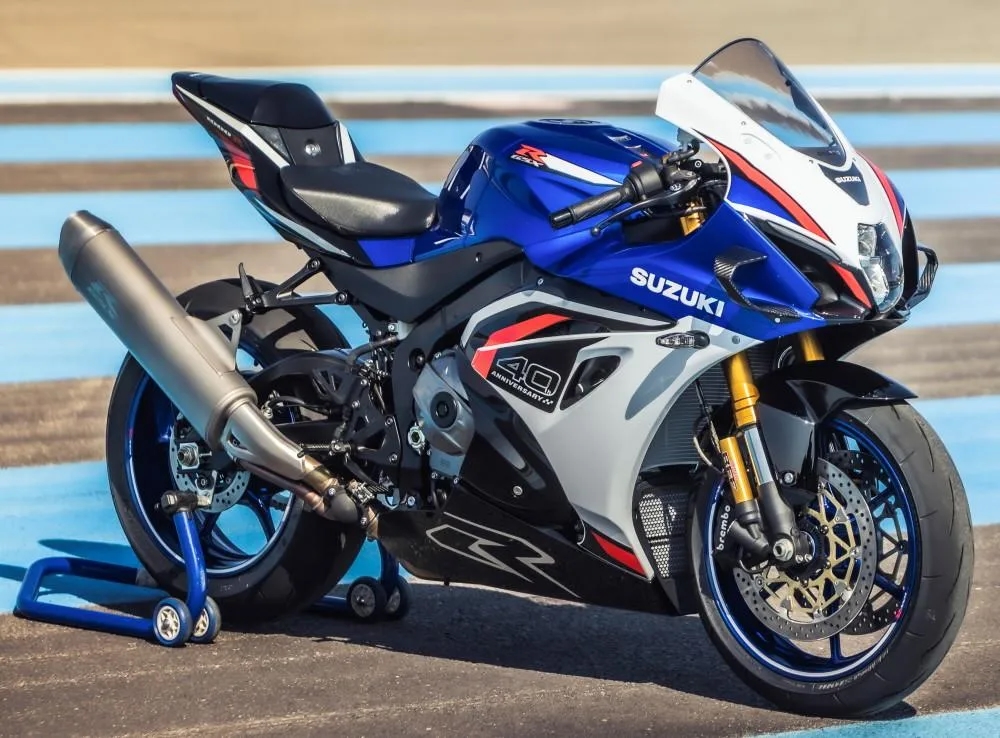
Top Speed: ~185 mph (limited)
Horsepower: ~199 hp
Quarter Mile: ~9.8–10.0 sec
The GSX-R1000R remains a street-friendly superbike with explosive acceleration and strong midrange, thanks to Suzuki’s variable valve timing.
- Linear, usable power delivery
- Strong acceleration off the line
- Balanced chassis and excellent road manners
It’s the “everyman’s superbike” — approachable yet extremely fast.
6. Honda CBR1000RR-R Fireblade SP
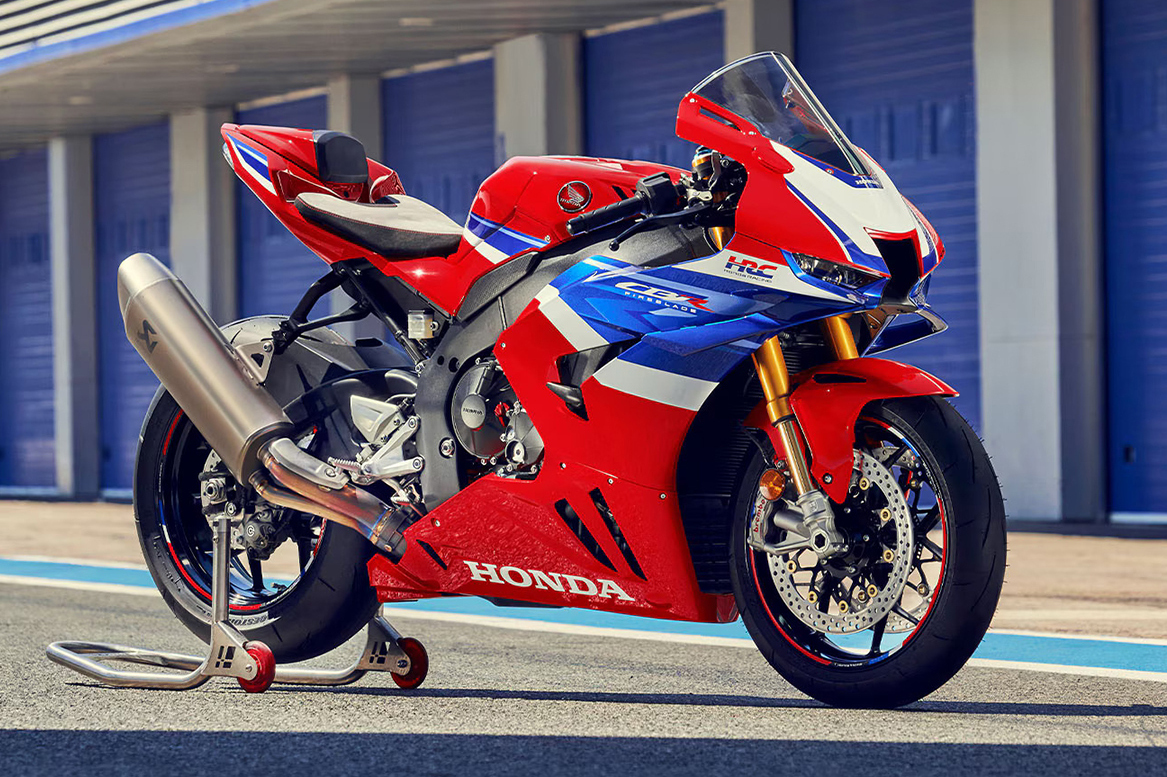
Top Speed: ~188–199 mph
Horsepower: ~215 hp
Quarter Mile: ~9.7–9.9 sec
Honda went full race engineering with the latest Fireblade. It’s a 215-hp missile with winglets, a high compression ratio, and an extremely rev-happy inline-four.
- Compact, high-efficiency engine
- Superb stability at high speed
- Incredible handling precision
- Designed with WorldSBK competitiveness as the priority
In many ways, the Fireblade SP is Honda’s most serious track weapon since the RC30/RC45.
7. Aprilia RSV4 Factory 1100

Top Speed: ~188–191 mph
Horsepower: ~217 hp
Quarter Mile: ~9.7–10.0 sec
While technically 1077cc, the RSV4 is close enough to liter-bike territory and often outperforms true 1000cc machines. Its V4 engine is one of the best in motorcycling.
- Winglets and refined aerodynamics
- Legendary V4 character and sound
- Top-tier Öhlins suspension
- Track-tuned electronics
In real-world riding, the RSV4 Factory is one of the most rewarding superbikes ever built.
The Fastest by Category
Raw Horsepower:
- Ducati Panigale V4 R
- Aprilia RSV4 Factory
- Honda CBR1000RR-R SP
Top Speed:
(Most modern bikes are limited to ~186 mph unless derestricted)
- Ducati Panigale V4 R (200+ mph derestricted)
- Honda CBR1000RR-R SP
- BMW S1000RR / M1000RR
0–60 mph:
(Many tie around 2.6–2.9 sec due to traction limits)
- BMW S1000RR
- ZX-10R / ZX-10RR
- Panigale V4 R
Quarter Mile:
- Ducati Panigale V4 R (~9.5 sec)
- BMW S1000RR / M1000RR (~9.5–9.7 sec)
- ZX-10R (~9.7 sec)
Why Liter Bikes Are So Fast Today

Modern superbikes accelerate brutally not just because of horsepower, but because of:
- Launch control
- Wheelie control
- Traction control
- Up/down quickshifters
- Aerodynamic winglets
- Ride-by-wire precision
Electronics don’t just make them safer — they make them faster than riders could physically manage otherwise.
What about the Kawasaki H2 / H2R?
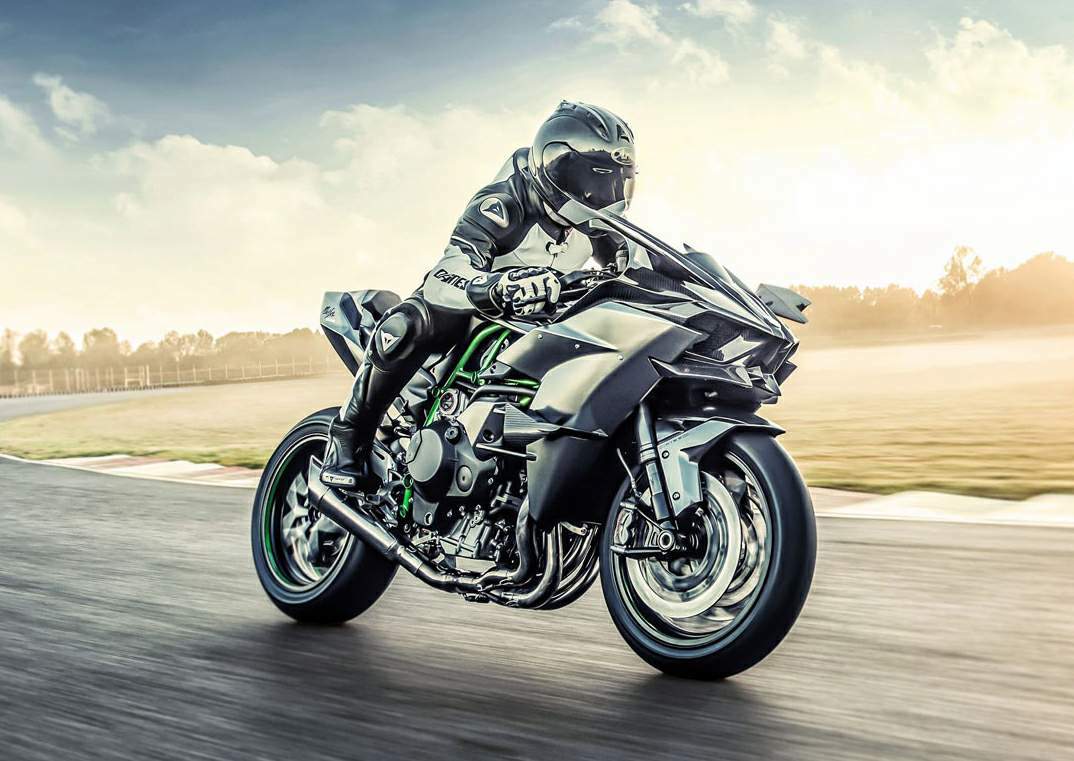
You might notice that two of the fastest motorcycles ever built — the Kawasaki Ninja H2 and H2R — don’t appear in this roundup. That’s intentional, and it comes down to how these machines fit (or don’t fit) within the definition of a “liter bike.” While the H2 and H2R both have engines very close to 1000cc, they aren’t classified as liter bikes in the traditional sense. Instead, they occupy a separate category often referred to as hyperbikes.
Why They’re Considered Hyperbikes Instead of Liter Bikes
1. Supercharging Moves Them Into a Different Class
Most liter bikes rely solely on natural aspiration and extremely high RPM to make power. The H2/H2R use a supercharger, which gives them a power delivery and performance envelope unlike any conventional 1000cc superbike.
2. They Are Not Homologated for Racing
Liter bikes traditionally serve as the basis for World Superbike competition. The H2 and especially the H2R are not eligible for WSBK, meaning they don’t follow the same design constraints that define the liter-bike category.
3. Weight, Geometry, and Purpose Are Completely Different
Liter bikes prioritize balance, agility, and racetrack handling. The H2 platform prioritizes top speed and straight-line acceleration, trading some nimbleness for stability at 200+ mph.
4. The H2R Is Not Street-Legal
The H2R is a closed-course motorcycle producing over 300 hp — an incredible engineering exercise, but not comparable to street-going superbikes.
5. Hyperbikes Serve a Different Mission
Traditional liter bikes are designed for racetrack performance and precision. Hyperbikes are designed for raw, unrestrained speed.
The H2 and H2R are among the fastest motorcycles ever built — arguably the fastest when you remove street-legal qualifiers — but they sit outside the normal 1000cc superbike class. That’s why they’re not included alongside the Panigale V4 R, S1000RR, ZX-10RR, or Fireblade SP. They are extraordinary machines, but they belong to their own category:
Which Liter Bike Is Truly the Fastest?
If we’re talking undisputed peak performance, it’s tough to deny the title to the Ducati Panigale V4 R. It’s the closest thing you can buy to a World Superbike machine.
But in the real world, however, the “fastest” liter bike depends on the rider, the environment, and what kind of speed you care about — acceleration, lap times, or top-end velocity. No matter how you measure it, today’s liter bikes are engineering marvels that push the limits of what a production motorcycle can do.


