
 The Bike That Built a Dakar Dynasty…
Dakar Legends: With this year’s Dakar Rally in full swing, we’re taking a look back at some of the most iconic and successful rally-raid machines of the event’s history.
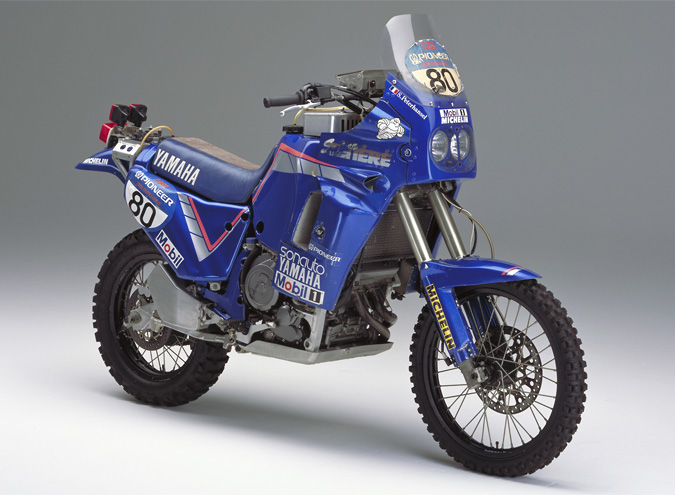
The Yamaha YZE750T Super Ténéré is one of the most important motorcycles in rally-raid history. Purpose-built from the ground up for the Paris-Dakar Rally, it was the machine that established Yamaha as a desert powerhouse and laid the foundation for everything that followed — from the later 850cc rally bikes to today’s Ténéré adventure lineup.
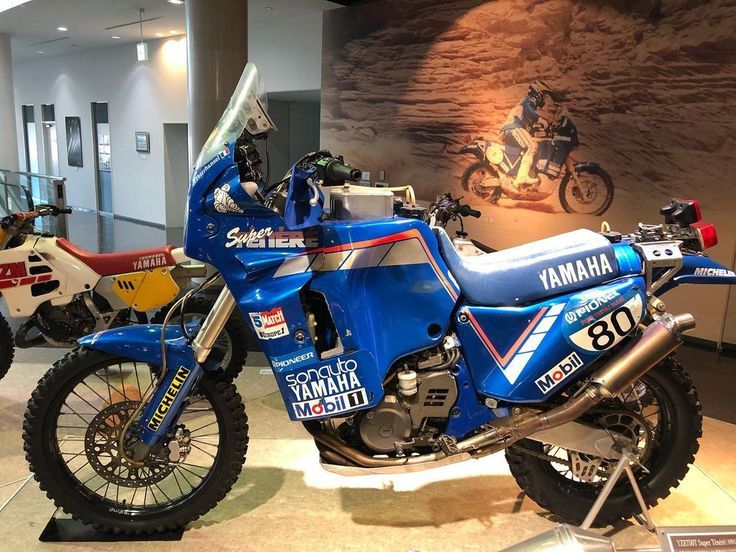 The YZE750T was not a regular production motorcycle but a full factory works bike designed with one goal in mind: to win Dakar. The name “Super Ténéré” itself comes from the Ténéré Desert in Niger — one of Dakar’s most feared regions — and the YZE750T was built to conquer exactly that kind of terrain.
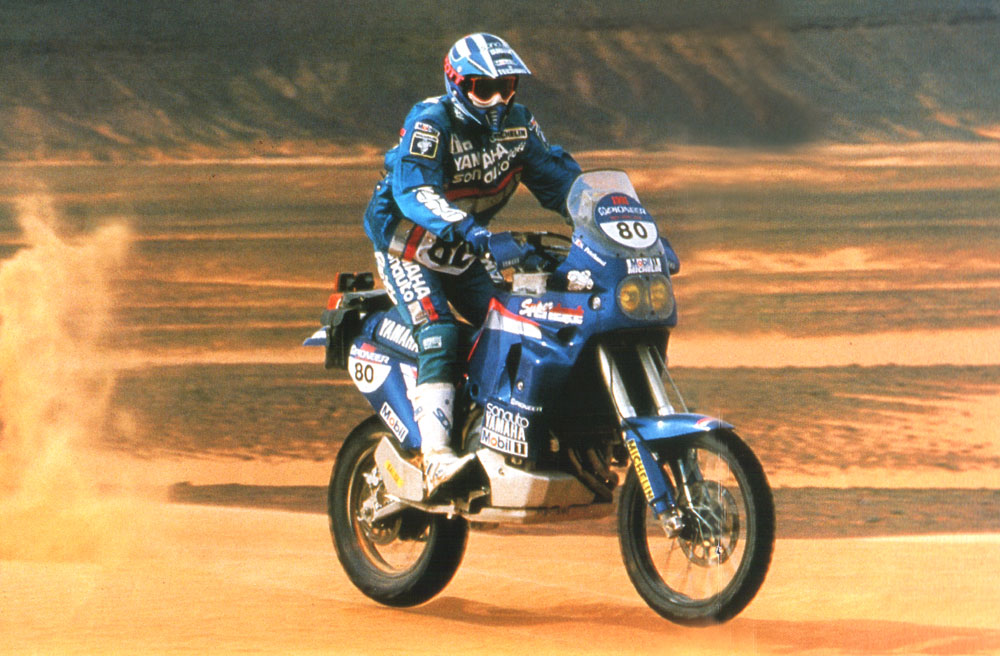 If the XTZ850R was the perfected weapon, the YZE750T was the breakthrough — the bike that proved Yamaha’s big-twin Dakar concept could dominate the world’s hardest race.
Dakar: Setting the Stage…
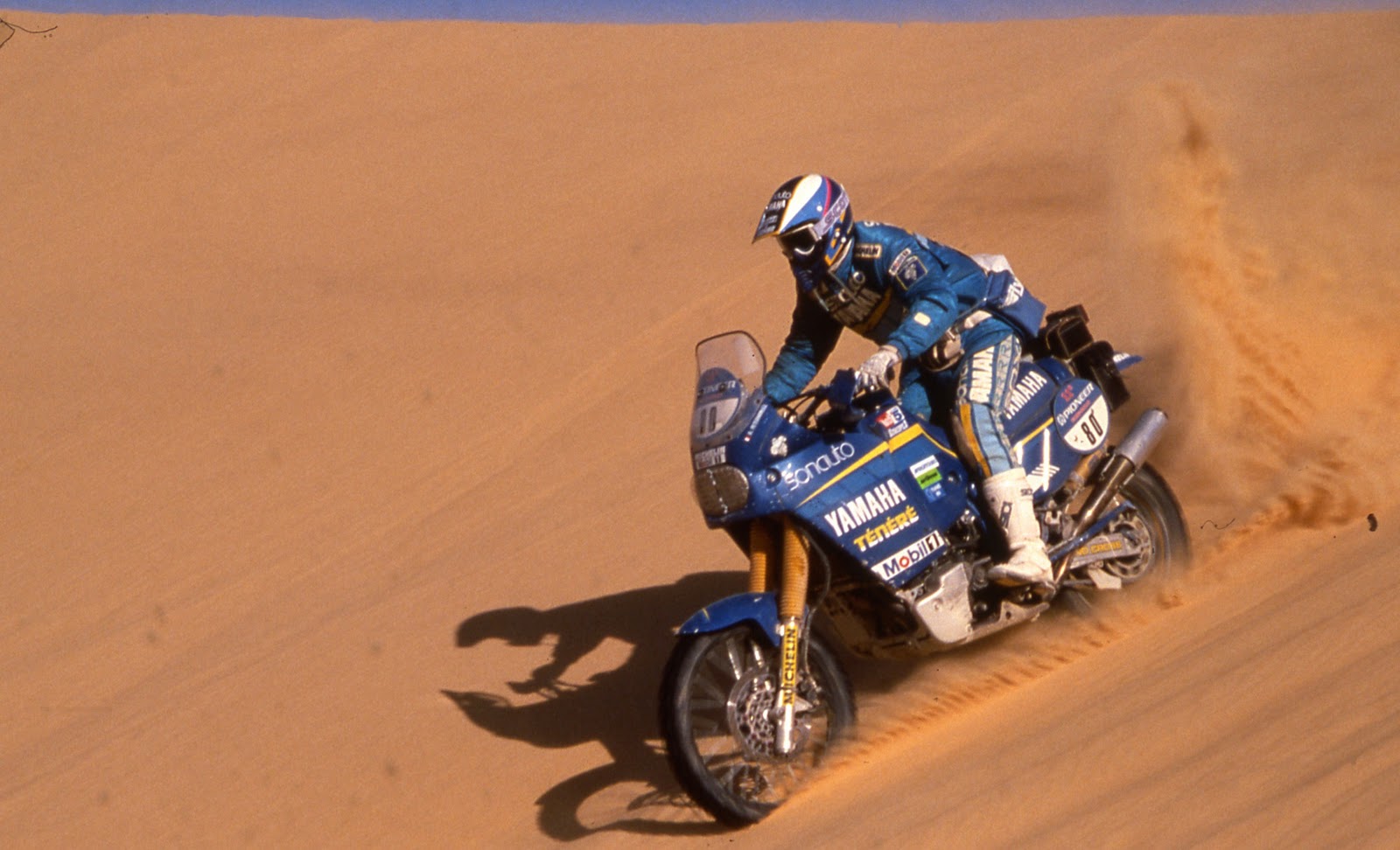 The Paris-Dakar Rally of the 1980s and early 1990s was raw, dangerous, and largely unrestrained by modern regulations. Riders crossed continents with limited navigation aids, minimal outside support, and enormous distances between service points. To survive — let alone win — a motorcycle needed:
- Huge fuel range
- Rock-solid reliability
- Stability at high speed in deep sand
- A chassis capable of carrying heavy loads day after day
The YZE750T was engineered specifically to meet these demands.
Origins of the Super Ténéré
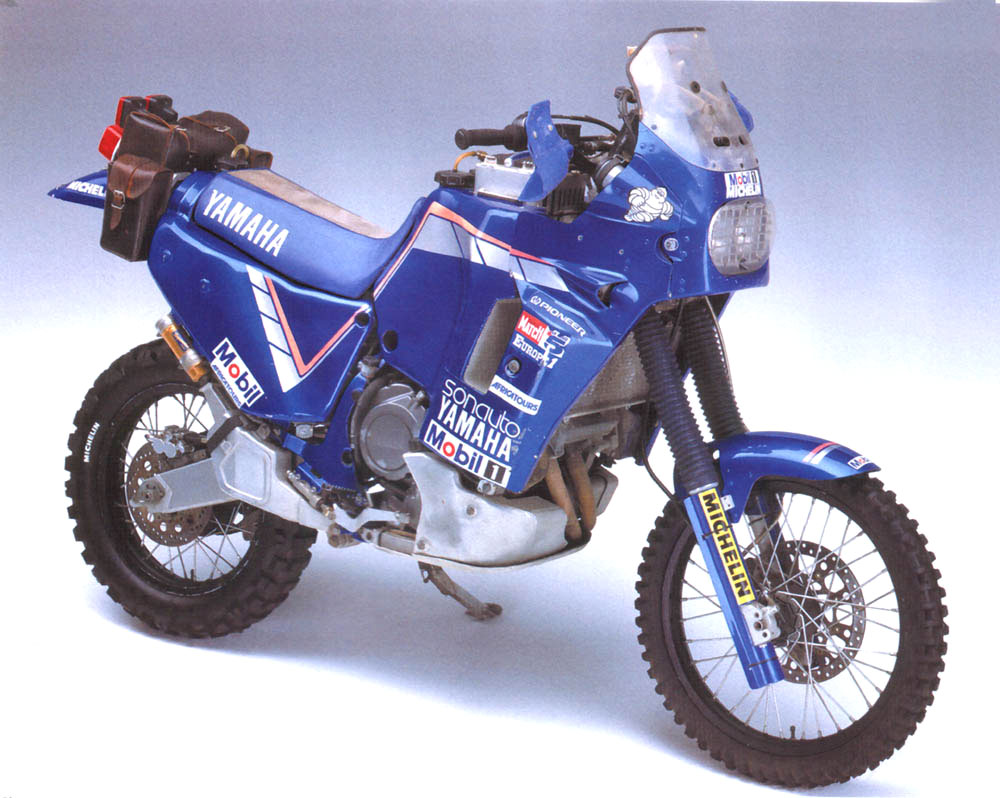
Yamaha’s Dakar story begins in earnest in the late 1970s, but the YZE750T Super Ténéré represented a turning point. Developed as a pure rally prototype, the bike introduced the parallel-twin desert racer concept that would become Yamaha’s calling card.
Before the Super Ténéré era, Yamaha’s Dakar efforts centered on large single-cylinder YZE prototypes such as the 0W93 and 0W94 — machines whose lessons directly informed the move to the twin-cylinder YZE750T. These bikes represented Yamaha’s late-1980s thinking on desert racing: keep the bike mechanically simple, relatively light, and focused on tractable torque rather than outright speed. The single-cylinder YZE machines were competitive and reliable, but Dakar was changing.
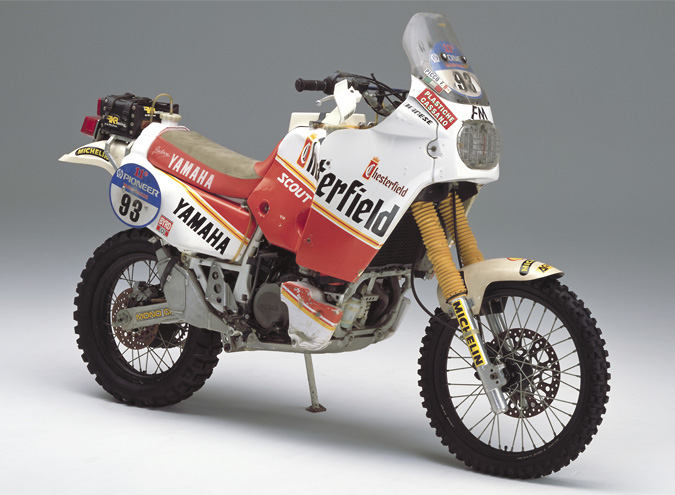
As Dakar stages grew longer and faster, however, Yamaha engineers identified several limitations inherent to big singles:
- Increased rider fatigue from vibration over marathon stages
- Reduced high-speed stability compared to heavier twin-cylinder machines
- Less flexibility when carrying extreme fuel loads
- Greater mechanical stress when pushed for long periods at high speed
At the same time, rival manufacturers were experimenting with multi-cylinder rally bikes, betting that smoother power delivery and improved stability would outweigh the penalty of extra weight.
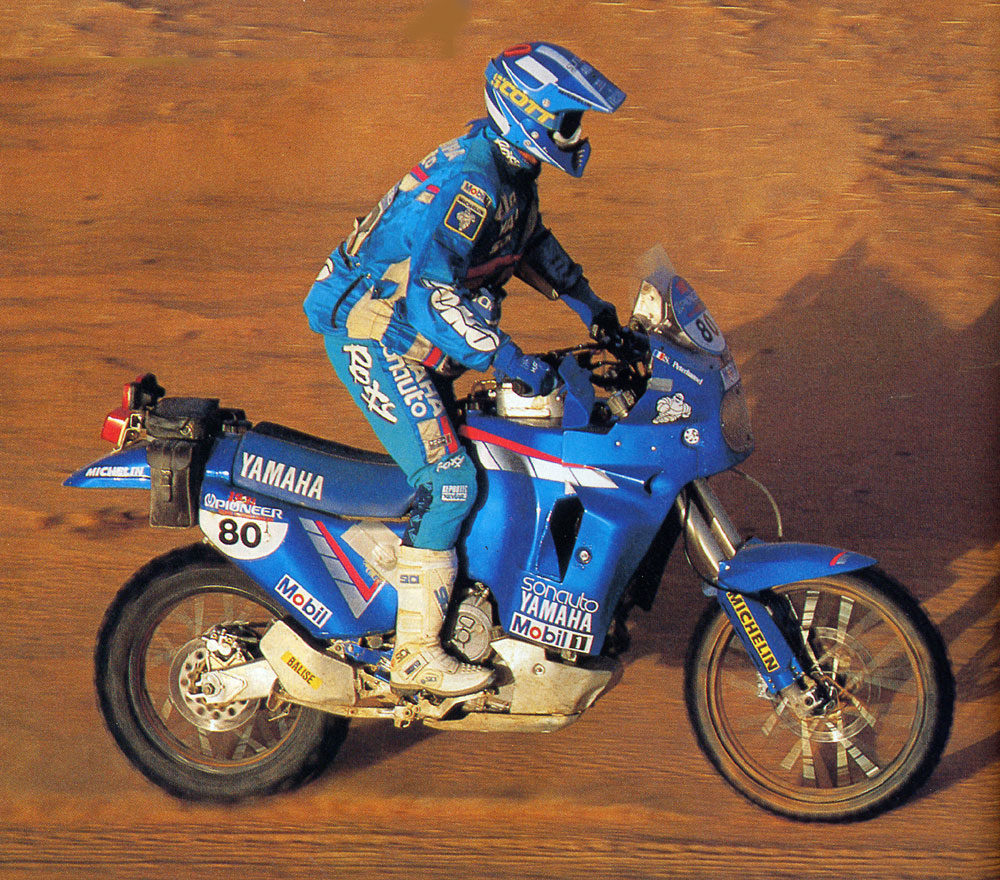 Rather than abandon what they had learned, Yamaha evolved its Dakar philosophy: The YZE750 single-cylinder prototypes (0W93, 0W94) validated chassis geometry, suspension durability, and desert ergonomics Those lessons fed directly into the development of the parallel-twin YZE750T Super Ténéré.
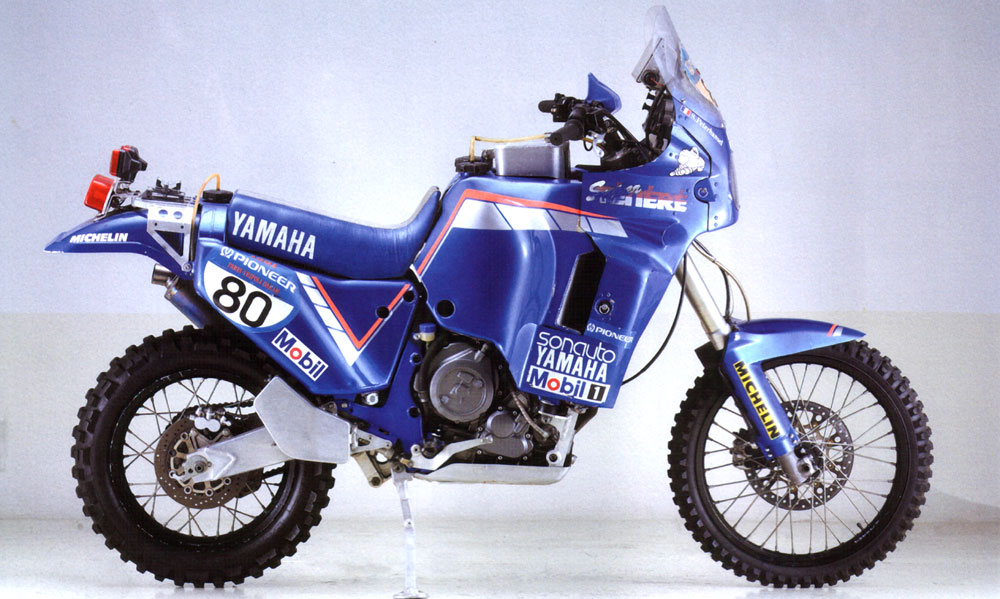
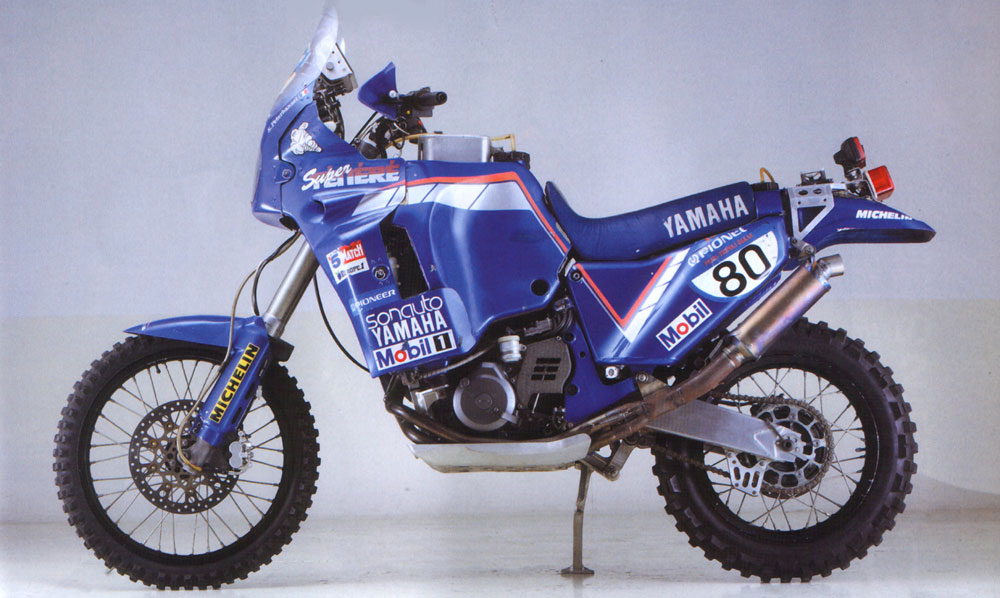
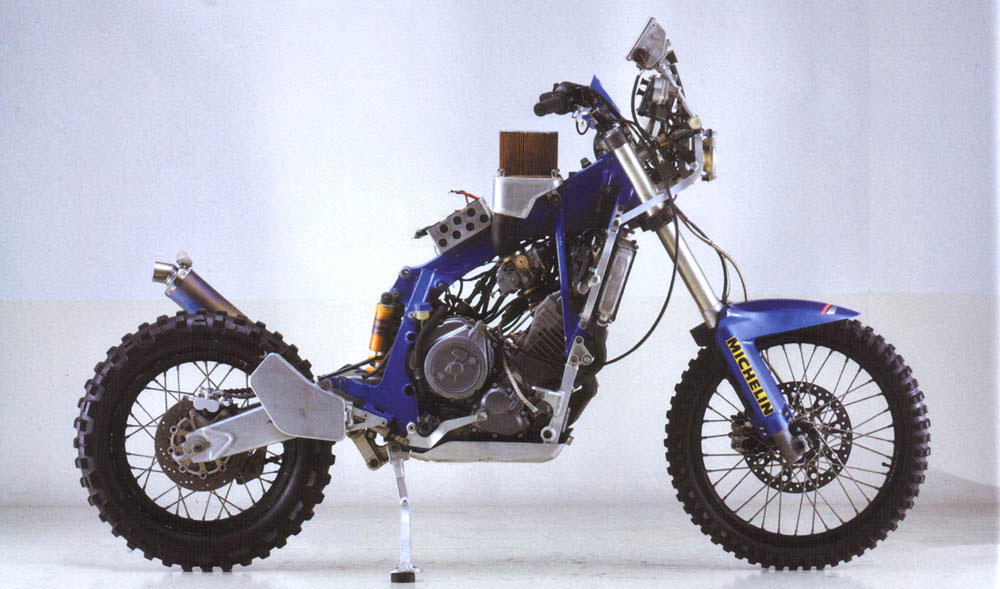
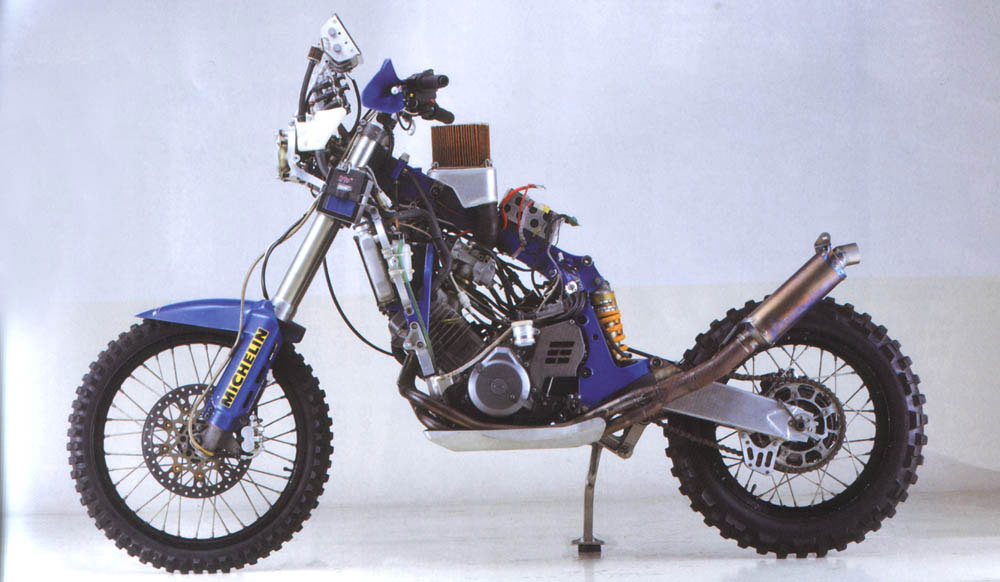
The result was a machine that retained Dakar toughness while dramatically improving comfort, stability, and long-distance performance. In this sense, the YZE750T wasn’t a clean break — it was the next natural in YZE evolution.
Unlike later homologated rally bikes, the YZE750T answered to no production constraints. Everything about it was optimized for endurance, stability, and long-distance speed.
Prototype vs Homologation Special
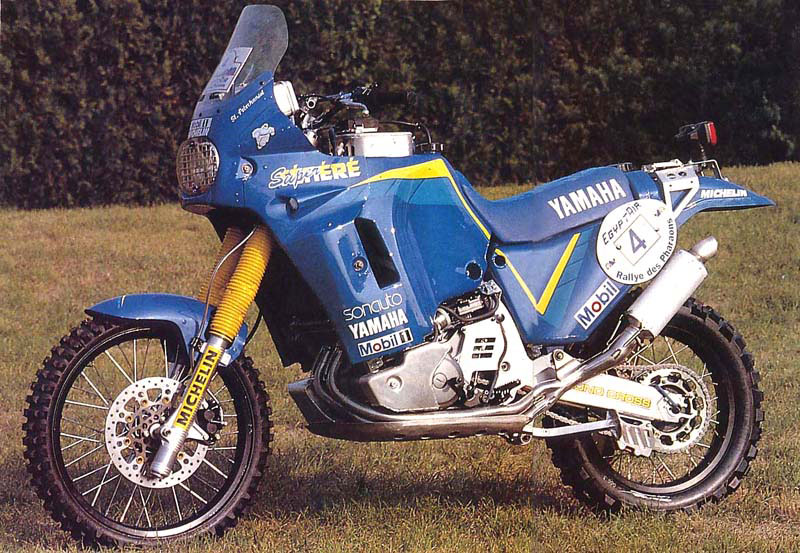 In classic Dakar, manufacturers generally raced either factory prototypes or homologated production-based machines.
Prototype (Factory Works Bike): Built specifically to win the rally, with no requirement that it be sold to the public. These bikes can use bespoke frames, unique engines, and one-off parts optimized for desert endurance and high-speed stability. The Yamaha YZE750T belongs to this world — a true works rally weapon.
Homologated / Production-Based: Built to comply with rules requiring a real production model as the base, typically meaning the public can buy a related version (or the manufacturer builds a minimum number of units). These machines still get factory-grade components, but they’re constrained by “this must be a real model” regulations. Yamaha’s later XTZ850R era is tied to that production-based direction.
Prototypes often maximize performance and range with fewer compromises, while homologated bikes trade some freedom for rule compliance, cost control, and brand/consumer relevance.
YZE750T: Technical Overview
Exact factory specifications were never fully published, but period documentation and race machines provide a clear picture of the YZE750T’s intent.
Yamaha YZE750T: Key Specs (Approximate)
| Specification | Details |
|---|---|
| Engine | ~749 cc liquid-cooled parallel-twin |
| Valve Train | DOHC |
| Fuel Capacity | Approx. 60+ liters (multi-tank setup) |
| Weight (Rally Trim) | Approx. 200–210 kg |
| Transmission | 5-speed |
| Chassis | Purpose-built factory rally frame |
| Status | Full prototype (non-homologated) |
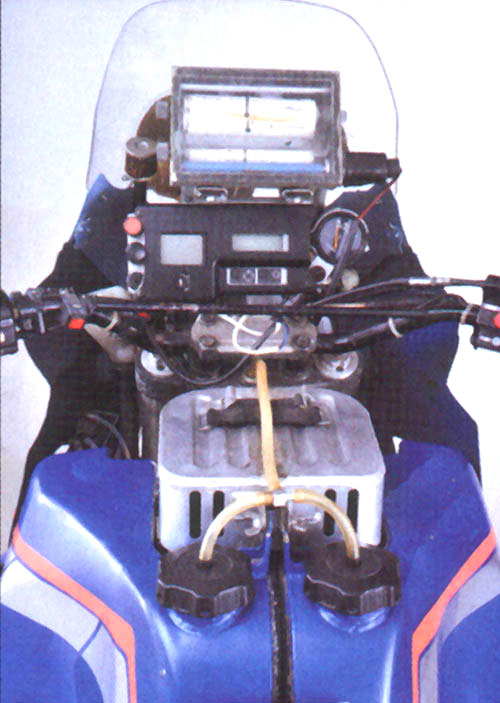
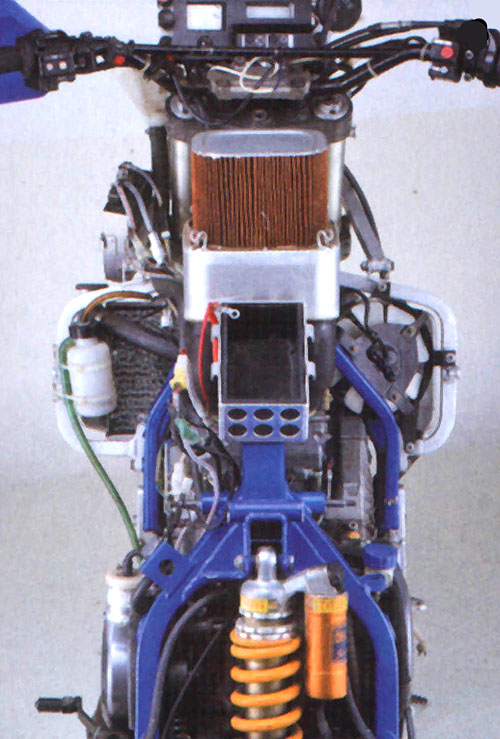
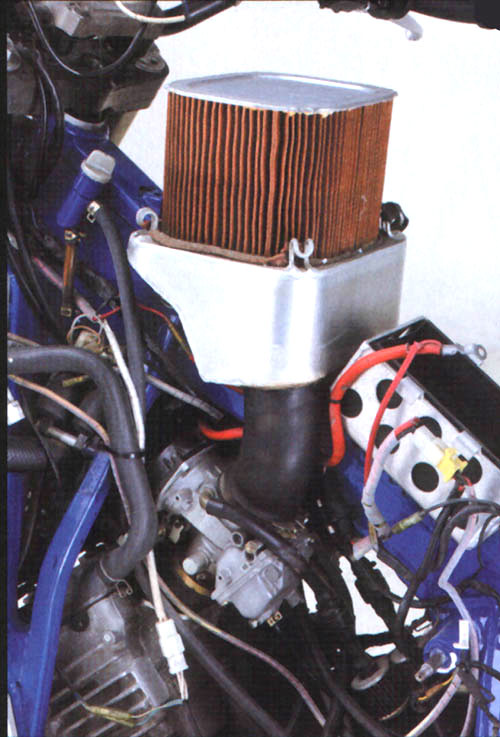
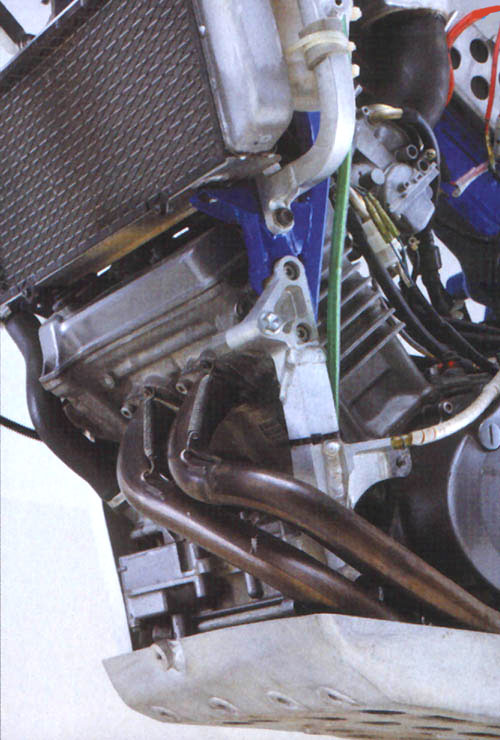
The parallel-twin delivered smooth, controllable power across long stages, while the enormous fuel capacity allowed riders to tackle marathon legs with fewer refueling stops — a decisive advantage in early Dakar events.
Yamaha YZE750T vs XTZ750 Super Ténéré
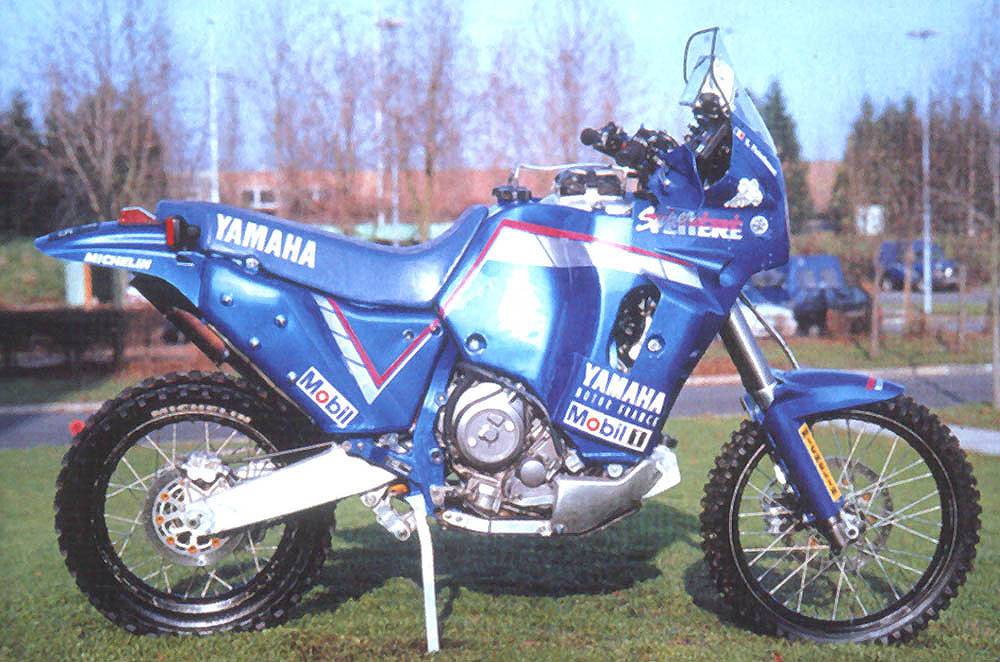 The relationship between the YZE750T and the production XTZ750 Super Ténéré is often misunderstood. The short answer is simple: They are closely related, but not identical.
Both engines were built around the same core concept: a liquid-cooled, five-valve DOHC parallel twin designed for smooth, durable torque rather than peak horsepower. This shared architecture reflected Yamaha’s broader endurance-focused engineering philosophy at the time.
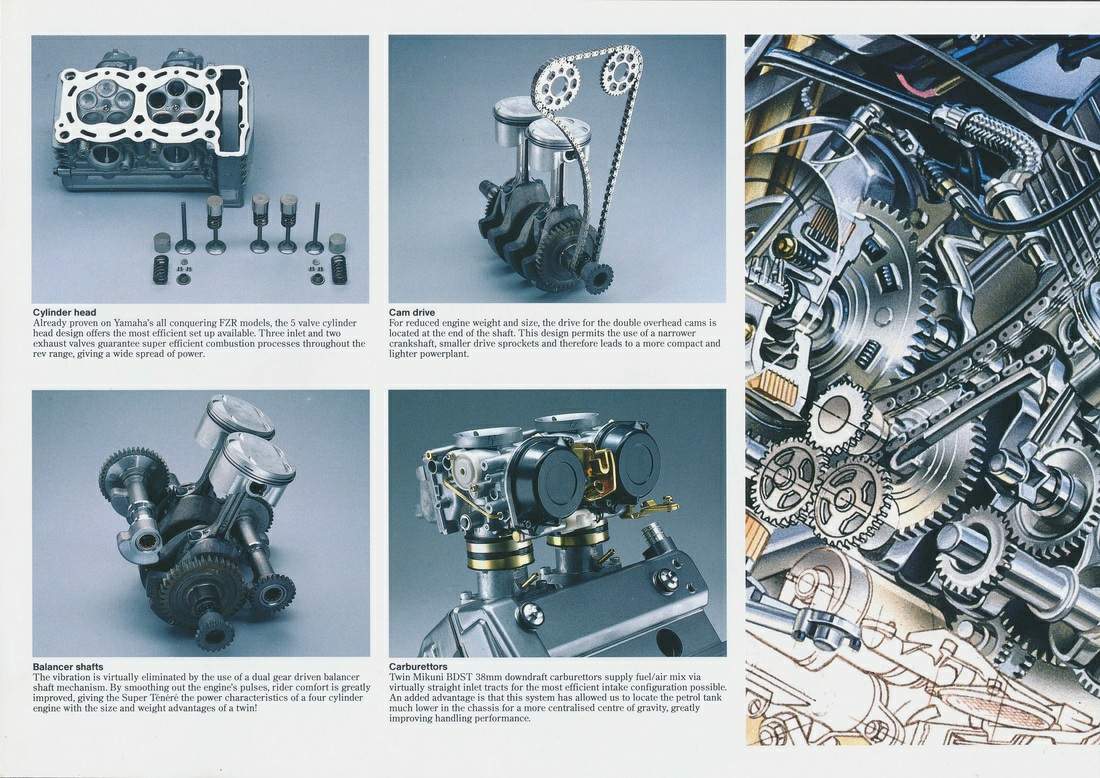
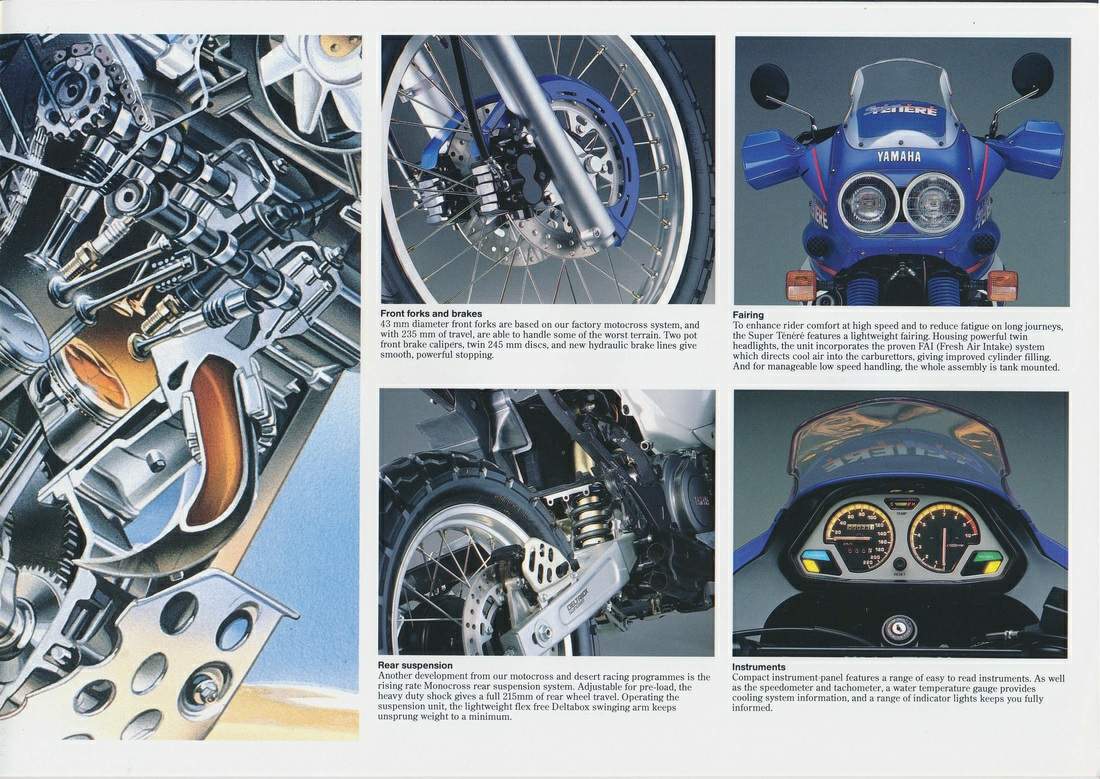
However, the two bikes evolved under very different constraints. The XTZ750, introduced in 1989, was engineered to meet production realities such as emissions, longevity, and global usability. The YZE750T, developed in parallel, was a factory prototype freed from those limits, allowing Yamaha to optimize tuning, fueling tolerance, cooling, and durability specifically for Dakar conditions.


Rather than a one-way “race first, street later” pipeline, Yamaha pursued parallel development, with rally competition pushing the platform beyond production boundaries while production experience informed reliability. The YZE750T and XTZ750 didn’t follow one another but evolved side by side, each sharpening the other for its intended mission.
Rally Record & Legendary Riders
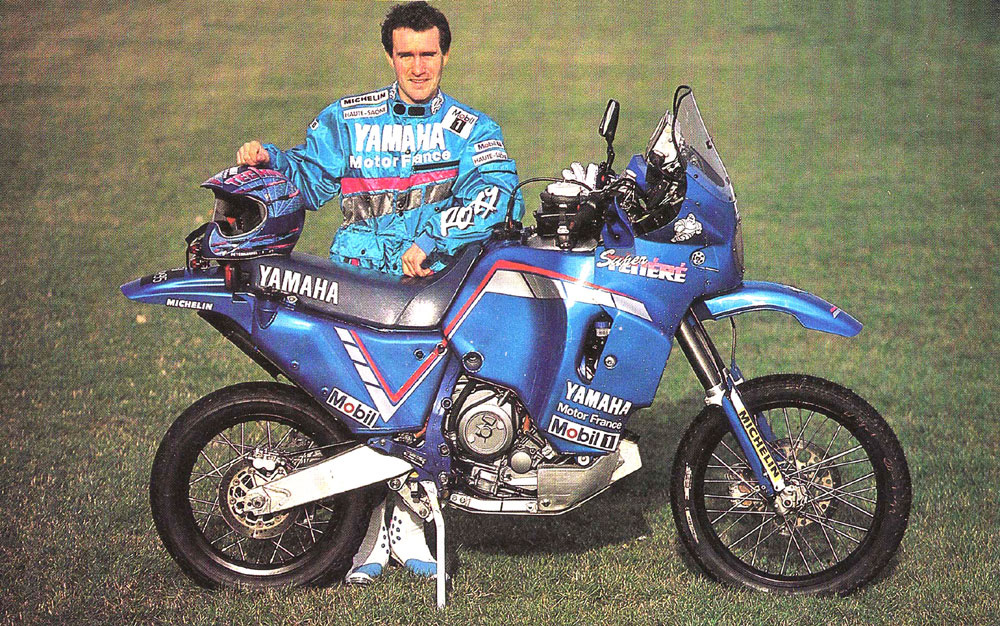
The YZE750T didn’t just compete at Dakar — it would come to define an era.
Paris–Dakar Rally Wins Timeline (YZE750T Era)
The YZE750T platform took home three consecutive Dakar victories (1991–1993):
- 1991 Winner: Stéphane Peterhansel
First Dakar victory for Yamaha’s 750cc Super Ténéré platform; marked the arrival of Yamaha as a dominant rally force. - 1992 Winner: Stéphane Peterhansel
Back-to-back wins confirmed the YZE750T’s superiority in endurance, navigation stages, and deep sand. - 1993 Winner: Stéphane Peterhansel
A third consecutive Dakar victory capped the most dominant stretch of Yamaha’s prototype era.
These wins established Peterhansel as the defining Dakar rider of his generation and Yamaha as the team to beat.
YZE750T Submodels / Factory Codes
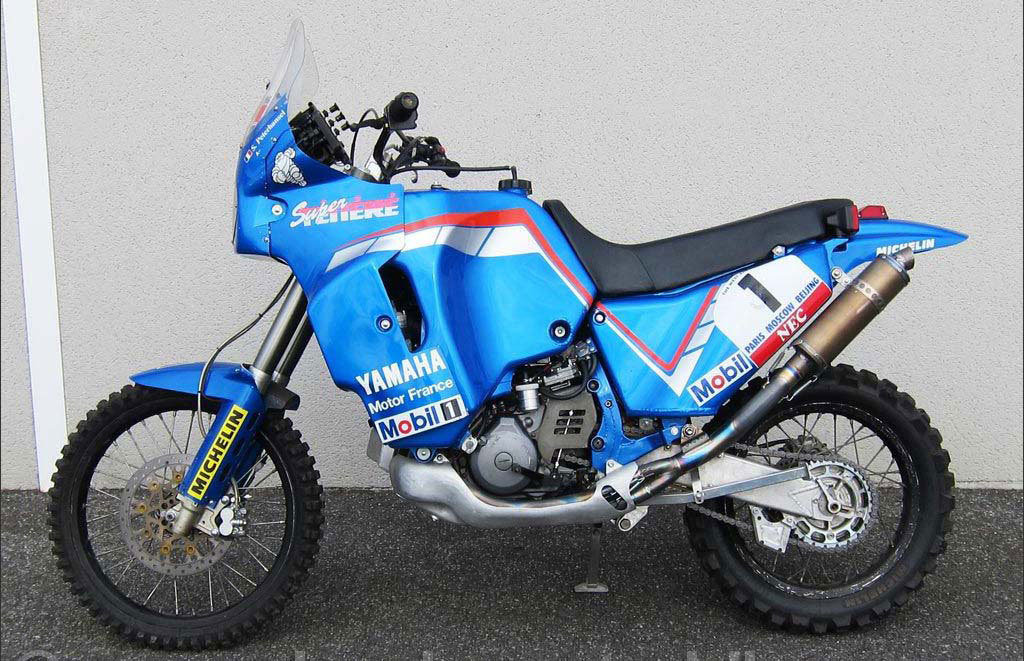
Yamaha’s YZE750T existed in multiple factory evolutions, identified internally by development codes such as 0WB8, 0WC5, and 0WD8, reflecting continuous refinement rather than discrete model changes.
750 → 850: Yamaha’s Dakar Transition
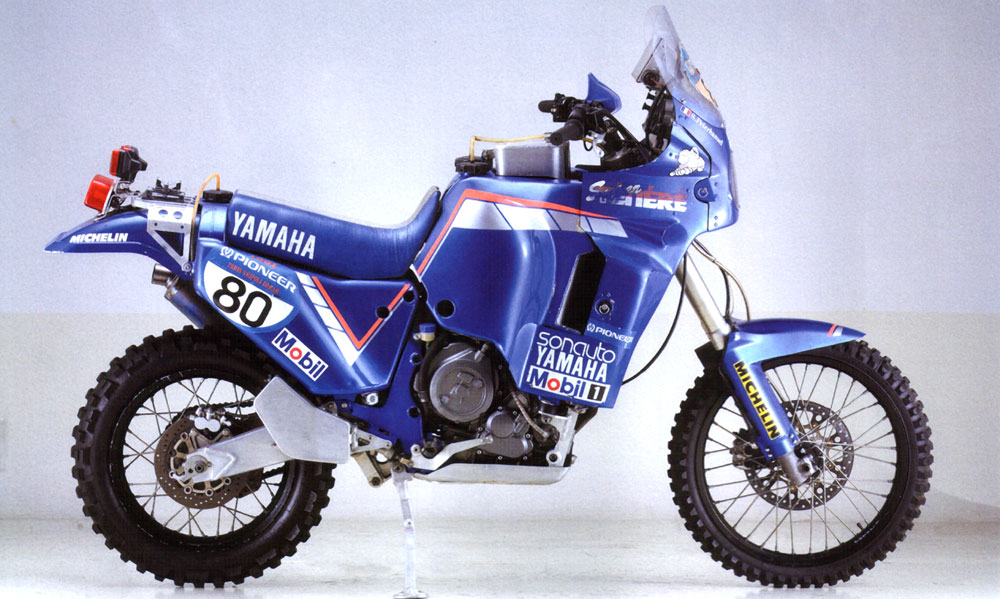
The YZE750T Super Ténéré had proven the effectiveness of Yamaha’s big parallel-twin philosophy, delivering three consecutive Paris-Dakar victories. But longer stages, faster average speeds, and increasing fuel demands pushed engineers toward more displacement and broader torque.
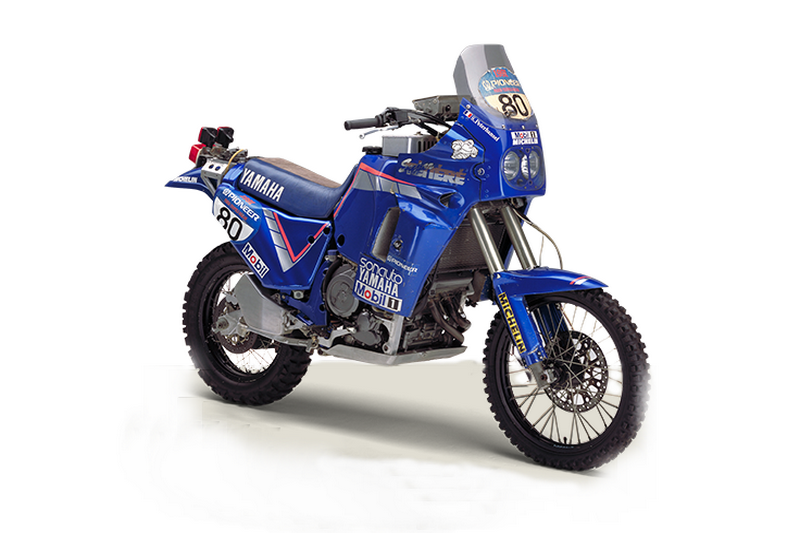
Following the 750cc prototype era, Yamaha developed 850cc factory works rally machines, commonly referred to as the Yamaha YZE850T. These bikes retained the prototype freedom of the YZE program while exploring the advantages of increased displacement:
- Stronger low- and mid-range torque
- Improved ability to haul massive fuel loads
- Greater stability at sustained high desert speeds
Crucially, the YZE850T remained a works prototype, not a public-facing model. It existed in small numbers, evolved continuously, and answered only to Yamaha’s race engineers — not production rules. That freedom would not last.
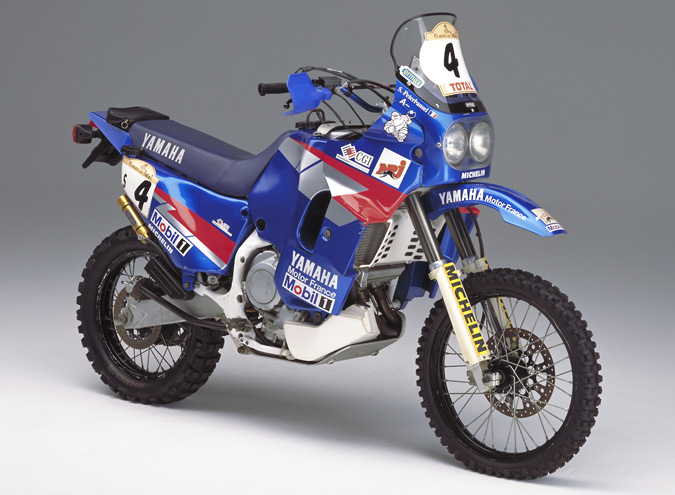
As Dakar regulations shifted toward production-based homologation, Yamaha’s prototype-only approach was no longer viable. The solution was not to abandon the 850 concept, but to translate it into a rule-compliant machine, leading directly to the Yamaha XTZ850R — a homologation special that would continue Yamaha’s Dakar dominance, winning the rally for four more consecutive years (1995-1998).
As you can see, Yamaha’s Dakar success wasn’t the result of a single great motorcycle, but a deliberate evolutionary strategy that adapted to changing conditions, competition, and rules constraints.
Dakar Titans of the 1990s: Comparison
YZE750T vs XTZ850R vs Honda NXR750 vs Cagiva Elefant
| Feature | Yamaha YZE750T | Yamaha XTZ850R | Honda NXR750 | Cagiva Elefant |
|---|---|---|---|---|
| Era | Early 1990s | Mid–late 1990s | Late 1980s–early 1990s | Late 1980s–early 1990s |
| Engine Layout | Parallel-twin | Parallel-twin | V-twin | V-twin |
| Displacement | ~750 cc | ~850 cc | ~780 cc | ~900 cc |
| Regulation Type | Factory prototype | Homologated / production-based | Factory prototype | Production-derived |
| Fuel Capacity | Massive (multi-tank) | Extremely high | Large | Large |
| Weight (Rally Trim) | ~200–210 kg | ~210 kg | Lighter than Yamaha twins | Heaviest of the group |
| Strengths | Endurance, range, stability | Long-distance dominance, reliability | Balance, agility, precision | Power, straight-line speed |
| Weaknesses | Heavy, physically demanding | Very heavy, taxing in dunes | Less fuel range | Weight, mechanical complexity |
| Dakar Philosophy | Prototype freedom & stamina | Production-based endurance weapon | Rider control & balance | Speed and brute force |
Together, these machines mark the end of Dakar’s “big twin golden age,” before lightweight singles and stricter rules reshaped rally racing.
Legacy and Influence
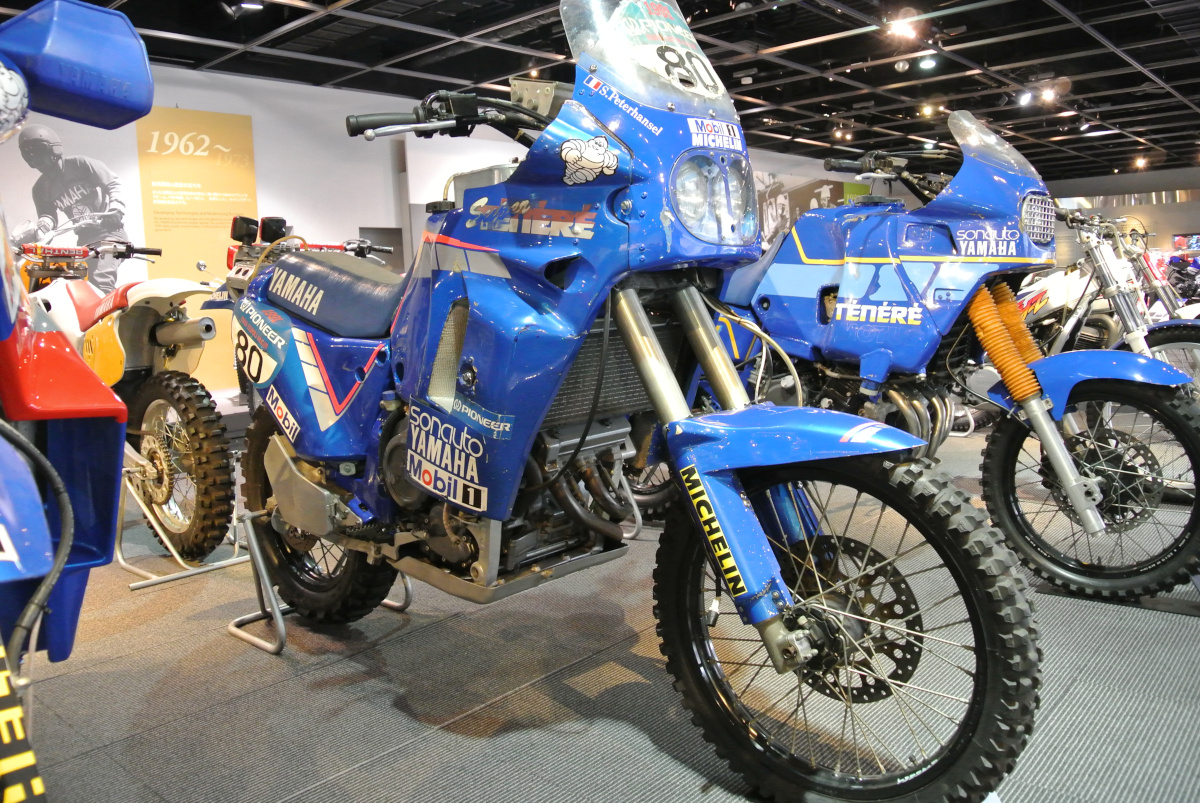 The impact of the YZE750T cannot be overstated:
- Birth of the Super Ténéré Name: Cemented a name that still defines Yamaha adventure bikes
- Prototype Freedom: Demonstrated what was possible before strict homologation rules
- Foundation for the 850s: Directly influenced the later XTZ850 rally machines
- Modern Ténéré DNA: Stability, durability, and long-range capability remain core Yamaha values
The Beginning of a Dynasty…
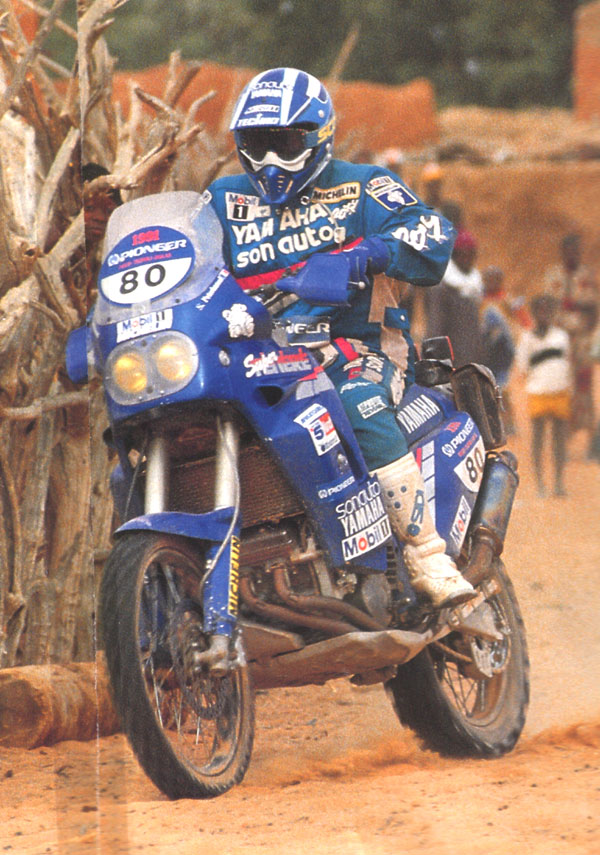
The YZE750T Super Ténéré was more than a Dakar winner — it’s the motorcycle that built Yamaha’s rally identity. In an era when Dakar was raw, dangerous, and largely unconstrained, the YZE750T delivered three consecutive victories and set the template for every Yamaha rally machine that followed. What’s more, it gave the most winning pilot in Dakar history — Stéphane “Mr. Dakar” Peterhansel — his earliest victories.
More from Dakar…
 Dakar Legends: Yamaha YZE750T Super Ténéré - The Bike That Built a Dakar Dynasty… Dakar Legends: With this year’s Dakar Rally in full swing, we’re taking a look back at some of the most iconic and successful rally-raid machines of the event’s […]
 Desert Freight Train: Yamaha XTZ850R Paris-Dakar Rally Bike - The big twin that ruled the desert at the height of the Paris-Dakar era… With the 2026 Dakar Rally in full swing, we’re looking back at some of the most iconic and successful rally-raid machines […]
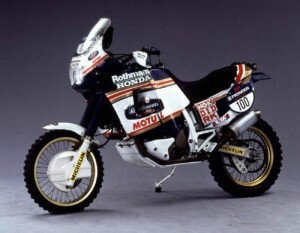 Desert Queen: Honda NXR750 Paris-Dakar Rally Bike - Honda’s NXR750: Queen of the Desert… Few motorcycles in history can claim to have dominated the most brutal race on earth the way Honda’s NXR750 did. Built specifically to conquer the Paris-Dakar Rally, the NXR750 […]
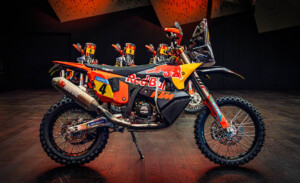 Dakar Spec: KTM 450 Rally Replica - The Privateer’s Long-Range Rally Raider… The Dakar Rally is widely regarded as the toughest off-road race on the planet — a brutal test of endurance, navigation, speed, and resilience. Spanning thousands of miles across deserts, […]
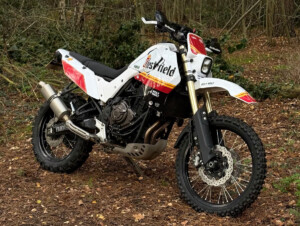 Chesterfield Scrambler: Retro-Kitted Yamaha Ténéré 700 - Chesterfield-Style Yamaha T7 Scrambler from Holy Moly Motorcycles… The Yamaha Ténéré 700 — aka T7 — has been one of the biggest hits among newly designed motorcycles in the last half decade. While other manufacturers […]
 Ténéré Runner: Yamaha XTZ750 Super Ténere - ’89 Yamaha XTZ750 “Ténéré Runner” from BCK Motorcycles… In 1989, Yamaha released their latest desert racer clone, the Yamaha XTZ750 Super Ténere. Styled after the company’s Paris Dakar race bikes, the Super Ten boasted […]
 Desert Storm: Yamaha Super Ténéré 750 - BIKE Factory resurrects a wrecked Super Ten… Back in 1989, Yamaha introduced a Paris Dakar-inspired adventure bike, the XTZ750 Super Ténéré. The Super Ten’s engine was a 749cc liquid-cooled parallel-twin with five valves per cylinder […]
 Dakar Dream: Germany to Dakar on 2-Valve Boxers! - Reliving the Paris-Dakar Rally route with SWT Sports… In 1978, 182 vehicles embarked from Paris’s Place du Trocadéro bound for the Senegalese capital of Dakar, a 10,000-kilometer journey that would take them across Algeria, Niger, […]
 Sonauto Edition: Yamaha XTZ750 Super Ténéré - Dakar-inspired Super Ténéré 750 from BIKE Factory… In 1947, famed French racing driver Toto Veuillet founded Saône-Auto (Sonauto), which would become France’s first importer of Porsche cars and Yamaha motorcycles. Sonauto was involved in many […]
 G/S Rally Adventure: BMW R80GS Restomod - For Sale: BMW R80GS “Rally Adventure” from Codex Moto… Introduced in 1980, the BMW R80G/S is widely considered the world’s first “Adventure Bike.” While early naysayers questioned the use of a 400-lb multi-cylinder machine built […]
 Chesterfield Edition: Yamaha XTZ750 Super Ténéré - Dakar Tribute: Smoking Hot Super Ténéré from BIKE Factory… The 1980s were a heady time for the Paris Dakar Rally and other African rally raids. Machines like the Yamaha XT600 Ténéré and BMW R80GS had […]
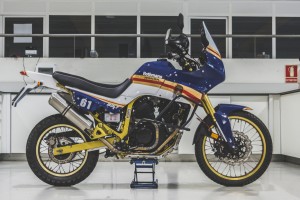 Go Long: Honda XL600V Transalp Restomod - Upfitted Adventure Bike from Bolt Motor Company… In 1986, Honda unveiled the XL600V Transalp, mainly at the request of European riders whose desire for adventure bikes and Dakar-styled “trailies” was at an all-time high. […]
 Win This: 1990 BMW R100GS Paris-Dakar! - Make your 1990s adventure fantasies a reality… The BMW R100GS Paris-Dakar remains one of the most iconic adventure bikes of all time. The 980cc boxer-twin GS was an evolution of the original R80GS, which won […]
 Bring the Kick Back: Yamaha XT600Z Ténéré - 80s Rally Bike from The Kickback Company… At the 1985 Paris Motorcycle Show, Yamaha unveiled the second-generation XT600Z Ténéré 1VJ — a bike intended to be even closer to the company’s factory rally bikes. As […]
 Spirit of the 80s: Honda XR600R Dakar - From ZZMoto: Cyril Neveu-inspired XR600R… French racer Cyril Neveu is an off-road legend, best known for winning the Paris Dakar Rally five times in the motorcycle class: 1979, 1980, 1982, 1986, and 1987. As the […]


It would be great to see a story on the FZ750-based Dakar bike, I guess it would have been mid-to-late 80s.
Thanks,
Brian