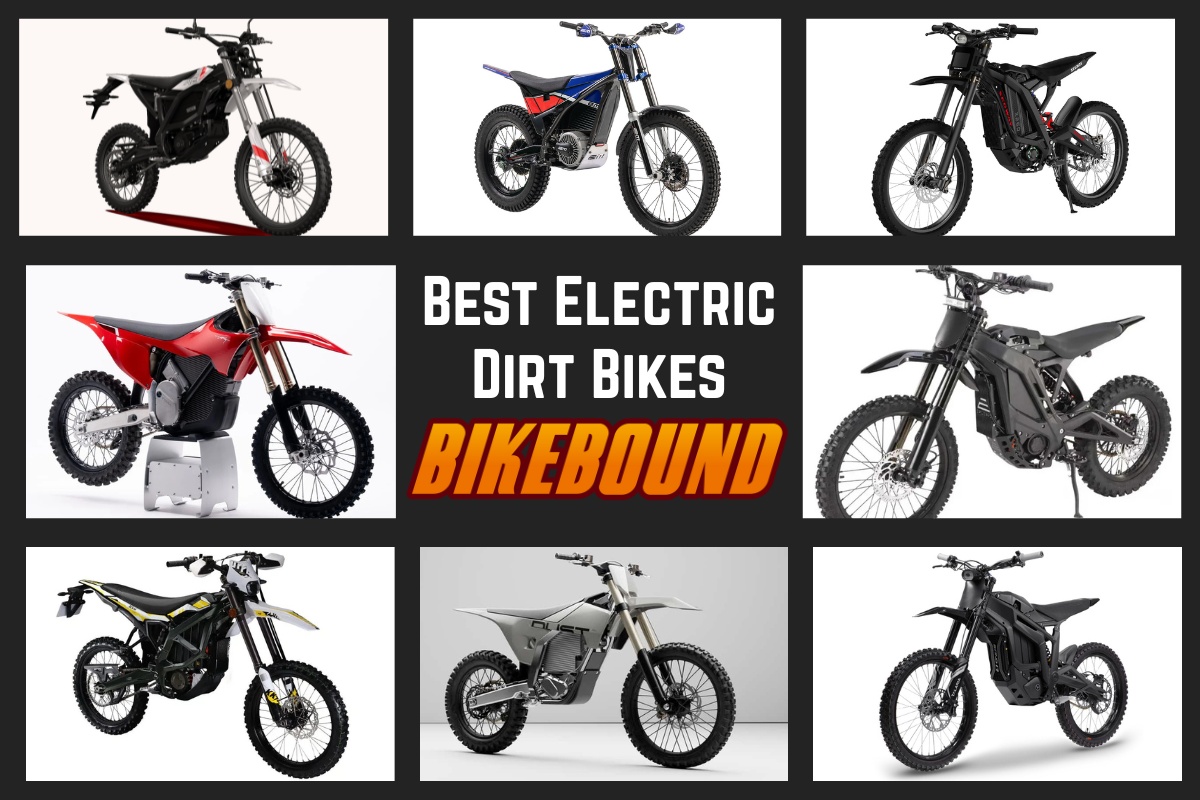
 Electric dirt bikes are no longer a fringe curiosity — they’re a bona-fide class of off-road motorcycles, offering high torque, minimal maintenance, and serious performance straight from the battery. Today’s best options span lightweight trail machines to high-end motocross-caliber bikes capable of challenging gas-powered rivals.
The best electric dirt bikes on the market deliver instant torque, minimal maintenance, and increasingly sophisticated chassis and suspension — all while expanding where and how riders can enjoy off-road riding.
Below, we highlight the best electric dirt bikes currently available in the United States right now, organized by how they’re most commonly used: Trail-Focused, Motocross / Performance, and Utility-Friendly machines. We also look back at influential electric dirt bikes that helped shape the category, even if they’re no longer sold new today.
What Makes a Great Electric Dirt Bike?
 A truly capable electric dirt bike isn’t just about being battery-powered. The best machines balance:
- Instant, controllable torque
- Real off-road suspension and chassis geometry
- Usable range for actual riding sessions
- Reasonable charge times
- Component quality that stands up to dirt, sand, and impacts
When these elements come together, electric dirt bikes stop feeling like novelties and start feeling like real motorcycles.
Trail-Focused Electric Dirt Bikes
These bikes are closest in spirit to traditional gas trail bikes — ideal for woods riding, fire roads, singletrack, and general off-road exploration.
Sur-Ron Ultra Bee
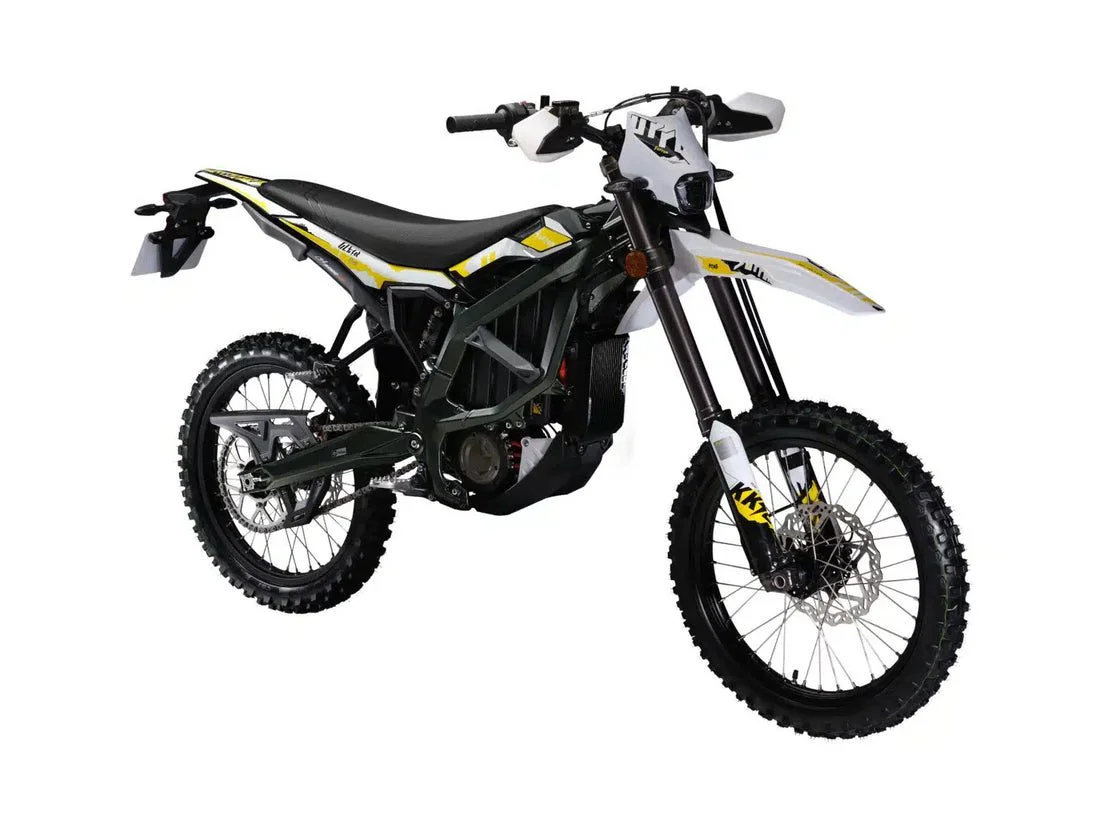
The Sur-Ron Ultra Bee remains one of the most popular electric dirt bikes in the U.S. thanks to its balance of power, weight, and trail-friendly handling. It’s light enough to feel playful in the woods, yet powerful enough to keep experienced riders entertained.
- Power: 18-24 hp
- Estimated Range: ~60–70 miles (moderate trail riding)
- Charge Time: ~2.5–3 hours (20%–80%)
- Weight: ~195 lb
- Best For: Woods, fire roads, mixed trail riding
- Price: ~$5,000–$6,500
The Ultra Bee strikes a sweet spot between accessibility and performance, making it one of the easiest electric dirt bikes to recommend.
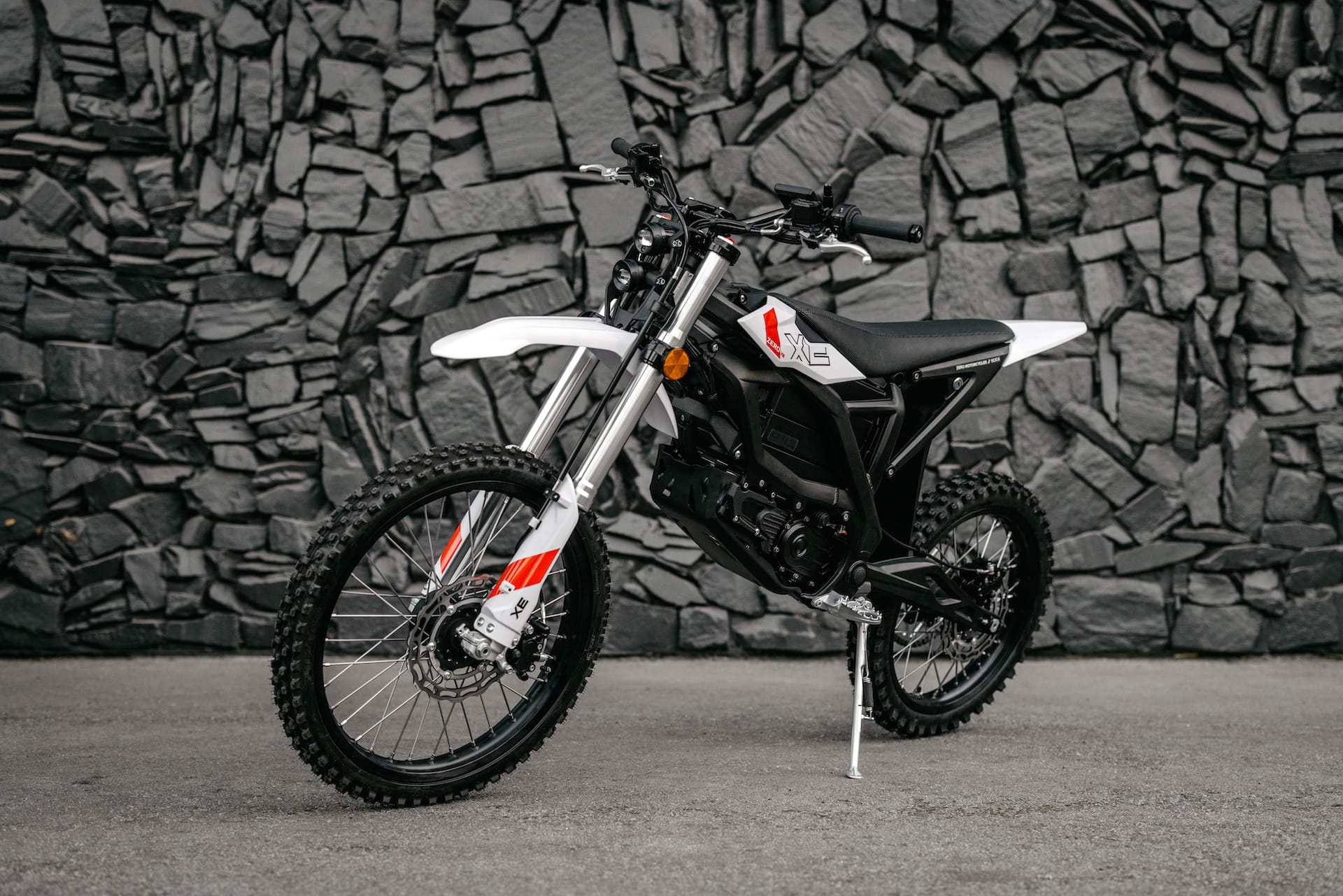
Zero Motorcycles XE
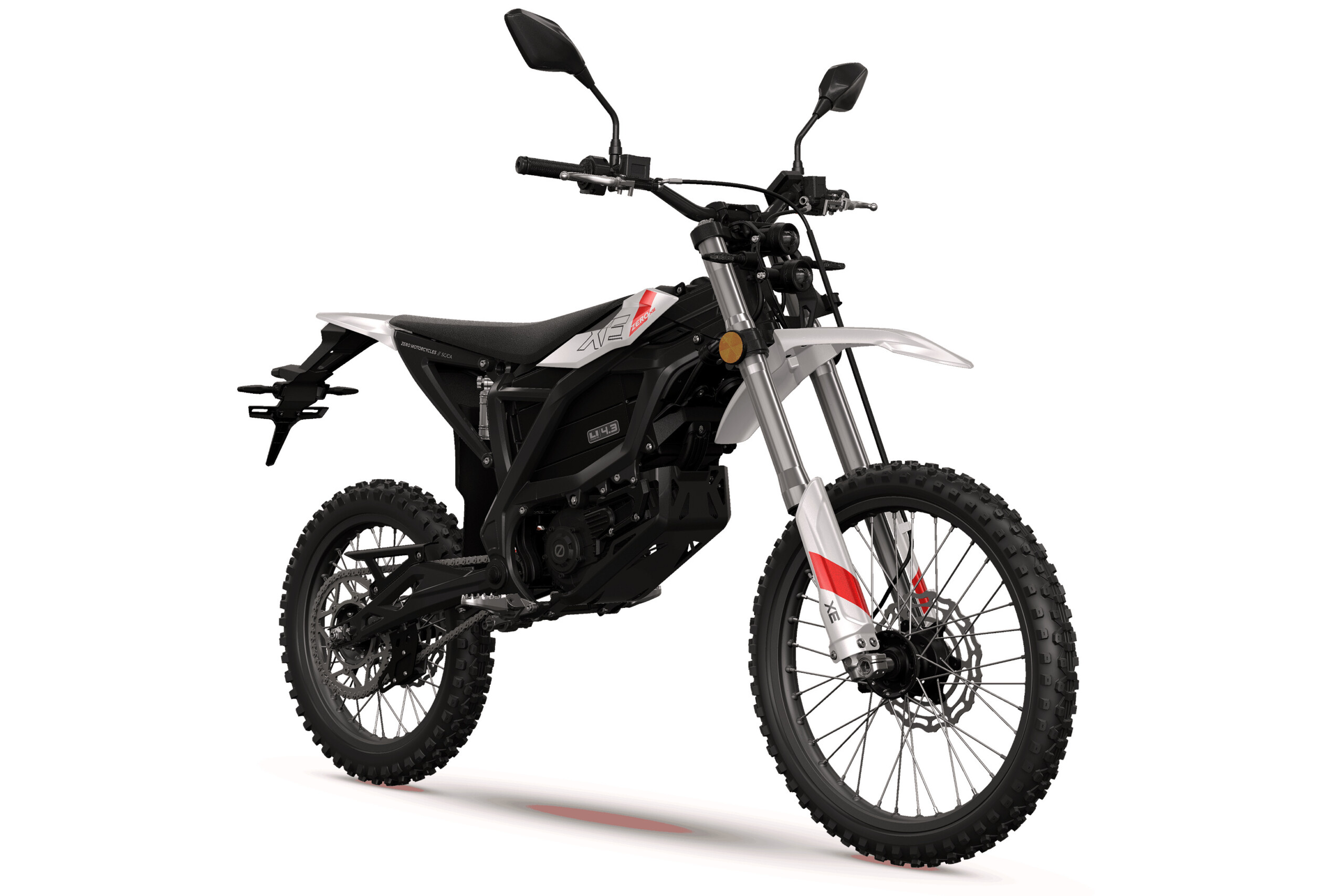
Zero’s XE brings the company’s long experience with electric motorcycles into a more dirt-focused platform. It emphasizes smooth power delivery, predictable handling, and trail durability rather than extreme peak output.
- Peak Power: 20.1 hp
- Estimated Range: ~40–65 miles (terrain and pace dependent)
- Charge Time: ~5 hours (near full)
- Weight: 223 lbs
- Best For: Longer trail rides, technical terrain
- Price: ~$6,495+
The XE is best suited to riders who want electric trail riding with a more traditional motorcycle feel and refined power delivery.
Motocross & Performance Electric Dirt Bikes
These machines are built for riders who want serious performance — closer to modern motocross or high-output enduro bikes than casual trail machines.
Stark Varg MX 1.2
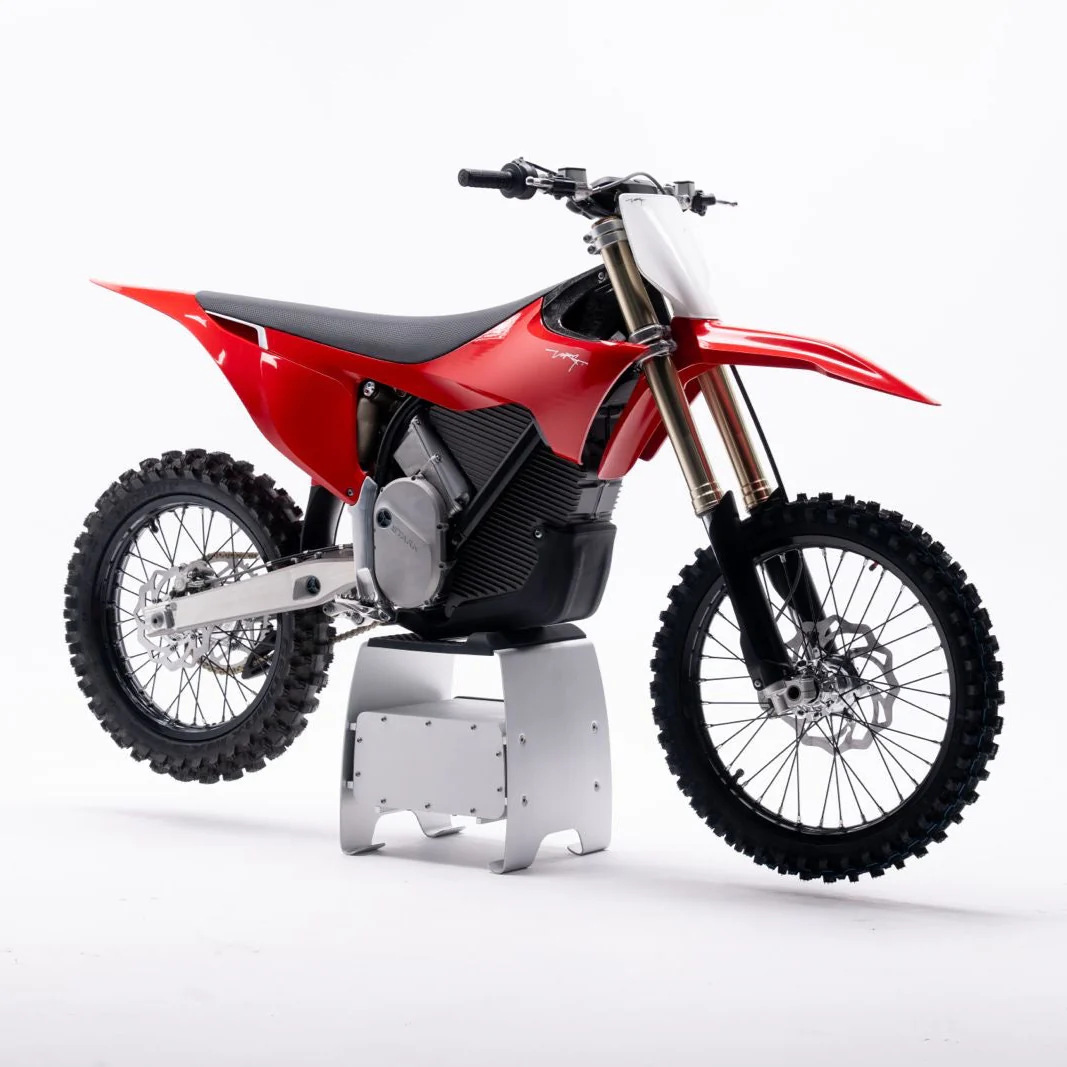
The Stark Varg stands at the top of the electric dirt bike performance pyramid. With selectable power outputs ranging from beginner-friendly levels all the way up to ~80 horsepower, the Varg is the most powerful electric dirt bike currently available.
- Peak Power: ~60 hp (standard) / ~80 hp (Alpha)
- Estimated Range: ~30–50 miles (pace dependent; less in MX conditions)
- Charge Time: ~2–3.5 hours
- Weight: ~260 lb
- Best For: Motocross, aggressive off-road riding, performance enthusiasts
- Price: ~$12,500-$13,500
With race-grade suspension, advanced electronics, and fully adjustable power maps, the Varg isn’t just fast — it’s adaptable. It represents the clearest example yet of electric bikes matching — and in some ways exceeding — gas-powered motocross machines.
E Ride Pro SR
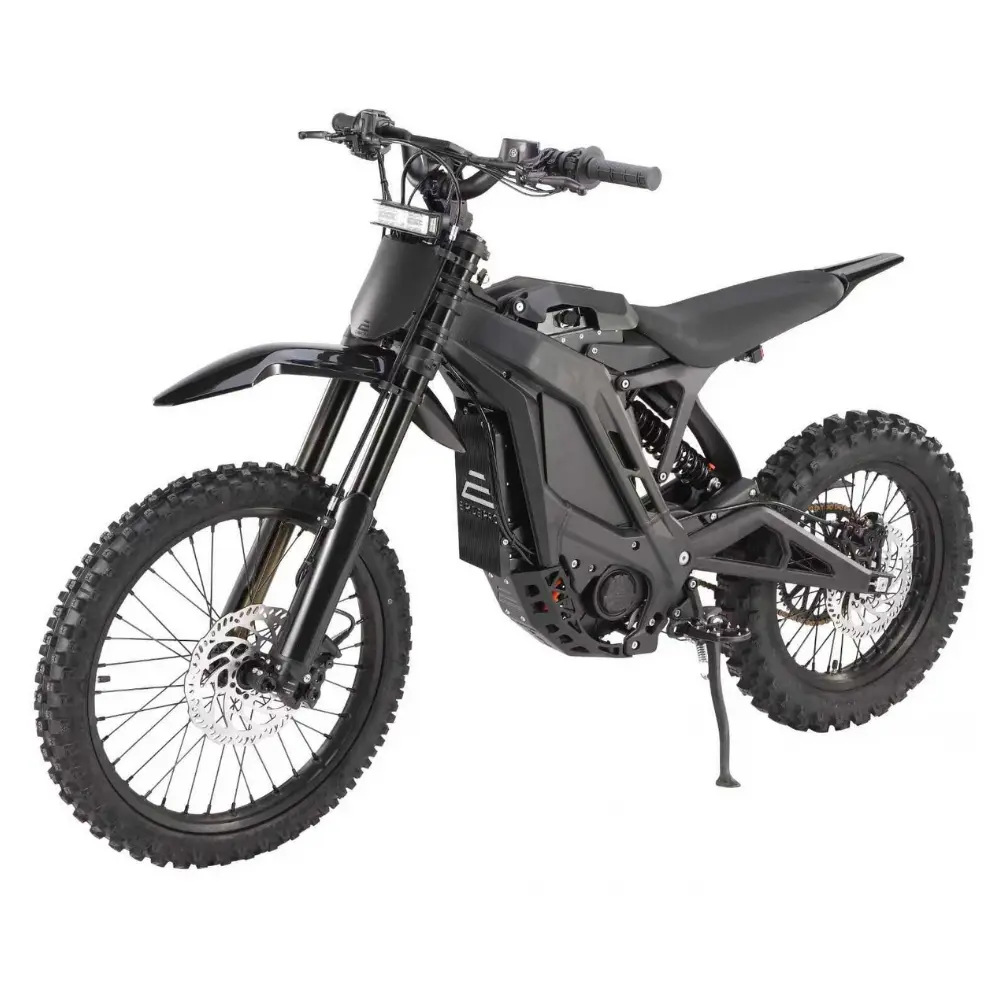
The E Ride Pro SR blends lightweight agility with serious electric punch. It’s smaller and lighter than the Stark but still delivers strong acceleration and trail-race capability, making it popular among riders who want speed without full-size motocross mass.
- Peak Power: 33.5 hp
- Estimated Range: ~60+ miles at moderate speeds
- Charge Time: ~3–4 hours
- Best For: Fast trail riding, aggressive off-road use
- Price: ~$4,500–$6,000
It sits neatly between trail bikes and full performance machines.
Electric Dirt Bikes for Frequent, Everyday Use
Some electric dirt bikes blur the line between trail riding, play riding, property use, and light commuting. These machines emphasize ease of use, durability, and versatility over outright performance, making them ideal for new riders, landowners, and riders who want an electric bike they can use frequently and casually.
Talaria Sting R MX4
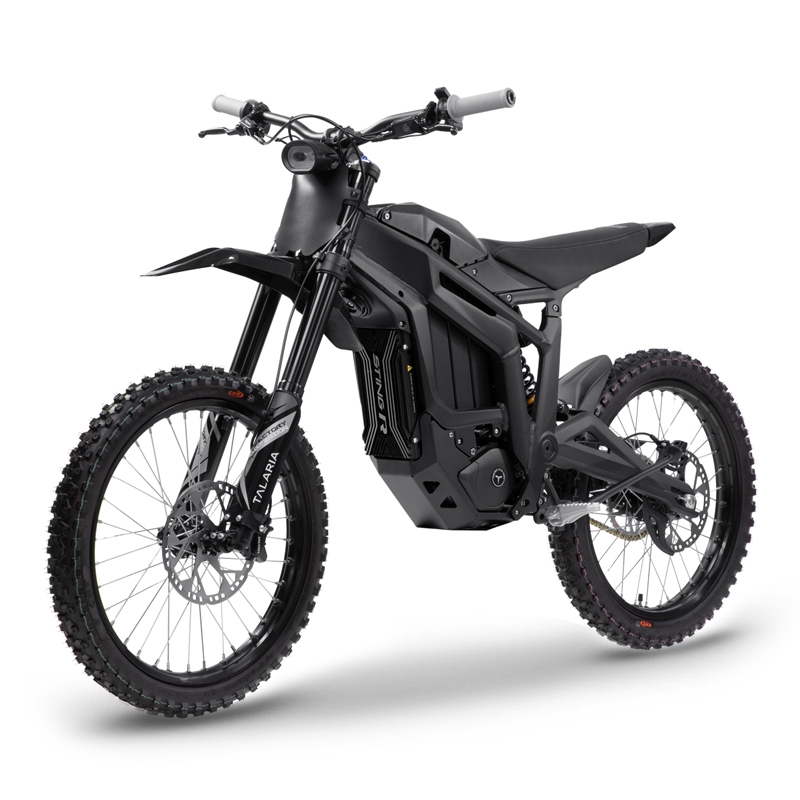
The Talaria Sting R MX4 has emerged as one of the most popular utility-leaning electric dirt bikes in the U.S., offering a strong balance of power, range, and rugged simplicity. It’s powerful enough for trail riding, yet manageable and reliable enough for everyday use around property or informal riding areas.
- Power: ~10.7 hp
- Estimated Range: ~55–65 miles (moderate riding)
- Charge Time: ~3–4 hours
- Weight: ~145–155 lb (depending on spec)
- Best For: Property riding, trails, play riding, light utility use
- Price: ~$4,500–$6,000
The Sting R is often chosen as an electric replacement for small gas trail bikes thanks to its simplicity and torque-rich performance.
Electric Motion Escape / Escape R
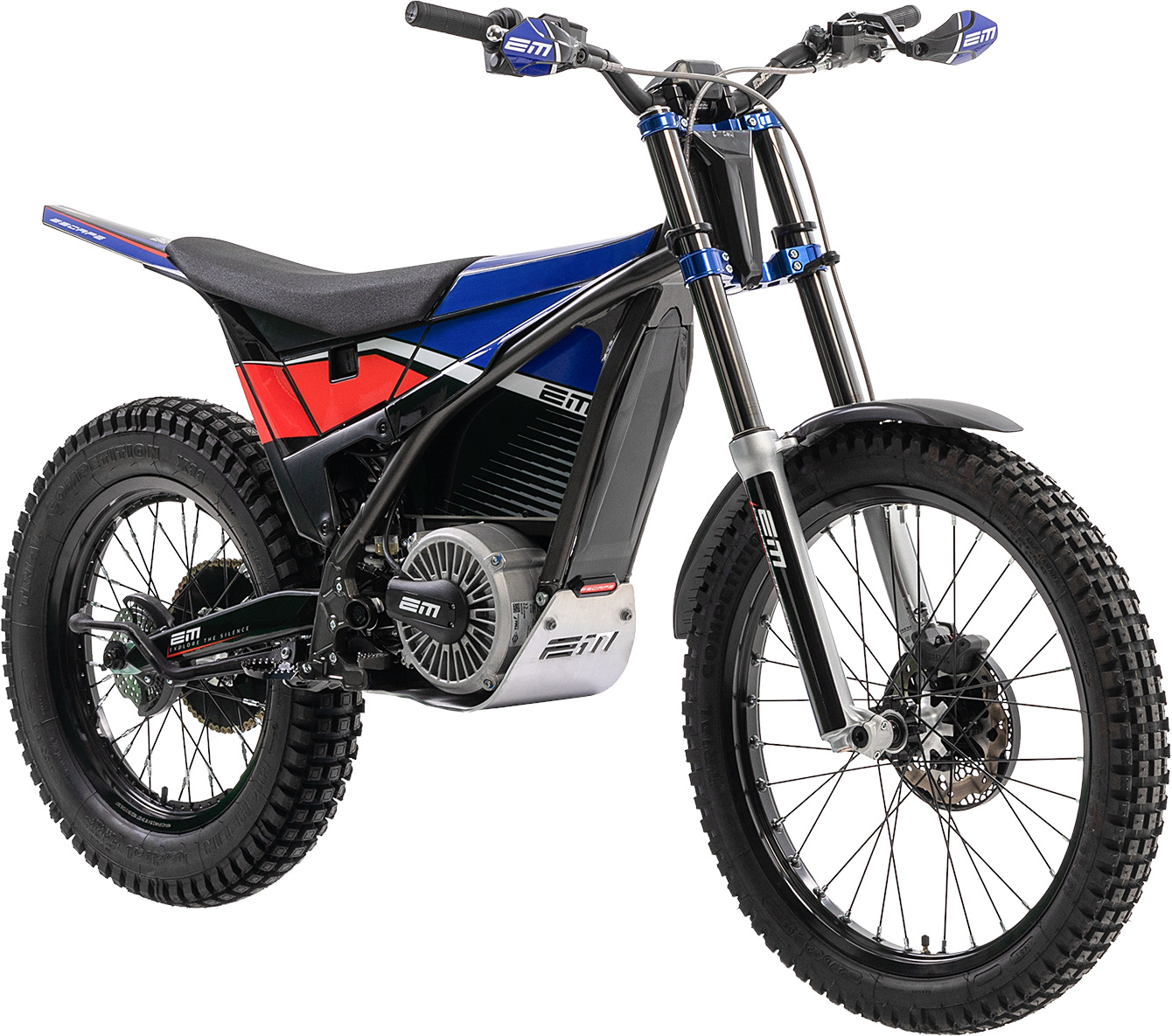
Electric Motion’s Escape models occupy a unique crossover space between trials bikes and lightweight trail machines. Built with extreme low-speed control, durability, and efficiency in mind, they excel in technical terrain, property riding, and situations where precision matters more than speed.
- Peak Power: ~24 hp
- Estimated Range: ~40–60 miles (low-speed trail / technical riding)
- Charge Time: ~2.5–3 hours
- Weight: ~170–180 lb
- Best For: Technical trails, property use, quiet riding environments
- Price: ~$8,000–$9,000
Key features across models include multiple power maps, regenerative braking, hydraulic clutches (on some), and a focus on silent, trail-friendly performance with significant torque for off-road capability. These bikes are especially popular with riders who value control, silence, and long ride times over raw acceleration.
Segway Powersports X260
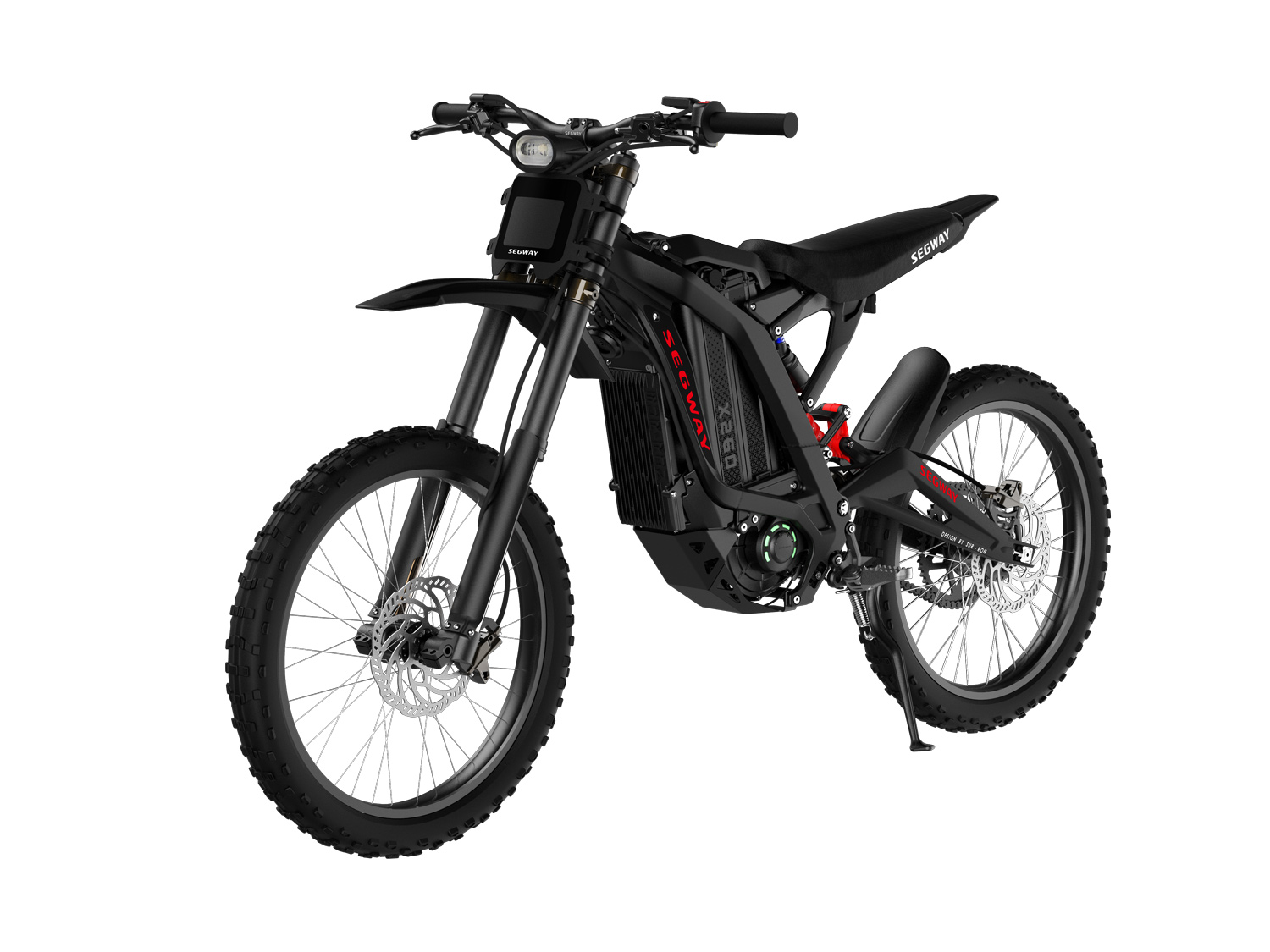
The Segway X260 (formerly the Ninebot Segway Dirt eBike) remains a common entry point into electric off-road riding. While not a full-size dirt bike, it’s widely available in the U.S. and often used for recreation, property riding, and learning off-road fundamentals.
- Power: ~6.7 hp
- Estimated Range: ~50+ miles (eco riding)
- Charge Time: ~4 hours
- Weight: ~117 lb
- Best For: Casual riding, beginners, utility and play use
- Price: ~$3,000–$3,500
It’s best viewed as a durable crossover machine rather than a true motocross or trail bike.
Up-and-Coming Electric Dirt Bikes to Watch
Electric dirt bike development is moving quickly, and it’s a transitional time between first-generation e-motos and more refined, purpose-built machines. Some models generating the most interest aren’t yet widely delivered through traditional dealer networks, but they’re far enough along to deserve attention as near-term arrivals rather than distant concepts.
Dust Moto Hightail
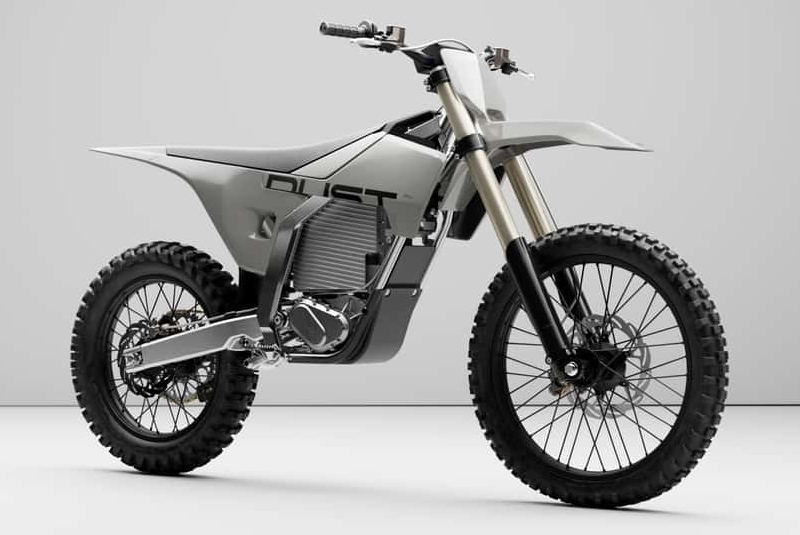
The Dust Moto Hightail is one of the most anticipated new electric dirt bikes entering the U.S. market. Designed and built in the United States, the Hightail targets the space between lightweight trail e-bikes and full-size electric motocross machines, emphasizing agility, usable power, and a removable battery system.
Rather than chasing extreme peak output, the Hightail focuses on rideable performance — strong acceleration, modern suspension, and dimensions familiar to riders coming from traditional gas trail bikes. Its removable battery design also speaks to real-world use cases, including longer riding days and simplified charging logistics.
Key specs (Dust Moto Hightail):
- Estimated Power: ~42 hp
- Battery Capacity: ~4.4 kWh (removable)
- Estimated Range: ~35–40 miles at moderate trail speeds
- Charge Time: ~4 hours (full charge)
- Top Speed: ~75 mph
- Estimated Weight: ~220–235 lb
- Seat Height: ~35.4 in
- Estimated U.S. Price: ~$10,950
The Hightail represents a different philosophy than ultra-high-output machines like the Stark Varg — prioritizing balance, trail accessibility, and practical ownership over outright numbers. As deliveries expand, it’s likely to become a meaningful option for riders looking for a lightweight, premium electric trail bike.
JARV-E (Graham Jarvis Electric Hard Enduro)
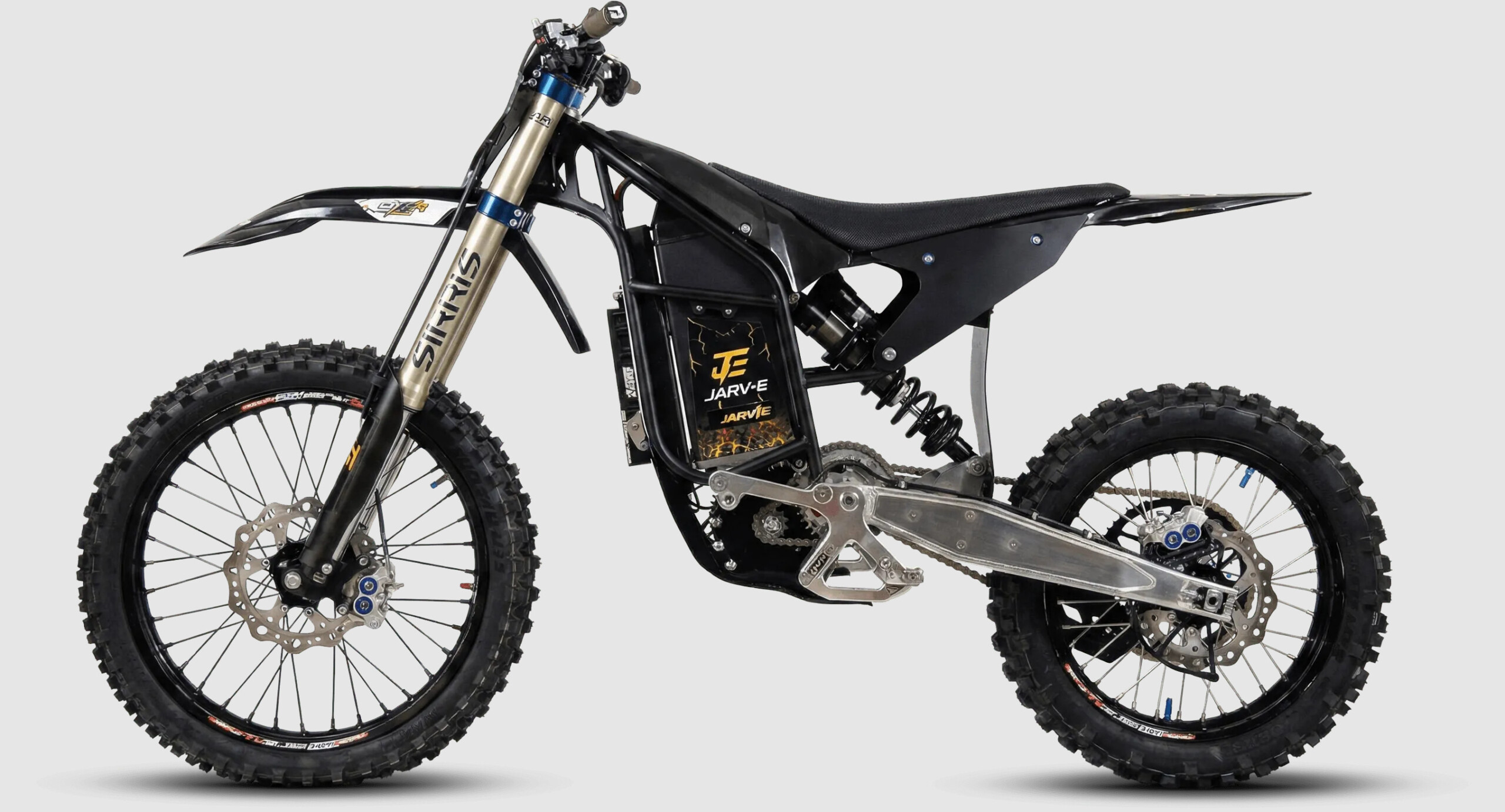
The JARV-E is one of the most intriguing upcoming electric dirt bikes in development, aimed squarely at hard enduro and extreme technical terrain rather than general trail riding or motocross. Developed with direct input from Graham Jarvis, the bike is designed around the demands of rock gardens, steep climbs, balance-intensive obstacles, and low-speed precision — terrain where electric power delivery offers unique advantages.
Rather than chasing headline-grabbing top speed figures, the JARV-E prioritizes traction, controllable torque, lightweight construction, and rider manageability. The project focuses on how an electric drivetrain can reduce fatigue, improve throttle precision, and make extreme sections more rideable compared to traditional gas-powered hard enduro machines. Importantly, the JARV-E has moved beyond concept status and is currently available for preorder, with production planned rather than speculative.
Key specs (JARV-E, expected targets):
- Estimated Power: ~60 hp (high-torque, hard enduro–focused tuning)
- Battery Capacity: ~5–6 kWh (removable)
- Estimated Range: ~2–3 hours of hard enduro riding
- Charge Time: ~3–4 hours
- Estimated Weight: ~240–255 lb
- Chassis Focus: Extreme enduro geometry, long-travel suspension
- Production Status: Preorder open; limited production planned
- Estimated Price: TBD (expected premium / boutique positioning)
If delivered as intended, the JARV-E could represent a meaningful shift in electric dirt bike development — not adapting electric power to existing categories, but designing a machine from the ground up for the most technical off-road riding imaginable, guided by one of the discipline’s defining riders.
Quick Comparison: Best Electric Dirt Bikes of 2026
| Motorcycle | Category | Peak Power | Weight | Estimated Range | Charge Time | Estimated Price |
|---|---|---|---|---|---|---|
| Sur-Ron Ultra Bee | Trail | ~18–24 hp (18–21 kW peak) | ~195 lb (88 kg) | ~60–80 mi | ~2.5–4 h | ~$5,000–$6,500 |
| Zero XE | Trail | ~20 hp (15.5 kW) | ~223 lb (101 kg) | ~40–65 mi | ~5–5.5 h | ~$6,495+ |
| E Ride Pro SR | Performance Trail | ~33.5+ hp* | ~183 lb (83 kg) approx* | ~60+ mi | ~3–4 h | ~$4,500–$6,000 |
| Stark Varg MX 1.2 (Std) | MX / Performance | ~60 hp | ~260 lb (118 kg) | ~30–50 mi | ~2–3.5 h | ~$12,490 |
| Stark Varg MX 1.2 (Alpha) | MX / Performance | ~80 hp | ~260 lb (118 kg) | ~30–50 mi | ~2–3.5 h | ~$13,490 |
| Talaria Sting R MX4 | Utility / Crossover | ~10.7 hp* | ~145 lb (66 kg) | ~60–78 mi | ~3 h | ~$4,500–$6,000 |
| Electric Motion Escape | Utility / Technical | ~24 hp* | ~180–200 lb** | ~40–60 mi | ~2.5–3 h | ~$8,000–$9,000 |
| Segway X260 | Utility / Play | ~6.7 hp* | ~200–220 lb** | ~50+ mi | ~4 h | ~$3,000–$3,500 |
Range varies significantly with terrain, speed, rider weight, and power settings.
*Talaria Sting R MX4: Nominal motor rated around 4 kW (≈5.4 hp) nominal with peak power typically marketed around 8 kW (≈10–11 hp) — higher quoted range and more efficient design make it competitive; its lighter weight (~145 lb) reflects its small size. (Talaria Bikes Canada)
*E Ride Pro SR: There isn’t an authoritative OEM spec sheet available; however, enthusiast sources describe its power as significantly higher than the original Sur-Ron Light Bee/X Ultra Bee, roughly double their output and comparable to mid-size e-moto machines. (GritShift Media)
*Electric Motion Escape & Segway X260: Official numbers vary by retailer and aren’t consistently published by the manufacturers, so weights/power are best estimates based on typical listings and product documentation.
Electric Dirt Bikes That Influenced the Scene
Not all of the most important electric dirt bikes are still sold new, but several models helped establish the category and push it forward.
Alta Motors Redshift MXR / EXR
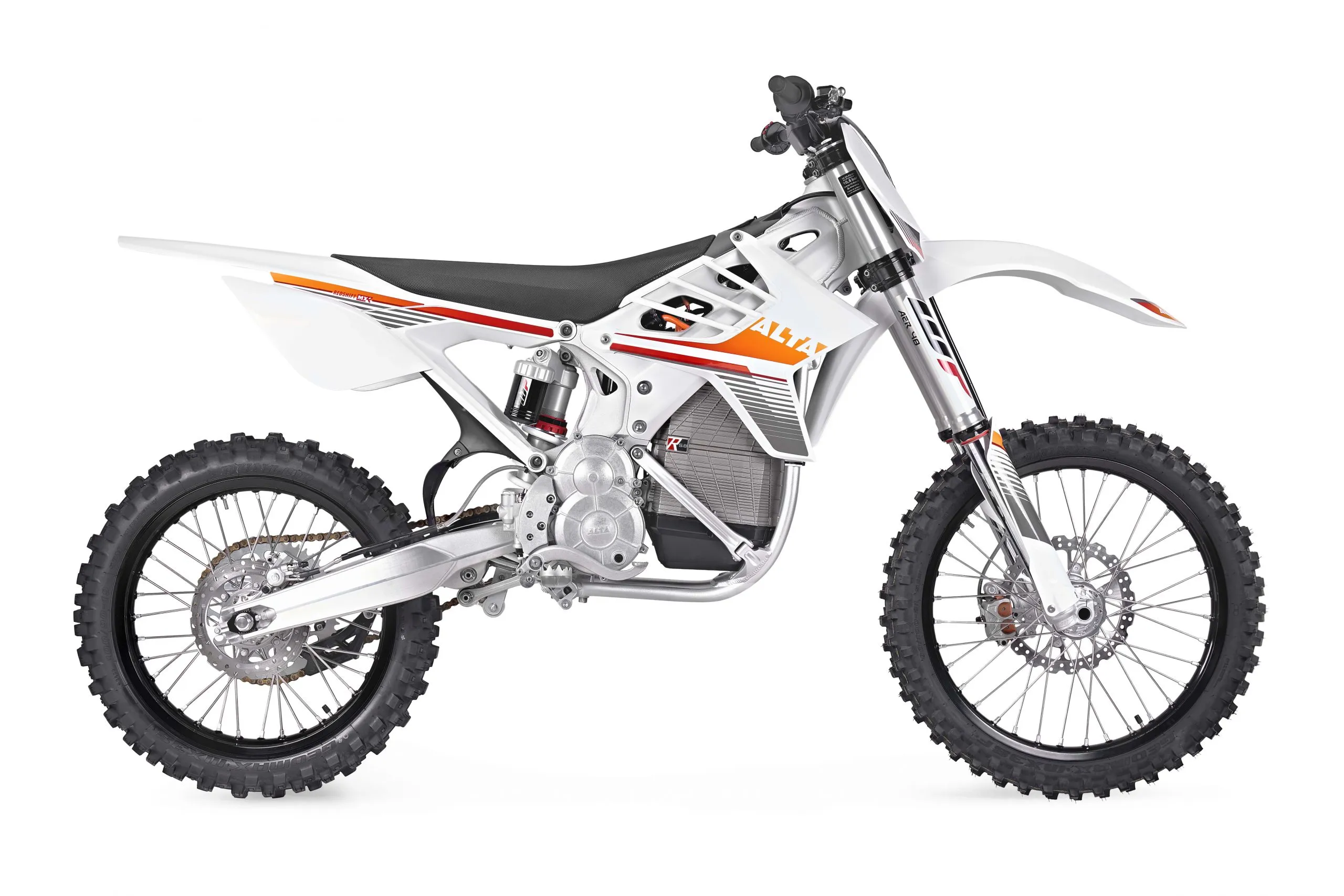
Alta Motors was the first company to prove that electric dirt bikes could compete seriously with gas machines. The Redshift MX and MXR raced, won, and earned respect in real competition. Although Alta shut down years ago, its bikes remain legendary — and their influence is visible in today’s high-performance e-motos.
Sur-Ron Light Bee & Storm Bee
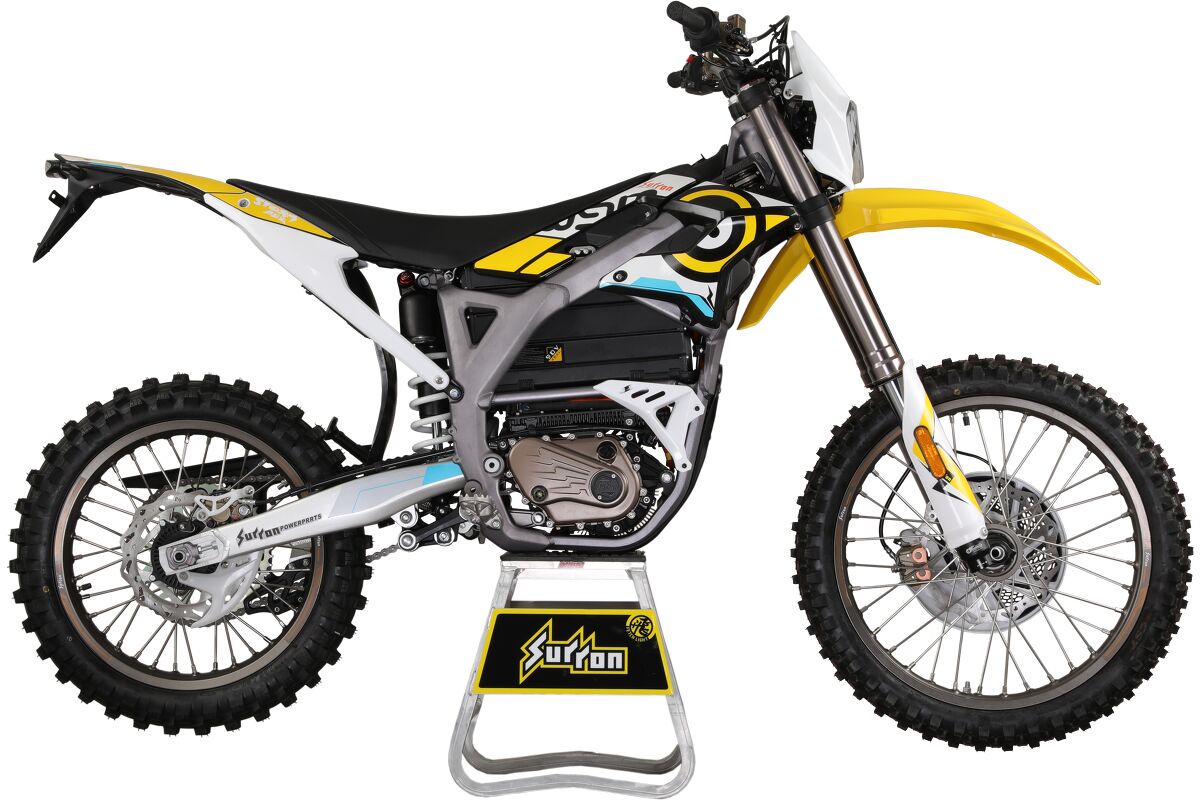
Sur-Ron helped introduce thousands of riders to electric dirt riding through lightweight, approachable machines like the Light Bee, while the Storm Bee aimed closer to full-size dirt bike territory. These bikes laid the foundation for today’s Ultra Bee and similar designs.
Cake Kalk Models
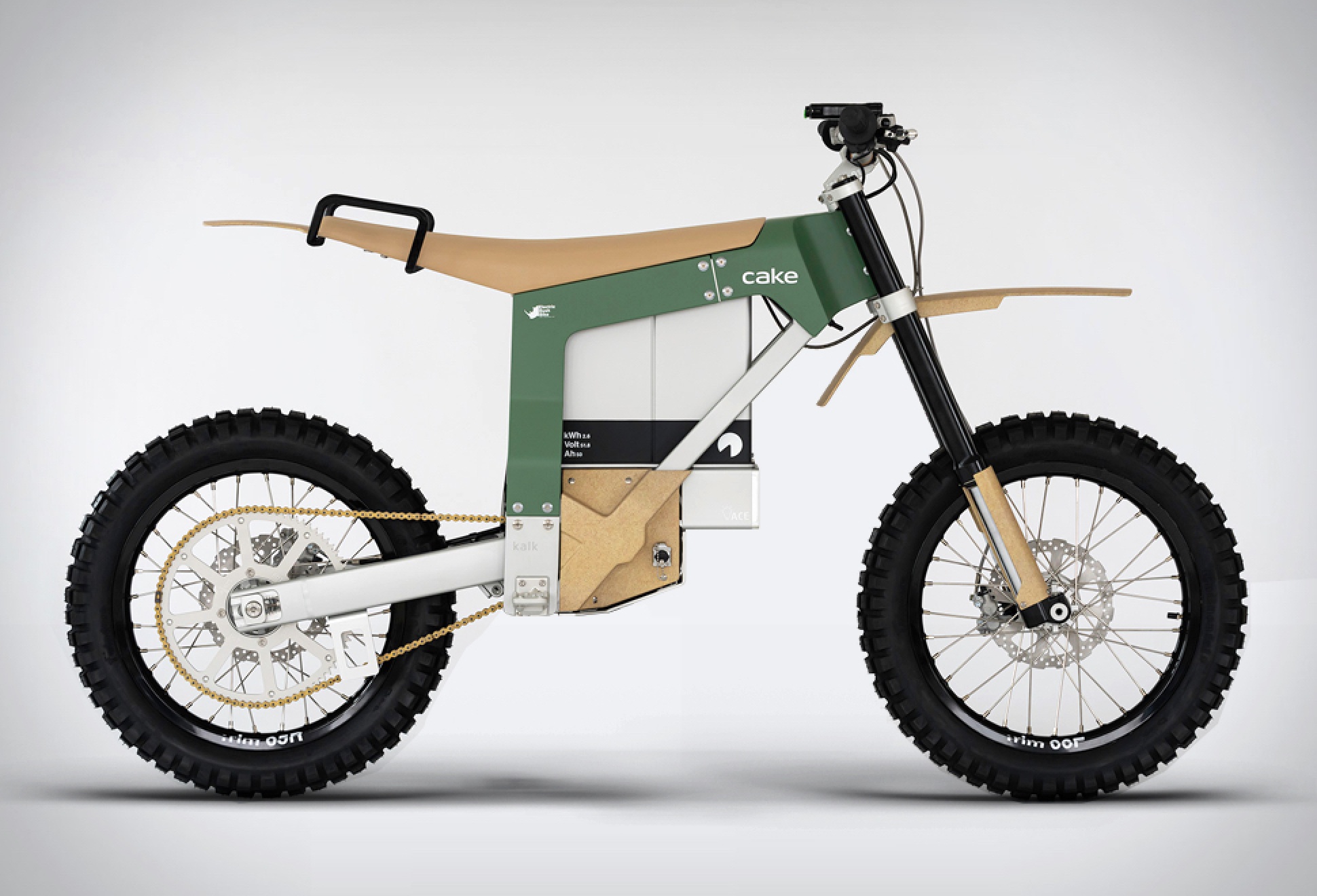
Cake brought minimalist design, premium components, and a sustainability-first philosophy to electric dirt bikes. While no longer available in the U.S., the Kalk series demonstrated that electric dirt bikes could be lightweight, purpose-built, and beautifully engineered.
Electric vs. Gas: What’s Different?
Electric dirt bikes change the riding experience in fundamental ways. Instant torque delivers immediate acceleration and excellent low-speed control, especially useful in technical terrain. Silence reduces rider fatigue and opens access to noise-restricted riding areas. Maintenance is dramatically simpler — no oil changes, valves, clutches, or fuel systems.
The trade-offs remain range and recharge time, particularly in high-output riding like motocross or desert runs. Rather than replacing gas bikes outright, electric dirt bikes offer a different set of strengths — simplicity, adjustability, and torque — that continue to improve with each generation.
Electricity Meets Dirt…
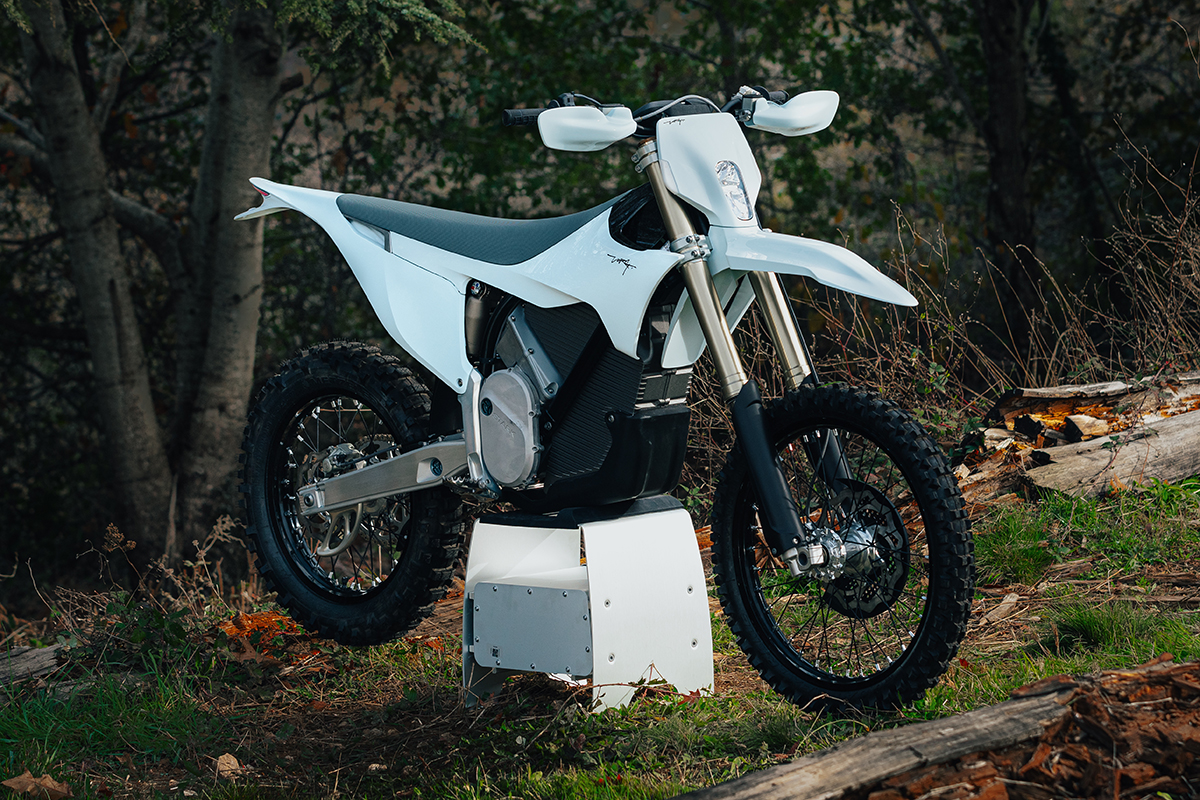
Electric dirt bikes are no longer experiments. They’re legitimate off-road tools, spanning casual trail riding to elite-level motocross performance. From the approachable Sur-Ron Ultra Bee to the brutally capable Stark Varg, the 2026 electric dirt bike market offers real choices for real riders.
As battery technology improves and chassis development continues, electric dirt bikes aren’t just catching up — in some areas, they’re beginning to lead.


