
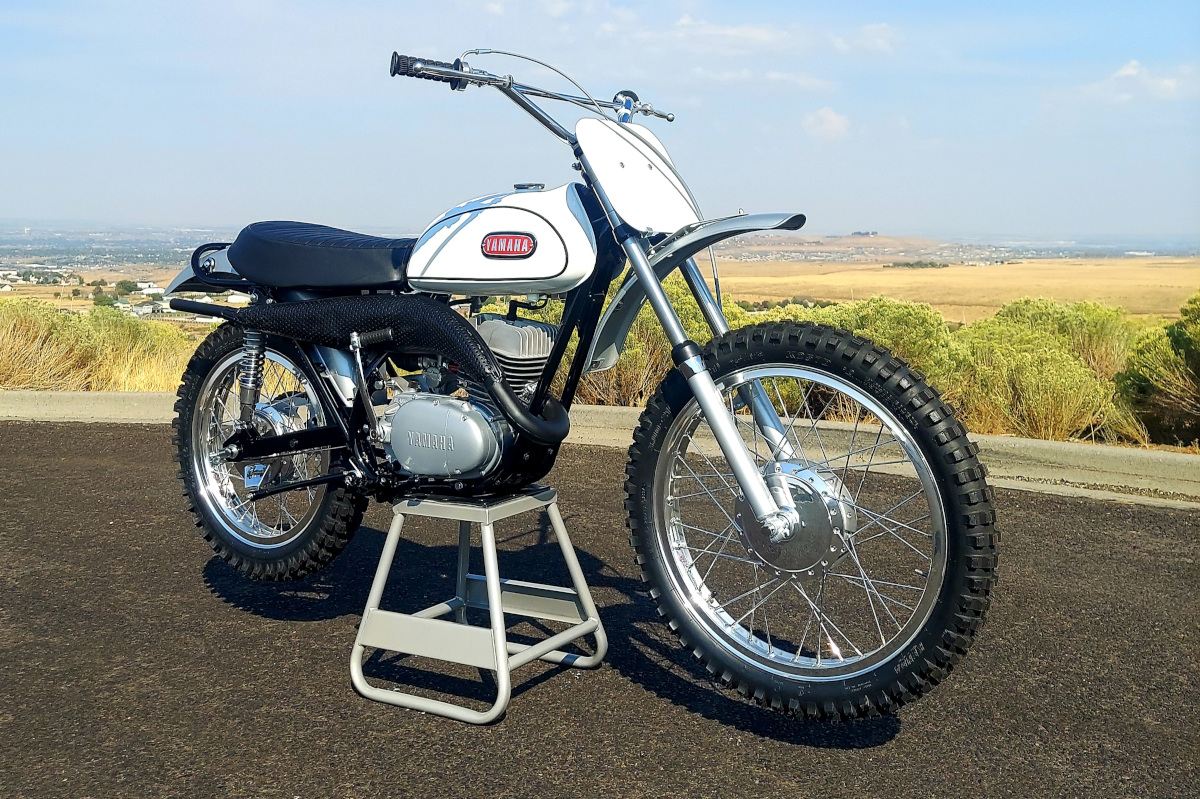
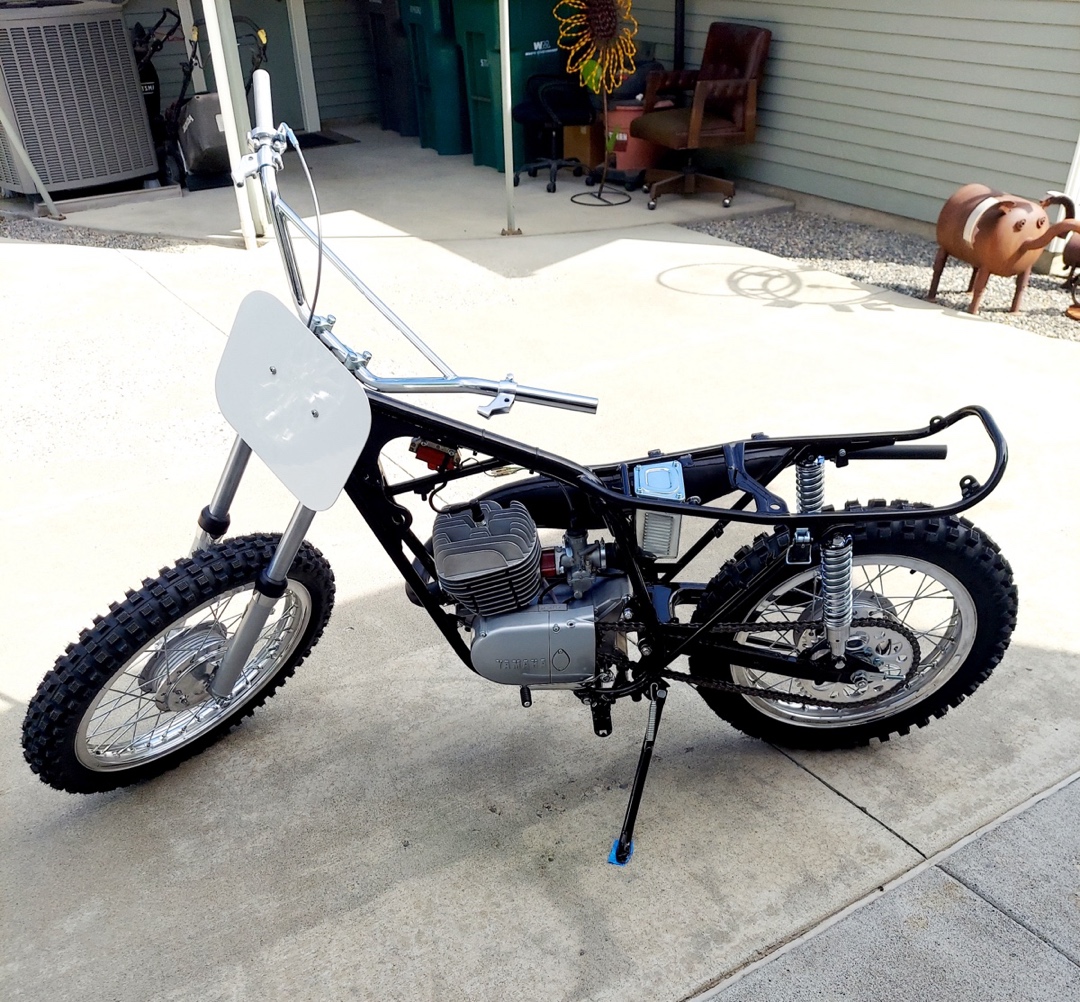
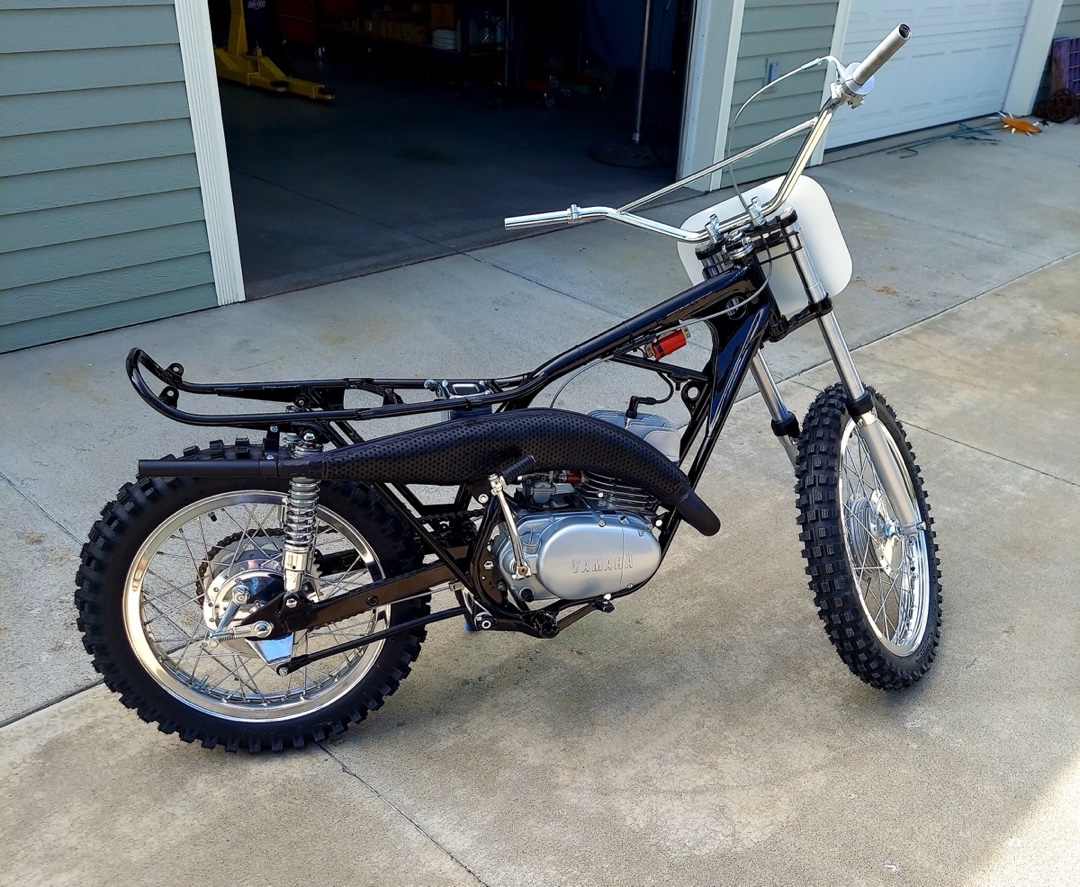
 From Enduro to MX: Yamaha DT-1 GYT Motocross Conversion from DG2 Motorsportz…
Before there was a YZ, before monoshock, before the production moto wars, there was the DT-1. When Yamaha introduced the DT-1 250 Enduro to the U.S. market in 1968, it didn’t just sell a new motorcycle — it changed American off-road riding forever. Lightweight, affordable, reliable, and genuinely capable in the dirt, the DT-1 opened motocross and trail riding to an entirely new generation.
At the bike’s 25th anniversary, Cycle World asked whether this “lowly dual-purpose bike could be the most important motorcycle of the last quarter century?” Meanwhile, Motocross Action magazine called it “the best thing that ever happened to motocross.” High praise indeed!
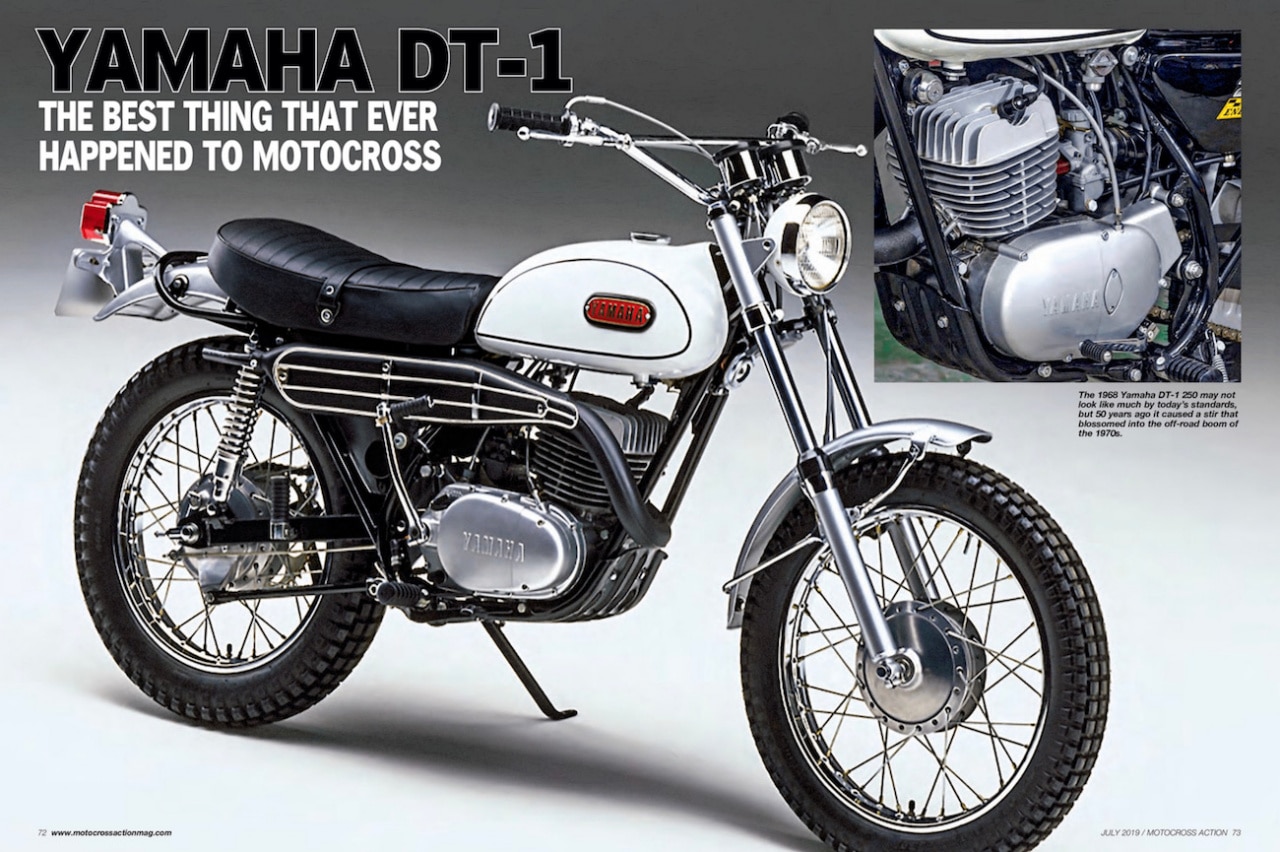 But in 1968 and 1969, the United States only received the DT-1 Enduro. If you wanted a motocross bike, you had to build it yourself. Fortunately, Yamaha had a solution: the GYT Option.
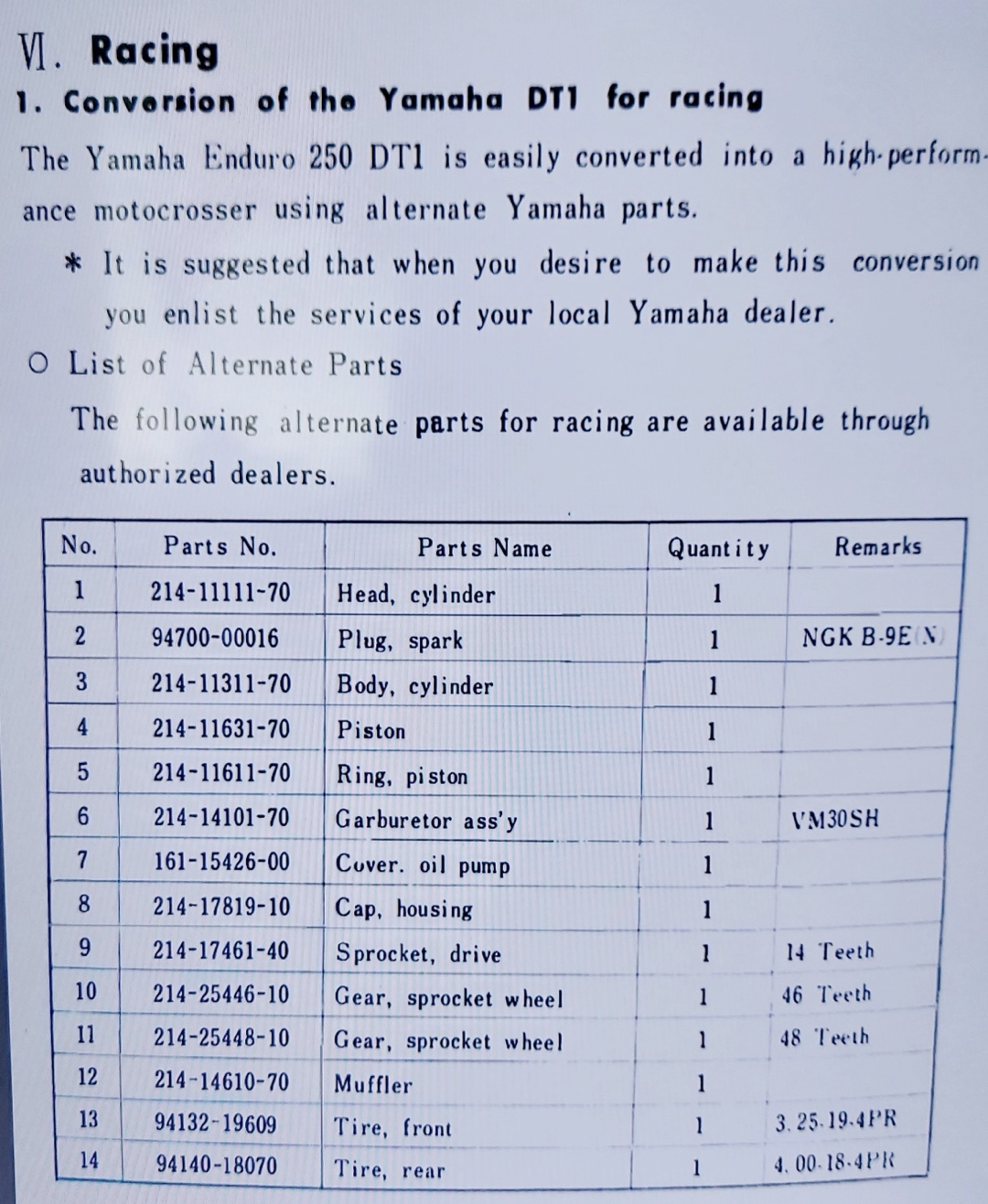
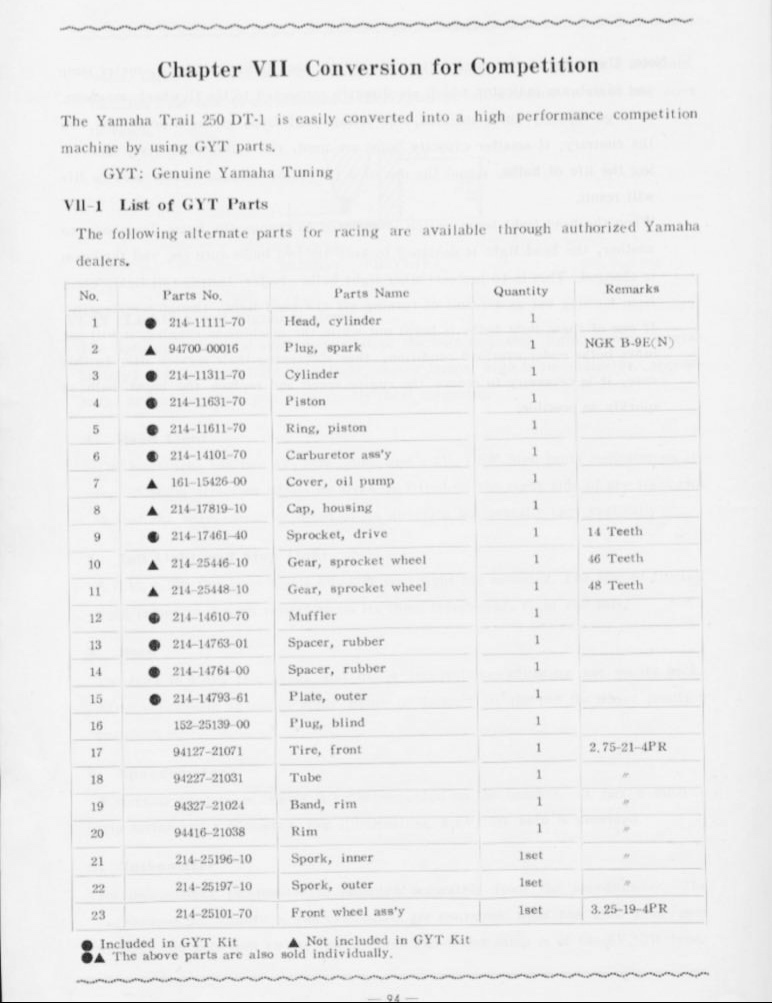
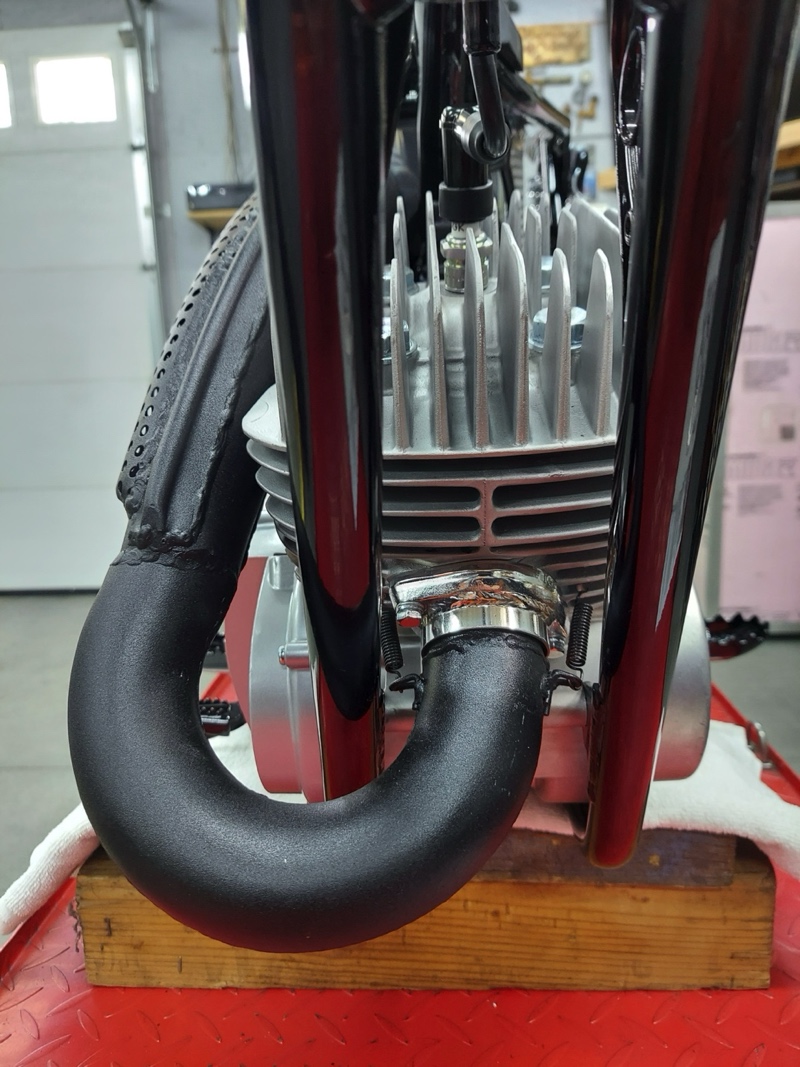
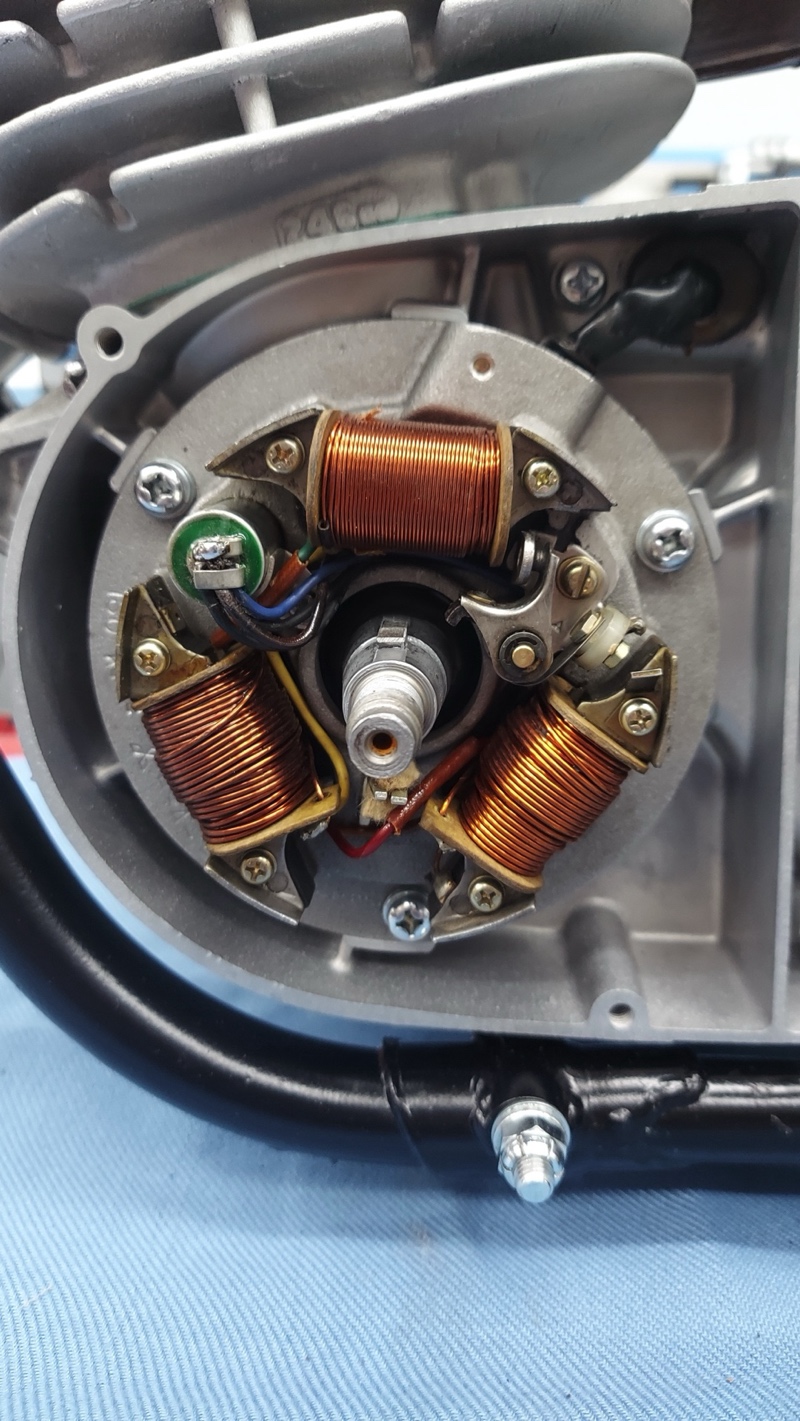
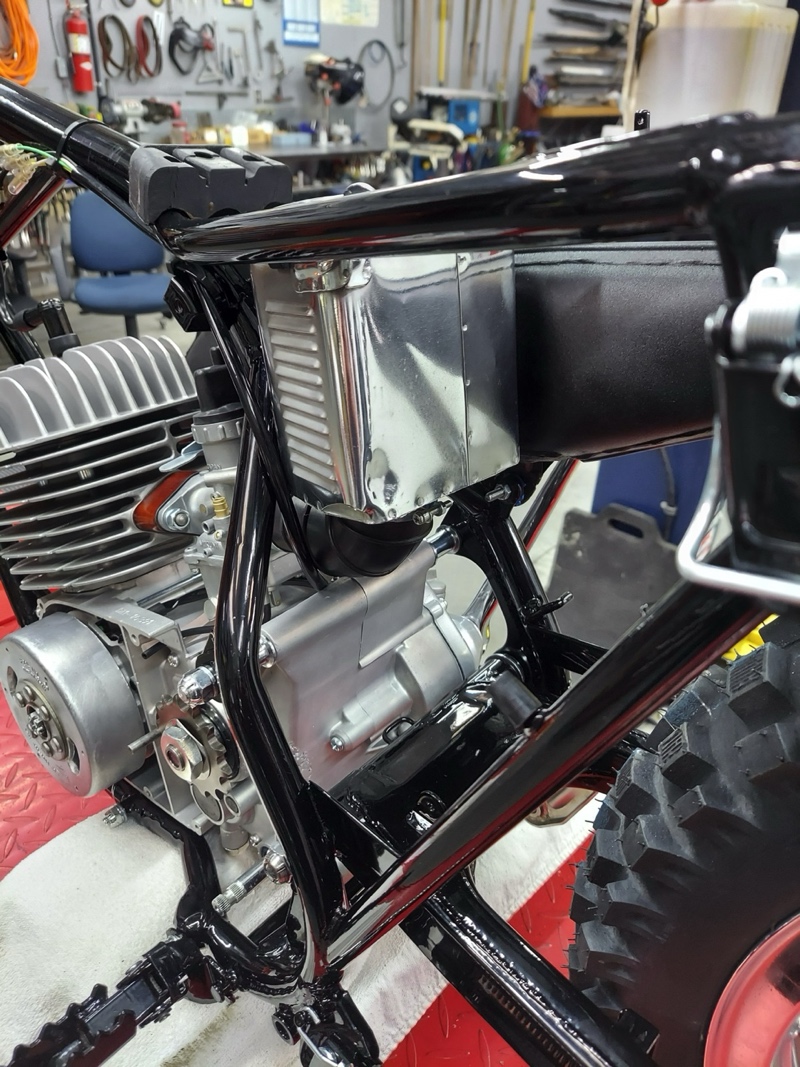
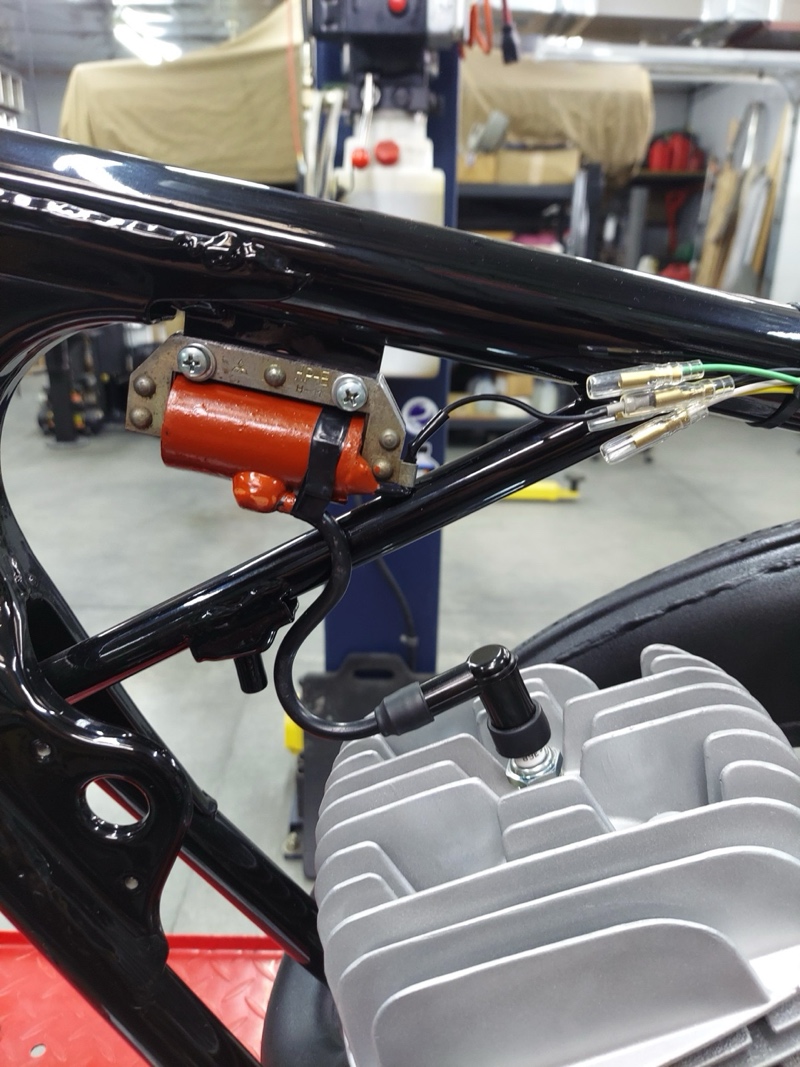
 Tucked in the back of the 1968 DT-1 service manual was a section entitled “Conversion for Competition.” There, Yamaha listed the Genuine Yamaha Tuning (GYT) part numbers required to transform a mild-mannered Enduro into a legitimate motocross machine.
- High-compression head.
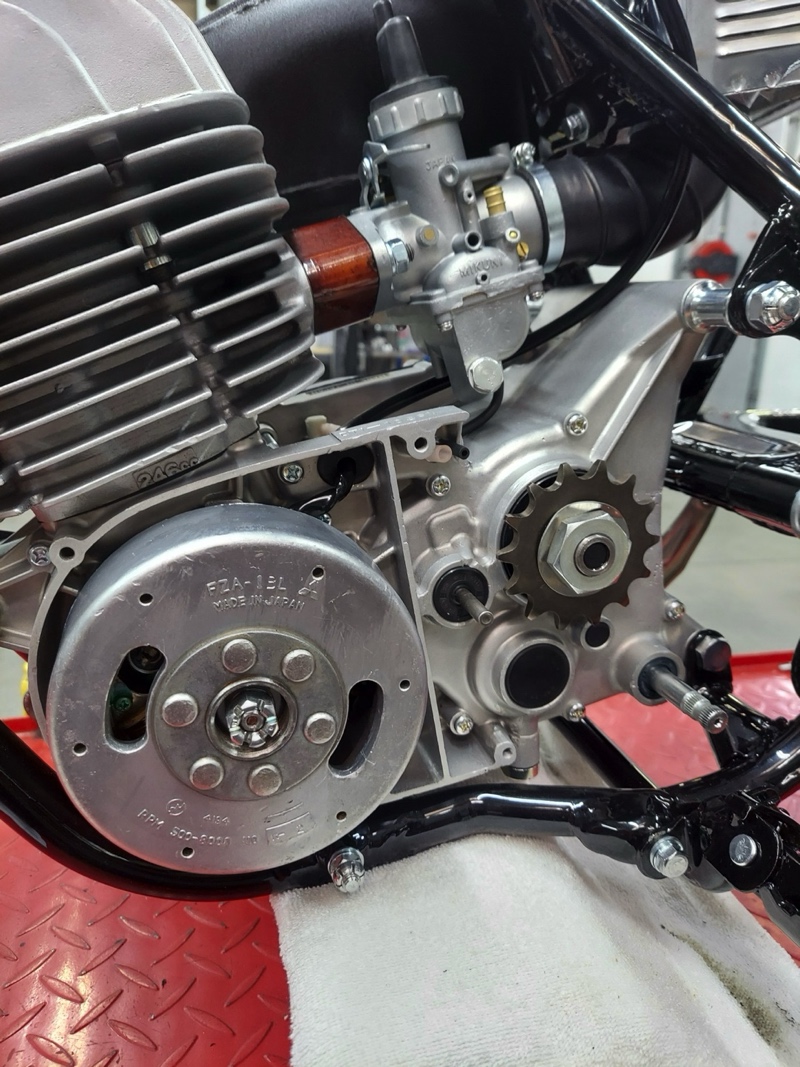
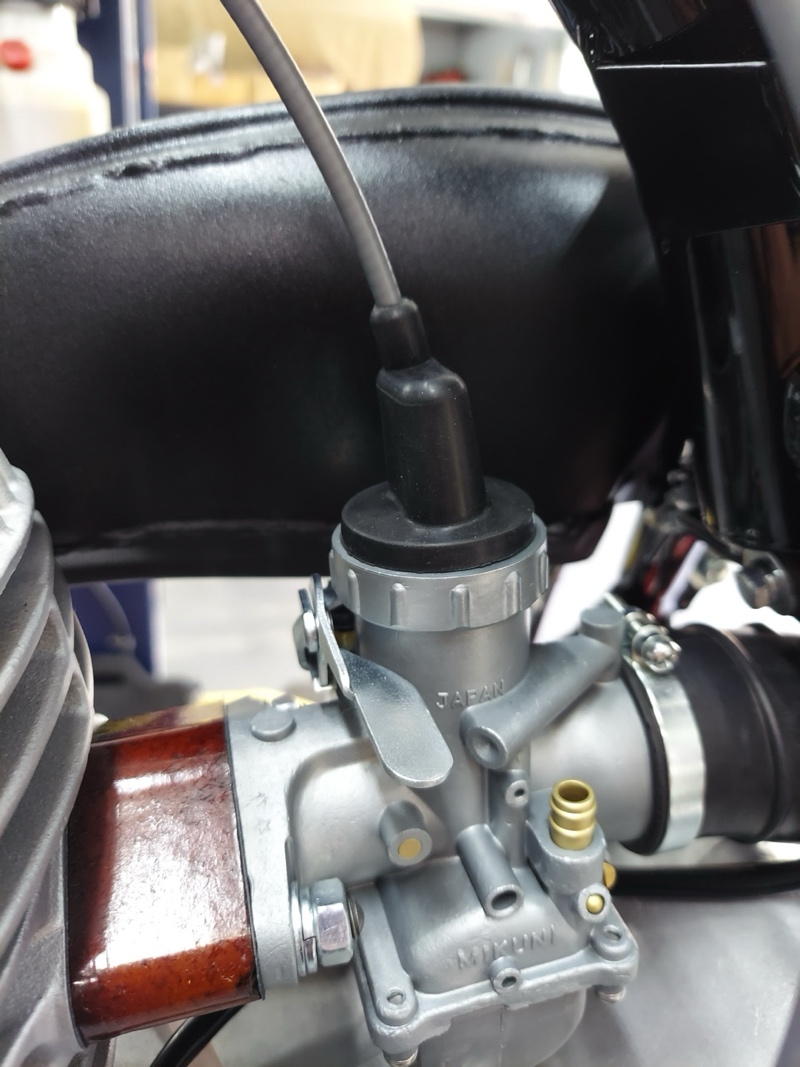
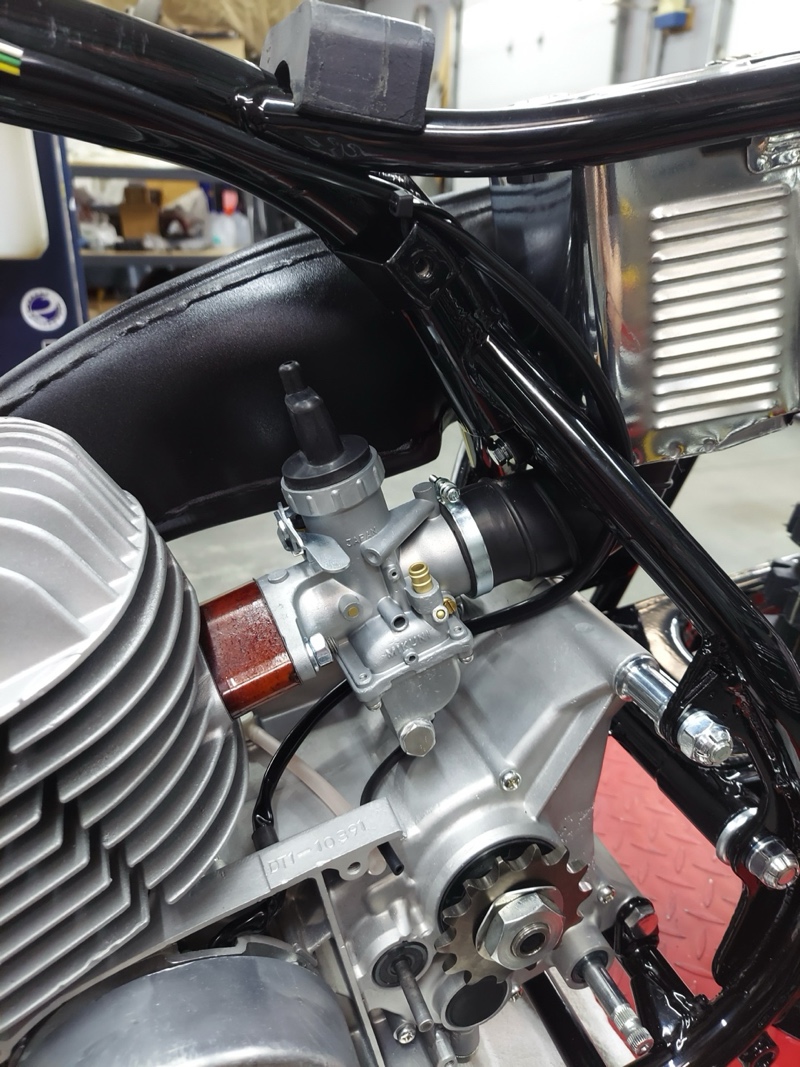
- Competition carburetor.
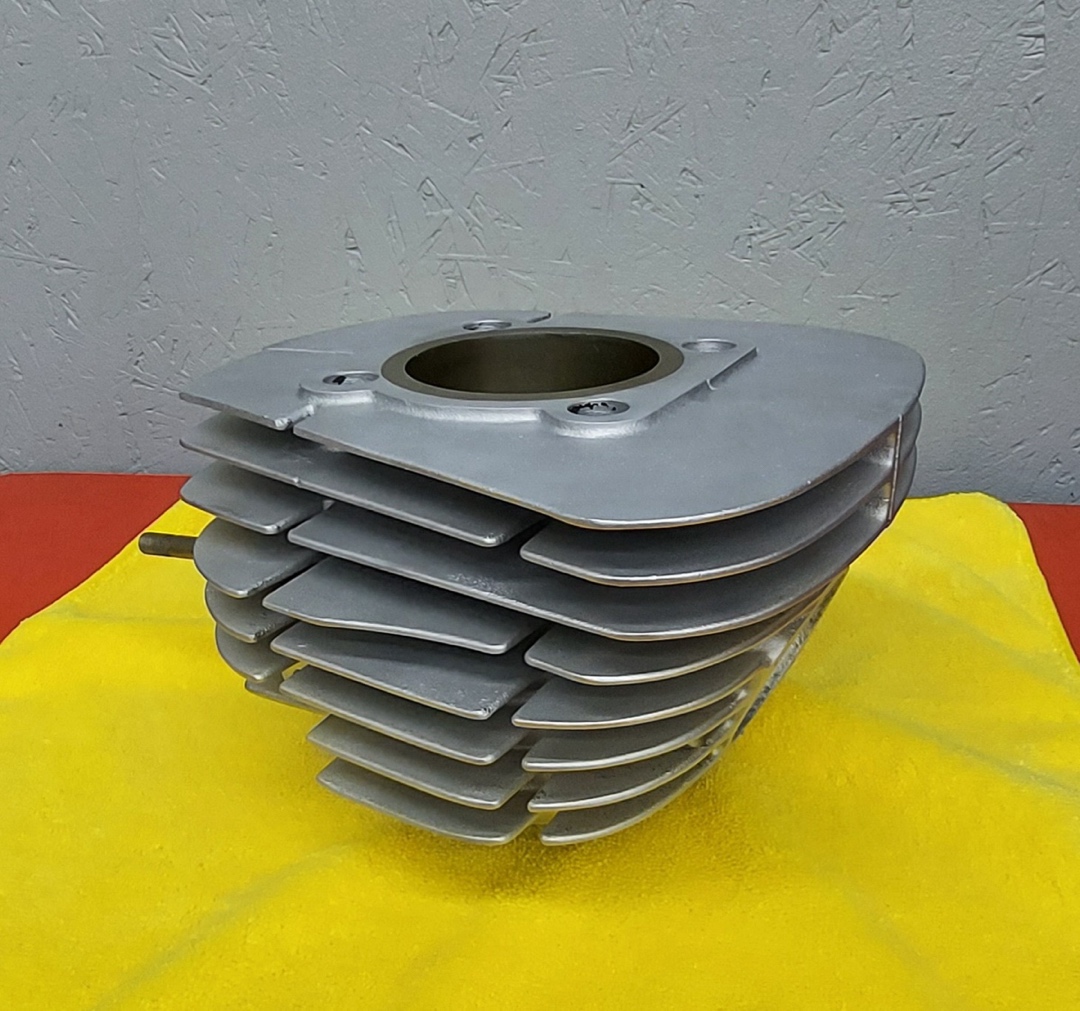
- Ported cylinder.
- Expansion chamber.
- Sprocket changes.
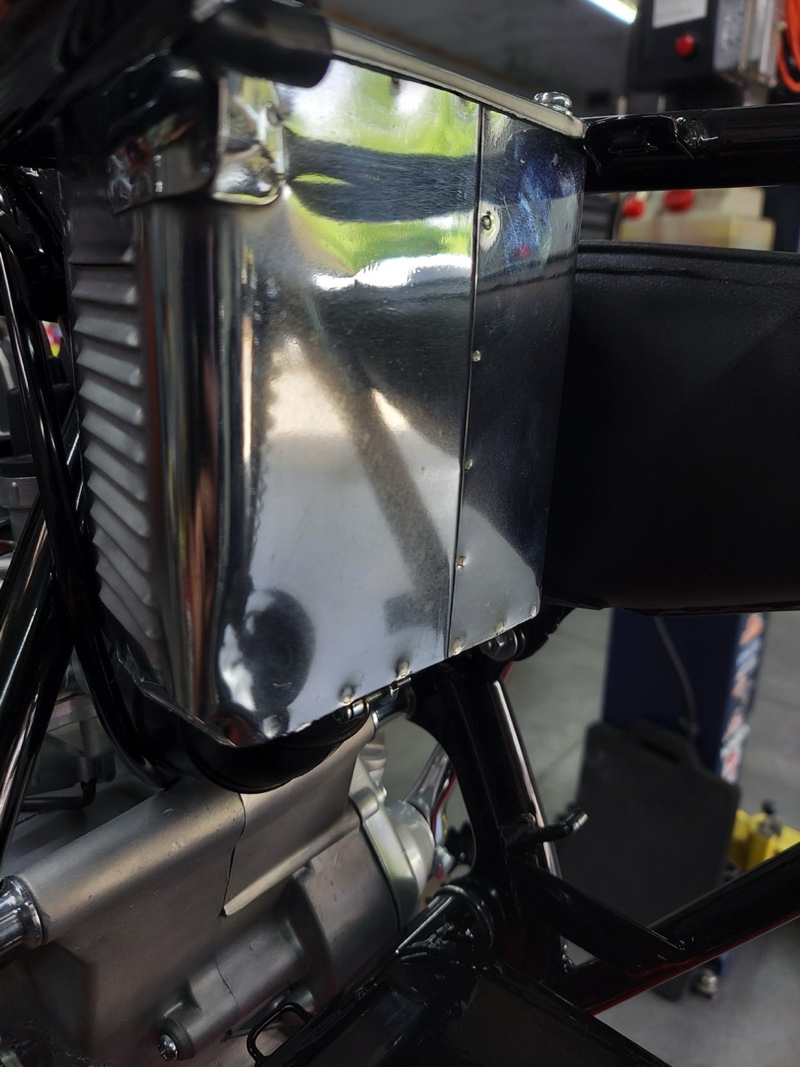
- High Front Fender.
- And more…
 This wasn’t backyard guesswork, but a factory-sanctioned racing setup. For DT-1 owner and off-road racer Dustin Gerlach of Washington State’s DG2 Motorsportz, that section in the manual became more than a curiosity. It became a mission.
“I wanted to build a correct 1968 motocross conversion using the original GYT part numbers — the way Yamaha intended it.”
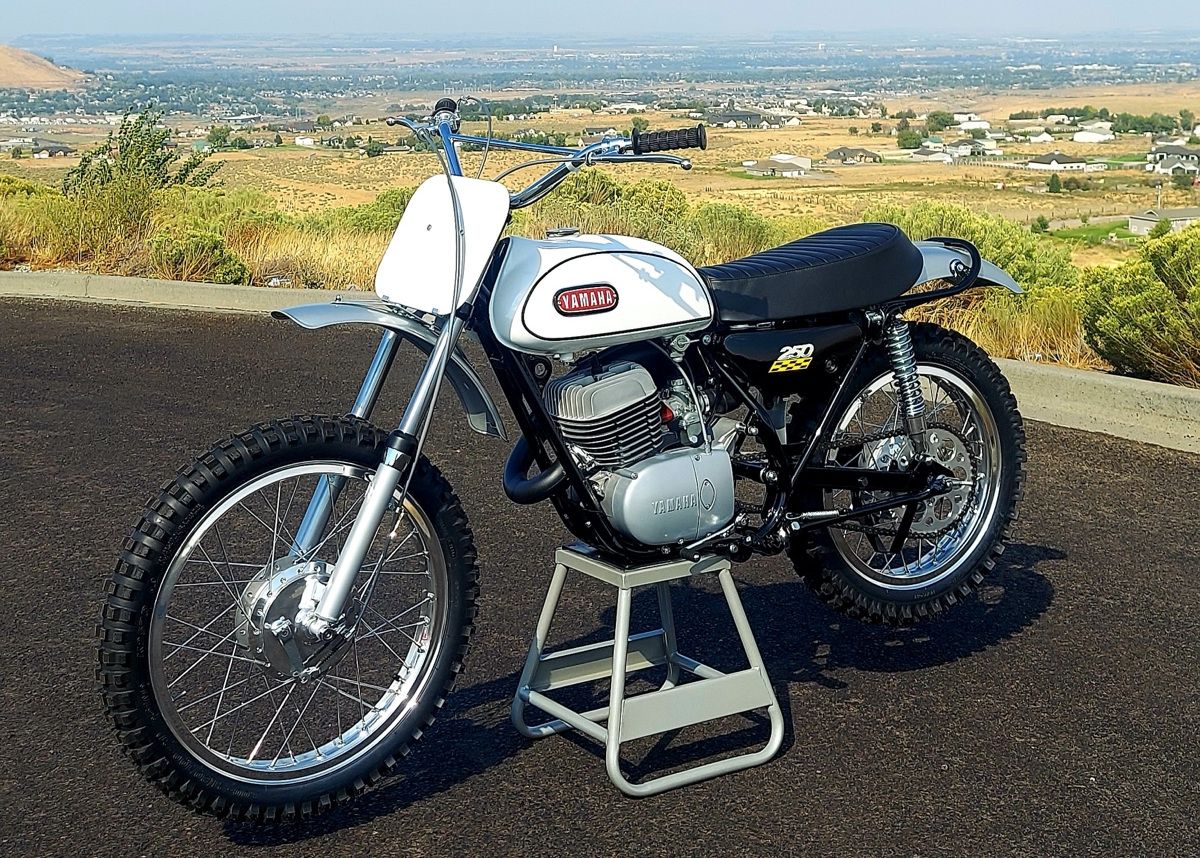 Anyone who has searched for a first-year DT-1 knows they’re not getting easier to find. Dustin already owns two 1968 Enduro models and has spent years studying early Yamaha dirt history, even tracing the lineage back to the YX26, Yamaha’s first purpose-built Japanese dirt racer.
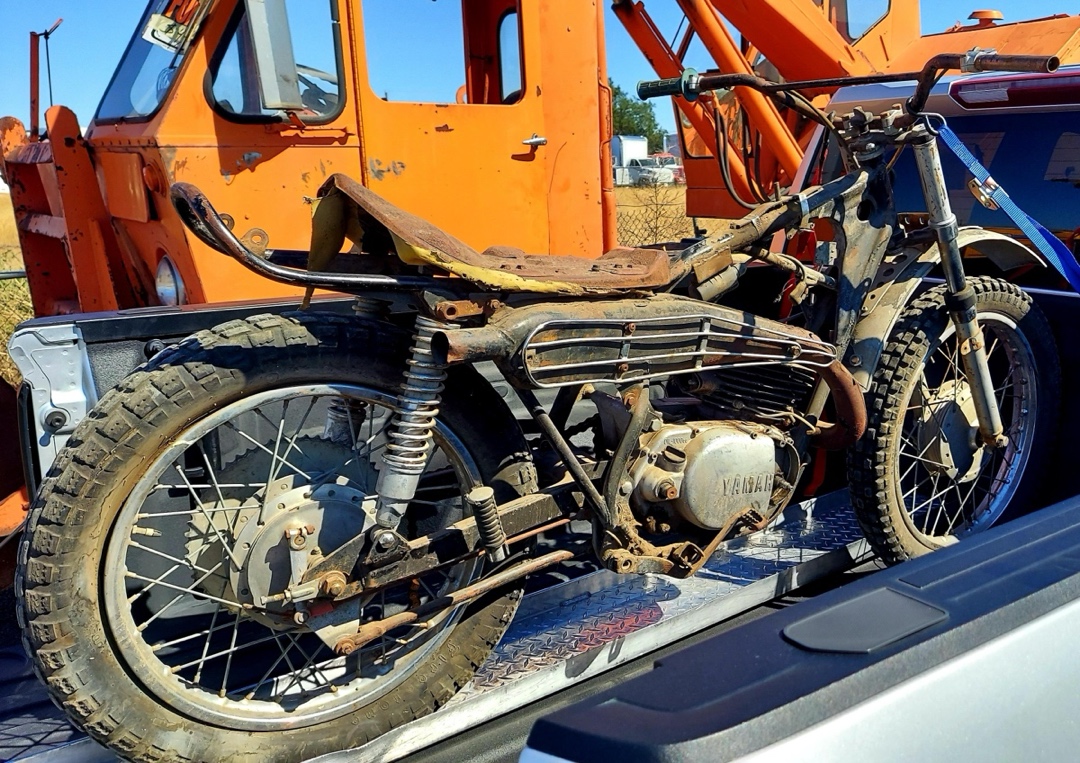
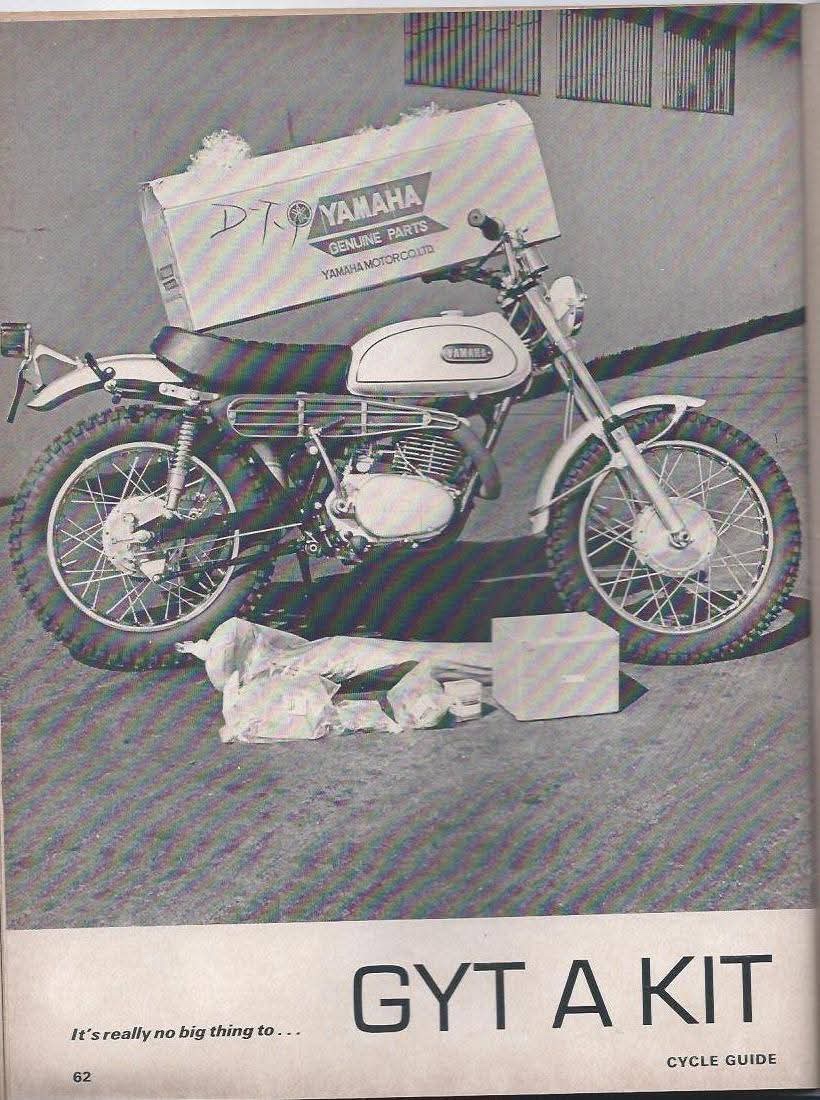 The project needed the right starting point. Dustin remembered a trip to Yakima, Washington, where a stash of old motorcycles sat in a semi-trailer. Digging through the pile, he uncovered two Yamaha 250s — a 1971 and, buried nearby, a rough but unmistakable 1968 DT-1.
“It was missing parts. It was rough. But I knew that was the one.”
 The next 18 months became a global treasure hunt. Armed with factory GYT part numbers from the service manual, Dustin searched relentlessly. Parts surfaced through Facebook groups and private collectors, from far points such as France and Australia — wherever leads appeared. The carburetor proved especially elusive, as did the correct high-compression cylinder head. But persistence paid off.
“The goal wasn’t to build a modified DT-1. It was to build a period-correct GYT conversion.”
 Along the way, the project forged friendships across continents. Vintage Yamaha enthusiasts form a tight network, and Dustin found himself not only receiving help but returning it — sourcing American parts for overseas collectors and shipping them personally to simplify the process.
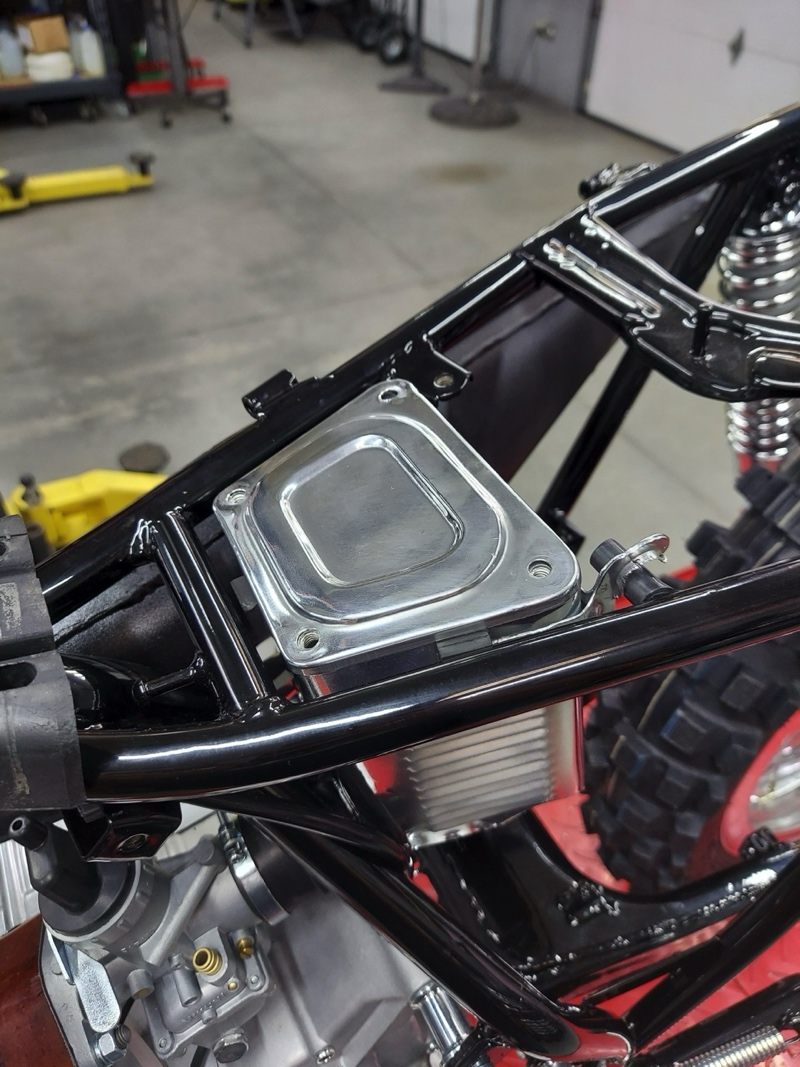
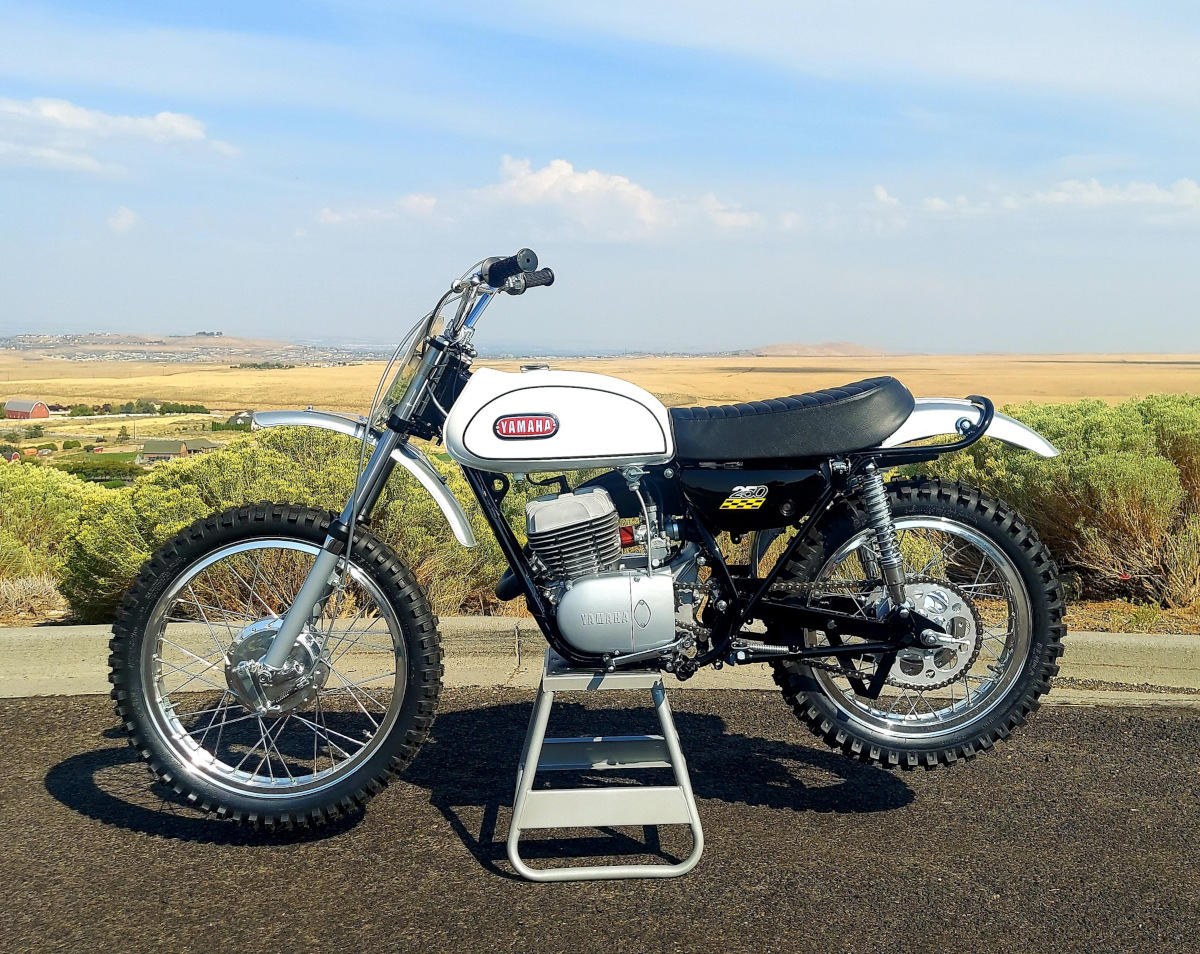 One of the biggest lessons? Yamaha made constant running changes during 1968 production. Three different fuel tank designs, taillight brackets transitioning from single-bolt to two-bolt mounts, and small hardware variations that only true first-year DT-1 enthusiasts notice. Restoring a 1968 isn’t just about parts — it’s about understanding when those parts were used. That’s where mentorship entered the picture.
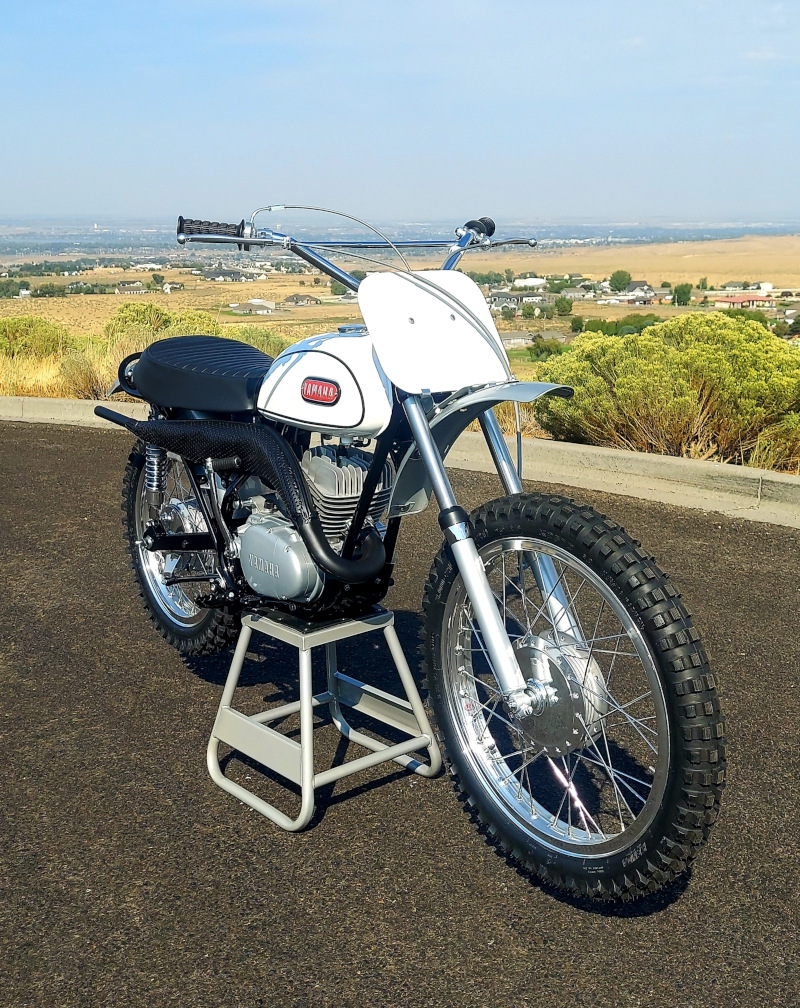 Through the build, Dustin met Norm Francis — a motocross racer in his 70s who still builds bikes and sremembers how these machines were prepared in their prime. Norm became a mentor, sounding board, and friend.
“He taught me about correct fasteners, proper finishes on aluminum, and the small details that separate a nice restoration from an accurate one.”
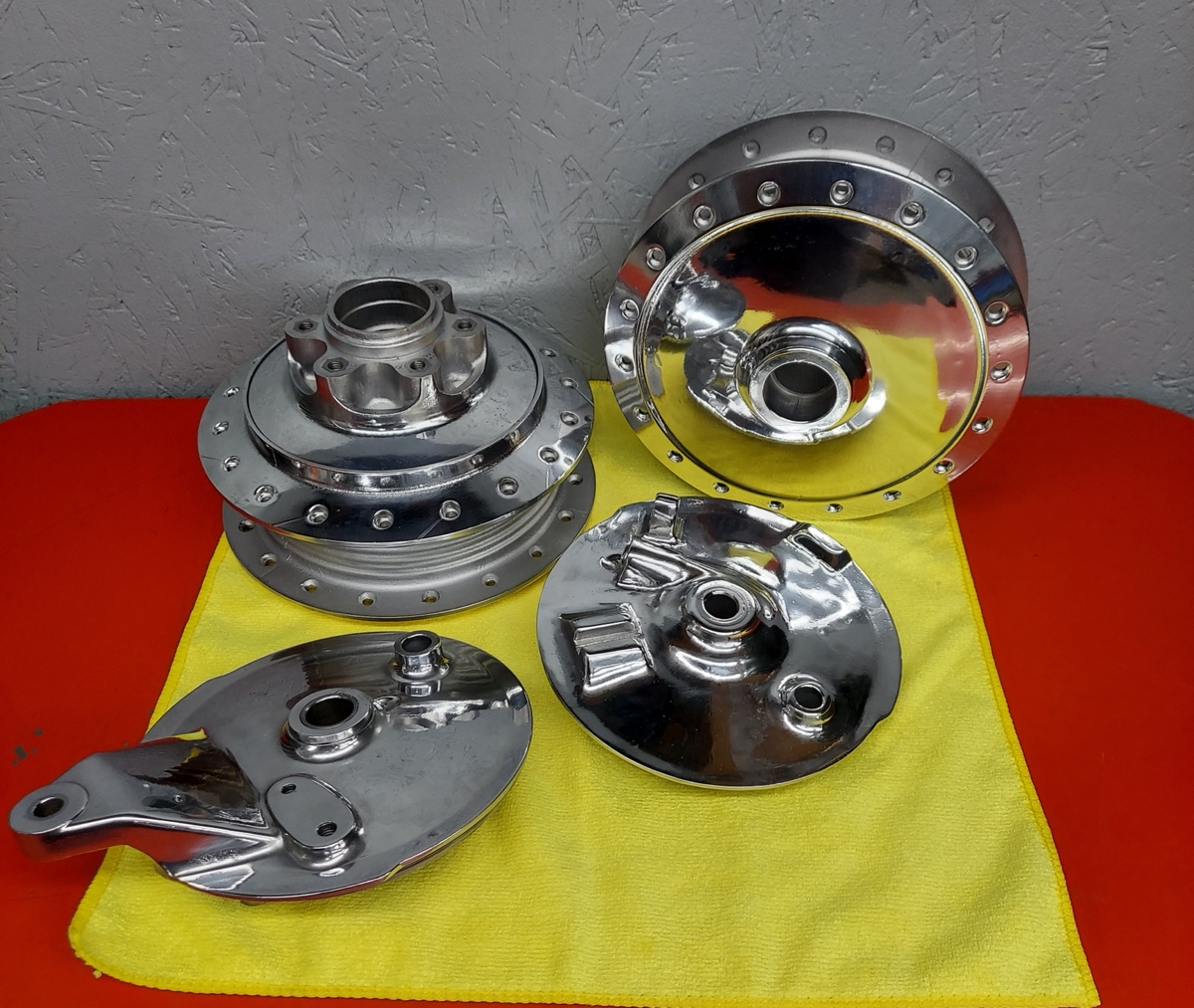
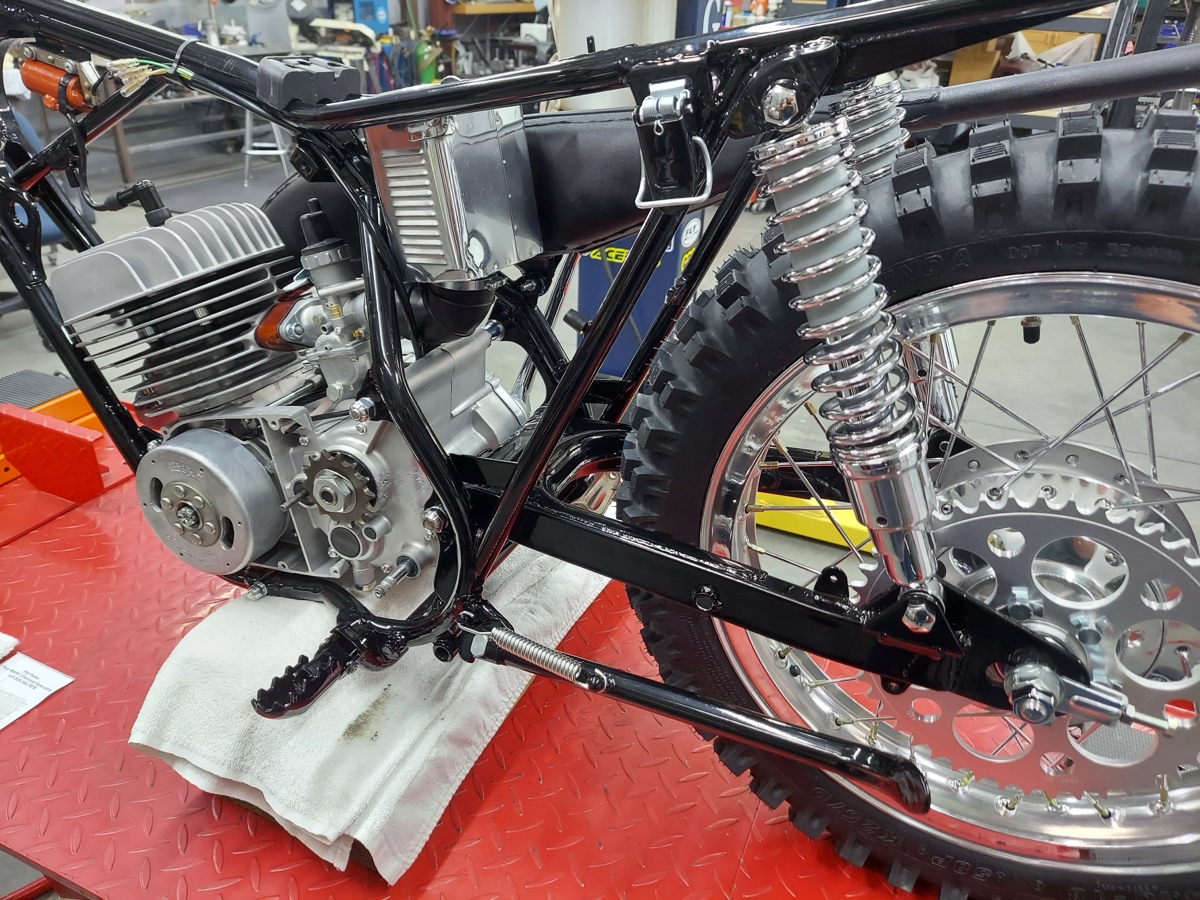
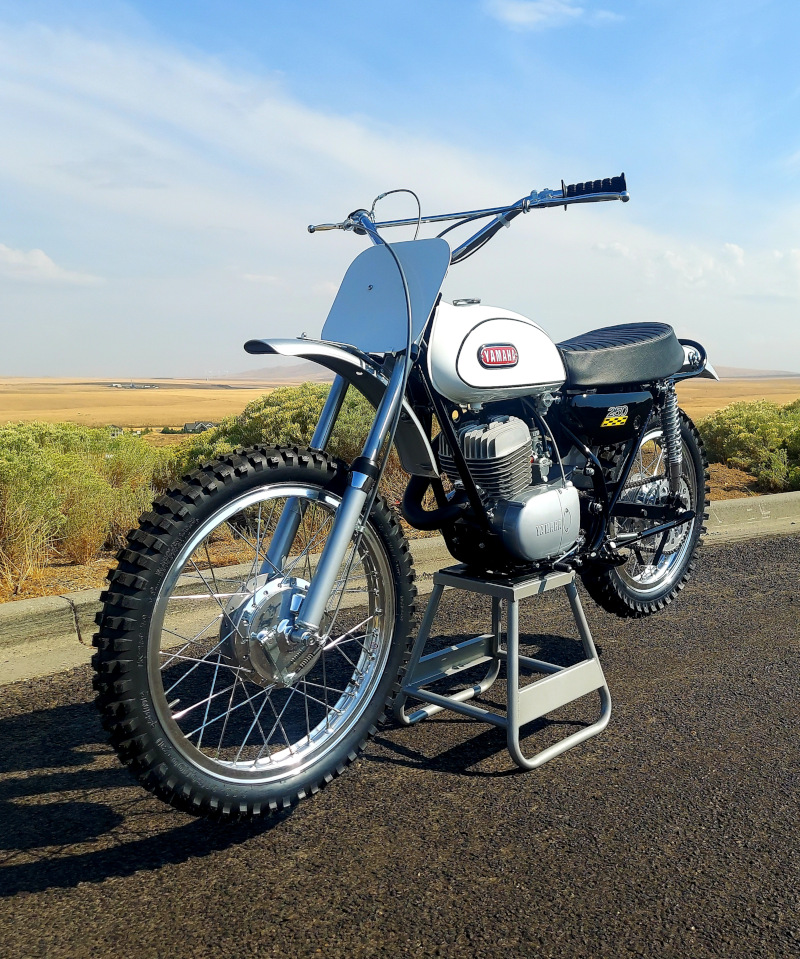 They traded parts for labor. Norm not only painted the fuel tank, but gifted a set of period DID Mud Catcher (shouldered) wheels — a rare and perfect finishing touch. Dustin vapor-blasted and polished them to period-correct finish. To this day, the two still talk regularly, sometimes for hours, discussing early Yamaha nuances and vintage racing history.
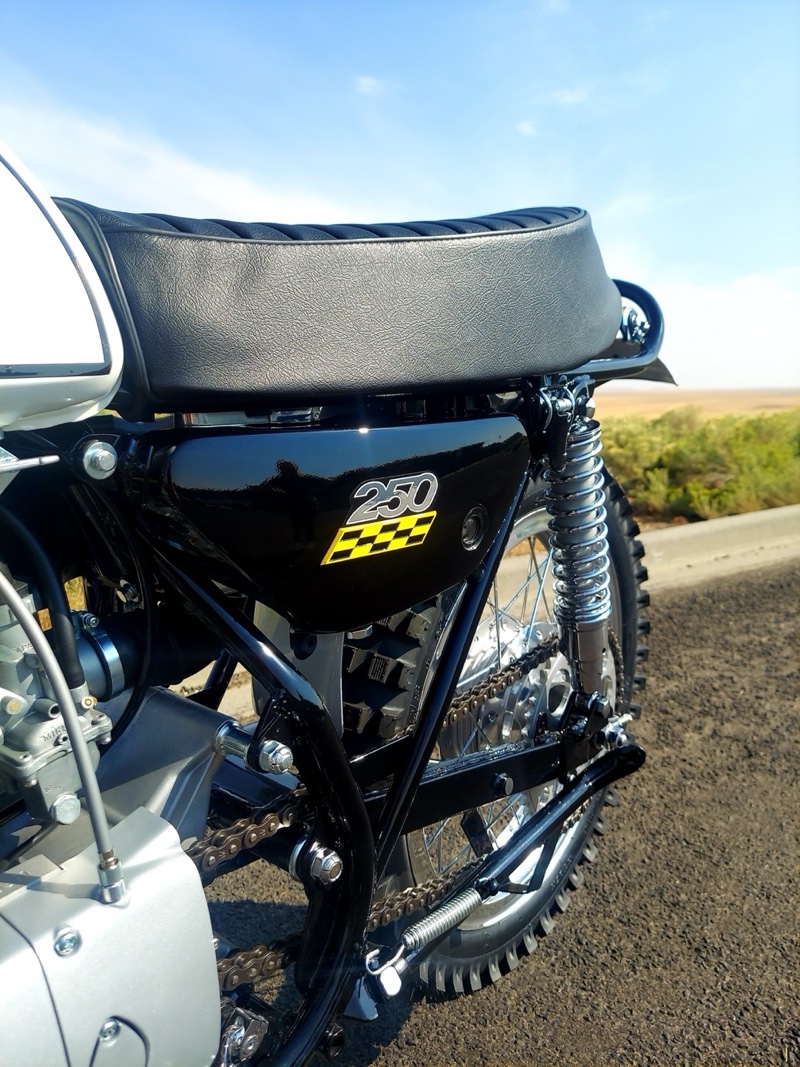 More than anything, this project became a collaboration between Dustin and his father. Many a weekend was spent in the shop, wrenching side by side.
“My dad is 78 years old and still right there with us, working in the shop on weekends. During the week, he’s tackling his own projects, still turning wrenches and setting the example. His work ethic and passion are a big part of what keeps this whole thing moving forward.”
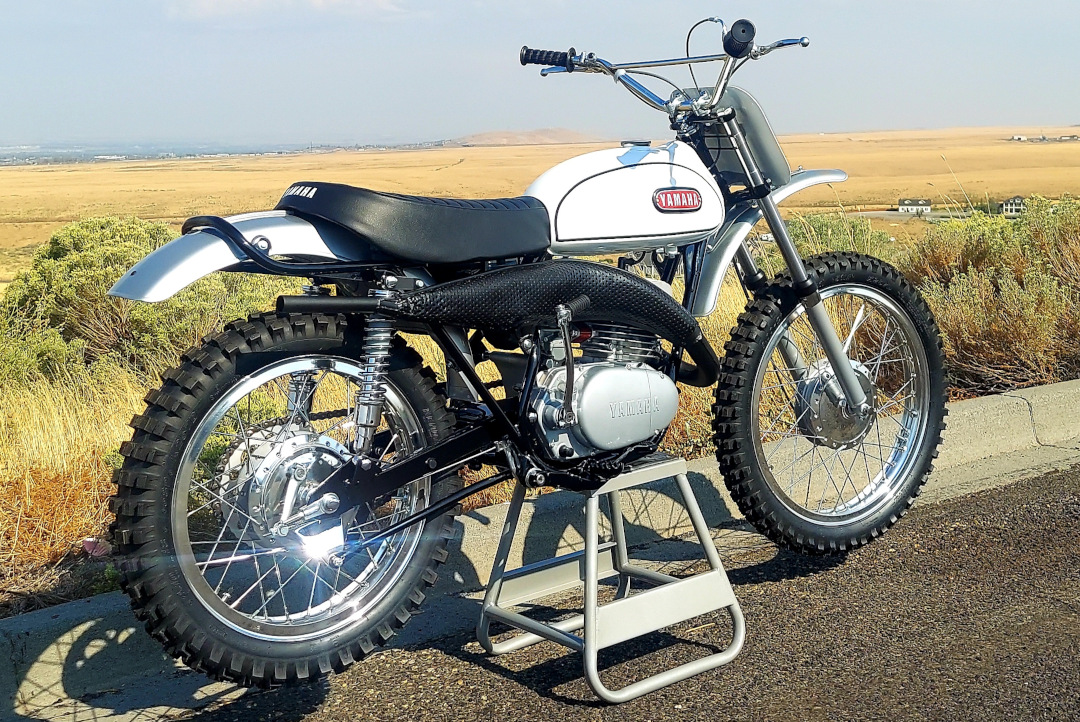
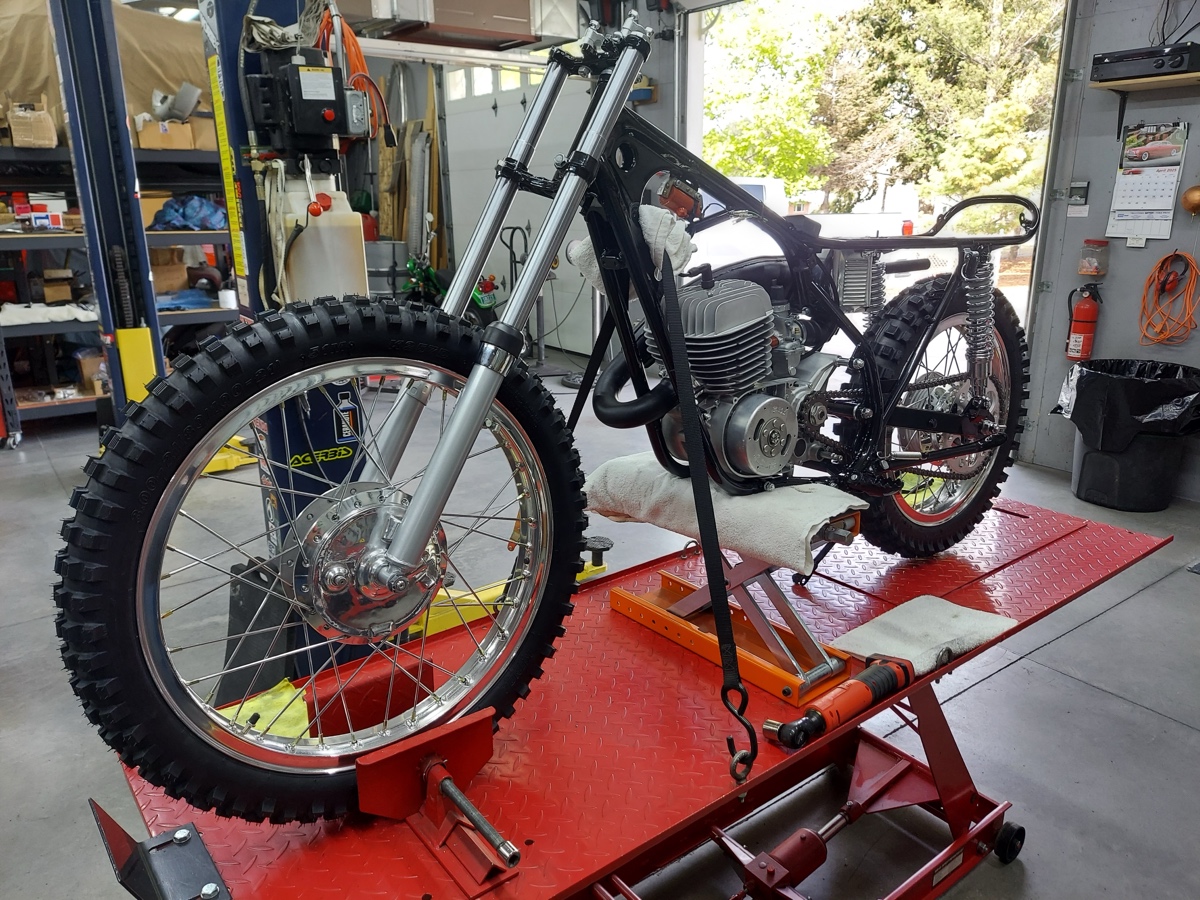
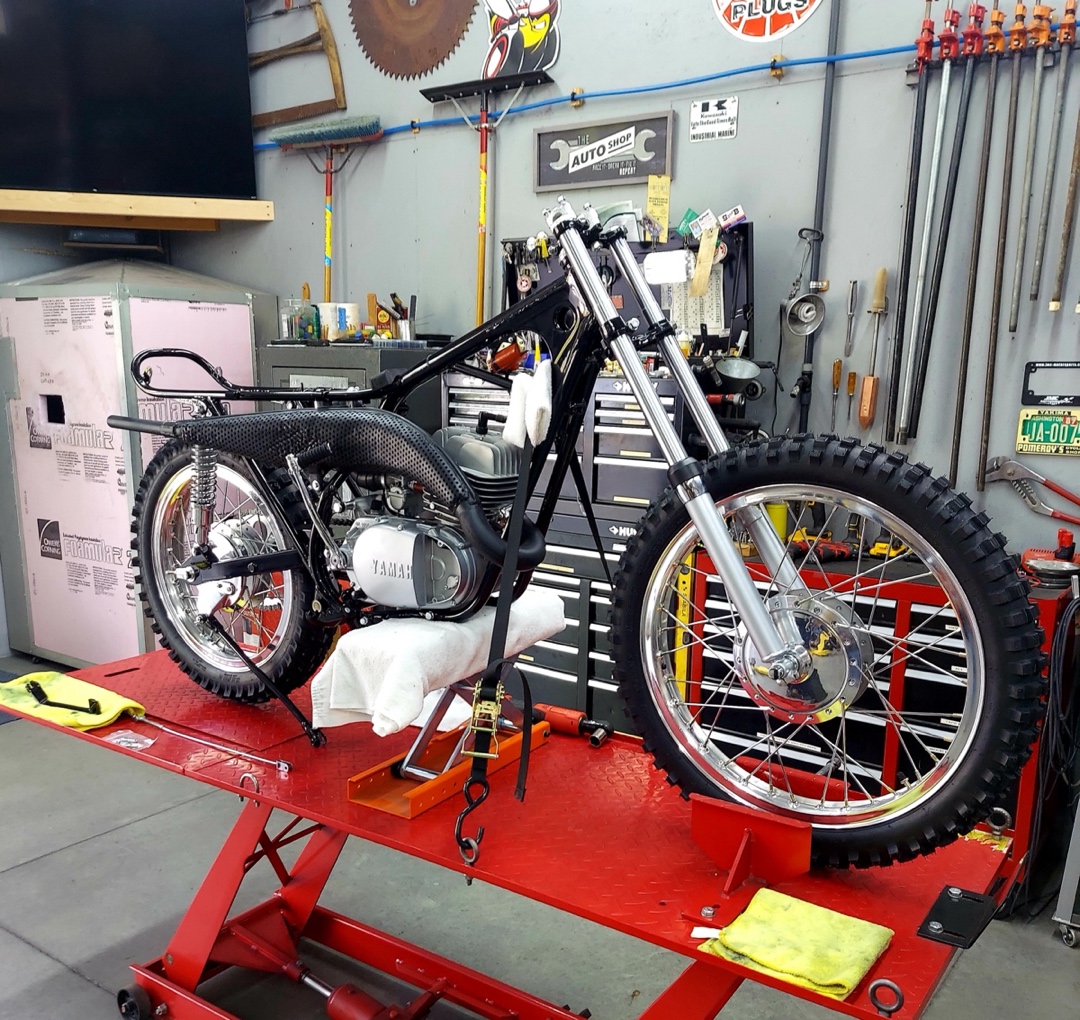
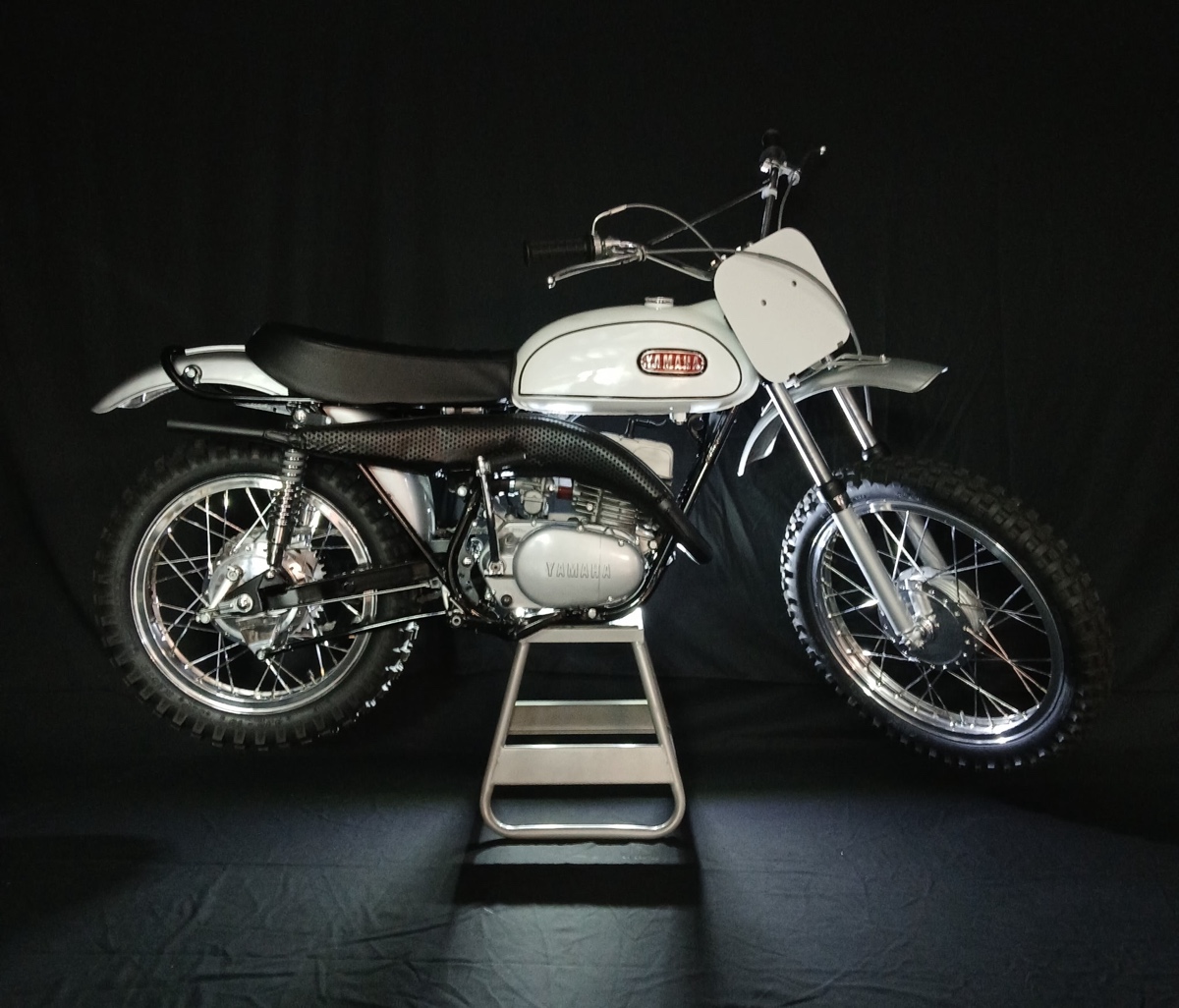 The result isn’t just a factory-correct 1968 DT-1 motocross conversion — it’s shared time, preserved history, and a deeper appreciation for what Yamaha accomplished in that pivotal year.
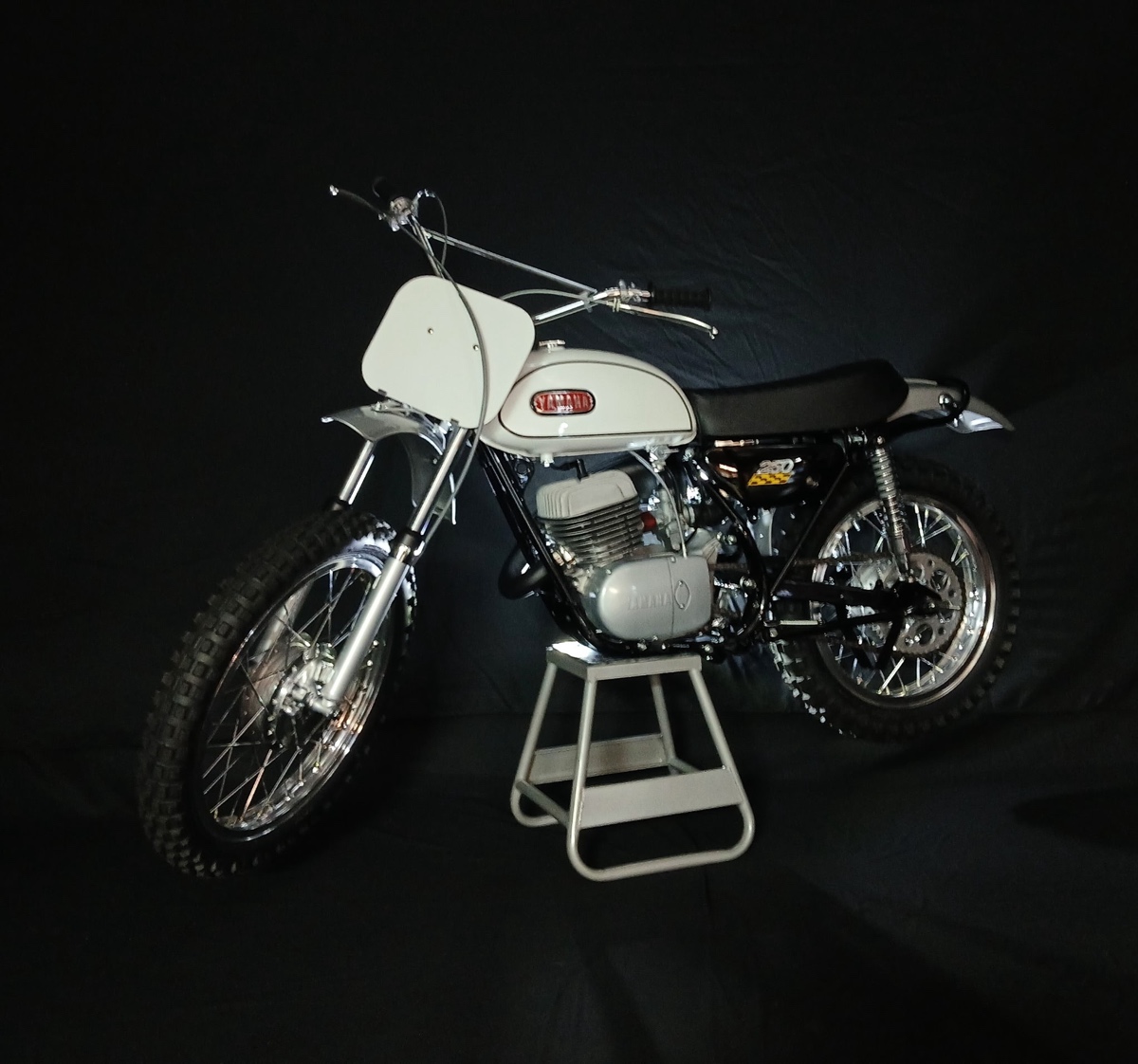
What started as a rough bike rescued from a trailer pile became a faithful recreation of what an American rider could have built in 1968 using Yamaha’s own GYT catalog. It’s a reminder of a time when motocross wasn’t bought — it was built. And sometimes, the journey to find the right parts — and the right people — becomes the most rewarding part of the restoration.
Kudos to Dustin for having the vision, persistence, and attention to detail to bring this piece of history to life. Below you’ll find our in-depth interview with Dustin about the build, including many more details and photos.Yamaha DT250 MX: Builder Interview
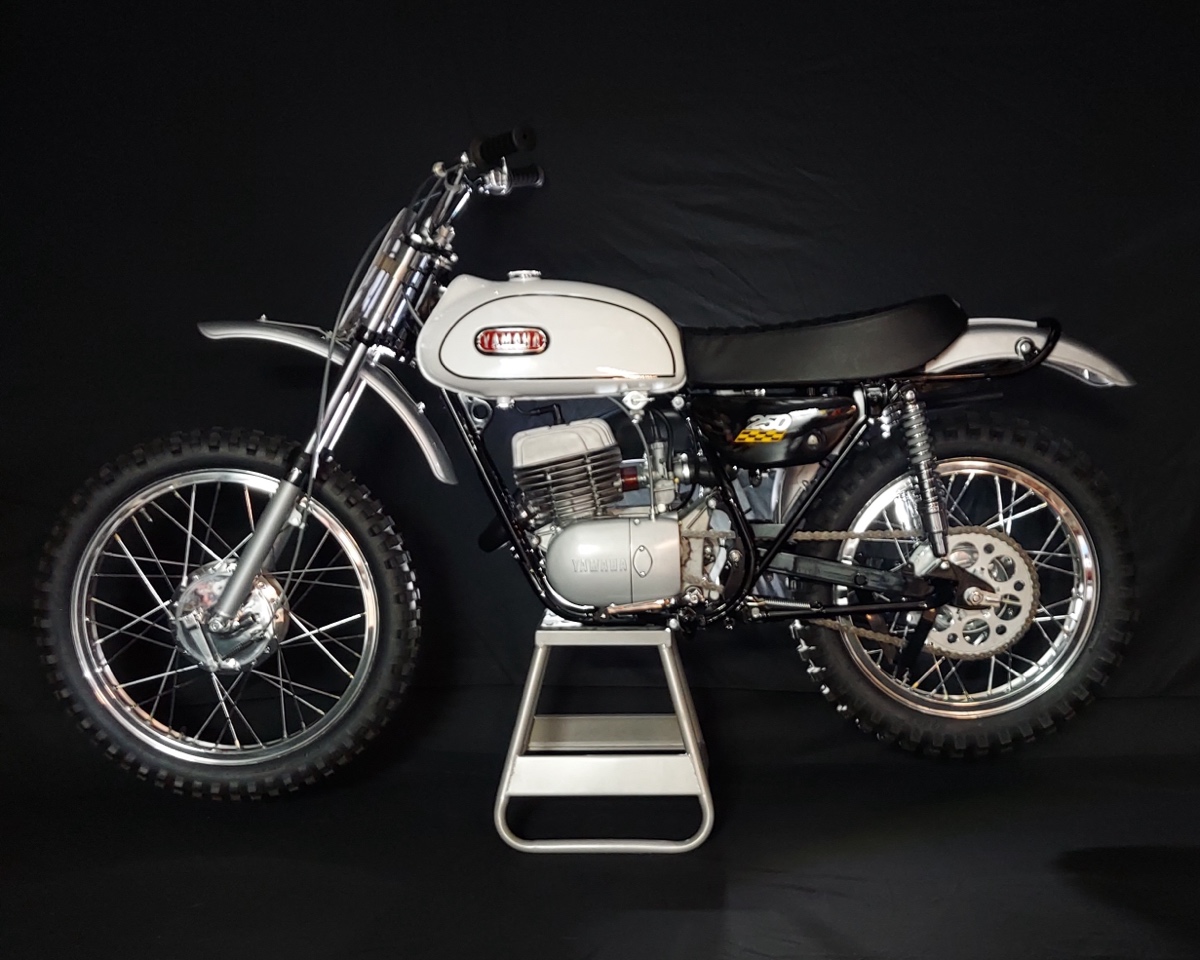
• Please tell us a bit about yourself, your history with motorcycles, and your workshop.
I’m 51 years old and got what some would call a late start in motorcycles, beginning to ride and race in my 30s. But from the moment I threw a leg over a bike, I was hooked. What started as a hobby quickly turned into a passion that shaped the next chapter of my life.
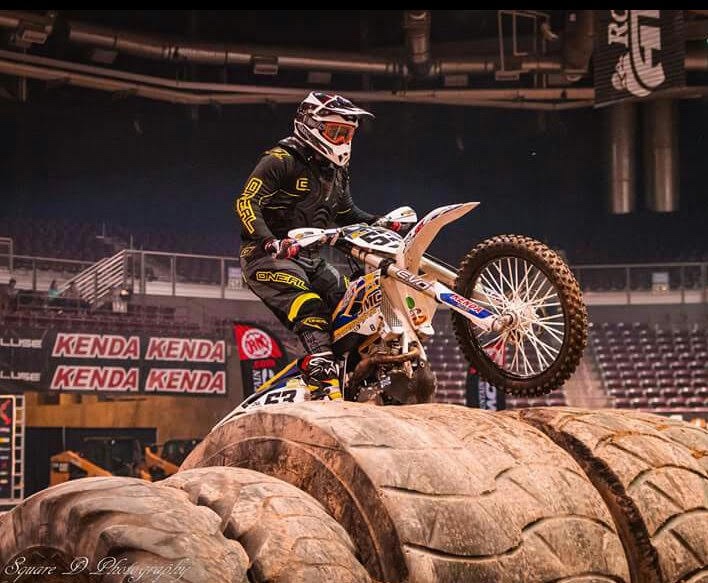
I focused primarily on off-road racing throughout Washington State, competing in the NMA series. As time went on, my brothers, close friends, and I began traveling farther to chase new challenges and tougher competition. We raced the National Hare & Hound series, Idaho’s SIDRA series, and even AMA EnduroCross. Those years were filled with road trips, hard racing, and unforgettable memories.
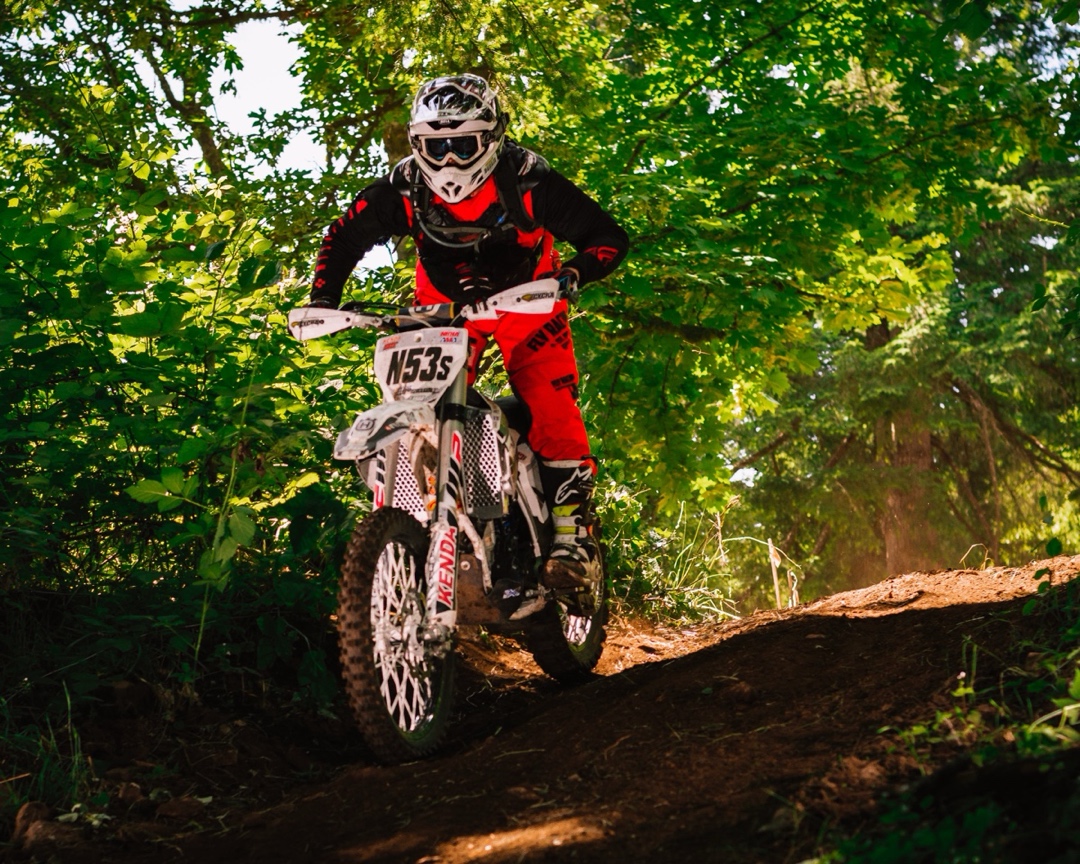
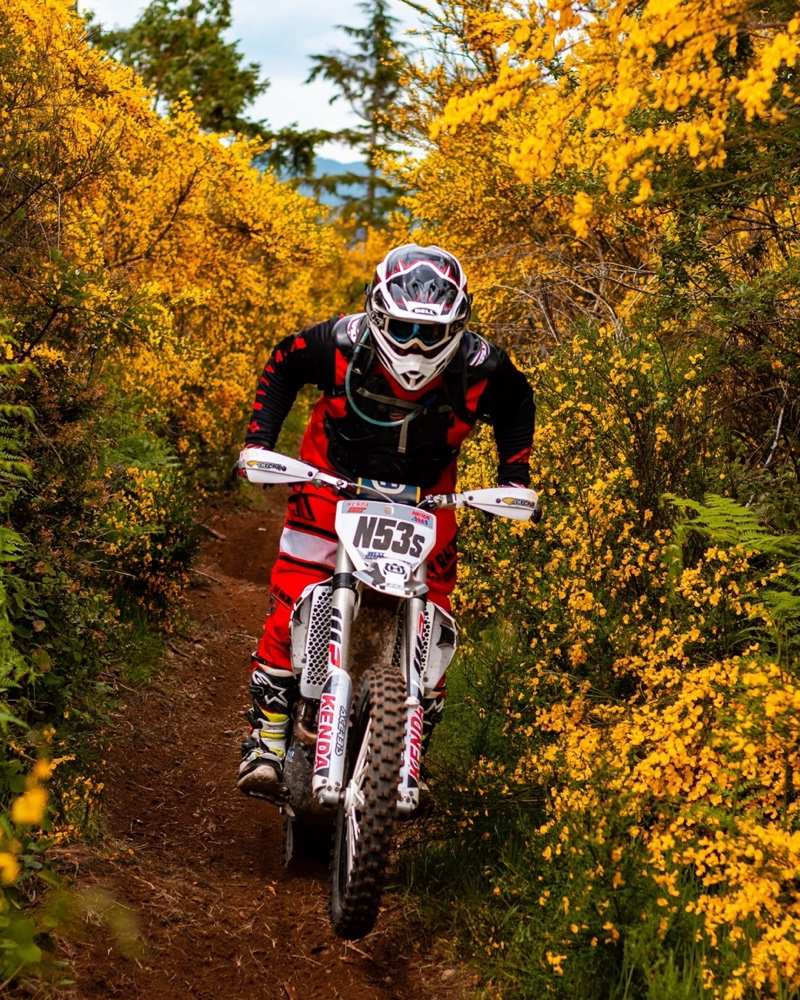
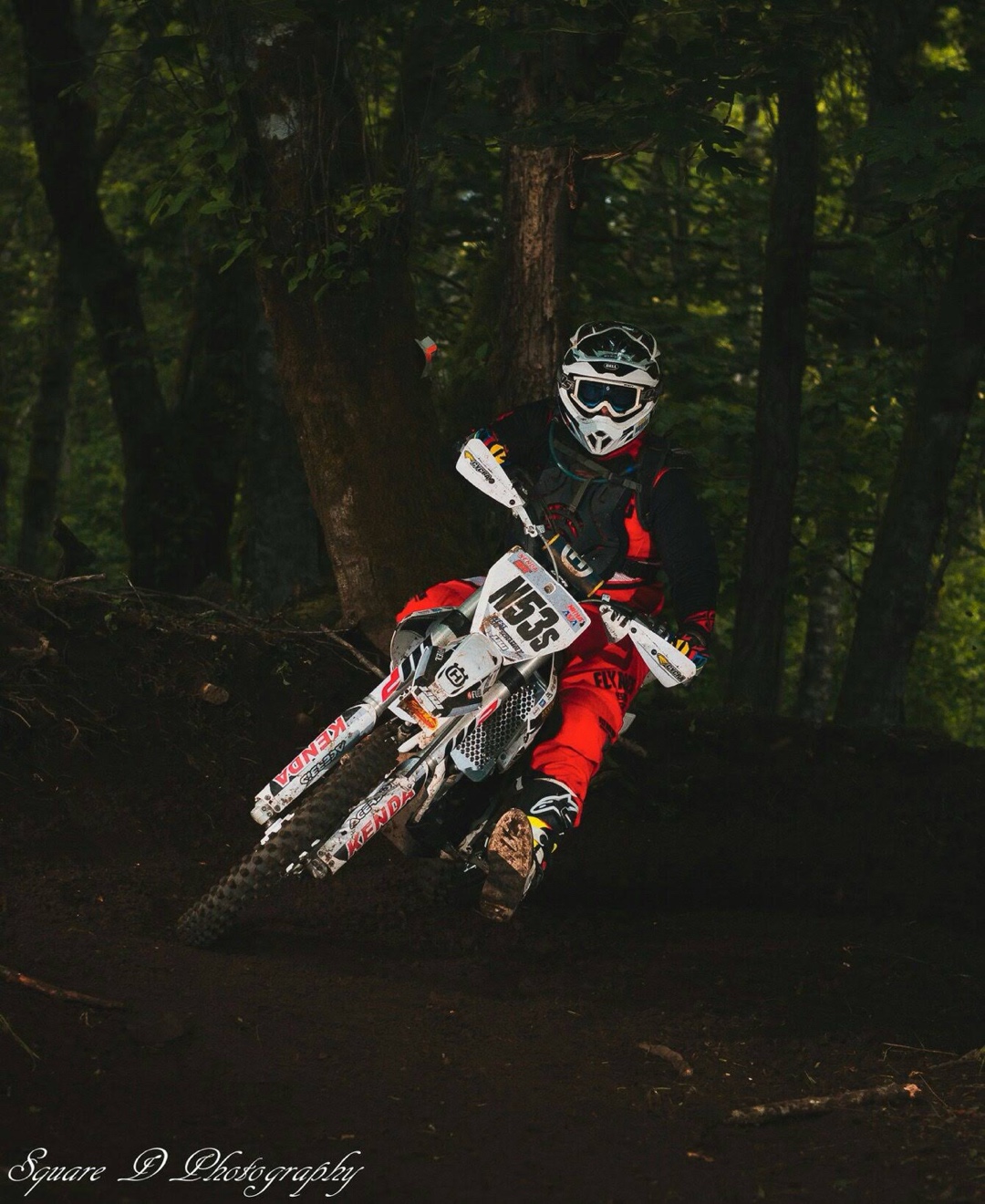
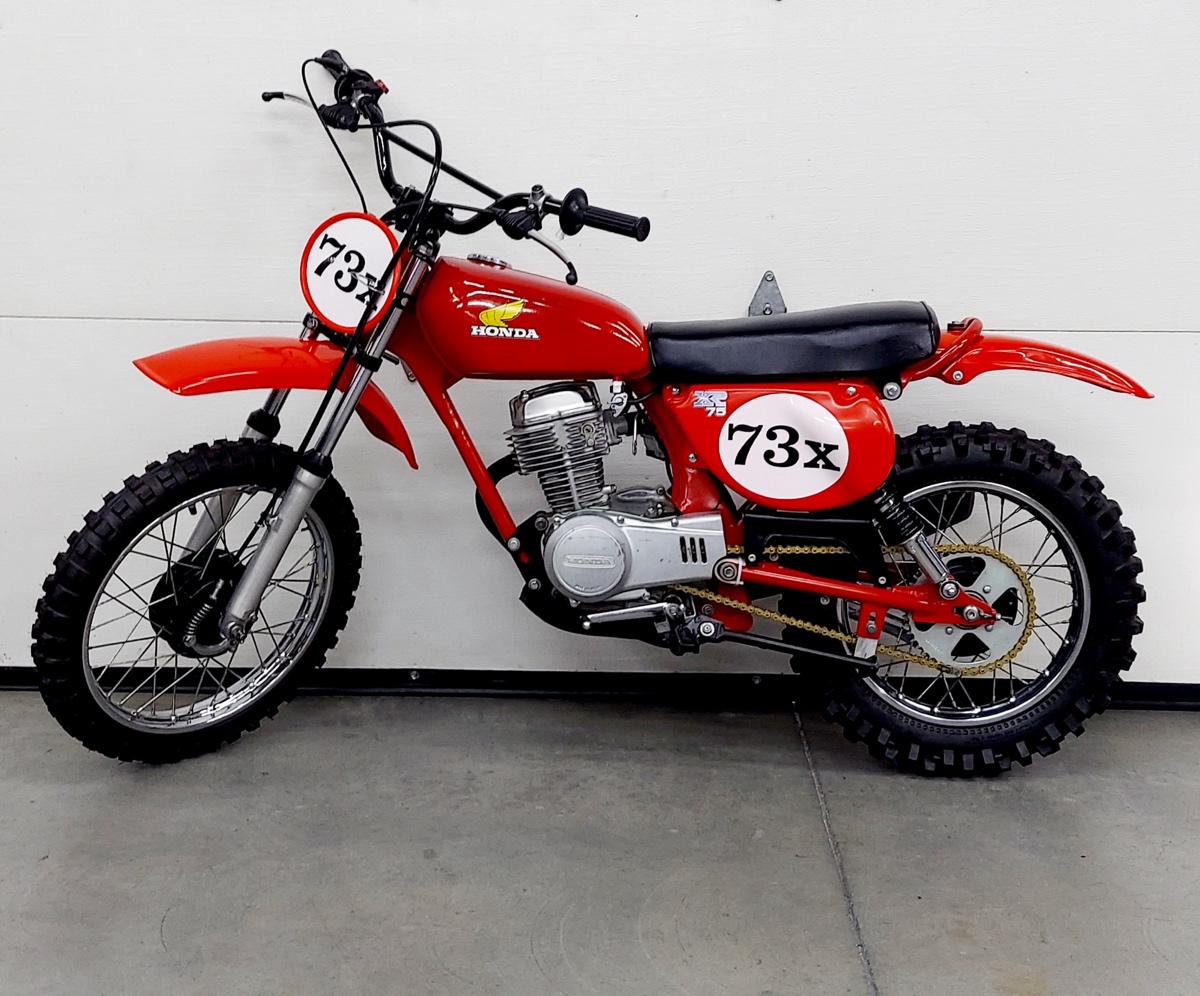
An ankle injury eventually sidelined me for a couple of months. Being off work and unable to ride left a void, and I needed something to keep my hands busy. My younger brother had a 1978 Honda XR75 that needed attention. What started as a simple repair quickly turned into a full teardown. Instead of just making it rideable, I restored it down to the last nut and bolt. That project sparked something bigger.
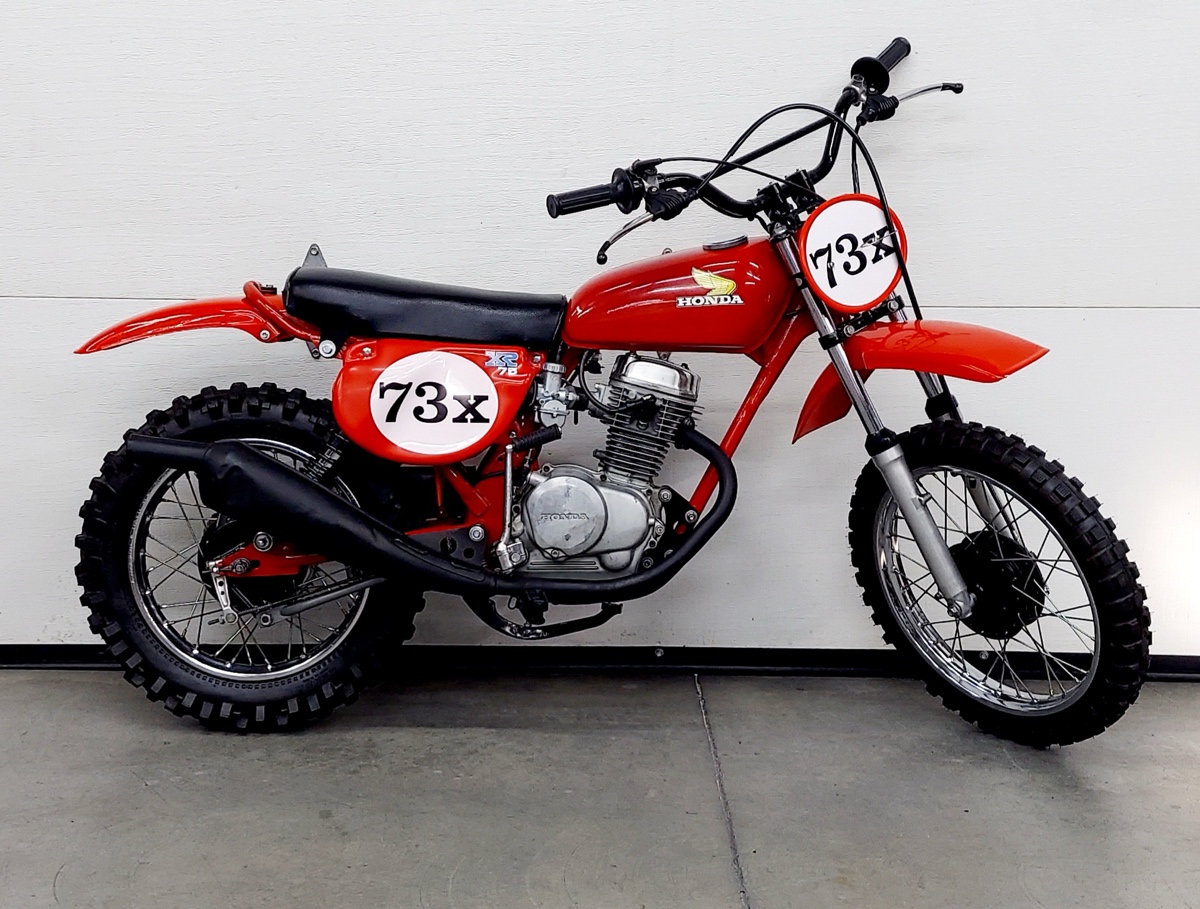
That XR75 became the foundation for DG2 Motorsportz. DG2 is a family operation — myself, my older brother, and our dad. Together we restore vintage motorcycles and parts with the same attention to detail and pride we’d put into our own bikes.
Over time, we’ve built DG2 into a true one-stop shop. We offer powder coating, Cerakote, zinc plating, polishing, vapor blasting, fabrication, and precision machine work — everything needed to bring a motorcycle back to life properly.
For us, it’s more than a business. It’s family, craftsmanship, and a lifelong passion for motorcycles — whether they’re tearing up a race course or being brought back from the past.
• What about JMC Motorsports Racing?
My older brother and I laid the foundation for the JMC Motorsports Off-Road Team 12 years ago. What started as a small, driven effort has grown into a competitive program with nearly 20 team members today.
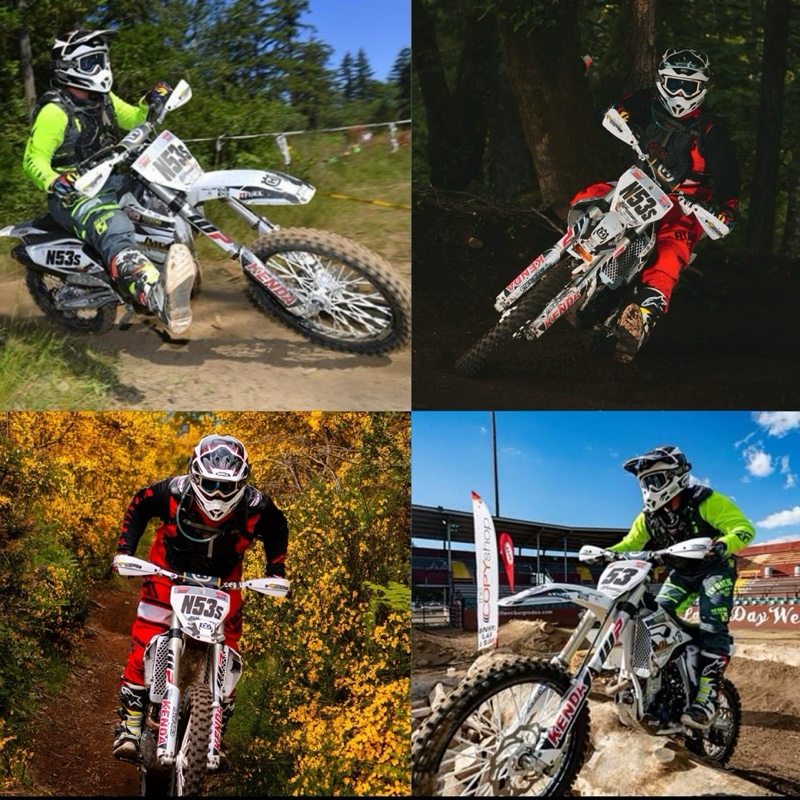
In its early years, JMC focused heavily on motocross and even fielded a Supercross team, building a reputation for commitment, grit, and professionalism both on and off the track. You can follow JMC Motorsports on Instagram: @jmc_ms_racing.
• Please tell us about your bike.
I currently own two 1968 Yamaha DT-1 250 Enduro models. Over the years, owning and restoring these bikes has led me deep into the history of early Yamaha off-road motorcycles — from the YX26, Yamaha’s first purpose-built dirt racer in Japan, to the birth of the DT-1 and the revolution it sparked in the United States.
In 1968 and 1969, the U.S. only received the DT-1 Enduro model. However, Yamaha offered something groundbreaking at the time: the ability to convert your trail bike into a legitimate motocross machine using factory GYT (Genuine Yamaha Tuning) parts. In the back of the 1968 service manual, there’s even a “Conversion for Competition” section listing the exact OEM part numbers needed to transform the Enduro into a race bike. That section sparked my next project.
I decided I wanted to build a correct 1968 DT-1 Motocross conversion using original GYT components. The first challenge? Finding another 1968 DT-1 — no easy task.
I remembered a previous trip to Yakima, Washington, where I had pulled a 1968 model from a pile of motorcycles stored in an old semi-trailer. During that dig, I uncovered two Yamaha 250s — a 1971 and, buried nearby, a rough but promising 1968. It was missing parts and far from complete, but I knew it was the right foundation for the build. From there, the hunt began.
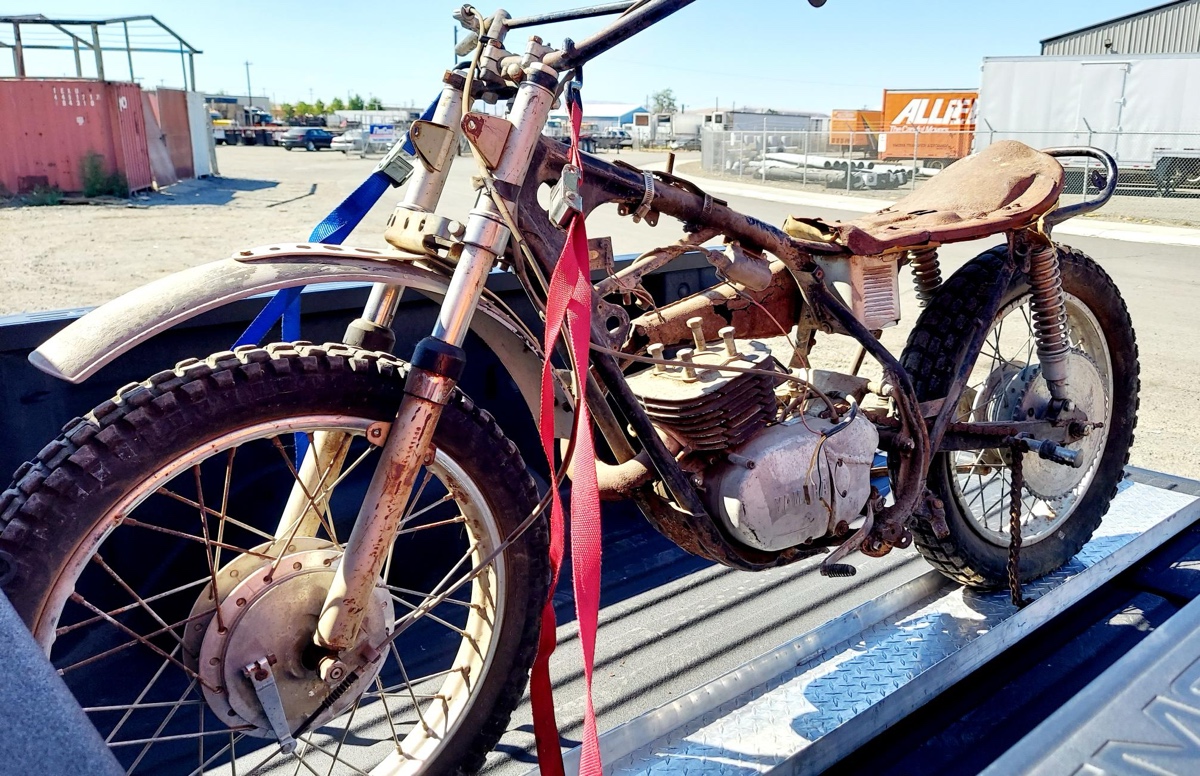
Using the original GYT OEM part numbers as my roadmap, I searched relentlessly for the correct pieces to complete the conversion. Parts came from everywhere — Facebook groups, France, Australia — wherever leads took me.
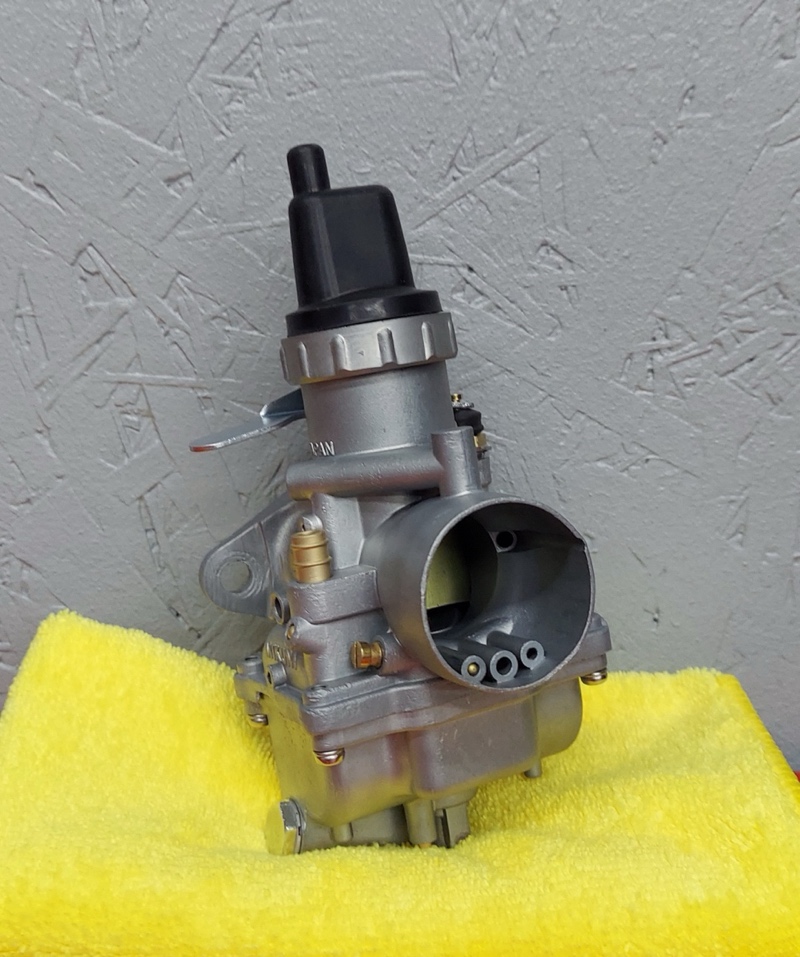
The correct carburetor proved especially difficult to track down, but eventually I got lucky and secured one, along with the proper high-compression cylinder head.
Along the way, I built friendships with collectors and enthusiasts around the world. The vintage Yamaha community is tight-knit, and I’ve been fortunate to both receive help and return the favor — sourcing parts locally and shipping them overseas to fellow builders to save them the hassle.
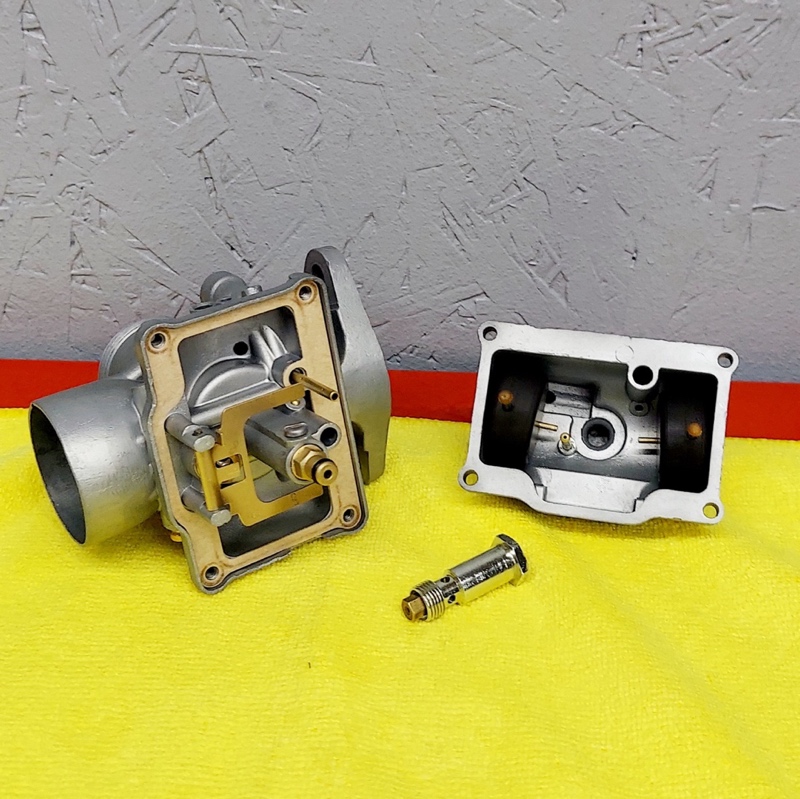
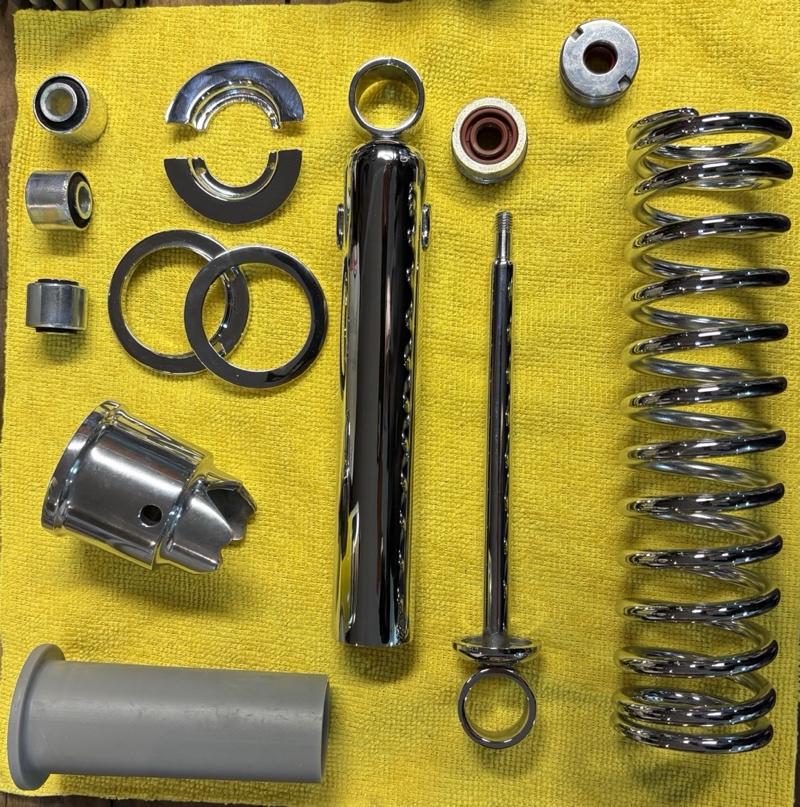
The project stretched over 18 months and became much more than just a restoration. I learned just how many changes Yamaha made during the single 1968 production year alone. For example, the fuel tank had three different design variations, and even the taillight bracket evolved from a single-bolt to a two-bolt configuration. Details like these make early DT-1s both fascinating and challenging to restore correctly.
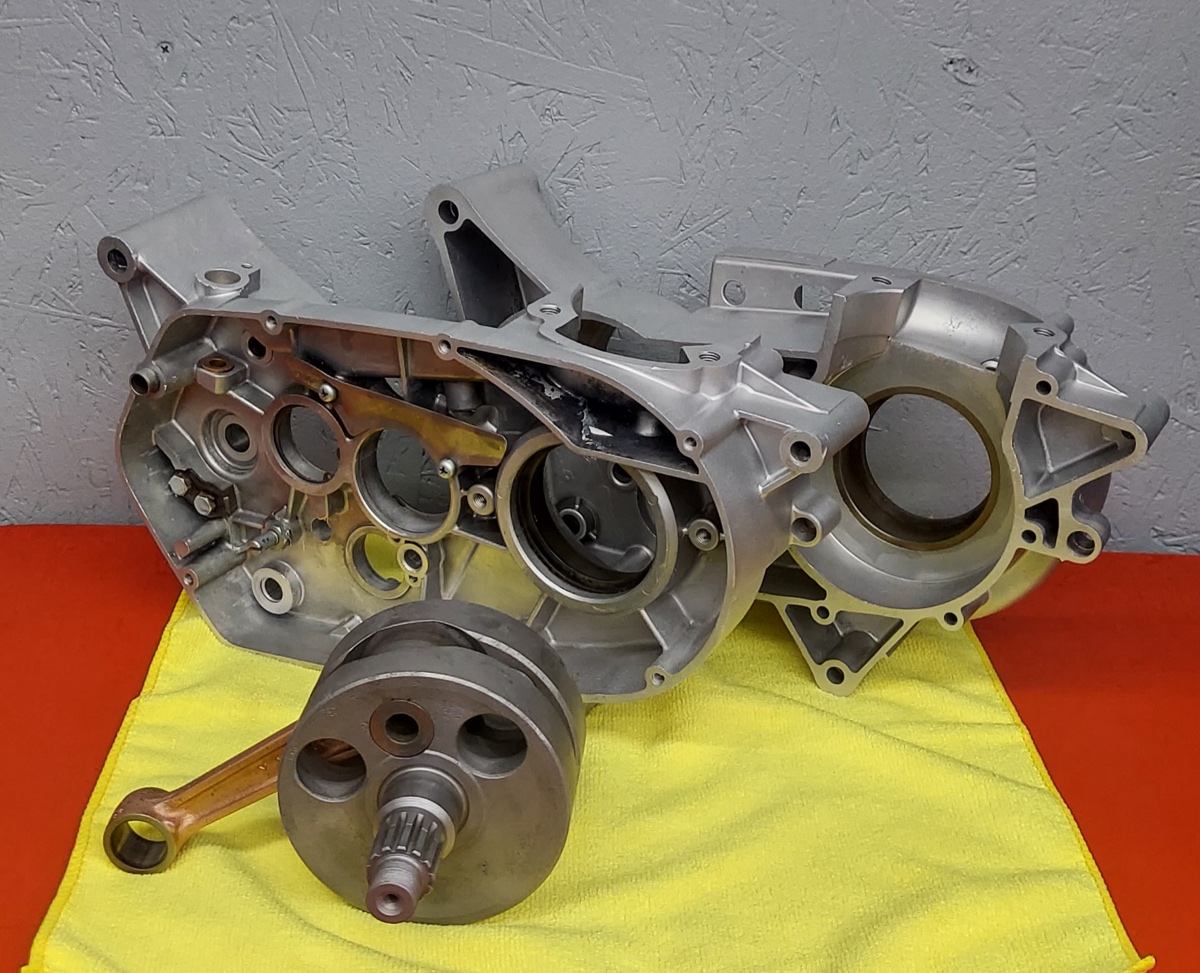
One of the most meaningful parts of this journey was meeting Norm Francis, a veteran motocross racer in his 70s who is still actively building bikes. Norm became both a mentor and a friend. From him, I learned about correct fasteners, proper finishes on aluminum components, and countless small details that separate a good restoration from an accurate one.
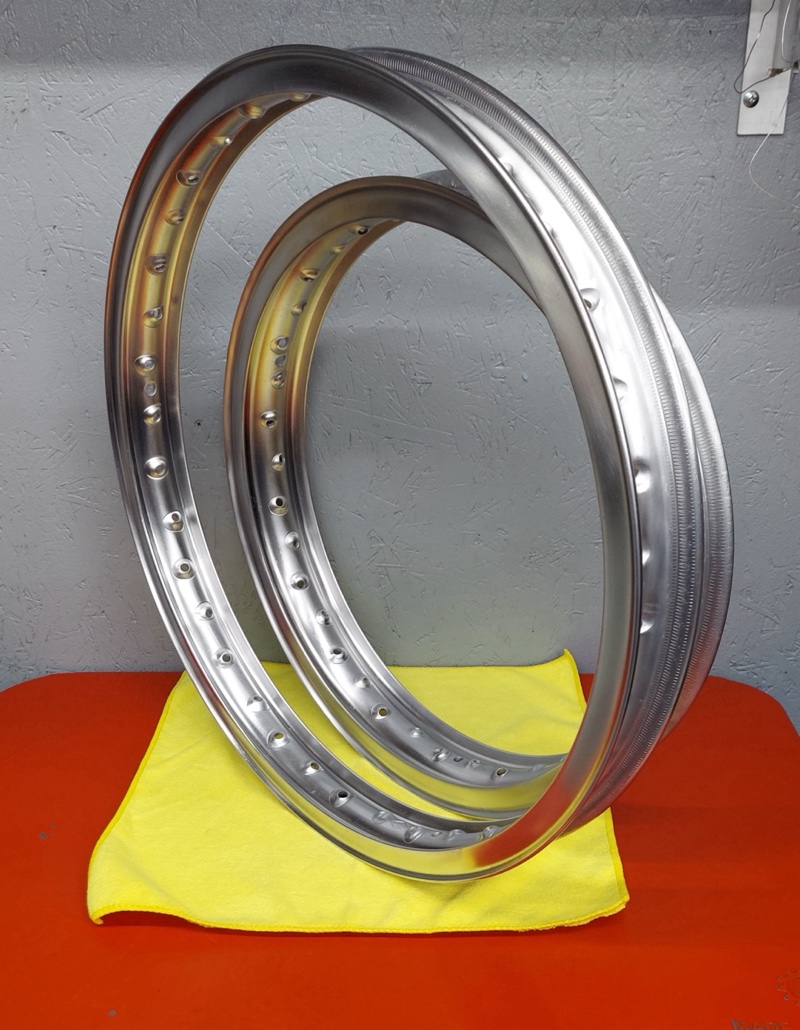
We traded parts for labor, and he painted the fuel tank for the project. He also generously gifted me a set of DID Mud Catcher (shouldered) wheels, which I vapor blasted and polished for the build.
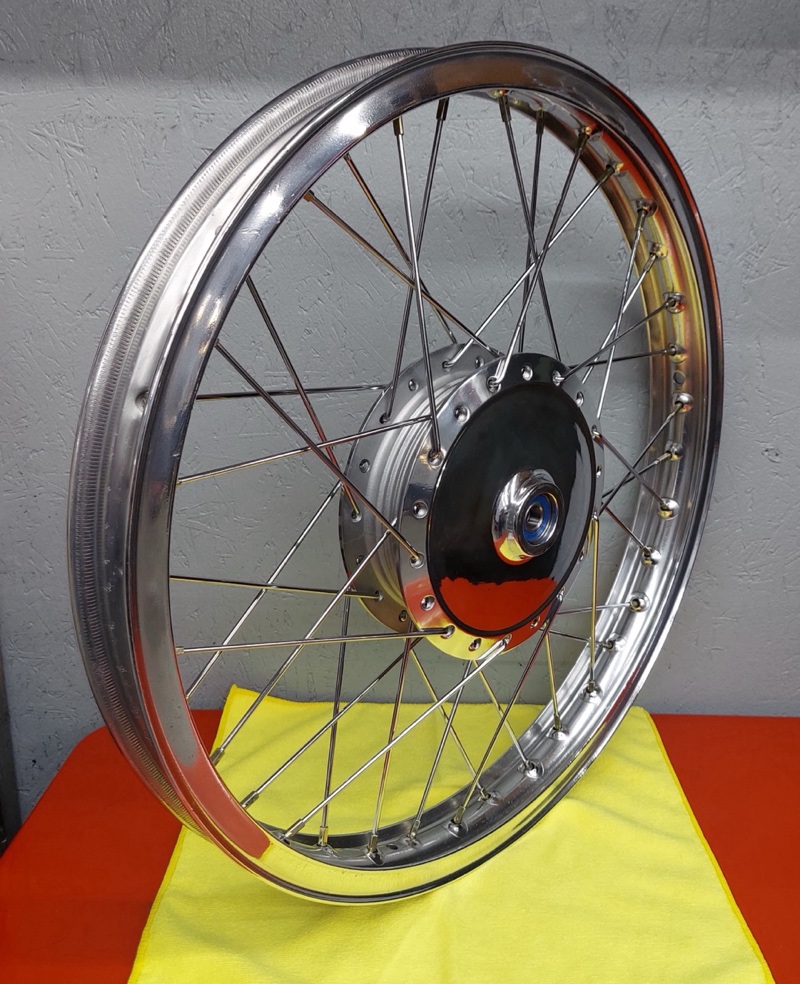
To this day, Norm and I still talk regularly — often for an hour or two at a time — sharing stories and knowledge about these early machines.
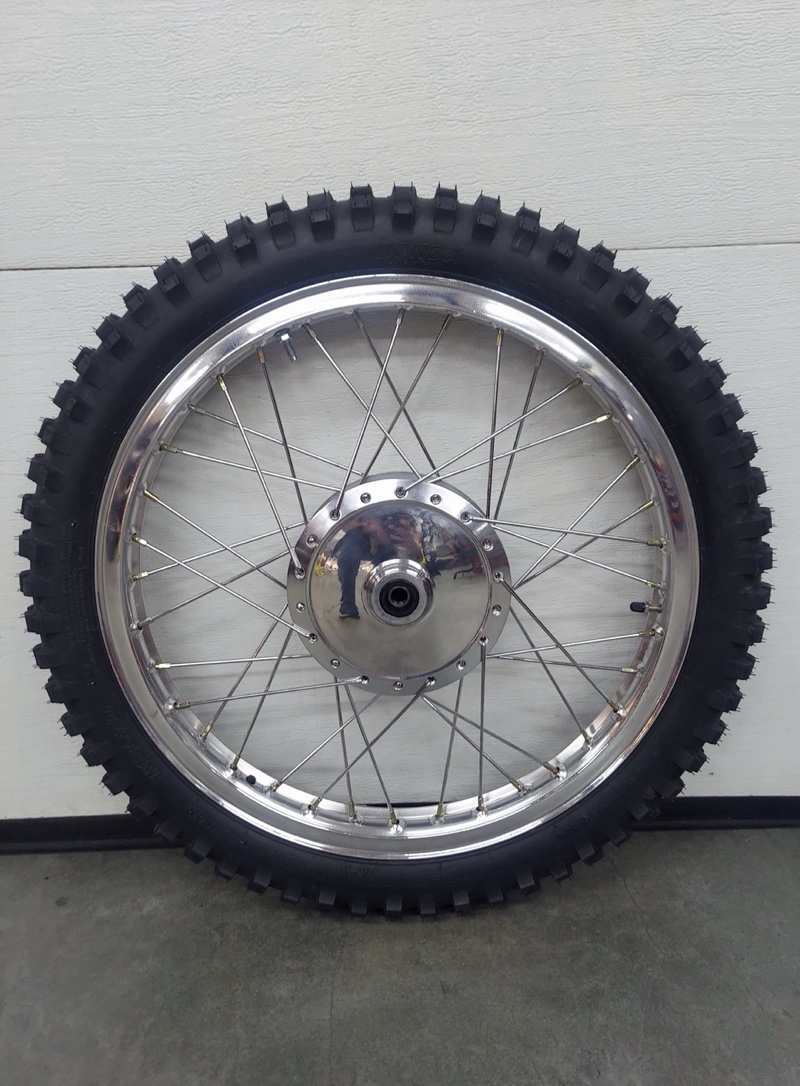
Perhaps most importantly, this build became a collaboration with my father. We spent weekends together in the shop, wrenching side by side. The project became more than assembling a motorcycle; it became time well spent, preserving not just Yamaha history, but family memories as well.
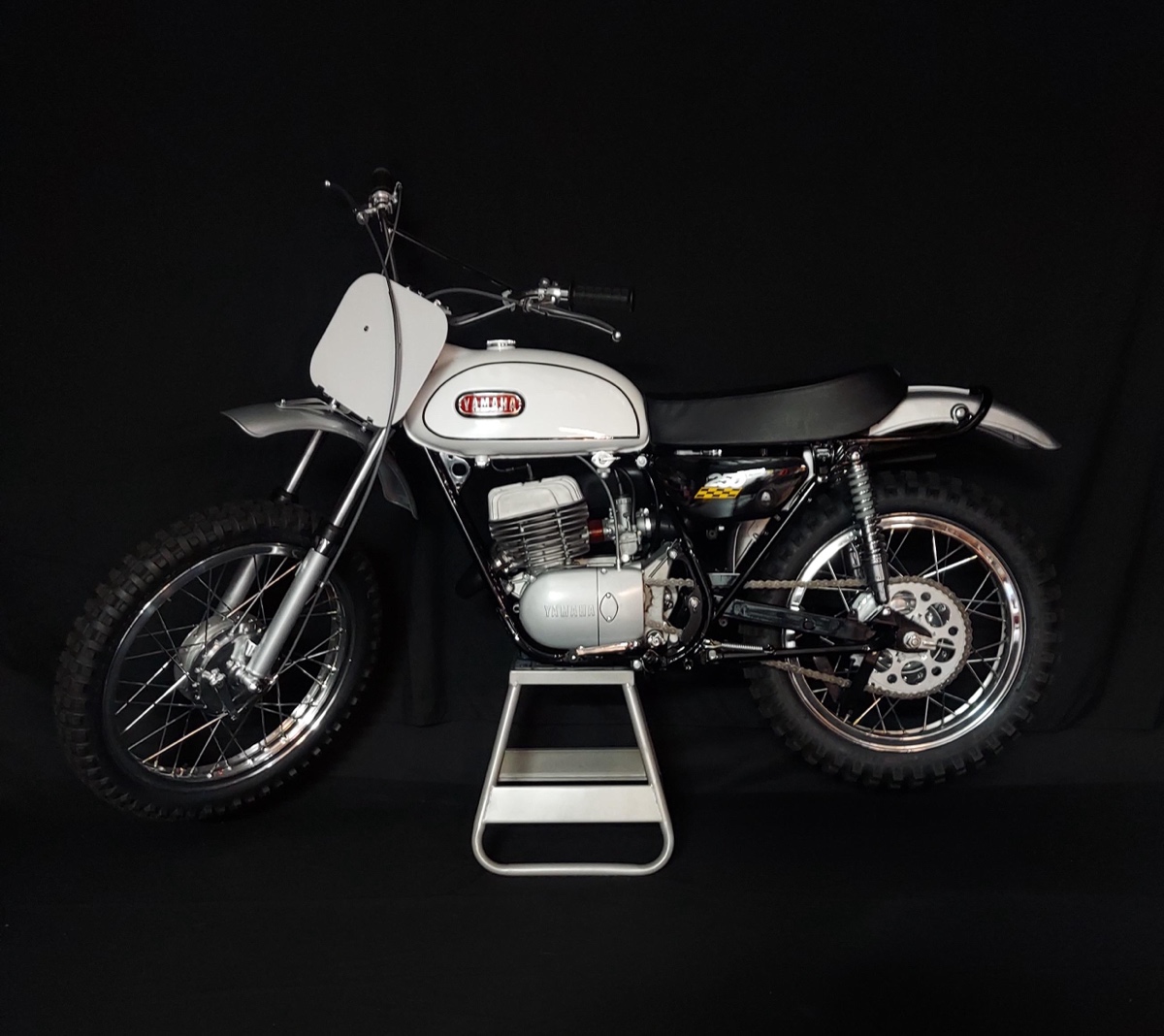
What started as a rough bike pulled from a semi-trailer turned into a faithful 1968 DT-1 Motocross conversion built the way Yamaha intended — using genuine GYT parts and period-correct details. For me, the journey was just as rewarding as the finished machine.
• Can you tell us what it’s like to ride the finished bike?
To be honest, I’ve only ridden the finished bike up and down a concrete driveway. From the beginning, the goal wasn’t to put hours on it — it was to preserve it. This one was built with the future in mind, something worthy of a museum and a piece of history rather than just another rider.
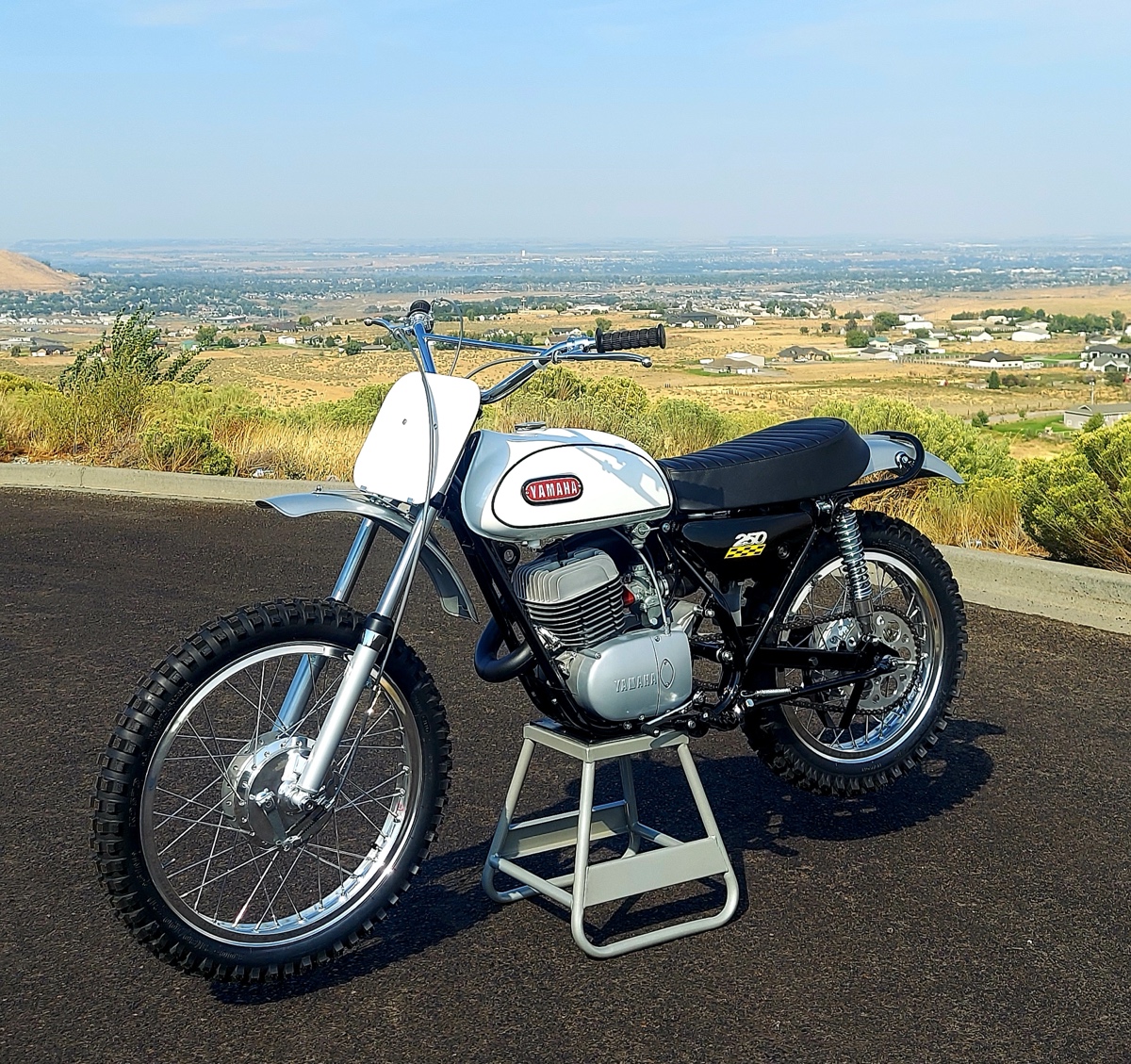
Even in that short stretch of driveway, though, you can feel it. The sound, the vibration, the way the motor comes alive — it’s like stepping back in time. There’s something special about bringing a machine back to exactly how it would have felt decades ago.
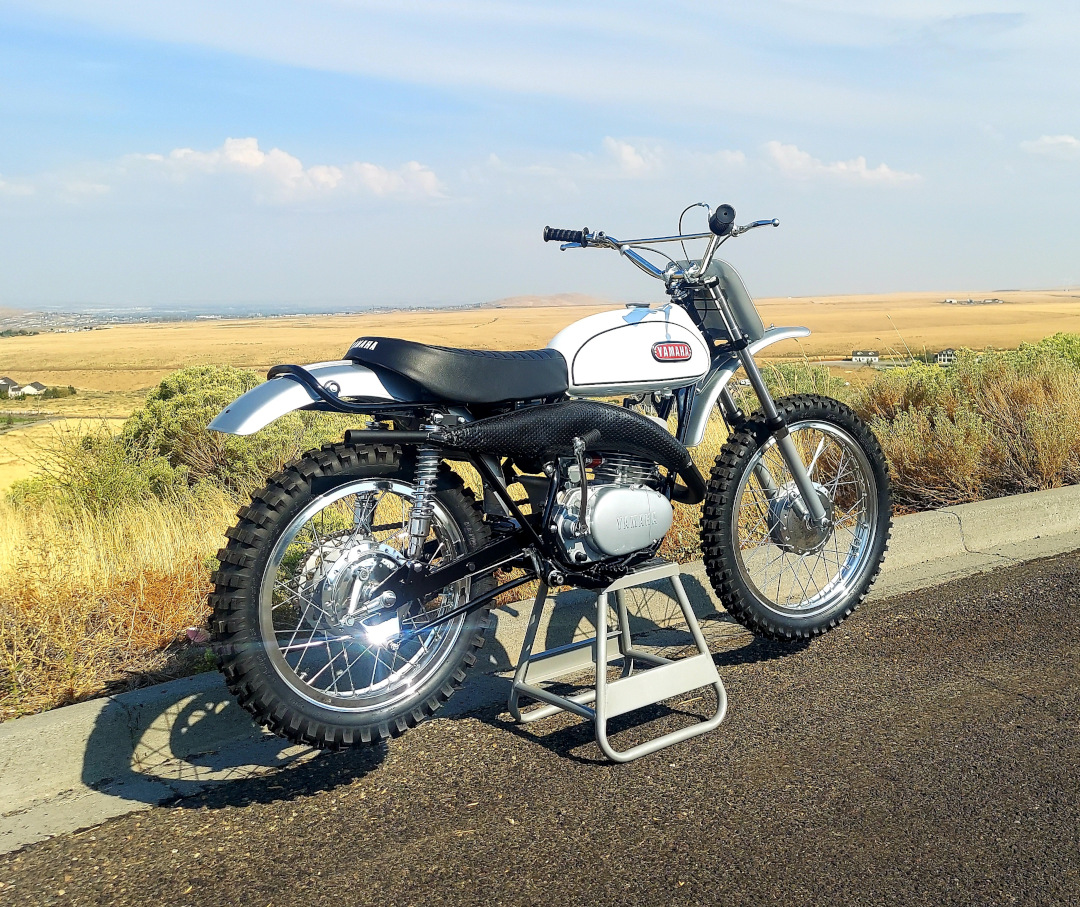
But for this bike, the real satisfaction isn’t in riding it hard. It’s in knowing it’s been restored the right way, preserved properly, and that someday it can be displayed as a true representation of its era. Some bikes are meant to be raced. This one is meant to be remembered.
• Was there anything done during this build that you are particularly proud of?
One of the things I’m most proud of is that it’s truly a family effort. My dad is 78 years old and still right there with us, working in the shop on weekends. During the week, he’s tackling his own projects, still turning wrenches and setting the example. His work ethic and passion are a big part of what keeps this whole thing moving forward.
Build Gallery
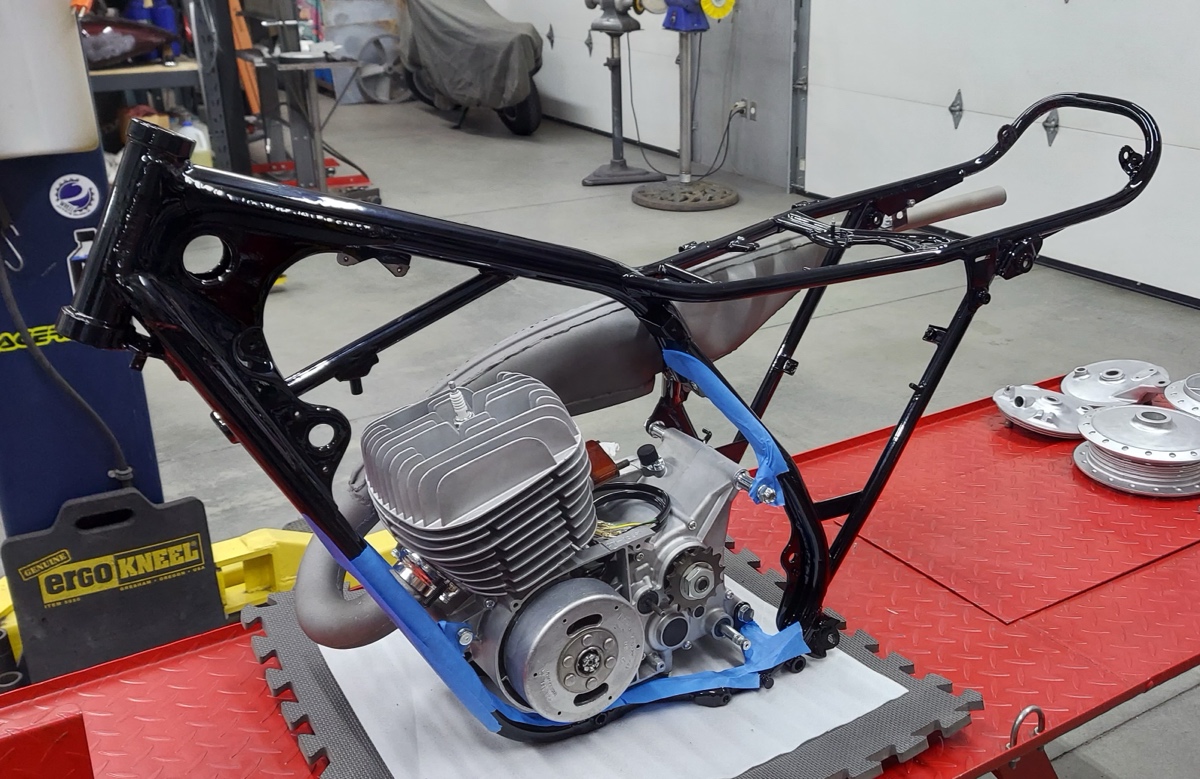
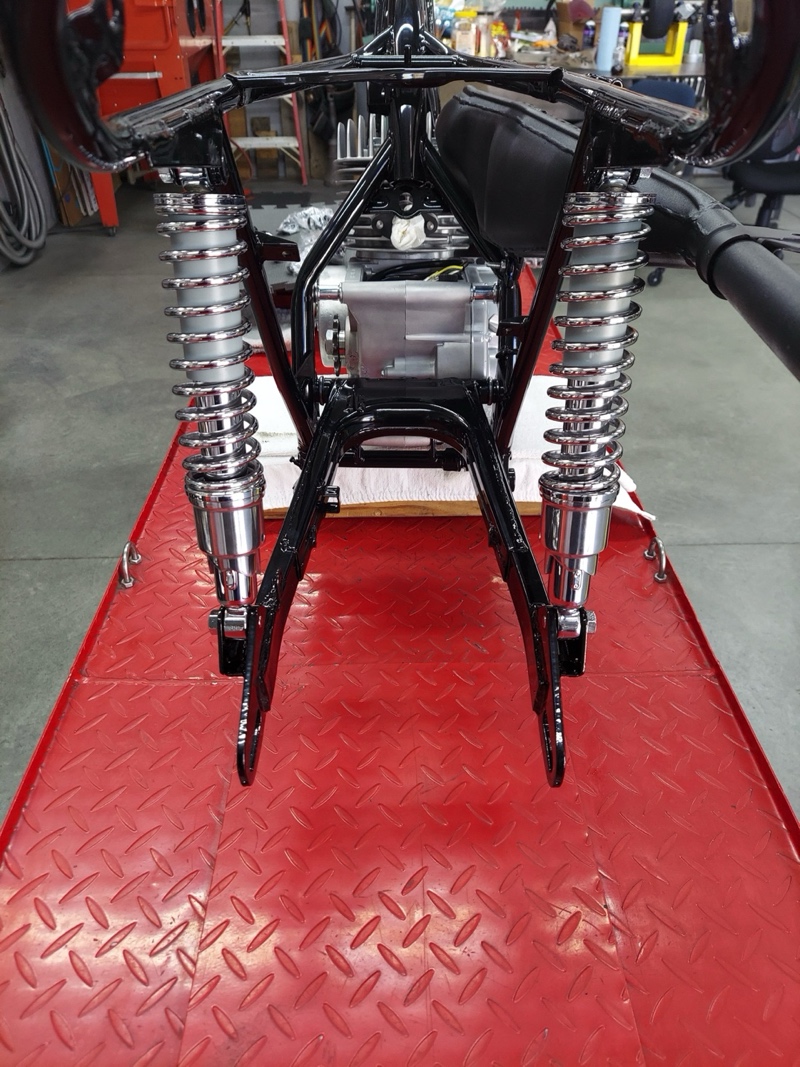
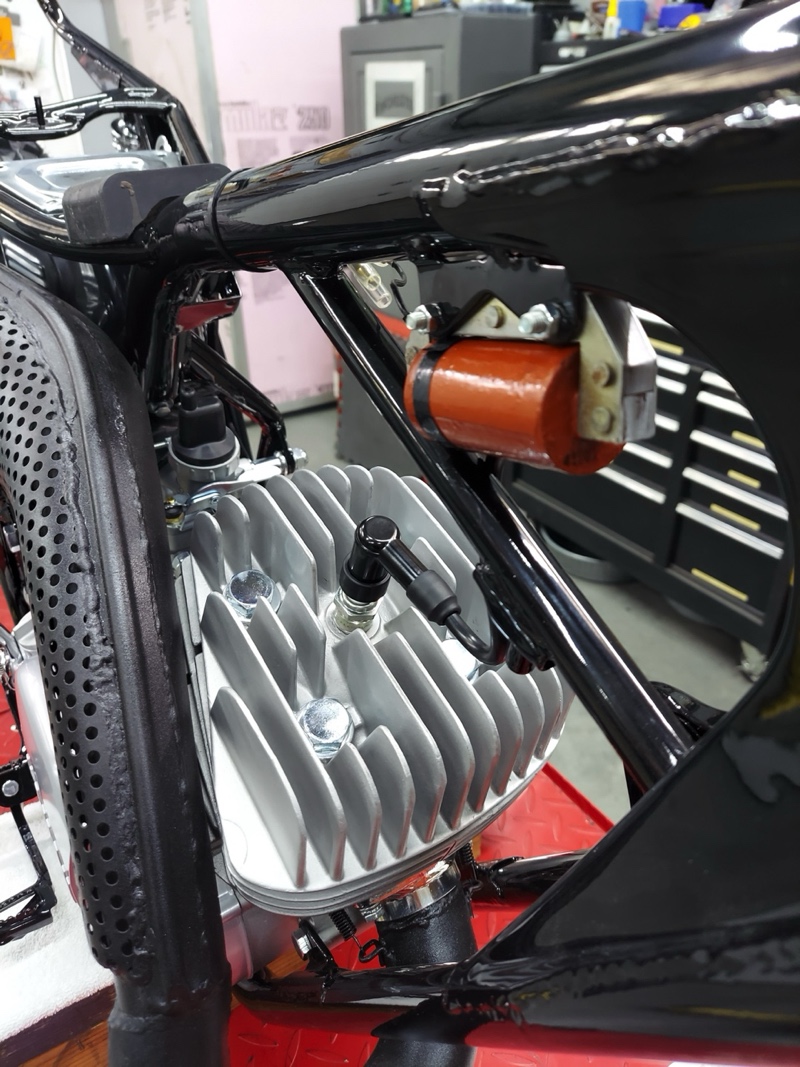
Follow the Builder
Instagram: @dg2motorsportz
JMC Motorsports: https://www.jmc-motorsports.com | @dg2motorsportz
Dave at KDI is a great source for vintage Yamaha parts: www.kdirepros.com
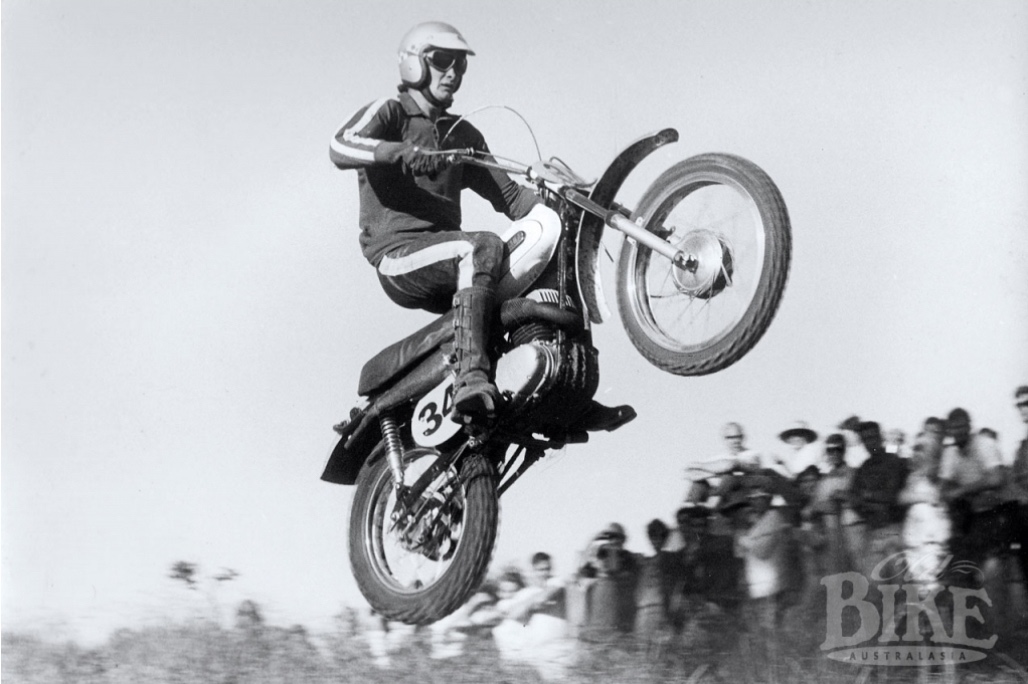
Photo credit for racing images: @square_d_photography


Wow, one of the best articles ever posted on Bike Bound. Grateful thanks for the article, and for the restorer!
Once more, a terrific build and another incredible back story.
Impressive all around. Bravo!
I received a 69 DT-1 that a sat outside on a trailer for 40 years next to a 1970 Kawasaki G4TR. Got both bikes for free. The Kawi was my first motorcycle as an adult and I got it running and back on the road, learning a TON along the way. Currently doing the same to the DT-1.