
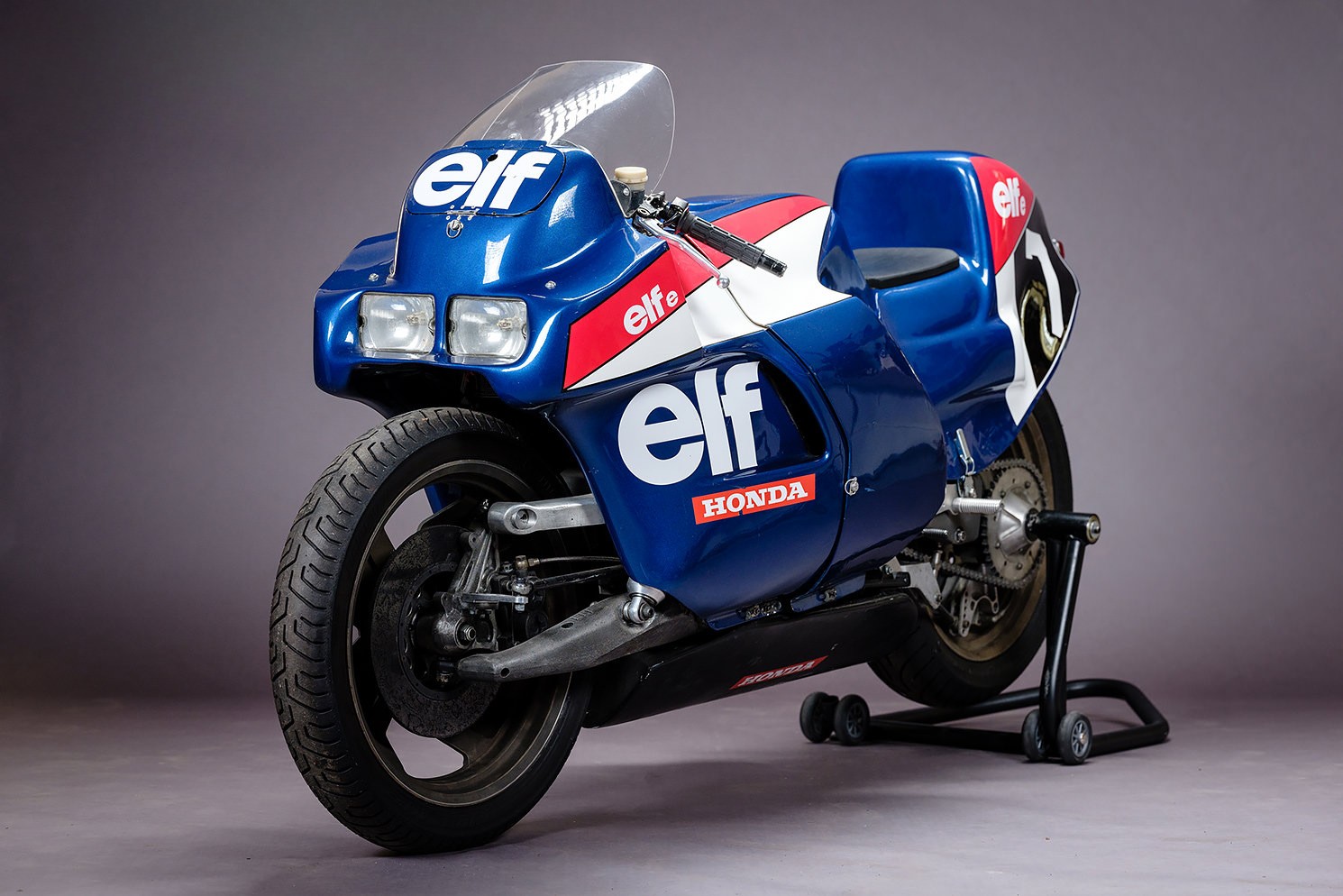
Honda’s ELF-E: The Radical Experiment That Reimagined Motorcycle Chassis Design
In the early 1980s, motorcycle engineering was undergoing a quiet revolution. Aluminum frames were replacing steel. Aerodynamics were becoming more sophisticated. Manufacturers were beginning to explore new ways of extracting performance beyond simple horsepower gains. And then there was ELF.
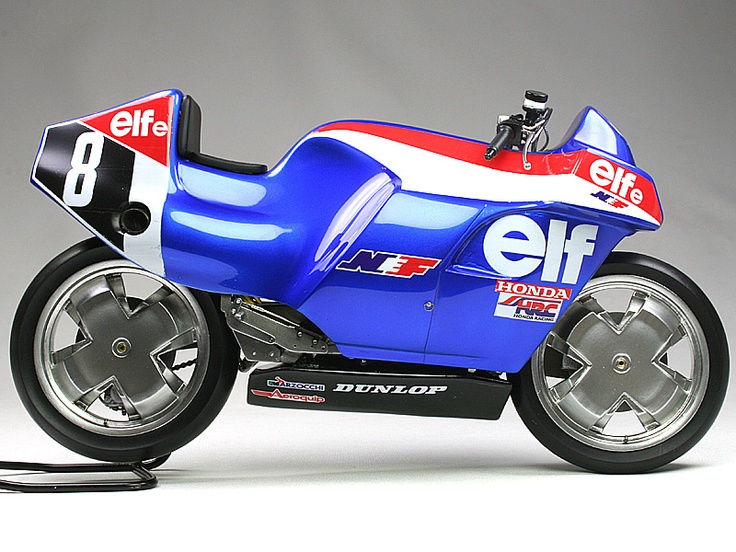
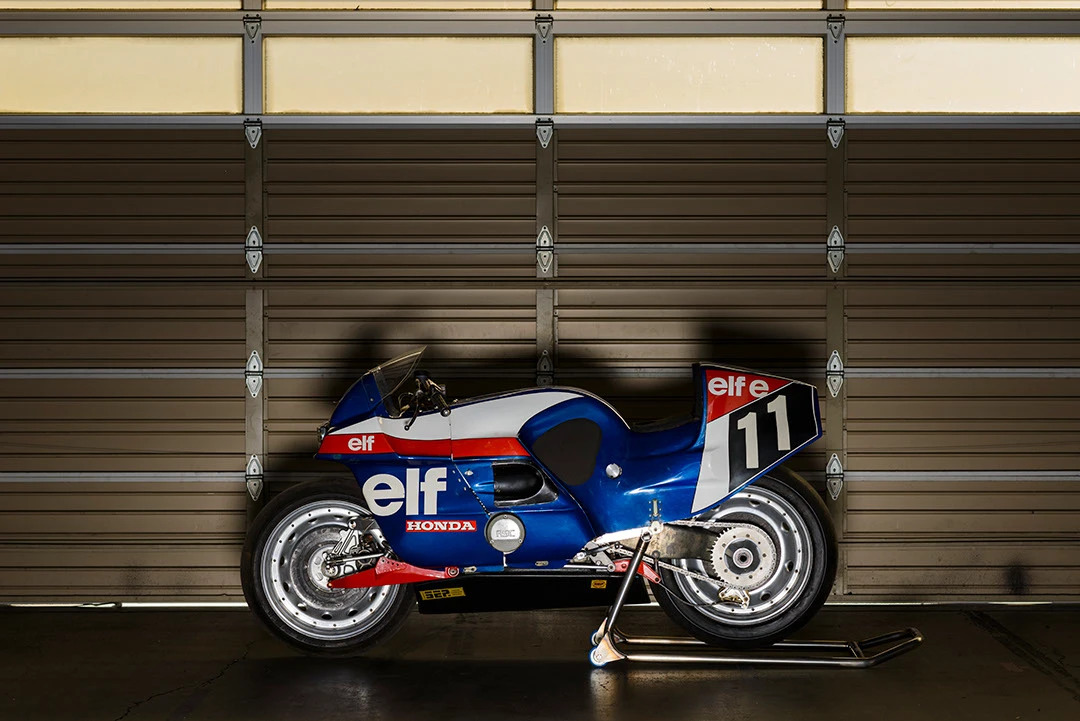
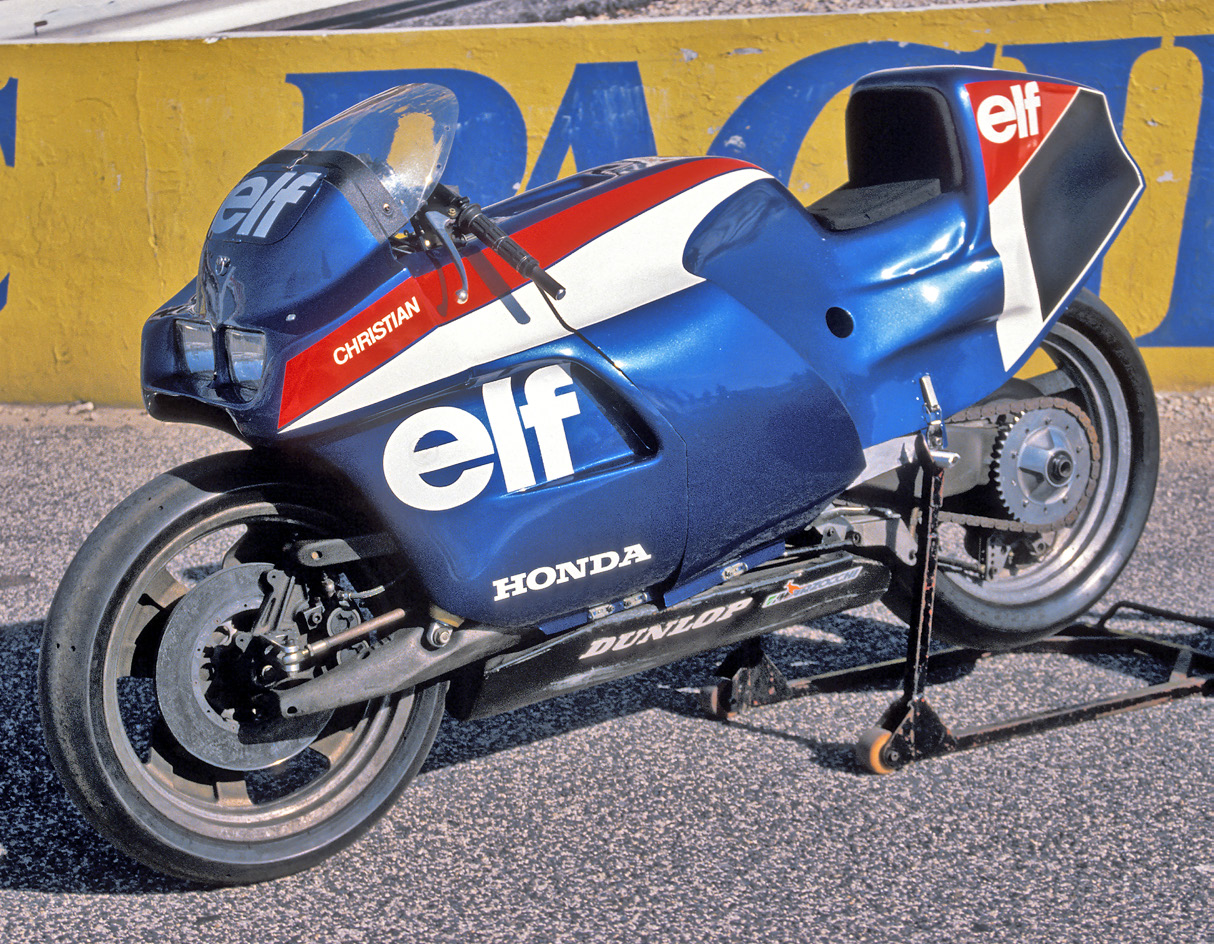
Working with Honda, the French petroleum company ELF launched one of the most radical engineering programs in motorcycle racing history — a series of experimental endurance racers that abandoned conventional motorcycle design almost entirely. Among them was the Honda ELF-E, an endurance racing machine that looked like it had arrived from another planet.
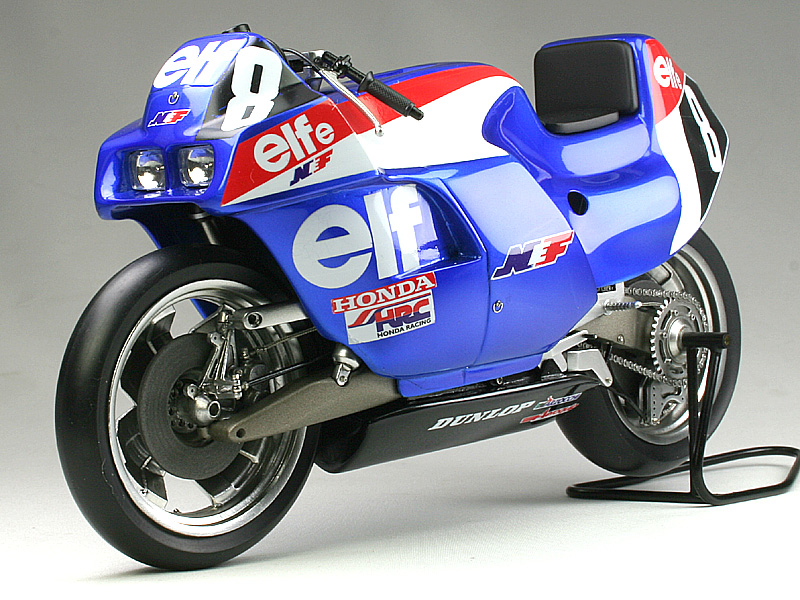
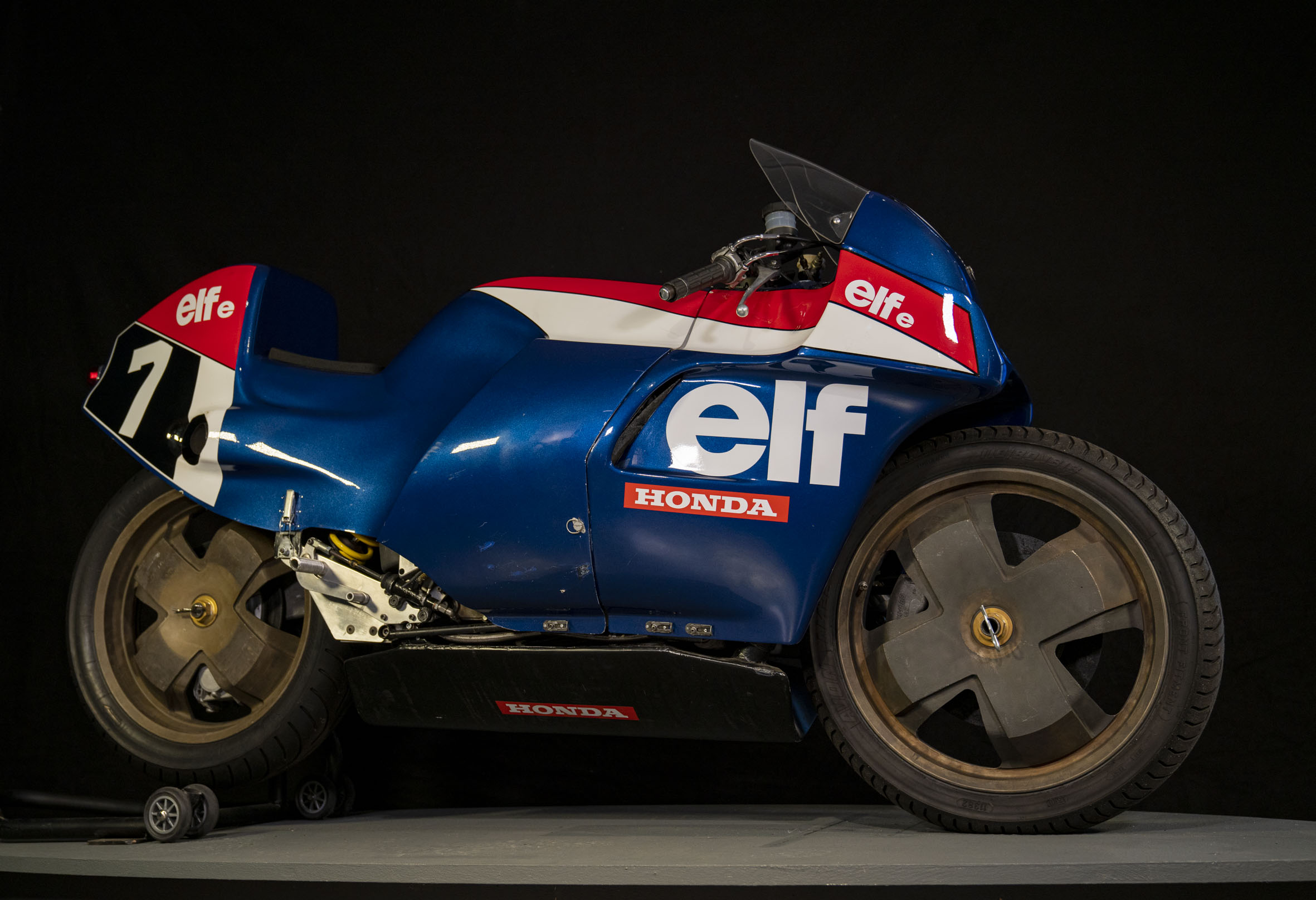
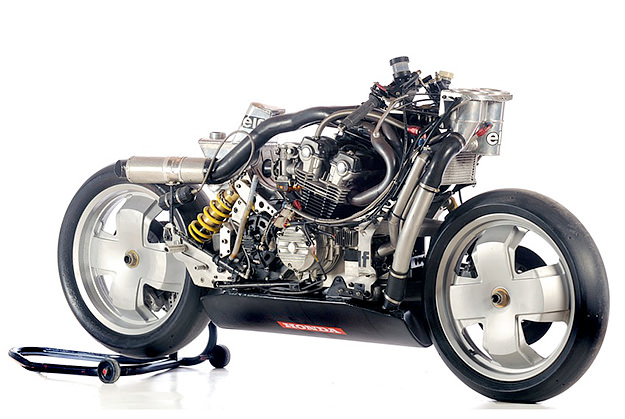
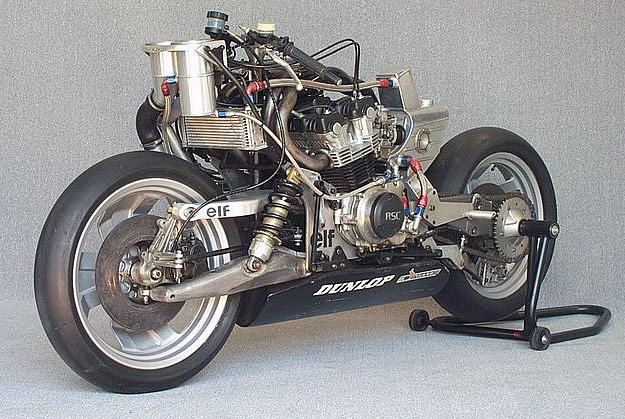
With its hub-center steering, single-sided swingarms, and space-age aluminum structure, the ELF-E was not just a race bike. It was a rolling laboratory that challenged decades of motorcycle engineering tradition.
The ELF Project: Engineering Without Rules
The ELF program began in 1978, when French oil company ELF sought to push the boundaries of motorcycle chassis design while promoting its lubricants and fuels. Instead of simply sponsoring an existing race team, ELF partnered with Honda and a group of French engineers to explore radical alternatives to the traditional telescopic fork motorcycle.
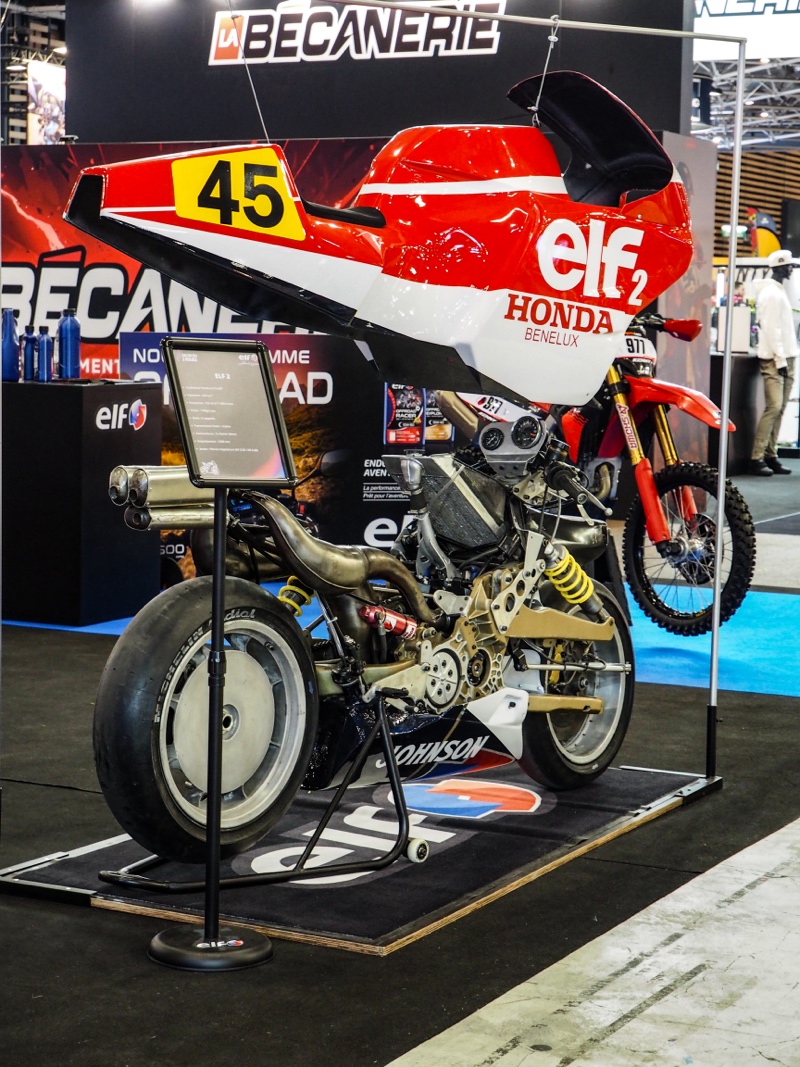
The key technical figure behind the project was André de Cortanze, a former Renault Formula One engineer who believed conventional motorcycle forks were fundamentally flawed. Traditional forks handle multiple tasks simultaneously:
- Steering
- Suspension movement
- Braking loads
- Structural rigidity
This compromises performance, especially under heavy braking where fork dive alters steering geometry. De Cortanze envisioned a motorcycle where these forces were separated, allowing each system to work independently.
The ELF-X: Where the Experiment Began
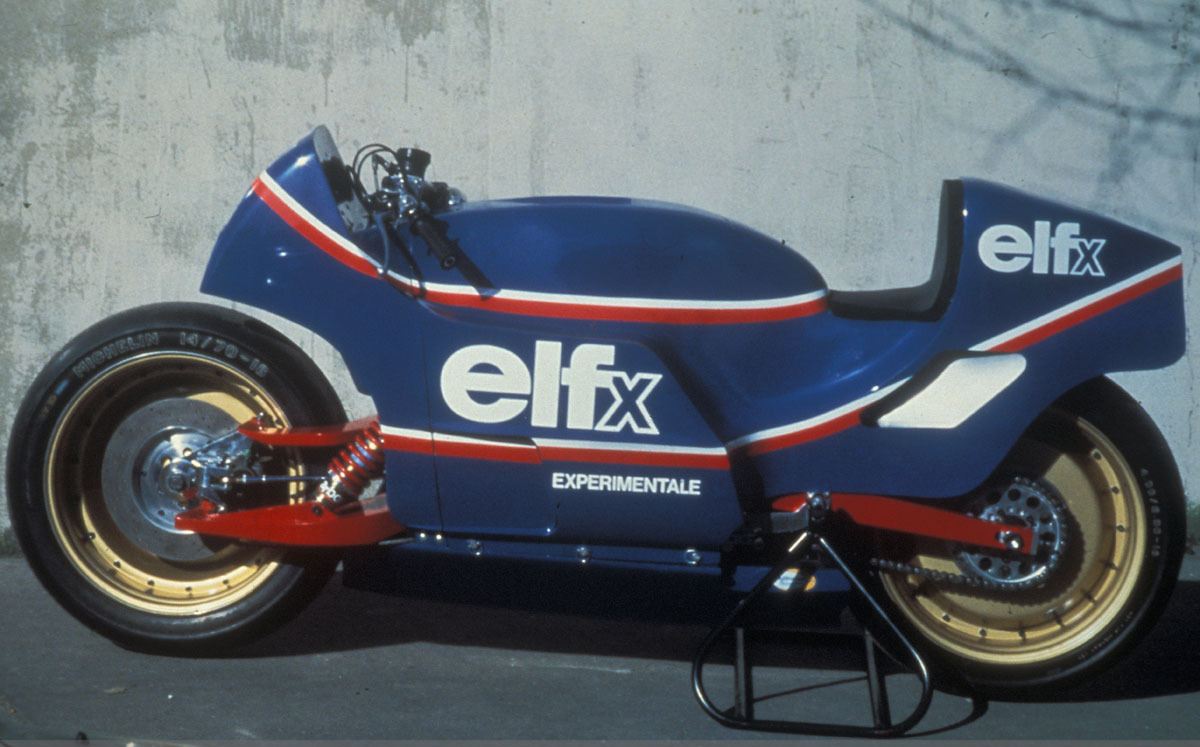
Before the ELF endurance racers ever reached the track, the engineering ideas were tested in an experimental prototype known as the ELF-X. Developed around 1978–1979, the ELF-X served as a rolling testbed for de Cortanze’s unconventional chassis concepts. The prototype already incorporated many of the ideas that would later define the endurance racers, including hub-center steering and a single-sided front suspension system.
Unlike later ELF machines, the ELF-X was not built to compete in major races. Instead, it was designed to validate the concept and prove that a motorcycle could function — and potentially perform better — without conventional forks. The success of this experimental prototype encouraged ELF and Honda to push the concept further. The result was a series of endurance racing machines based on Honda powerplants, beginning with the ELF-E.
Hub-Center Steering: A Radical Solution
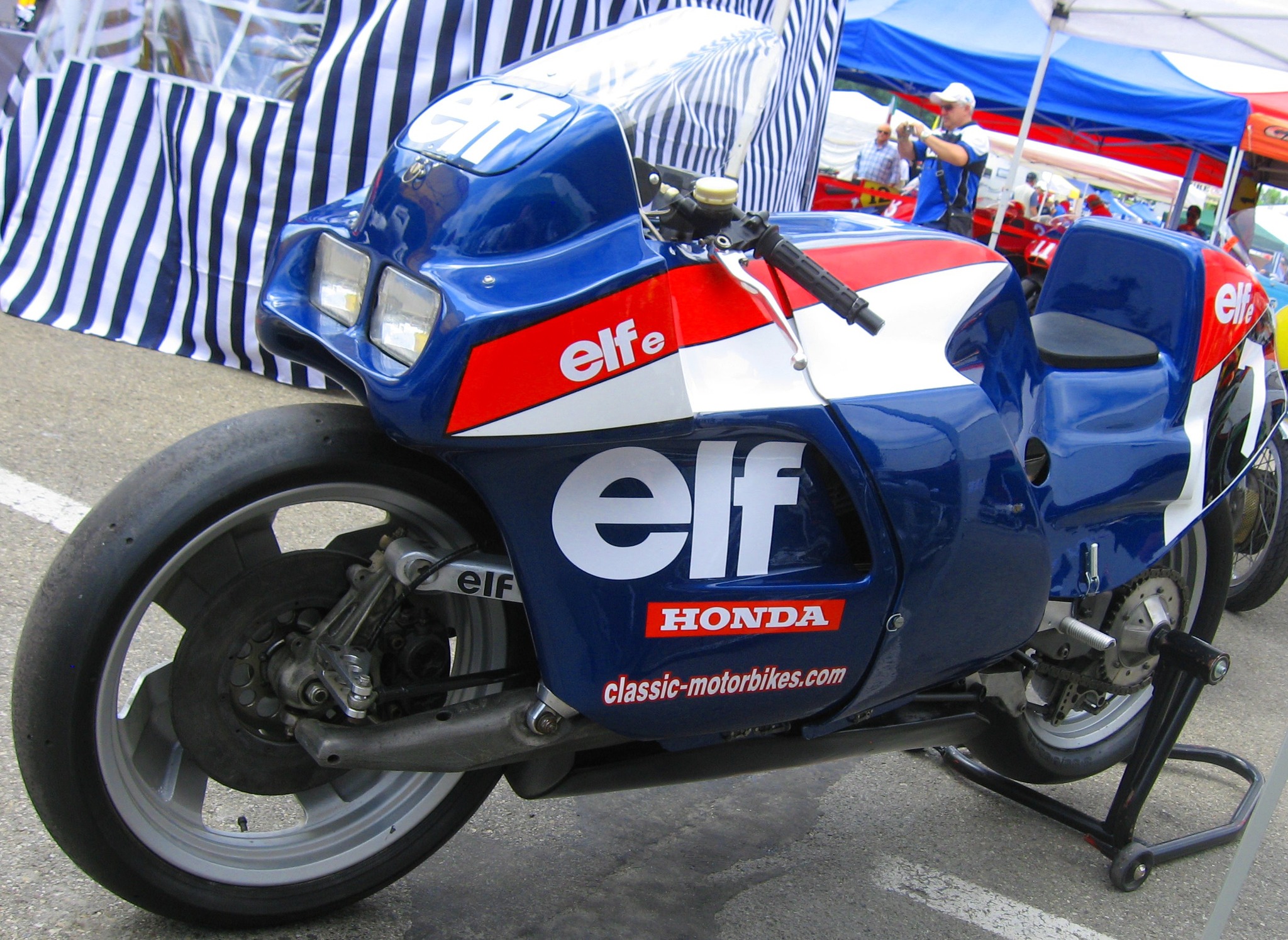
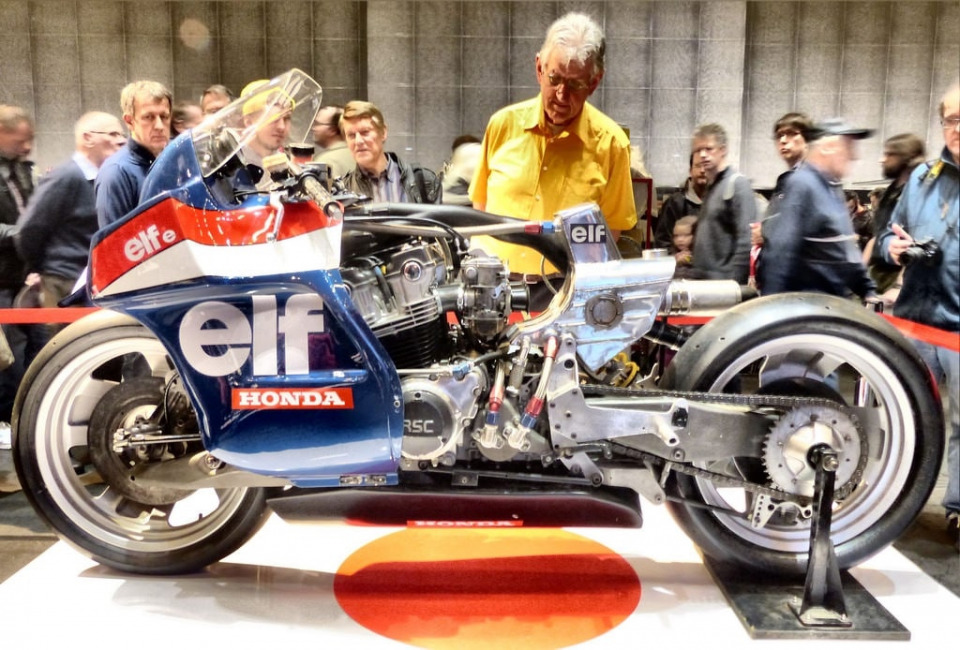
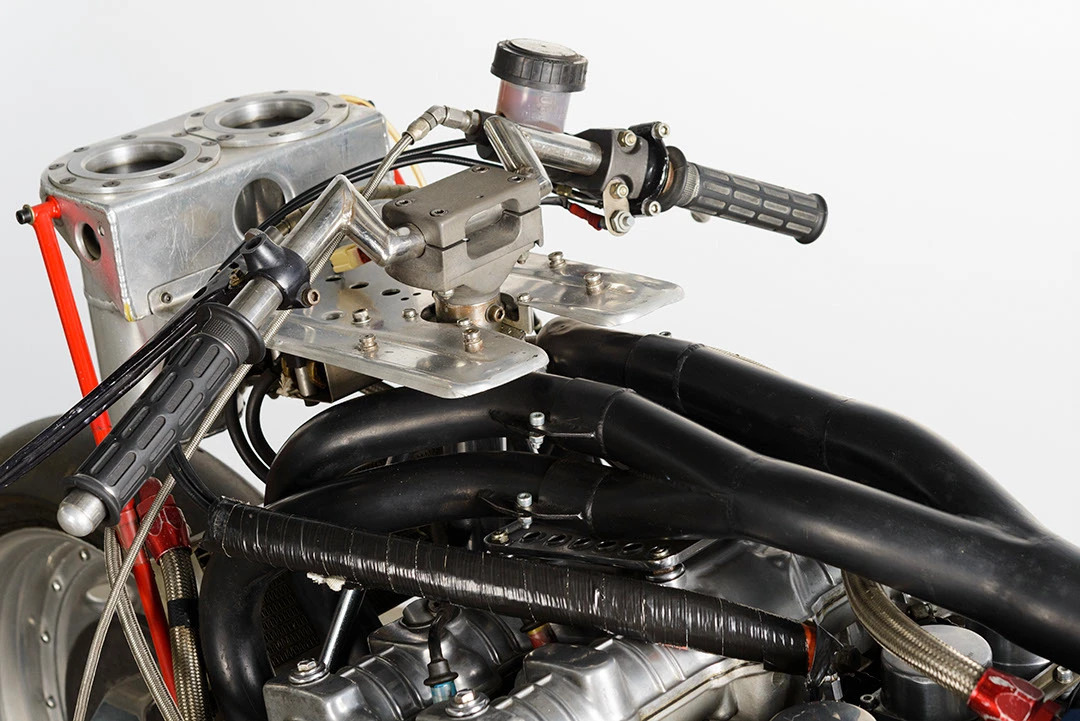
The most striking feature of the ELF-E was its hub-center steering system, which eliminated the telescopic fork entirely. Instead, the front wheel was carried by a single-sided swingarm, with steering handled by linkages connected to the handlebars. This layout offered several theoretical advantages:
- Reduced brake dive
- More consistent steering geometry
- Improved chassis rigidity
- Better aerodynamics
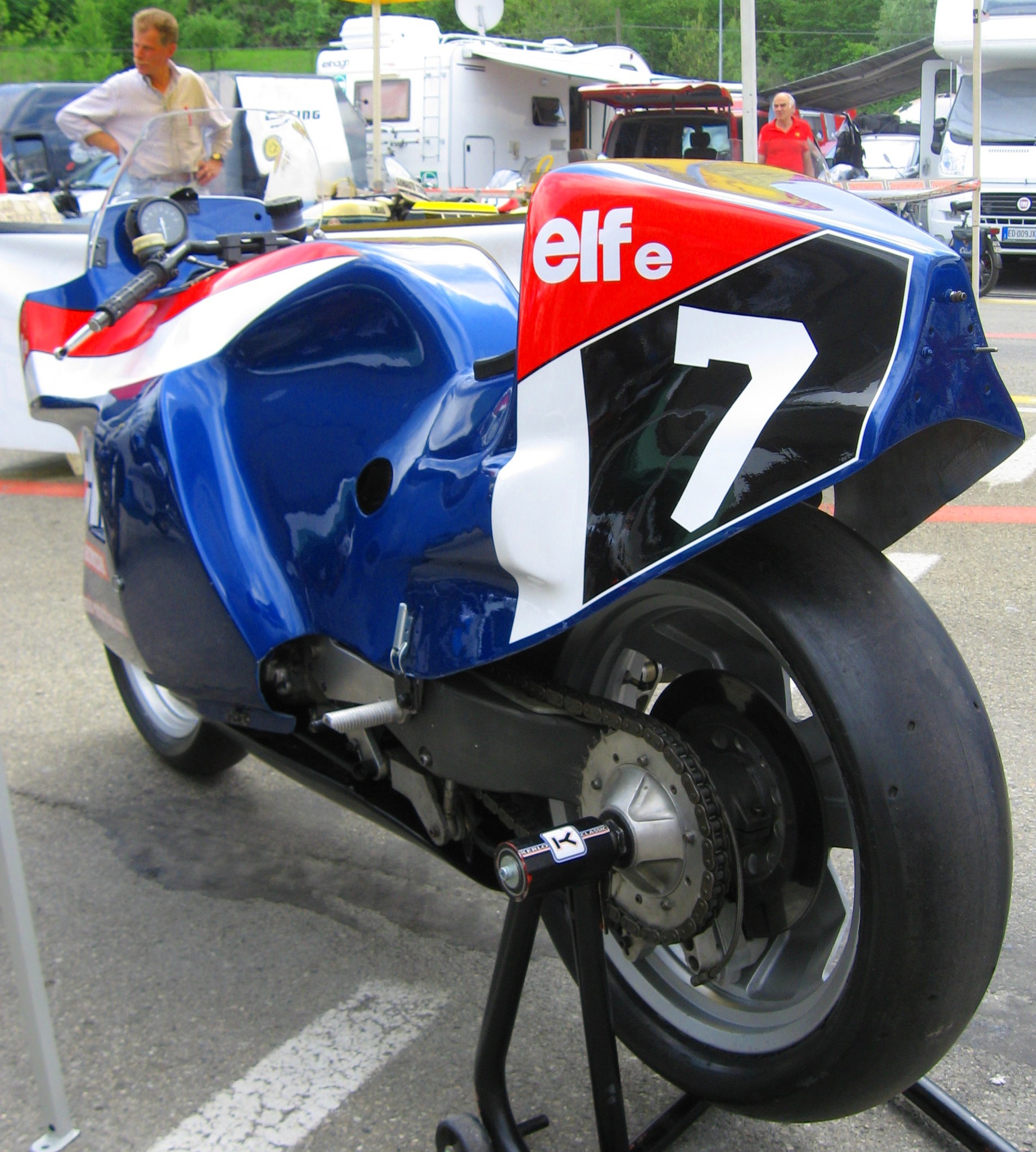
While hub-center steering had appeared in earlier prototypes — including the experimental ELF-X — the ELF endurance racers brought the concept to top-level competition. The result was a machine that looked closer to a prototype from aerospace engineering than a conventional motorcycle.
The Honda Powerplant
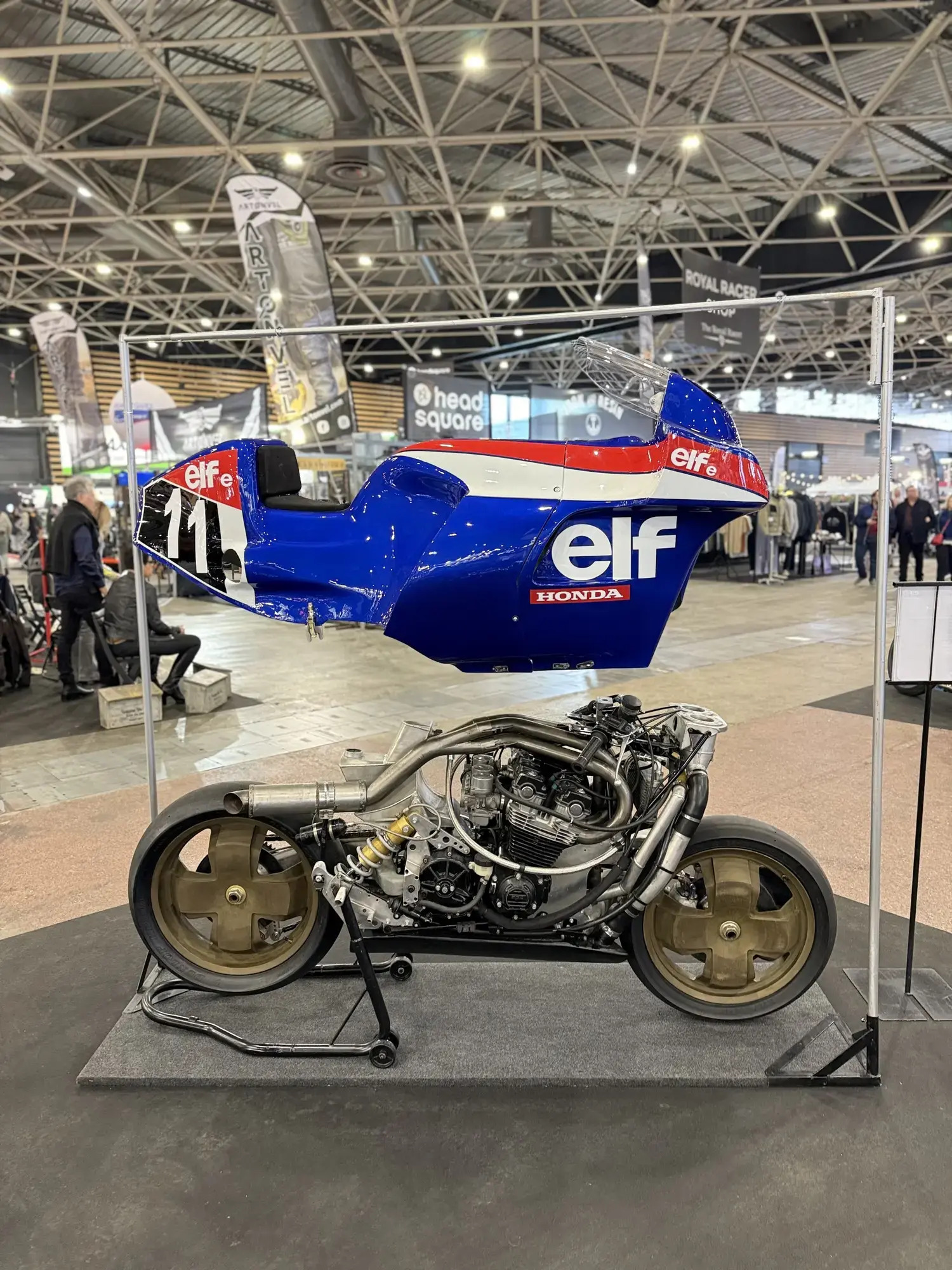
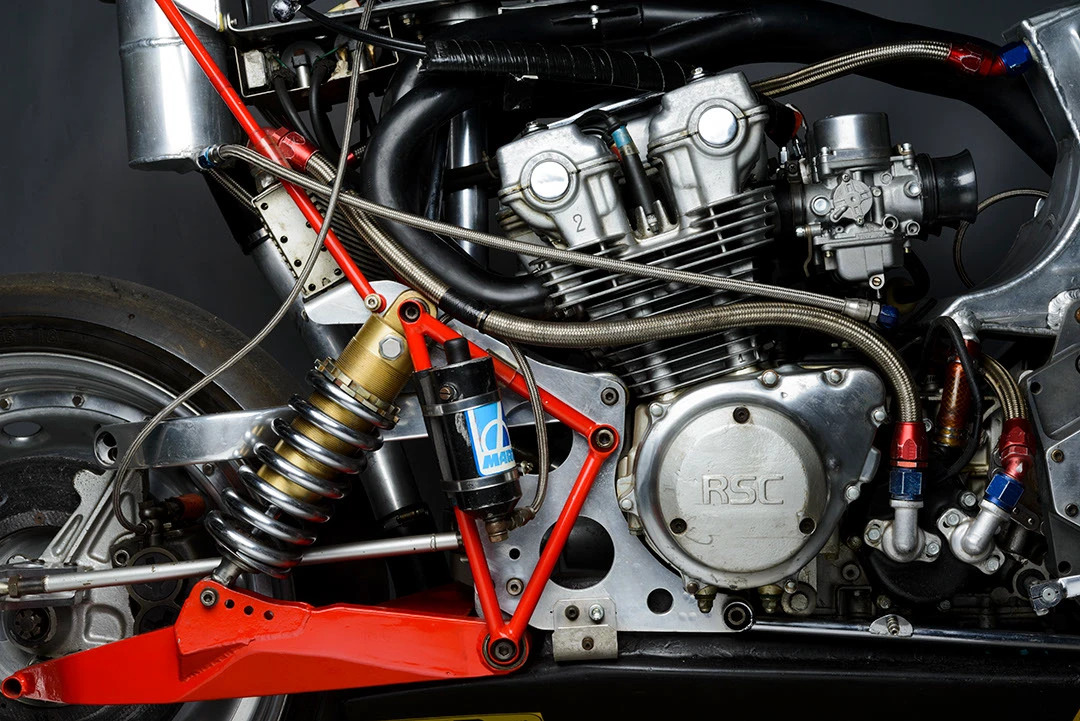
Despite the radical chassis, the engine remained familiar Honda territory. The ELF-E used a version of Honda’s RS1000 endurance racing engine, derived from the company’s successful CB900F-based superbike platform. Typical specifications included:
- Engine: 998cc air-cooled inline-four
- Configuration: DOHC, four valves per cylinder
- Power: approximately 125–135 horsepower in endurance trim
- Transmission: 5-speed
- Fueling: racing carburetors
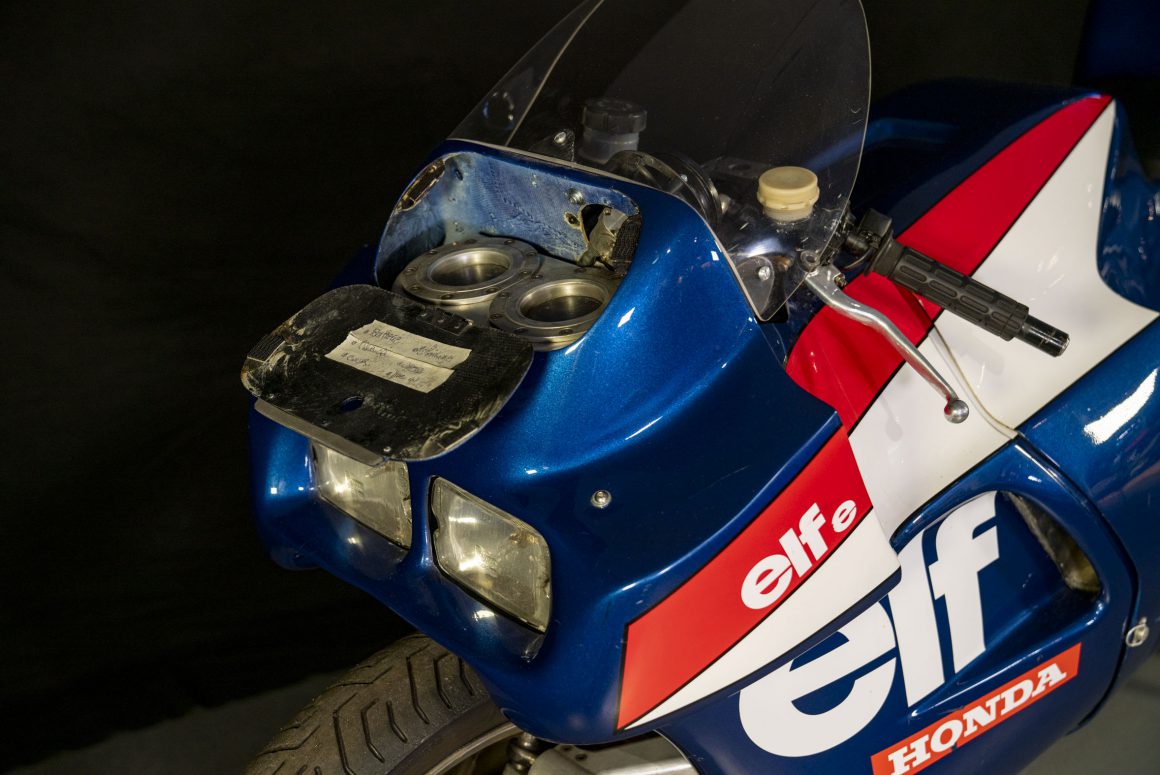
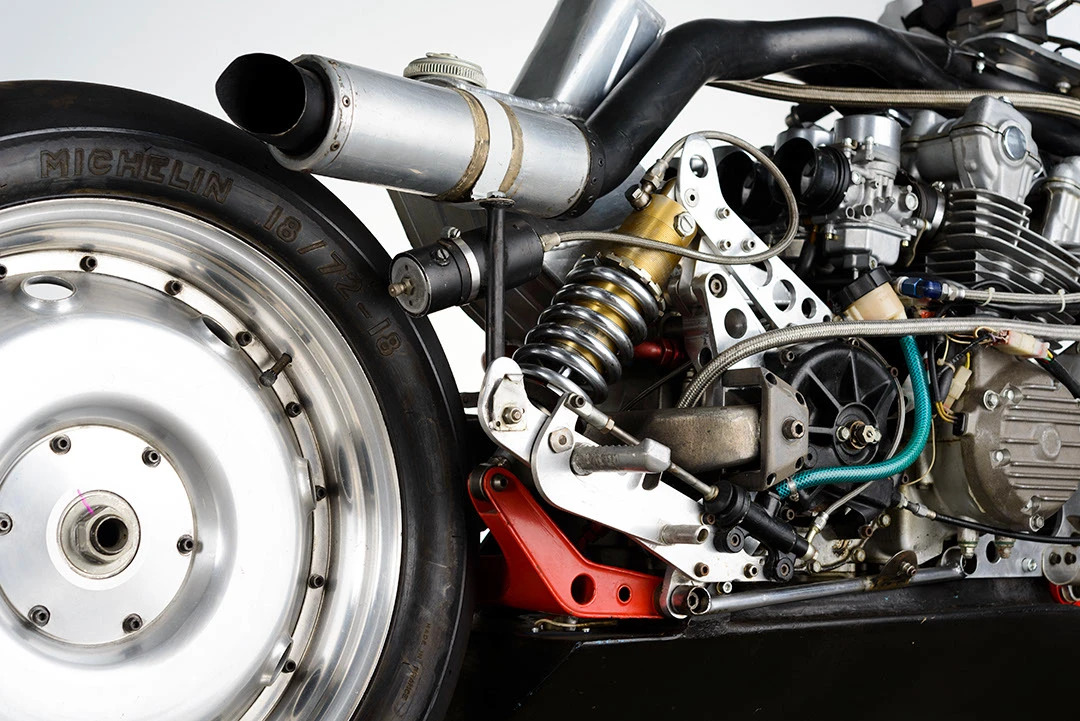
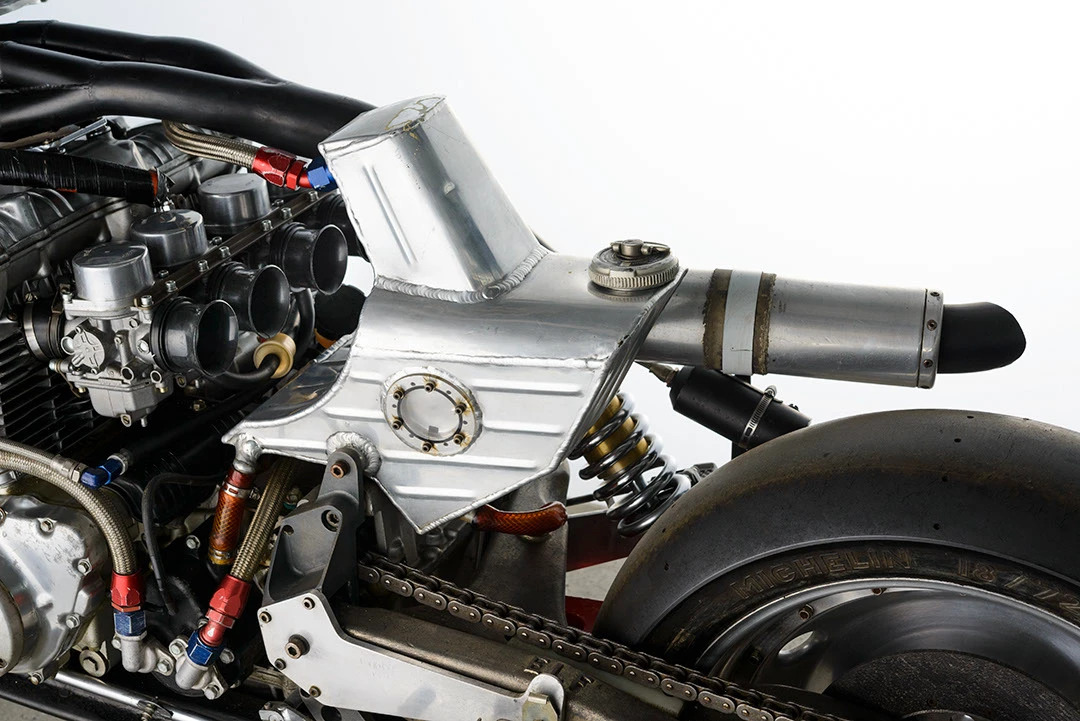
The engine sat within an extremely unconventional chassis structure designed to maximize rigidity while allowing easy access during long endurance races.
Single-Sided Swingarm: The Feature That Survived
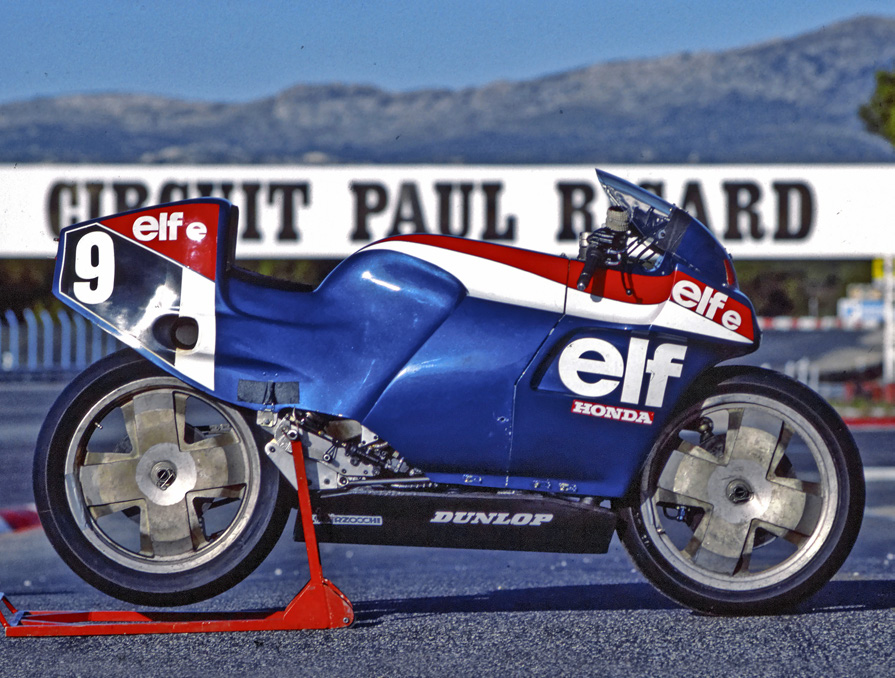
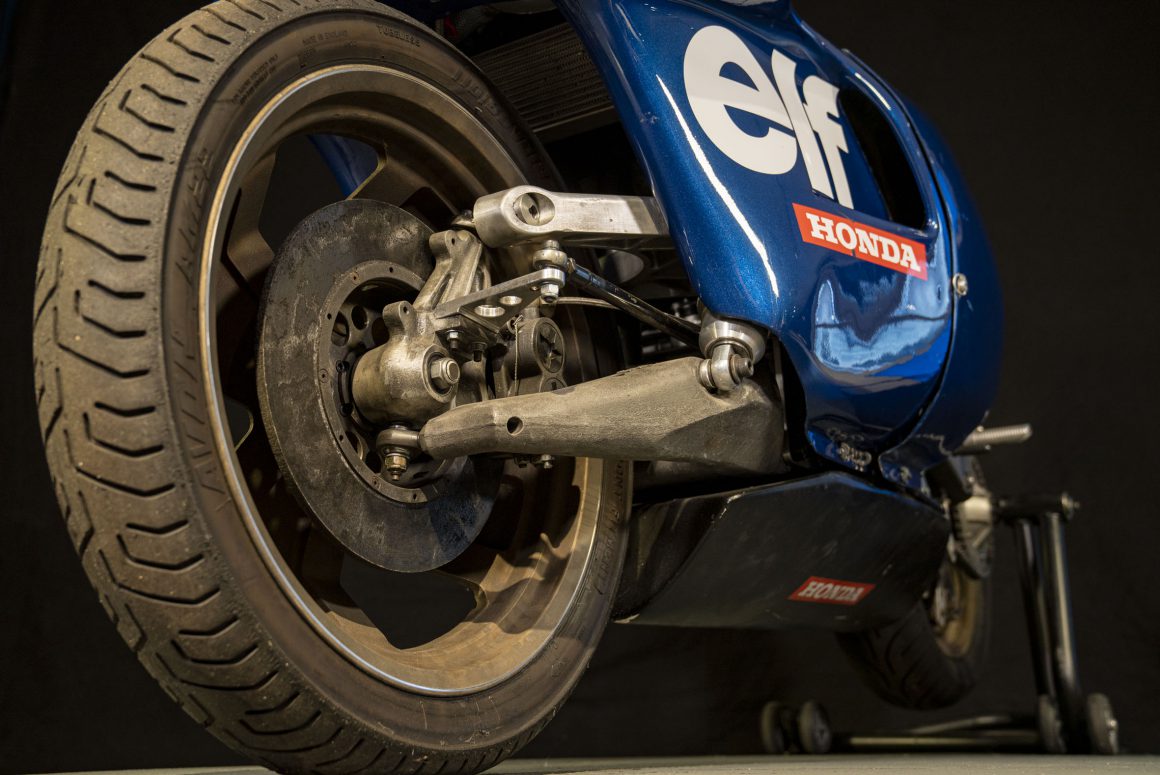
One of the ELF project’s most enduring contributions to motorcycle design was the single-sided swingarm. Both the front and rear wheels of the ELF-E were mounted on single-sided arms, allowing mechanics to change wheels quickly during pit stops — a crucial advantage in endurance racing. The concept would later appear on many production motorcycles, including:
- Honda VFR750R RC30
- Honda VFR750F
- Ducati 916
- BMW single-sided Paralever designs
Today, single-sided swingarms are common in sport and endurance racing — a direct legacy of experimentation like the ELF program.
Endurance Racing: The Perfect Testing Ground
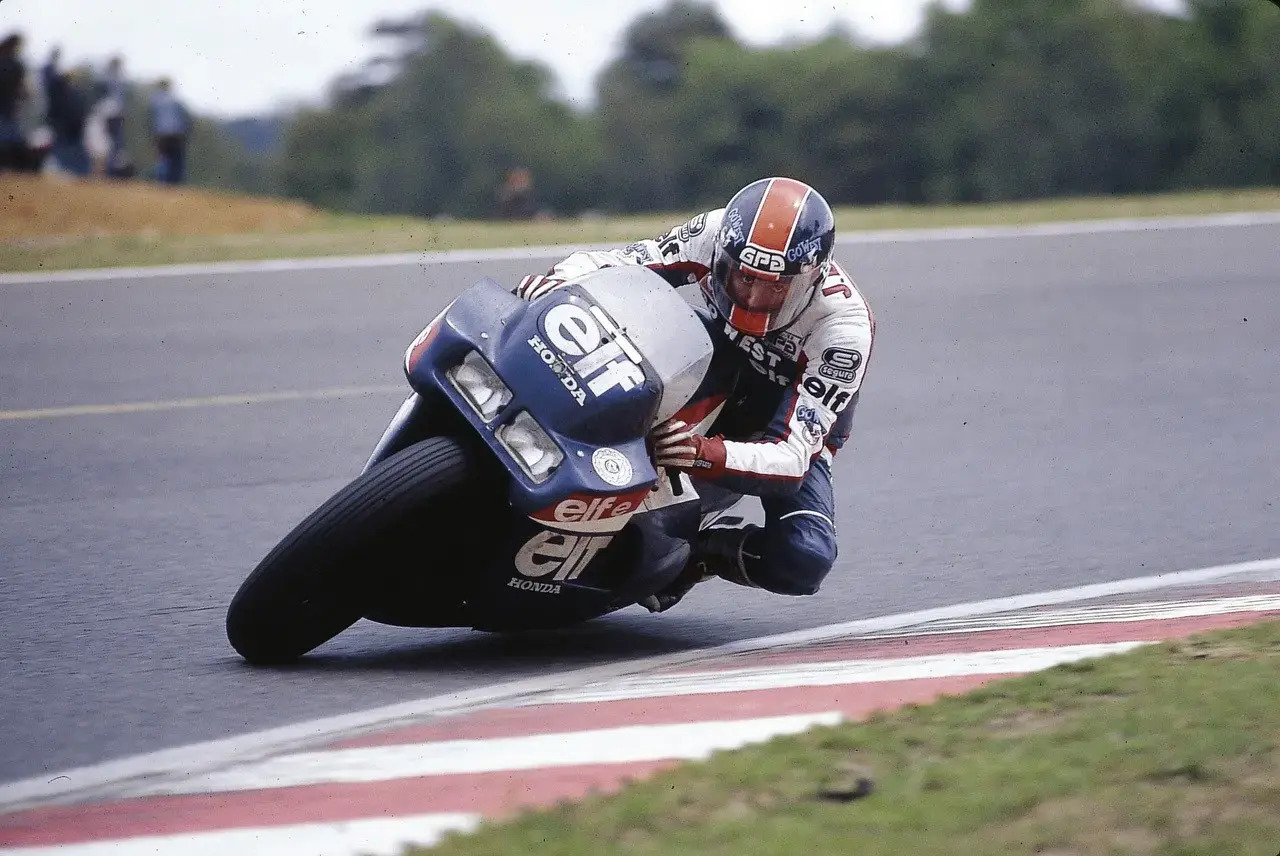
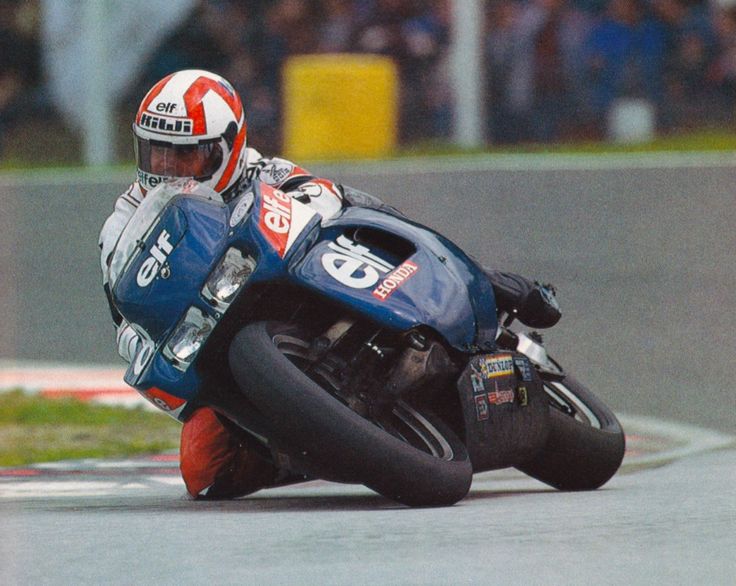
The ELF-E competed primarily in World Endurance Championship events, where races last 8, 12, or even 24 hours, placing immense stress on machines and riders. Endurance racing was ideal for testing unconventional engineering ideas.
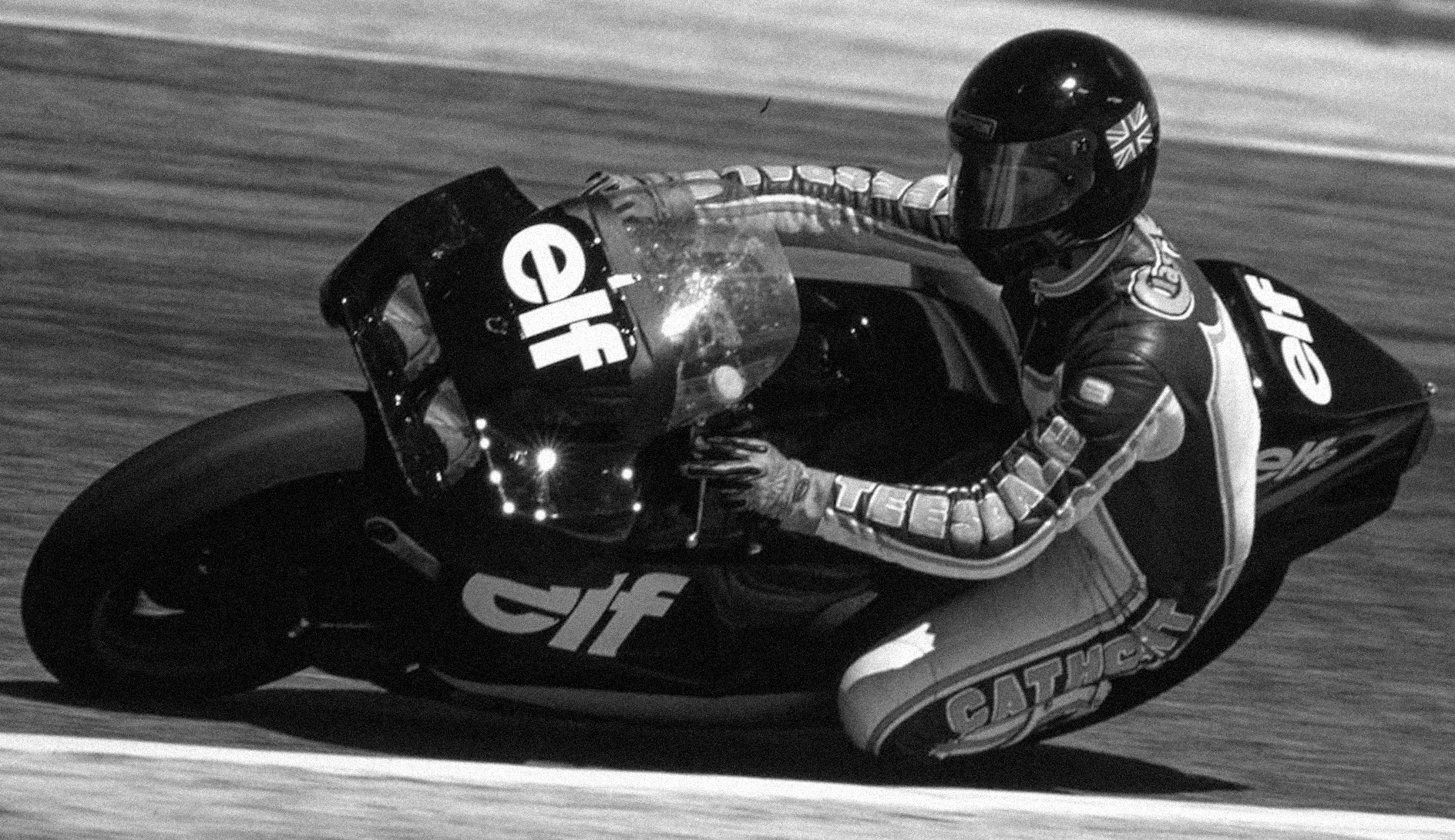
While the ELF machines never dominated endurance racing outright, they proved competitive and generated enormous technical interest. The project also served Honda’s broader engineering ambitions — many concepts tested on the ELF bikes would influence future factory racing machines.
Evolution of the ELF Machines
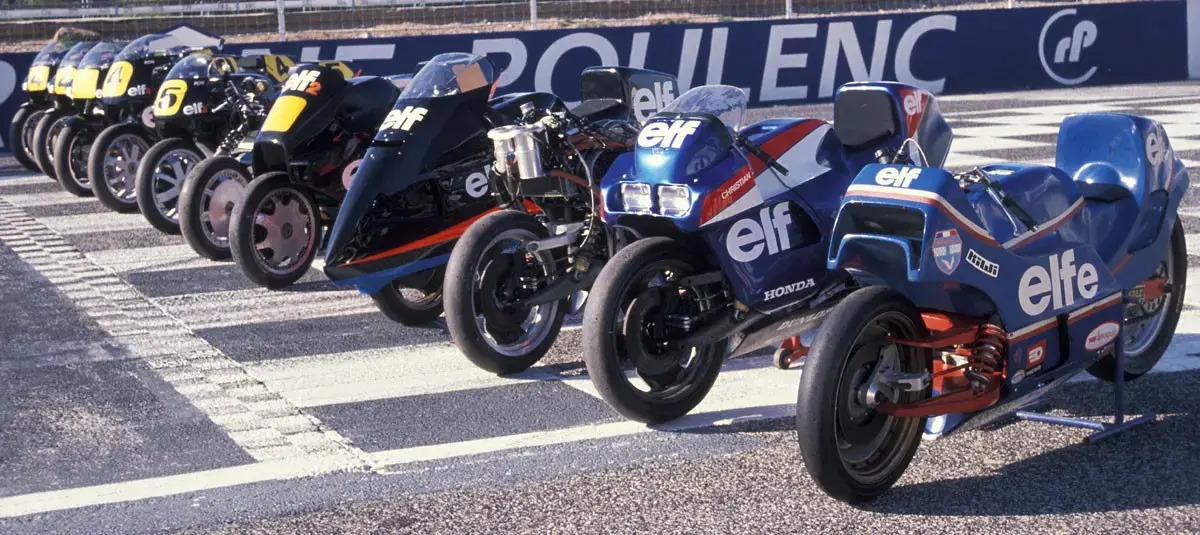
The ELF-E was part of a series of experimental motorcycles developed throughout the 1980s:
- ELF-X: experimental prototype that validated the concept
- ELF-E: endurance racing prototype
- ELF-2: further hub-center development
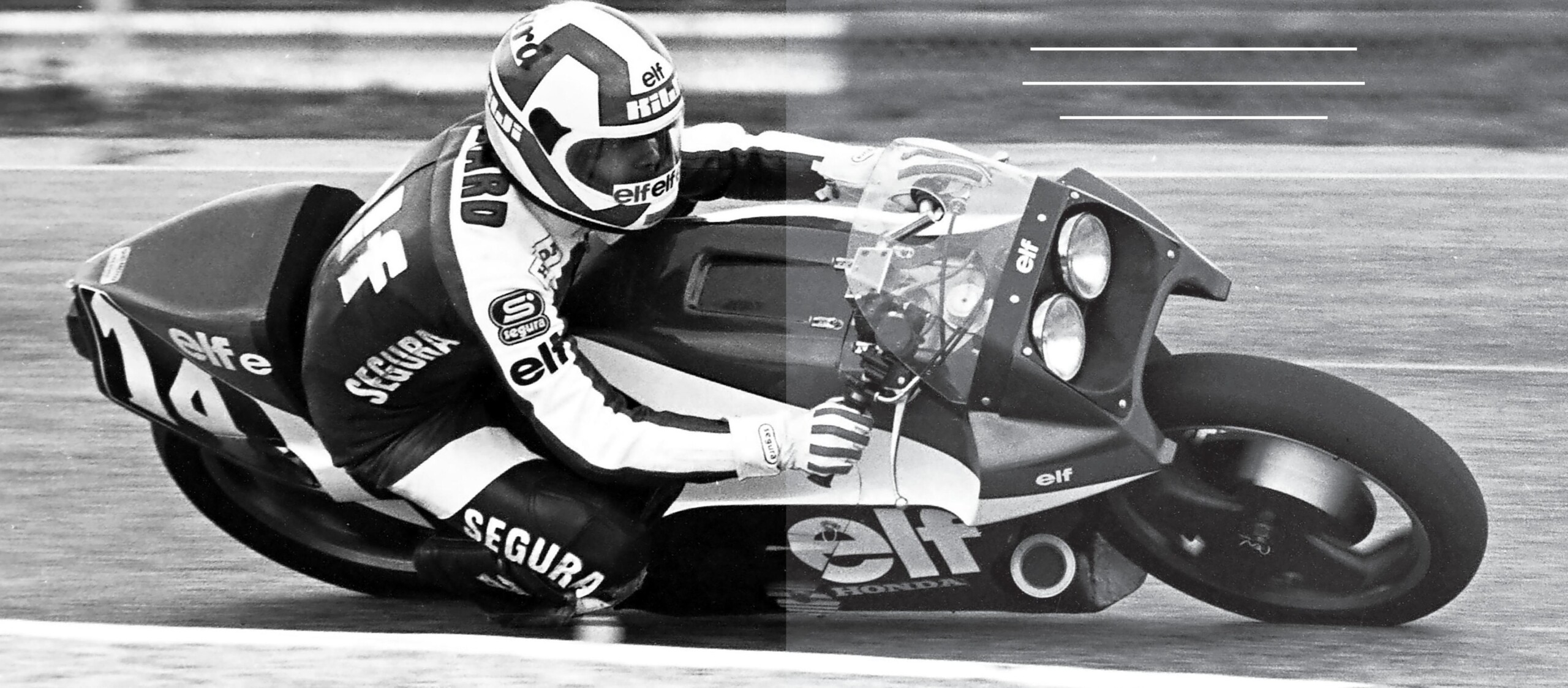
- ELF-3 / ELF-4: Grand Prix machines using Honda two-stroke engines
- ELF-5: ultimate evolution with NSR500 power
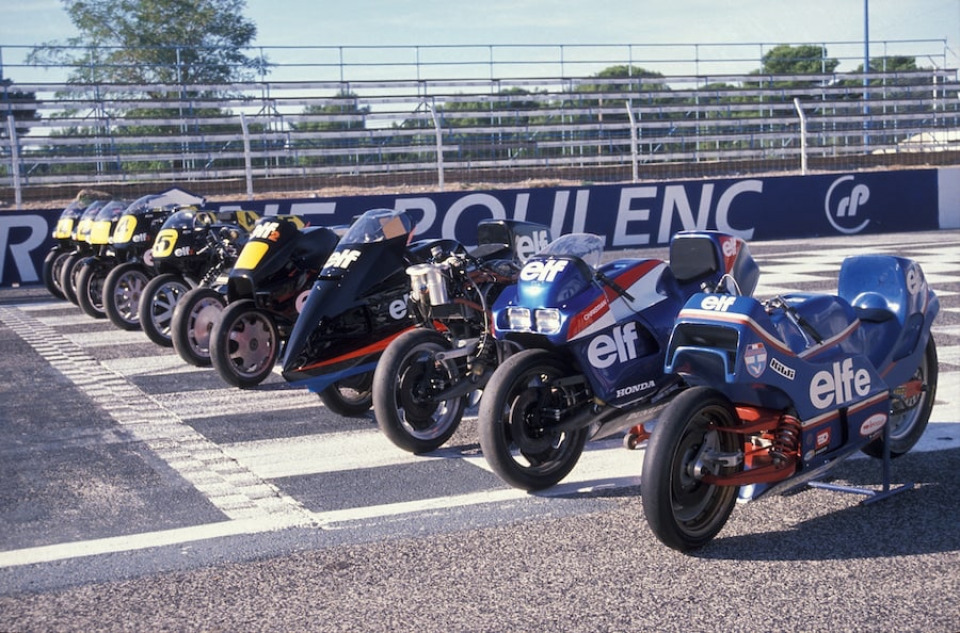
These later bikes would be ridden by notable racers such as Ron Haslam, who became closely associated with the program. While none of them replaced conventional motorcycles in top-level racing, they proved that radically different chassis designs could be competitive.
Why Hub-Center Steering Never Took Over
Despite its theoretical advantages, hub-center steering never replaced traditional forks in mainstream racing or production motorcycles. The reasons were practical:
- Complexity: The system required intricate linkages and precise setup.
- Weight: Early designs often weighed more than traditional fork assemblies.
- Feedback: Many riders preferred the feel and predictability of telescopic forks.
As conventional chassis design improved — especially with modern inverted forks and aluminum frames — the benefits of hub-center steering became less compelling. Still, the idea has never disappeared entirely. Modern machines like the Bimota Tesi and Vyrus motorcycles continue to explore the concept.
The Legacy of the ELF-E…
Even if hub-center steering never replaced forks, the ELF project remains one of the boldest engineering experiments in motorcycle racing history. It demonstrated what happens when engineers are allowed to rethink every assumption about how a motorcycle should work.
The program helped popularize single-sided swingarms, advanced aluminum chassis design, aerodynamic bodywork concepts, and innovative approaches to chassis rigidity. More importantly, it proved that motorcycle engineering still had room for radical experimentation.
Honda ELF-E: Key Specifications
Manufacturer: ELF / Honda
Purpose: World Endurance Championship prototype
Engine: Honda RS1000 inline-four
Displacement: 998cc
Cooling: Air-cooled
Power: ~125–135 hp (endurance trim)
Transmission: 5-speed
Front Suspension: Hub-center steering with single-sided swingarm
Rear Suspension: Single-sided swingarm
Frame: Experimental aluminum structure
Era: Early 1980s endurance racing
A Motorcycle From the Future…
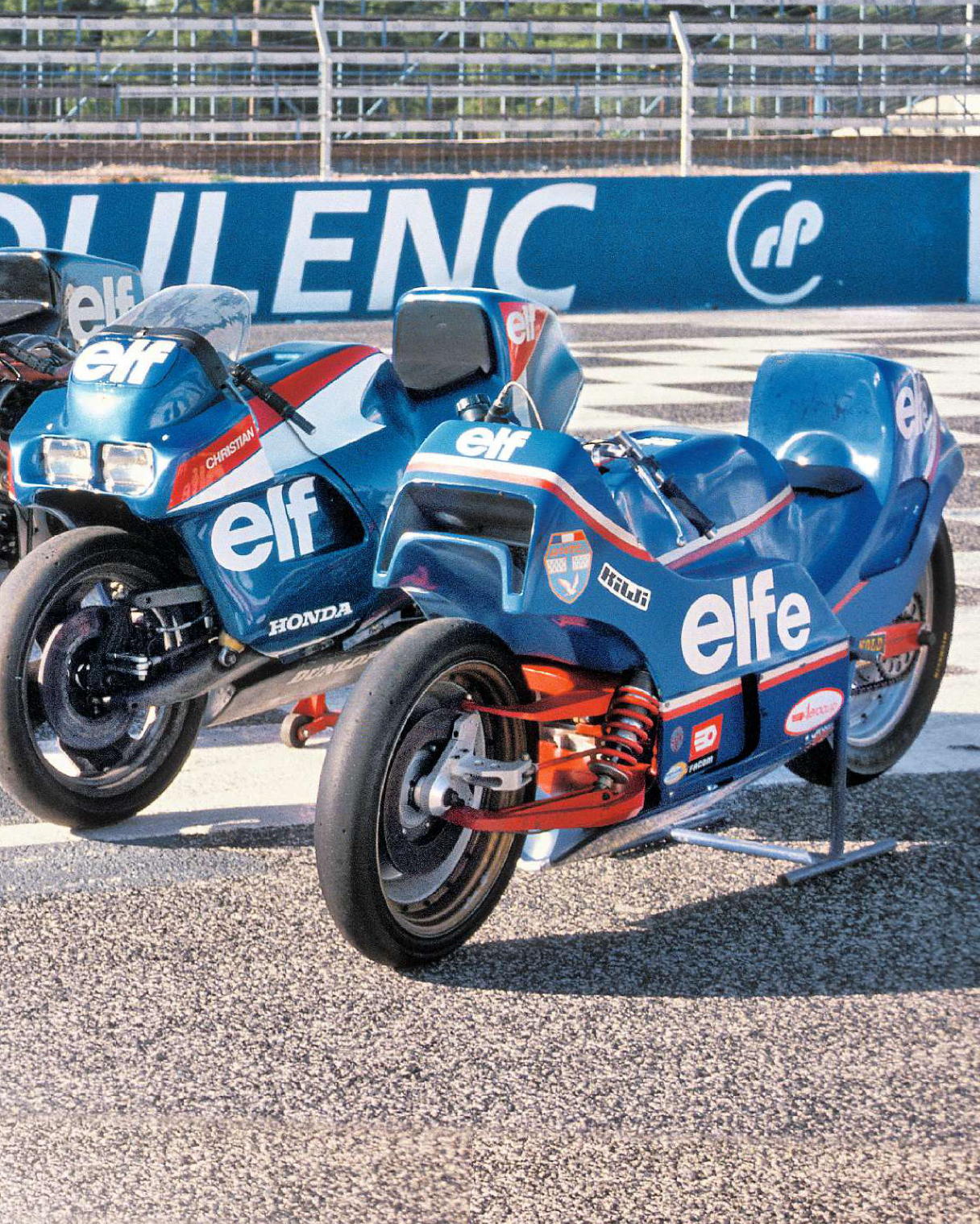
Looking at the ELF-E today, it still appears futuristic. Where most motorcycles evolved gradually from earlier designs, the ELF machines represented a complete break from tradition — an attempt to rethink the motorcycle from the ground up.
Even decades later, few race bikes have looked quite so radical. And that’s exactly why the Honda ELF-E remains one of the most fascinating machines ever to take the track.


