
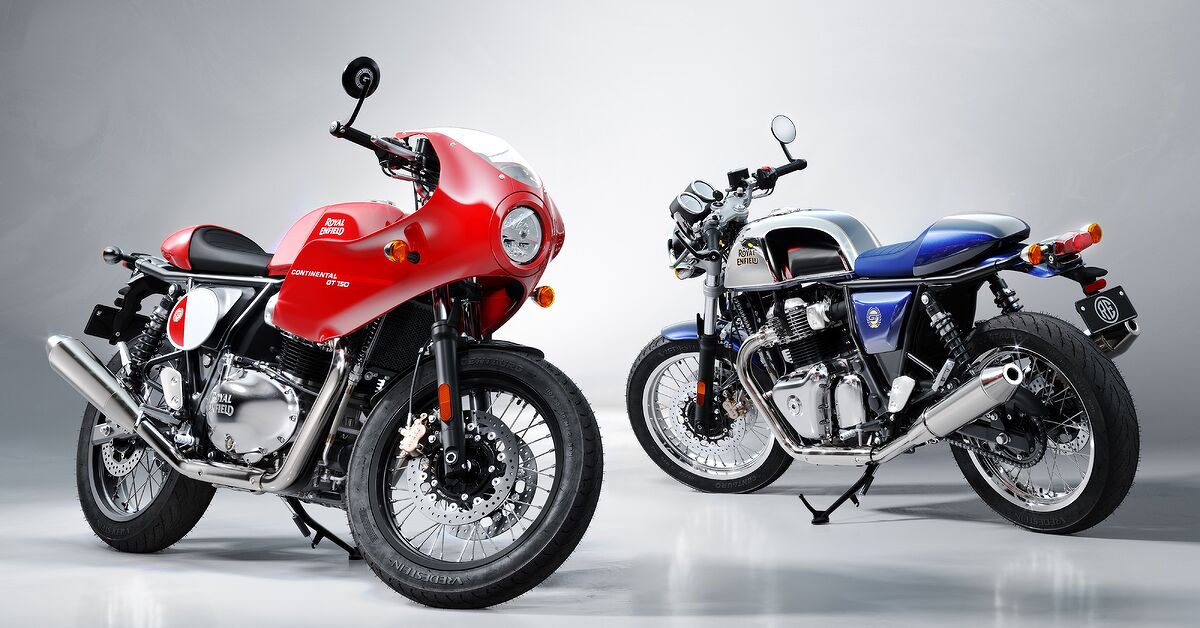
 New 743cc parallel-twin, twin-disc brakes, and two distinct café racer configurations…
Royal Enfield has never been shy about celebrating its café racer heritage. The company’s Continental GT lineage stretches back more than six decades, to the days of British Rockers, the Ace Cafe, and the great café racing boom of the 1960s. More recently, the Continental GT 650 has become one of the most recognizable factory café racers in the world, offering classic British styling, a characterful parallel-twin engine, and accessible performance at a relatively affordable price.
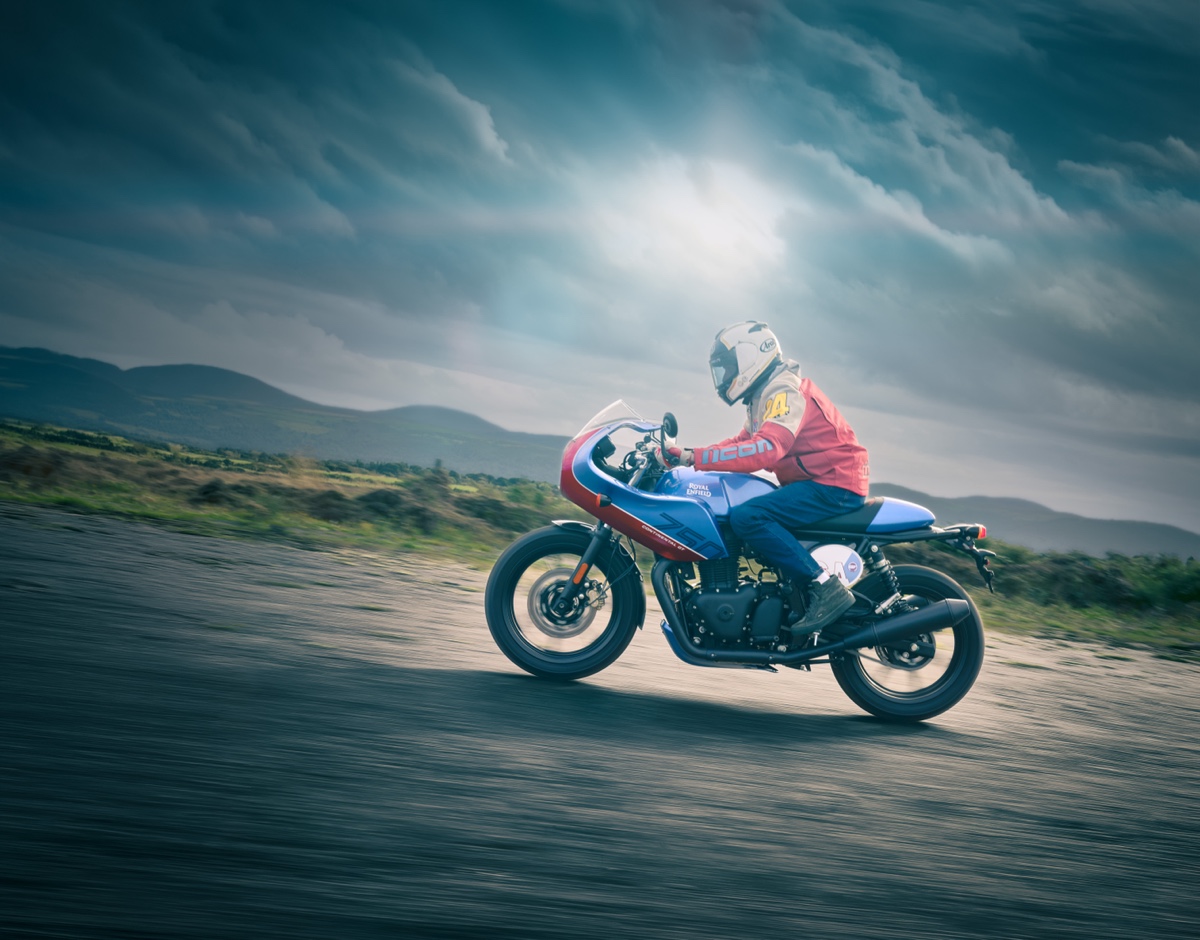 Now, Royal Enfield is preparing to take the Continental GT into a new era. Unveiled at EICMA 2026 in Milan, the Royal Enfield Continental GT 750 brings a larger 743cc parallel-twin engine, improved braking, and more contemporary styling to the company’s beloved café racer platform.
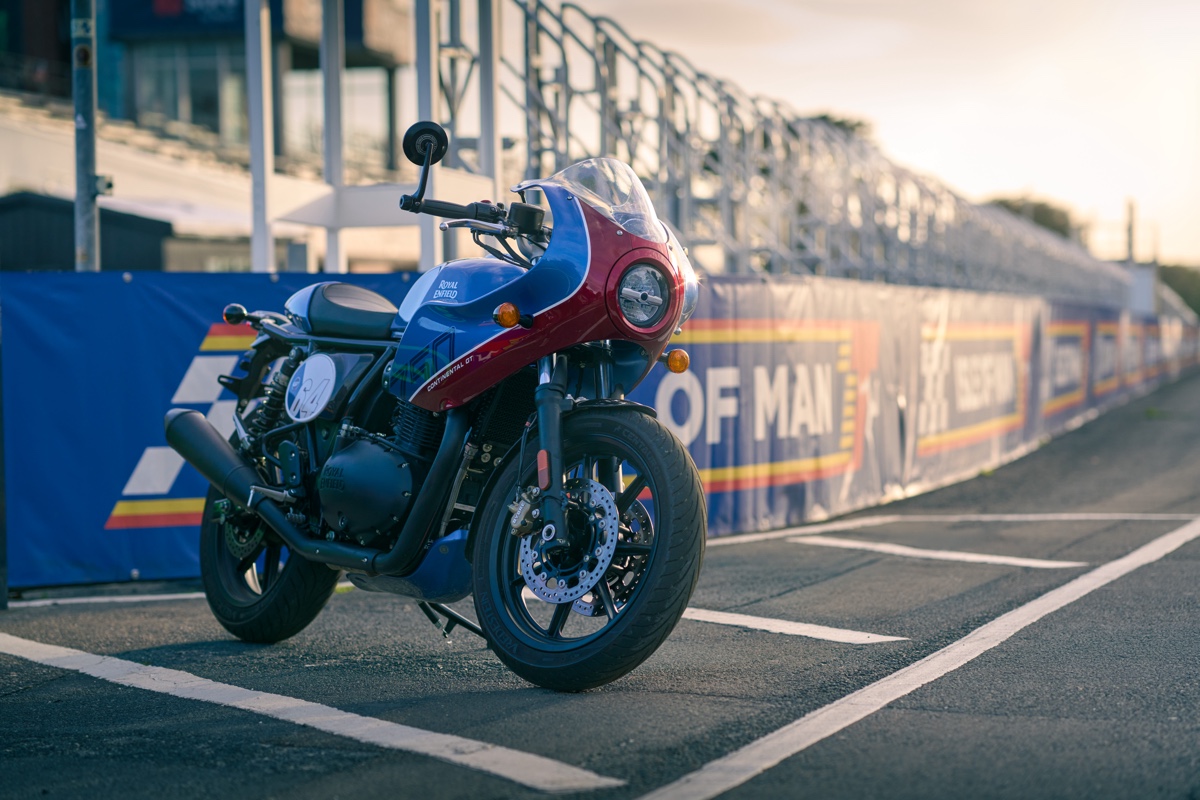 It will be offered in both faired and unfaired versions, giving riders a choice between classic café styling and a more aggressive, race-inspired machine. Perhaps most significantly, Royal Enfield says the GT 750 will become its highest-performance production motorcycle to date.
A New Chapter in the Continental GT Story
 The Continental GT name has a particularly rich history, beginning with the original 250cc Continental GT introduced in Britain in 1964. With its low handlebars, distinctive fiberglass fuel tank, racing-style seat, and rear-set foot controls, the little single was among the first factory-built café racers, allowing young riders to purchase a motorcycle that looked ready for a Sunday morning burn-up straight from the showroom.
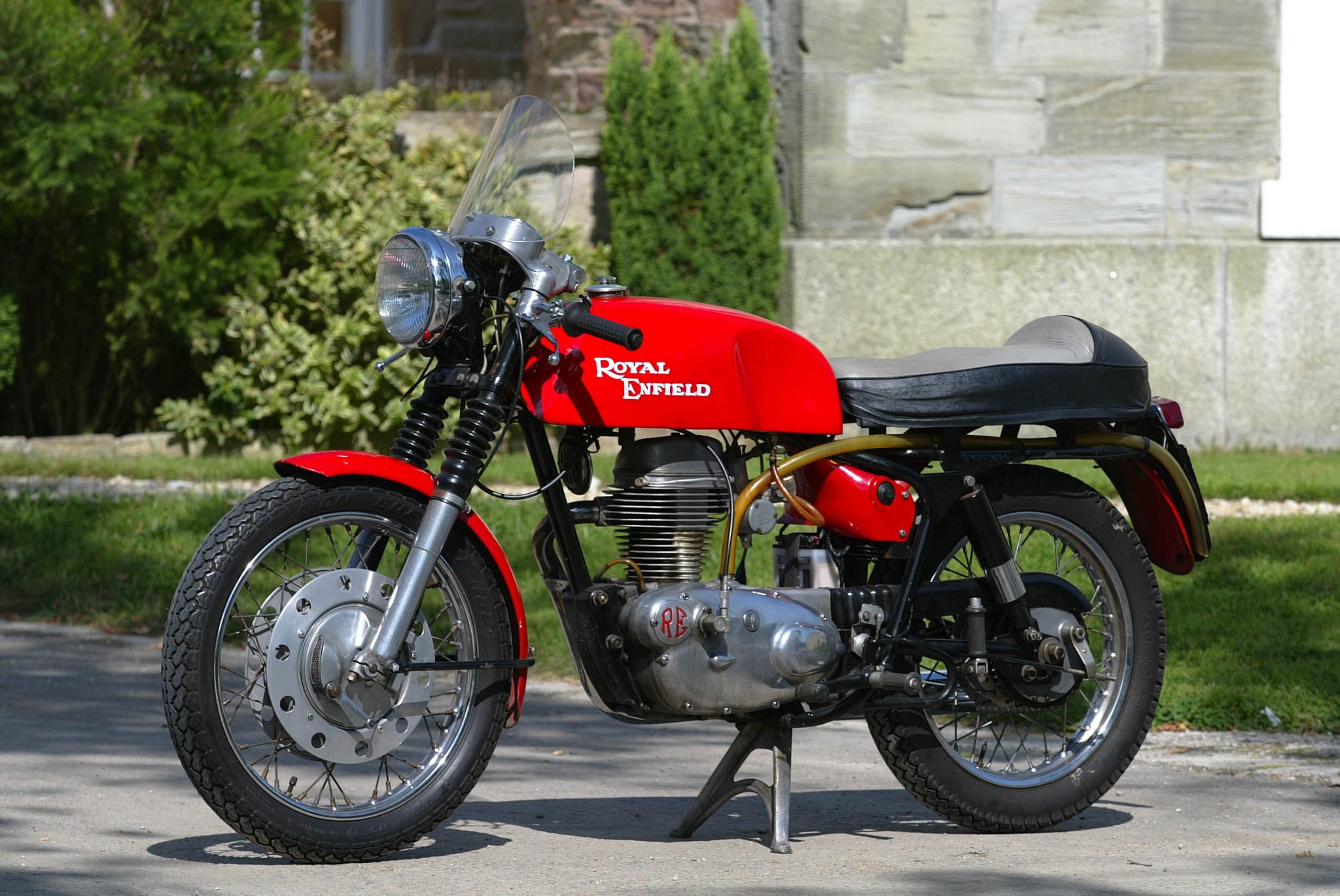
Nearly half a century later, Royal Enfield revived the name with the Continental GT 535, unveiled in 2013. Developed with input from British design specialists Xenophya and Harris Performance, the 535 combined classic café racer styling with a modern fuel-injected single-cylinder engine and a purpose-built chassis.
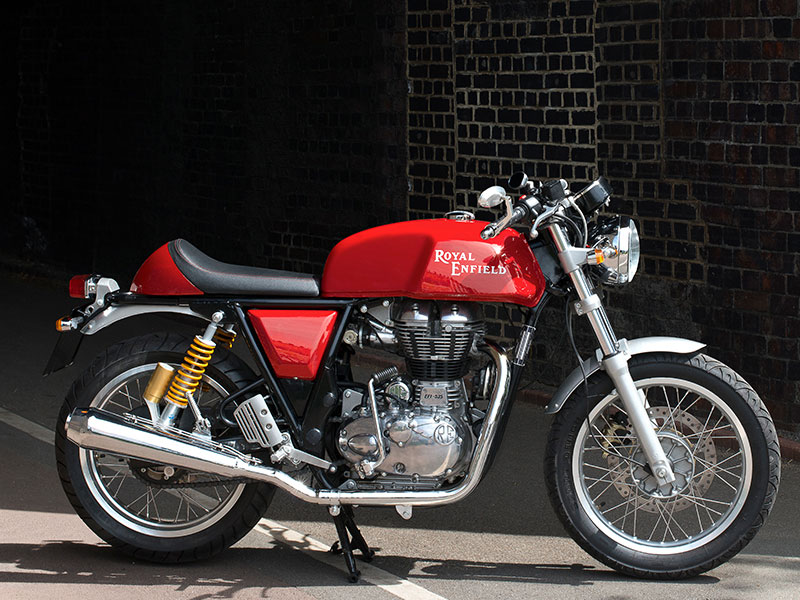
The Continental GT 650 followed in 2018, introducing Royal Enfield’s new 648cc air/oil-cooled parallel-twin engine. With a claimed 47 horsepower, six-speed transmission, and beautifully traditional styling, the GT 650 became a favorite among riders looking for the simplicity and character of a vintage British café racer without the maintenance headaches of a 50-year-old machine.
The 650 also proved a popular foundation for custom builders, who embraced its straightforward mechanical layout and classic proportions to produce innumerable Continental GT customs. Now comes the Continental GT 750, promising the most substantial performance upgrade in the model’s modern history.
New 743cc Parallel-Twin Engine
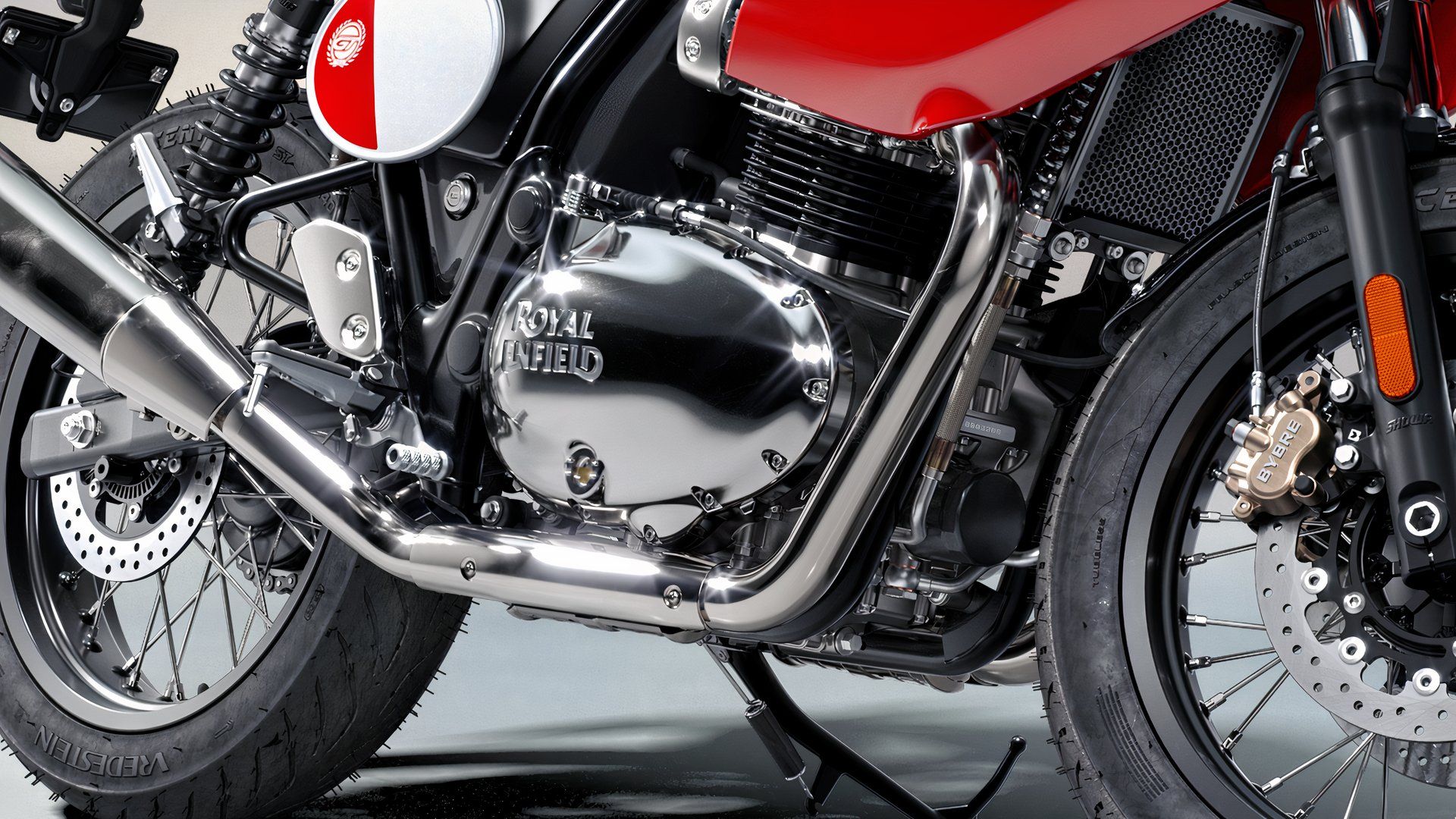
At the heart of the GT 750 sits Royal Enfield’s new 743cc air/oil-cooled parallel-twin, shared with the recently unveiled Himalayan 750 adventure bike. However, the two motorcycles will not receive identical engine tuning. Royal Enfield describes the Continental GT’s powerplant as an uprated version of the new twin, developed to deliver greater performance than its adventure-oriented sibling.
 For reference, the Himalayan 750 produces a claimed 55 horsepower and 63 Nm (46.5 lb-ft) of torque. Royal Enfield has not yet released horsepower or torque figures for the Continental GT 750, although the company’s statement that it will be its most powerful production motorcycle suggests a meaningful step beyond the current GT 650.
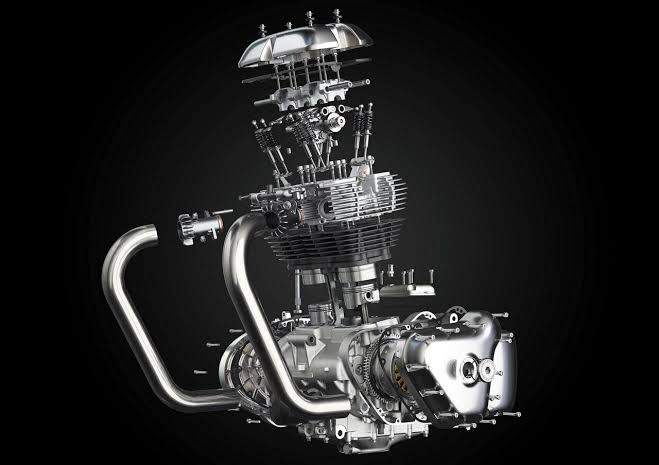
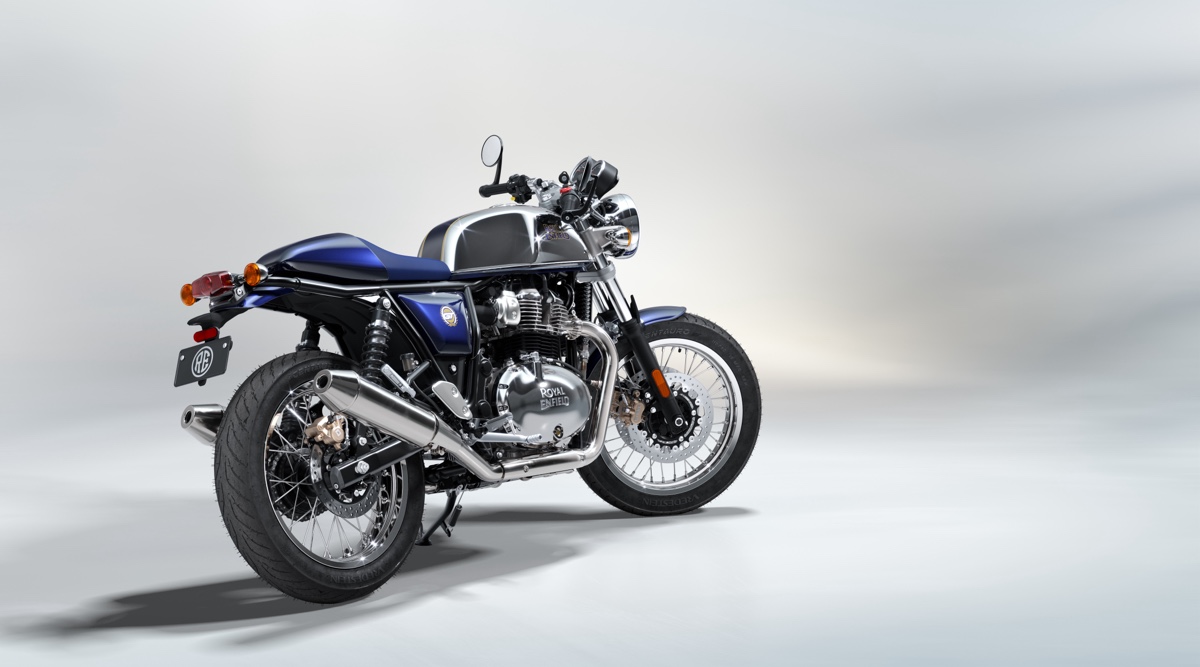
Interestingly, the two 750s also differ in their mechanical configurations. While the Himalayan employs electronic throttle control and a two-into-one exhaust system, the GT 750 displayed at EICMA features a cable-operated throttle and traditional twin exhausts. The separate exhausts have long been a defining visual characteristic of the Continental GT, and their retention helps preserve the symmetrical, old-school appearance of the motorcycle.
Just how much stronger the new 750 will feel on the road remains to be seen. The GT 650’s relatively modest 47 horsepower has always been part of its charm, but riders have long wished for a little more acceleration and passing power, particularly at highway speeds. The larger twin promises to deliver exactly that, hopefully without sacrificing the smooth power delivery and mechanical character that have made Royal Enfield’s parallel-twins so popular.
Two Versions: Faired and Unfaired
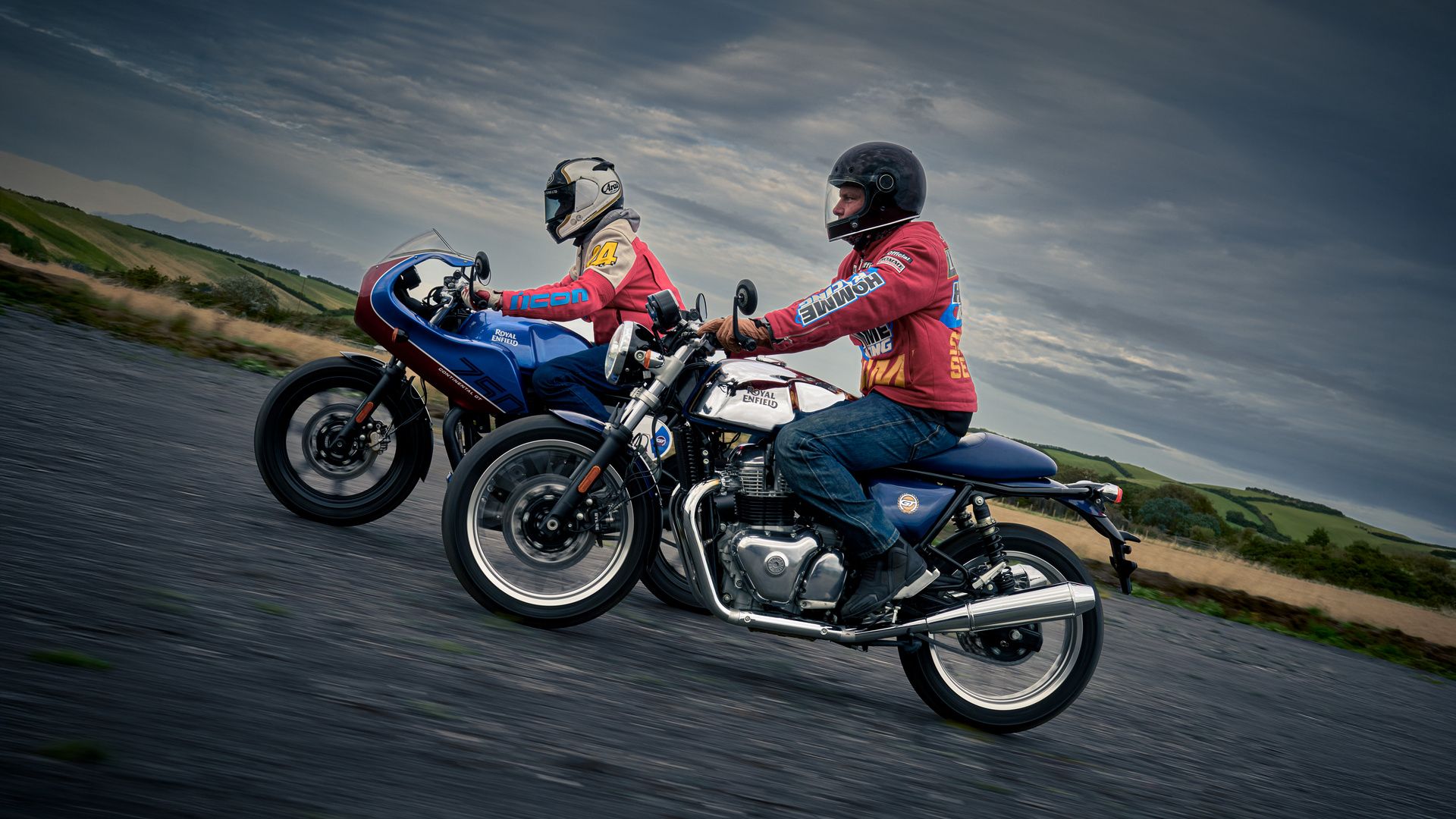
One of the most exciting developments is Royal Enfield’s decision to offer the Continental GT 750 in two distinct configurations.
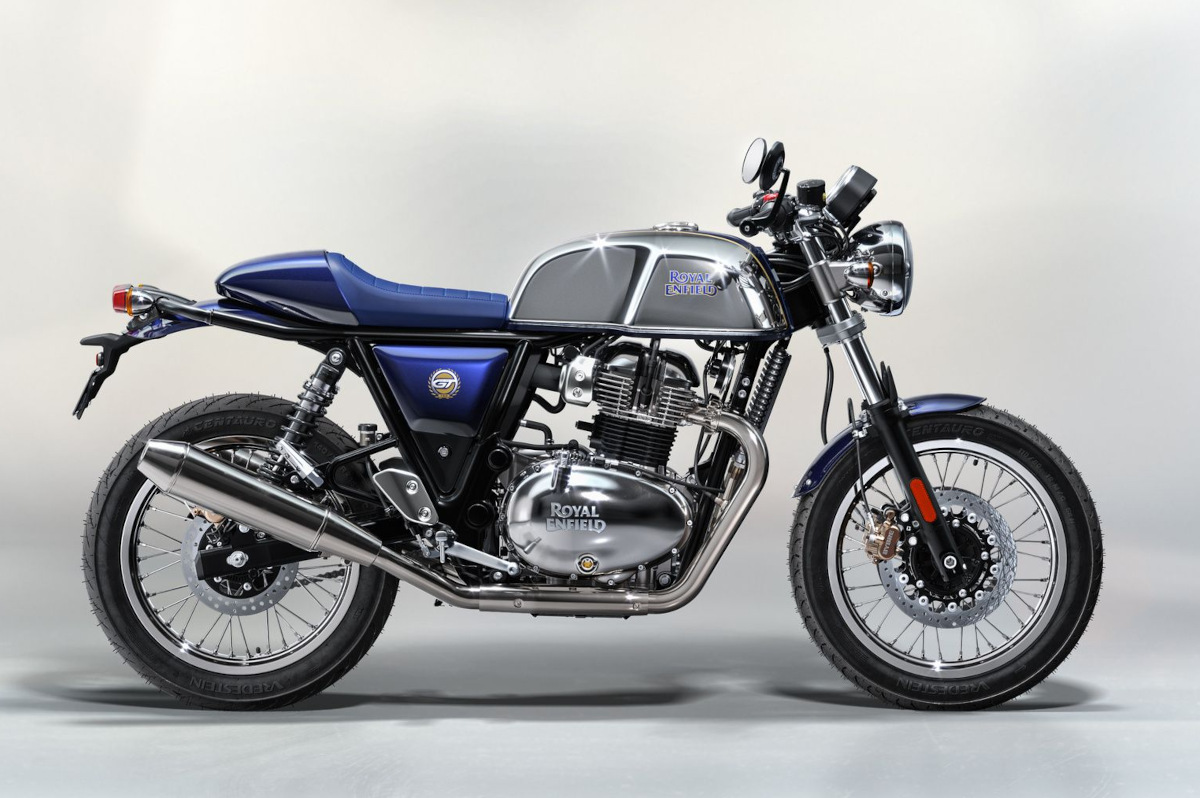
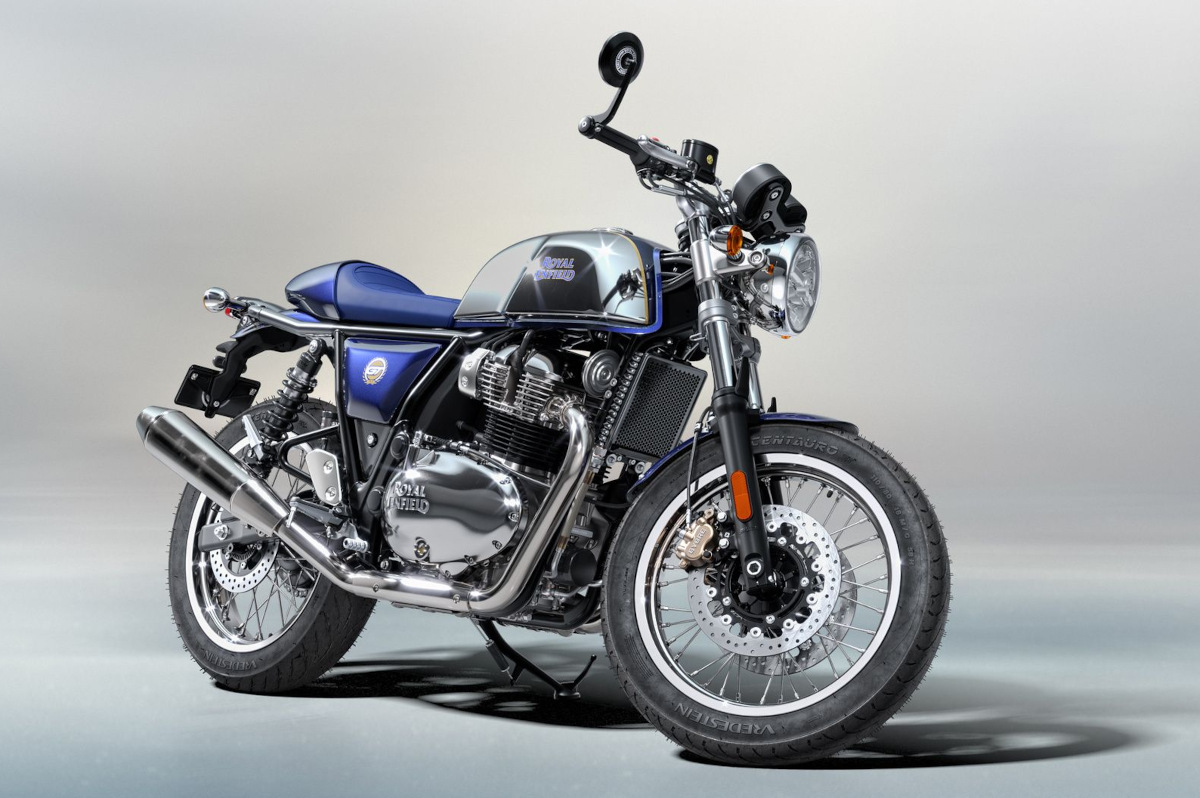
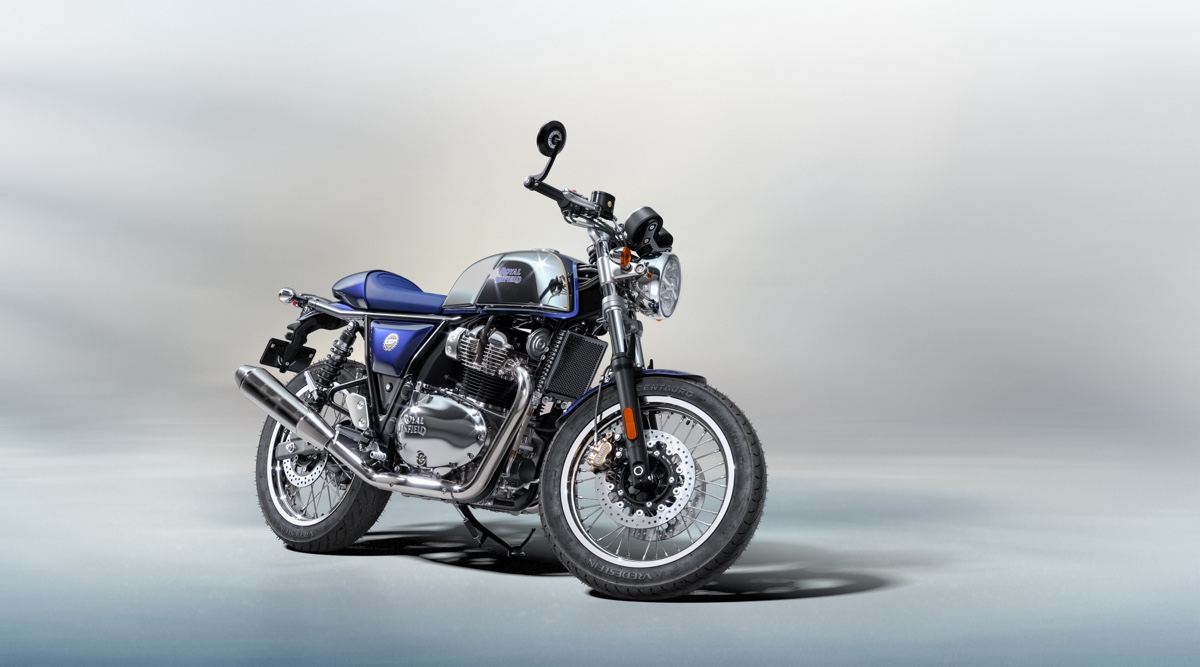
The unfaired GT 750 retains the traditional silhouette of the Continental GT 650, with a sculpted fuel tank, exposed engine, round headlight, and relatively upright café racer riding position. Shown at EICMA in a gorgeous chrome-heavy finish called Master Clean, it’s the more traditional choice, with the kind of timeless styling that has made the Continental GT such a favorite among retro motorcycle enthusiasts.
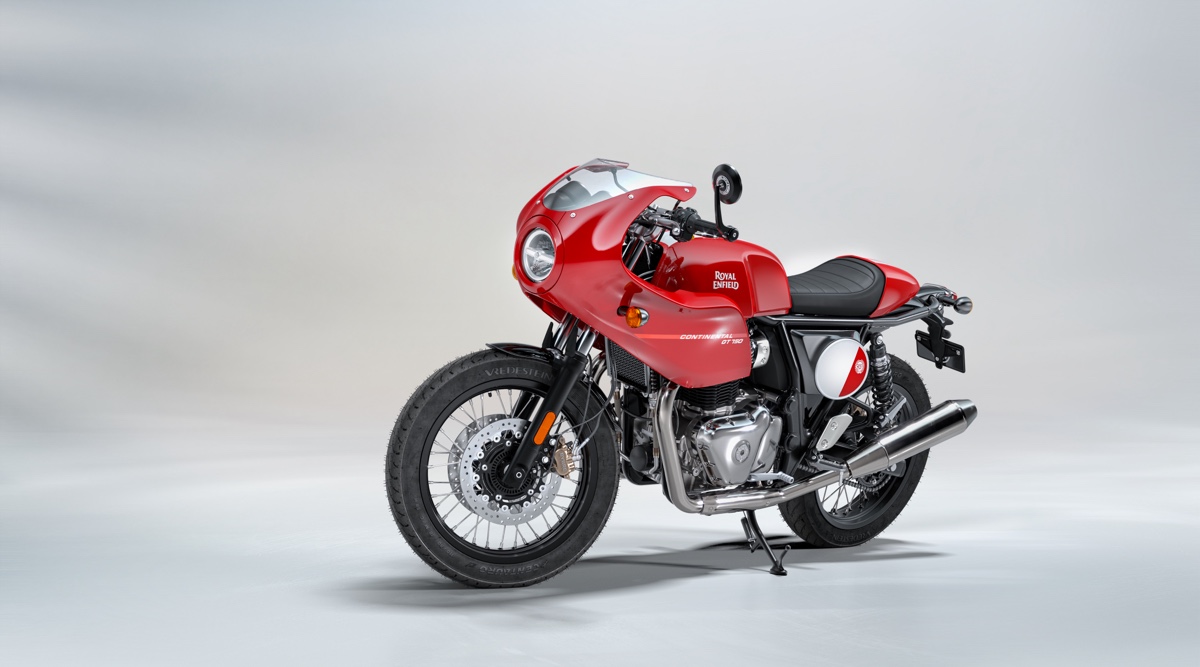
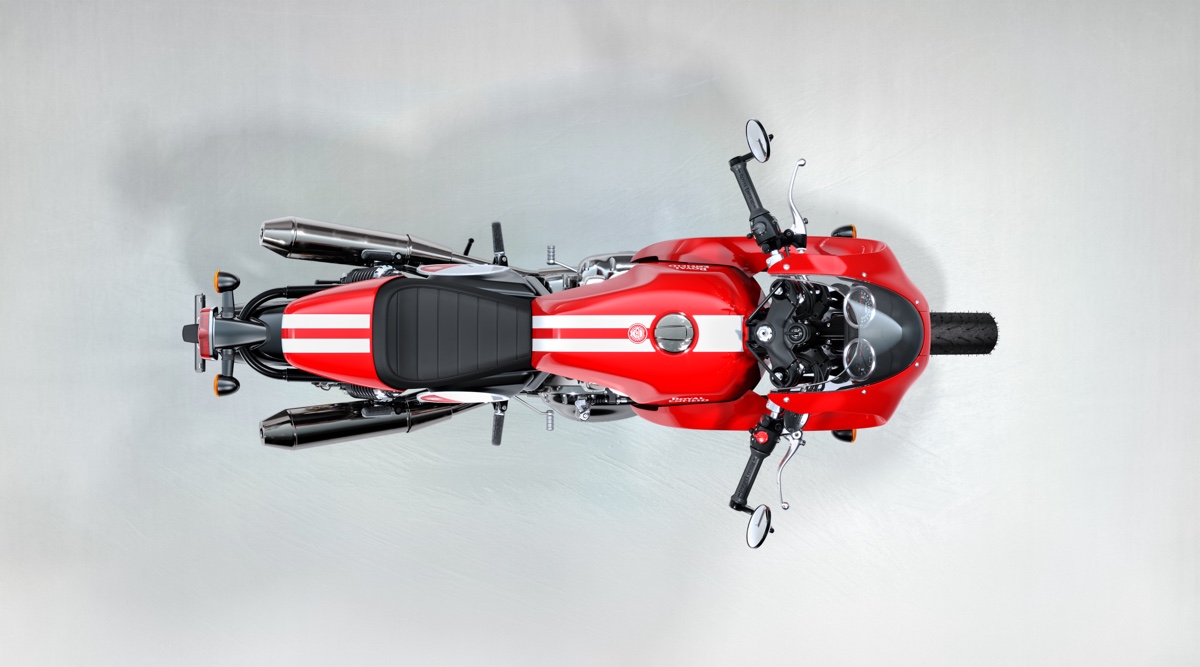
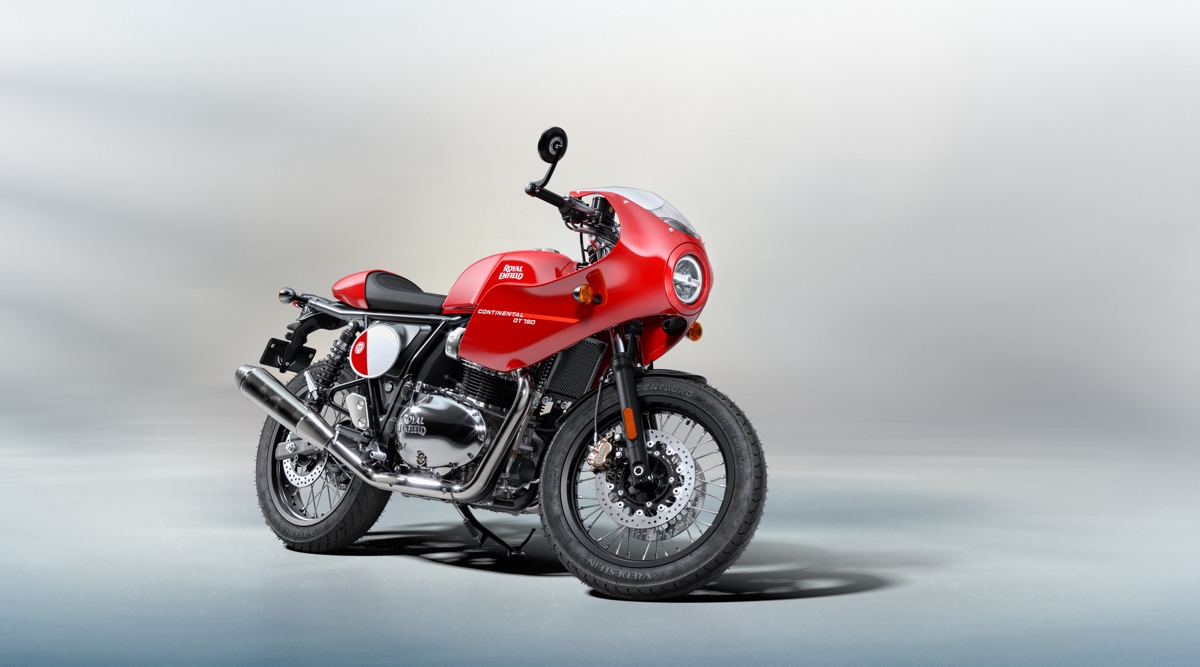
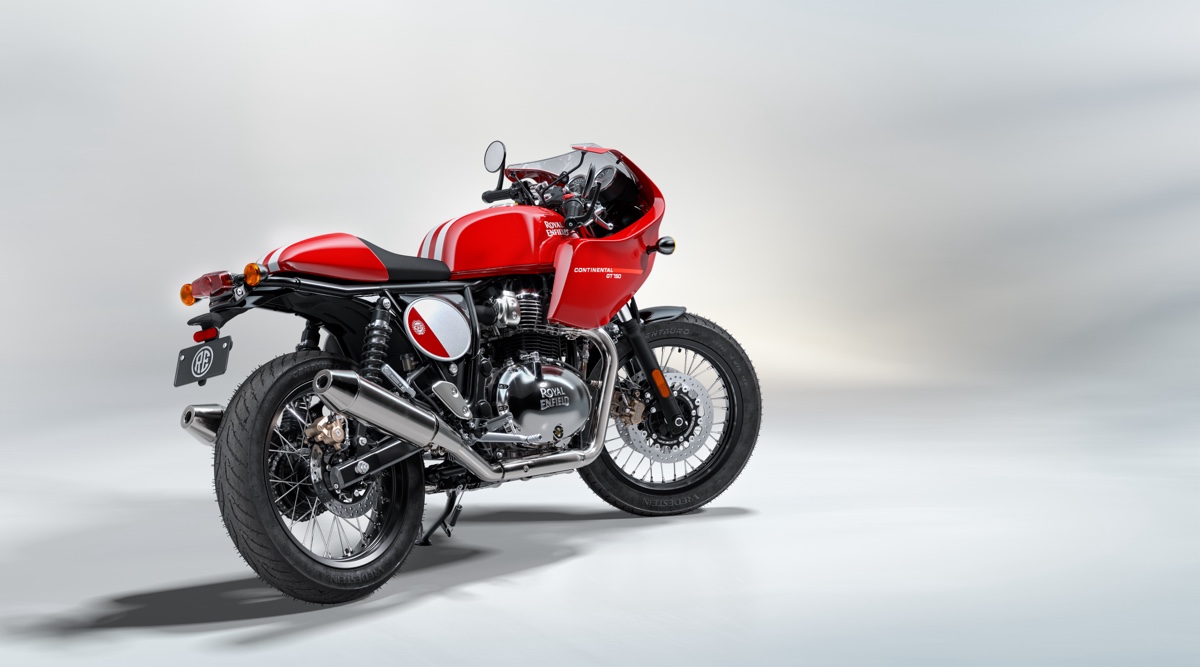
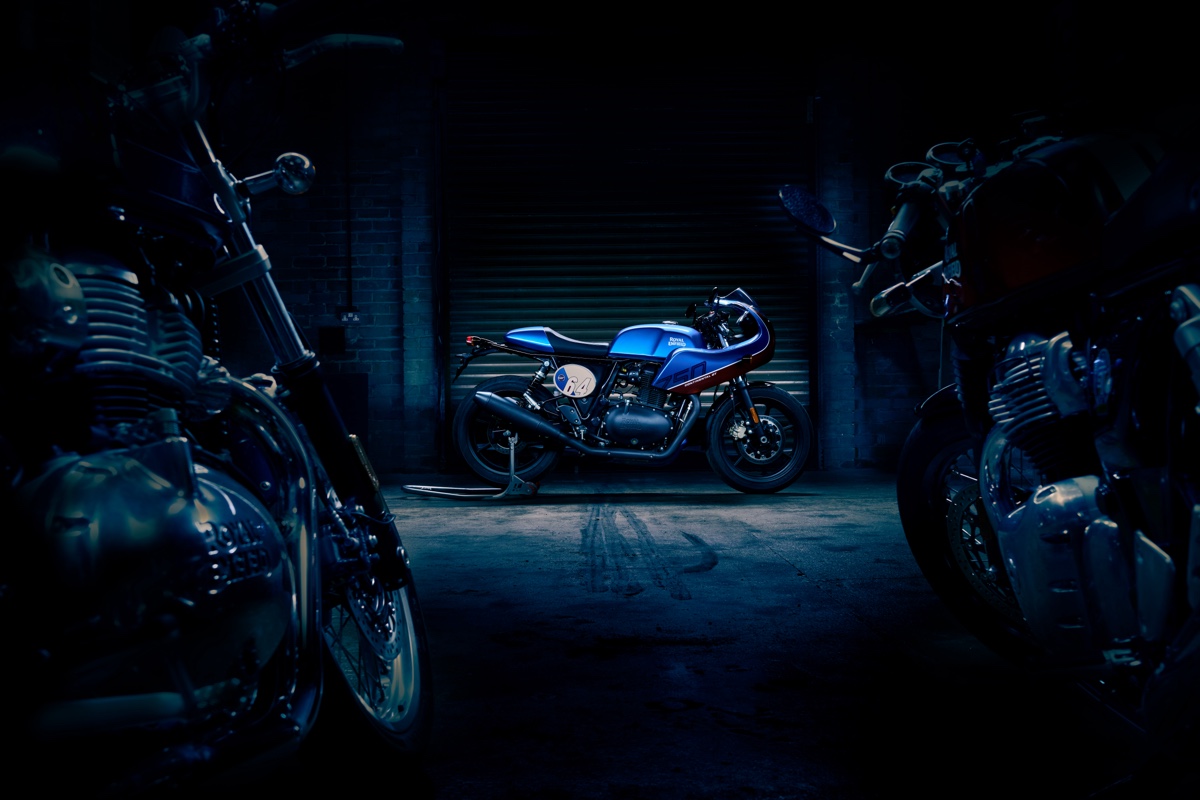
The faired GT 750, meanwhile, takes a more aggressive approach. A compact quarter fairing surrounds the headlight, while lower handlebars place the rider in a sportier, more forward-leaning position. The faired models were displayed in two striking color schemes: Red Line, with red-and-white racing-inspired graphics, and TT Blue, which combines classic café racer styling with a more contemporary appearance. Both versions feature the familiar Continental GT fuel tank shape, a relatively minimalist rear section, and a seat cowl that evokes the racing machines of the 1960s and ’70s.
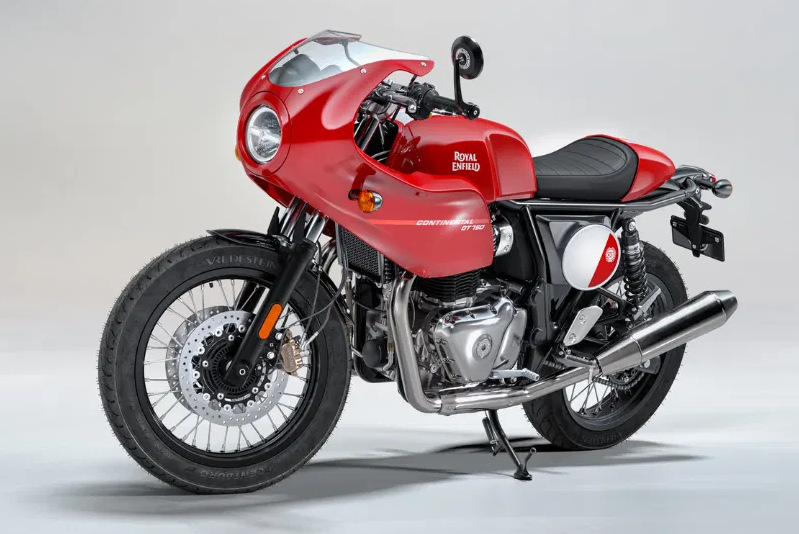
The faired version is particularly interesting in light of Royal Enfield’s recent involvement in one-make racing. In 2025, the company displayed a race-oriented GT-R 750 development machine, complete with racing bodywork, sponsor graphics, and competition hardware. Although the production-intended GT 750 is a different motorcycle, the influence of that racing project is apparent in the new faired model.
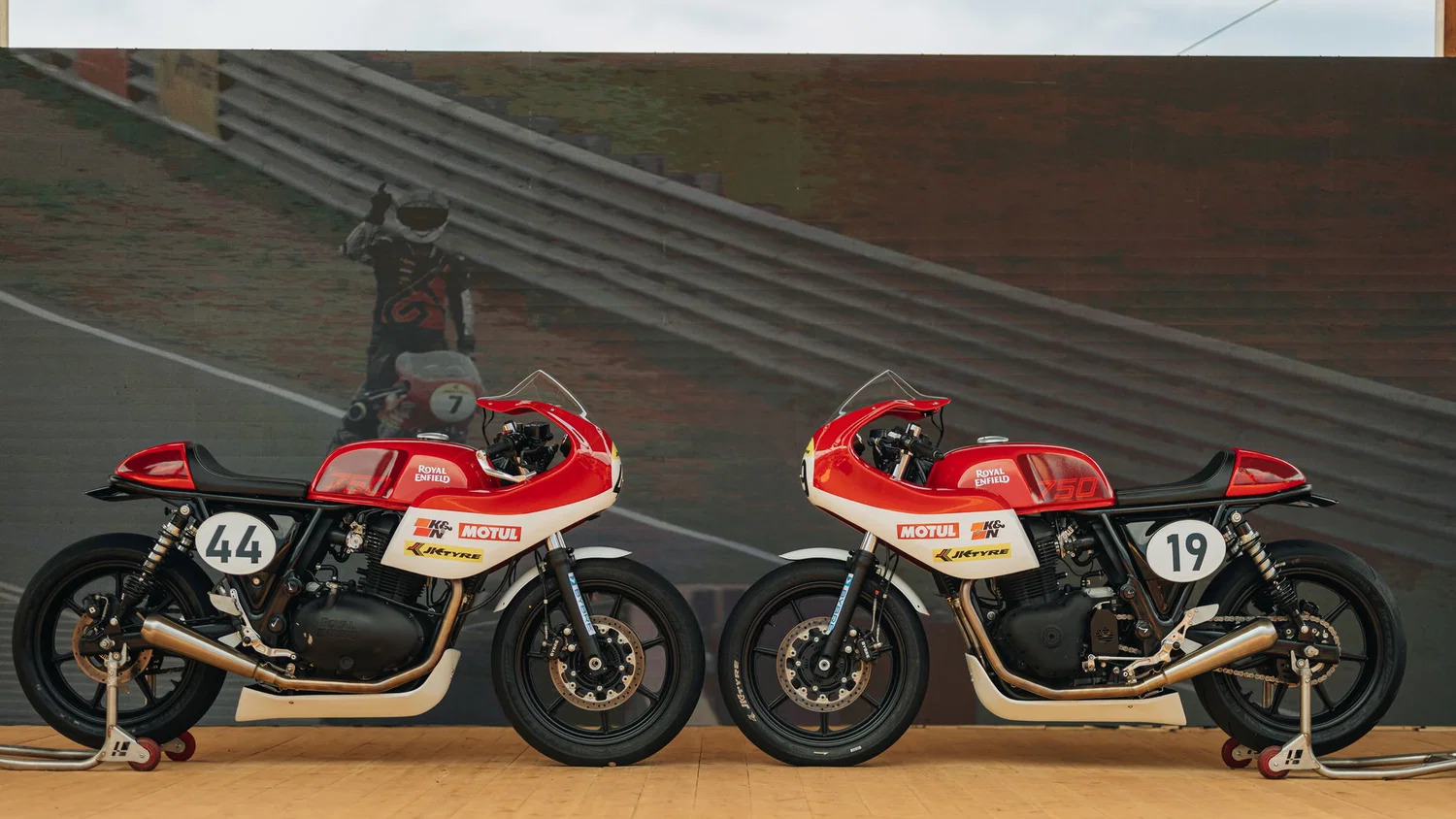
For enthusiasts who have long dreamed of a factory-built Continental GT with a little more performance and a proper racing fairing, Royal Enfield appears to have answered the call.
Upgraded Chassis, Suspension, and Brakes
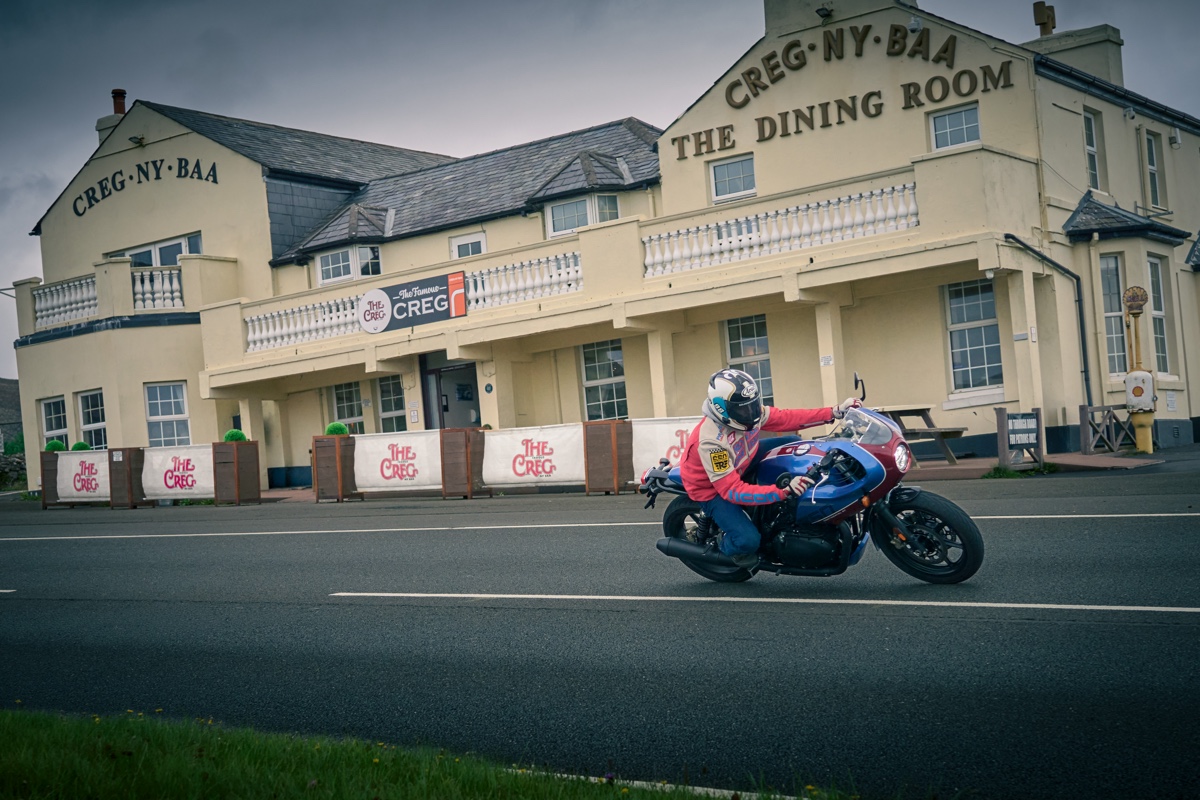 The larger engine isn’t the only significant change. The Continental GT 750 displayed at EICMA features a traditional telescopic front fork and twin rear shock absorbers, maintaining the classic chassis layout of its predecessor. However, the new motorcycle also introduces a number of upgrades, most notably twin front brake discs in place of the GT 650’s single-disc arrangement — a welcome improvement for riders who enjoy pushing their motorcycles on winding backroads.
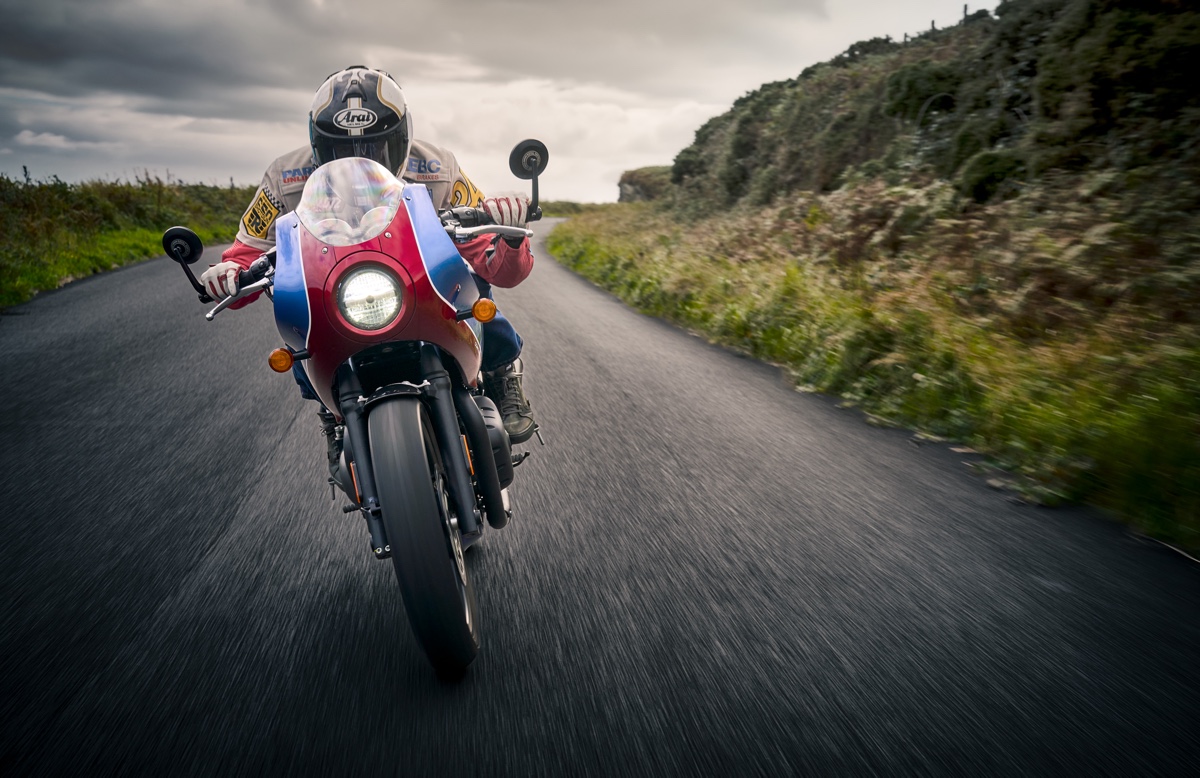
The GT 650’s braking system has generally been adequate for its performance, but the additional power and sporting aspirations of the 750 make the move to twin discs a logical development.
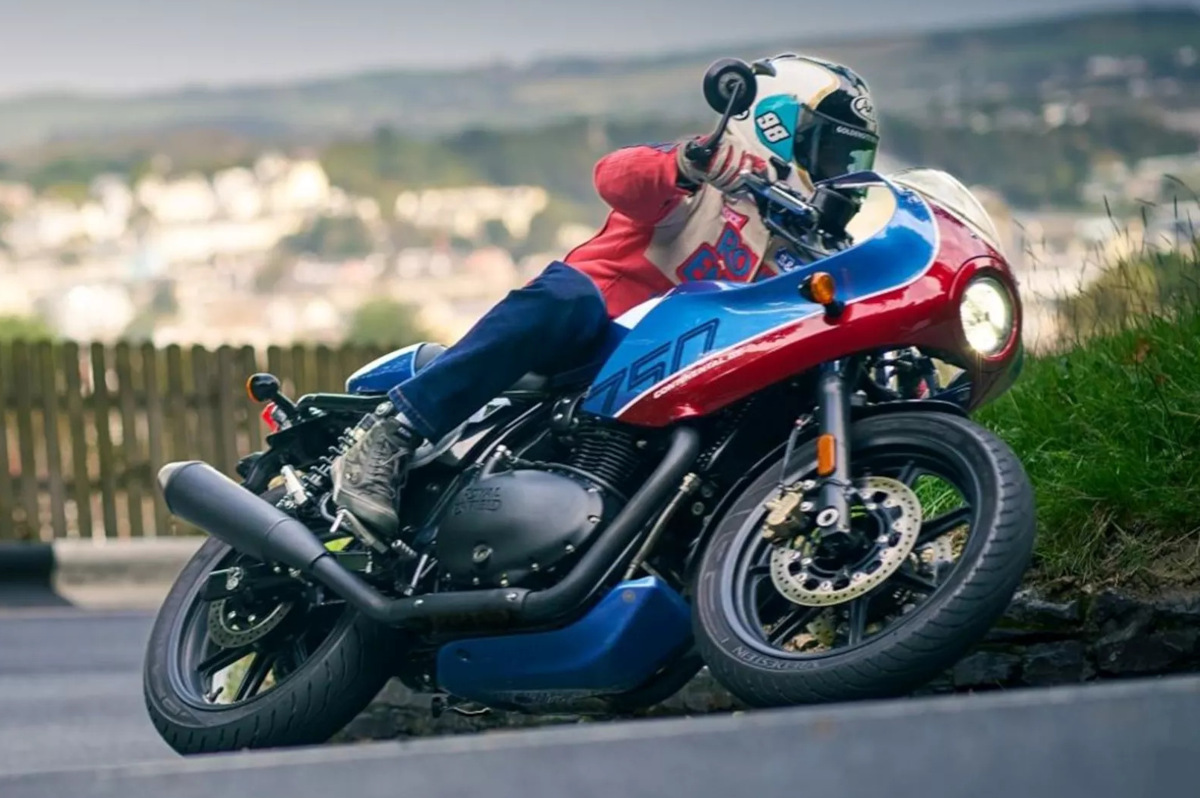
The GT 750 also retains 18-inch wheels at both ends, with both wire-spoke and cast-alloy versions displayed at EICMA. The TT Blue faired model was shown with alloy wheels and tubeless tires, while the other display bikes wore traditional wire-spoke wheels.
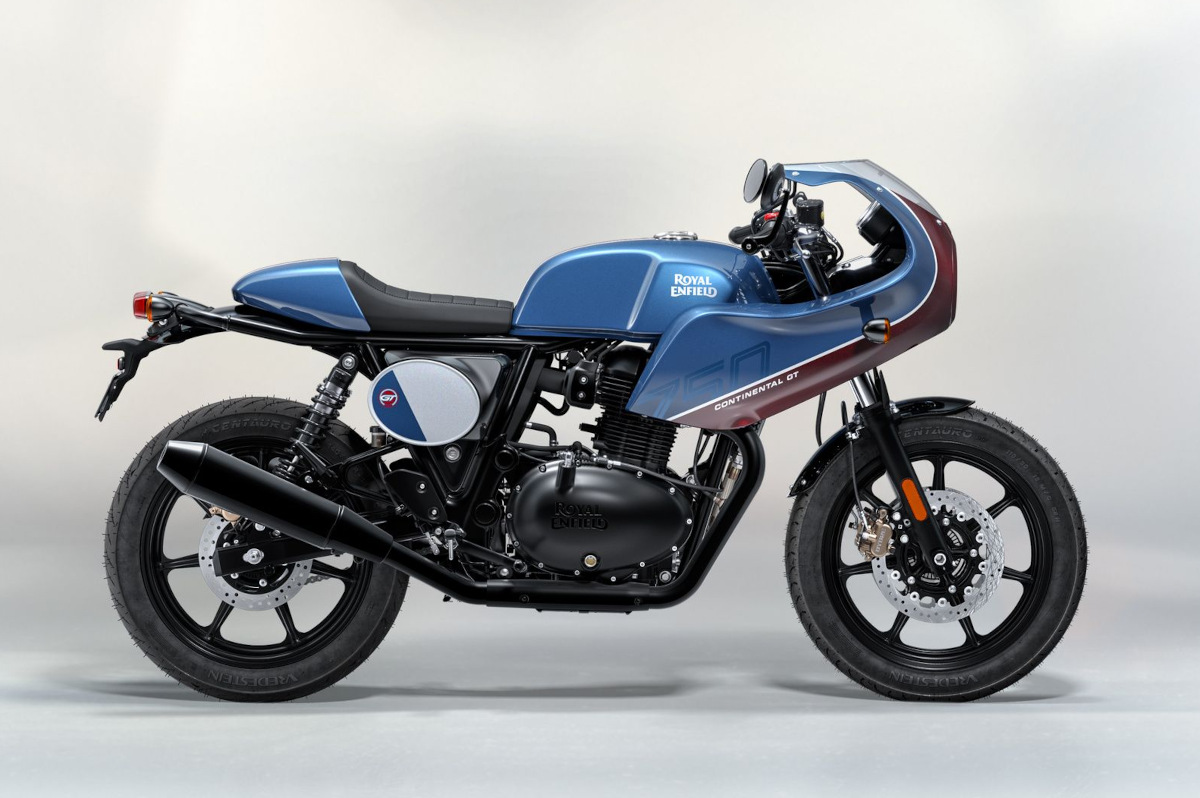 These details suggest Royal Enfield is aiming for more than a simple big-bore version of the GT 650. The new motorcycle appears intended to offer sharper handling, stronger braking, and a more engaging sporting experience while retaining the approachable character of the original.
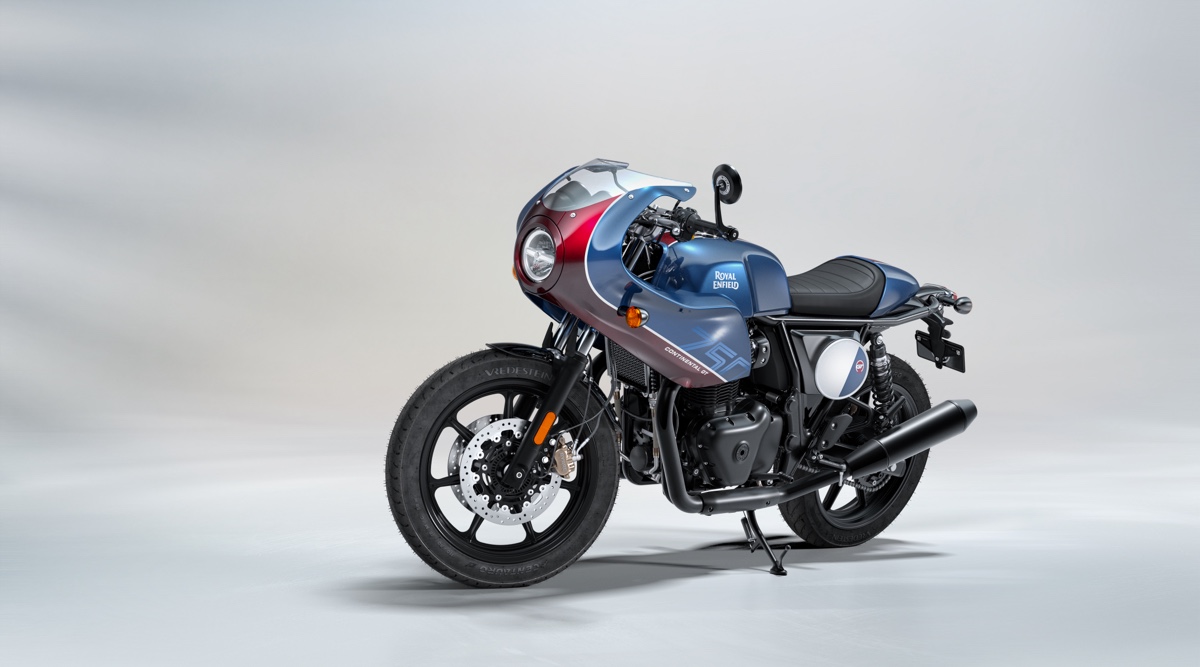 One important question remains unanswered: weight. The current Continental GT 650 weighs a claimed 472 pounds ready to ride, making it a relatively substantial machine for its modest displacement and power. Royal Enfield has not yet published a curb weight for the GT 750, and the extent to which the new chassis and components might offset the additional weight of the larger engine remains unknown. For riders interested in genuine café racer performance, the final weight figure could prove almost as important as the engine’s horsepower output.
Old-School Character, Modern Instrumentation
Royal Enfield has also taken an interesting approach to the GT 750’s electronics. Rather than fitting a large, fully digital dashboard, the company has developed a hybrid twin-pod instrument cluster that combines classic analogue-style displays with integrated TFT technology. The result preserves the traditional twin-gauge appearance familiar to Continental GT owners while offering the functionality and information expected of a modern motorcycle.
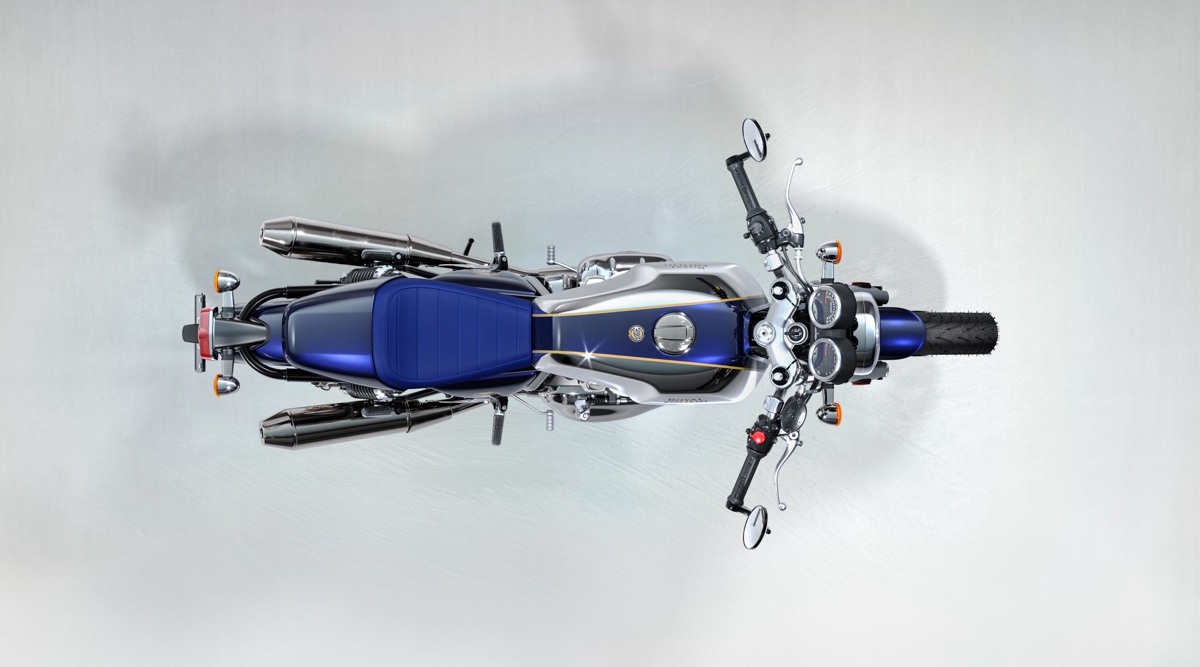
Royal Enfield has emphasized that the GT 750 will retain an intentionally analogue riding character, with electronic technology incorporated only where it enhances the experience. It’s an approach that seems particularly appropriate for a café racer. After all, part of the appeal of these motorcycles has always been the direct mechanical connection between rider and machine, without an overwhelming array of electronic systems getting in the way. Full details of the GT 750’s electronic equipment have yet to be announced.
Royal Enfield Continental GT 750: Preliminary Specifications
| Specification | Details |
|---|---|
| Engine | 743cc air/oil-cooled parallel twin |
| Horsepower | Not yet announced |
| Torque | Not yet announced |
| Exhaust | Twin exhaust system |
| Front suspension | Conventional telescopic fork |
| Rear suspension | Twin shock absorbers |
| Front brakes | Dual discs |
| Wheels | 18-inch front and rear |
| Wheel options | Wire-spoke and cast alloy |
| Instrumentation | Hybrid twin-pod TFT |
| Versions | Faired and unfaired |
| Colors shown | Red Line, TT Blue, Master Clean |
| Wet weight | Not yet announced |
| Price | Not yet announced |
| U.S. availability | Not yet confirmed |
Specifications reflect Royal Enfield’s EICMA 2026 announcement and equipment observed on the displayed motorcycles. Final production specifications may differ.
Continental GT 750 Price and Availability
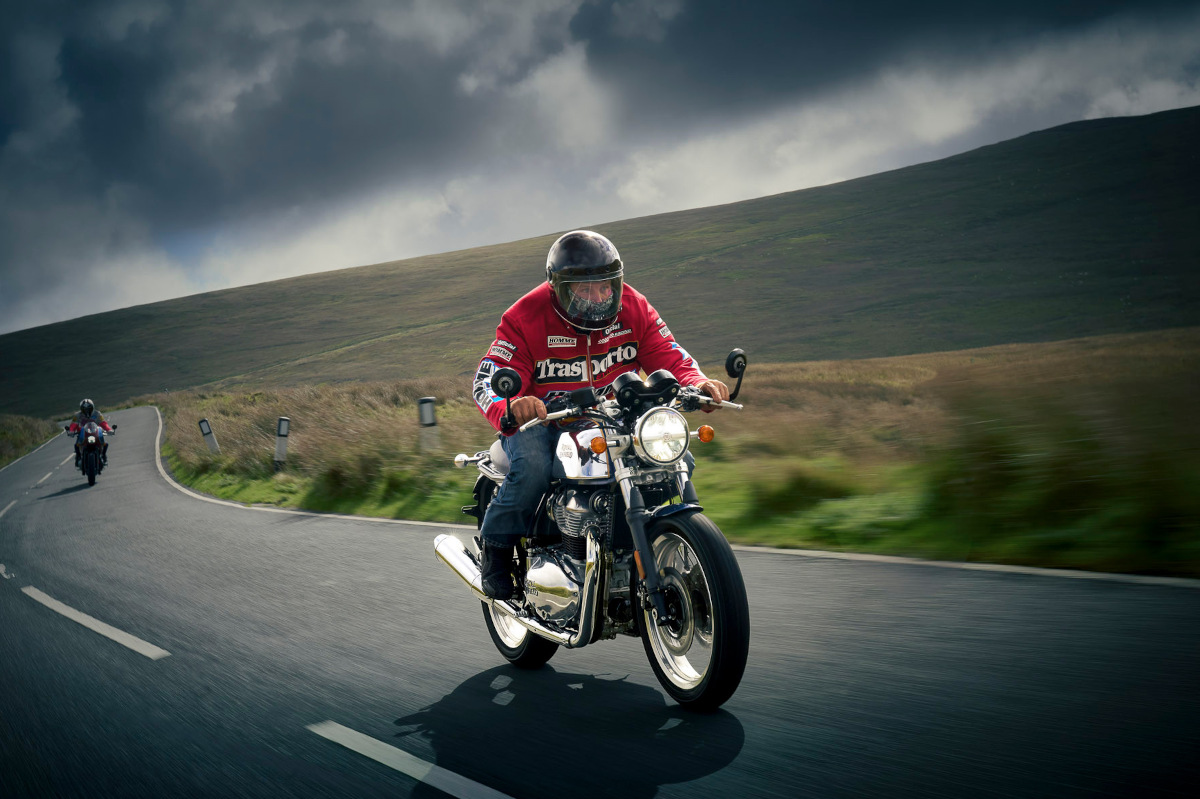
Royal Enfield has not yet announced pricing or a firm global launch schedule for the Continental GT 750. However, the company has confirmed that the new café racer is expected to reach the UK market in 2027. Specific launch dates and North American pricing and availability remain unconfirmed.
Pricing will be particularly interesting. The Continental GT 650 has earned a devoted following in large part because it offers an authentic café racer experience at a fraction of the cost of many European alternatives. If Royal Enfield can maintain that value proposition with the new GT 750, it could have a particularly compelling machine on its hands. The company has also not confirmed whether the GT 750 will eventually replace the GT 650 or be sold alongside it.
A New Era for Royal Enfield’s Café Racer
 The Continental GT 750 represents an important step forward for Royal Enfield. While the company has expanded its lineup considerably in recent years, its motorcycles have generally favored accessible performance, mechanical simplicity, and classic styling over outright speed.
 The new GT suggests that philosophy isn’t changing so much as evolving. With a larger engine, stronger brakes, sportier ergonomics, and a choice of faired or unfaired bodywork, the Continental GT 750 promises to deliver the familiar Enfield experience with a little more urgency.
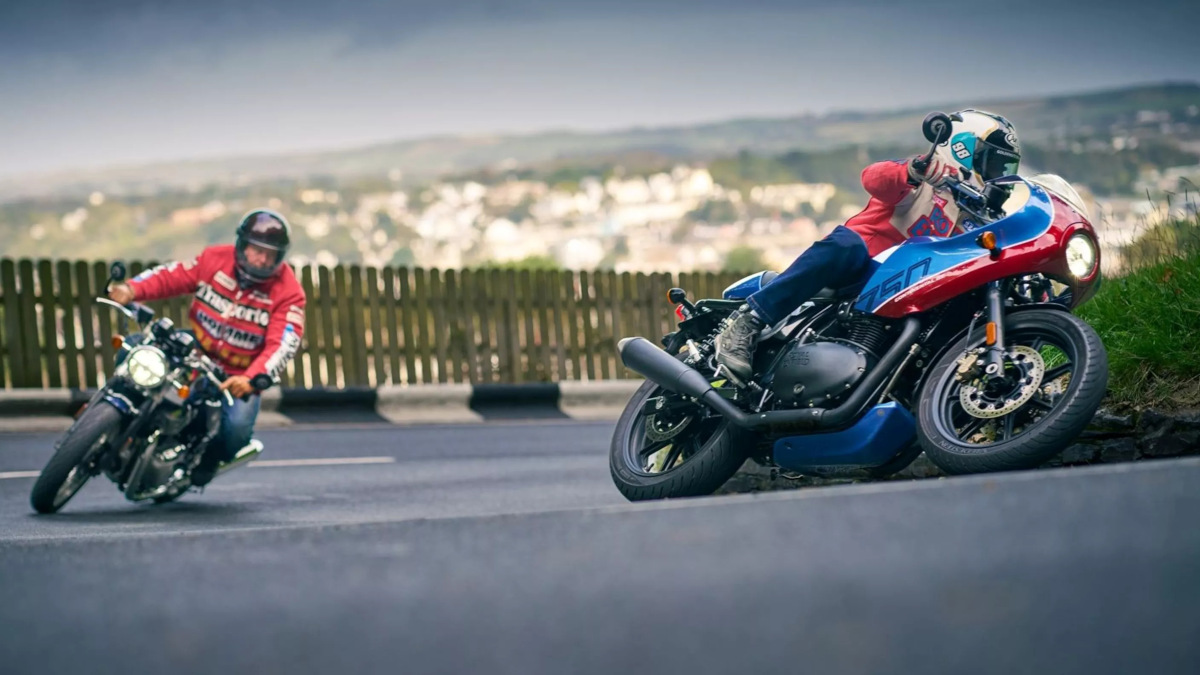 For café racer enthusiasts, that’s an exciting prospect. After all, the original café racers weren’t simply about looking good outside the local café. They were built to go faster, corner harder, and transform everyday motorcycles into something a little more exhilarating. If Royal Enfield can capture even more of that spirit with the GT 750, while preserving the affordability and mechanical charm of the GT 650, it may well have one of the most appealing factory café racers in years.
We’re eager to see the finished machine — and especially to find out just how much performance Royal Enfield has managed to extract from its new 743cc twin.


