

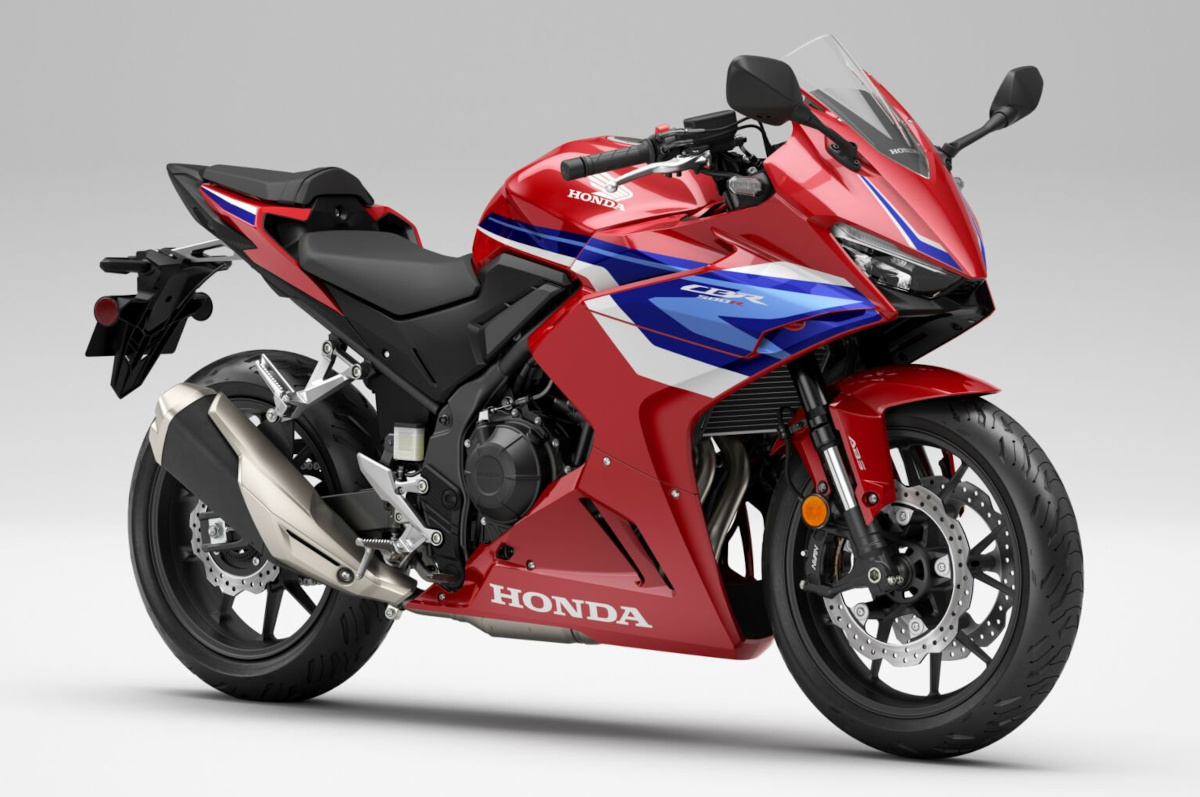
The Honda CBR500R is a modern sport bike that bridges the gap between beginner-friendly performance and real-world rideability. With a mid-displacement twin-cylinder engine, refined chassis, and a host of updates, it’s a compelling choice for riders who want sporty style without going overboard.
Design & Build
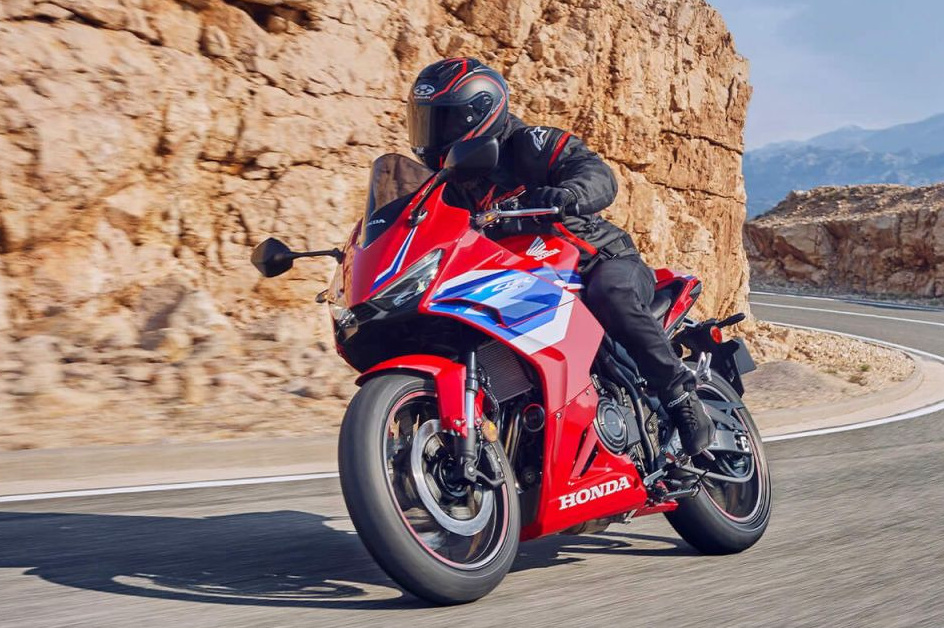
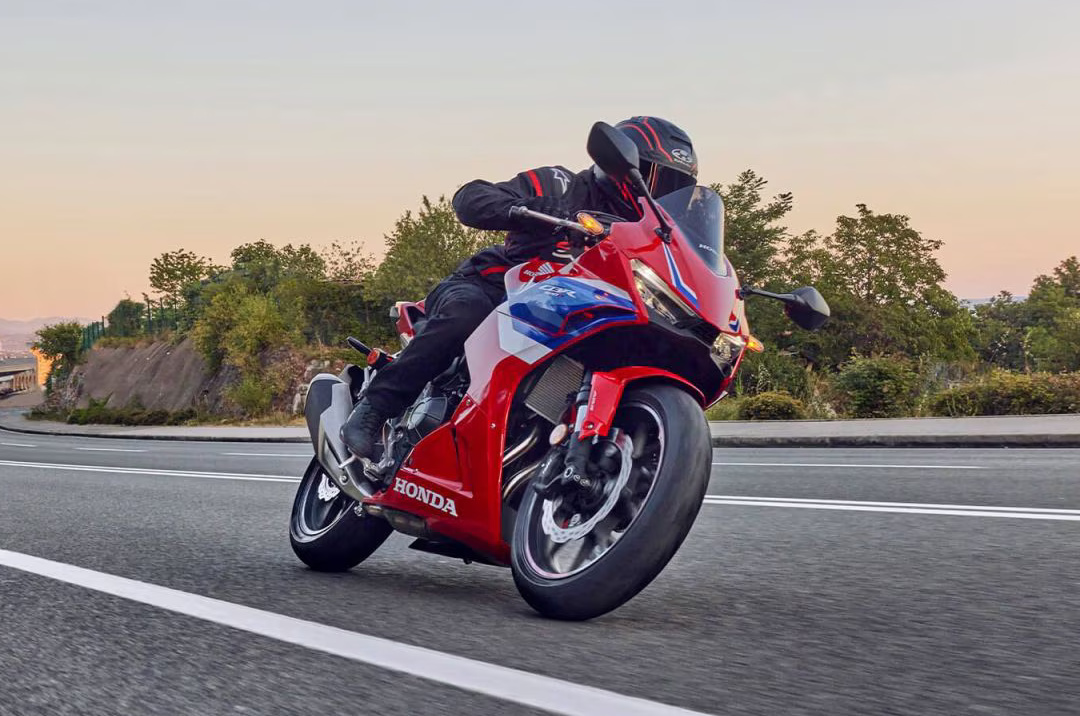
The CBR500R exudes Honda’s “Racing DNA.” Its fairings are aggressively styled, drawing clear inspiration from Honda’s flagship CBR series. The aerodynamic bodywork not only looks sporty but also helps with efficient airflow for cooling and rider comfort.
The frame is a diamond-shaped steel-tube design, giving the bike good rigidity while keeping weight manageable. Ergonomically, the rider’s position leans sport-oriented, but thanks to the relatively moderate clip-ons and seat design, it’s still comfortable enough for longer rides or everyday use.
Engine & Performance
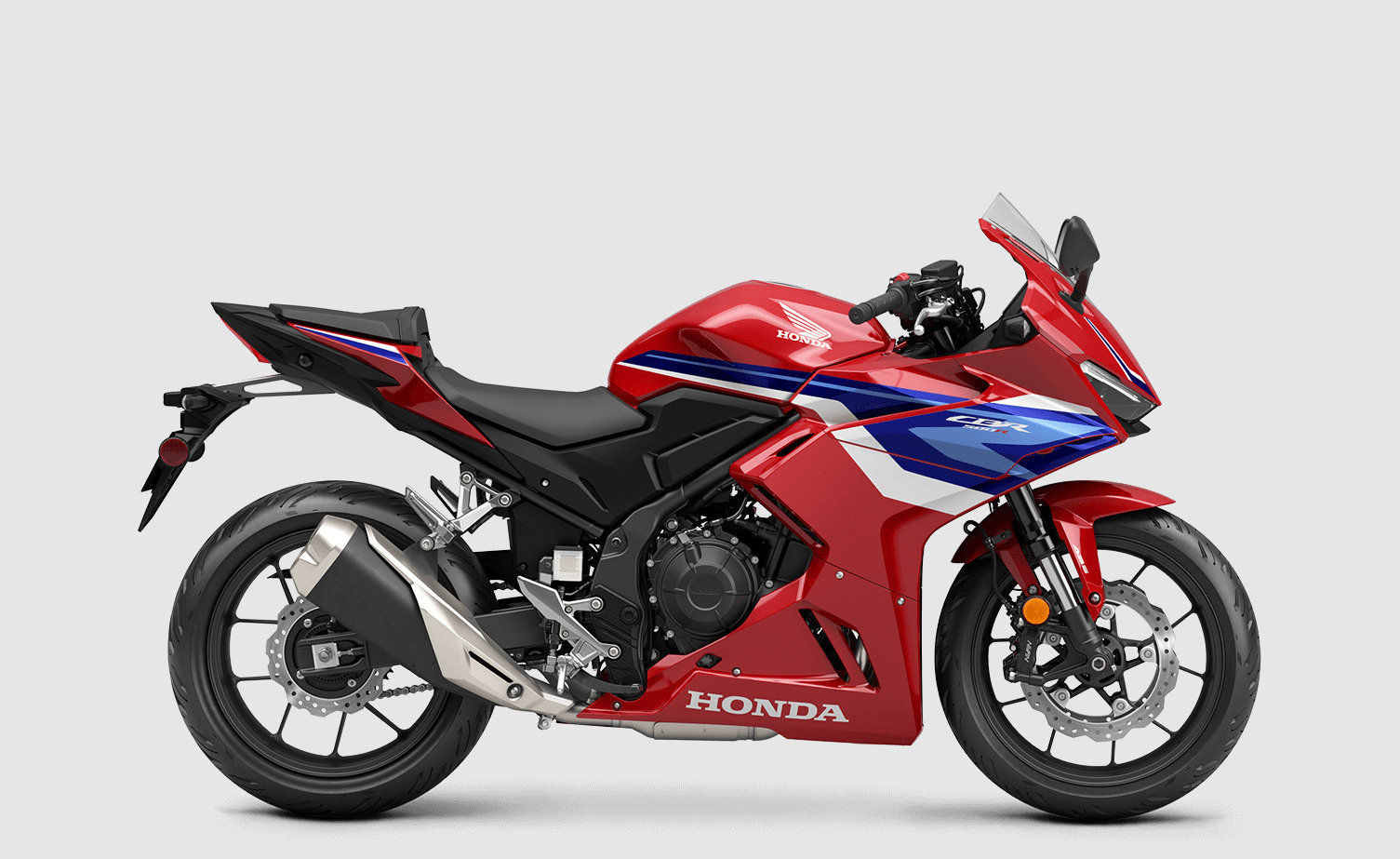
Under the fairing sits a 471cc liquid-cooled parallel-twin engine. According to Honda, the engine offers “accessible performance across all RPM ranges,” with a healthy balance of low-end torque and rev-happy character.
Key engine specs (2023/2024):
- Bore × stroke: 67.0 mm × 66.8 mm
- Compression ratio: 10.7:1
- Fuel system: PGM-FI with 34 mm throttle bodies
- Transmission: 6-speed manual, with chain final drive
- Clutch: Assist & slipper clutch, which reduces lever effort and helps with downshifting stability.
Depending on market:
- In Europe, the output is stated as 35 kW (~47 hp) at ~8,600 rpm.
- According to a Latin American spec sheet, it makes ~47 hp and 43 Nm of torque.
Chassis, Suspension & Brakes
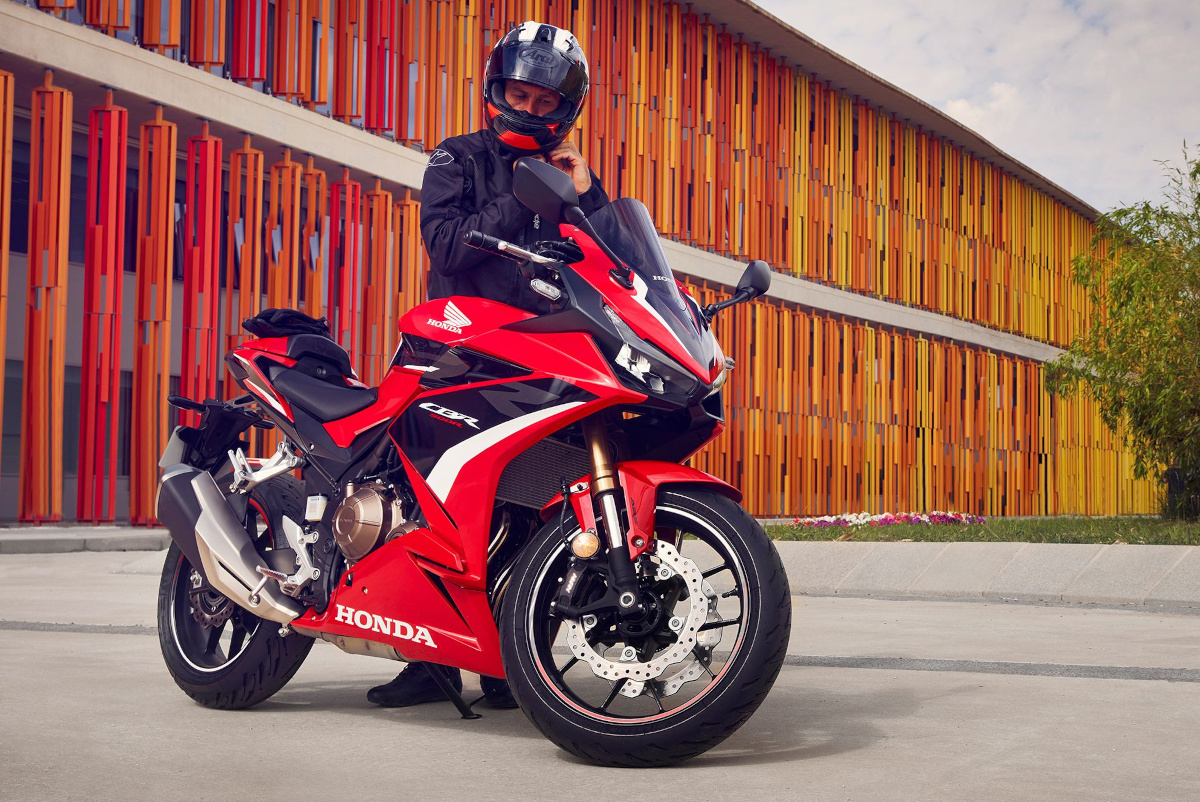
The CBR500R’s chassis is well thought out for both sporty riding and daily usability:
- Front Suspension: 41 mm inverted Showa SFF-BP fork — big-piston design offers rigidity, better feel, and precise handling.
- Rear Suspension: Showa Pro-Link monoshock with nine-stage preload adjustability.
- Front Brakes: Dual 296 mm discs with four-piston Nissin calipers and ABS.
- Rear Brake: Single 240 mm disc with ABS.
- Wheels / Tires: 17″ cast aluminum wheels with sporty tire sizes (120/70 front, 160/60 rear).
Honda also designed a lighter swingarm to help reduce unsprung weight, which improves handling.
Electronics & Features
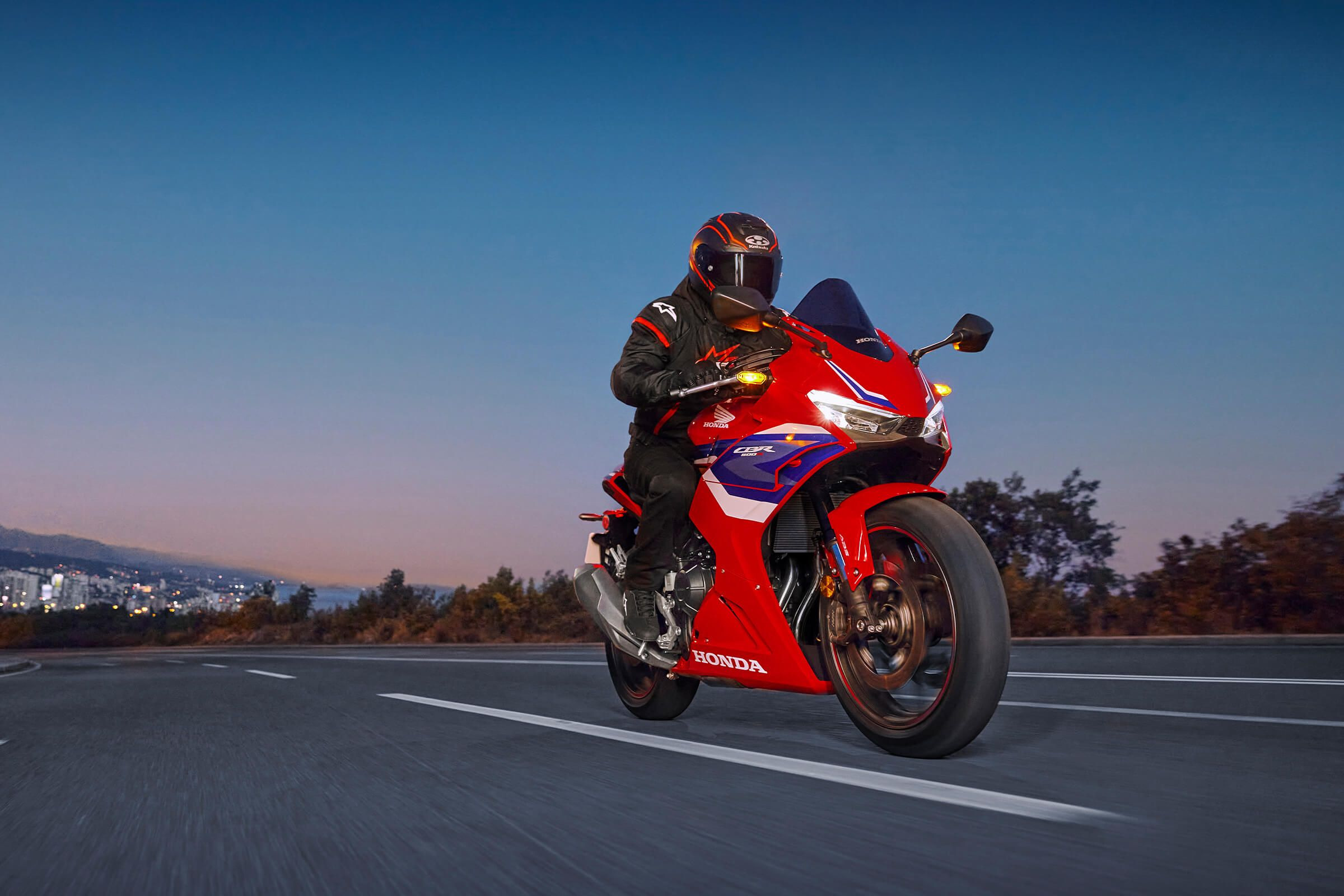
The 2024+ CBR500R has received meaningful updates in its electronics package:
- Honda Selectable Torque Control (HSTC) — introduced in recent models to help manage rear-wheel traction.
- TFT Display — a 5-inch TFT meter shows speed, rpm, gear position, trip, and more.
- Smartphone Connectivity via Honda RoadSync app — lets you pair your phone for ride data, calls, and more.
- LED Lighting: The CBR500R uses LED headlights for better illumination and a modern look.
- Safety: ABS is standard on both front and rear for added braking confidence.
Practicality & Daily Use
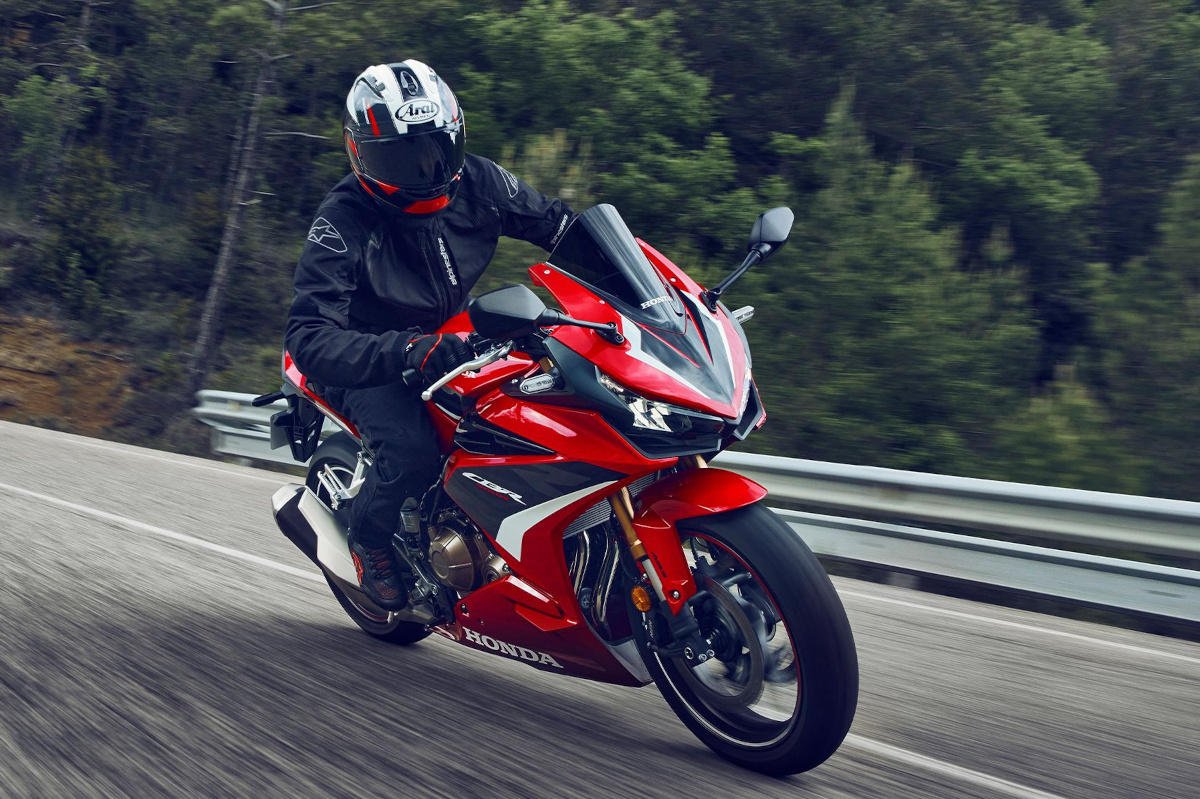
The CBR500R works really well as a daily rider, especially for those who want sportbike styling without a full liter-class commitment:
- The low-ish seat height (31.1 in / ~785 mm) makes it accessible to a wide range of riders.
- With a fuel tank capacity of around 4.5 gallons, you get decent range.
- The twin-cylinder engine delivers smooth, usable power in town, but is also rev-happy enough to feel lively on open roads.
- The assist & slipper clutch makes city riding and downshifting much smoother and less stressful.
Rider Feedback & Real-World Impressions
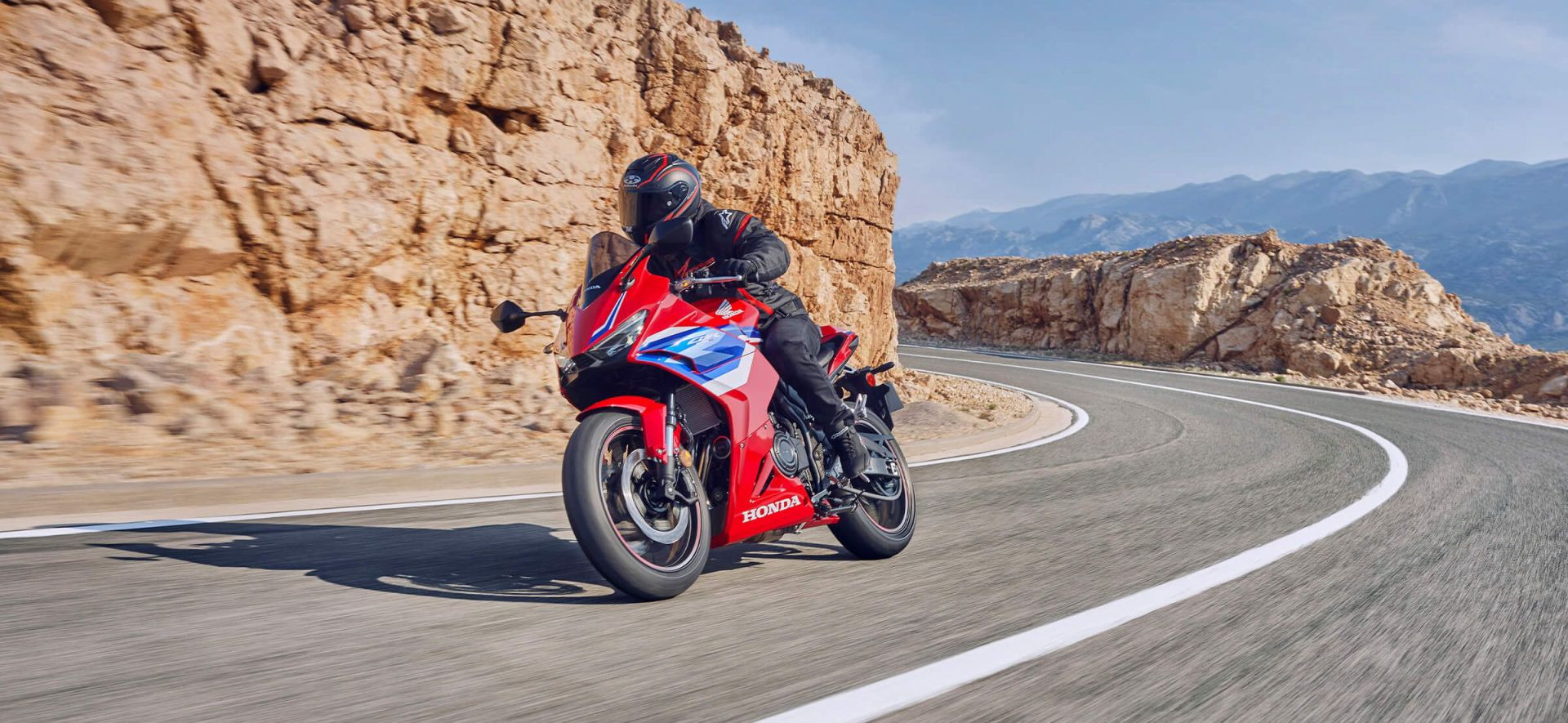
- Many riders highlight the reliable and predictable engine, making it a strong choice for newer riders.
- According to reddit users, the CBR500R is “planted on the highway and can cruise comfortably,” but some say it’s “hefty for its power.” (Reddit)
- Owners also appreciate the slipper clutch, especially when downshifting aggressively:
“Slipper clutch makes down-shifting much smoother … it makes no difference to upshifts … it’s just more stable.” (Reddit)
- On the flip side, some point out limited aftermarket performance gains:
“A full system … will have almost unnoticeable improvements in performance … you’ll pay a lot … for those couple of horsepower.” (Reddit)
Who Is the CBR500R For?
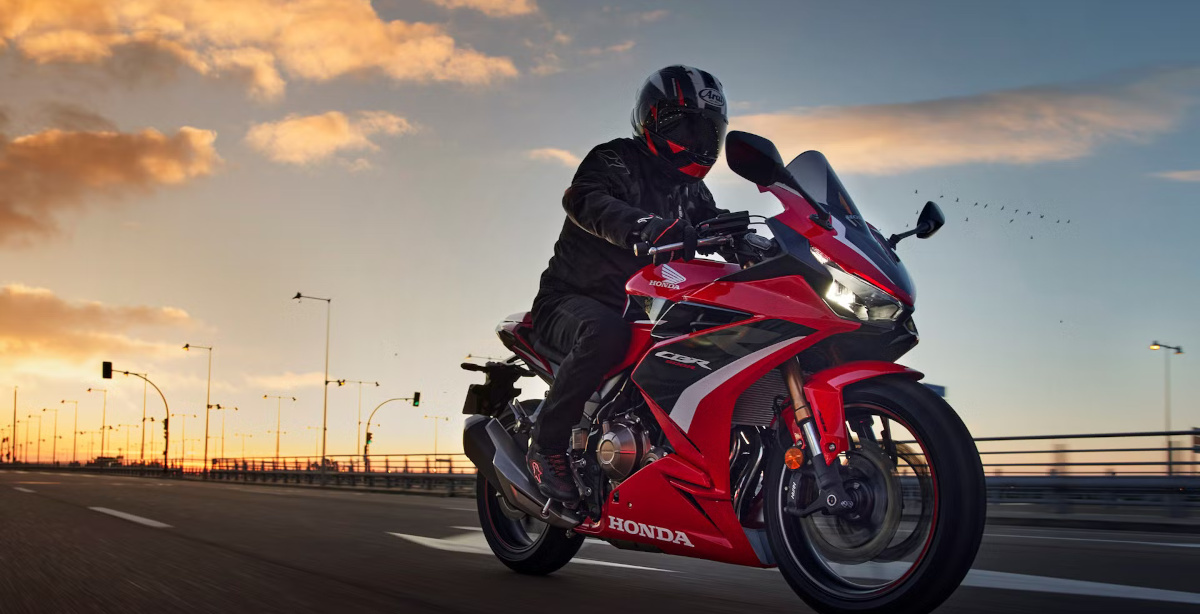
Ideal for:
- New sport-bike riders who want a real “R” bike without overwhelming displacement
- Commuters who value fuel efficiency, reliability, and sporty looks
- A2-license / restricted-power riders (in markets where that applies) thanks to its manageable power output
- Weekend riders who want a bike that can handle twisty roads and short trips
Less ideal for:
- Riders seeking maximum horsepower — this isn’t a supersport monster
- Those who want deep tech / multiple riding modes — the electronics are solid, but not super high-end
- Riders prioritizing aggressive weight savings / ultra-light bikes — the steel frame makes it heavier than some rivals
Pros & Cons
Pros:
- Sporty, modern design
- Twin-cylinder power feels smooth and usable
- Great chassis: quality suspension + solid brakes
- Assist & slipper clutch — improves comfort and safety
- Updated electronics (HSTC, TFT, connectivity)
- Good for both commuting and sporty riding
Cons:
- Modest power compared to larger bikes
- Relatively heavy for a 500-class bike
- Not super aggressive / ultra-light
- Aftermarket performance gains are limited (unless seriously upgraded)
- Some trade-offs in maneuverability compared to smaller sport bikes
Honda CBR500R Specs
Engine: 471cc liquid-cooled parallel-twin
Power: ≈ 47 hp (@ ~8,500 rpm)
Torque: ≈ 31-32 lb-ft (43 Nm) @ ~6,500 rpm
Transmission: 6-speed manual, slipper/assist clutch
Weight (ready to ride): ~421–423 lbs (depending on model)
Frame: Steel diamond-type mainframe
Suspension:
• Front: 41 mm inverted Showa SFF-BP fork, ~4.7 in travel
• Rear: Showa Pro-Link mono shock, ~4.7 in travel
Brakes & Wheels:
• Front: Dual 296 mm discs with four-piston calipers, ABS standard
• Rear: Single 240 mm disc, ABS
• Tires: Front 120/70-17, Rear 160/60-17
Electronics & Features:
• Dual-channel ABS
• Assist/Slipper clutch
• LCD/TFT display instrumentation (varies by year)
• LED lighting (on later models)
Seat Height: ~31.1 in
Fuel Capacity: ~4.5 gal
Wheelbase: ~55.5 in
Performance:
• Top Speed: ~110-115 mph (estimated)
• 0–60 mph: ~5.5–6.5 seconds (rider/conditions dependent)
• Fuel Economy: ~50-70 mpg (varies by riding style and market)
Options & Packages:
• Various colour/graphics versions
• Accessory items: frame sliders, tail-tidy kits, tinted windscreen
• Some markets: upgraded display or connectivity features
CBR500R vs. Main Competitors
Here’s how the Honda CBR500R stacks up against some of its most common rivals in the lightweight sport bike world: the Kawasaki Ninja 400 / 500 and the Yamaha R3.
CBR500R vs. Kawasaki Ninja 400 / 500
Engine & Power Delivery
- The CBR500R uses a 471 cc parallel-twin, which gives it a torque advantage over the smaller displacement bikes.
- Against the Ninja 400 (399cc), the CBR500R produces more low-to-mid-range grunt, making it feel more relaxed and usable in everyday riding.
- Compared to the newer Ninja 500, the CBR500R’s engine feels less stressed, with more “usable” power rather than peaky top-end scream.
Performance & Riding Feel
- The Ninja 400 tends to rev higher and feels more eager when pushed, while the CBR500R’s torque-oriented engine gives a stronger punch earlier in the rev range.
- Some reviewers note that the Ninja accelerates quicker in certain conditions due to its lighter frame and high-revving engine.
- However, the CBR500R is generally considered more stable and planted, particularly at highway speeds or when carrying a passenger. (Wheelingaway.com)
Chassis & Brakes
- The CBR500R benefits from dual 296 mm front discs and a quality suspension setup (Showa fork + Pro-Link shock), giving strong braking and good mid-corner feel.
- The Ninja 400 / 500 also offers capable brakes but tends to be more lightweight and aggressive in handling, which appeals to riders who prioritize flickability.
Fuel & Usability
- The larger engine of the CBR500R generally gives more flexibility for highway or mixed riding, whereas the Ninja 400 is often praised for its agility in tight or urban settings.
- According to some comparisons, the CBR500R can deliver excellent fuel efficiency over longer rides thanks to its engine’s efficiency and torque delivery.
- Maintenance and reliability are strong points for Honda, which can sway buyers who plan to keep the bike long-term.
CBR500R vs. Yamaha R3
Engine & Character
- The Yamaha R3 uses a 321cc parallel-twin, which is significantly smaller than the CBR500R’s 471cc engine. (Motorbike Magazine)
- Because of its high-revving nature, the R3 feels more “sportbike-like” at the top end, but it lacks the torque punch that the CBR500R provides down low.
- Riders often note that while the R3 is very fun when revved, it can feel less substantial when accelerating from lower speeds compared to the CBR500R.
Handling & Weight
- The R3 tends to be lighter, which makes it very nimble and easy to flick through corners. (Reddit)
- Because of its lower weight and rev-happy engine, the R3 can feel more “agile” in tight, twisty roads compared to the CBR500R, which trades nimbleness for a more planted feel.
- On the other hand, some riders argue that the extra displacement and weight of the CBR500R provide a more stable platform, making it more confidence-inspiring, especially for newer or taller riders.
Practicality & Value
- For commuting or mixed riding, the CBR500R’s torque can be more usable than the R3’s high-rpm power, especially in stop-and-go traffic.
- In terms of maintenance and service, Honda’s wide dealer network can be a plus over Yamaha depending on region.
- Price-wise, depending on model year and market, the CBR500R may cost more than a base R3 — but many riders feel the trade-off is worth it for the added engine flexibility and comfort.
Summary Comparison – Which One to Choose
- Choose CBR500R if you:
- Want more torque and usable power across a broader rpm range
- Plan to ride on highways or carry a passenger
- Prioritize long-term reliability and Honda’s service network
- Prefer a stable, “grown-up” sport bike feel rather than a razor-sharp pocket rocket
- Choose Ninja 400 / 500 if you:
- Want a lighter, more aggressive sport-bike feel
- Care about high-rev excitement and quick acceleration
- Value flickable handling and sporty tuning
- Choose Yamaha R3 if you:
- Want a very lightweight and nimble entry-level sport bike
- Don’t mind keeping the engine revving to access power
- Prioritize fun and agility over raw torque and highway grunt
Verdict
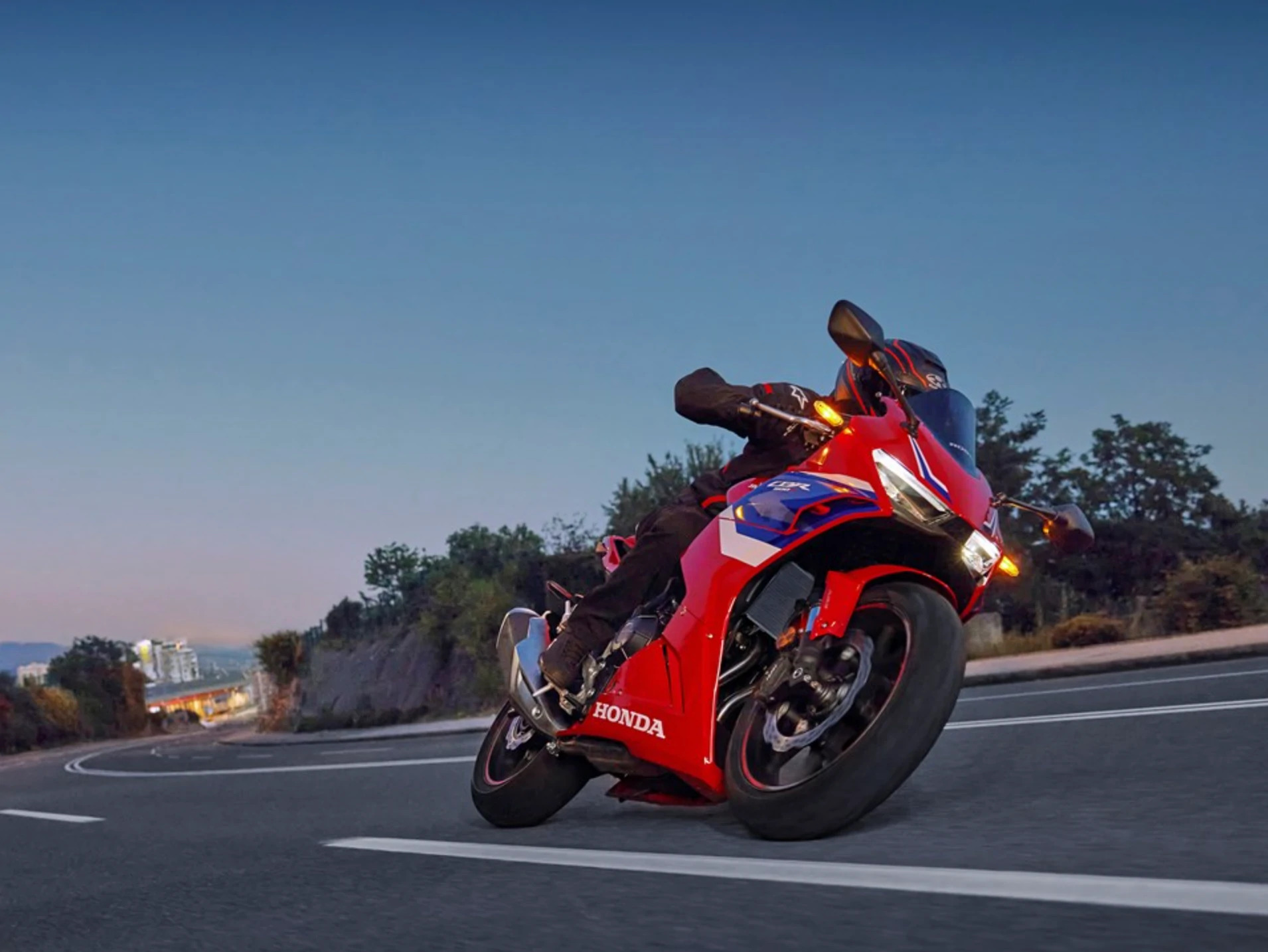
The Honda CBR500R is a highly versatile sport bike that offers a strong blend of performance, comfort, and style. It’s not built to dominate the racetrack, but it handles what most riders will throw at it — from city commuting to weekend canyon rides — with confidence and grace.
If you want a reliable, sporty, “real” sport bike that isn’t overkill, the CBR500R is one of the best-balanced options on the market. It’s especially good for riders who want something to grow into, or who want flair without a monstrous engine.


