

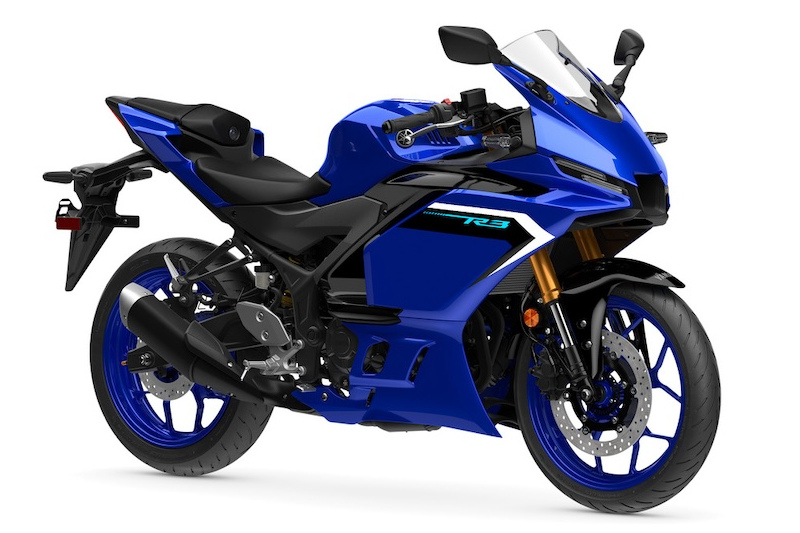
The Yamaha YZF-R3 is one of the most well-known lightweight sport bikes on the market. It strikes a very smart balance between sporty performance and daily usability, making it ideal for both new riders and experienced ones who want an agile, efficient ride.
Design & Build
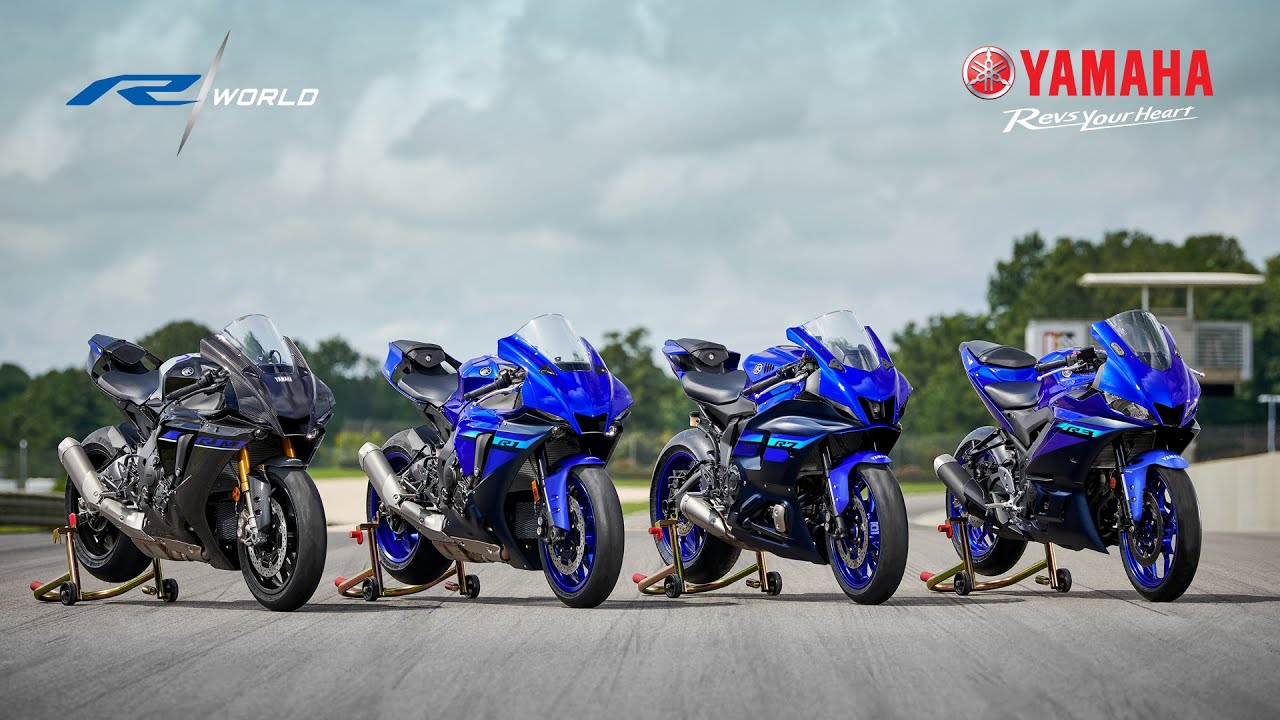
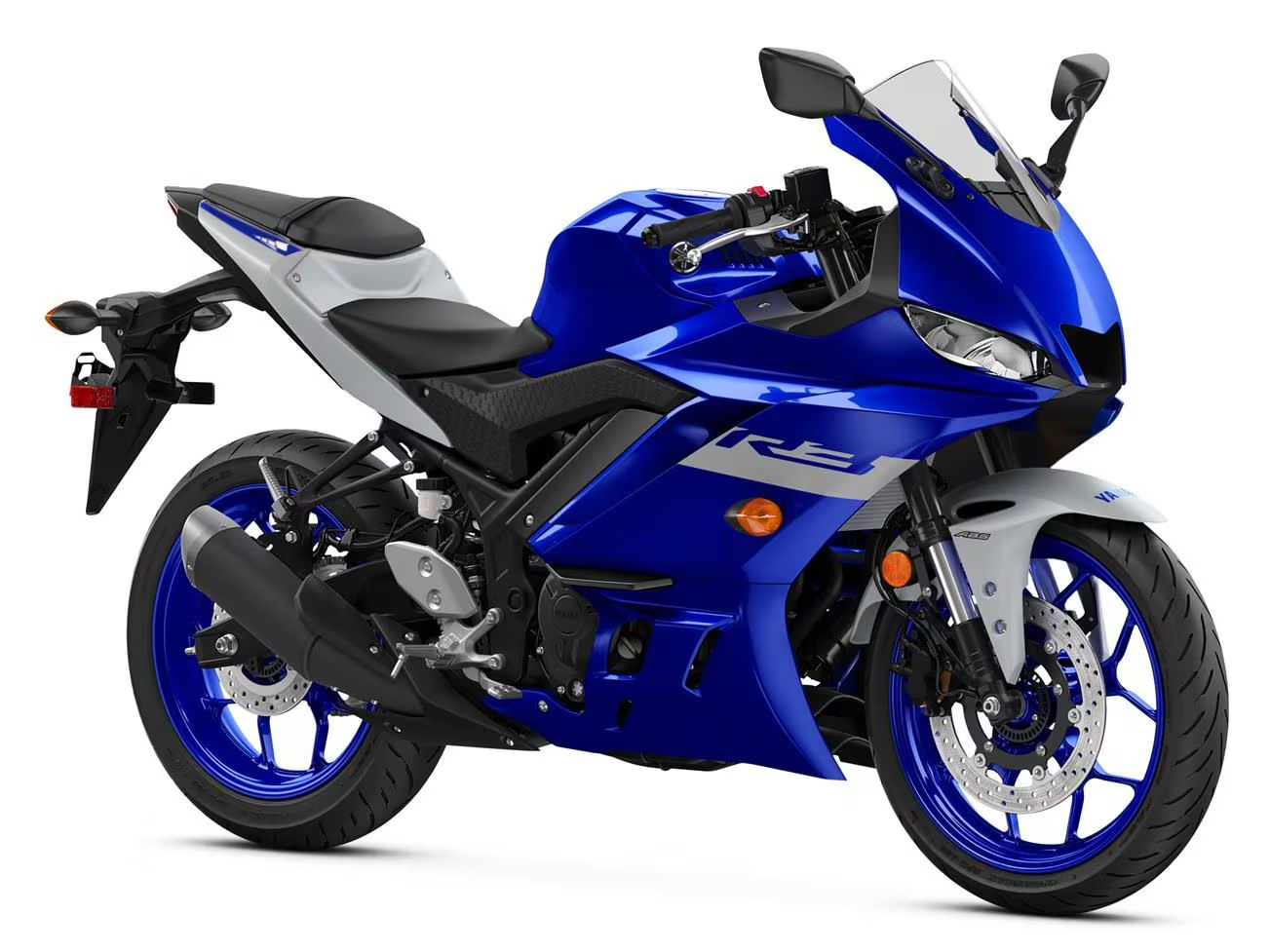
The R3 captures the signature “R-series” styling that has made Yamaha’s sport bikes iconic. Its fairings draw strong inspiration from Yamaha’s MotoGP YZR-M1 — with sharp, flowing lines, aggressive front cowl, and a sporty tail. (Yamaha Motorsports)
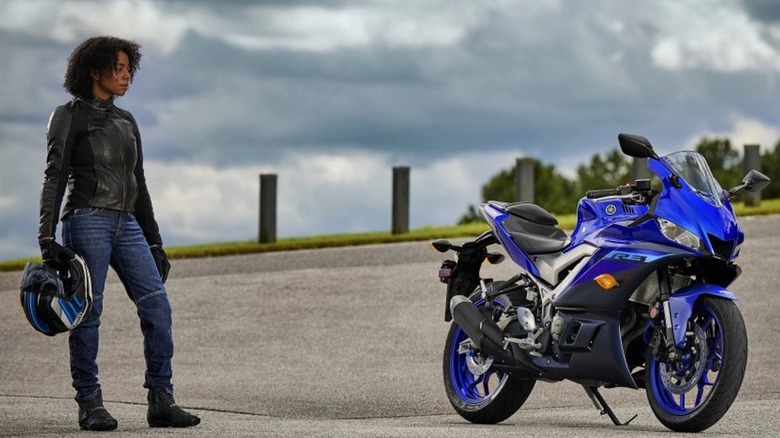
The chassis feels well put-together. It uses a diamond-style steel frame that balances stiffness with a relatively low weight. (ridemotorsports.com) The ergonomics are sporty but not overly aggressive — the seat height is 30.7 in (780 mm), which makes it fairly accessible.
Engine & Performance

Under the fairing sits a 321 cc parallel-twin, liquid-cooled engine, with DOHC and four valves per cylinder. The engine features a 180° crank design, which gives it a character that’s more “sporty twin” than something purely commuter-focused.
The R3 has an assist & slipper clutch, making the clutch easier to pull in and reducing rear-wheel hop on aggressive downshifts. The 6-speed transmission gives you room to rev out, although the top gears are somewhat overdrive-style to keep things smooth at higher speed. (TopSpeed)
Power-wise, it’s rated at around 41–42 hp (depending on source) and peaks very high in the rev range. The torque is modest, but usable in the mid and upper RPMs for sporty riding. (Motor Bike)
Chassis, Suspension & Brakes
- Front Suspension: Inverted telescopic fork (adjusted for spring/damping) gives good feedback and control.
- Rear Suspension: Monocross single shock with preload adjustability, helping balance comfort and sporty ride.
- Brakes: 298 mm disc up front, 220 mm in the rear — both with ABS for safety.
- Wheels & Tires: 10-spoke cast aluminum wheels and grippy Dunlop® Sportmax tires.
- Weight Distribution: The R3 has near 50/50 front-rear weight balance, which helps with agile handling.
Electronics & Features
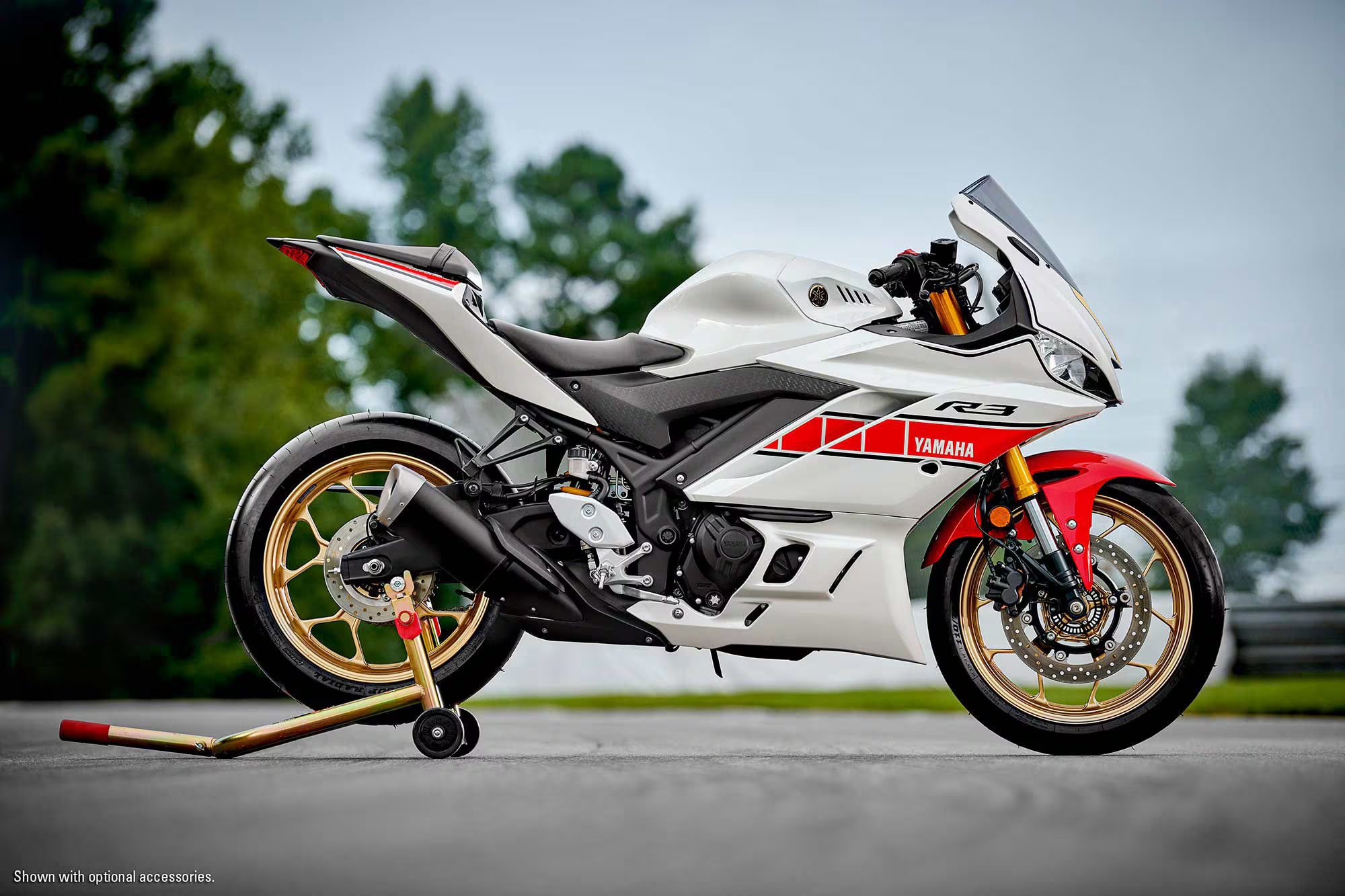
- Short Muffler: Helps centralize mass, improving handling.
- Instruments: A clean digital LCD cluster shows speed, rpm, gear position, fuel, and trip info.
- MyRide / Y-Connect: Depending on market, newer R3 models support smartphone connectivity to view ride data, notifications, etc.
- ABS: Standard front and rear, adding a safety net especially for lean or wet conditions.
Practicality & Daily Use
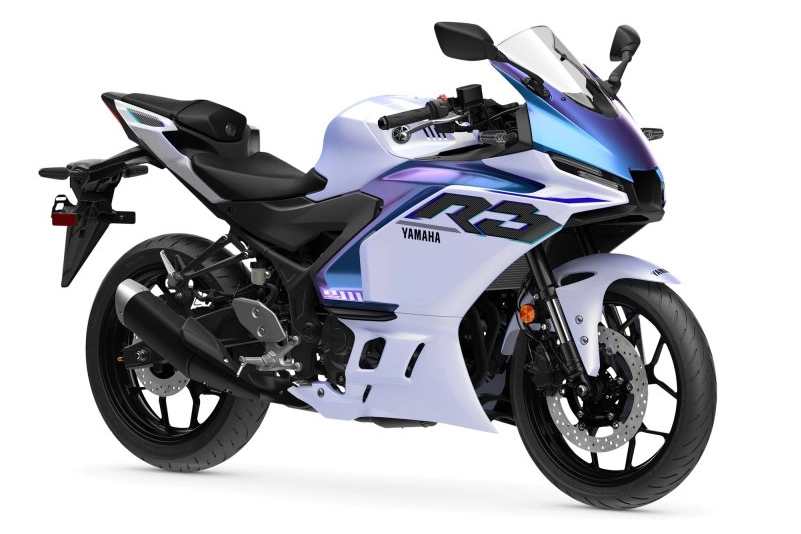
On a day-to-day basis, the R3 is very usable:
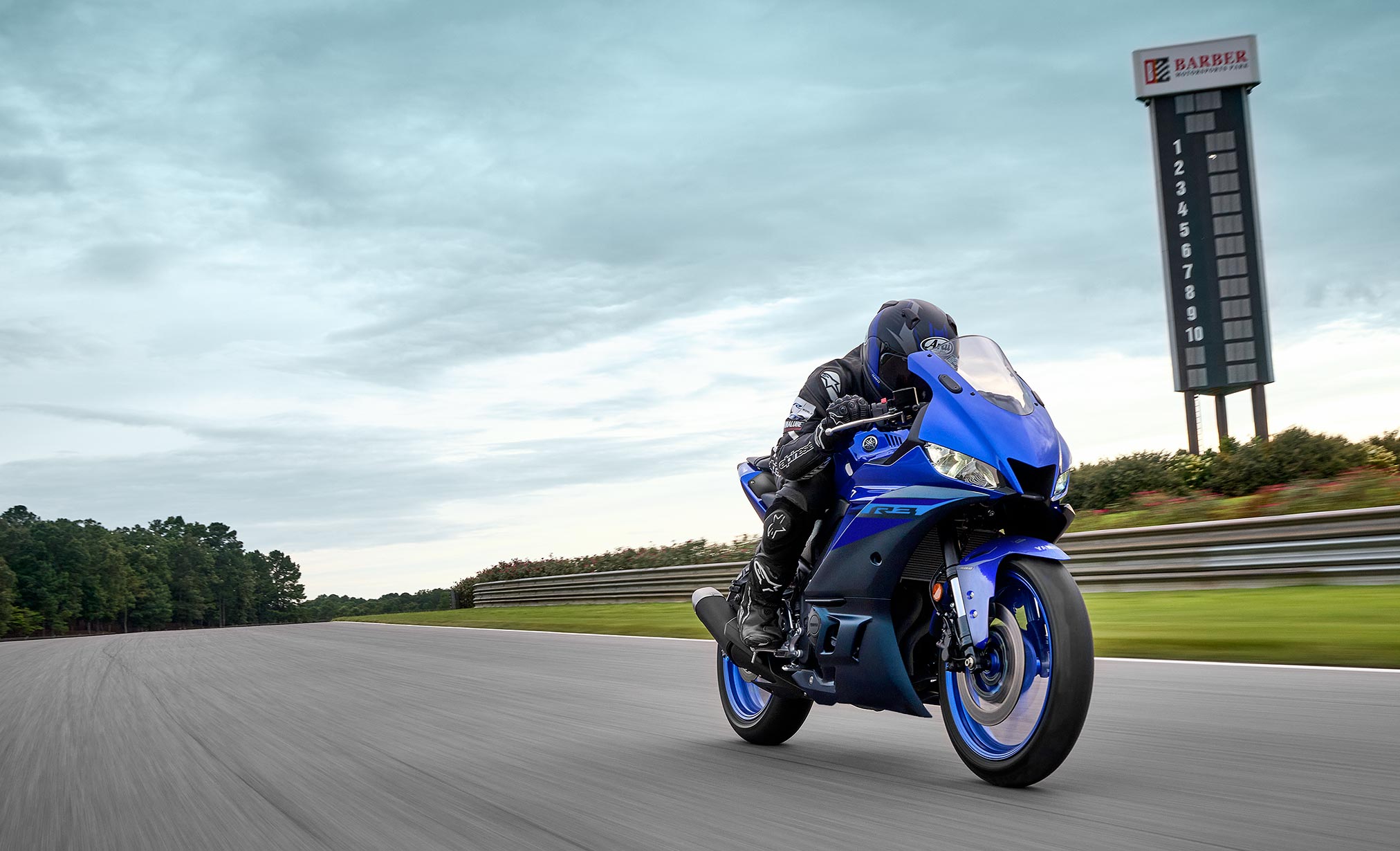
- The engine’s mid-range punch makes it well-suited for city riding, while the high rev ceiling lets you have fun on winding roads.
- With a 3.7-gallon (≈ 14 L) fuel tank, you can cover a decent distance before refueling.
- Its weight (wet) is 373 lb (169 kg), which keeps it light enough to handle well in tight situations.
- The seat and handlebars strike a good balance — sporty feel without being so aggressive that long rides become painful (for many riders).
Rider Feedback & Modding

- Many owners feel the stock exhaust is too quiet:
“It’s like I’m mowing the lawn … I’ve found slip-ons that sound way better” (Reddit)
- Regarding performance, some dyno tests show around 36 kW (~48 hp metric) at high rpm, though peak performance may require tuning. (Reddit)
- On pricing:
“I got quoted 8.3k for a new 2025 R3 … I think that’s outrageous” (Reddit)
Who Is the R3 For?
Great For:
- Riders just stepping into sport bikes who want something lightweight, manageable, and fun
- Track-day newcomers — enough performance to learn but not overwhelming
- Daily commuters who also want a sporty ride on weekends
- Riders who like a modern, race-inspired design without going to liter bikes
Less Ideal For:
- Riders looking for maximum power — this isn’t a supersport beast
- Those who prioritize long-distance touring — limited storage, sporty ergos
- Riders wanting ultra-high-tech electronics (the R3 is light on rider-assist compared to big liter bikes)
Pros & Cons
Pros:
- Lightweight, agile chassis
- High-revving twin engine
- Assist & slipper clutch for smoother shifting
- Good braking with ABS
- Iconic R-series styling
- Great fuel efficiency (estimated ~56 mpg) (Yamaha Motorsports)
Cons:
- Modest torque, especially at lower revs
- Limited power compared to larger bikes
- Basic digital dash (some may want TFT / more features)
- Stock exhaust is quiet — many owners swap it out
Yamaha R3 Specs
Engine: 321cc liquid-cooled parallel twin
Power: ~42 hp @ ~10,750 rpm
Torque: ~21.8 lb-ft (29.5 Nm) @ ~9,000 rpm
Transmission: 6-speed manual with assist & slipper clutch
Weight (wet): ~373 lbs
Frame: Steel diamond-type frame
Suspension:
• Front: Inverted telescopic fork, ~5.1 in travel
• Rear: Monocross single shock, preload adjustable, ~5.0 in travel
Brakes:
• Front: 298mm disc
• Rear: 220mm disc
• ABS: Standard/available depending on market
Electronics & Features:
• Fuel-injection, LED lighting, basic ride electronics
• Modern LCD display
Seat Height: ~30.7 in
Fuel Capacity: ~3.7 gal
Wheelbase: ~54.3 in
Performance:
• Top Speed: ~110–115 mph (estimated)
• 0–60 mph: ~5 seconds
• Fuel Economy: ~50–60 mpg
Options & Packages:
• Multiple color/graphics options
• Sport and track-focused accessories (windscreens, frame sliders, etc.)
Rivals: Yamaha R3 vs Aprilia RS 457 vs KTM RC 390 vs Kawasaki Ninja 500
Rivals for the R3 include the Ninja 500, KTM RC 390, and Aprilia RS 457.
| Specification | Aprilia RS 457 | Yamaha R3 | KTM RC 390 | Kawasaki Ninja 500 |
|---|---|---|---|---|
| Engine / Displacement | 457cc liquid-cooled parallel twin | 321cc liquid-cooled parallel twin | 373cc liquid-cooled single | 451cc liquid-cooled parallel twin |
| Approx. Power | ~48 hp | ~42 hp | ~43–44 hp | ~51 hp |
| Approx. Torque | ~32 lb-ft | ~21.8 lb-ft | ~27 lb-ft | ~32–35 lb-ft |
| Weight (Ready to Ride) | ~386 lbs | ~373 lbs | ~364 lbs (dry) | ~340–346 lbs |
| Seat Height | ~31.5 in | ~30.7 in | ~32.4 in | ~30.9 in |
| Fuel Capacity | ~3.4 gal | ~3.7 gal | ~3.6 gal | ~3.7 gal |
| Wheelbase | ~53.9 in | ~54.3 in | ~53.0 in | ~54.1 in |
| Top Speed (Estimated) | ~130 mph | ~110–115 mph | ~110–115 mph | ~115–120 mph |
| 0–60 mph (Estimated) | Low-4-second range | ~5 seconds | Mid-4-second range | Mid-4- to 5-second range |
| Electronics | Ride modes, traction control, TFT | Basic electronics, LED lighting | Traction control, cornering ABS, quickshifter optional | Ride modes (on SE trims), connectivity on higher trims |
| Character / Positioning | Premium mini-supersport with a “big bike” feel | Lightweight, forgiving, approachable | Track-focused single-cylinder performer | Strong mid-class all-rounder with the most power here |
Quick Takeaways
Aprilia RS 457
• Highest top-end performance
• Most premium electronics package
• Strongest “supersport” personality
Yamaha R3
• Most beginner-friendly
• Lowest seat height
• Light, approachable, and affordable
KTM RC 390
• Most track-focused setup
• Lightweight with advanced electronics
• Sharp handling and aggressive ergonomics
Kawasaki Ninja 500
• Most displacement and power in this group
• Very approachable ergonomics
• Strong performance for the price
Verdict
The Yamaha YZF-R3 remains a standout in the lightweight sport bike class because it offers a well-rounded, sporty, but not overly aggressive experience. Its combination of race-inspired design, frugal but capable engine, and responsive chassis make it a go-to for new sport-bike riders, track-day players, and daily commuters who want a fun machine.
If you’re looking for a bike that’s thrilling yet manageable, the R3 is one of the most compelling options on the market — especially in 2025, with its modern updates and refined performance.


