
 Twin rotors,100 horsepower, and an engine created for one of Citroën’s strangest cars…
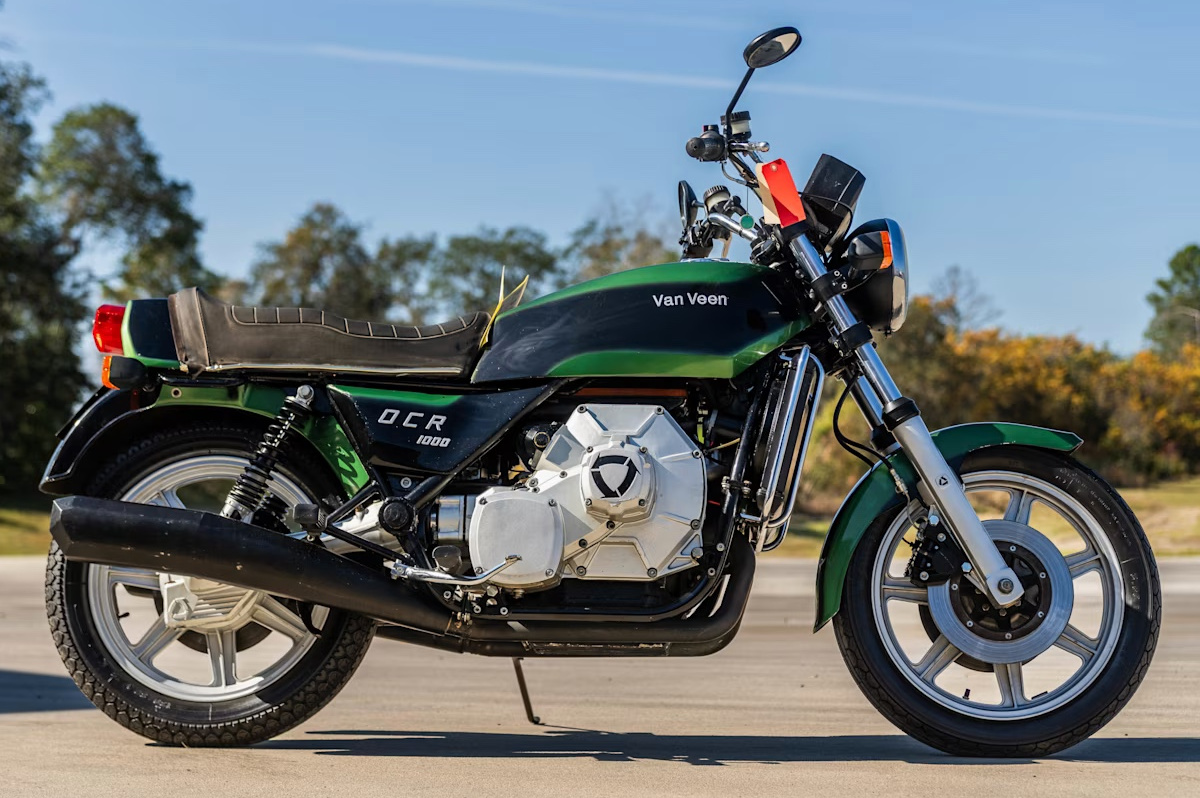
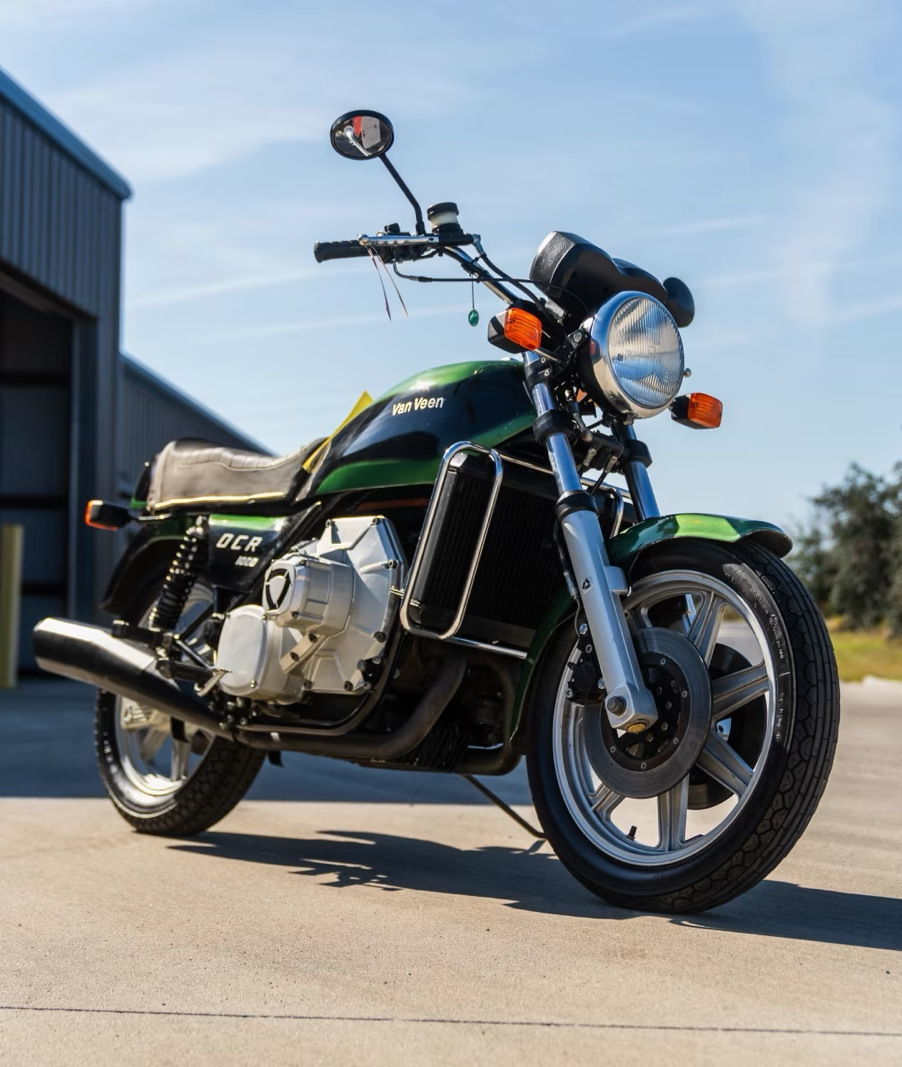
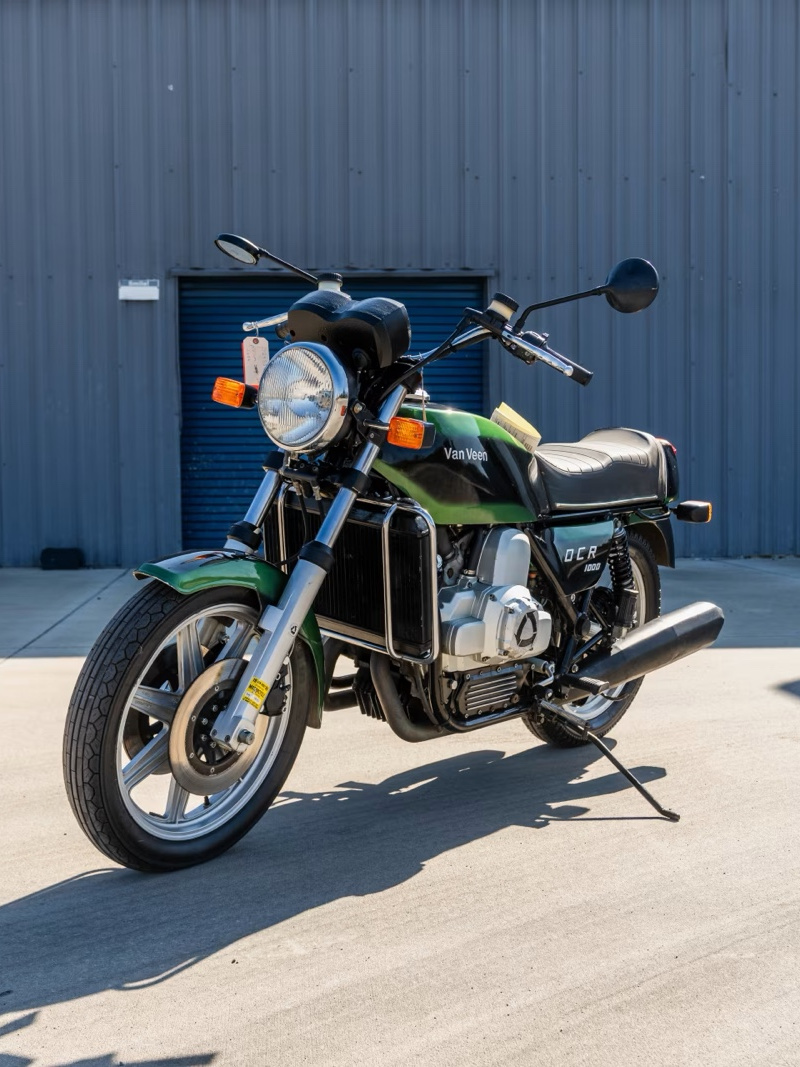
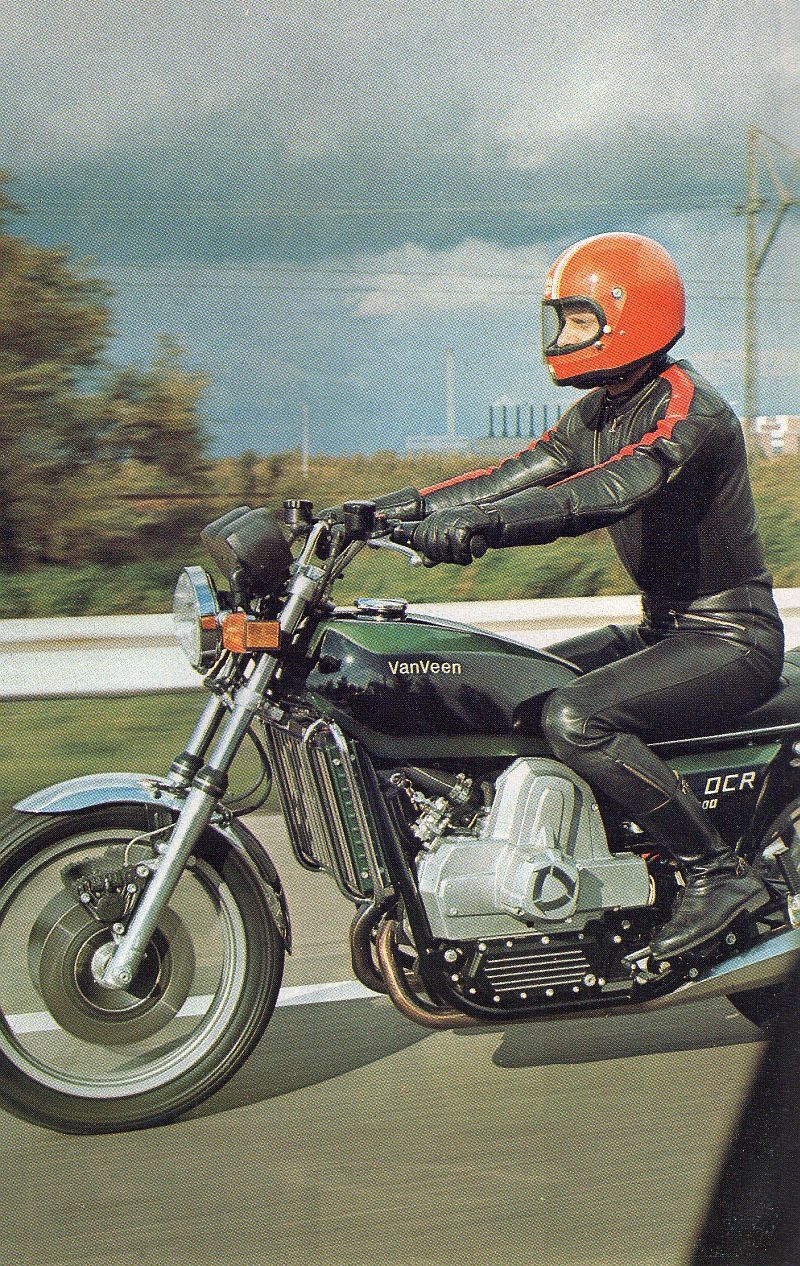
In 1974, Honda unveiled the original Gold Wing at the Cologne Motorcycle Show, featuring an unexpected flat-four powerplant. But it wasn’t the strangest new 1000cc motorcycle in the building. That distinction belonged to a machine from Dutch entrepreneur Henk van Veen: a huge green-and-black superbike powered by a liquid-cooled twin-rotor Wankel engine originally developed for automobile use.
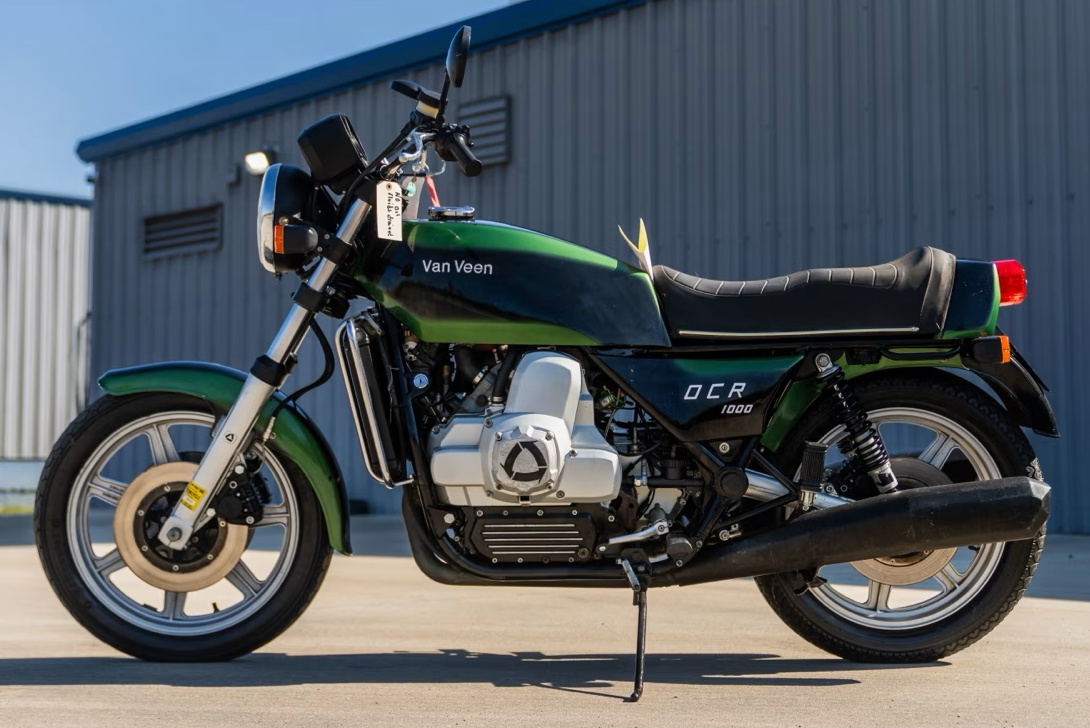 The Van Veen OCR 1000 produced roughly 100 horsepower at 6500 rpm, weighed about 292 kilograms / 644 pounds dry, and could accelerate from 0-100 km/h in around 3.6 seconds. Period testing recorded approximately 224 km/h / 139 mph. It was also extraordinarily expensive, however, and its engine supplier was already disappearing. Only 38 original OCR 1000s would ultimately be completed.
Henk van Veen
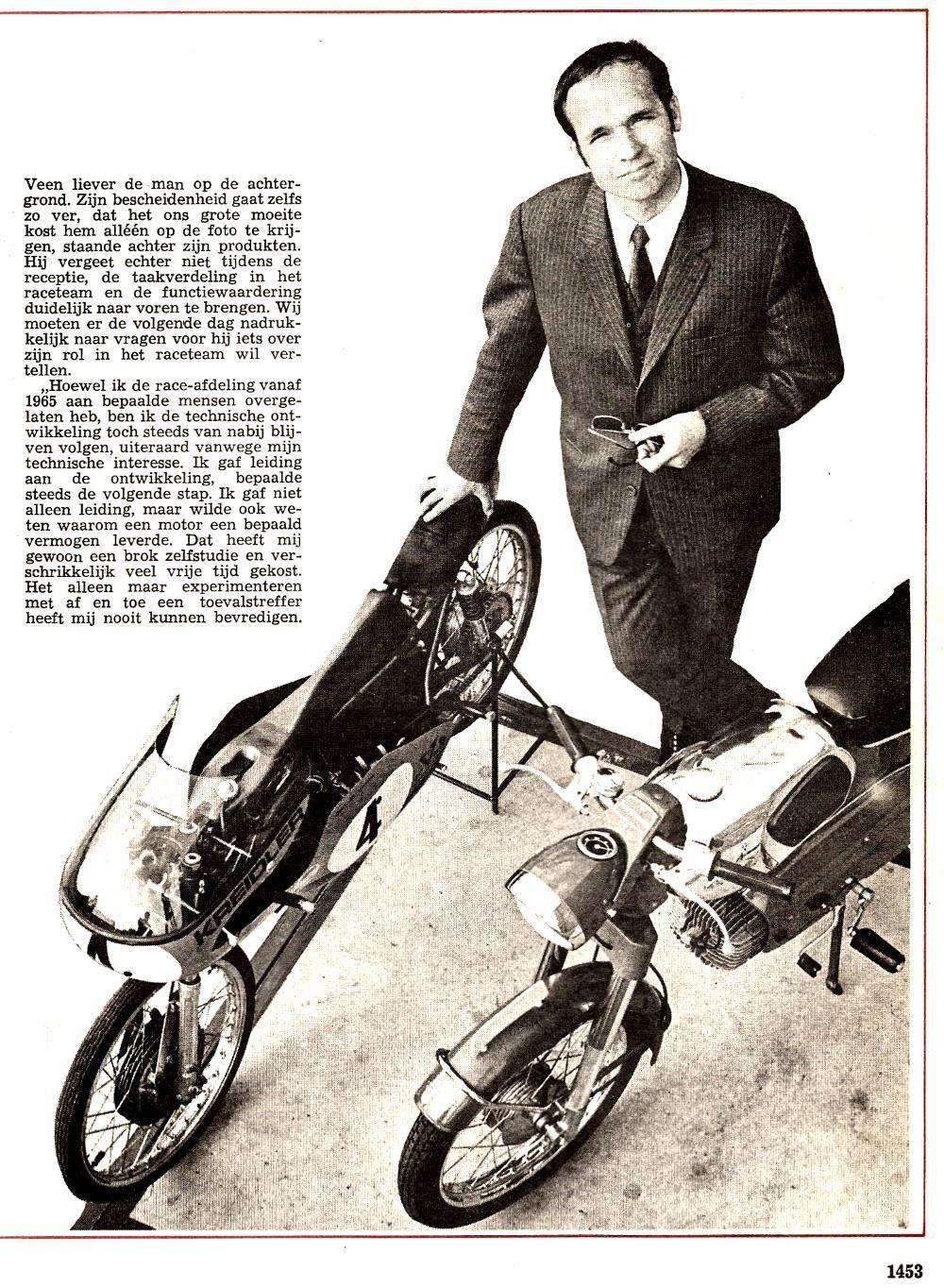
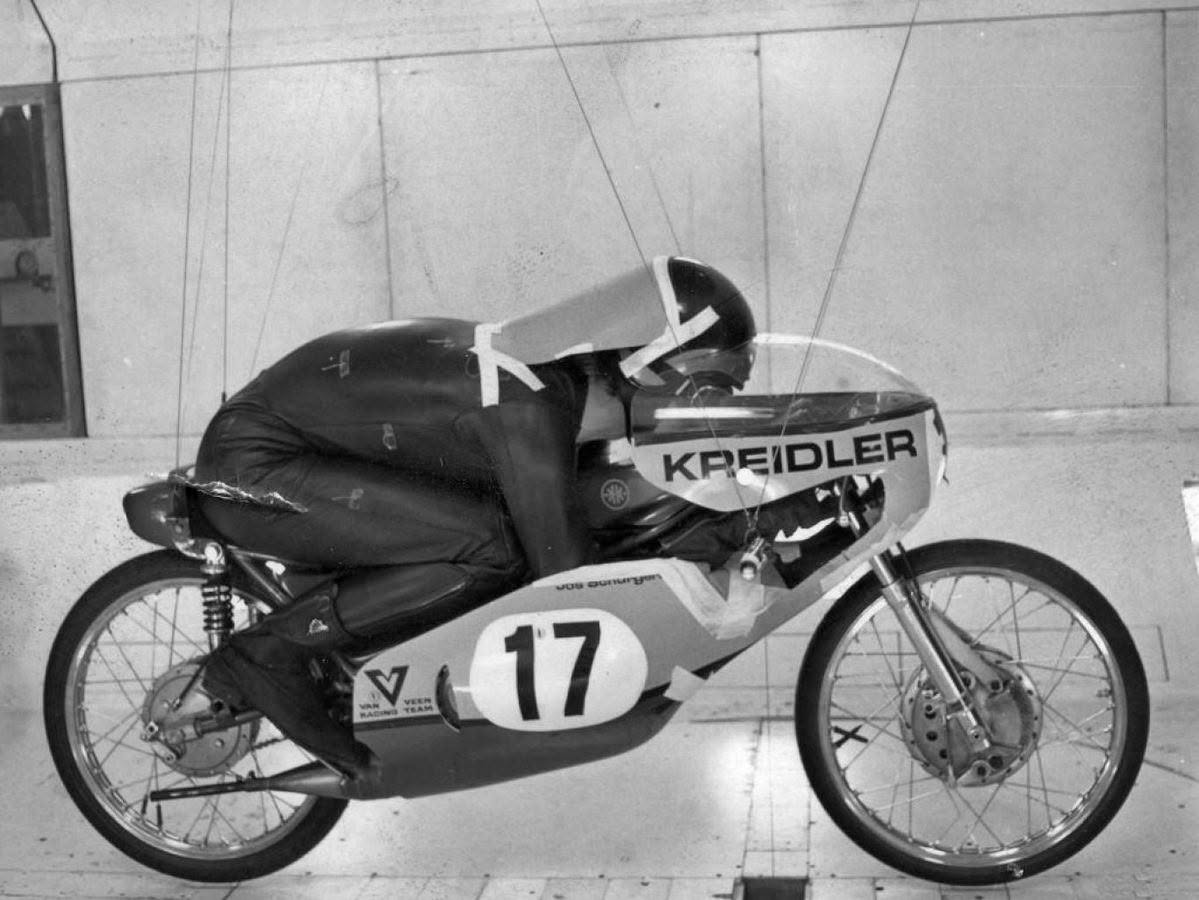
Hendrik “Henk” van Veen was not an established large-motorcycle manufacturer when he decided to build the OCR. He was best known as the Dutch importer of Kreidler motorcycles and for his involvement with Van Veen Kreidler’s exceptionally successful small-displacement Grand Prix racing program.
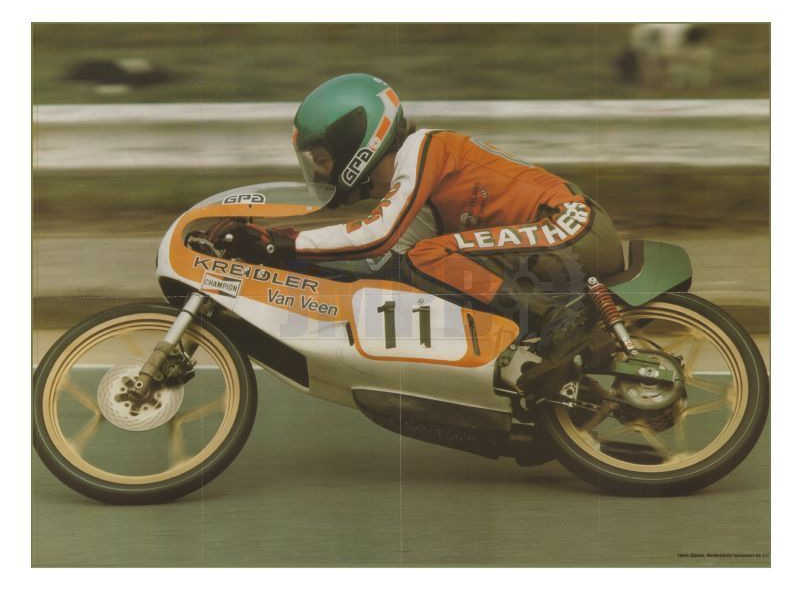 Kreidler specialized in tiny two-strokes, but Van Veen wanted something much bigger. The early 1970s were an unusually fertile period for motorcycle engineering. Honda had established the transverse four-cylinder superbike with the CB750. Kawasaki followed with the Z1. Meanwhile, Suzuki, Hercules, Yamaha, Norton, and others were experimenting with Wankel rotary engines.
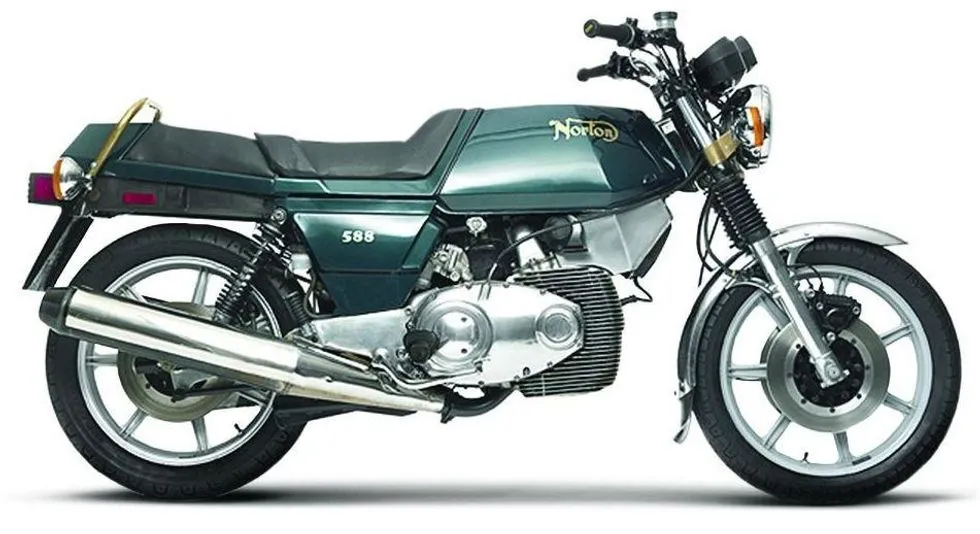
Van Veen became convinced that the rotary could form the basis of a high-performance luxury motorcycle unlike anything then available. Early development reportedly included a test mule using a Mazda rotary engine in a Moto Guzzi chassis. For the production project, however, Van Veen found something considerably more ambitious.
The Citroën Connection
Calling the OCR 1000 “Citroën-powered” requires a little explanation. The engine was actually manufactured by Comotor, a joint venture established by Citroën and German rotary pioneer NSU to develop and produce Wankel engines. The particular unit was the Comotor KKM 624, a liquid-cooled twin-rotor design developed for the Citroën GS Birotor.
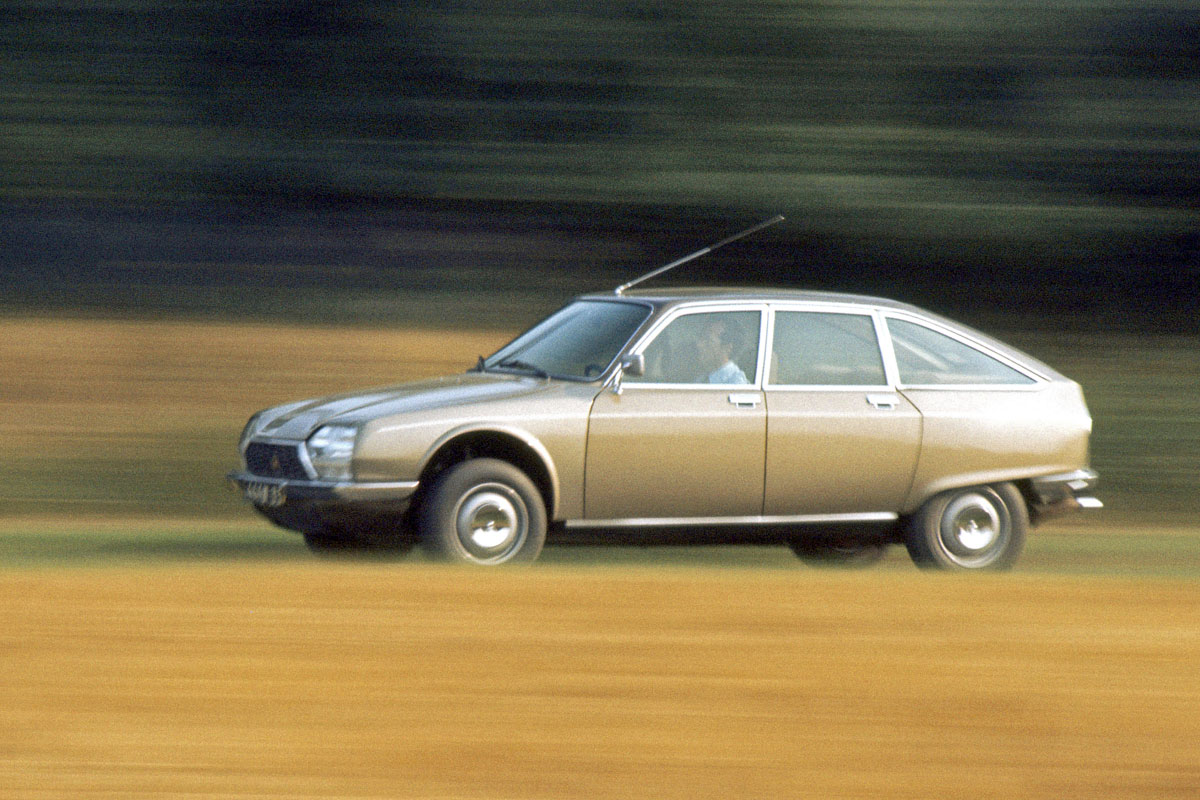
It wasn’t exclusively a Citroën design. The KKM 624 grew from the NSU/Citroën rotary-development program and itself evolved from earlier NSU work. But the GS Birotor was the production automobile for which this version was developed.
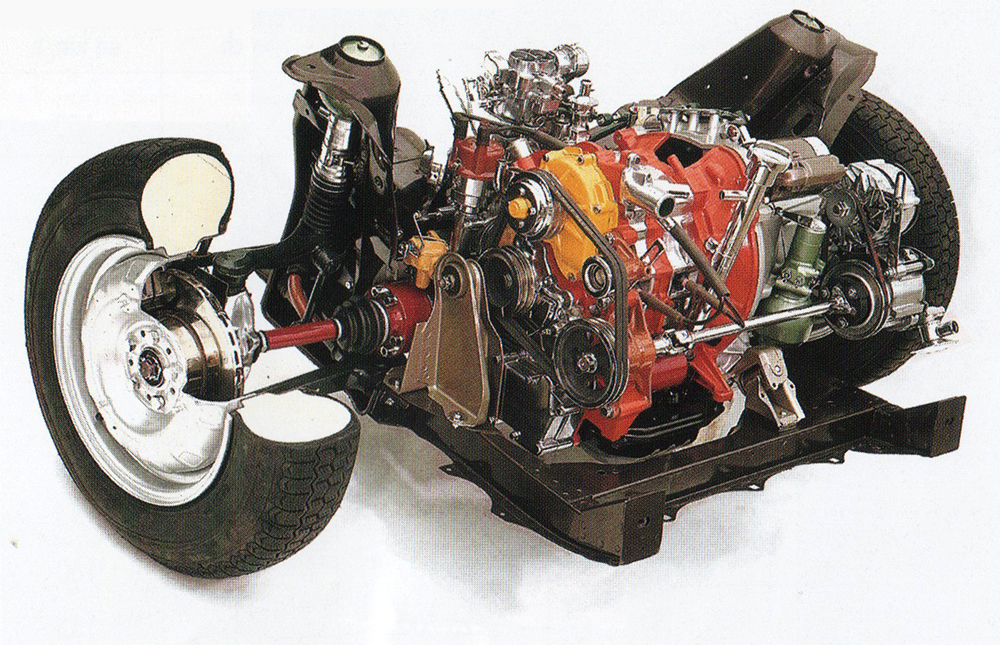
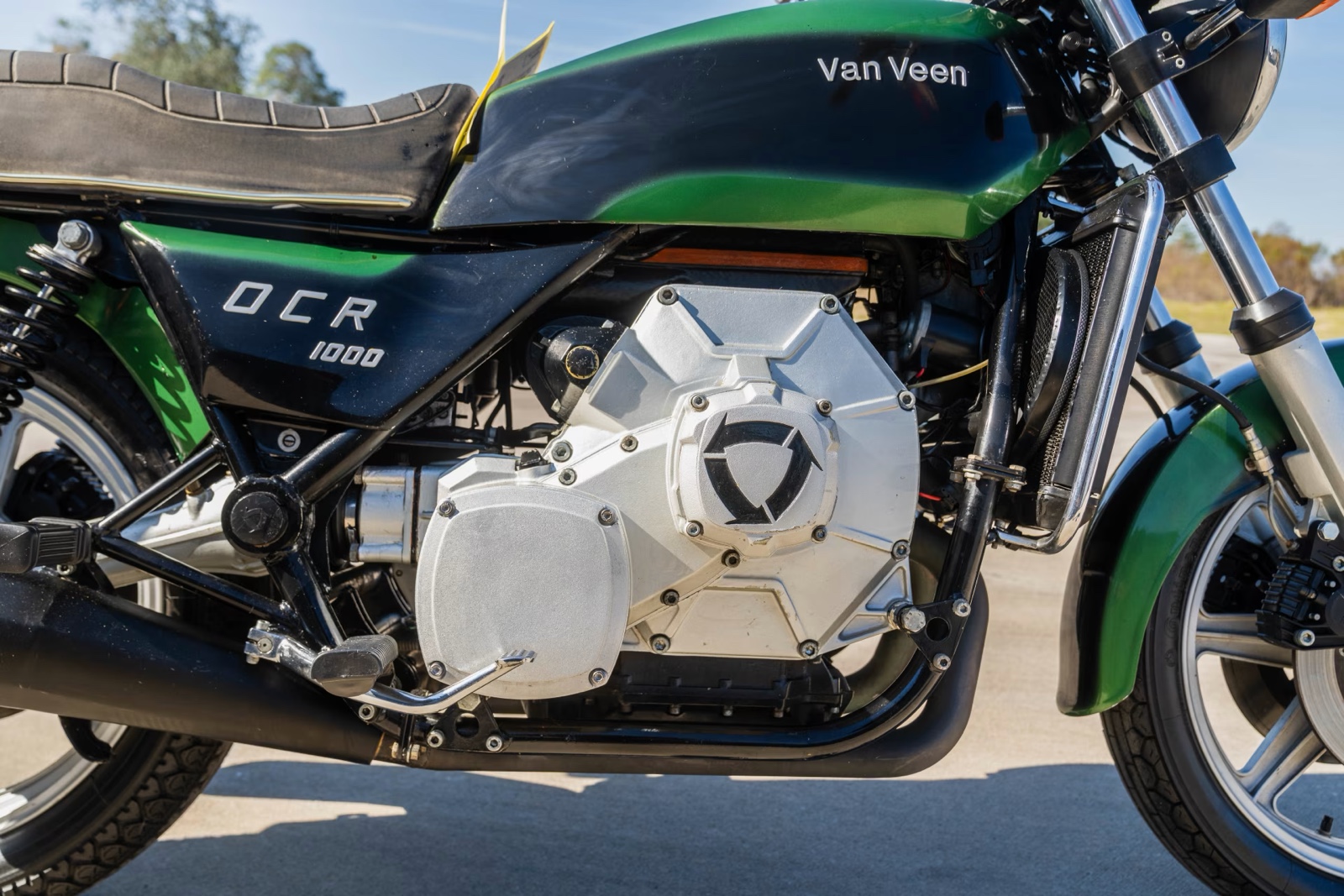
Comotor rated the automotive engine at approximately 107 PS. Van Veen arranged to receive a batch of engines and adapt them for motorcycle use. So the OCR wasn’t simply fitted with a Citroën drivetrain. Van Veen began with the Citroën/NSU Comotor rotary and engineered an entirely new motorcycle powertrain around it.
996cc — Sort Of…
 Rotary-engine displacement can get confusing quickly. The OCR 1000 is conventionally listed as a 996cc motorcycle because each of its two trochoidal chambers displaced approximately 498cc. But a Wankel doesn’t operate like a reciprocating piston engine, so direct displacement comparisons can be misleading.
 Under the FIM’s period 1.7:1 rotary-equivalency formula, the OCR’s 996cc nominal capacity would have been treated as equivalent to approximately 1,693cc in a conventional four-stroke. That helps explain why a “1000cc” rotary could produce such impressive torque and output at relatively modest engine speed. Van Veen quoted around 100 horsepower at 6500 rpm, with roughly 135-140 Nm / 100 lb-ft of torque available at only 3,000-3500 rpm depending on specification.
Period accounts suggest the engine was already producing around 60 horsepower at just 3,000 rpm. This was not a screaming superbike engine, but one that was exceptionally smooth and extraordinarily muscular.
Oil-Cooled Rotors
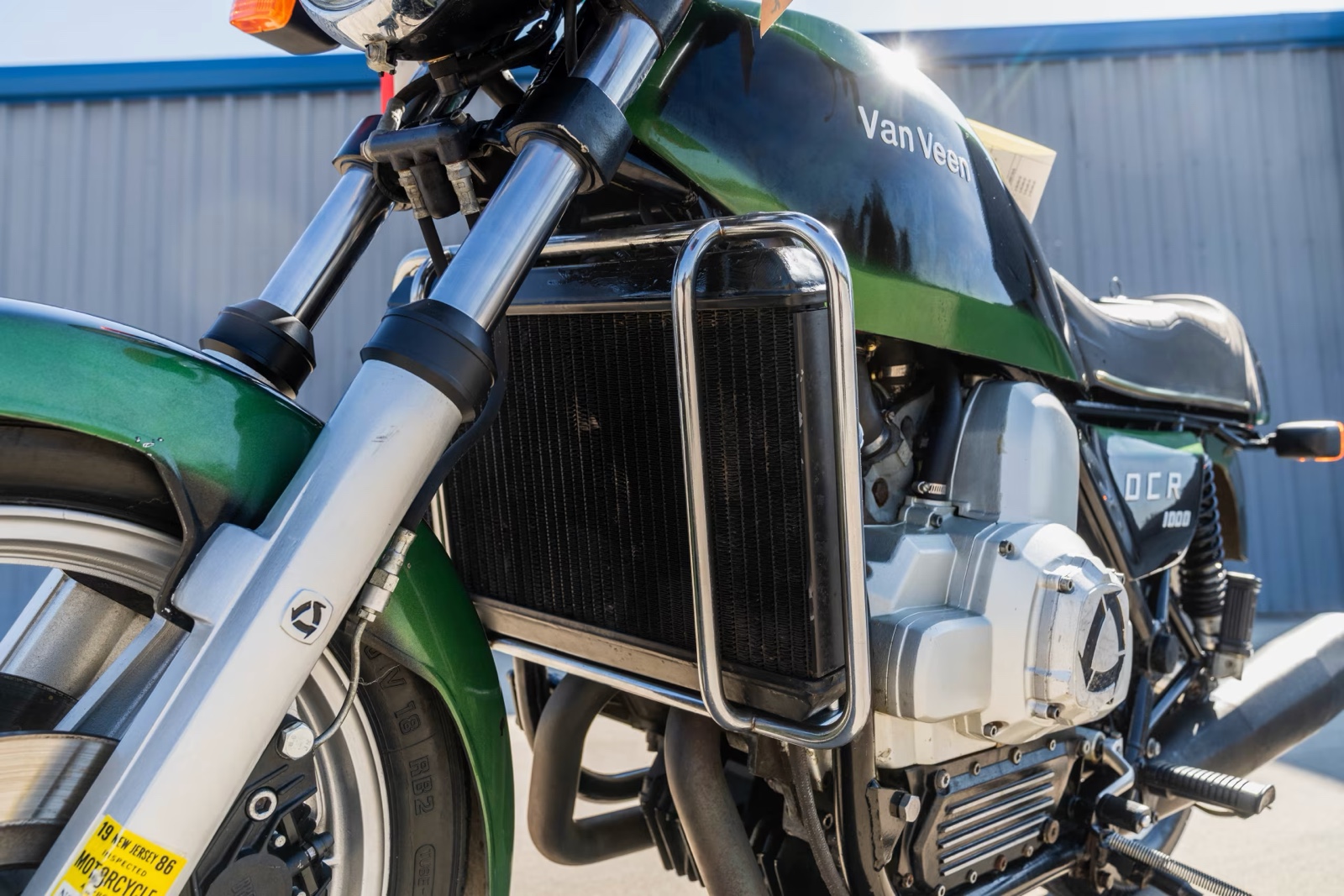
The model name described one of its defining features. OCR stood for “Oil-Cooled Rotors.” The Comotor engine used liquid cooling for its housings while oil helped control rotor temperature. Unlike a piston engine, there were no pistons and connecting rods repeatedly accelerating and changing direction. Each roughly triangular rotor revolved eccentrically within a trochoidal housing, creating expanding and contracting combustion chambers as it moved.
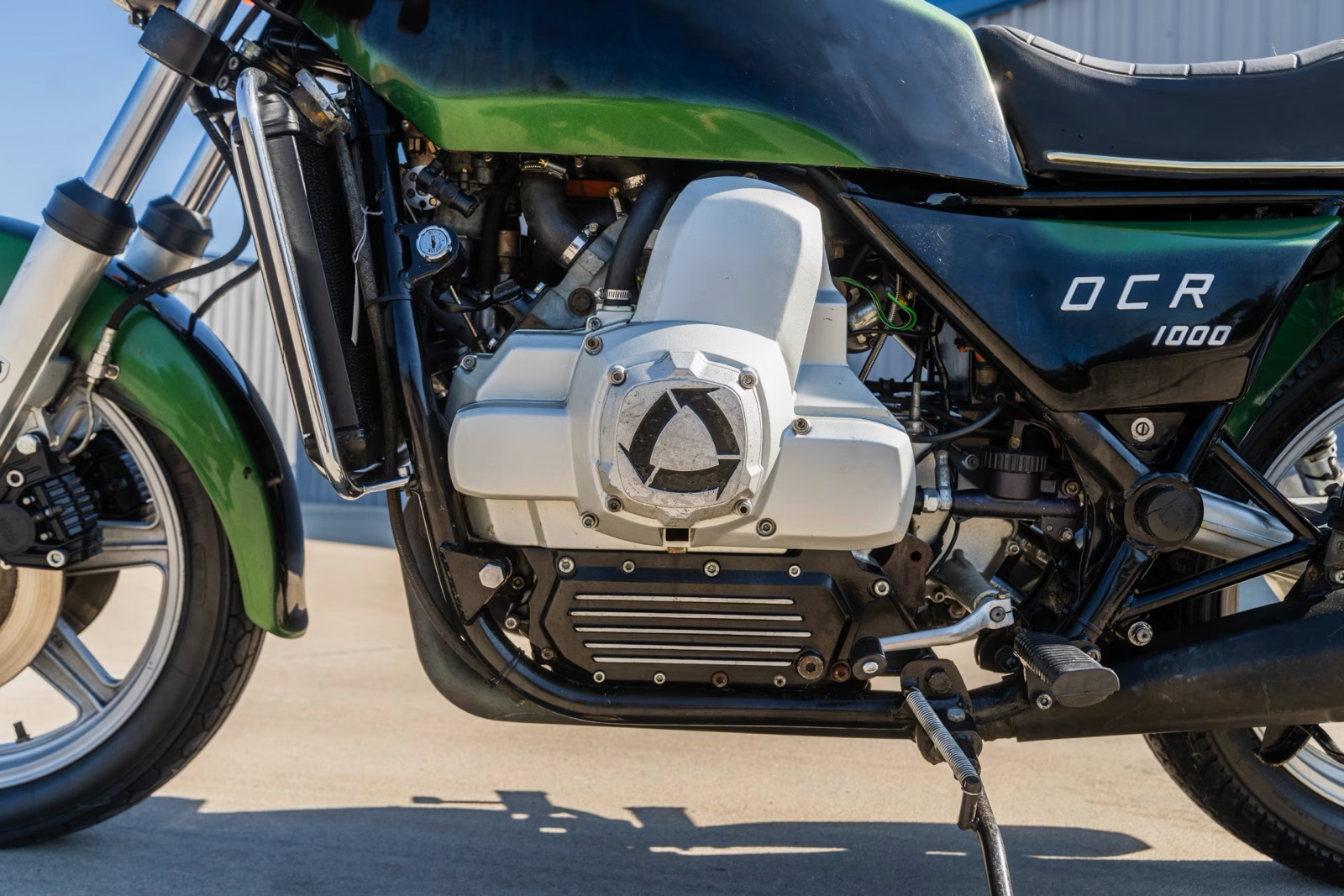
The architecture offered exceptional smoothness and a high power-to-size ratio. It also presented problems that plagued much of the early Wankel industry: apex-seal durability, emissions, heat management, and fuel consumption. Those drawbacks were manageable in a technological showcase, but they became much more serious during the 1973 oil crisis.
The Porsche Connection
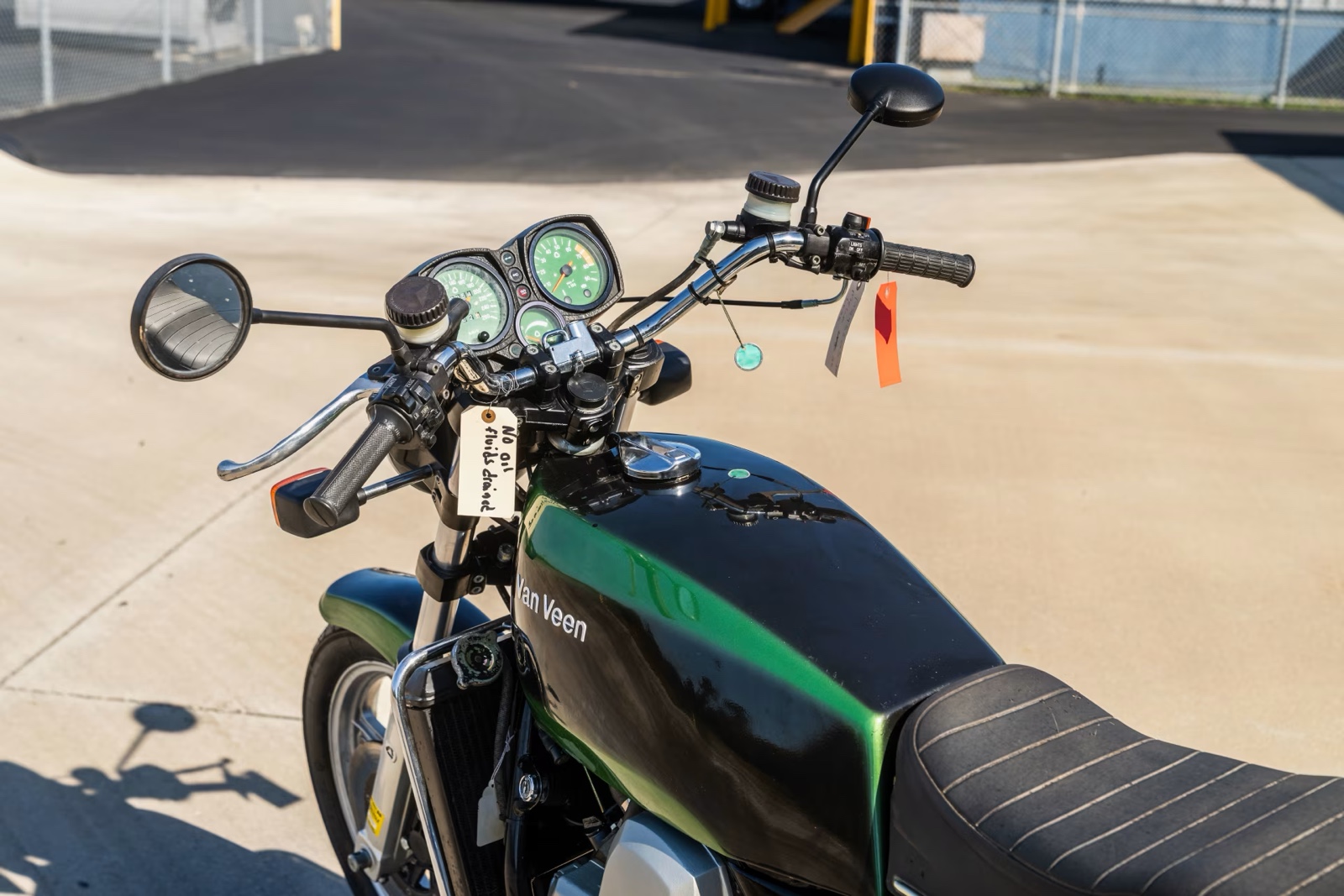
Van Veen couldn’t simply install the Comotor engine and attach a chain. The automobile powerplant needed a motorcycle-specific transmission, clutch, starter, ignition, lubrication hardware, intake, and final-drive system. The resulting four-speed gearbox is frequently described as “Porsche-designed.” The more complete story is that Porsche’s Weissach development center became deeply involved in testing and refining the motorcycle.
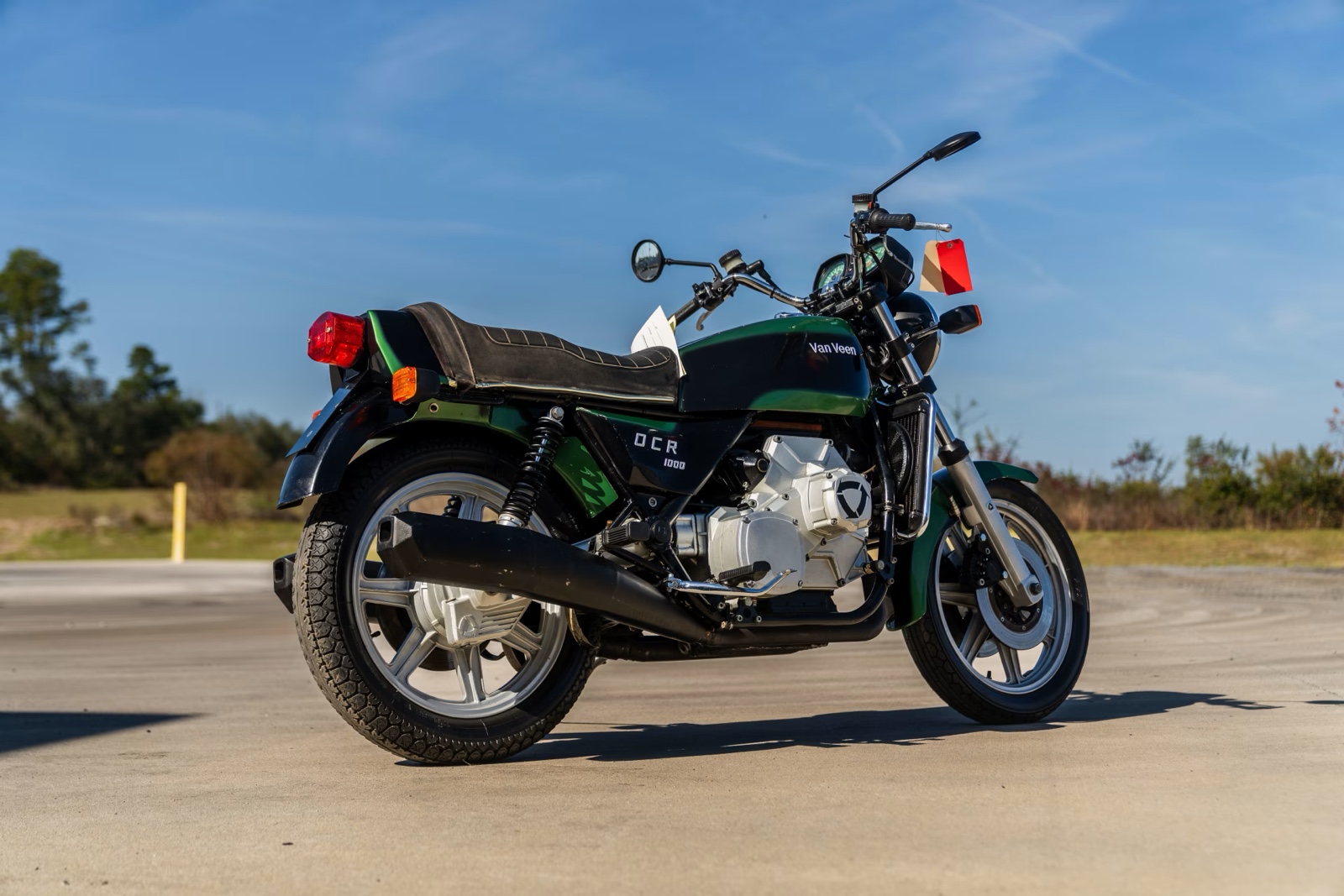 A near-production prototype was sent to Porsche in 1976, where engineers evaluated durability, chassis behavior, gyroscopic effects, brakes, primary drive, and transmission components. Porsche recommended changes to several areas of the motorcycle.
Final drive was by shaft. That choice complemented the rotary’s broad torque delivery and the OCR’s luxury-sports character, although it added more weight to an already substantial motorcycle.
Jos Schurgers’ Superbike
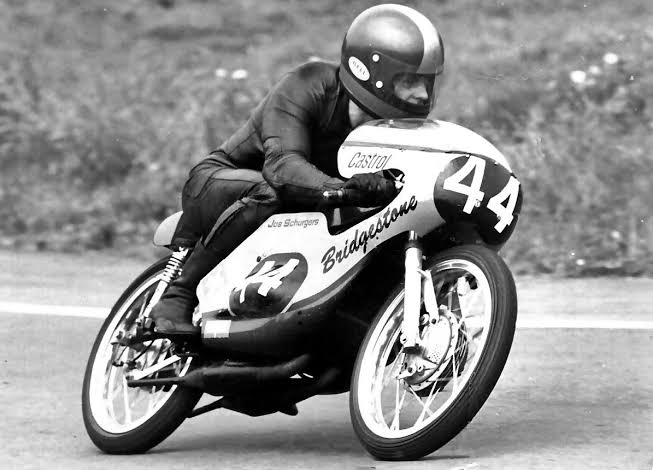 The OCR’s styling was primarily the work of Dutch Grand Prix racer Jos Schurgers, assisted by British designer Simon Saunders. Schurgers had finished third in the 1971 50cc World Championship riding for Van Veen Kreidler. He subsequently turned his attention to designing the company’s radically different flagship.
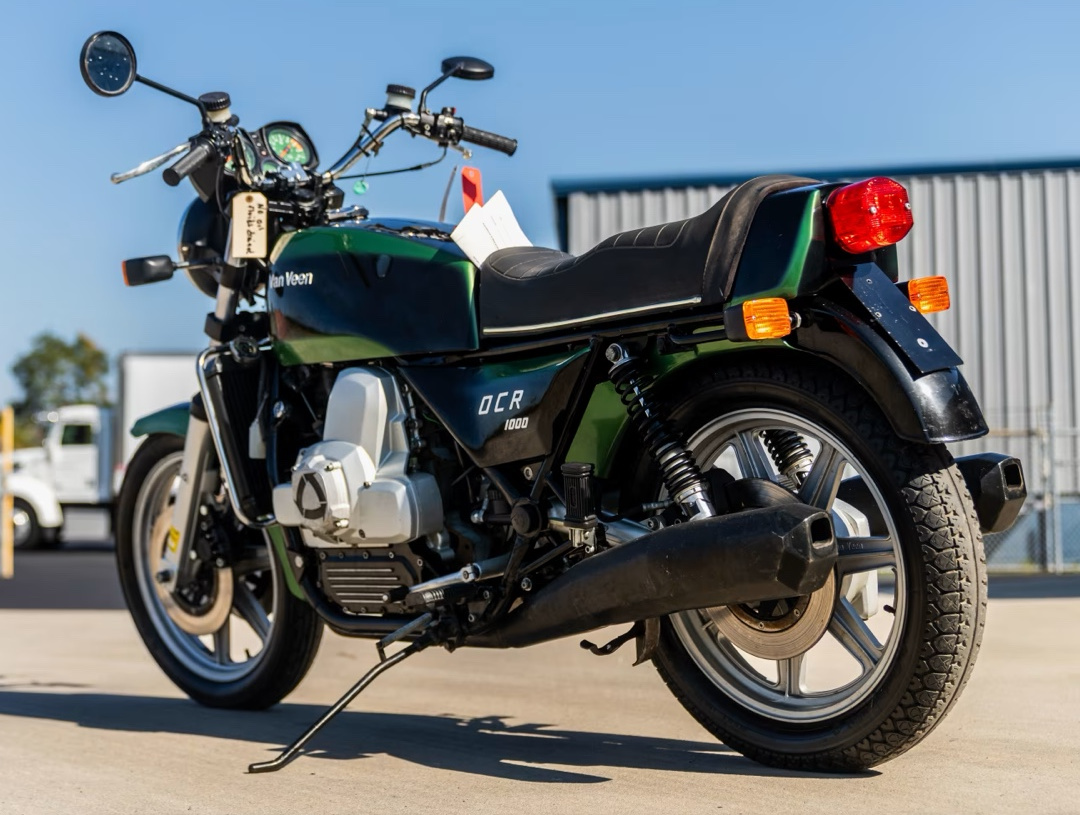
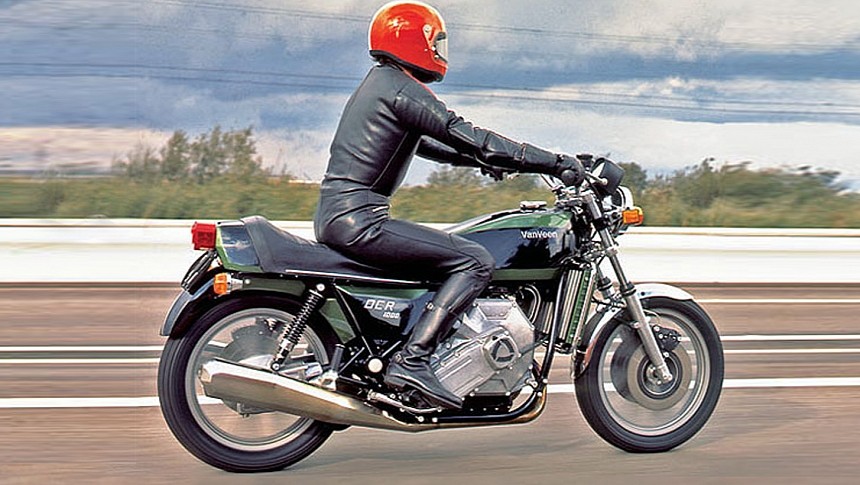
The result has aged surprisingly well. Its large fuel tank flows into a long, flat seat. The rotary engine dominates the center of the motorcycle, while cast wheels, substantial telescopic forks, triple disc brakes, and black-and-green paint gave it an unusually modern appearance for 1974.
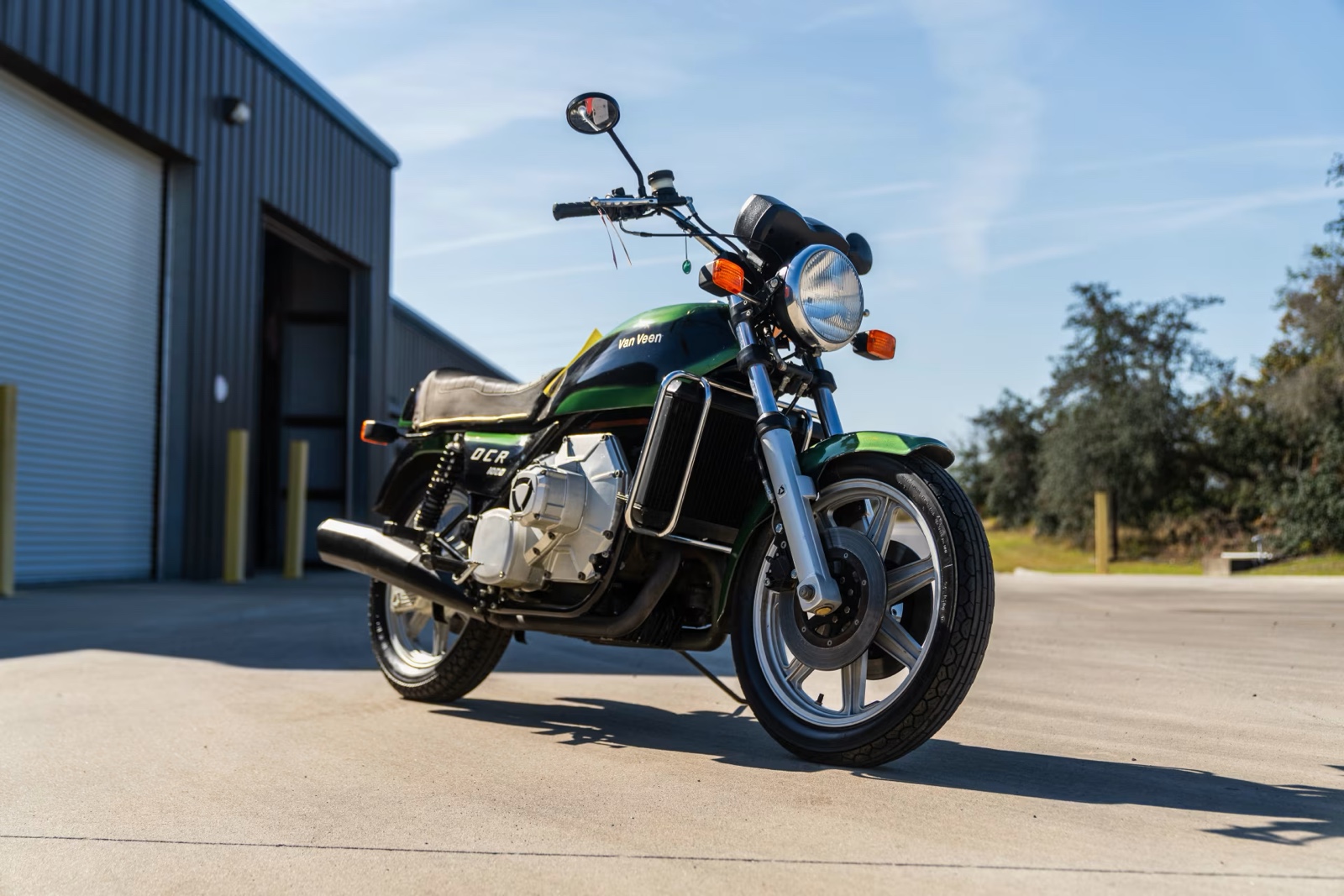
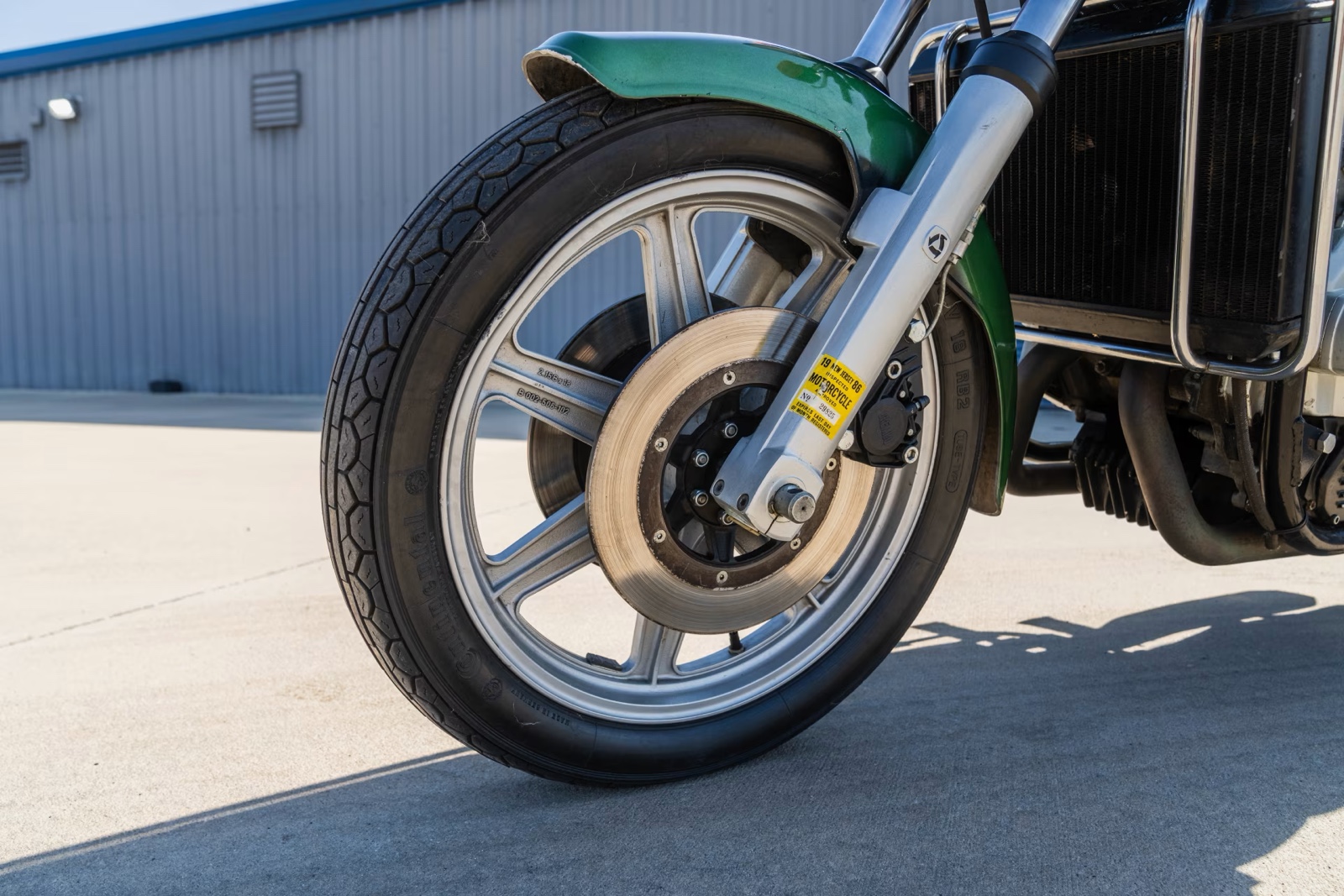
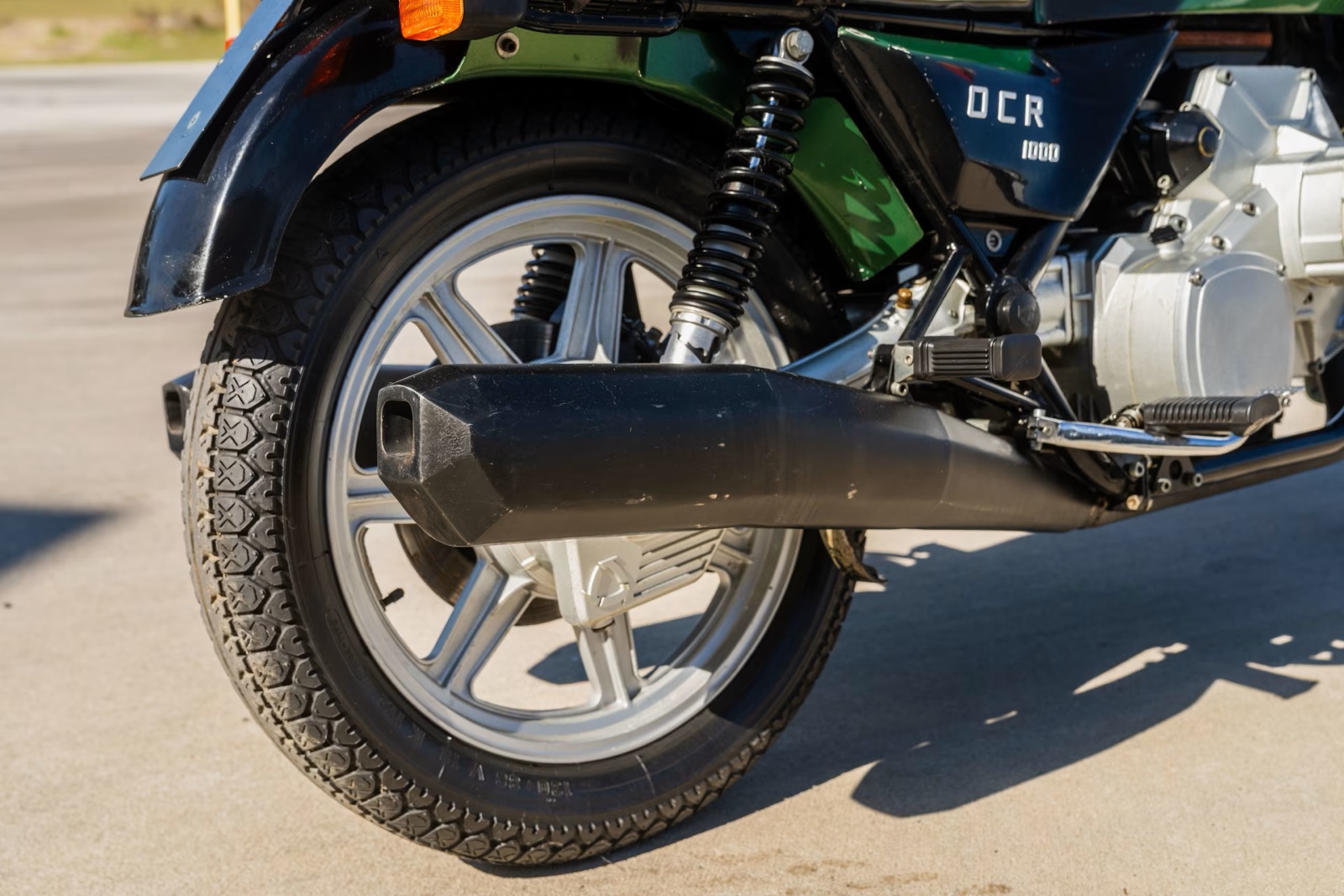
The production chassis used a steel double-cradle frame with massive 42mm telescopic forks and twin Koni rear shocks. Three 280mm Brembo discs handled braking. The cast-aluminum wheels were themselves futuristic at a time when wire-spoked wheels remained common on high-performance motorcycles. Even without the rotary engine, this was an exceptionally ambitious machine.
292 Kilograms…
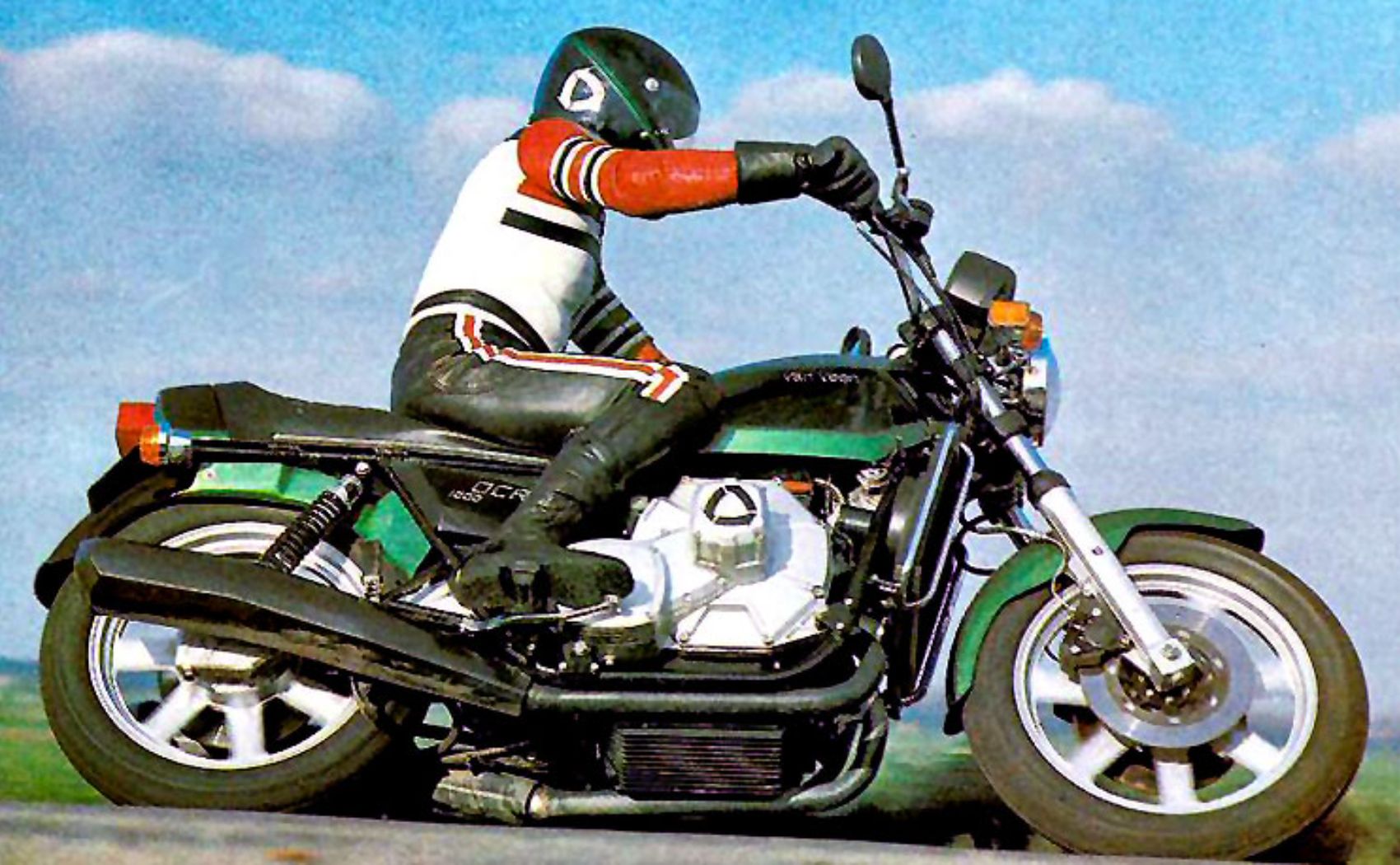
It was also heavy. Van Veen quoted approximately 292 kg / 644 lb dry. The adapted automobile engine, gearbox, shaft drive, cooling system, and robust chassis all contributed to the weight. That mass changed the character of the motorcycle, of course. Despite its superbike billing and remarkable acceleration, later testers have described the OCR more accurately as something approaching a high-performance sport-tourer. It was long, stable, enormously torquey, and exceptionally smooth.
The rotary’s lack of strong engine braking also made the motorcycle’s substantial weight particularly noticeable when slowing from high speed. Early testers criticized the brakes, transmissino, and throttle response, contributing to delays while Van Veen refined the production version.
139 MPH — and Possibly More…
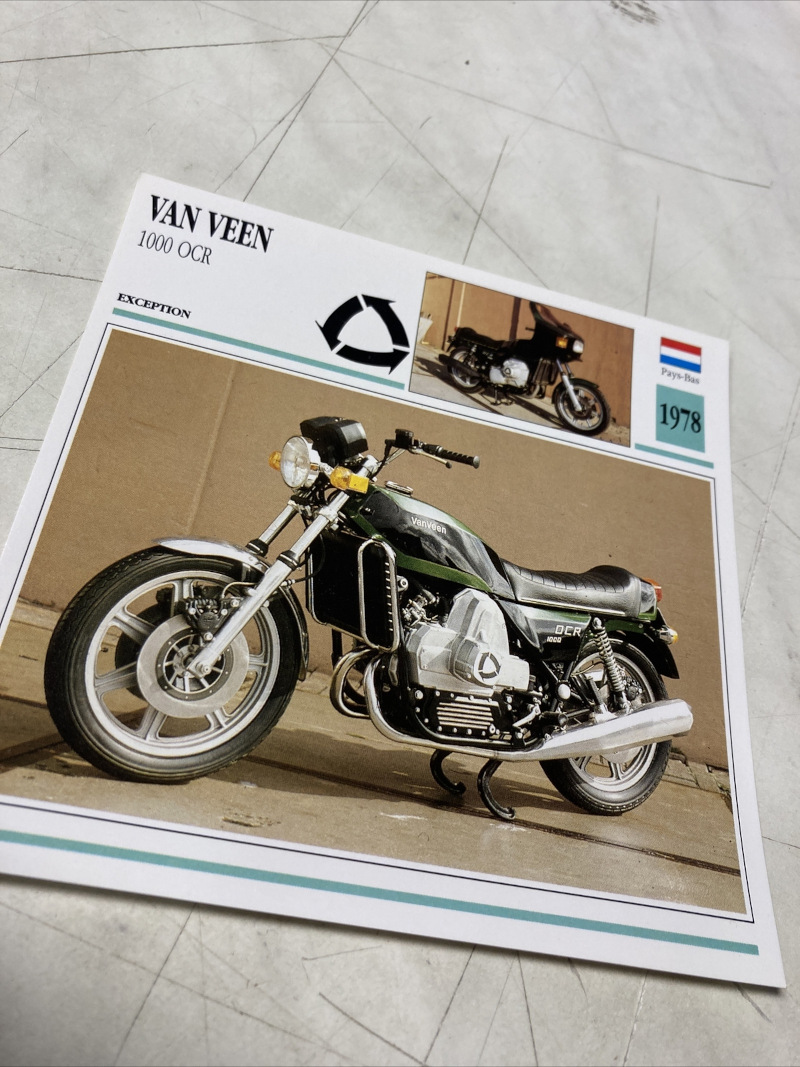 Period performance was nevertheless formidable. A pre-production OCR reportedly accelerated from 0-100 km/h (62 mph) in approximately 3.6 seconds and reached 200 km/h (124 mph) in around 16 seconds. Tested maximum speed was approximately 224 km/h / 139 mph.
Van Veen’s earlier promotional material had claimed as much as 240 km/h / 149 mph, while still higher figures appear in some later sources. For the mid-1970s, 139 mph from a nearly 650-pound motorcycle was already serious performance.
The World’s Most Expensive Motorcycle?
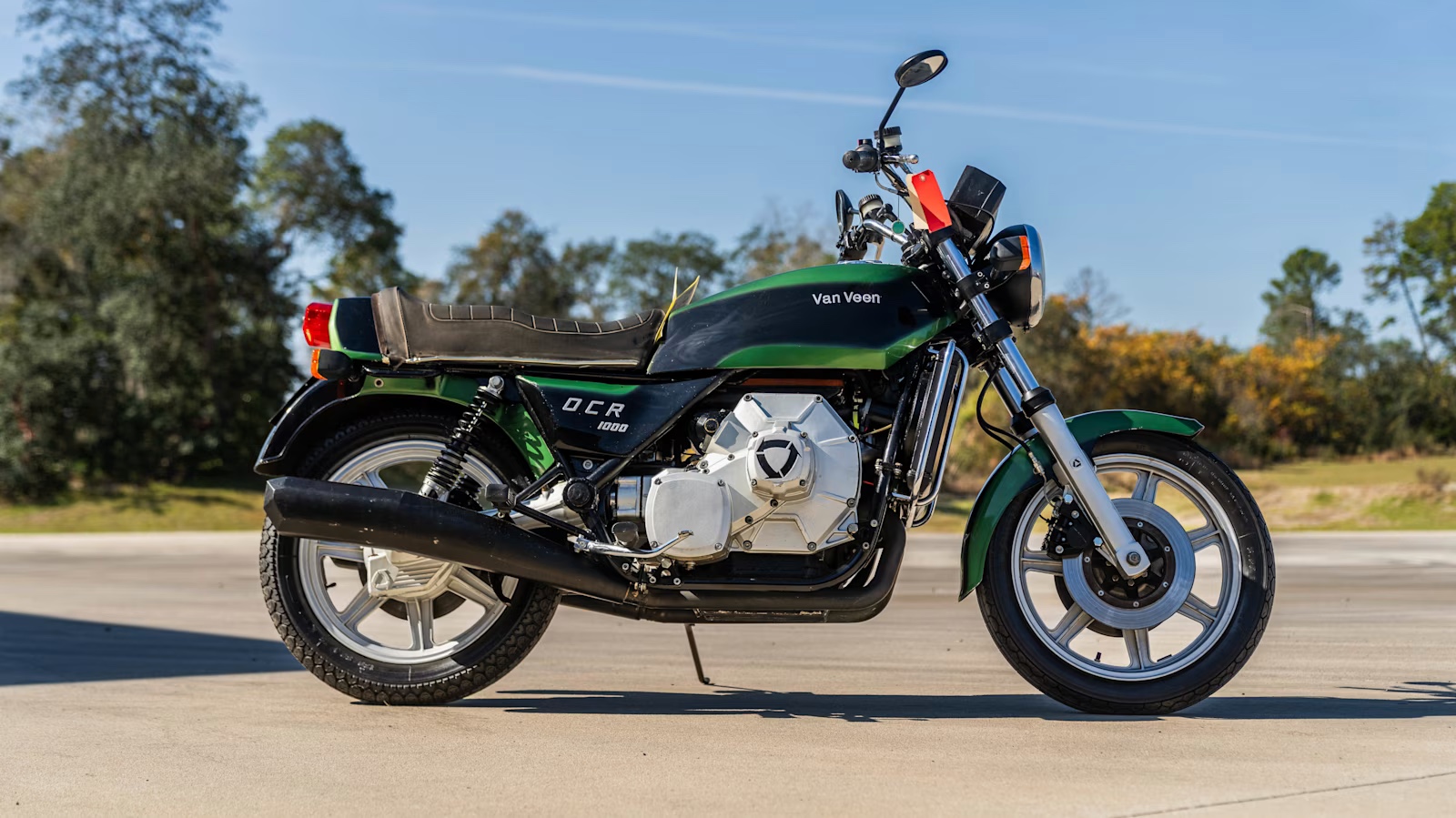
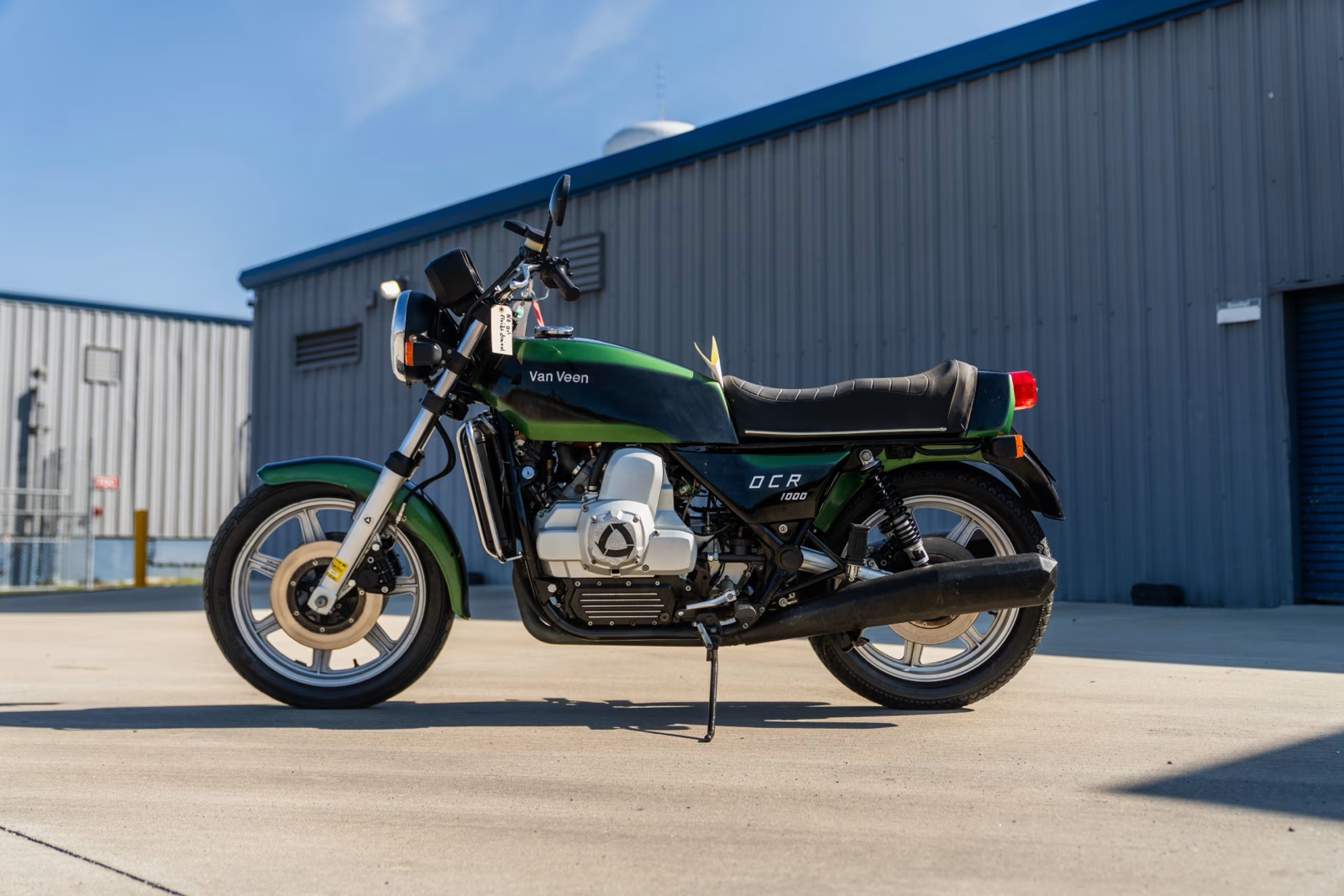
The price may have been even more remarkable than the speed. By the late 1970s, the OCR cost around 24,000-28,000 Deutsche Marks depending on year and specification — more than twice the price of some of the most desirable BMW motorcycles of the period. Christie’s later described it as the world’s most expensive road motorcycle of its era, with a contemporary US price above $15,000.
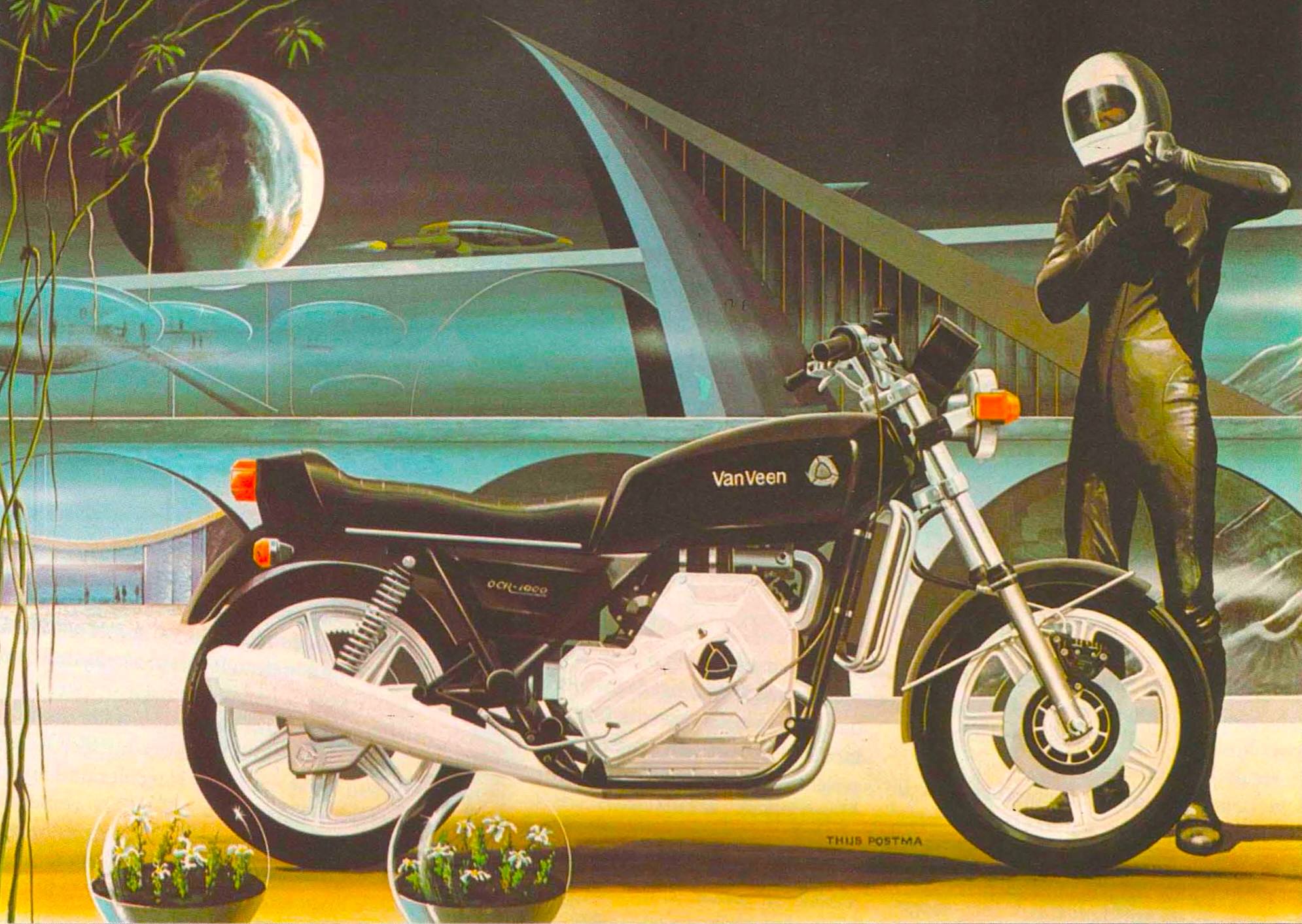
Van Veen wasn’t offering a bargain alternative to Honda or Kawasaki. He was attempting to establish an entirely different category: an ultra-exclusive, technologically advanced European superbike built almost by hand. Unfortunately, the engine on which the entire project depended was about to become obsolete through circumstances Van Veen couldn’t control.
The GS Birotor Disaster
 Citroën launched the GS Birotor in 1973. Its timing could hardly have been worse. The rotary was smooth and sophisticated, but it consumed significantly more fuel than the conventional GS. Then the oil crisis sent gasoline prices soaring. The Birotor was expensive to buy, thirsty to operate, and mechanically unfamiliar to dealers and owners. Citroën sold only 847.
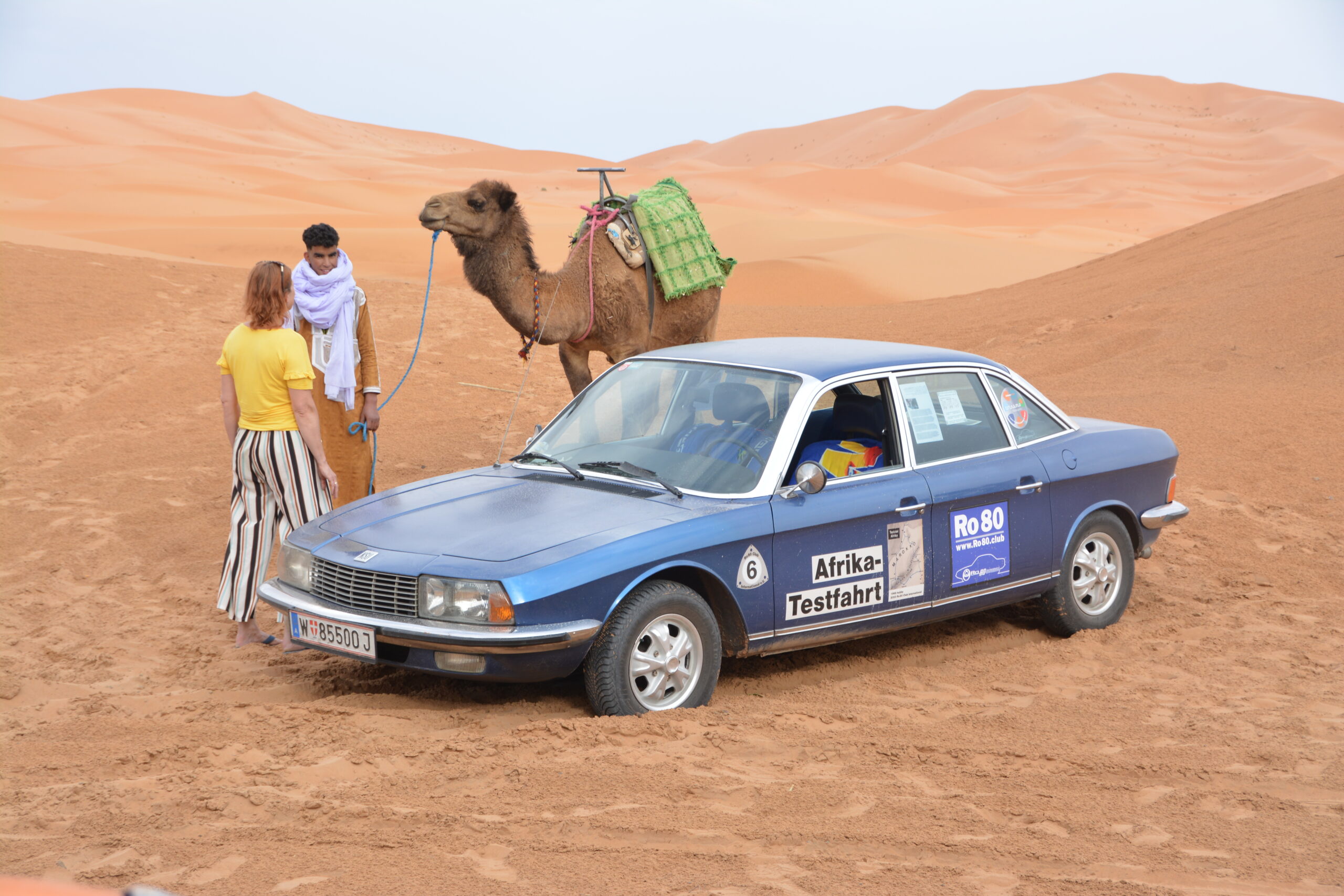
The company itself was sliding toward financial collapse and was ultimately taken over by Peugeot. Citroën abandoned the rotary program, while NSU’s own Ro80 was approaching the end of its life. Without the automotive volumes necessary to sustain it, the Comotor project collapsed. Production of the KKM 624 ended. Van Veen had reportedly arranged to receive engines in batches of 50. There would be no continuing supply.
Only 38
Production of customer OCR 1000s finally began in earnest around 1977 after years of development. But by then Van Veen was building motorcycles around an engine that was already out of production.
The company continued assembling machines from its existing stock. The accepted figure is 38 original OCR 1000s, with the final example completed around 1981 before Van Veen’s motorcycle operation ended. That makes the OCR dramatically rarer than other rotary motorcycles of the period. Suzuki built thousands of RE5s, and Hercules produced its W2000 in meaningful numbers. Van Veen built fewer than 40.
The OCR Returns
 Oddly, 1981 wasn’t quite the end. Dutch rotary specialist Ger van Rootselaar later acquired the surviving Van Veen inventory, including engines, molds, drawings, and components. He used those parts to assemble another motorcycle for himself, generally identified as number 39.
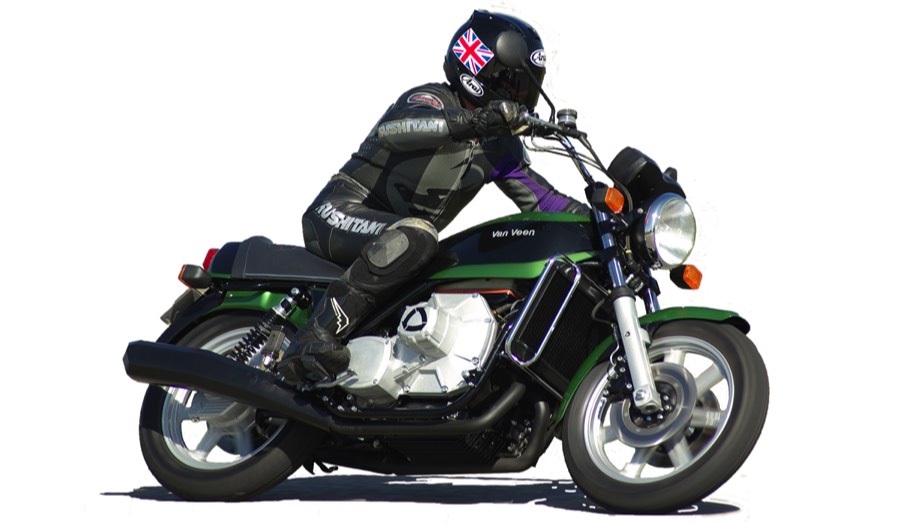
Years later, the collection passed to Citroën specialist Andries Wielinga, who began a continuation project using the surviving factory stock. Original components were retained wherever possible, while new frames were produced to the original design by respected Dutch chassis builder Nico Bakker.
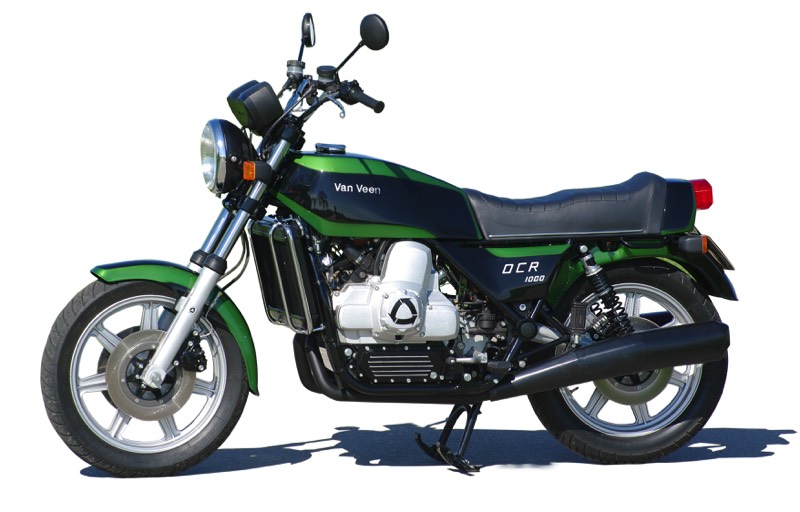
The surviving Comotor engines imposed a natural limit: there simply weren’t enough to build many more motorcycles. The continuation OCRs were offered at around €85,000. Forty years after the original failed partly because it was too expensive, collectors were willing to pay even more for another chance.
The Rotary Superbike That Arrived at the Wrong Time
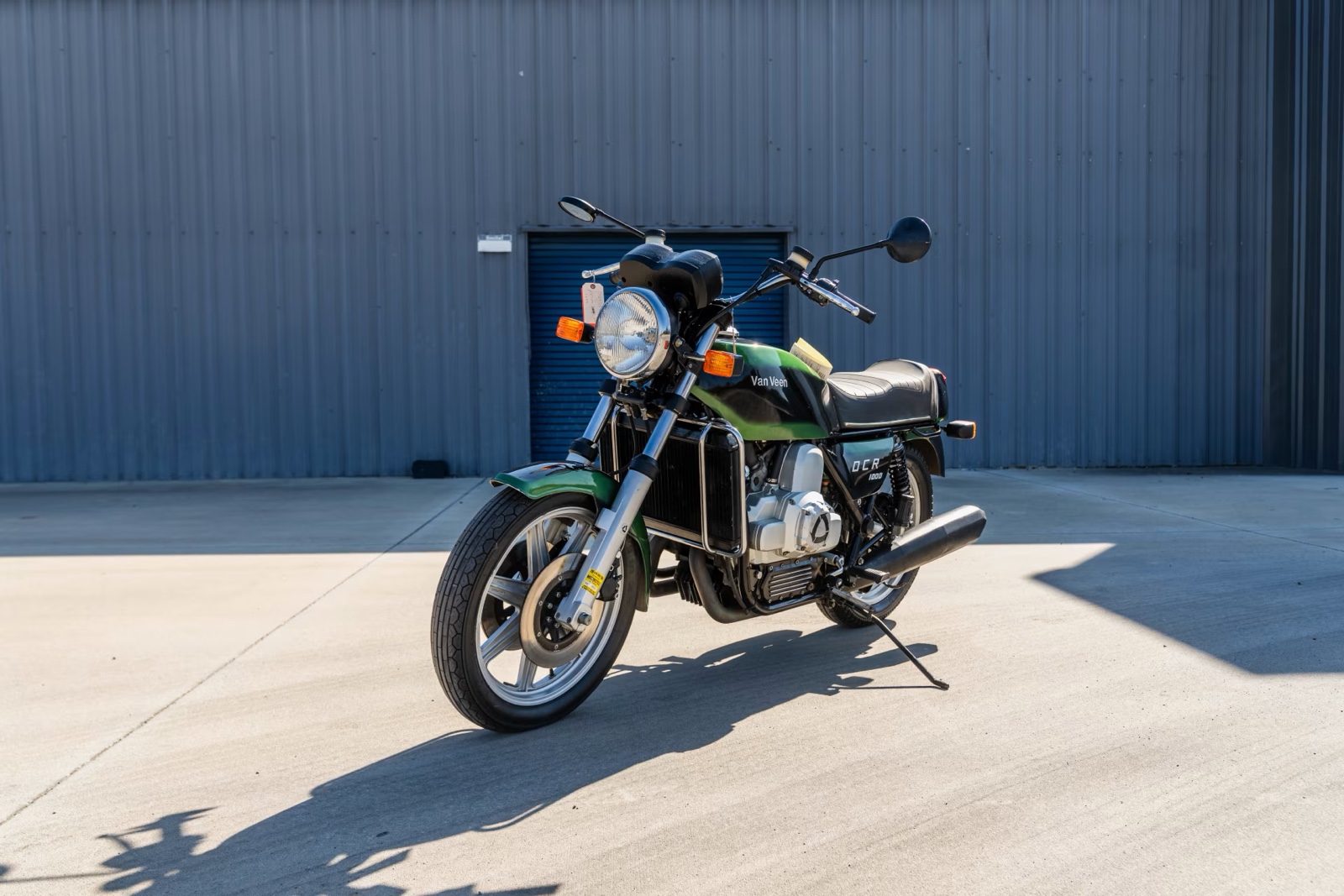
The Van Veen OCR 1000 was not a failed idea in the usual sense. Its engine worked. It was extremely powerful for the period. Its styling was advanced. Its chassis used high-quality European components. And contemporary testers were consistently impressed by the effortless torque and almost vibration-free power delivery. The problem was that the entire rotary-car industry surrounding its engine collapsed just as Van Veen was preparing for production.
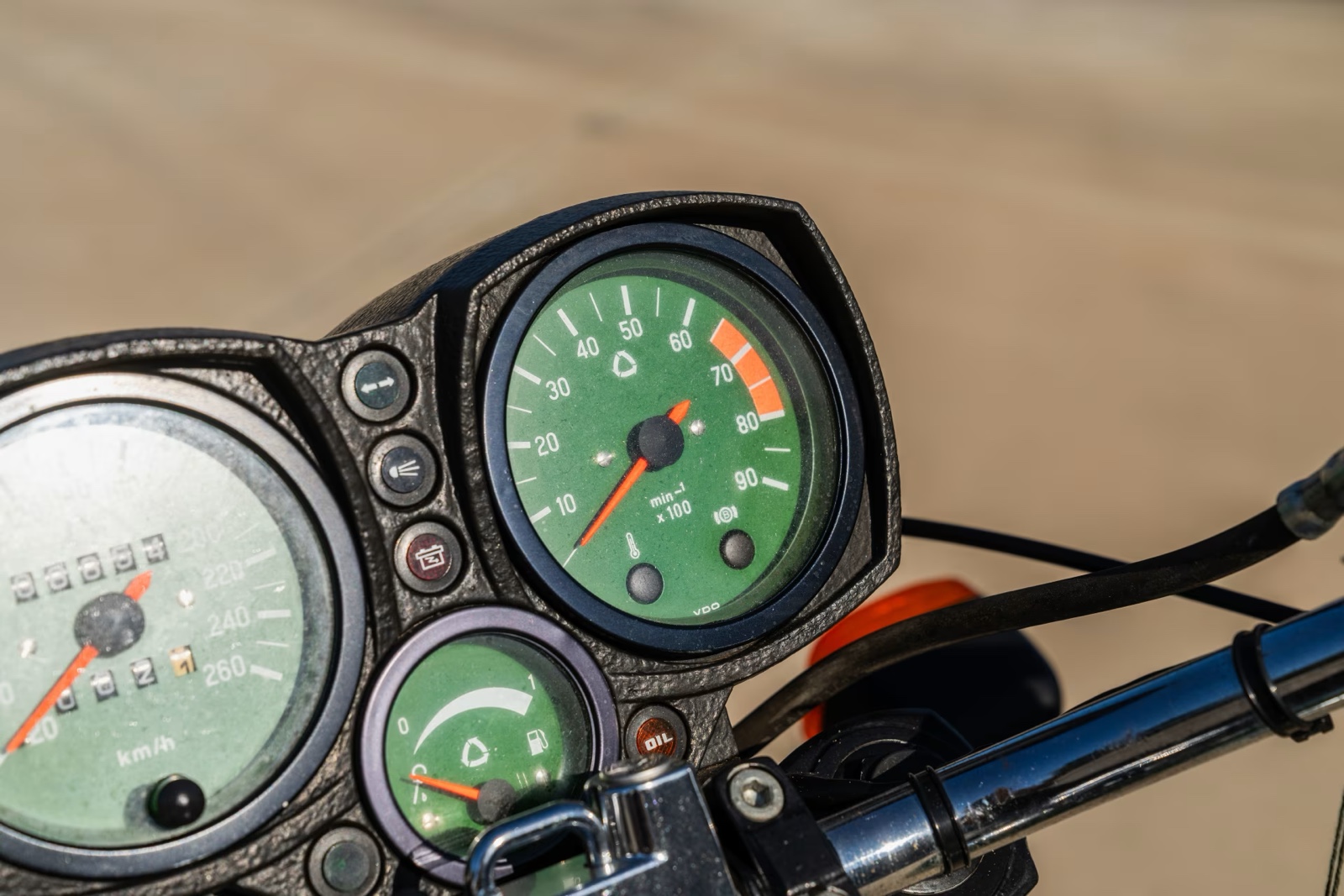 Then there was the price, the weight, and the fuel economy. Henk van Veen had attempted to build an exclusive European superbike around what many engineers believed might become the engine of the future. Instead, the Comotor 624 became the engine of one failed Citroën and 38 extraordinarily rare motorcycles.
That makes the OCR 1000 more interesting today than it probably was when new. It wasn’t merely a Dutch superbike with a strange engine. It was the two-wheeled remnant of an alternate automotive future — powered by the same rotary experiment Citroën and NSU once believed might replace the piston engine.
Van Veen OCR 1000 Specifications
| Engine | Comotor KKM 624 twin-rotor Wankel |
| Engine origin | NSU/Citroën Comotor joint venture; developed for Citroën GS Birotor |
| Nominal displacement | 996cc |
| Rotor chambers | 2 x approx. 498cc |
| Cooling | Liquid-cooled housings / oil-cooled rotors |
| Compression ratio | Approx. 9.0:1 |
| Carburetion | 32mm Solex |
| Power | Approx. 100-100.4 bhp @ 6,500 rpm |
| Torque | Approx. 135-140 Nm / 100-103 lb-ft |
| Transmission | Four-speed |
| Final drive | Shaft |
| Frame | Steel double-cradle |
| Front suspension | 42mm telescopic fork |
| Rear suspension | Twin Koni shocks |
| Front brakes | Twin 280mm Brembo discs |
| Rear brake | 280mm Brembo disc |
| Wheels | 18-inch cast aluminum |
| Wheelbase | Approx. 1,550mm / 61 in |
| Fuel capacity | Approx. 24 liters / 6.3 US gal |
| Claimed dry weight | Approx. 292 kg / 644 lb |
| Tested top speed | Approx. 224 km/h / 139 mph |
| 0-100 km/h | Approx. 3.6 sec |
| Original production | 38 motorcycles |
| Model name | OCR = Oil-Cooled Rotors |


