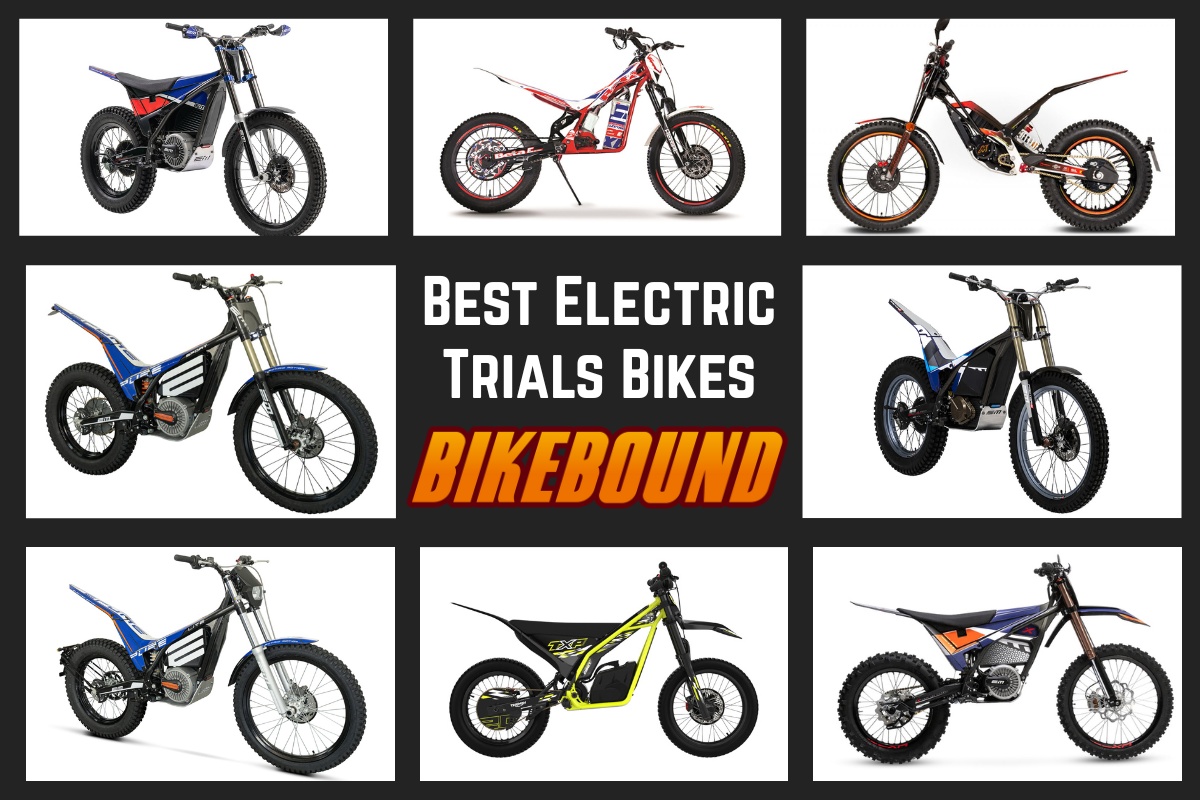
 It seems electric power has found a natural home in the world of motorcycle trials. Trials riding is all about balance, precision, and throttle control — not outright speed — and electric drivetrains deliver significant advantages for trials riders: instant torque, smooth power delivery, and near-silent operation.
Today’s e-trials bikes are no longer novelty machines. They’re purpose-built tools used for competition, training, and technical riding in places where noise and maintenance matter just as much as performance.
Below, we highlight the best electric trials bikes currently available, with key details on weight, range, and charging time to help riders understand how they work in real-world riding.
What Makes an Electric Trials Bike Different?
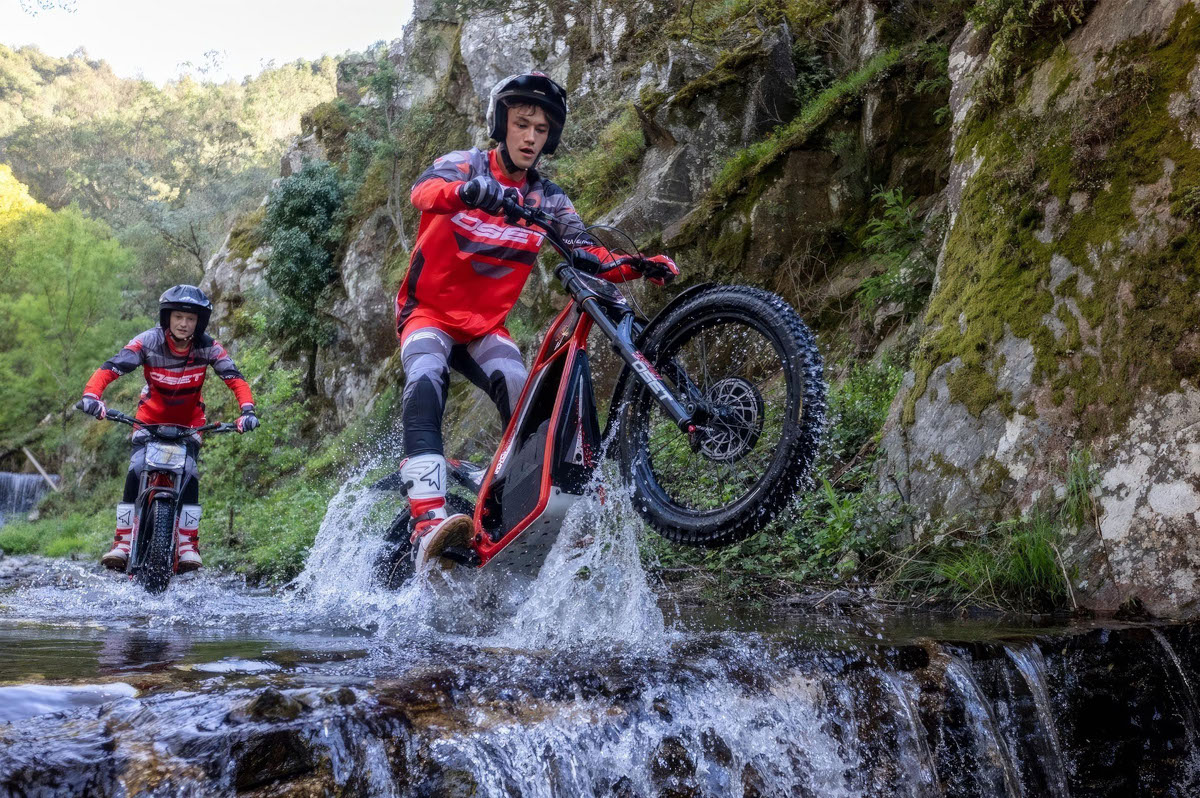 Trials motorcycles are already among the lightest and most specialized machines in motorcycling. Electric power enhances those strengths by offering:
- Instant, controllable torque at zero rpm
- Exceptionally smooth low-speed response
- Minimal maintenance compared to gas engines
- Quiet operation that expands access to riding areas
Instead of managing revs, clutch heat, or jetting, riders can focus purely on balance and line choice — the essence of trials riding.
Full-Size Electric Trials Bikes (Adult Riders)
Electric Motion ePure Sport
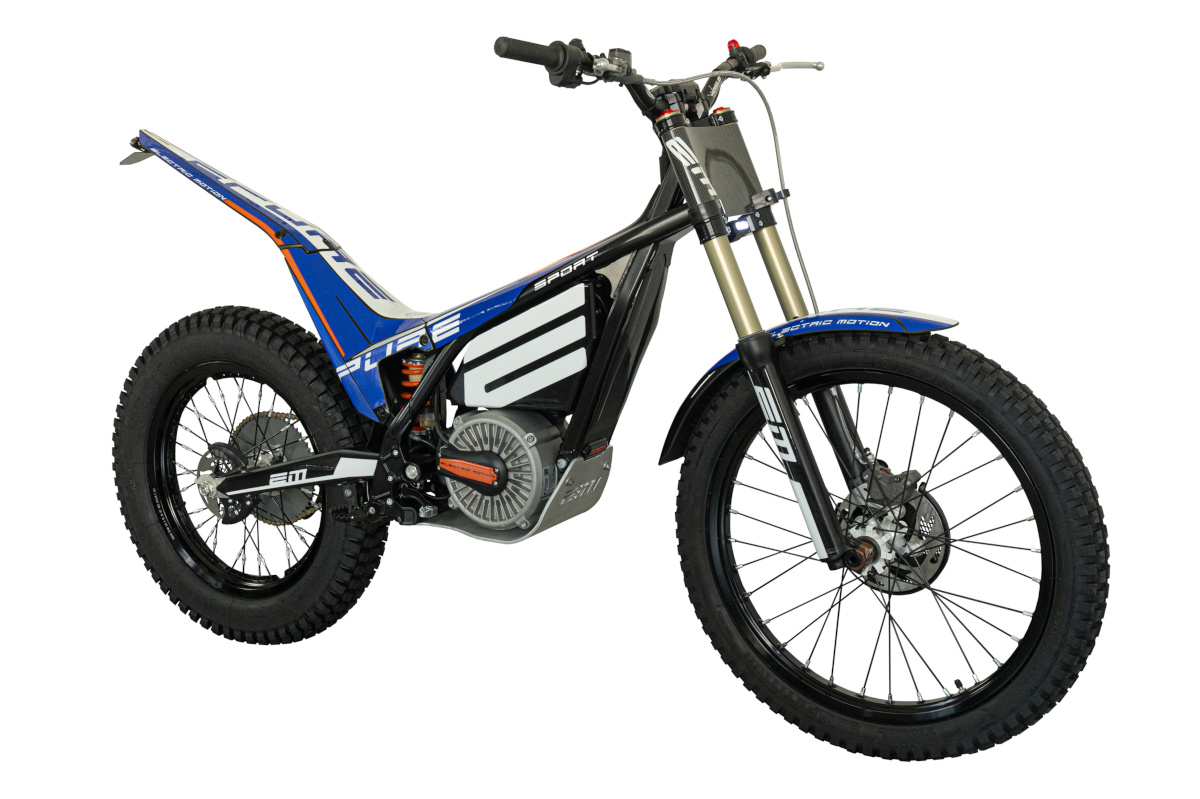
The Electric Motion ePure is one of the most established electric trials bikes on the market and a direct replacement for a modern gas trials machine. It’s designed for pure trials riding, with precise throttle control and a very natural feel at low speed.
- Wet weight: ~165 lb
- Estimated range: ~2.5–3.5 hours of trials riding
- Charge time: ~2.5–3 hours
Its smooth, predictable power delivery makes it especially appealing to riders transitioning from gas-powered trials bikes.
Electric Motion ePure Race
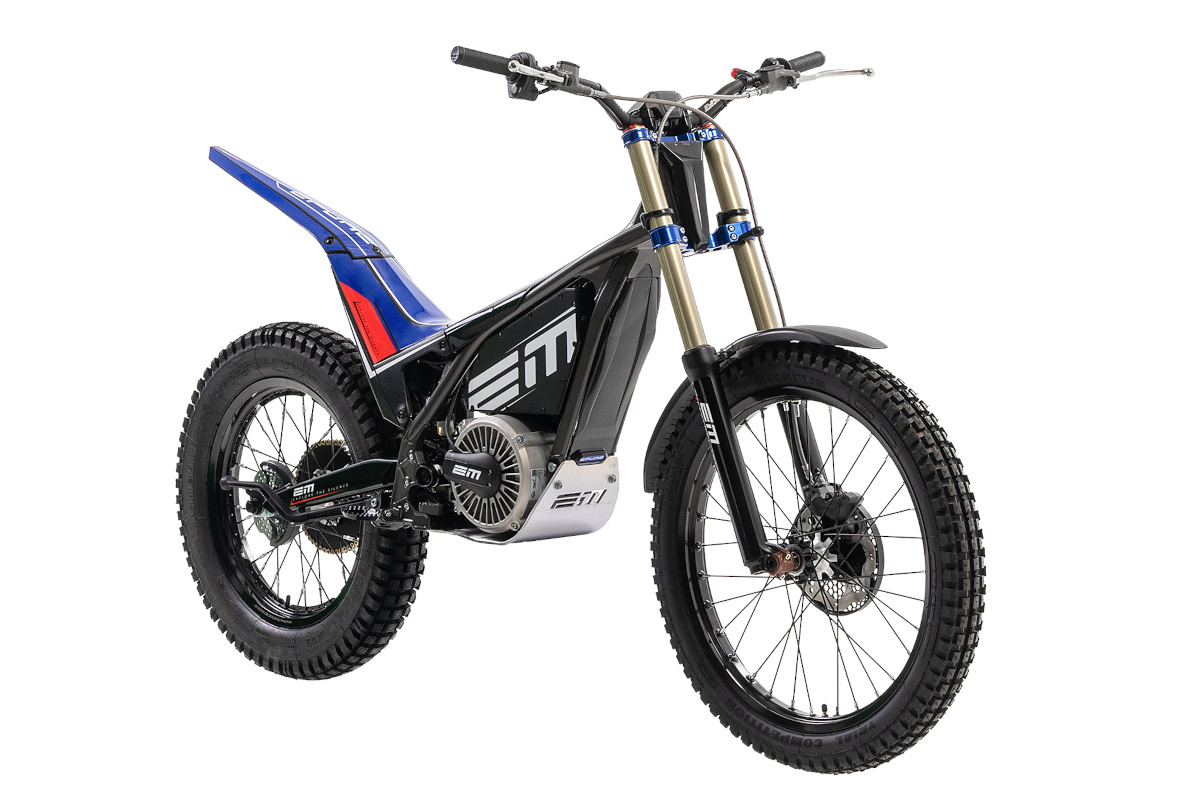
The ePure Race builds on the standard ePure with upgraded suspension and the addition of a hydraulic diaphragm clutch. While the bike can be ridden clutch-free, the clutch allows advanced riders to apply traditional techniques when desired.
- Wet weight: ~165 lb
- Estimated range: ~2–3 hours (more aggressive riding)
- Charge time: ~2.5–3 hours
This model is commonly chosen by riders competing in observed trials events.
Electric Motion Factor-E 2.5
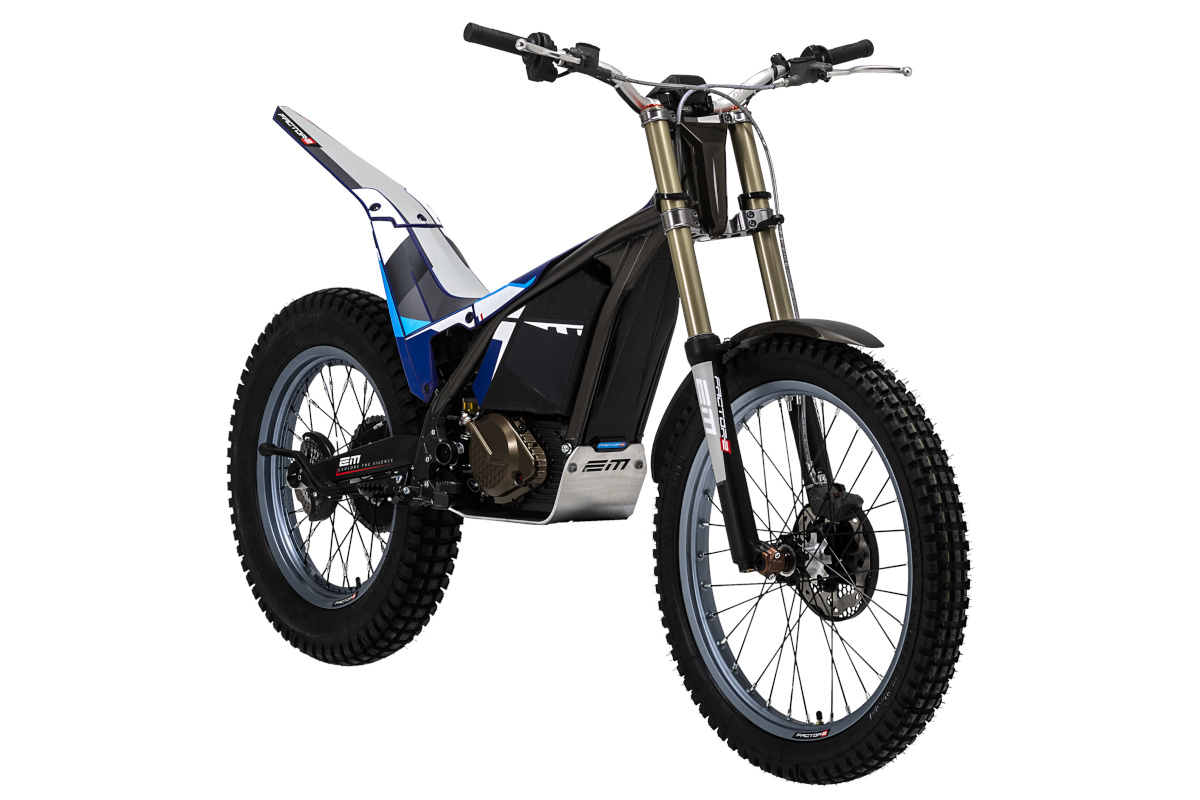
The Factor-E 2.5 represents the most performance-focused electric trials bike in Electric Motion’s lineup. It features significantly higher torque output and a multi-speed gearbox — rare among electric motorcycles.
- Wet weight: ~170 lb
- Estimated range: ~1.5–2.5 hours (high-output riding)
- Charge time: ~3 hours
This model is aimed at expert riders who want maximum punch without sacrificing control.
Electric Motion eScape
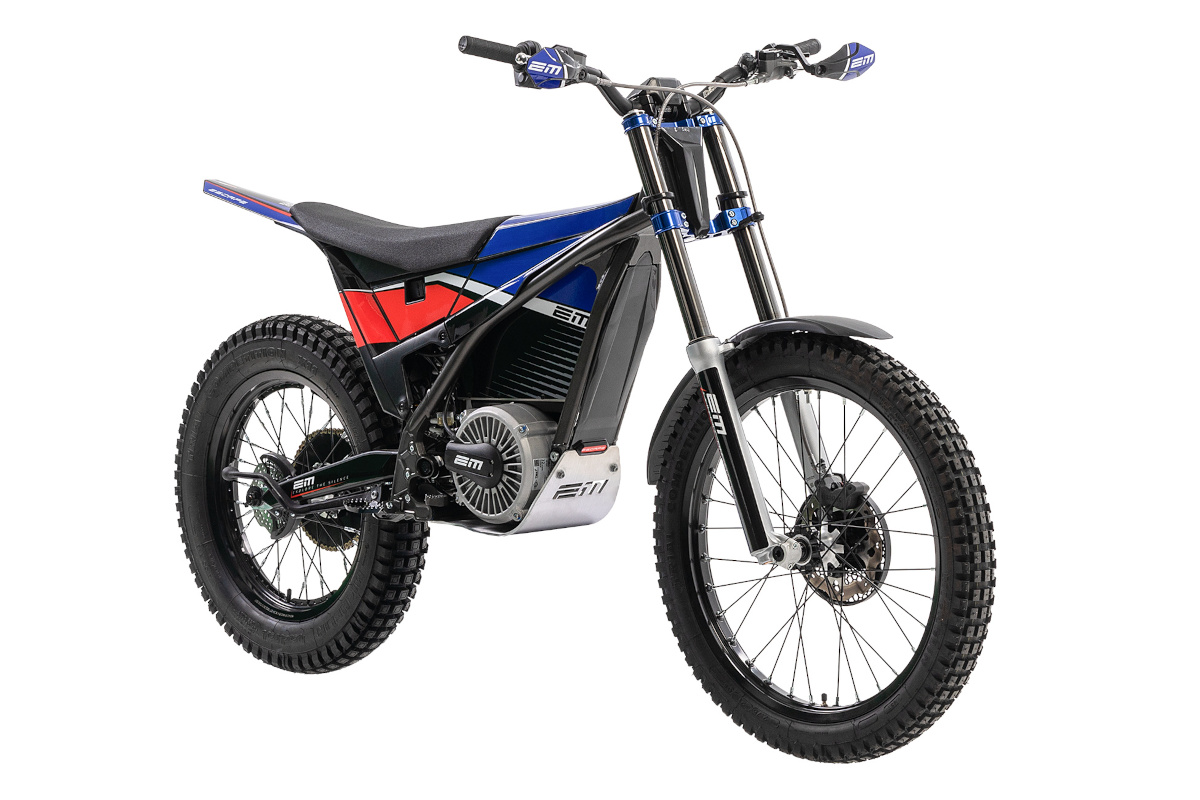
The eScape blends trials DNA with light trail capability. A seat, revised ergonomics, and increased battery capacity make it suitable for extended technical riding beyond traditional trials sections.
- Wet weight: ~190 lb
- Estimated range: ~3–4 hours (mixed technical riding)
- Charge time: ~3–4 hours
While heavier than a pure trials bike, it remains extremely manageable in slow, technical terrain.
Electric Motion Escape XR
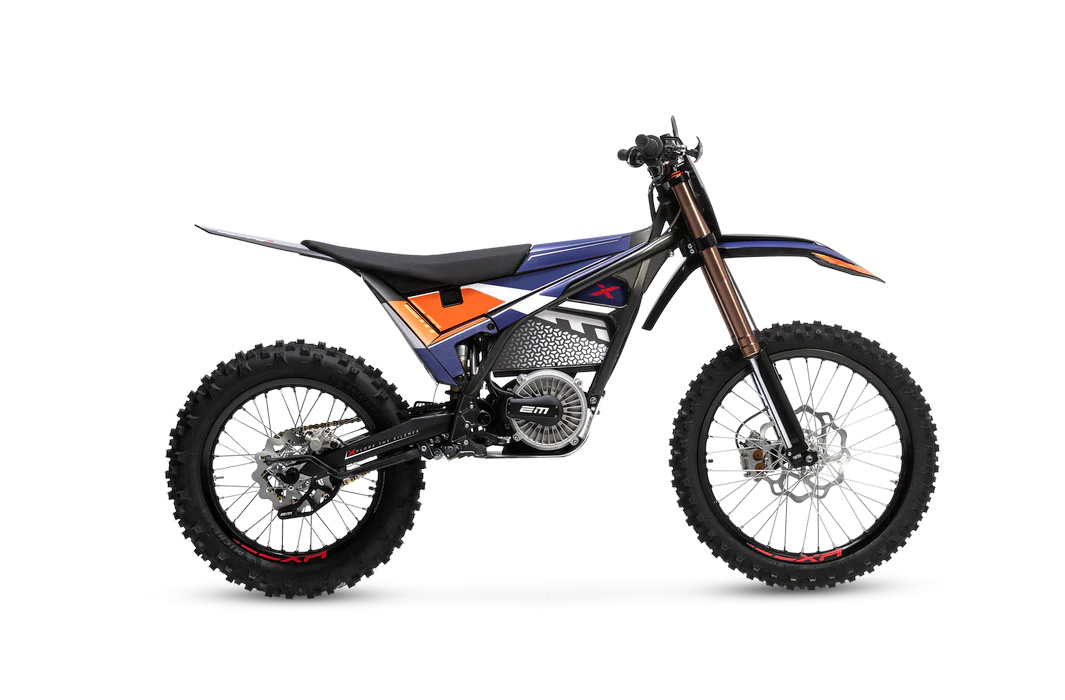
The Escape XR represents Electric Motion’s most off-road–oriented interpretation of a trials-based electric motorcycle. While still rooted in trials geometry and low-speed control, the XR adds more aggressive suspension, revised ergonomics, and increased durability for rougher terrain.
This model blurs the line between trials and light enduro, appealing to riders who want trials-level precision for rocks, climbs, and technical sections, but with more flexibility for trail riding and hard enduro. It highlights how electric trials platforms are evolving beyond traditional observed sections into broader forms of technical off-road riding.
Youth & Entry-Level Electric Trials Bikes
OSET TXP-24
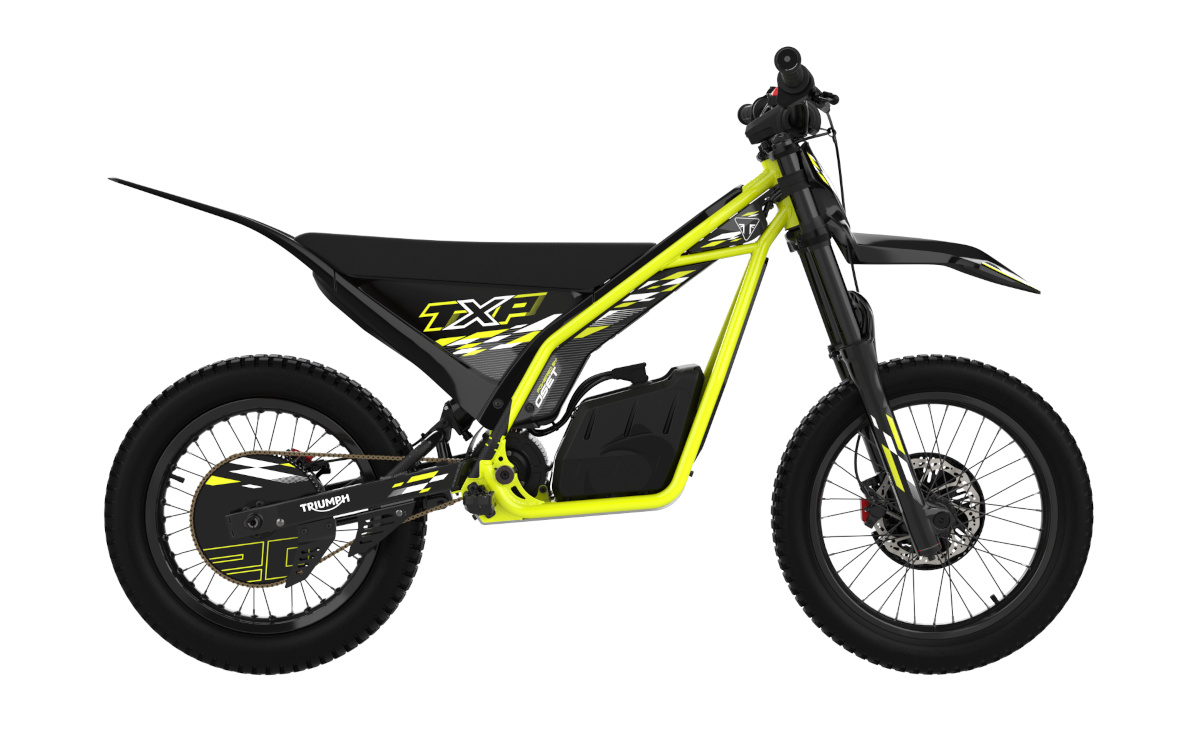
OSET has become the benchmark for youth electric trials bikes. The TXP-24 is designed for developing riders learning balance, throttle control, and obstacle technique.
- Weight: ~110 lb
- Estimated range: ~1.5–2.5 hours
- Charge time: ~2 hours
Power output is adjustable, allowing the bike to grow with the rider. Triumph Motorcycles now offers the TXP-24 as part of its youth electric lineup under the “powered by OSET” banner, giving riders and families an official Triumph-branded option built on OSET’s acclaimed electric trials platform.
Beta Minitrial-E Series
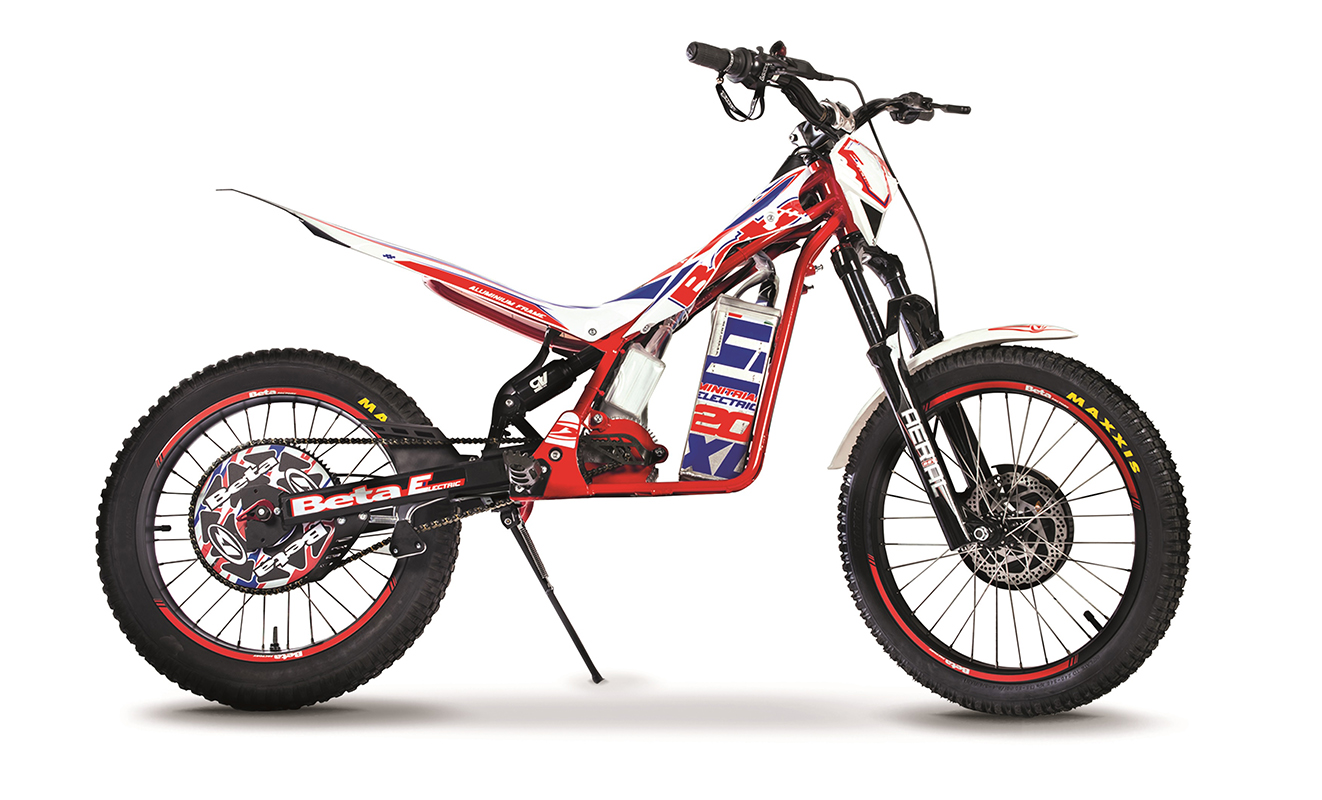
Beta’s electric Minitrial models offer traditional trials geometry scaled for younger riders, with multiple wheel sizes available.
- Weight: ~95–120 lb (depending on version)
- Estimated range: ~1.5–2 hours
- Charge time: ~1.5–2 hours
These bikes are commonly used as stepping stones into full-size trials machines.
Electric Motion ePure Lite
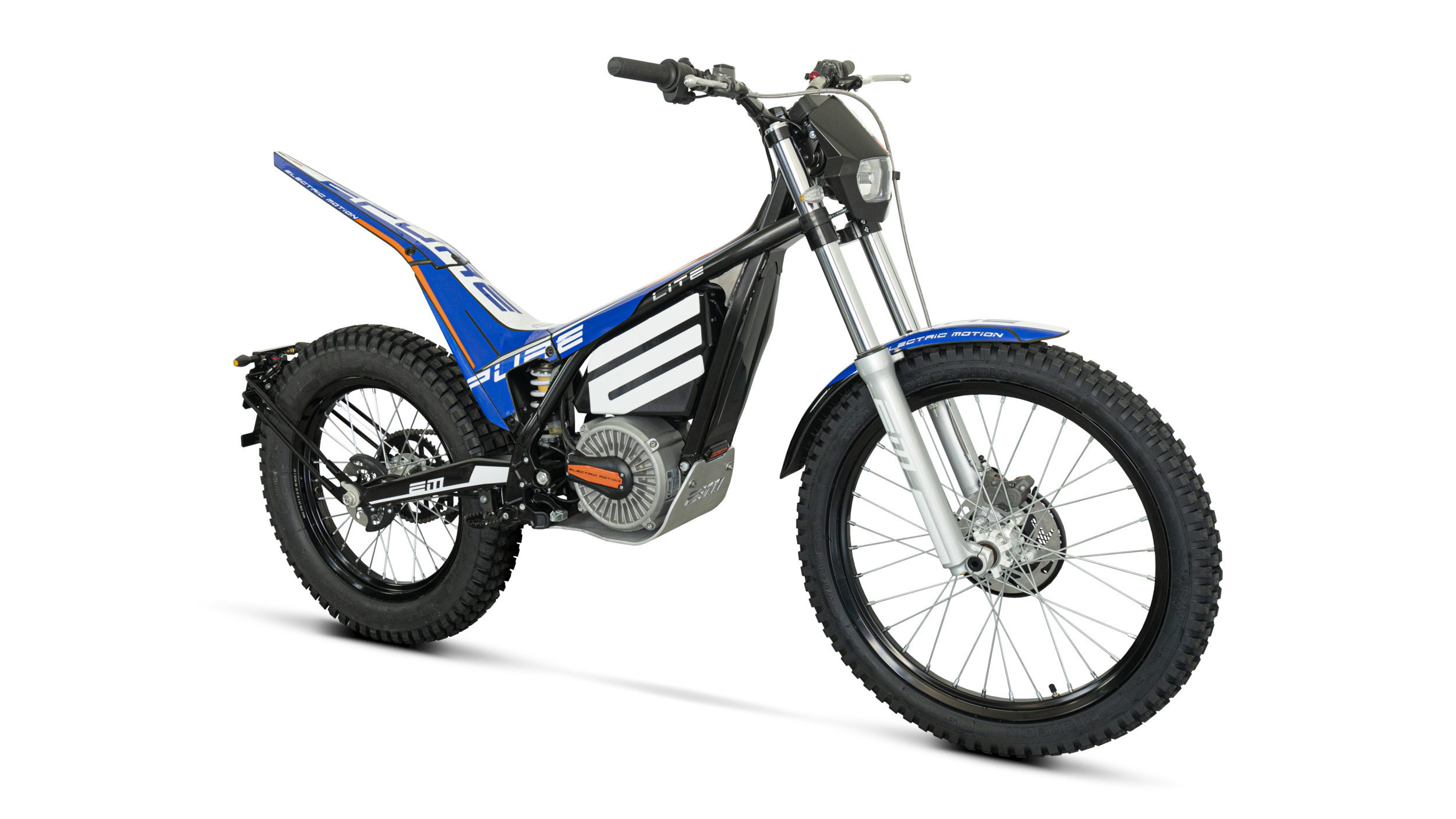
The ePure Lite sits between youth-focused electric trials bikes and full-size adult machines, making it an important stepping stone in Electric Motion’s lineup. It uses the same core electric drivetrain philosophy as the standard ePure but with reduced power output, smaller wheels, and lighter overall feel. This makes it especially well suited to teens, smaller riders, or newcomers transitioning from OSET-style bikes into “real” trials geometry.
By preserving proper trials ergonomics while softening performance, the ePure Lite helps riders develop balance, precision, and throttle control without being overwhelmed. It reinforces how Electric Motion has approached electrification not just as a performance exercise, but as a complete rider-development ecosystem.
Other E-Trials Considerations
Mecatecno Dragonfly
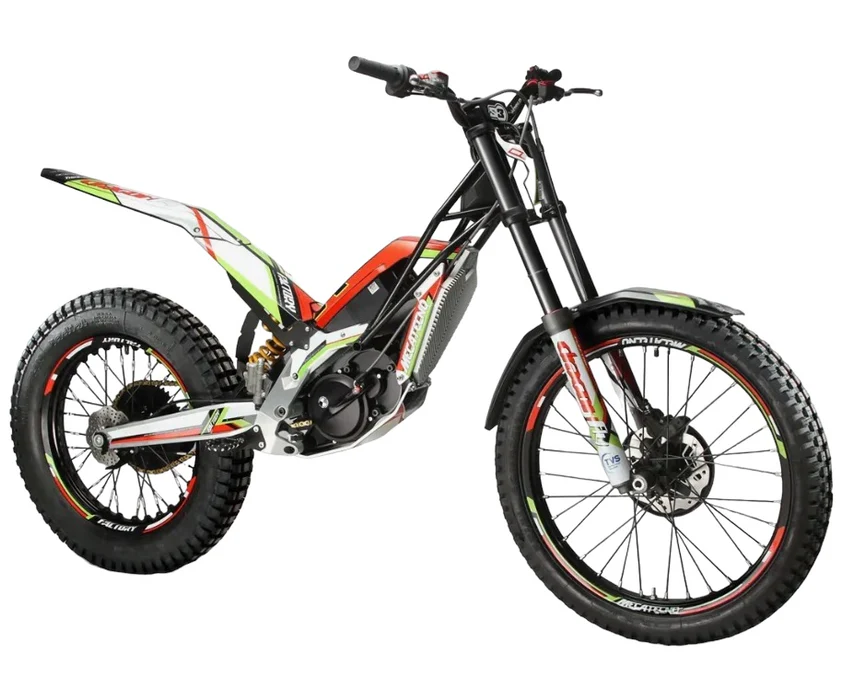
Mecatecno was one of the earliest manufacturers to explore electric power for trials riding, and the Dragonfly series became a quiet benchmark in youth and lightweight electric trials bikes—particularly in Europe. Designed primarily for younger riders, the Dragonfly emphasized low weight, correct trials geometry, and extremely smooth power delivery.
While never widely distributed in the U.S., Mecatecno’s work helped normalize the idea that electric power could fully replace gas in trials without compromising technique. The Dragonfly’s influence is still visible today in modern youth electric trials machines, even if the bike itself remains a rare sight outside Europe.
KTM Freeride E
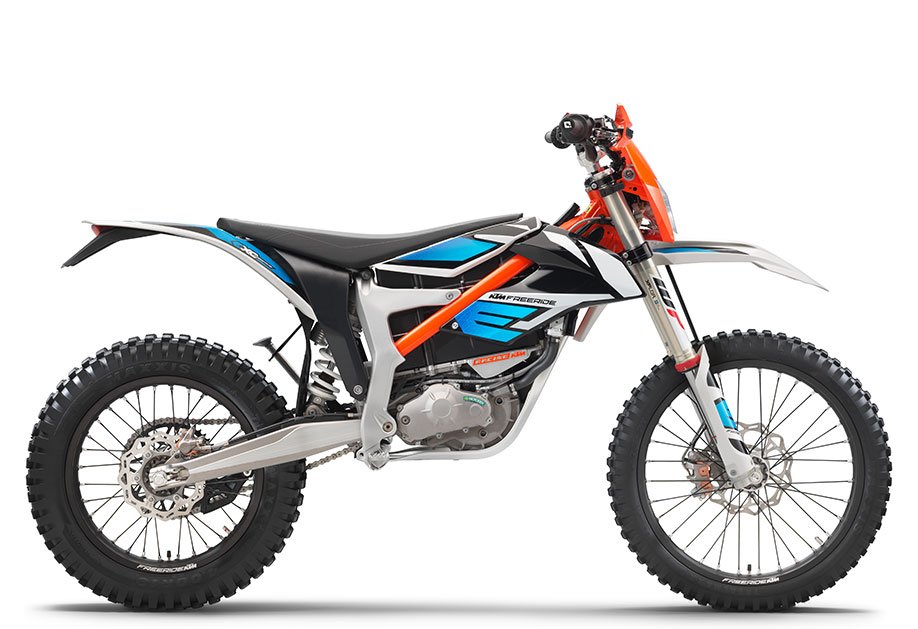
The KTM Freeride E is not a pure trials bike, but it deserves mention for its role in pushing electric off-road motorcycles into the mainstream. Introduced as a lightweight electric enduro/trials hybrid, the Freeride E offers quiet operation, strong low-end torque, and real off-road capability from a major manufacturer.
While heavier and taller than true trials machines, the Freeride E demonstrated that electric off-road bikes could be viable beyond niche trials use. Its existence helped legitimize electric power within the off-road world and paved the way for more specialized electric trials and performance models that followed.
It returned as a 2025 production model, with the new version offering a 19.2 kW peak power motor and top speed of 95 km/h. It also features a redesigned chassis, new battery, and updated WP XACT/XPLOR suspension. It’s designed as a street-legal, versatile electric trail bike with three riding modes and regenerative braking.
Electric Trials Bikes: Spec Comparison Table
| Model | Wet Weight | Peak Power (approx.) | Top Speed (est) | Battery / Charge | Estimated Price (USD) |
|---|---|---|---|---|---|
| Electric Motion ePure | ~165 lb | ~11–12 kW (15–16 hp) | ~45 mph | Battery pack ~3–4 kWh • ~2.5–3 h charge | ~$9,500–$10,500 |
| Electric Motion ePure Race | ~165 lb | ~11–12 kW (15–16 hp) | ~45 mph | Battery pack ~3–4 kWh • ~2.5–3 h charge | ~$10,500–$11,500 |
| Electric Motion ePure Lite | ~150–155 lb | ~7–9 kW (9–12 hp) | ~35–40 mph | Battery pack ~2.5–3 kWh • ~2–2.5 h charge | ~$8,500–$9,500 |
| Electric Motion eScape | ~190 lb | ~11–12 kW (15–16 hp) | ~45 mph | Battery pack ~4–5 kWh • ~3–4 h charge | ~$10,500–$11,500 |
| Electric Motion Escape XR | ~195 lb | ~12–13 kW (16–17 hp) | ~45 mph | Battery pack ~4–5 kWh • ~3–4 h charge | ~$11,000–$12,000 |
| Electric Motion Factor-E 2.5 | ~170 lb | ~18–20 kW (24–27 hp) | ~45–50 mph | Battery pack ~4 kWh • ~3 h charge | ~$12,500–$13,500 |
| OSET TXP-24 | ~110 lb | ~2–3 kW (3–4 hp) | ~20–25 mph | Battery ~1.5–2 kWh • ~2 h charge | ~$4,500–$5,000 |
| Beta Minitrial-E | ~95–120 lb | ~2–3 kW (3–4 hp) | ~18–22 mph | Battery ~1.2–2 kWh • ~1.5–2 h charge | ~$4,000–$5,000 |
| Mecatecno Dragonfly | ~100–120 lb | ~2–3 kW (3–4 hp) | ~18–22 mph | Battery ~1.2–1.8 kWh • ~1.5–2 h charge | ~$4,200–$5,200 |
| KTM Freeride E | ~245–250 lb | ~18 kW (24 hp) | ~50 mph | Battery pack ~3.9 kWh • ~1.5–2 h charge | ~$11,000–$12,000 (used market) |
Notes: Top speed estimates reflect trials-oriented gearing and typical trials use rather than highway performance.
Which Bikes Are Competition-Legal?
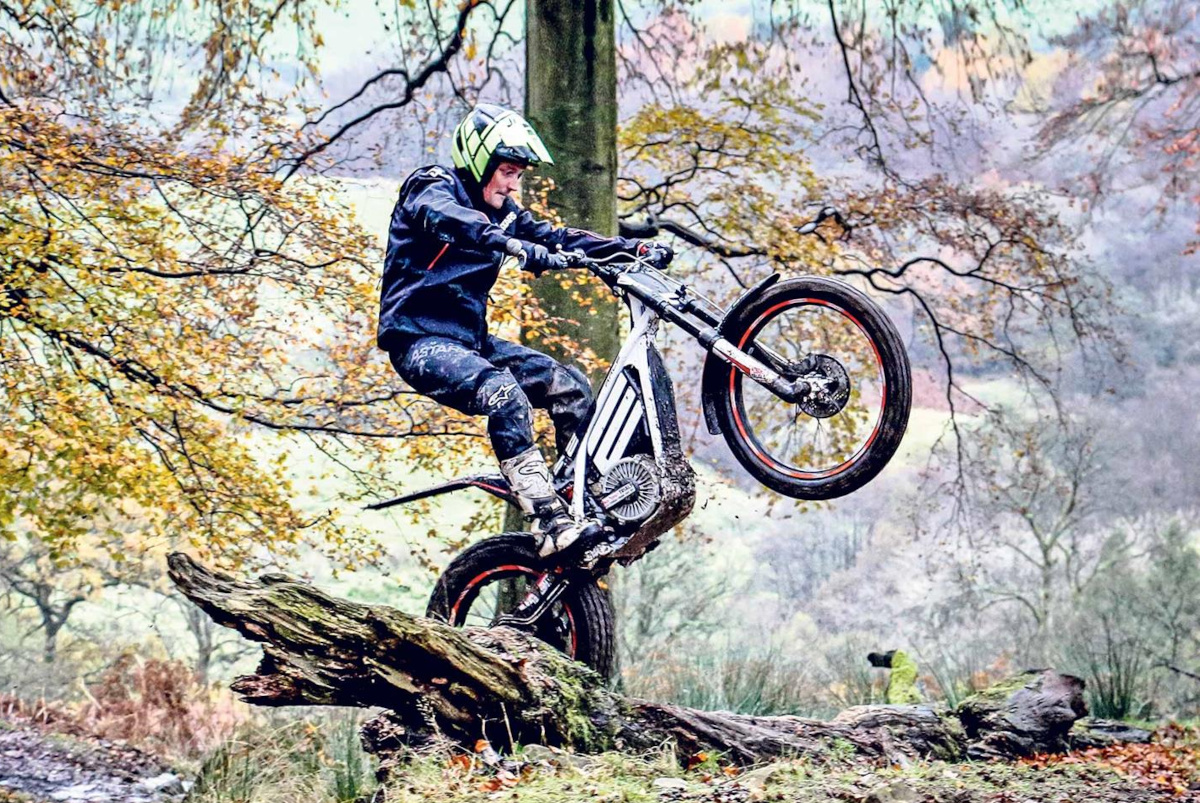 Here’s a quick breakdown of how the key electric trials bikes fit into organized trials competition.
Electric Motion ePure / ePure Race
- Often accepted in traditional observed trials classes where electric or silent machines are permitted
- Widely used in local/regional club trials
- Race version is preferred where clutch use is allowed
Electric Motion eScape
- Not typically homologated for highest-level trials competitions (e.g., national observed trials) due to extra weight/seat setup
- Great choice for technical trials sections outside formal sanctioning or mixed terrain trials events
Electric Motion Factor-E 2.5
- Designed with performance in mind and commonly accepted in trials events that allow electric bikes
- Ideal for open classes or special rules where electric machines are recognized
OSET TXP-24 and Beta Minitrial-E
- Generally used in youth or junior trials classes; these categories often explicitly allow or promote electric bikes for emerging riders
- Not typically used in adult expert or senior competition classes
Notes on Sanctioning Bodies
- Local club trials (AMA trials chapters, independent clubs) tend to be the most open to electric entries
- Regional/national trials events have varied rules; riders should always check the specific rulebook or event guidelines for electric eligibility
Electric vs. Gas Trials Bikes

Electric trials bikes change the riding experience in several important ways:
- Torque is available instantly, without revving or clutch slip
- Stalling is eliminated
- Noise is drastically reduced, opening access to sensitive riding areas
- Session length is limited by battery capacity, though typically sufficient for trials practice
For many riders, especially beginners and technical specialists, the advantages outweigh the trade-offs.
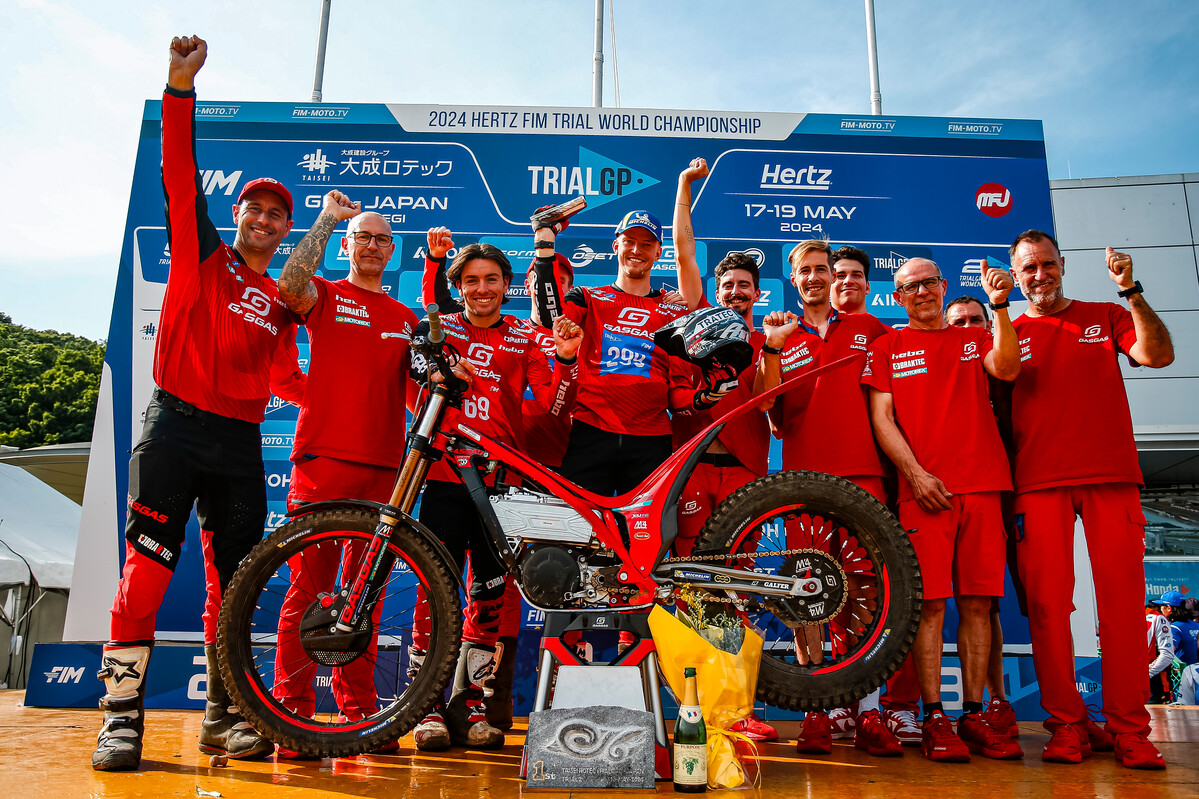
What’s more, electric trials bikes are getting closer and closer to rivaling their ICE counterparts at the most elite levels. At the 2024 TrialGP of Japan, for instance, Sondre Haga scored a monumental win on a GasGas TXE — a limited-edition prototype of which only 200 units were produced in 2018-19.
“For the first time, an electric vehicle beat an internal combustion engine (ICE) vehicle at a FIM Trial GP Trial2 event. Riding an electric GasGas TXE, Sondre Haga won the first day of the event. Haga, a former FIM Trial2 World Champion and current GasGas Factory Racing rider, ultimately finished in 5th place after the 2-day event. Just two points separated the riders from 5th to 2nd place, making this a monumental leap forward for electric bikes in this class and cementing the fact that they can compete with ICE machines, as this wasn’t the case not long ago.” –RideApart
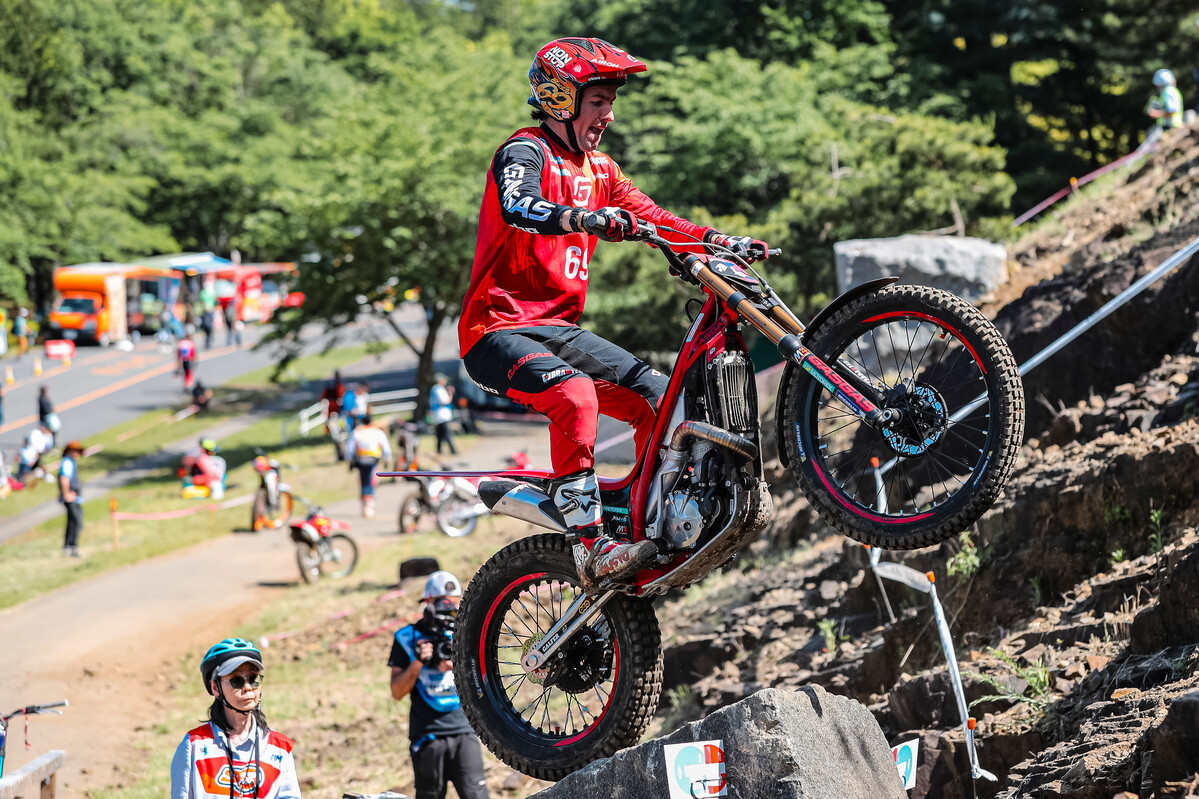

Today, electric trials bikes compete directly against ICE machines in the FIM Trial GP World Championship. The FIM has phased out the old “TrialE” class, opting instead to allow electric machines to compete head-to-head with conventional internal combustion-engine bikes in the main championship. Electric Motion is introducing their 2026 range in the 2026 championship.
What’s Coming in Electric Trials?
The electric trials landscape continues to evolve rapidly, and some of the industry’s largest manufacturers are beginning to explore factory electric trials platforms that could broaden the category beyond current offerings.
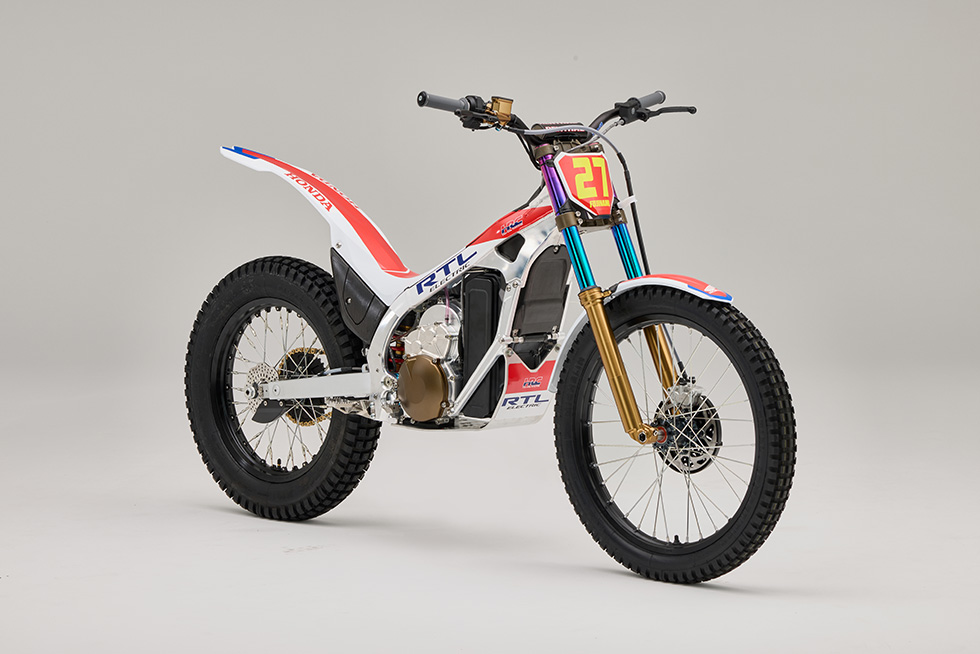
For example, Honda has developed the RTL ELECTRIC competition trial bike, an electrified version of its long-running RTL series designed to compete against top internal-combustion trials machines. Honda has fielded the RTL ELECTRIC in the All Japan Trial Championship and the Trial World Championship as part of its electrification strategy, with bespoke chassis work, a dedicated electric power unit, and a clutch and transmission layout tuned for trials competition (Honda Global).
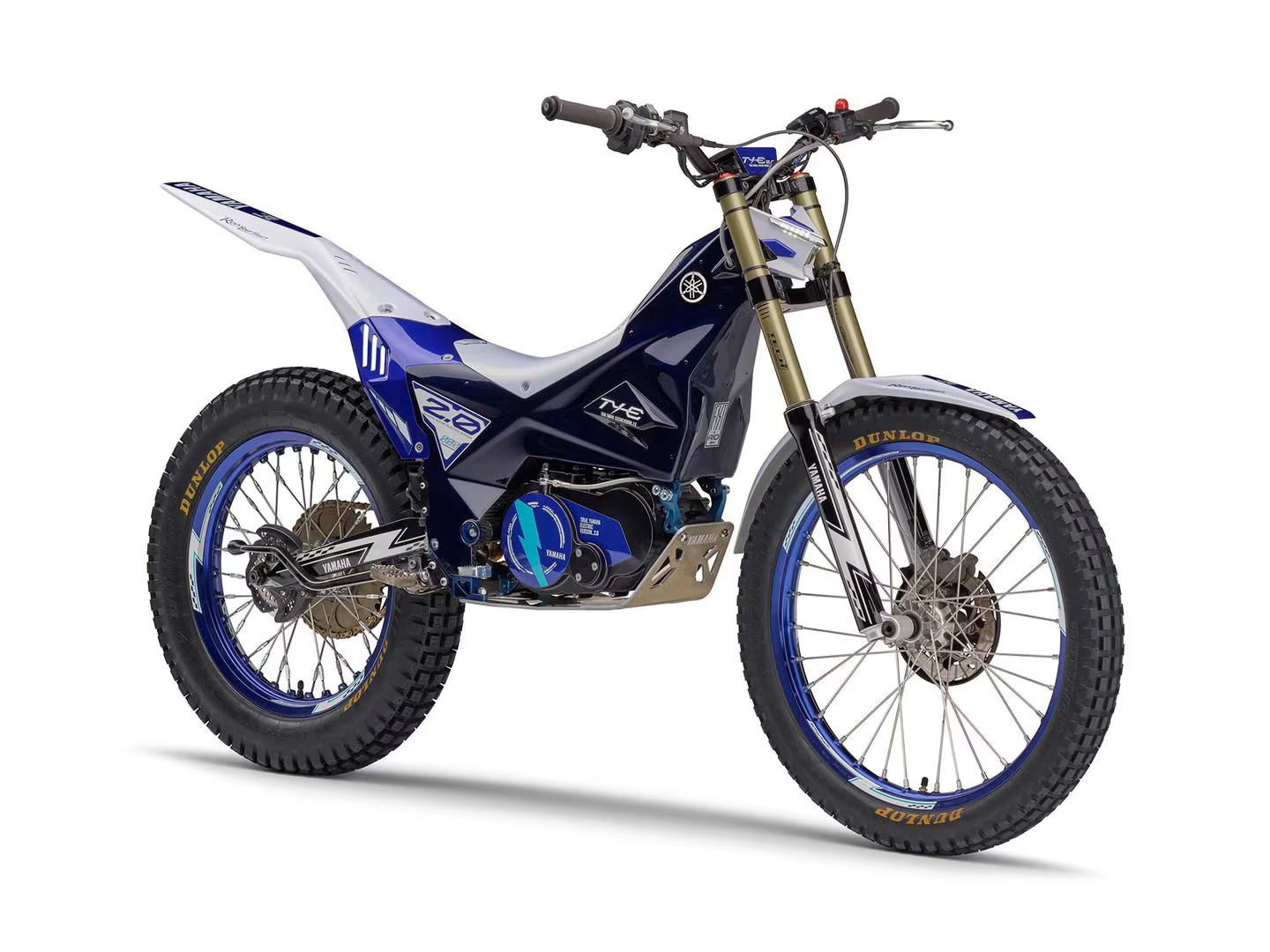
Meanwhile, Yamaha has been quietly iterating on its electric trials prototypes. Its TY-E 2.0 electric trials bike builds on earlier electric efforts and has been campaigned in world trials competition as a development platform, featuring a lightweight frame and revised battery layout for improved center of gravity and traction. While not (yet) a widely available production model, the TY-E 2.0 signals Yamaha’s interest in bringing electric power to traditional trials racing and could inform future consumer-focused machines (Yamaha Japan).
We already mentioned the GasGas TXE, which has won against the ICE competition in FIM World Trial World Championship. As these projects continue to develop and as electric motorcycle technology advances, we’re likely to see more entries from major manufacturers that bridge the gap between prototype competition machines and everyday electric trials bikes — potentially reshaping the category in the years ahead.
Electric Trials: No Longer Fringe…
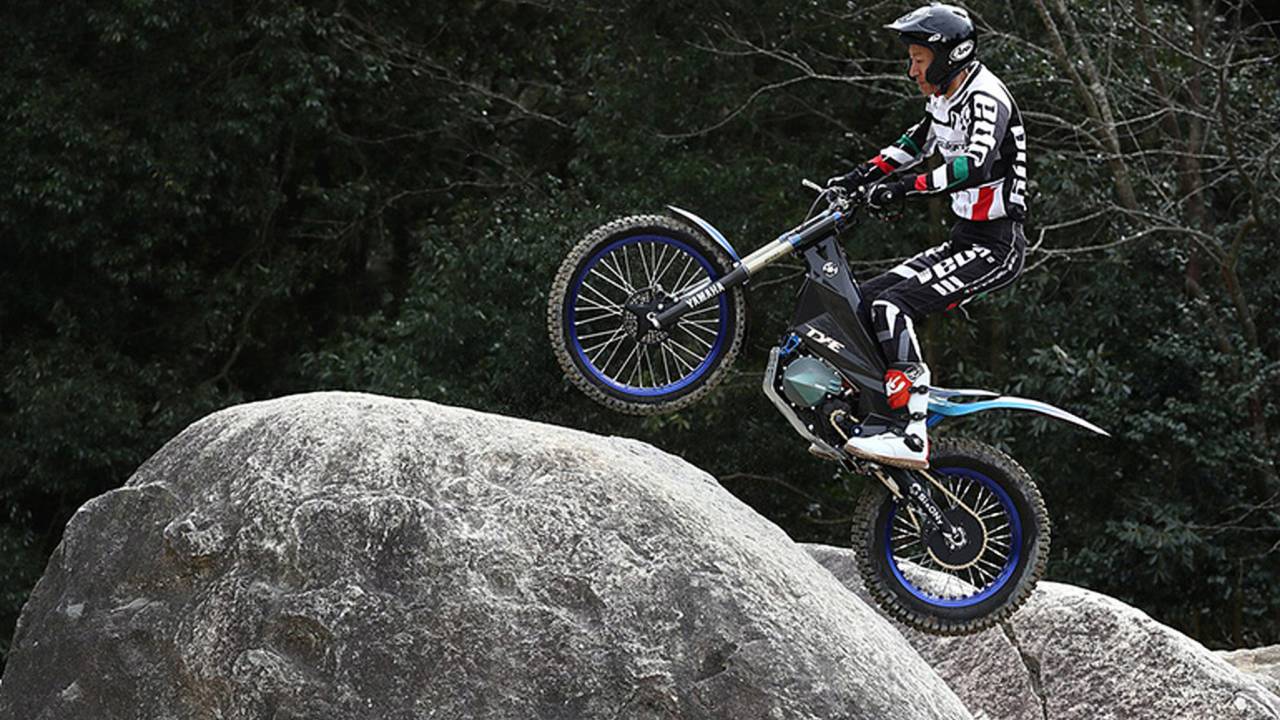
Electric trials bikes are no longer fringe machines. They’re proven, competitive, and exceptionally well-suited to the demands of trials riding. From youth riders learning balance to expert competitors tackling advanced sections, electric power enhances what trials has always been about: control, precision, and skill.
As battery technology improves and weight continues to drop, electric trials bikes aren’t just keeping pace with gas — they’re quietly redefining the category.


