
 Before European and Japanese motocross machines reshaped the sport in the 1970s, a handful of British manufacturers were still pushing hard to stay competitive. One of the most interesting — and often overlooked — examples was the AJS Stormer, a lightweight two-stroke scrambler developed during the final years of the British off-road racing era.
 Built around the Villiers Starmaker engine and produced in several displacements through the late 1960s and early ’70s, the Stormer represented a last serious effort by Norton-Villiers to keep British engineering relevant in a rapidly changing motocross world.
Today, surviving examples serve as reminders of that transitional period — machines that combined traditional British chassis design with increasingly modern two-stroke performance.
The AJS Stormer: Born in a Changing Era
 By the mid-1960s, motocross was evolving quickly. Lightweight two-stroke engines were replacing heavier four-strokes, suspension travel was increasing, and riders were demanding machines that felt agile rather than brute-force durable.
Villiers — long known for its two-stroke engines — began developing the Starmaker powerplant for competition use, eventually giving rise to a new generation of AJS off-road motorcycles. Early scrambles machines evolved into what would become the Stormer, produced in 250cc, 360/370cc, and later 410cc configurations.
 Unlike many earlier British bikes, the Stormer embraced a lighter, competition-focused philosophy:
- High-revving Villiers two-stroke engine
- Reynolds 531 chassis
- Long-travel suspension for the era
- Purpose-built motocross ergonomics
The result was a motorcycle that felt far more modern than its lineage suggested — a British answer to the rising dominance of Husqvarna, CZ, and eventually the Japanese manufacturers.
Competition Pedigree
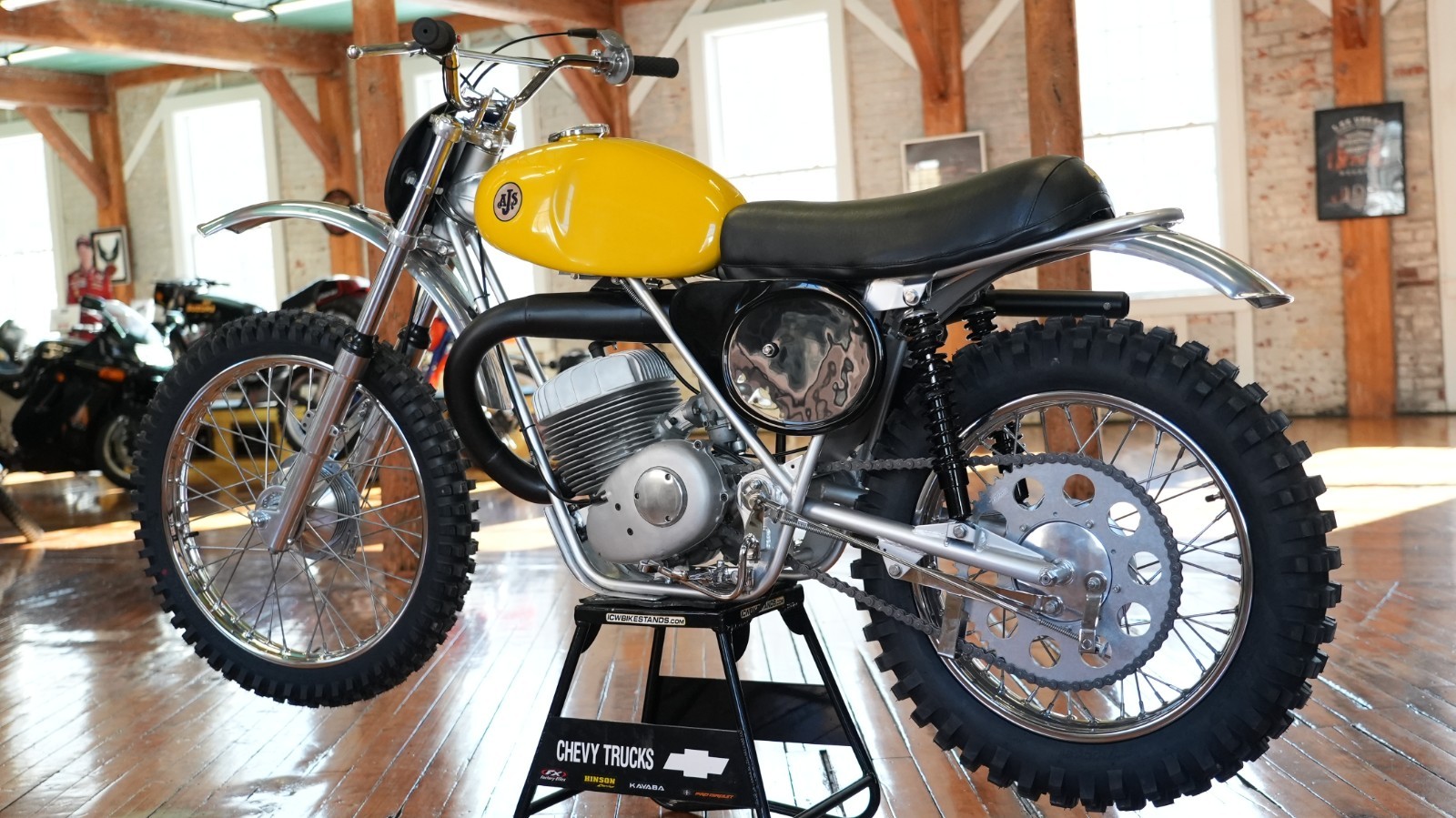 Though never produced in massive numbers, the Stormer earned credibility in British motocross and scrambles competition. Riders such as Malcolm Davis helped establish the platform’s reputation, and factory involvement ensured the bike remained a serious contender during its early years.
The Stormer wasn’t a nostalgia machine , but a genuine attempt by Norton-Villiers to remain competitive during a time when off-road racing was shifting toward lighter, more agile designs. Production continued into the early 1970s, but by that point the influx of Japanese two-stroke motocross bikes had dramatically changed the landscape. Even so, the Stormer remains one of the last truly competitive British-designed motocross machines of its era.
This Bike: 1971 AJS Stormer 370
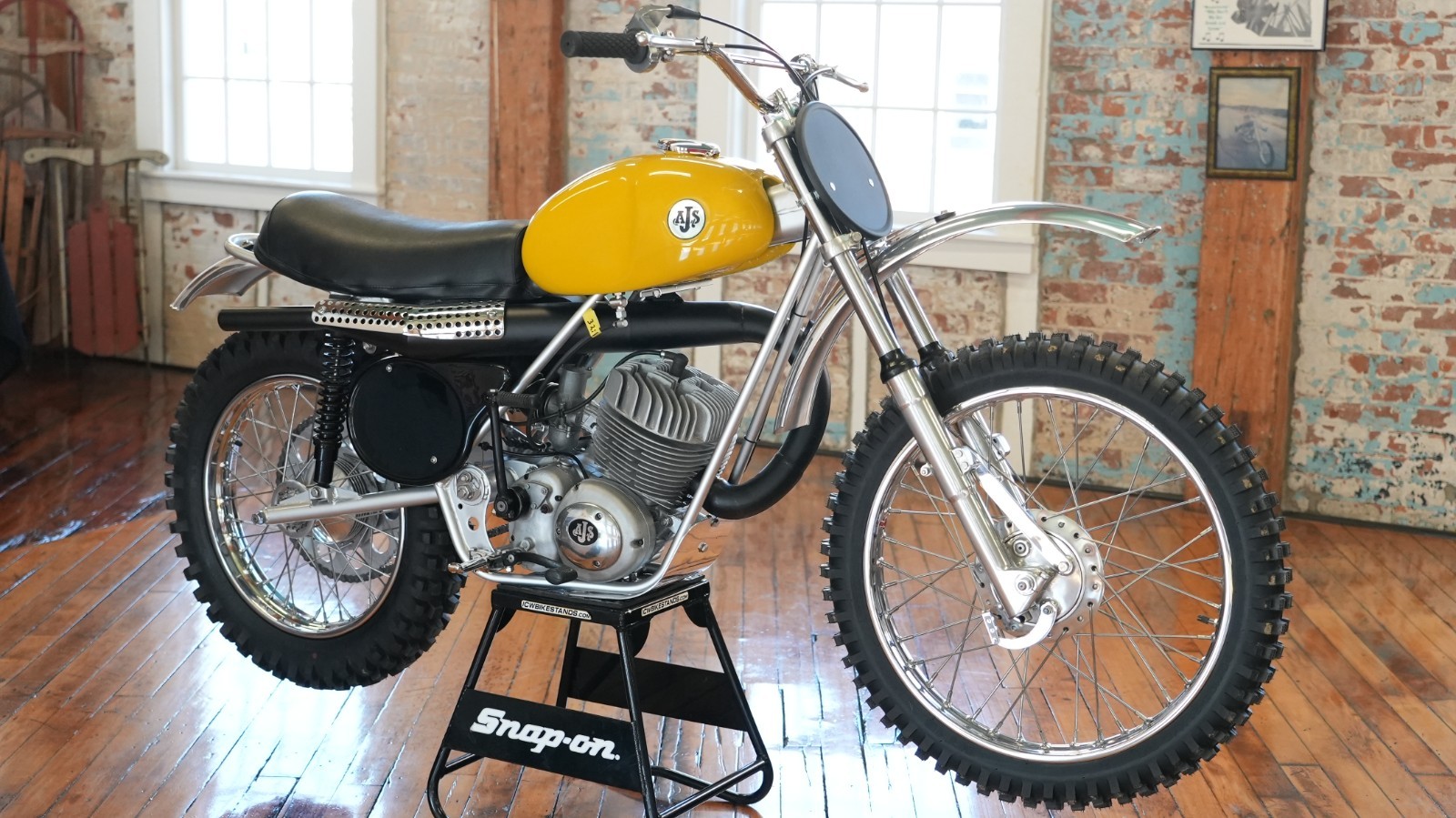
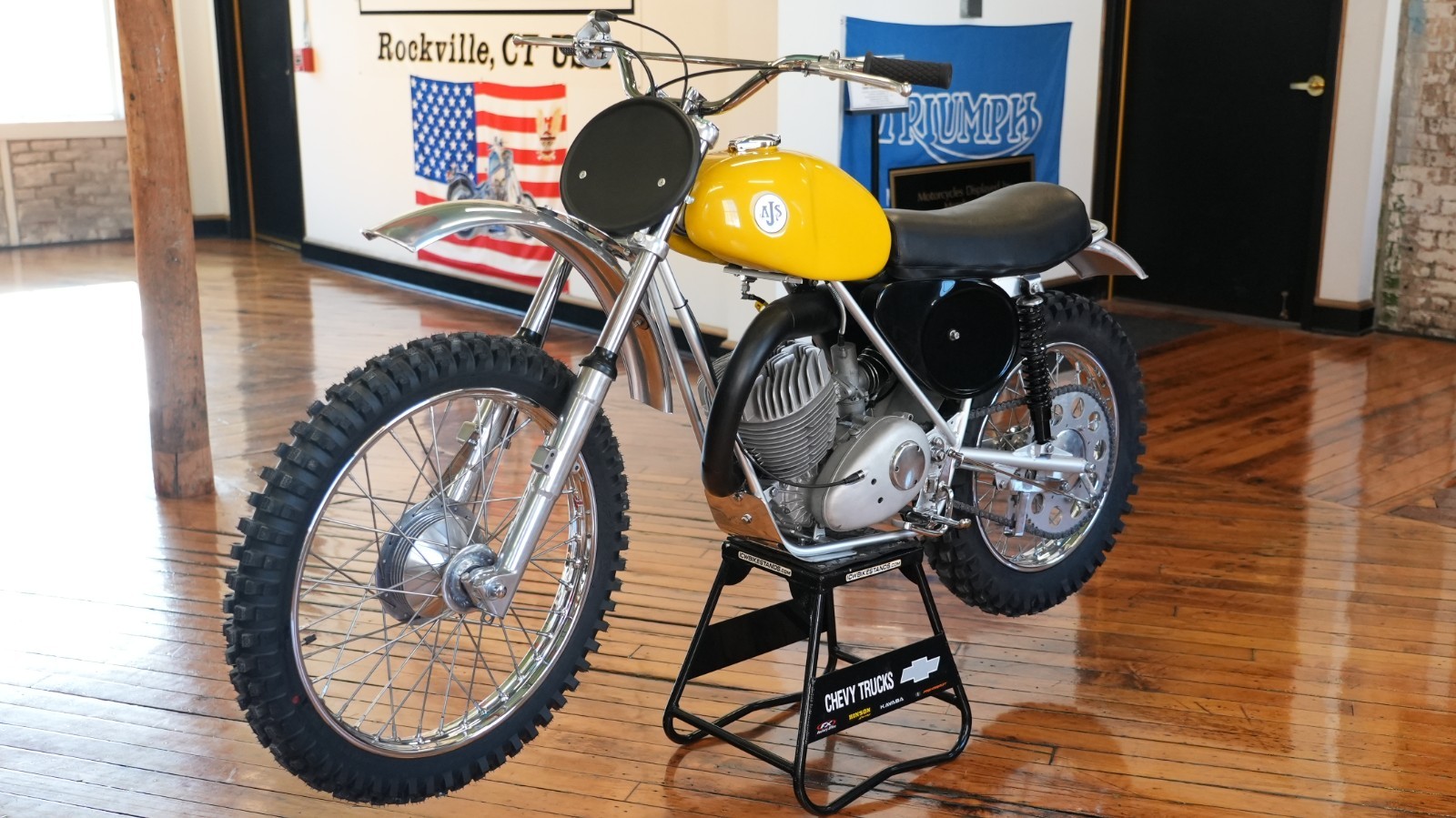
This 1971 AJS Stormer 370 currently offered through Kaplan Cycles stands apart from many surviving examples due to its documented history and restoration lineage. The machine comes from the Tisco Racing / Roy Thacker collection of Dallas, Texas — one of the most significant private collections of vintage British off-road motorcycles assembled in the United States.
Roy Thacker was deeply involved in vintage motocross and trials culture, and his collection emphasized historically important machines restored to a very high standard rather than casual cosmetic refurbishments.
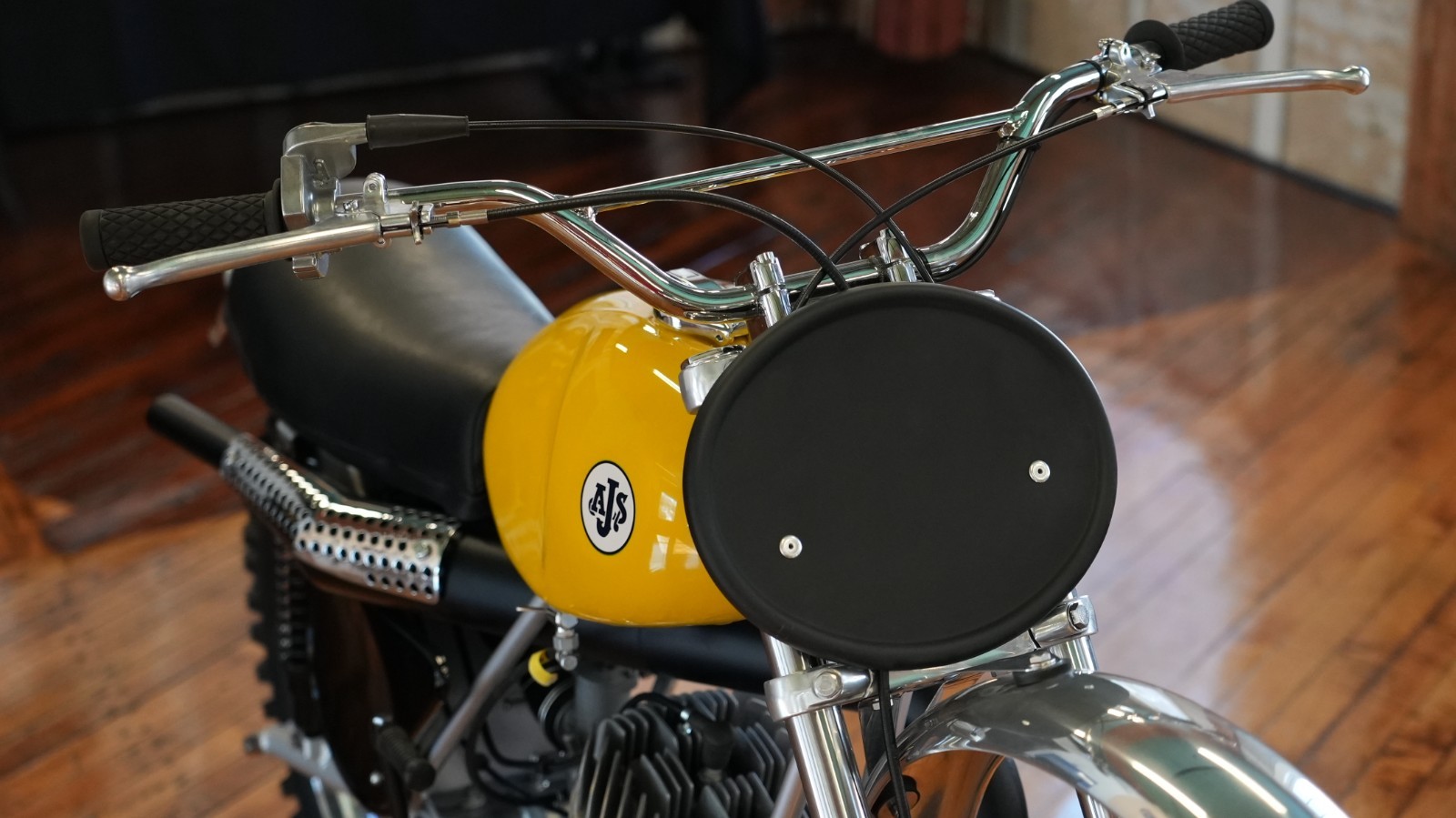 This particular Stormer carries additional significance as the last motorcycle restored for Thacker by Dr. Bill Bucholz, a respected figure in British motorcycle restoration circles. The project reportedly began several years ago and was completed only recently, placing it among the last works associated with that partnership.
 The restoration was conducted as a full frame-off rebuild, with attention paid not only to visual correctness but also to period-accurate construction and finishes. The frame was stripped, refinished in its original silver using automotive-grade paint, and clear-coated for durability while retaining the correct appearance.
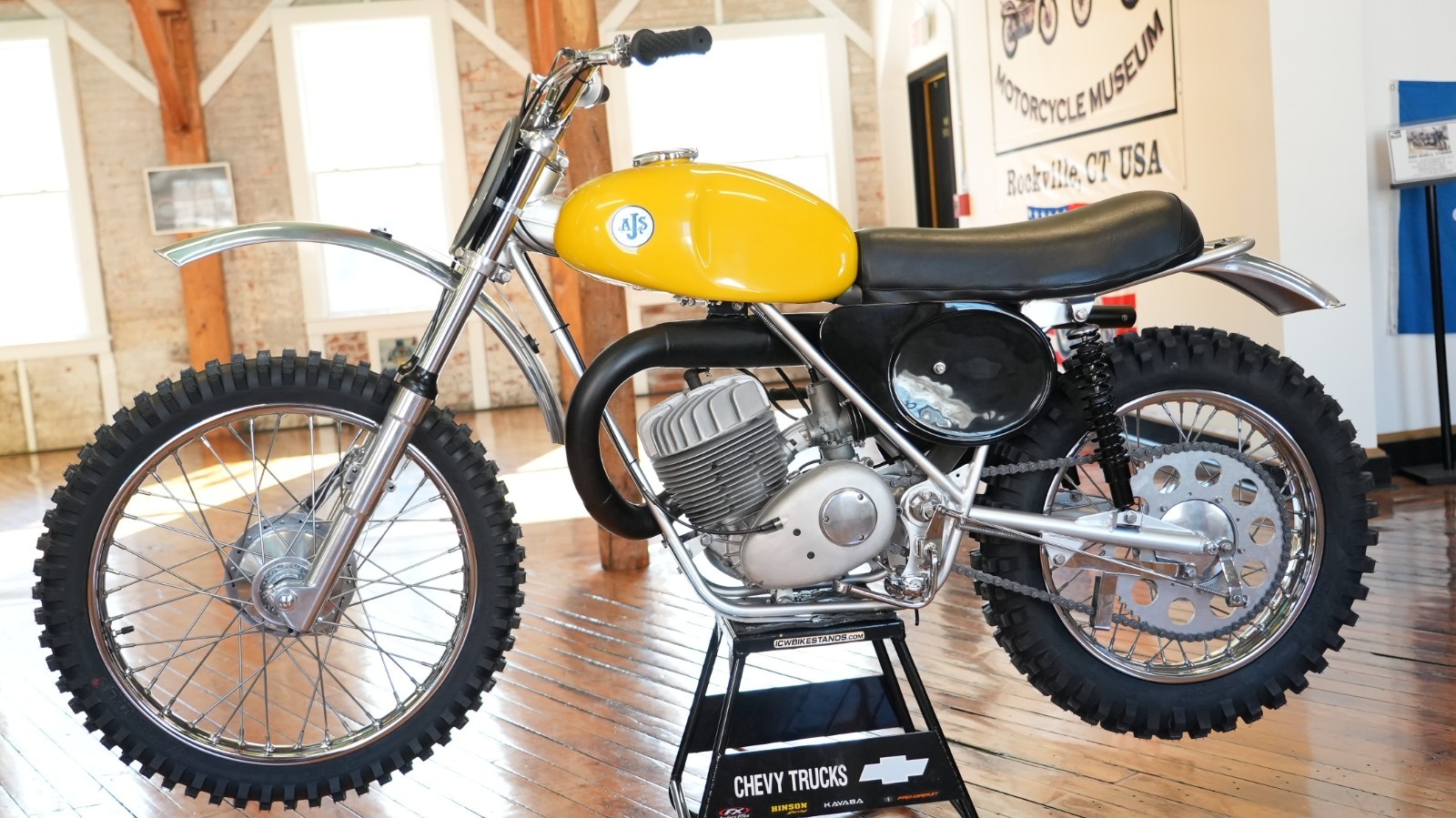
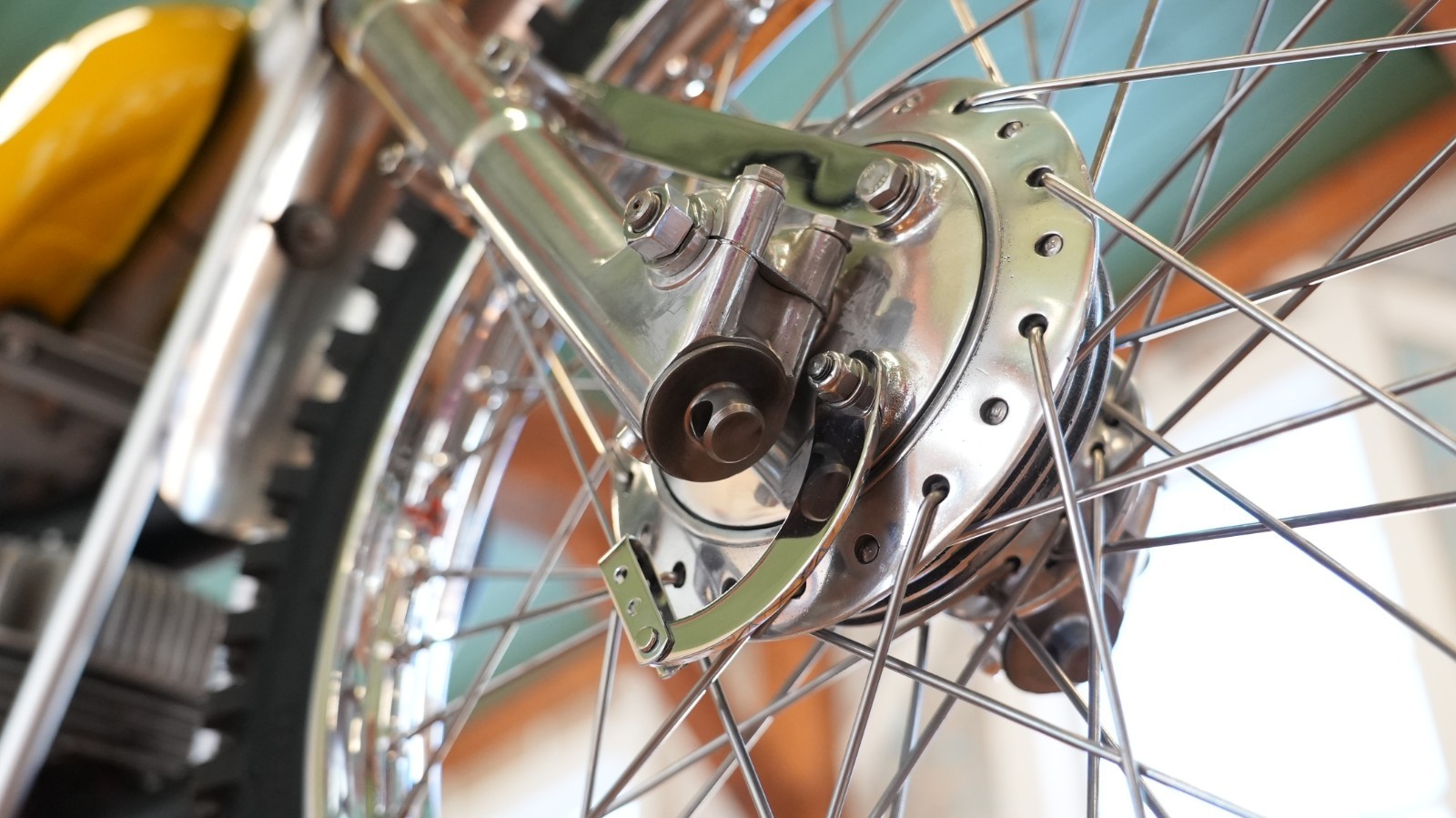
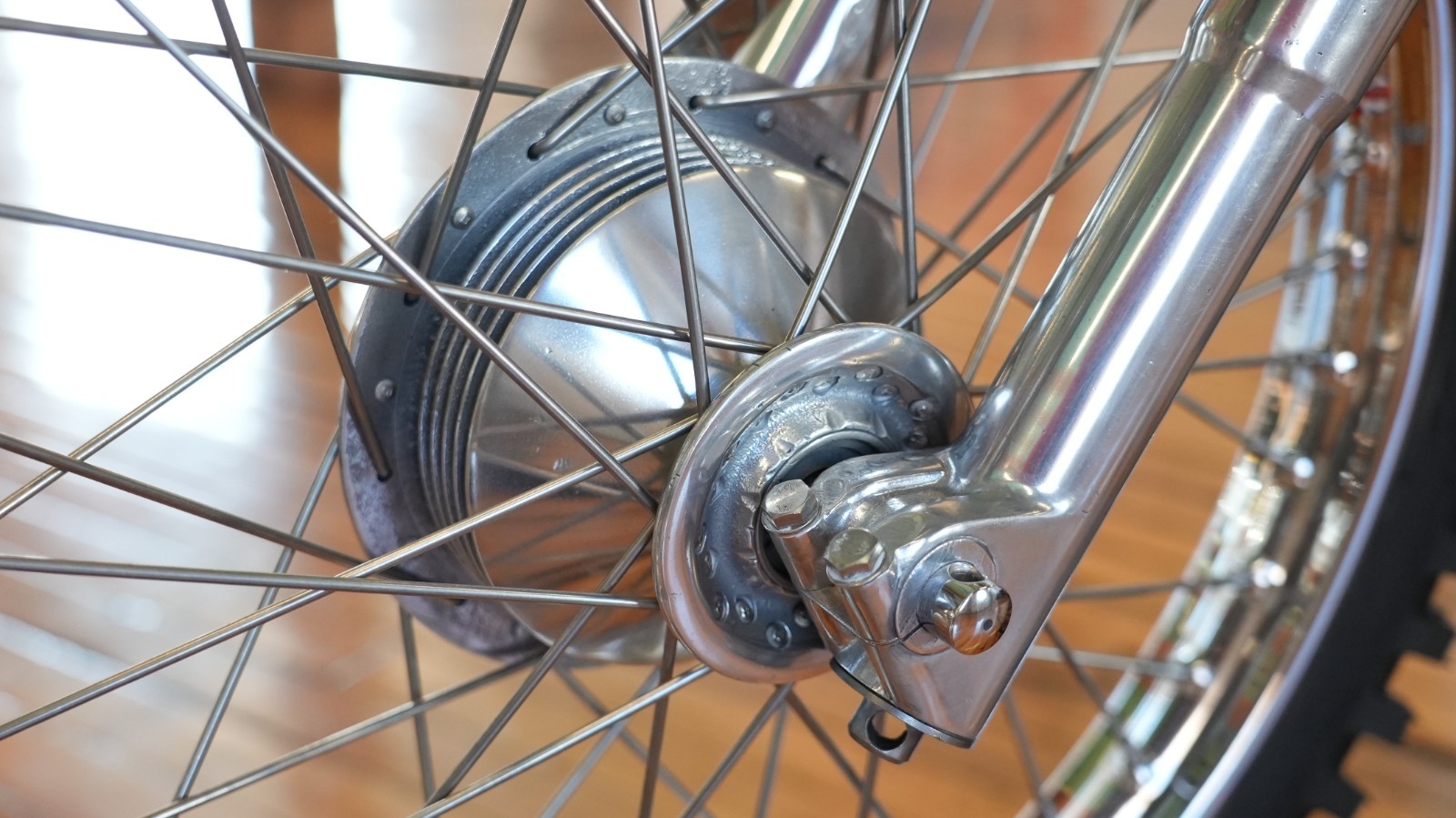
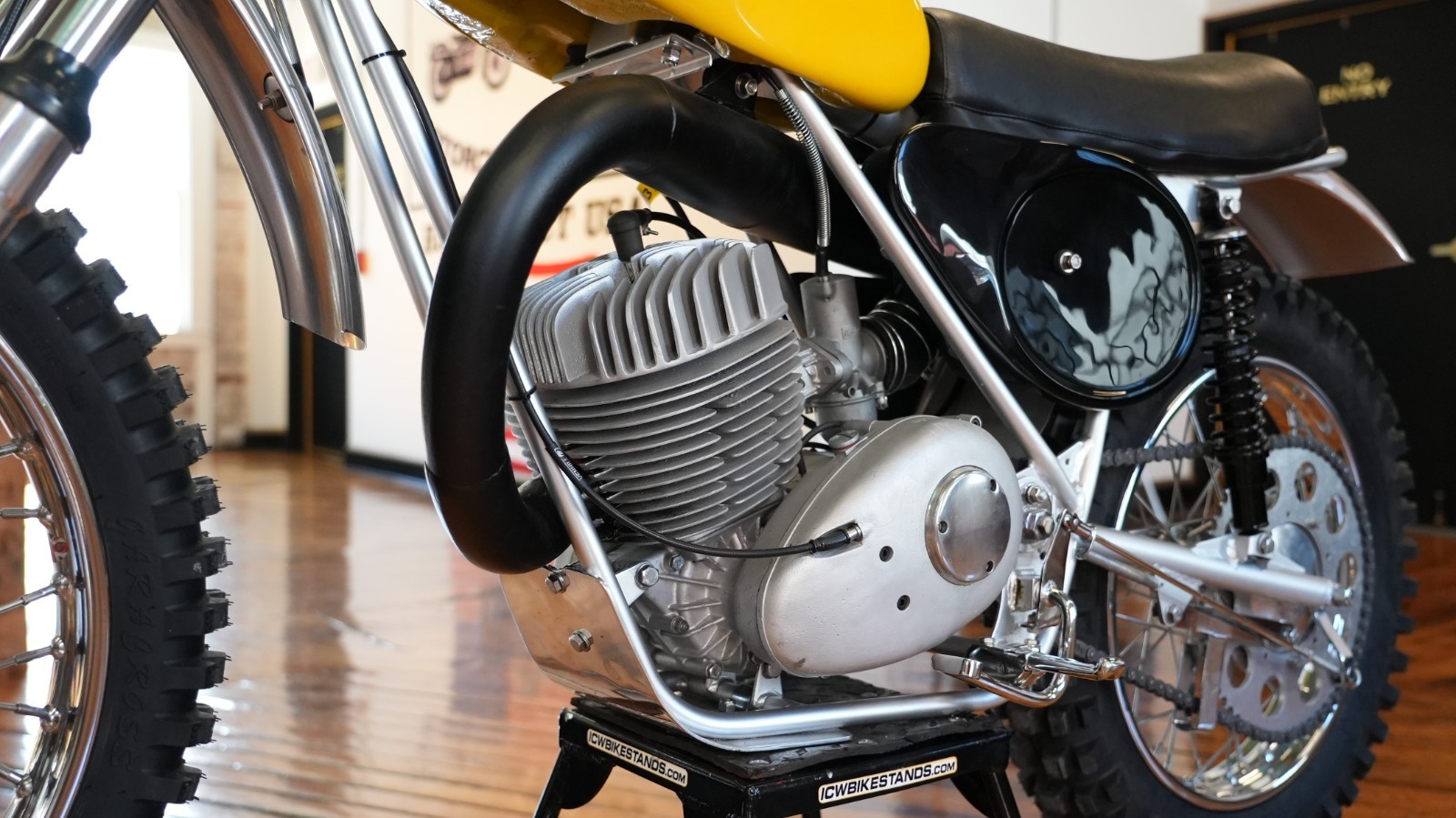 Chassis and rolling components were rebuilt using a combination of original and newly manufactured parts sourced primarily from England. The wheels are newly produced AJS units, triple chrome plated and stamped “Made in England,” laced with Buchanan spokes to restored factory hubs that were vapor-honed and polished. New wheel bearings were installed front and rear.
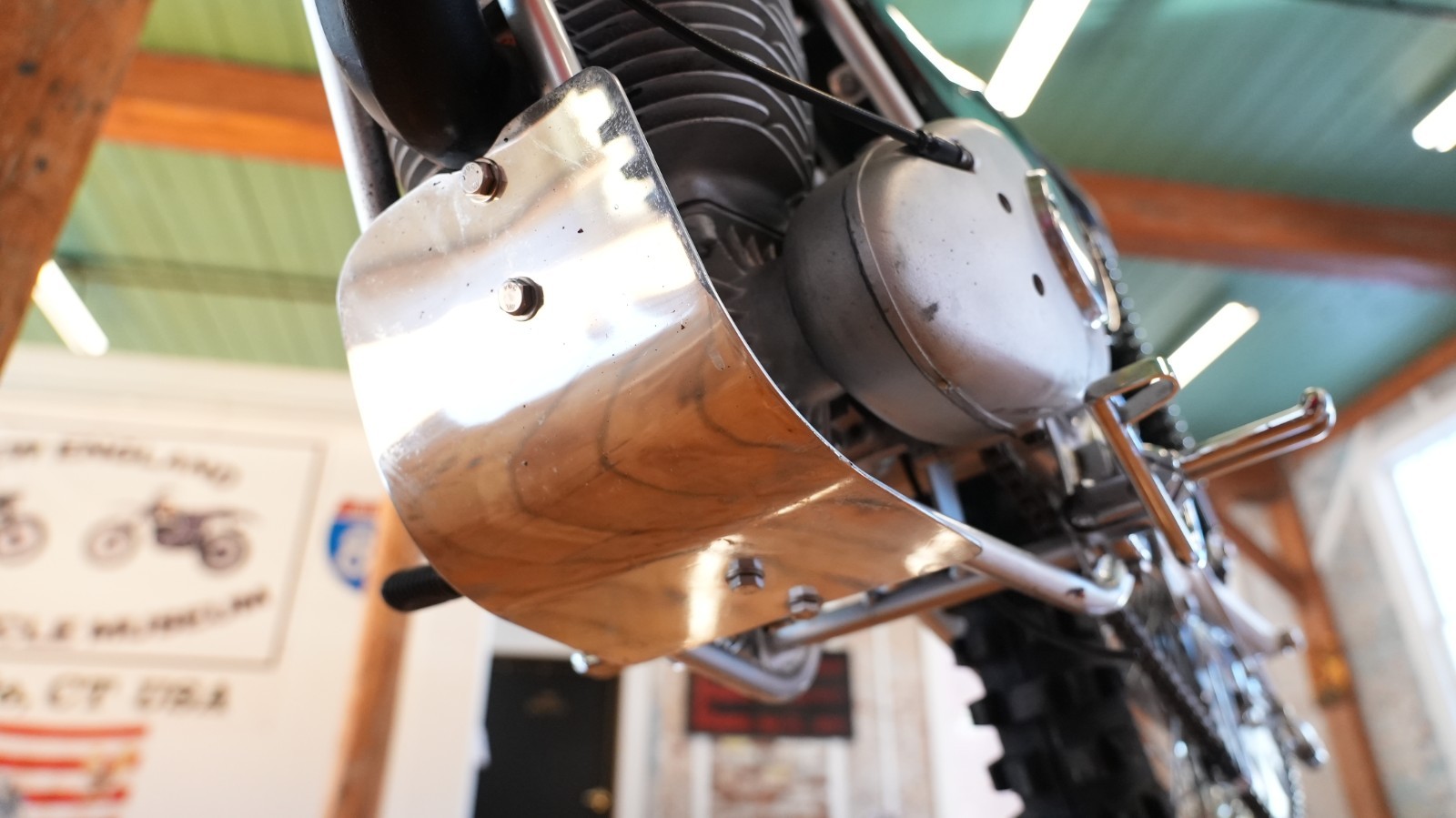
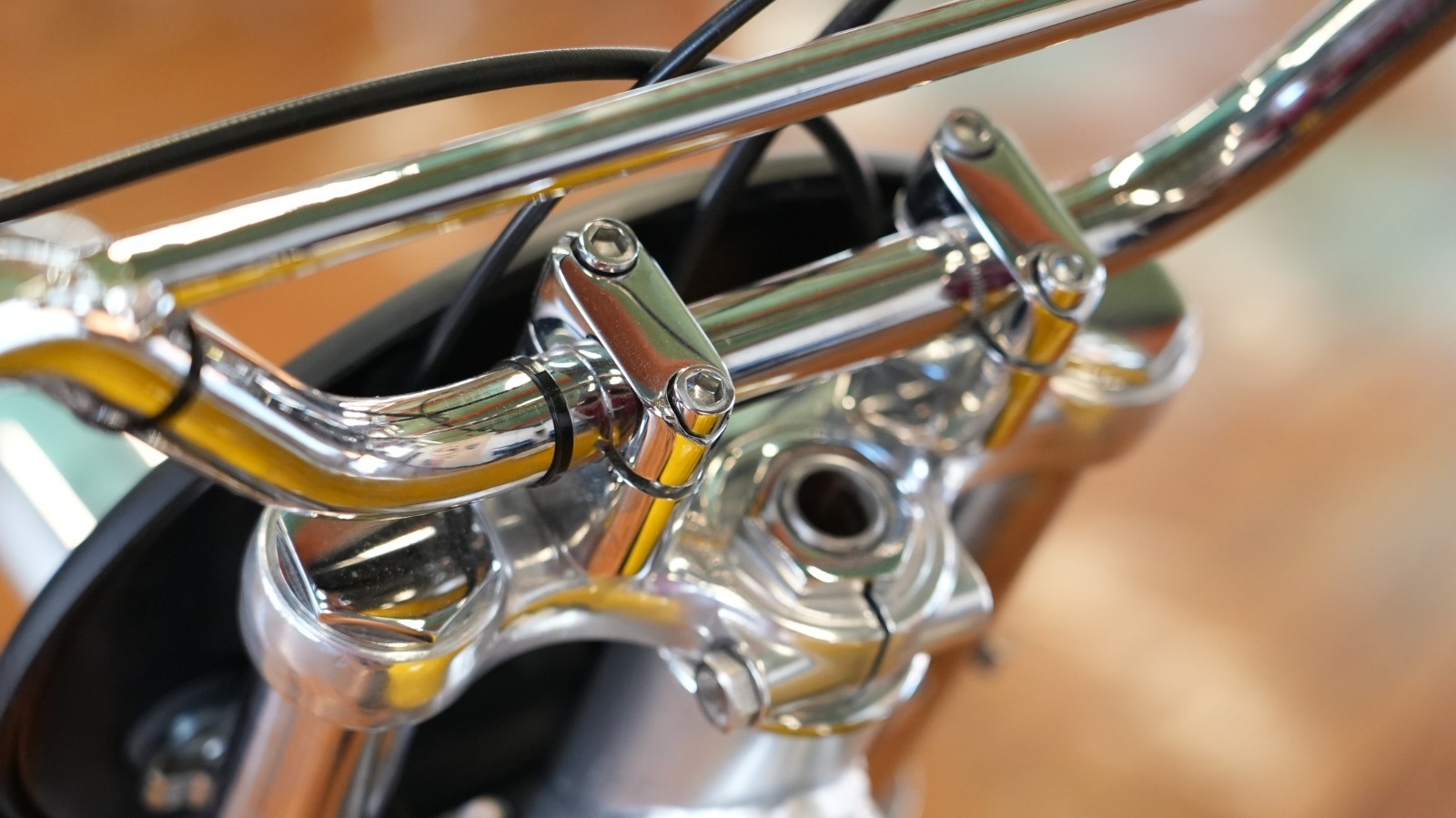
Suspension work included Frank’s Forks assemblies (period-style replacements) with restored original triple clamps, retaining the Stormer’s forward-axle fork design — a notable feature for a 1971 motocross machine. A custom-fabricated bash plate was produced to original specification, though it has not been used in competition.
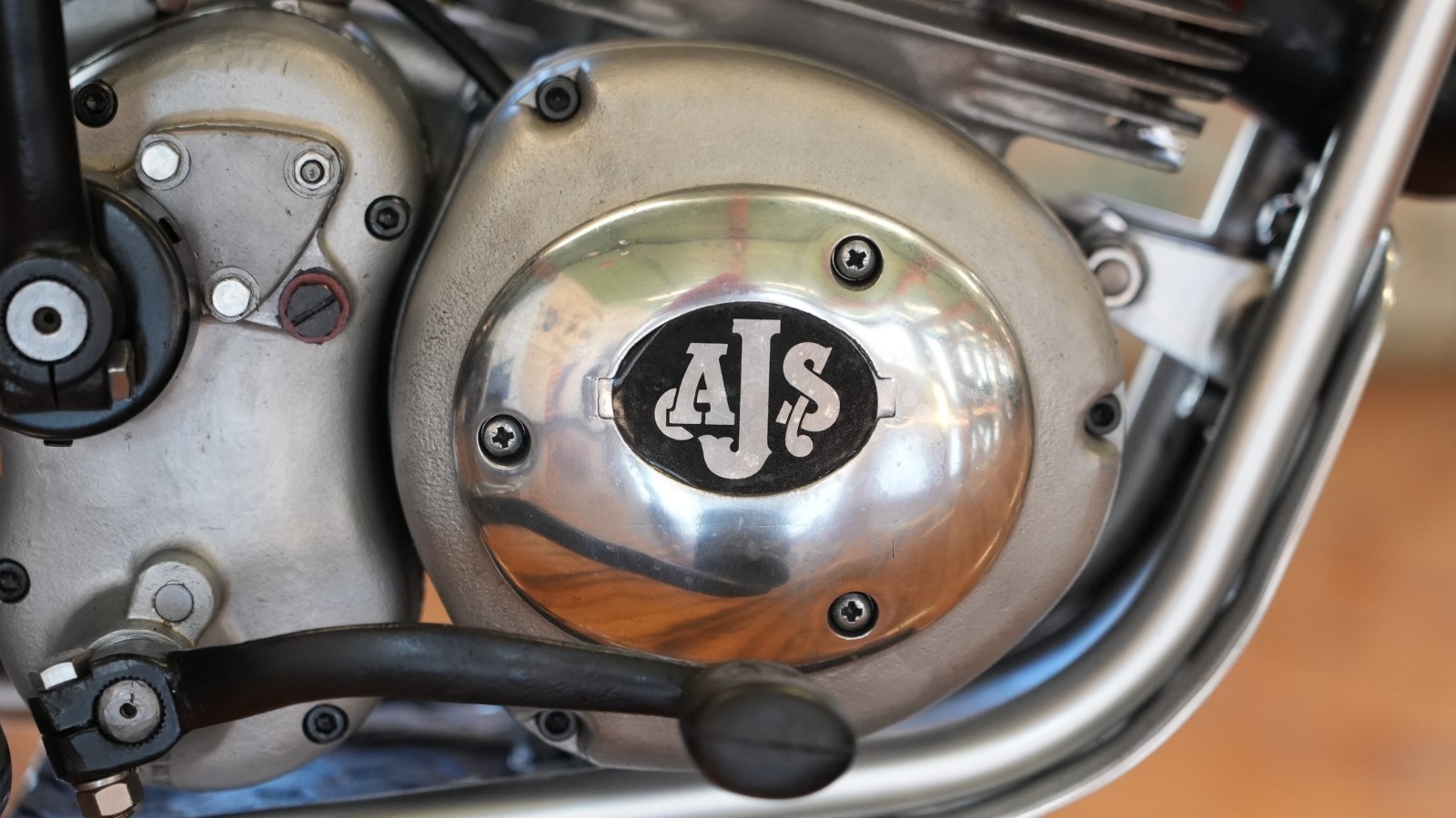
 The Villiers-based 370cc two-stroke engine underwent a full crank-up rebuild. The cases were split and rebuilt with new bearings, seals, and gaskets throughout, along with a new piston and rings. The carburetor was fully rebuilt and updated with modern float materials while maintaining its original configuration.
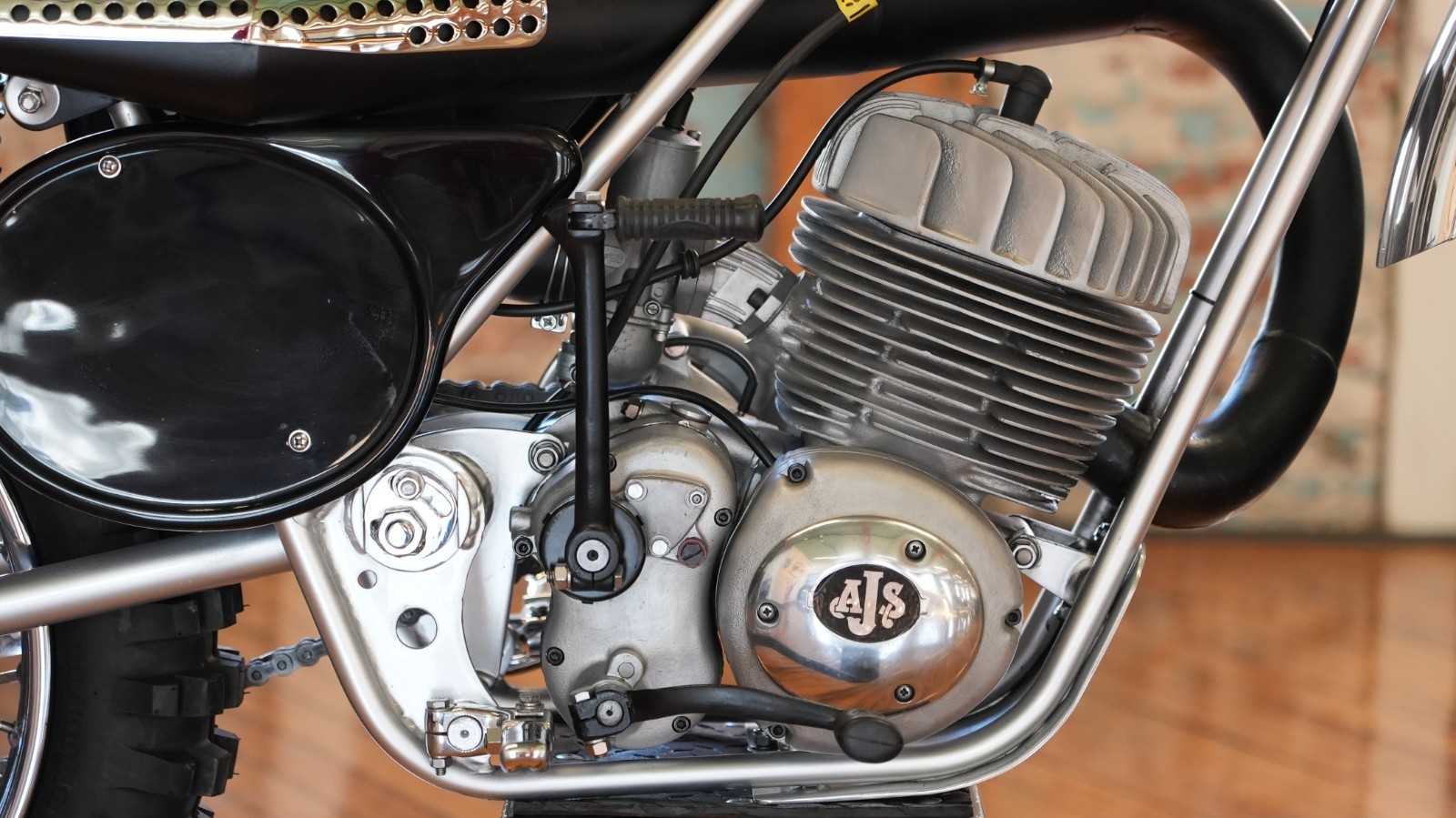 Additional drivetrain work included a new clutch assembly, restored exhaust system, refreshed airbox with a new filter, and a new Talon rear sprocket and chain. Documentation accompanies the build, detailing hundreds of new components sourced during the restoration process, many from specialist suppliers in England.
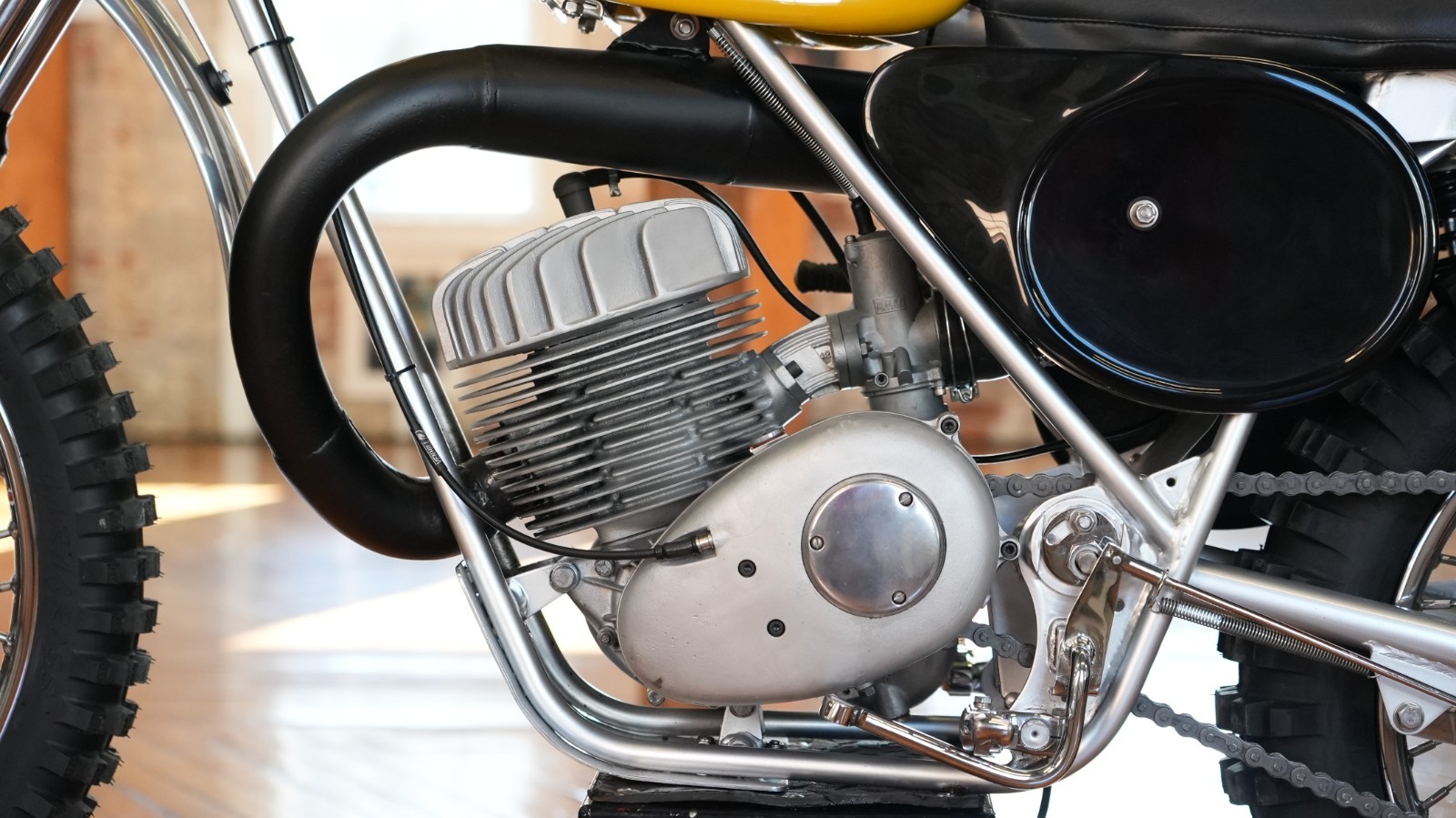 Since completion, the engine has reportedly undergone only a handful of heat cycles and minimal running time, with no off-road use following restoration.
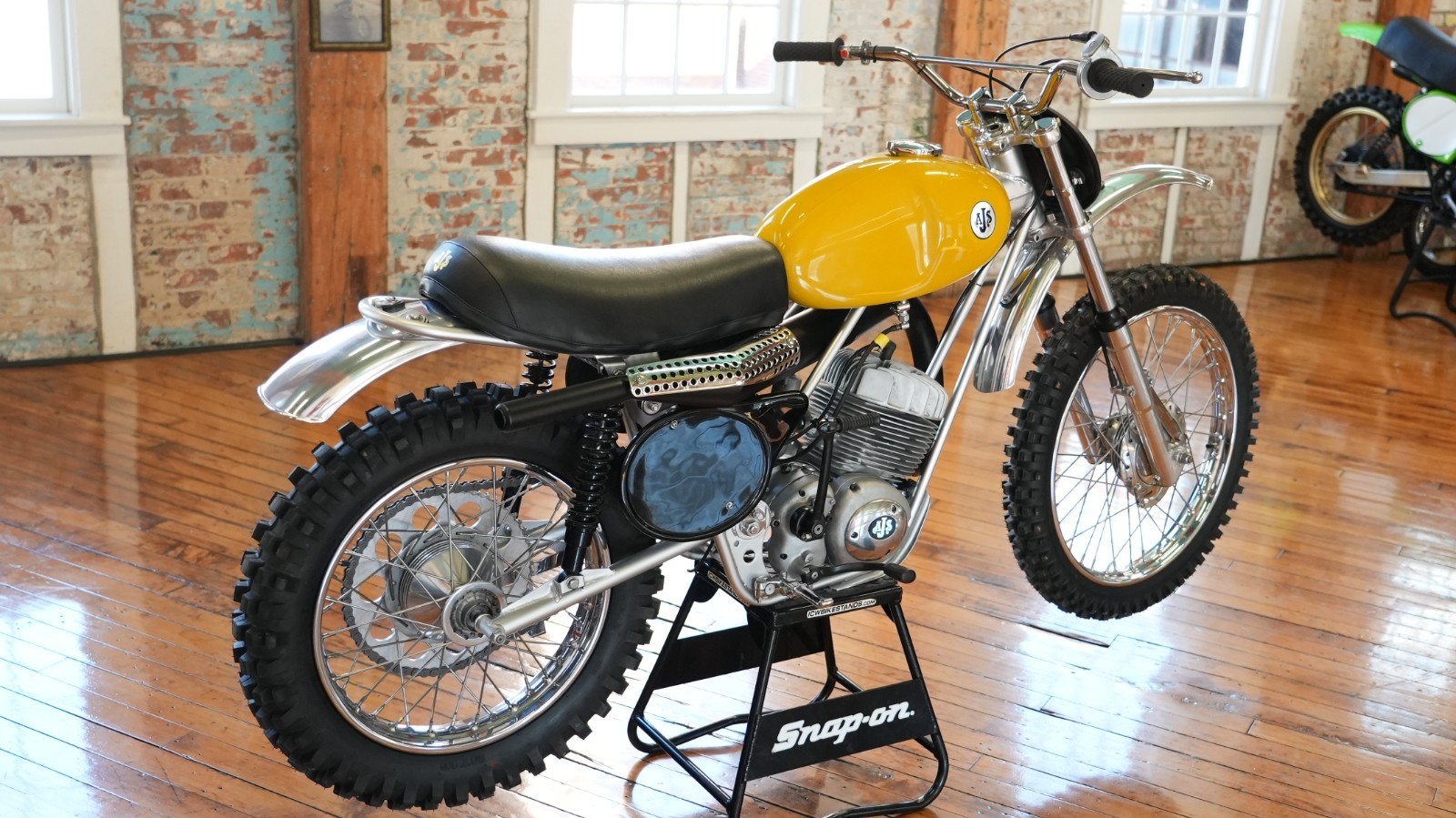
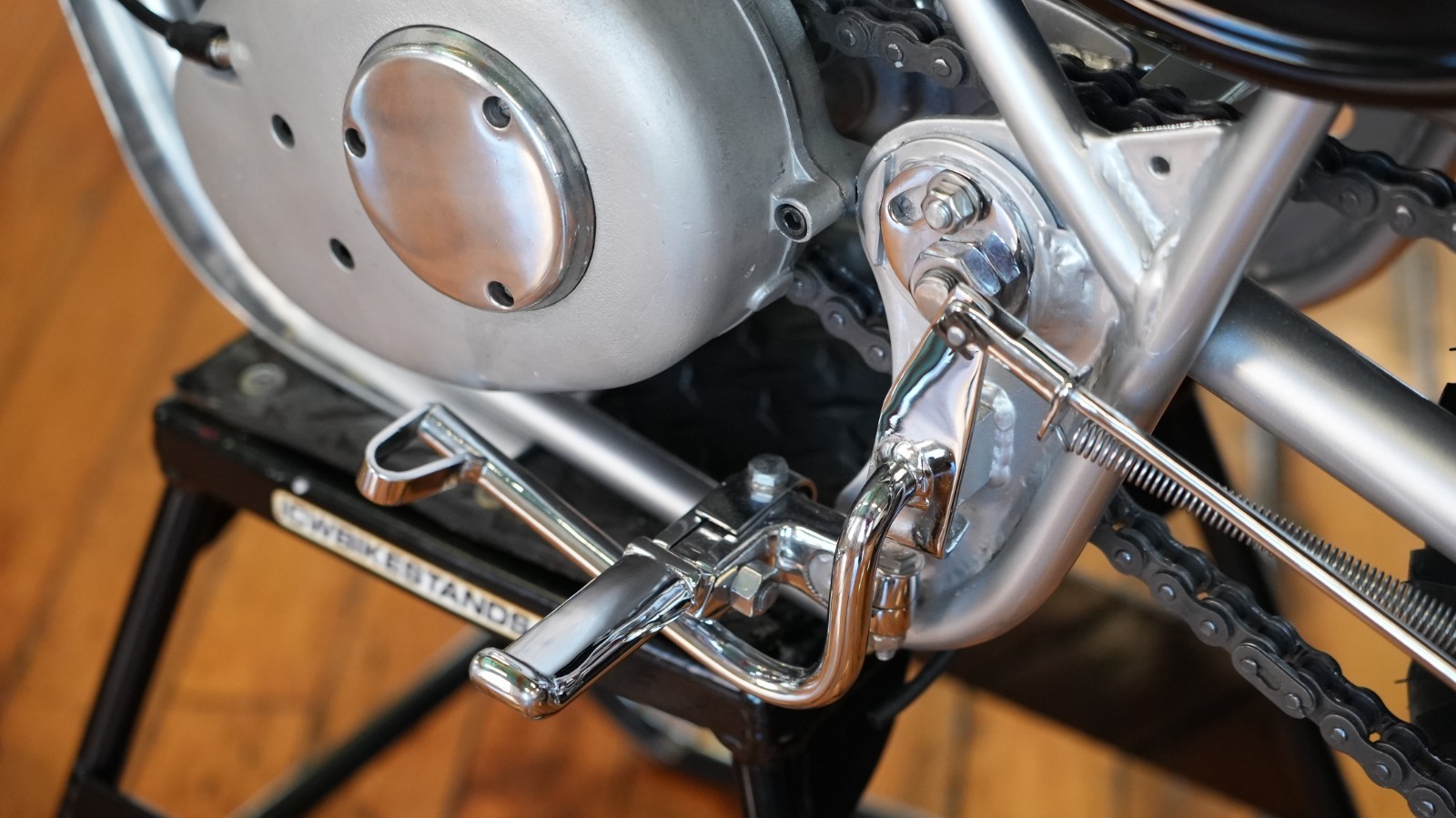
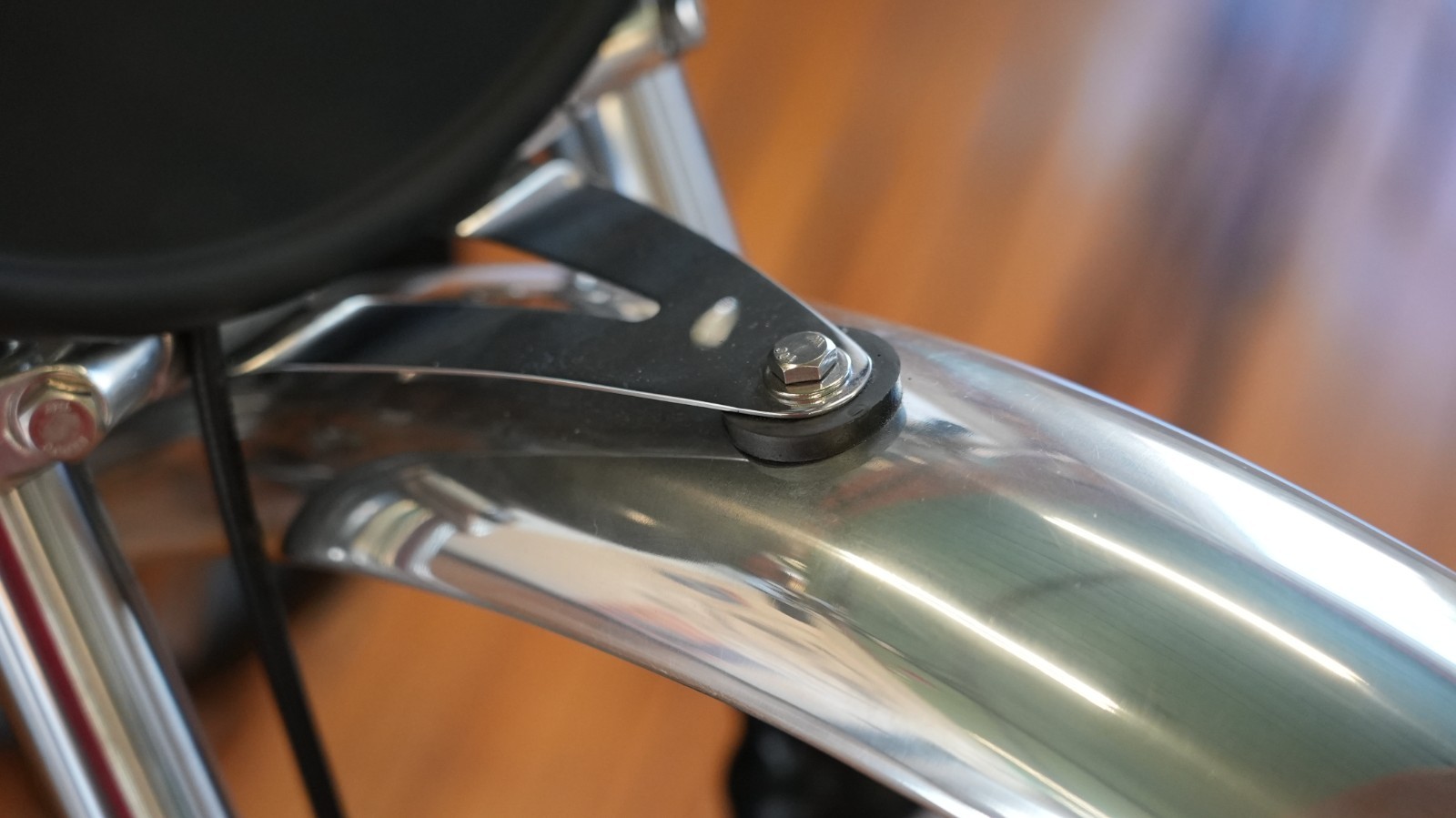
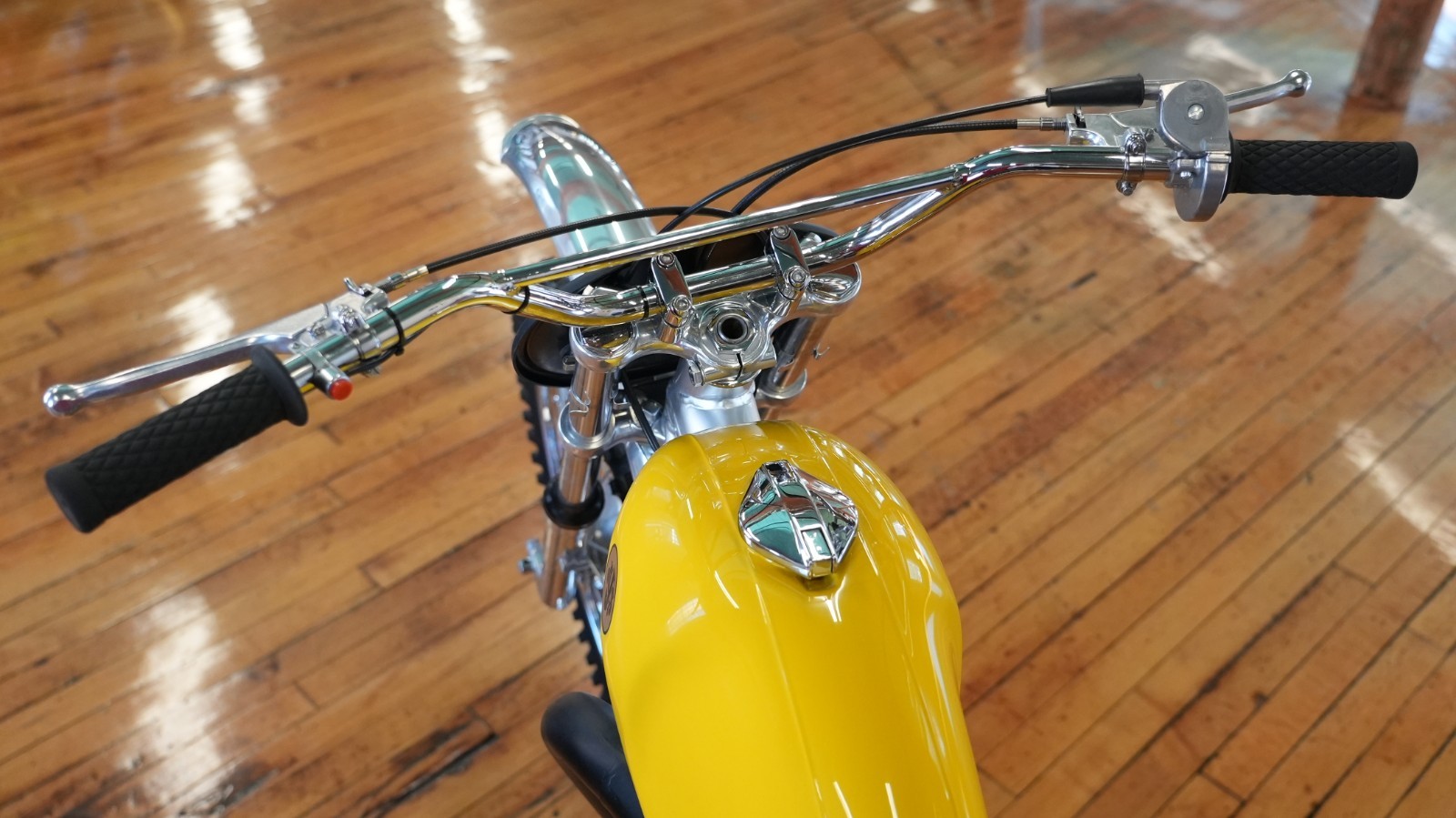 The fiberglass fuel tank is a correct AJS unit sourced through marque specialists and refinished with accurate paint and graphics. The fuel cap and numerous hardware items were triple chrome plated, including control levers, pegs, brake components, axle adjusters, and the exhaust heat shield.
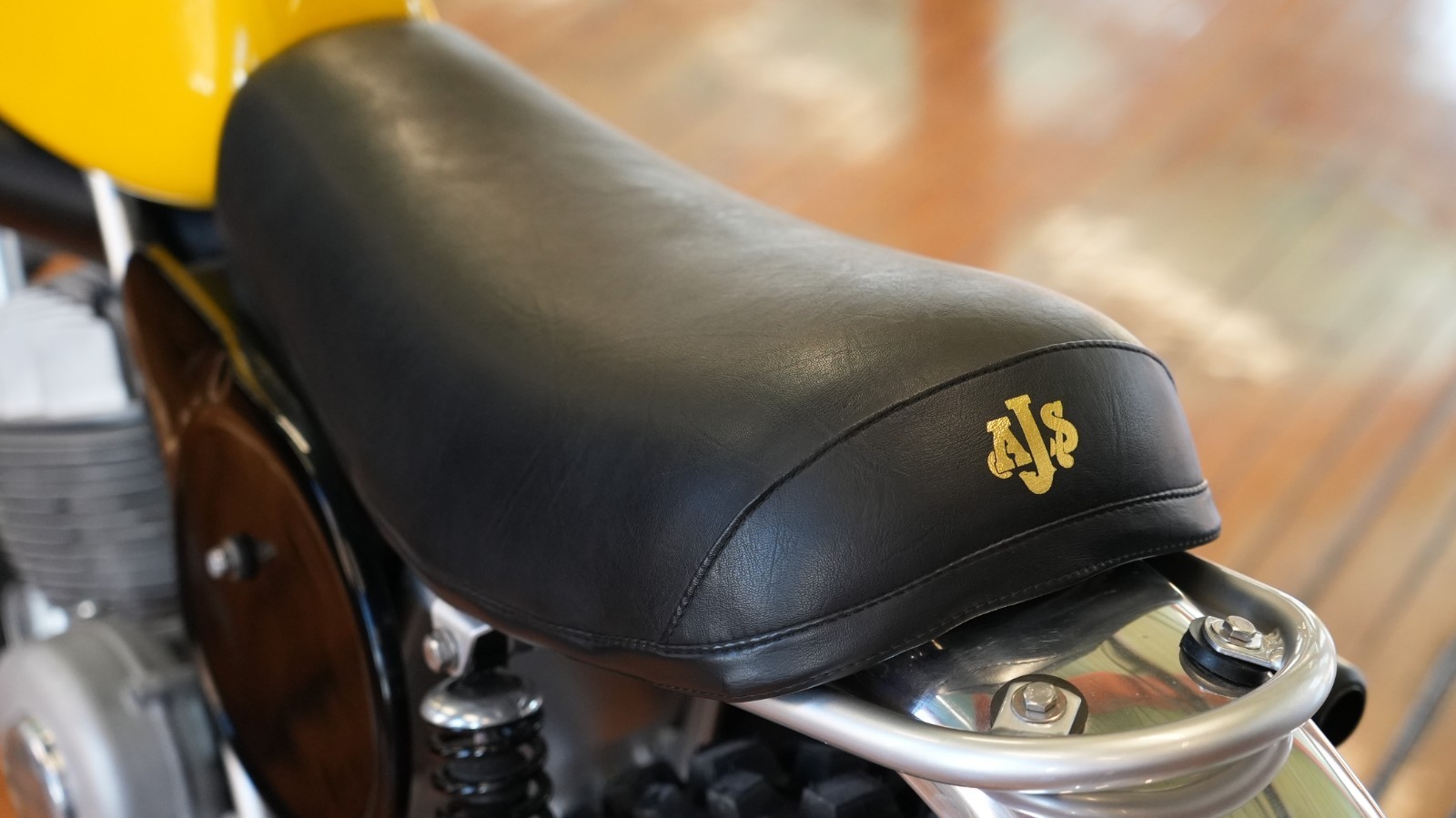
 The seat was rebuilt multiple times during the restoration process to meet period standards, featuring new foam, a correct cover, and the gold AJS logo. New side number plates were fitted, and the wiring harness was replaced in full, including a correct kill switch.
AJS Stormer 370: Key Specifications (1971)
Engine: 370cc air-cooled two-stroke single
Bore x Stroke: Approx. 83mm x 68mm
Carburetion: Single Amal carburetor (period-correct)
Transmission: 4-speed manual
Frame: Reynolds 531–type steel single-downtube chassis
Front Suspension: Telescopic forks with forward-mounted axle
Rear Suspension: Twin shocks
Front Brake: Drum
Rear Brake: Drum
Dry Weight: Approx. 240–250 lb
Era: Early 1970s open-class motocross
The Stormer 370 sat between the earlier 250 and the later 410, delivering a balance of torque and manageability that many riders preferred in real-world motocross conditions. It was part of AJS’s push to compete head-on with emerging European and Japanese rivals in the early 1970s.
A Snapshot of a Vanishing Era
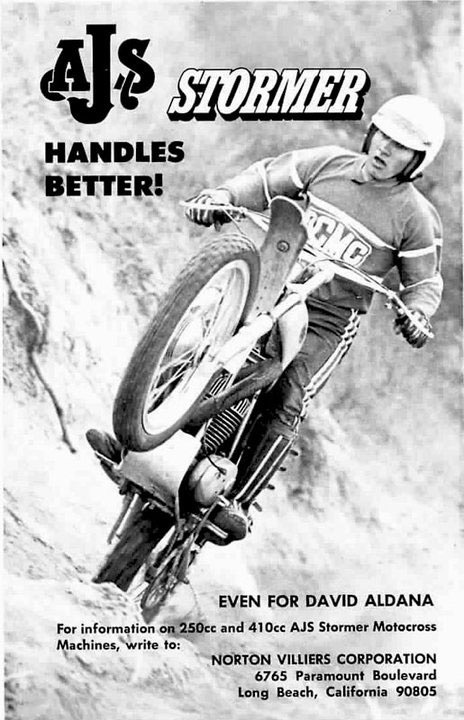
The AJS Stormer arrived at a crossroads in motocross history, when British manufacturers were trying to reinvent themselves through lightweight engineering and modern two-stroke performance — just as Japanese brands began to dominate the sport.
In many ways, the Stormer represents one of the last serious British motocross platforms, and a bridge between traditional scrambles bikes and modern MX machines. What’s more, it’s a reminder of Villiers’s influence on off-road racing technology.
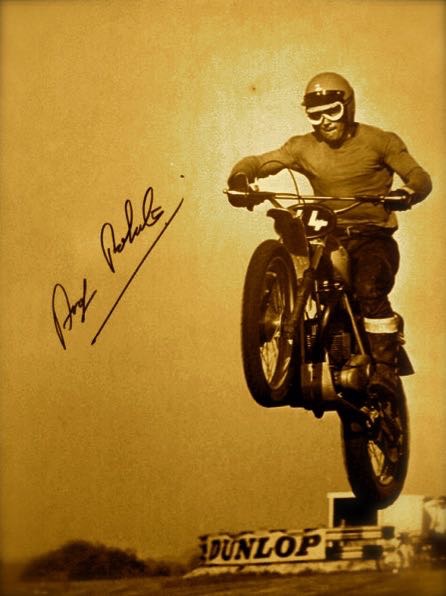
Today, restored examples and race survivors offer a glimpse into a turning point in motocross history — when innovation was accelerating and the old guard fought to remain relevant. Machines like this Stormer remind us that motocross didn’t change overnight. For a brief window, British engineering and emerging two-stroke performance coexisted on the same starting grid.
Whether preserved as historic race bikes or carefully restored riders, surviving Stormers stand as artifacts of that moment — the last roar of Britain’s scrambles tradition before the sport moved fully into a new era.
Follow Kaplan Cycles
Web: kaplancycles.com
Instagram: @kaplan.america
Ebay: www.ebay.com/str/kaplancycles


Well done to the people in the restoration, the AJS was comparable to the Japanese machinery at the time here in Aussie land, but Husky’s and Macio’s we’re all the rage to put you on the front line. But it’s great to see semi-forgotten equipment, built with such passion.
I also supplied Dr. Bill with many new old stock original AJS and also some used parts (including the gas tank) for this rebuild. I am based in Cincinnati, Ohio.