
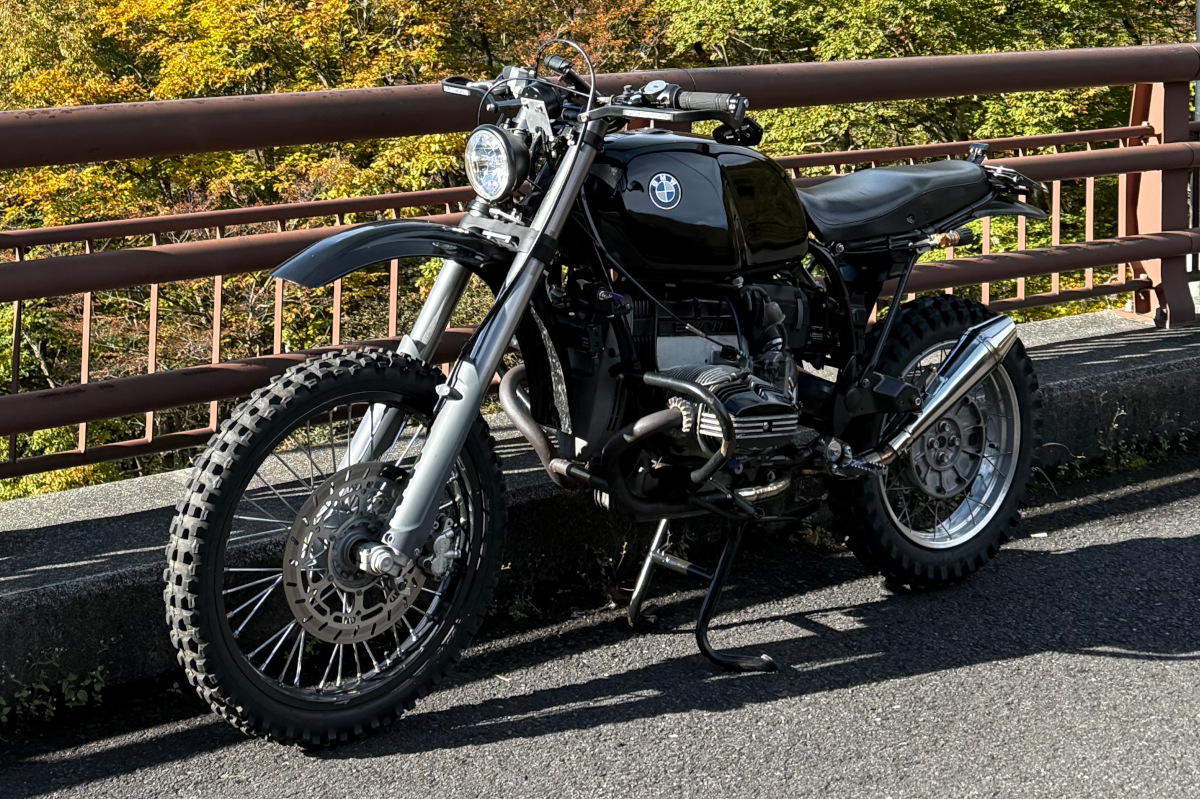
 “A lightweight Airhead BMW that an ‘old guy living in the countryside’ could use to explore nearby mountains…”
The new-for-1992 BMW R100R was a classic-style roadster built on the BMW R100GS adventure bike platform. The 980cc two-valve flat-twin boxer engine made 60 horsepower / 56 pound-feet of torque, and the bike weighed a fairly hefty 470 pounds, but Airheads have always been greater than the sum of their specs.
“It’s hard to imagine a more likable, more capable all-around streetbike. The R will serve as a commuter, a backroad playbike, and a two-up day-tripper.” –Cycle World, 1992
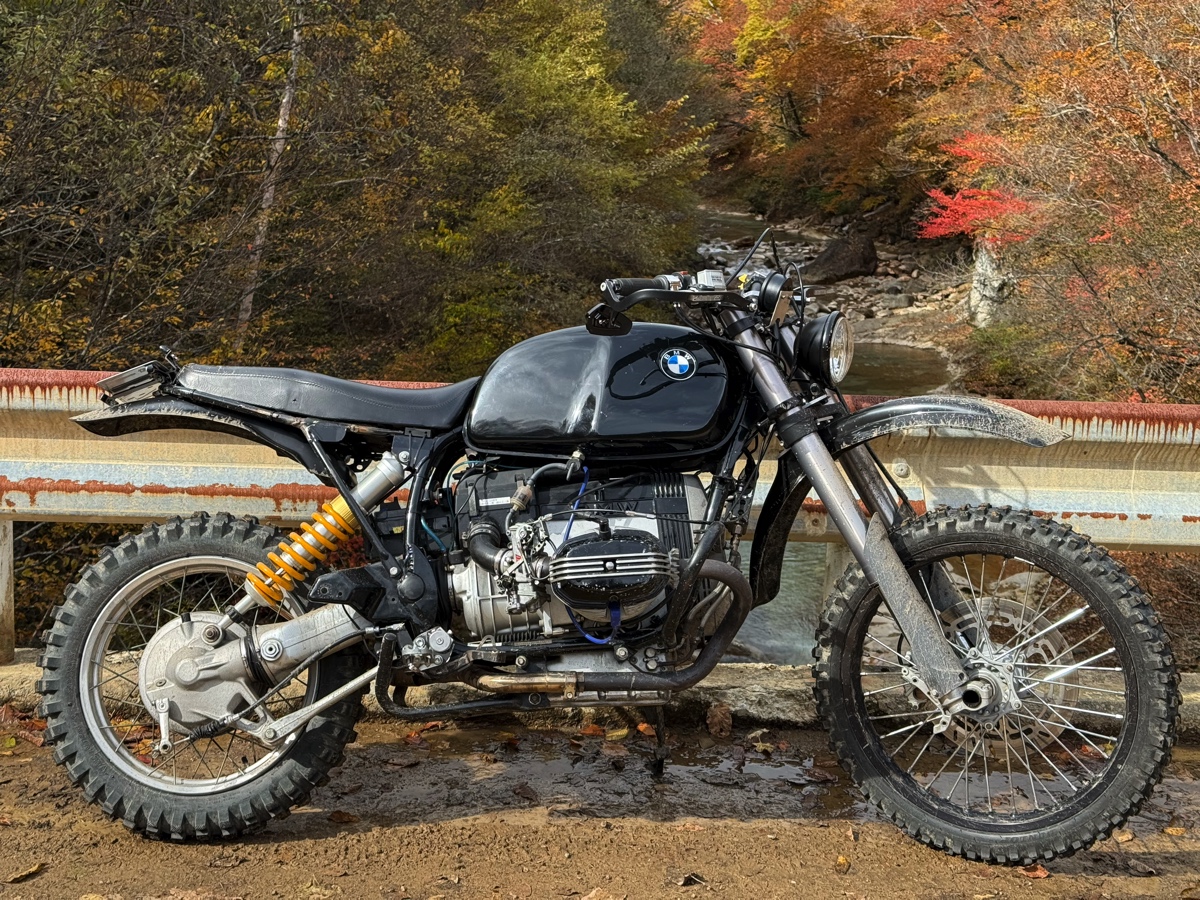 This ’92 R100R comes from our new buddy Kouji Kikuchi (@kikuchikouji) of Japan, who’s been riding, repairing, and customizing bikes for three decades. His collection (listed below) is nothing short of drool-worthy, as are the current projects he has on the table.
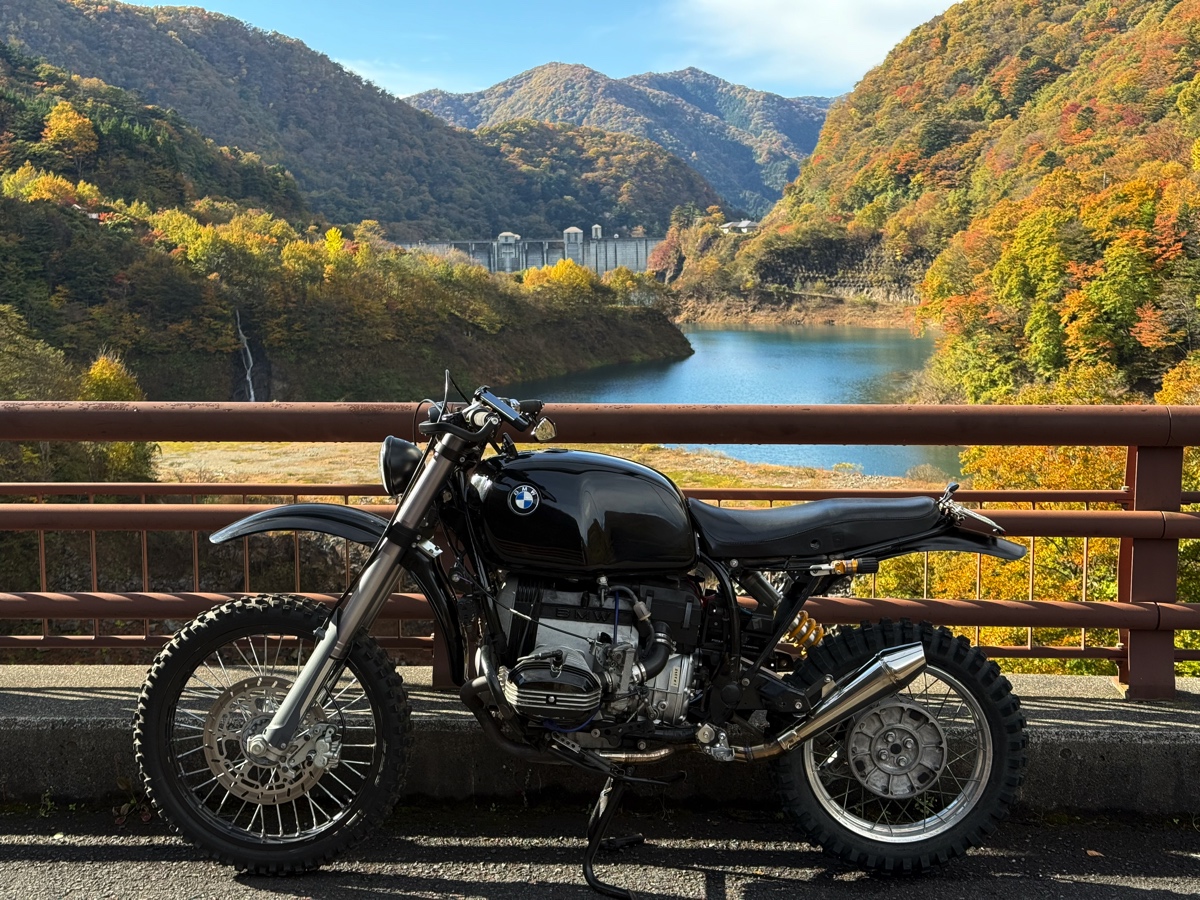 For this build, Kouji says he wanted to build the exact bike he wanted to ride:
“The concept was a lightweight Airhead BMW that an ‘old guy living in the countryside’ could use to explore nearby mountains.” -Kouji
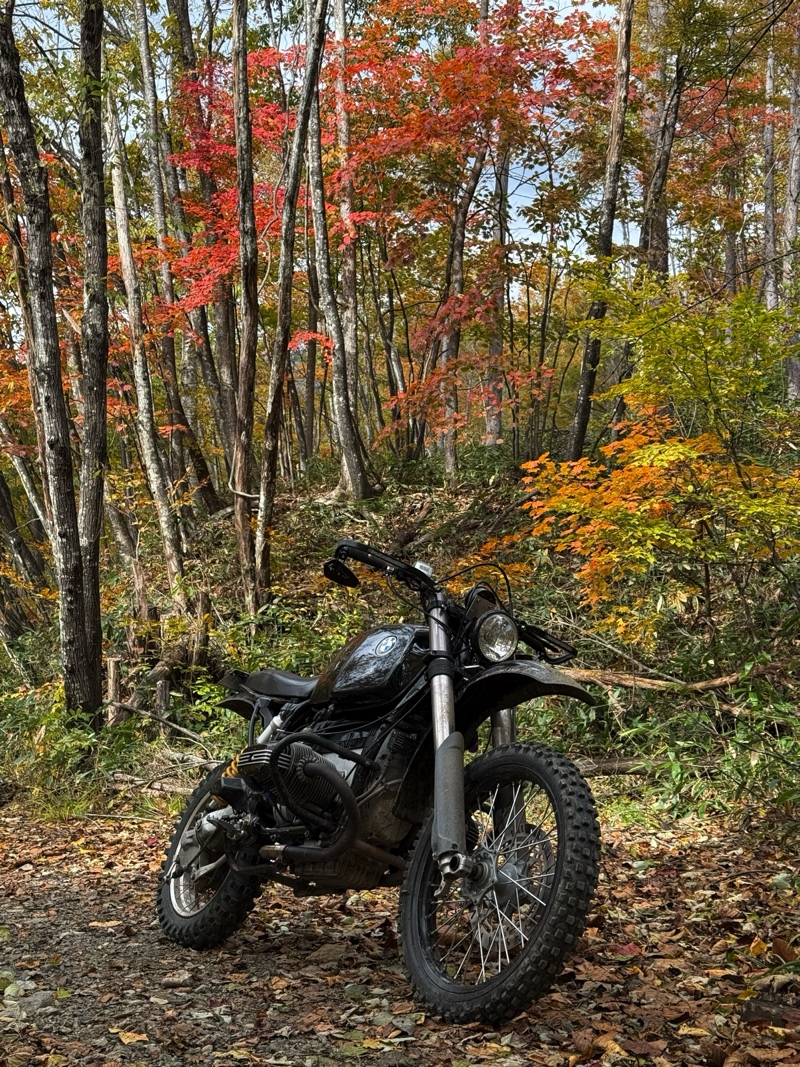 Kouji already has an R100GS, but it’s heavier and more ungainly than what he had in mind for this build. The R100R served as the perfect donor, with GS underpinnings and a stripped-down style. The legendary German firm HPN, who built the R900RR Dakar bikes we recently featured, served as a big inspiration for the modifications.
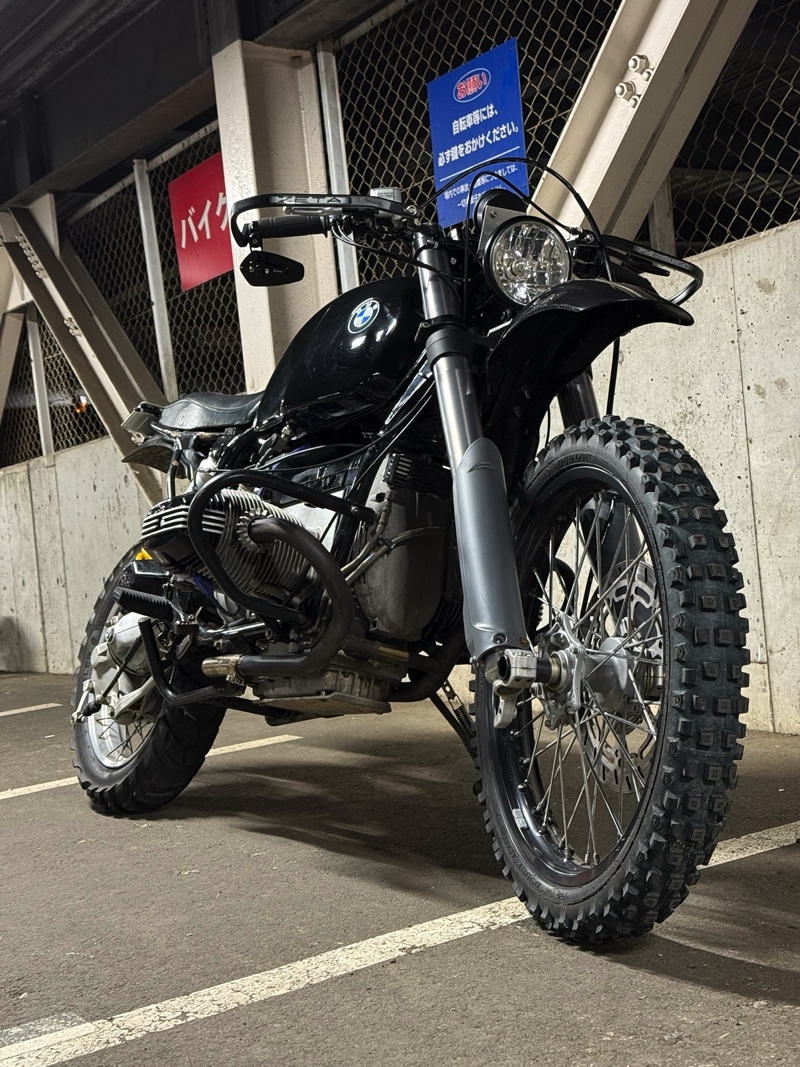
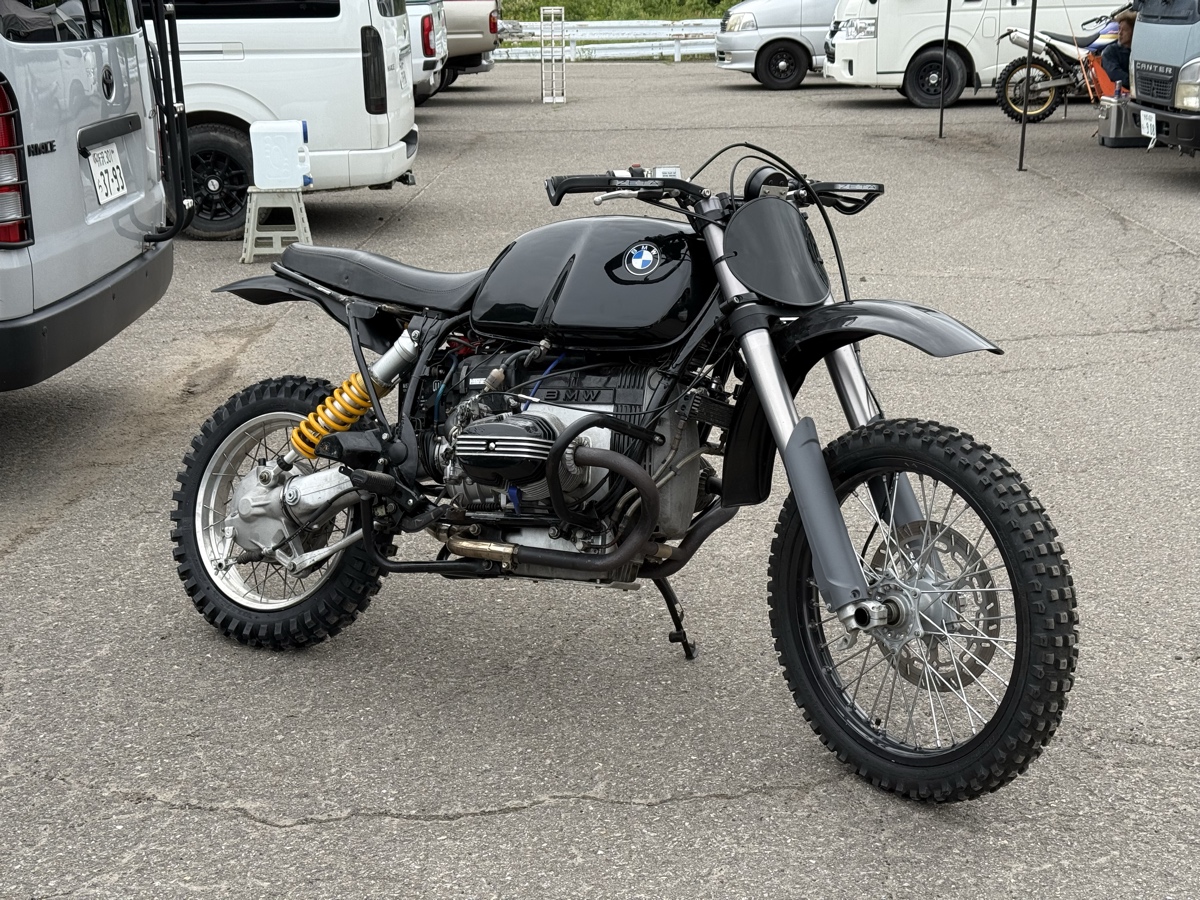
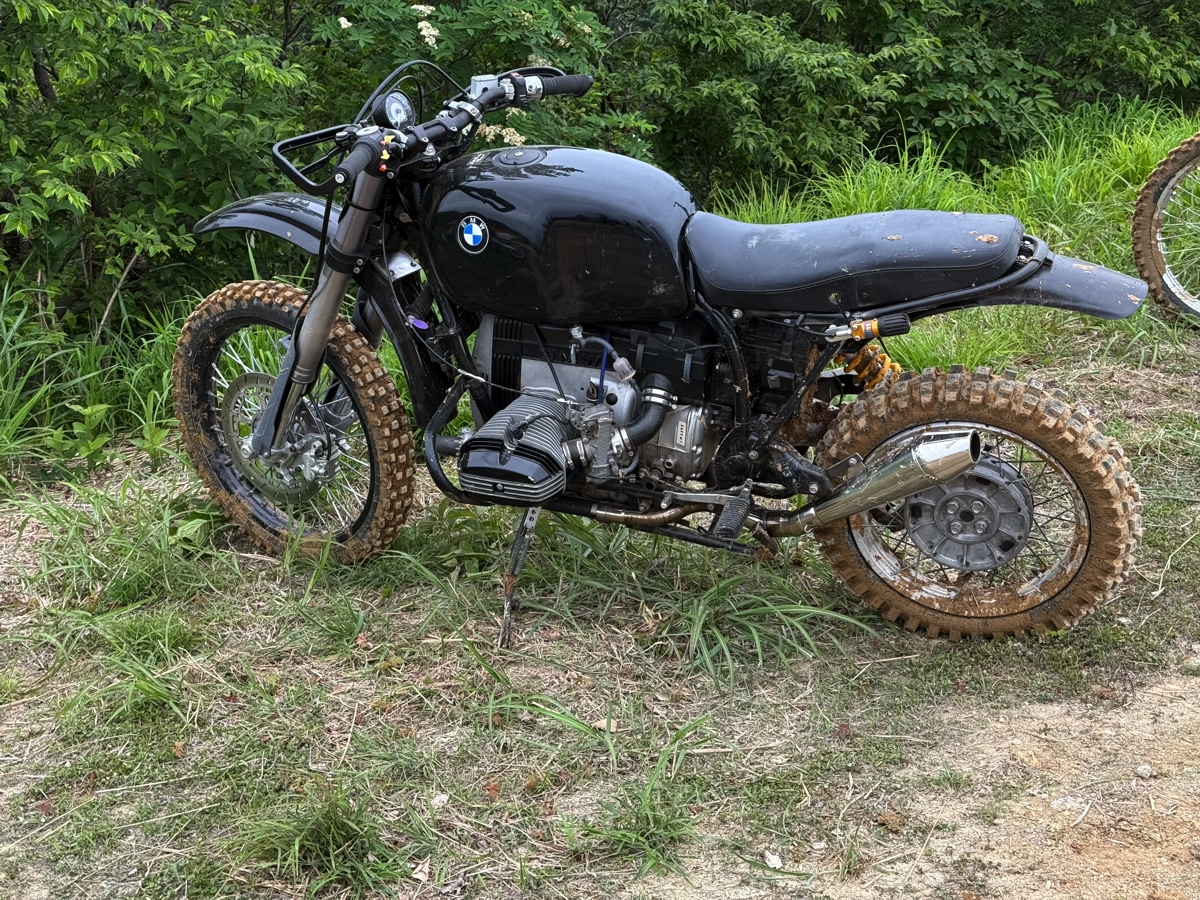
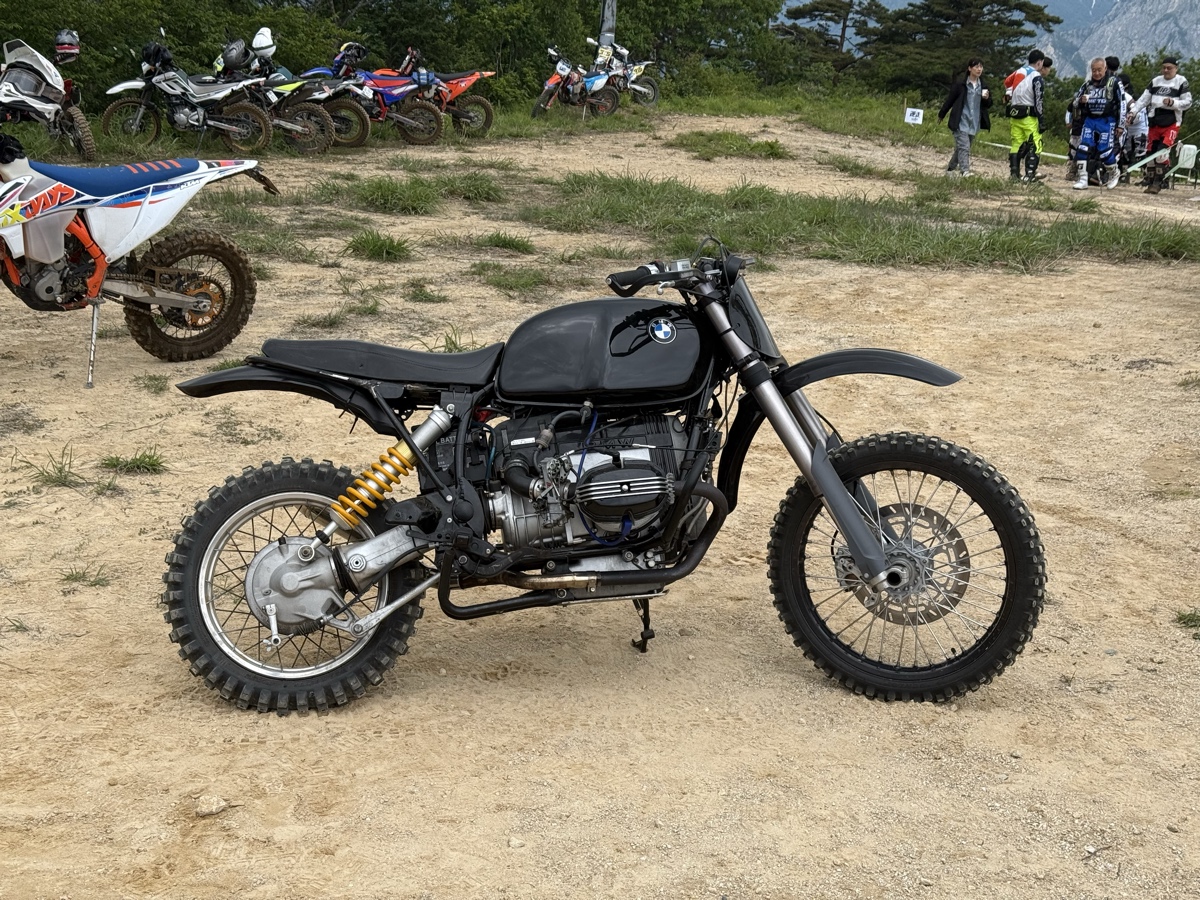
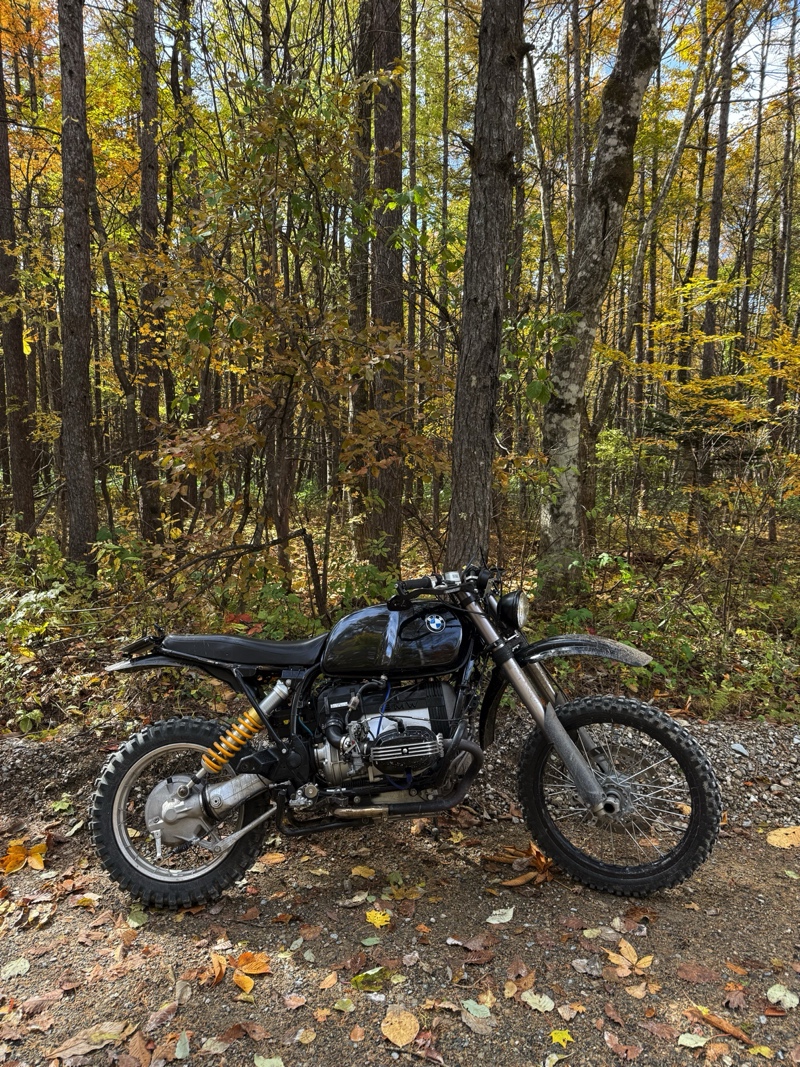
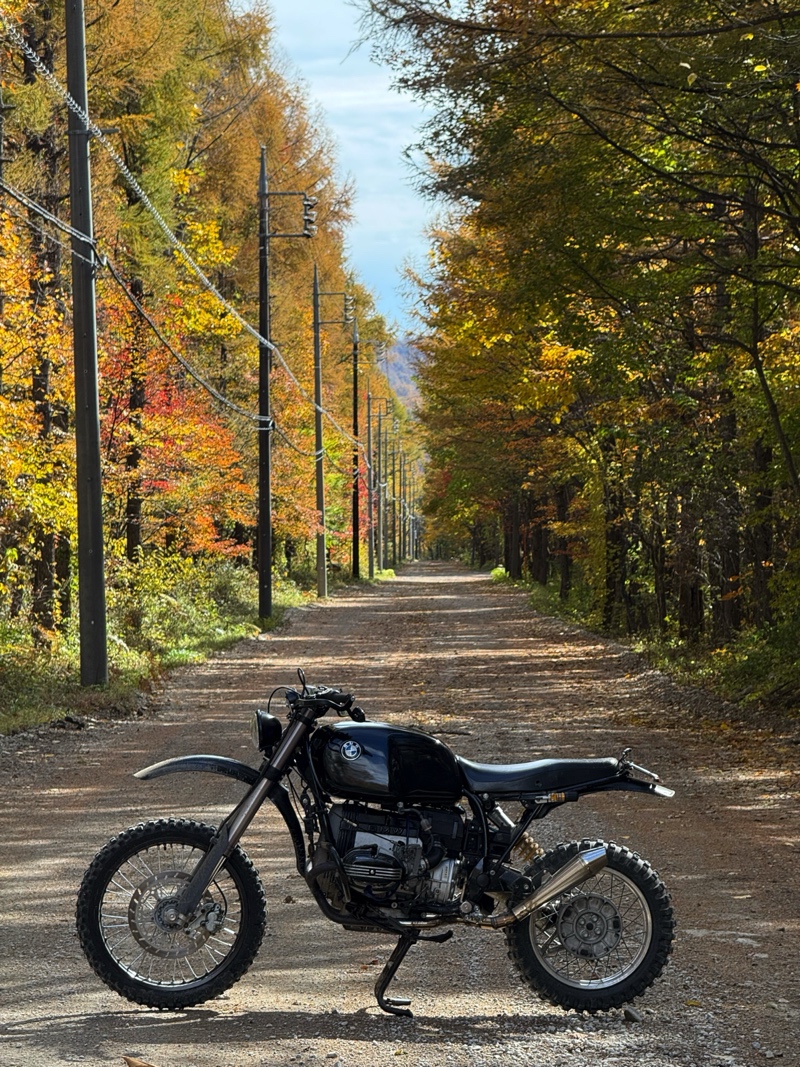
 Kouji says the most significant change was the front end. He swapped in a set of WP inverted forks and 21-inch front wheel from a KTM 950 Adventure, which gives the bike the same geometry as an R100GS when matched with the GS-specific Öhlins rear shock.
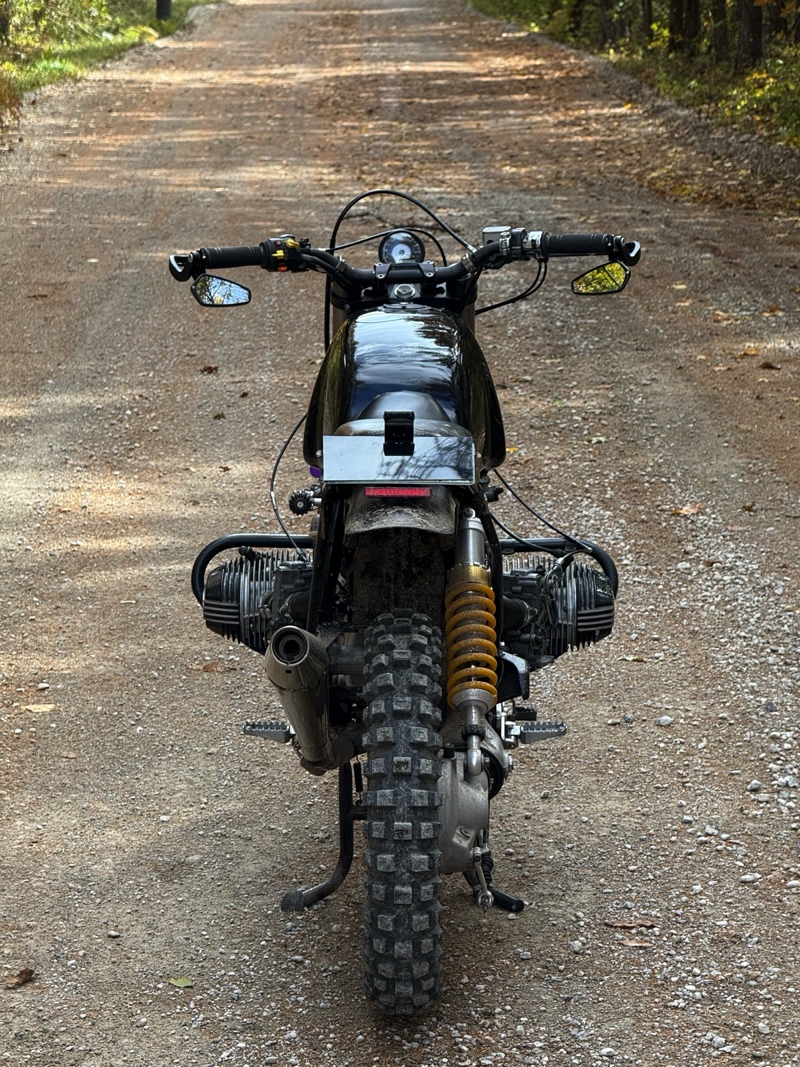
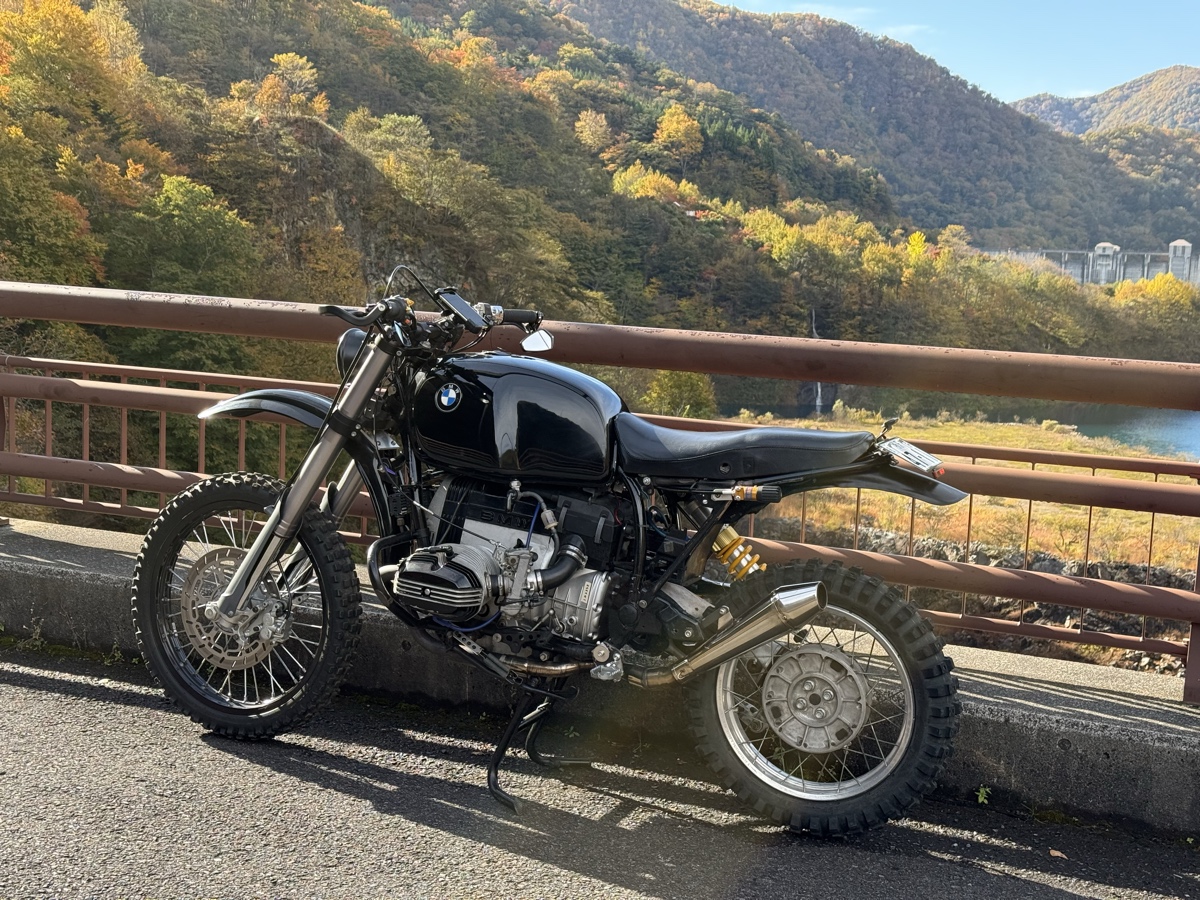
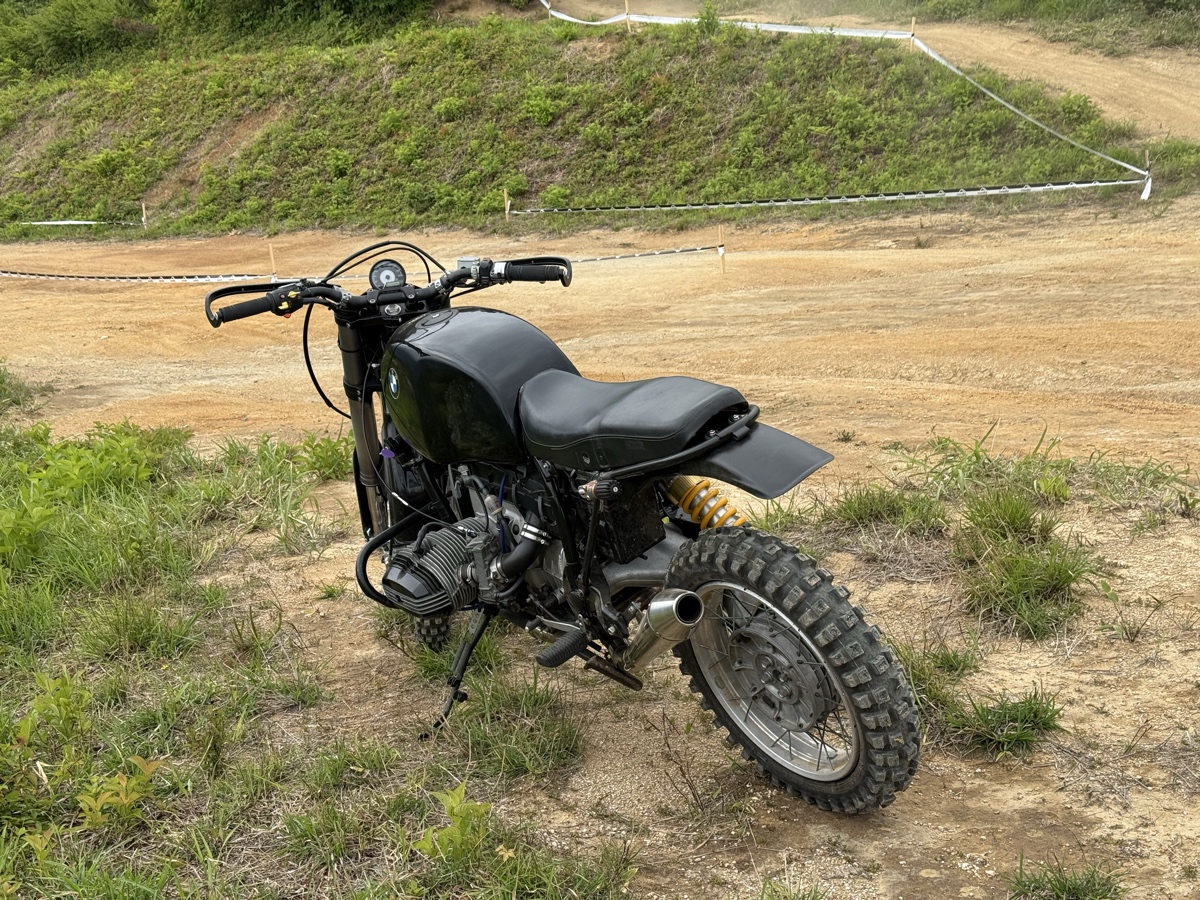
 The bike is running an R100RS fuel tank for a sleek and subtle look. With help from Garage Taka, an R100RS subframe was cut and welded to a new angle, then topped with an OEM Yamaha SRX400 seat.
“While thin custom seats look cool, they aren’t comfortable for long rides. This OEM seat feels great and adds to the rugged aesthetic.” -Kouji
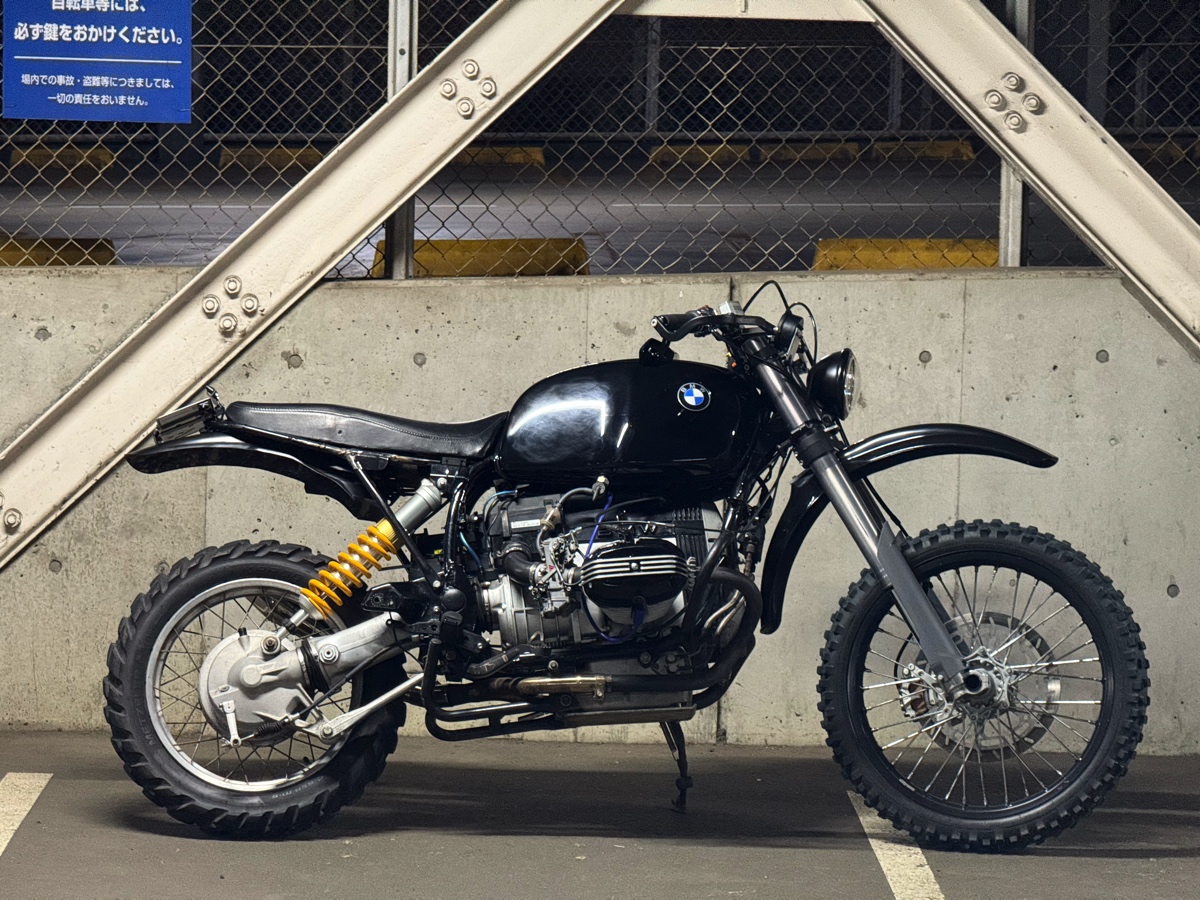 The boxer engine is running a pair of FCR41 carbs and a Dyntatek Dual Spark ignition, and Kouji moved the pegs down and back to suit his comfort and riding style.
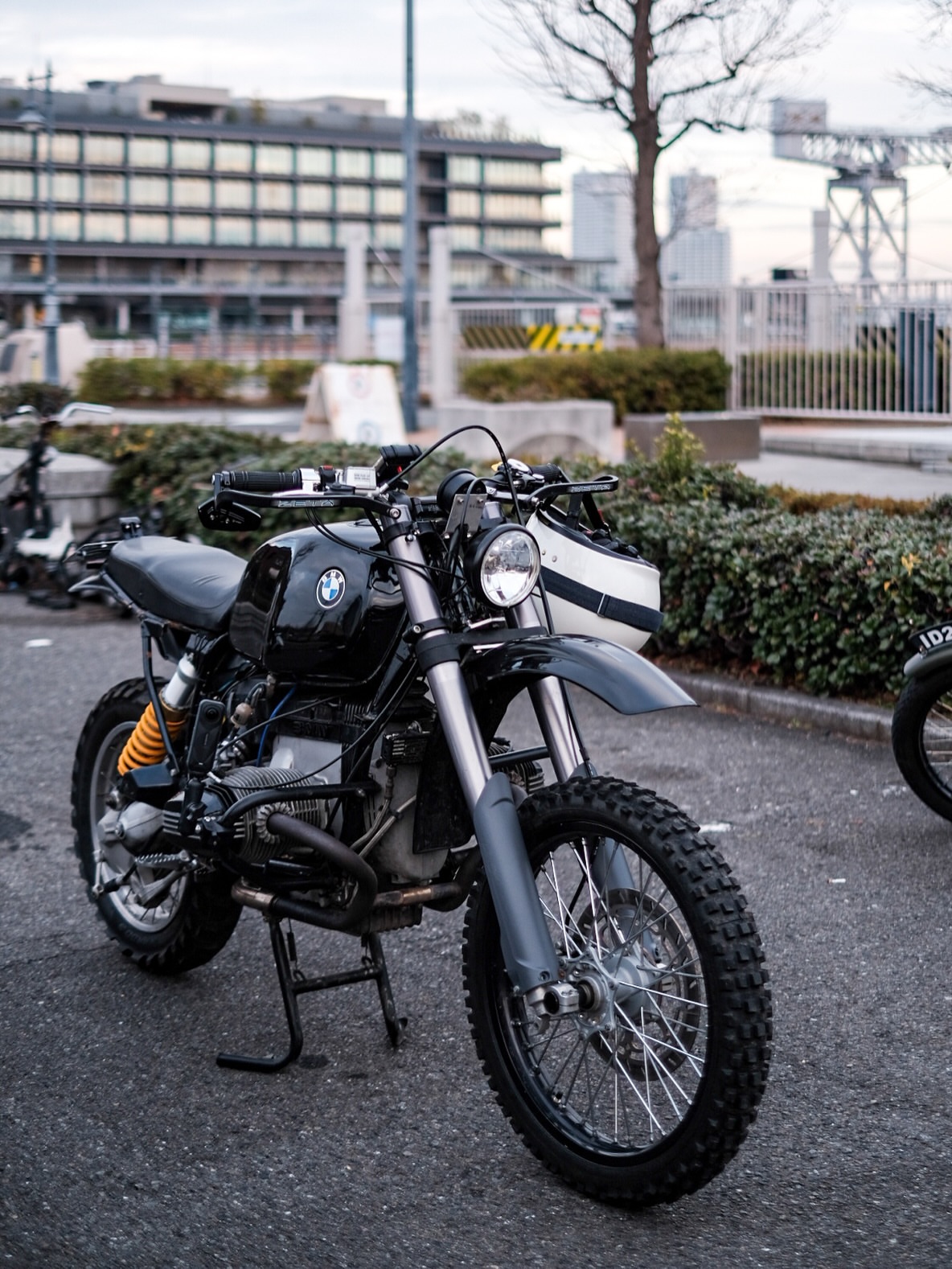
Nicknamed the “R100R改” (改 means “customized” or “modified”), the bike looks incredibly lean and mean for an Airhead…and Kouji says it’s 30 kilos (66 lbs) lighter than his R100GS!
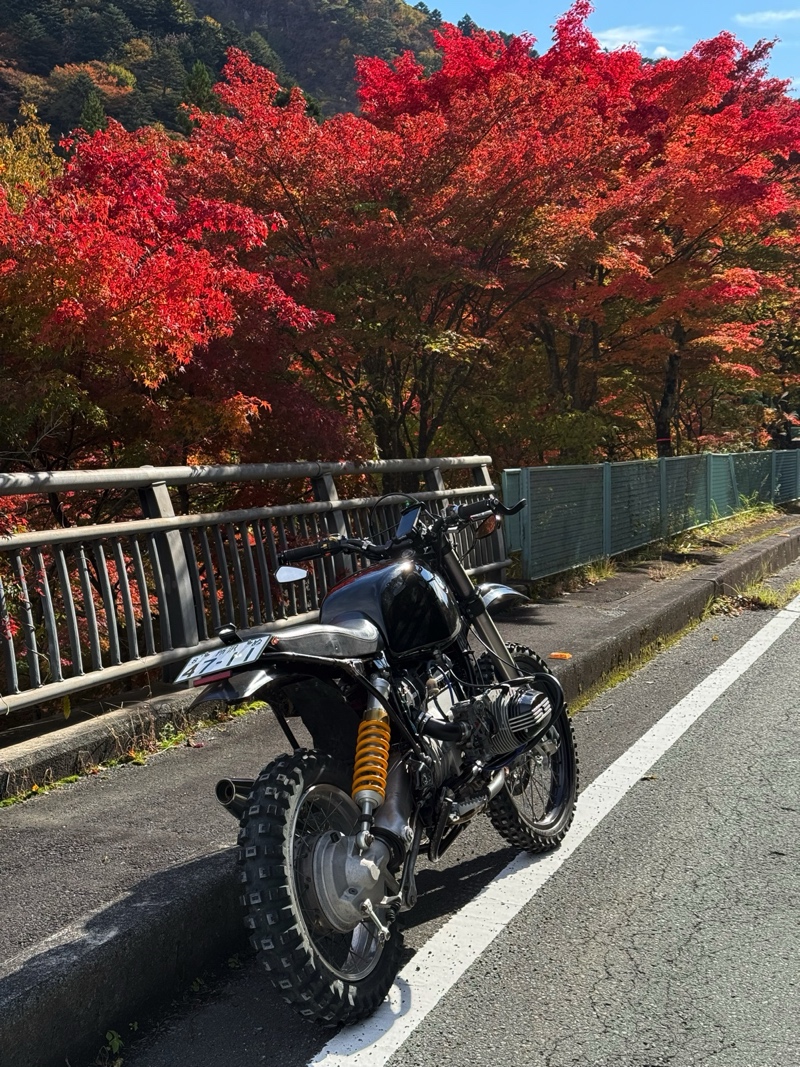
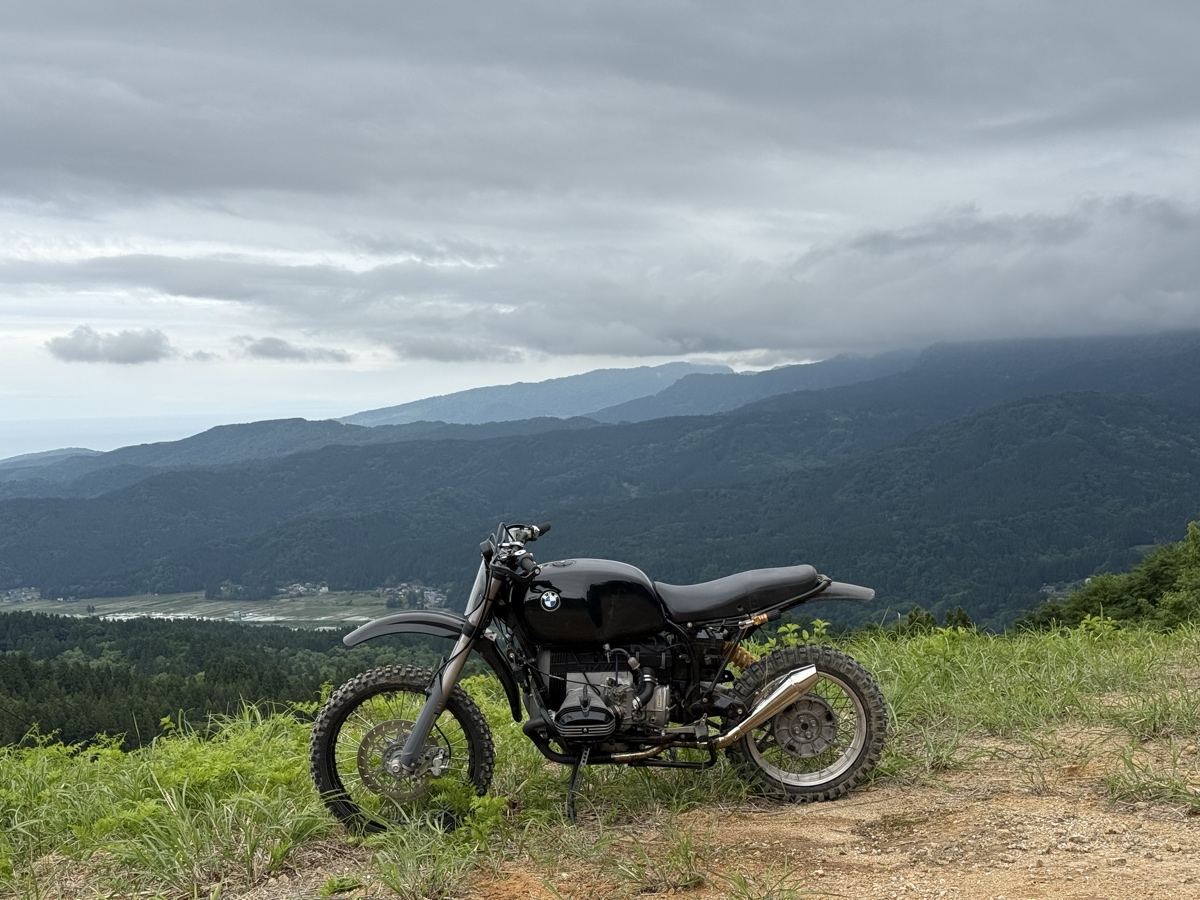
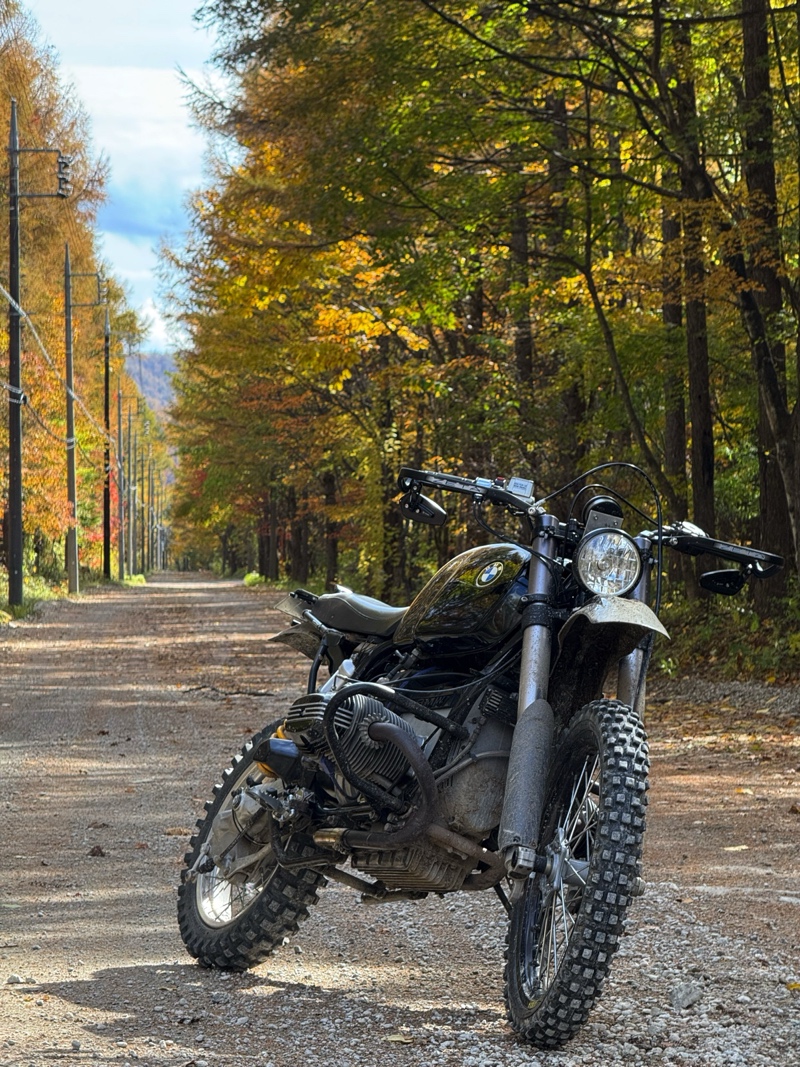
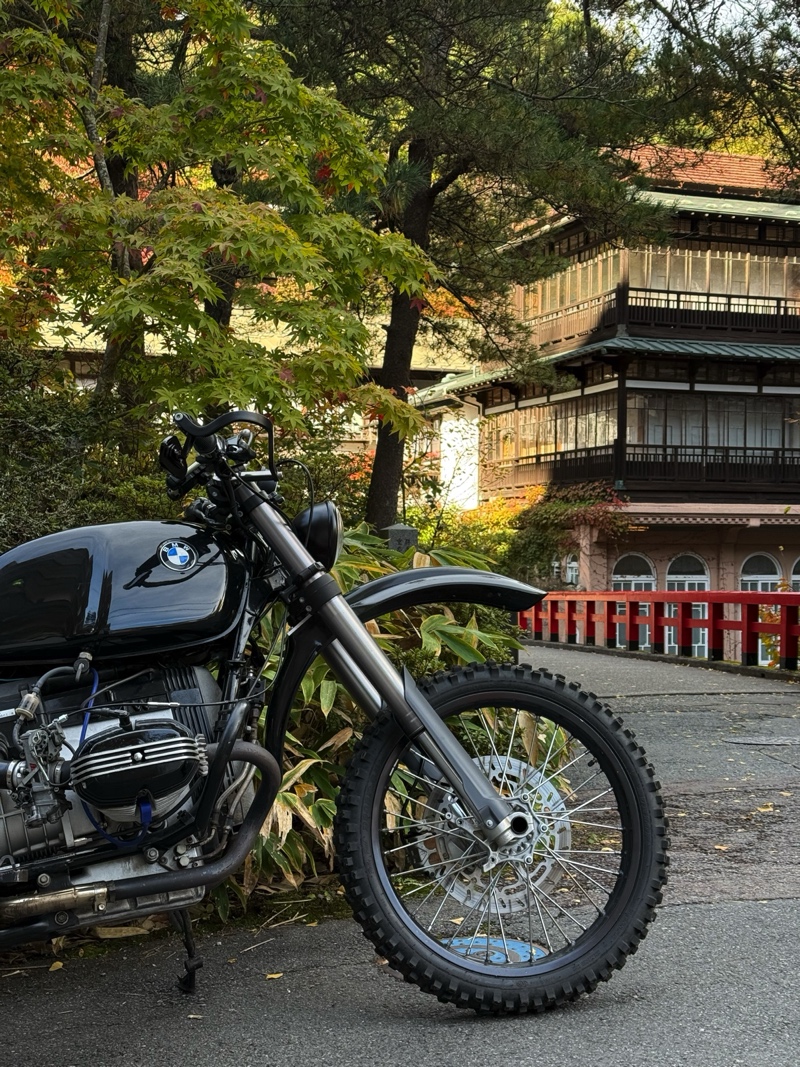
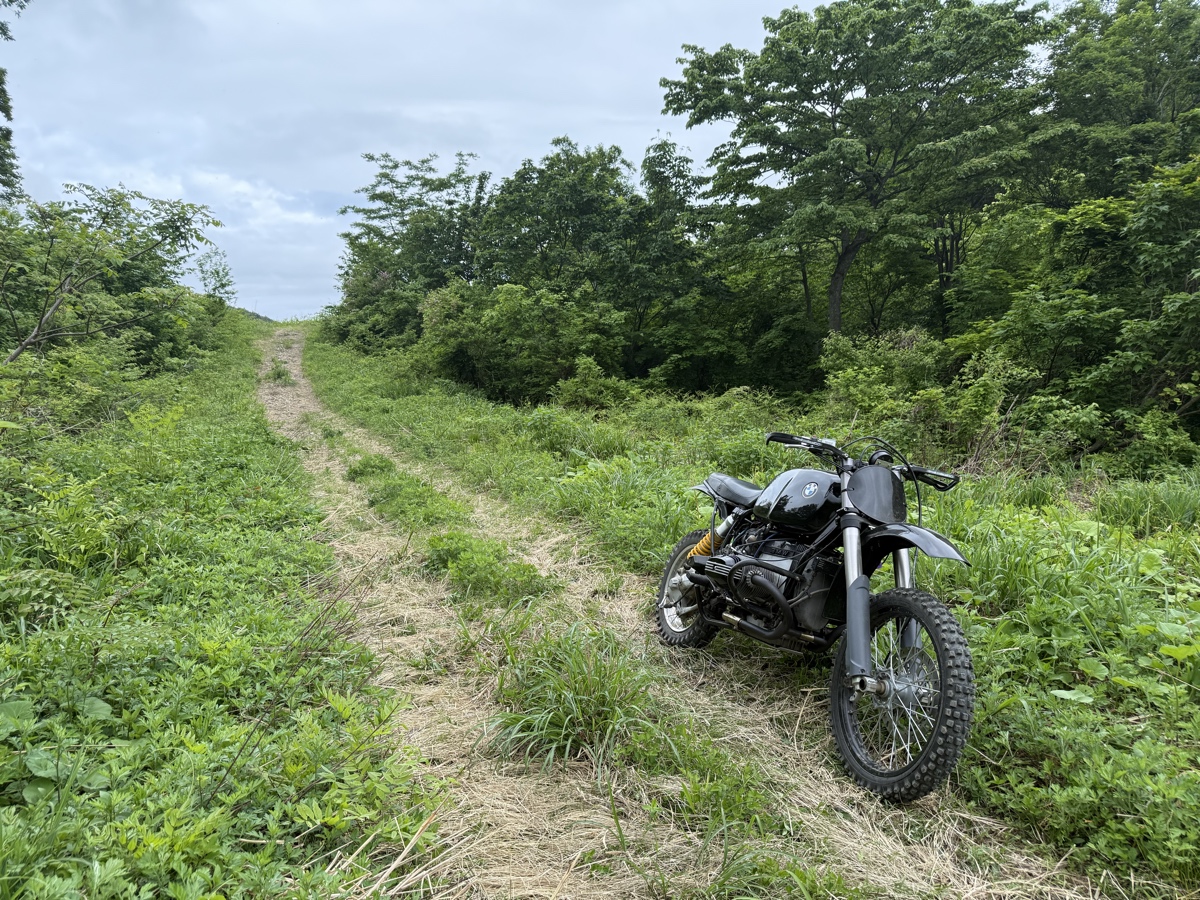
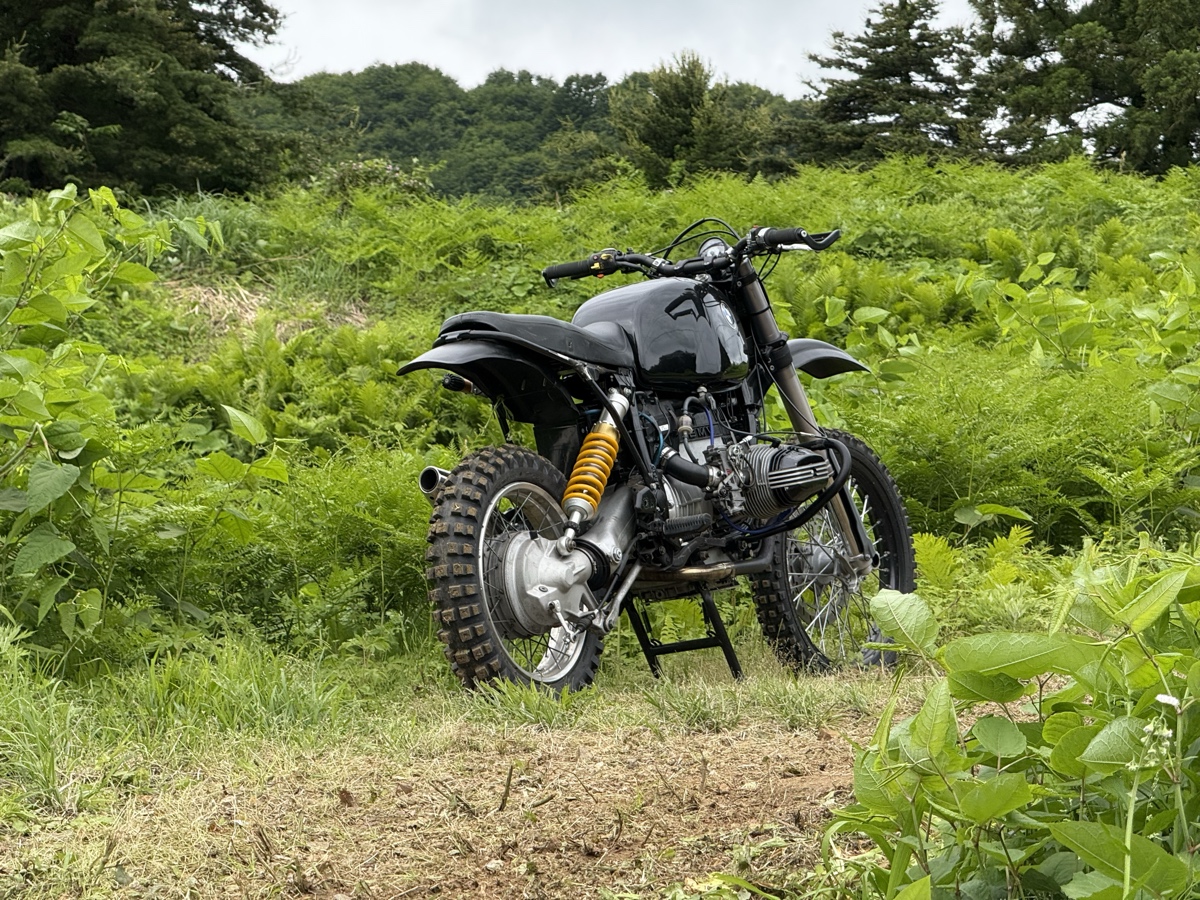
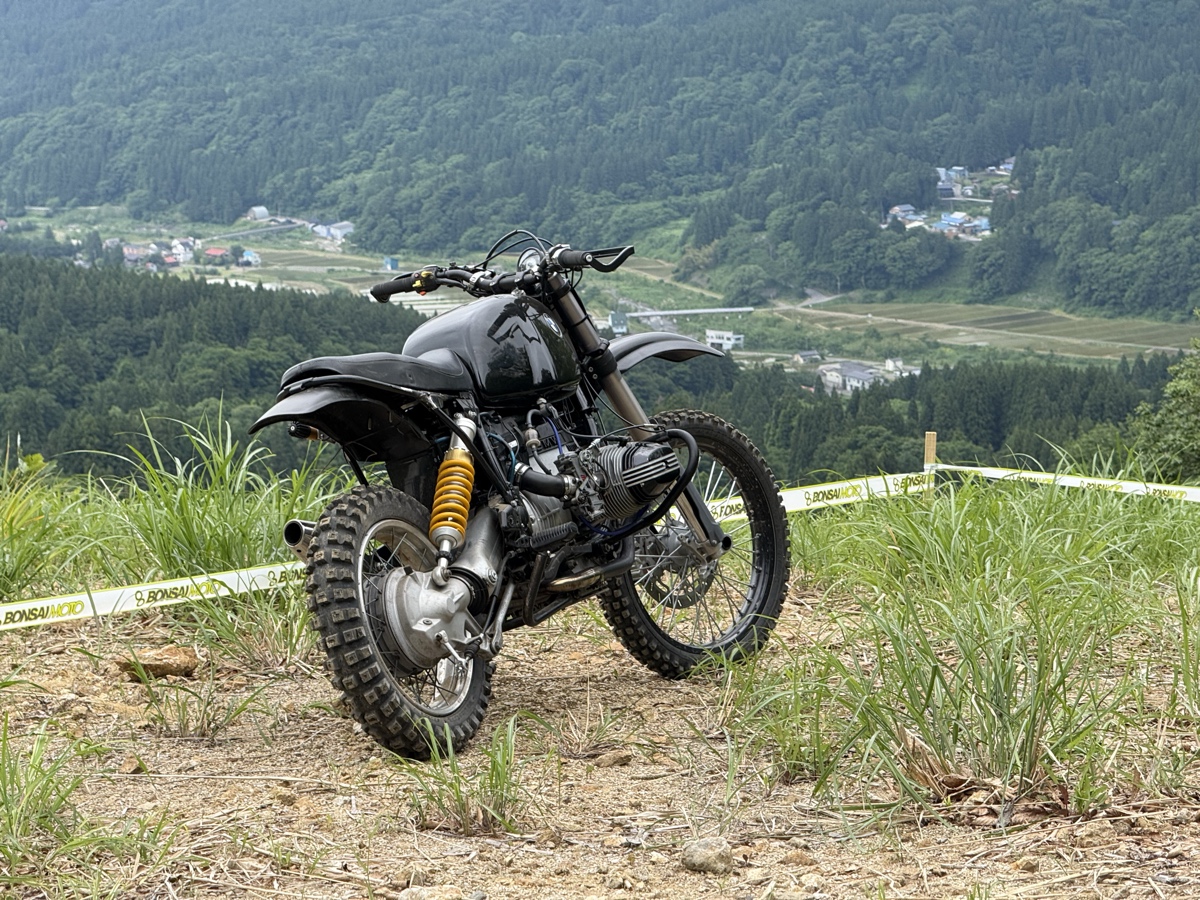
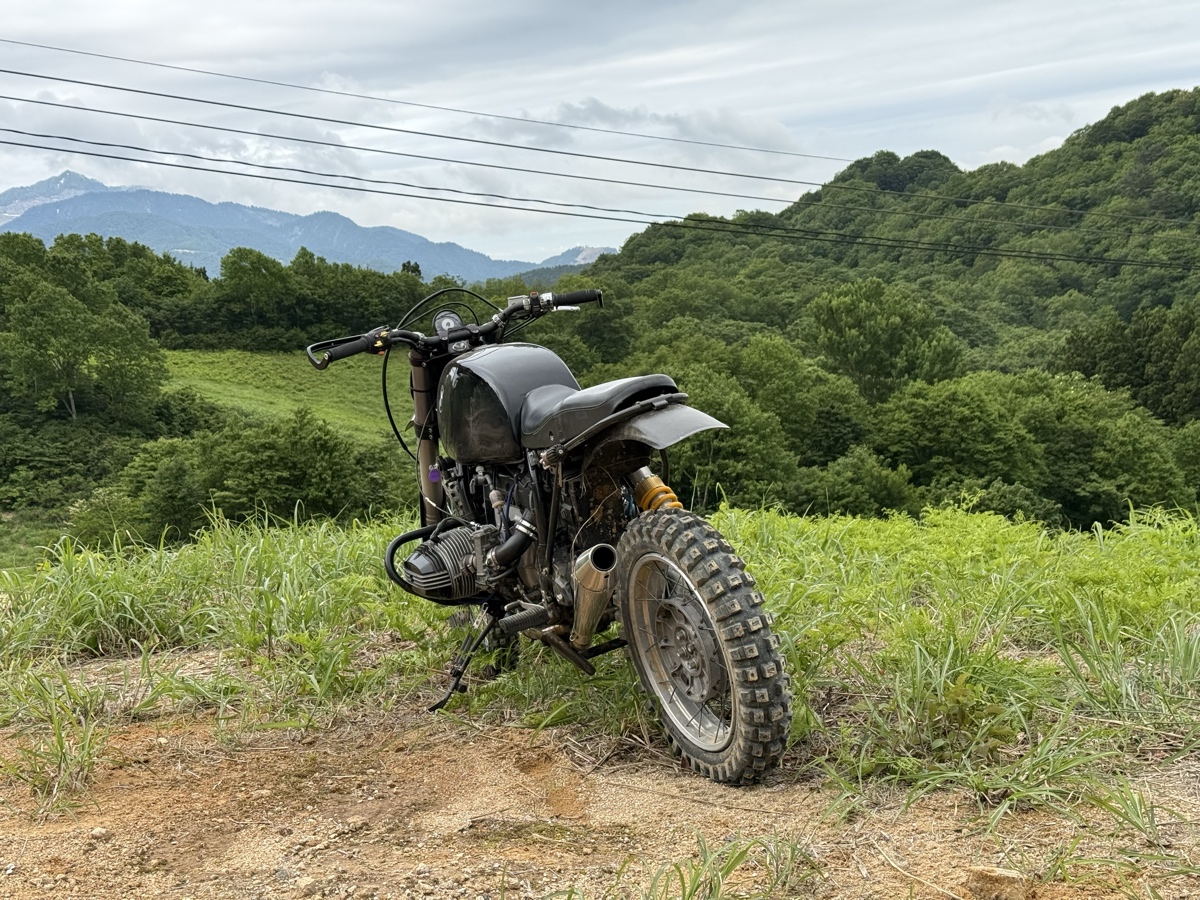
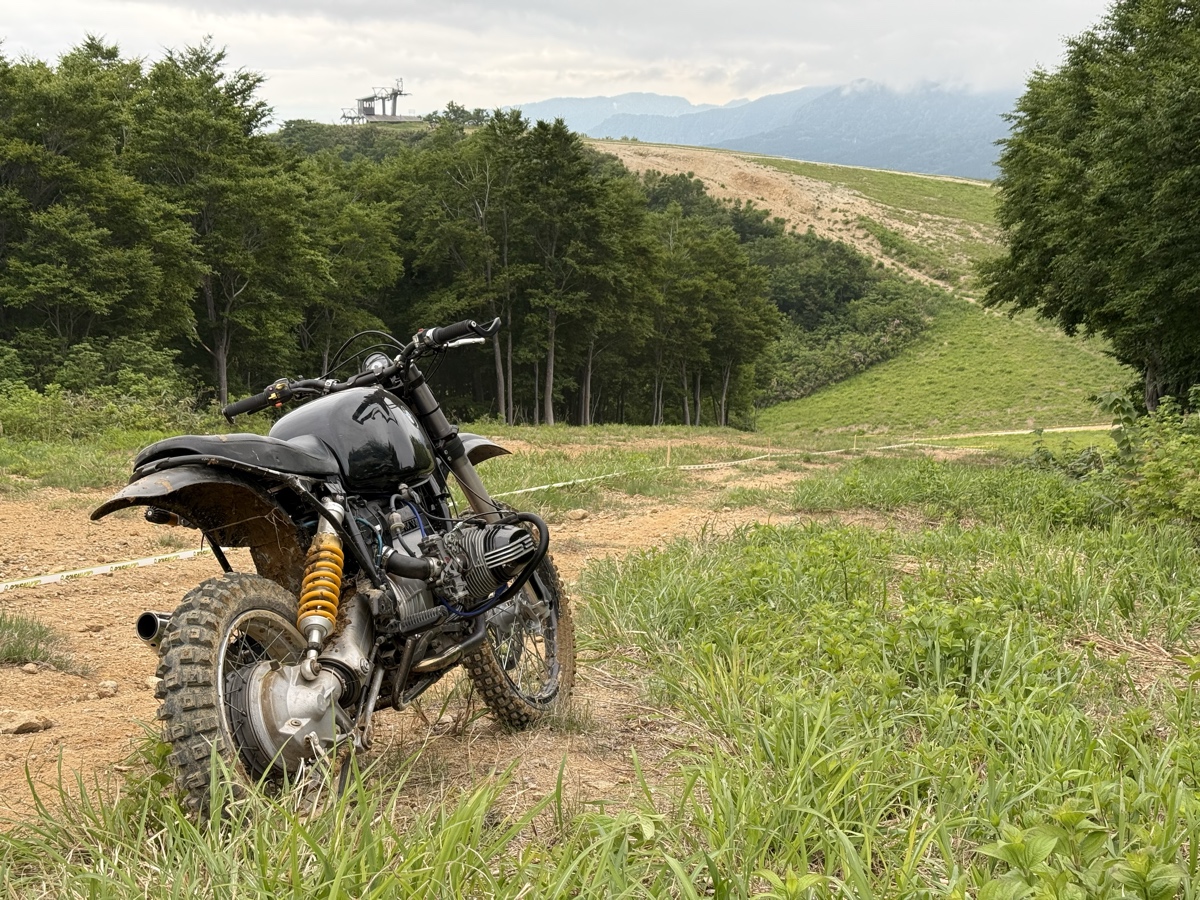
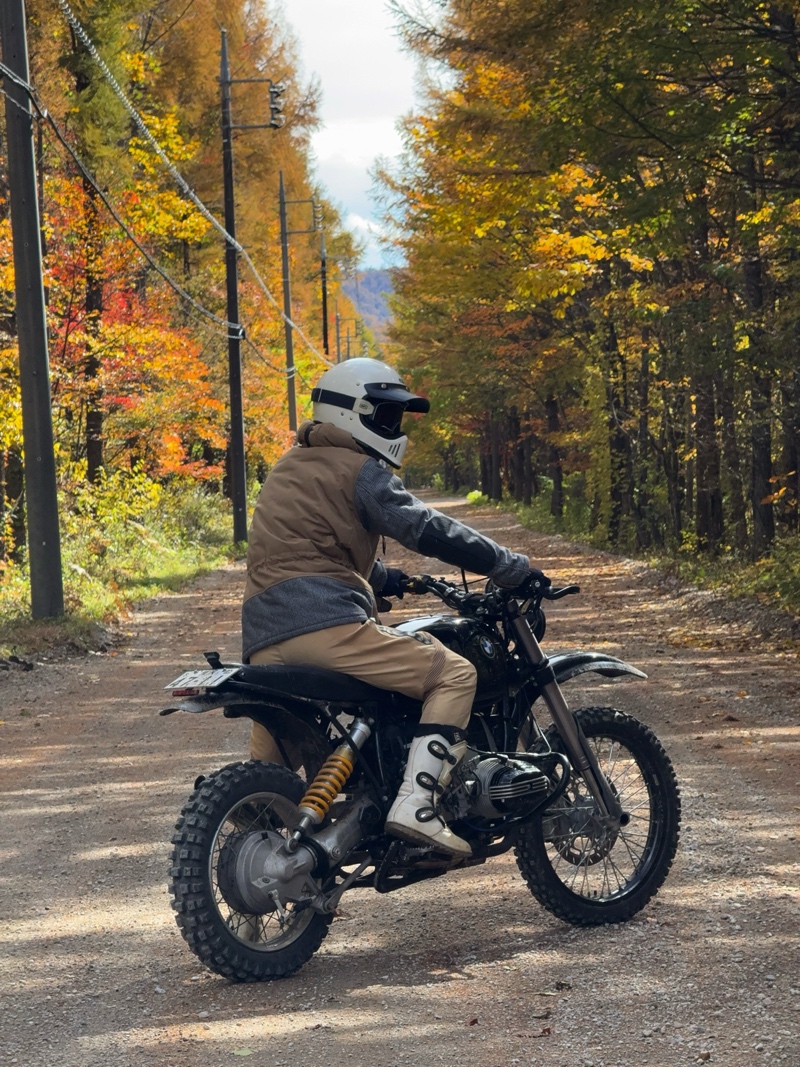
As you can see in the photos, Kouji certainly gets around on his self-built machine.
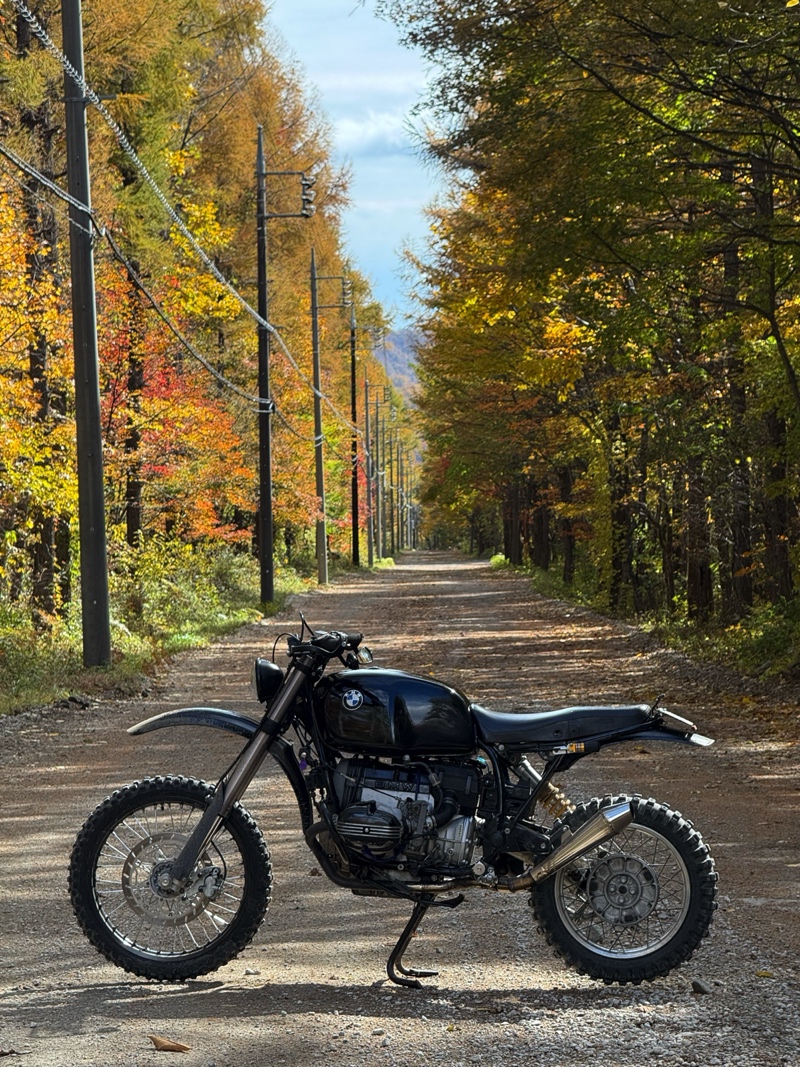
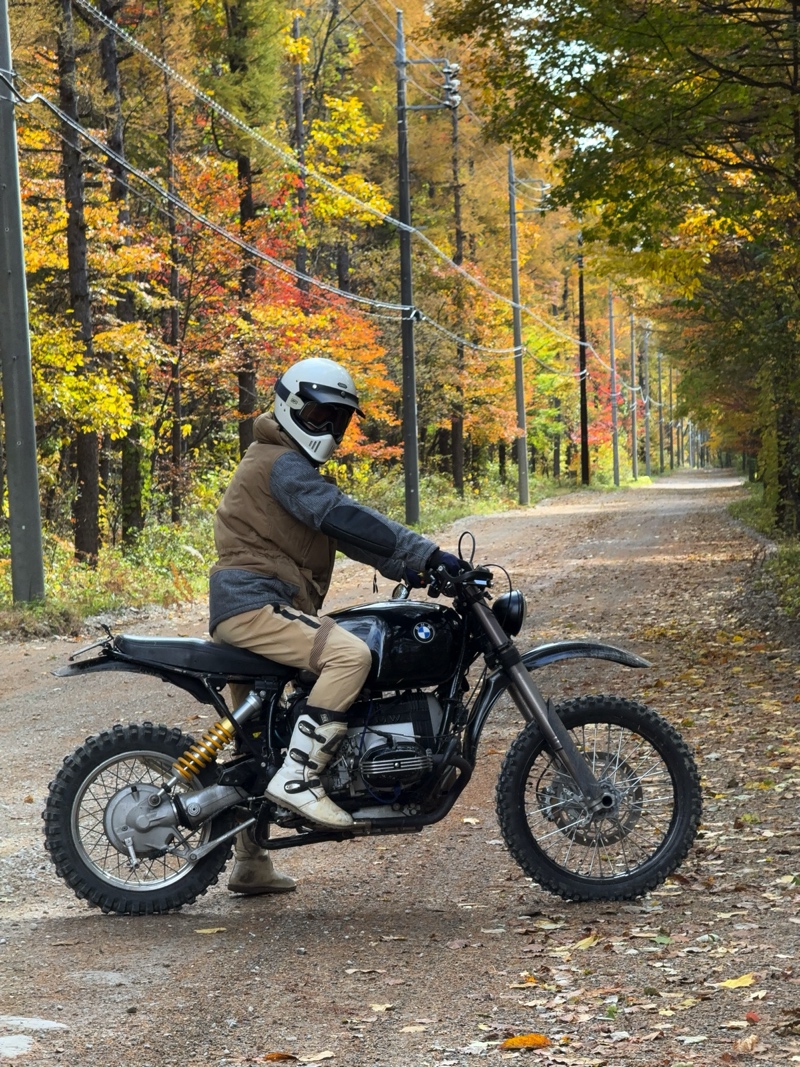
“I’ve ridden it on ski slopes and forest trails, and it’s incredibly fun. Because it’s lighter and more powerful than a stock GS, it feels like I can go anywhere.”
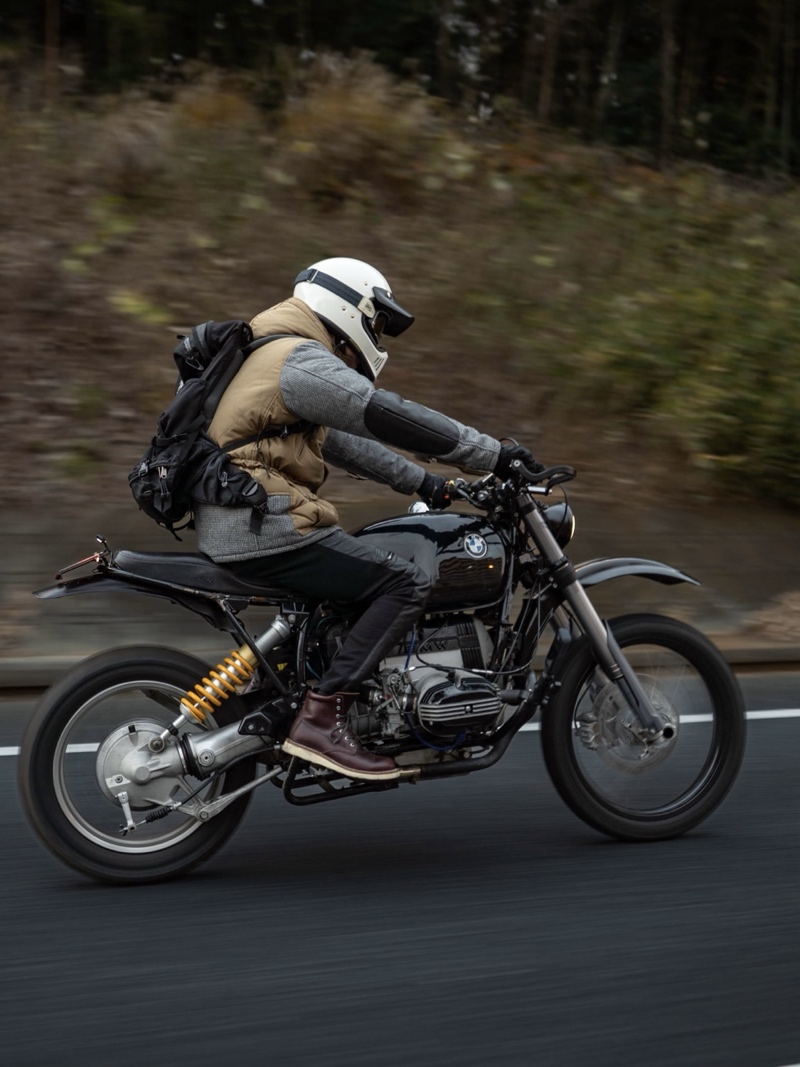
We love when someone builds a bike that’s exactly suited to their vision, style, riding habits, and terrain, and Kouji’s R100R改 is a perfect example of the form.
Well done, Kouji — thank you so much for sharing your bike with us. We look forward to more projects rolling out of your garage!
BMW R100R Scrambler: Builder Interview
• Please tell us a bit about yourself, your history with motorcycles, and your workshop.
I’ve been riding for over 30 years, starting with a 50cc Honda 2-stroke when I was 16. I’ve loved repairing and customizing bikes myself ever since. My home garage is equipped with a welder, sandblaster, air tools, and a press.
For precision metalwork, I collaborate with professional machinists. Currently, I have 11 bikes in my garage. I get so attached to them while fixing them that I can never bring myself to sell them — they just keep multiplying! My current projects include a K1100 (updating my previous 21-inch front off-road build), a K100 (Cafe Racer), a GL1100 (Scrambler), and a 950SM (Flat Tracker).
• Past bikes: Honda NS50F, XR250, Africa Twin; Yamaha RZ50, FZR250, SR400; Suzuki RGV250.
• Current collection: Honda DAX50, FTR250, GL1100; Yamaha SEROW225; KTM 950ADV, 950SM, Freeride 250F; BMW K100, K1100, R100GS, R100R.
• What’s the make, model, and year of the donor bike?
1992 BMW R100R.
• Why was this bike built?
It was a personal project. I wanted to build the exact bike I wanted to ride.
• What was the design concept and what influenced the build?
The concept was a lightweight Airhead BMW that an “old guy living in the countryside” could use to explore nearby mountains. I wasn’t aiming for a modern look; I wanted something a bit rugged, unpretentious, and charming — a bike you can hop on in your everyday clothes.
I’m heavily influenced by HPN’s rally bikes. I’ve always dreamed of owning an HPN bike, but they are very expensive! So, I decided to build my own lightweight version. I love BMW rally machines and also own an R100GS, but I wanted this build to be even lighter and higher performance.
• What custom work was done to the bike?
The biggest change is the front end. I installed WP 4860 inverted forks and a 21-inch front wheel, giving the R100R the same dimensions as an R100GS. I used many KTM parts:
- Triple trees: KTM 990 Super Duke
- Forks and front wheel: KTM 950 Adventure
- Front brake: KTM 400 EXC with a 320mm rotor.
- Rear: Ohlins shock for an R100GS.
- I also reinforced parts of the frame for off-road riding.
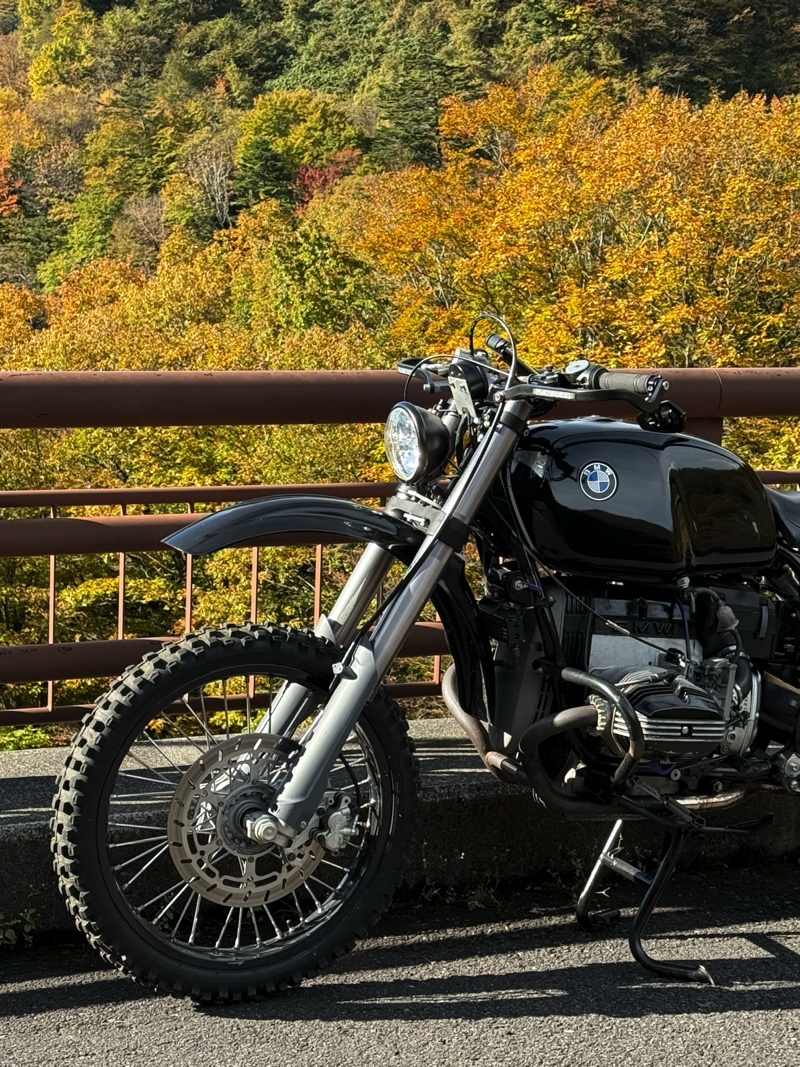
For that “unpretentious” look, I used a BMW R100RS fuel tank. The subframe is a modified R100RS unit, cut and welded at a new angle. Interestingly, the seat is an OEM Yamaha SRX400 seat. While thin custom seats look cool, they aren’t comfortable for long rides. This OEM seat feels great and adds to the rugged aesthetic.
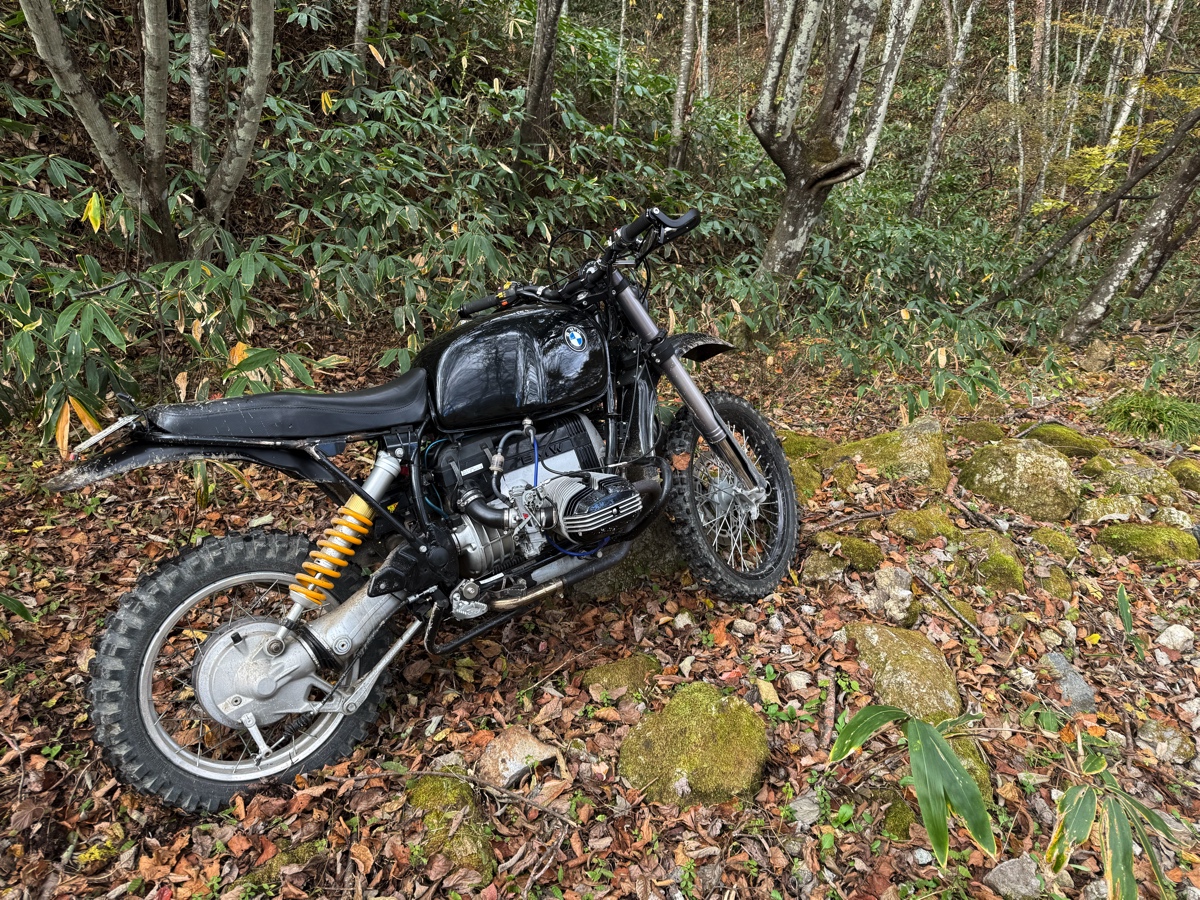
The engine features FCR41 carburetors and a Dynatek Dual Spark ignition. Finally, the footpegs were moved 3cm back and 4cm down. The stock R100R/GS position always felt a bit too high and cramped for me.
• Does the bike have a nickname?
R100R改 (I’d like to keep the Kanji “改”. In Japanese, it means “customized” or “modified,” and I really like the meaning and look of it.)
• Any idea of horsepower, weight, and/or performance numbers?
I haven’t measured the horsepower, but thanks to the FCR41s, it has significantly more punch than my R100GS. Weight: 205kg (wet/full fluids). My R100GS weighs 235kg in the same condition, so this build is 30kg lighter!
• Can you tell us what it’s like to ride this bike?
I’ve ridden it on ski slopes and forest trails, and it’s incredibly fun. Because it’s lighter and more powerful than a stock GS, it feels like I can go anywhere. Also, a great advantage of the BMW Airhead is that the cylinder heads stick out — if you drop the bike, the heads support it, which makes picking it up much easier (haha)!
• Was there anything done during this build that you are particularly proud of?
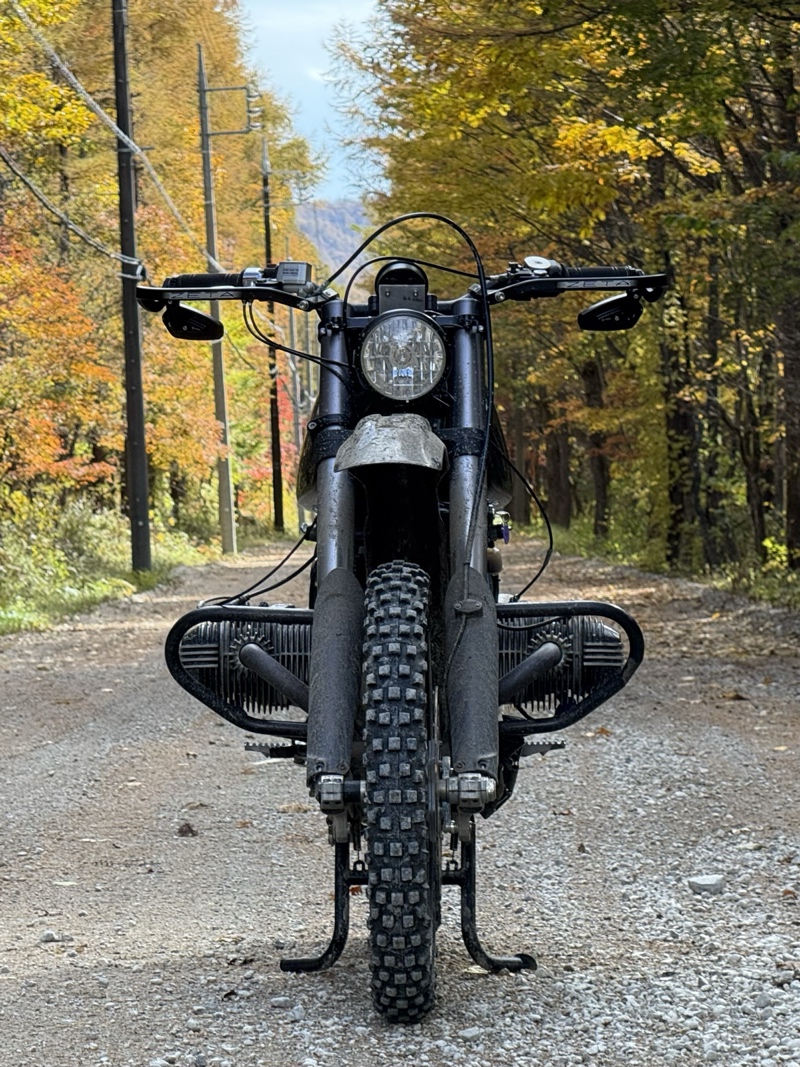
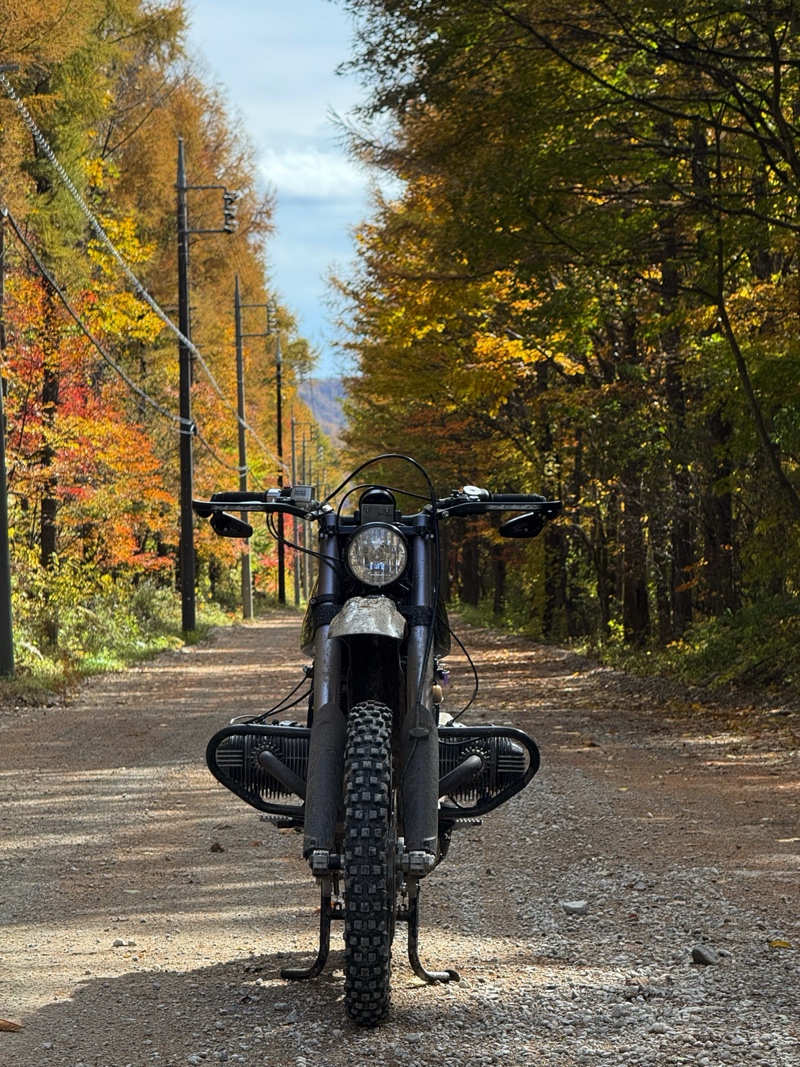
The flow of the lines from the front fender to the tank, seat, and rear fender. Even though it has an old-school, rugged look, I find the curves beautiful. Also, when viewed from the front, the bike is incredibly slim — everything except the handlebars and engine seems to disappear behind the front forks.
• Is there anyone you’d like to thank?
Garage Taka for the metalwork assistance.
Follow the Builder
Instagram: @kikuchikouji
Photographer Credit (for action shots): @yano.apits


Perfectly executed build, very classy bike.