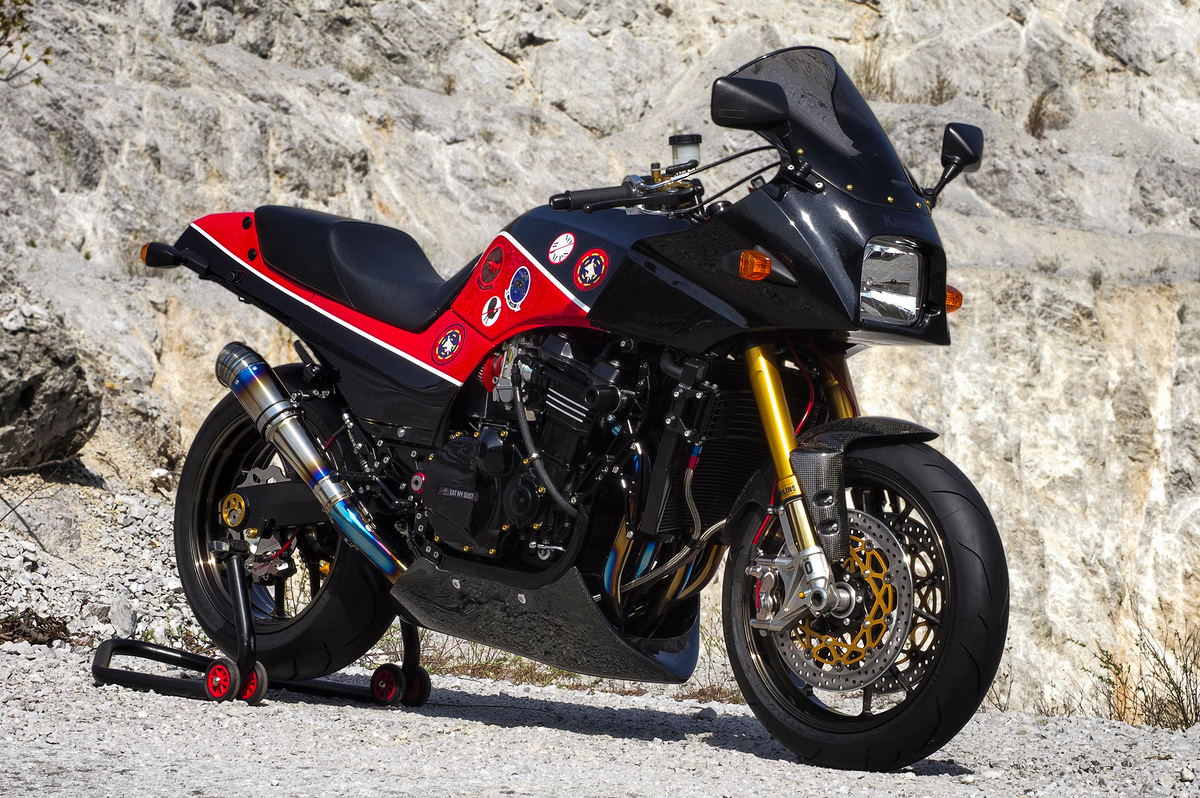
 Top Gun-inspired Ninja 900 built by an experienced pilot and friends…
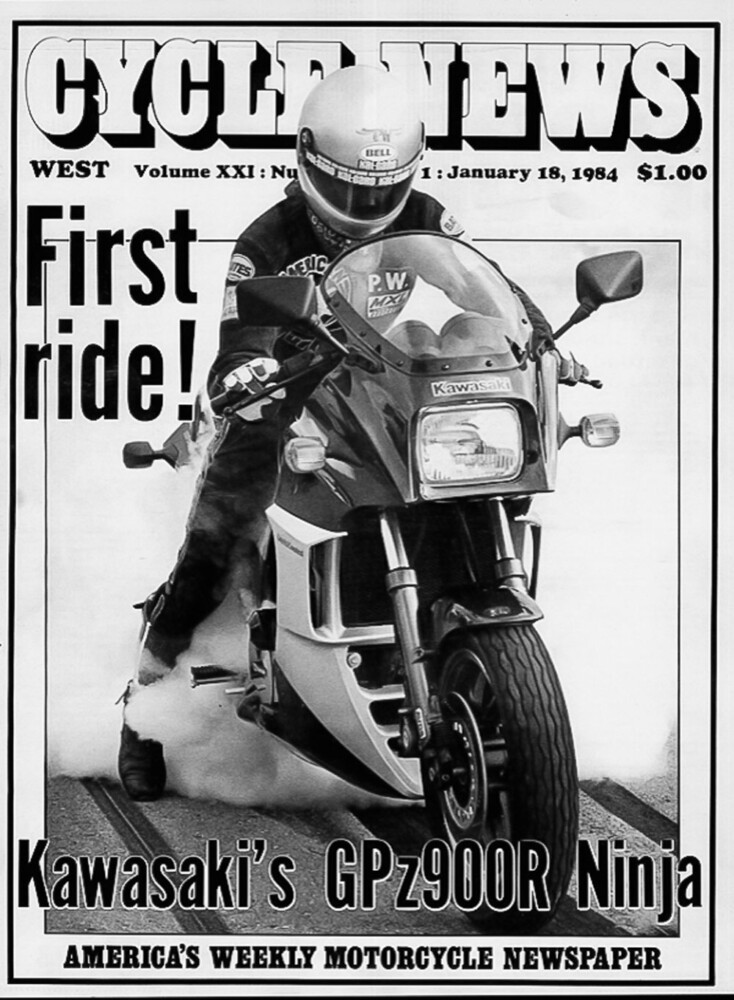
When the Kawasaki GPz900R (Ninja 900) appeared in 1984, it was nothing short of revolutionary. The first of the iconic Ninja series, the 900R had been developed in secret. The 908cc 16-valve liquid-cooled inline-four boasted 115 hp, making the GPz the world’s first 150-mph production motorcycle. It could handle, too. A pair of works GPz900R racers finished first and second in the 1984 Isle of Man Production TT.
 The hardcore character of the GPz900R would set a precedent for modern superbikes.
“One fast lap of Laguna Seca proved that Kawasaki has produced a chassis that others will probably be judged by. The GPz900R can be best described as having the taut feel of a road racer, an attribute rarely present in road-going motorcycles. As a result, the new Kawasaki can be pushed hard over bumps and ripples without a weave or wobble. The same could not be said for the GPz1100 and 750 Turbo under the same conditions.” –Cycle News
 The 900R’s performance alone would’ve been sufficient to cement it as an icon of the 1980s, but then a fighter pilot named Maverick came along.
“Who can forget Tom Cruise blasting his 900R off into the sunset on Top Gun? Despite rumours that Tom’s Ninja was a 750, it was a 900, bought by the production company and painted in non-logoed 750 colours at Cruise’s request after Kawasaki refused to supply a bike FOC. The Japanese brand certainly got the last laugh because the GPZ will forever be linked to one of the most successful movies of all time.” –Bennetts
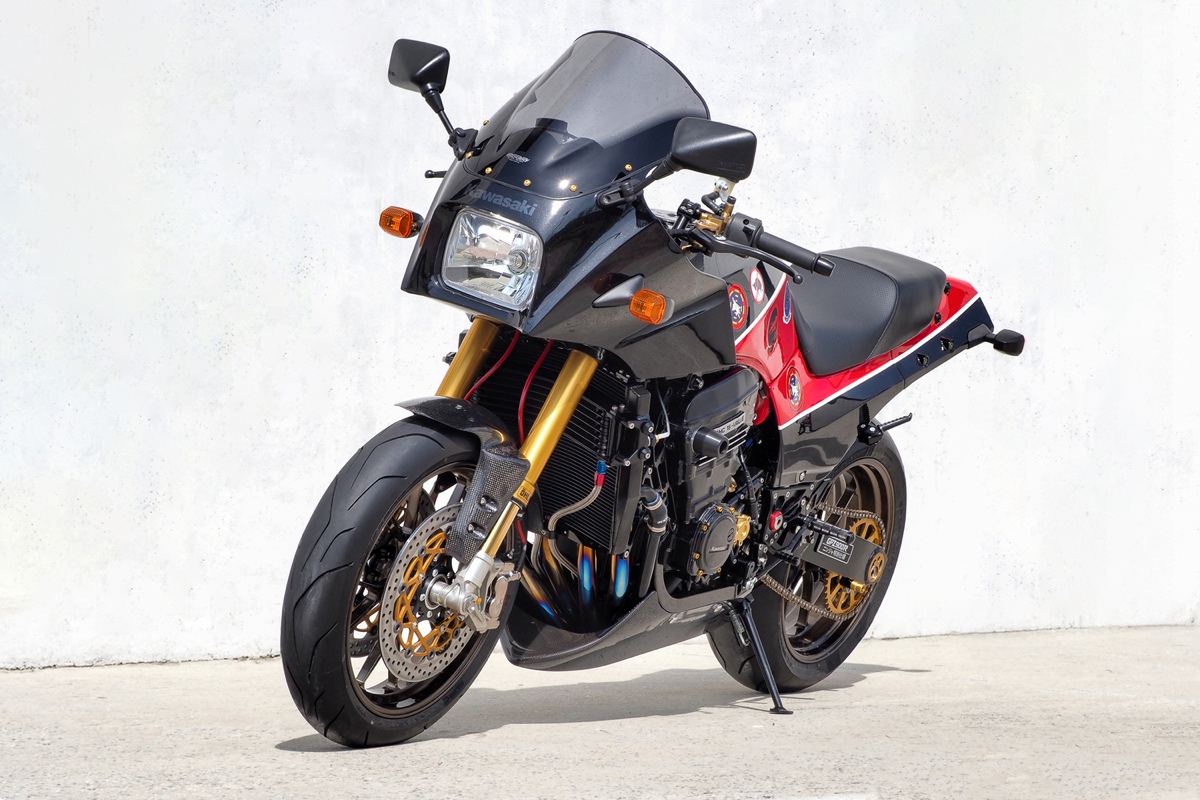 This absolute beast of a 900R comes from Marko Emer and friends of Zagreb, Croatia’s DC Custom Motorbikes — a msll team of five builders “brought together by a shared obsession with motorcycles, engineering, and attention to detail.”
“None of us run a commercial workshop — this project was built out of passion. The build was led by a pilot with over 20 years of flying experience, which probably explains the focus on precision, balance, and mechanical harmony throughout the project.”
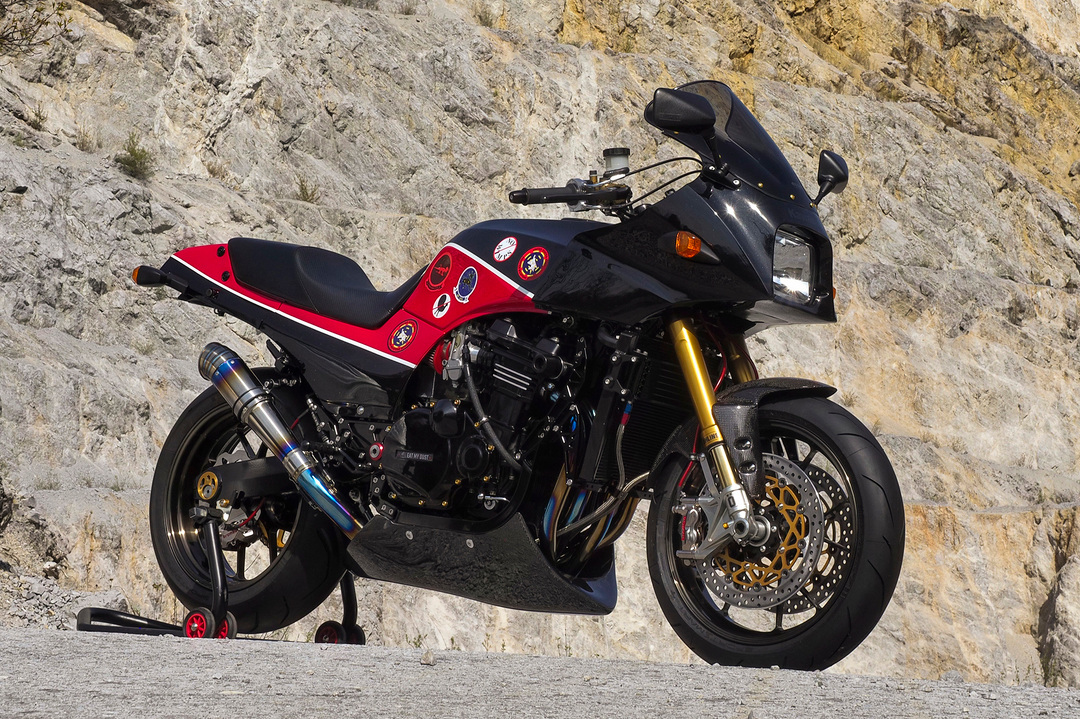
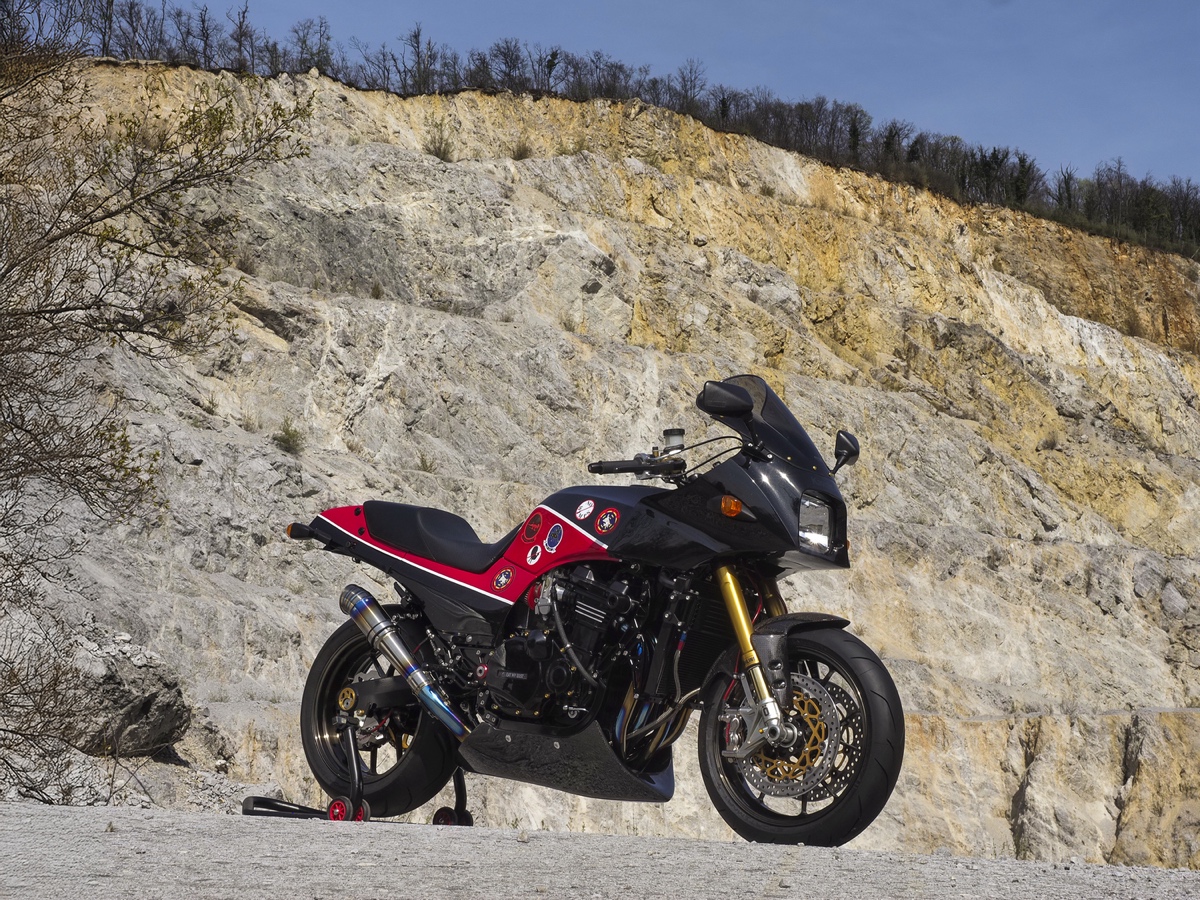
The donor is an ’84 GPz900R — a first-year model. Originally, the idea was to create a simple tribute of the Top Gun GPz, but the team soon realized they wanted to build more than a mere replica.
“Instead, we decided to push the platform as far as possible and create our own vision of what the bike could be today…. The concept was simple: what would the GPZ900R look like if it was built today, without compromise?”
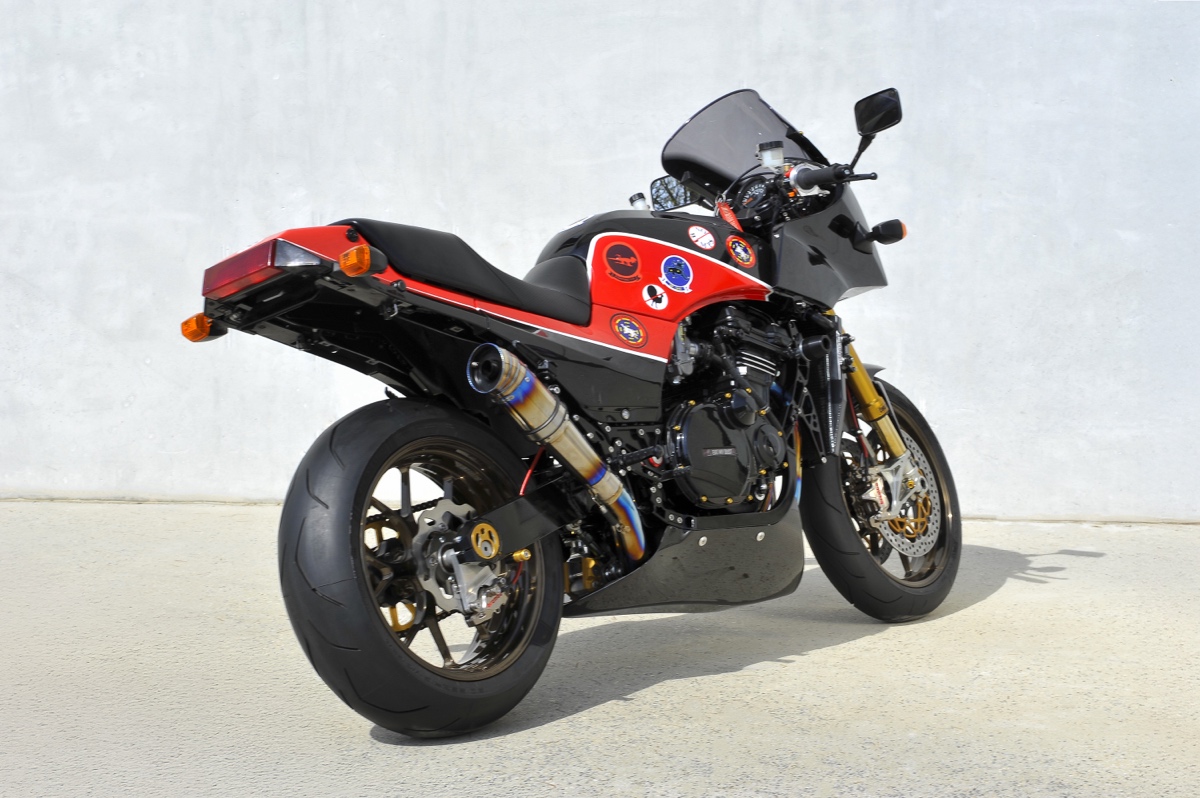
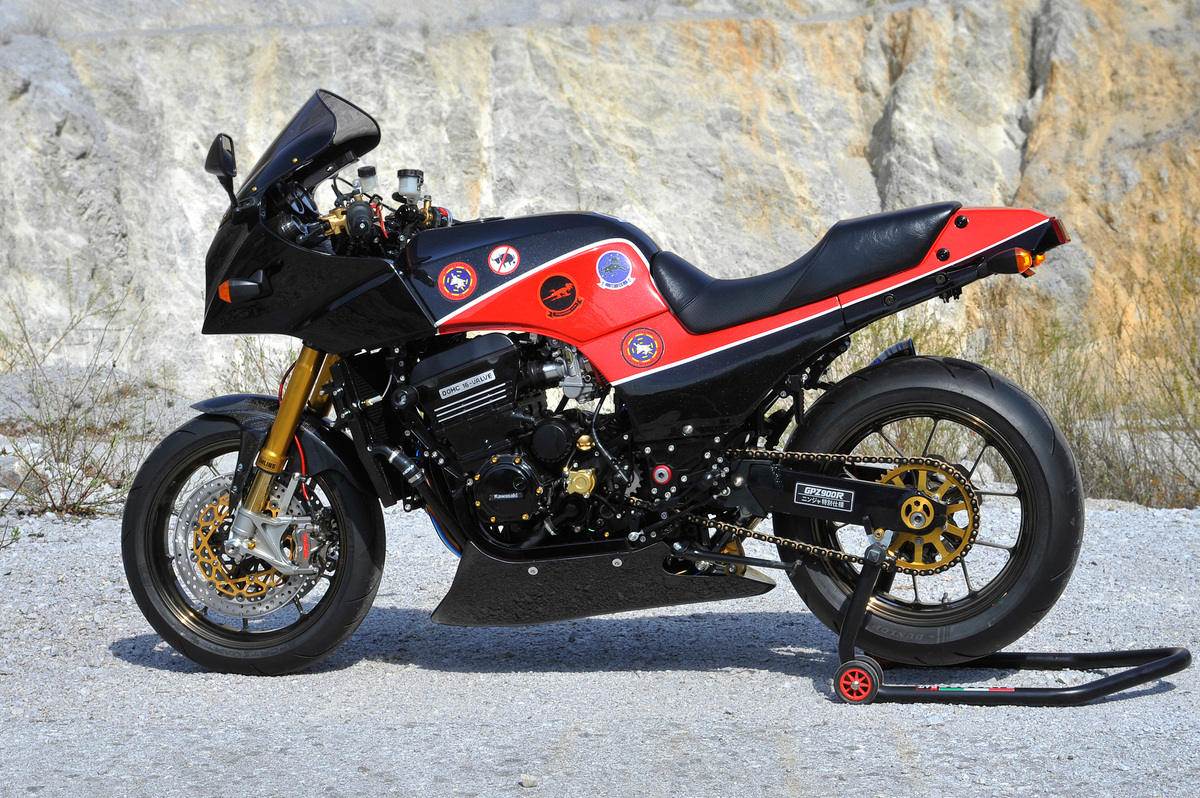
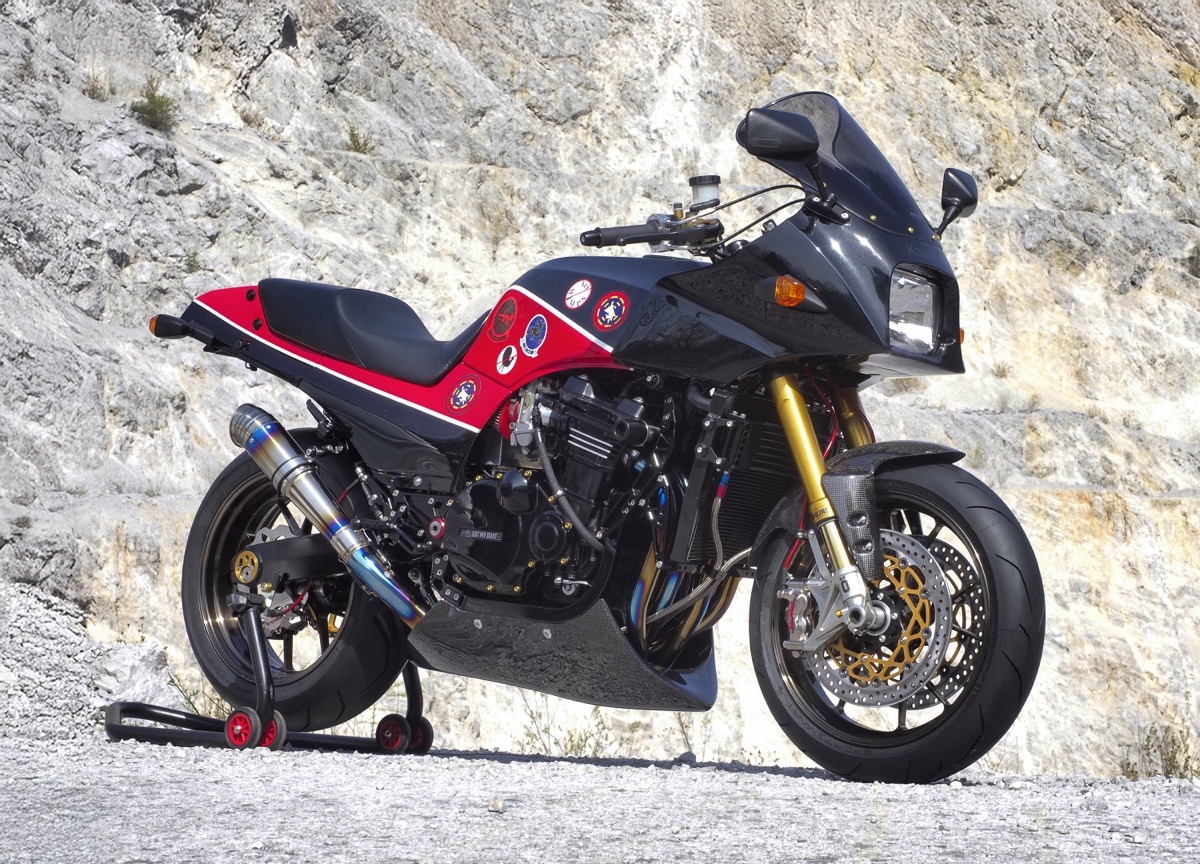
The team wanted to elevate the GPz900R platform to a level typically seen only in top-tier Japanese builds, such as those of AC Sanctuary. To that end, they stripped the bike down to the frame and rebuilt it from the ground up. Highlights include the following:
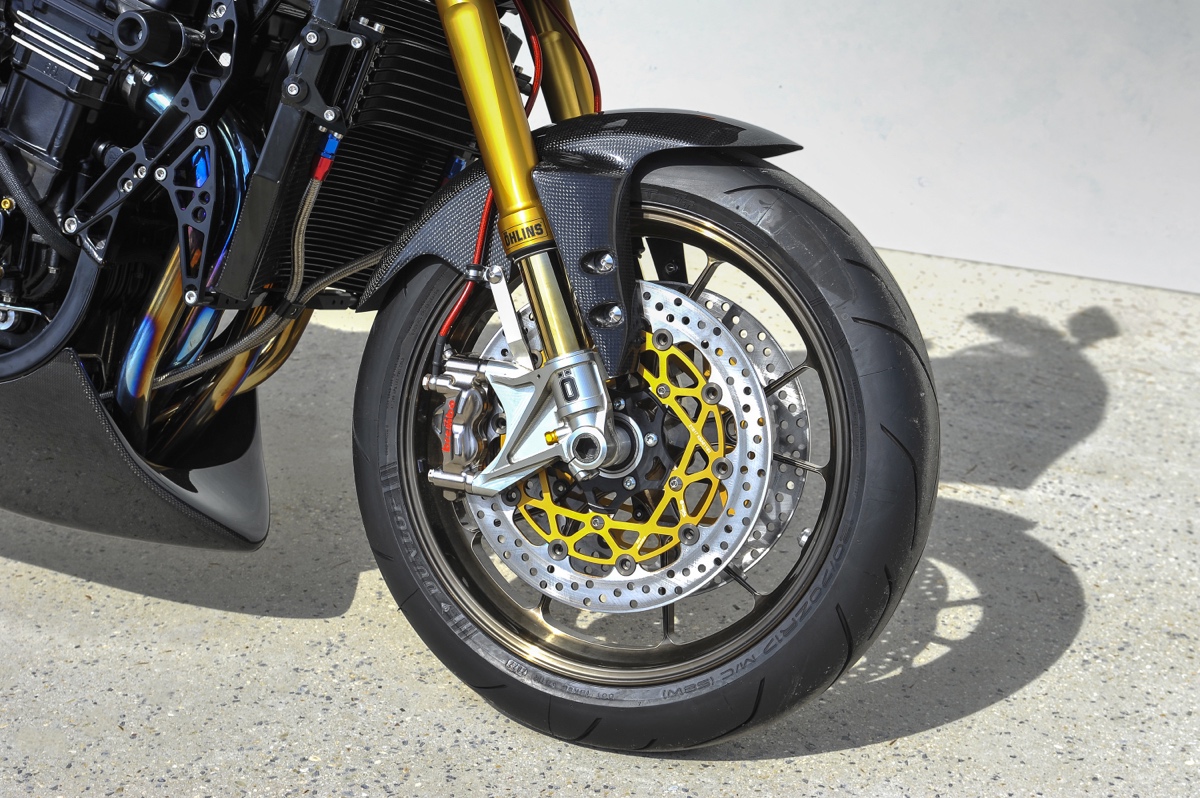
- Öhlins FGRT 201 forks + billet K-Factory clamps
- Brembo GP4RX calipers + 320mm rotors
- Titax forged wheels
- Fully rebuilt engine with Wössner forged pistons and race crank
- Yoshimura ST1-M camshafts
- Mikuni TMR carburetors
- Nitro Racing titanium exhaust system
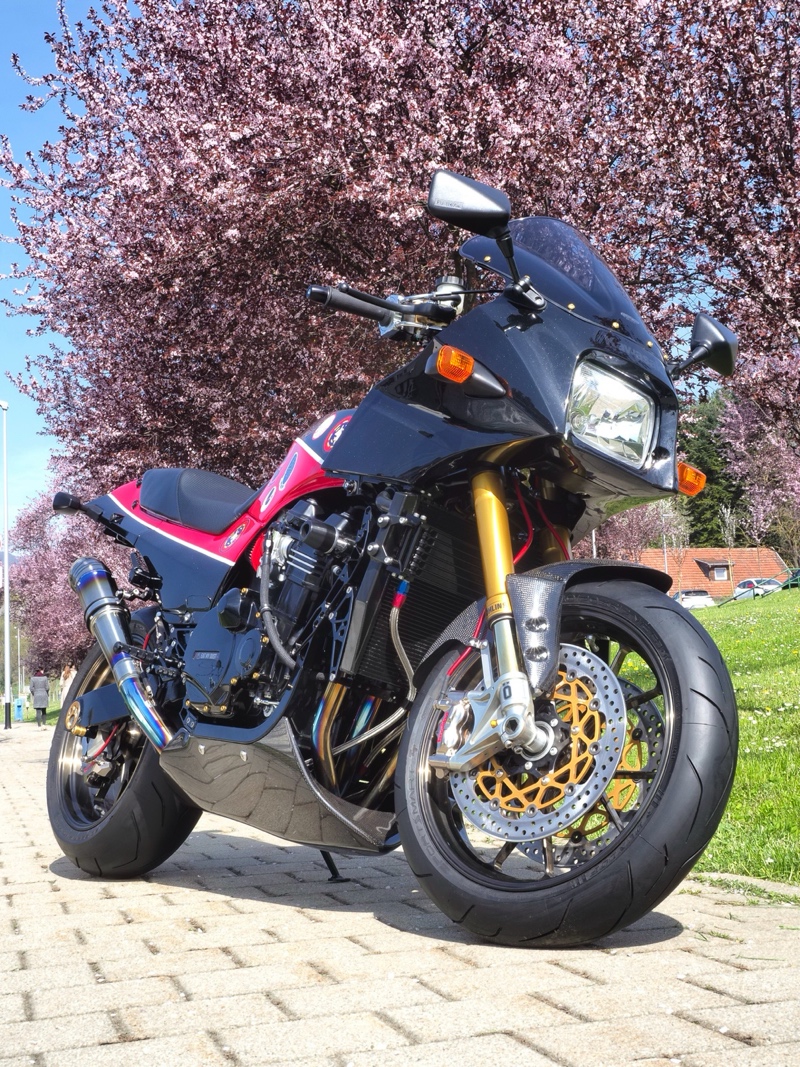 However, this was much more than a simple amalgamation of bolt-on parts. The team worked very hard — and through many iterations — to integrate the modifications into a cohesive machine whose performance and aesthetics work hand in hand. All that work shines through in the riding experience:
“It feels surprisingly modern. The combination of chassis balance, suspension, and braking gives a level of confidence you wouldn’t expect from a bike of this era. At the same time, it still retains the raw character of the original GPZ900R — just much more controlled and precise. It’s the kind of bike that constantly reminds you it’s something special.”
We’ve loved the Ninja 900 ever since we watched Maverick racing an F-14 down the runway in the dusk of “Fightertown USA,” and this is simply the baddest one we’ve seen. Thank you to Marko and team for sharing this project with us, and we look forward to showcasing more builds from this Croatian coterie of builders!
Below you’ll find our full interview about the bike, along with photos from Romeo Ibrisevic (www.zelene-stope.hr). Also, you can see more of this bike here: @gpz900r_maverick_edition.
Ninja 900 Restomod: Builder Interview
• Please tell us a bit about yourself, your history with motorcycles, and your workshop.
We’re a small team of five builders from Croatia, brought together by a shared obsession with motorcycles, engineering, and attention to detail.
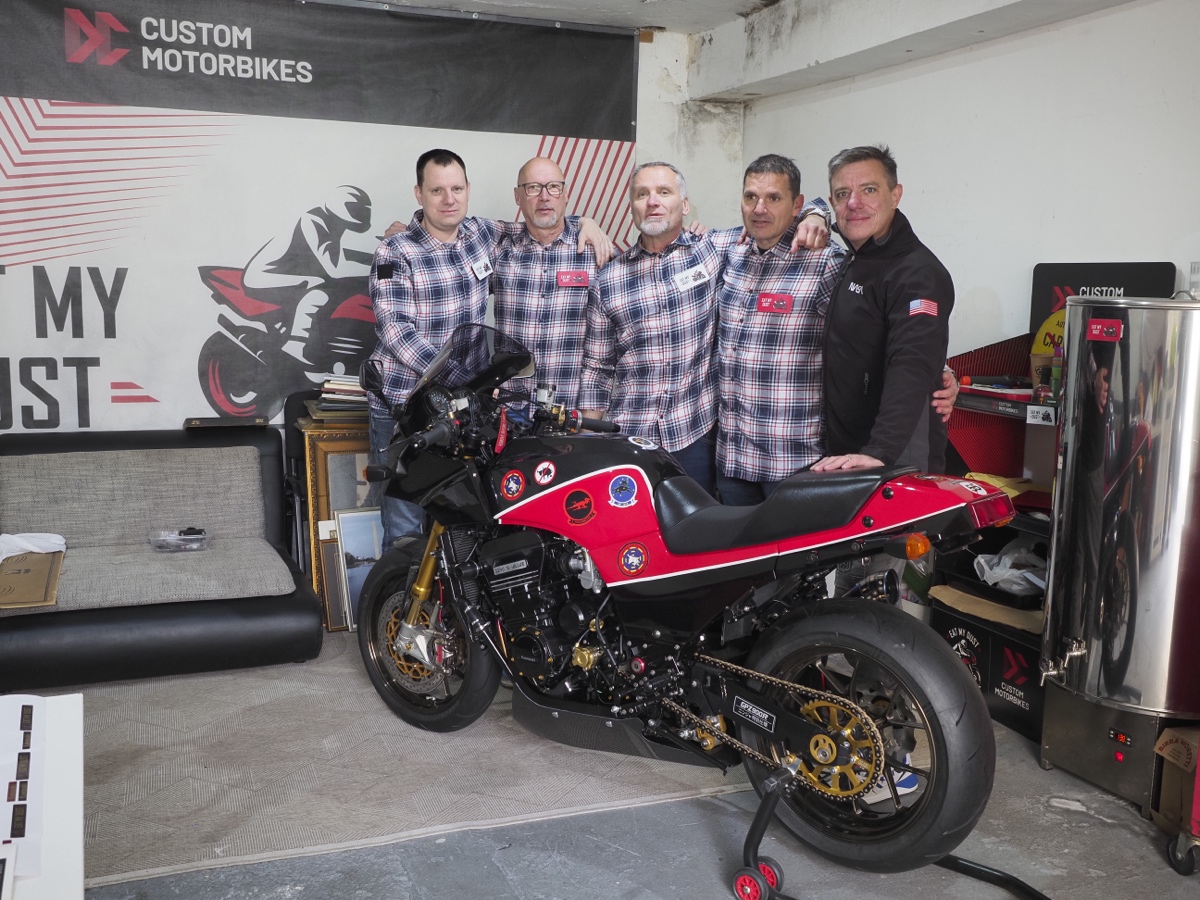
None of us run a commercial workshop — this project was built out of passion. The build was led by a pilot with over 20 years of flying experience, which probably explains the focus on precision, balance, and mechanical harmony throughout the project.
We’ve all been around motorcycles for years, but this was by far the most ambitious build we’ve ever taken on.
• What’s the make, model, and year of the donor bike?
Kawasaki GPZ900R, 1984.
• Why was this bike built?
This was a personal project.
It originally started as a tribute to the iconic Top Gun GPZ900R, but very early on it became clear that we didn’t want to build a replica. Instead, we decided to push the platform as far as possible and create our own vision of what the bike could be today.
• What was the design concept and what influenced the build?
The concept was simple: what would the GPZ900R look like if it was built today, without compromise? We wanted to respect the original DNA of the bike, but reinterpret it through a modern lens — combining 1980s character with contemporary performance and engineering.
There was definitely a strong Top Gun influence in the background, but we tried to avoid nostalgia and instead create something that feels current and purposeful.
• What custom work was done to the bike?
The bike was completely stripped and rebuilt from the ground up.
Key upgrades include Öhlins FGRT 201 front suspension with K-Factory billet triple clamps, Brembo GP4RX calipers with 320 mm discs, and Titax forged wheels.
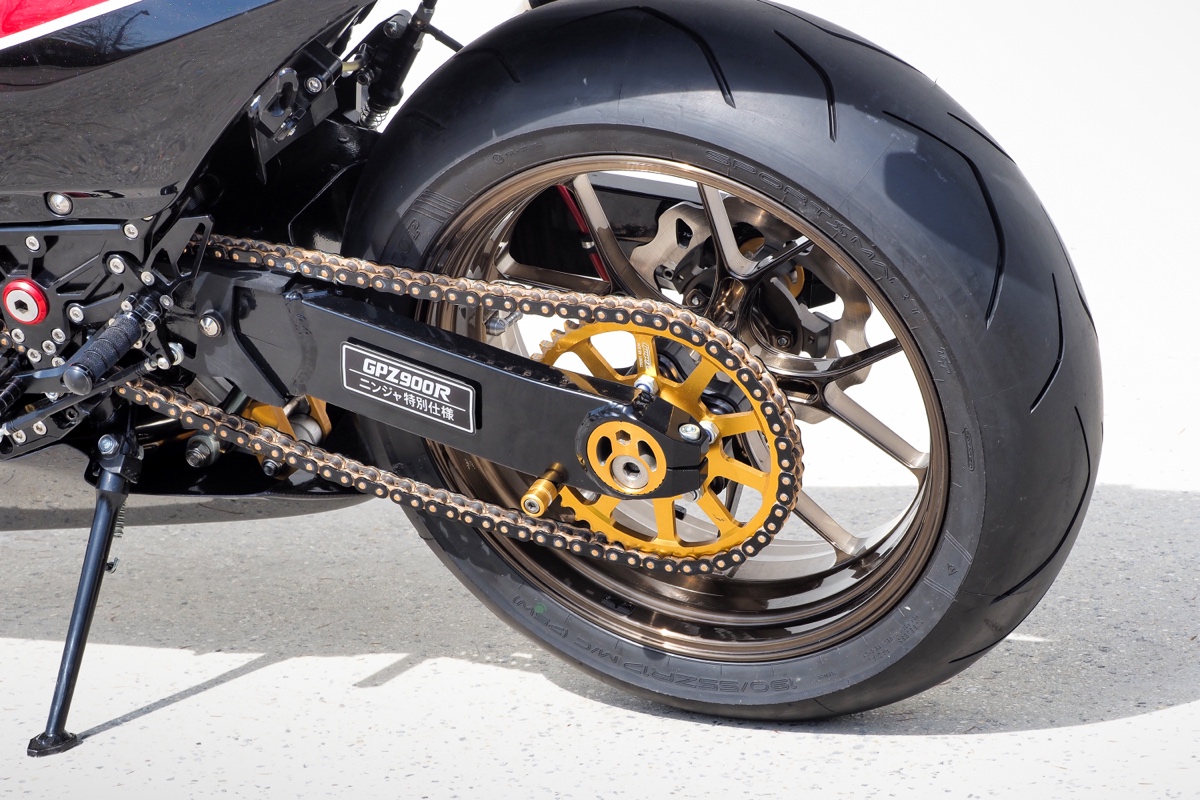
The engine was fully rebuilt with a lightened and balanced crankshaft, forged Wössner pistons, Yoshimura ST1-M camshafts, Mikuni TMR carburetors, and a full titanium Nitro Racing exhaust system.
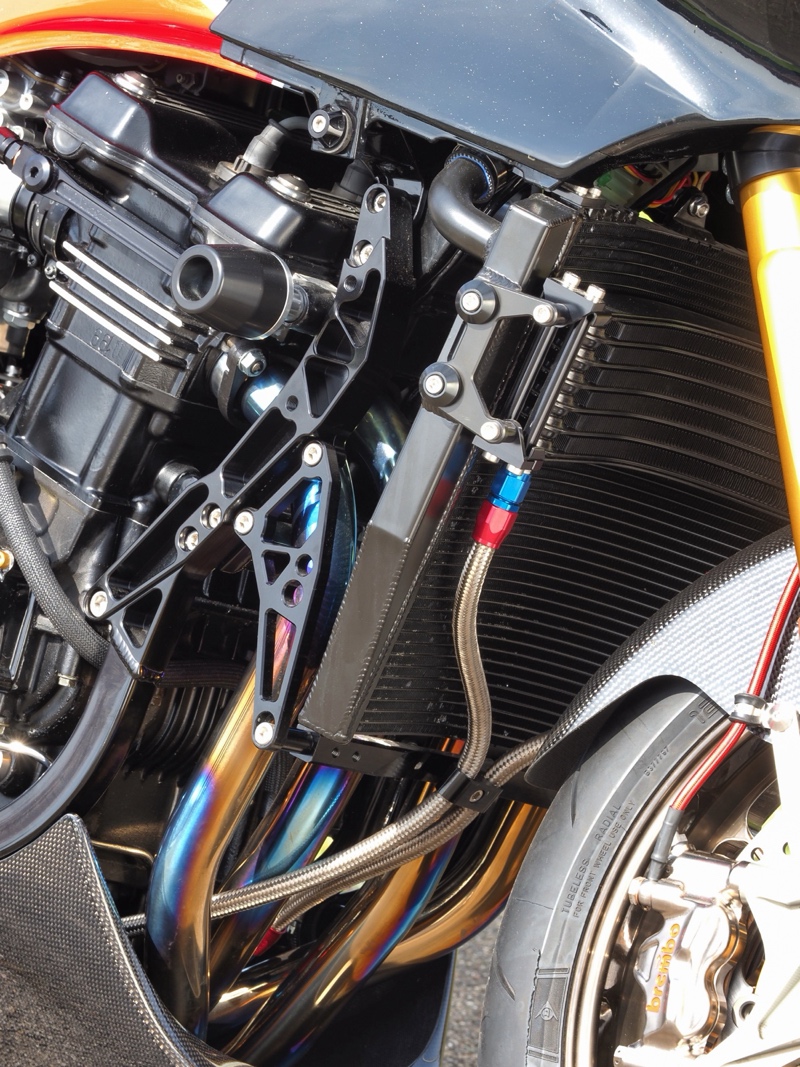
A lot of effort also went into weight reduction, chassis balance, and overall component integration to ensure the bike works as a complete system, not just a collection of parts.
• Does the bike have a nickname?
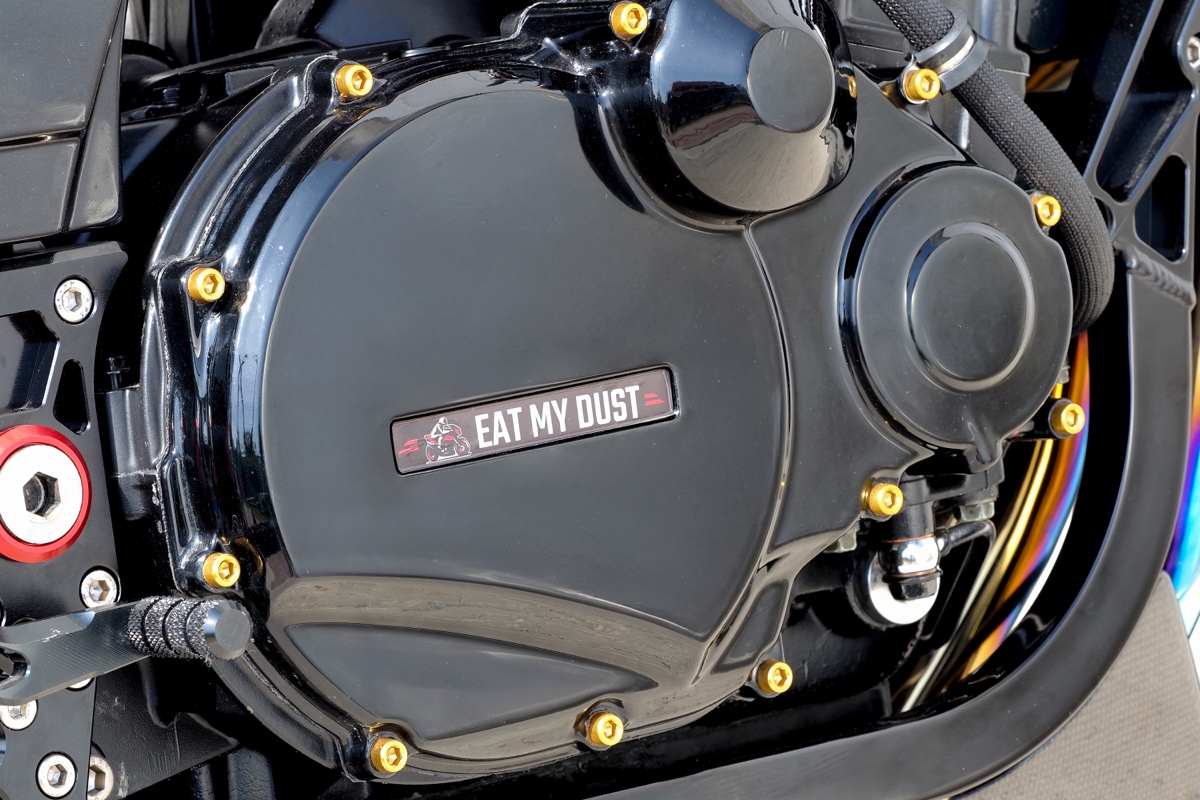
We sometimes refer to it as the “Maverick Spec,” although the original project name was “EatMyDust.”
• Any idea of horsepower, weight, and/or performance numbers?
We don’t have exact dyno numbers, but the bike delivers significantly improved throttle response, stronger acceleration, and much sharper handling compared to the original.
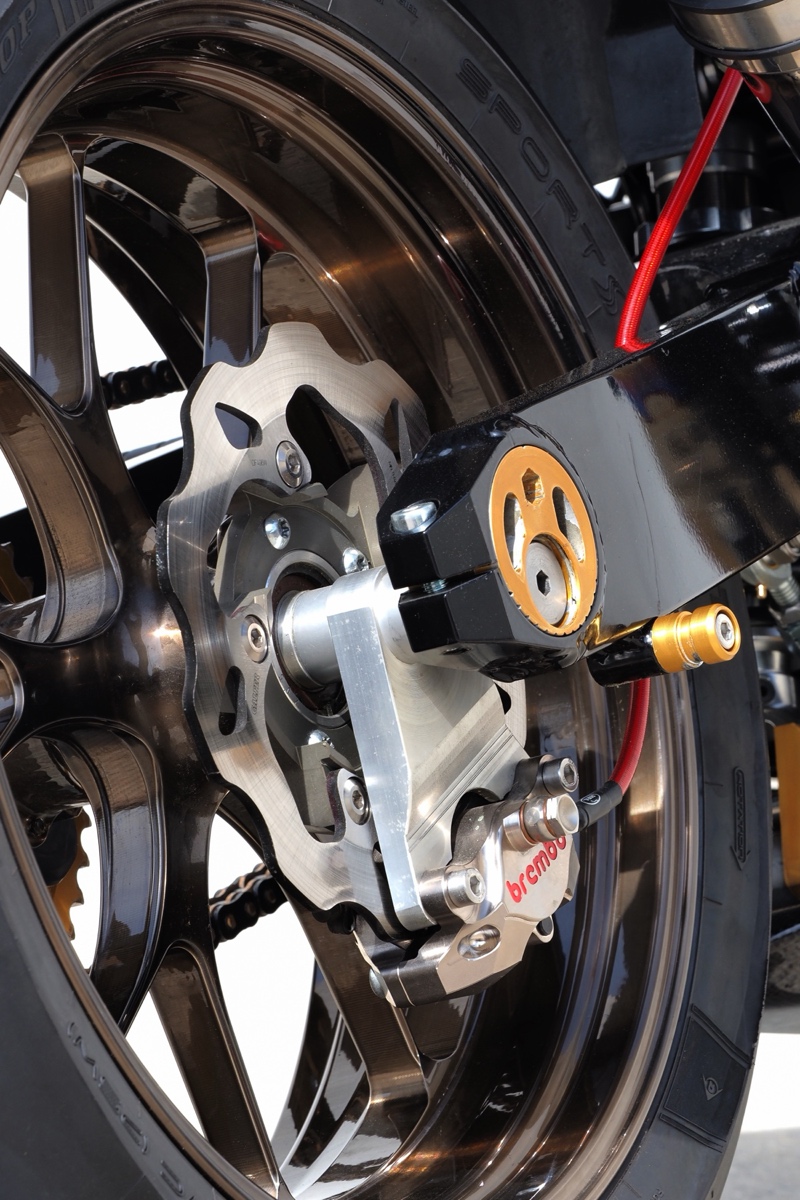
With modern suspension and braking combined with the upgraded engine, it feels far closer to a contemporary performance machine than a classic from the 1980s.
• Can you tell us what it’s like to ride this bike?
It feels surprisingly modern. The combination of chassis balance, suspension, and braking gives a level of confidence you wouldn’t expect from a bike of this era. At the same time, it still retains the raw character of the original GPZ900R — just much more controlled and precise.
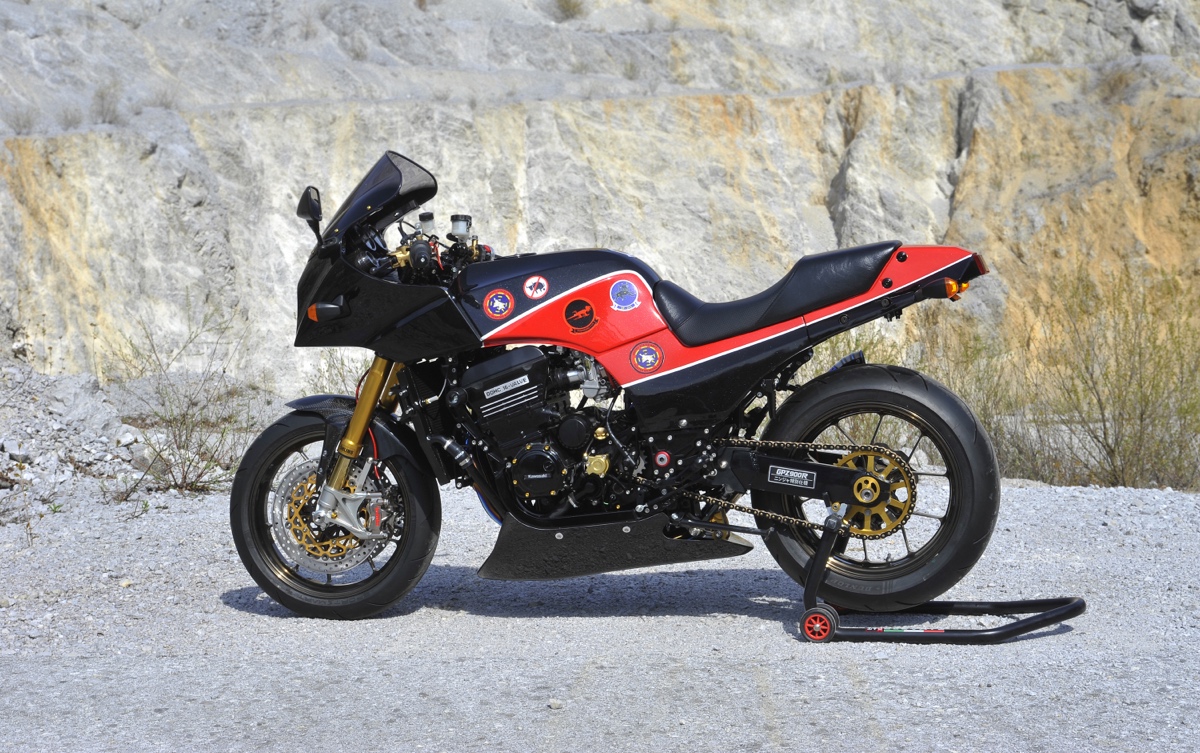
It’s the kind of bike that constantly reminds you it’s something special.
• Was there anything done during this build that you are particularly proud of?
The overall integration of the build.
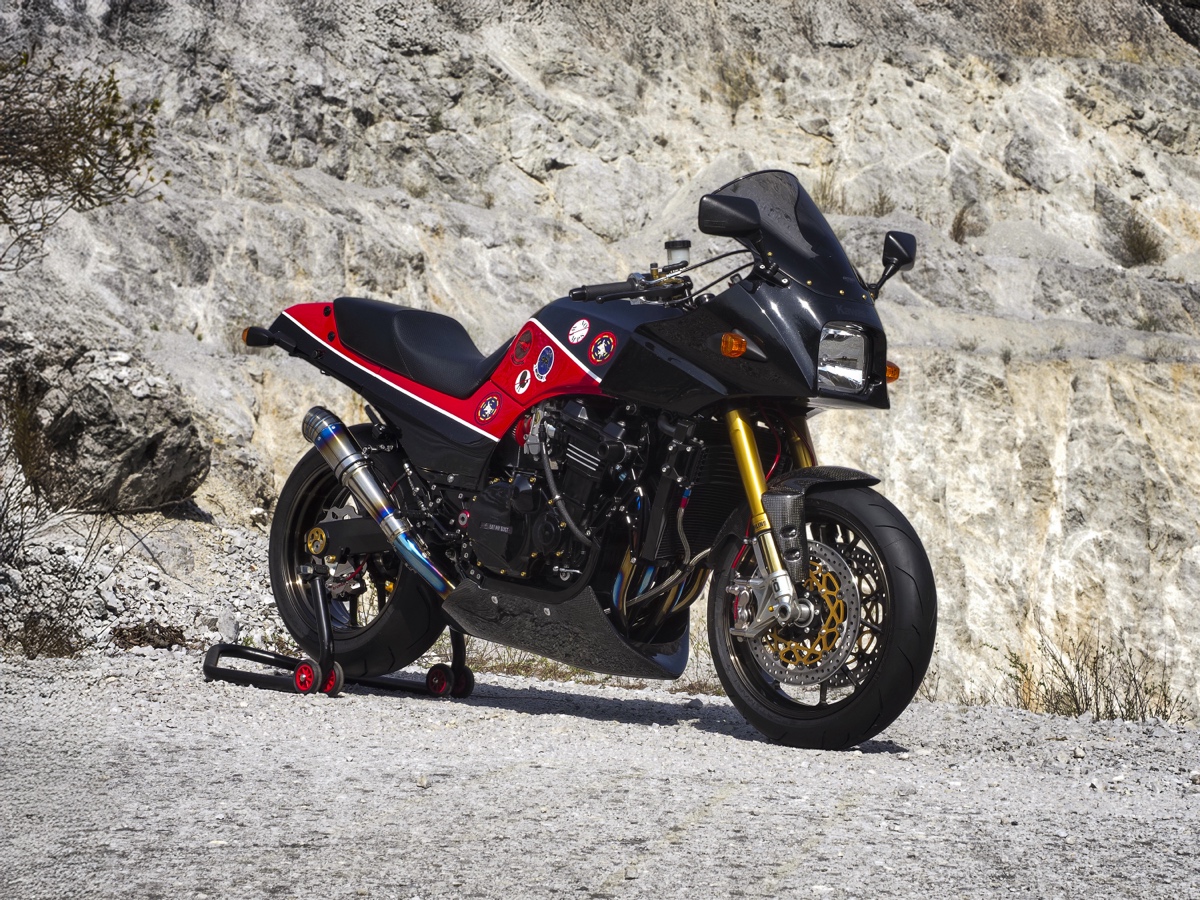
Rather than focusing on individual parts, we’re most proud of how everything works together — visually and mechanically. Getting the proportions, stance, and performance to align took multiple iterations, and that’s where most of the effort went.
• Is there anyone you’d like to thank?
We’d like to thank everyone involved in the project — especially the small group of friends who dedicated their time and effort to bring this build to life. Special thanks to our photographer for capturing the bike exactly the way we envisioned it.
Follow the Builder
Project Leader: Marko Emer
Project Page: Eat My Dust
Instagram: @gpz900r_maverick_edition
Photographer: Mr. Romeo Ibrisevic (www.zelene-stope.hr)


Smart looking bike. Looks like the builders have given the Geep Nine the front end it needed, the original anti-dive forks were less than perfect. Small thing, but the liquid-cooled GPz range from the GPZ900 onward were differentiated from the air-cooled range by having a capital ‘Z’ in the model name. If you’re going to write about motorcycles – get it right. The guys who built the bike did.
We went back and forth deciding which convention to use, as many, many definitive period references (which we generally use as our guide) actually used the little z: Cycle News, Cycle World, Cycle, and Kawasaki’s own factory dealer service manual and various sales brochures, among many others. It certainly doesn’t seem as cut and dry as you’re stating.
Boys, l don’t care if you use a big “Z” or a little “z”, you do a great job in publishing these articles and getting the owner/builders to tell their stories. Always interesting, keep up the good work.
My good friend Julian Ryder once corrected me for using the ‘wrong’ size z, (or Z), when editing Kawasaki copy of the period. Since then I’ve stood corrected, (said the man in the orthopaedic shoes), and bowed to Julian’s encyclopaedic knowledge. Either way, it’s a very cool GPZ, (or GPz) … whichever zee tickles your fancy.