
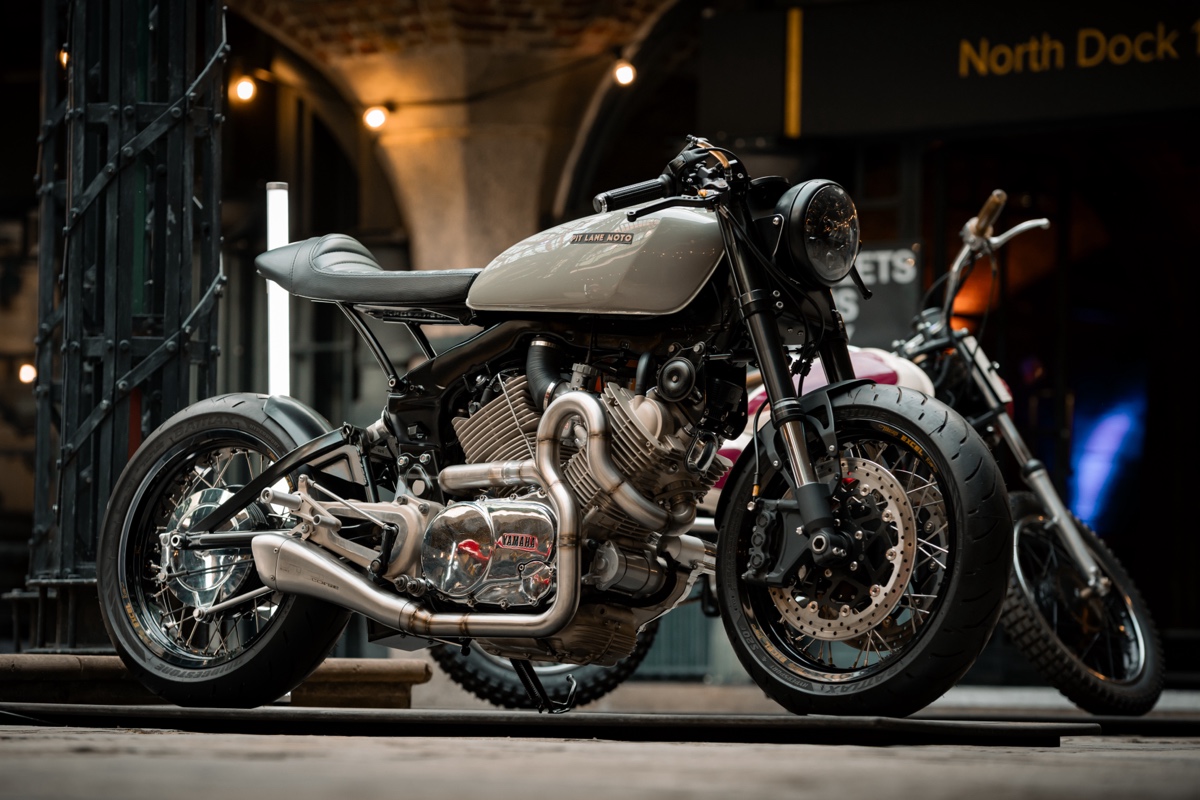
 Now for Sale: Lean and Mean Virago from Pit Lane Motos…
Yamaha introduced its first V-twins in the early 1980s, with North American dealers receiving the Virago 750 and 920. The XV750 would be the sales winner and golden child, but the big sibling XV920 had its own appeal. With the high-tech semi-monocoque frame, rear monoshock, and 920cc version of the new 75° SOHC air-cooled twin, it was a very capable cruiser.
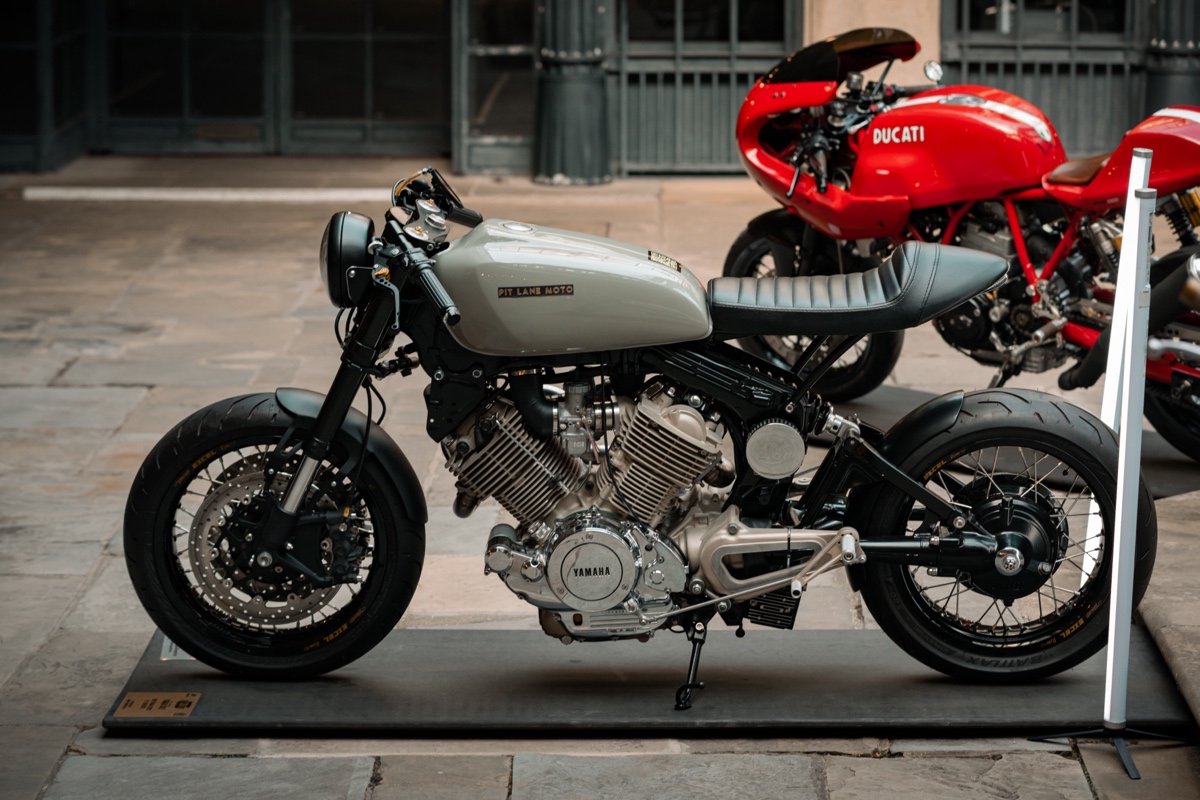
Cycle World‘s headline for their 1982 review of the original XV920 read: “Let’s hear it for the bike next door.” After nearly 9000 miles, their test mule was still as strong as ever.
“The bike steers fine, still has the original plugs, bucks just as it always has, stops on dimes… The rear tire will need replacing in another 1000 mi., maybe, but other than that we’d zap the rear shock and head for the other coast tomorrow without a second thought.”
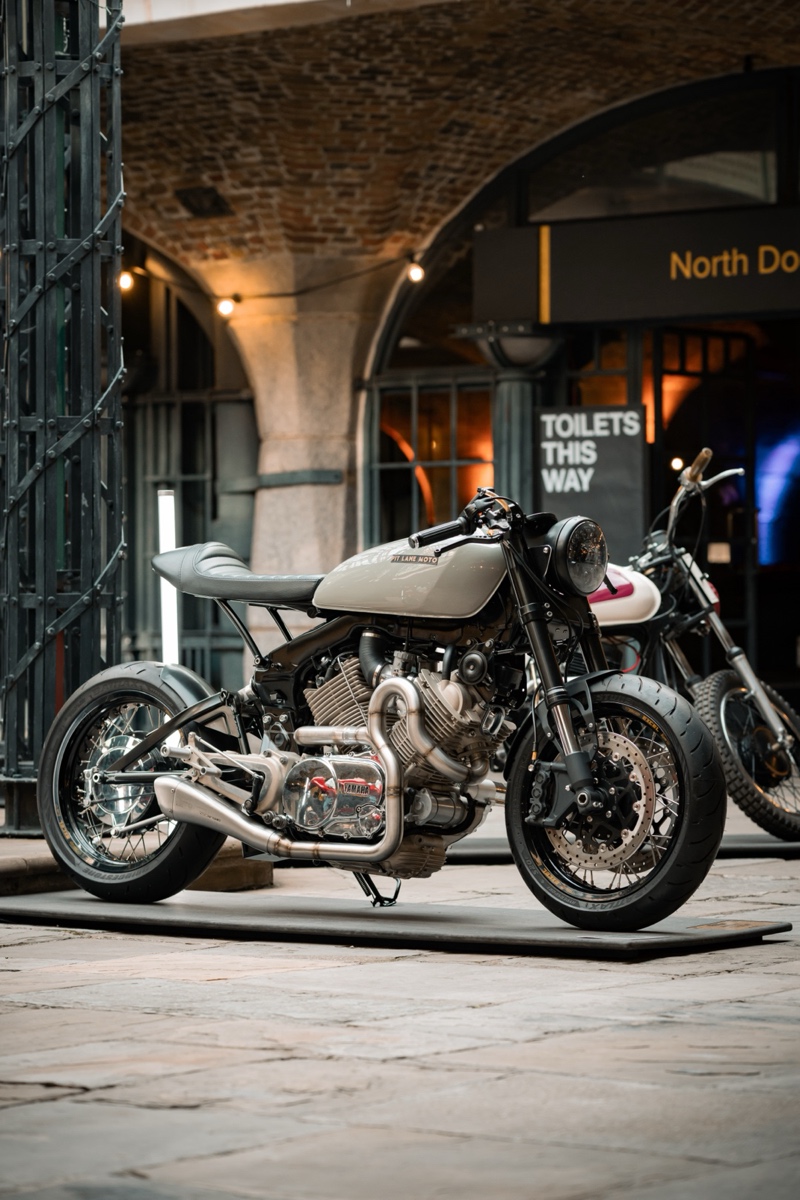
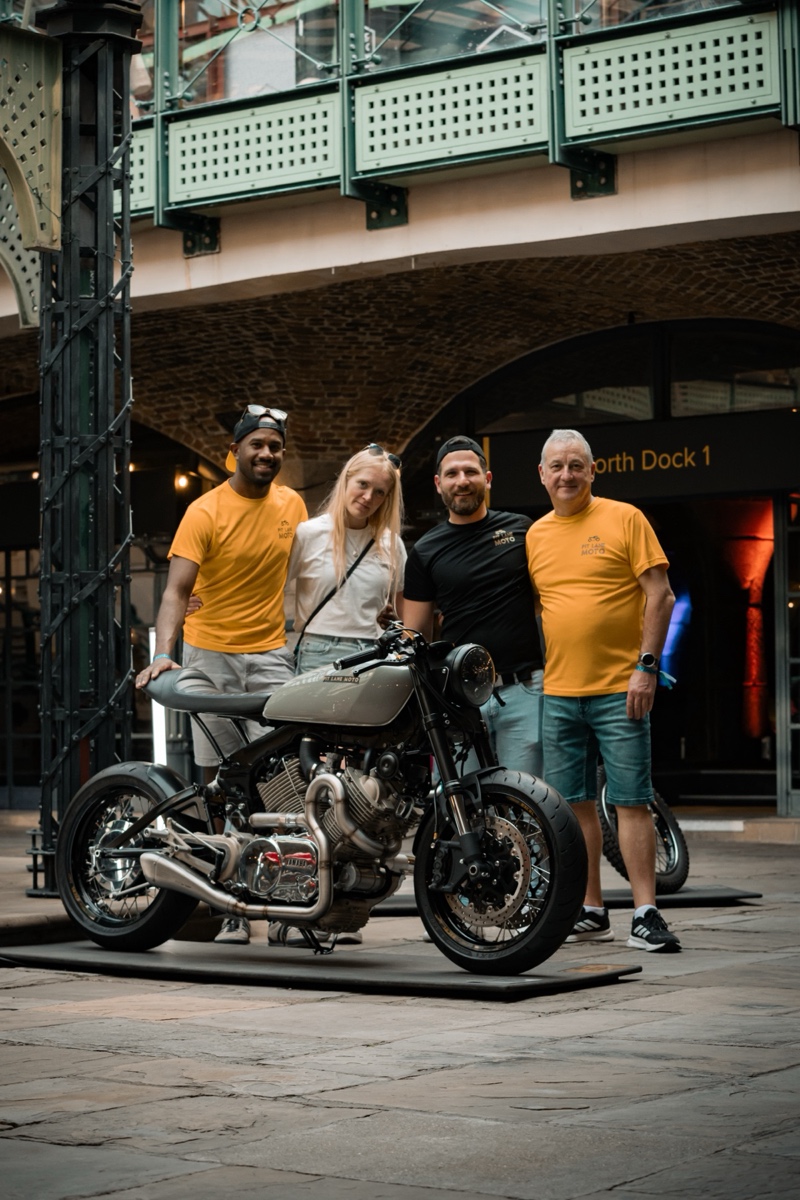
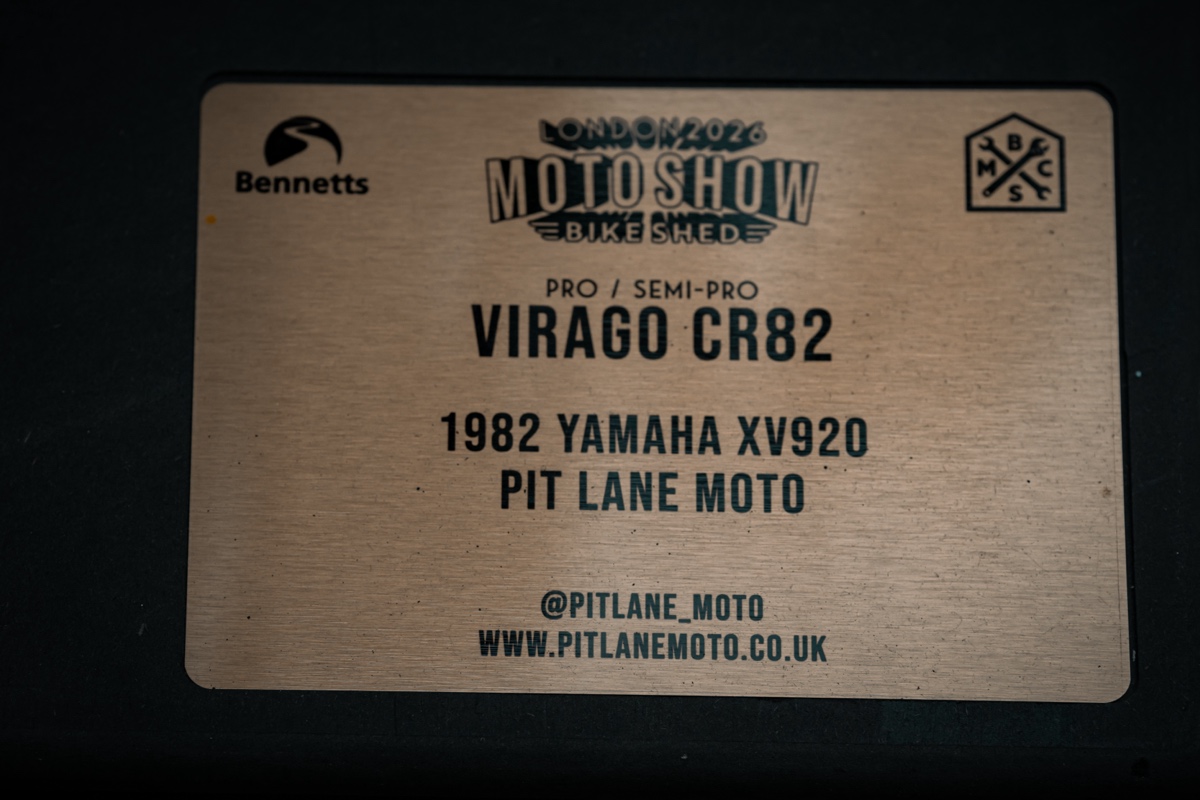
Of course, the XV920 you see here is no longer the bike next door — in fact, it’s been completely transformed by Emmanuel and Satyam of UK’s Pit Lane Moto — “a community for motorcycle lovers where we build, ride, and connect with fellow bikers.” We first saw the bike at the 2026 Bike Shed Show and had to learn more. Fortunately, Emmanuel was game to give us the full story on the build.
“The concept was to build a timeless modern classic. In other words, a legendary bike from the past built with modern technology standards. Something that has the potential to be driven everyday but also sit pretty and be admired in a gallery.”
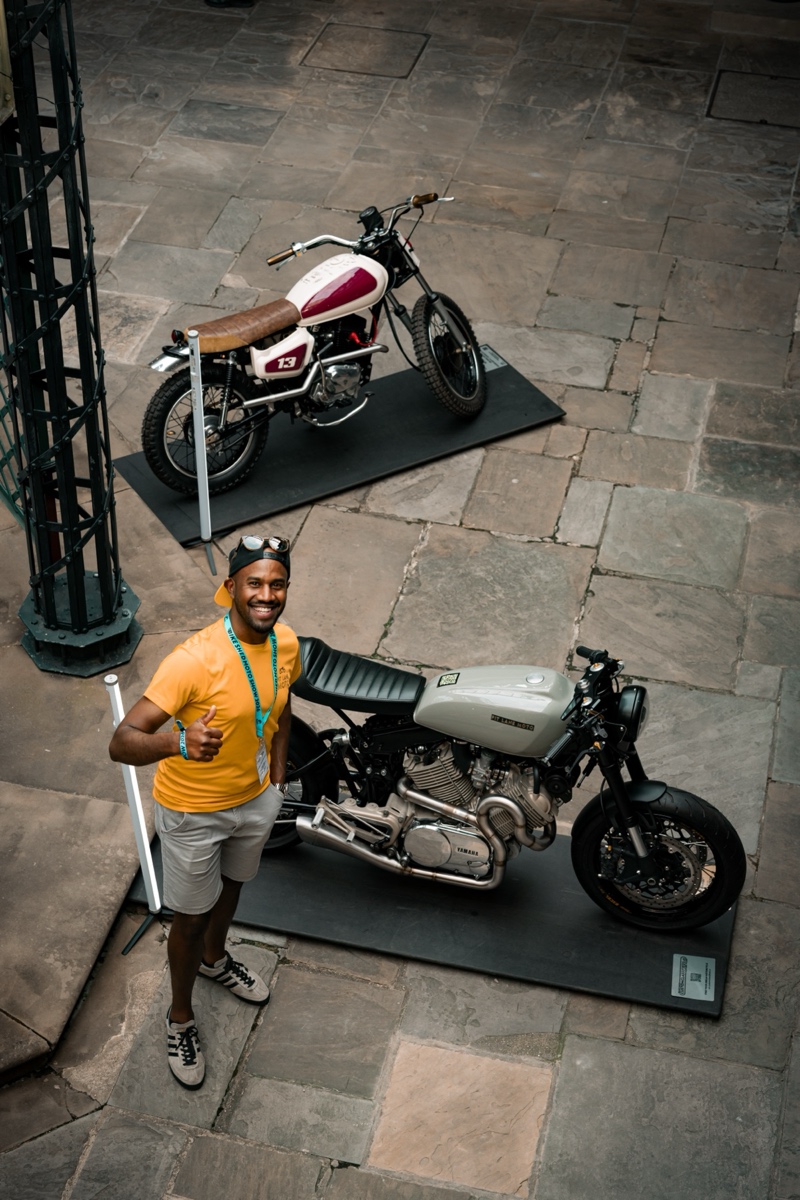
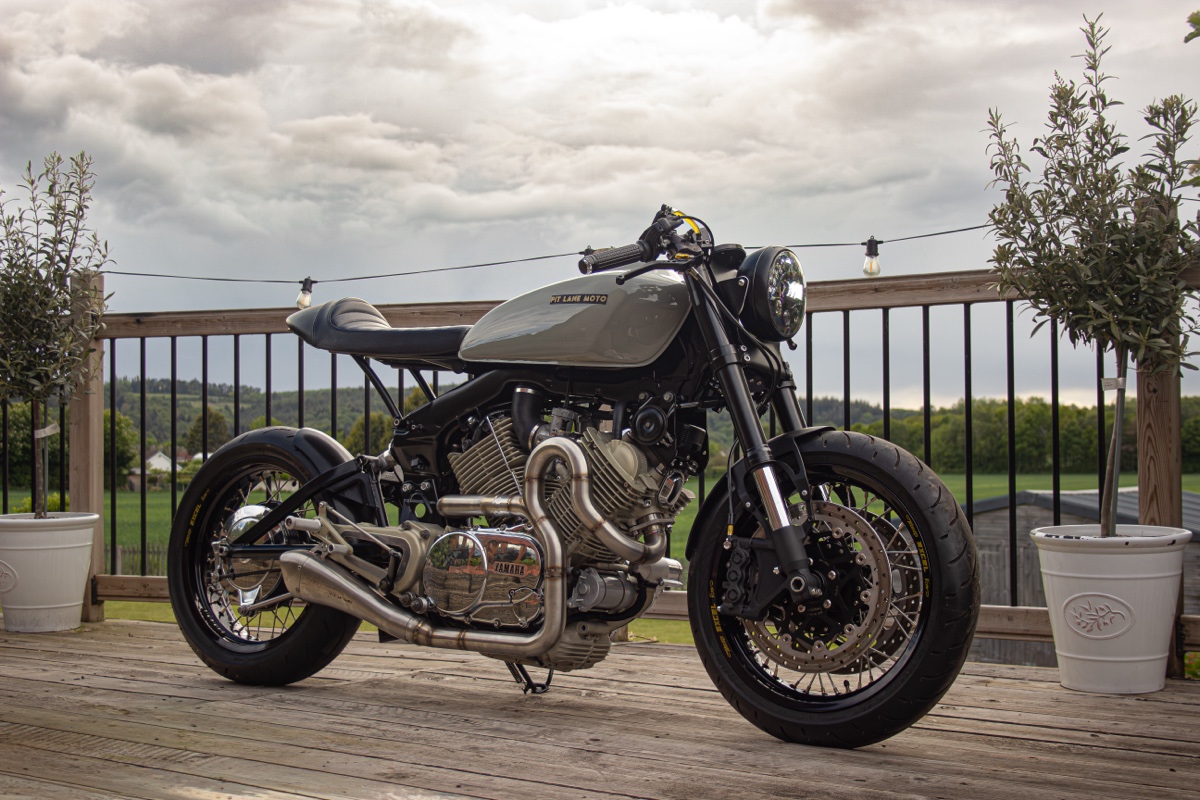
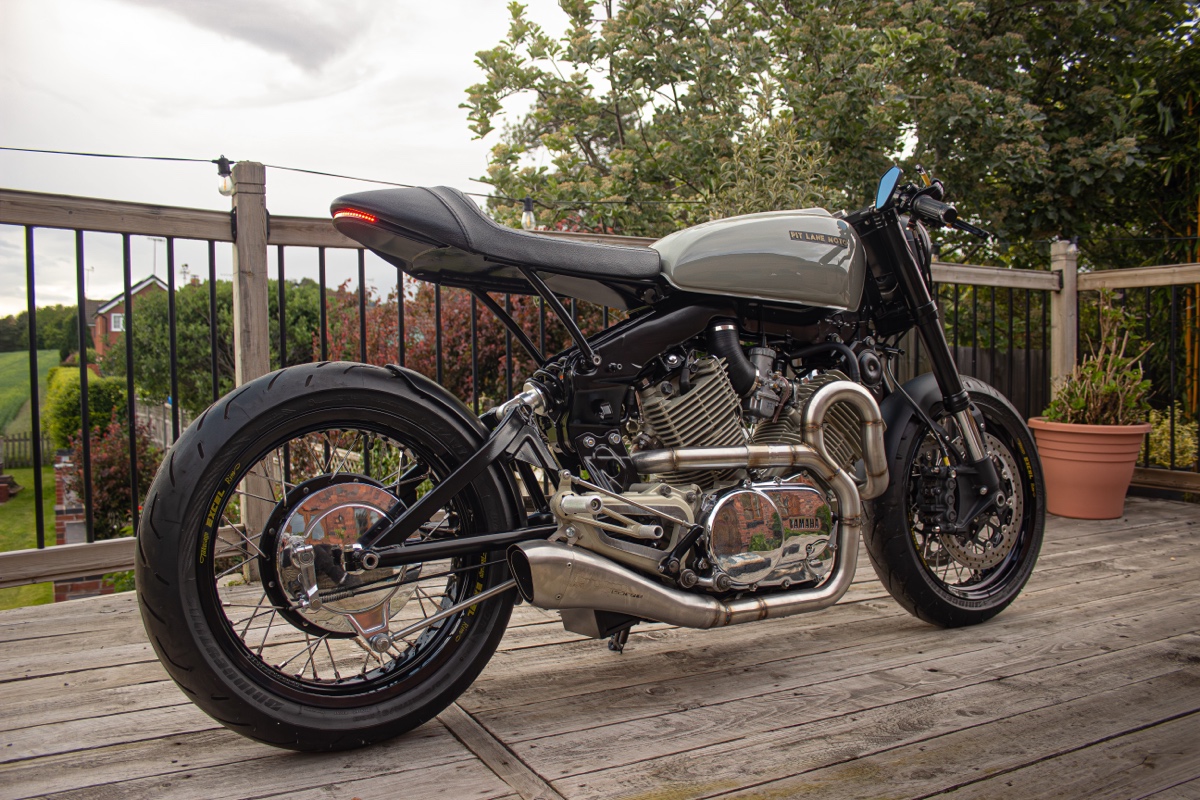
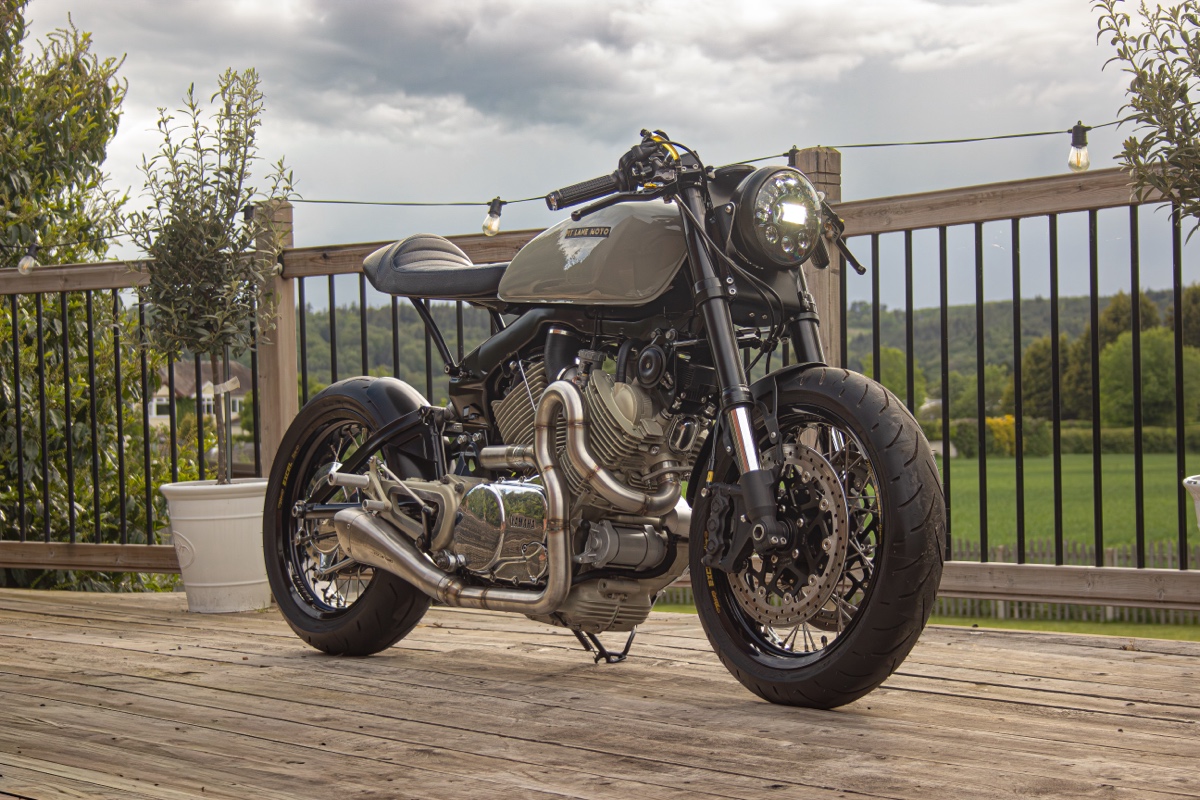
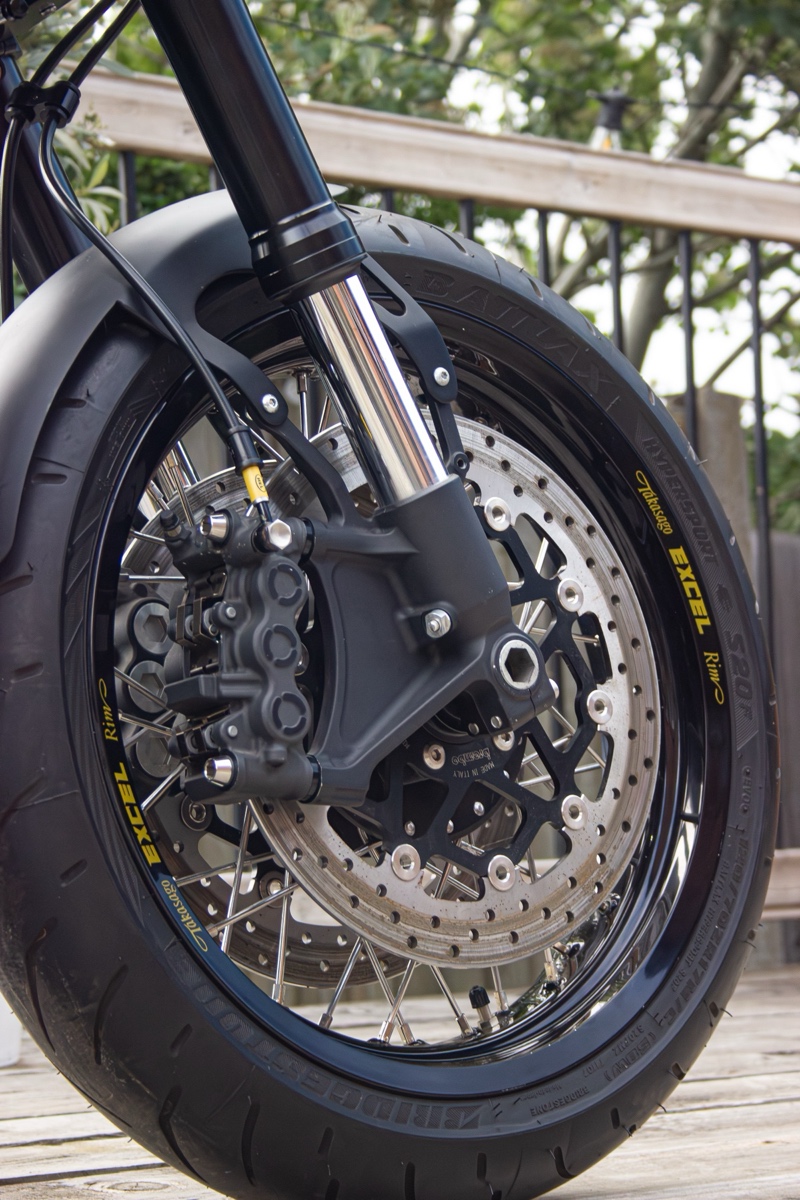
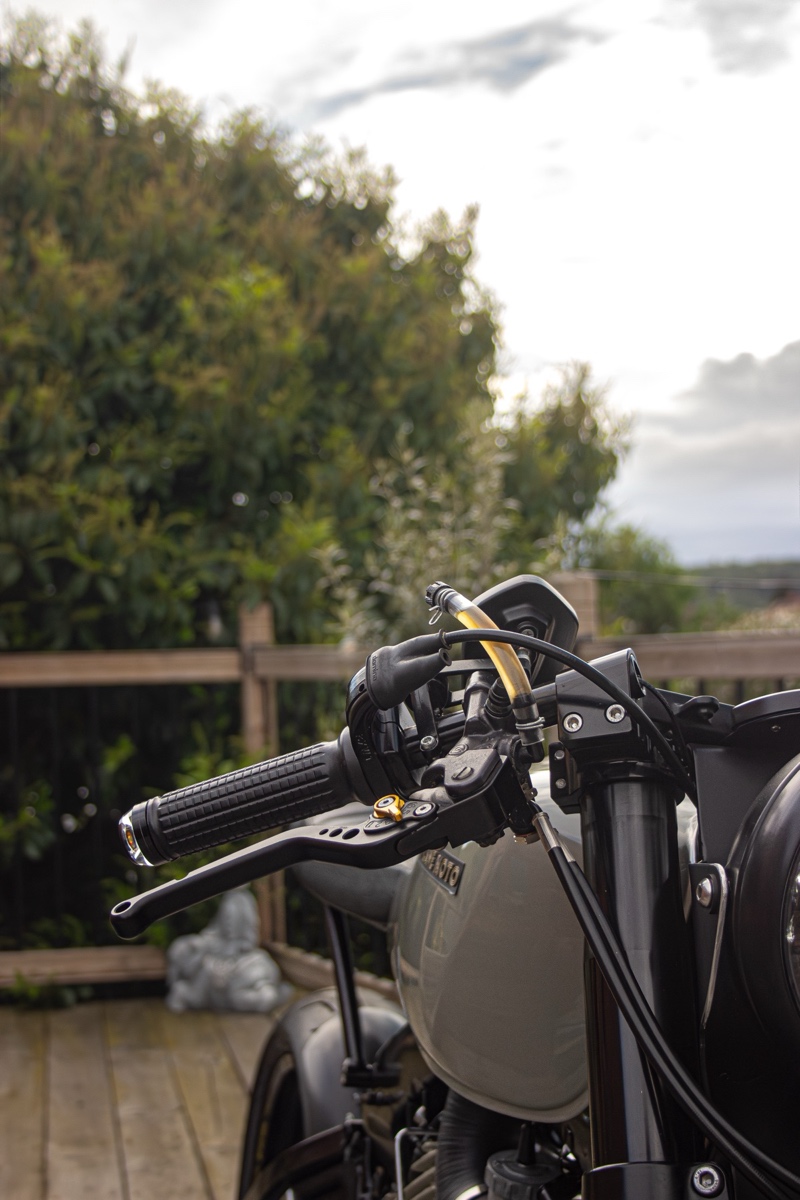
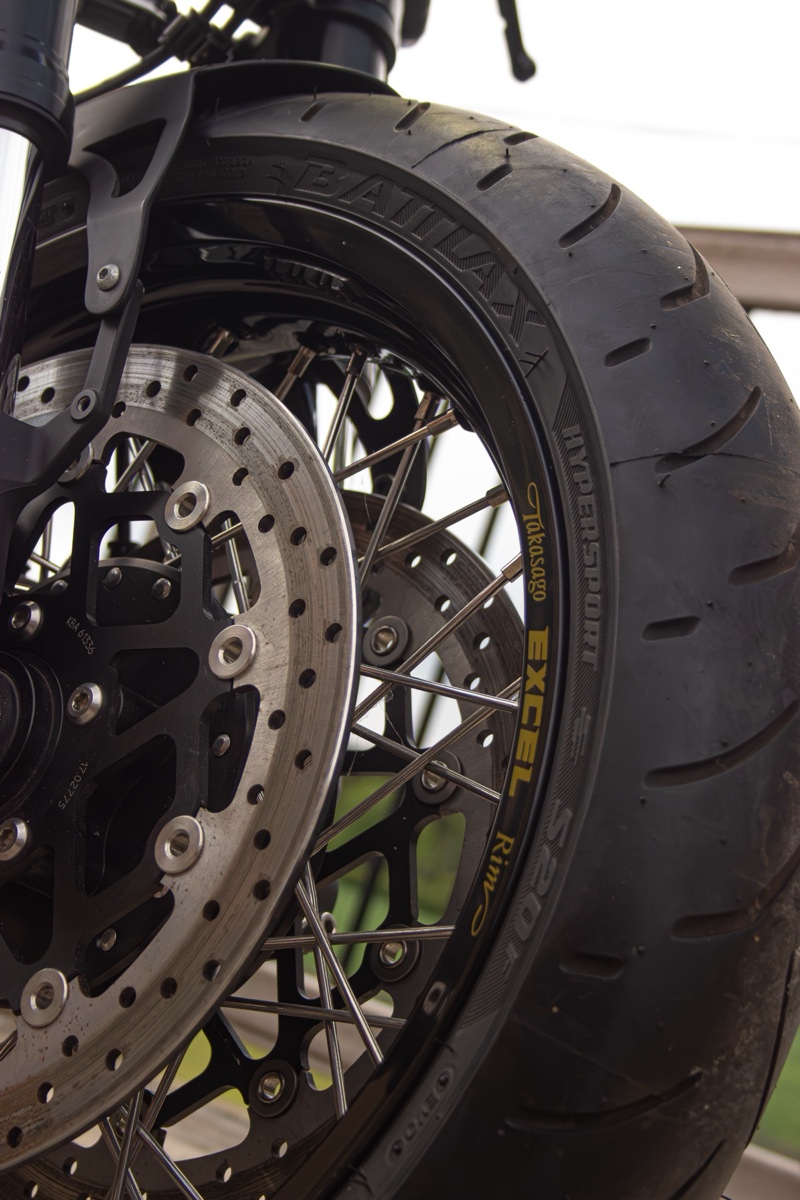
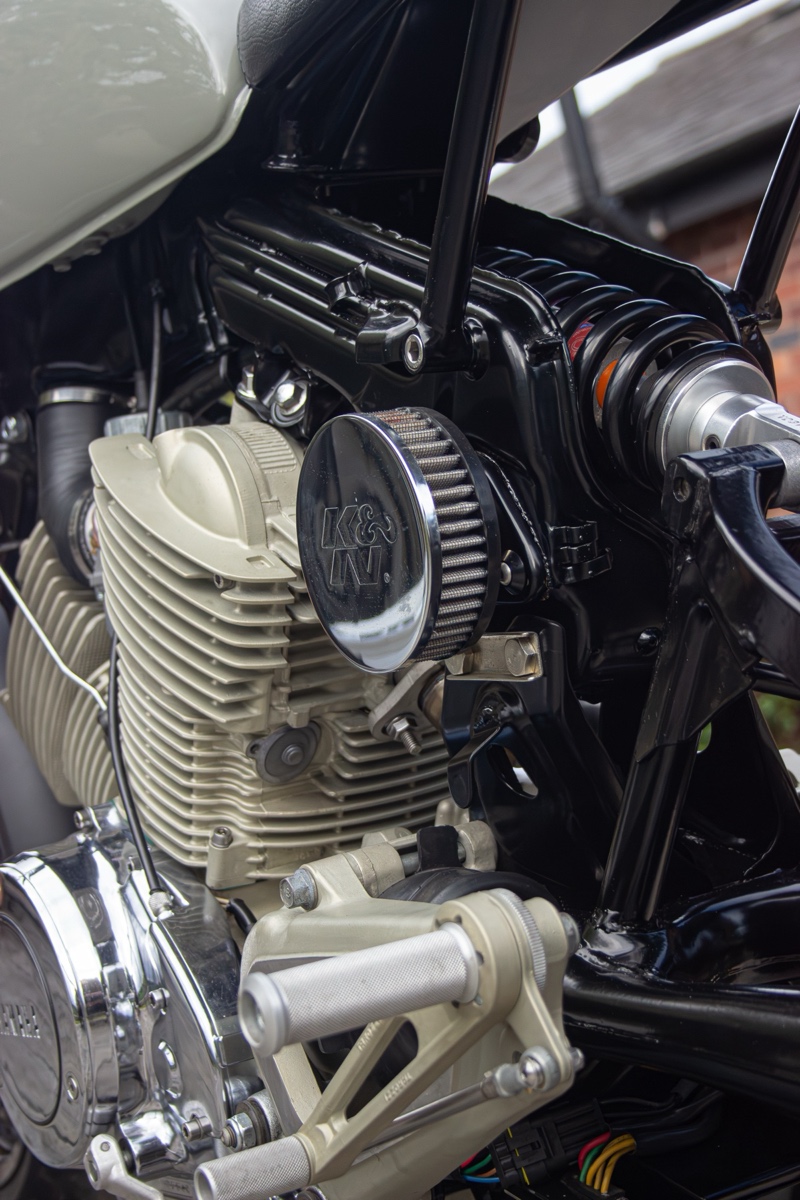
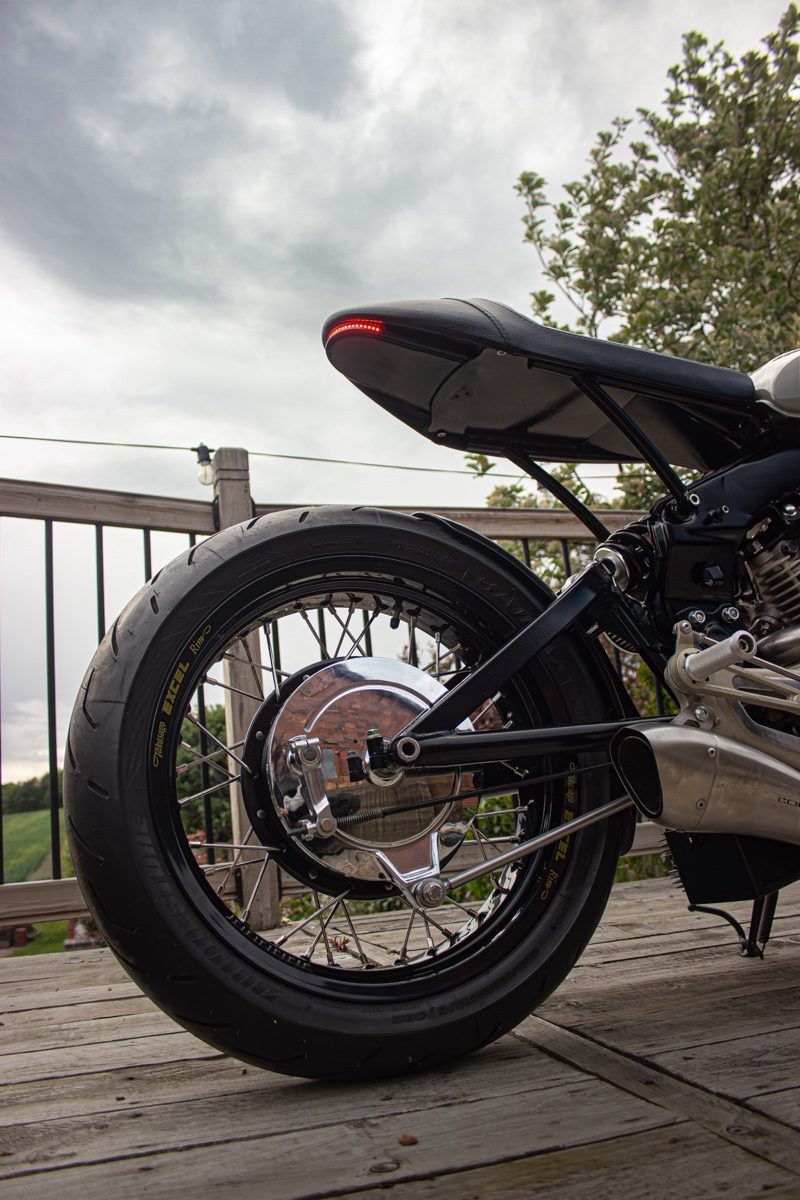
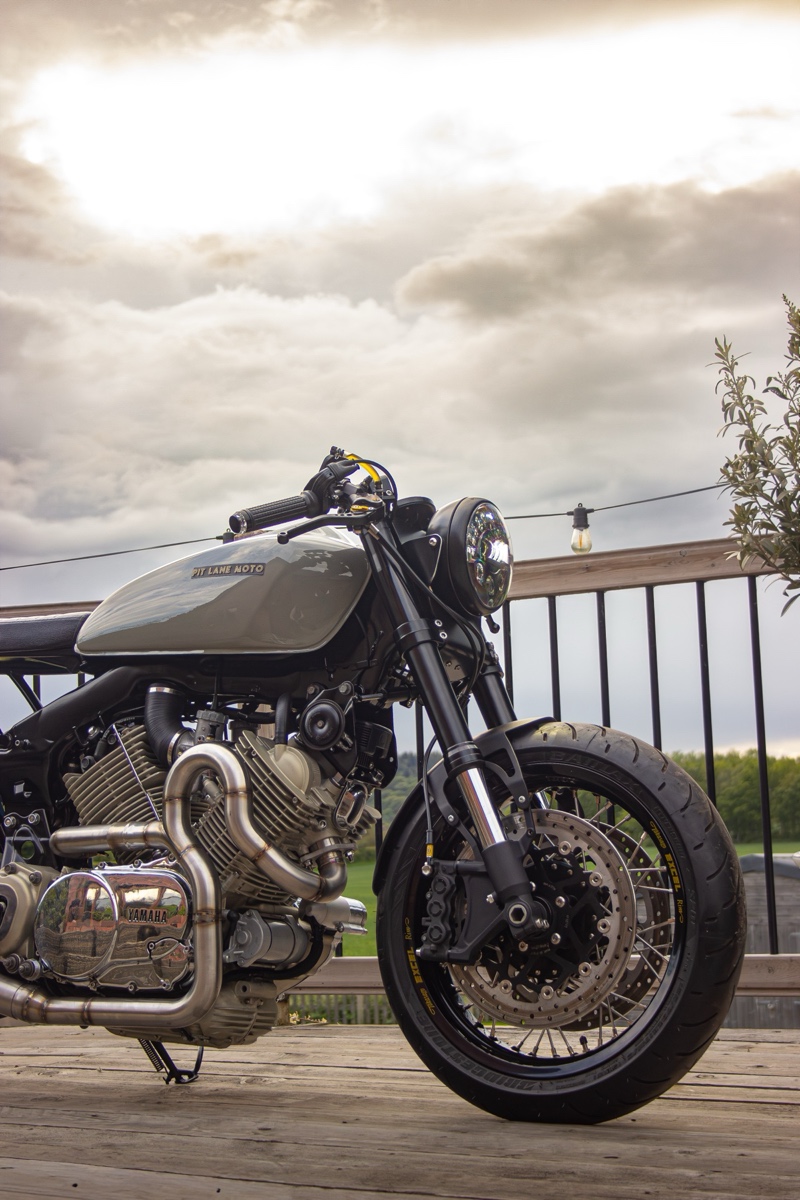
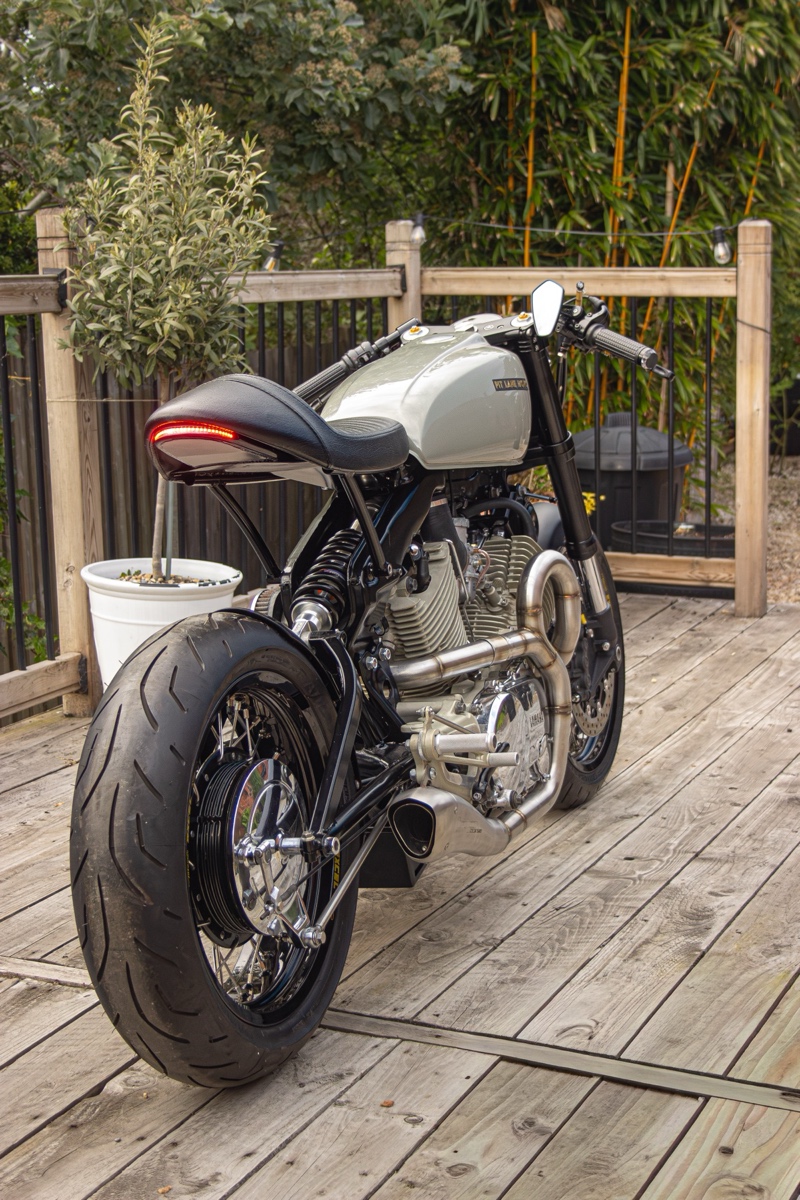
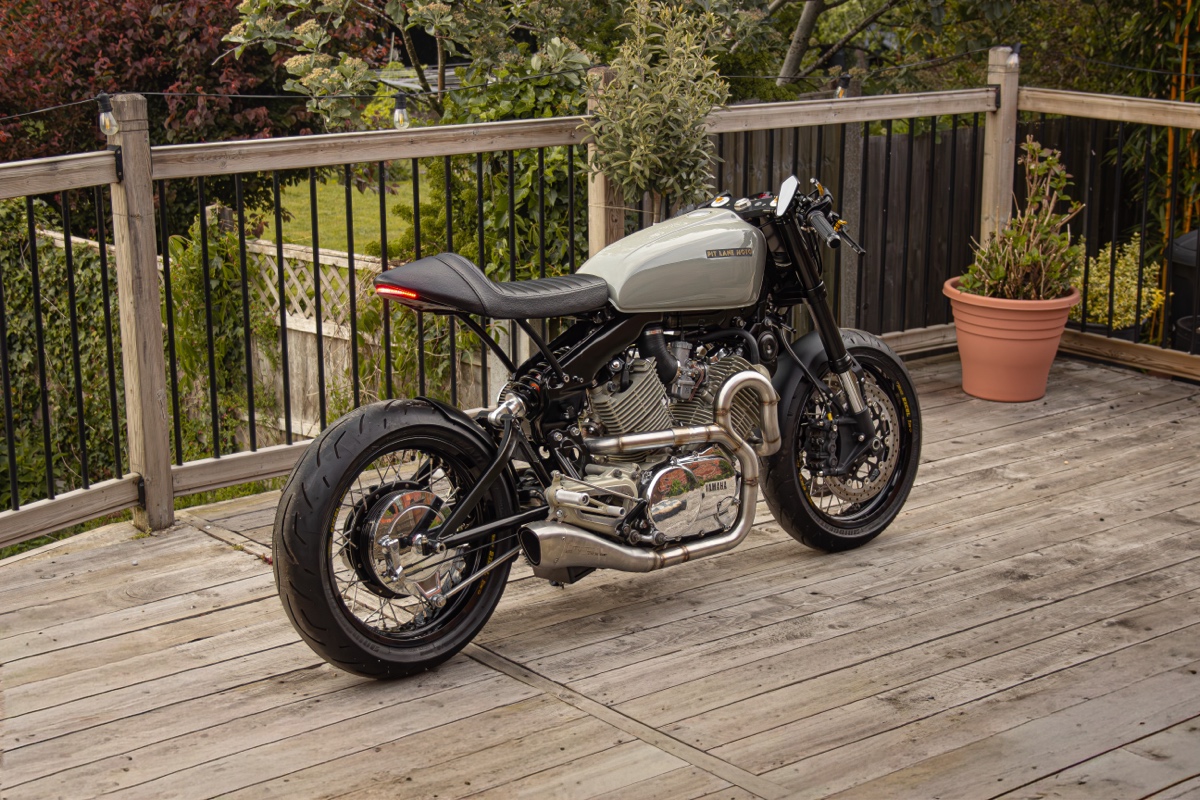
Little of the donor bike remains beyond the frame and engine casings. The front end was overhauled with a set of 2008 Yamaha R1 USD forks, which feature twin six-piston calipers paired with 320mm Brembo Oro discs, making for one-finger stopping. A steering damper keeps the wobbles in check. Out back is a Hagon monoshock, and the bike is riding on custom spoke wheels with CNC hubs.
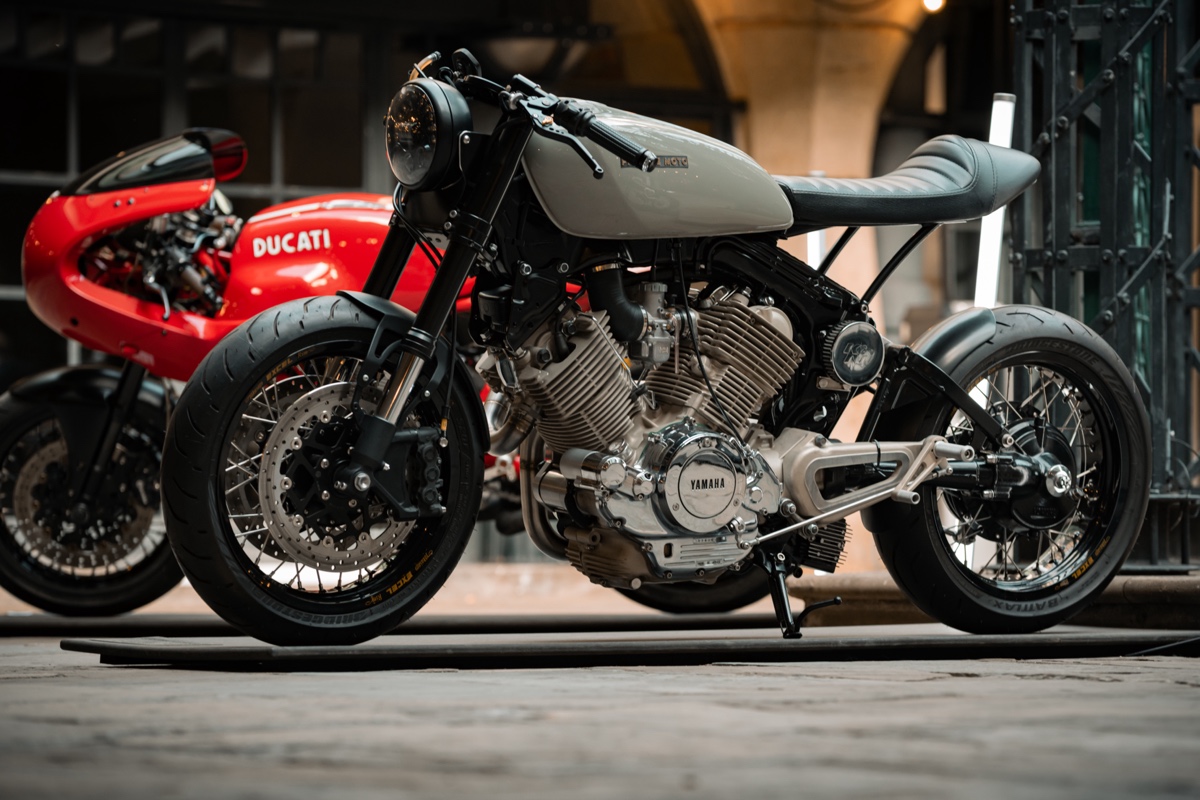
The engine on these builds is too often left stock. Not in this case, however.
“The engine has been comprehensively rebuilt using internals from a 2002 BT1100, reducing rotating mass by 30%, clutch upgrade, improved cooling efficiency, tightening tolerances, and increasing stroke for a significant boost in torque.”
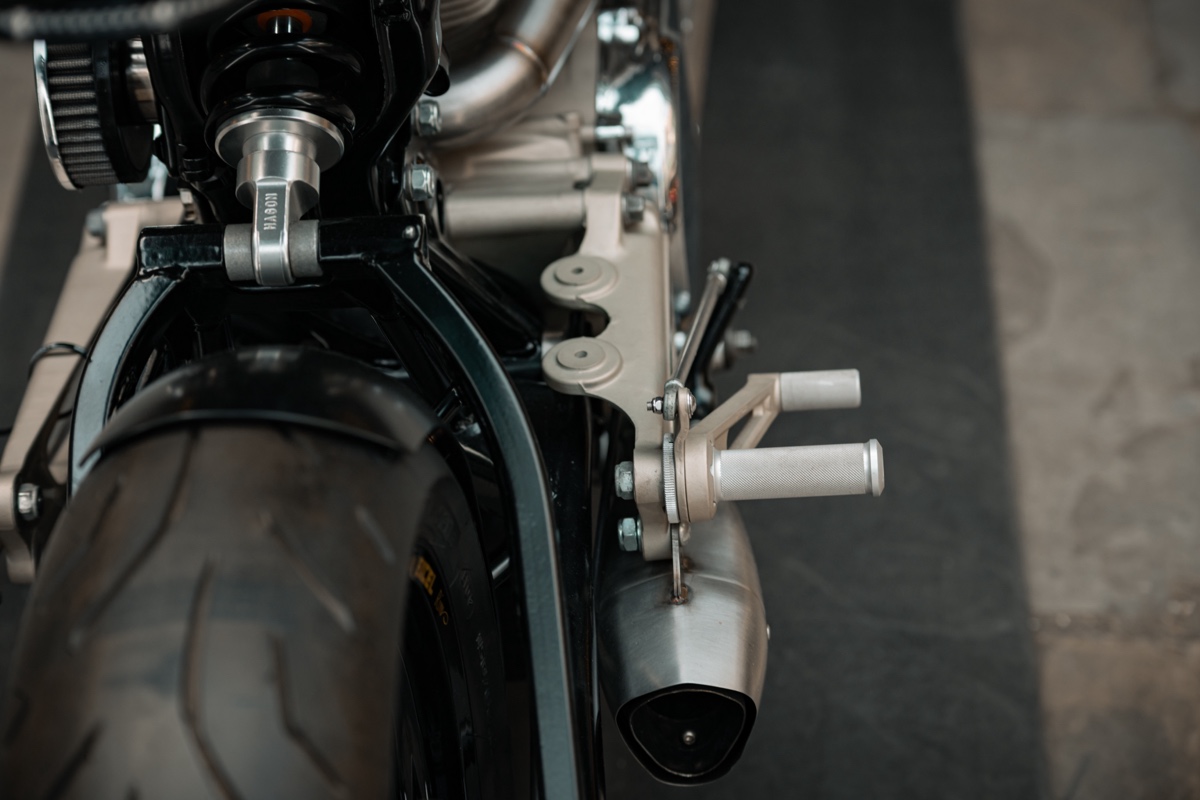
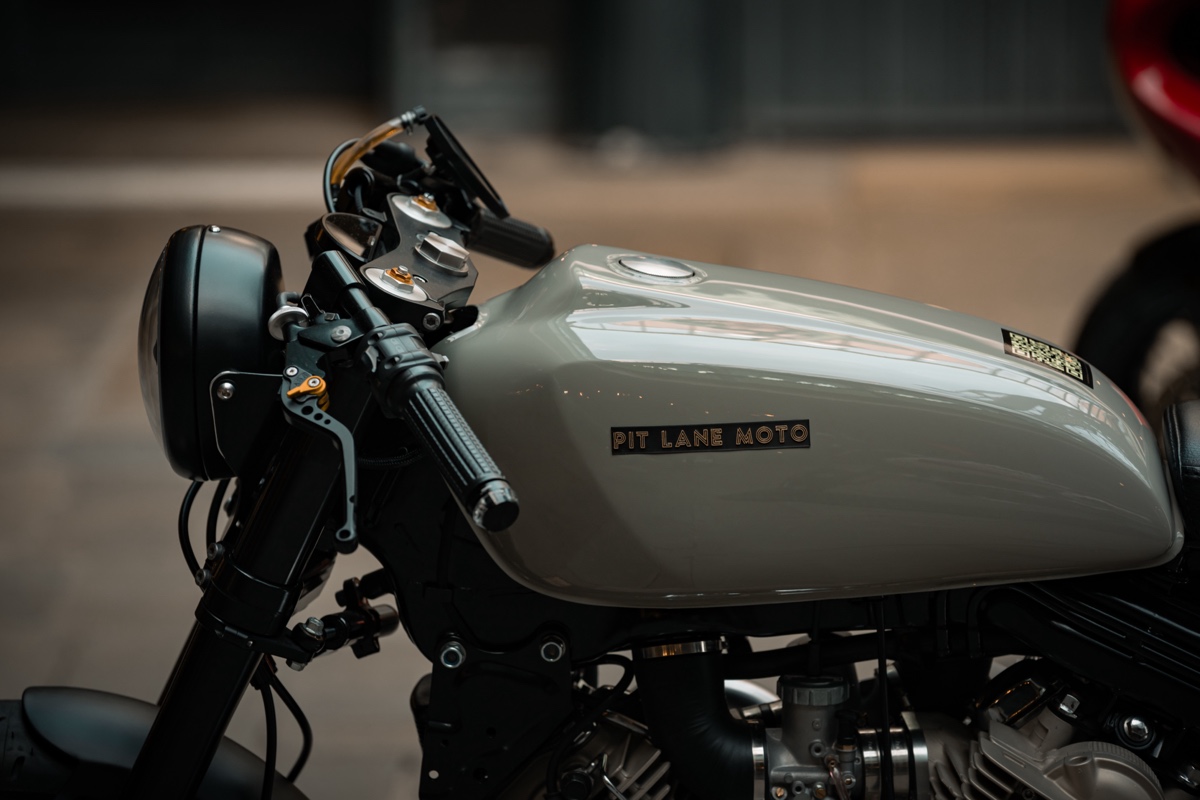
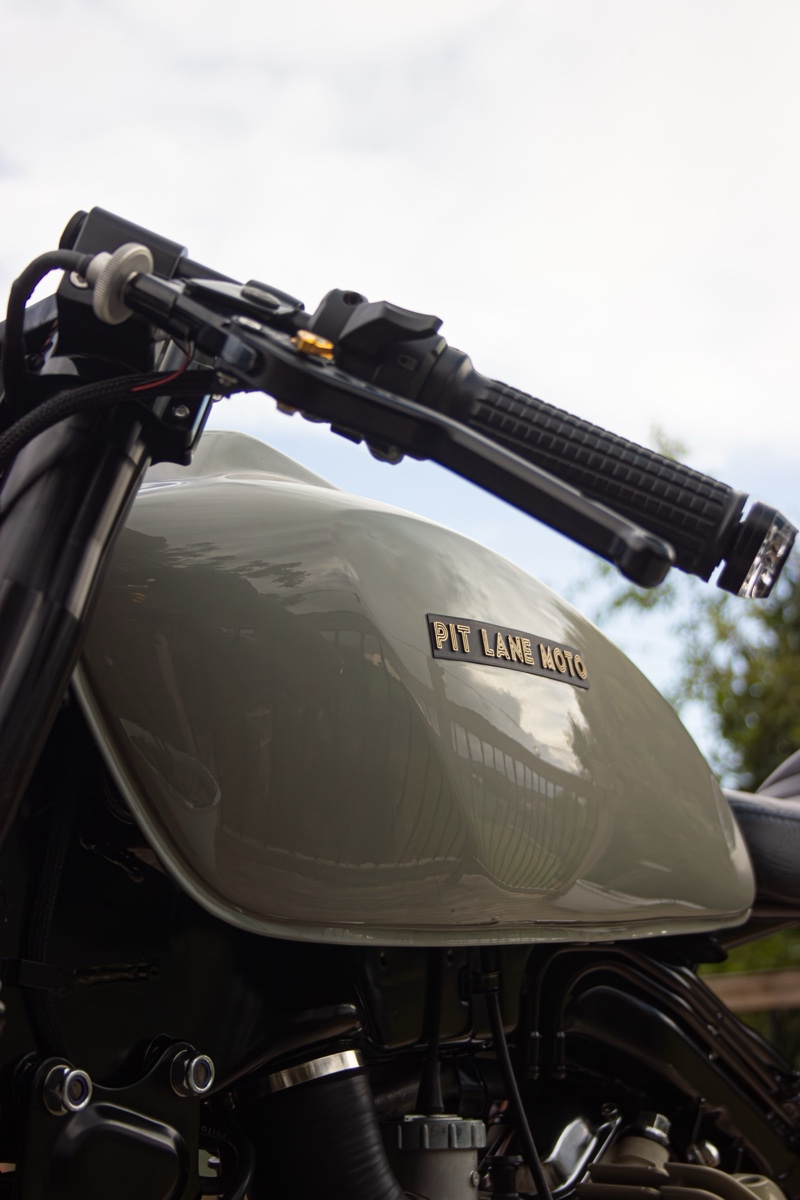
Emmanuel estimates 74 hp and 69 foot-pounds of torque (about a 15% increase), with a wet weight of 210 kilograms (463 lbs) — some 40-50 lbs lighter than stock. The bike also features an adaptive headlight, second-gen starting system, full Motogadget electronics suite with LED lighting, modified fuel tank painted in Porsche Modegrau Grey with 3D-printed badges, and much, much more.
Nicknamed the “Virago CR82,” the bike looked absolutely amazing under the lights of London’s Bike Shed Show, and Emmanuel says the bike performs like a modern machine.
“The ergonomics are spot on. Due to the low center of gravity and monocoque chassis with sport suspension, the bike is very responsive and connected with the road. Front brakes are one finger. The engine makes it feel like a muscle bike; it has so much torque…the acceleration will match modern bikes.”
We hear the “CR82” is for sale for the right place — you can see the listing here. Below you’ll find our full interview with Emmanuel about the build, including photos from Pit Lane Motos and our own Roberto Garagarza (@roga______/). And stay tuned for another build from this same team — an Italian this time!
Virago 920 Café Racer: Builder Interview
• Please tell us a bit about yourself, your history with motorcycles, and your workshop.
My name is Emmanuel and I have a big passion for motorcycles. The first custom motorcycle I built was a 1978 Suzuki Landie FM50, which I still own. Some of the other big bikes I’ve owned are a Kawasaki Z750 ‘08, Z1000SX ‘17, and now an Aprilia Tuono V4 1100 Factory ‘21. We are the founders of Pit Lane Moto, a community for motorcycle lovers that we build, ride, and connect with fellow bikers.
• What’s the make, model, and year of the donor bike?
Yamaha Virago XV920 1982.
• Why was this bike built?
Personal / Company promotion.
• What was the design concept and what influenced the build?
The concept was to build a timeless modern classic. In other words, a legendary bike from the past built with modern technology standards. Something that has the potential to be driven everyday but also sit pretty and admired in a gallery. I chose the café racer style because it’s part of what we love – coffee and race bikes 😀
• What custom work was done to the bike?
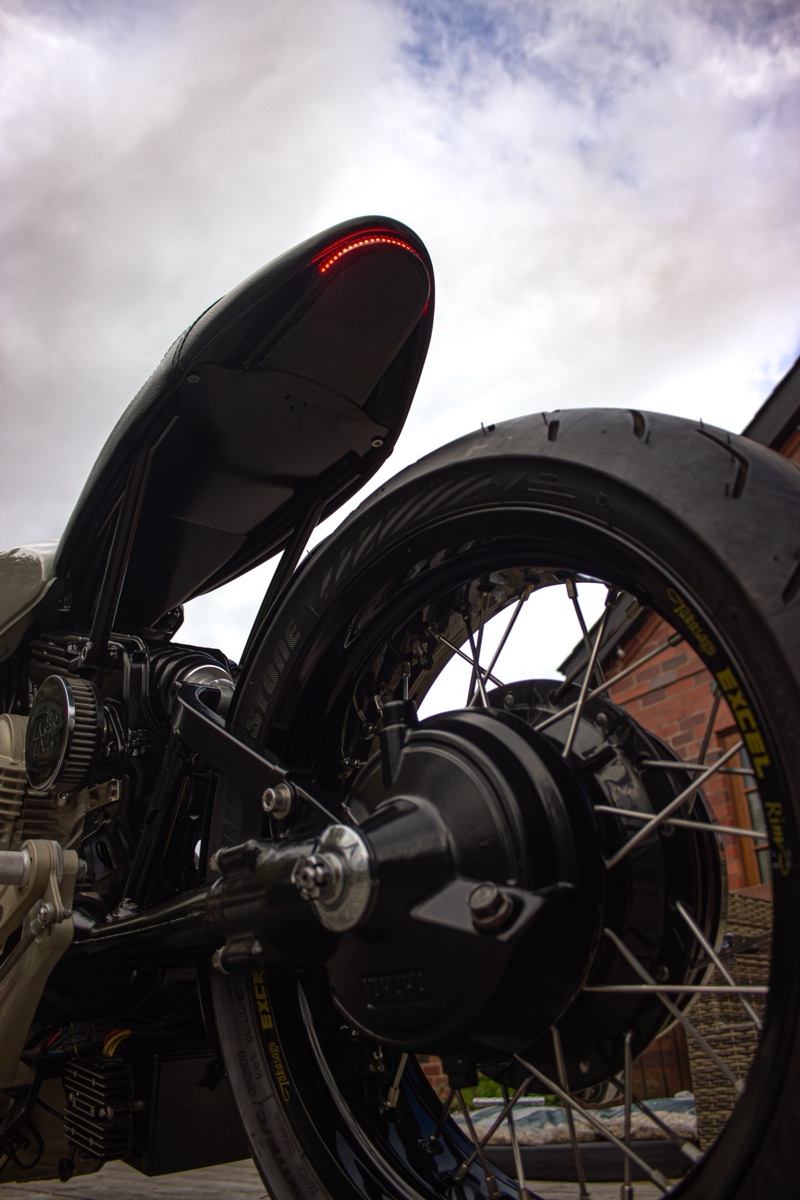
Everything except the frame and engine casings is custom or from donor bikes. Custom spoked wheels with CNC-machined hub complement the front-end conversion to 2008 Yamaha R1 inverted forks, and a Hagon rear monoshock delivers a balanced, confidence-inspiring handling. Paired with a steering damper.
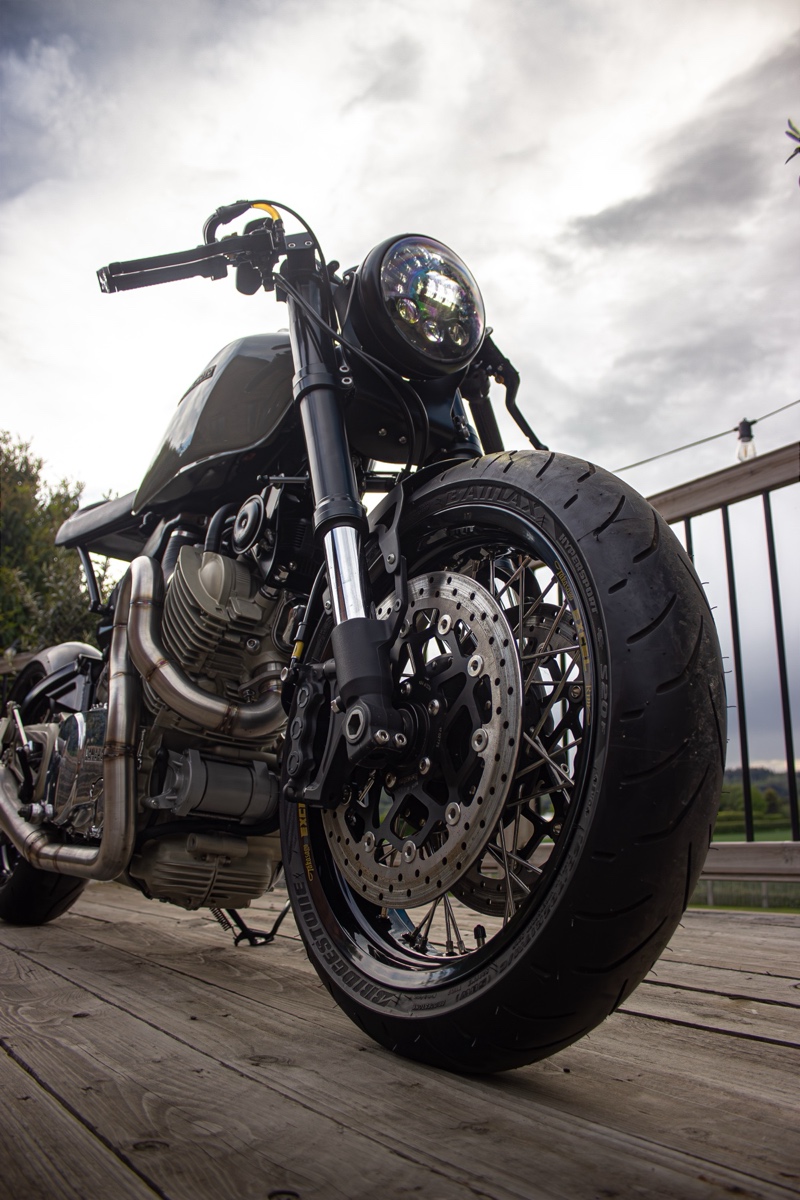
The braking system features twin 6-piston calipers paired with 320mm Brembo Oro discs via a bespoke extension setup.
The engine has been comprehensively rebuilt using internals from a 2002 BT1100, reducing rotating mass by 30%, clutch upgrade, improved cooling efficiency, tightening tolerances, and increasing stroke for a significant boost in torque.
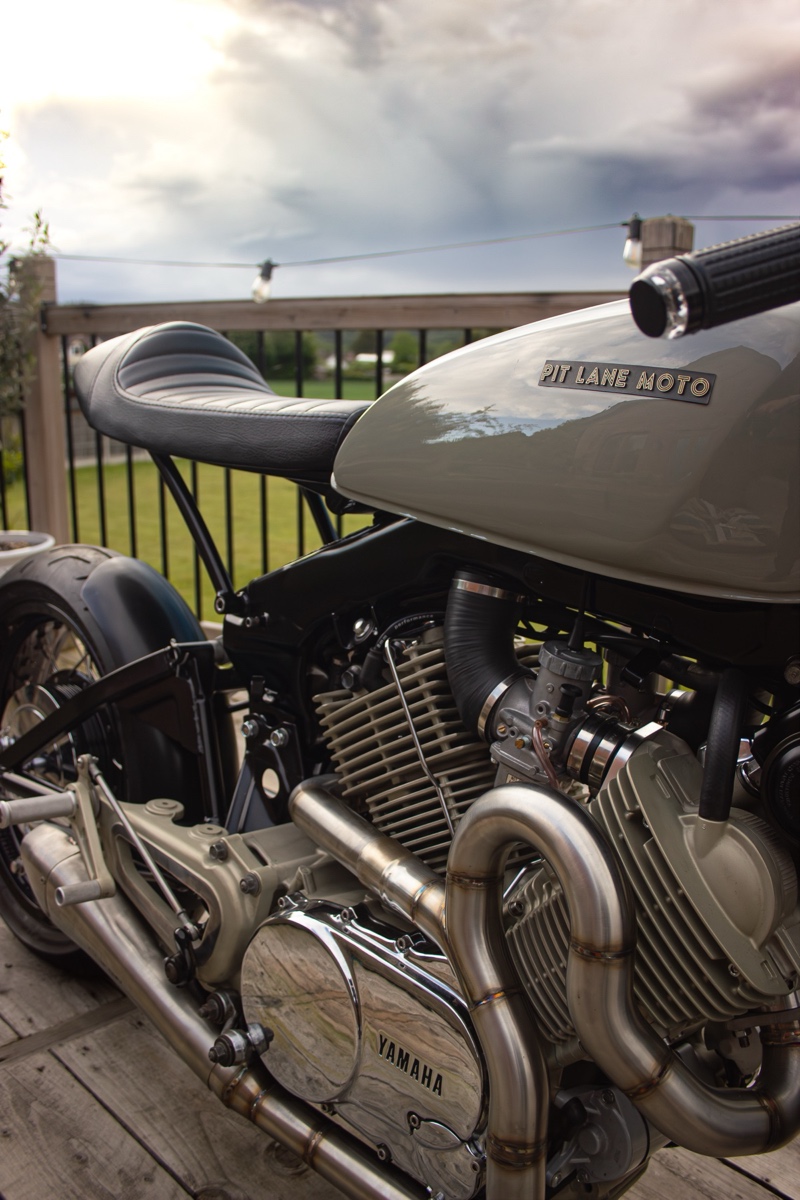
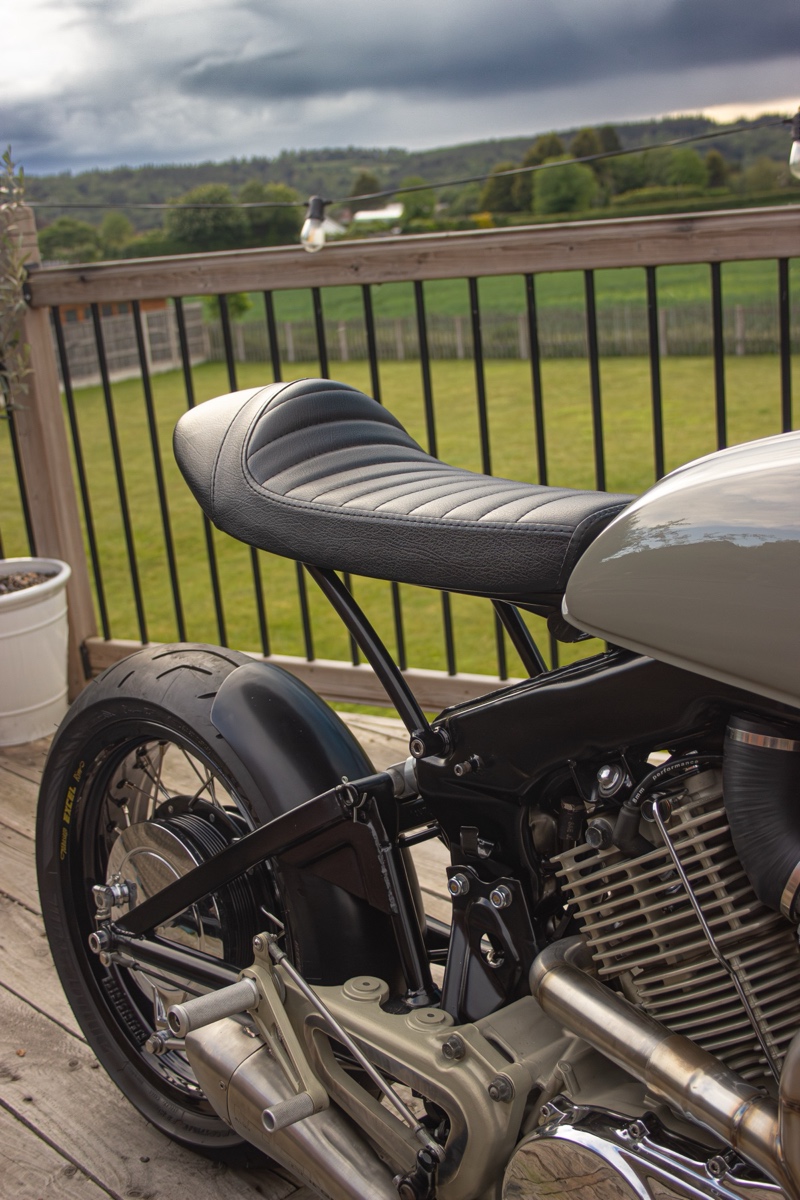
Fueling is handled by Mikuni VM38 carburettors, breathing through a handcrafted equal-length 2-into-1 exhaust system that enhances both performance and sound.
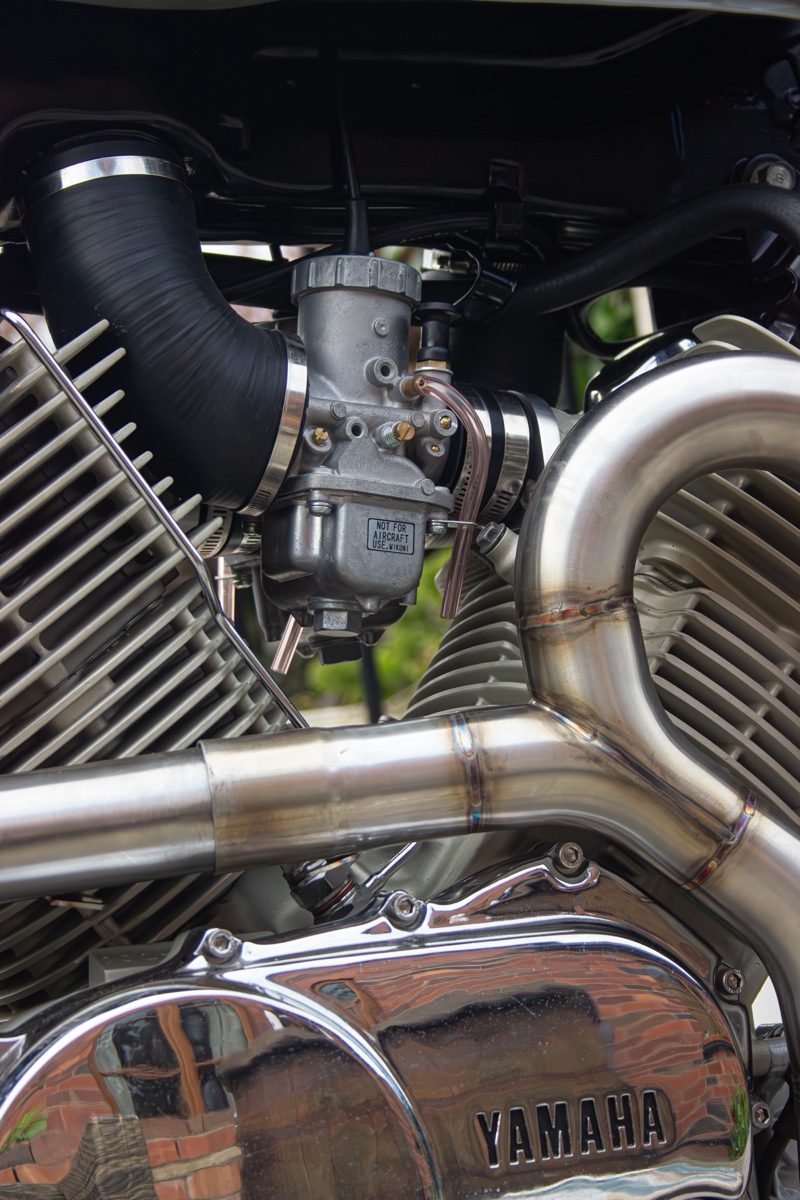
The notorious “box of rocks” (starting system issue) was fixed by updating the whole system to the 2nd generation Virago from the ’90s.
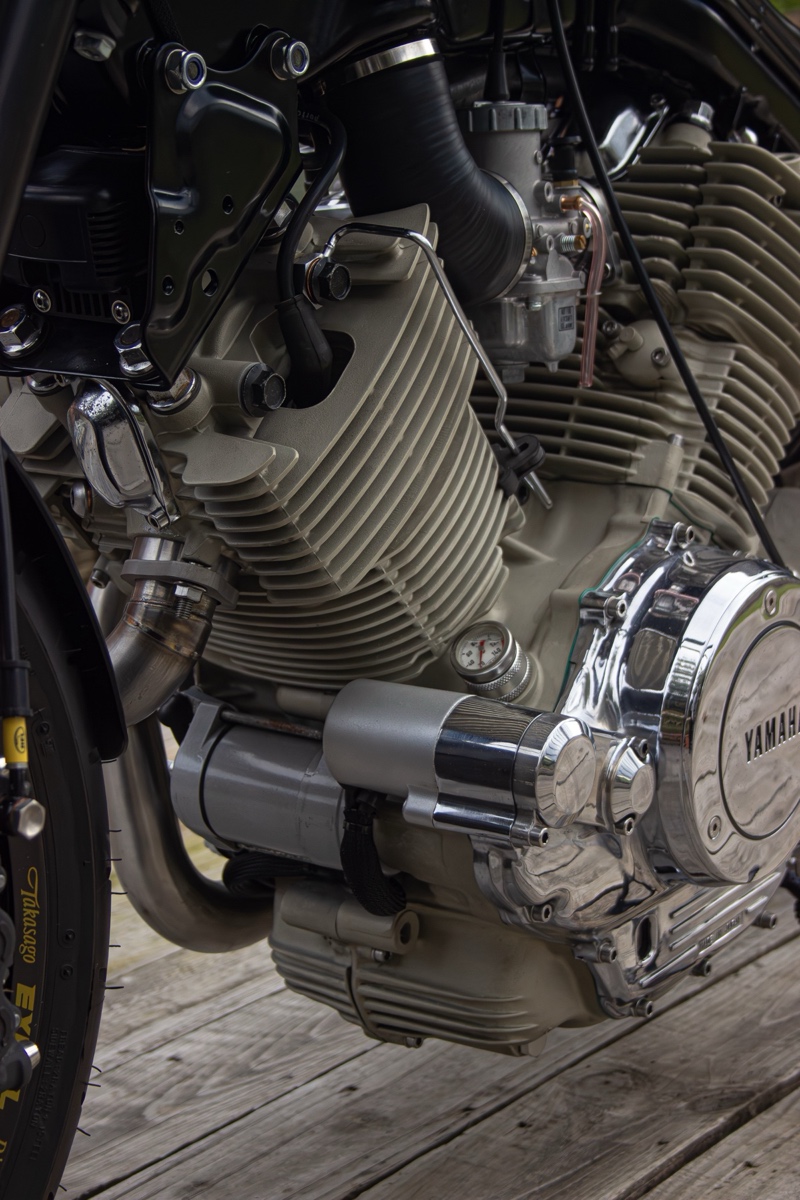
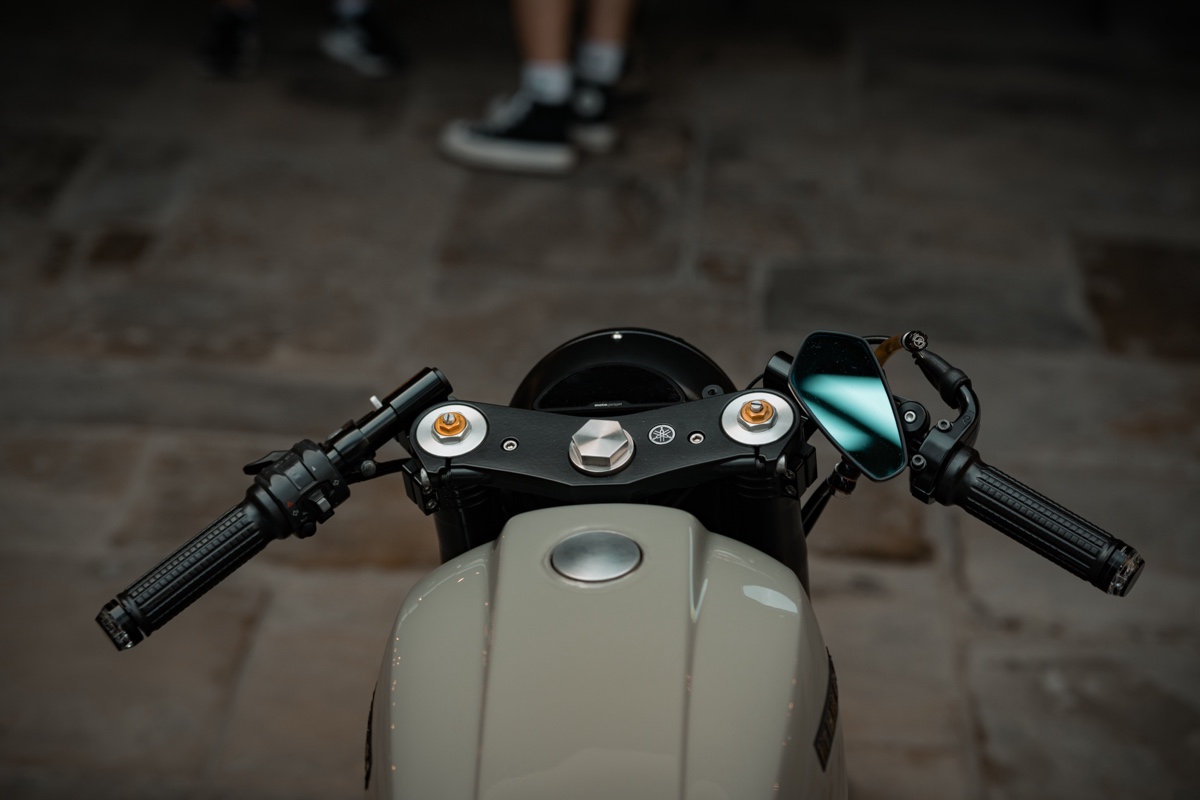
Electronics have been completely modernised with a full Motogadget suite and LED lighting throughout, ensuring reliability and a clean, minimalist aesthetic.
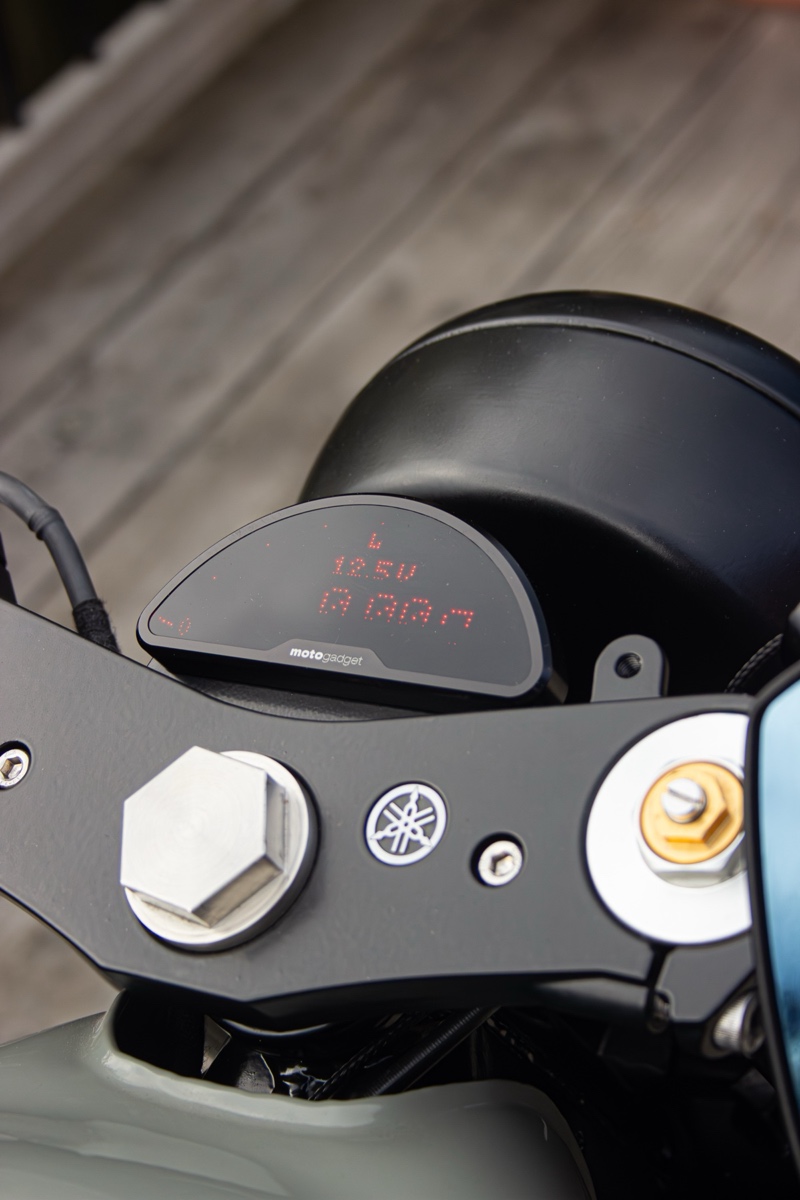
More:
- Tubeless wheels with sport tires
- Adaptive headlight (with cornering lights)
- No traditional key – the key is a ceramic NFC ring
- Ignitech ignition system with performance coils
- Custom Tarozzi rear sets
- Custom subframe with minimalist LED brake light and integrated turn lights
- Modified fuel tank, Kawasaki KZ400 with pop-up cap painted in Porsche Modegrau Grey and 3D printed badges
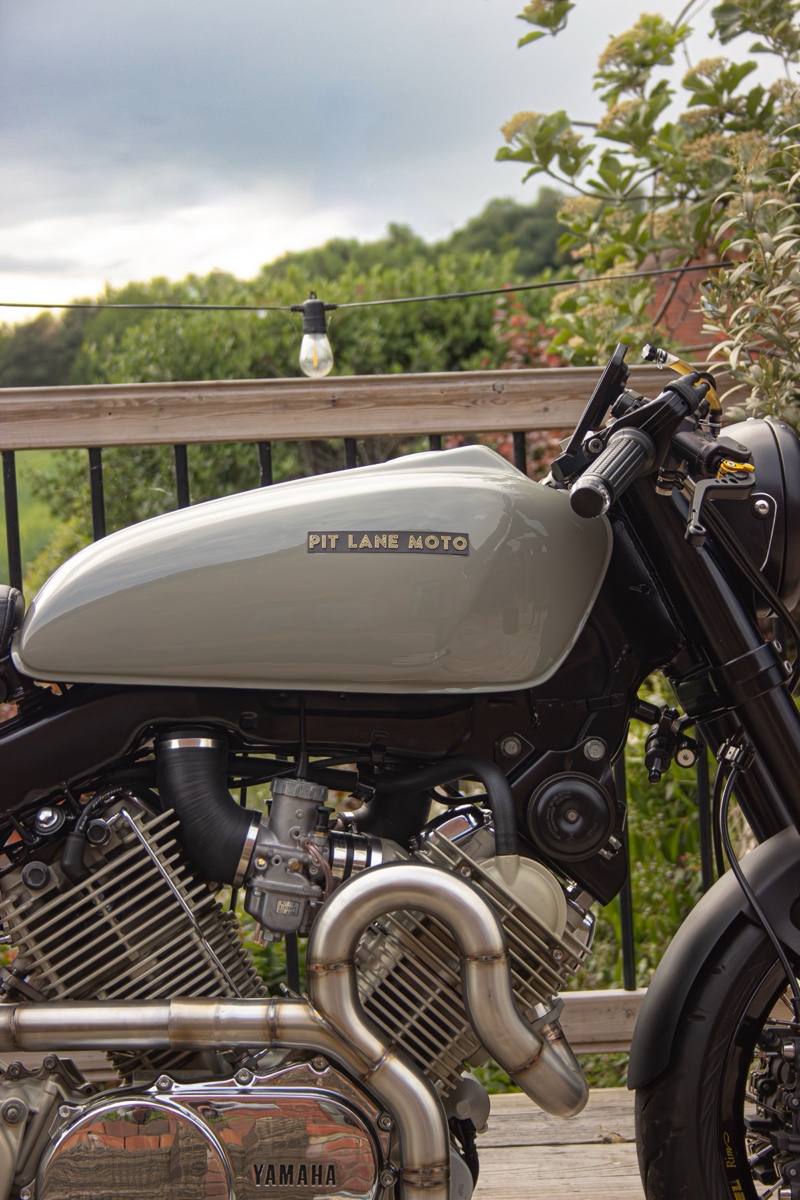
• Does the bike have a nickname?
Virago CR82.
• Any idea of horsepower, weight, and/or performance numbers?
Estimated at 74hp/94Nm at 210kg wet.
• Can you tell us what it’s like to ride this bike?
Surprisingly it’s not uncomfortable as it looks; the ergonomics are spot on. Due to the low center of gravity and monocoque chassis with sport suspension, the bike is very responsive and connected with the road.
Front brakes are one finger. The engine makes it feel like a muscle bike; it has so much torque, and paired with the long ratios, the acceleration will match modern bikes.
• Was there anything done during this build that you are particularly proud of?
With this caliber of bike, the devil is in the detail. I am proud that I deployed the patience to perfect the bike to the standard we are seeing today. You can’t imagine how many iterations some of the parts have been through to be perfected.
• Is there anyone you’d like to thank?
I’d like to thank with all my heart my brother from another mother – Satyam – who was by my side in every step and made this journey a dream that became a reality.
Follow the Builder
Web: pitlanemoto.co.uk
Instagram: @pitlane_moto


This a great looking Bike, the detailing is excellent and a very clean build, everything where it should be a nothing out of place, My daily ride is an 1100 Virago with subtle modifications after having been completely stripped and rebuilt about four years, this included a Moto Gadget fuse box and M unit, this really cleans up the mass of electrics on the standard bike, progressive spring fitted, decent rear shocks, GSXR front discs with custom calipers, I was intrigued by the engin mods on yours, the starter upgrade was definitely a good move, if you have upped the torque that is a great move as these engines have great torque already, stay safe, regards to you Nigel Cox
What rear wheel did you use please, I have some Virago spoked wire wheels but are awkward to get rear rims for .