
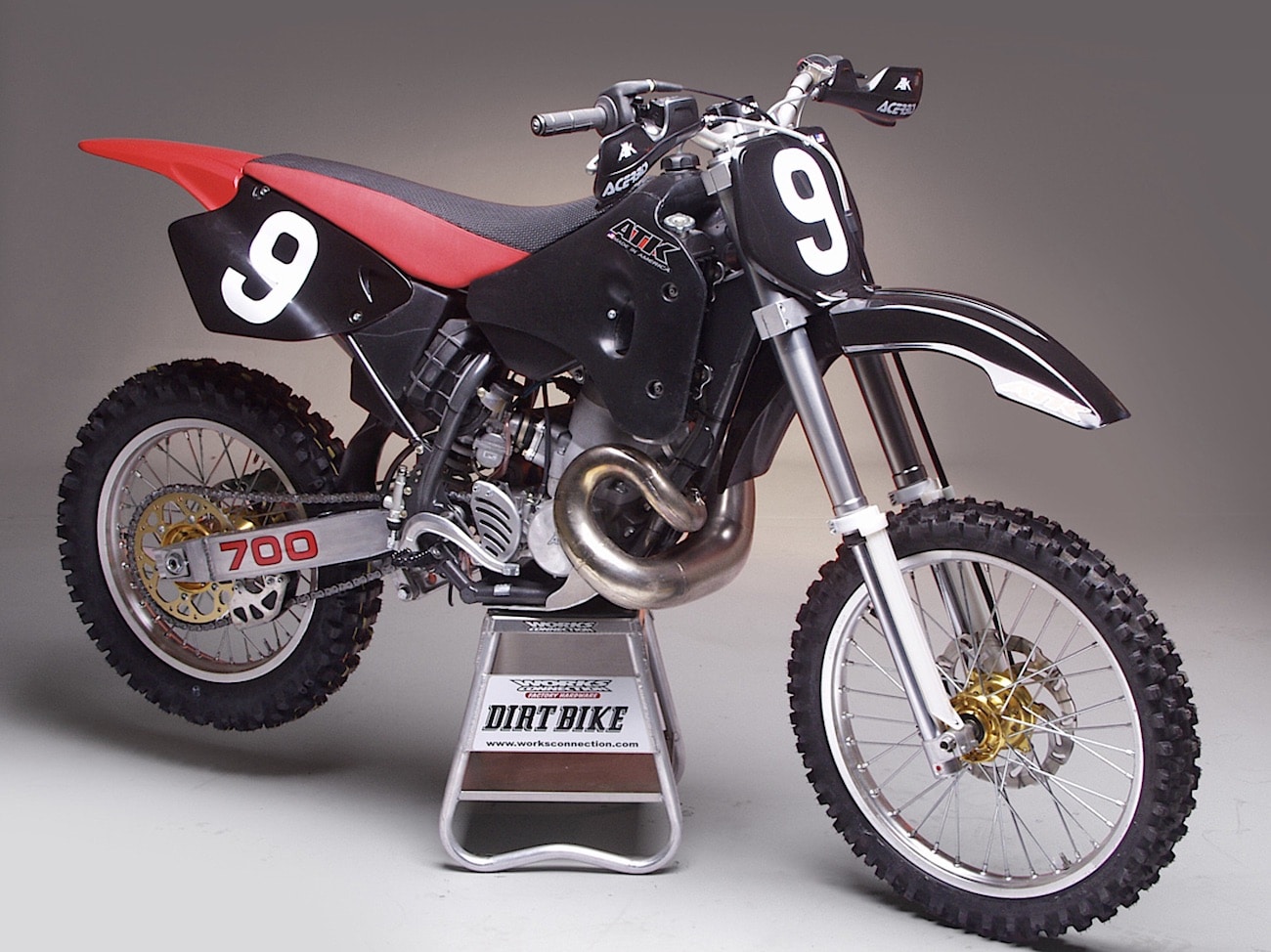
685cc, 78 Horsepower, 238 Pounds: One of the most outrageous production dirt bikes ever offered in America…
There was a time when a 500cc two-stroke motocross bike was the kind of the dirt. Honda’s CR500 and Kawasaki’s KX500 became legends precisely because they combined enormous single-cylinder two-stroke engines with lightweight motocross chassis, producing enough torque and wheelspin to intimidate whole generations of riders.
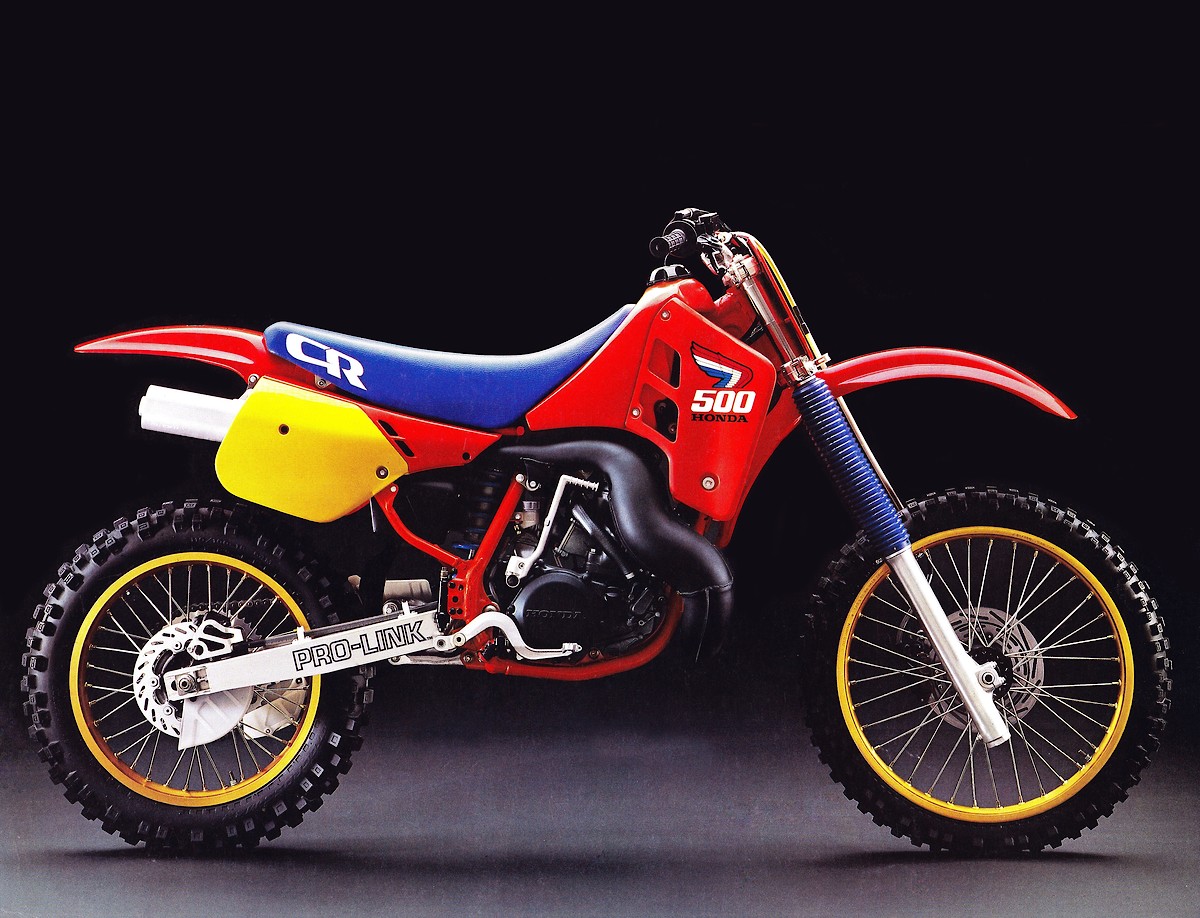
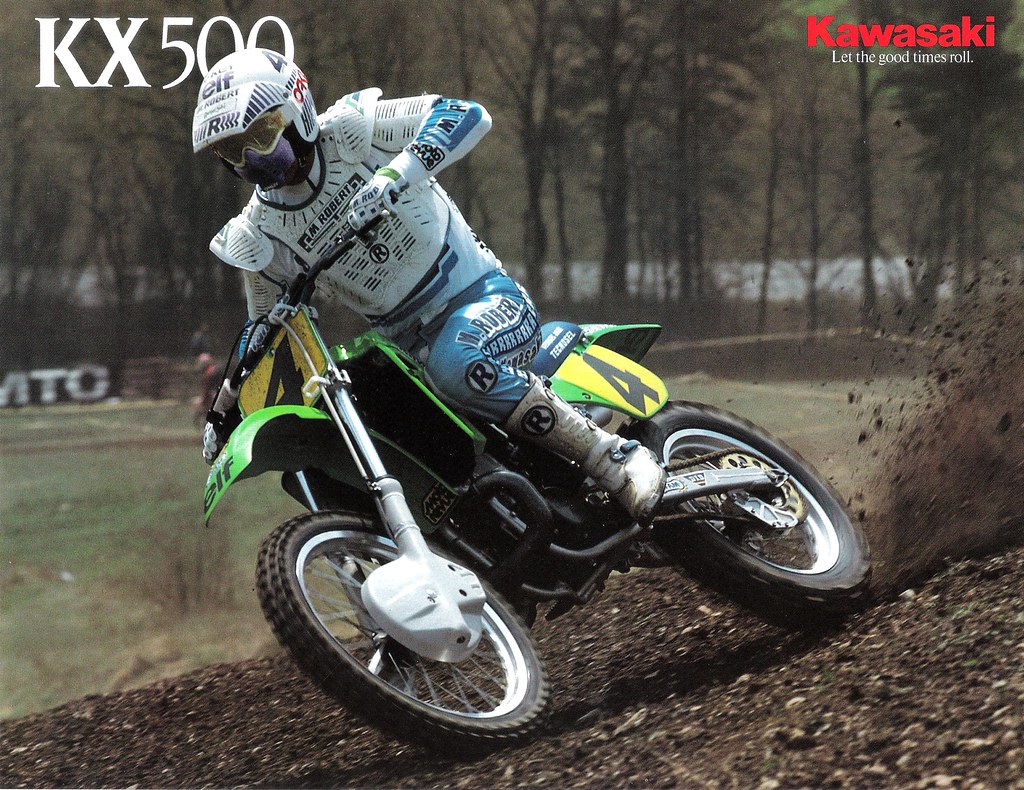
By the beginning of the 2000s, however, that era was ending. Four-strokes were rapidly taking over motocross and off-road competition, Honda had discontinued the CR500 after 2001, and Kawasaki’s KX500 was nearing the end of its own long production run.
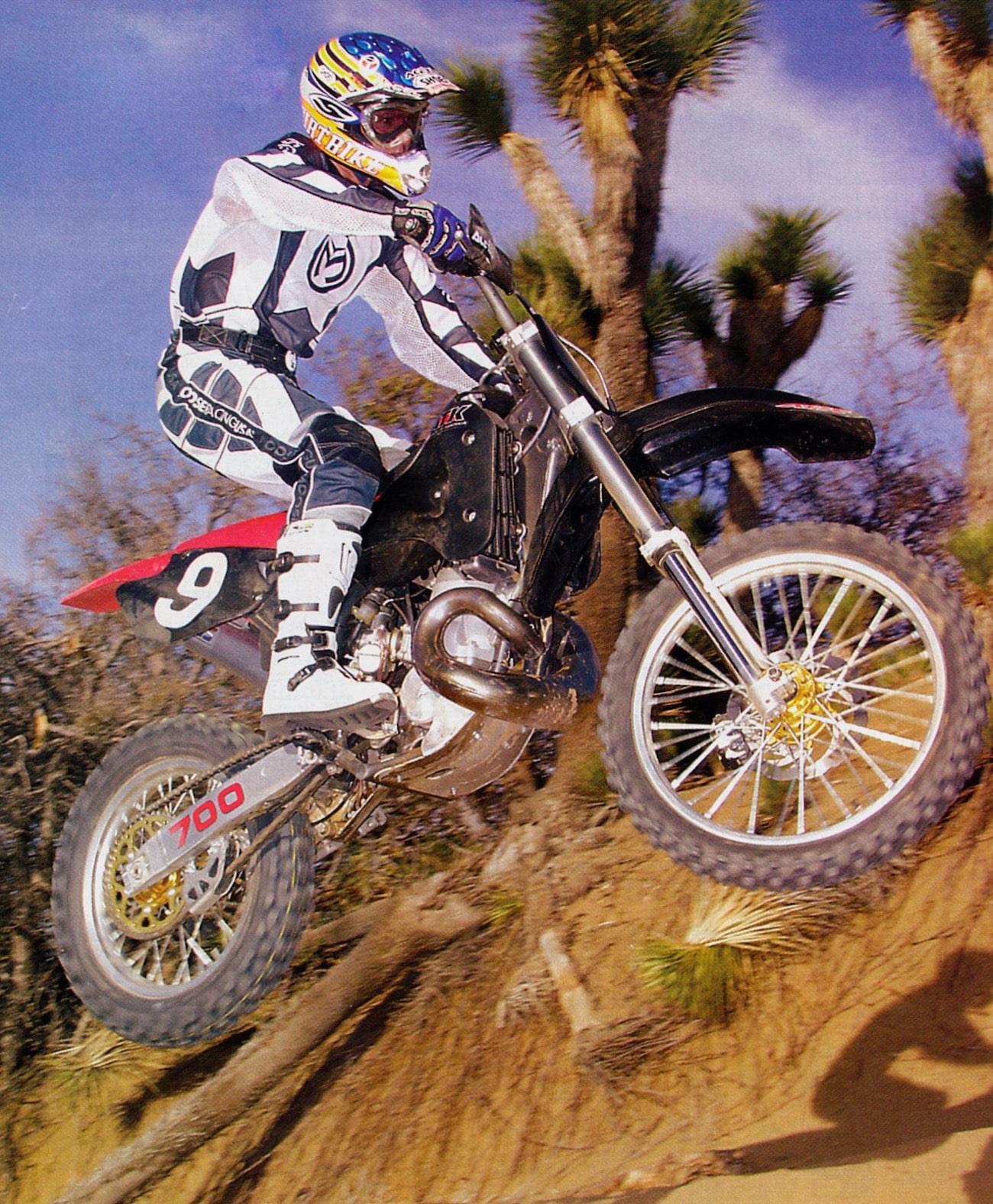
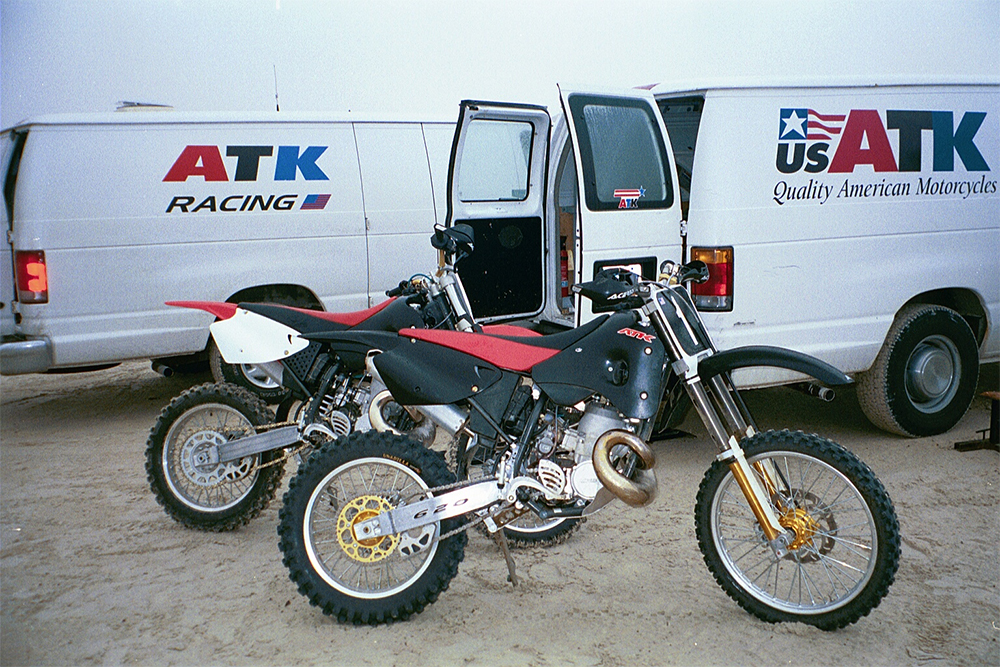
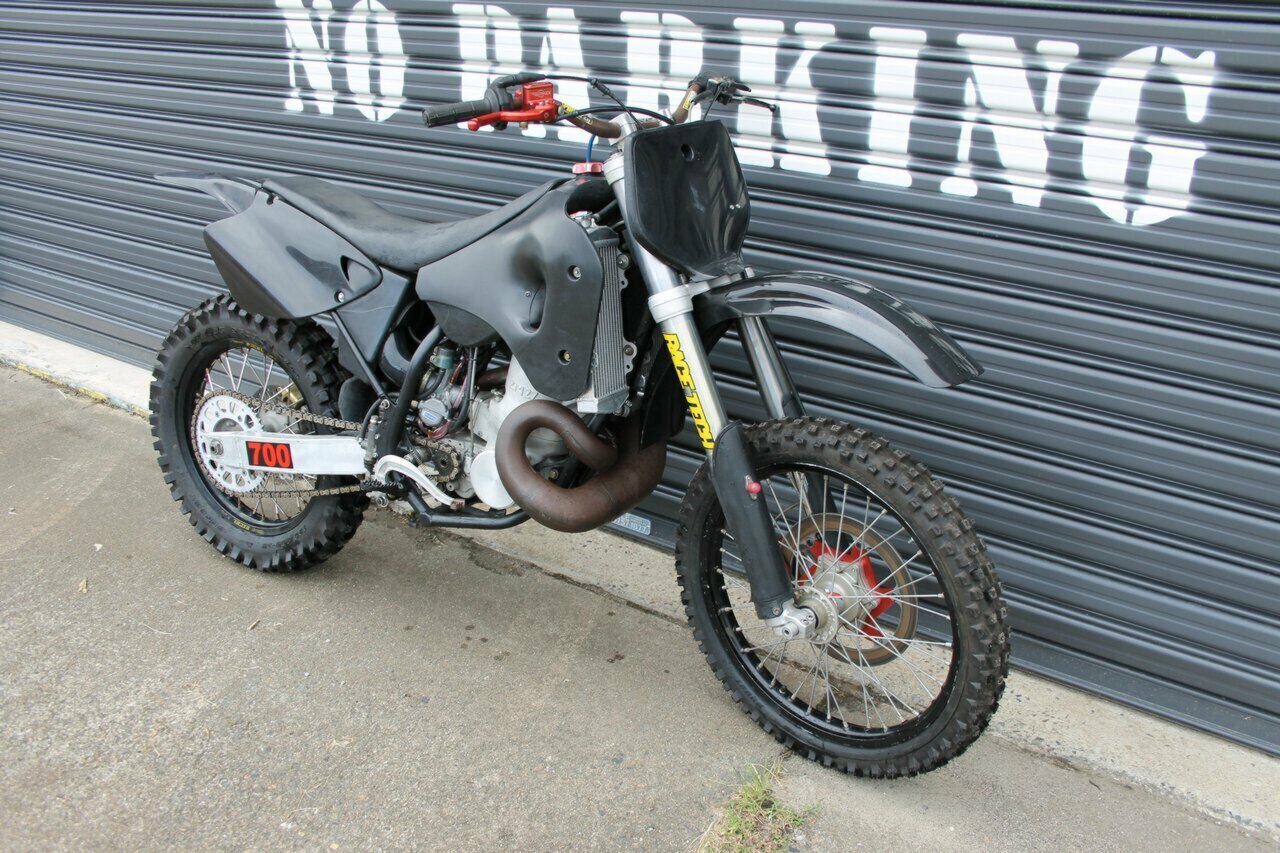
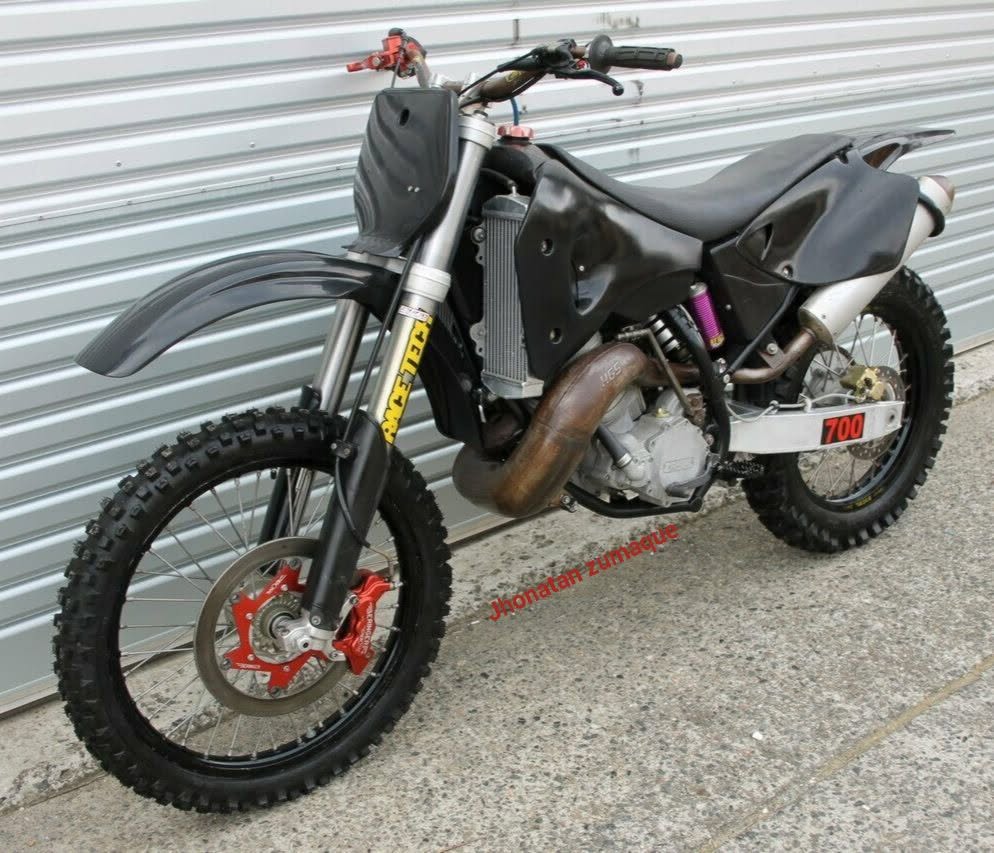
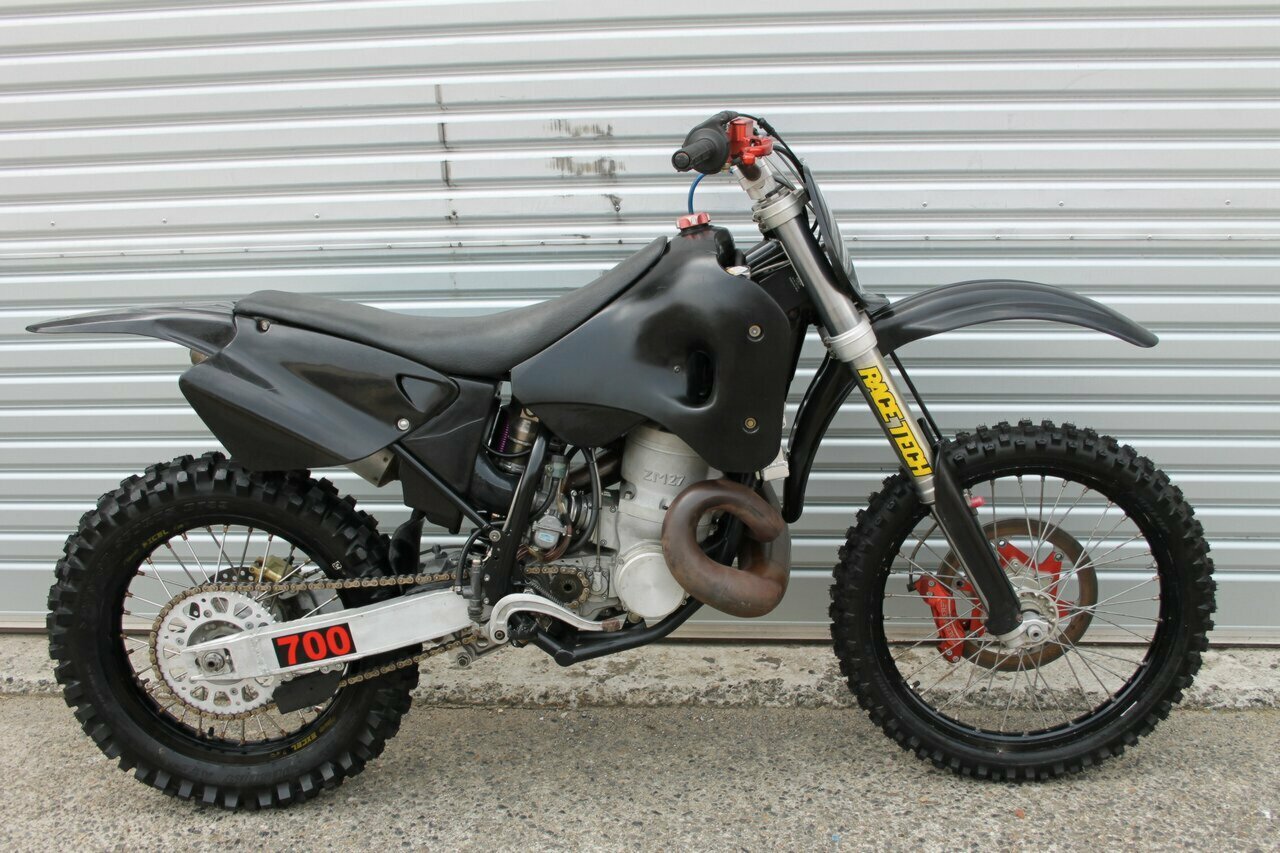
ATK took a very different path. Rather than abandoning the big-bore two-stroke, the small American manufacturer developed an even larger one around a Maico-derived 685cc single. The resulting ATK 700 Intimidator produced a claimed 78 horsepower, weighed just 238 pounds dry, and paired enormous low-end torque with a lightweight competition chassis.
It wasn’t simply a bigger CR500. Contemporary testers described something stranger and, in some ways, more usable: a giant two-stroke that pulled tall gears with almost diesel-like authority rather than relying on a narrow, explosive powerband.
The End of the Open-Class Two-Stroke
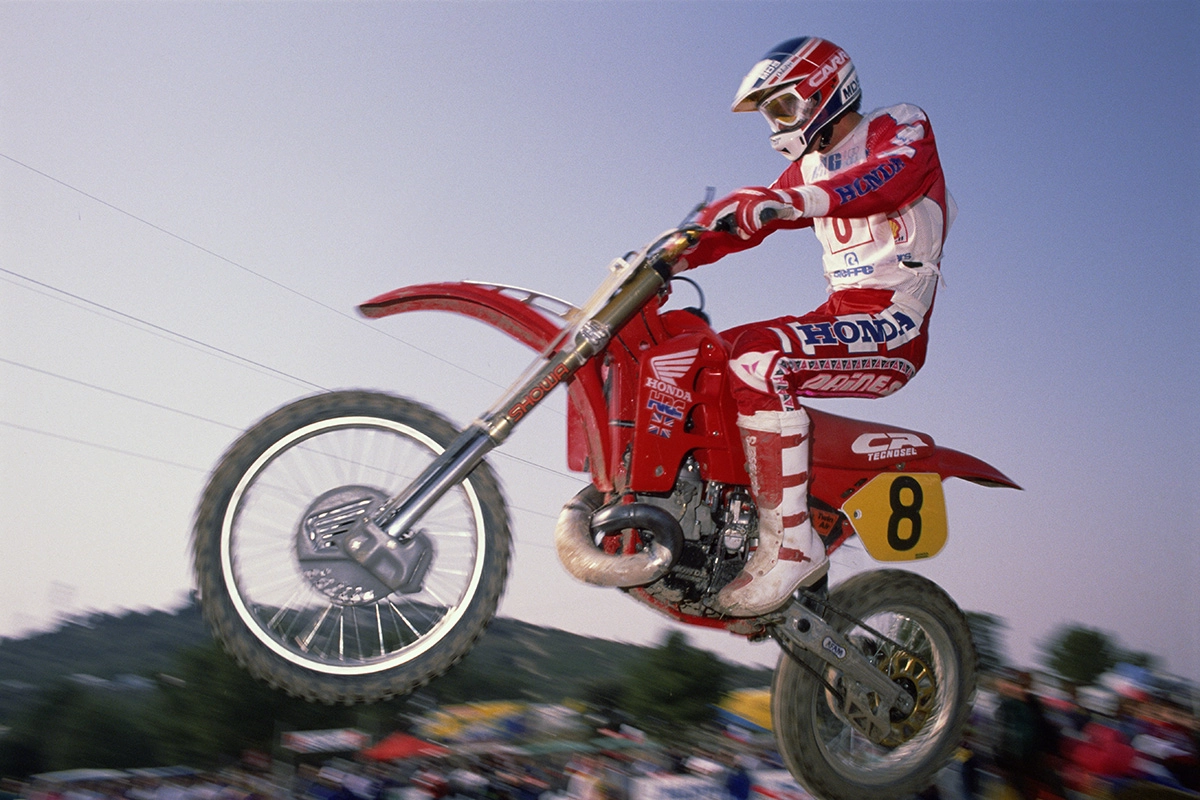
Through the 1980s and into the ’90s, manufacturers offered 400cc and 500cc two-stroke singles for riders who wanted maximum performance in the dirt. Machines such as the Honda CR500R, Kawasaki KX500, Maico 490, and others developed fearsome reputations.
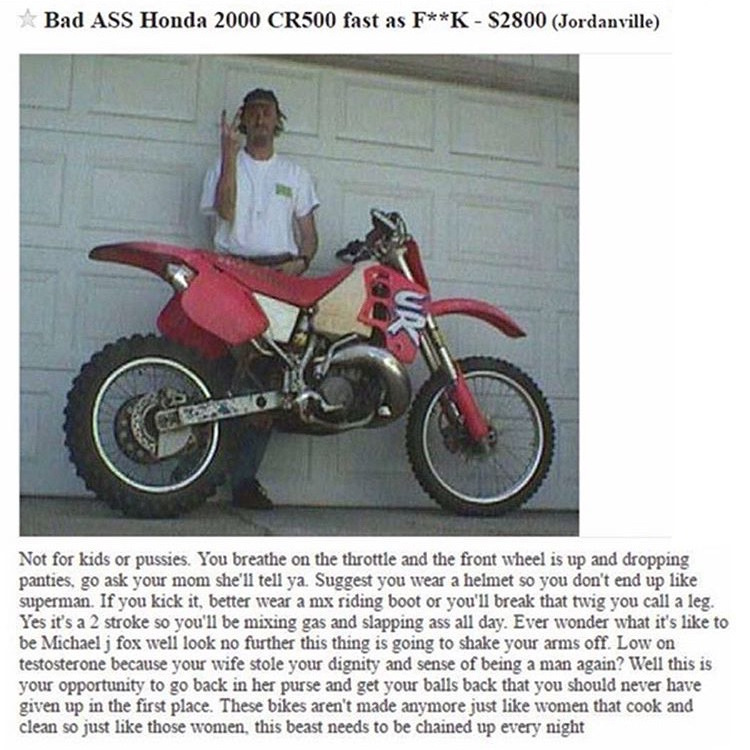
Their appeal wasn’t just peak horsepower. It was the combination of low motorcycle weight, strong torque, simple mechanical layouts, and immediate throttle response. On loose surfaces, the challenge was often not producing power but using it. By the early 2000s, however, development had shifted decisively toward four-strokes. The big two-stroke single was becoming an evolutionary dead end.
ATK’s response was effectively to extend that lineage one step further. The company described the 700 Intimidator as the world’s largest production single-cylinder two-stroke motorcycle. Actual displacement was 685cc. There was also a 620cc version.
America’s Other Motorcycle Company
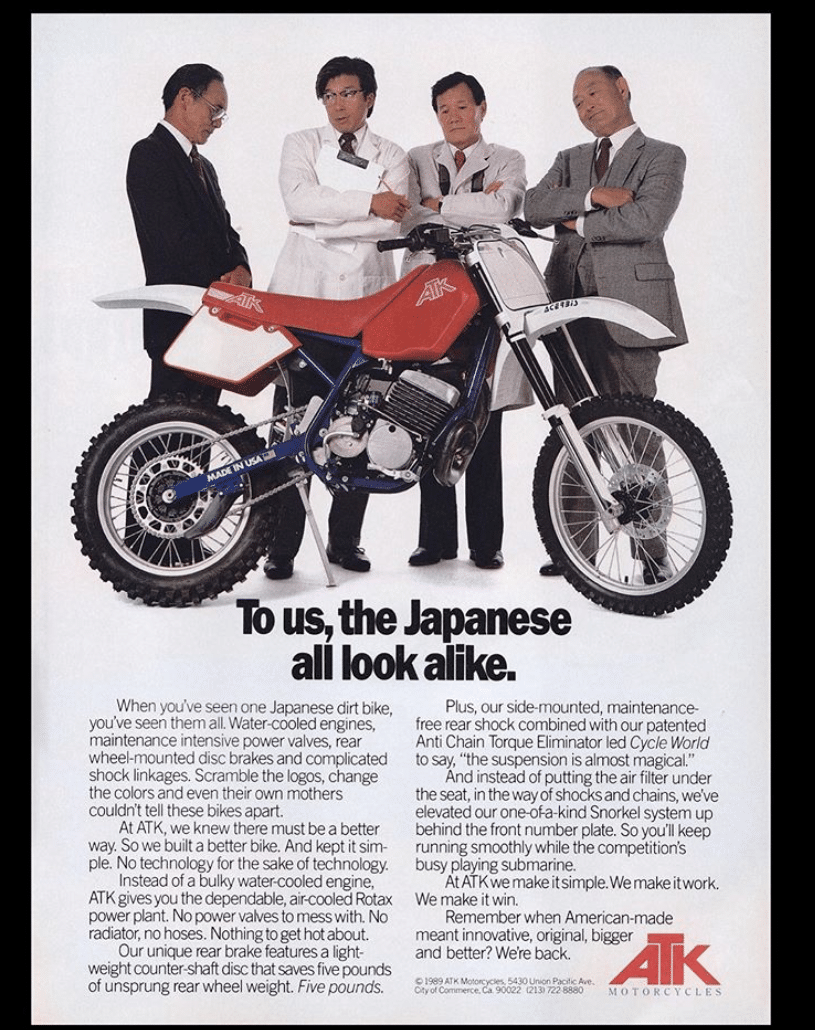
ATK itself was never a conventional motorcycle manufacturer. Austrian-born engineer and racer Horst Leitner founded the company in Southern California in the early 1980s. The ATK name came from Leitner’s Anti-Tension Kettenantrieb chain-torque system, one of several unconventional ideas incorporated into his hand-built off-road motorcycles.
Early ATKs used features such as a rear brake mounted on the transmission countershaft, linkage-less offset rear suspension, and unusual chain geometry. The company built serious competition motorcycles in small numbers, often around Austrian Rotax engines, and developed a reputation for approaching off-road design differently from the Japanese manufacturers.
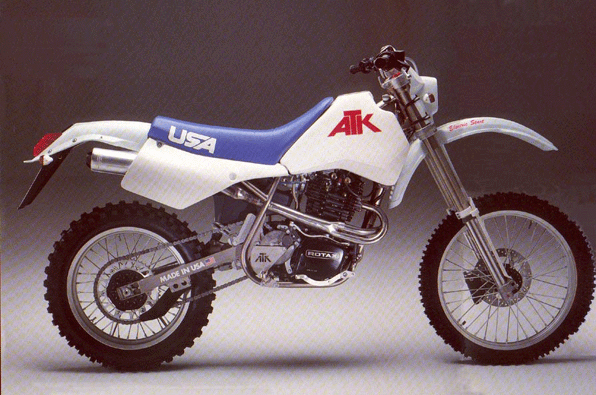
Dale and Frank White acquired ATK in the early 1990s and moved the operation to Utah. Under the Whites, the company continued experimenting. ATK offered electric-start competition four-strokes, adopted fuel injection unusually early in the off-road world, produced dirt-track and supermoto models, and later acquired Cannondale’s powersports assets. The 700 Intimidator fit naturally into that history.
The Maico Connection
The engine behind the Intimidator had roots in the post-Maico world. Maico had produced some of the most respected open-class two-stroke motocross motorcycles of the 1970s and early ’80s, including the famous 490. After the original German company collapsed, the Maico name, engineering, and production lineage fragmented among successor operations.
Large-displacement two-stroke development continued in Europe, especially in sidecarcross, where substantial torque was useful for moving the combined mass of motorcycle, sidecar, rider, and passenger. Engines in the 600-700cc range evolved within that ecosystem, and ATK eventually arranged to use a 685cc Maico-derived powerplant for the American market. Period ATK material described the project as a joint venture and said the engines were being manufactured specifically for ATK.
By 2002, ATK was working to package the big single into one of its off-road chassis. The basic idea was straightforward: Take an engine developed from the biggest, torquiest corner of European off-road racing and put it into a lightweight solo dirt bike. What could go wrong?
685cc, Not Quite 700
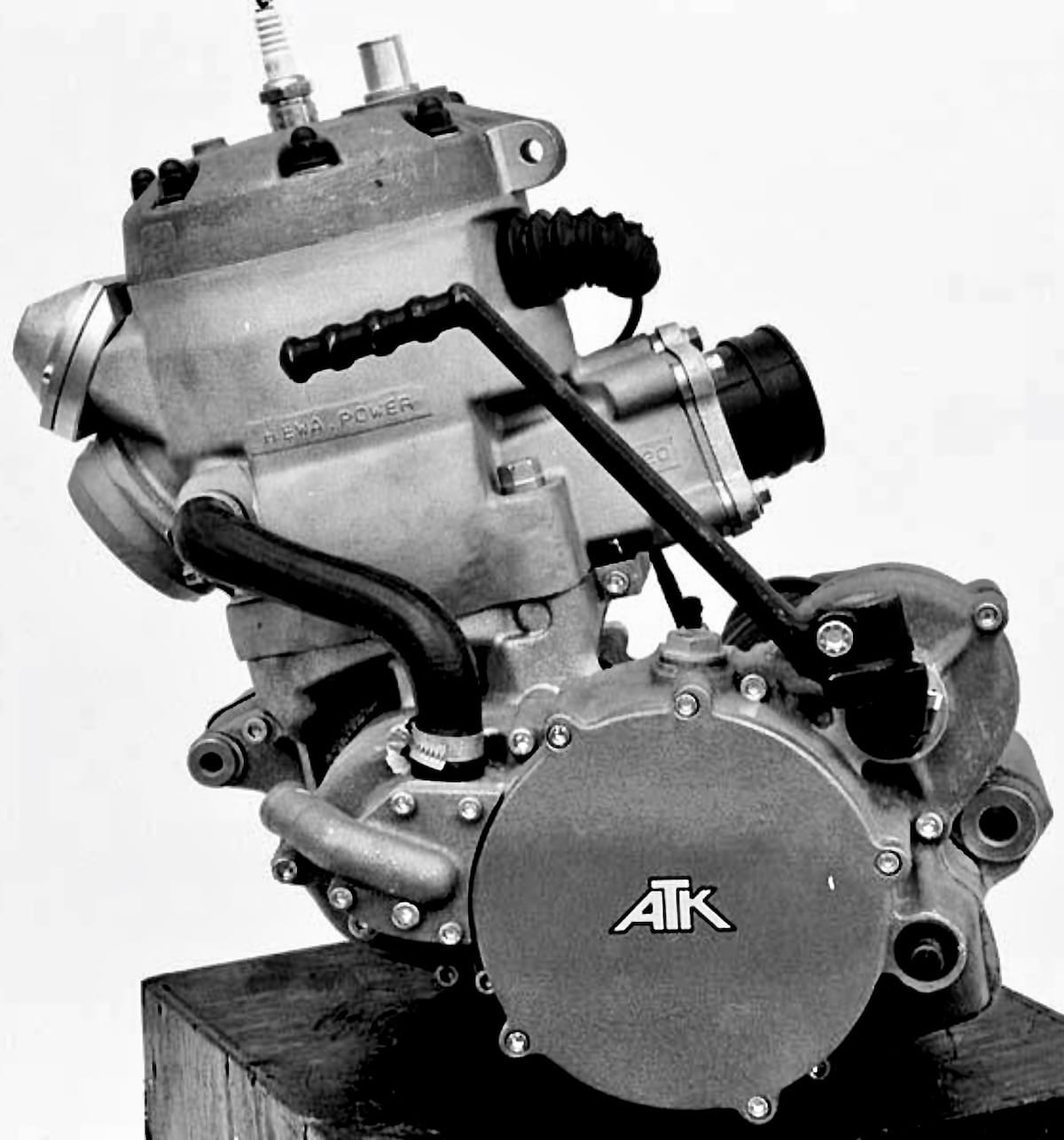
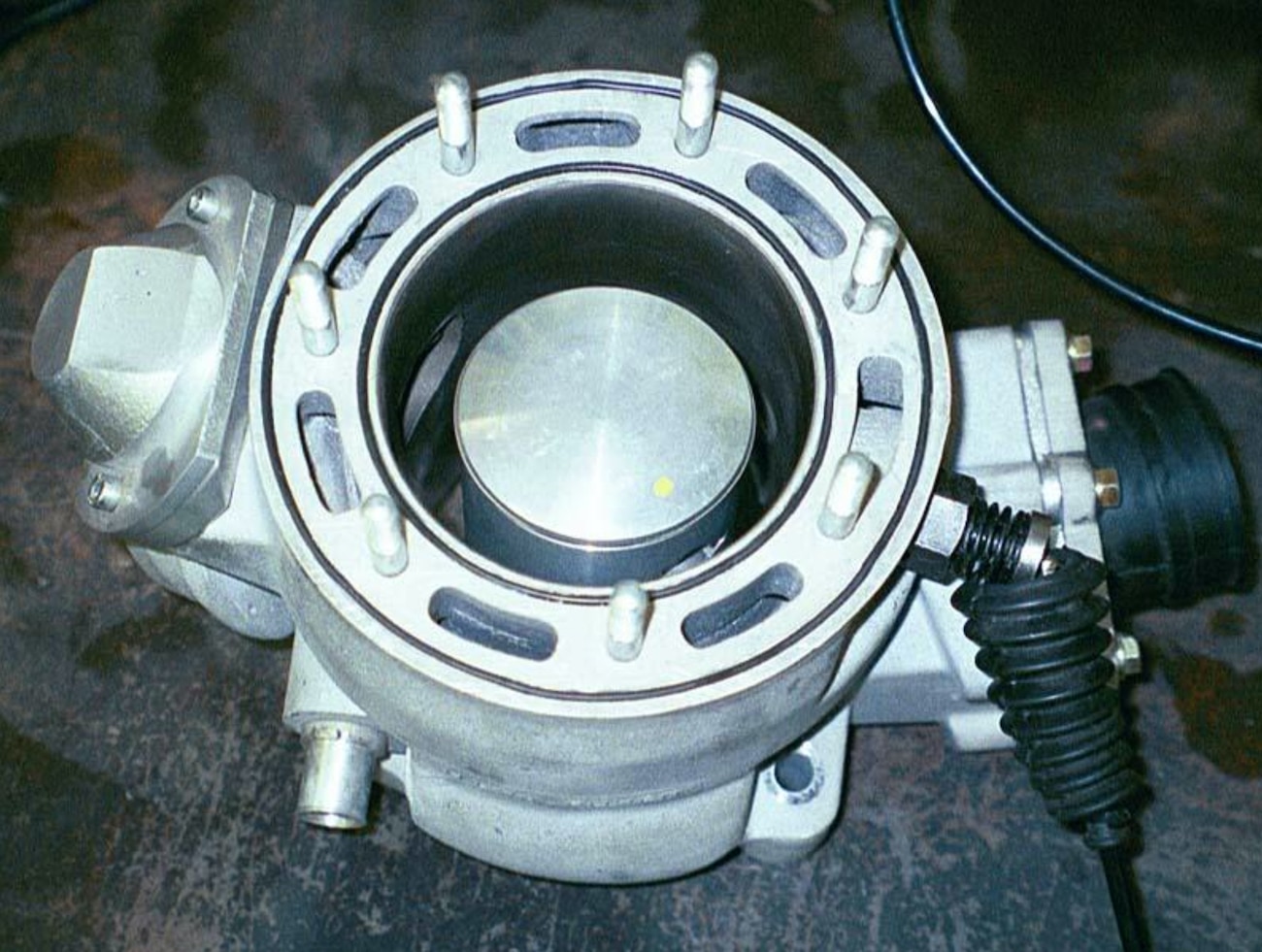
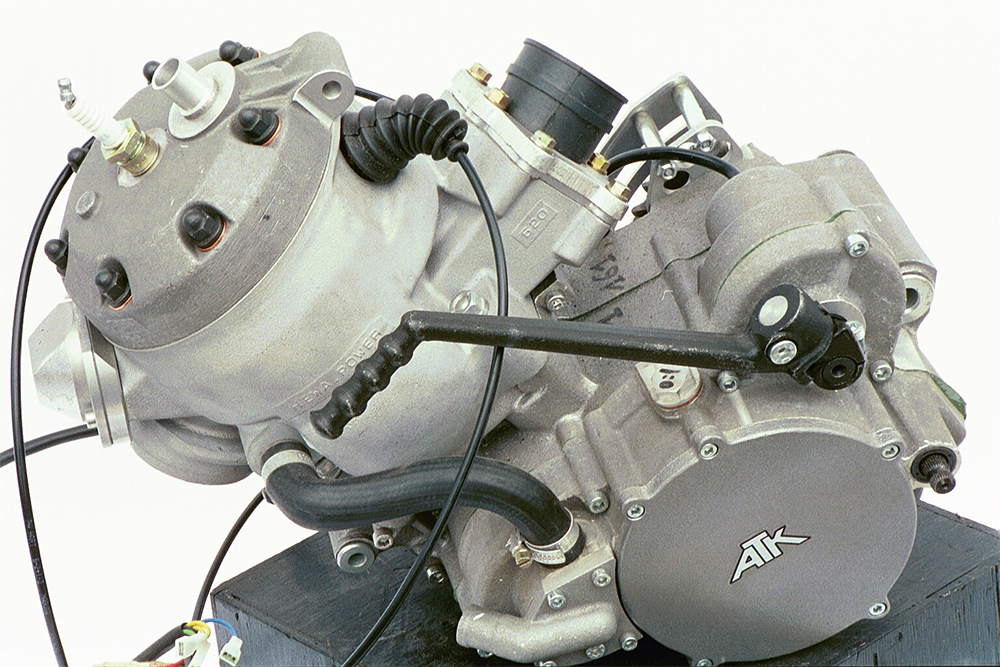
Despite the model name, the big Intimidator actually displaced 685cc. The engine used a 100mm bore and 87mm stroke. The smaller version displaced 616cc from a 95 x 87mm configuration.
The 700 used a liquid-cooled, power-valve two-stroke single fed by a 39mm Keihin carburetor. ATK quoted a 10.9:1 compression ratio and fitted a compression release to ease starting. There was no electric starter. The rider started it with a kick lever.
Period Cycle World tester Jimmy Lewis encountered a pre-production Intimidator with a long left-side kickstarter and admitted it was the first dirt bike he’d ever been unable to start himself. ATK boss Frank White eventually got the bike running. That particular test machine was the 620cc version, but it still gives some idea of the engine’s physical presence.
78 Horsepower from a 685cc Two-Stroke Single
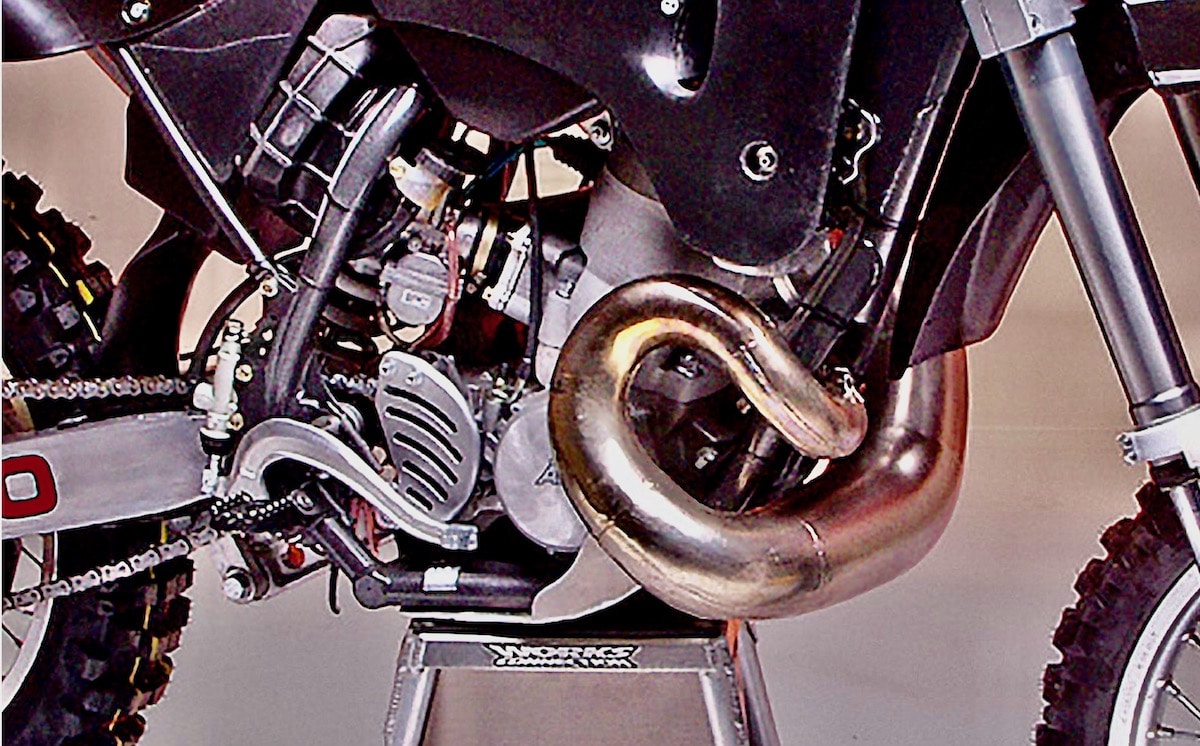
ATK claimed 78 horsepower for the 685cc engine. Large-displacement singles are nothing unusual in themselves. Four-stroke motorcycles such as the Suzuki DR Big, KTM 690 Enduro, Husqvarna 701, and countless 650-class dual-sports have long demonstrated that a single cylinder can comfortably approach or exceed this displacement. What made the ATK unusual was the combination of that displacement with a high-performance two-stroke design and a very light off-road chassis.
A 685cc four-stroke single fires once every two crankshaft revolutions. A two-stroke produces a power stroke every revolution, while dispensing with the cylinder head, camshafts, valves, and timing system of a four-stroke. That gives a large two-stroke single a very different power-to-weight equation. The Intimidator paired its claimed 78 horsepower with a dry weight of only 238 pounds — that’s 100 pounds lighter than most of the four-stroke thumpers of similar displacement.
More importantly for off-road use, the huge displacement gave the engine tremendous low- and midrange torque rather than merely creating a narrow, high-rpm powerband. Even the 616cc model made a claimed 76 horsepower — only two horsepower less than the 700 according to ATK’s specification sheet. That helps illustrate the character of the larger engine. The extra displacement was at least as much about broad torque as outright peak power.
A Two-Stroke That Rode Like a Diesel
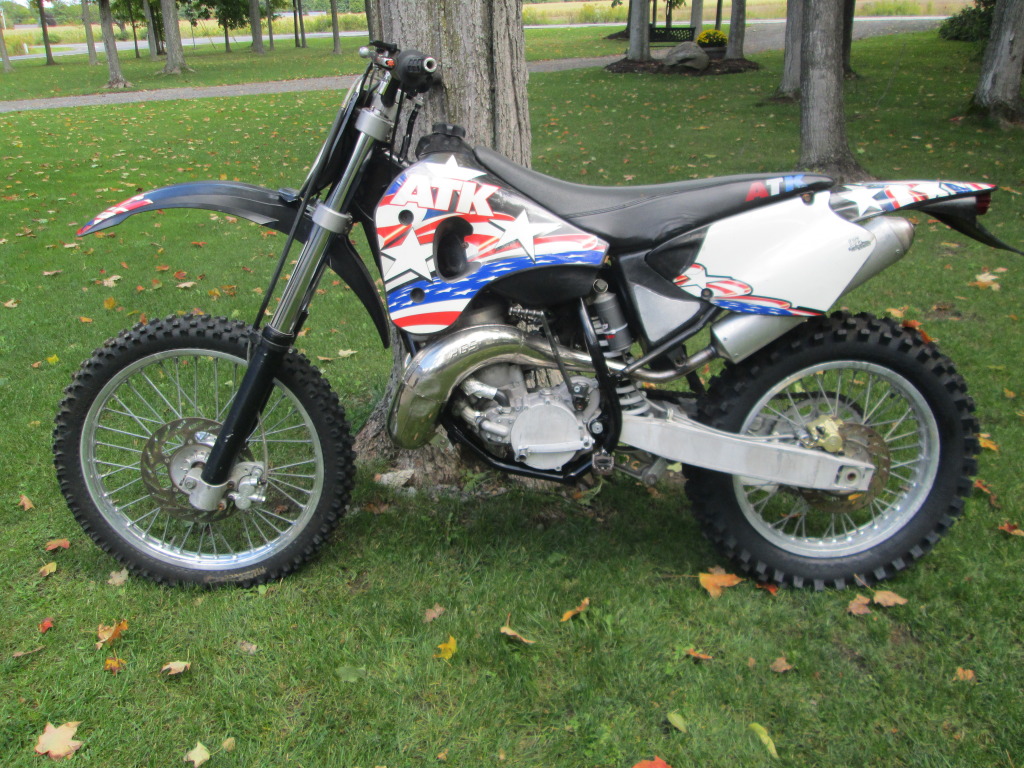
Contemporary riding impressions are one of the most interesting parts of the Intimidator story. Aforementioned tester Jimmy Lewis of Cycle World expected supra-CR500 insanity. In reality, the pre-production 620 he rode in 2003 didn’t have the homicidal powerband he expected. He described the low-end strength as similar to a CR500 on steroids, but also noted that the engine built revs comparatively slowly. The bike didn’t need to be constantly shifted or spun hard to move quickly. Instead, it would pull.
Lewis described riding it around in fourth gear on terrain where another bike might require first, relying on the engine’s torque to carry it through. His conclusion was that it would make an exceptional hillclimb machine.
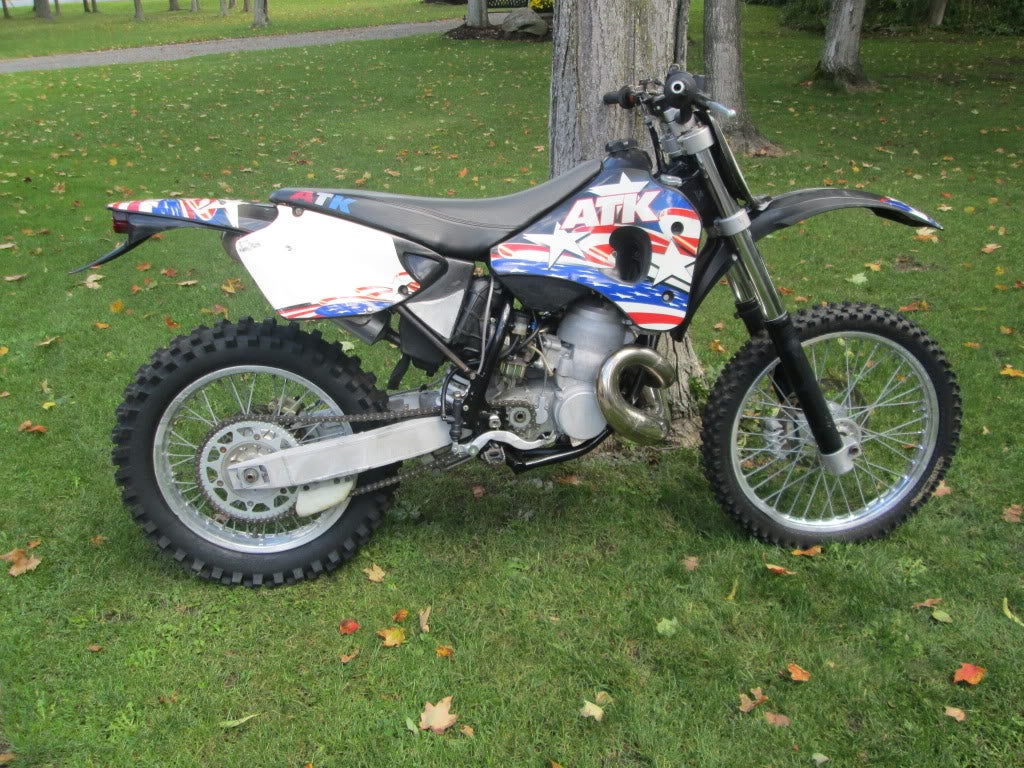
Later retrospectives described the same general character: immense torque, strong drive, and an engine happiest working in a relatively narrow but forceful operating range rather than being constantly revved. That makes the Intimidator more interesting than the headline numbers alone suggest. It was not simply a giant motocross engine designed to produce the most violent possible hit. It was a large-capacity two-stroke with an unusually broad, tractor-like delivery.
238 Pounds
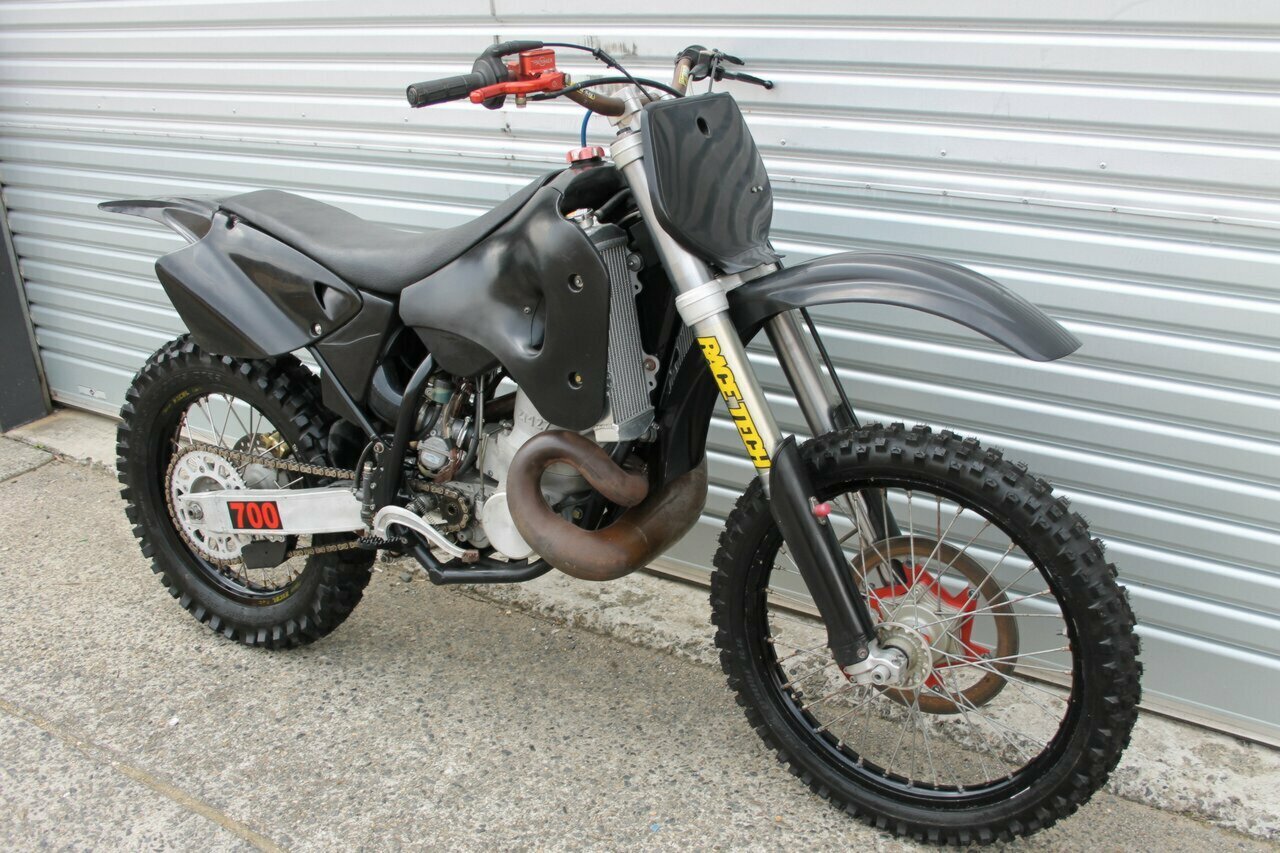
The chassis specifications were just as significant as the engine. ATK claimed a dry weight of 238 pounds, which put the 700 firmly in competition-dirt-bike territory despite its enormous engine.
The steel chassis used a removable subframe, while production-spec machines were listed with 48mm WP inverted forks offering 12 inches of travel and a Reiger rear shock delivering 12.6 inches. Aluminum billet hubs, oversized ProTaper handlebars, Brembo brakes, an O-ring chain, and an FMF silencer/spark arrestor were standard equipment. Wheelbase was 58.5 inches, ground clearance 14 inches, and seat height 37.2 inches. Fuel capacity was 2.5 gallons.
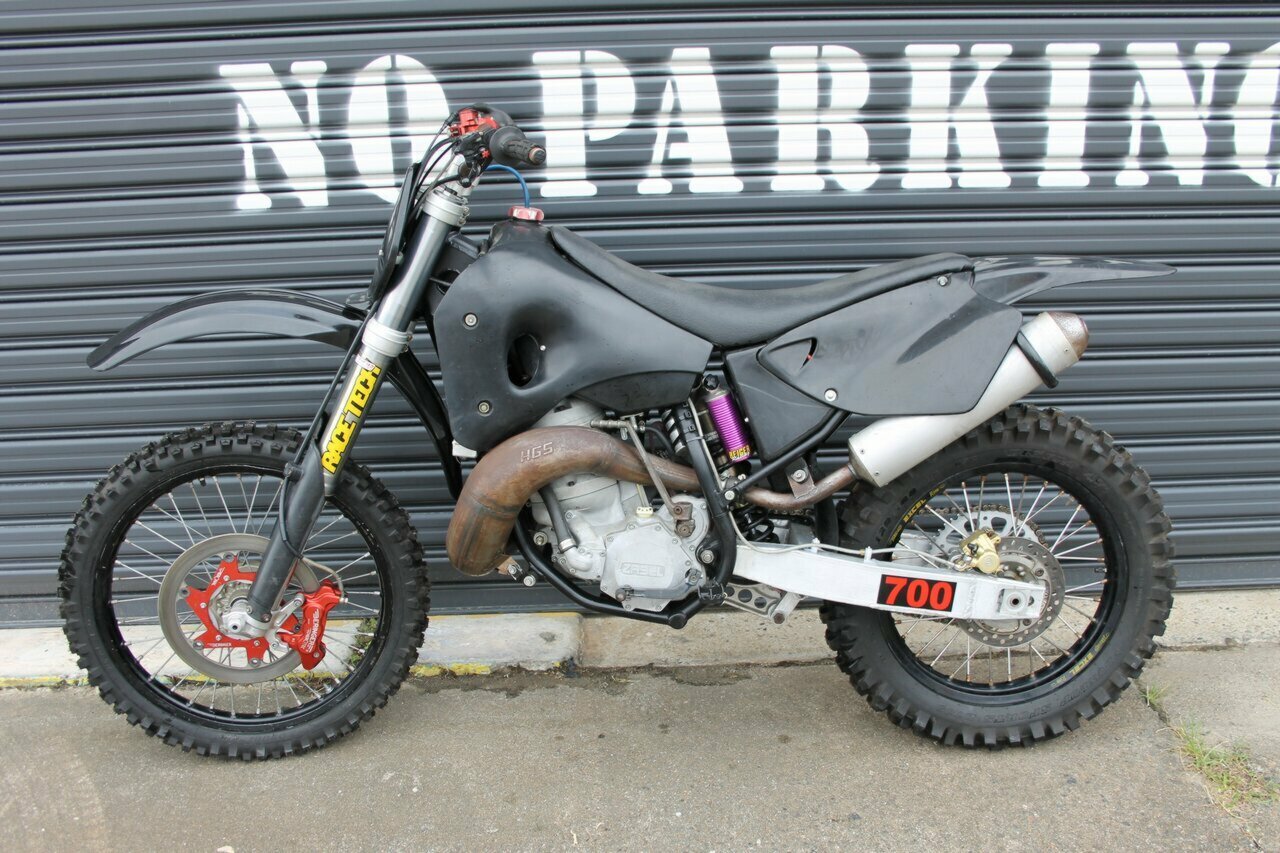
The result was a machine with the mass and dimensions of a serious off-road bike rather than a large dual-sport or adventure motorcycle. There are plenty of 650-700cc singles, but these four-stroke street bikes typically weigh at least 100 pounds more than the ATK.
Power Versus Traction
The Intimidator also illustrates an important truth about off-road performance. More horsepower does not automatically translate into more speed when the rear tire is working on loose soil. At some point, the limiting factor becomes traction.
That’s one reason modern 450cc motocross bikes do not need crazy power figures. Their performance is limited as much by the ability to transfer torque into the ground as by the engine’s ability to make it.
The ATK predated sophisticated off-road traction-control systems and ride modes. Using the available power came down largely to throttle control, gearing, chassis setup, and the rear tire’s ability to find grip. That helps explain why the engine’s broad delivery may actually have been more useful than a sharper powerband would have been.
110 MPH on Dirt?
Later accounts have credited the 700 with a top speed in excess of 110 mph. ATK’s period specification sheet does not publish a maximum-speed figure, so that number should be treated cautiously. Final gearing could obviously change the result substantially. Still, a triple-digit top speed is entirely plausible given the engine output and five-speed transmission.
More important than the absolute number was the breadth of the machine’s potential use. The same engine capable of pulling extremely tall gearing could also deliver the low-speed torque useful for hills, open desert, and other terrain where momentum mattered.
The 620: The Other Intimidator
ATK also offered the 620 Intimidator, using the 616cc version of the same engine family. It produced a claimed 76 horsepower. Only two horsepower separated it from the 700 on ATK’s own specification sheet, which suggests the larger model was not simply about maximizing peak output.
Period Cycle World reporting indicated that the 620 may actually have been the sweeter version in some conditions. ATK had experimented with different displacements during development, and the smaller engine appeared to strike a useful balance between response and the slower-revving character of the larger motor.
Still, the 700 had the stronger identity. For a company introducing the ultimate evolution of the open-class two-stroke, the largest version naturally became the one people remembered.
Built to Order
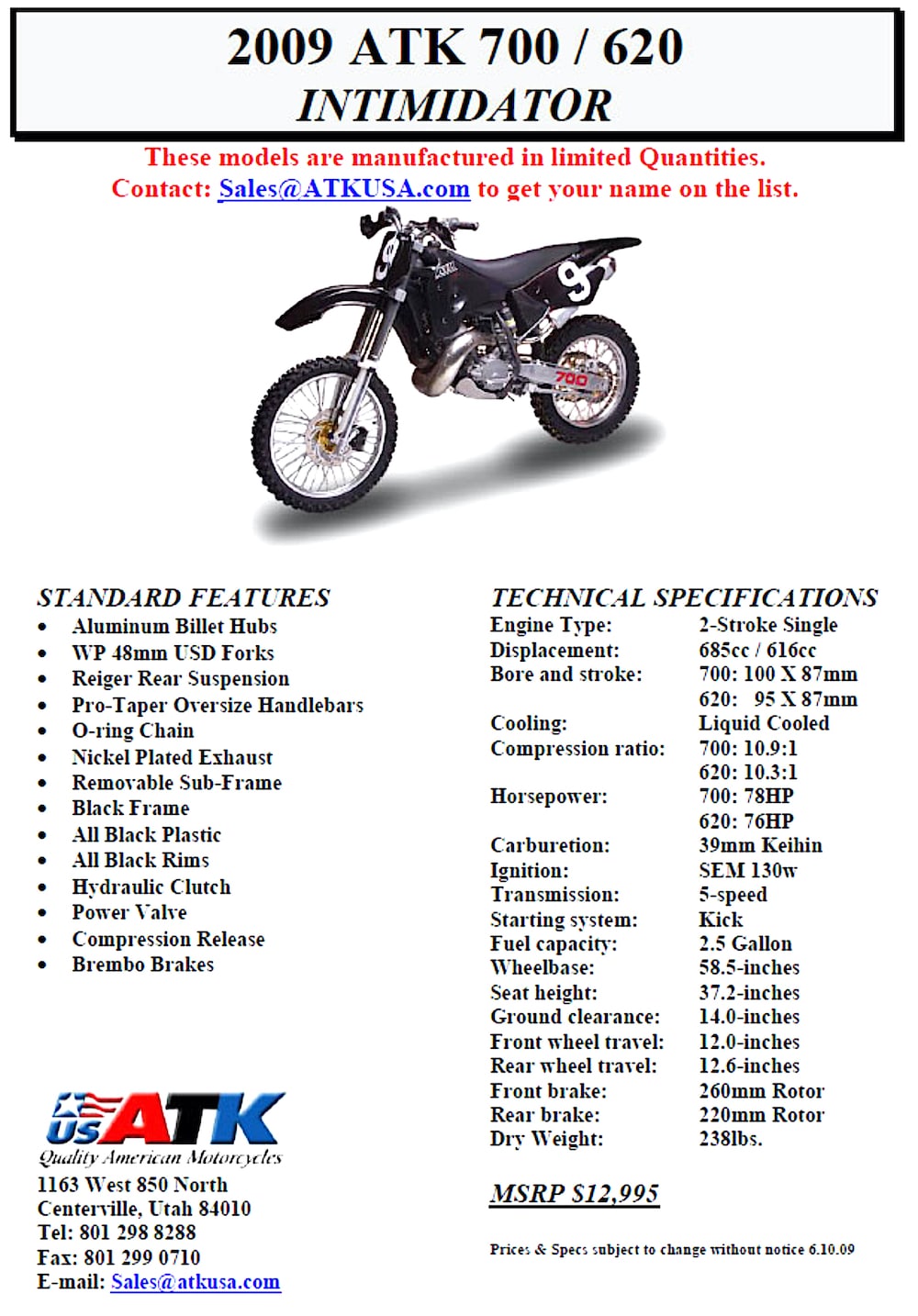
ATK was never trying to compete with Honda or Yamaha on production volume. The Intimidator was a low-volume specialist machine. Period company material described customer-order motorcycles that could be configured with various options, with bikes assembled through ATK’s Utah operation and sold through its dealer network.
Cycle World noted that buyers could tailor the machines through ATK’s special-order program. The price changed as the project evolved. Cycle World’s 2003 ride of the pre-production bike mentioned a starting figure of $7,995, while ATK’s later specification sheet listed the 700/620 Intimidator at $9,995. Later advertising showed an MSRP of $12,995. That was substantial money for a dirt bike at the time. But there was little else directly comparable.
How Long Did It Last?
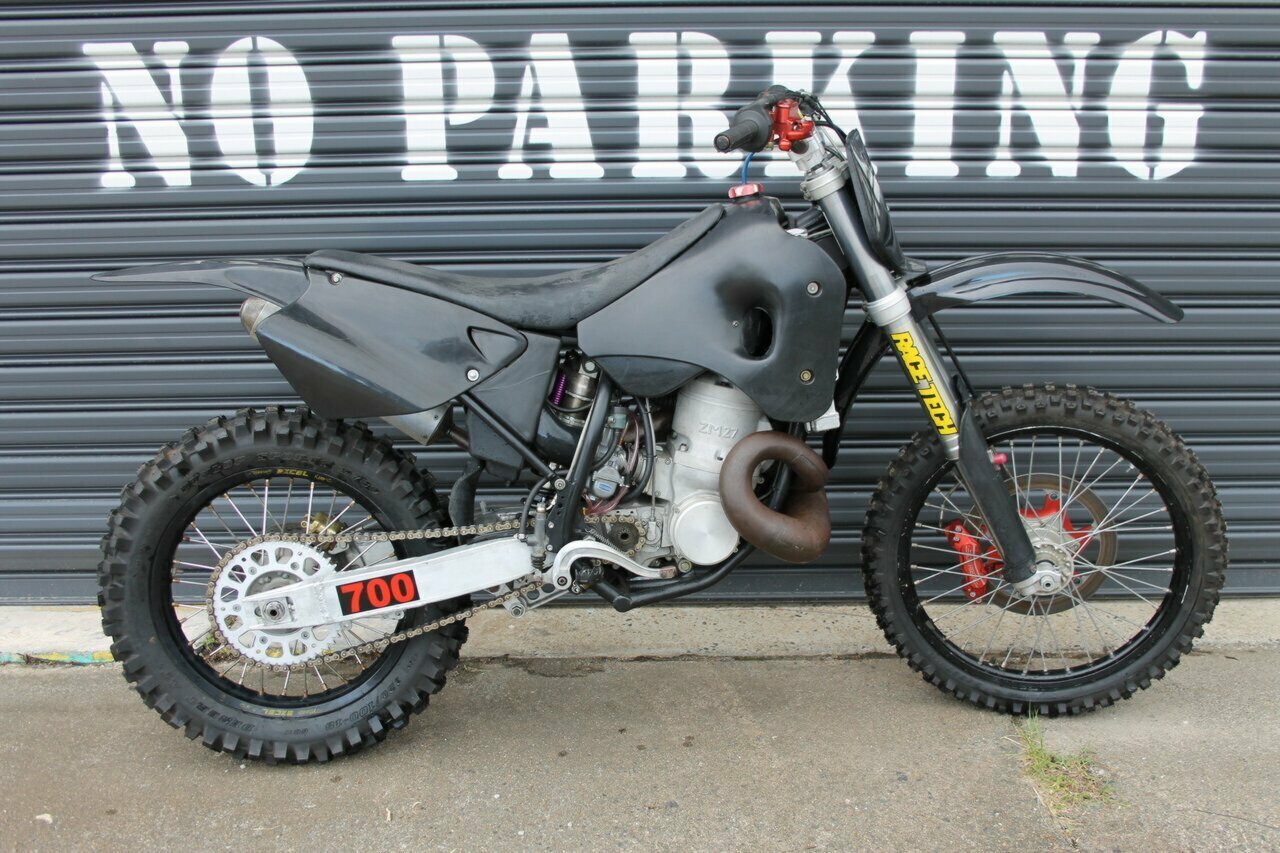
The Intimidator was always a very low-volume motorcycle, and its production history is not especially tidy. ATK’s own history dates introduction of the 700/620 program to 2002, while the company’s archive contains 2003 tests and announcements surrounding the machines. Period publicity described the big Maico-powered models as part of the upcoming 2004 lineup.
References to later model years continued into the second half of the decade, and surviving specification material documents the 700 as late as 2008. In other words, this was not a one-show prototype. But neither was it a conventional mass-production model with clearly documented annual production numbers.
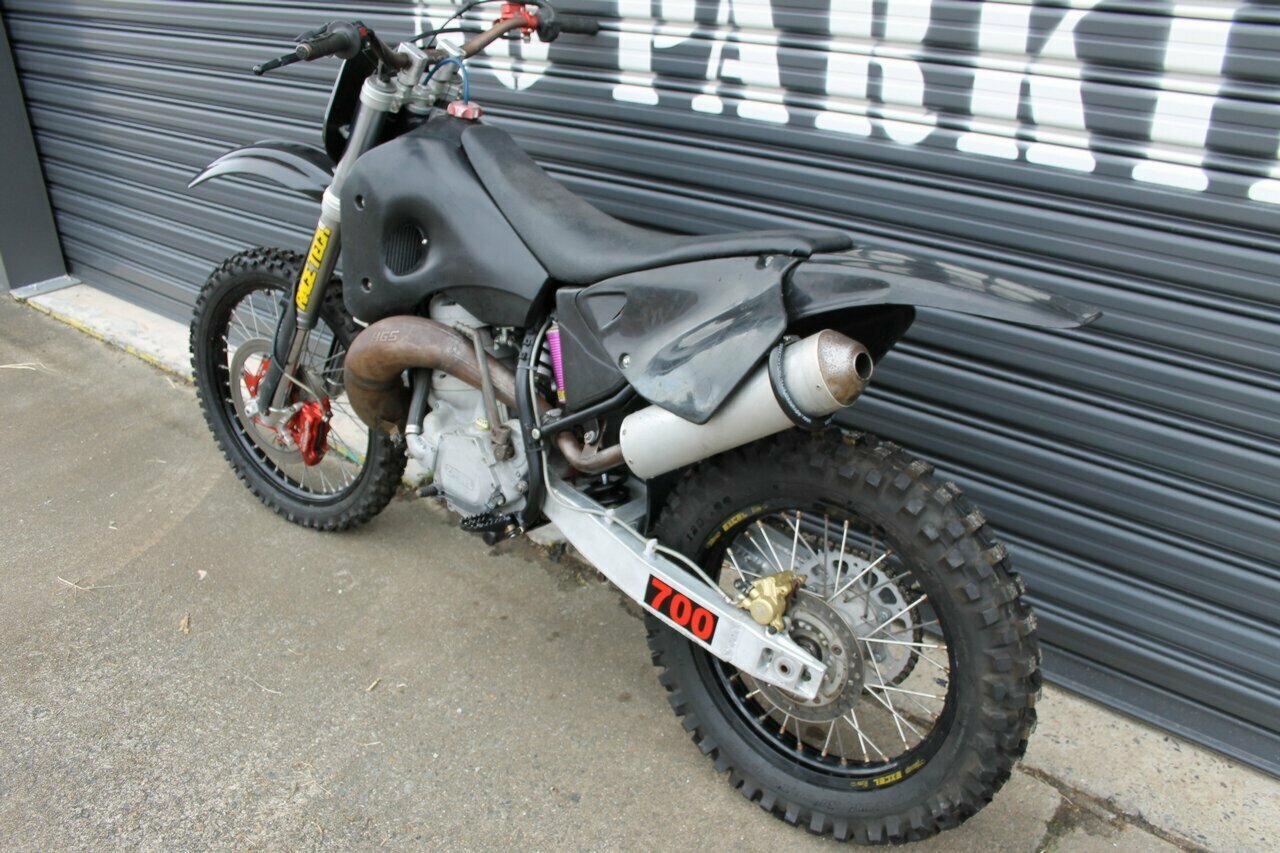
The bikes appear to have been offered in tiny quantities as ATK’s business evolved around them. That helps explain why so few riders have ever seen one in person. It also explains why some modern retrospectives identify the bike primarily as a 2009 model, even though ATK’s own archive makes clear that the project began years earlier.
The Giant Two-Stroke Didn’t Disappear
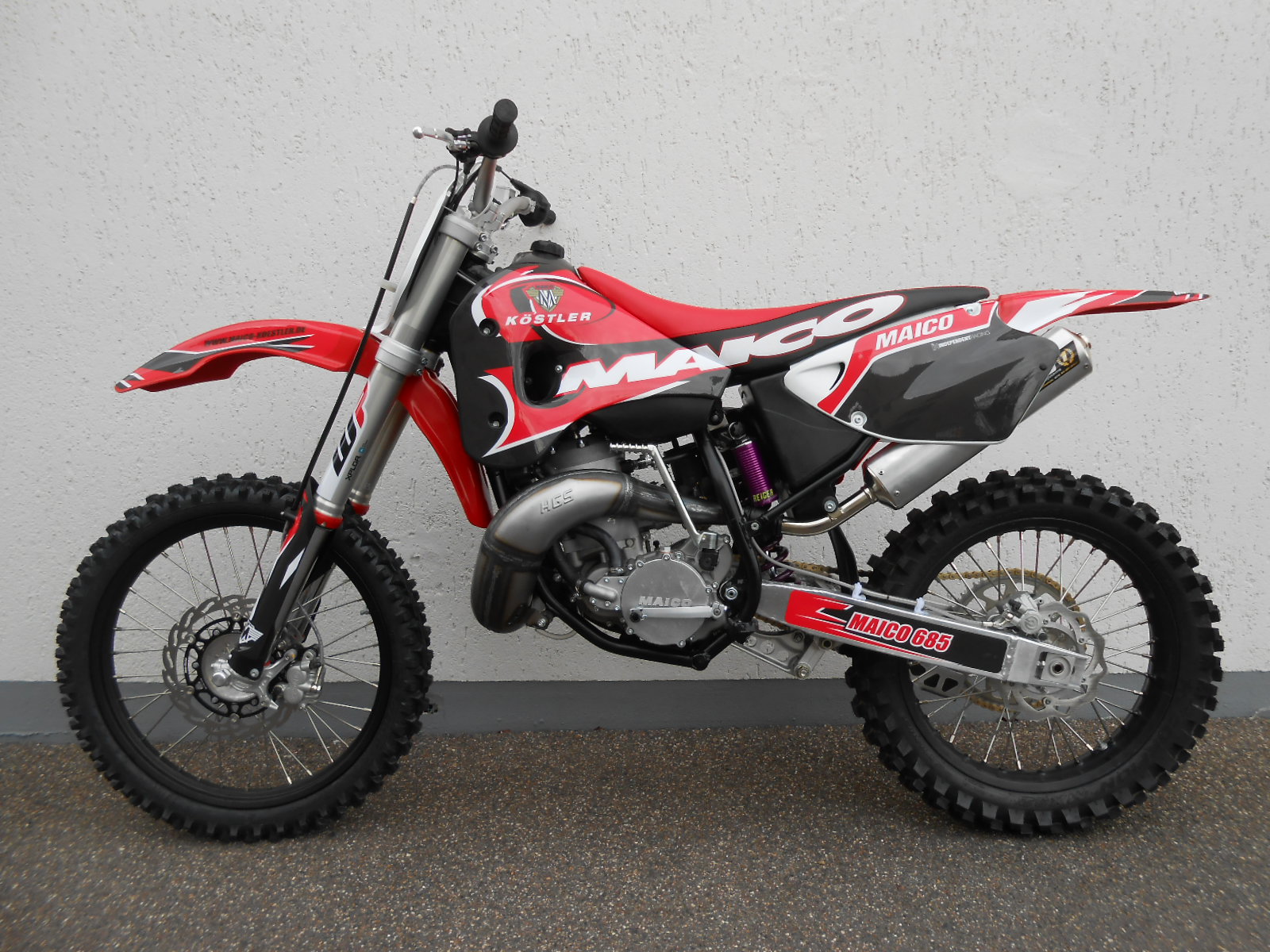
The basic engine concept outlived the ATK model. Large Maico-derived two-strokes remained relevant in specialist applications such as sidecarcross, supermoto, quads, and extreme off-road builds. The German Maico-Köstler operation still advertises 700cc Maico engines and complete 700 Cross, Enduro, and Supermoto machines in 2026.
The company credits tuner Hermann Walgenbach with further developing its 500 and 700 engines for supermoto, sidecar, and quad use, and complete 700 engines remain available. So the mechanical lineage behind the Intimidator never entirely disappeared. It simply survived in a very small corner of motorcycling.
The Last Extreme Open-Class Two-Stroke
The ATK 700 Intimidator arrived at almost exactly the moment when motorcycles like it were disappearing. Honda had ended CR500 production. The KX500 was nearing the end. Four-strokes were taking over motocross and off-road racing. The industry’s direction was clear. ATK chose to explore the opposite possibility: What if the open-class two-stroke still had somewhere left to go?
The answer was not simply a larger motocross bike. The 700 combined a Maico-derived engine with enormous torque, surprisingly broad delivery, serious off-road suspension, and a claimed dry weight of only 238 pounds. It represented the old open-class two-stroke formula pushed beyond the familiar 500cc boundary just as the rest of the industry was moving away from the concept entirely.
In that sense, the ATK 700 was less a glimpse of the future than the final extreme expression of a disappearing idea. And that may be exactly why it remains so fascinating.
ATK 700 Intimidator Specifications
| Model | ATK 700 Intimidator |
| Engine | Liquid-cooled two-stroke single |
| Actual displacement | 685cc |
| Bore x stroke | 100 x 87mm |
| Compression ratio | 10.9:1 |
| Claimed power | 78 hp |
| Carburetor | 39mm Keihin |
| Ignition | SEM 130W |
| Power valve | Yes |
| Starting | Kick, with compression release |
| Transmission | Five-speed |
| Clutch | Hydraulic |
| Front suspension | 48mm WP USD fork |
| Front travel | 12.0 in |
| Rear suspension | Reiger shock |
| Rear travel | 12.6 in |
| Front brake | Brembo, 260mm disc |
| Rear brake | Brembo, 220mm disc |
| Fuel capacity | 2.5 gal |
| Wheelbase | 58.5 in |
| Seat height | 37.2 in |
| Ground clearance | 14.0 in |
| Claimed dry weight | 238 lb |
| Period MSRP | $9,995 on ATK specification sheet |


