
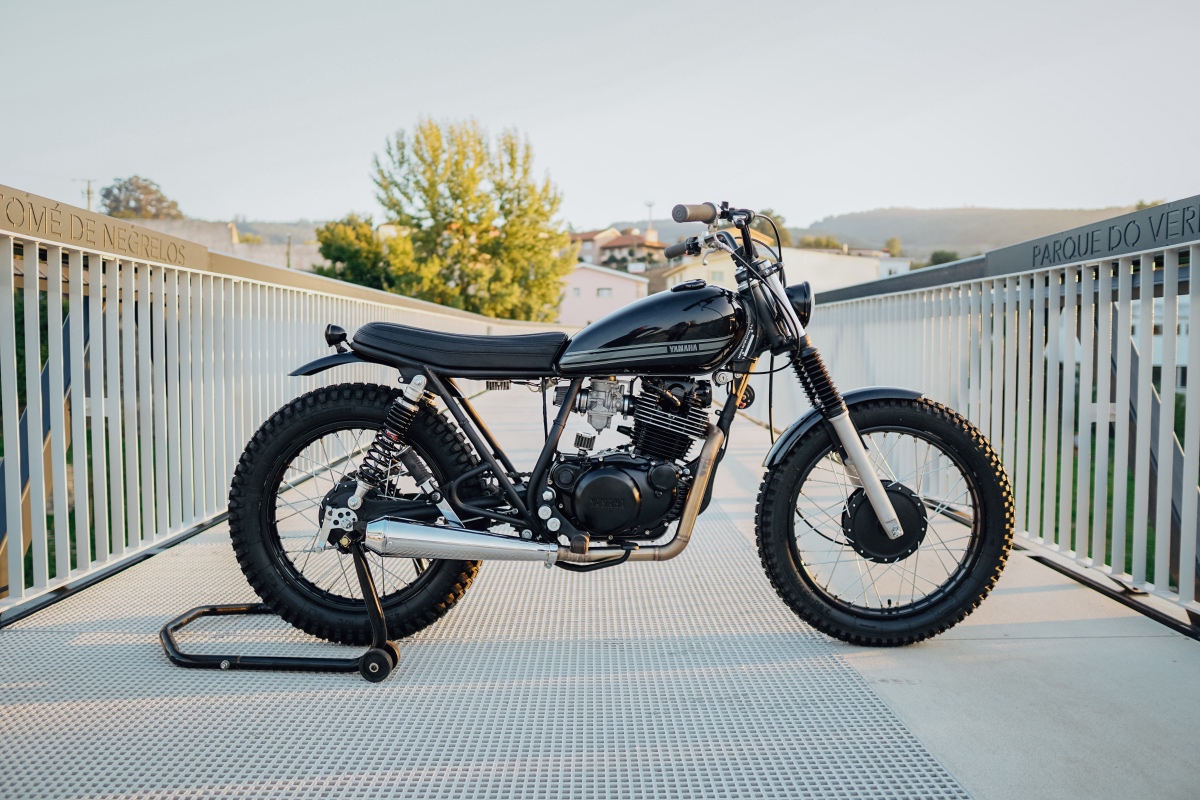
 Raw and Honest: The Final SR250 from Trinta&Um Motorcycles…
It’s always to treat to hear from a builder or workshop for the first time in a few years. So we were thrilled to receive a message from Toni Camilo of Portugal’s Trinta&Um Motorcycles — a Porto-based collective of welders, mechanics, designers, and other artisans whose 250cc builds we’ve always loved.
We showcased their Type 1, Type 2, and Type 3 Suzuki 250 builds, but it’s been nearly 8 years since we featured the last one!
The Yamaha SR250 you see here is the long-waited Type 4, and it’s a bit bittersweet to announce that it’s the final evolution of the series:
“The project is called ‘The End of a Journey,’ marking the culmination of the Type series. Type 4 was born from the drive to evolve and push boundaries, resulting in a bike that combines vintage style, performance, and personality.” -Toni
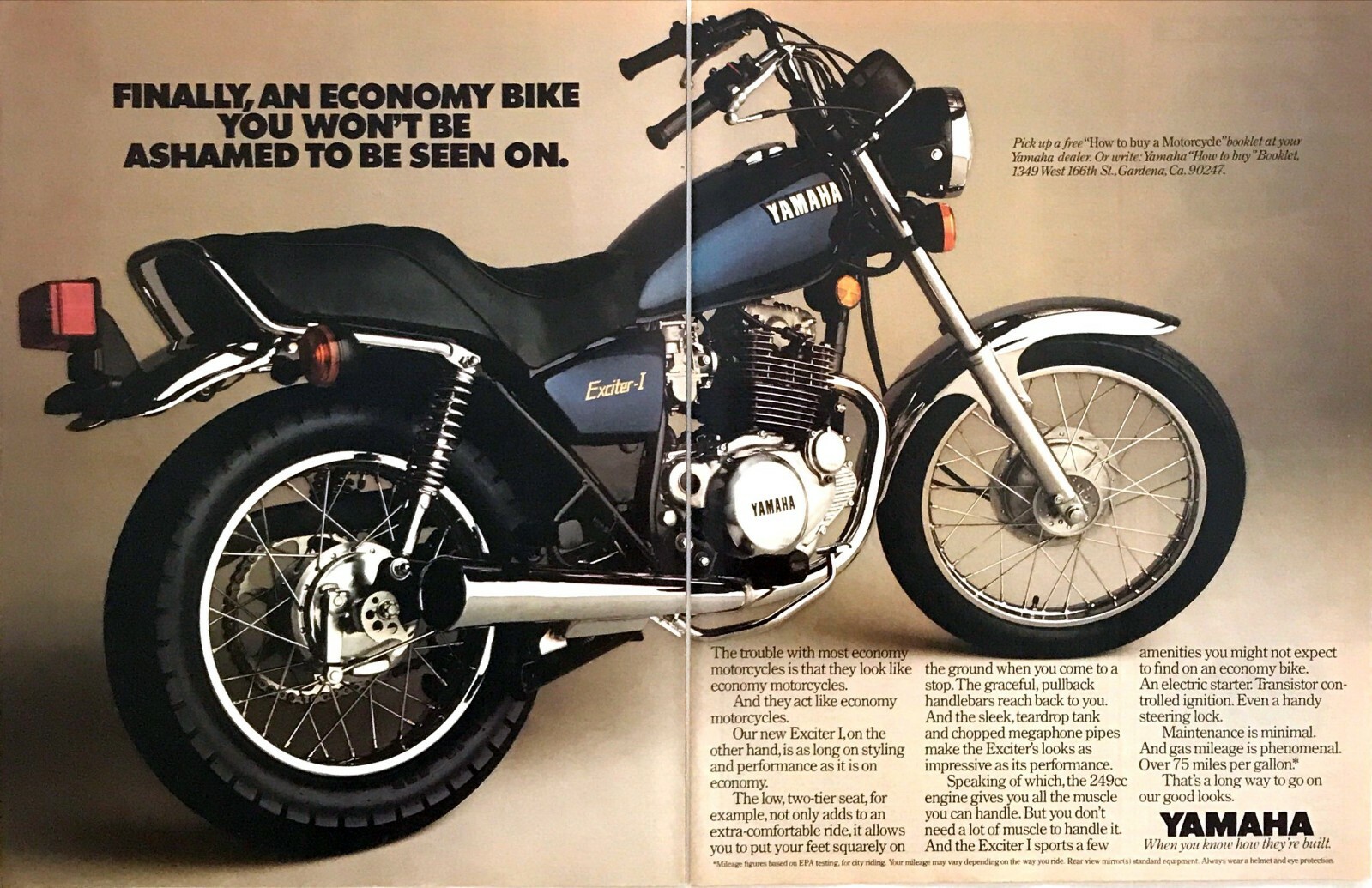
 First introduced in 1980, the SR250 (“Exciter I” in the US) was a 21-hp commuter bike / runabout styled after the larger displacement SR400/500 models. In 2001, Suzuki introduced a next-gen model of the SR250 due to popular demand for a 250cc all-rounder.
 Over time, quarter-liter Yamaha thumper became a darling of the custom world. In fact, we once published a piece from SR250 expert Jake Snowdon of Sweden’s Jadus Motorcycle Parts entitled “Yamaha SR250: A Perfect Donor?” Jake even included Trinta&Um’s Type 2 in his list of the Best SR250 Customs.
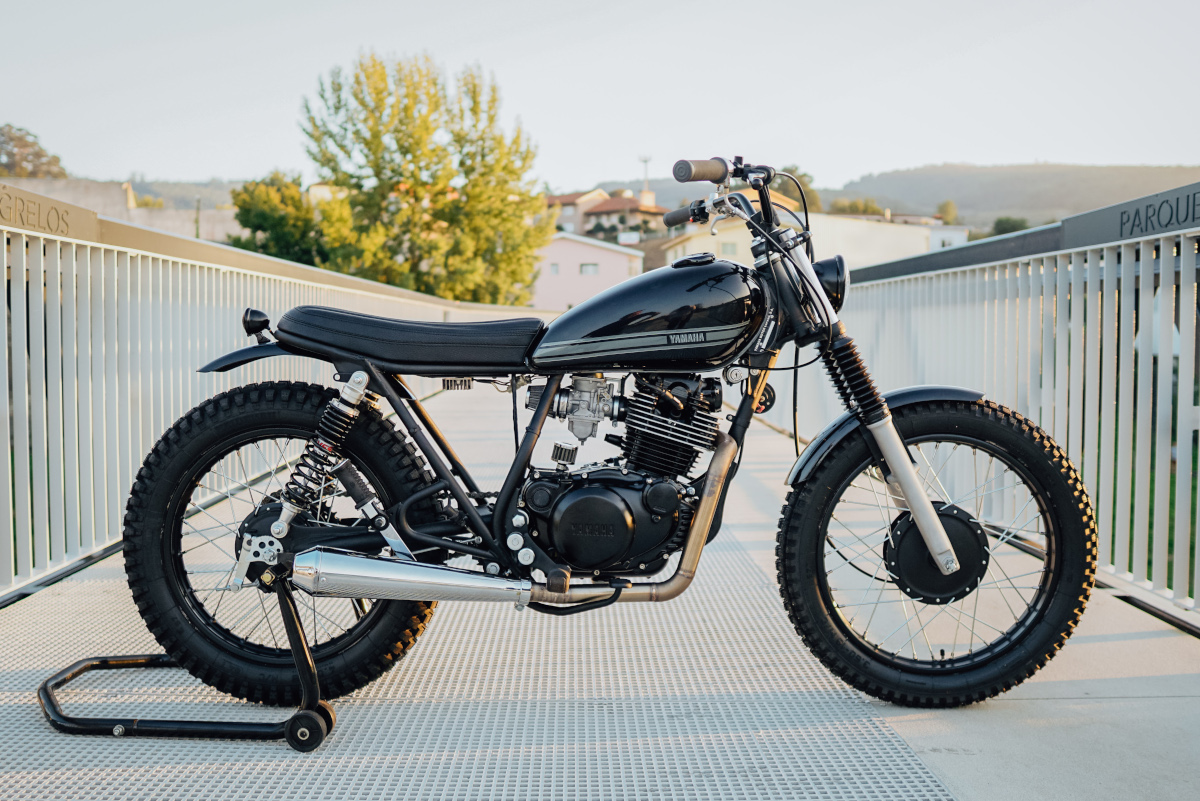
We’re absolutely certain that Trinta&Um’s new “Type 4 — The End of a Journey” would make an updated “Best of” list. It began with a ’99 SR250 that needed a lot of work. Toni and team completely stripped the bike, rebuilt the engine, and transformed the aging thumper into a dark, gorgeous machine that captures and accentuates the classic style and character of the series.
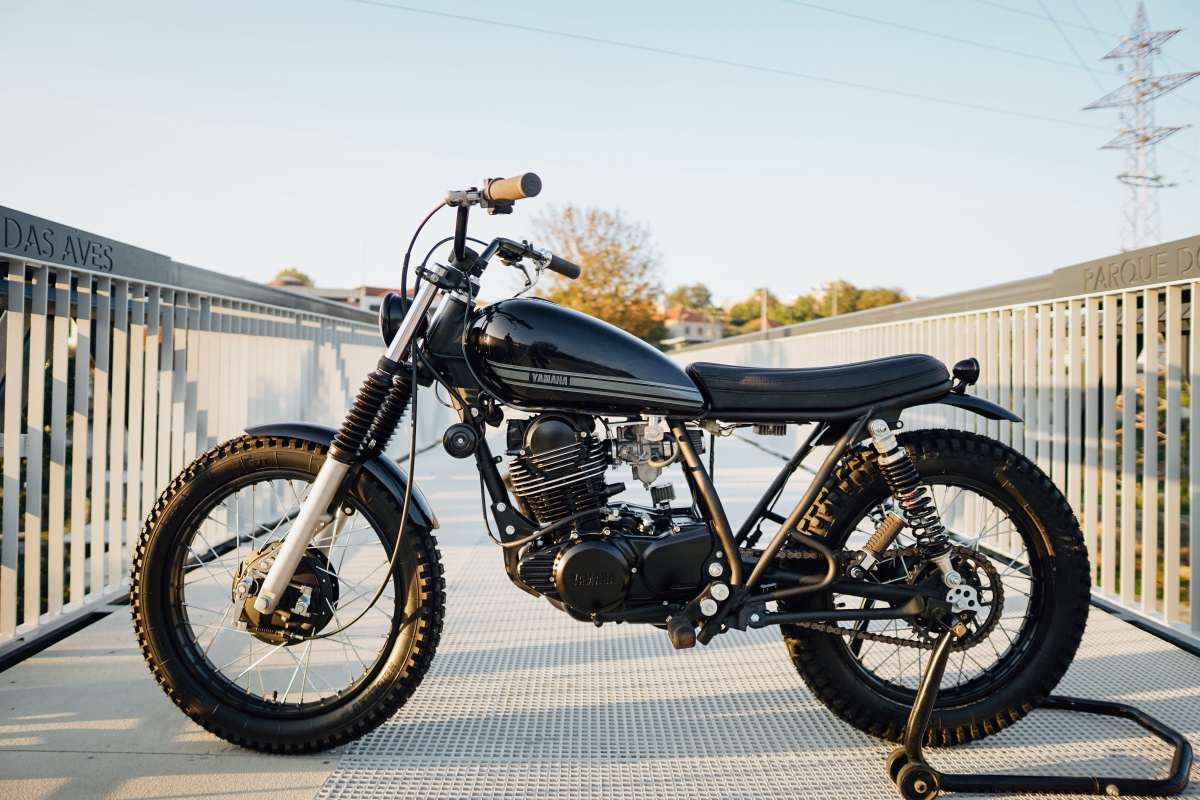
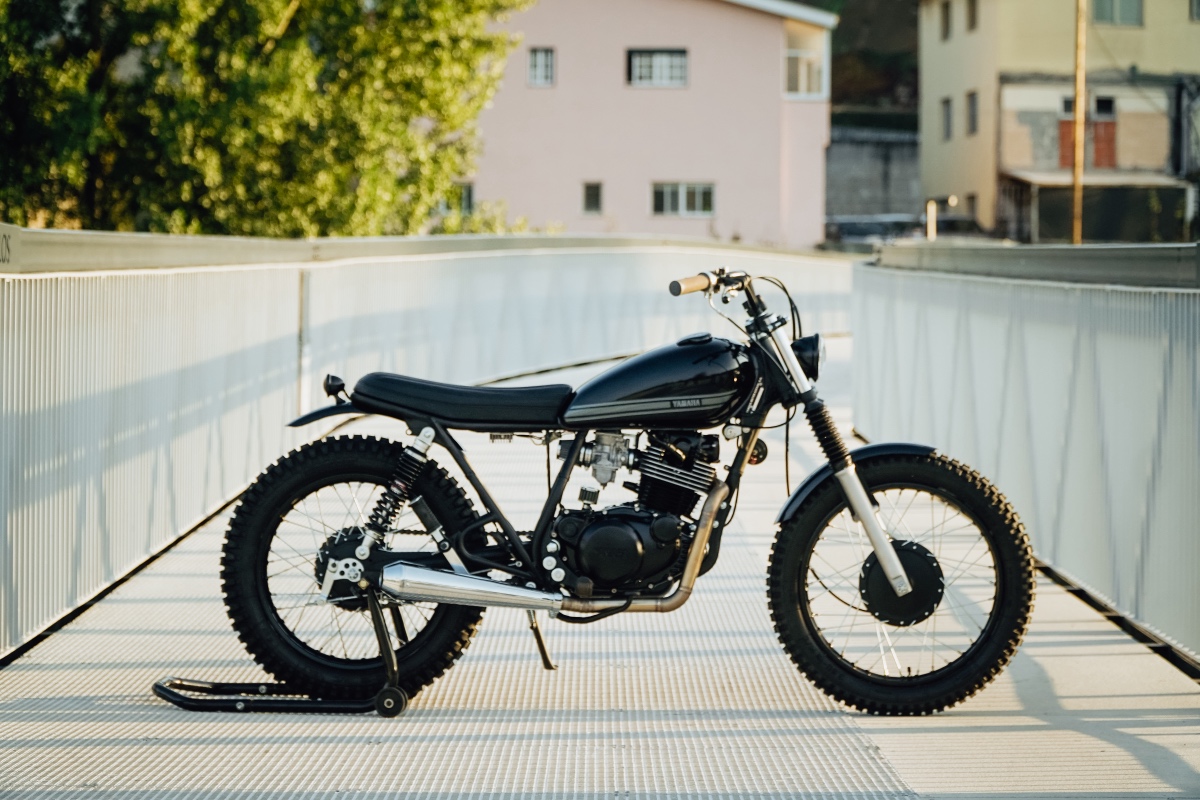 It’s a sleek, minimalist build with vintage aesthetics, lightweight feel, and a nice tall riding position.
“The overall setup makes the bike feel alive without losing its simplicity. It’s a machine that connects you directly to the road — minimal, mechanical, and engaging.”
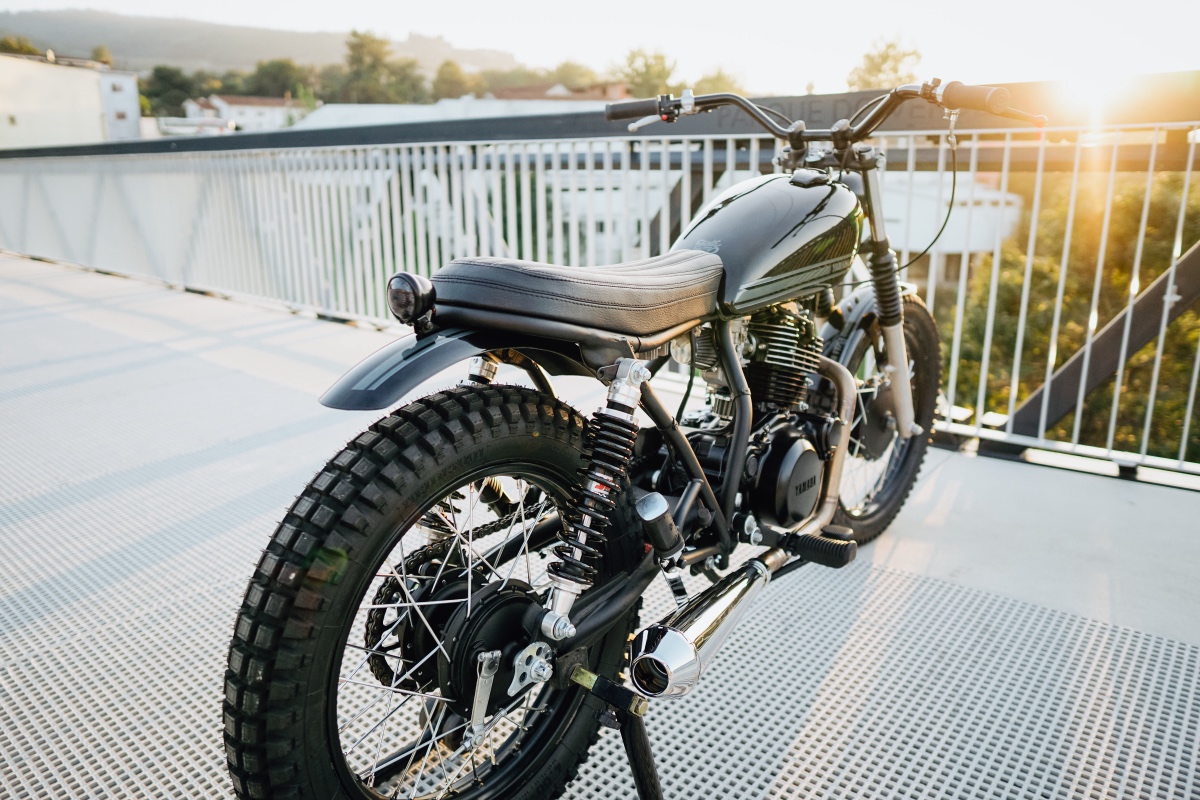 The Type 4 is a fitting culmination of Trinta&Um Type series…but it won’t be the last build to roll out of the Porto-based workshop. Below, Toni gives us the full story on the build, with many more design and build details.
SR250 City Scrambler / Tracker: In the Builder’s Words…
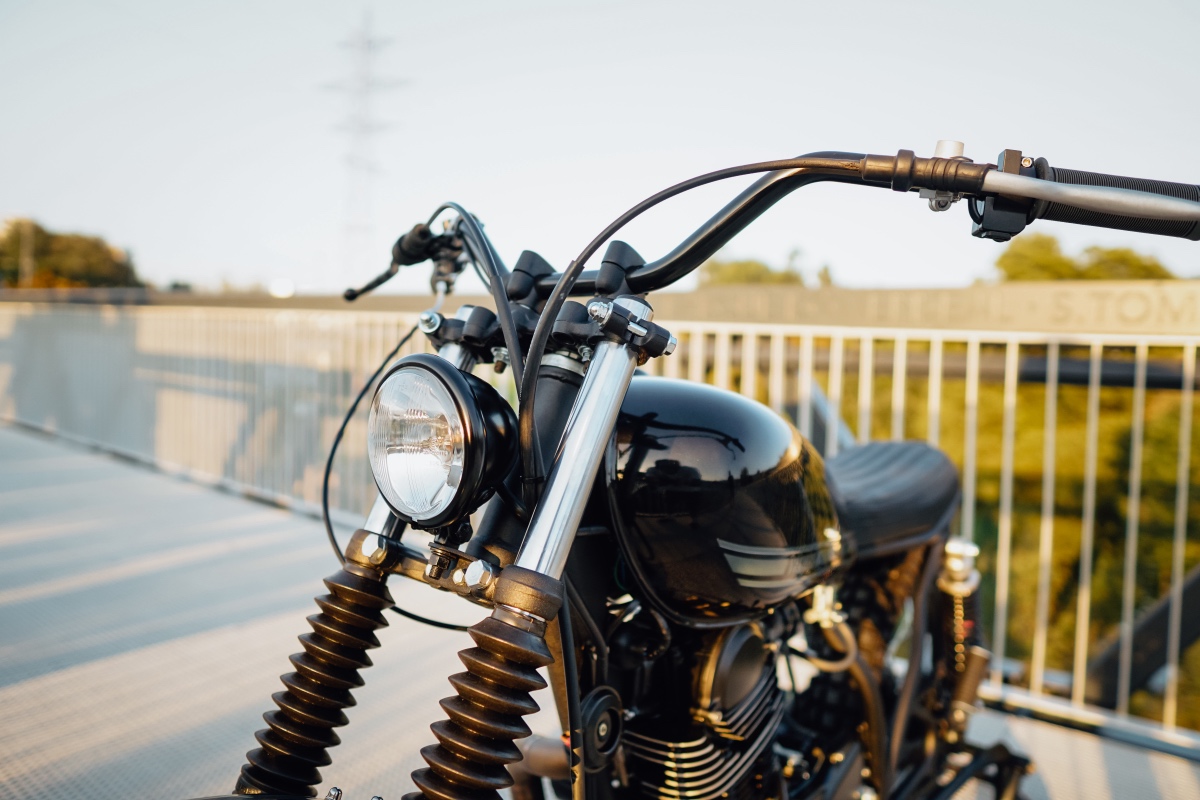
Type 4 marks the culmination of a cycle that began with several Yamaha SR250 projects, which gave rise to Type 1, Type 2, and Type 3. This fourth version emerged from the desire to evolve and take on a bigger challenge, resulting in a bike that combines vintage style, performance, and personality.
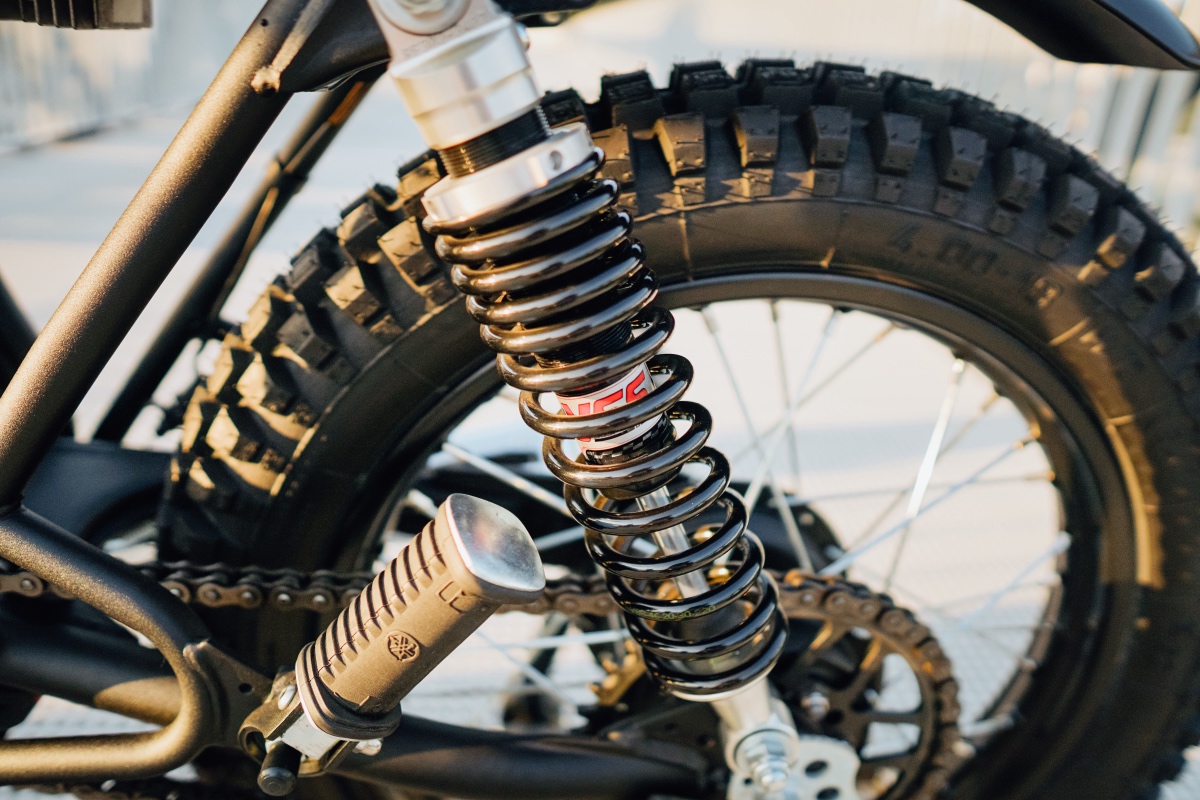
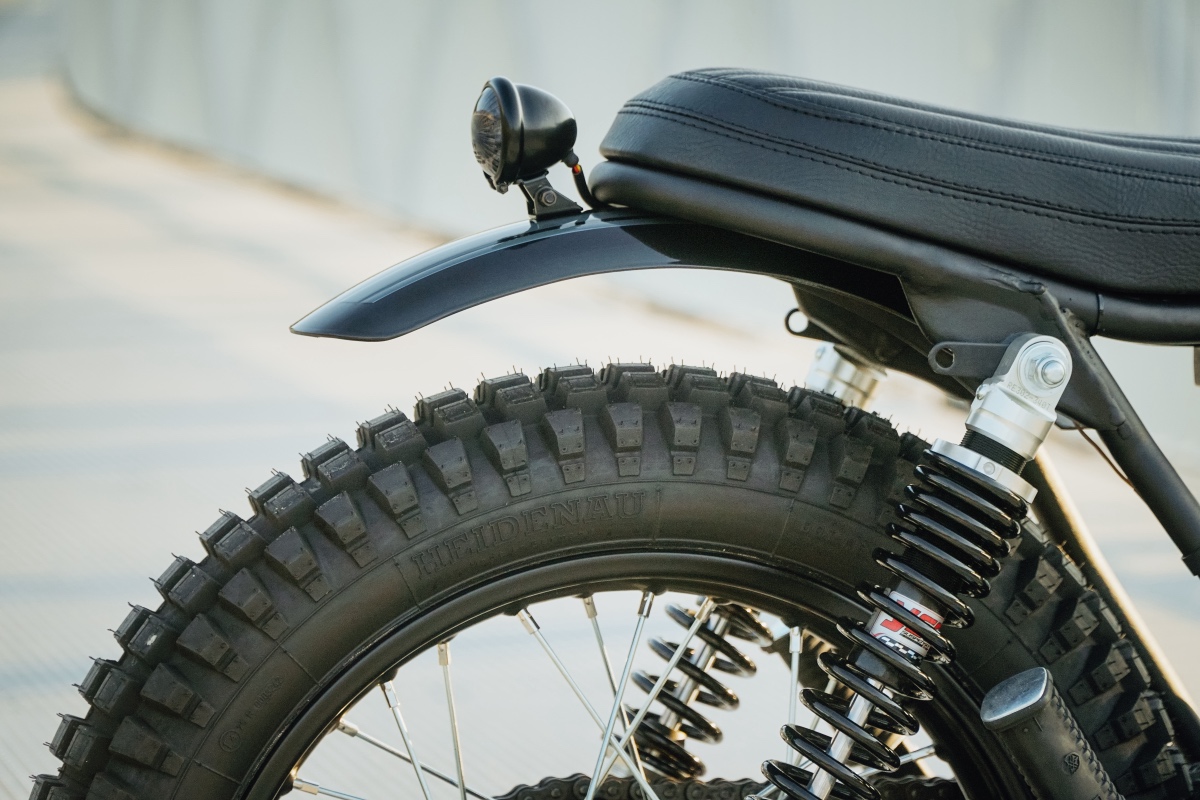
The project began with a 1999 Yamaha SR250 in need of attention. Toni, from Trinta&Um Motorcycles, started by stripping the bike down to the frame. The frame was cut and closed at the rear, receiving a new loop, while the original suspension was replaced with 340 mm YSS units, taller and firmer, creating a scrambler profile with city tracker influence.
The entire front braking system was removed, including the fork, which was replaced with one from a Yamaha SR250 Special drum version, and a 1973 Honda CL 360 hub was added to reinforce the vintage character.
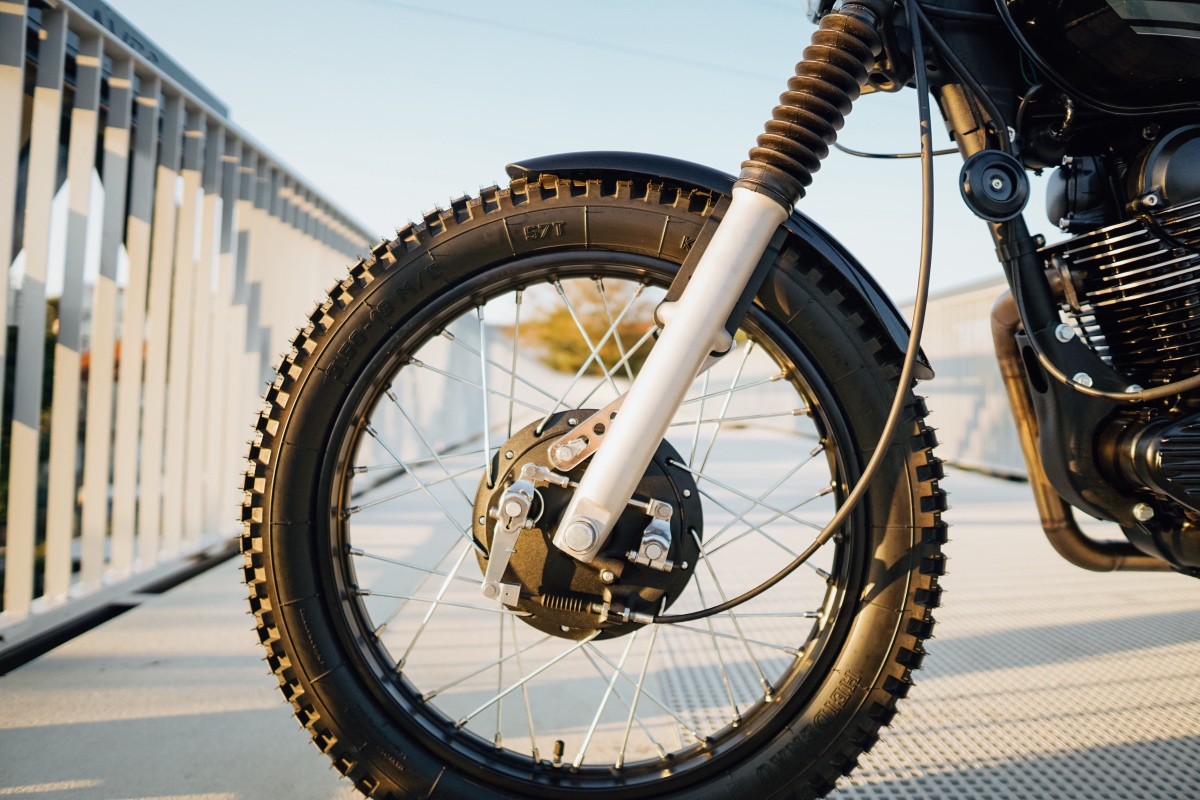
The wheels remained stock — 18” rear and 19” front — fitted with Heidenau K67 mixed tires, while the fuel tank was modified to match the new lines of the frame.
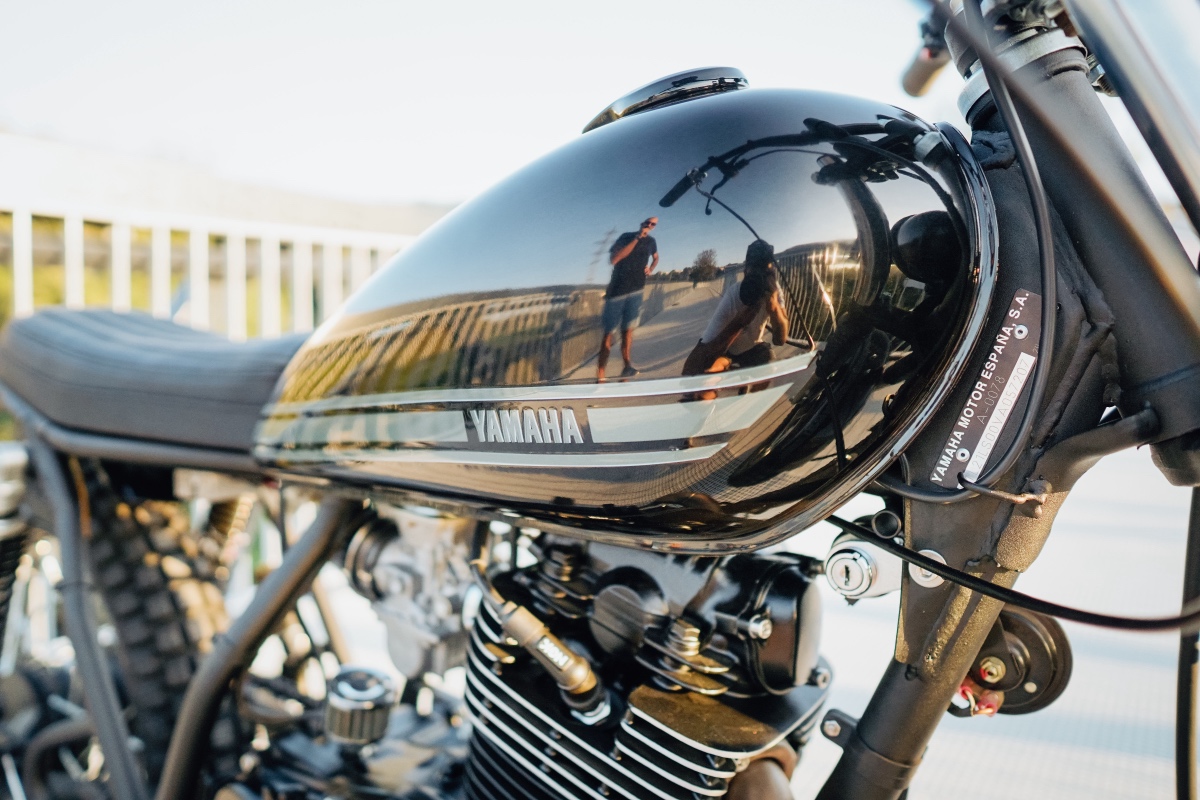
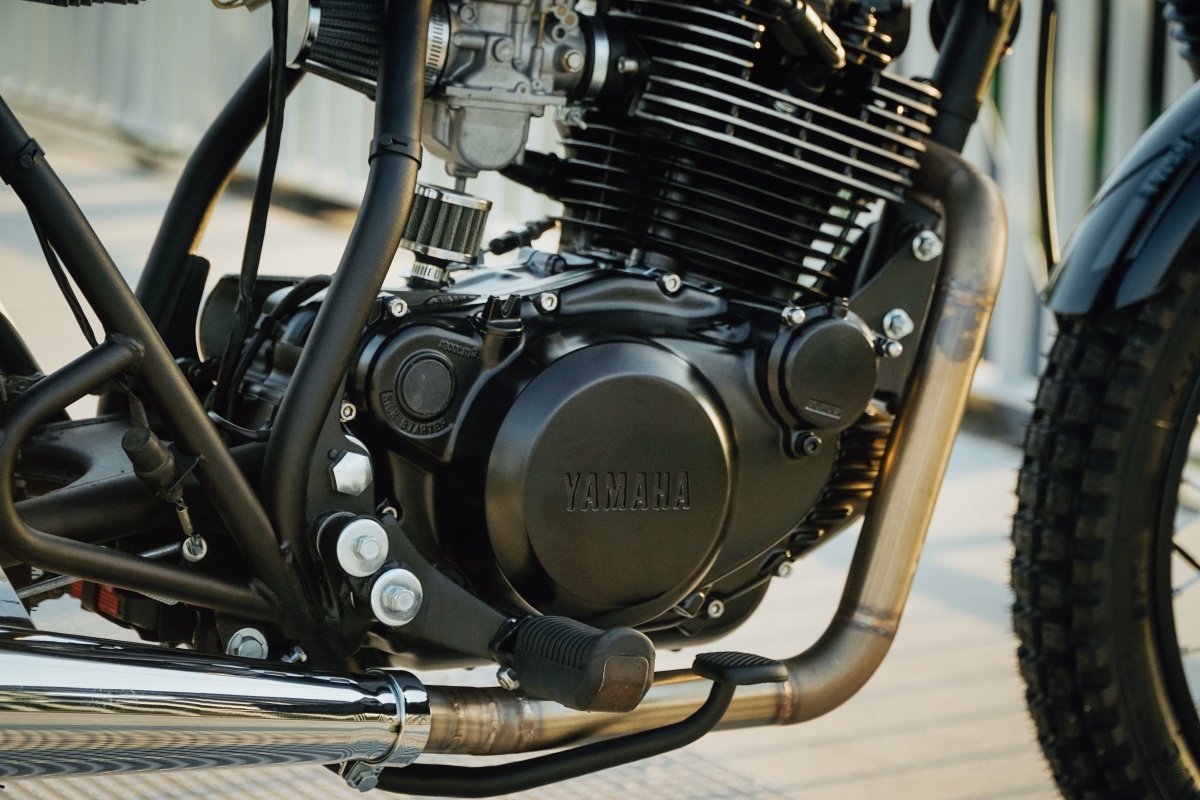
The engine was fully disassembled, rebuilt with repair kits, and painted, and a new stainless steel exhaust system was fabricated with bends that allow precise tuning adjustments.
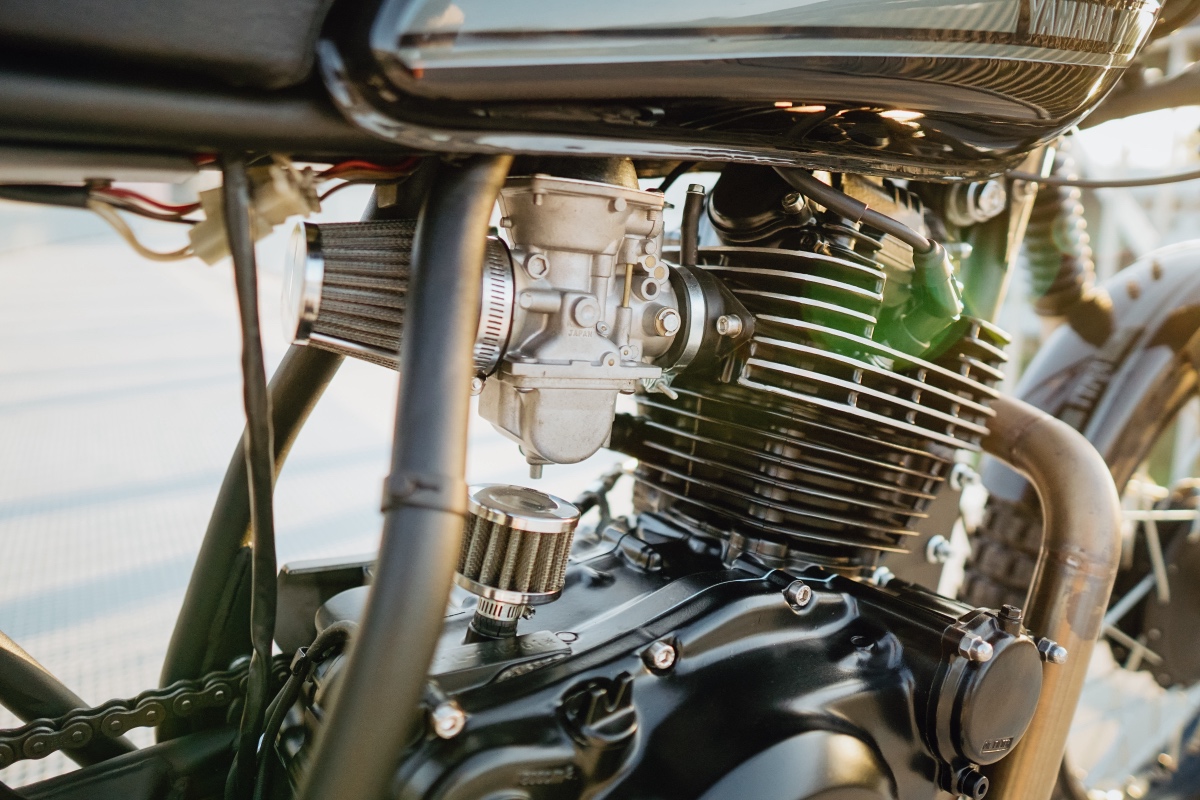
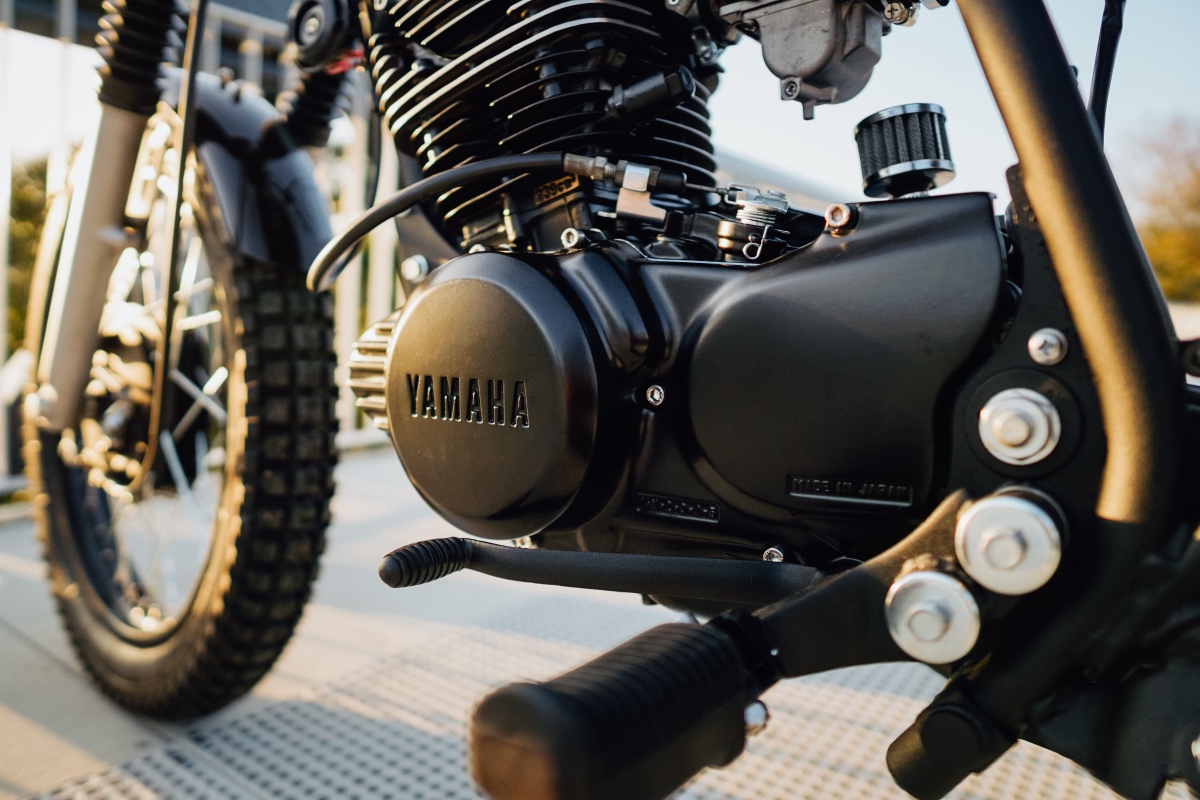
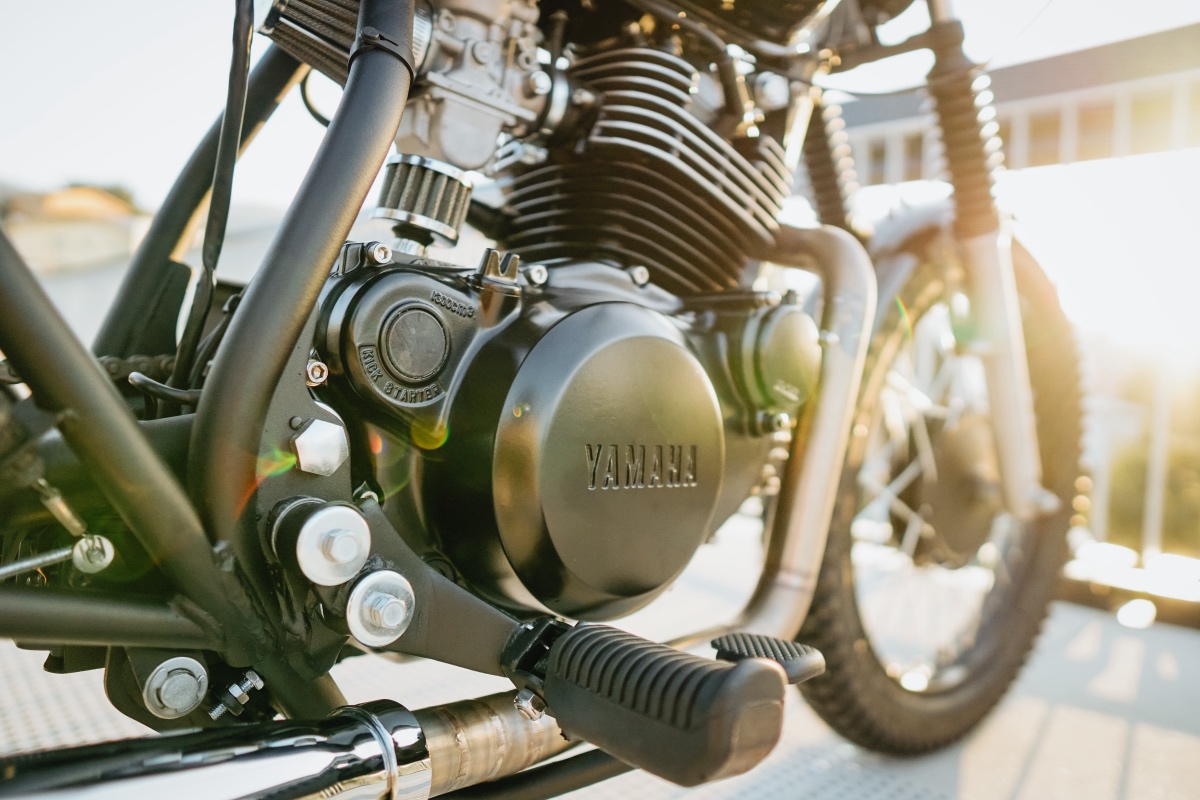
The electrical system was upgraded, including a lithium battery under the subframe and a new ignition.
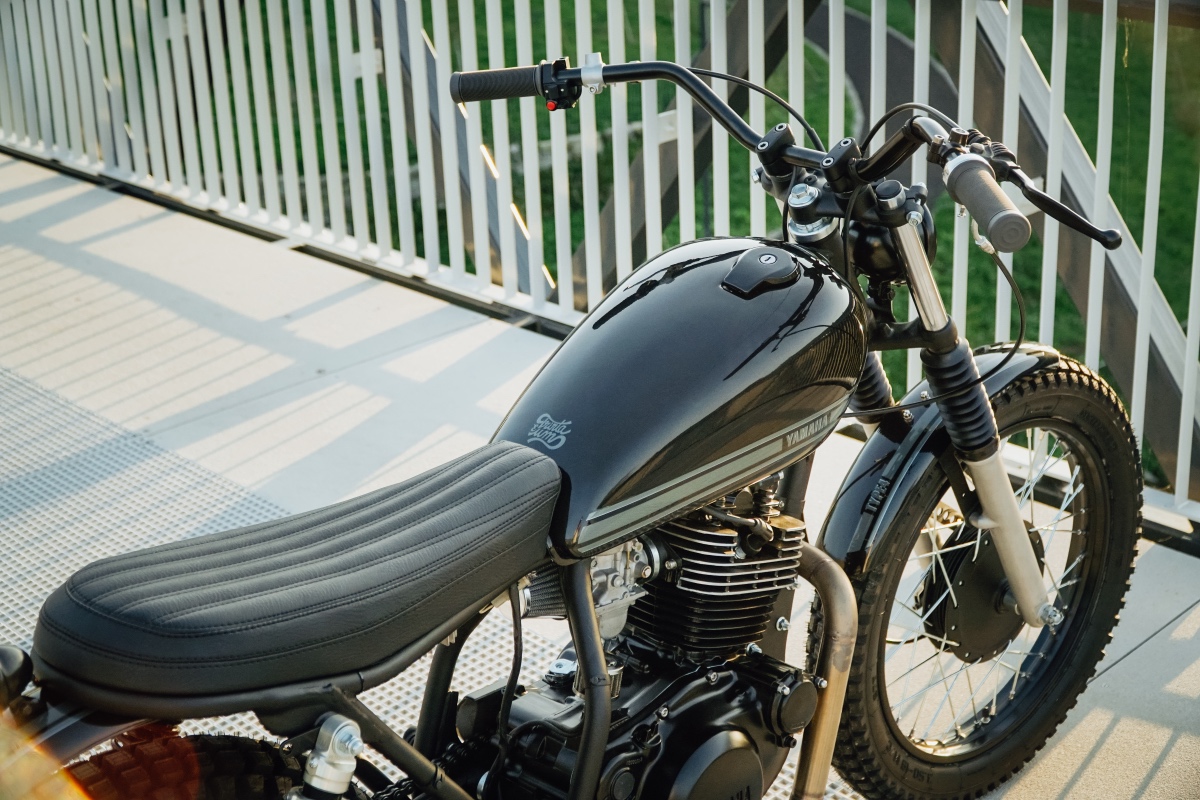
The original front mudguard was repurposed for the rear and also used as a mold for a new fiberglass front mudguard. Assembly focused on functionality and alignment, ensuring each component integrated seamlessly without compromising style or performance.
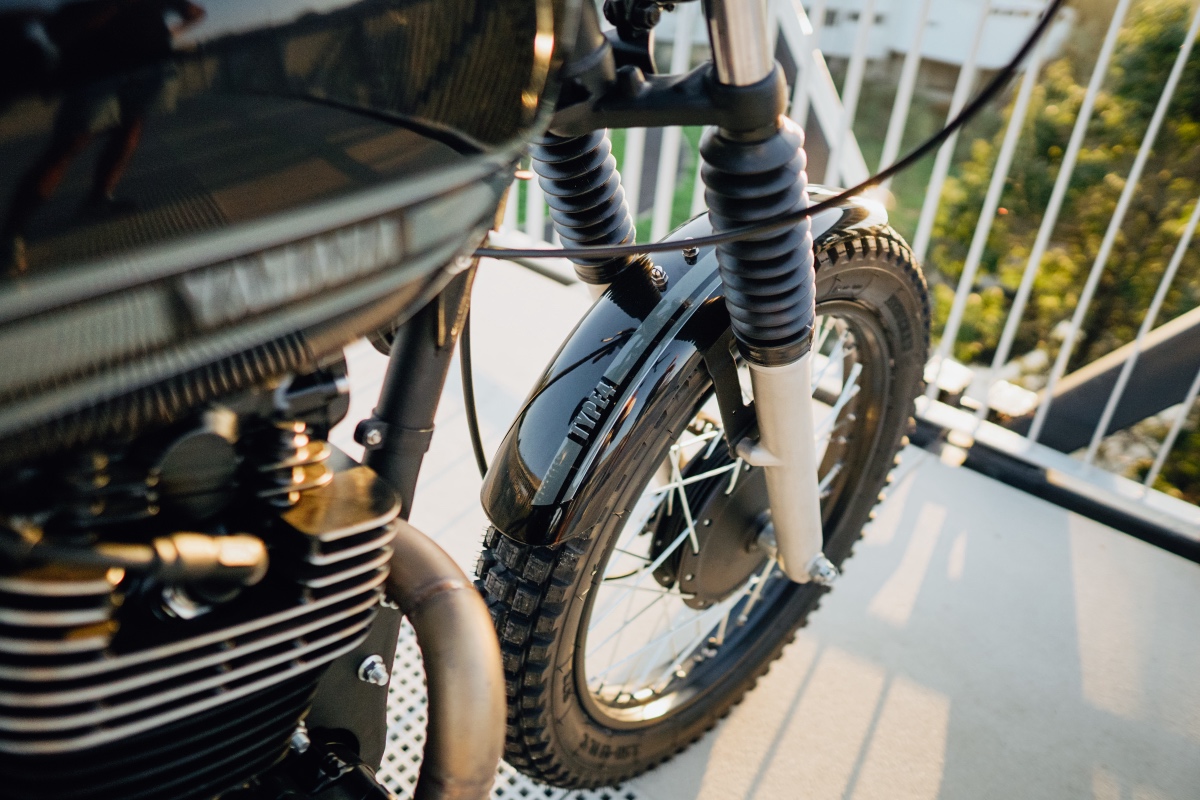
To maintain the vintage identity, a medium-sized LSL handlebar with Biltwell grips was installed, along with a handcrafted leather seat featuring the Trinta&Um Motorcycles logo, produced by Thirty-One, completing the bike’s look.
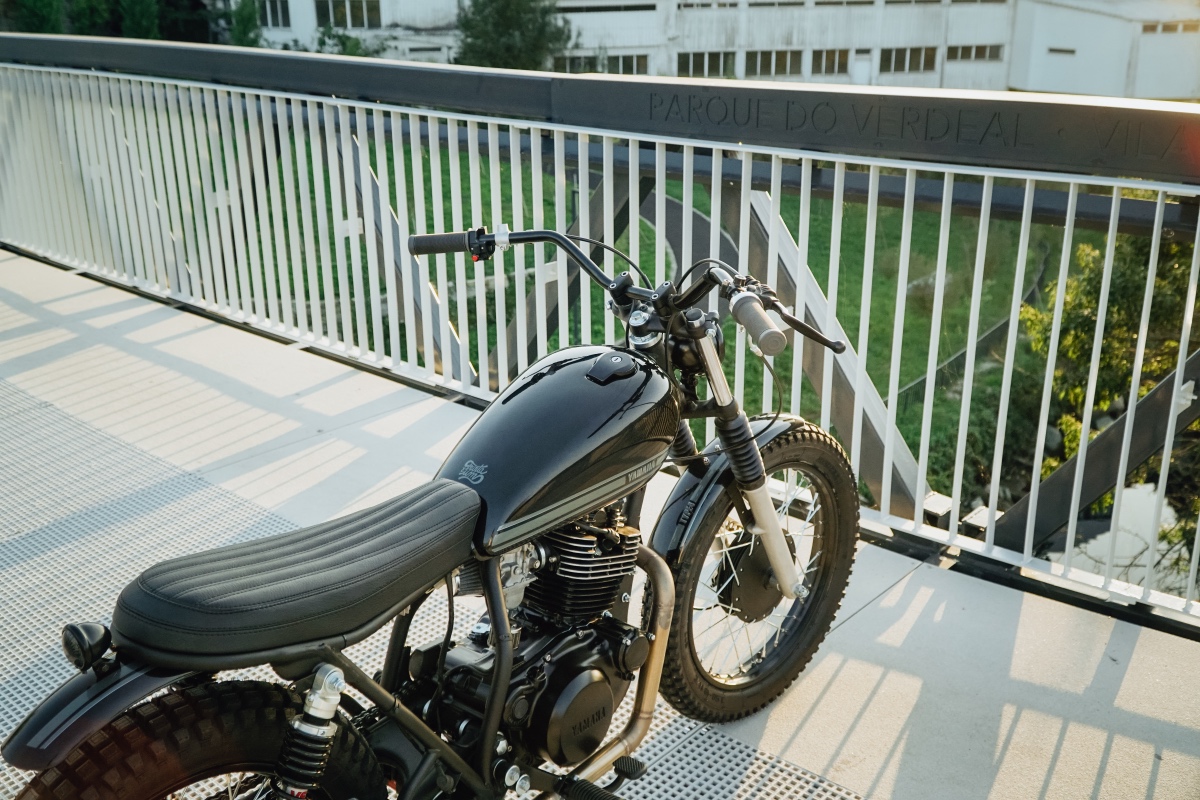
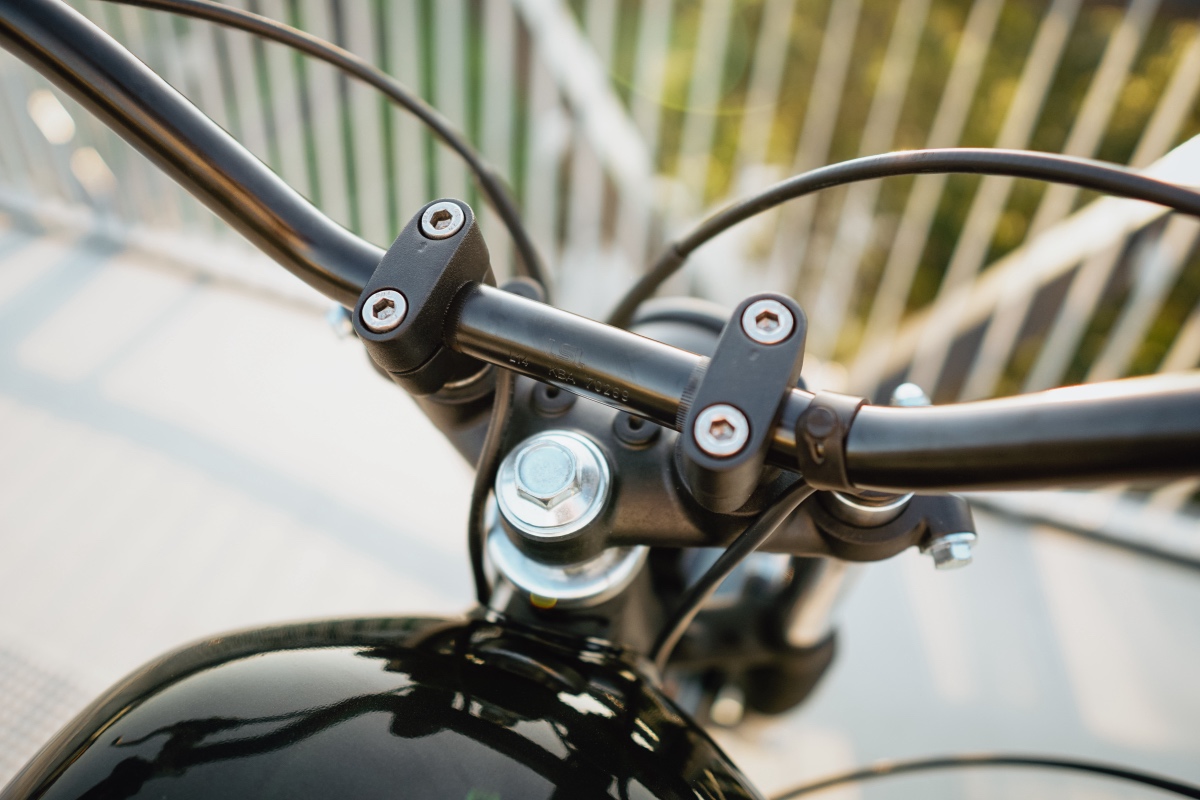
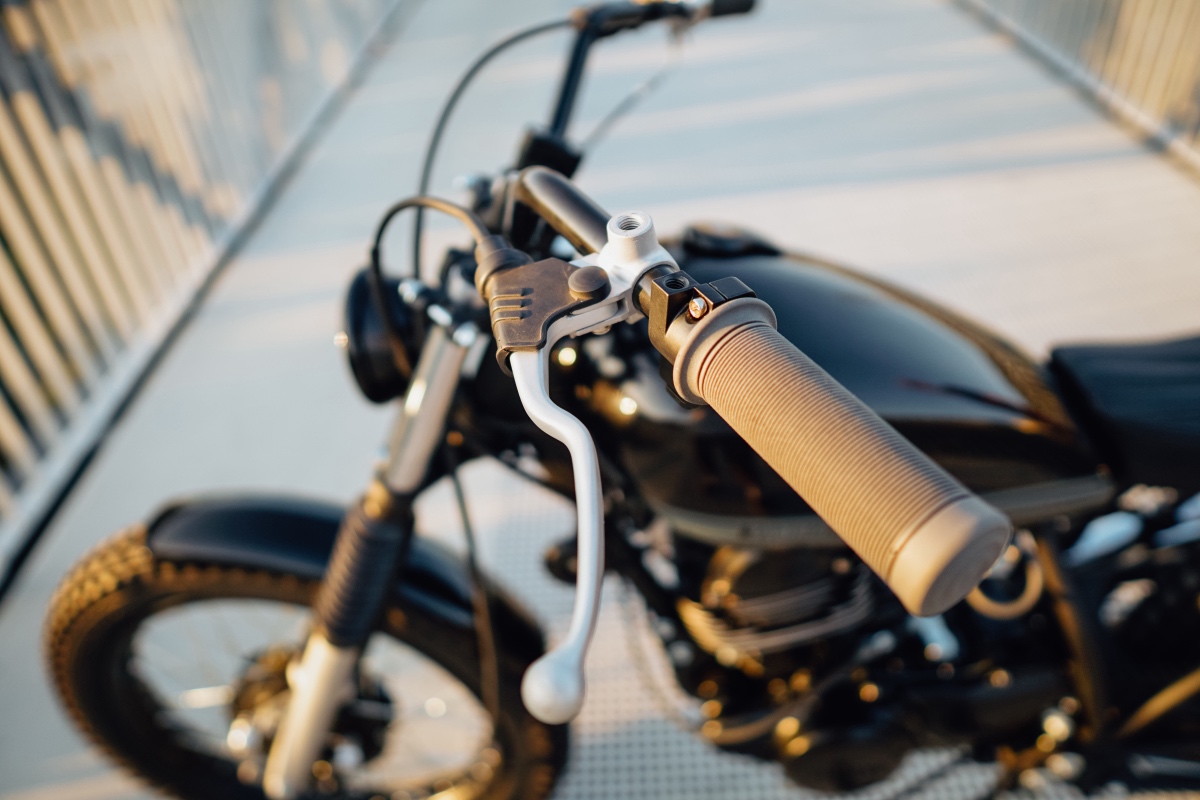
“Type 4 — The End of a Journey” is the result of structural, mechanical, and aesthetic modifications that consolidate the bike’s classic identity while incorporating performance and functionality improvements, closing this cycle definitively and memorably.
• Can you tell us what it’s like to ride the completed bike?
Riding Type 4 feels raw and honest. The taller suspension and scrambler stance give it a more commanding riding position, while the lightweight feel of the Yamaha SR250 keeps it agile and responsive.
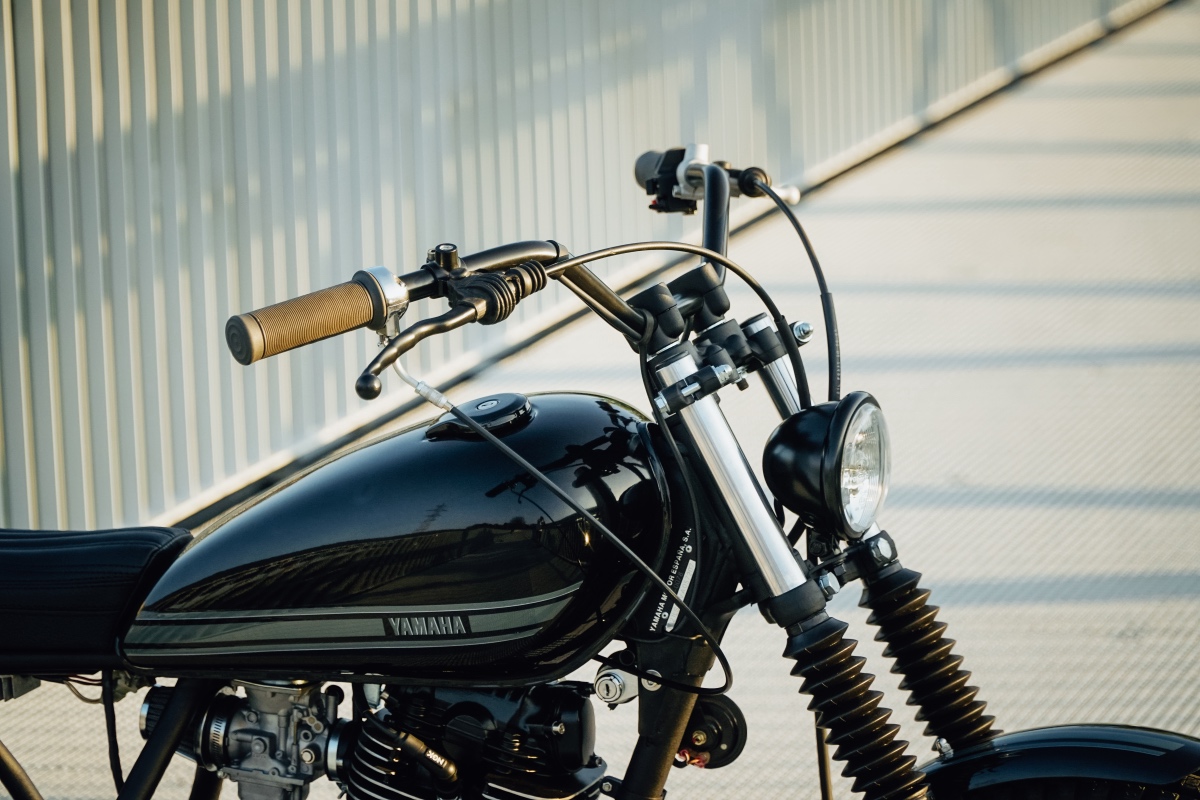
The new exhaust gives the engine a deeper, more defined sound, and the overall setup makes the bike feel alive without losing its simplicity. It’s a machine that connects you directly to the road — minimal, mechanical, and engaging.
• Was there anything done during the Type 4 build that you are particularly proud of?
I’m particularly proud of how the rear frame modification and overall stance came together. Achieving the right balance between scrambler attitude and vintage identity was important.
The integration of the 1973 Honda CL360 hub and the drum front setup helped reinforce that classic feel, while the mechanical rebuild ensured the bike performs as good as it looks. It’s a build where structure, mechanics, and aesthetics align naturally.
• Is there anyone you’d like to thank?
I’d like to thank everyone who has supported the Type series from the beginning, especially those who trusted our vision through Type 1, Type 2, and Type 3. A special thanks to everyone involved in parts supply, craftsmanship, and photography — projects like this are never done alone.
Follow the Builder
Follow Trinta&Um Motorcycles: Facebook | Instagram
More from Trinta&Um Motorcycles
 Yamaha SR250 Type 4: The End of a Journey - Raw and Honest: The Final SR250 from Trinta&Um Motorcycles… It’s always to treat to hear from a builder or workshop for the first time in a few years. So we were thrilled to receive a […]
 300cc Suzuki GN250 Brat Tracker - “Looks like a brat, goes like a flat!” For years, the Suzuki GN250 served as a capable 250cc runabout. The air-cooled, SOHC single cylinder engine offered some 22 horsepower and the bike was fairly lightweight […]
 Yamaha SR250 City Tracker by Trintaeum Motorcycles - The Yamaha SR250 is simply one of the most beloved small-bore motorcycles of all time — particularly among custom builders. While the first-gen version could only reach around 72-75 mph, the air-cooled reliability, incredible fuel […]
 Yamaha SR250 Scrambler by Trintaeum Motorcycles - Trinta&Um Motorcycles was founded by a group of friends in Porto, Portugal, in 2013. The crew consists of welders, mechanics, videographers, designers–every role needed to make a successful custom shop. Antonio Camilo–Toni–and the team have […]
 Suzuki GN250 Tracker by Trintaeum Motorcycles - The Suzuki GN250 is one of the most popular beginner bikes in the world. Of course, there’s nothing like your first motorcycle, and the crew at Portugal’s Trinta&Um Motorcycles has made something special of the […]


Very nice and clean build, but one small criticism from a practical perspective – no barrier, guard or partition between the back wheel and the engine, air filter, etc. It makes cleaning much harder work. Other than that, I’m sure it’s a fun ride and it looks great.