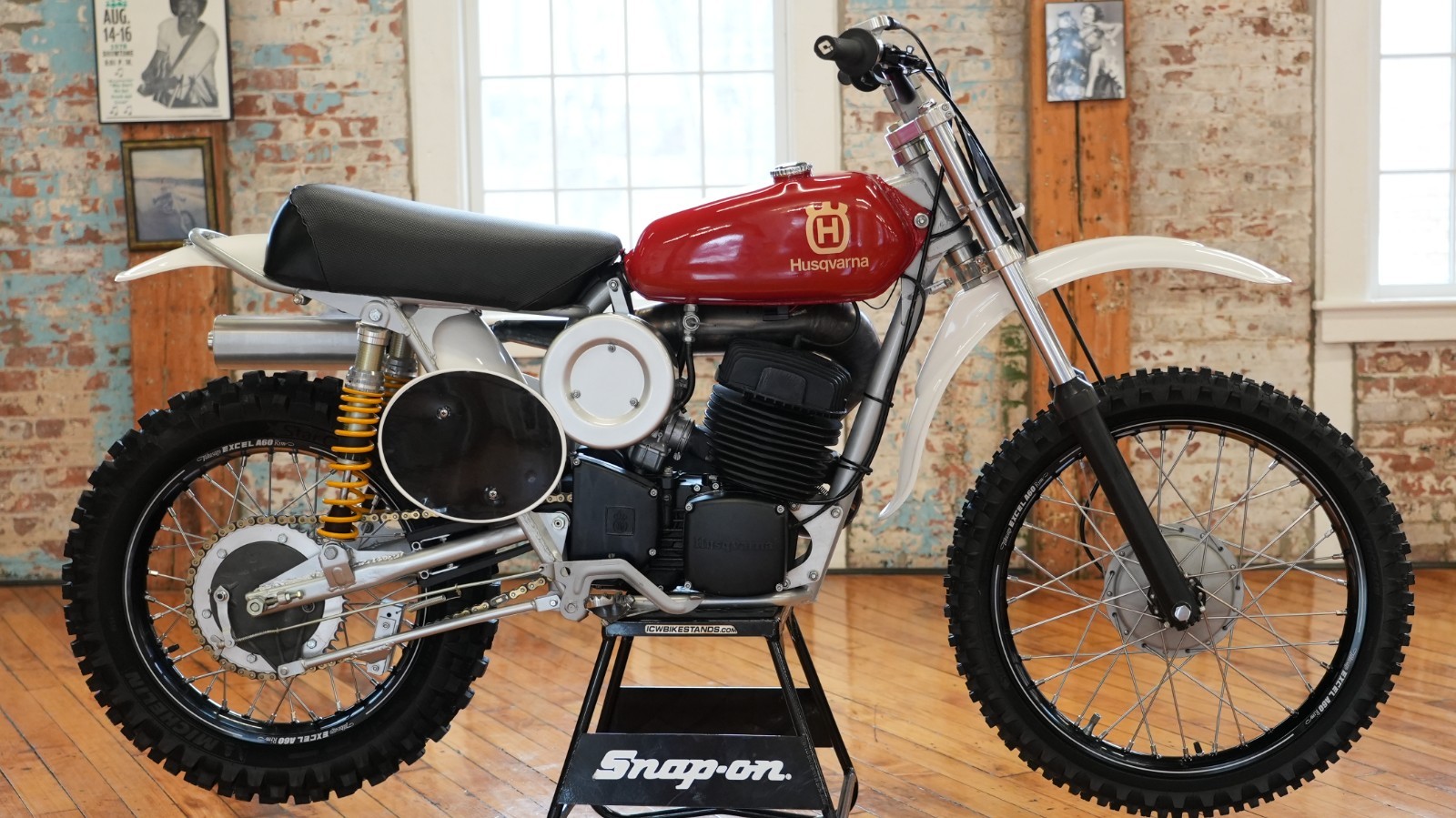
 For Sale: ’75 Husky 400 Cross — The World Championship Weapon…
In 1975, Husqvarna stood at the absolute summit of the motocross world. The 400 CR wasn’t just another big-bore two-stroke — it was the platform that carried Heikki Mikkola to the 1975 500cc World Motocross Championship, cementing the dominance of Swedish engineering on the global stage.
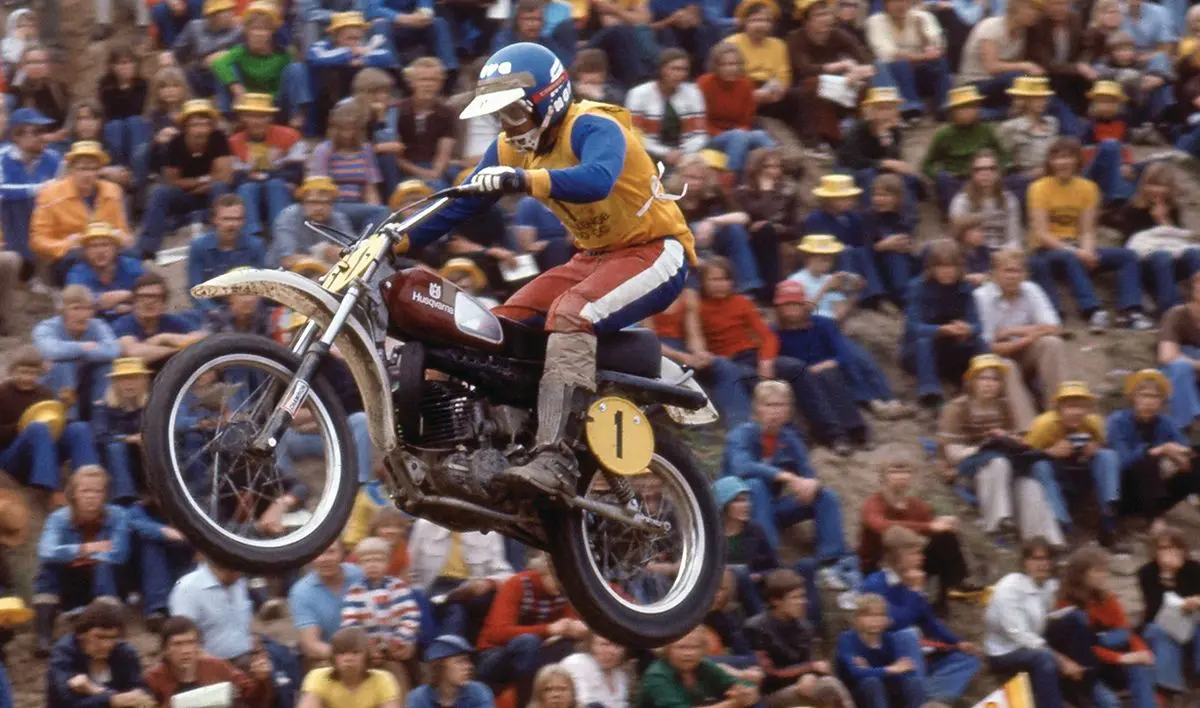
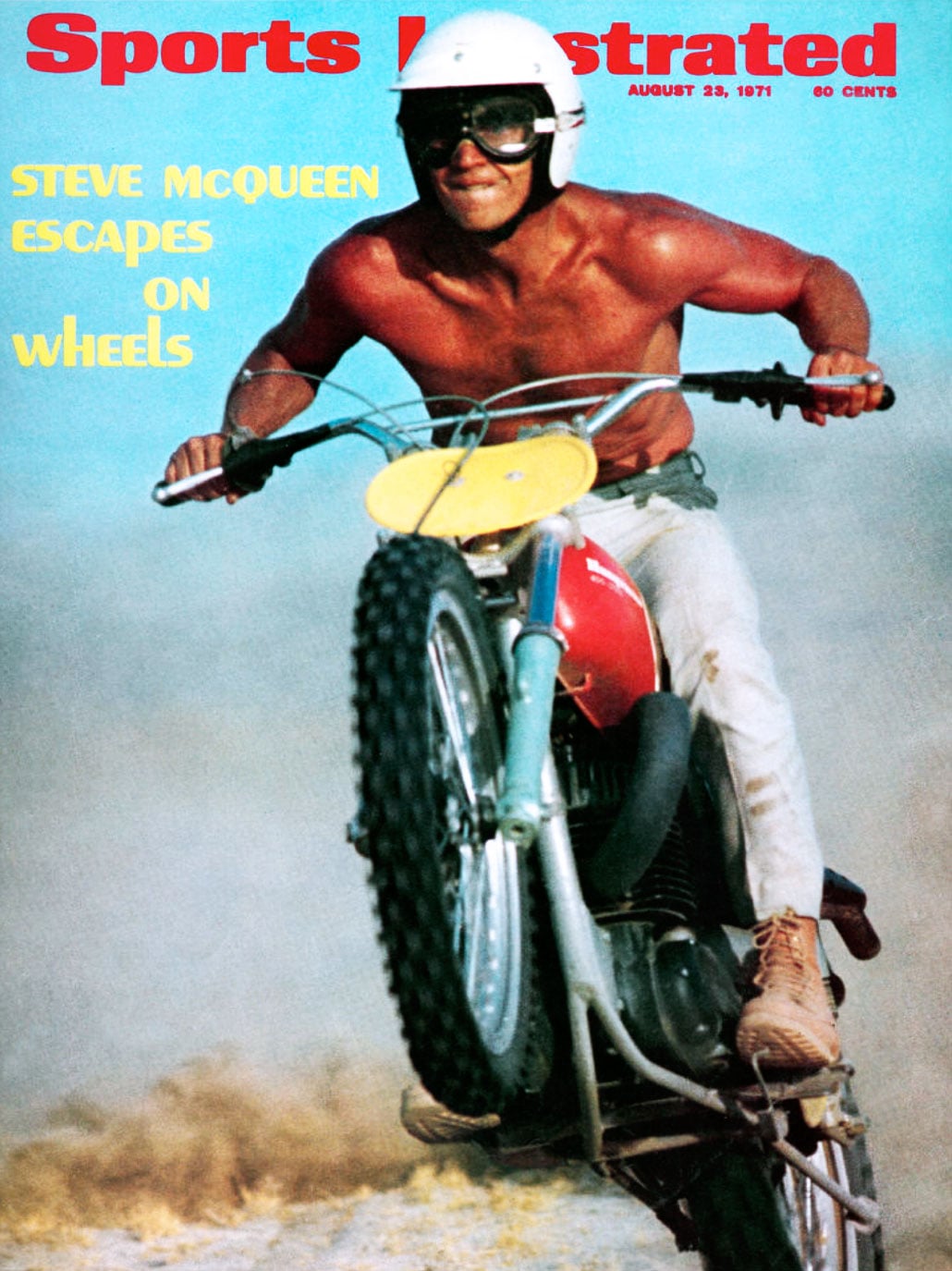
On American soil, riders like Kent Howerton proved the bike equally formidable in the AMA Nationals, while earlier Husky 400s had already become cultural icons thanks to Steve McQueen and Malcolm Smith in On Any Sunday.
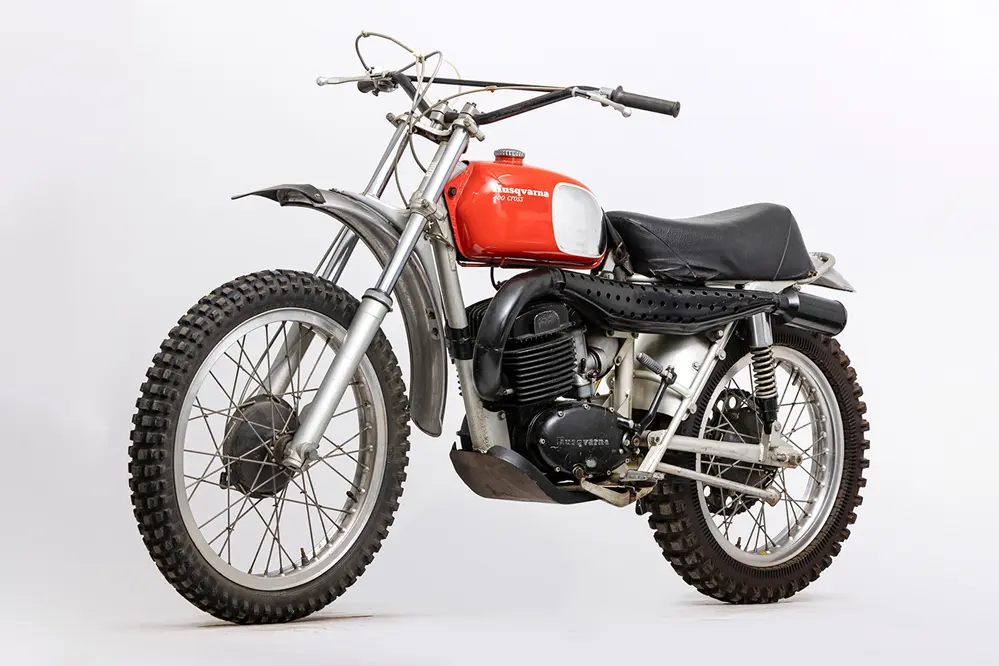
By ’75, the 400 CR had evolved into one of the most feared open-class motocross machines on either side of the Atlantic. To understand how it achieved that dominance, we have to rewind a few years.
From Desert Racer to World Champion: Evolution of the 400 CR
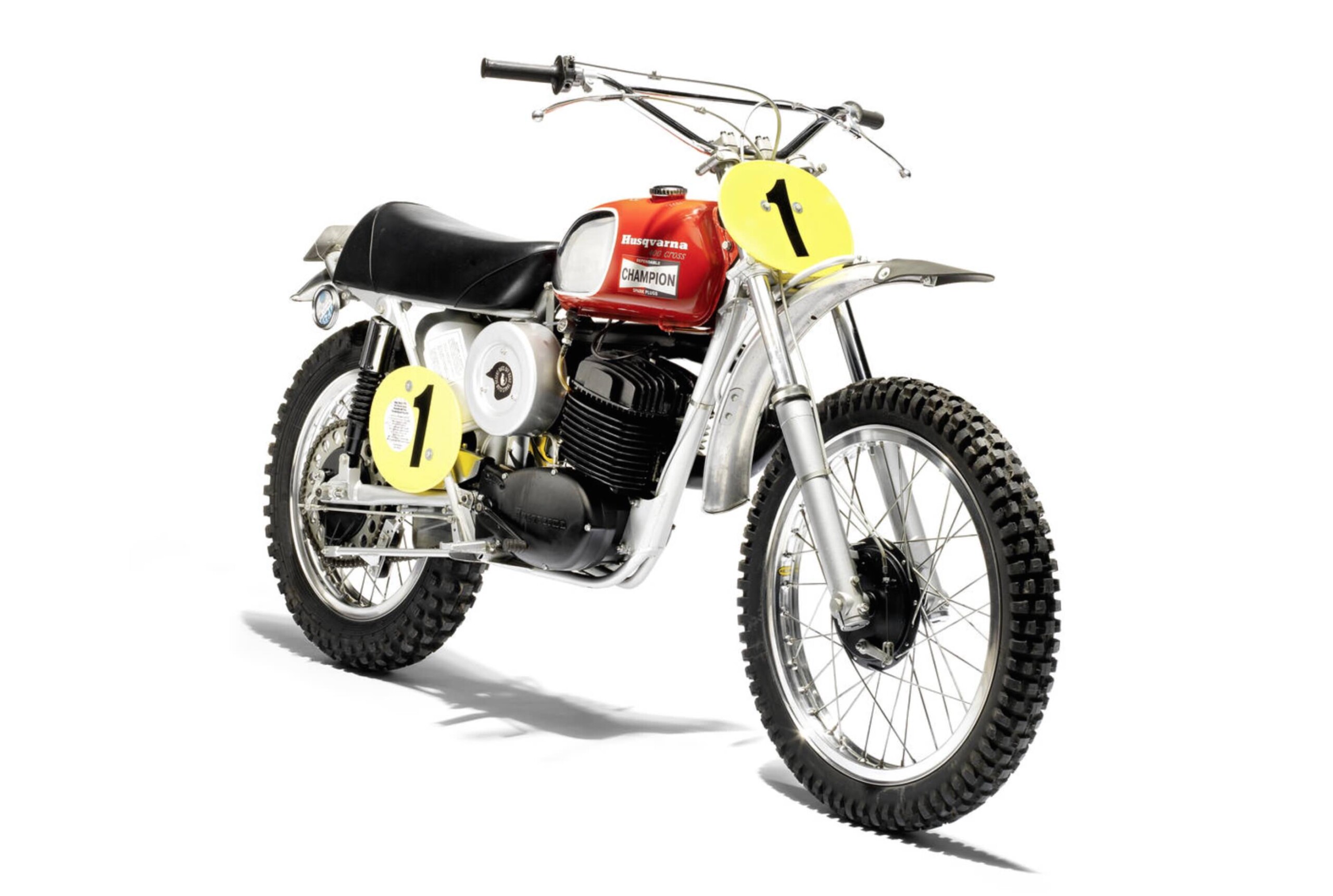
The 1975 400 CR didn’t appear out of thin air. Its roots stretch back to the late 1960s, when Husqvarna was rapidly establishing itself as a dominant force in off-road racing. The early 400 Cross models — including the 1969 machines that became cultural icons — helped build Husqvarna’s reputation for lightweight chassis design and rugged two-stroke reliability.
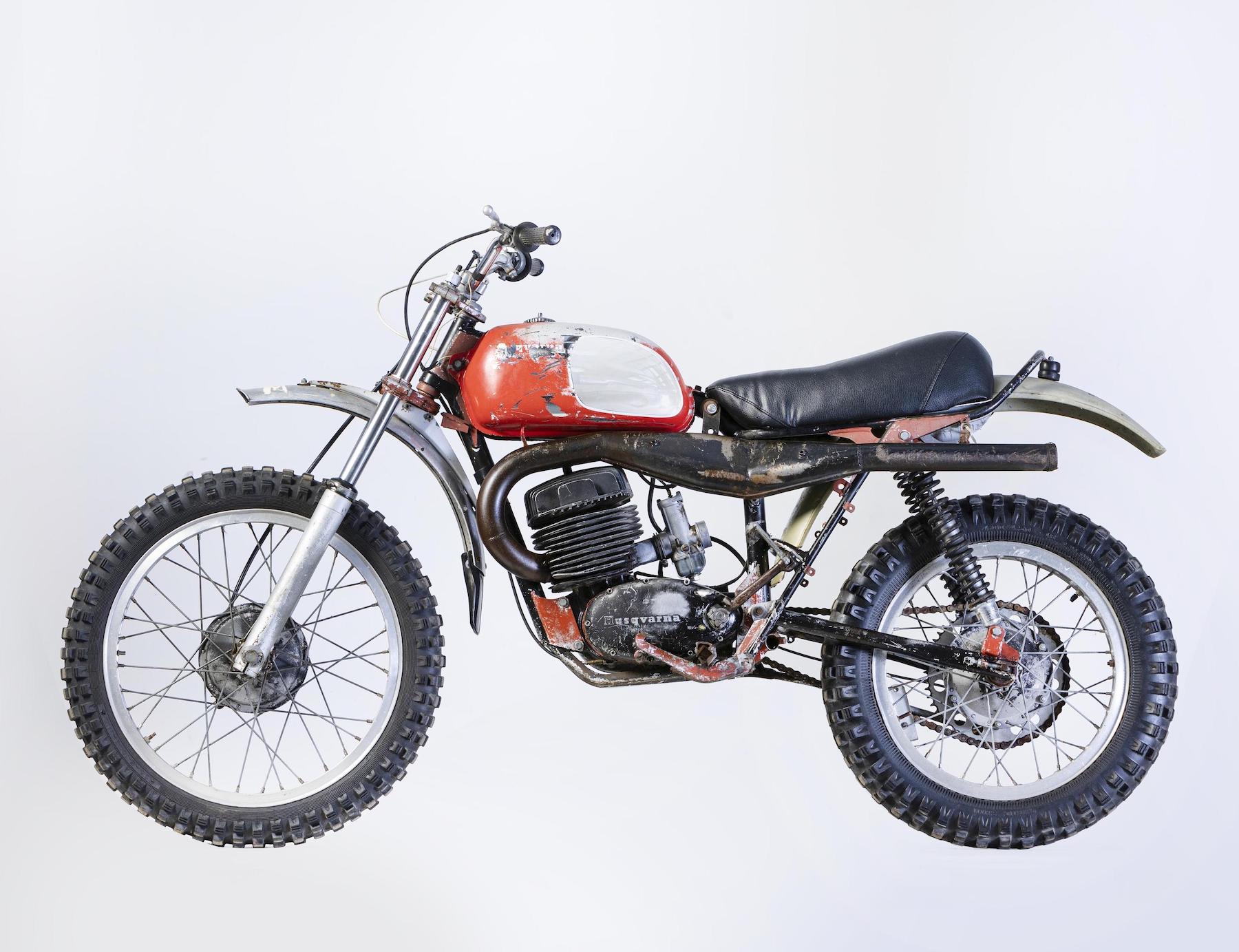
Those early bikes were simple, brutally effective desert racers and motocrossers, built around chrome-moly frames and torque-rich piston-port engines that favored tractable power over peaky aggression. Through the early 1970s, Husqvarna continuously refined the platform:
- Improved porting and cylinder design for stronger midrange
- Strengthened crankshafts and bottom ends
- Revised frame geometry for better high-speed stability
- Longer-travel suspension to keep pace with rapidly evolving tracks
- Lighter components to maintain competitive power-to-weight ratios
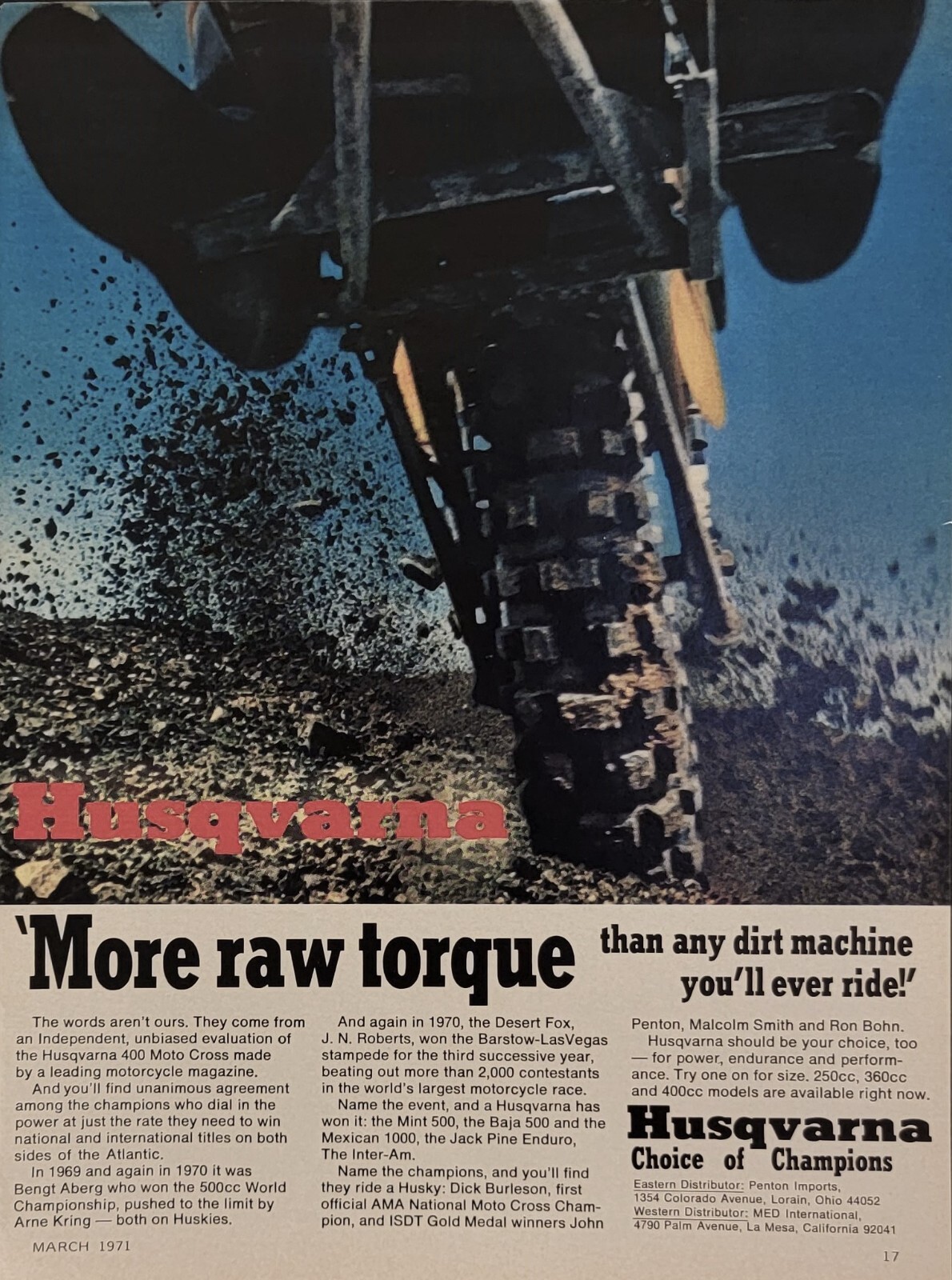
By 1972–73, the open-class motocross wars were escalating. European manufacturers like Maico and CZ were pushing displacement and power, while Japanese brands were entering the fray with increasingly sophisticated machines. Husqvarna responded not by simply chasing horsepower, but by refining balance — ensuring that their big-bore machines remained controllable, durable, and race-ready straight from the crate.
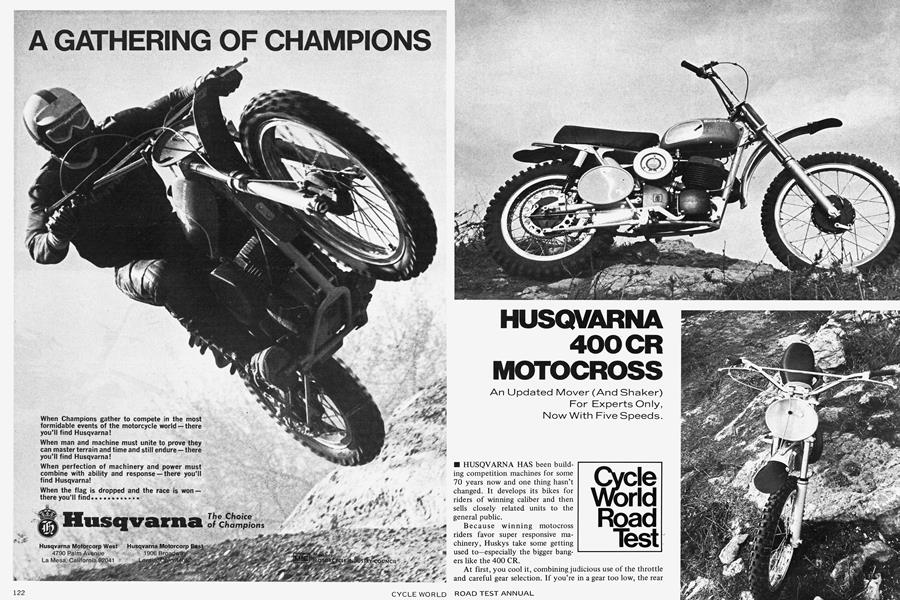
The 400 CR designation itself stood for “Cross,” distinguishing it from Husky’s WR (Wide Ratio) enduro models. While WR bikes were tuned for woods and long-distance competition, the CR models were purpose-built motocross weapons: closer gear ratios, sharper throttle response, and suspension valved for track use.
By 1975, the 400 CR represented the pinnacle of Husqvarna’s twin-shock development. The engine delivered broad, muscular torque rather than explosive top-end hit. The chassis was slim and light, allowing riders to muscle the bike through ruts and berms despite its open-class displacement. Swedish metallurgy — particularly in the crankcases and transmission components — had earned a reputation for bulletproof longevity.
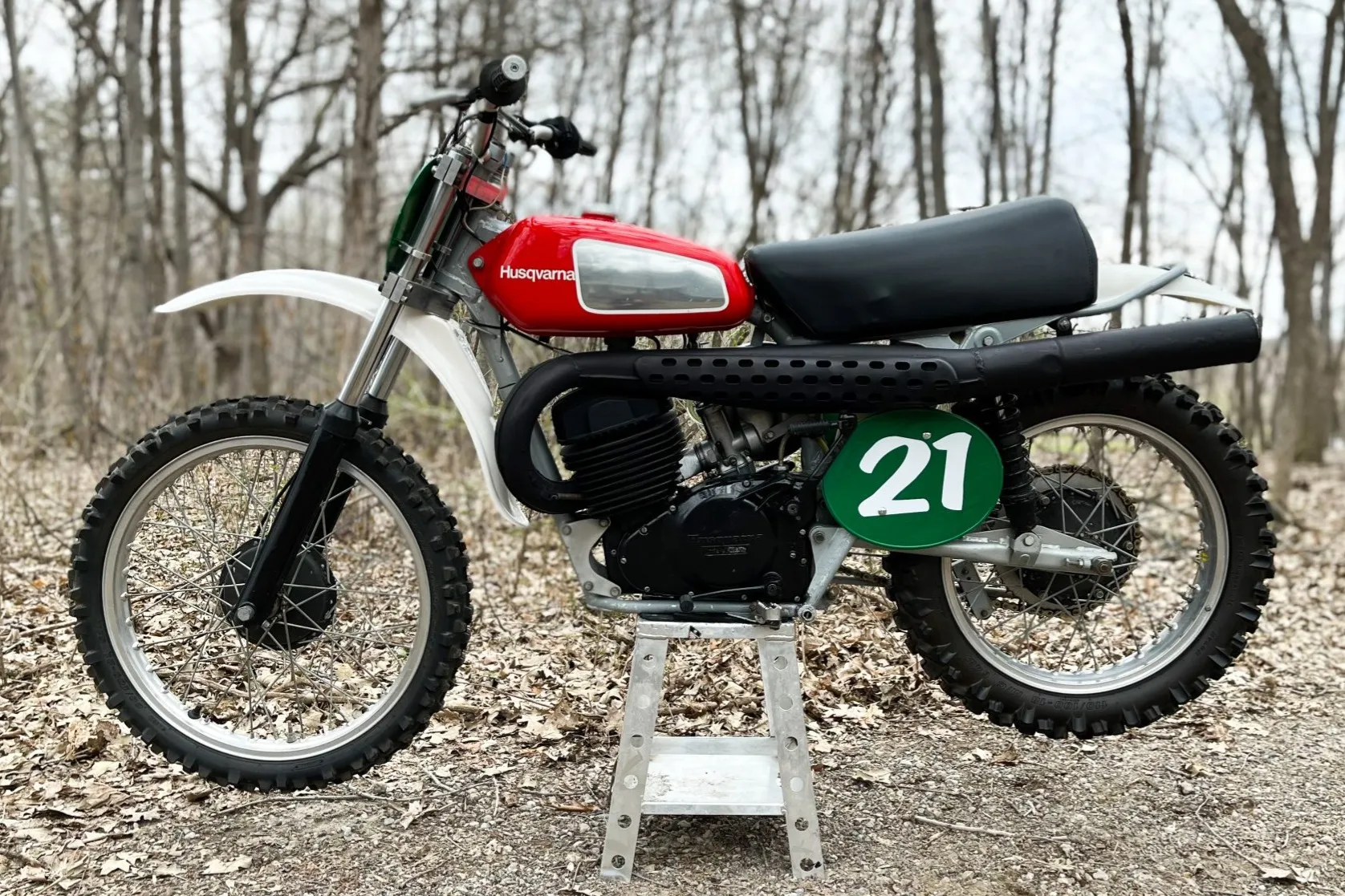
Importantly, 1975 also sat at a technological crossroads. Monoshock rear suspension systems were beginning to emerge, and within a few years they would dominate the sport. That places the 1975 400 CR at the high-water mark of the twin-shock era — fully developed, fully sorted, and honed by years of Grand Prix competition before the next revolution arrived.
In that sense, the 400 CR isn’t just a fast vintage motocrosser. It’s the final, fully matured expression of a design philosophy that had ruled the sport for nearly a decade.
The 1975 400 CR: What Set it Apart…
 The mid-’70s were a golden era of European big-bore motocrossers. The Husky battled machines like the Maico 400/440, CZ 380, Bultaco Pursang 360, Suzuki TM400, and Yamaha’s MX offerings. What set the Swedish machine apart was its blend of:
- Strong, tractable torque
- Lighter overall weight
- Superb metallurgy
- Predictable chassis geometry
 At roughly 230 pounds and around 40 horsepower, the 400 CR delivered a ferocious yet controllable powerband. The bottom end was famously durable, while the chassis offered a balanced feel that rewarded skilled riders without punishing the rest.
Twin shocks, long-travel forks (for the era), and Husqvarna’s distinctive silver frame/red tank livery made the bike instantly recognizable.
This Bike: Restored 400 CR Restomod
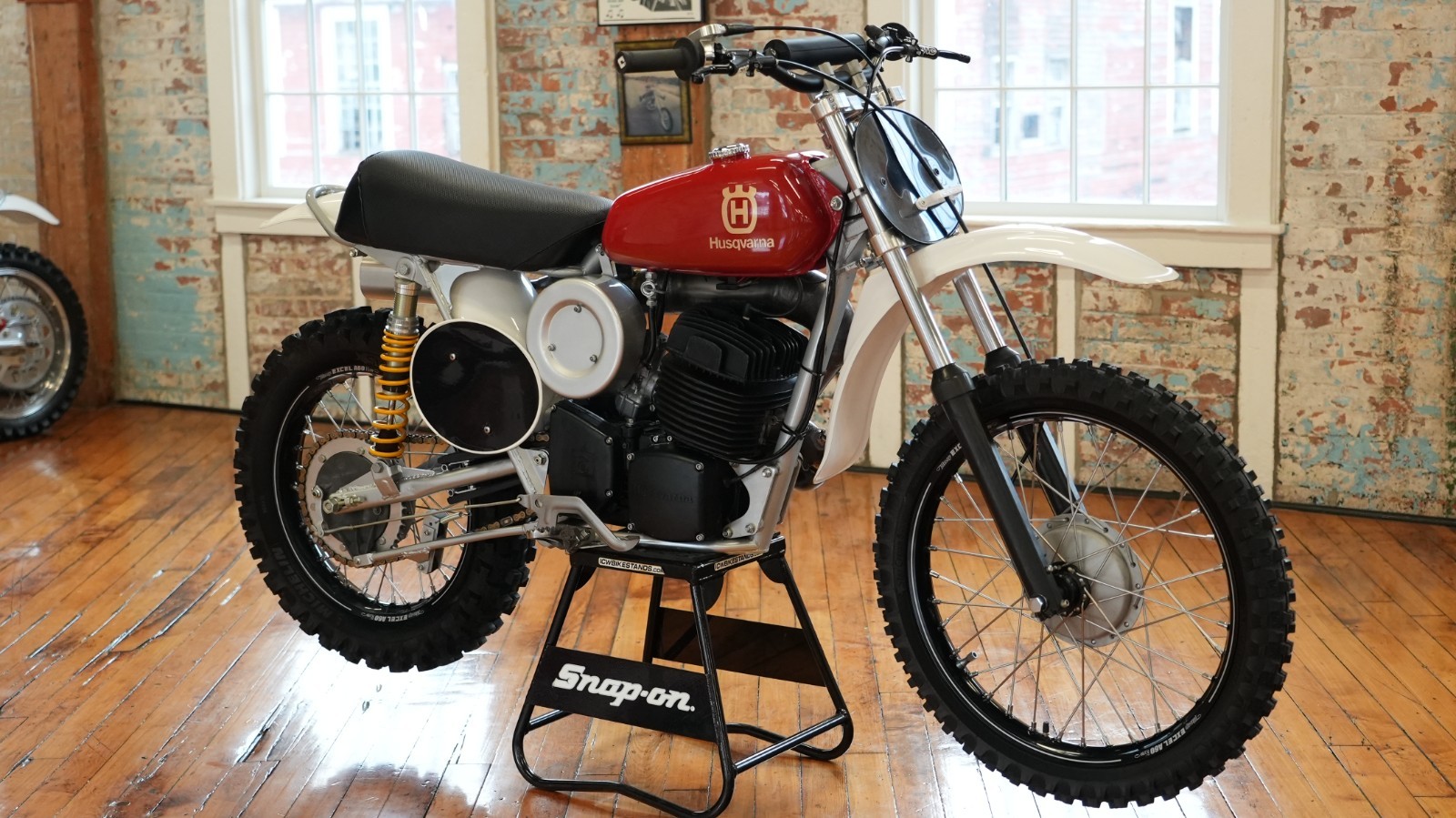
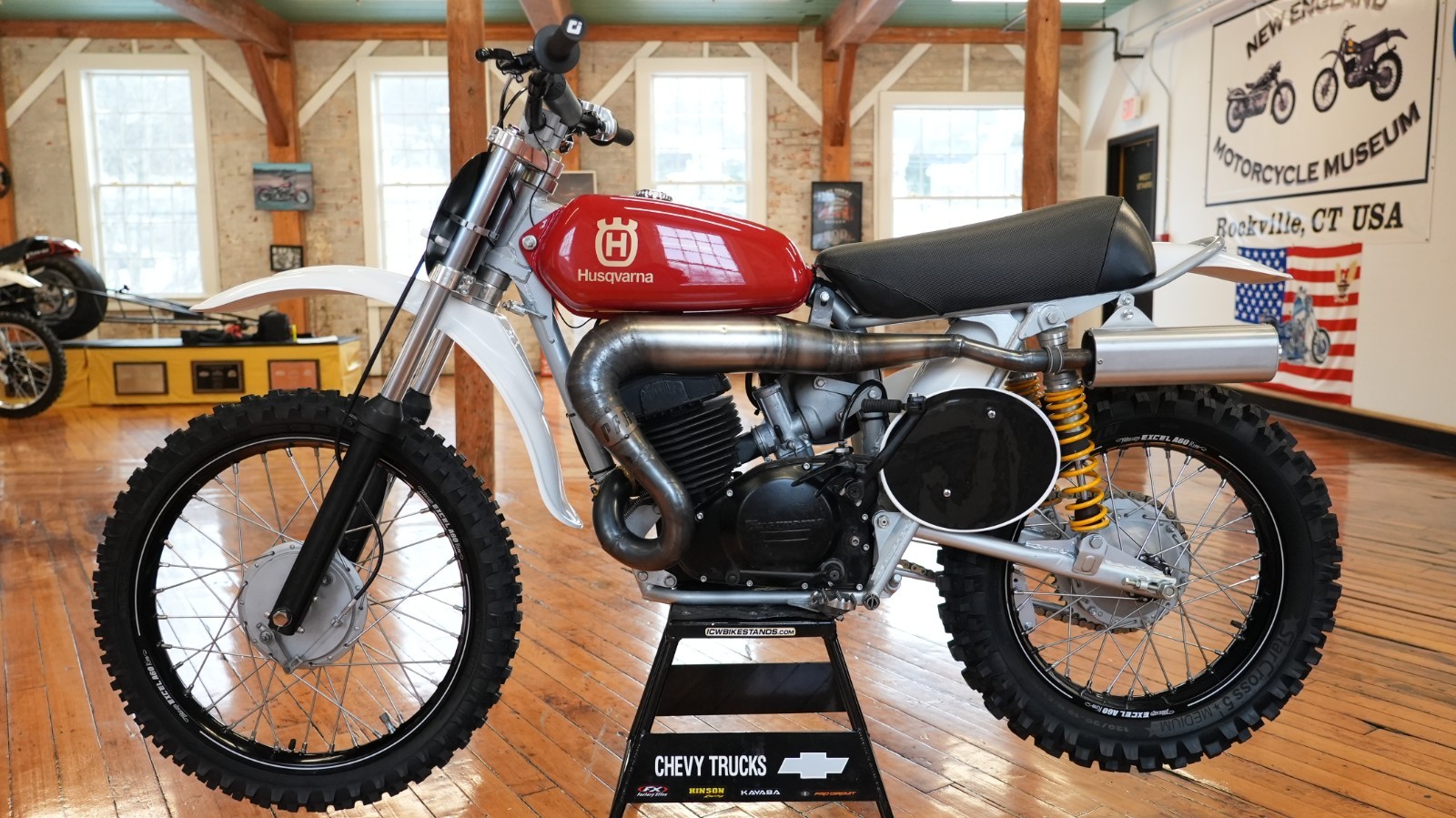
The example you see here is no mere rider restoration. It was previously owned by Eric Eversole and displayed at multiple AMA Supercross “Legends & Heroes” events. According to Kaplan Cycles, who are selling the bike at auction here, the machine has undergone an 80+ hour frame-off rebuild, blending period-correct aesthetics with modern reliability upgrades.
- Frame stripped, sandblasted, and refinished in correct Husqvarna silver
- Complete nut-and-bolt rebuild with re-zinc-plated hardware
- Engine fully rebuilt from the crank up
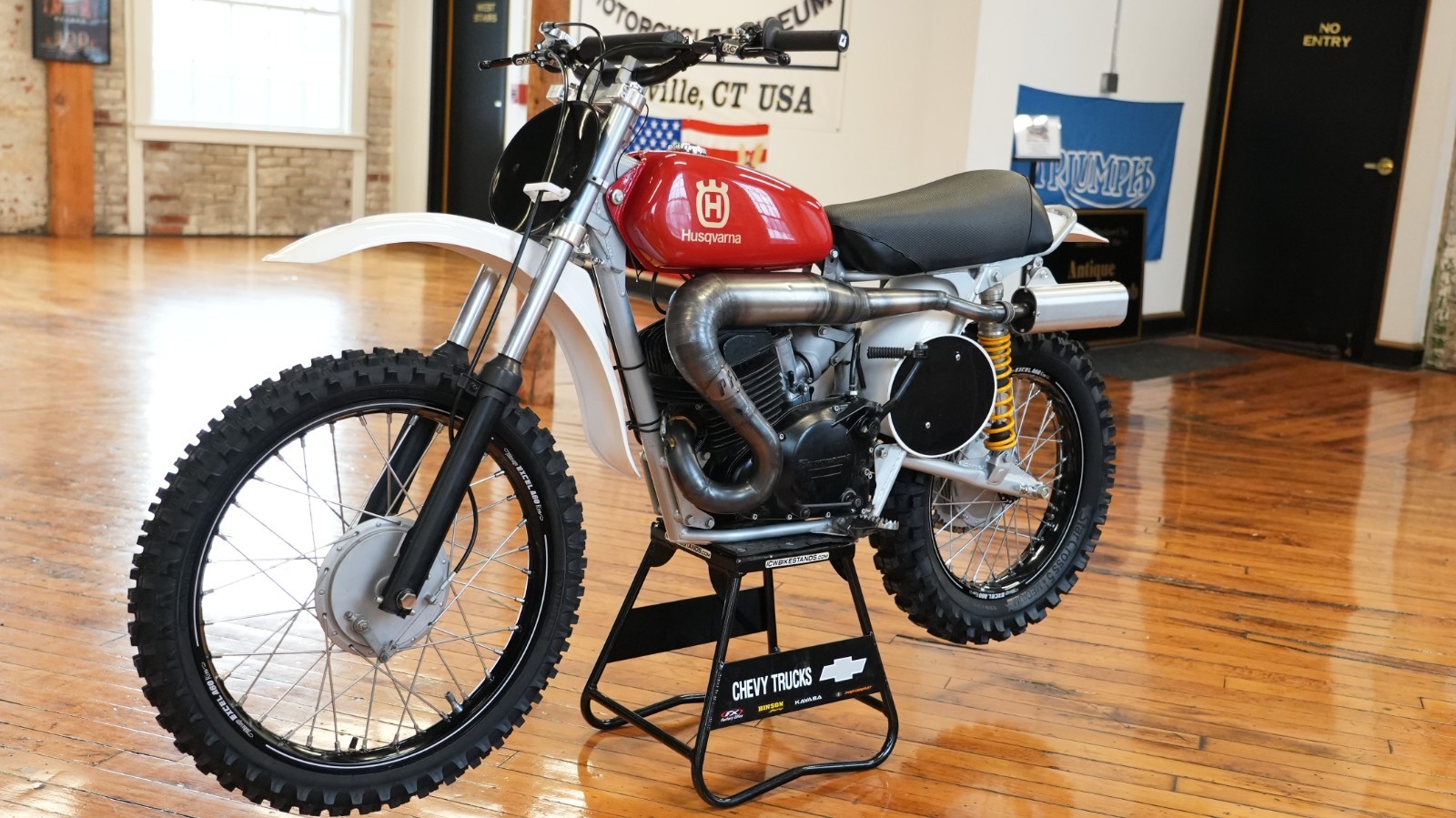
The goal appears to have been clear: preserve the soul of the 1975 World Championship machine while elevating reliability and performance.
Suspension & Chassis
Modern touches include:
- Brand-new Öhlins rear shocks
- Fully rebuilt forks with new chrome uppers
- VintageHusky.com billet triple clamps
- Takasago Excel rims laced with Buchanan spokes
- Michelin Starcross tires
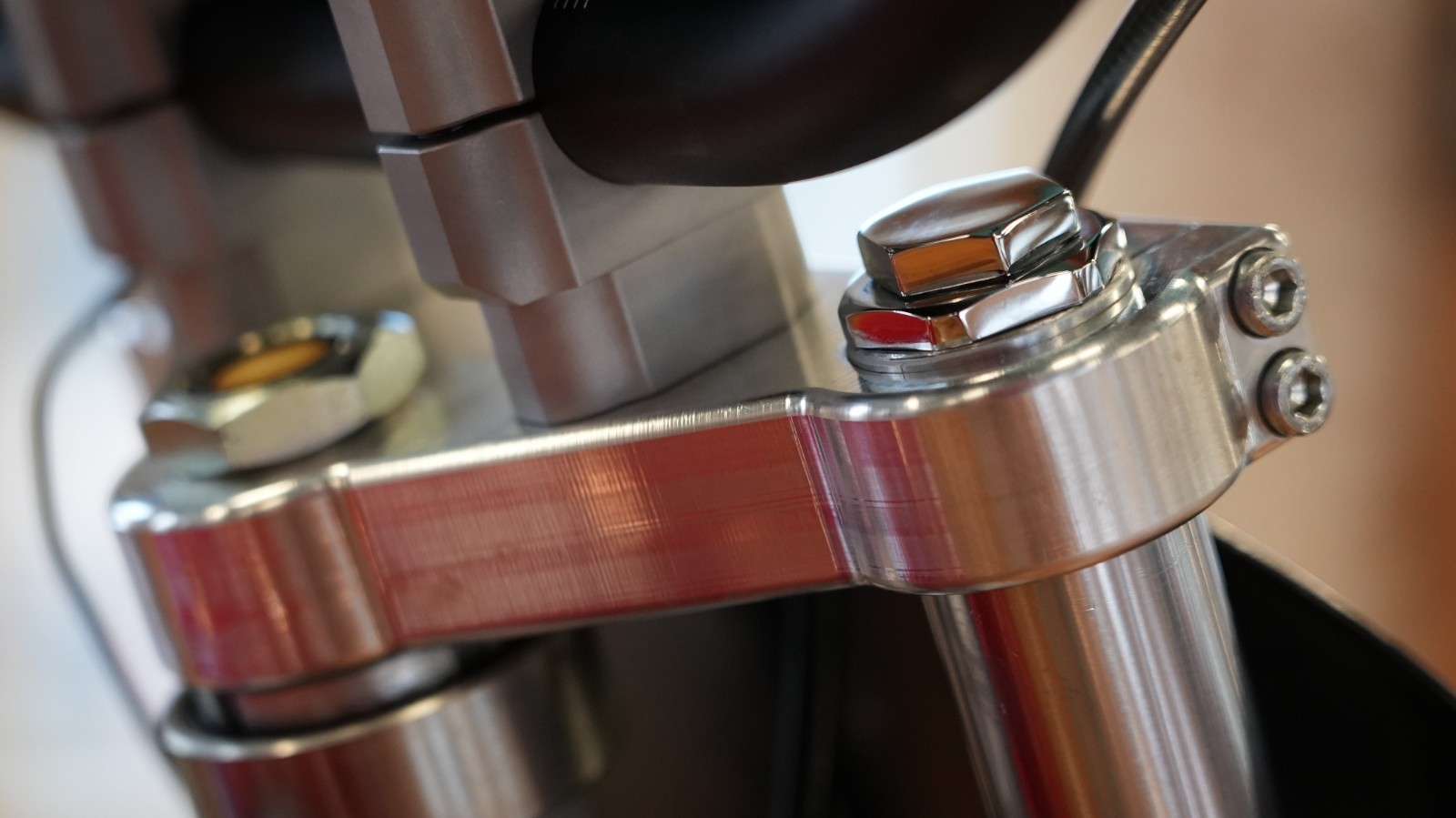
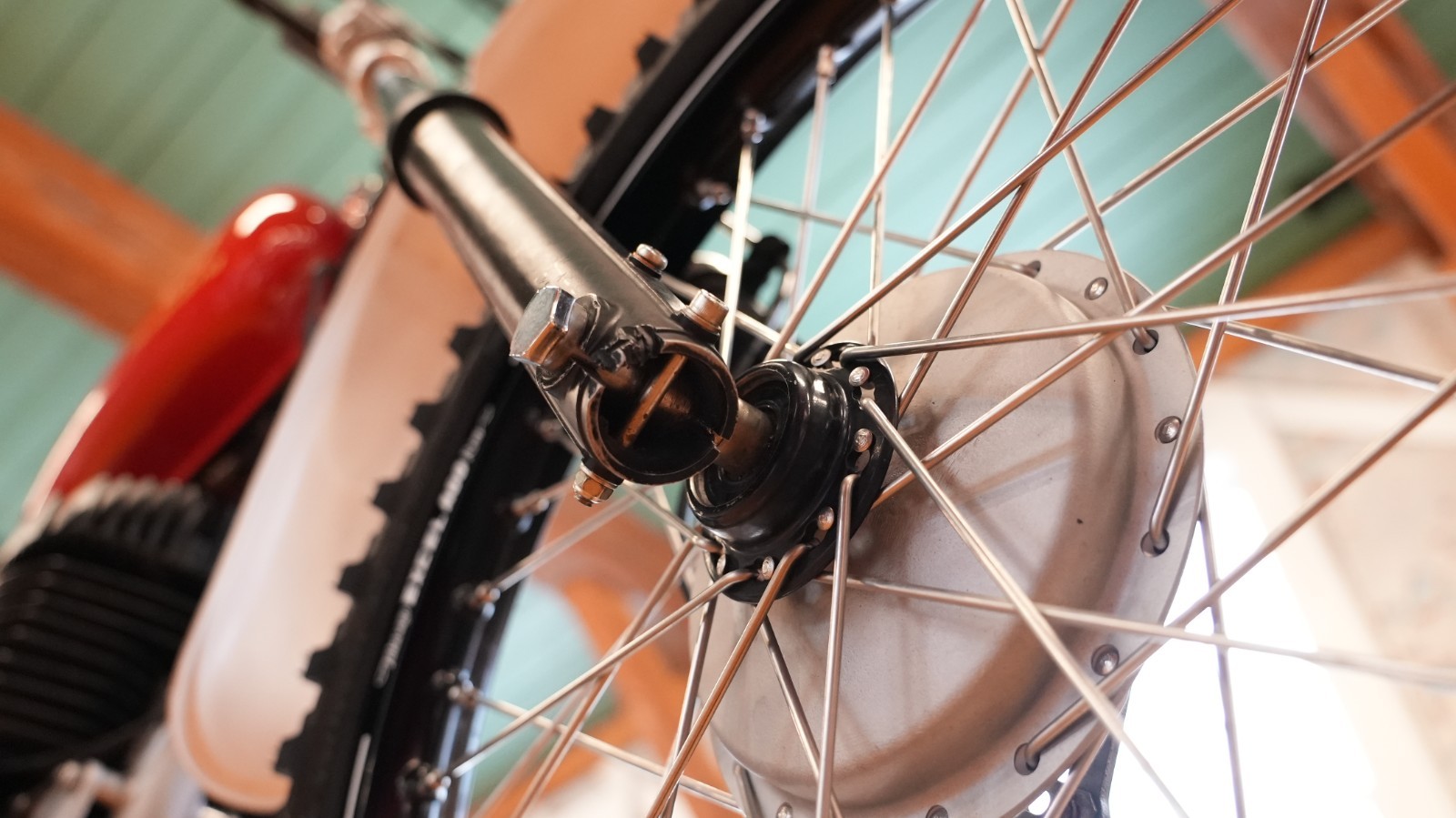
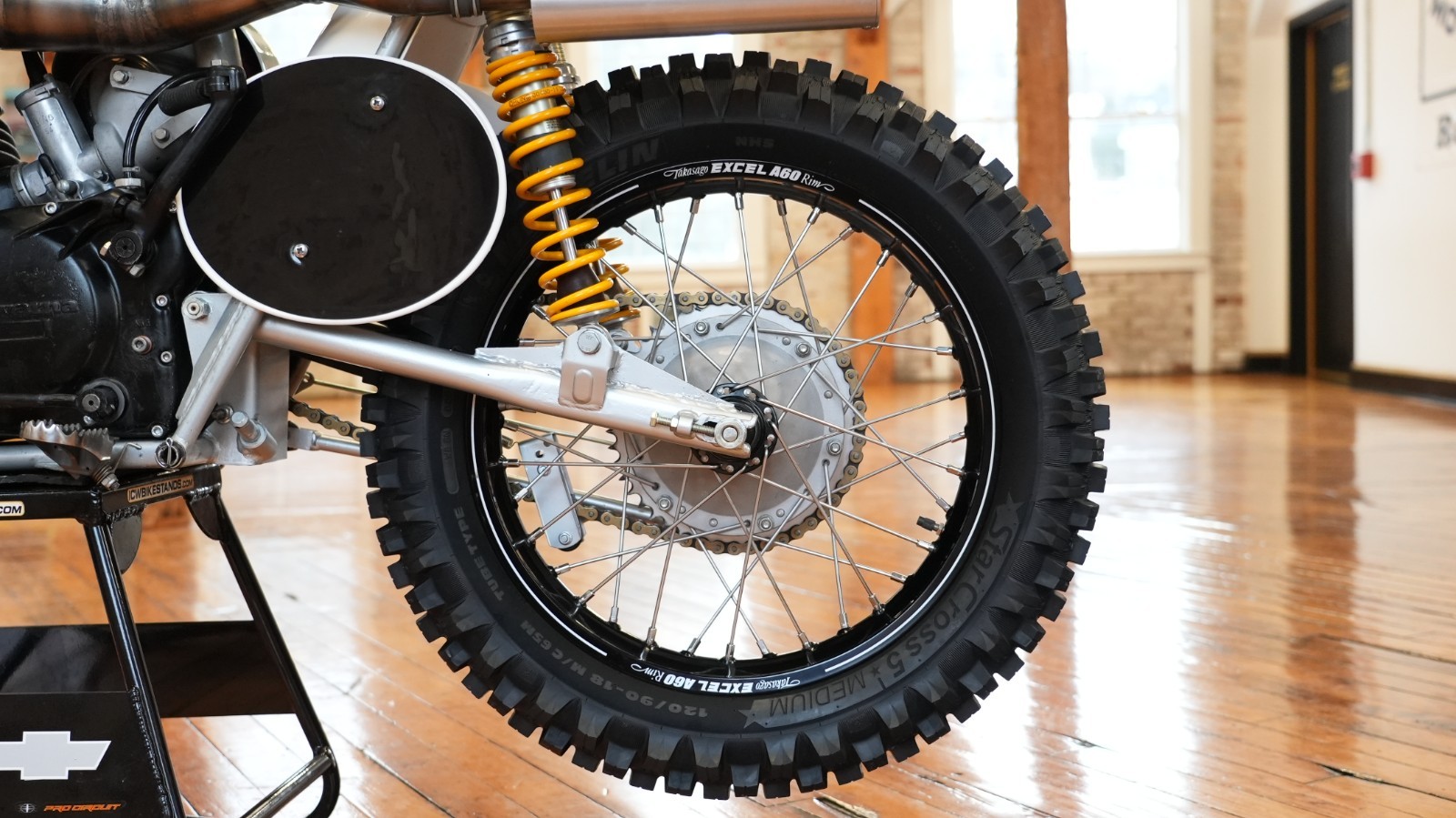
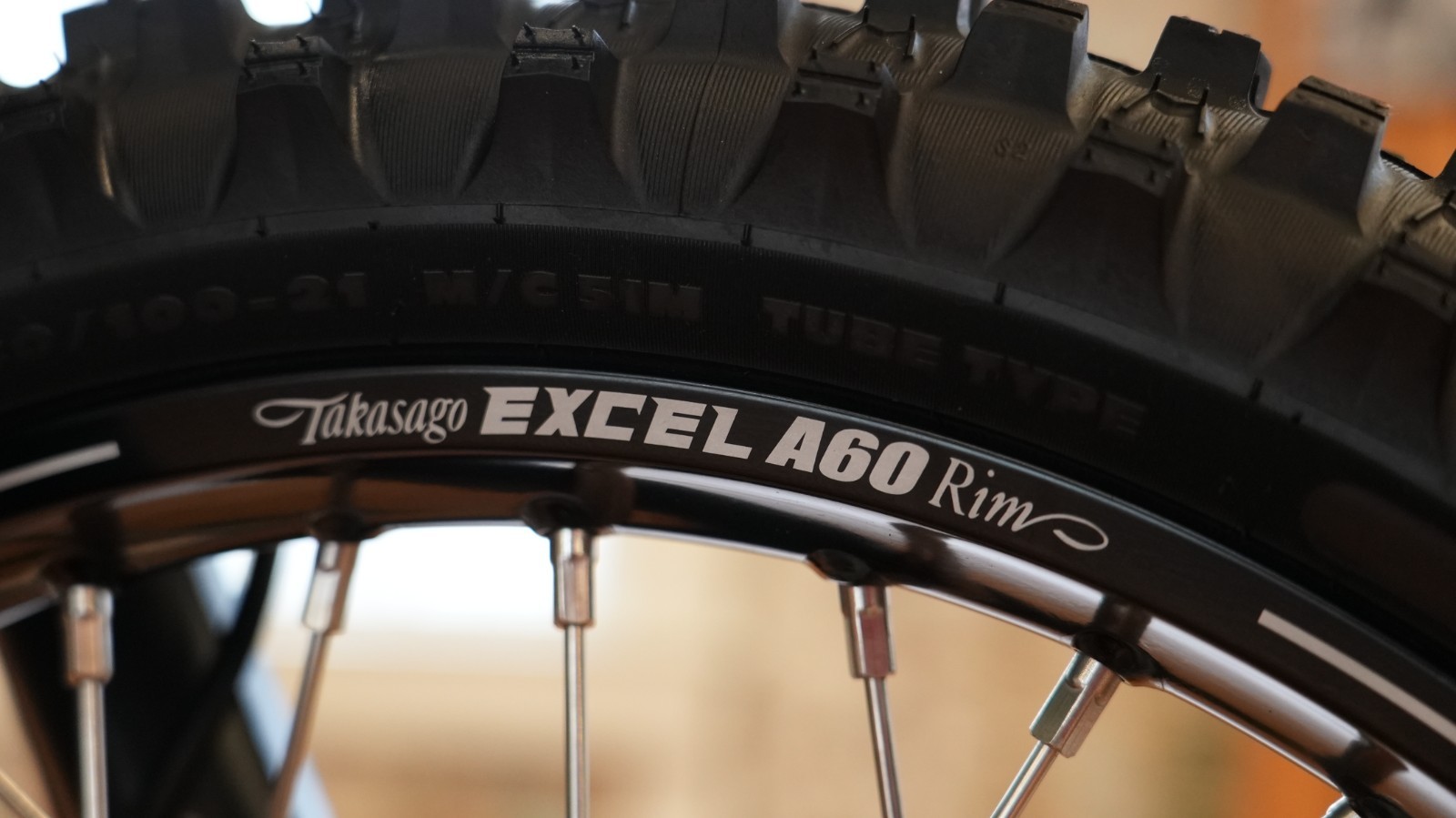
The addition of Öhlins suspension alone significantly modernizes the ride quality without compromising vintage aesthetics.
Engine & Drivetrain
The engine has reportedly seen only three heat cycles and approximately five minutes of ride time since rebuild. Work includes:
- Re-bored cylinder
- New piston and rings
- New crank bearings and seals
- Transmission serviced
- New clutch components
- New ignition coil and wiring
- New chain and sprockets
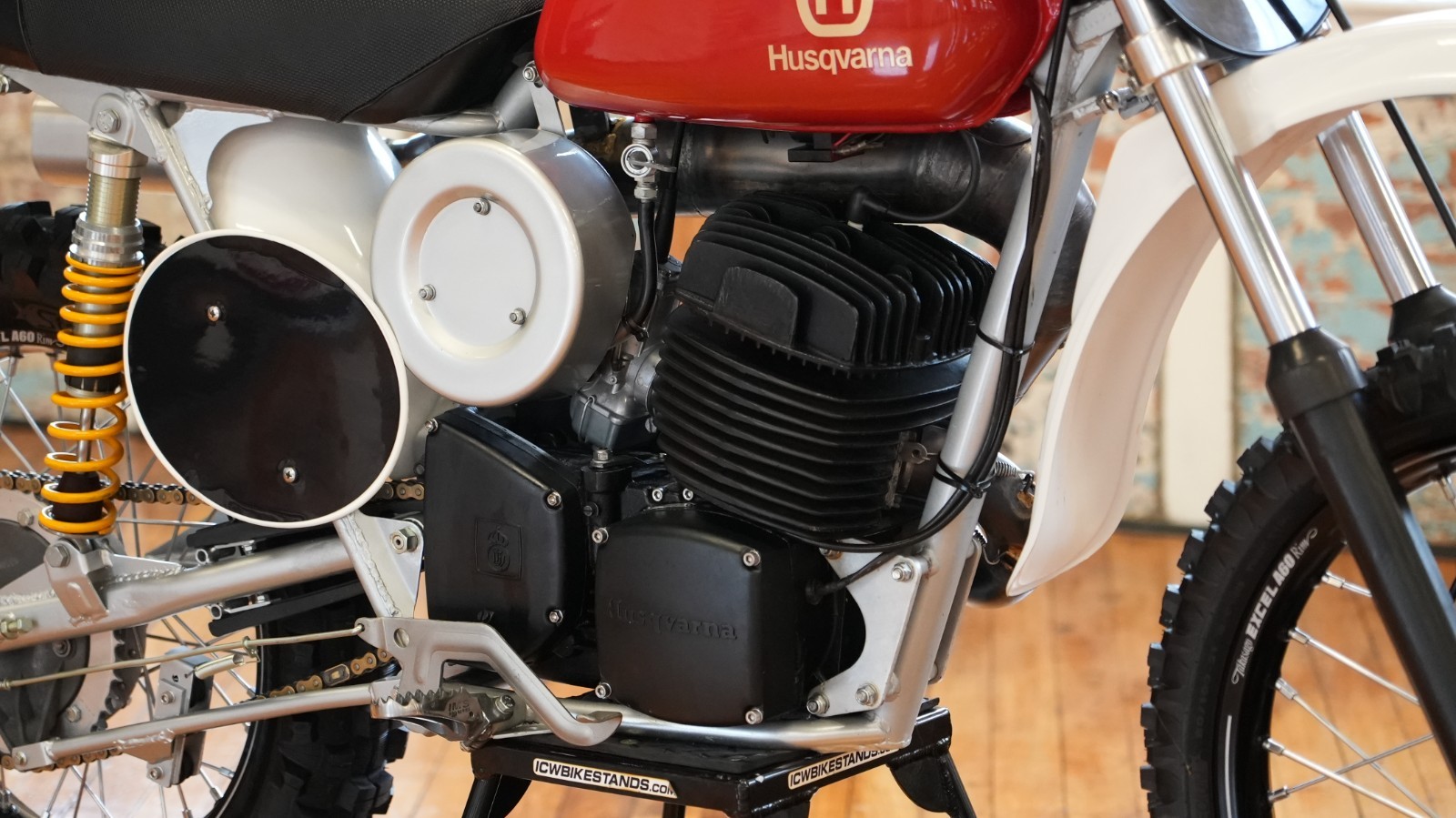
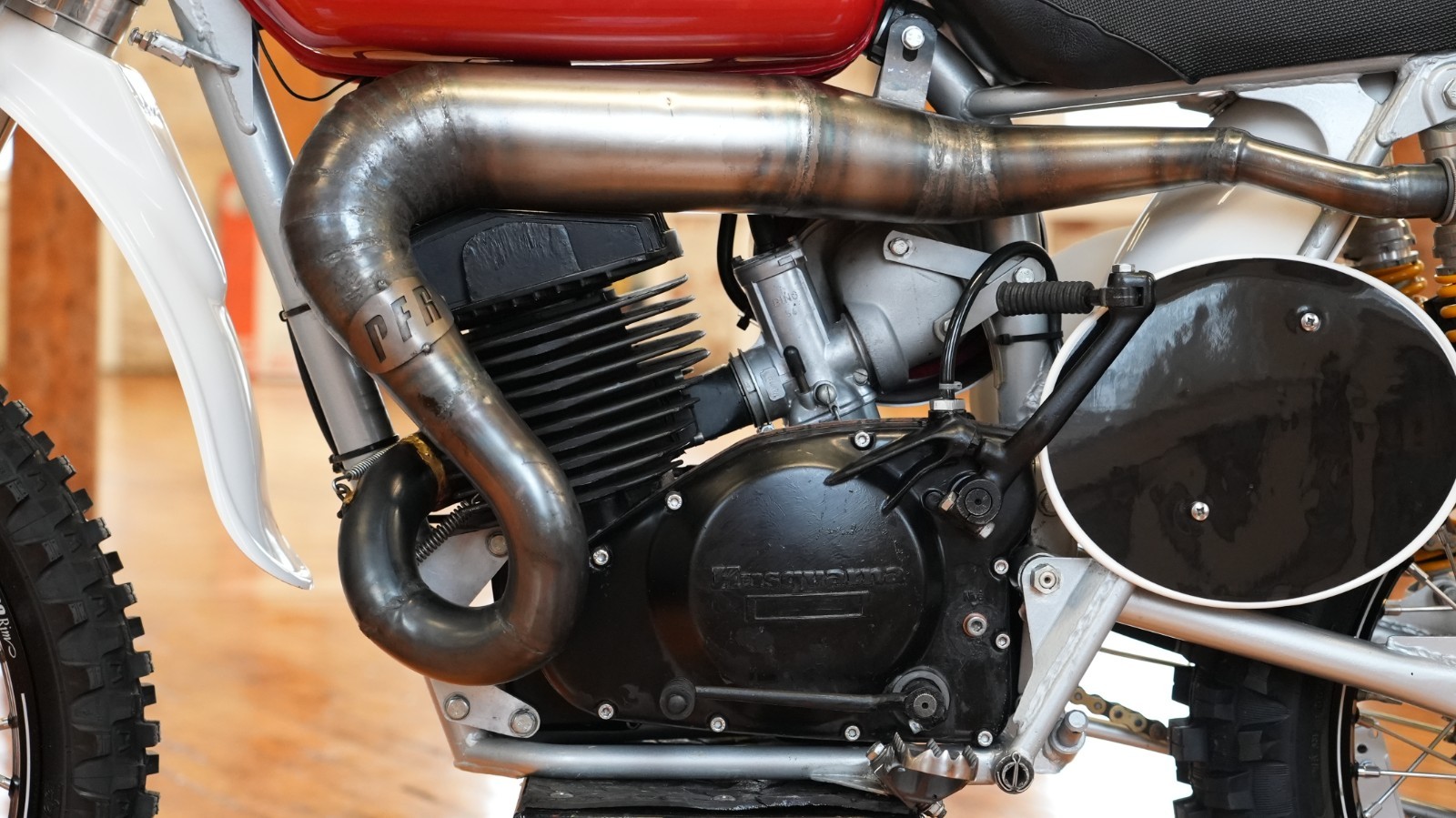
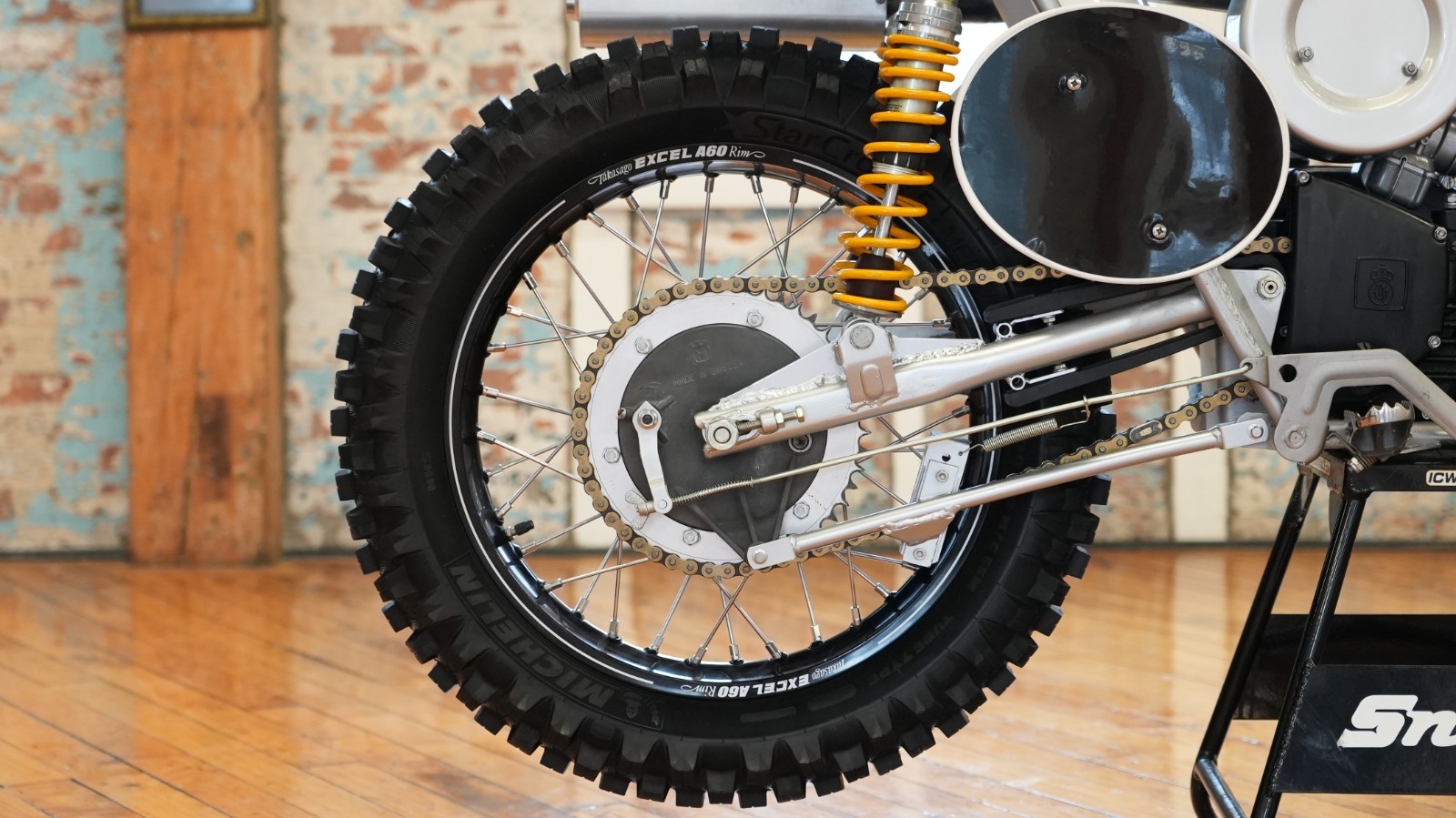
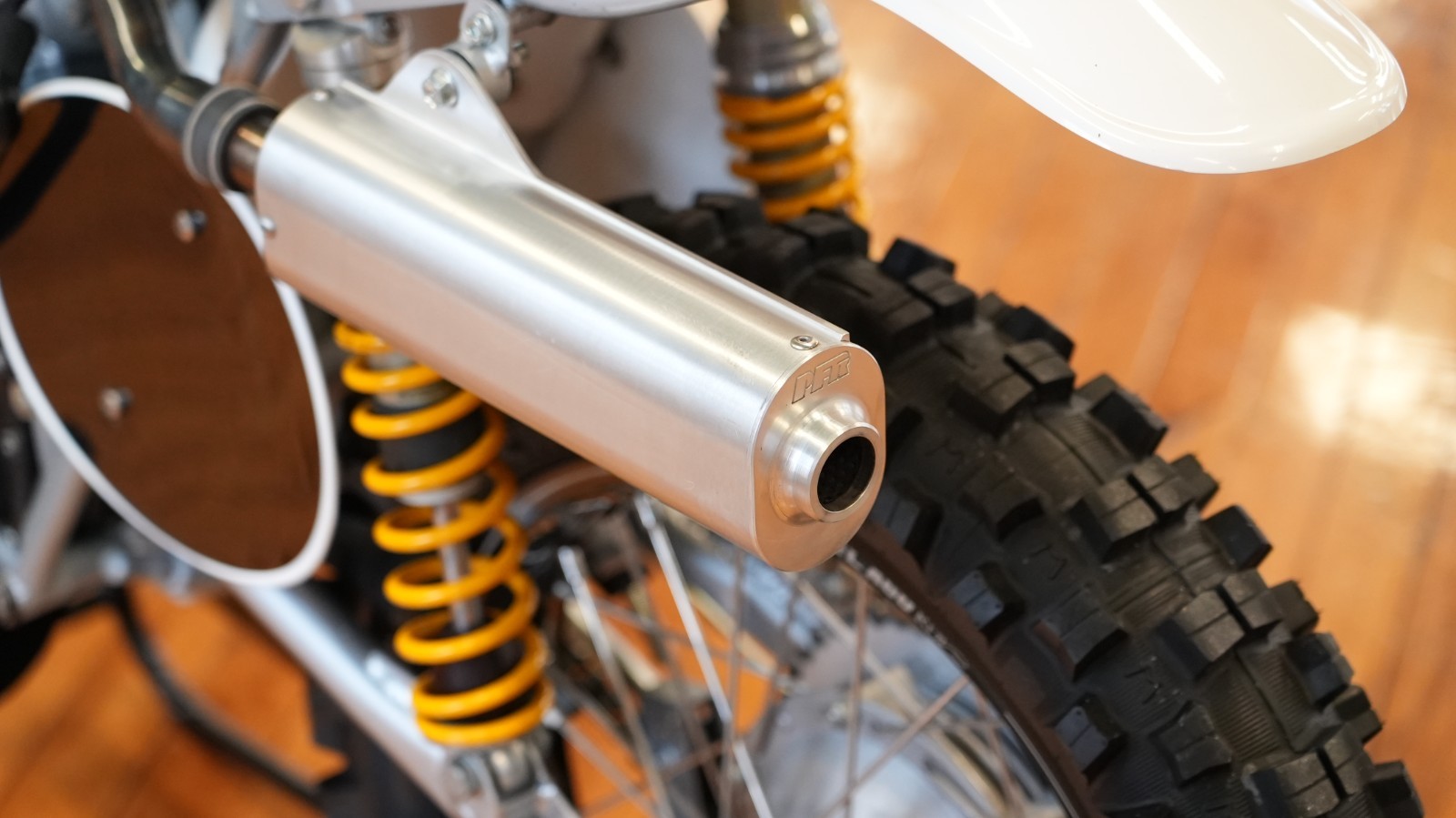
In short, this isn’t a cosmetic restoration hiding tired internals — it’s mechanically renewed from the crank up.
Period Style, Modern Rideability
Additional upgrades include:
- Tag aluminum handlebars
- Works Connection quick-adjust perches
- IMS Pro Series stainless footpegs
- Restored tank with decals under clear
- Rebuilt seat with new foam and cover
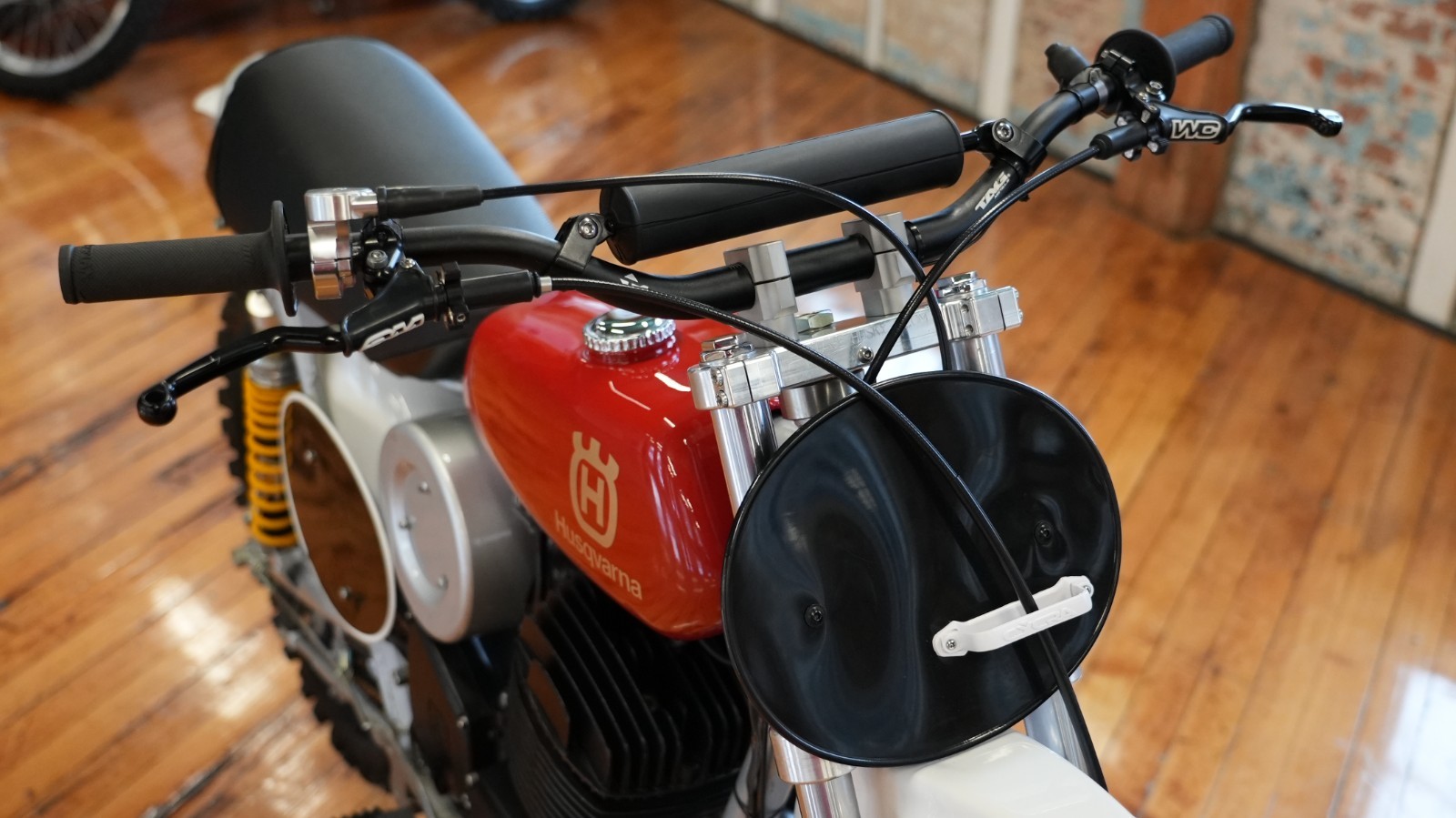
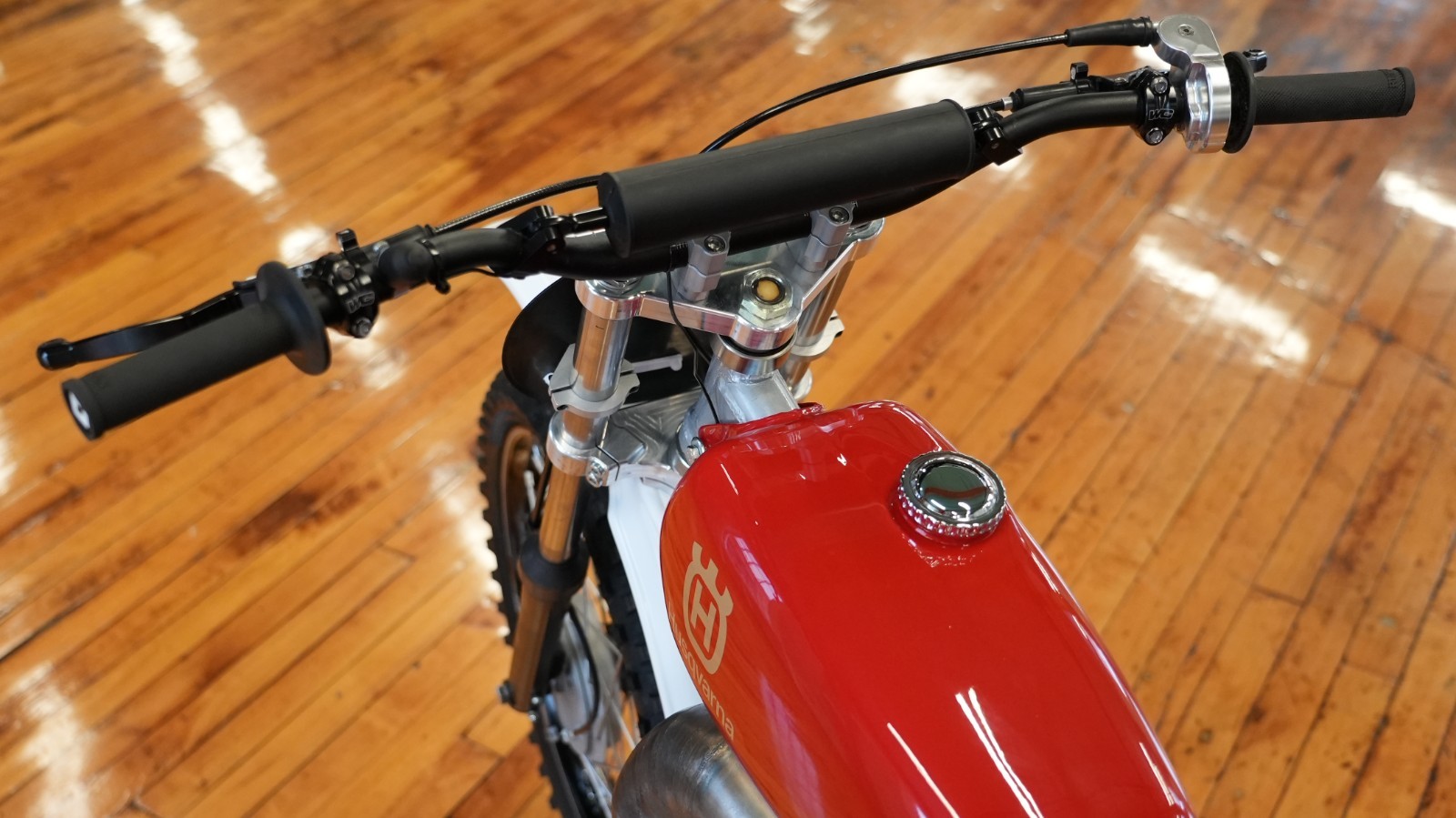
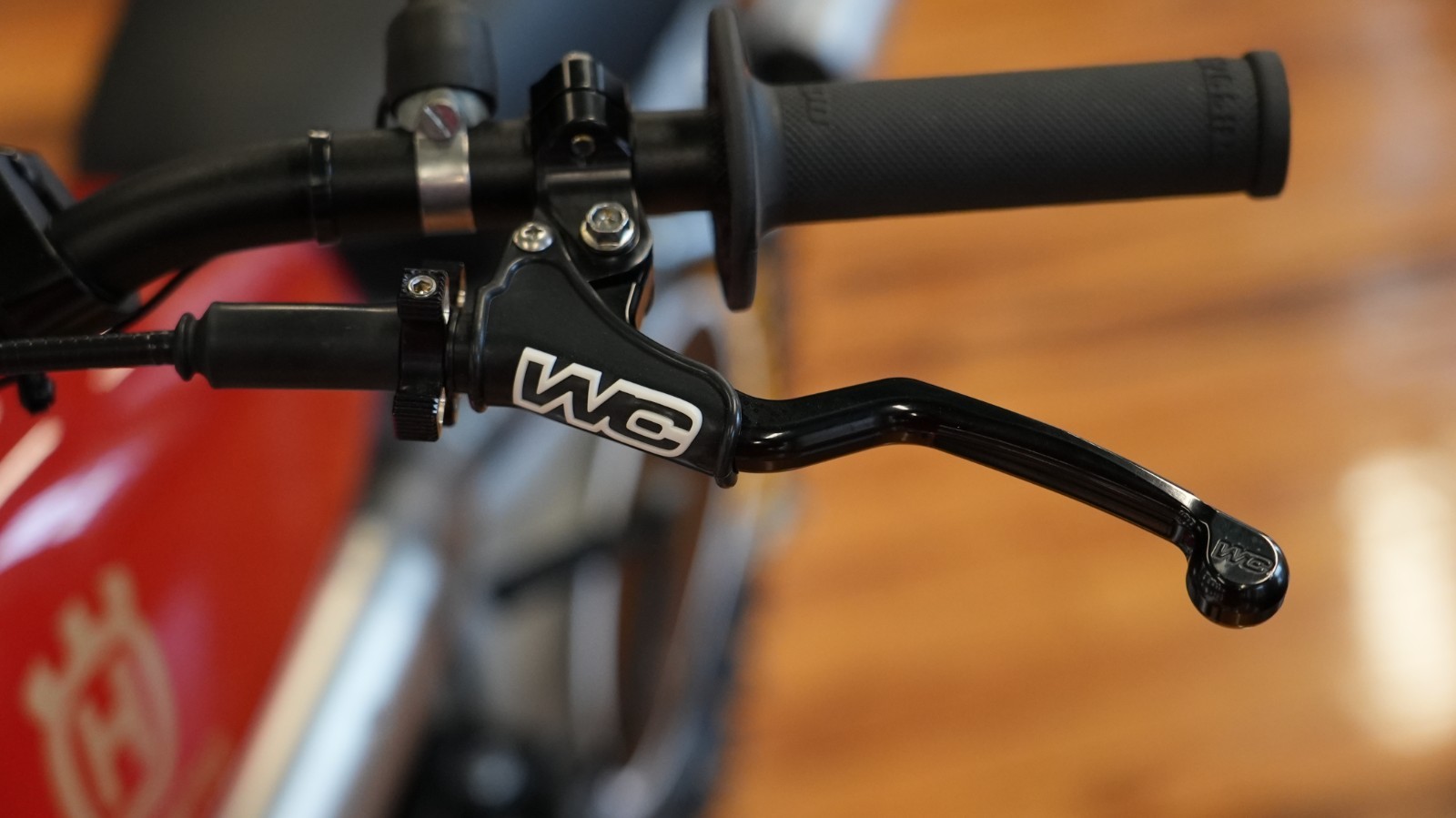
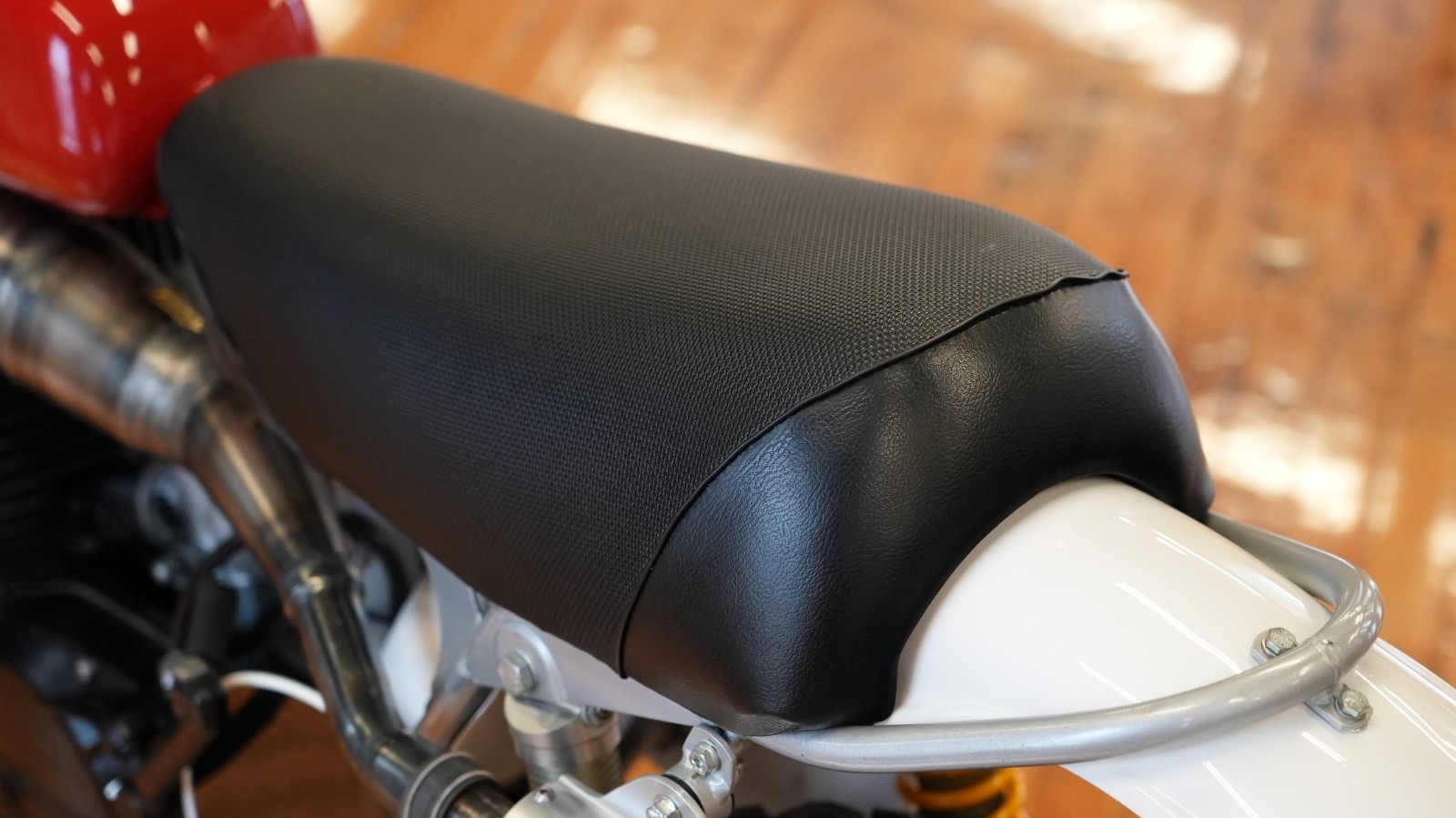
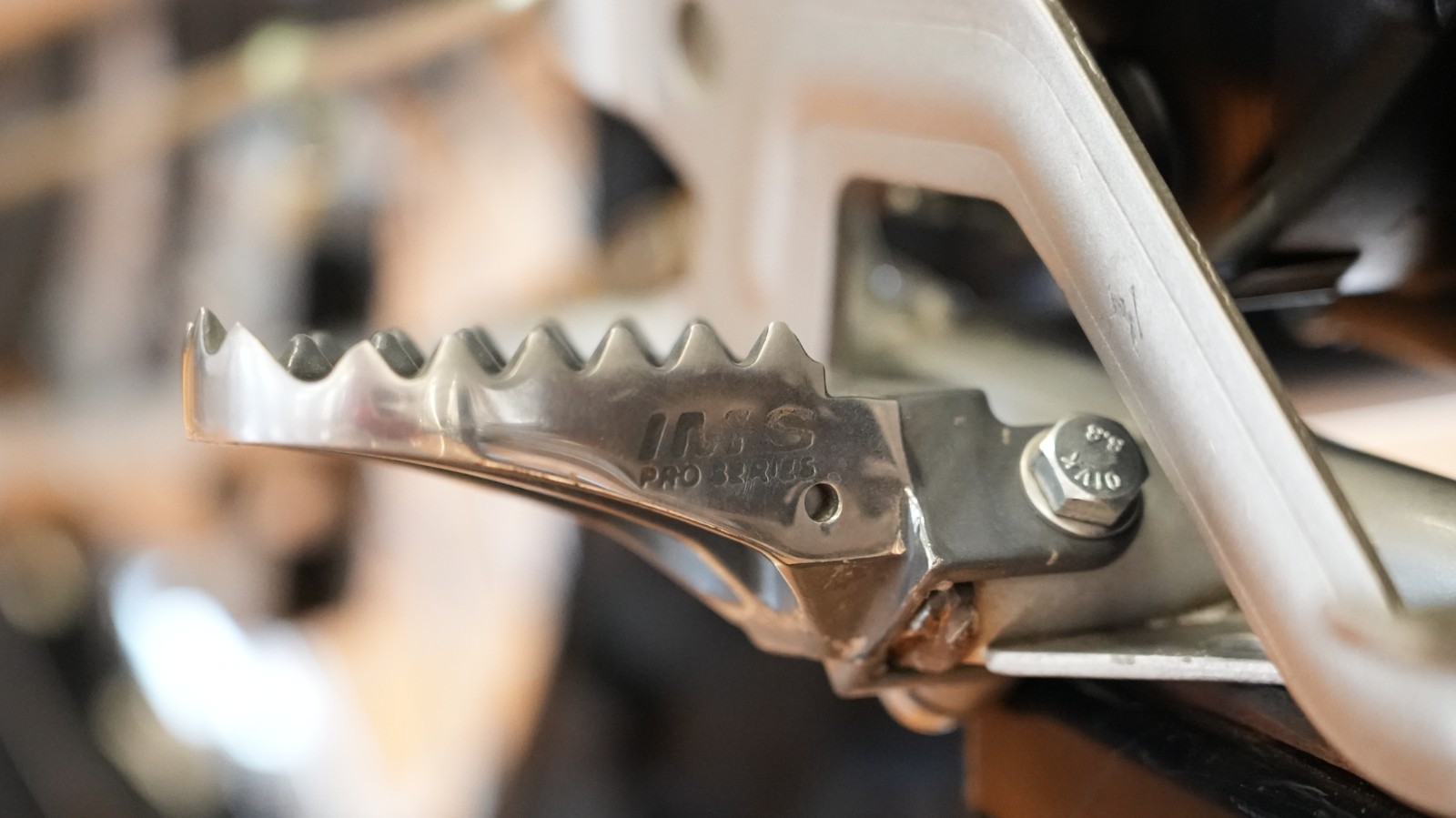
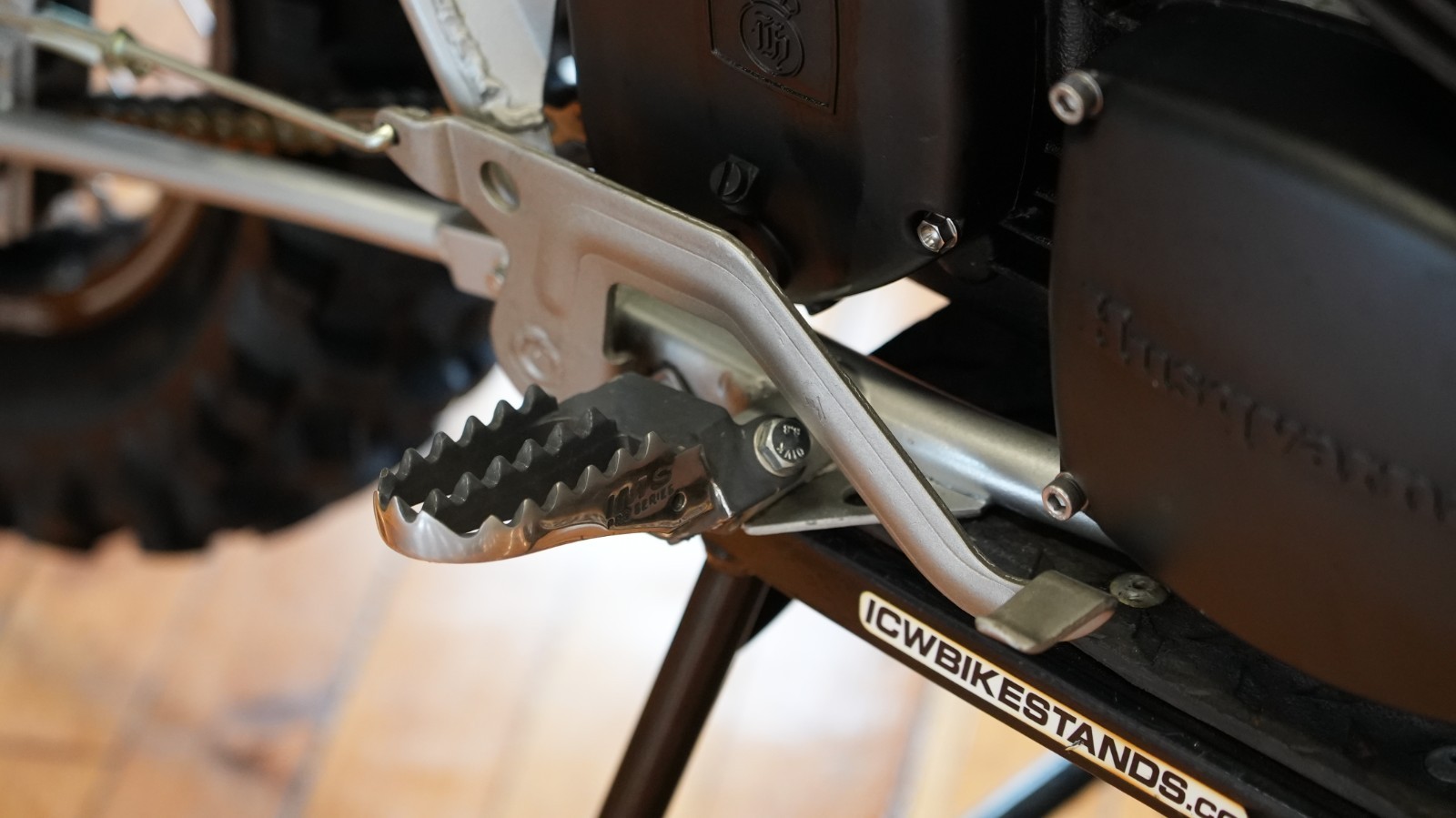
The listing also notes inclusion of a World Championship wreath airbox logo — a fitting nod to the Mikkola era for this high-spec build.
The 400 CR: The Last of a Breed…
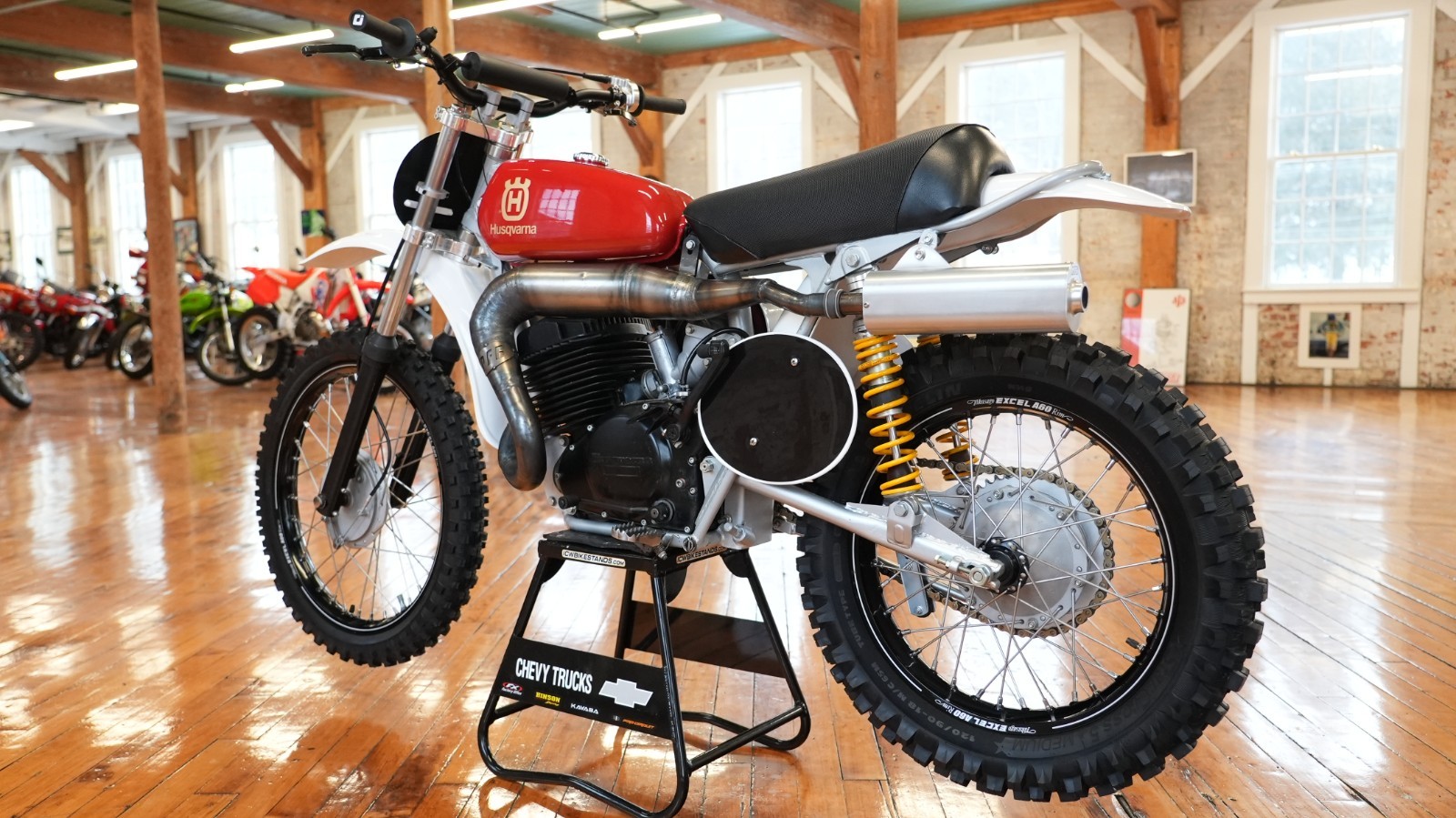
The 400 CR represents the final years before the monoshock revolution would change motocross forever. It is a machine from the height of the twin-shock era — raw, mechanical, brutally honest. It’s also part of a lineage that includes names like Tony DiStefano, Gary Semics, Bengt Aberg, and countless privateers who lined up behind the Swedish red tank.
For collectors, the 1975 model year stands as a high-water mark — the year Husqvarna ruled the world. For riders, it remains what it always was: a lightweight, torque-rich open-class weapon forged from Swedish steel. And for anyone who grew up watching On Any Sunday, it’s more than a motocross bike. It’s a legend.
You can find this bike for sale here: www.ebay.com/itm/366241107128
More Husqvarnas…
 The Red Arrow: Husqvarna “Rödpilen” 701 - A Blood-Red Vitpilen 701 Supermono from XTR Pepo… When the Husqvarna Vitpilen (“White Arrow”) first arrived in 2018, many commentators expected the futuristic-looking neo-retro naked bike might be more style than substance. However, they were […]
 Swedish Steel: 1975 Husqvarna 400 CR Restomod - For Sale: ’75 Husky 400 Cross — The World Championship Weapon… In 1975, Husqvarna stood at the absolute summit of the motocross world. The 400 CR wasn’t just another big-bore two-stroke — it was the […]
 Super Thumper: Husqvarna 701 Supermoto - Classy Hooligan: Husky 701 SM by ASE Custom Motorcycles… When the Husqvarna 701 Supermoto launched in 2014, it was the most powerful production thumper ever built, boasting 74 horsepower and 54 pound-feet of torque […]
 Beyond the Line: Husqvarna FE 450 Baja Racer - For Sale: Husky 450 “Paloma” Desert Racer by Deus USA… Until 2019, the Husqvarna FE 450 was a high-performance dual-sport bike — basically a 450 dirt bike that was street-legal. For model year 2023, Husky […]
 Whiskey Arrow: Vitpilen 401 Custom - Custom Husky Vitpilen 401 from Whiskey Echo Moto… Over the past few years, we’ve loved watching the rise of lightweight, nimble, and surprisingly capable 300-400cc machines like the KTM 390 models, Kawasaki Z400 / Ninja […]
 Huskypower: Husqvarna 630 Street Tracker - Satset Garage turns back the clock on a modern sumo… Introduced in 2011, the Husqvarna 630 SMR was one beast of a supermoto — a fuel-injected big-bore street version of the bikes that had won […]
 Baja Husky: 1985 Husqvarna 430 Baja Racer - Scott Sinclair restores a rare Husqvarna Baja racer to full glory… Back in the 1970s and early 80s, if you stood along the Baja 1000 race course in the dead of night, waiting for the […]
 Two-Stroke Desert Racer: Street-Legal Husky 390 OR - In the late 1970s, the Husqvarna 390 OR (Off-Road) was the king of the desert, a two-stroke monster that reigned supreme from the Mojave Desert to the distant tip of the Baja Peninsula. Said the […]
 Back from the Dead: RATicate Racing’s Husky 701 Supermoto - “The absolute hands-down craziest 701 on the planet…” The Husqvarna 701 Supermoto is one of the most potent hooligan machines ever created, a 320-pound supermotard with a 72-hp 693cc big-bore single pulled straight from the […]
 Black Arrow: Vitpilen 701 by Outsiders Motorcycles - For Sale: Stealth Black 701 built for The Bike Shed Show! The Husqvarna 701 series includes the Vitpilen (White Arrow) and Svartpilen (Black Arrow), sibling cafe and street scrambler machines that borrow heavily from one […]
 Win This: Husky Vitpilen 401 Street Tracker - Purpose Built Moto is giving away this Husqvarna Vitpilen 401! The Husky Vitpilen 401 sports the same single-cylinder engine as the KTM 390 Duke, wrapped in a lightweight steel-trellis frame and four-piece plastic body kit […]
 Silver Wolf: Husky 501 Street Tracker by AMS Garage - The Husqvarna FE 501 enduro is a 45-hp, 239-lb trail weapon featuring fuel injection, electric start, and a counterbalanced four-stroke engine. Meanwhile, the bike’s street-legal sibling, the FE 501s, is only ten pounds heavier, capable […]
 Husqvarna TE610 Retro Supermoto by Speedy Siegl Racing - “Seattle street ripper in retro trim…” The Husqvarna TE610 was a serious dirt and trail machine, designed to be ridden straight into the elements from the truck, trailer, or van. With a 53-hp, liquid-cooled engine […]
 Husqvarna SMR 510 Scrambler by KMPH OY - The Husqvarna SMR 510 was a replica of the Swedish company’s championship-winning supermoto race machines — a lightweight (240-lb), high-powered (60-hp), water-cooled street weapon with top-notch build quality. Enter Panu Laakkonen of KMPH Oy (Kalevan […]
 Yamaha XT600 Scrambler by TNT Custom - The Yamaha XT600 is one of the most popular enduros of all time, produced in various models from the mid-1980s to the early 2000s. The air-cooled thumper had up to 44-horsepower, with a dry weight […]


I had a 1979 250 Husqvarna. Loved it!
Kids. Hate to break it to ya but the bike pictured I’d bet lunch is a pre 75′. By 1975 Husqvarna had lay down shocks as pictured (when you zoom in you can see it on Mr Mikolas bike however I am willing to learn could it be your CR is a very early 75′?
Could be. We’re operating on what we learned from the owner / seller. The 400 WR did not have lay-down shocks in ’75, so it could be a WR frame with CR engine, or a very early ’75.