
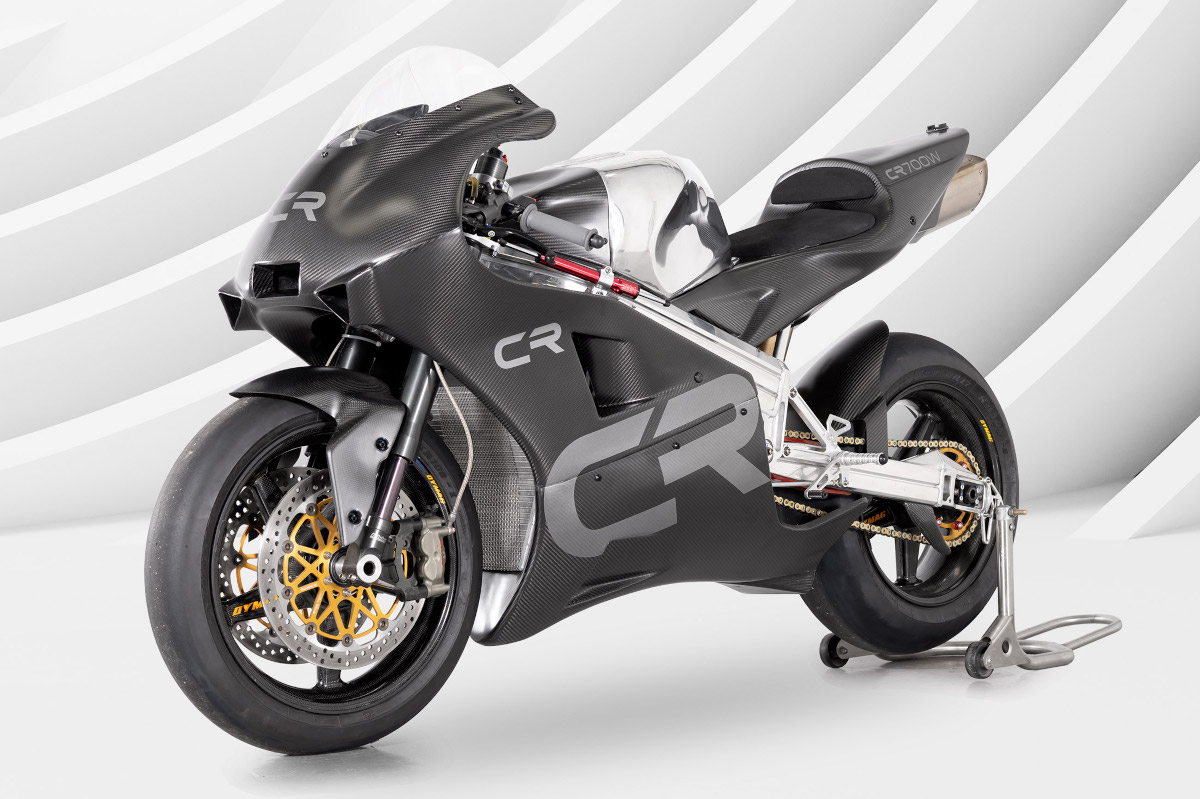
The culmination of Brian Crighton’s four-decade obsession with rotary race bikes makes 220 horsepower from 690cc — and weighs less than a Yamaha R3…
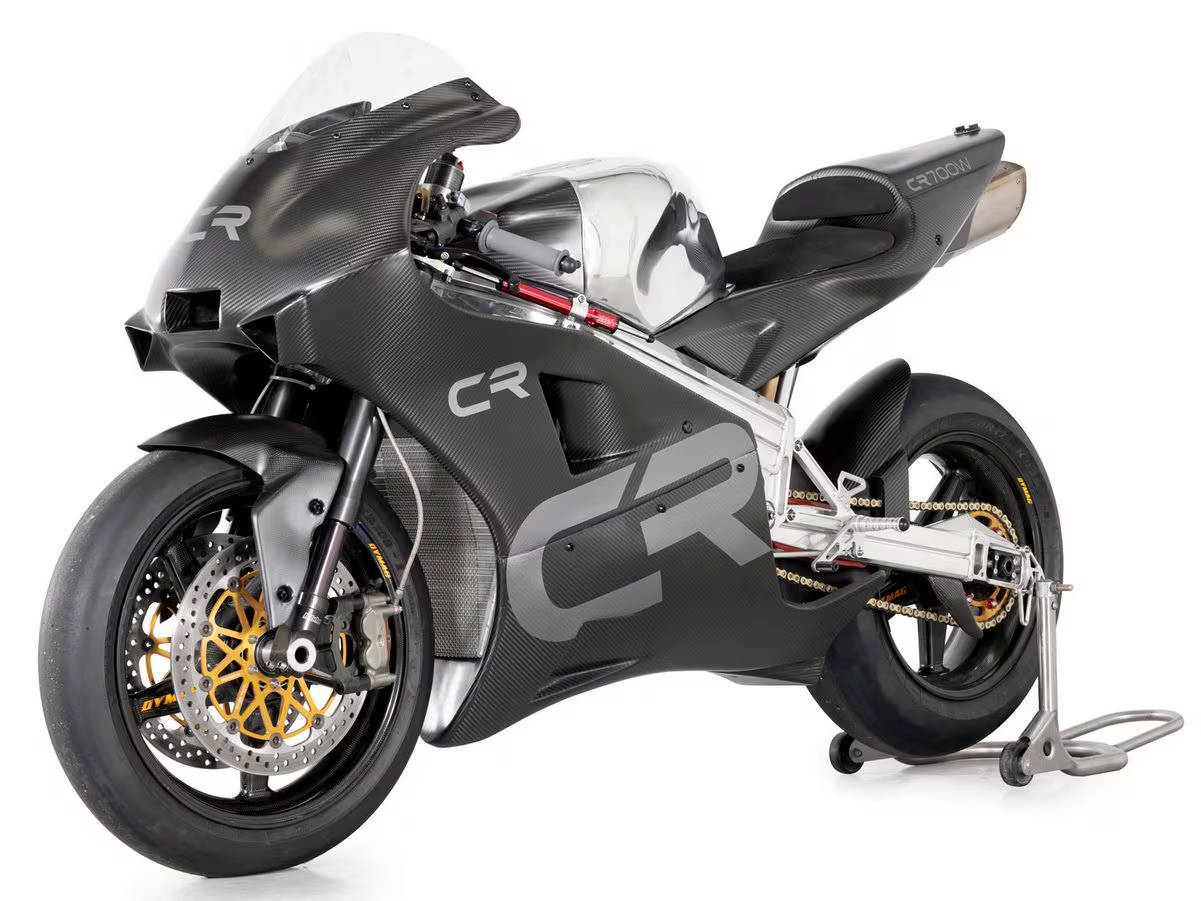
The Crighton CR700W is one of those motorcycles whose specifications make you stop and check you’ve read them correctly. In this case, you have. The engine is a 690cc twin-rotor Wankel producing up to 220 horsepower and 105 lb-ft of torque. The entire motorcycle weighs just 129.5 kilograms — 285.5 pounds — dry. That works out to roughly 1.7 horsepower per kilogram, giving this featherweight British superbike a power-to-weight ratio in the realm of modern MotoGP machinery.
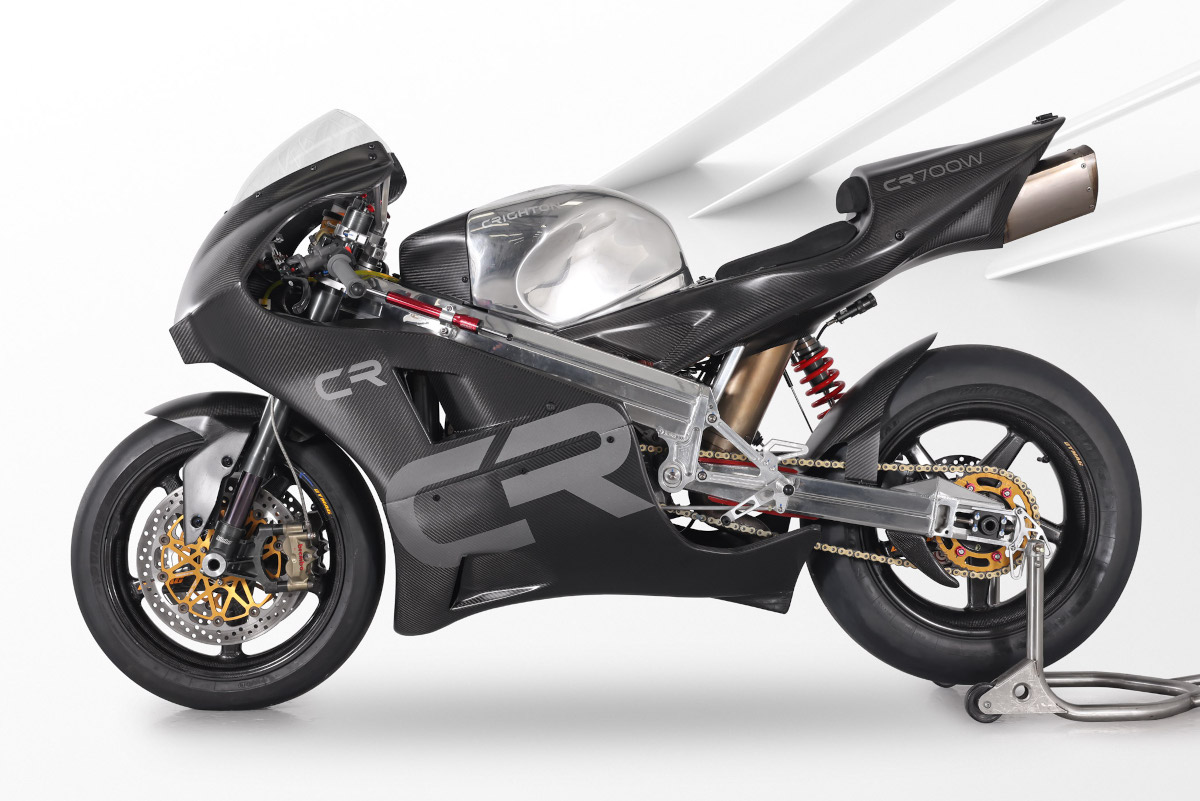
And no, this isn’t an electric motorcycle, a supercharged drag special, or some unrideable one-off built solely to generate a spectacular dyno sheet. It’s a naturally aspirated rotary-powered race bike, hand-built in England by the same engineer who spent decades turning Norton’s Wankel engine into one of the most fearsome weapons in British motorcycle racing. His name is Brian Crighton, and the CR700W is essentially the motorcycle he has spent most of his life trying to build.
The Rotary Man
Crighton’s connection to rotary motorcycles stretches back to the 1980s. A former three-time British 50cc champion, he joined Norton as a service engineer in 1984 before moving into research and development. Norton was then producing rotary-engined motorcycles powered by its 588cc twin-rotor engine, but the company apparently saw little racing potential in the design.
Crighton disagreed. Working largely on his own time, reportedly out of a caretaker’s shed at the Norton factory, he began extracting more and more power from the air-cooled rotary. Output climbed from roughly 85 horsepower to 120, and in 1987 Crighton took his prototype to the MIRA test track, where it reached an impressive 170 mph. Suddenly Norton management was interested in racing.
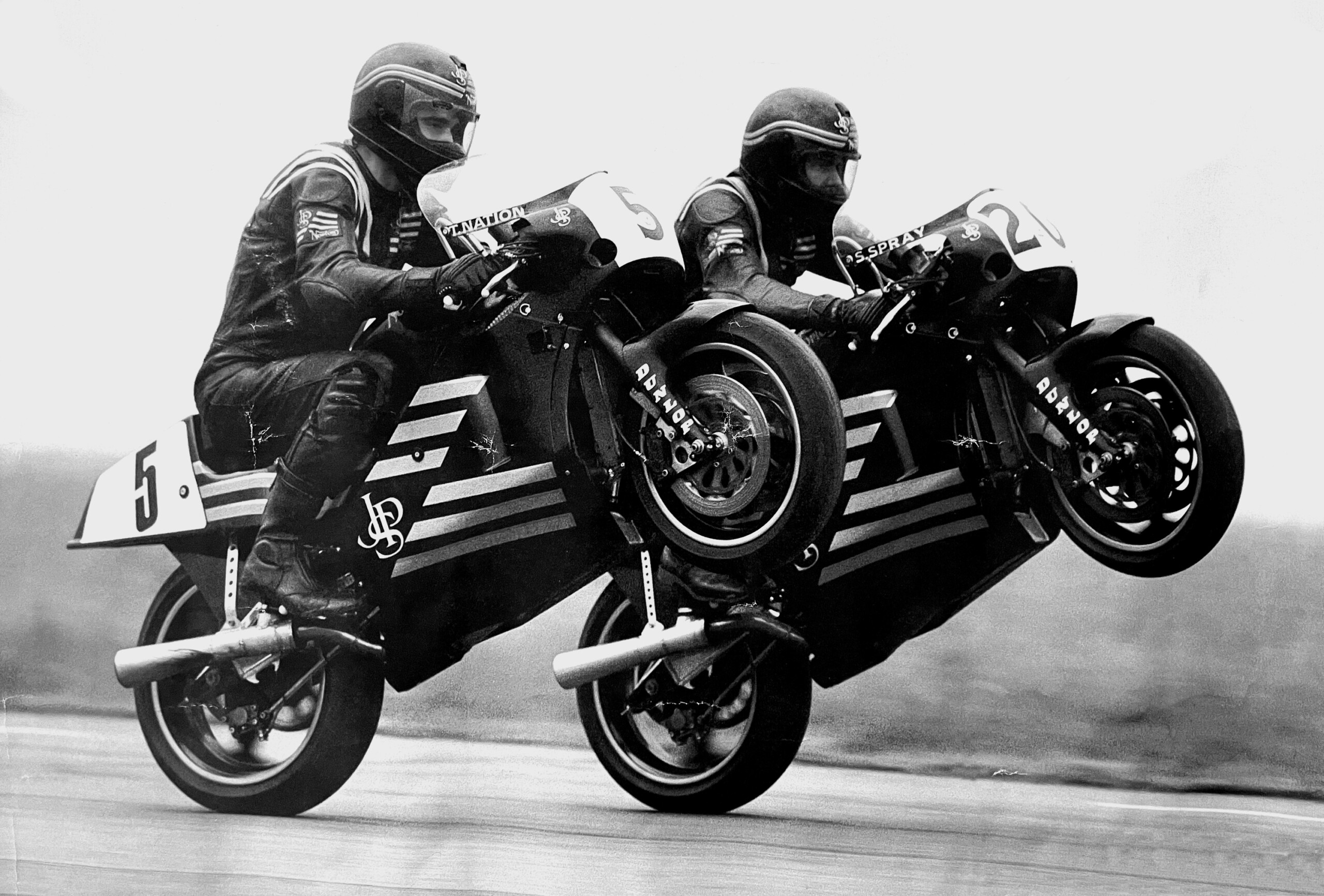
What followed was one of the more extraordinary chapters in British racing history. Crighton-developed Norton rotaries evolved into the RC588 and water-cooled RCW588 racers. Their piercing exhaust note and black-and-gold John Player Special livery became fixtures of British circuits in the late 1980s and early ’90s.
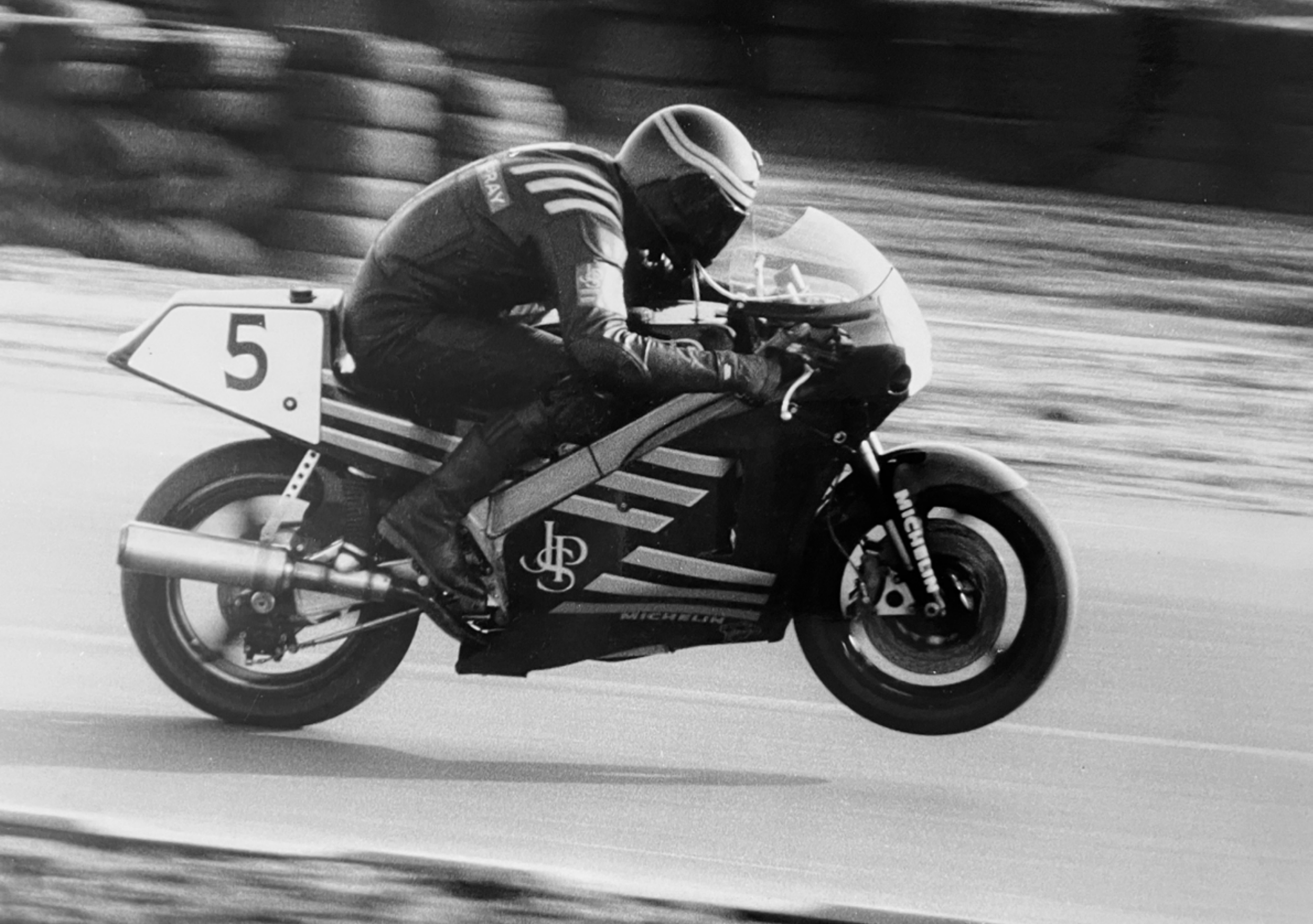
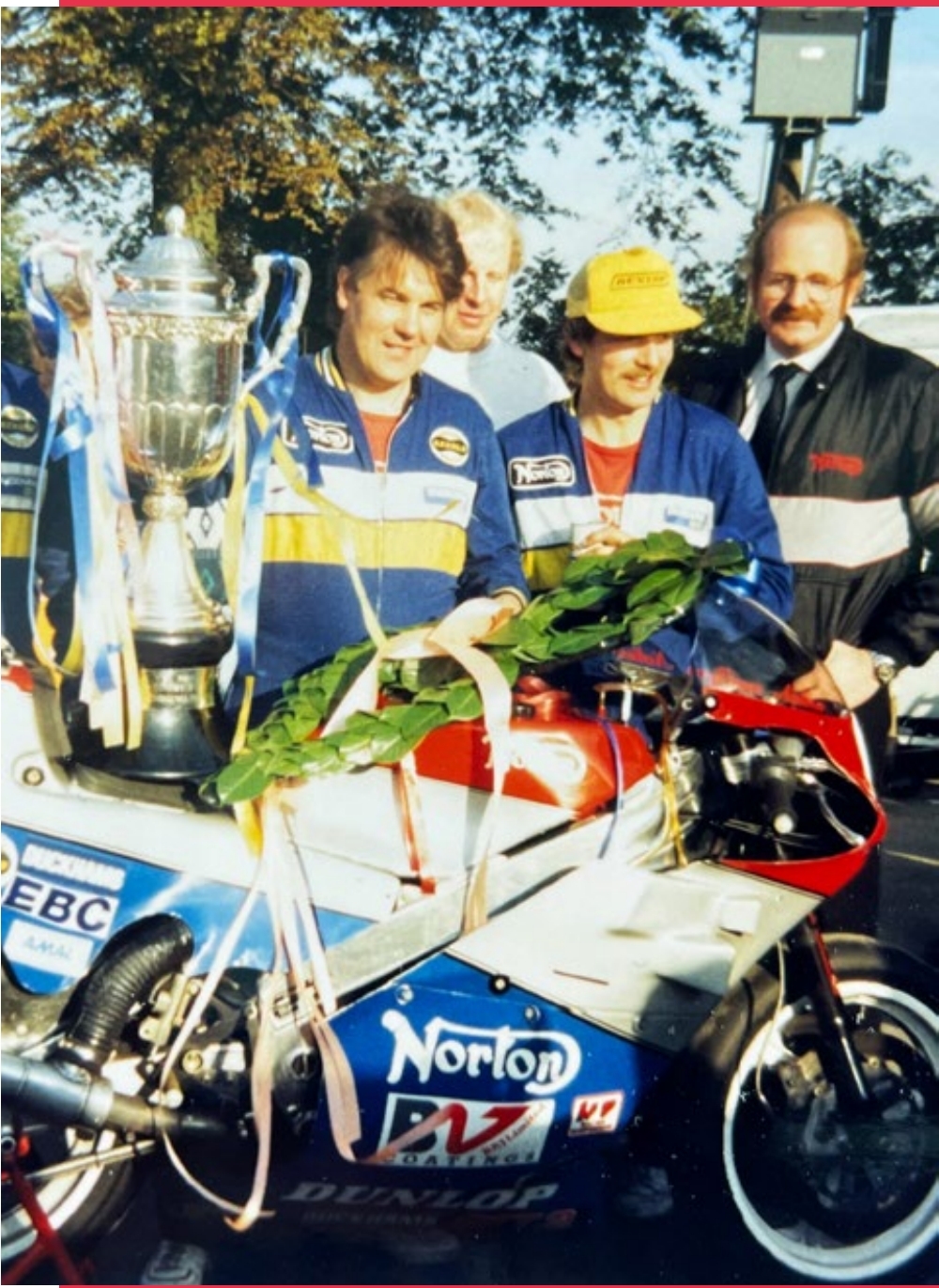
Trevor Nation and Steve Spray helped establish the machines as serious contenders, and Norton captured both the British Formula One title and 750cc Supercup Championship in 1989. Then came the race that would cement the rotary Norton in motorcycle folklore. At the 1992 Isle of Man Senior TT, Steve Hislop rode the 588cc Norton against Carl Fogarty on a Yamaha OW01. Both riders broke lap records during an epic battle around the Mountain Course, with Hislop ultimately defeating Fogarty by just 4.4 seconds. It was Norton’s first TT victory since 1973 and its first Senior TT win since 1961. Fans would later vote the 1992 Senior the greatest TT race of all time.
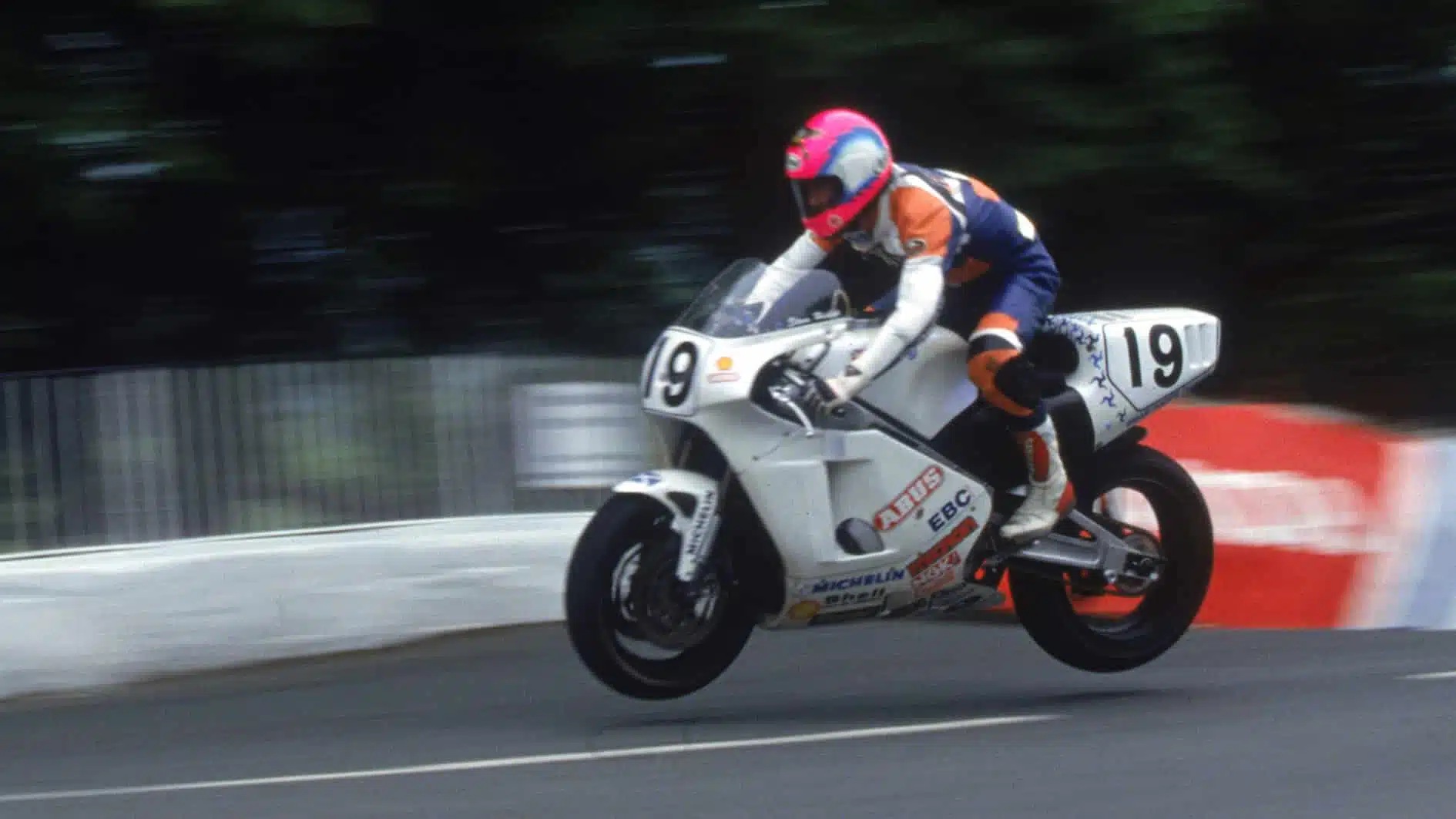
Crighton continued developing his rotary racers outside Norton, and in 1994 Ian Simpson won the British Superbike Championship aboard one of the Duckhams-sponsored Roton machines. The unusual rotaries had gone from an engineering curiosity to beating conventional piston-engined superbikes from some of the largest manufacturers in the world. Crighton never lost faith in the concept.
Why a Rotary?
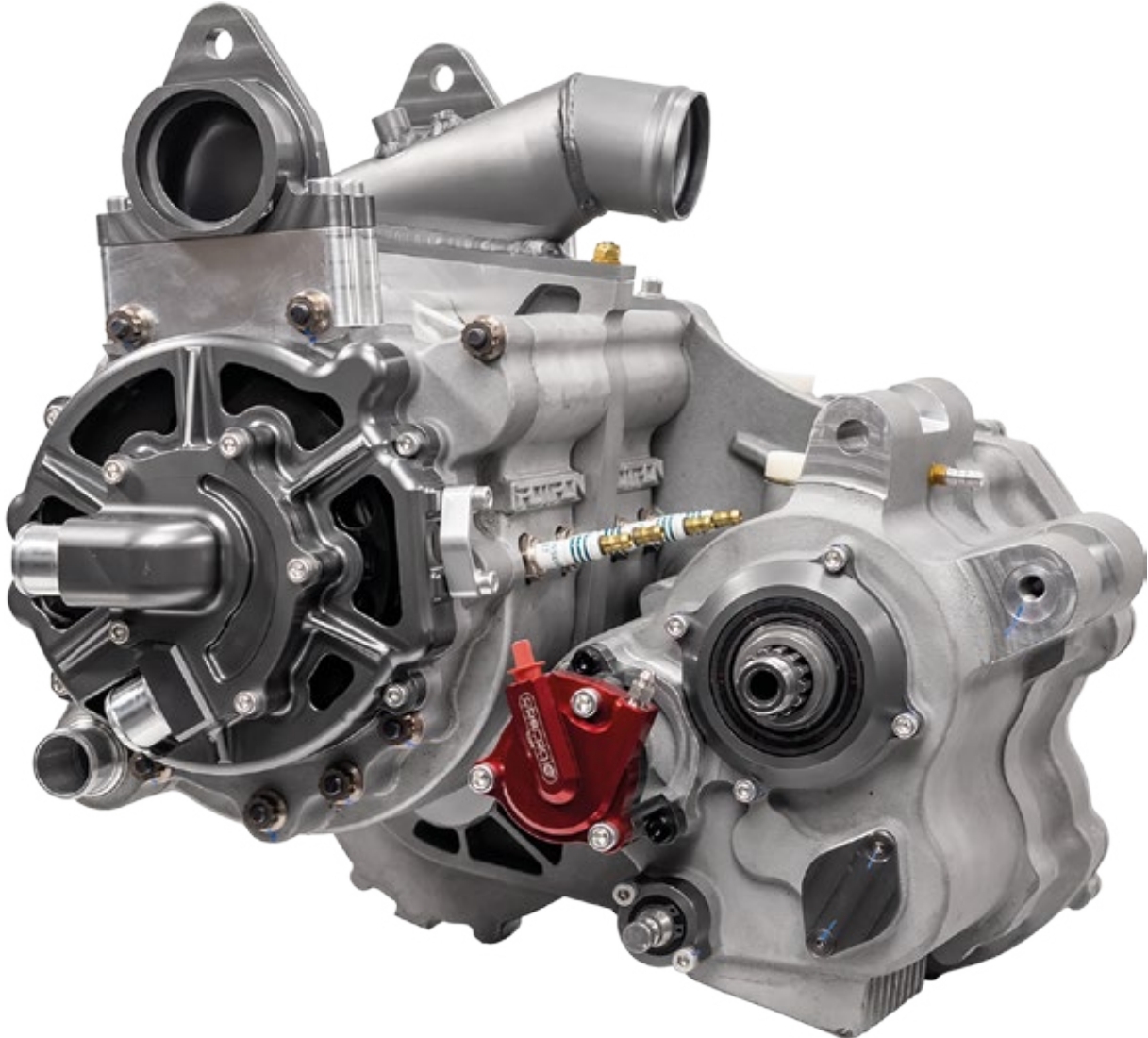
At first glance, a rotary engine seems especially well suited to a racing motorcycle. Instead of pistons, a Wankel uses roughly triangular rotors traveling continuously around specially shaped housings. The result can be extraordinarily compact. The CR700W’s complete twin-rotor engine measures just 340mm long and 240mm in diameter, and the core engine weighs only about 24 kilograms / 53 pounds. Even including the six-speed gearbox, slipper clutch, cooling system, and intake equipment, the complete power unit weighs only around 44-46 kilograms, depending on specification.
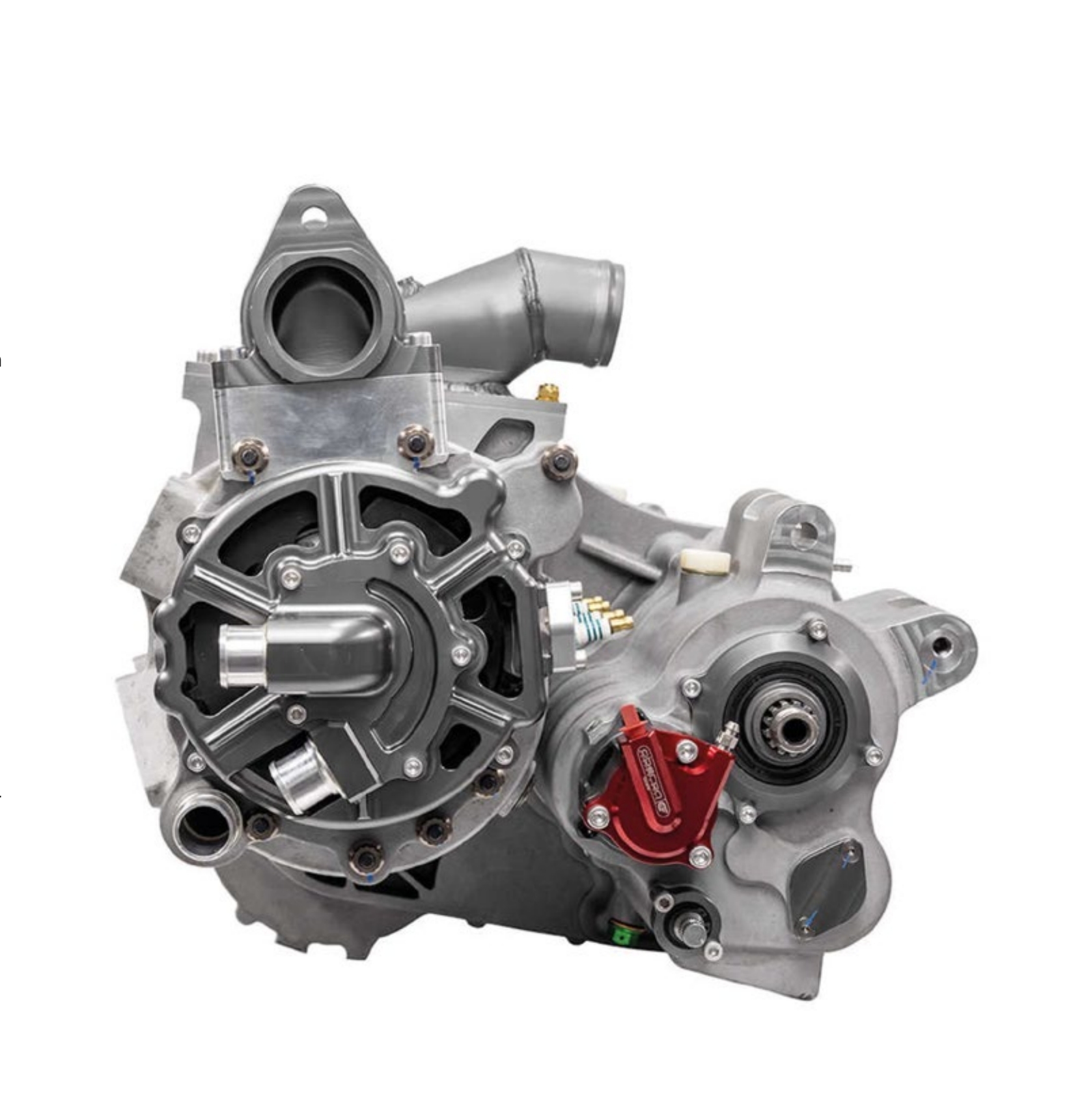
Better still, Crighton says the engine contains only three principal moving parts. There are no pistons, connecting rods, conventional crankshaft, camshafts, poppet valves, or valve springs. The rotating assembly is also naturally smooth, helping produce very little vibration.
Of course, history has shown that rotary engines have weaknesses of their own. Sealing the tips — or apexes — of the rotors has traditionally been one of the Wankel’s great challenges, while heat rejection, emissions, fuel consumption, and oil consumption have all helped keep rotaries on the fringes of mainstream vehicle production.
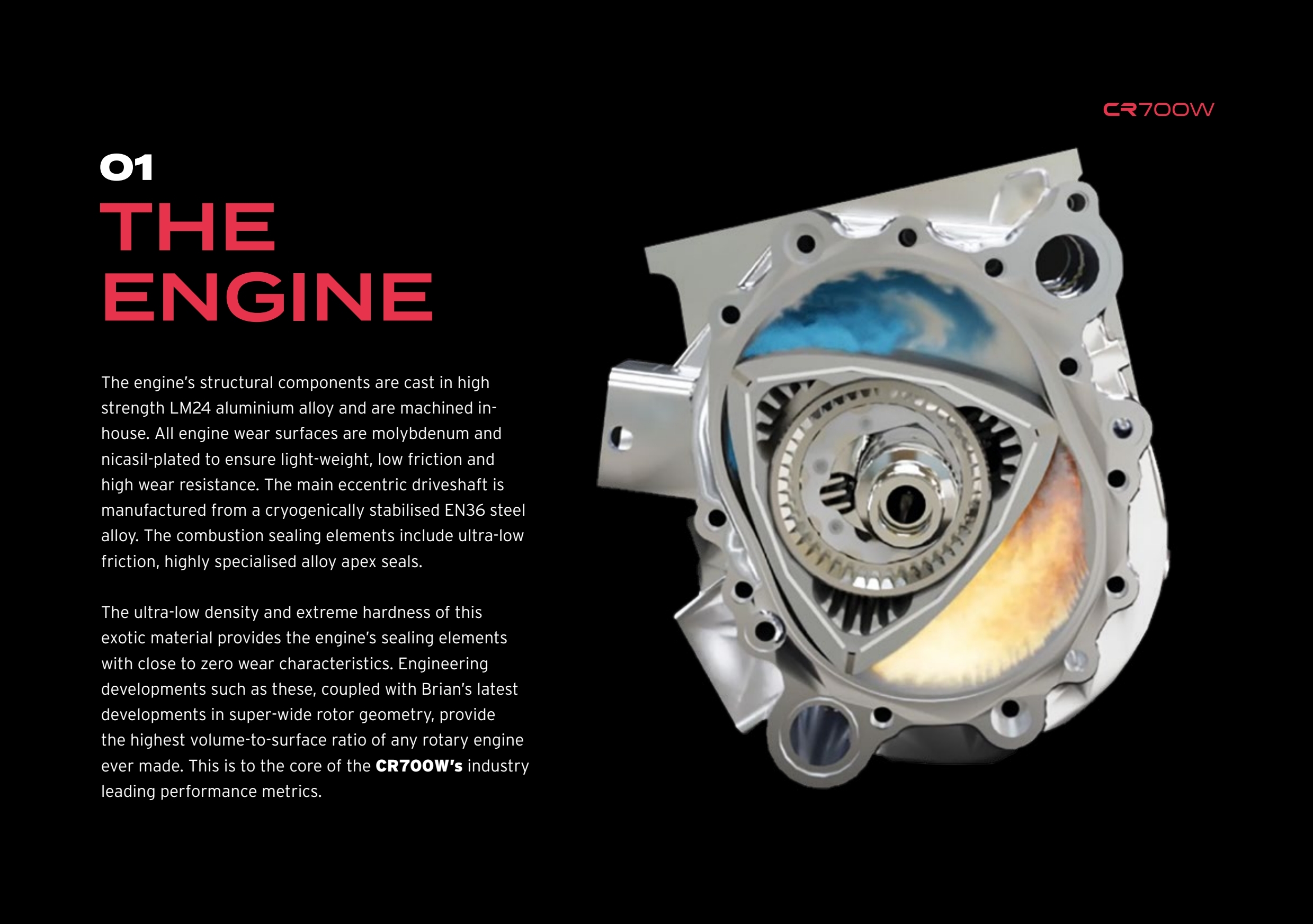
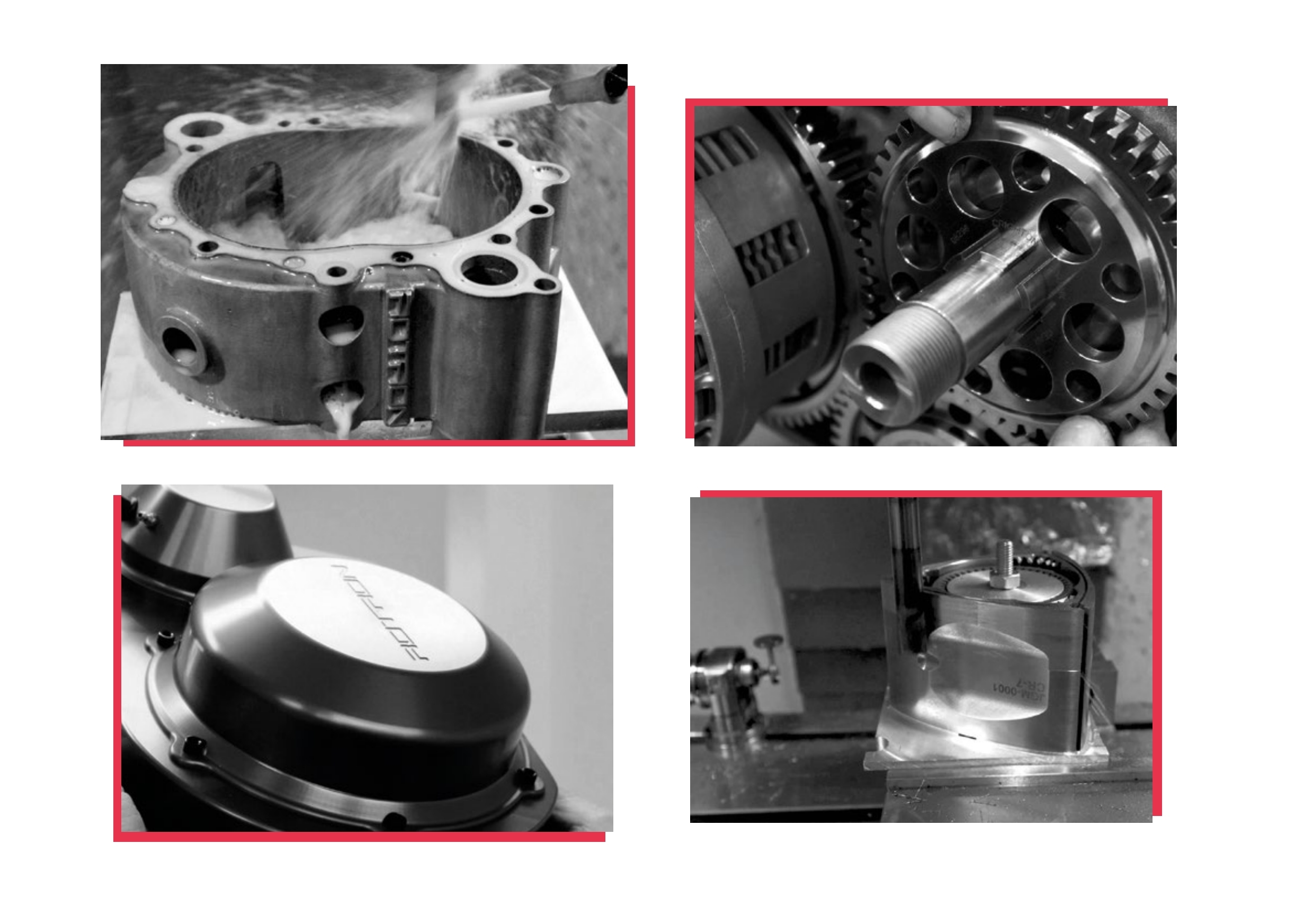 The CR700W represents Crighton’s attempt to apply decades of development and modern materials technology to those old problems. Its two-piece apex seals are made from silicon nitride ceramic, chosen for extremely low friction, low mass, hardness, and wear resistance. Engine wear surfaces receive molybdenum and Nikasil coatings, while the eccentric shaft is manufactured from cryogenically stabilized EN36 steel.
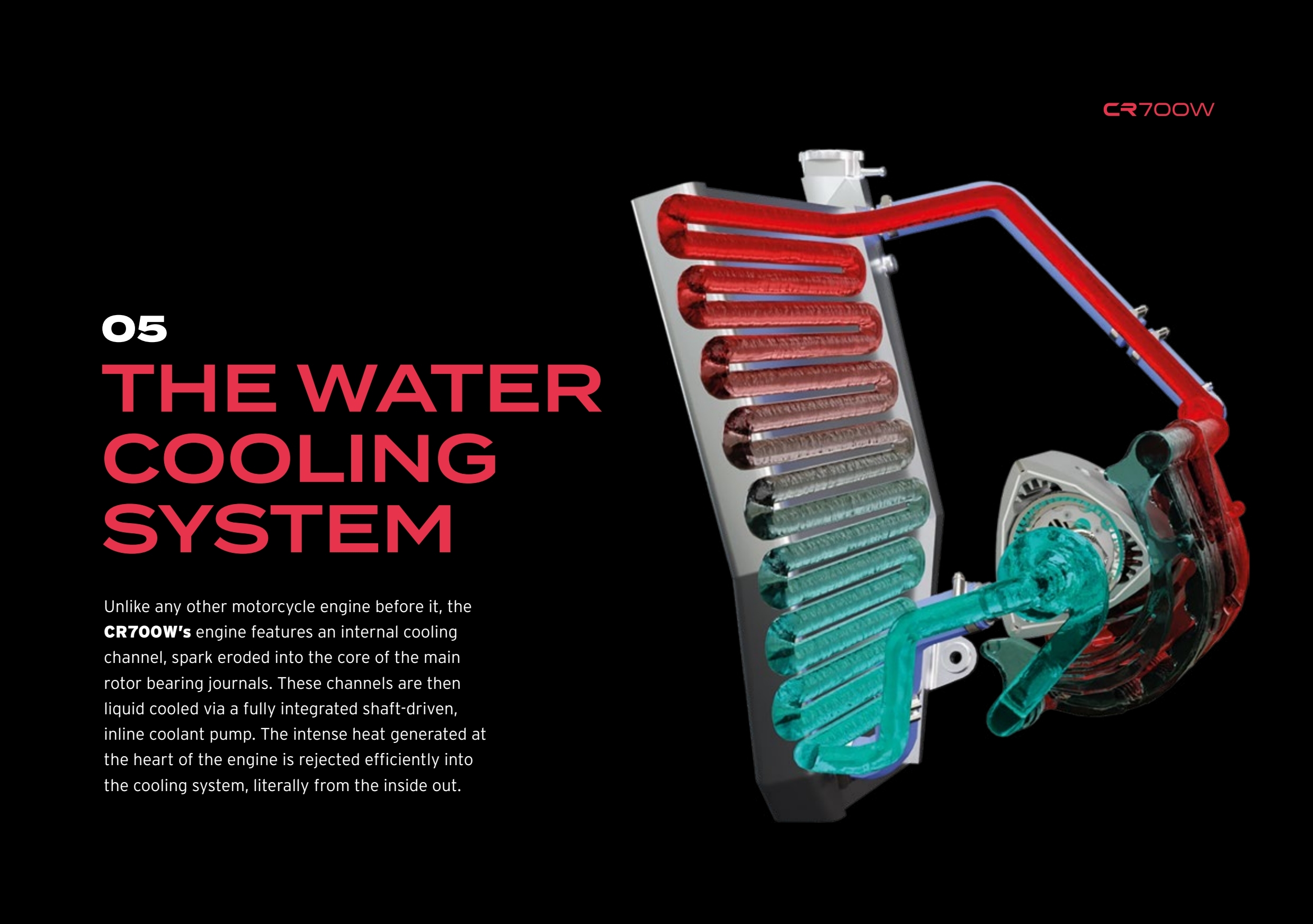
Cooling received equally obsessive attention. Crighton developed internal cooling passages through the rotor-bearing journals, carrying coolant directly through some of the hottest areas inside the engine. An integrated shaft-driven pump circulates the coolant. There’s even a titanium-and-Inconel exhaust ejector system that uses exhaust-gas energy to create a vacuum through the engine, drawing cooling air through the finned rotor tips without requiring an additional mechanical pump. It is a wonderfully unconventional solution to an unconventional engine.
690cc, 220 Horsepower
The finished engine displaces 690cc, with two 345cc rotors, and uses electronic fuel injection and fly-by-wire throttle control. In the finalized Track Day specification, the rotary produces 206 horsepower at 10,500 rpm through its 109-decibel track exhaust. Fit Crighton’s optional titanium and Inconel race exhaust, however, and output rises to the headline figure: 220 hp at 10,500 rpm. Peak torque is a startling 105 lb-ft at 9,500 rpm.
For perspective, that is superbike-level torque from an engine weighing about as much as a large suitcase. Crighton calculates specific output at approximately 319 hp per liter, despite the engine being naturally aspirated. And then there’s the weight…
220 HP / 286 Pounds…
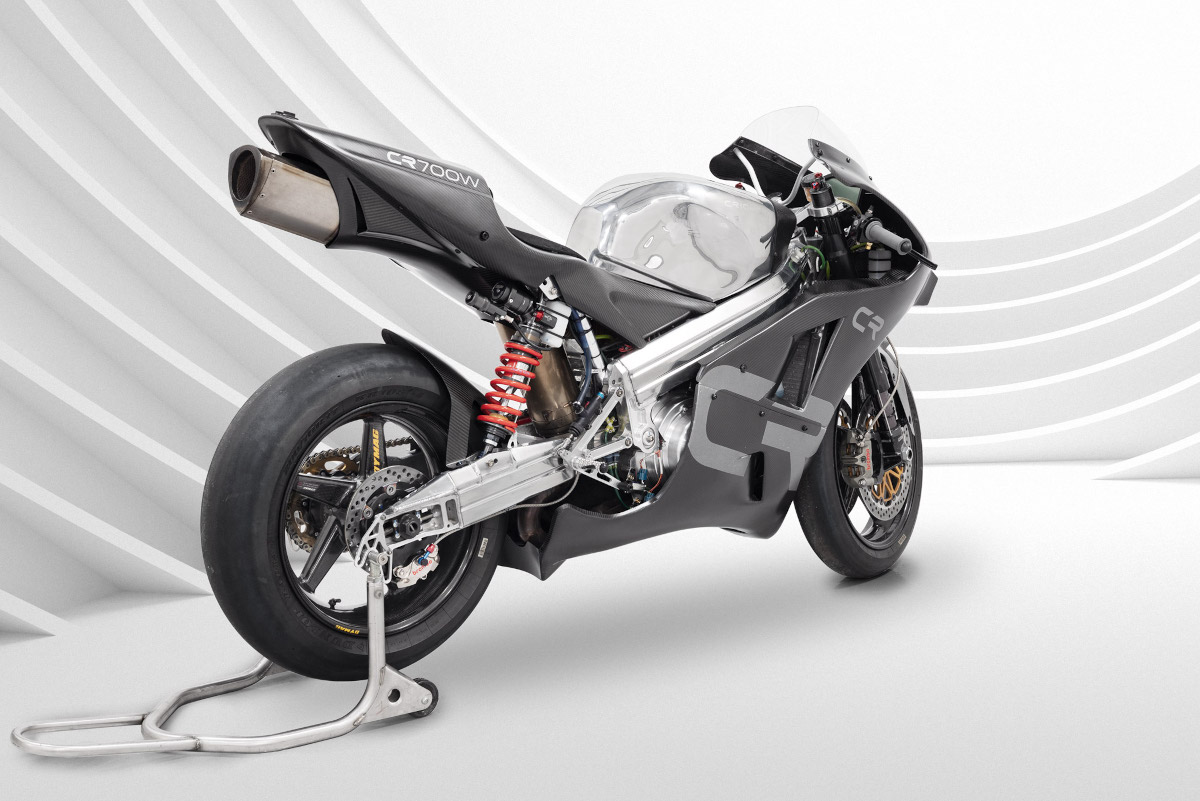
A modern liter-class superbike generally weighs somewhere around 430 pounds ready to ride. The CR700W weighs 285.5 pounds dry. That figure sounds more appropriate for a small-displacement single-cylinder race bike than something producing north of 200 horsepower.
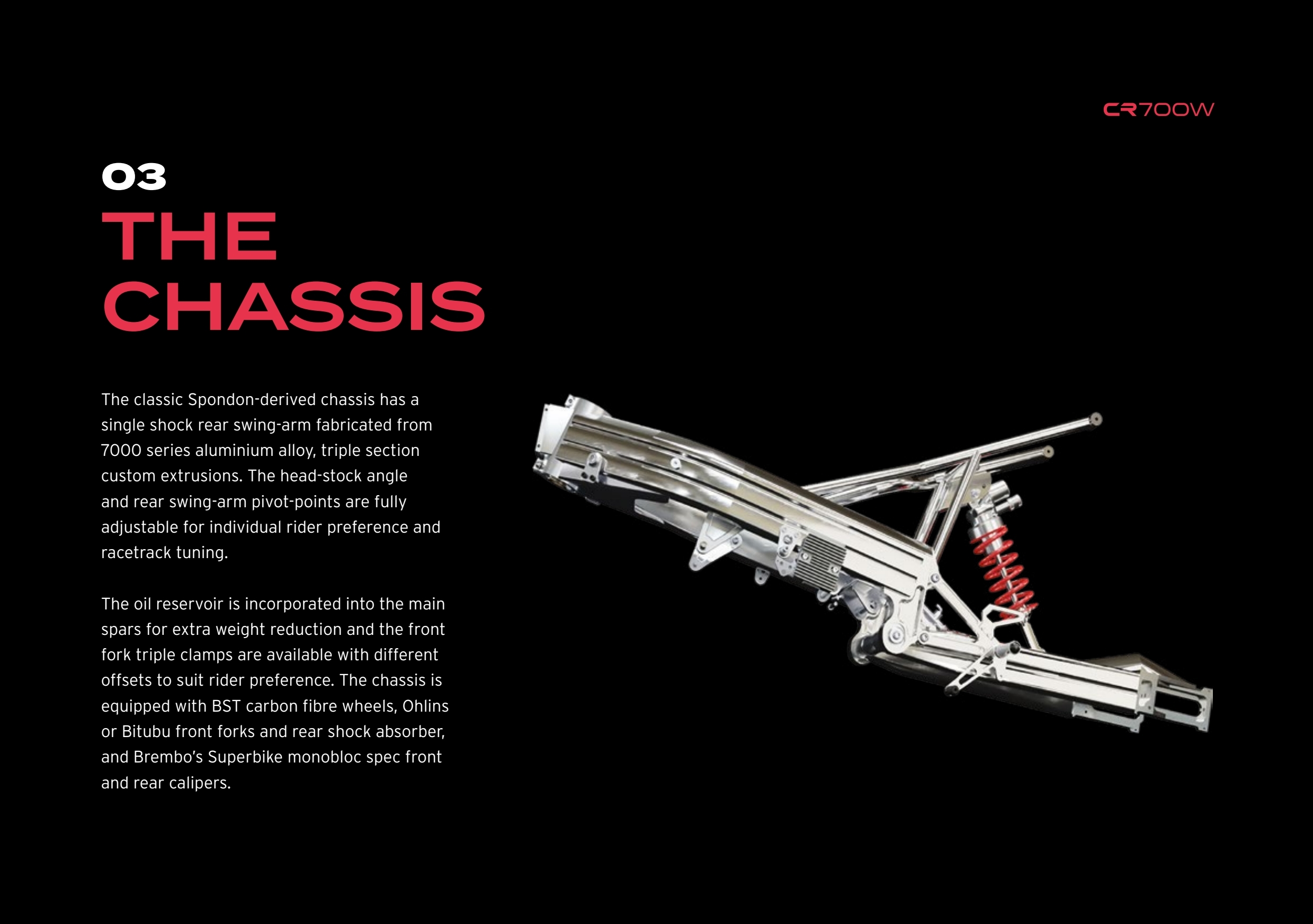
The astonishing mass comes partly from the tiny rotary powerplant, but virtually everything surrounding it has been constructed with the same objective. The CR700W uses a hand-fabricated chassis made from 7000-series aluminum, carbon-fiber bodywork, and BST carbon-fiber wheels. Current Track Day specification machines receive Öhlins FGR250 forks and a bespoke long-stroke Öhlins TTX GP shock, along with Brembo GP4-RX front calipers gripping a pair of 320mm floating discs.
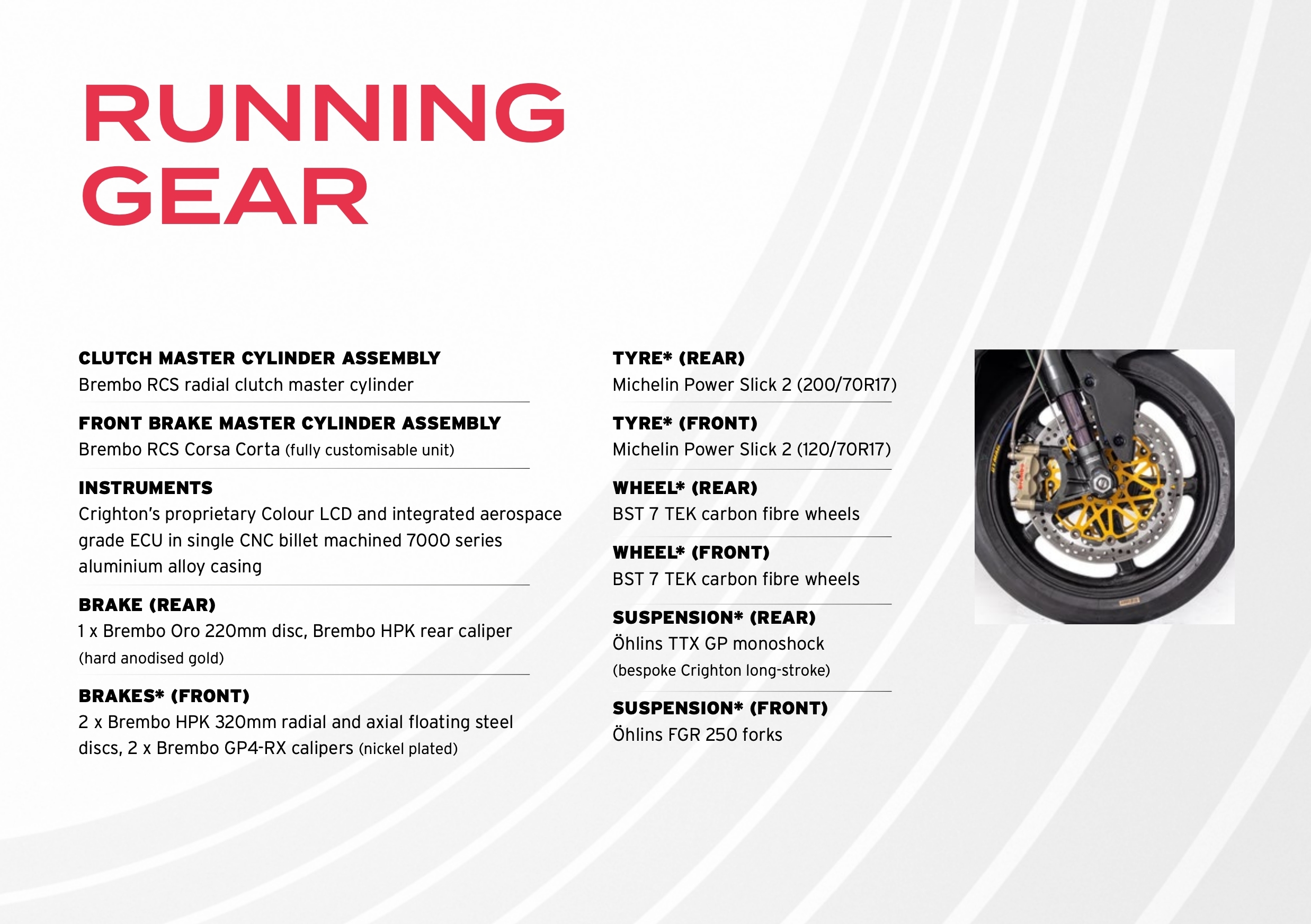
Wheelbase is an adjustable 1440mm / 56.7 inches, while seat height is a surprisingly reasonable 810mm / 32 inches. There’s very little unnecessary motorcycle left. That creates the number that defines the entire CR700W: 1.68 horsepower per kilogram.
Crighton calls it the highest power-to-weight ratio of any superbike, and the company compares the figure directly with contemporary MotoGP machinery. The difference is that the CR700W can actually be bought. At least theoretically.
Built by Brian Crighton Himself
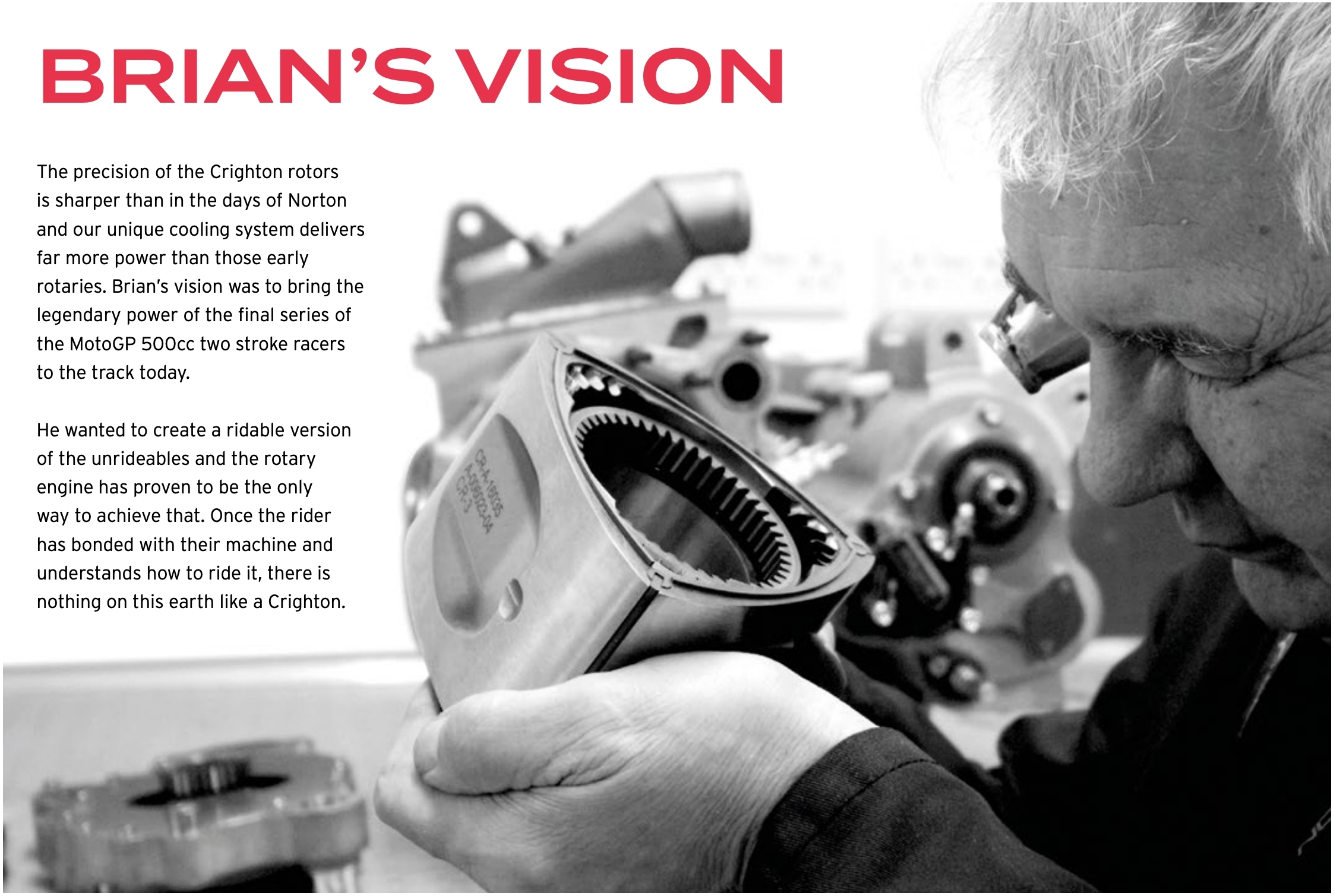
Production is limited to just 25 motorcycles, each assembled, set up, inspected, and personally signed off by Brian Crighton at Rotron Power’s facility in Wiltshire, England. Crighton began working with Rotron Power in 2009. The British company specializes in compact rotary engines and propulsion systems for aerospace and other applications, giving Crighton access to modern manufacturing, materials, and engineering resources that simply did not exist during the JPS Norton era.
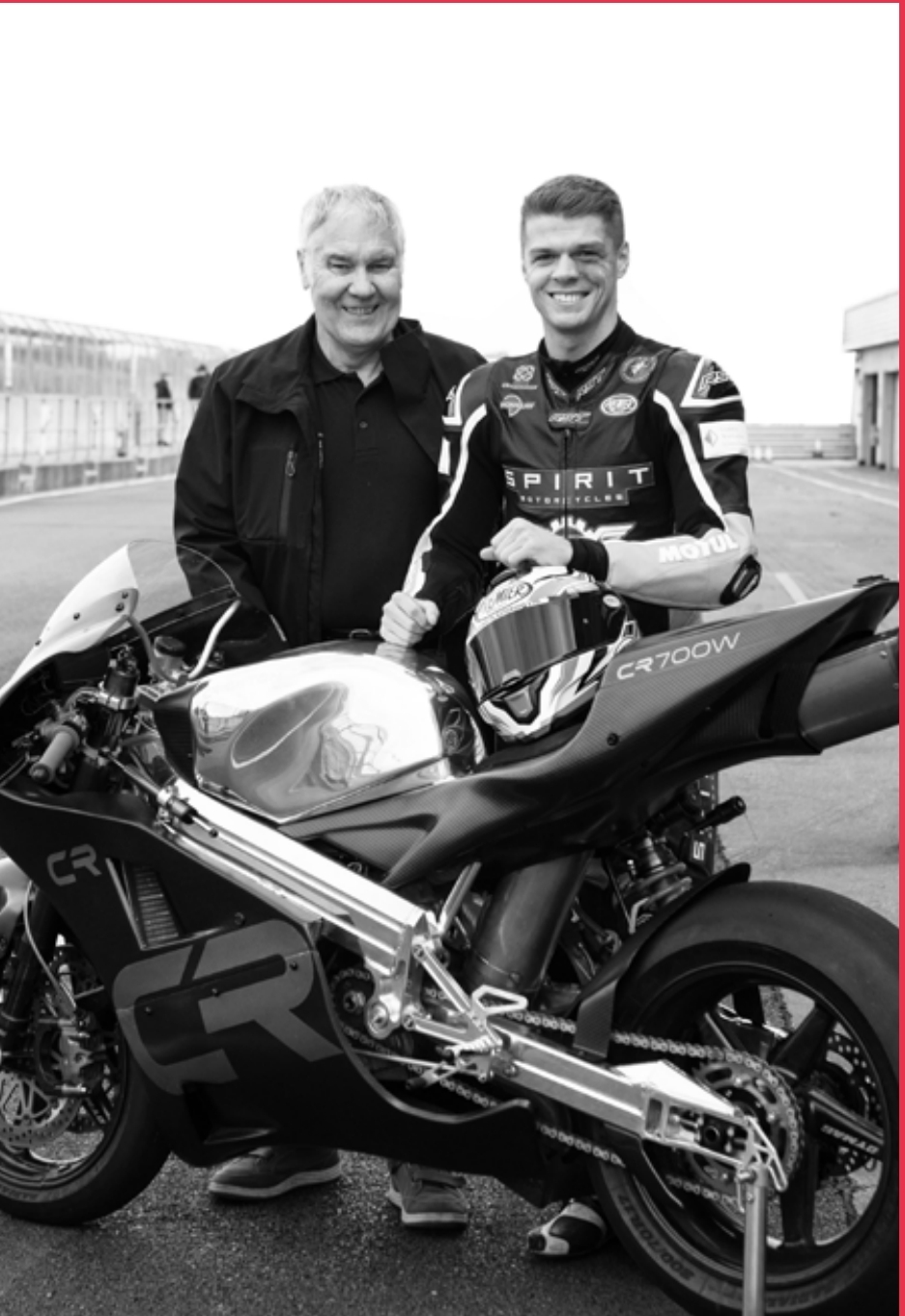
Crighton and Rotron spent more than a decade developing the new generation of twin-rotor engine that ultimately became the heart of the CR700W. In Crighton’s words:
“In so many ways the CR700W is the culmination of my career’s achievements. Developed with my excellent lead engineer, Shamoon Qurashi, it encapsulates the absolute best of my engineering wisdom. And I believe the result is the ultimate track and racing motorcycle.”
Though the CR700W was first unveiled in 2021, the project has since progressed from prototype to actual customer machines. By 2024, production had reached at least chassis No. 15 of the planned 25-bike run. That particular machine surfaced for sale in late 2025 after one owner, fewer than 200 kilometers of use, and two track days at Donington Park. It had even returned to Crighton for servicing after those outings — welcome evidence that the CR700W is more than an outrageous specification sheet…
Guy Martin: 188 MPH on the CR700W
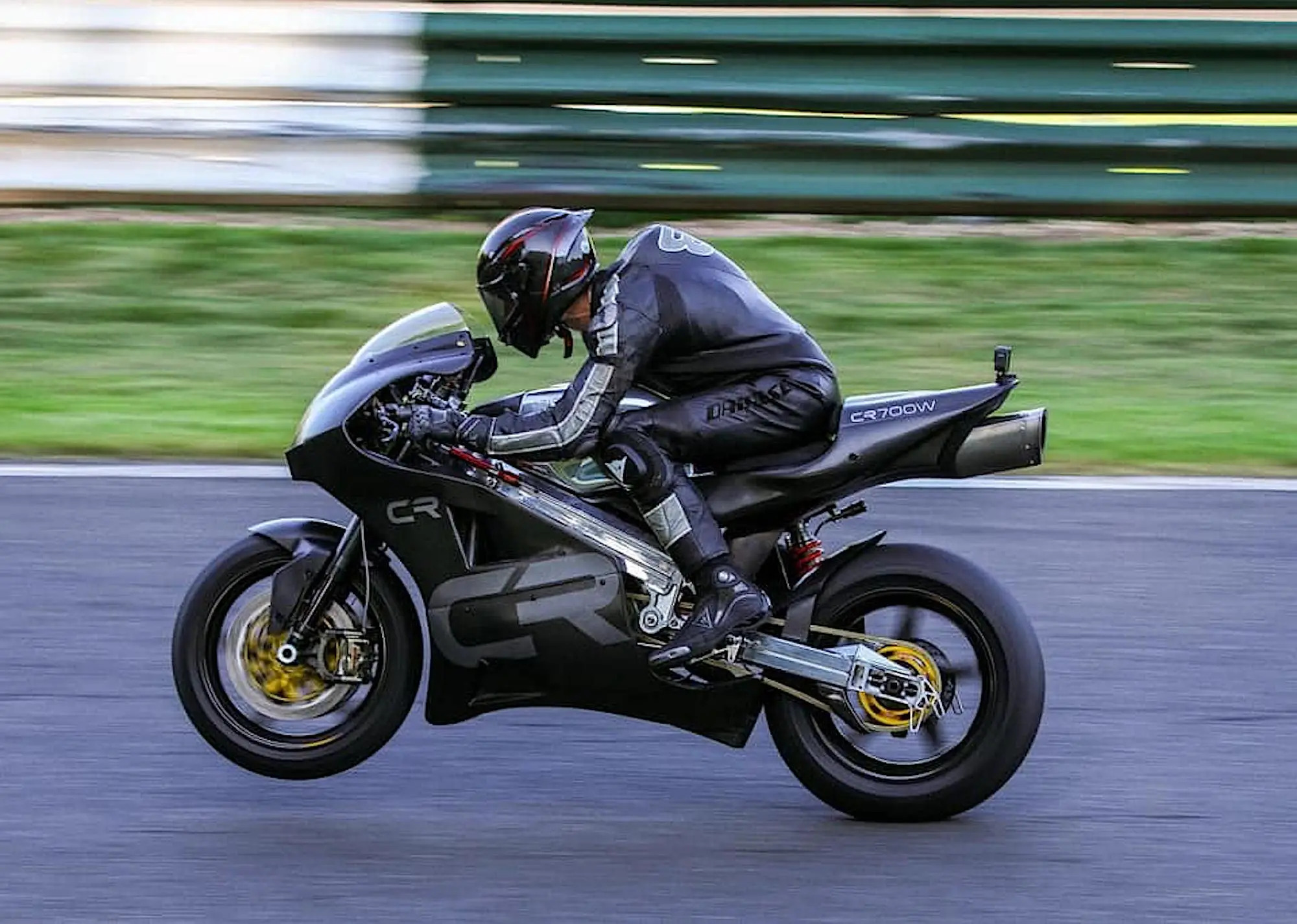
Naturally, somebody had to find out what the thing would actually do. Enter Guy Martin. In 2022, Martin took a CR700W to the Straightliners Top Speed event at Elvington, England, where the team was working toward becoming the first rotary-powered motorcycle to exceed 200 mph.
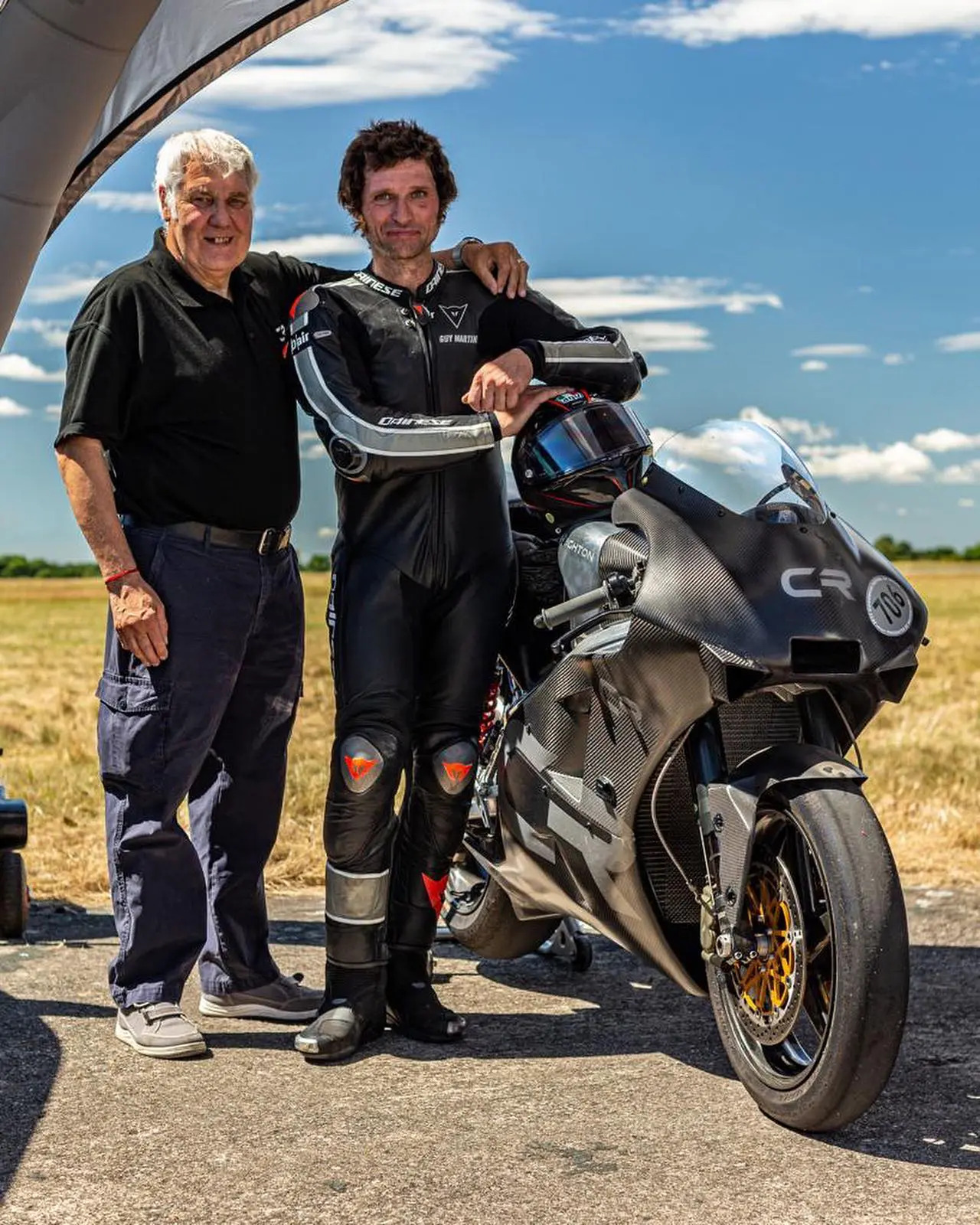
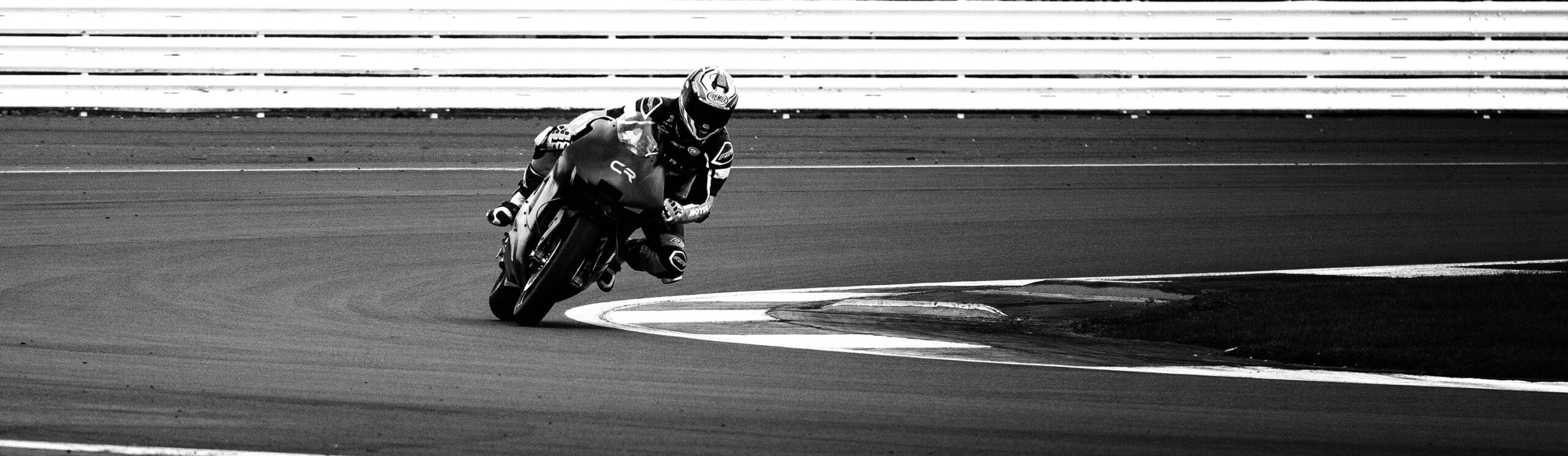
Martin reached a recorded 188 mph during the initial tests, with the team then hoping further gearing and aerodynamic development would ultimately push the rotary beyond 200 mph. Perhaps more tellingly, Martin has also ridden the machine around Cadwell Park. And if there is any environment where the CR700W makes more sense than a runway, it’s a circuit.
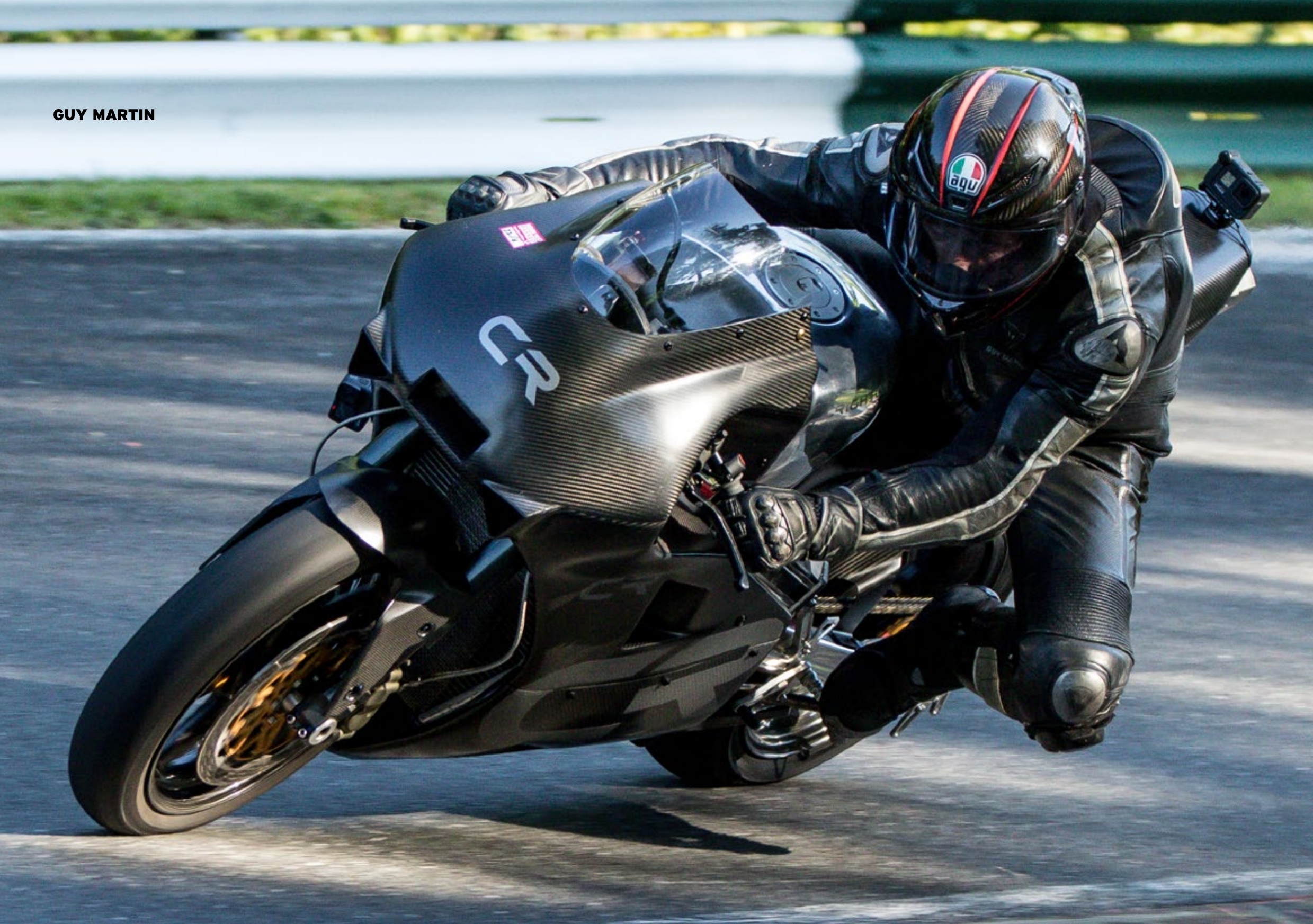
The engine’s tiny dimensions allow it to sit extremely low in the chassis, helping centralize mass, while its light weight means the CR700W carries very little inertia into a corner. Couple that with 200-plus horsepower, carbon wheels, slick tires, superbike-grade suspension and brakes, and essentially none of the mass normally associated with that level of performance.
No Safety Net Required
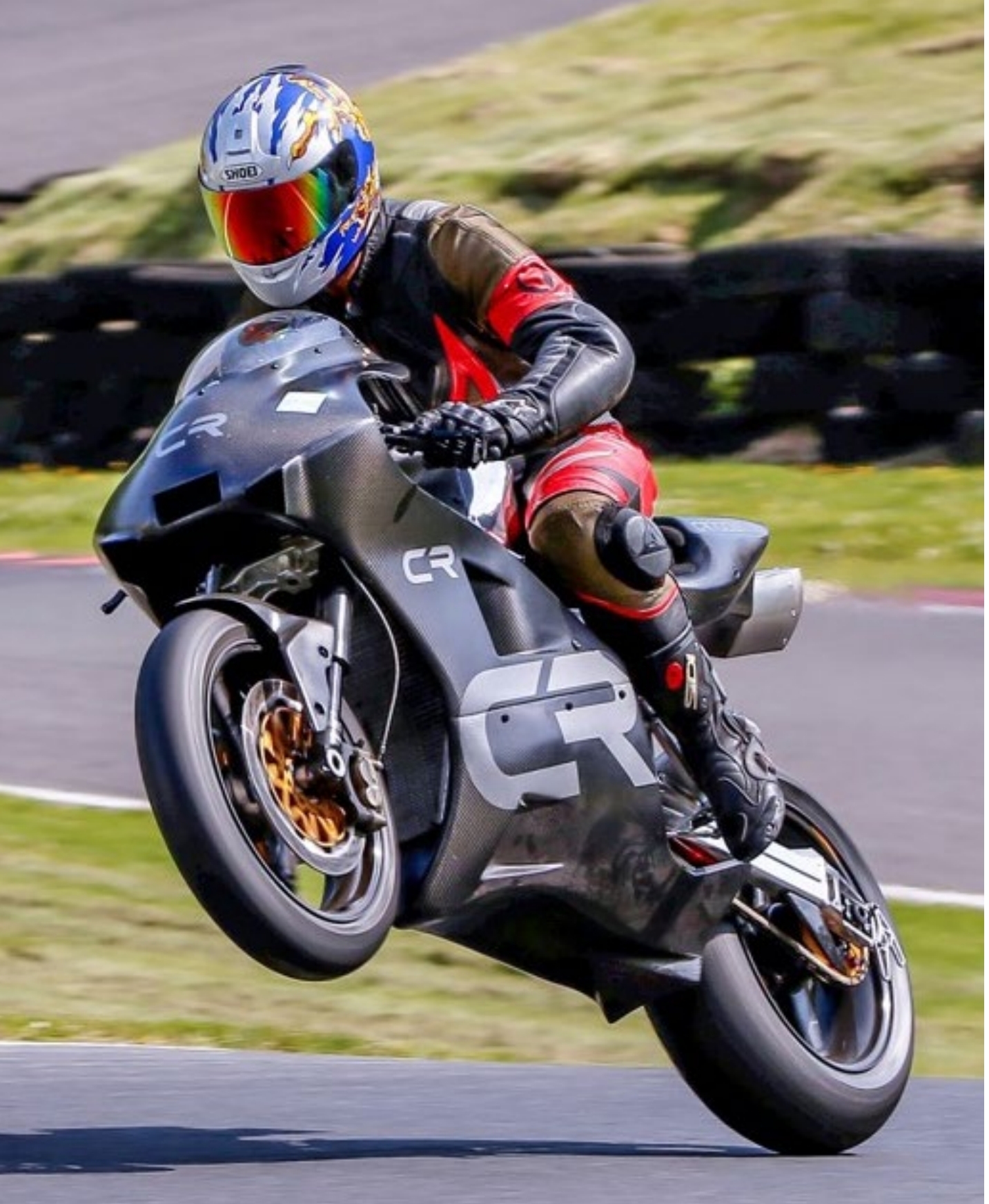
Interestingly, the standard CR700W remains relatively analog considering its performance. Crighton’s current specification lists traction control as an option, as are a quickshifter and auto-blipper. Even an onboard electric starter is optional on the Track Day model; in standard form, an external wheel starter is required.
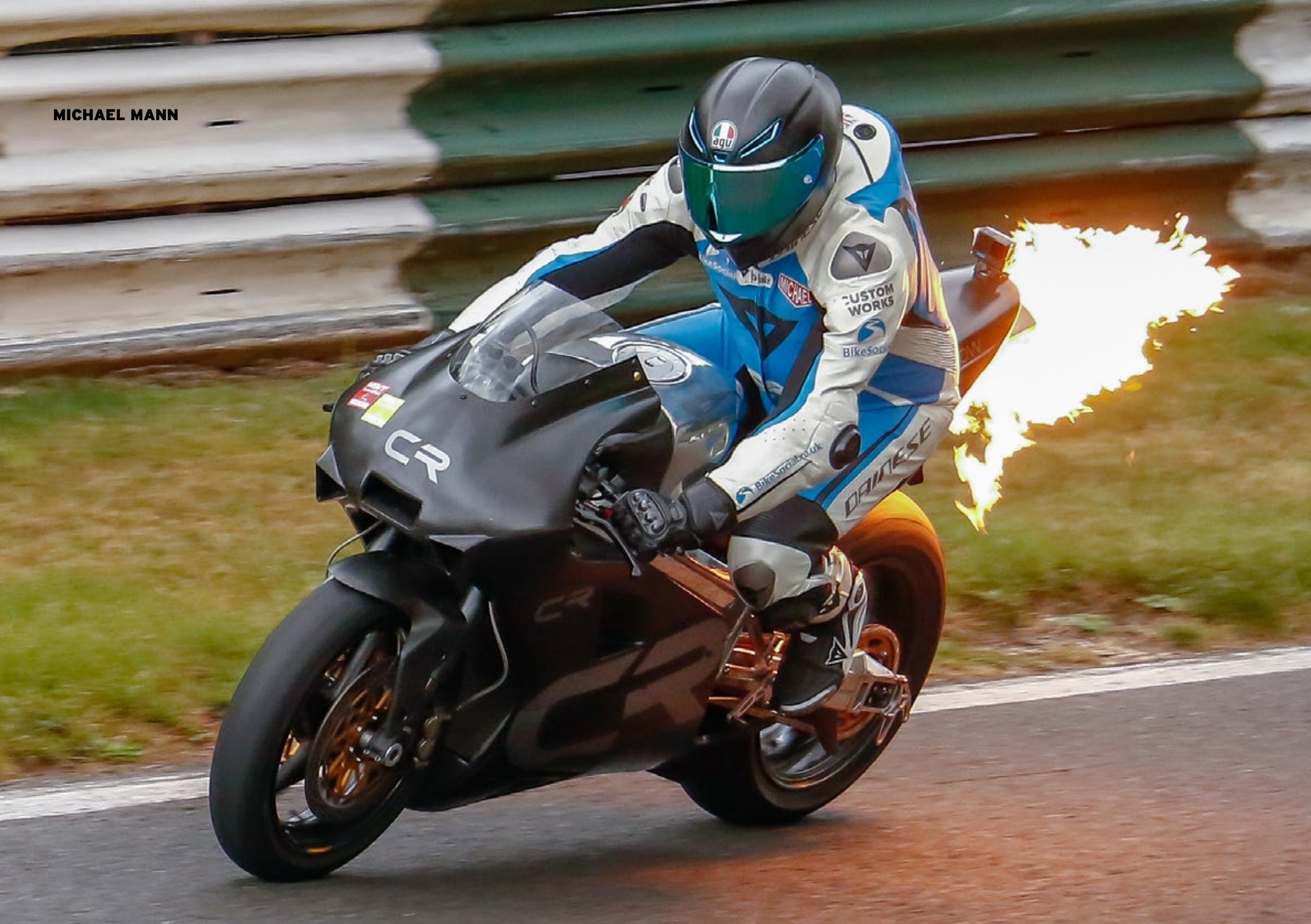
That says quite a bit about the bike’s purpose. The Crighton isn’t intended to compete with a Panigale V4 or BMW M1000RR in the showroom. It isn’t burdened with the requirements expected of a mass-produced road motorcycle. It is much closer to a privately owned Grand Prix machine: brutally specialized, extraordinarily expensive, and created primarily to deliver an experience that mainstream manufacturers simply cannot justify producing.
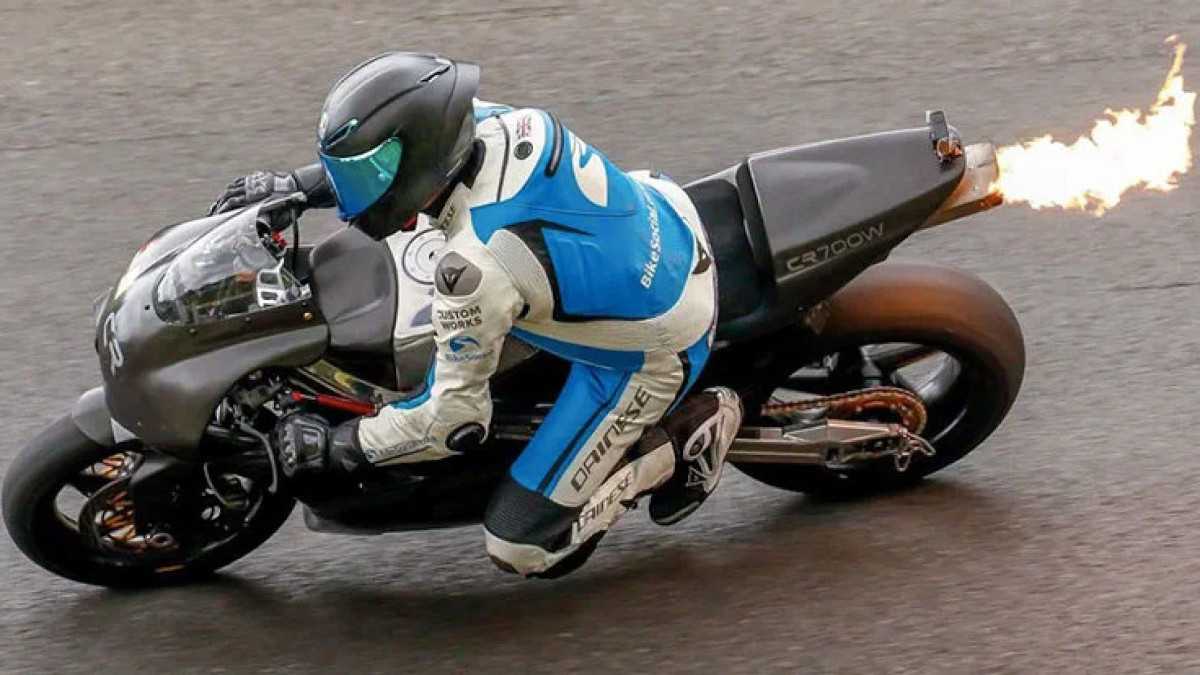
Crighton currently lists prices from £145,000 plus VAT, and notes that a road-registered option is available. With only 25 examples planned, however, the CR700W is likely to spend considerably more time in serious collections than prowling public roads, which is a shame.
The Rotary Road Not Taken
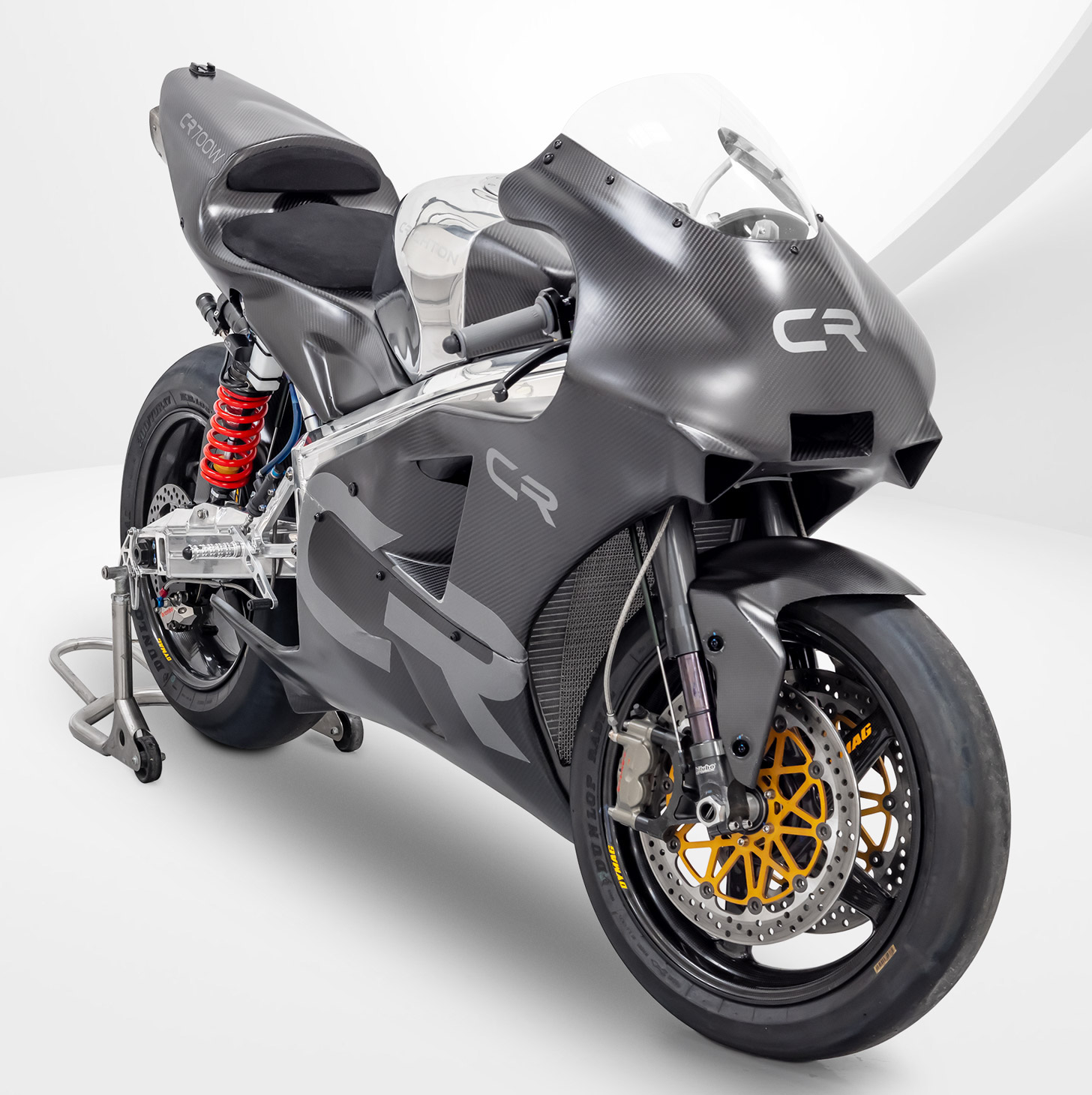
The Crighton CR700W is fascinating partly because it feels like a motorcycle from an alternate history. Imagine that rotary development hadn’t largely stopped. Imagine manufacturers had spent another three decades solving the Wankel’s heat, sealing, lubrication, and emissions problems with modern ceramics, coatings, electronics, and manufacturing techniques. What might a rotary superbike look like today?
Brian Crighton has spent most of his career answering exactly that question. He began with an unfashionable Norton engine that management reportedly didn’t believe was worth racing. He turned it into a 170-mph prototype, then into championship-winning racers, and eventually helped create one of the most famous Isle of Man TT machines of the modern era.
Nearly four decades later, the same basic obsession has produced an engine with just three principal moving parts, 220 horsepower, 105 lb-ft of torque, and a complete motorcycle weighing just 286 pounds. In an age when the rotary motorcycle has otherwise all but disappeared, the CR700W feels less like the beginning of a new era than the spectacular conclusion to an old one. And if this really is the rotary superbike’s final word, Brian Crighton has ended it one hell of an exclamation point.
Crighton CR700W Specifications
| Engine | 690cc twin-rotor, fuel-injected rotary |
| Power | 206 hp @ 10,500 rpm, Track Day exhaust |
| Power, race exhaust | 220 hp @ 10,500 rpm |
| Torque | 105 lb-ft @ 9,500 rpm |
| Maximum rpm | 10,600 |
| Transmission | Six-speed, slipper clutch |
| Dry weight | 129.5 kg / 285.5 lb |
| Seat height | 810mm / 32 in |
| Wheelbase | 1440mm / 56.7 in, adjustable |
| Frame | Hand-fabricated 7000-series aluminum |
| Wheels | BST 7 TEK carbon fiber |
| Front suspension | Öhlins FGR250 |
| Rear suspension | Bespoke Öhlins TTX GP |
| Front brakes | Brembo GP4-RX, twin 320mm discs |
| Production | 25 motorcycles |
| Price | From £145,000 + VAT |
Follow Crighton Motorcycles
Web: www.crightonmotorcycles.com
Instagram: @crighton_motorcycles


Bloody awesome!
A story of the unbreakable will of an individual who believes there is a way out of a dead end.
These are the rare people who make extraordinary machines for the rest of us to marvel at and admire.
About 1974 TC Christenson and I were racing at Santa Pod. Dennis Poore invited TC to test the Norton rotary. There was a light rain and they thought it was too dangerous for a man whose weekend ride was the 300+ HP Top Fuel Norton HogSlayer with a Guinness record of 180 in the. 1/4 mile. John Gregory, Norton HogSlayer builder / team manager.