
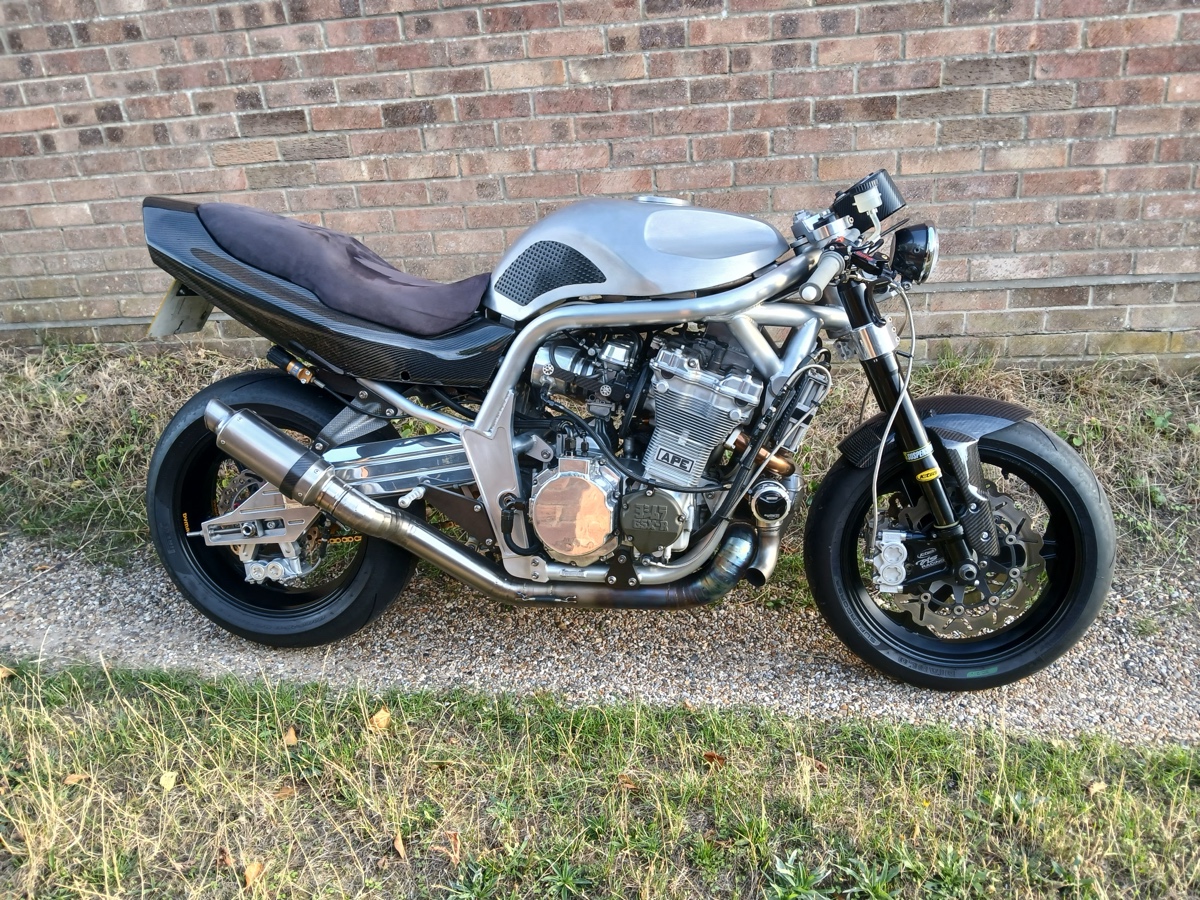
Aluminum-framed, Turbocharged 1340cc Bandit from Colin Worth…
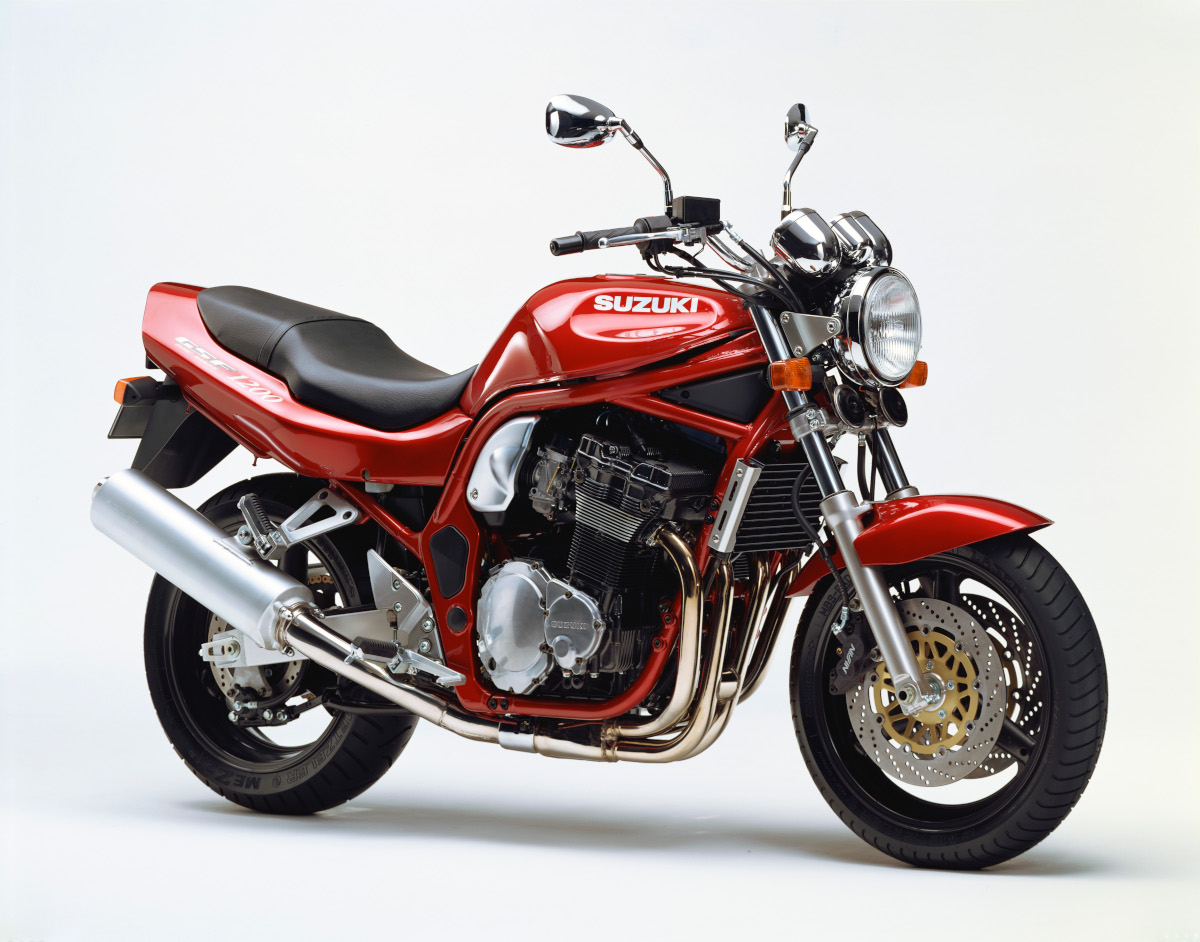
Introduced in 1996, the Suzuki Bandit 1200 was destined to become a cult muscle bike of the late 90s and early 2000s. The formula was wickedly simple: take the bulletproof air/oil-cooled GSX-R1100 engine, bump it to 1152cc, stick it in a steel frame, and leave it naked for a streetfighter look. The result? A stump-pulling big-block muscle car of a bike, which could be bought for cheap and modified to the stratosphere.
“A bike ripe for modification, loads of Bandits were altered, drag raced, stunted, crashed etc etc while an equal number were left standard and just enjoyed for what they were – a monster motor in a decent chassis with a bargain price tag.” –MCN
Enter our new friend Colin Worth, who got his start on two wheels with an old Beezer recovered from a collection of bikes and spares his old man bought in 1992.
“Once home there was another BSA in the parts that had been stripped and then painted. I asked if I could have this and learn to ride. I was told yes you can have it, but I was given the task to rebuild it. Challenge accepted!”
As Colin got a little older, he found his way to the burgeoning streetfighter scene. He bought this 1996 Bandit 1200 in 2003.
“The bikes to have then were Suzuki GSXR’s, Bandits, and Fireblades. The Bandit 1200 was partly chosen for the cheapish insurance I needed at the time.”
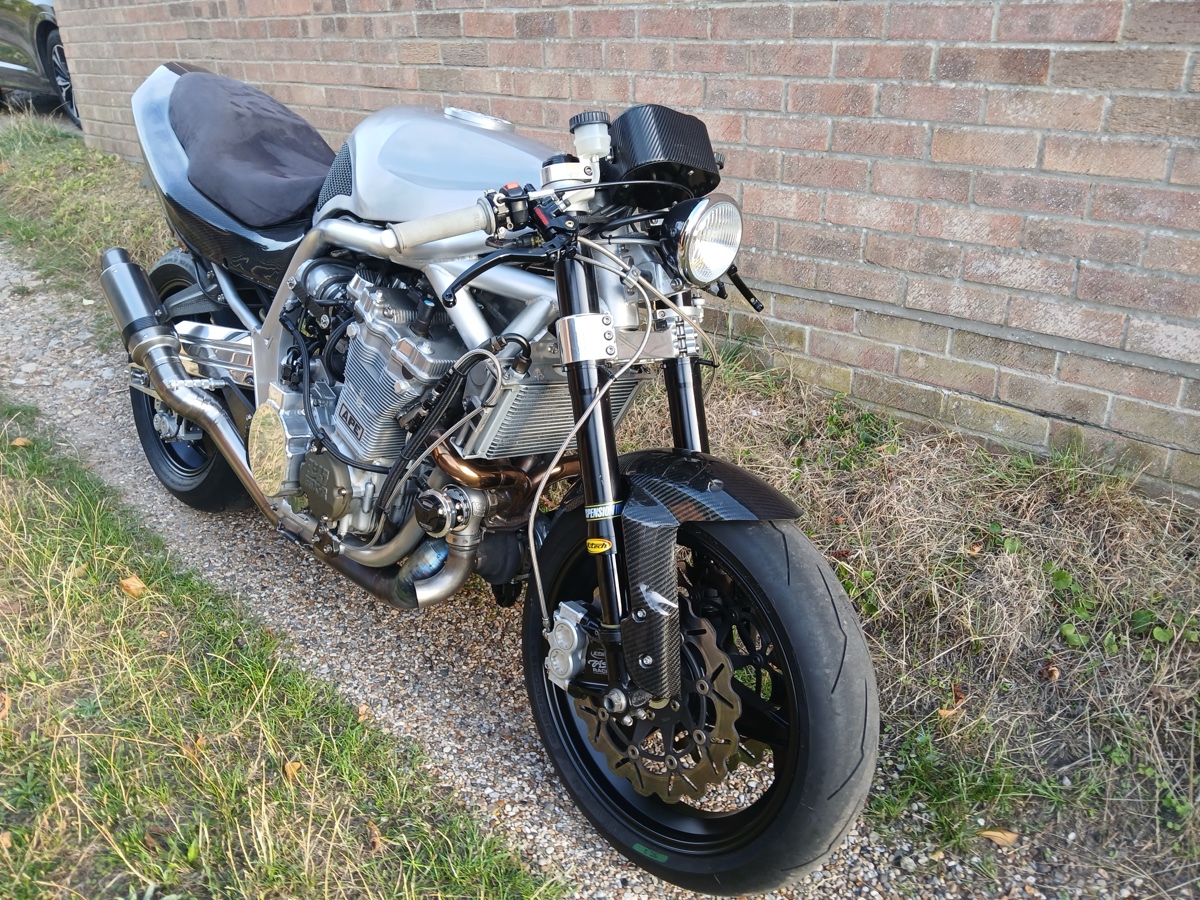
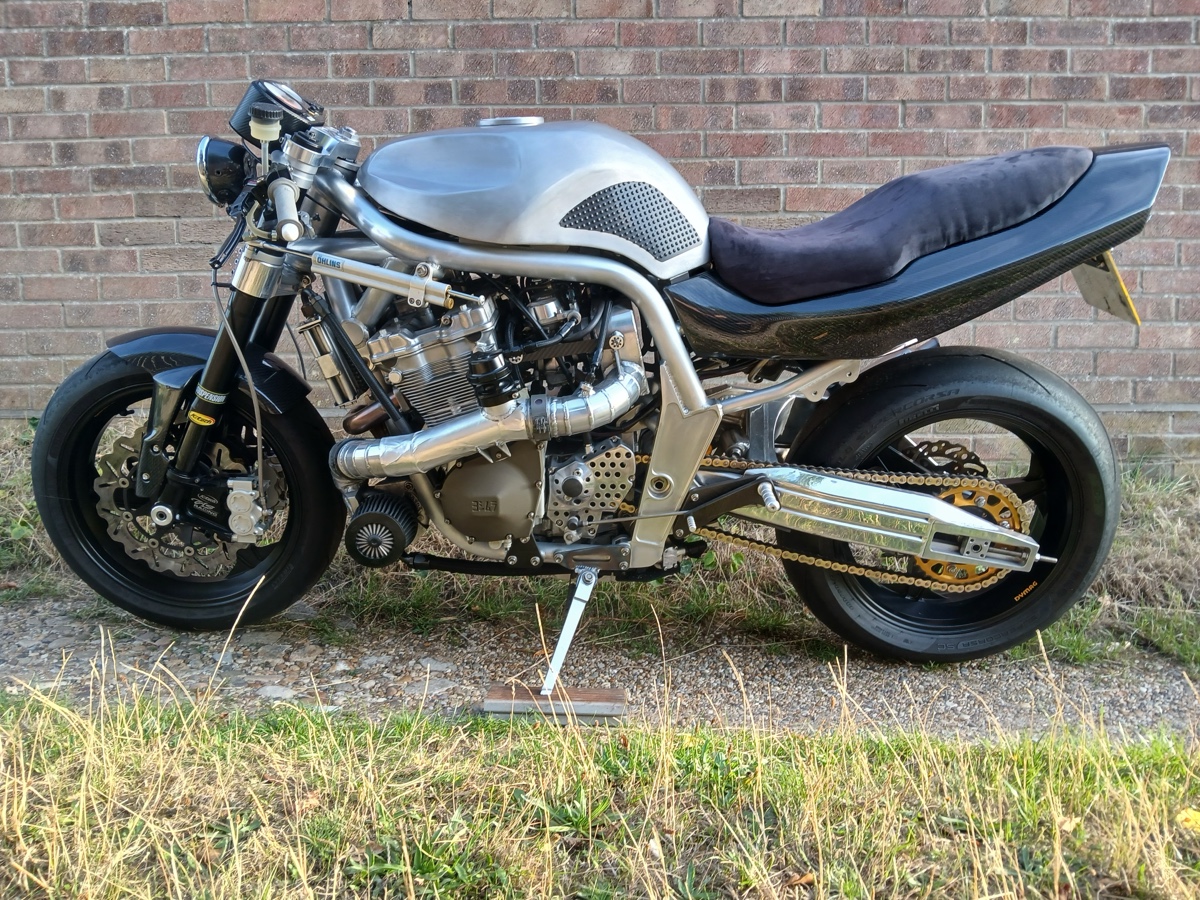
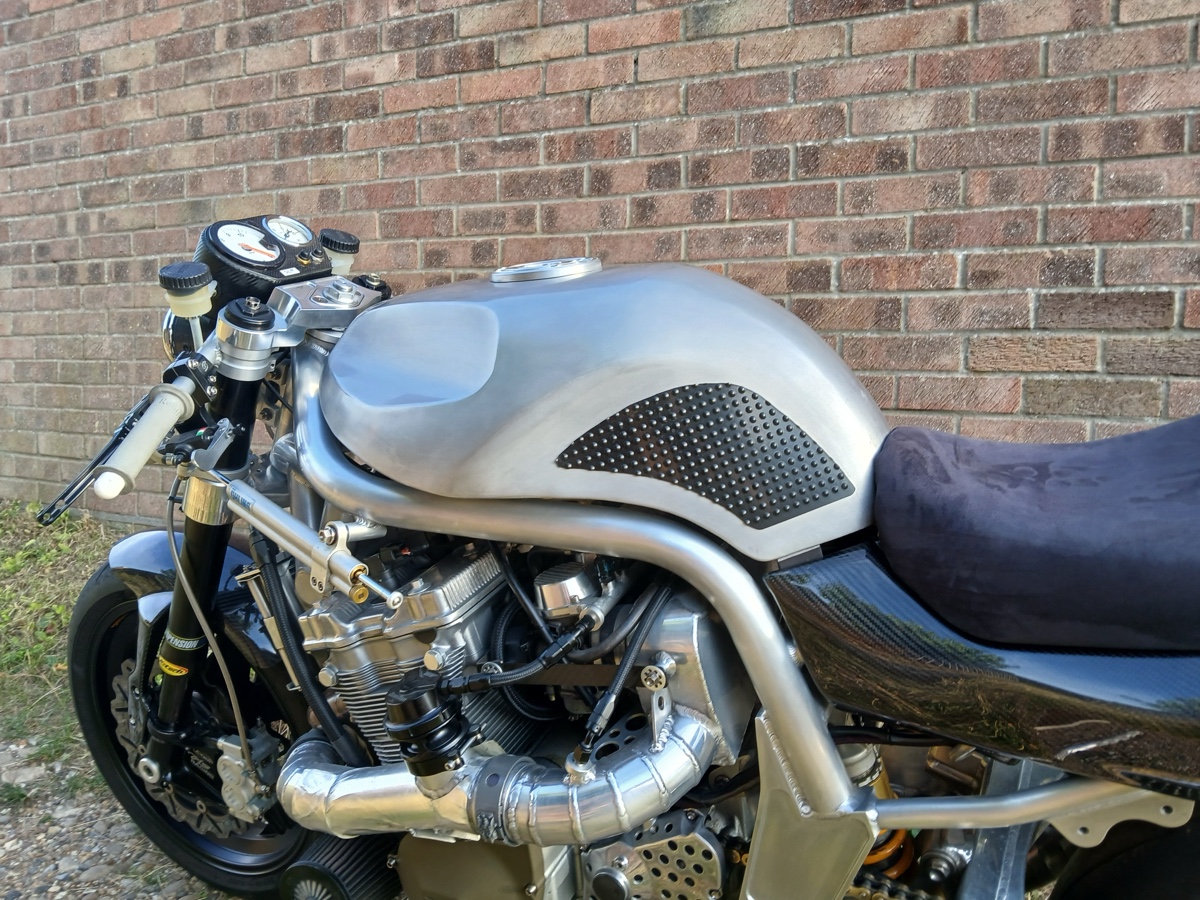
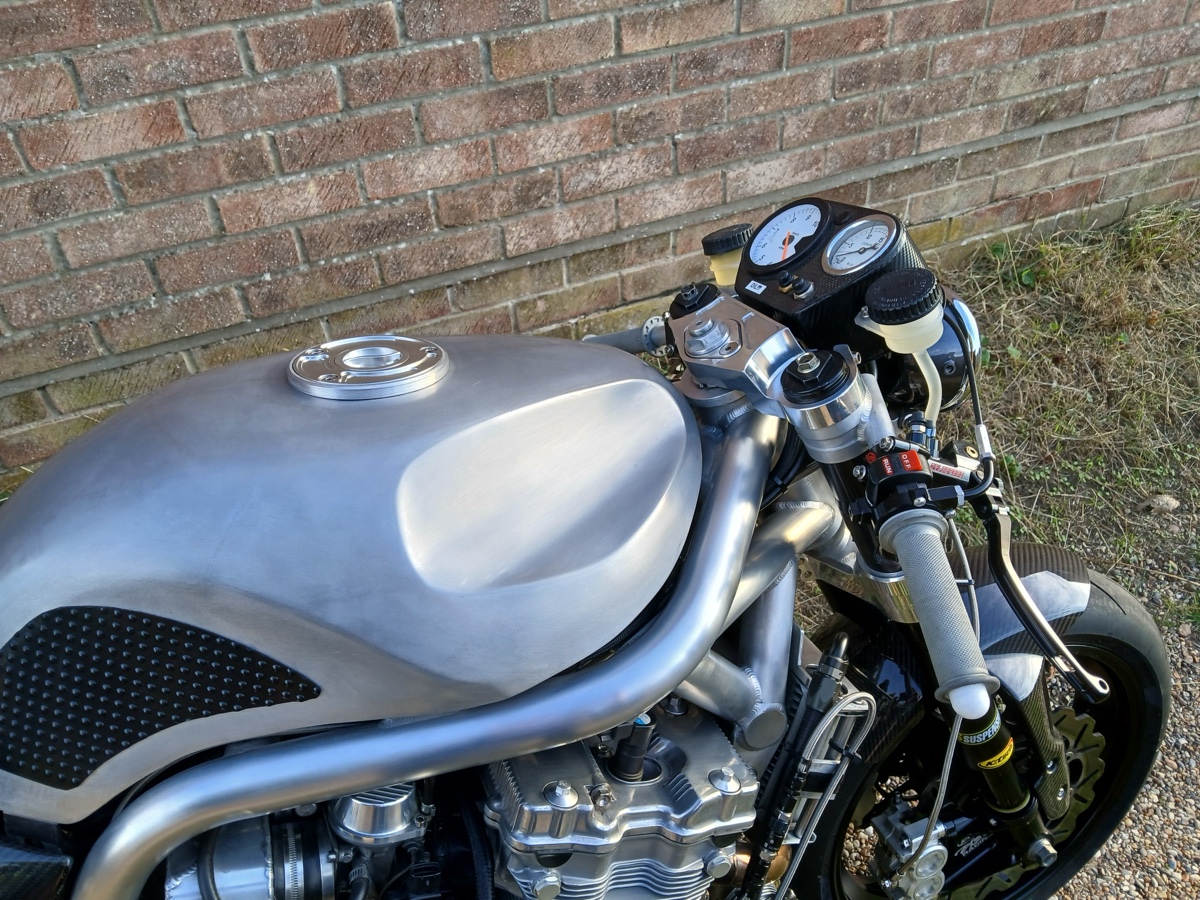
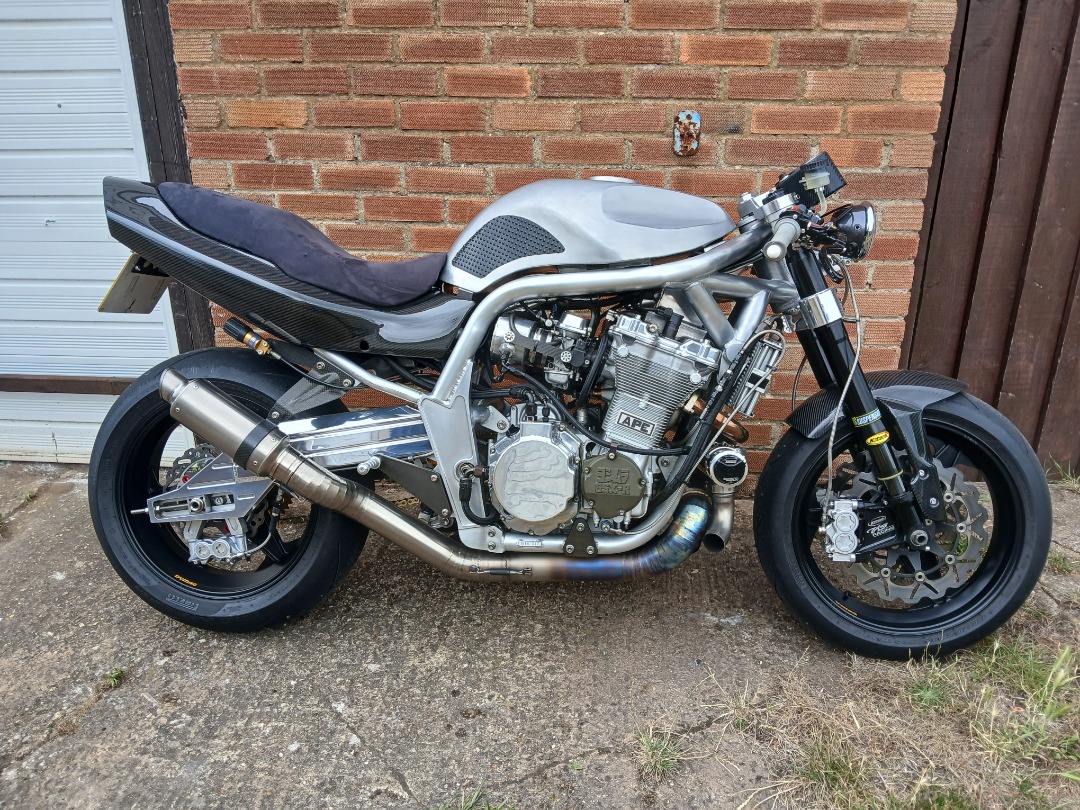
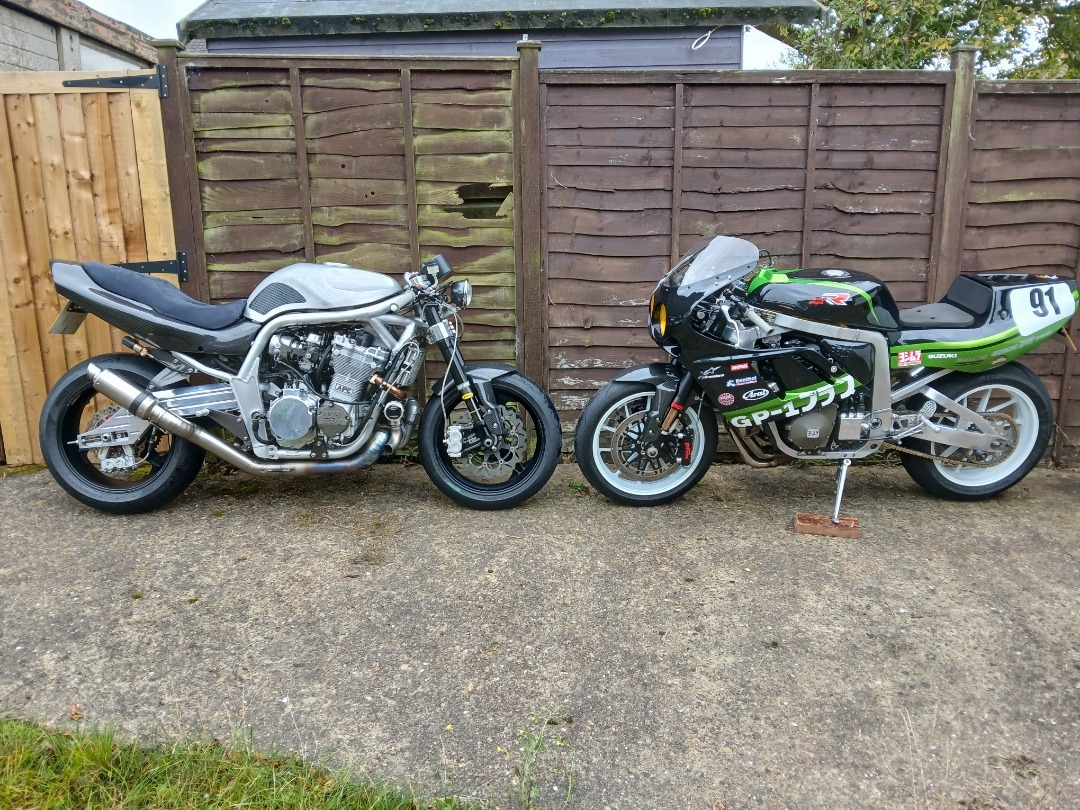
Colin began modifying the Bandit as soon as he got it home. In 20+ years of ownership it’s evolved into the turbocharged instrument of hooliganism you see here. It’s currently running a Gia Engineering aluminum frame, which is 11 kg (24 lb) lighter than the stock steel unit. To that Colin has added K-Tech KTR4 DDS superbike forks, Dymag wheels, ISR brakes, Öhlins rear shock, MTC lock-up clutch, carbon tail and front fender, and an aluminum tank built by Graham at Coba Valley Cycles.
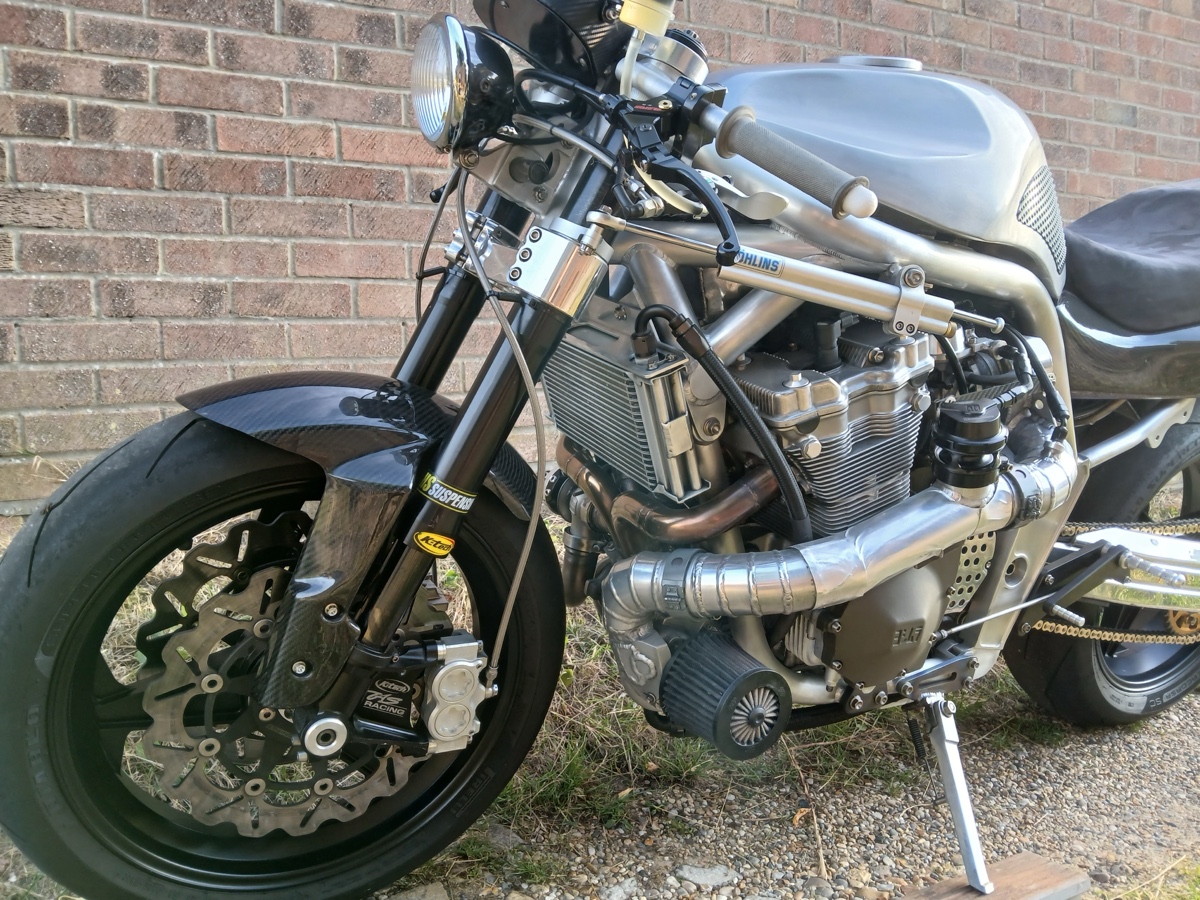
Then there’s the engine. The bike is now running a GSX-R1100 engine bored to 1340cc and outfitted with a homemade turbo system — the second one Colin has built for the bike.
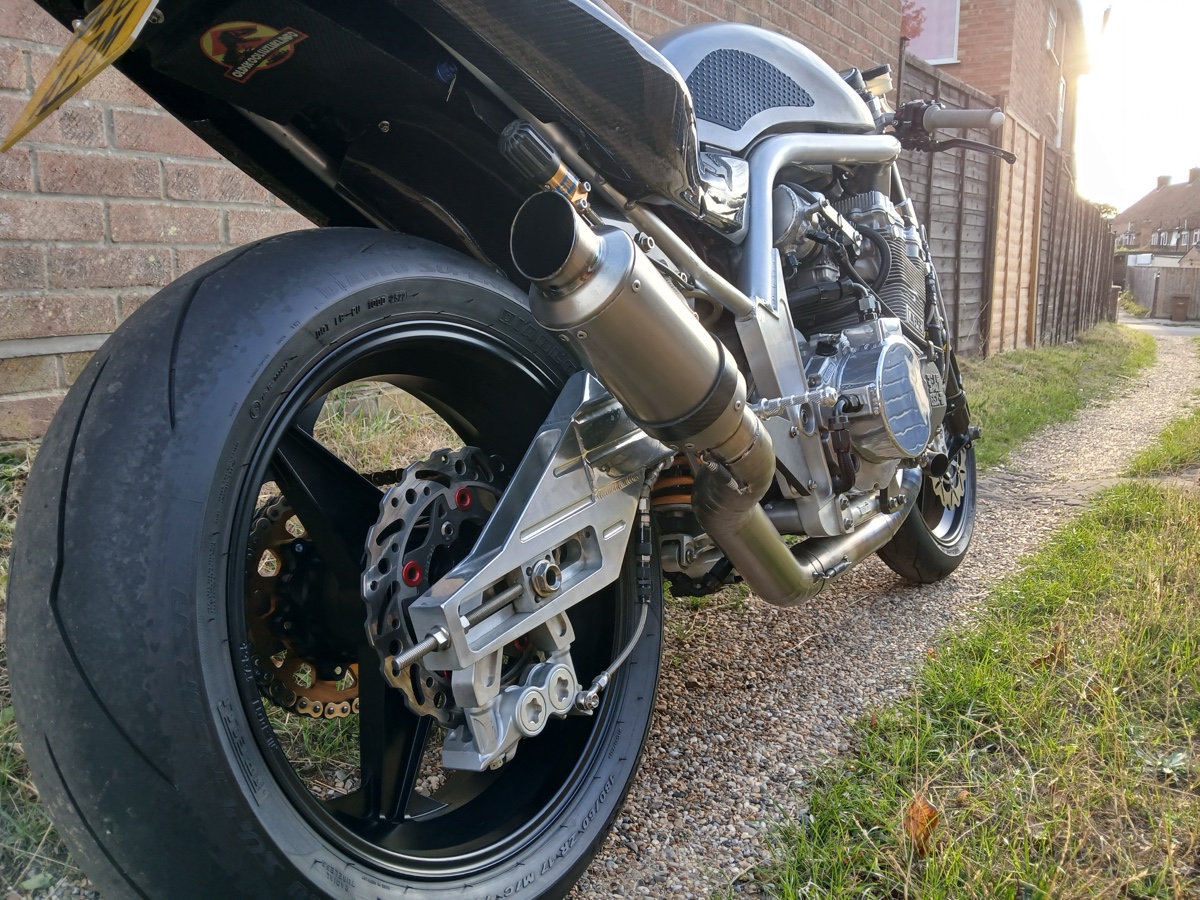
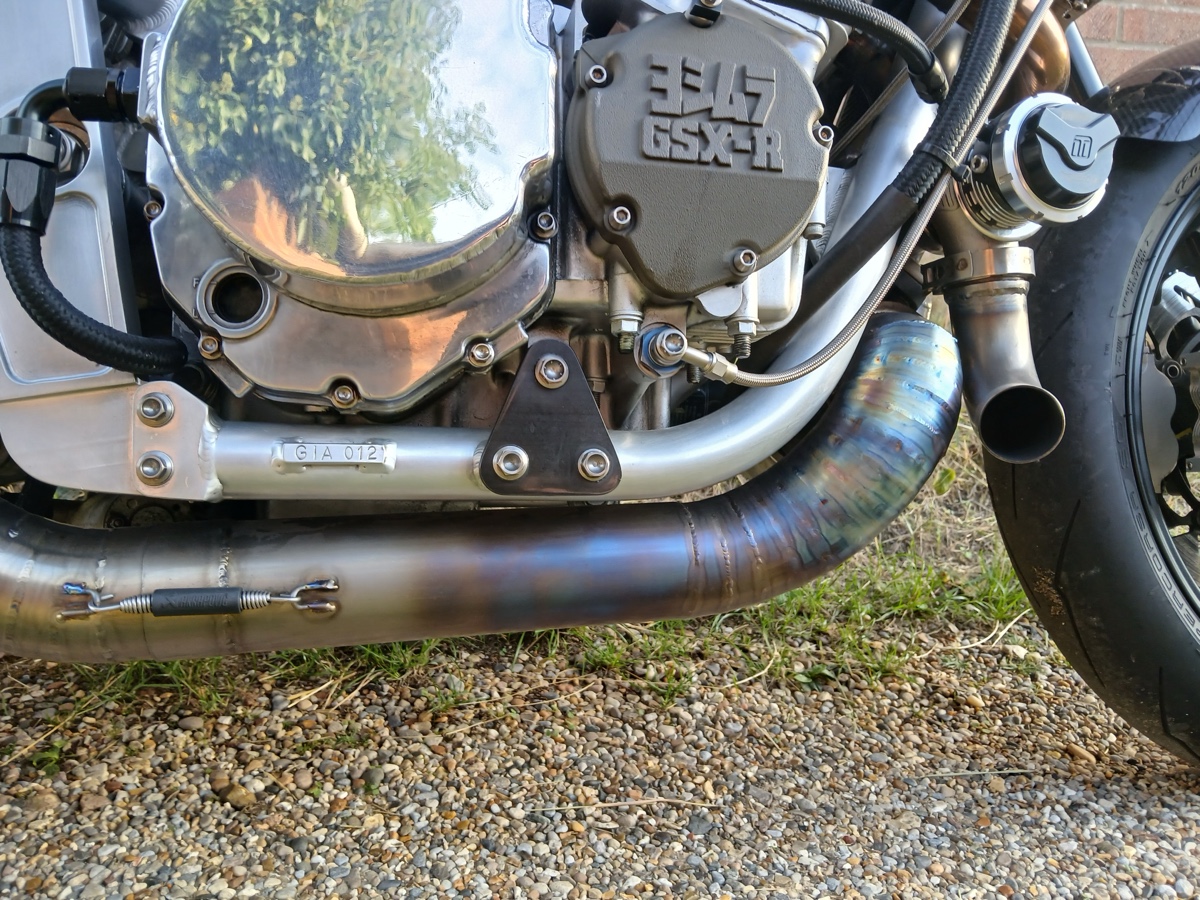
“The exhaust is 70mm thin-wall titanium and made up of 53 separate pieces welded together. There are over 40 hours just in this and it’s one of my favorite parts.”
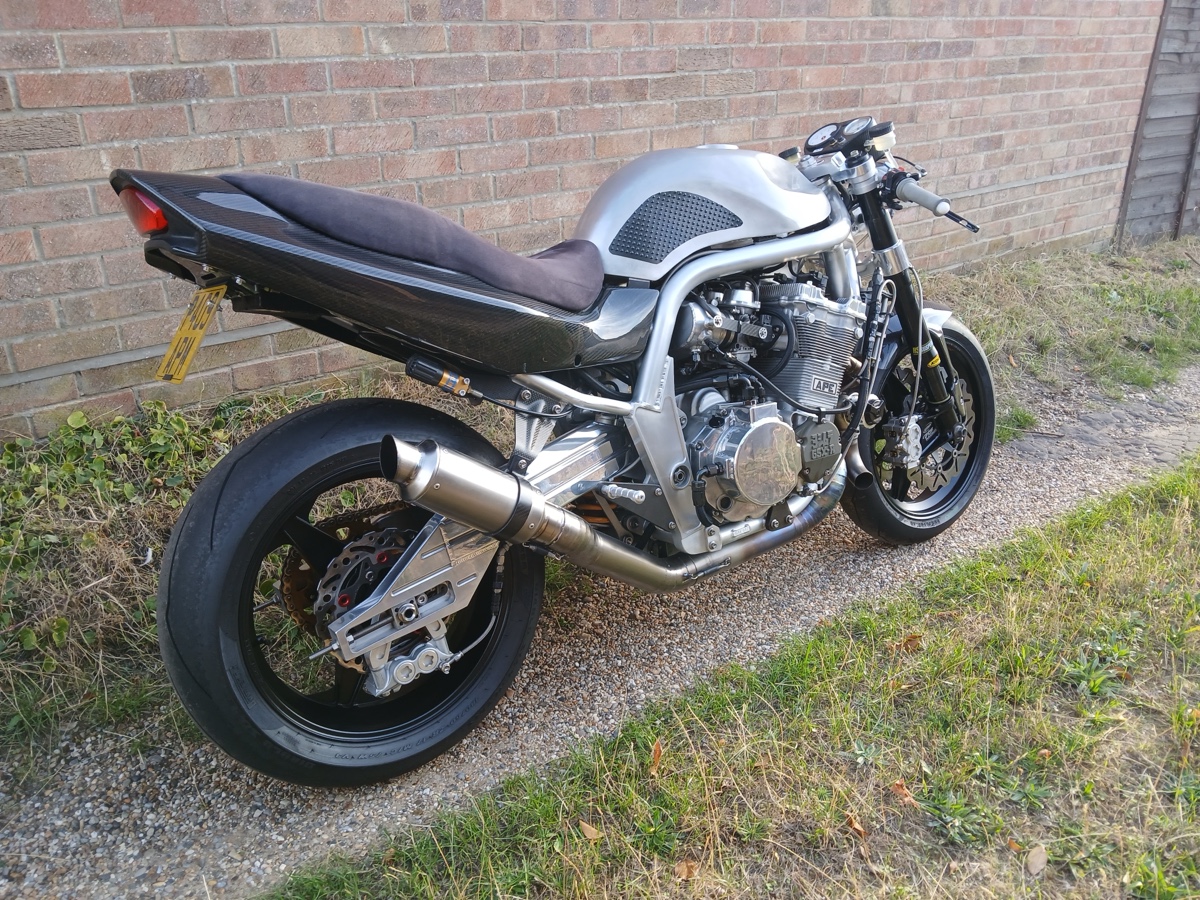
This Bandit turbo weighs just 440 pounds fully-fueled (65 lb lighter than stock), boasts double the horsepower (200 hp at low boost), and has a best ¼-mile time of 11.1 at 140 mph. As you can imagine, the bike is a handful at full boost:
“It can be ridden around all day at low speeds and is very much like a stock Bandit 1200… Around 6000 it’s up on full boost. The exhaust gets louder with the external waste gate open, dumping the unsilenced excess gas. At this point you hold on, trying not to get ejected off the back, and in the first four gears the front either comes up or the tyre spins. You find yourself watching the boost gauge more than the tacho. Playing on an airfield near Corby a few years back, I was seeing the front wheel leave the tarmac at a genuine 150 in 4th.”
What a weapon, Colin! We love to see a bike owned and modified for so long the previous machine is just a ghost, replaced with the turbocharged beast we see here. Thanks for sharing!
Suzuki Bandit Turbo: Builder Interview
• Please tell us a bit about yourself, your history with motorcycles, and your workshop.
My dad was a biker in the 60’s and in 1992 decided he wanted to get back into bikes. Through a colleague at his work he purchased a collection of bikes after the owner passed away. I was 12 at the time and was allowed to bunk off school — only time ever — to help along with my uncle.
We travelled down to Croydon in Essex and inside this fairly small garage were three Sunbeams, a Velocette, a BSA, and a large amount of spares. These hadn’t been touched for a number of years, covered in a thick oily dust.
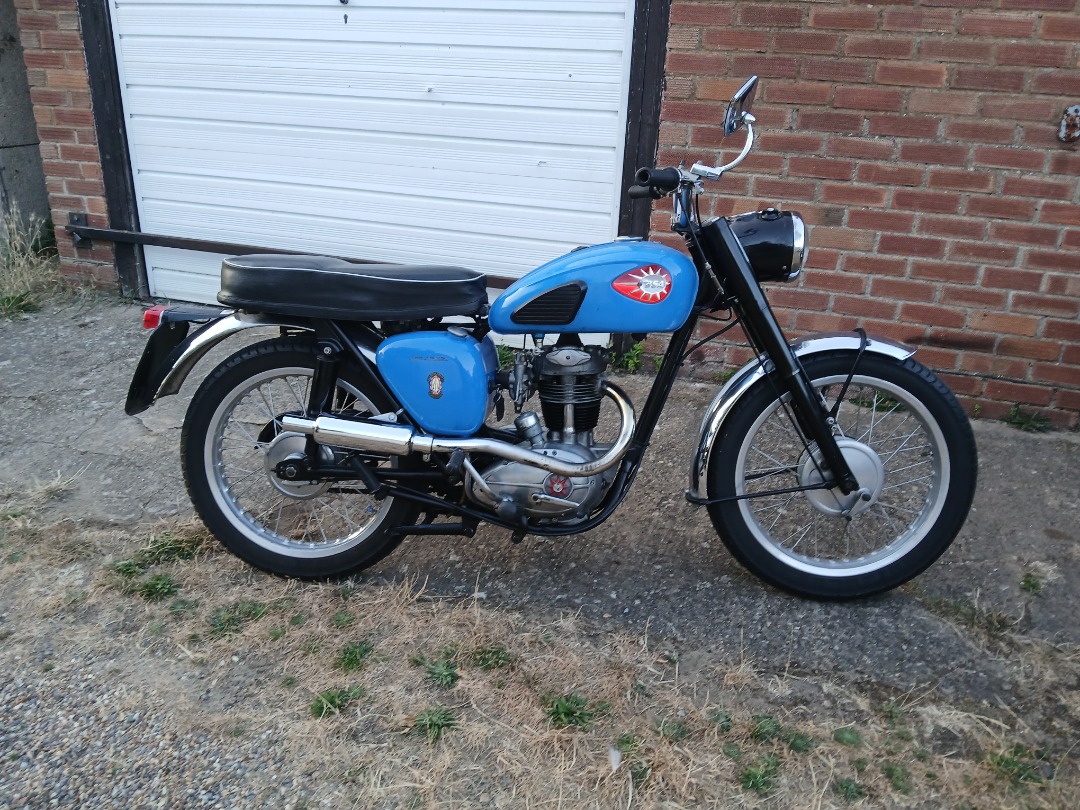
Once home there was another BSA in the parts that had been stripped and then painted. I asked if I could have this and learn to ride. I was told yes you can have it, but I was given the task to rebuild it. Challenge accepted!
My dad was a mechanic and I was always looking over his shoulder when he was working on the family car. Over the next year it was gradually assembled with some help and was wheeled out occasionally for a quick practice ride up and down the road where I lived. I passed my test at 17 on this little BSA, but soon got bored of the top speed and lack of brakes.
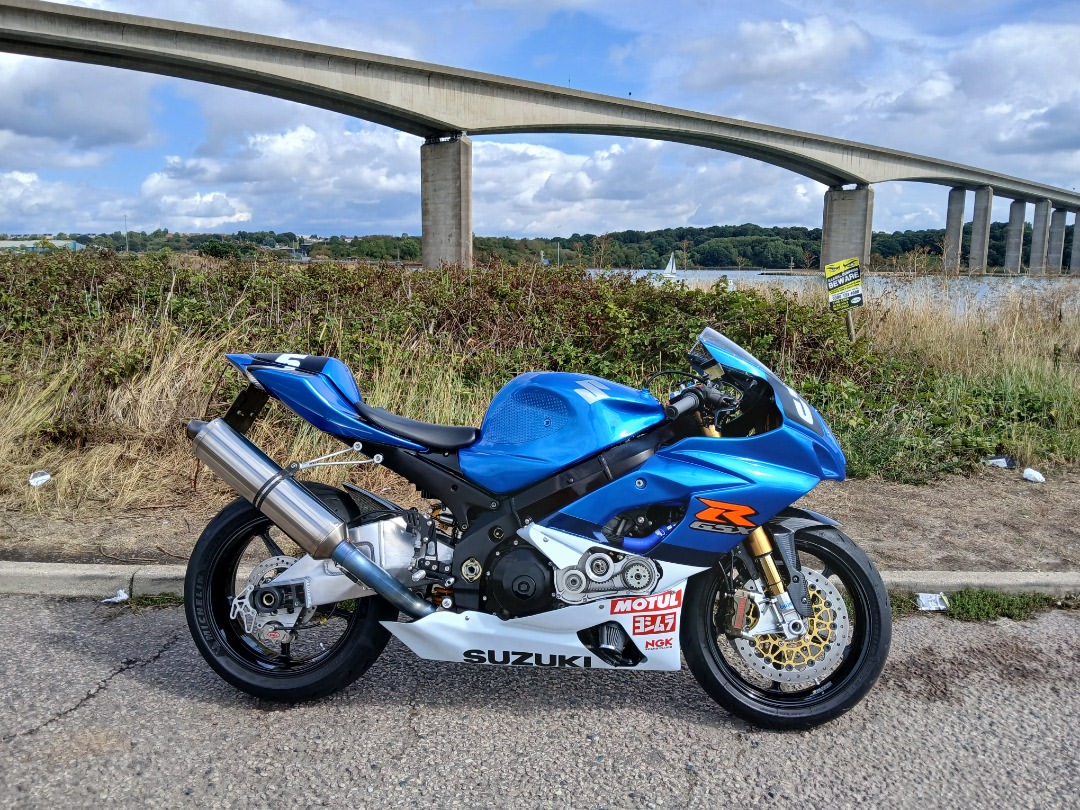
It was now the late 90’s and a friend at college got me into the streetfighters/modified bikes when he owned a modified RD350LC. The bikes to have then were Suzuki GSXR’s, Bandits, and Fireblades. The Bandit 1200 was partly chosen for the cheapish insurance I needed at the time.
I’ve got a fairly large garage at the bottom of my garden containing six bikes, a lathe, welder, compressor, and spray equipment.
• What’s the make, model, and year of the donor bike?
The bike started as a stock black 1996 Suzuki Bandit 1200 N.
• Why was this bike built and what was the inspiration?
I’ve had the bike since 2003 as a personal road bike and starting modifying as soon as I got it home with simple things like exhaust and bars. I used to see how fast I could get going past the 30 mph sign as I entered the village where I lived. After modifications I would see if we had an improvement and up the PB.
Lots of time was spent reading Performance Bikes, Fast Bikes, and Streetfighter magazine when not in the garage.
• What custom work was done to the bike?
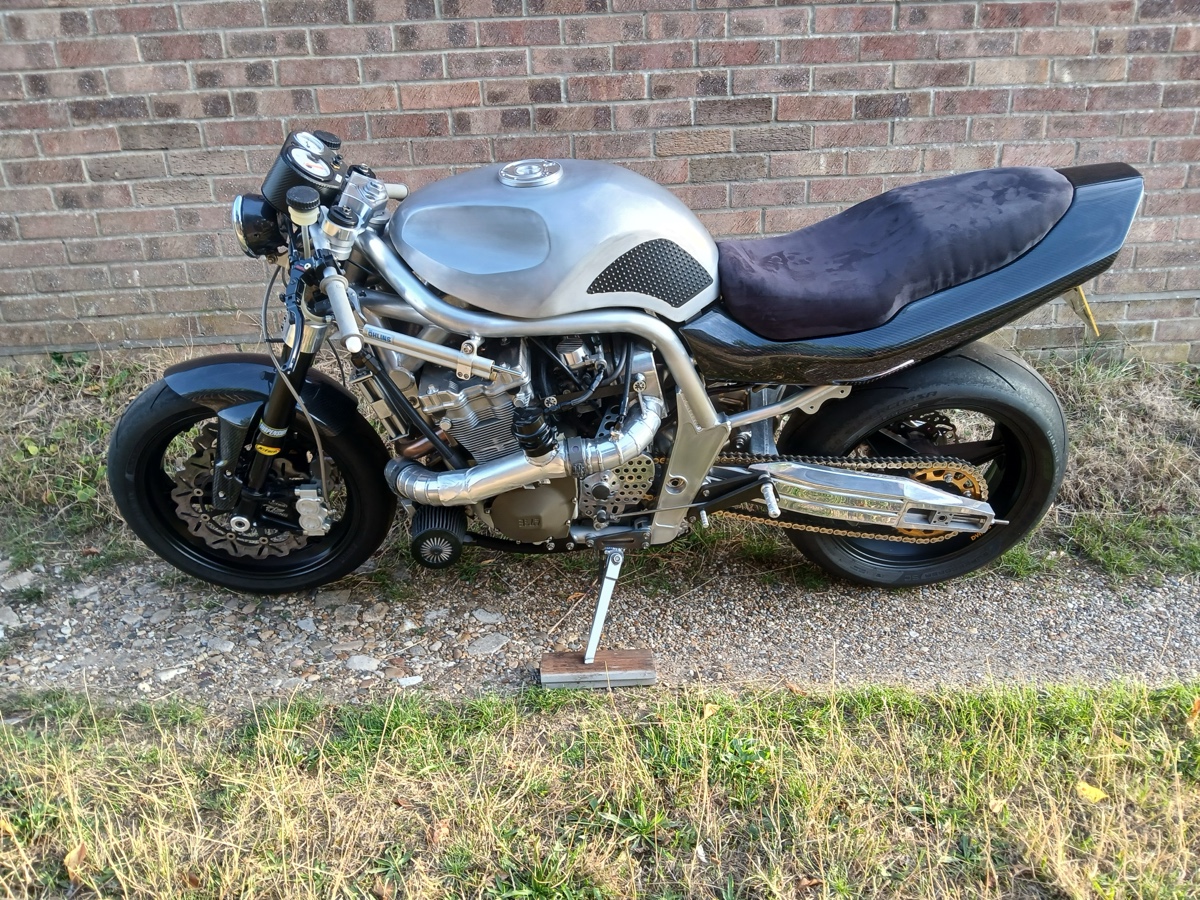
Current spec: Gia Engineering Bandit 12 replica aluminum frame (11 kg lighter than stock), K-Tech KTR4 DDS superbike forks, Dymag wheels, ISR brakes, Öhlins shock, GSXR 11 motor bored to 1340cc with turbo, aluminum petrol tank, and carbon seat panels.
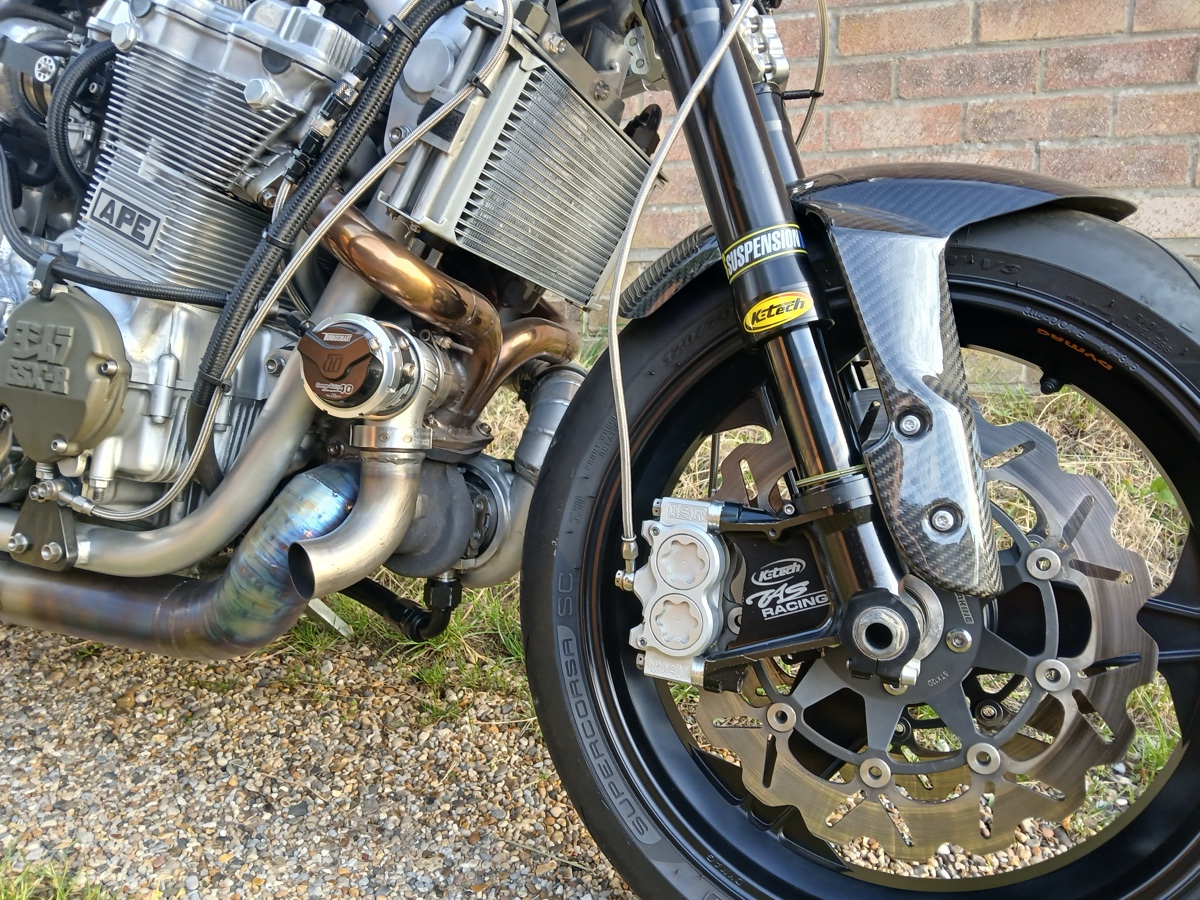
There are lots of custom parts that I’ve made over the 20+ years. Only the carb bank survives as an original part. I’ve always tried to retain the original silhouette of the Bandit. Small simple things like the alloy side stand that was hacksawed from a block or the clock pod made from sheet and bent round paint tins.
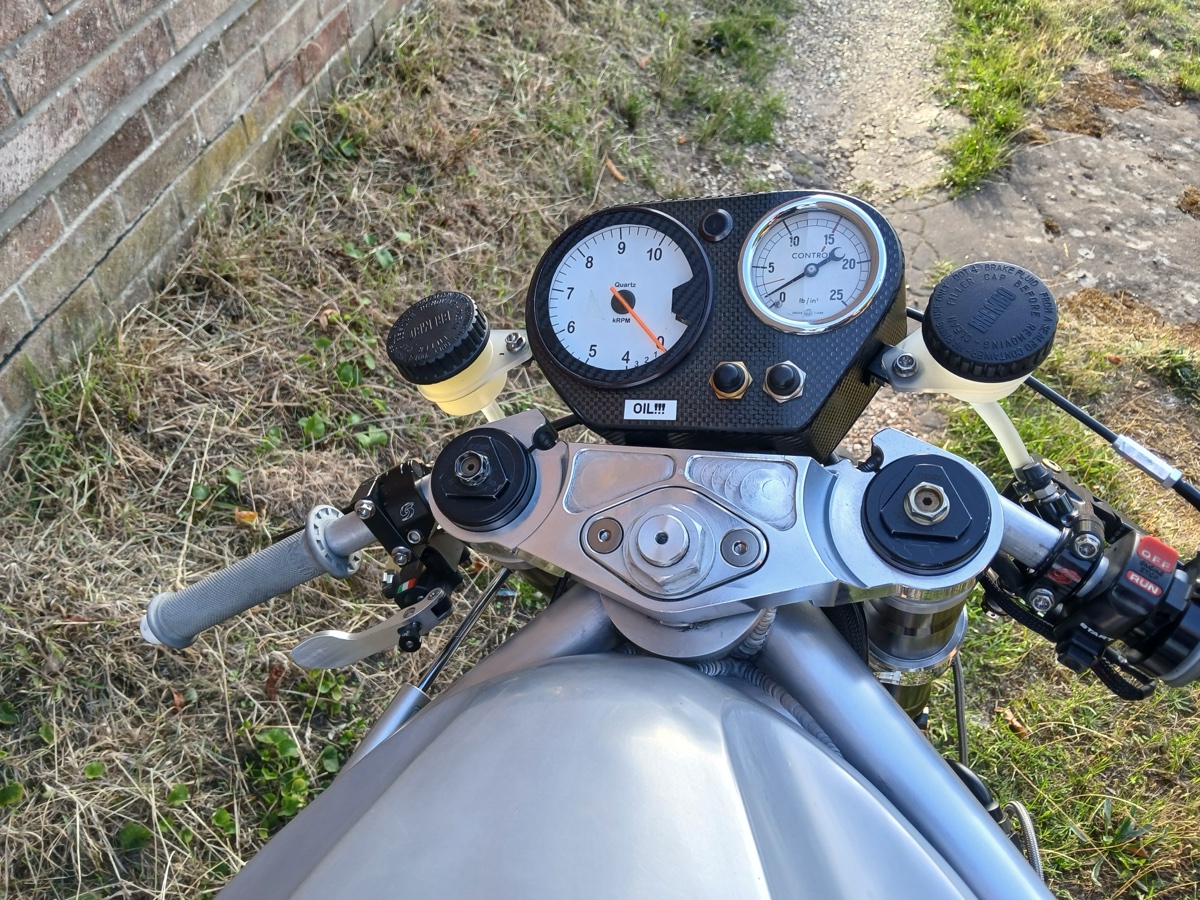
The bike is running on a homemade turbo system. It’s actually the second one as I didn’t like some parts I made on the original. Summers of 2009 and 2010 were spent test riding to try to get it to run spot-on, and I learned only to make one alteration at a time and keep notes.
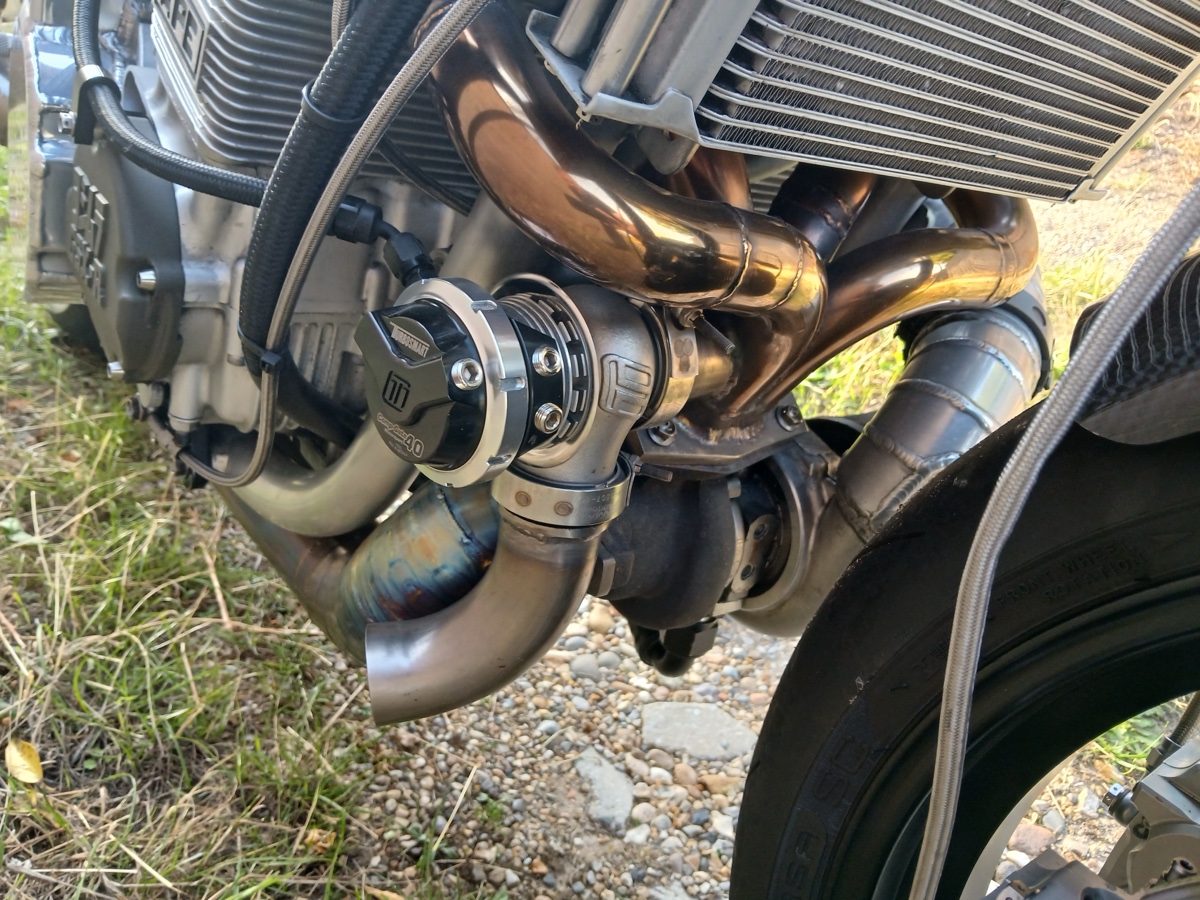
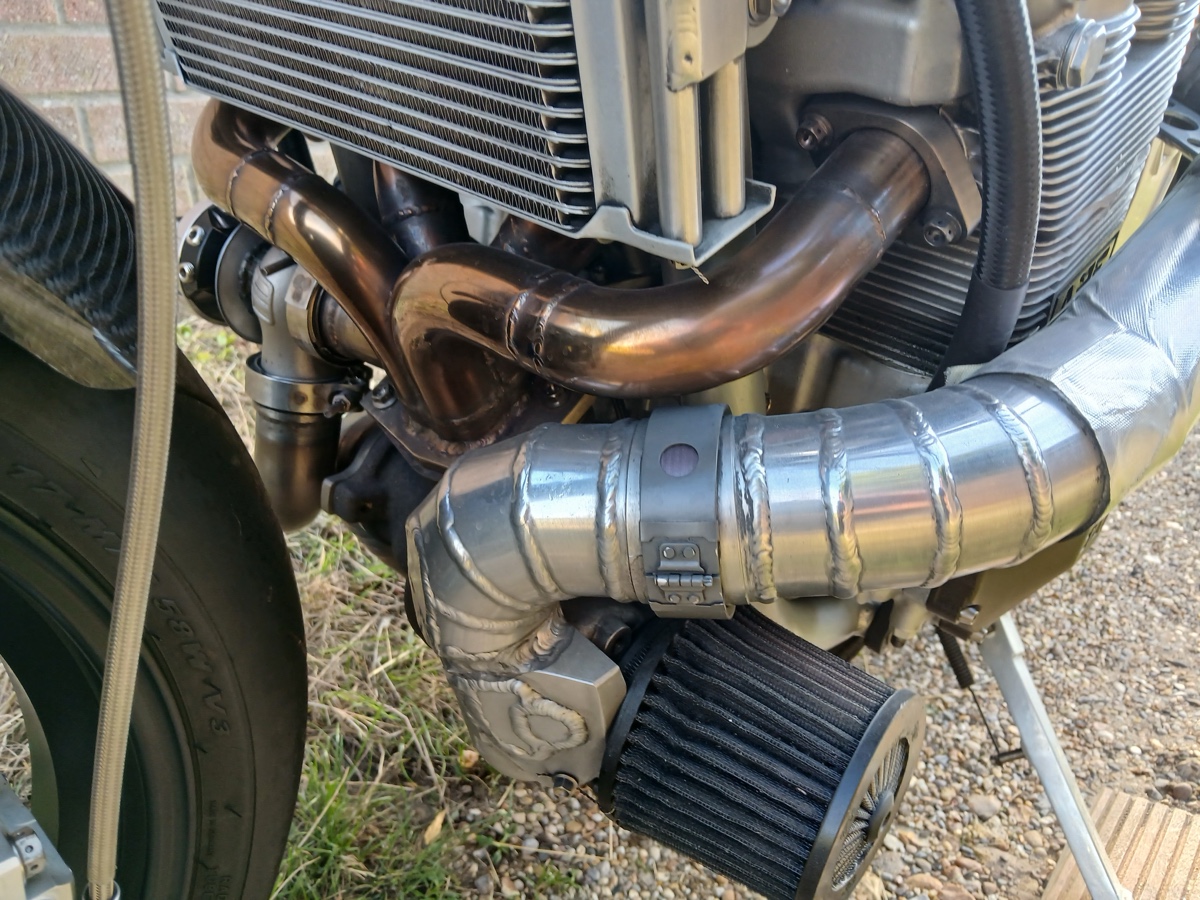
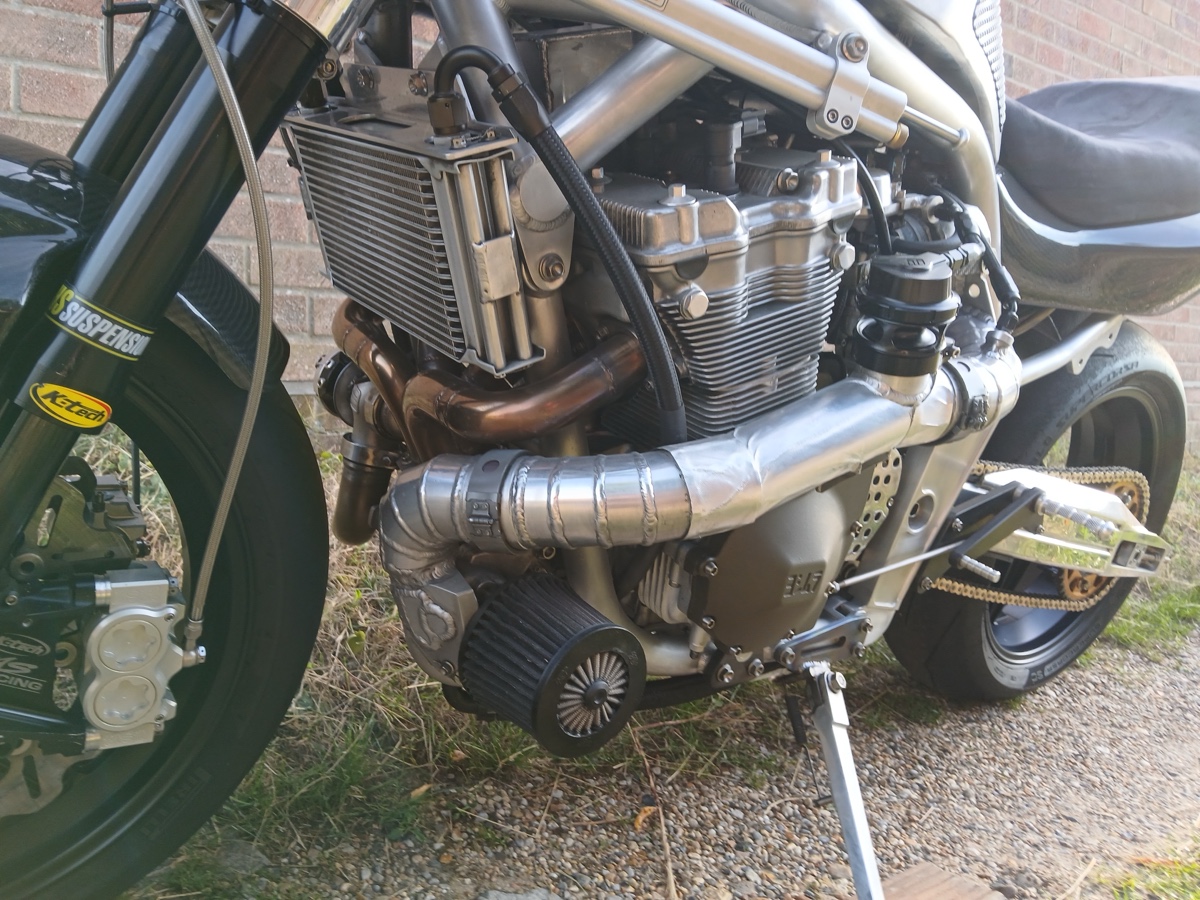
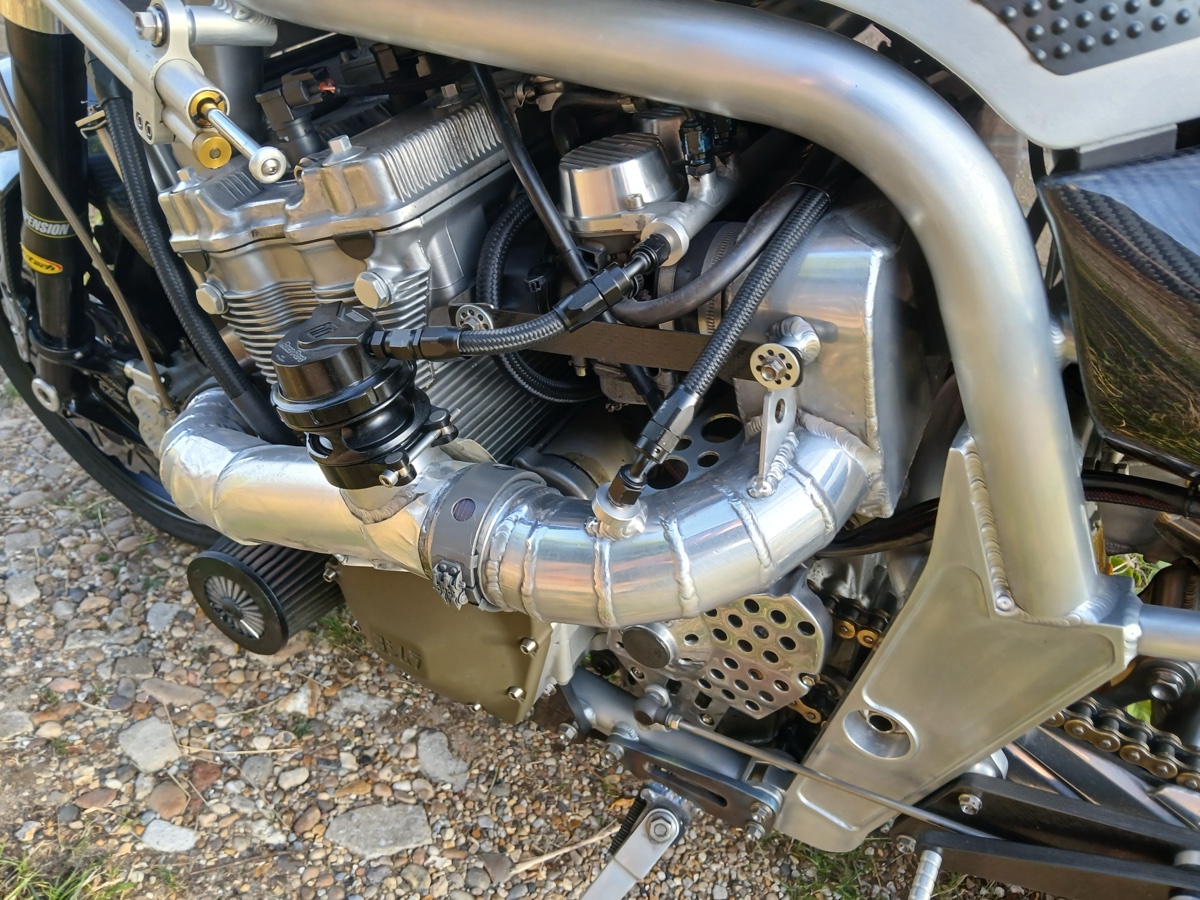
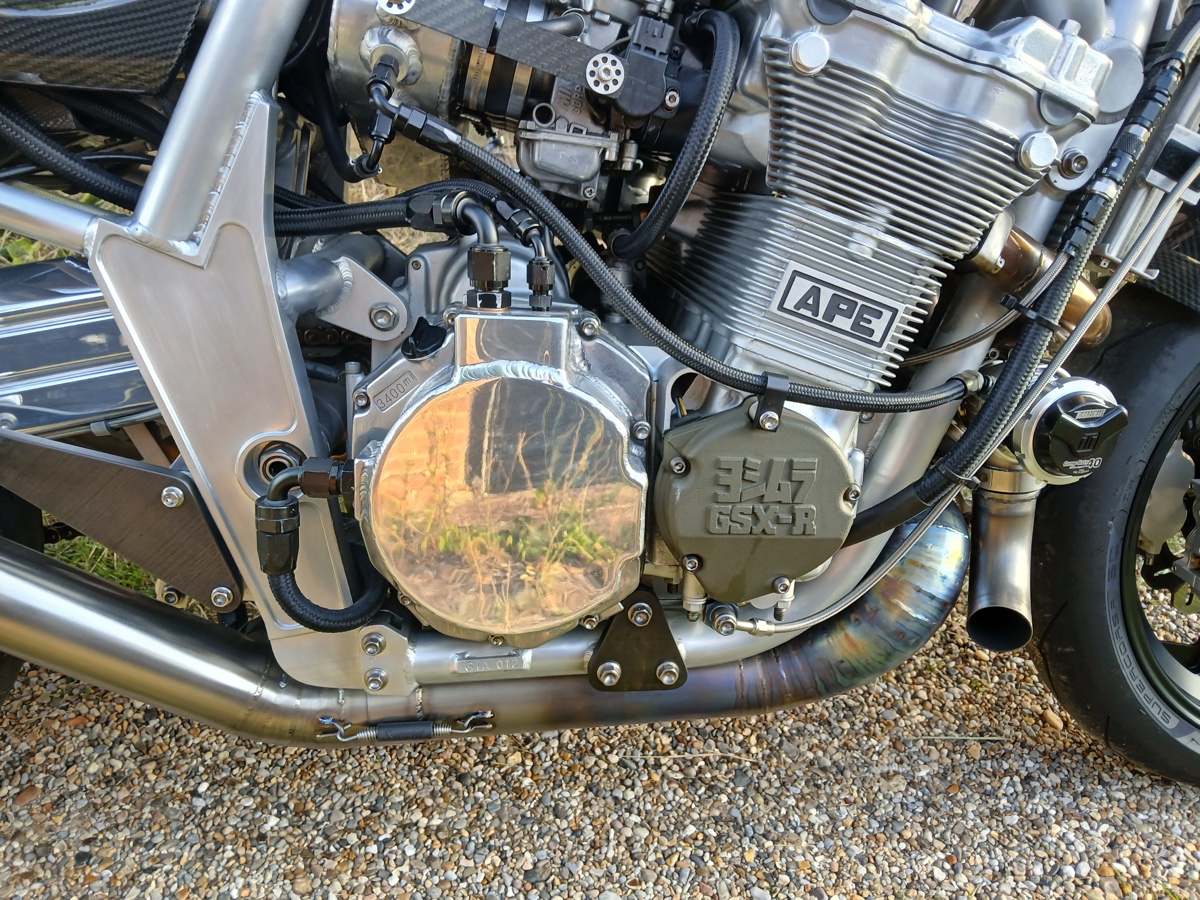
The exhaust is 70mm thin-wall titanium and made up of 53 separate pieces welded together. There are over 40 hours just in this and it’s one of my favorite parts.
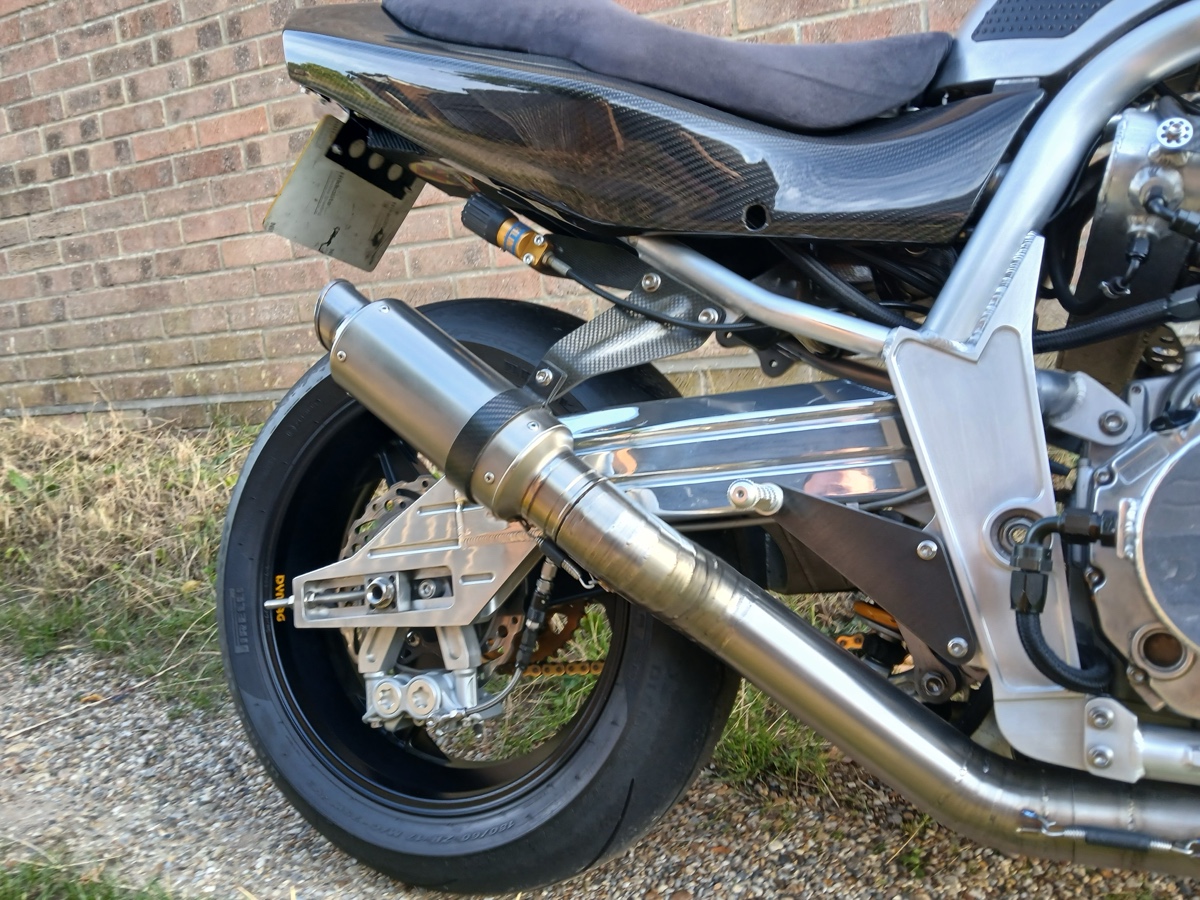
The tank was made by Graham at Coba Valley Cycles down in Devon.
• Any idea of horsepower, weight, and/or performance numbers?
200 kg fully fueled and just over 200 hp with the boost level set low. Best ¼ mile time to date is 11.1 at 140mph.
• Can you tell us what it’s like to ride this bike?
It’s not the easiest thing to ride and takes a few miles to get used to if I’ve not ridden it for awhile. It needs stronger rider inputs than say a modern GSXR. The bars are quite low and hasn’t the best steering lock. Suspension is firm and brakes require a decent pull. The clutch is fairly heavy with the aftermarket springs. With the MTC lock-up it’s best to get the clutch out rather than trying to slip for too long.
It can be ridden around all day at low speeds and is very much like a stock Bandit 1200, but get the rev counter above 3000, the deep rough exhaust note smooths and it starts to pull. Around 6000 it’s up on full boost. The exhaust gets louder with the external waste gate open, dumping the unsilenced excess gas.
At this point you hold on, trying not to get ejected off the back, and in the first four gears the front either comes up or the tyre spins. You find yourself watching the boost gauge more than the tacho. Playing on an airfield near Corby a few years back, I was seeing the front wheel leave the tarmac at a genuine 150 in 4th.
• Is there anyone you’d like to thank?
Doug at @g19engineering
Graham at @cobavalleycycles
Follow the Builder
Instagram: Colin Worth


The Suzuki Bandit 1340 Turbo has a ways to go to be competitive with Top Stock Contenders like Kawasaki Ninja ZX-14R (2012)9.47 s152.8 mph, Ducati Desmosedici RR (2008)9.49 s152.1 mph, Kawasaki Ninja H2R (2015+)~9.62 s152.0 mph, Suzuki Hayabusa (Gen 2 / Gen 3) 9.70 s148.5, Kawasaki ZX-10R (2006) 9.76 s149.1 mph. Stock times vary significantly based on rider weight, density altitude, and launch technique. Modern 1,000 cc super Victory bikes (such as the BMW S1000RR and Ducati Panigale V4) frequently hit 9.5–9.8 second range in stock form depending on electronic launch controls.