
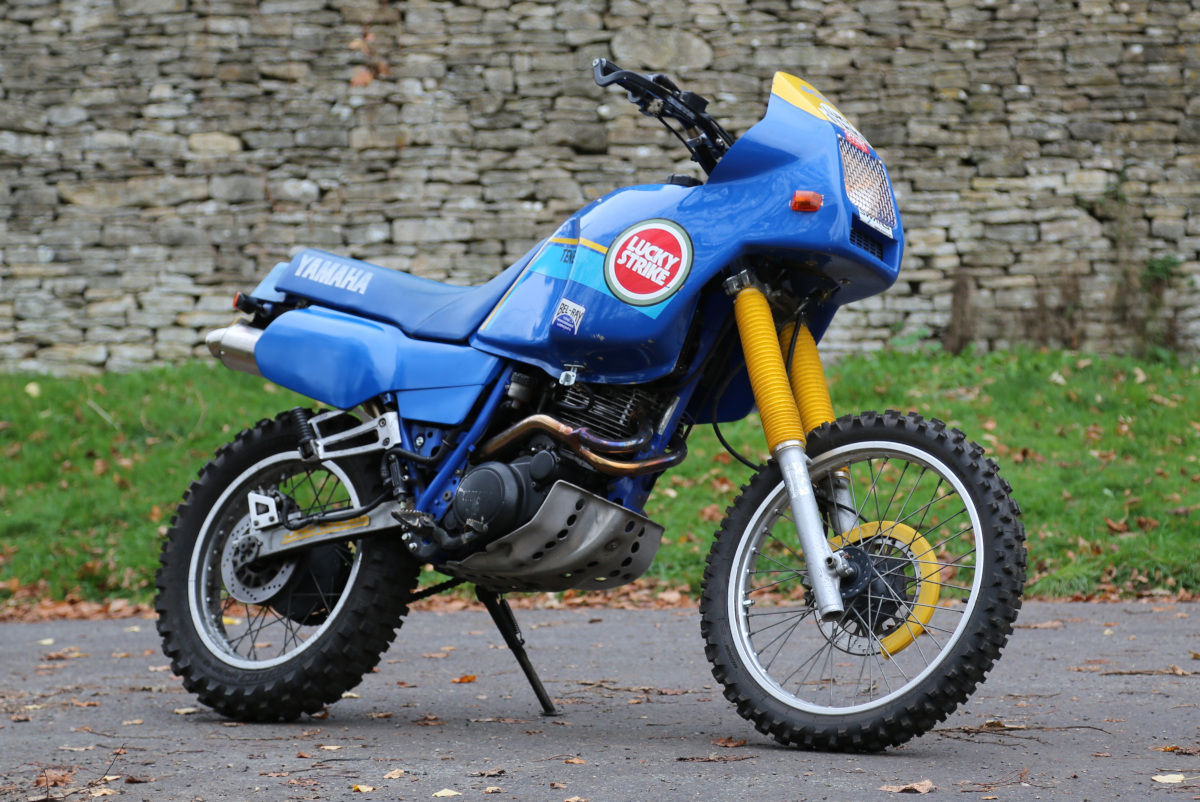
 Dakar-Style Ténéré 600 from Marky and the Machines…
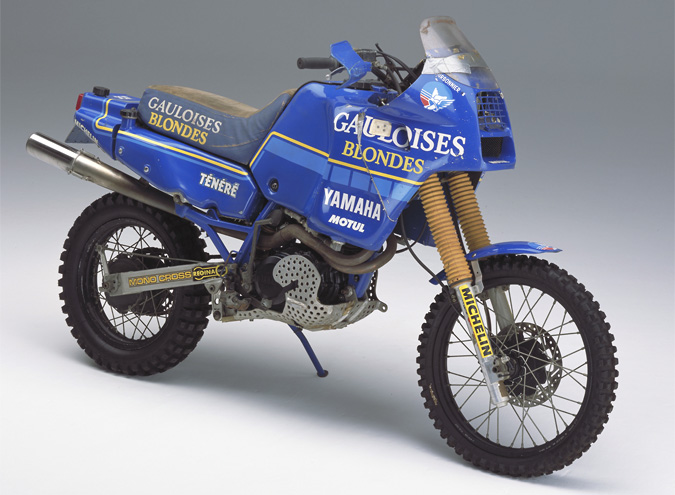
The late 1980s were a heady time for fans of the Paris-Dakar Rally, and no team was more fun to watch than Sonauto Yamaha with the legendary Jean-Claude Olivier (JCO) steering the ship. JCO, who’d raced a Yamaha XT500 in the very first edition of the event, would pilot a bike in nine Paris-Dakar Rallies. He helped Yamaha develop the original XT600Z Ténéré production bike, and in the 1985 edition, JCO led a 2-3-4 finish in the motorcycle class on rally-prepped Ténérés — massive single-cylinder desert bombers.
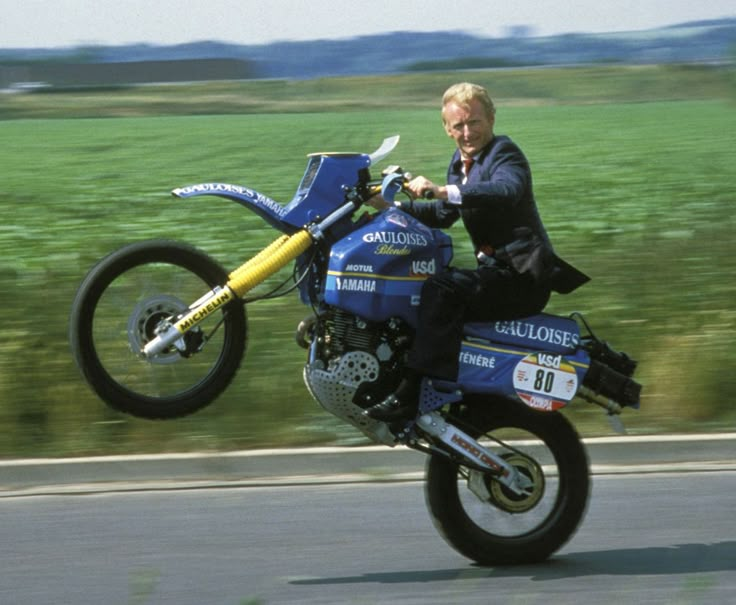
For the 1986 running of the event, JCO led a campaign to shoehorn Yamaha’s new four-cylinder FZ750 superbike engine into an XT600 frame, creating the legendary FZ750 Ténéré. Thierry Charbonnier actually finished 4th on the single-cylinder 665cc XT600 Ténéré bike, beating Olivier’s 12th-place finish on the FZ750T, but JCO’s visionary thinking paved the way for Yamaha’s dominant YZE750T Super Ténéré and XTZ850R Dakar bikes. All in all, JCO has become almost synonymous with the Sonauto Yamaha rally monsters of the day.
Fast forward nearly fifty years, and our new friend Mark of Marky and the Machines picked up a 1988 Yamaha XT600Z Ténéré (3AJ). Mark is in the Royal Air Force, but a successful commercial property business has allowed him to “get involved in all sorts of daft projects.” He’s ridden to Africa, recorded an 863-mile single day ride in the saddle of a Himalayan 450 (no cruise control!), and he’s rebuilding a 1986 Dakar rally bike with his buddies Luke and Dingo at Moon Age Engineering.
When he picked up his XT600Z, he planned to keep it stock…until he got “completely obsessed” with the Dakar Rally. Soon he had to build a Sonauto-style desert bomber of his own.
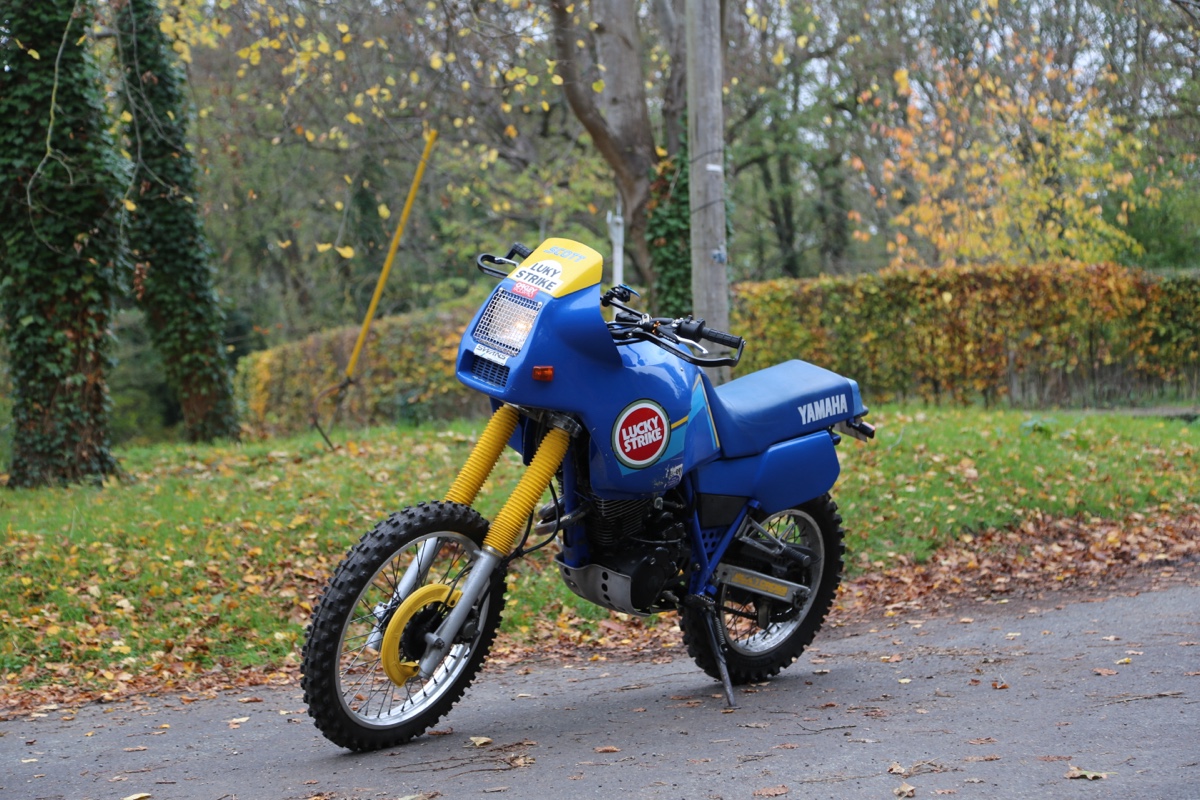
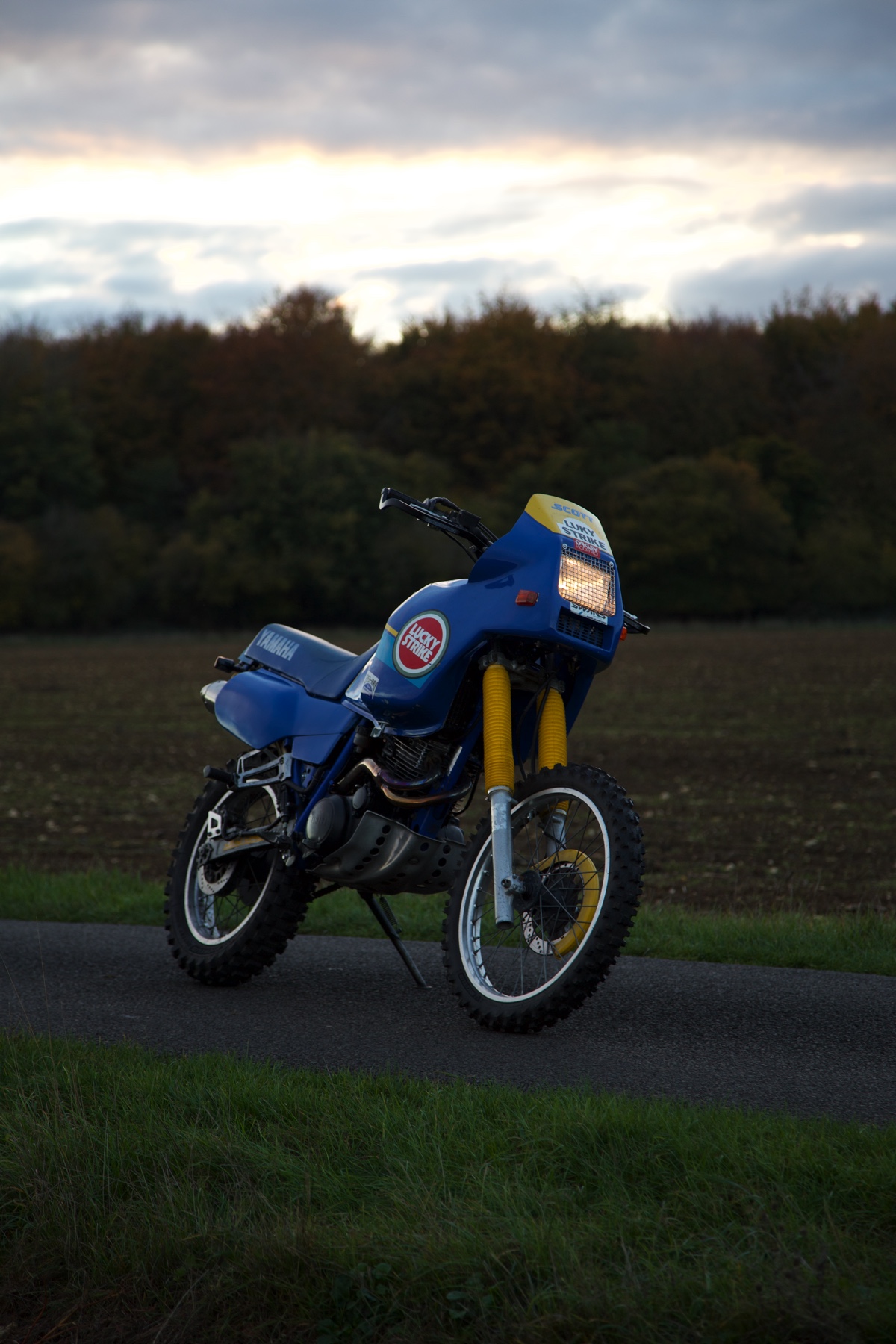
“The inspiration was Team Yamaha and those mad 1980s Paris-Dakar era bikes. Proper bits of kit. Massive fuel tanks, towering suspension, rally fairings, and that unmistakable blue and yellow outfit… I wanted to capture that same spirit with my XT. Something that looked like it had just come hammering across the Sahara in 1986. Rough, purposeful, and a bit ridiculous. Absolutely brilliant.
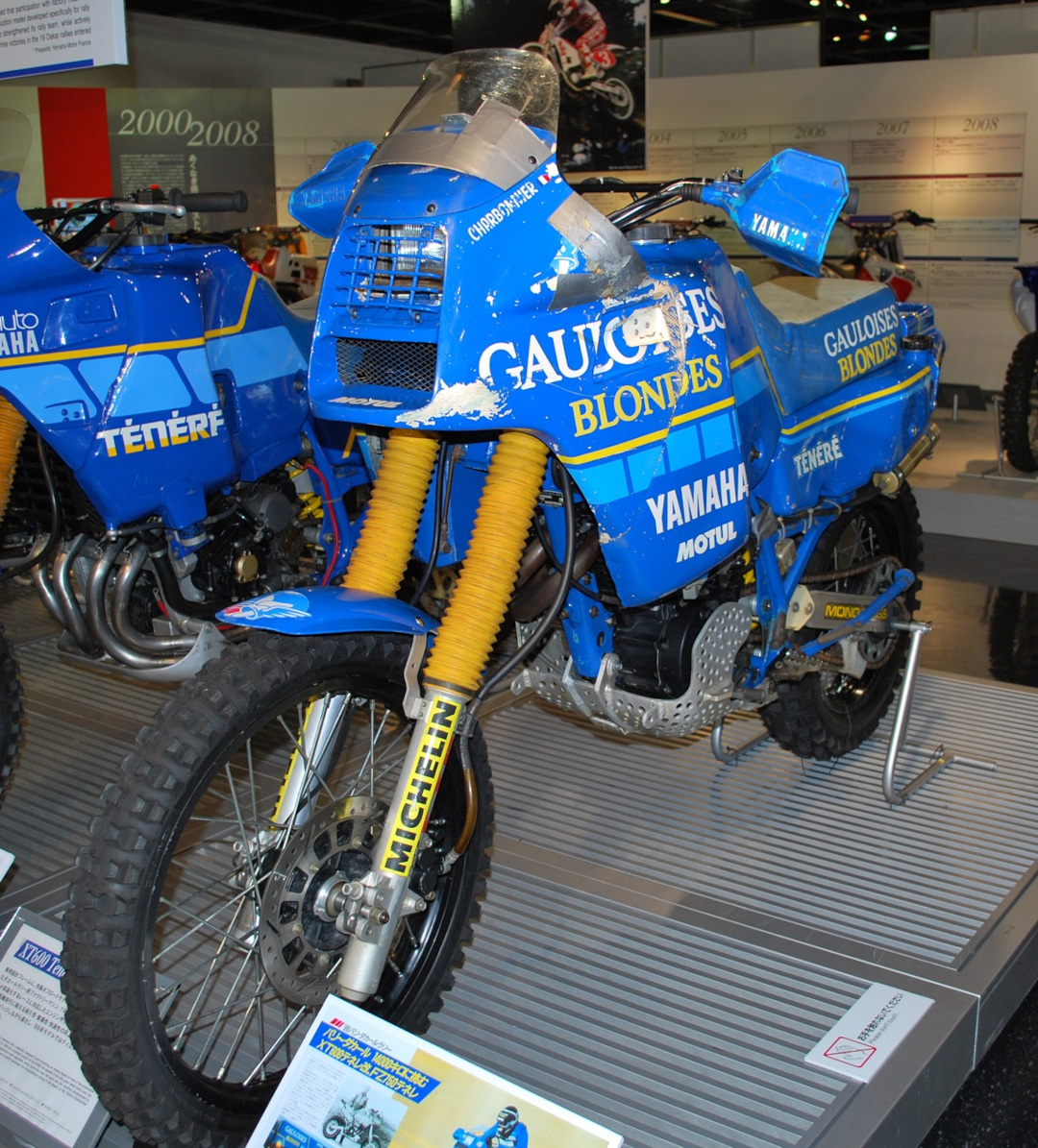
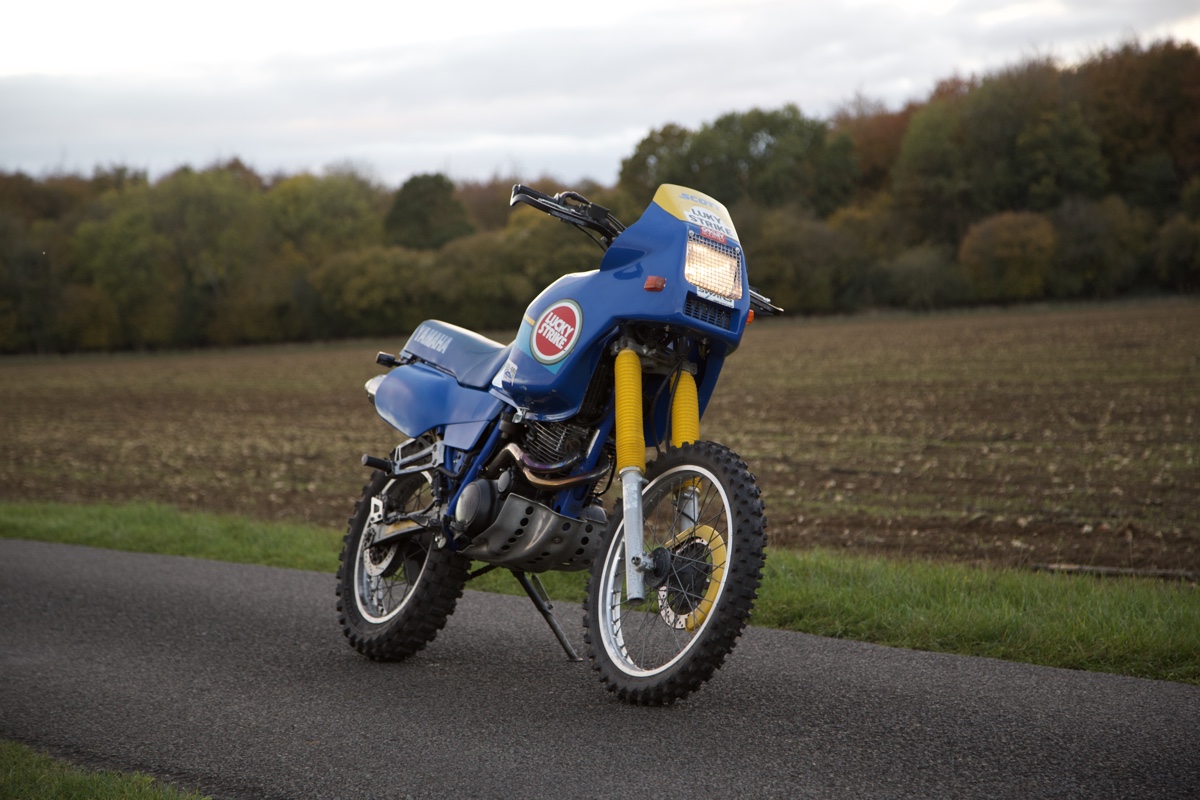
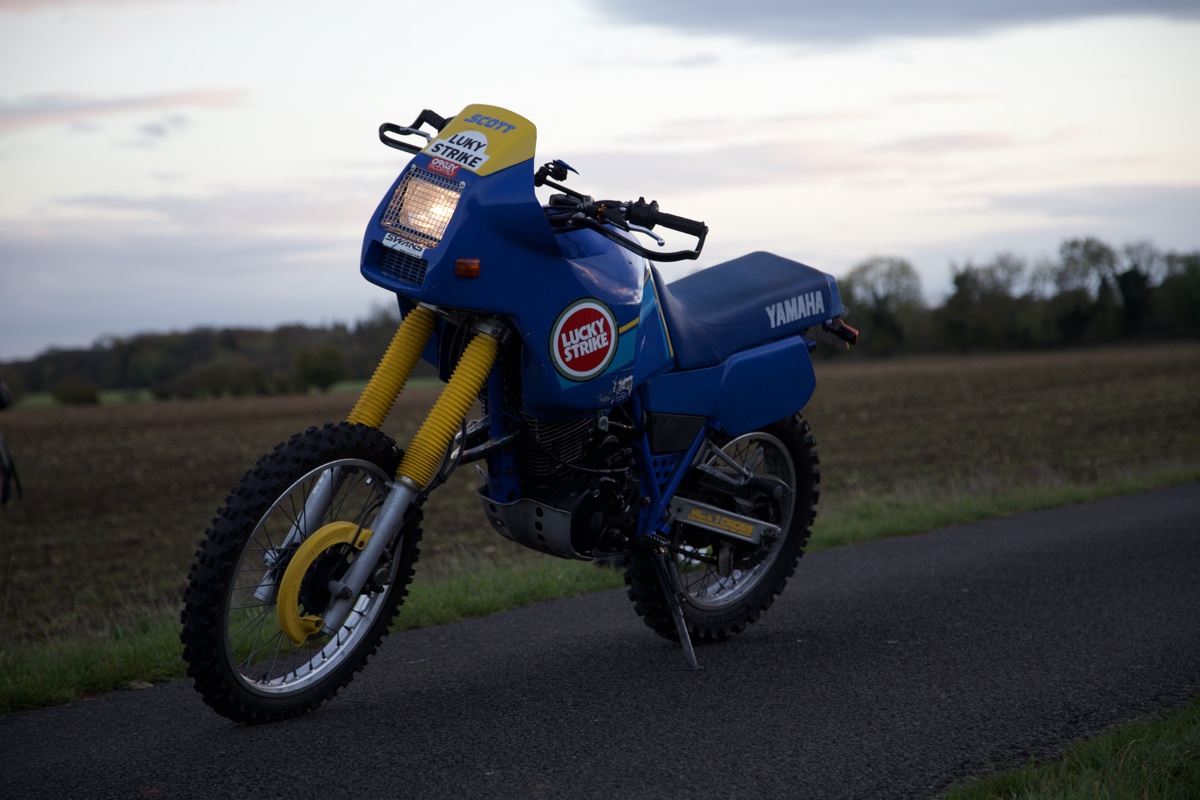
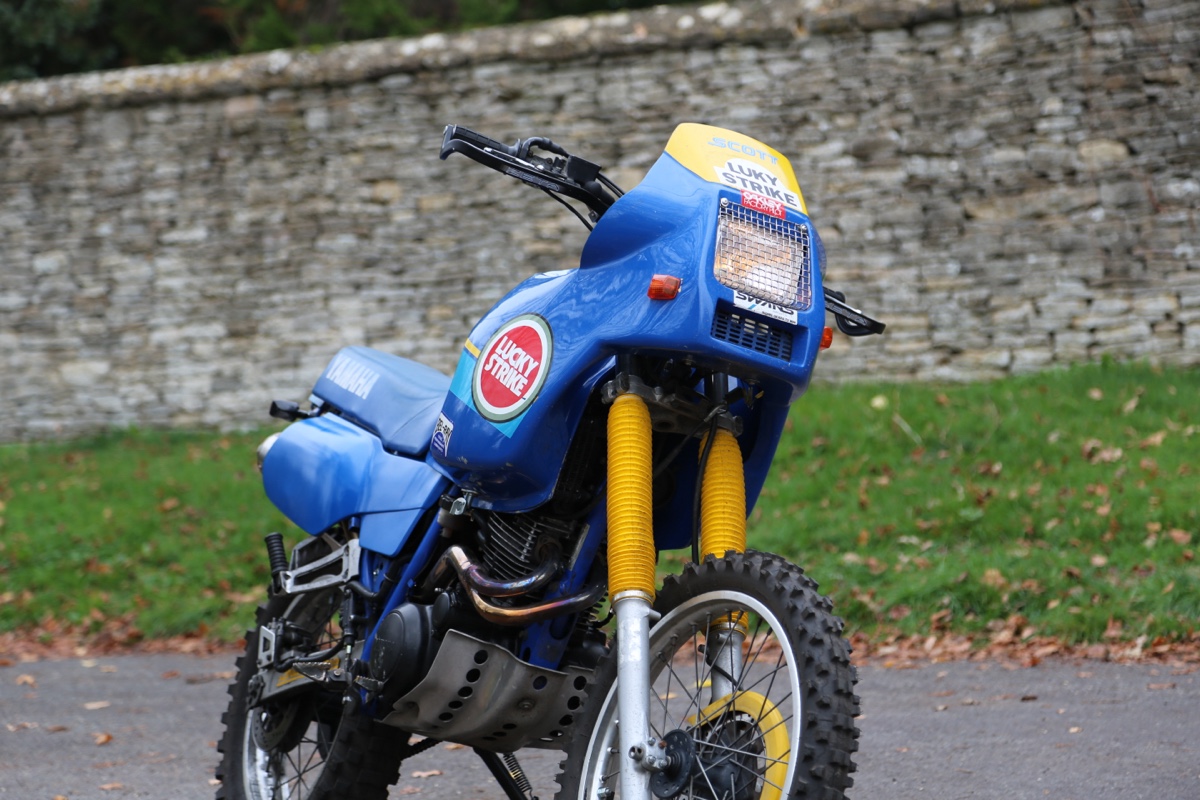
In Switzerland, Mark tracked down a period-correct Moto-Form rally kit from the 1980s — an incredibly rare handmade kit consisting of an old-school Dakar fairing and a mammoth 40-liter / 10.6-gallon fiberglass tank.
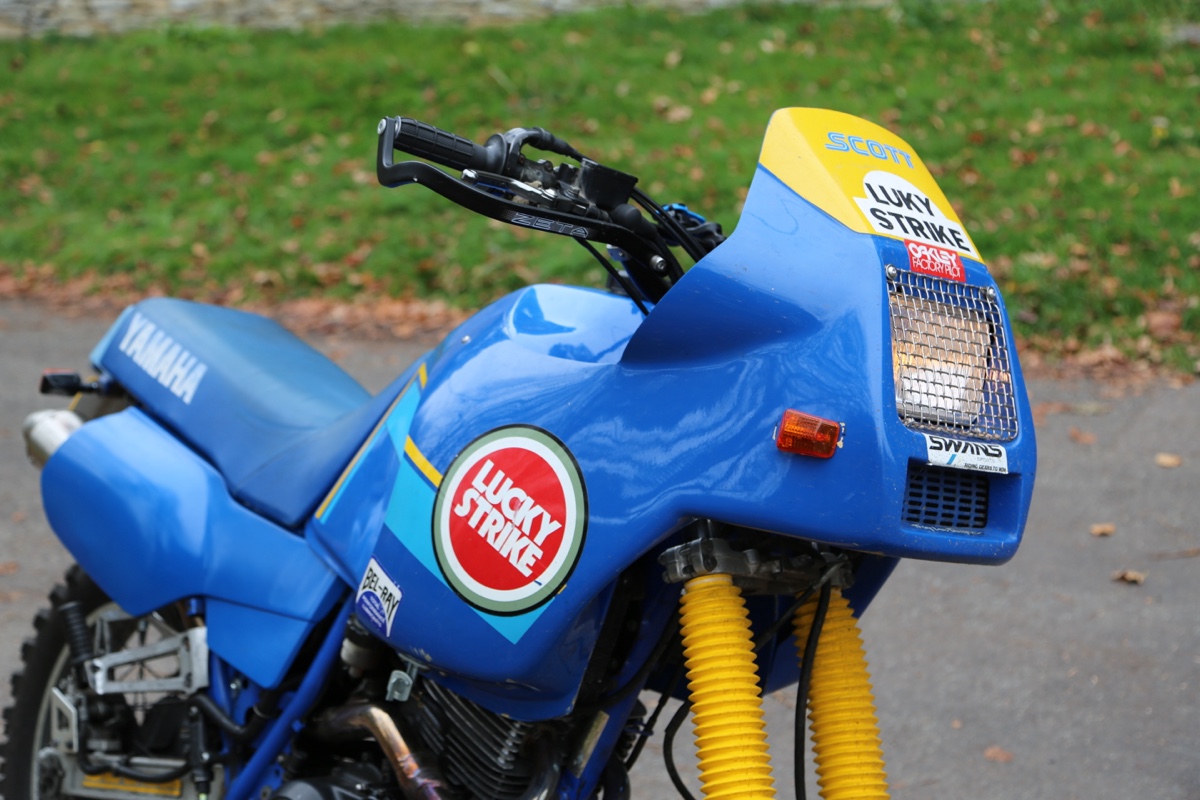 However, it would be no bolt-on affair, as the kit had been designed for the 1VJ (MY 86-87) instead of Mark’s 3AJ (MY 88-90). After making a “complete dog’s dinner” of the installation, he sought out Luke and Dingo at Moon Age Engineering.
“They know these old Yamahas inside out and have a cracking reputation in the Sandraiders community.”
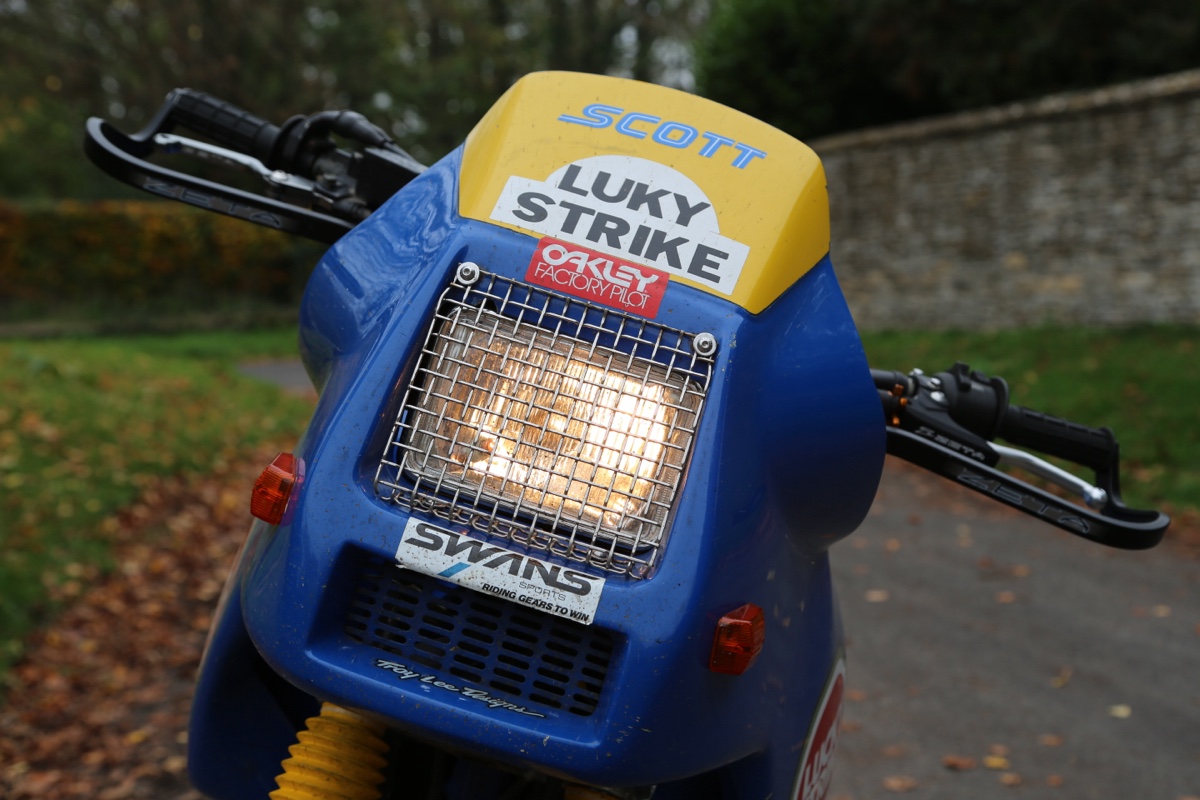
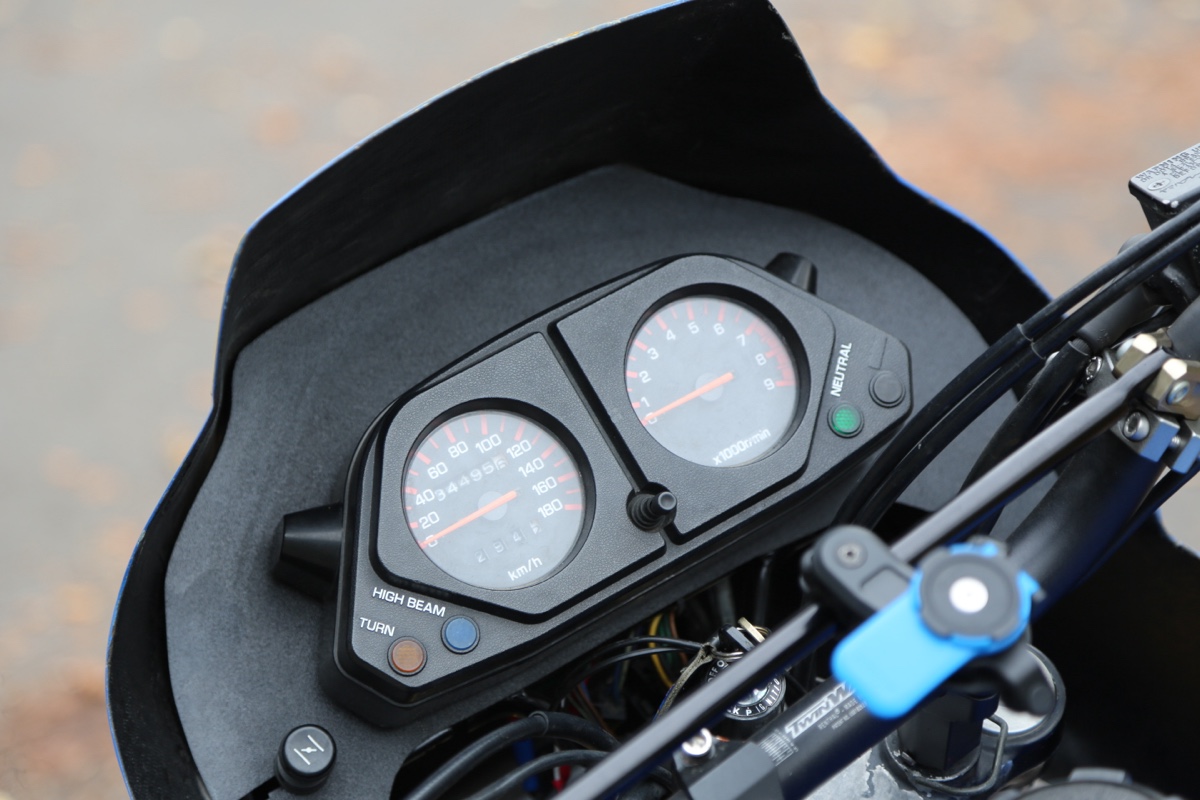
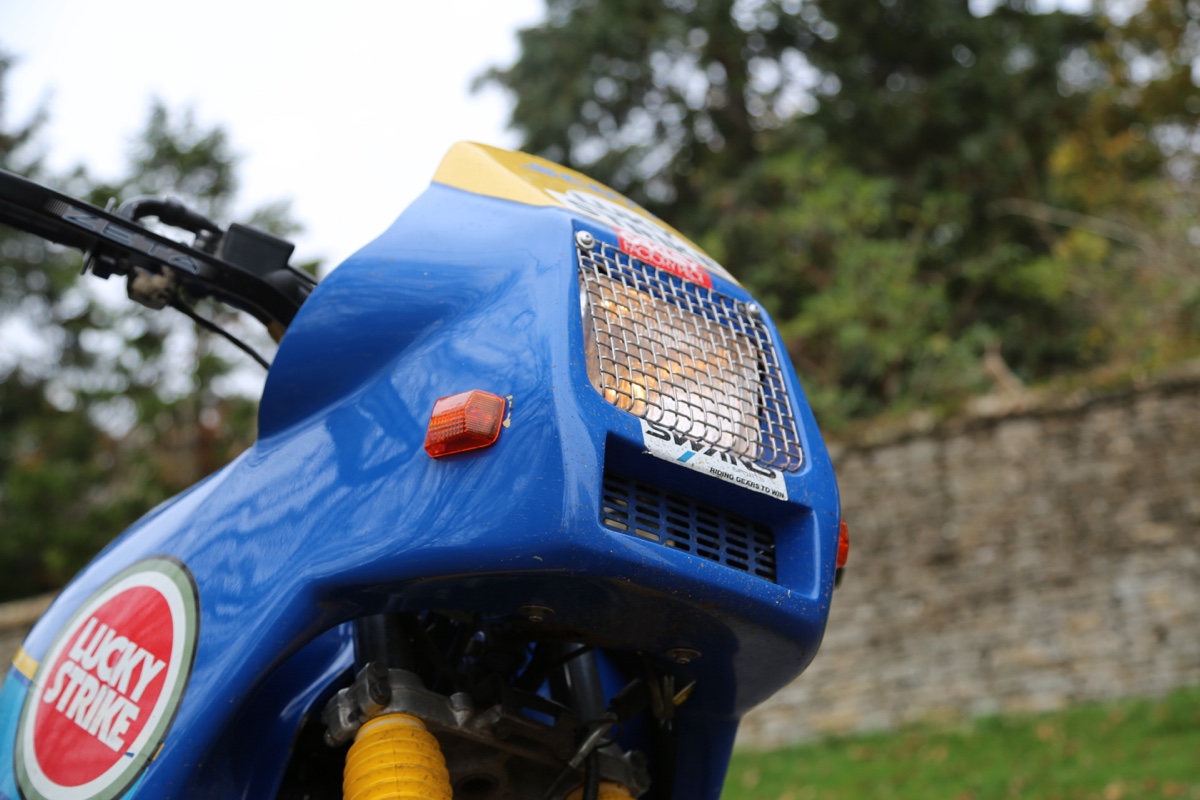
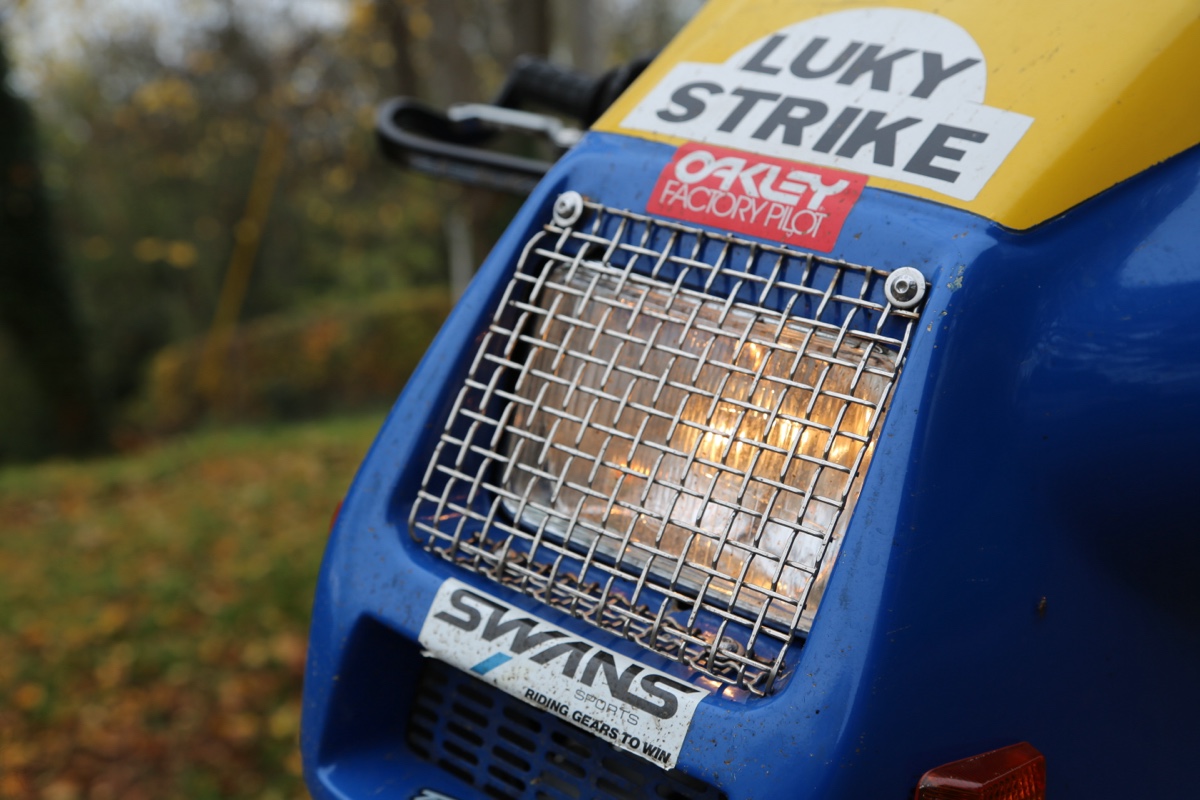
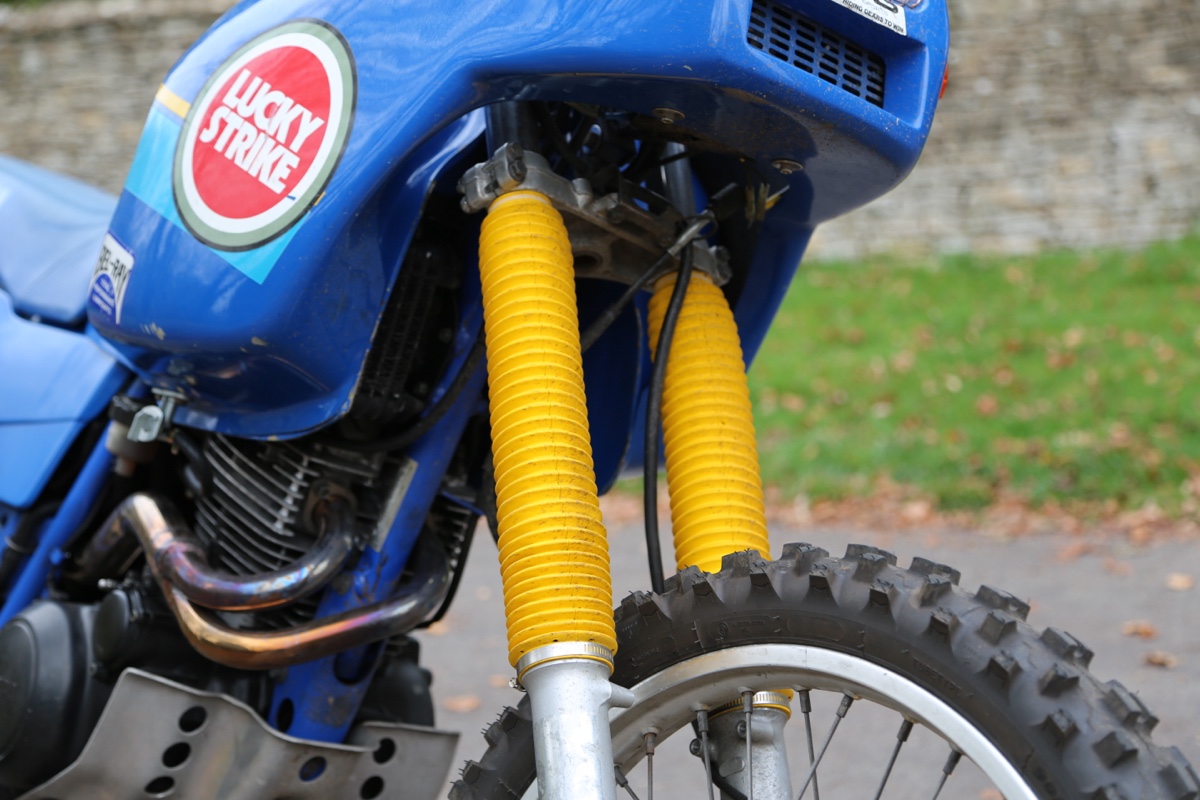
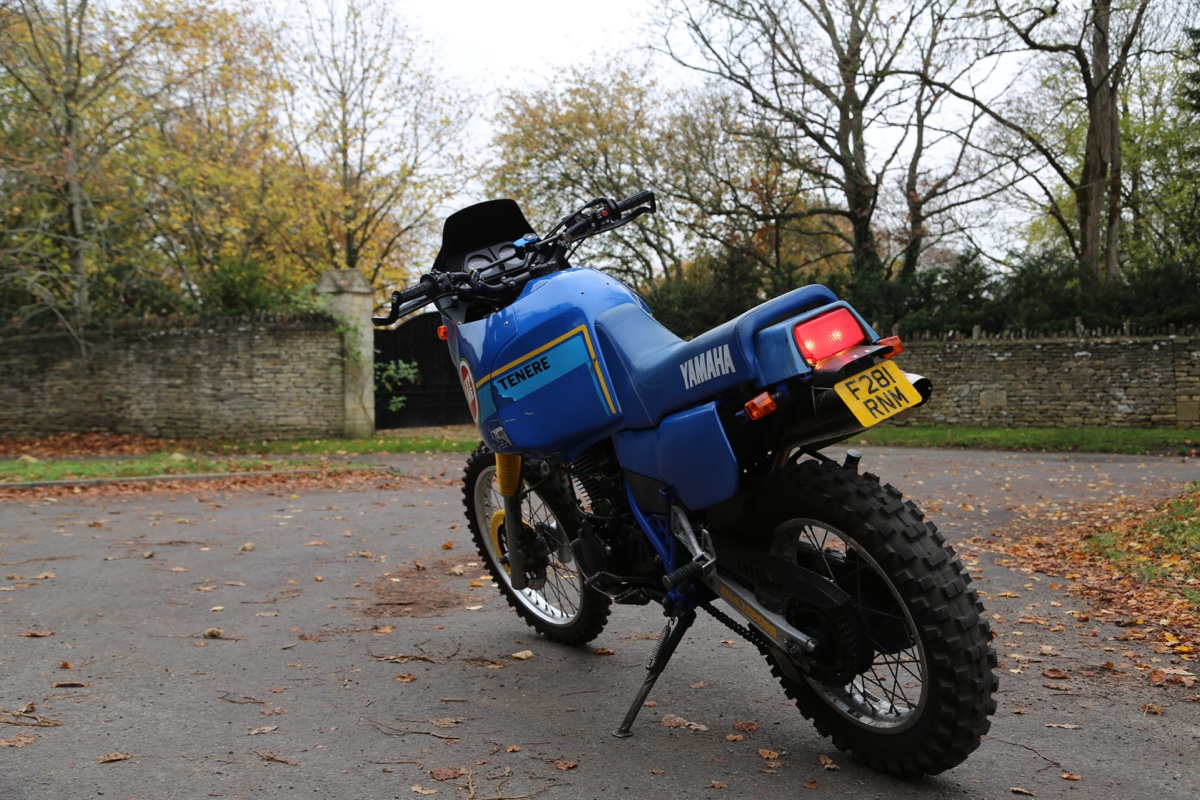
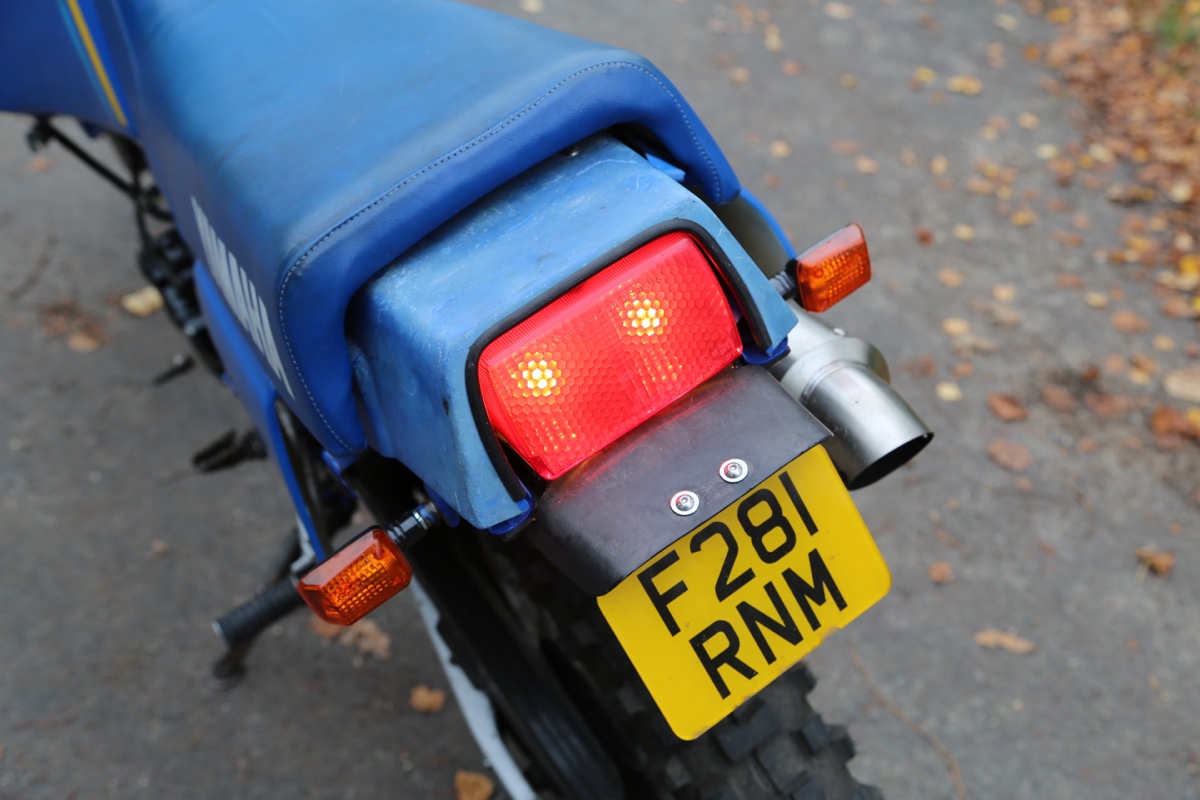
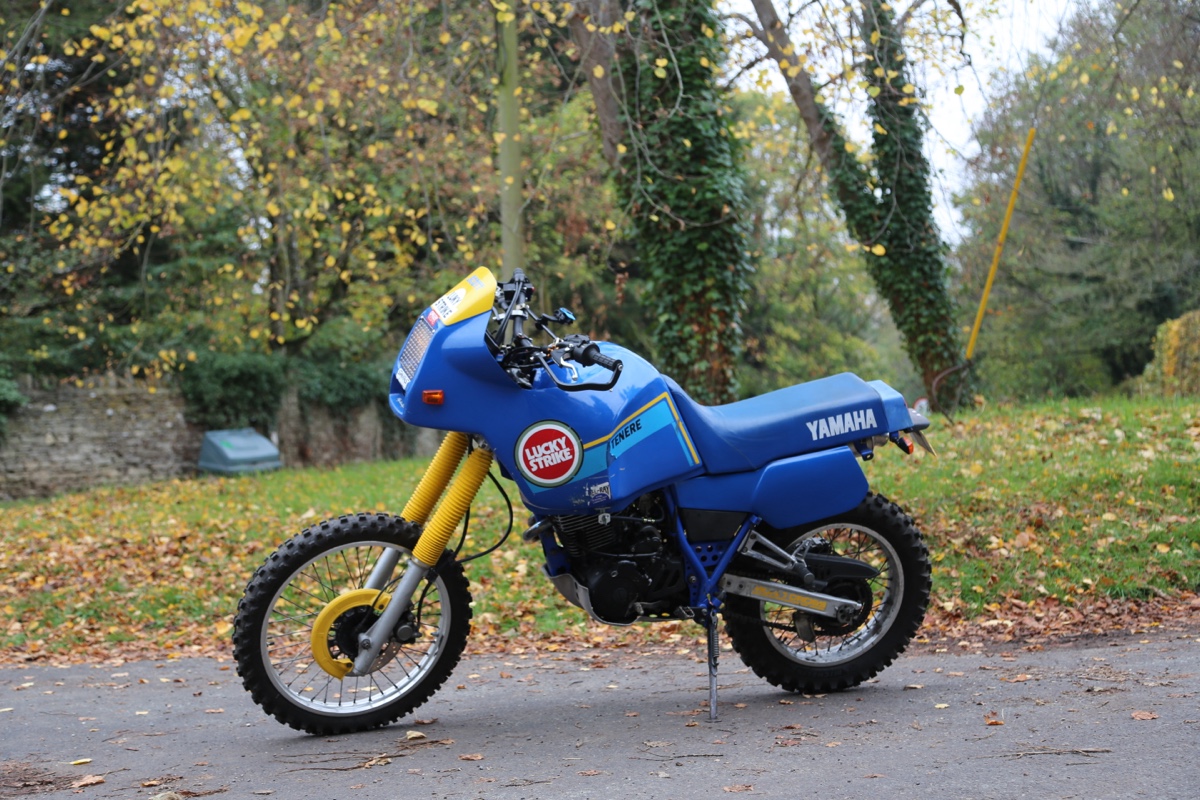 The Moon Age boys fabricated a bespoke mounting frame and dashboard. Dingo also integrated the rear light into the rear cowling, and the bike is now running 1VJ fiberglass side panels from Greece. Up front you’ll find a square 1VJ headlight with mesh protector, period-style indicators, proper yellow fork gaiters, Zeta handguards, and forged levers.
A new 42mm exhaust header from Italy feeds an Arrow exhaust with no baffle, which sounds “absolutely glorious,” and the bike is rolling on a set of Michelin Enduro Medium 2 tires. Says Mark:
“The important thing was keeping it looking like a proper eighties Dakar machine. No modern LEDs, no unnecessary shiny bits. It’s still got scratches, battle scars, and forty years of character. I didn’t want a show pony. I wanted something that looked like it had just come back from hammering across the Sahara.”
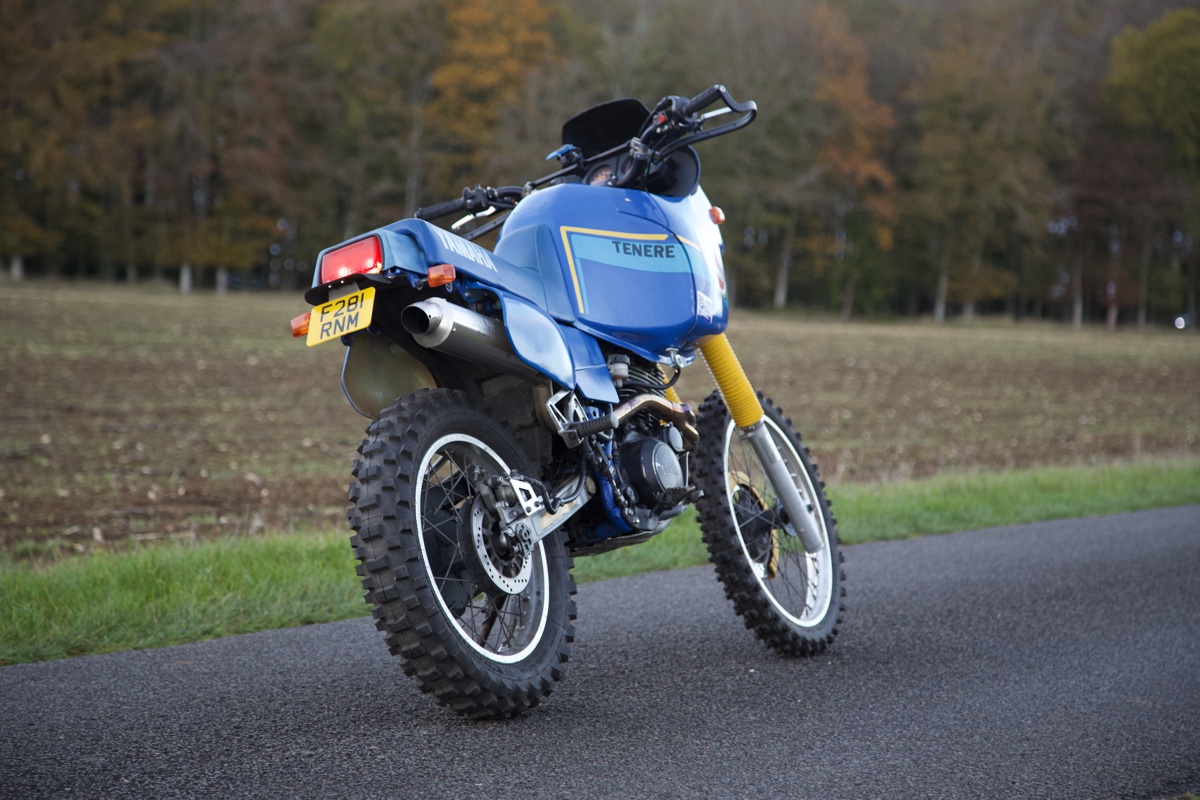
Mark and the Moon Age boys have absolutely succeeded in that regard. This Ténéré 600 looks like a true 80s Dakar survivor — big, raw, and purposeful. And the sound of that baffleless big single is incredible.
“Every time I fire it up, I get a massive grin on my face.”
Mark has just released a full build video, which you can watch below. Be sure to subscribe to his channel Marky and the Machines and follow him on the ‘gram at @marky_machines.
Build Video
Yamaha XT600 Dakar: Builder Interview
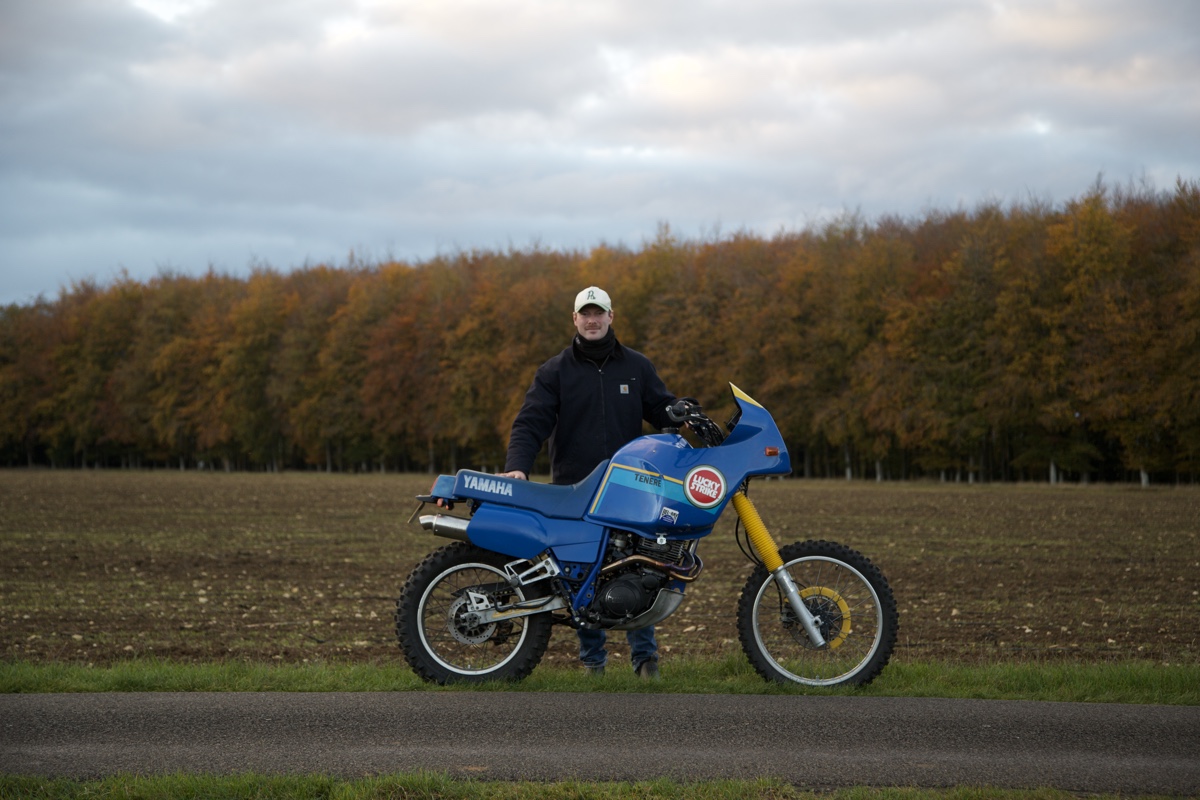
• Please tell us a bit about yourself, your history with motorcycles, and your workshop.
I’m Mark. I’m in the Royal Air Force and I’ve spent the last eight years running a commercial property business. That’s done alright for itself and given me the freedom to get involved in all sorts of daft projects. Mostly involving engines.
I used to race road bicycles and was half decent at it, but then I discovered you could stick an engine between two wheels. Think I passed my test at 28 so pretty late to the party. That was that. Completely hooked. My first bikes were all Harleys. 48’s, Lowrider St’s, Pan Ams all pretty serious bigger bikes plus a few MX bikes thrown in.
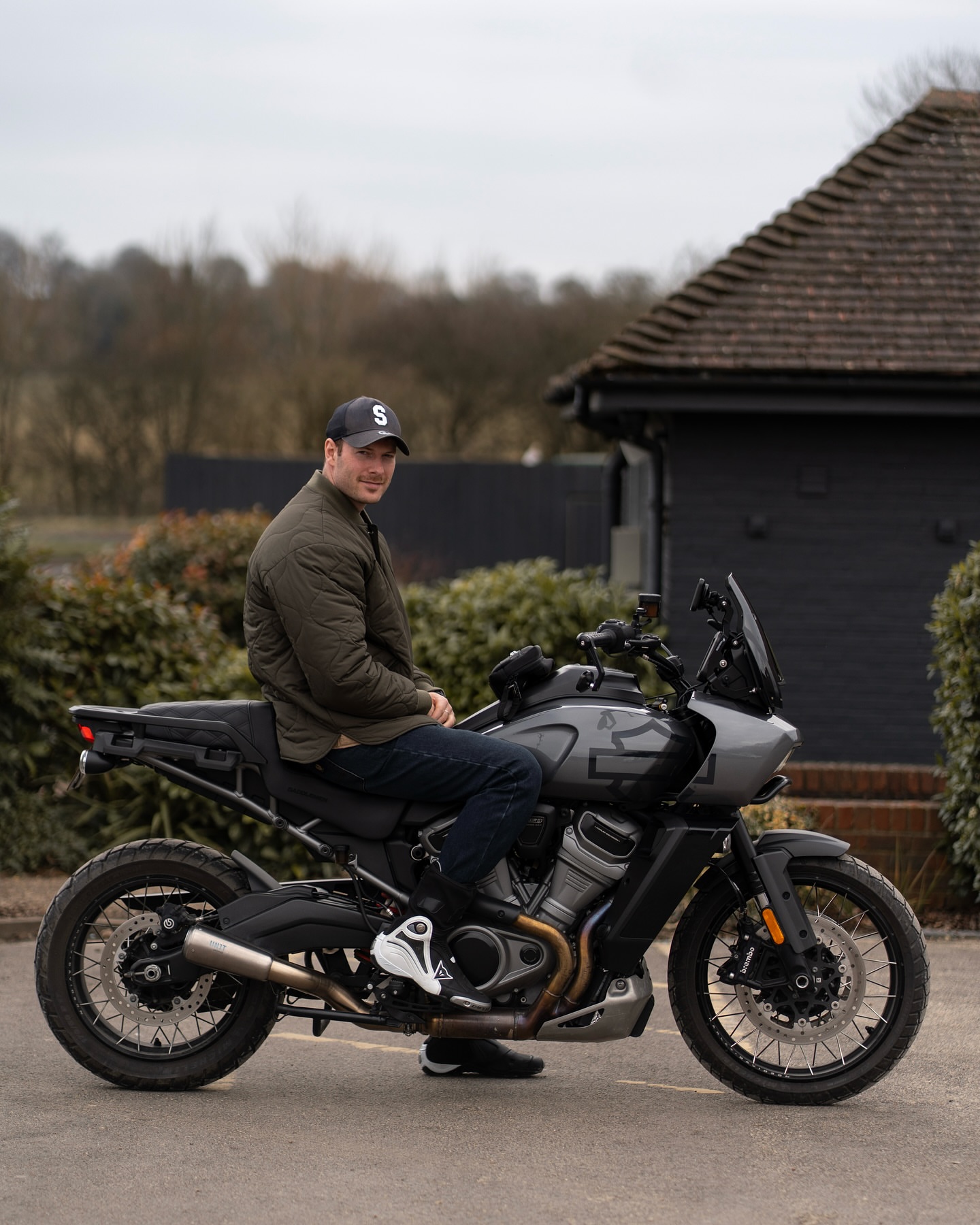
These days it’s the old lower cc stuff that really does it for me. Classic bikes, preferably with a few war wounds and a story to tell. The more character, the better. Going fast is fun but laughing your way down country lanes is better.
I started making YouTube videos under my former name “Marky Likes Bikes” (@marky_machines), mainly because I had a custom Harley-Davidson Pan America and fancied filming a few adventures. I’m on my 2nd year of the YouTube game and it’s taken me to some great places.
I’ve ridden to Africa, worked with some brilliant brands, and somehow ended up rebuilding a 1986 Dakar rally bike with Moon Age Engineering. Royal Enfield recently sent me to France on their Himalayan 450, which resulted in an 863-mile day in the saddle. Apparently I’m 4th in the world for the most amount of miles covered on a Himmy in under 24hrs. No cruise control so was a bit of a hangout…. But great bike. My backside would disagree.
The channel’s grown beyond just motorcycles now. We’re going everything. No vehicle discrimination. Sports cars, old bangers, clothing, anything interesting really. So Marky Likes Bikes became “Marky and the Machines.” Seemed fitting!
• What’s the make, model, and year of the donor bike?
1988 Yamaha XT600 3AJ.
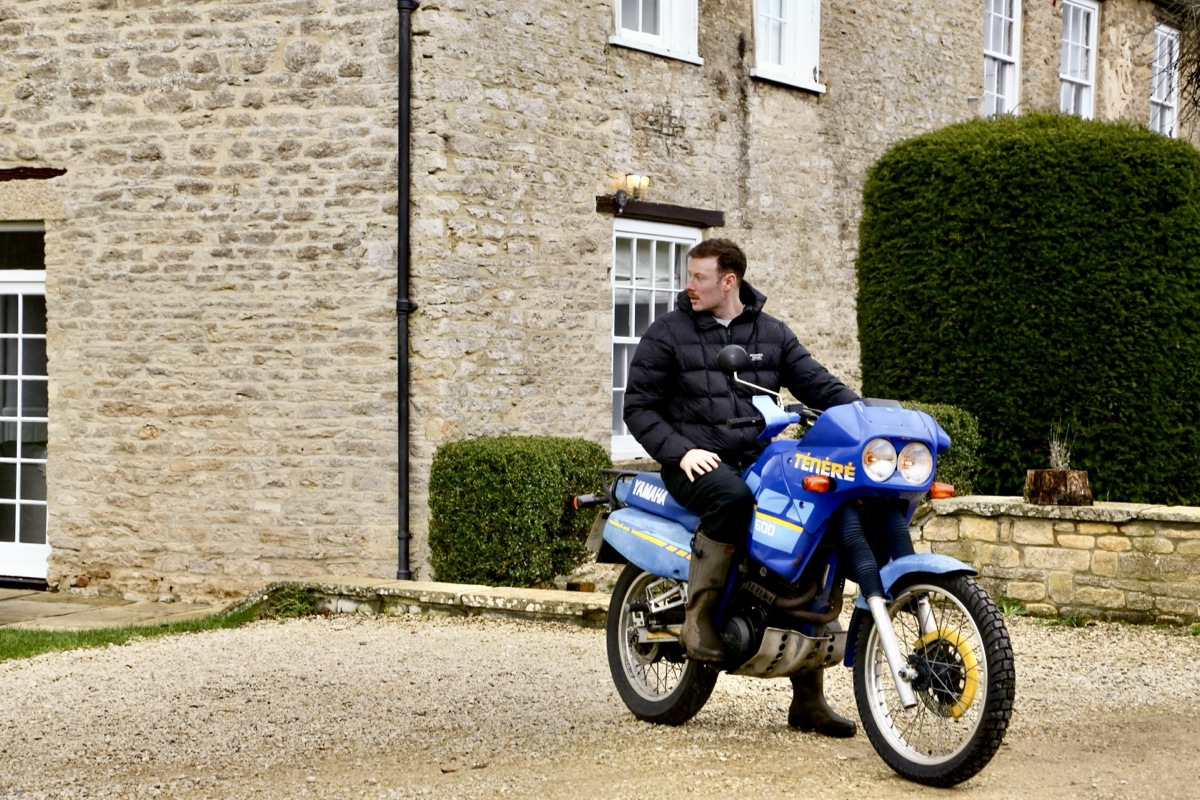
• Why was this bike built?
I’d promised myself I wouldn’t touch it. Seemed criminal to start pulling a perfectly good old bike to bits. Then I got completely obsessed with the Dakar Rally, old and new. Jean-Claude Olivier’s 1986 Dakar bike really got under my skin, and that was that. I had to turn the XT into something similar. No grand plan, just made it happen!
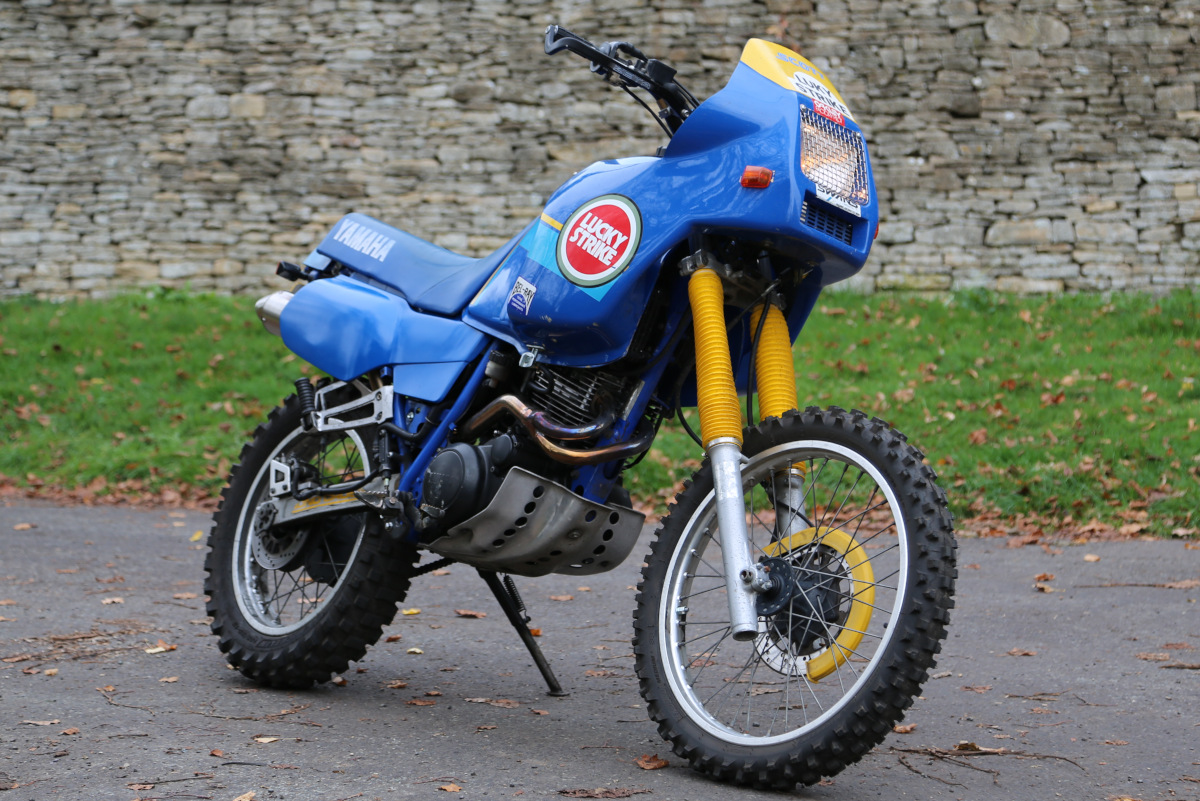
• What was the design concept and what influenced the build?
The inspiration was Team Yamaha and those mad 1980s Paris-Dakar era bikes. Proper bits of kit. Massive fuel tanks, towering suspension, rally fairings, and that unmistakable blue and yellow outfit. Everything had a purpose. Nothing was there just to look pretty but in my opinion, they’re the most stunning bikes I’ve ever seen.
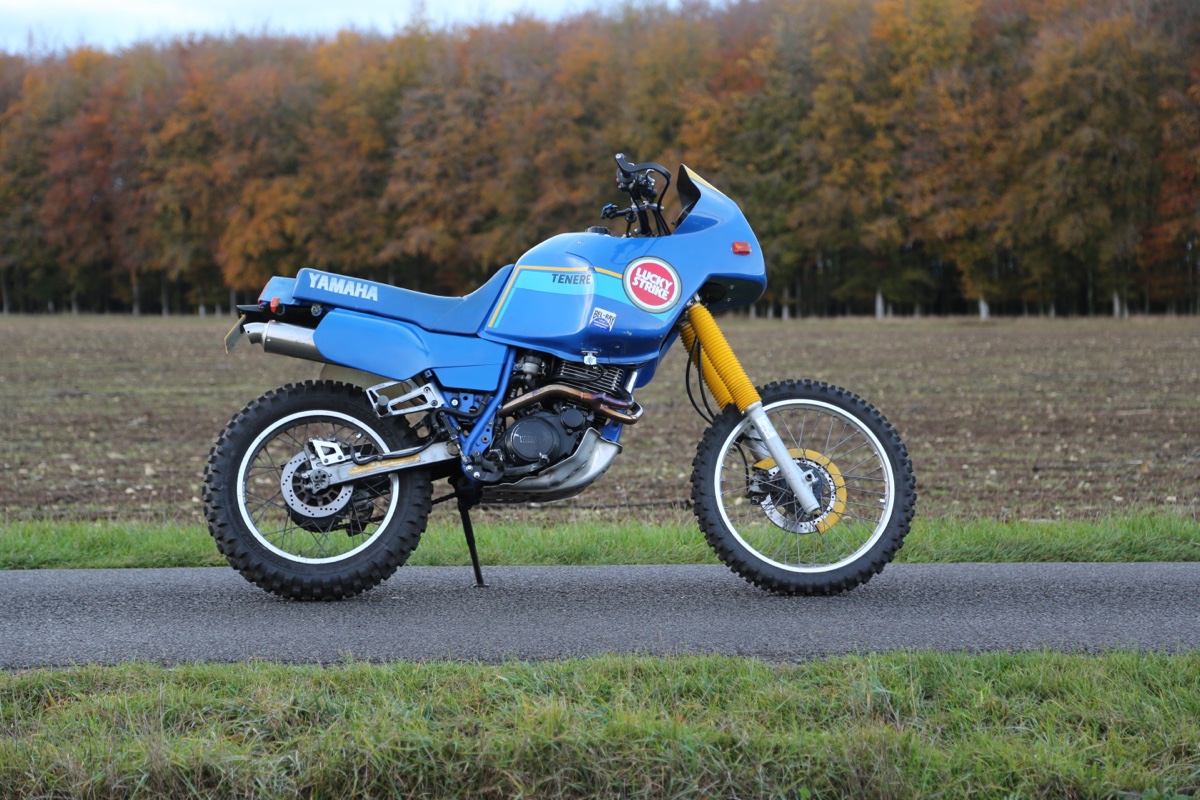
I wanted to capture that same spirit with my XT. Something that looked like it had just come hammering across the Sahara in 1986. Rough, purposeful, and a bit ridiculous. Absolutely brilliant.
• What custom work was done to the bike?
The centrepiece is an incredibly rare, handmade Moto-Form rally kit from the eighties. I drove all the way to Switzerland to collect it. It’s a miracle I found it and was well worth the investment. Only a handful were ever made, and it’s got this absolutely enormous 40-litre fibreglass fuel tank and proper old-school Dakar fairing. Beautiful bit of kit.
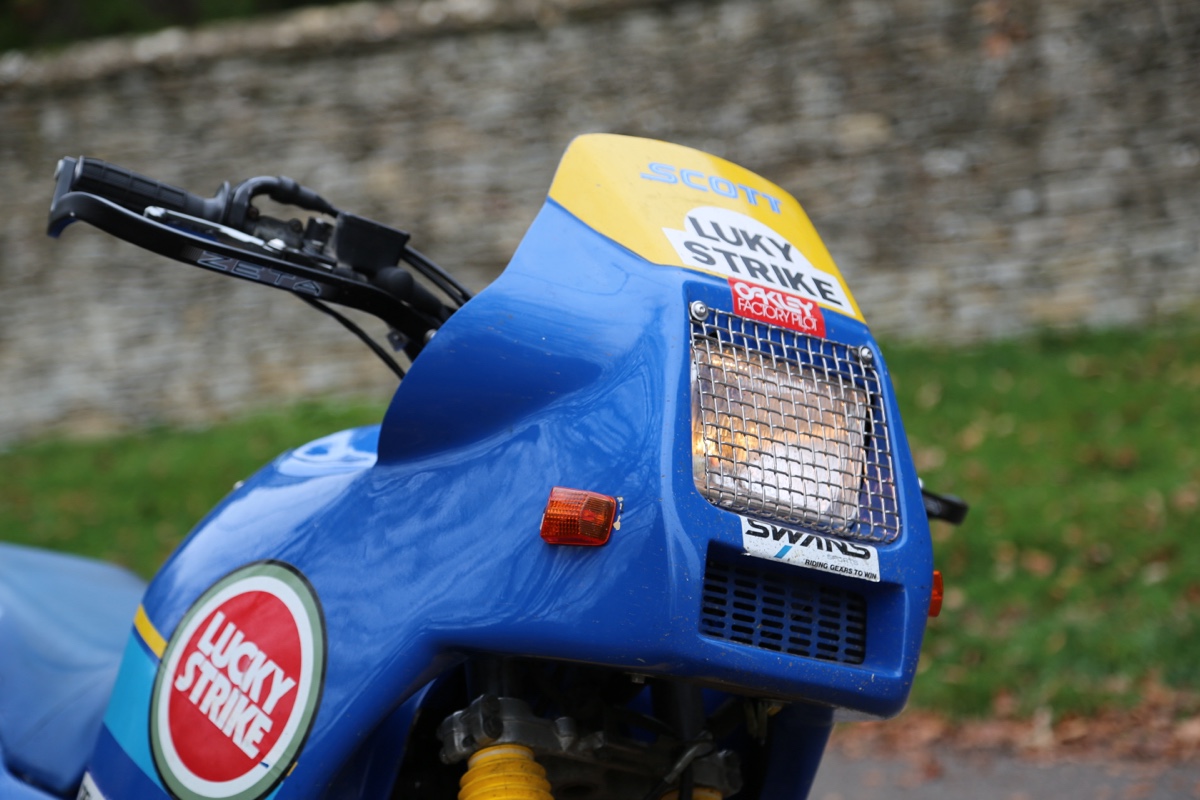
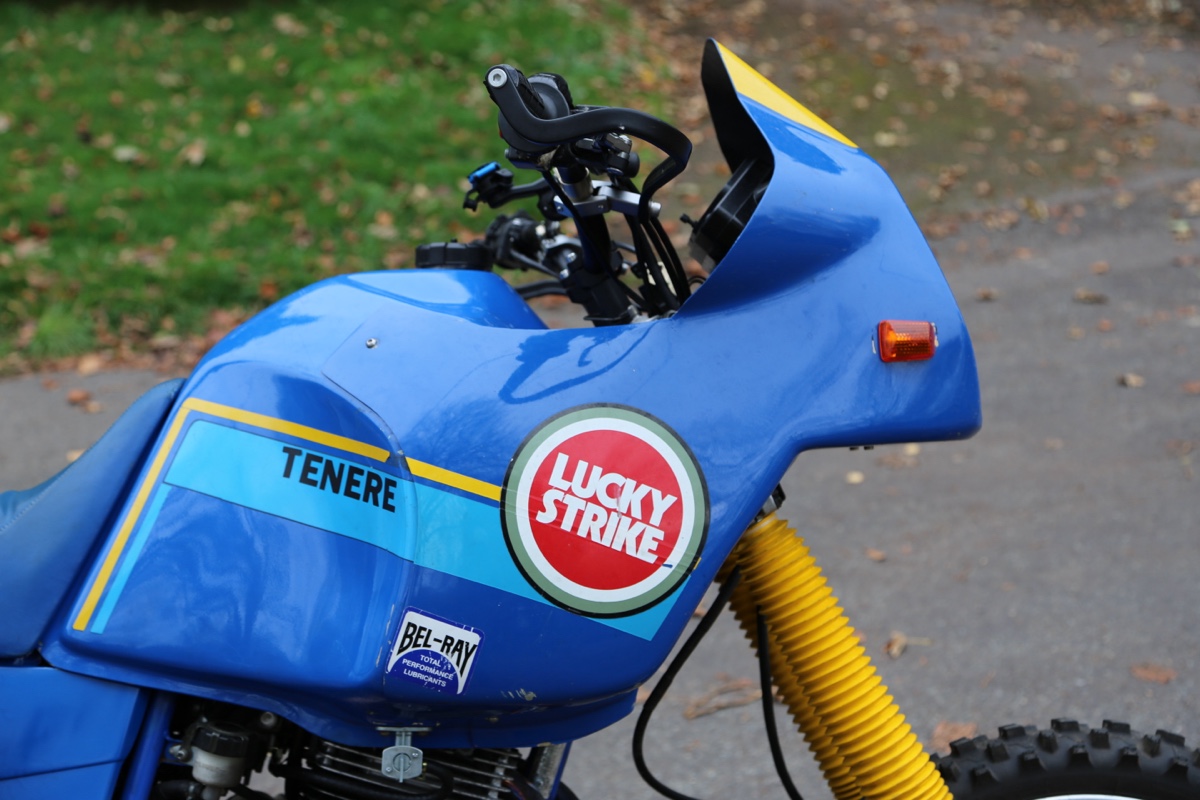
Trouble is, the kit was designed for the 1VJ, not my 3AJ, so absolutely nothing was straightforward. Everything needed fabricating, repositioning or modifying. I had a go myself, made a complete dog’s dinner of it, and eventually handed it over to Luke and Dingo at Moon Age Engineering. They know these old Yamahas inside out and have a cracking reputation in the Sandraiders community.
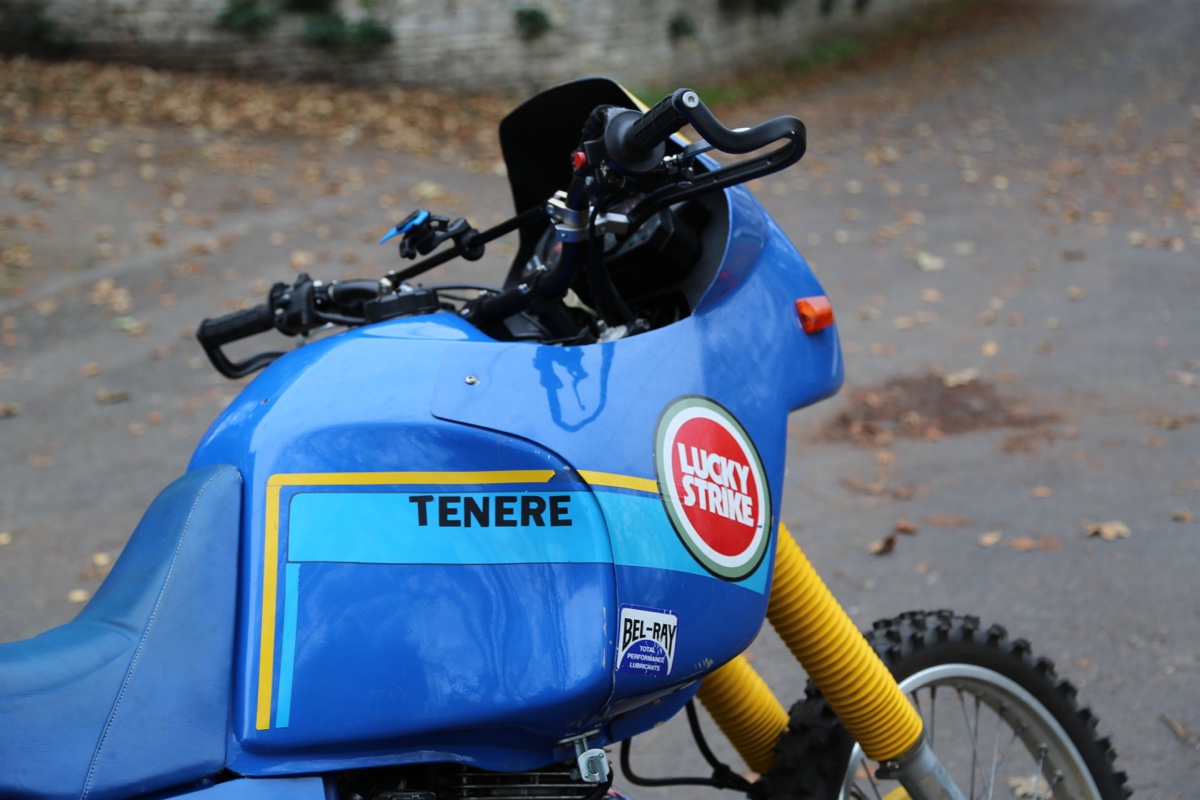
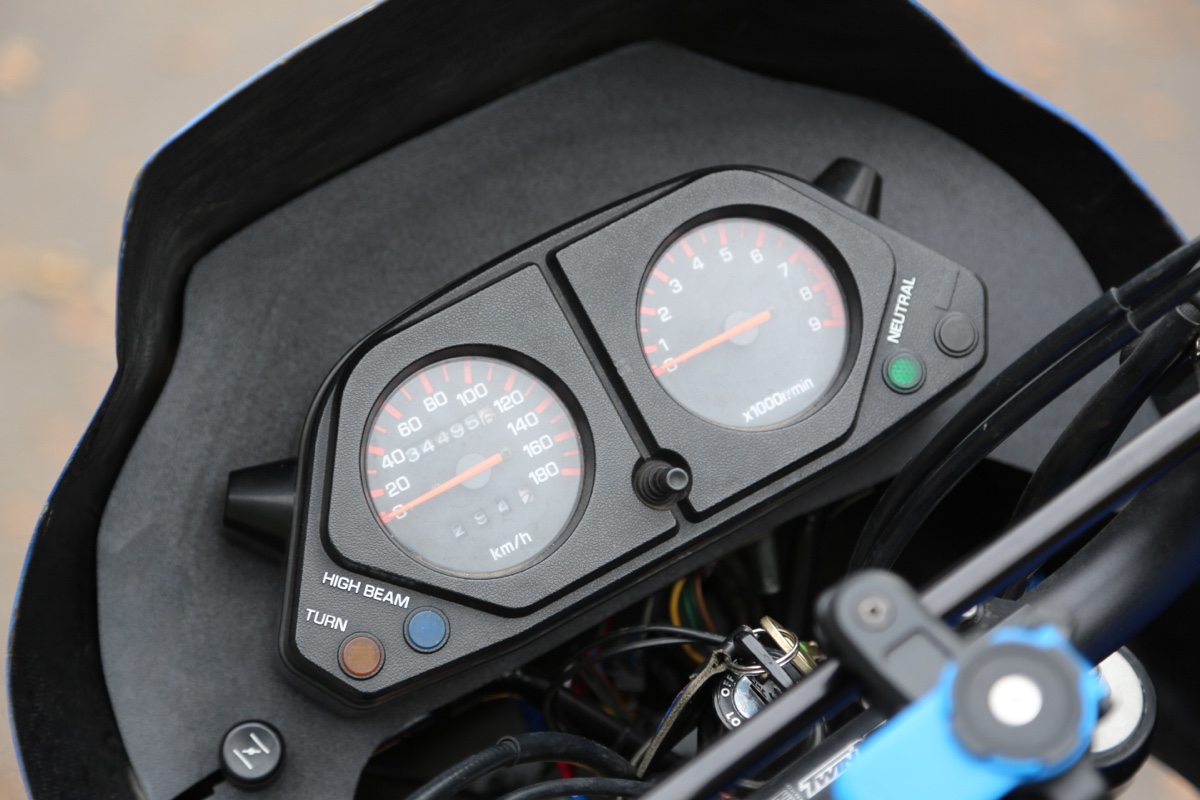
They fabricated a completely bespoke cockpit mounting frame, repositioned the speedo, and made a custom dashboard. We’ve fitted the single square 1VJ headlight with a mesh protector, period-style indicators, yellow fork gaiters, Renthal Twinwall bars, Zeta handguards, and forged levers imported from Japan.
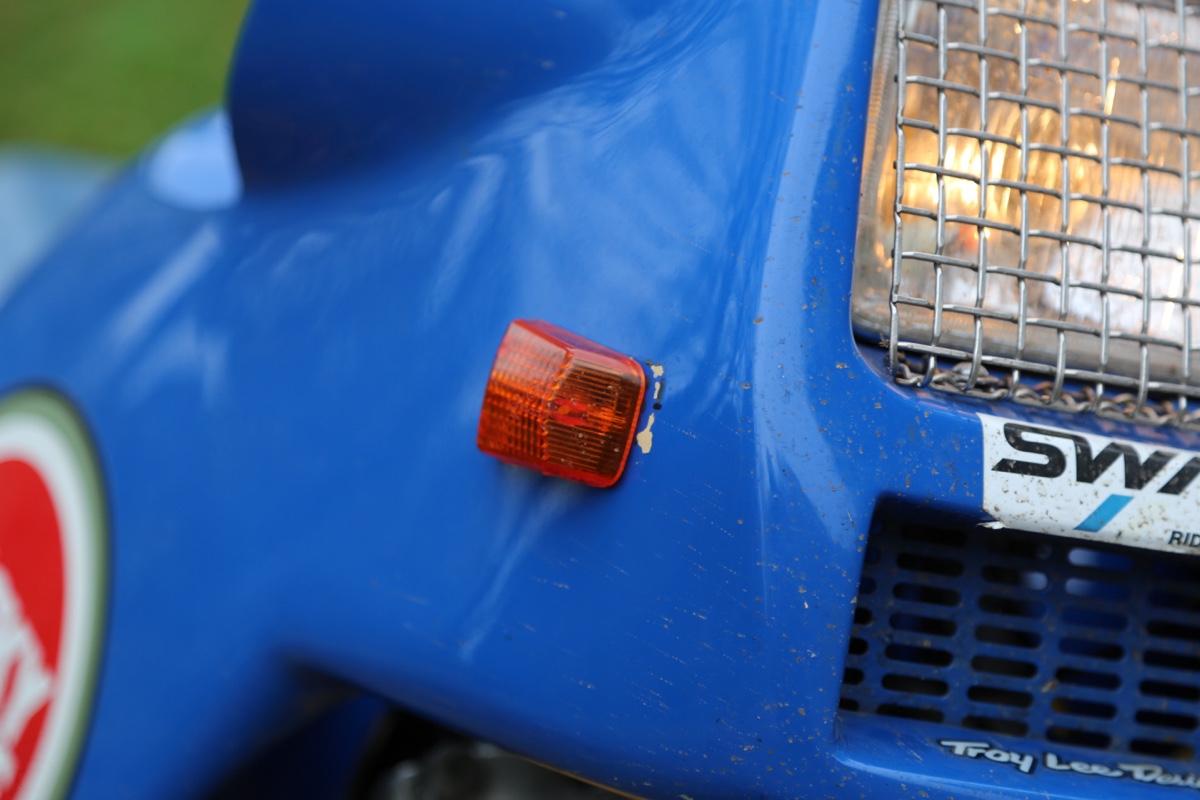
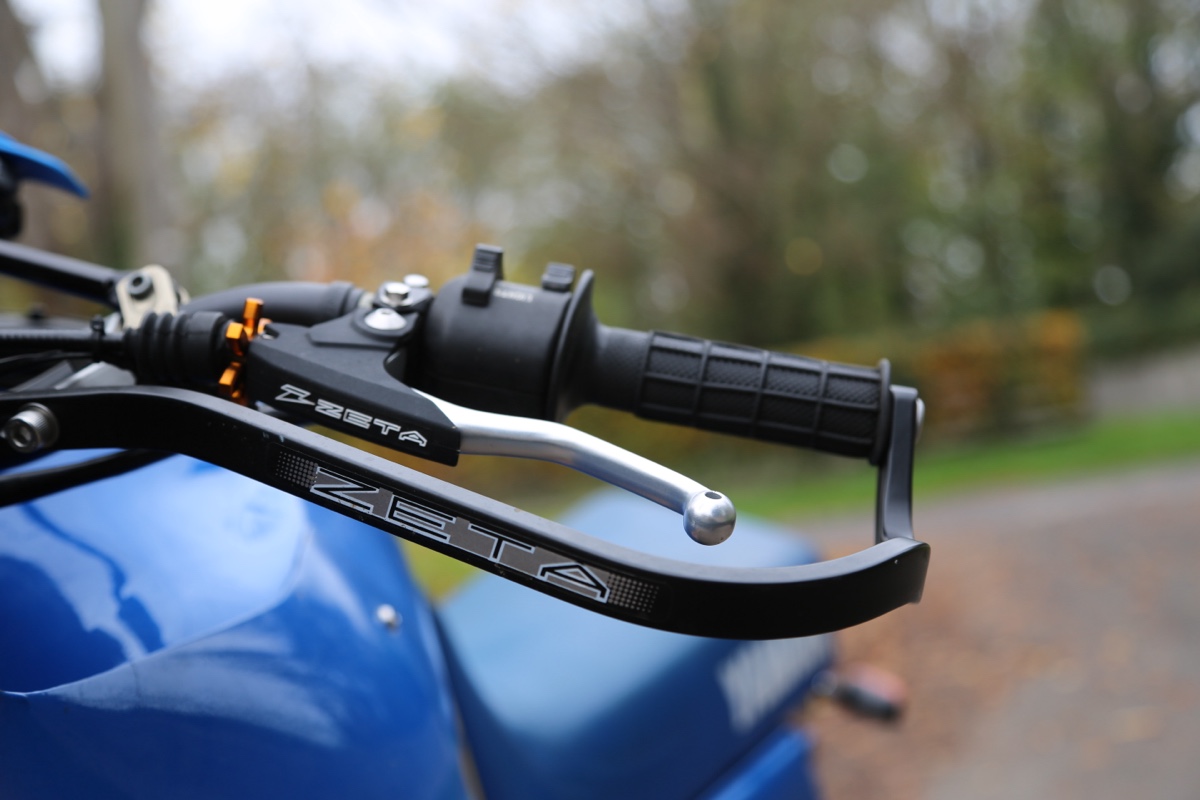
There’s a new 42mm exhaust header from Italy feeding an Arrow exhaust with no baffle. Sounds absolutely glorious. Michelin Enduro Medium 2 tyres finish off the rally look. Brilliant off-road, absolutely bloody miserable on tarmac.
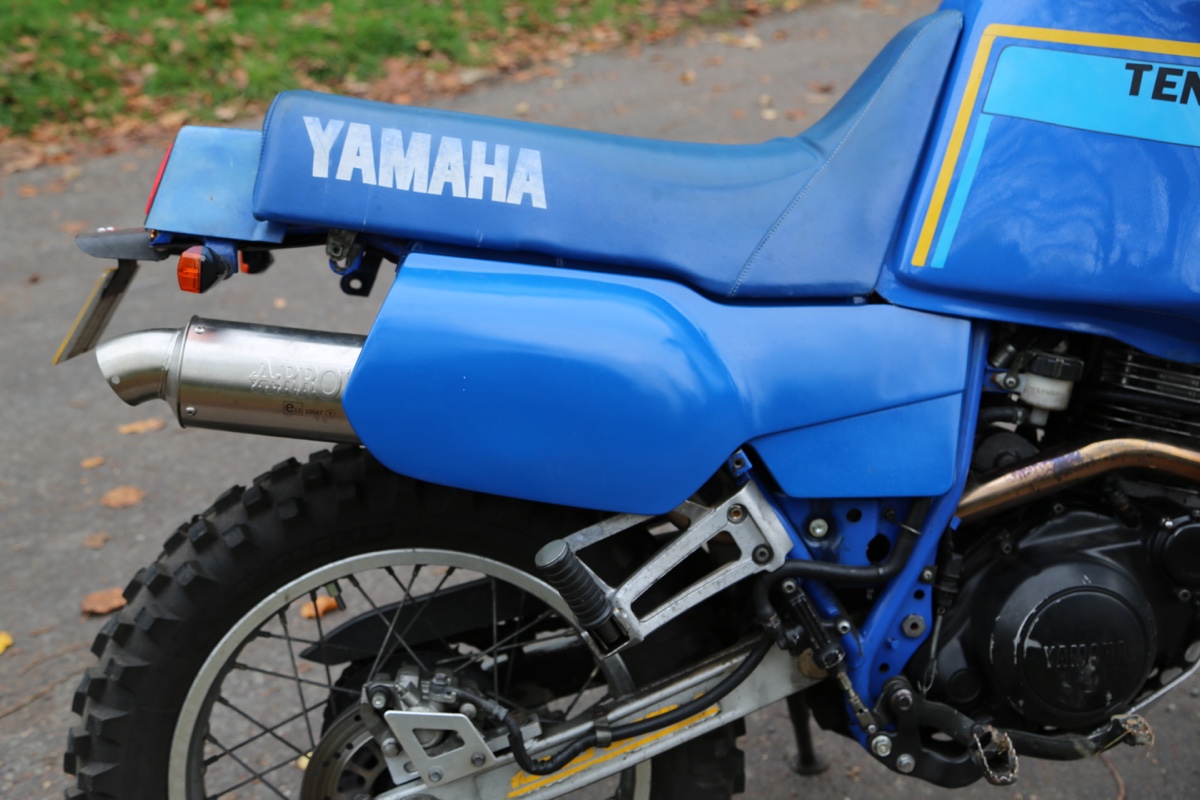
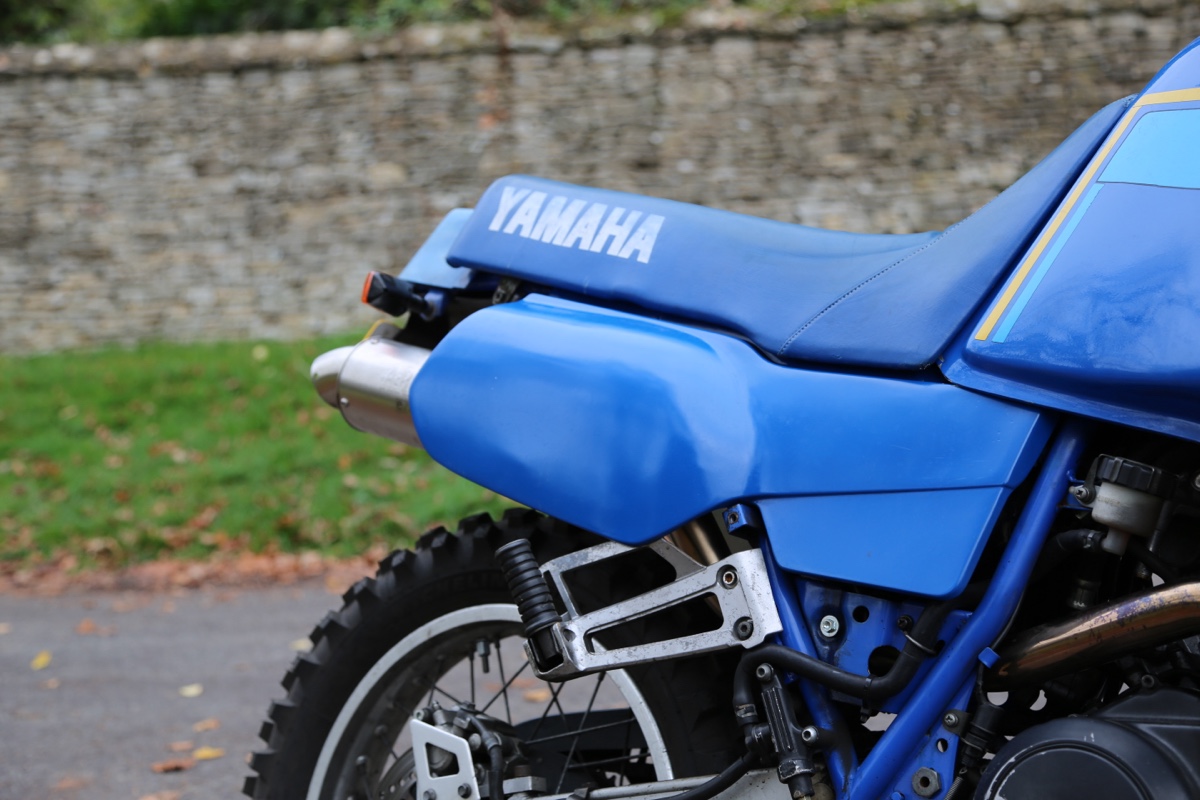
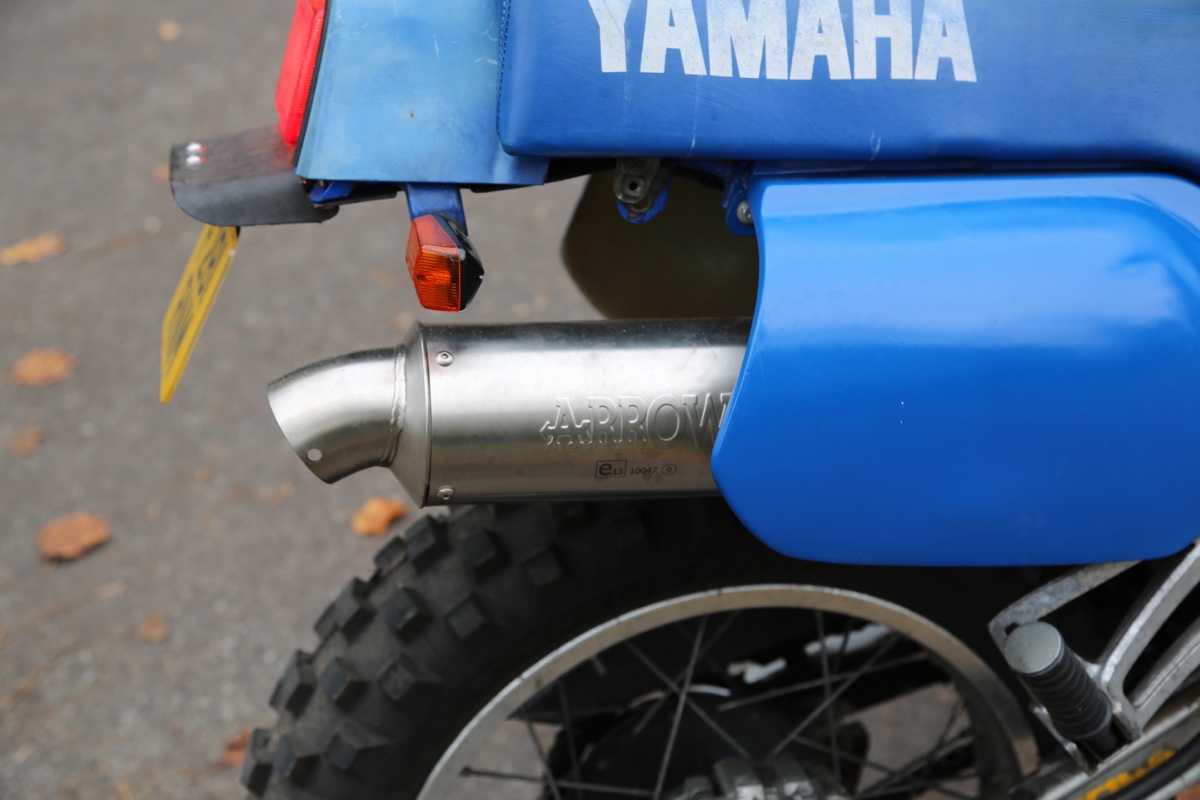
The side panels are custom fibreglass items from Greece. You might notice they’re made for the 1VJ. We had to switch to these because the 3AJ panels didn’t fit the new tank. The rear light’s been neatly integrated into the cowling, and underneath it all the bike’s been stripped, cleaned, and rebuilt wherever necessary.
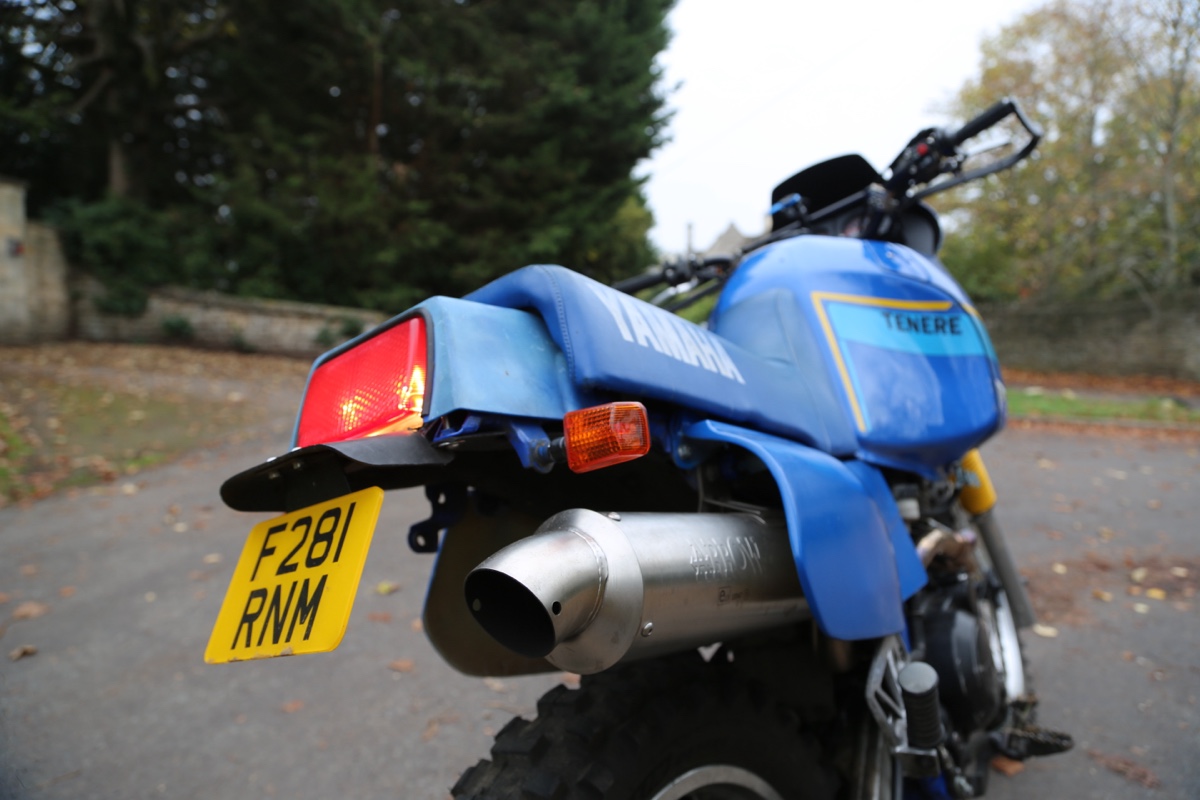
The important thing was keeping it looking like a proper eighties Dakar machine. No modern LEDs, no unnecessary shiny bits. It’s still got scratches, battle scars, and forty years of character. I didn’t want a show pony. I wanted something that looked like it had just come back from hammering across the Sahara.
• Does the bike have a nickname?
Nah. It’s a motorbike, isn’t it? Not a bloody pet.
• Any idea of horsepower, weight, and/or performance numbers?
Good question and honestly, no idea. Off the factory floor was 40-odd. Now? …. Could be more could be less! Certainly packs a punch tho.
• Can you tell us what it’s like to ride this bike?
On the road? Bloody awful. Those Michelin Enduro tyres are absolutely miserable on tarmac, and with that enormous 40-litre tank it’s hardly a lightweight. It’s a big, old-school Dakar machine. Raw, mechanical, and full of character. No fancy electronics, no modern nonsense. Just you, the bike, and a load of noise from that Arrow exhaust.
Every time I fire it up, I get a massive grin on my face. Absolutely love the thing but it will humble you. You really have to work with it. We’ve still got a fair bit of work to do so it can only get better.
• Was there anything done during this build that you are particularly proud of?
Definitely the custom cockpit and rear cowling Dingo fabricated. The original speedo mounting was completely binned, and he made a bespoke frame and dashboard to get everything sitting just right. The rear brake light’s been neatly integrated into the cowling too. Proper clever bit of engineering.
Anyone can bolt aftermarket bits onto an old bike, but making something from scratch that looks like it left the Yamaha factory that way? That’s the clever bit.
• Is there anyone you’d like to thank?
Too many to mention! Since starting this project, we’ve built a community of thousands of people who’ve all got stuck in. People offering advice, tracking down rare parts, even sending me bits for nothing. It’s been absolutely brilliant.
Within 24 hours of posting the bike on Instagram, it had clocked over 100,000 views, 8,000 likes, and more than 500 messages. I’ve had people offering to buy the bloody thing, motorcycle brands getting in touch wanting to partner up, and all sorts of opportunities coming out of the woodwork.
I’d also like to say a massive thanks to Luke and Dingo at Moon Age Engineering for tackling the trickier stuff and putting right my questionable attempts at engineering. Proper talented blokes. Couldn’t have done it without them, or the community that’s grown around this build.
Follow the Builders
Instagram: @marky_machines
YouTube: @marky_machines
Moon Age Engineering: Instagram | Facebook


