
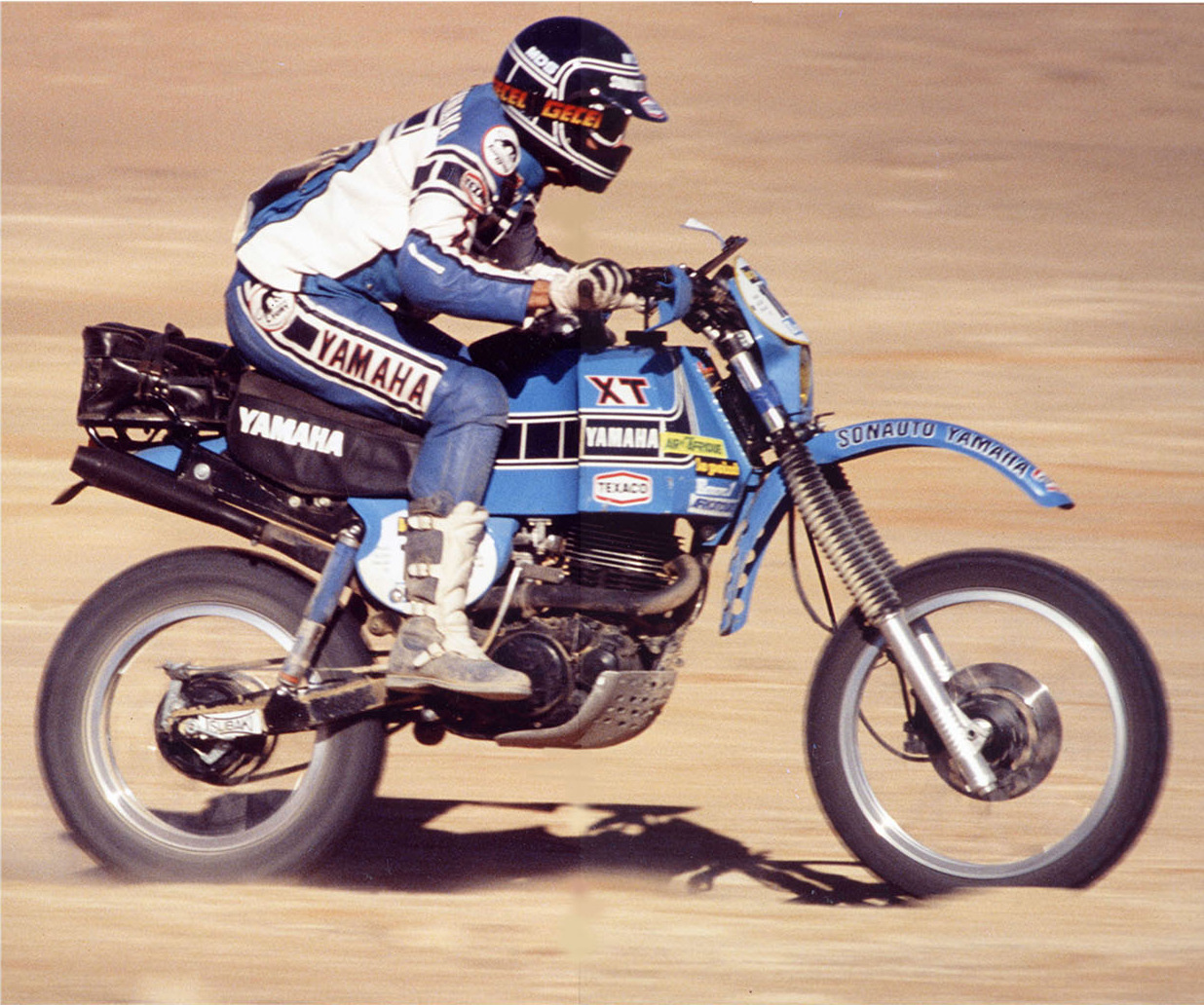
 The Big Single That Won the First Paris–Dakar Rallies…
On December 26, 1978, an unlikely collection of motorcycles, cars, and trucks assembled at the Place du Trocadéro in Paris. Ahead lay roughly 10,000 kilometers of unfamiliar roads, desert tracks, and trackless sand stretching across North and West Africa to the Senegalese capital of Dakar.
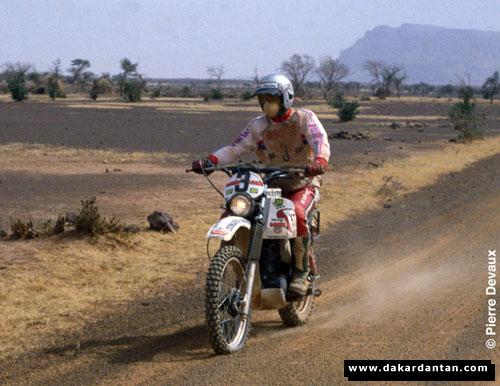
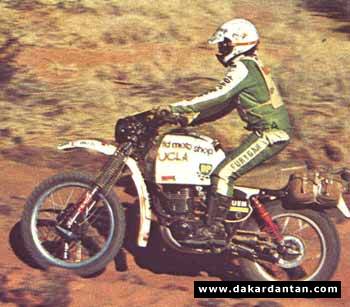
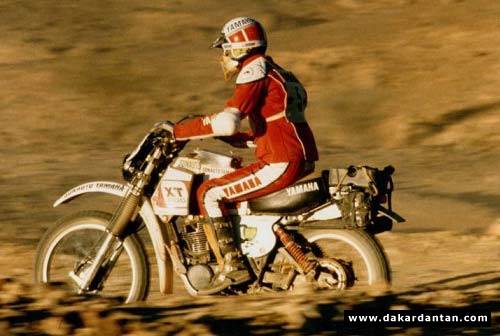
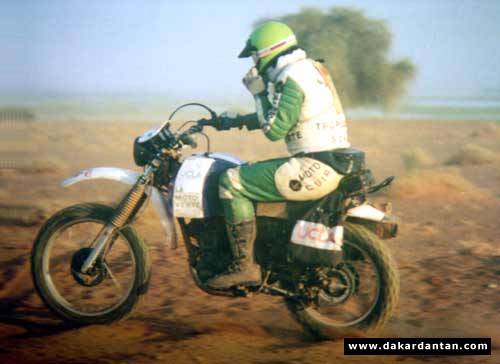
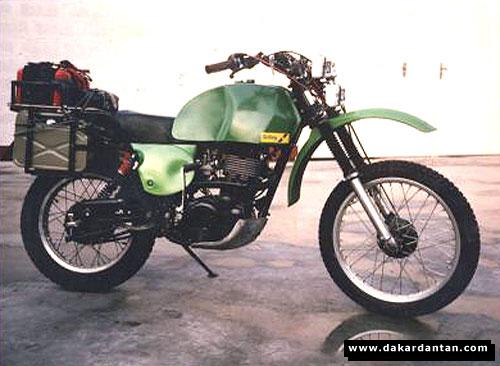
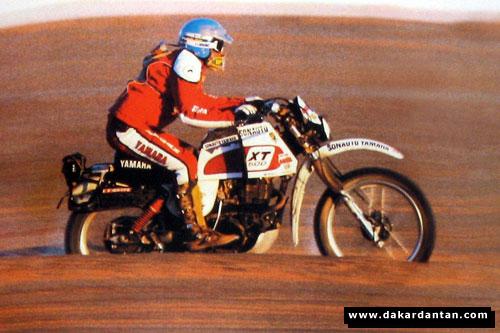
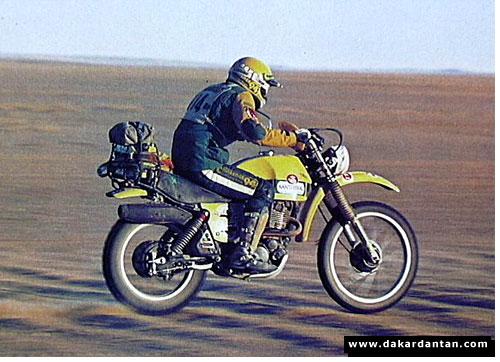
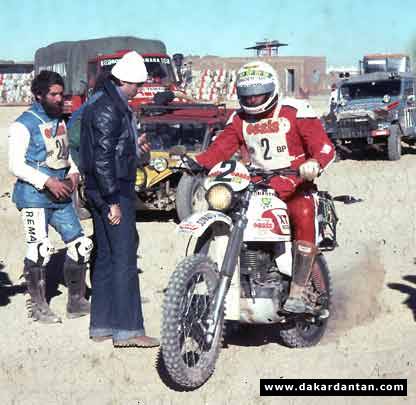
It was the beginning of the first Paris–Dakar Rally, an extraordinary competition conceived by French adventurer Thierry Sabine. There were no purpose-built Dakar motorcycles, no GPS navigation systems, and few established rules for what made a machine suitable for crossing the Sahara at speed.
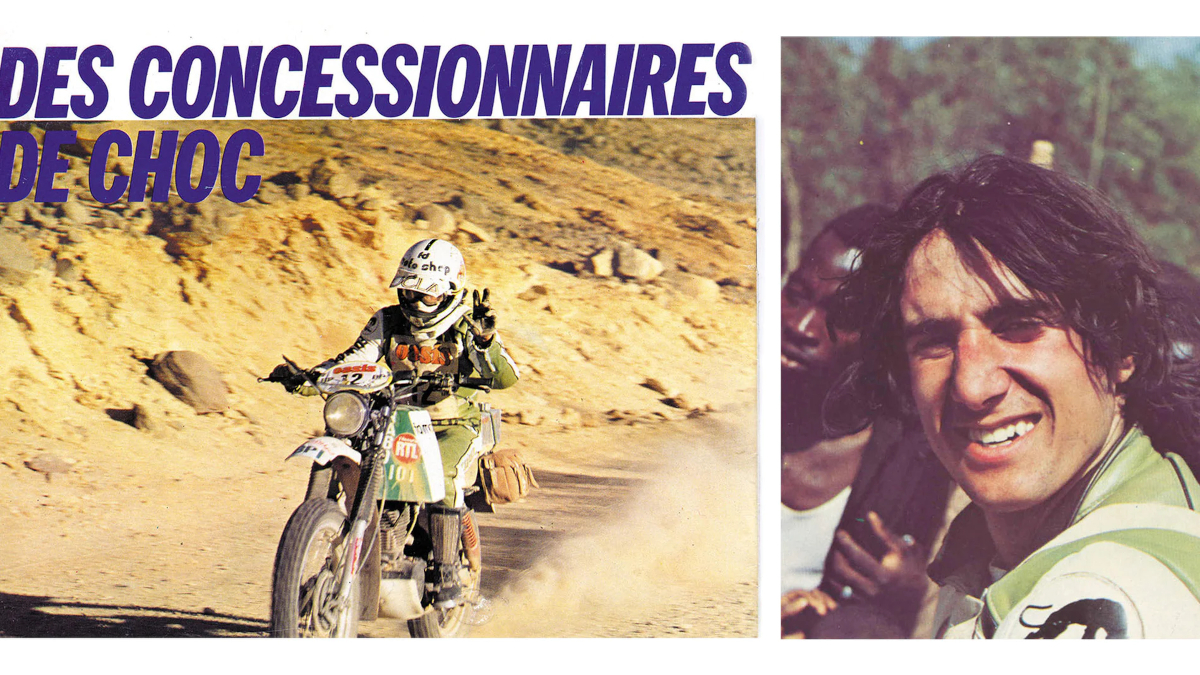
Three weeks later, a 22-year-old Frenchman named Cyril Neveu arrived in Dakar aboard a modified Yamaha XT500. He had beaten not only his fellow motorcyclists but every car and truck in the competition, which employed a single overall classification. Another XT500, ridden by Gilles Comte, finished second. The following year, Neveu won again, and Yamaha XT500 riders swept the first four positions in the motorcycle standings.
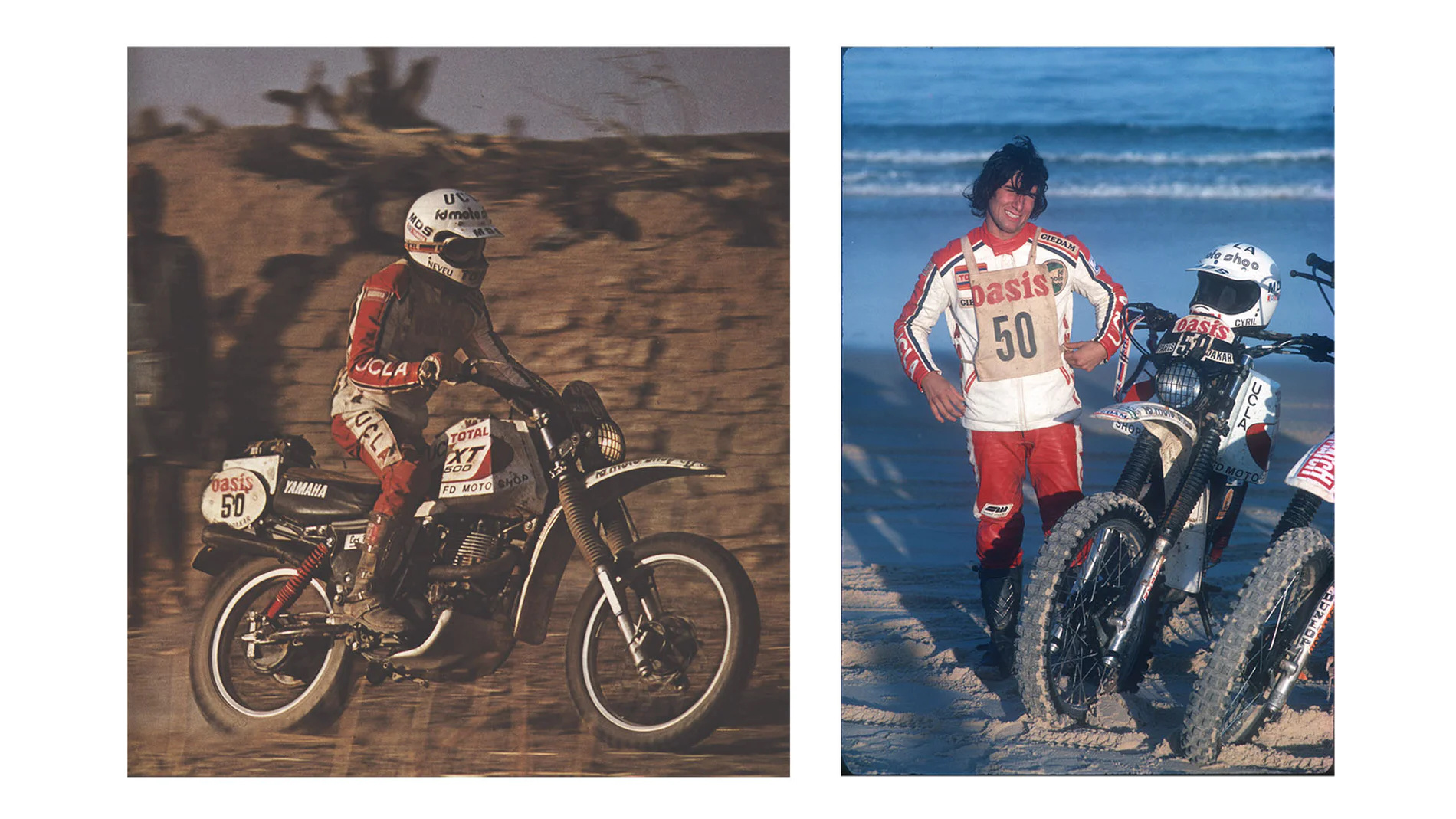
These remarkable victories established the XT500 as the machine to beat in the earliest days of African rally-raid competition. More importantly, they helped create the mythology of Paris–Dakar and inspired a new generation of motorcycles designed expressly for adventure.
Before the factory prototypes, enormous twin-cylinder rally racers, and sophisticated navigation towers, there was the XT500: a simple, air-cooled thumper that proved nearly unstoppable in the hands of determined riders.
Born in the American Desert
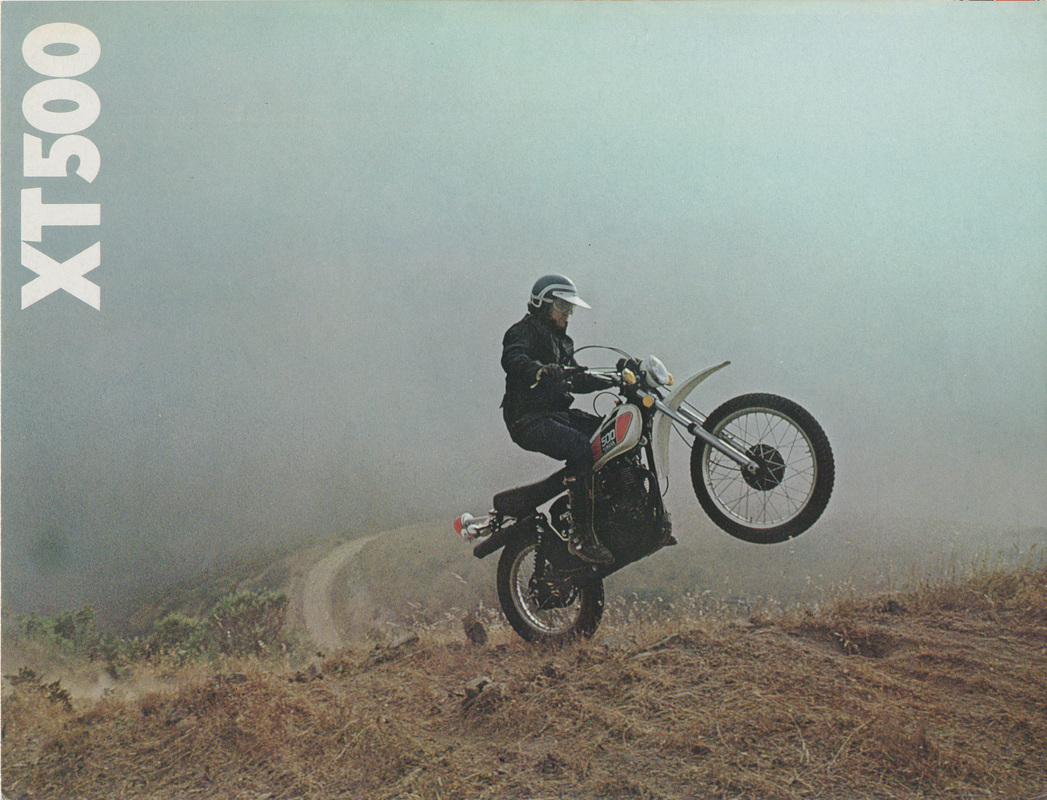
The story of Yamaha’s Dakar legend actually begins far from Africa, in the deserts of the American Southwest. During the early 1970s, Yamaha’s two-stroke motorcycles enjoyed considerable success in American off-road racing, but riders increasingly wanted a powerful, dependable four-stroke capable of tackling long-distance desert events.
Yamaha responded with the TT500, introduced in 1975 as a 1976-model off-road machine, followed by its street-legal counterpart, the XT500, in 1976. The new motorcycles marked an important departure for a manufacturer whose off-road reputation had been built largely on two-strokes.
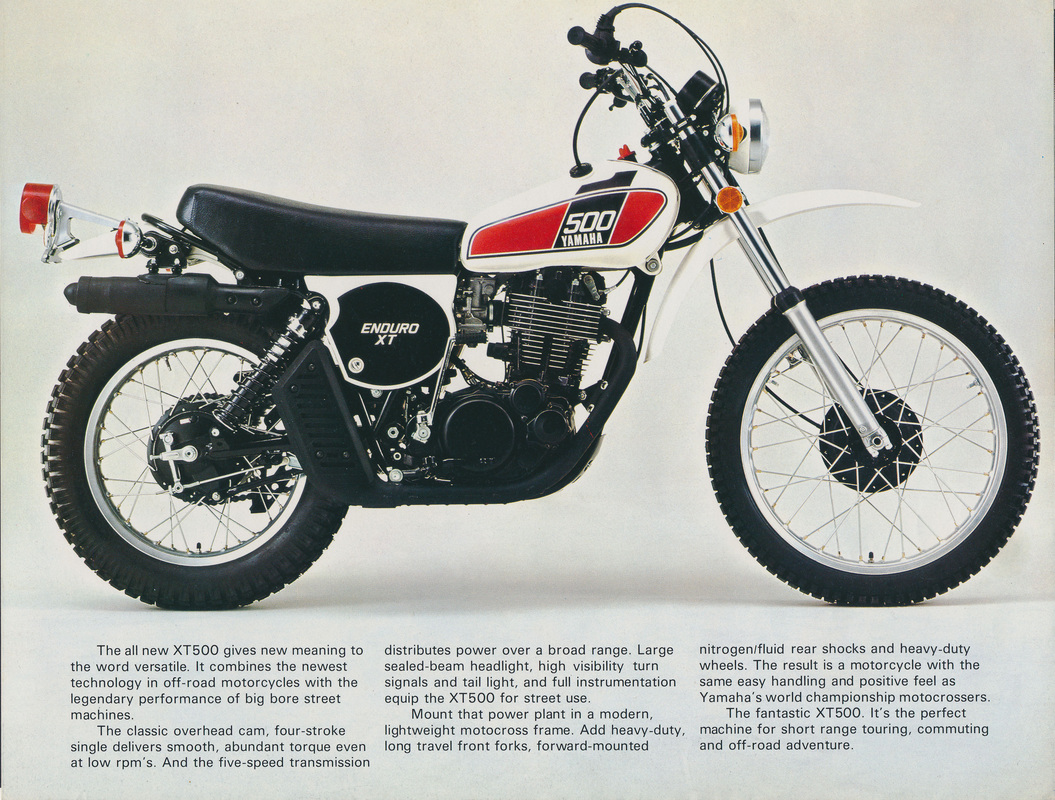
The XT500 featured a 499cc air-cooled, four-stroke single with a two-valve cylinder head, single overhead camshaft, and dry-sump lubrication. Its 87 x 84mm bore and stroke produced a distinctly muscular power delivery, with strong torque at relatively low engine speeds.
Yamaha quoted 30 PS at 5800 rpm for the original production XT500, while its compact engine and narrow chassis made it much easier to handle off-road than the large British singles that had preceded it.
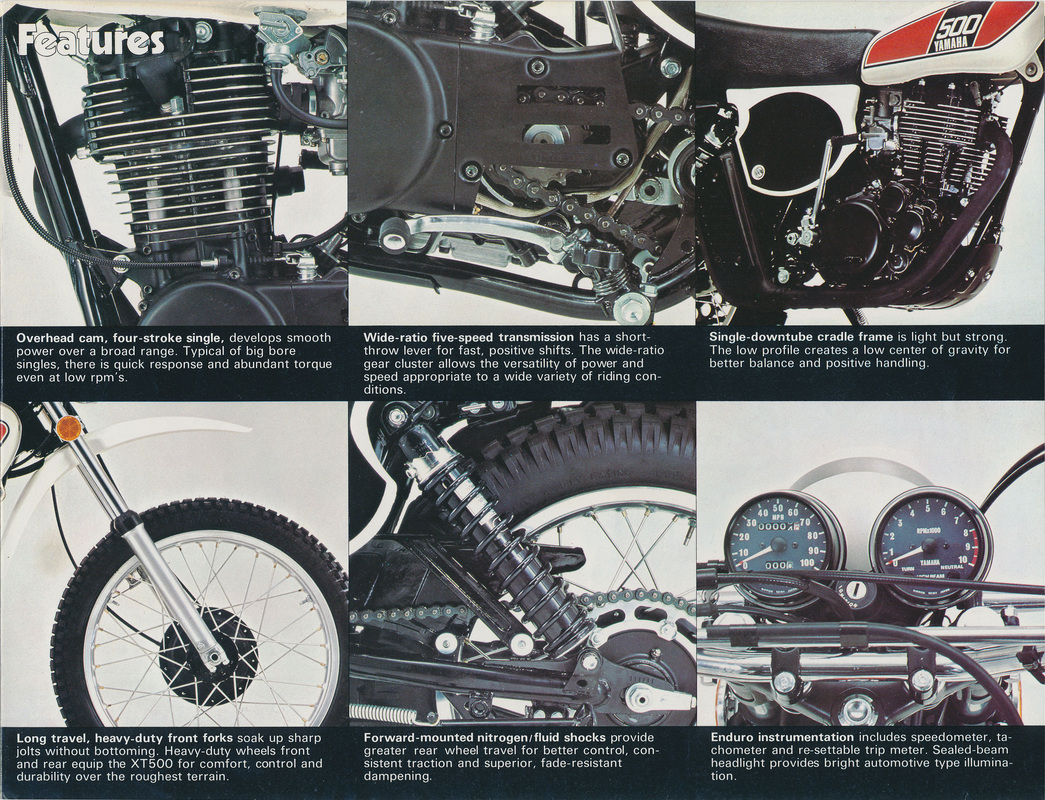
The chassis was similarly straightforward: a tubular steel frame, 21-inch front and 18-inch rear wheels, drum brakes, and a pair of rear shocks mounted at an unusually steep forward angle. Known as a laid-down shock arrangement, this configuration provided more rear-wheel travel than conventional upright twin shocks without requiring a radically different frame.
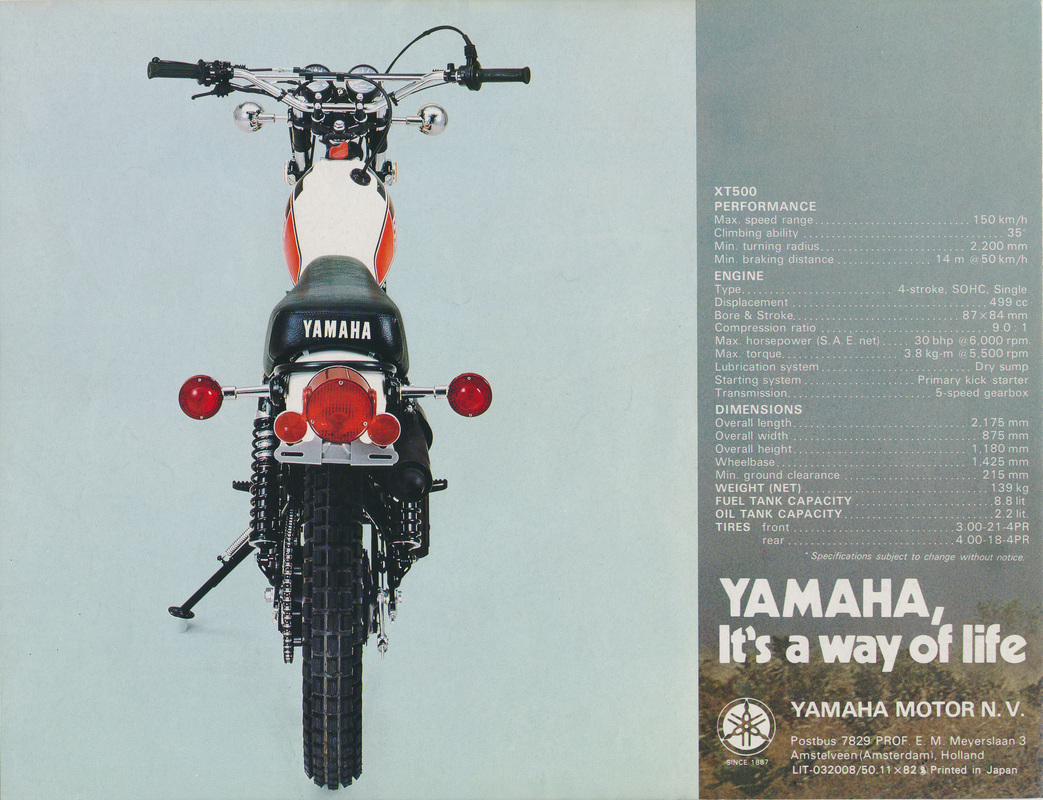
The XT500 wasn’t particularly sophisticated, even by the standards of its day. It had a five-speed gearbox, modest suspension travel, and no electric starter. But it was robust, tractable, and relatively easy to maintain.
Above all, its engine had been developed to withstand prolonged high-speed use in harsh conditions. Those qualities would prove invaluable when French riders began taking Yamaha’s big single across Africa.
Jean-Claude Olivier and the African Dream
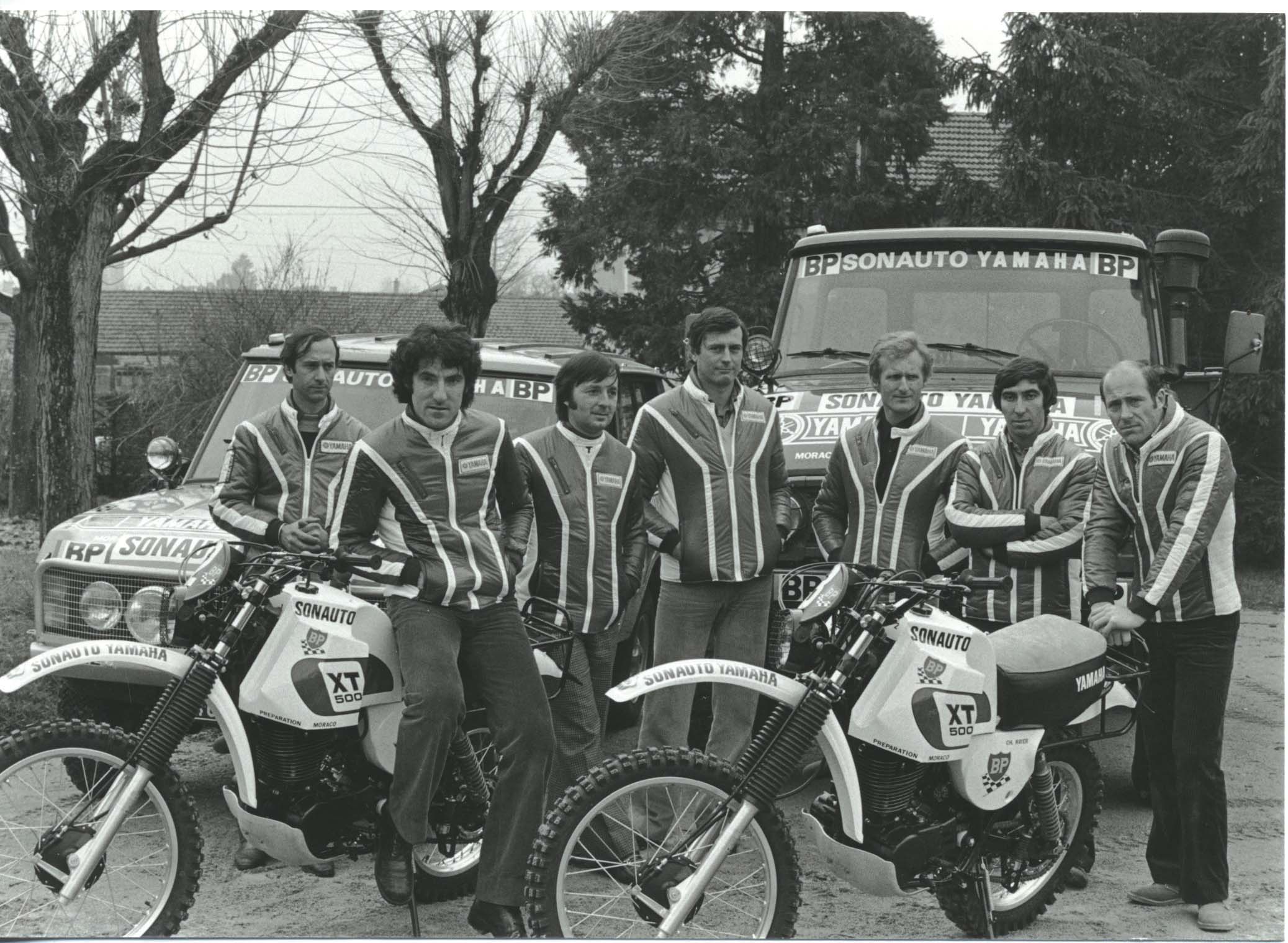
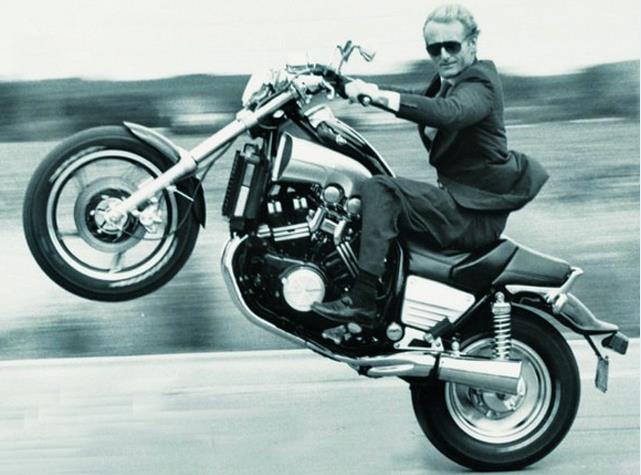
One of the first to recognize the XT500’s potential was Jean-Claude Olivier, a young executive at Sonauto, Yamaha’s French importer. Known throughout the motorcycle world as JCO, Olivier was an accomplished off-road rider and tireless promoter of motorcycle adventure. He believed the XT500 was particularly well suited to the emerging sport of long-distance African rallying.
In 1977, Olivier participated in the Abidjan–Nice Rally, an approximately 10,000-kilometer competition running from Ivory Coast to southern France. Among the competitors was Thierry Sabine, whose experience of becoming lost in the desert would help inspire the creation of the Paris–Dakar Rally.
The XT500 had already demonstrated its potential in these early African events. In the 1977 Abidjan–Nice Rally, Gilles Comte claimed victory aboard a Yamaha, with XT500 riders occupying seven of the first eight finishing positions.
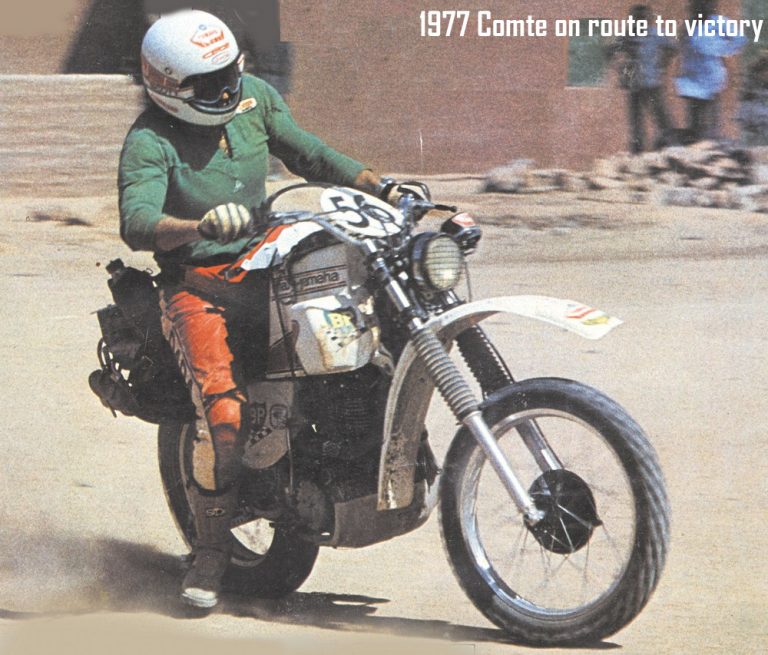
This was a remarkable achievement for a motorcycle originally developed with American desert riding in mind. For Olivier, it confirmed something important: riders didn’t necessarily need exotic, purpose-built racing machines to cross Africa successfully. They needed motorcycles that could withstand extraordinary punishment, cover long distances between fuel stops, and remain repairable in the most remote conditions imaginable.
When Sabine announced his new Paris–Dakar Rally for the winter of 1978–1979, Olivier was determined that Yamaha would be there.
The Sonauto Yamaha XT500 Dakar Racers
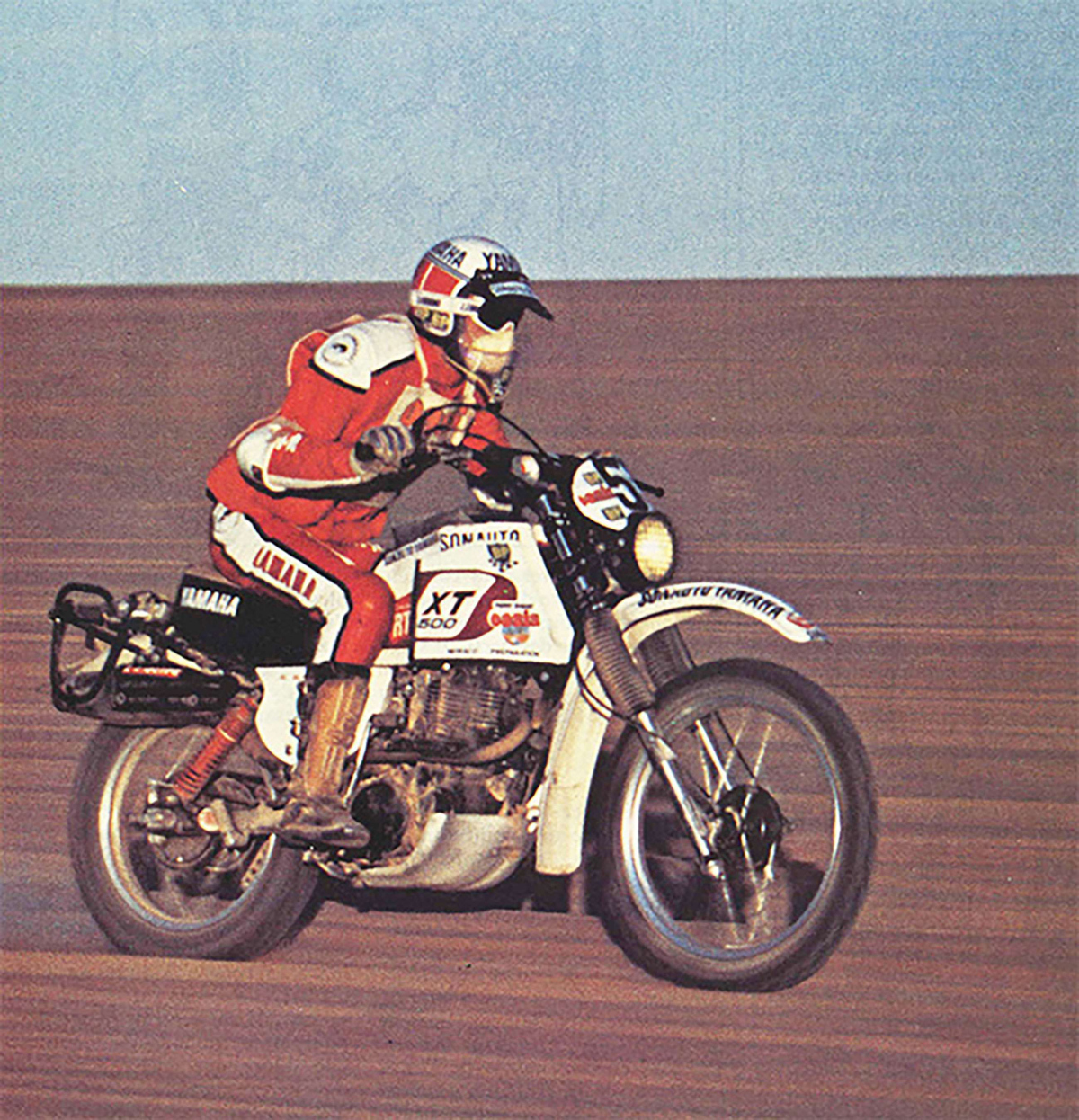
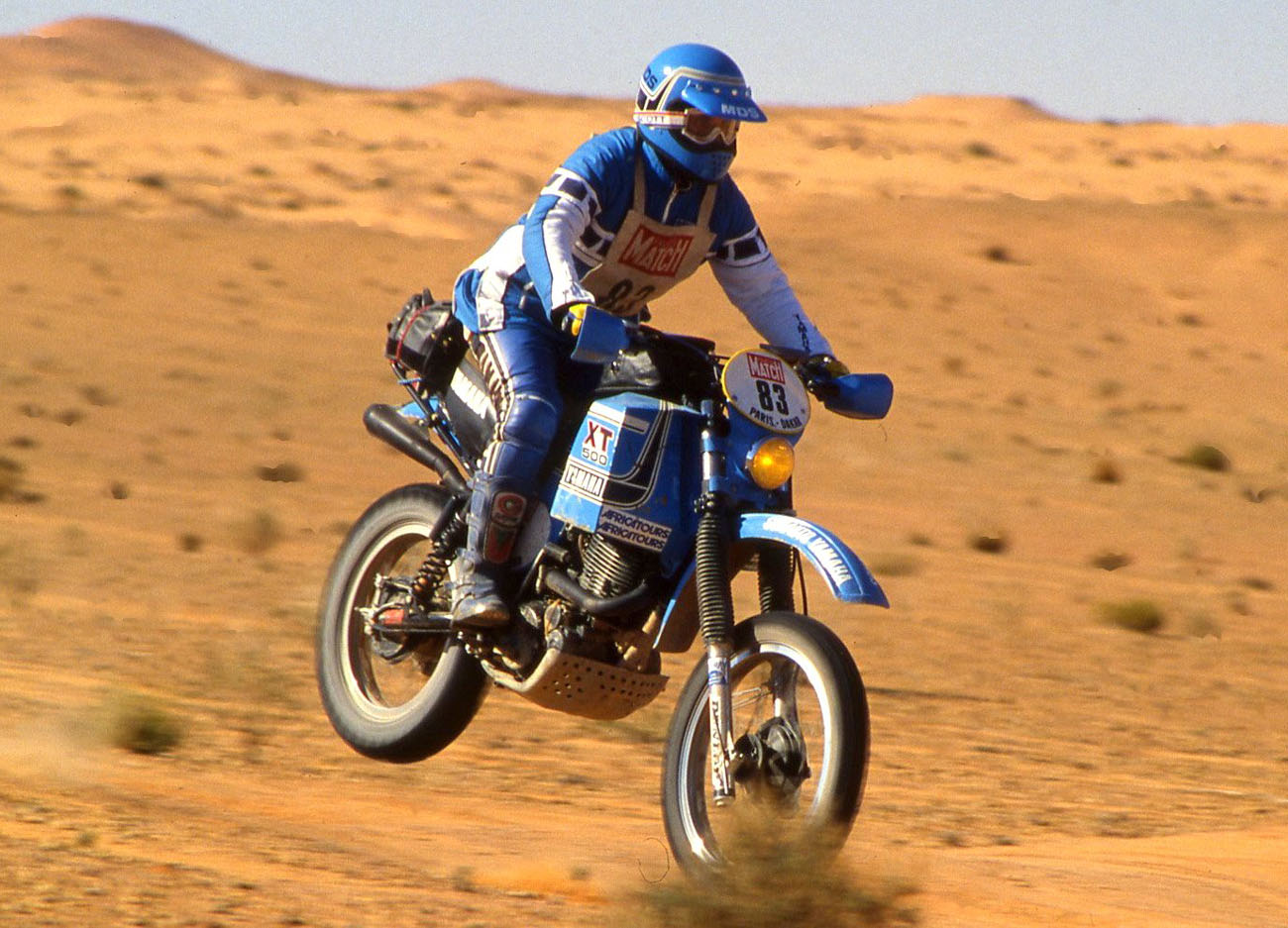
For the inaugural Dakar, Sonauto assembled a team of four XT500 riders: Jean-Claude Olivier, Gilles Comte, Christian Rayer, and Rudy Potisek. Their motorcycles looked considerably different from the production XT500s available in Yamaha showrooms. The most obvious modification was the enormous fuel tank. While a standard XT500 carried only around 9 liters of fuel, the Sonauto machines featured handmade steel tanks holding approximately 33 liters (8.7 gallons).
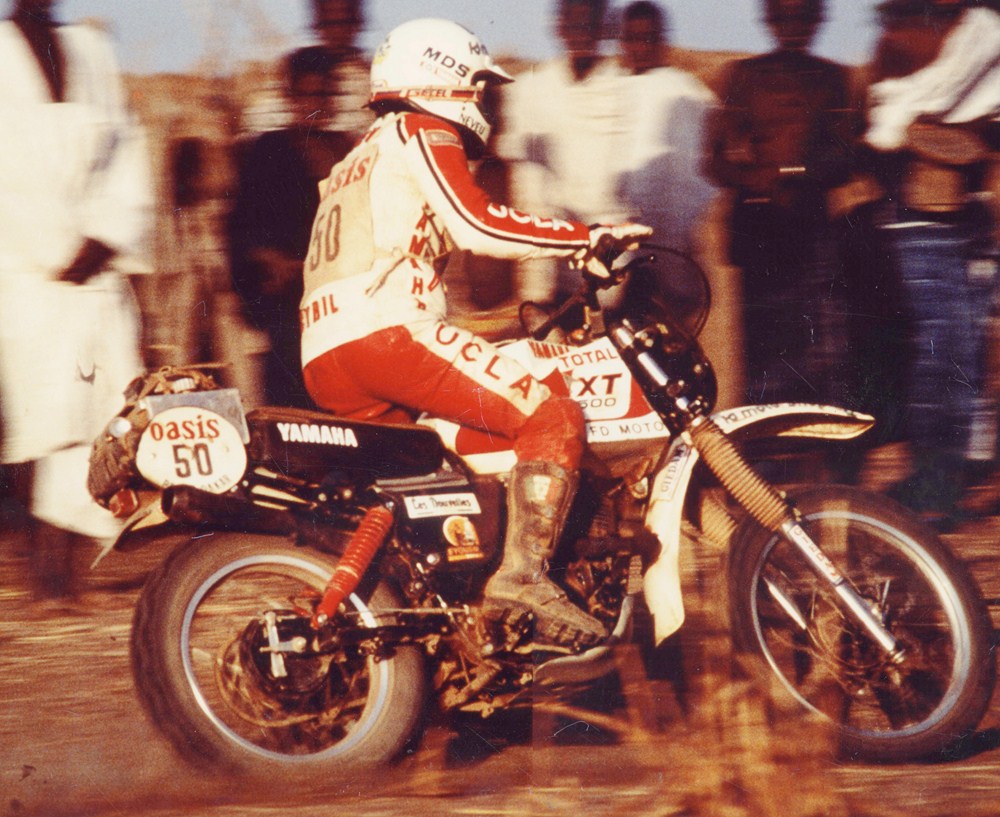
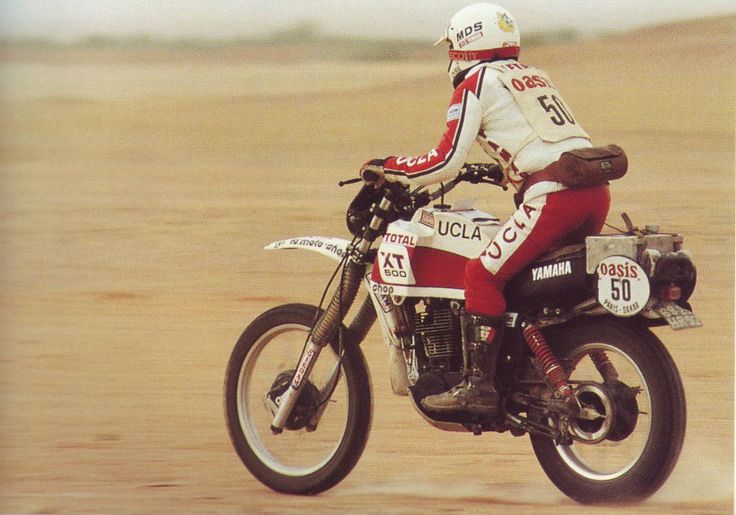
These distinctive, angular tanks dominated the motorcycles’ profiles, extending down around the engine and transforming the appearance of the otherwise conventional trail bikes. They also provided the fuel range necessary for exceptionally long stages across the Sahara.
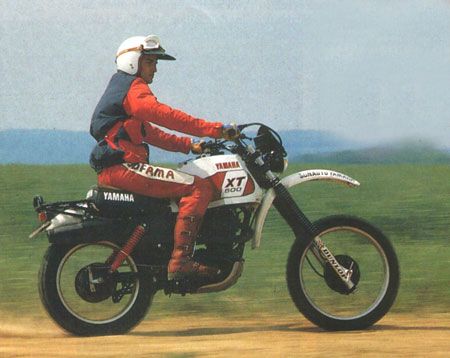
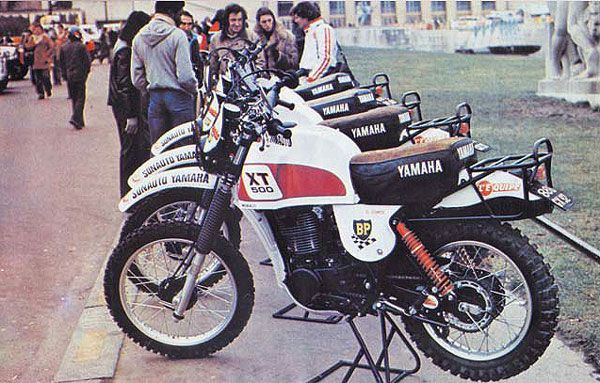
The Sonauto machines received extensive chassis modifications:
- YZ motocross front suspension: Stronger, longer-travel forks and motocross-derived front fenders improved handling over rough terrain.
- Reinforced rear swingarms: Box-section swingarms replaced the standard components to withstand desert racing.
- Koni rear shocks: Heavy-duty dampers provided improved suspension performance under sustained high-speed punishment.
- TT500 exhaust systems: Lighter exhaust components replaced the heavier street equipment.
- Modified saddles: Wider, deeply padded seats helped riders endure long hours in the saddle.
- Rally-specific equipment: Reinforced luggage racks, tool storage, protective equipment, and auxiliary lighting addressed the realities of unsupported desert travel.
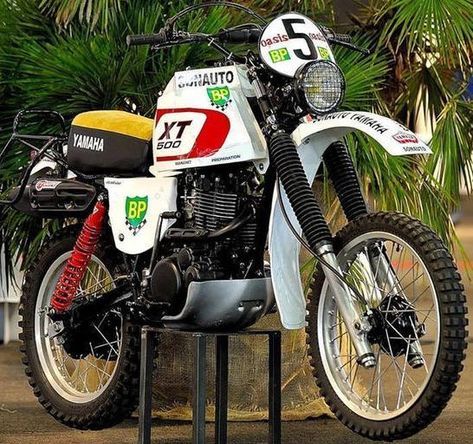
Interestingly, the Sonauto team reportedly left the XT500 engines largely unmodified for the inaugural rally. The reasoning was simple: the standard engine already produced adequate power, and reliability was far more important than extracting a few additional horsepower.
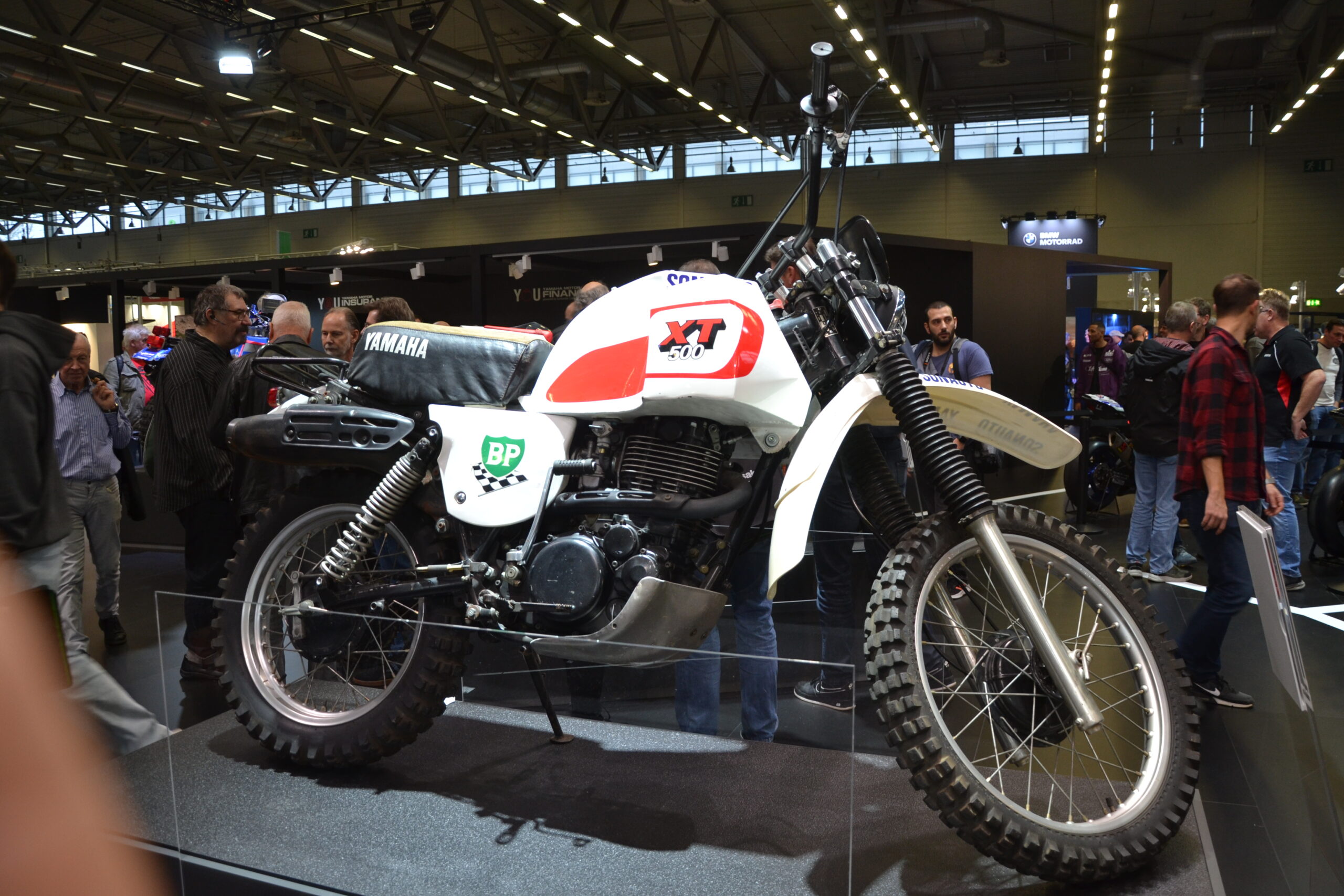
According to a historical account published by Moto Journal, Olivier’s surviving 1979 machine weighed approximately 125 kg (276 pounds) dry, substantially less than the 139 kg (306 pounds) quoted for the original production model.
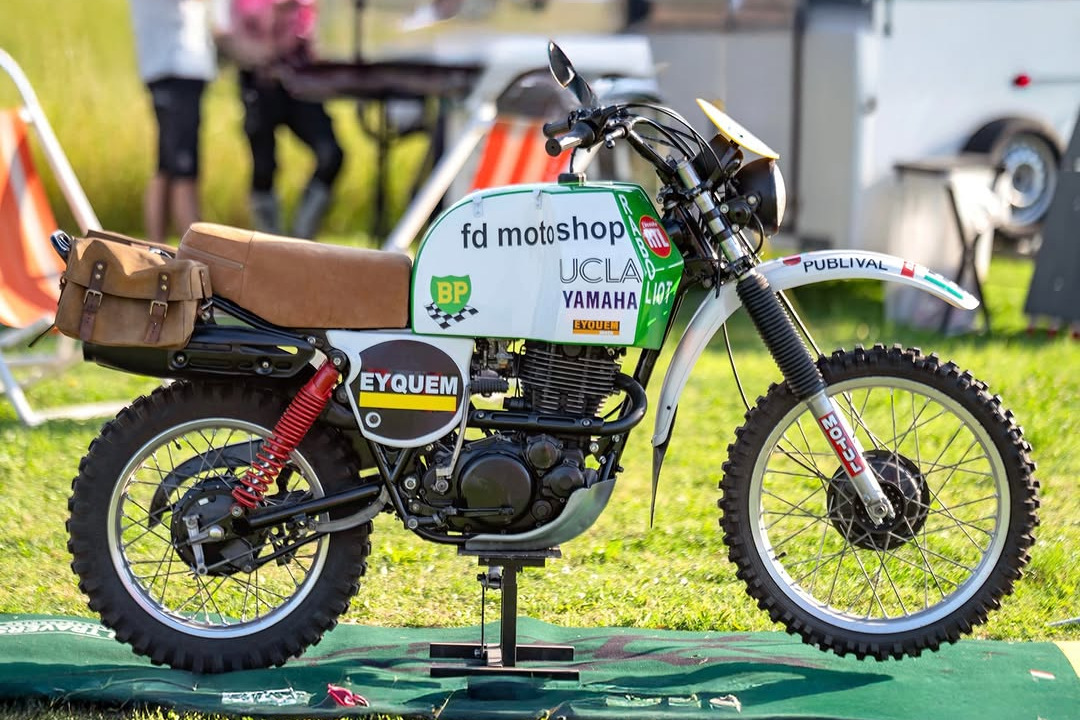
Despite their exotic appearance, these early Dakar motorcycles were essentially specialized versions of Yamaha’s existing trail and motocross machinery. There was no established formula for building a rally-raid bike. Sonauto’s mechanics were developing that formula through experimentation, improvisation, and experience. And they were about to discover just how difficult the first Dakar would be.
1979: The Privateer Who Beat the Factory Team
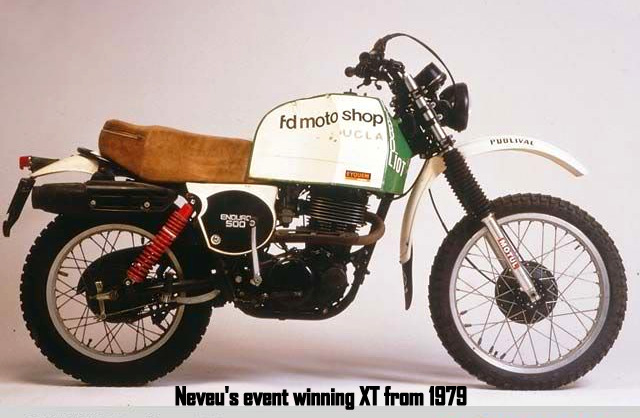
Although Sonauto entered its own team of specially prepared XT500s, the motorcycle that won the inaugural Dakar was not one of them. Cyril Neveu entered as a privateer. A former French trials champion, Neveu had already competed in African rallies and recognized the XT500’s strengths. Its engine was dependable, fuel consumption was reasonable, and its strong low-speed torque made it well suited to challenging terrain. Perhaps most importantly, Neveu had access to a Yamaha dealer willing to help him prepare a motorcycle within his limited budget.
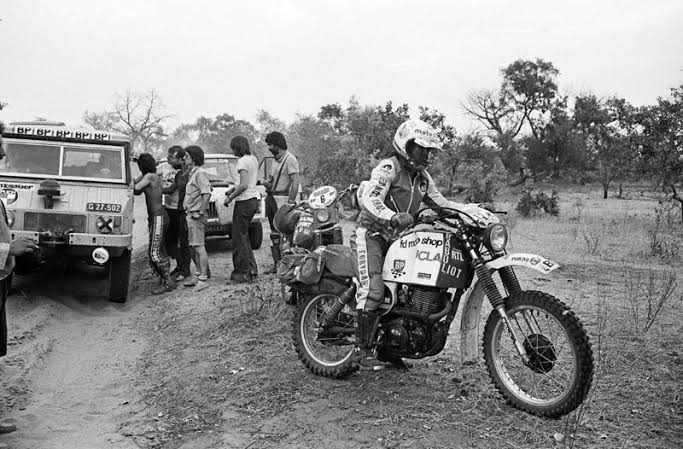
Rather than joining the Sonauto team, he organized his own support arrangements with fellow competitors Hubert Auriol and Jean-Claude Morellet, better known as Fenouil. Auriol rode another Yamaha XT500, while Fenouil competed on a BMW. Neveu’s father, Maurice, provided invaluable assistance, driving a Toyota support vehicle that consistently reached the bivouacs with essential equipment and supplies. This arrangement would prove crucial.
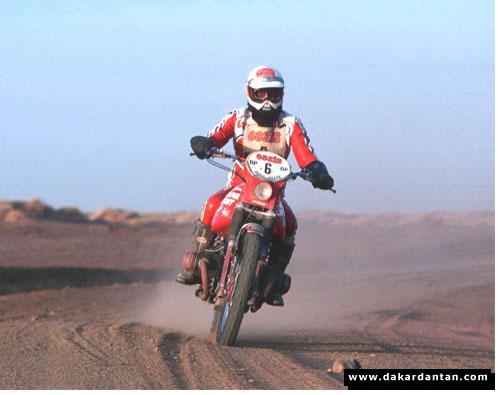
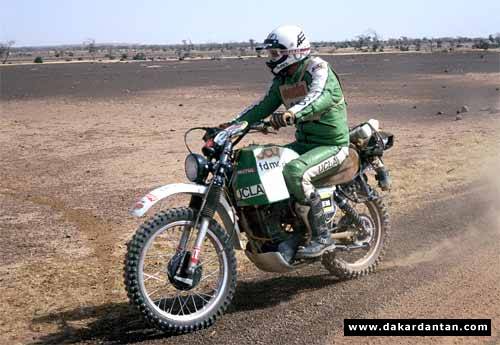
The Sonauto riders began the rally at a formidable pace. Christian Rayer won the first timed special on African soil, and the team appeared well positioned to dominate the competition. But navigation mistakes and accidents soon undermined their efforts. At one point, several Sonauto riders lost hours after following an incorrect route. Olivier, who demonstrated considerable speed and won two stages, ultimately suffered an injury that forced his retirement.
Meanwhile, Neveu adopted a more measured approach. Rather than attempting to win every stage, he concentrated on maintaining a consistent pace, avoiding unnecessary crashes, and preserving his machine. His strategy was particularly effective in an event where competitors could lose enormous amounts of time to navigational mistakes, breakdowns, or simply becoming stranded in the desert. Neveu eventually emerged as the overall leader.
On January 14, 1979, he crossed the finish line in Dakar to become the first winner of the Paris–Dakar Rally. Gilles Comte salvaged an excellent second place for Sonauto, while Philippe Vassard finished third aboard a Honda.
1979 Paris–Dakar: Overall Results
Motorcycles, cars, and trucks were classified together.
| Position | Competitor | Vehicle |
|---|---|---|
| 1st | Cyril Neveu | Yamaha XT500 |
| 2nd | Gilles Comte | Yamaha XT500 |
| 3rd | Philippe Vassard | Honda XL250S |
| 4th | Alain Génestier and crew | Range Rover |
| 5th | Claude and Bernard Marreau | Renault 4 Sinpar |
Of the 182 vehicles entered, approximately 170 departed Paris, and just 74 reached Dakar. The Yamaha XT500 had not merely won the first motorcycle category — it had taken the top two positions across every class of vehicle. It was a remarkable demonstration of the potential of a relatively simple production-derived motorcycle. And the XT500’s reign was only beginning.
1980: Yamaha Sweeps the Podium — and More

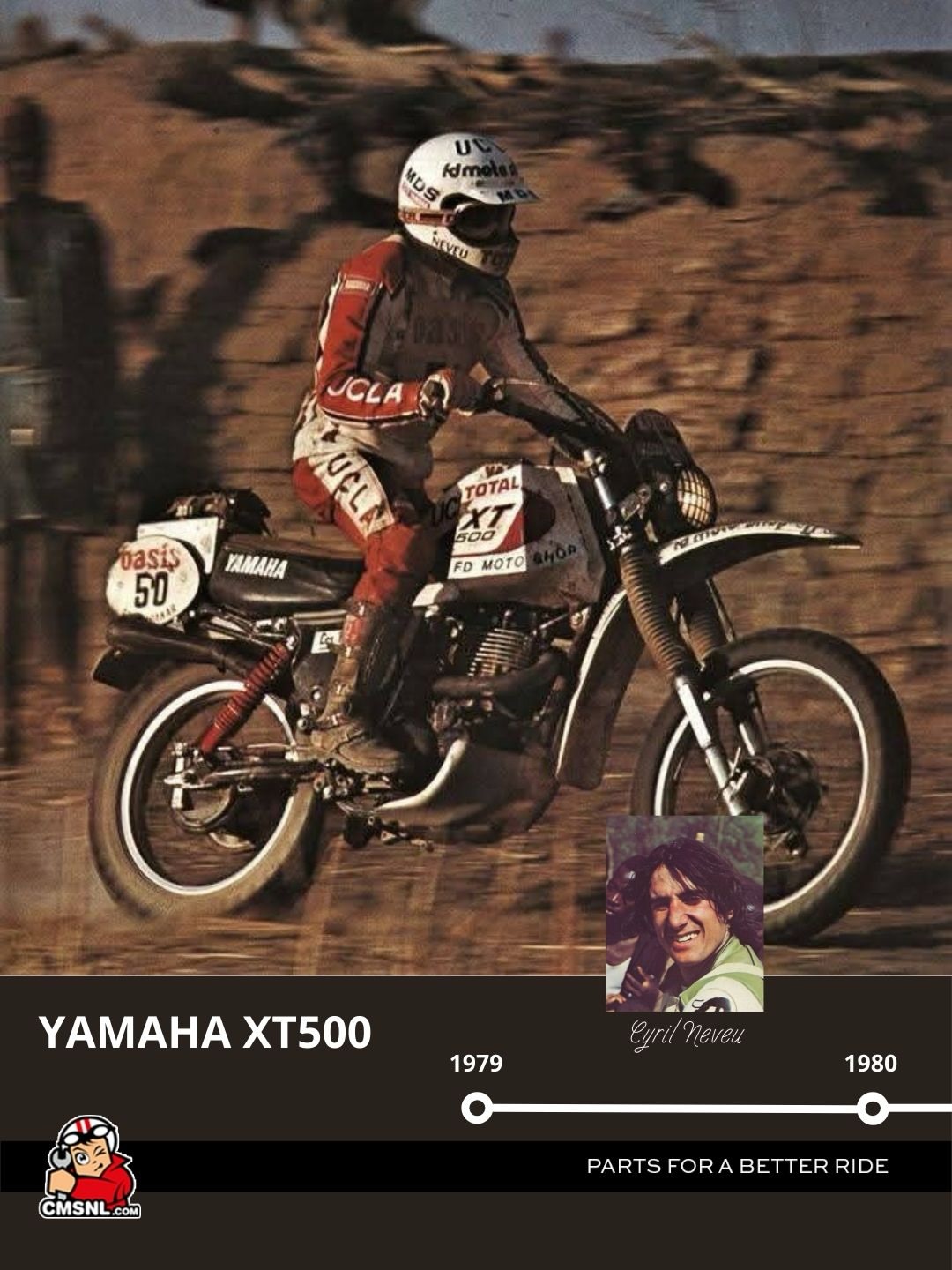
The second Paris–Dakar Rally, held in January 1980, was another approximately 10,000-kilometer test of mechanical durability, navigation, and physical endurance. This time, the competition was better organized and increasingly serious.
Sonauto returned with experienced riders and further-developed XT500 rally machines. Neveu also returned, now enjoying considerably more support following his inaugural victory. Yet the essential motorcycle remained the same: Yamaha’s air-cooled 499cc single, modified for extended desert travel.
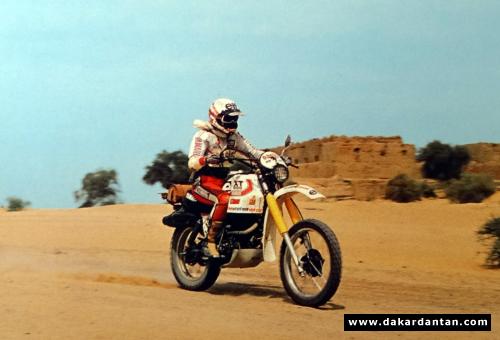
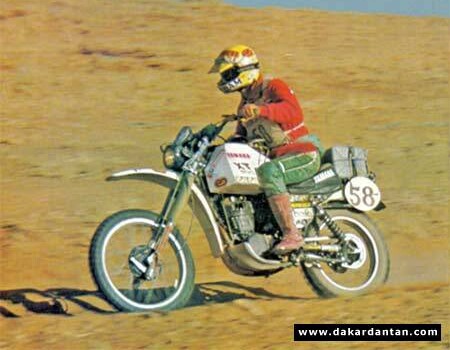
The XT500 once again proved extraordinarily competitive. Neveu claimed his second consecutive Paris–Dakar victory, followed by Michel Mérel and Jean-Noël Pineau. But Yamaha’s domination extended beyond the podium. Jean-Pierre Lloret finished fourth, giving the XT500 a complete sweep of the first four motorcycle positions.
1980 Paris–Dakar: Motorcycle Results
| Position | Rider | Motorcycle |
|---|---|---|
| 1st | Cyril Neveu | Yamaha XT500 |
| 2nd | Michel Mérel | Yamaha XT500 |
| 3rd | Jean-Noël Pineau | Yamaha XT500 |
| 4th | Jean-Pierre Lloret | Yamaha XT500 |
| 5th | Jean-Claude Morellet (Fenouil) | BMW 800 |
| 6th | Philippe Vassard | KTM 240 |
Of the 90 motorcycles that started the rally, just 25 reached the finish. Eleven of those finishers were Yamaha XT500s. By now, the XT500 had become virtually synonymous with successful desert rallying. However, the story of fourth-place finisher Jean-Pierre Lloret illustrates just how extraordinary the XT500’s early Dakar career really was.
Jean-Pierre Lloret: The Ultimate Privateer XT500
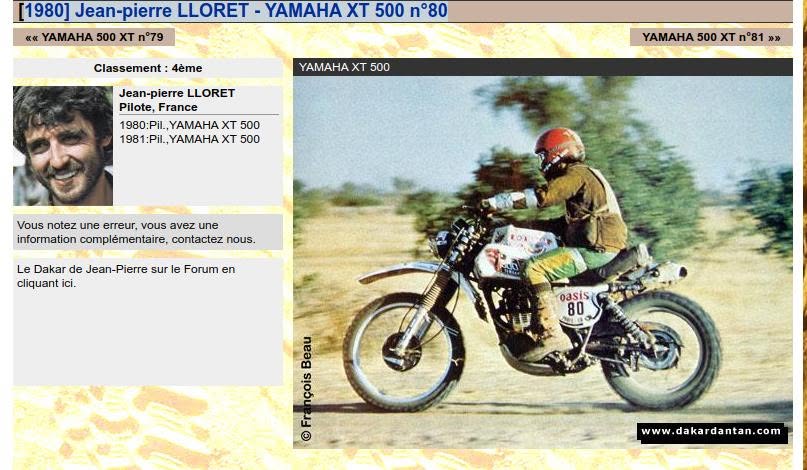
Jean-Pierre Lloret was a Yamaha dealer from Alençon, France, who decided to enter the 1980 Dakar with little time to spare. An experienced enduro competitor, Lloret owned an XT500 and had enough savings to finance an attempt. What he didn’t have was a dedicated assistance team. Instead, he prepared the motorcycle himself, concentrating on reliability and simplicity.
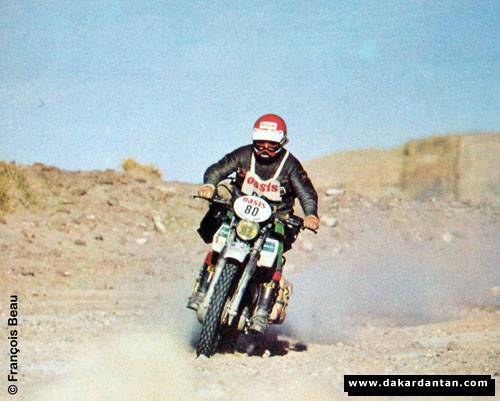
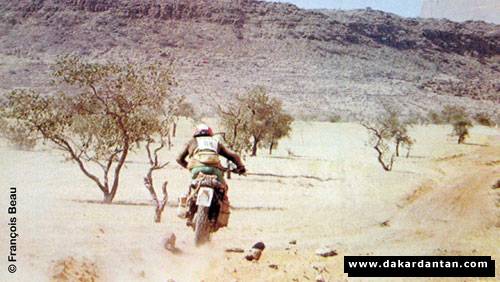
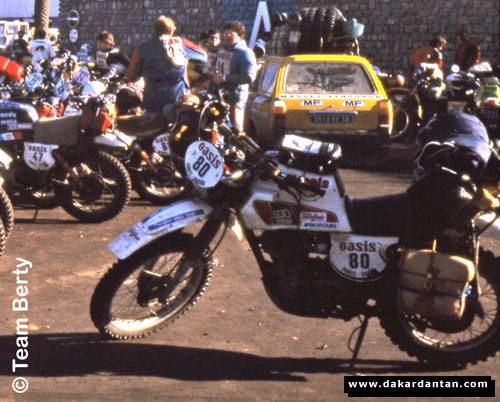
His modifications were both practical and ingenious. Lloret fitted a massive 47-liter fuel tank donated by Jean-Claude Olivier, installed an SR500 rear sprocket, and used an O-ring drive chain — still relatively unusual equipment for off-road motorcycles at the time.
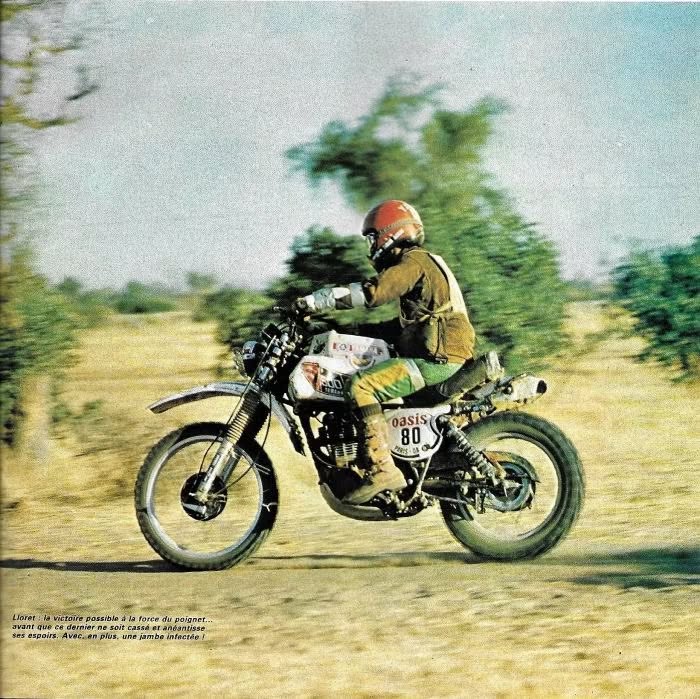
He drilled and safety-wired important fasteners, fitted a substantial homemade luggage rack, and installed an additional sidestand on the right side of the motorcycle. By deploying both sidestands, he could raise either wheel off the ground for repairs. He also carried replacement air filters in his pockets, changing them several times a day to combat the relentless African dust.
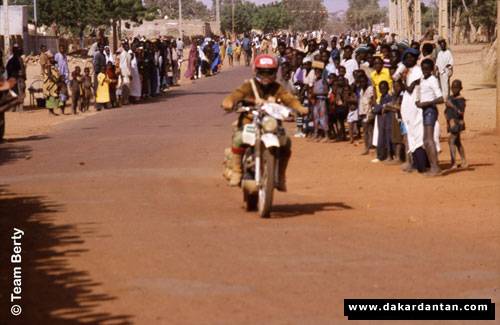
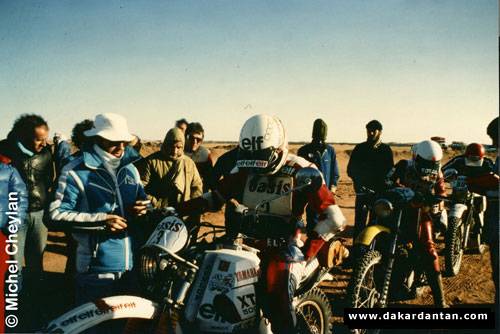
Rather than attack the opening stages recklessly, Lloret concentrated on preserving the motorcycle. He traveled with his own tools and spares, scavenged used tires from better-equipped teams, and relied on the generosity of fellow competitors when necessary. The strategy worked. Against all expectations, Lloret emerged among the leading motorcycle competitors, even taking the overall lead at points during the rally.
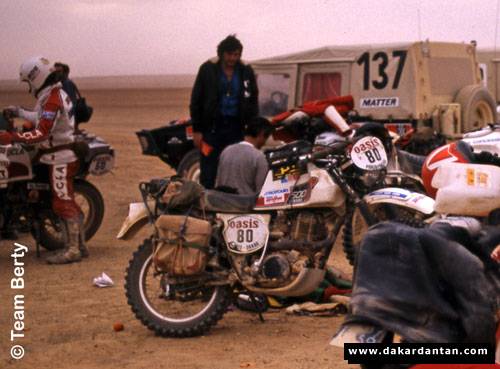
But his greatest challenges were still ahead. After injuring his leg in a crash, Lloret continued racing despite worsening pain and an infection. Later, he suffered another serious accident and broke his left wrist. With his wrist immobilized in a plaster cast and his leg badly swollen, Lloret nevertheless continued toward Dakar. His battered XT500 had also suffered damage, including a bent rear frame section, which was repaired with help from members of the rally’s support caravan.
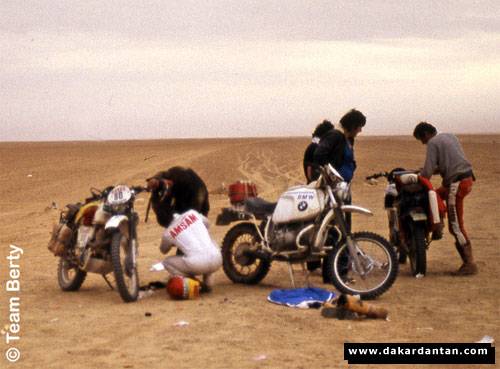
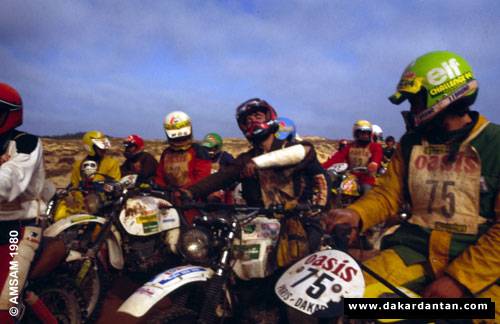
Despite his injuries, Lloret remained determined to preserve fourth place against Fenouil’s more powerful BMW. On the final beach stage to Dakar, Fenouil attacked at full speed in a last attempt to overtake him in the standings. Lloret responded by recording the fourth-fastest time on the stage, less than three minutes behind Fenouil. Lloret finished fourth overall in the motorcycle classification, preserving Yamaha’s remarkable 1–2–3–4 result.
Perhaps the most extraordinary detail emerged after the rally. When Lloret dismantled his motorcycle back in France, he reportedly discovered that its engine remained in excellent internal condition despite the enormous punishment it had endured.
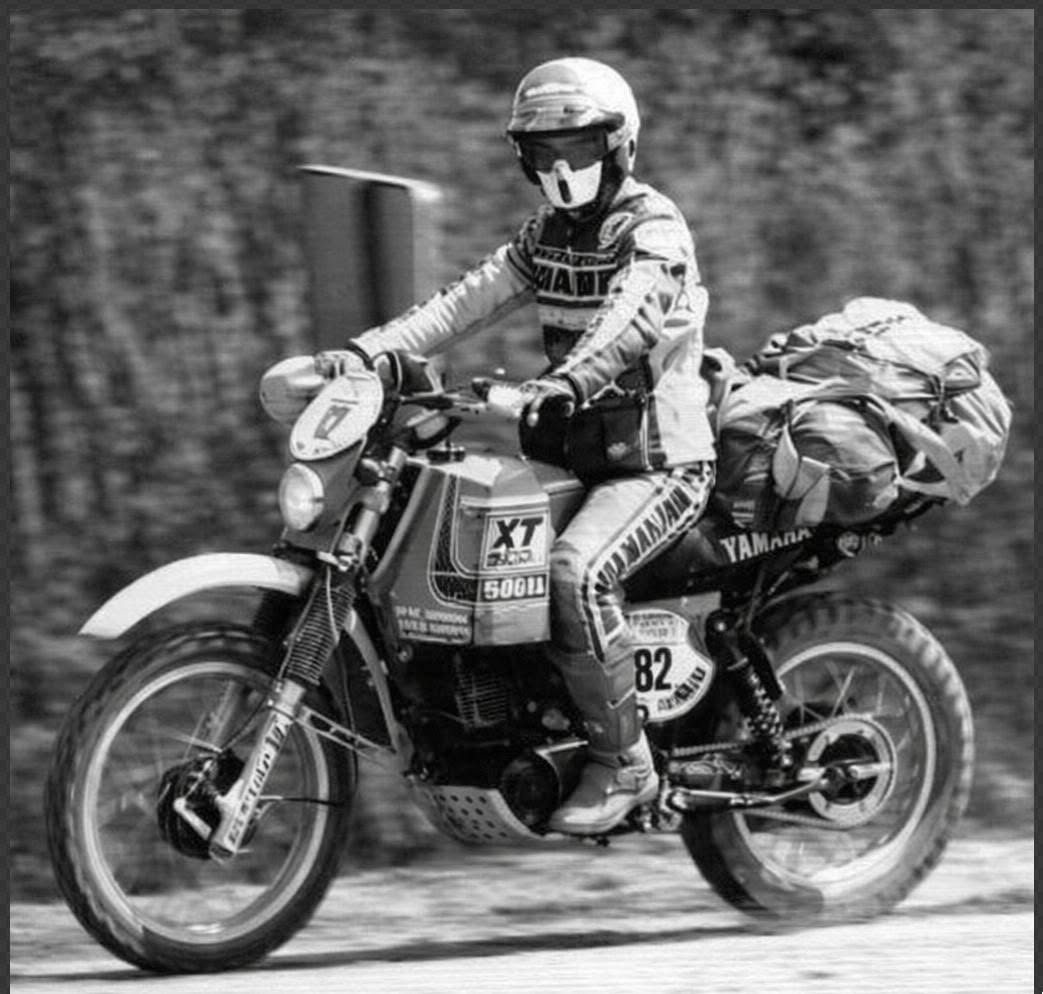
His two chain failures and numerous punctures had been frustrating, but the big Yamaha single had survived the rally without an internal mechanical failure. For a motorcycle that was still fundamentally a modified production trail bike, the achievement was exceptional.
1981: The Rise of the BMW Boxer
The XT500 remained a formidable competitor in the 1981 Paris–Dakar Rally, but the balance of power was beginning to change. BMW had entered the desert-racing arena with modified versions of its R80G/S, a machine employing a considerably larger boxer twin. The BMW offered significant advantages in outright power and high-speed performance, particularly across the faster sections of the rally.
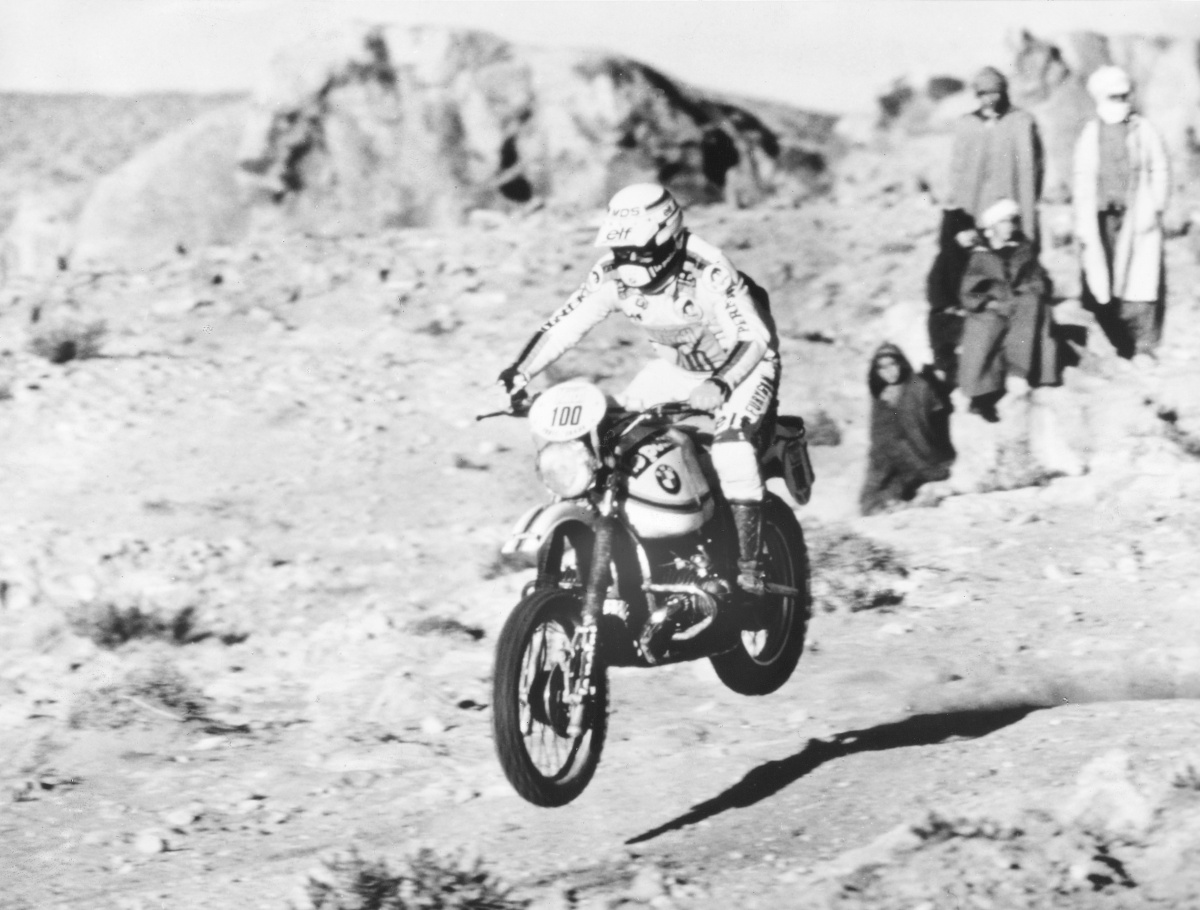
Hubert Auriol, who had ridden an XT500 in the inaugural Dakar, took victory in 1981 aboard a BMW. Still, Yamaha wasn’t far behind. Serge Bacou finished second on an XT500, with Michel Mérel completing the podium aboard another Yamaha single. The result demonstrated that the XT500 remained highly competitive, even as larger, more powerful motorcycles began to dominate the event.
It also marked the beginning of a technological arms race. BMW’s success encouraged manufacturers to pursue greater engine capacity, improved suspension, larger fuel tanks, and increasingly specialized racing chassis. The days when a relatively straightforward production-based single could win the Dakar outright were numbered. But Yamaha’s response would eventually produce an entirely new category of motorcycle.
From the XT500 to the Ténéré
The XT500’s success in Africa was arguably as important to Yamaha’s future as the original development of the motorcycle itself. Throughout the late 1970s and early 1980s, its reputation spread across Europe, particularly in France, where riders had become captivated by the romance of African adventure. The XT500 wasn’t simply a trail bike anymore. It represented the possibility of traveling far beyond familiar roads, crossing unfamiliar countries, and exploring remote terrain on a motorcycle.
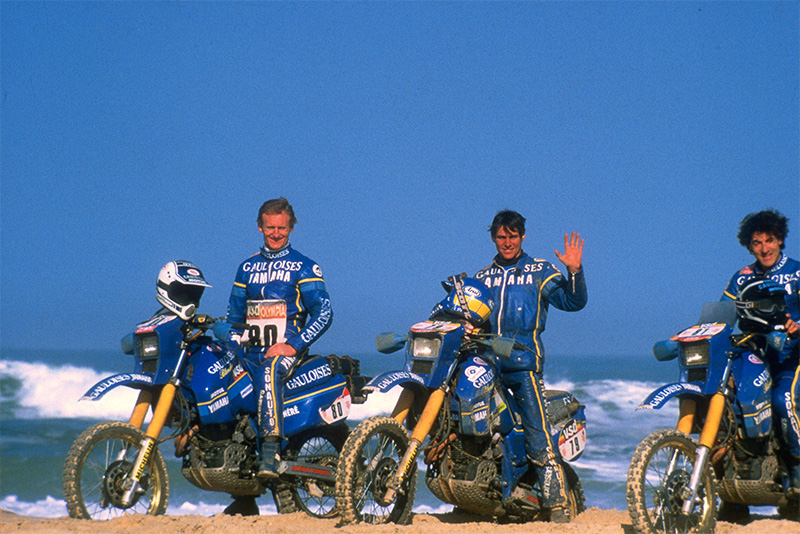
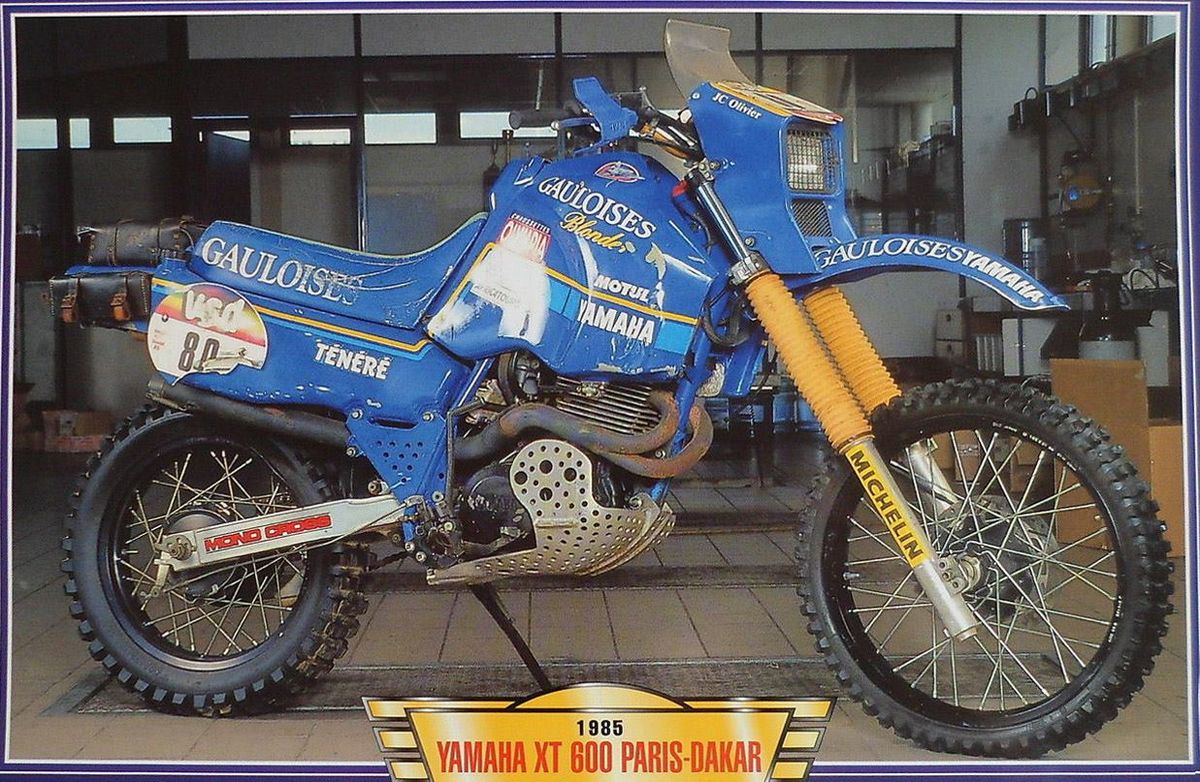
Yamaha’s engineers took notice. The XT550 arrived in 1982 with a larger four-valve engine and more sophisticated technology, while modified XT machines continued competing in desert rallies. Then, in 1983, Yamaha introduced the motorcycle that would become the XT500’s most direct spiritual successor: the XT600Z Ténéré.
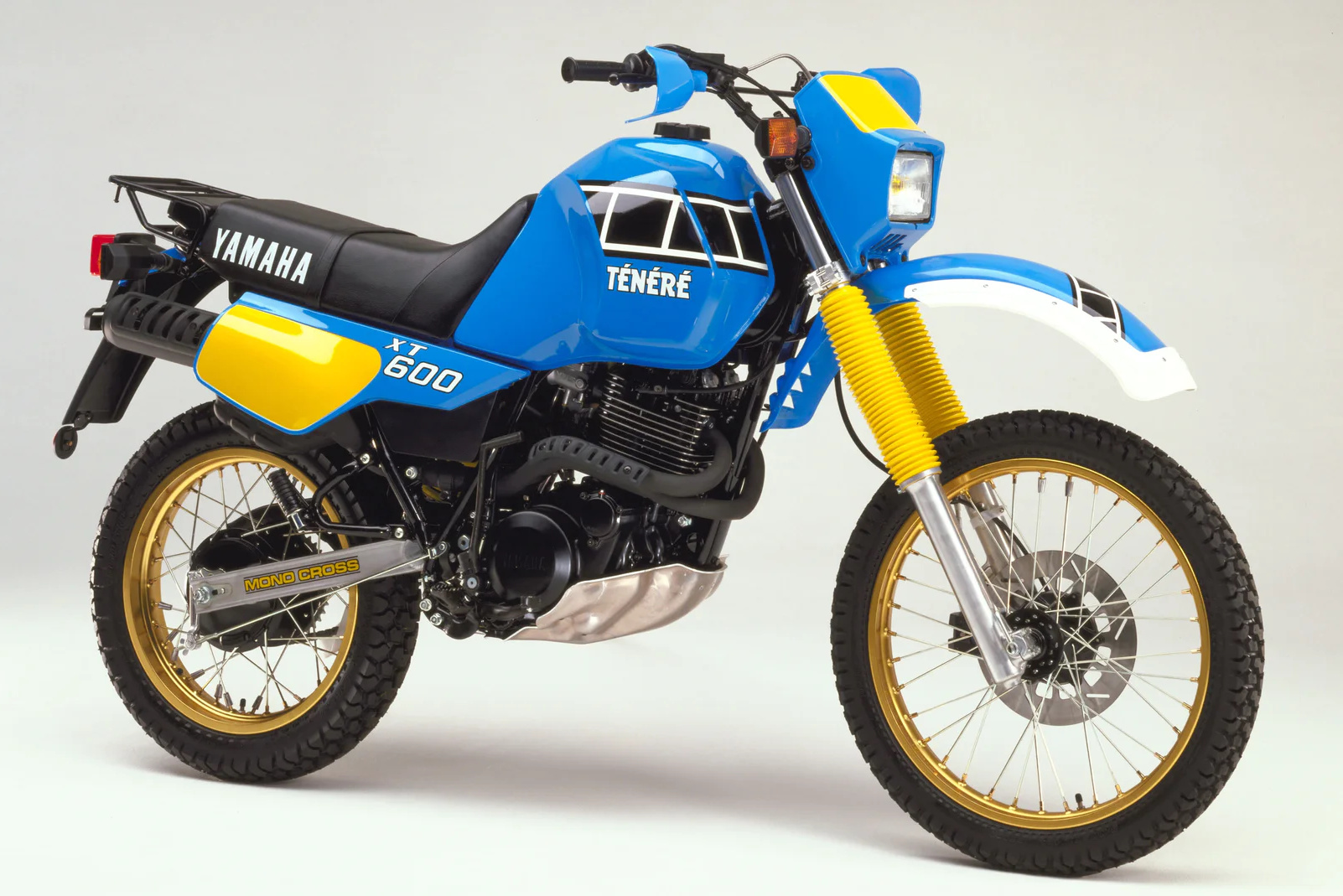
With its enormous 30-liter fuel tank, long-travel suspension, and powerful 595cc engine, the Ténéré translated the lessons of the Paris–Dakar Rally into a purpose-built production adventure motorcycle. It was essentially the realization of the concept pioneered by Olivier and the early Sonauto team.
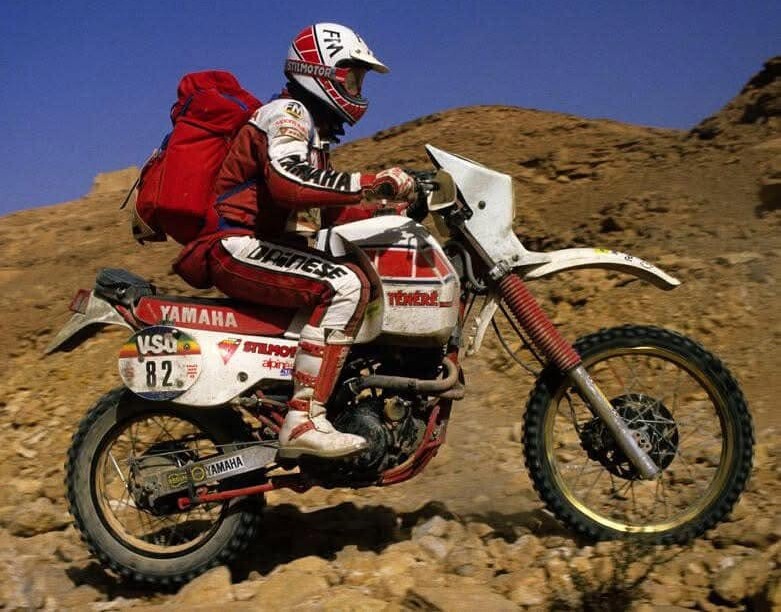
Whereas the XT500 had required extensive modifications to become an effective desert racer, the XT600Z arrived from the factory equipped for serious long-distance adventure. The lineage continued through Yamaha’s later Ténéré and Super Ténéré models, which would return the company to Dakar dominance in the 1990s. Yet the foundation for that success had been laid years earlier, with the little XT500.
Yamaha XT500: Original Production Specifications
1976 model, Yamaha factory figures unless otherwise noted. Dakar machines differed substantially in equipment and weight.
| Specification | Details |
|---|---|
| Engine | 499cc air-cooled four-stroke single |
| Valve train | SOHC, 2 valves |
| Bore × stroke | 87 × 84 mm |
| Lubrication | Dry sump |
| Maximum power | 30 PS at 5800 rpm |
| Maximum torque | 38.2 Nm at 5400 rpm |
| Transmission | 5-speed |
| Starting | Kickstart |
| Frame | Tubular steel |
| Front suspension | Telescopic fork |
| Rear suspension | Twin laid-down shocks |
| Brakes | Front and rear drum |
| Wheels | 21-inch front / 18-inch rear |
| Claimed weight | 139 kg (306 lb) |
| Dakar modifications | Large fuel tanks, uprated suspension, reinforced chassis, rally equipment |
The Original Dakar Legend
Today, the Dakar Rally is associated with extraordinary factory prototypes, elaborate navigation equipment, and machines engineered to withstand the punishment of high-speed desert racing. But the Yamaha XT500 belongs to a different era. Its riders navigated with paper maps, compasses, and rudimentary roadbooks. They carried their own spares, repaired their motorcycles beside desert tracks, and frequently relied on the kindness of fellow competitors simply to reach the next bivouac.
The machines themselves were equally straightforward. Their engines were basic air-cooled singles. Their suspensions employed conventional forks and twin rear shocks. Their brakes were drums, their transmissions had five speeds, and their engines had to be started with a kick.
Yet these modest machines accomplished something extraordinary. They won the inaugural Paris–Dakar Rally outright, repeated the victory the following year, and continued challenging more powerful motorcycles as the event grew into one of the world’s most prestigious motorsport competitions.
The XT500’s success did more than establish Yamaha’s reputation in desert racing. It helped inspire the development of the Ténéré and demonstrated that a reliable, relatively lightweight motorcycle could carry its rider across a continent. For all the sophistication of the machines that followed, the XT500 remains a uniquely significant motorcycle in Dakar history.
More Dakar Legends
 Dakar Legends: Yamaha XT500 - The Big Single That Won the First Paris–Dakar Rallies… On December 26, 1978, an unlikely collection of motorcycles, cars, and trucks assembled at the Place du Trocadéro in Paris. Ahead lay roughly 10,000 kilometers of […]
 Dakar Legends: Yamaha XT600Z Ténéré - The Big Single That Brought Paris–Dakar to the Streets… By the early 1980s, the Paris–Dakar Rally had become something more than a race. It was an obsession, especially in Europe, where images of motorcycles thundering […]
 2WD Dakar Legend: Yamaha WR450F 2-Trac - Remembering Yamaha x Öhlins’ Hydraulic 2WD Enduro… Every so often, a motorcycle appears that seems to point toward an entirely different future. The Yamaha WR450F 2-Trac was one of those machines. At first glance, it […]
 Dakar Legends: Gilera RC600 & RC750 Rallye - Italy’s Big Thumper in the Twin-Cylinder Era… By the late 1980s, the Paris-Dakar Rally was no longer a romantic expedition but an escalating arms race among the major manufacturers. Twin-cylinder prototypes were growing larger and […]
 Desert Bomber: BMW R80G/S Paris-Dakar Rally Bike - The Boxer That Changed the Desert Forever… In 1981, the Paris-Dakar Rally was still raw — more expedition than sport, more survival than spectacle. Riders crossed the Sahara with roadbooks and compasses, navigating terrain that […]
 Desert Boxer: BMW R900RR Dakar Rally Bike - Dakar Legends: Last Roar of the Desert Bombers… In the late 1990s and early 2000s, BMW found itself at a crossroads in rally-raid racing. Its boxer twins had delivered four Paris-Dakar victories in the 1980s, […]
 The Honda EXP-2: The Two-Stroke Desert Racer - Honda’s 402cc “Experimental 2-Stroke” Baja 1000 / Dakar Rally Bike… In the mid-1990s, as emissions regulations tightened and the future of road-going and recreational two-strokes looked increasingly uncertain, Honda built a fuel-injected two-stroke rally prototype […]
 Dakar Legends: BMW F650RR Rally Bike - BMW F650RR: Grandfather of the Modern Rally Bikes… In the late 1990s, BMW returned to the Paris-Dakar Rally with a new generation of single-cylinder factory racers. At the heart of the effort was the BMW […]
 The Four-Cylinder Dakar Bike: Yamaha FZ750 Ténéré - The Yamaha FZ750 Ténéré (0U26): Yamaha’s Radical Dakar Experiment… Before Yamaha’s Super Ténéré twins began their winning streak, Jean-Claude Olivier took a very different approach: a four-cylinder sportbike engine in a Dakar rally racer. The […]
 Lucky Explorer: Cagiva Elefant Paris-Dakar Rally Bike - The Italian Powerhouse That Conquered Dakar… The Cagiva Elefant occupies a unique place in Paris-Dakar history. Where other manufacturers leaned on clinical efficiency or engineering conservatism, Cagiva brought Italian audacity to the table: massive V-twin […]
 Dakar Legends: Yamaha YZE750T Super Ténéré - The Bike That Built a Dakar Dynasty… The Yamaha YZE750T Super Ténéré is one of the most important motorcycles in rally-raid history. Developed from the production XTZ750 Super Ténéré into a specialized factory racer, the […]
 Desert Freight Train: Yamaha XTZ850R Paris-Dakar Rally Bike - The big twin that ruled the desert at the height of the Paris-Dakar era… By the mid-1990s, Yamaha was once again winning the Paris-Dakar Rally with big, twin-cylinder desert racers. At the center of its […]
 Desert Queen: Honda NXR750 Paris-Dakar Rally Bike - Honda’s NXR750: Queen of the Desert… Few motorcycles in history can claim to have dominated the most brutal race on earth the way Honda’s NXR750 did. Built specifically to conquer the Paris-Dakar Rally, the NXR750 […]


