

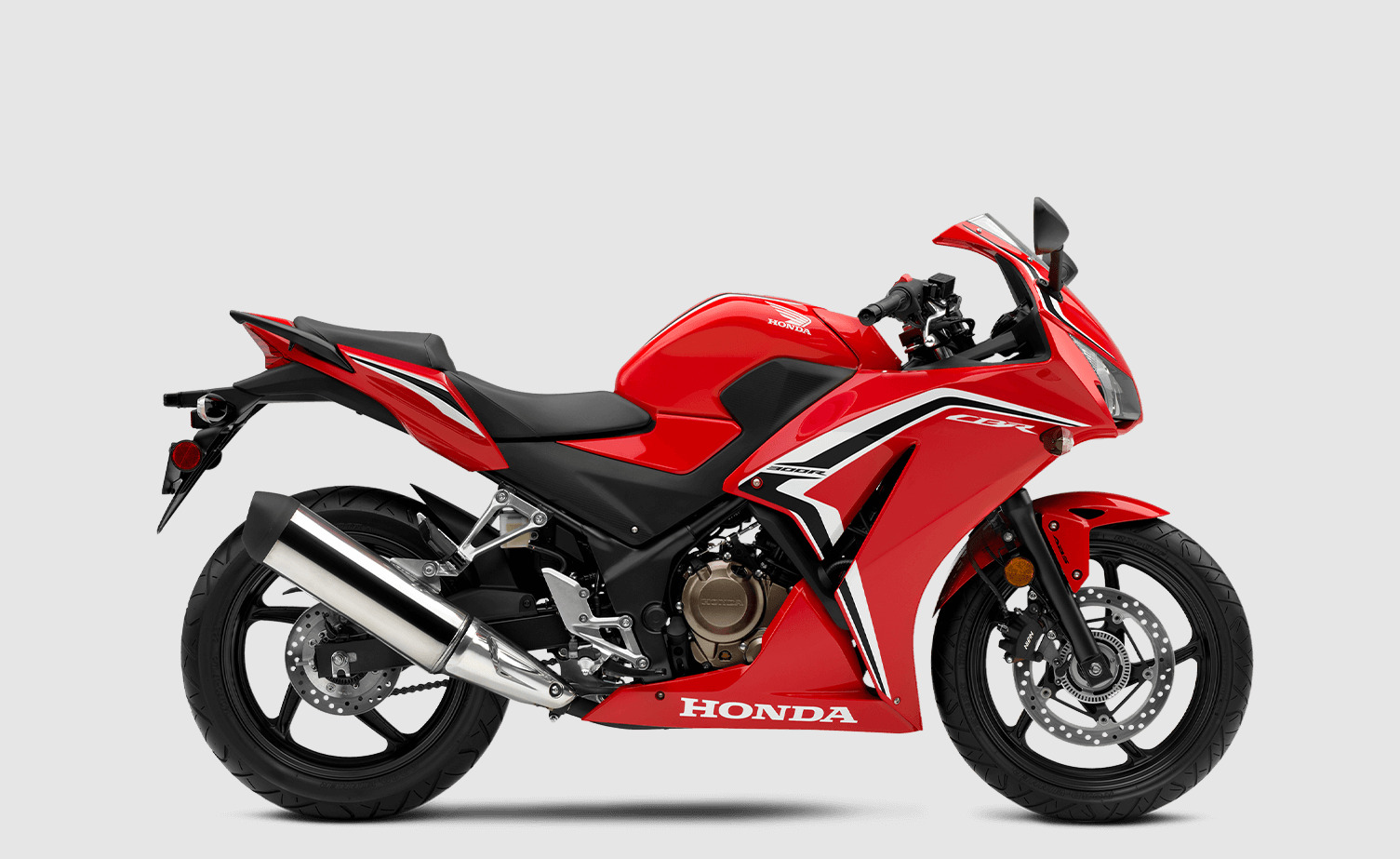
The Honda CBR300R is a sport bike that’s perfectly suited for riders who want a lightweight, efficient, and stylish machine that’s beginner-friendly — without feeling too basic. It delivers a smart blend of everyday usability and sporty character, making it a great entry point into the supersport world.
Design & Build
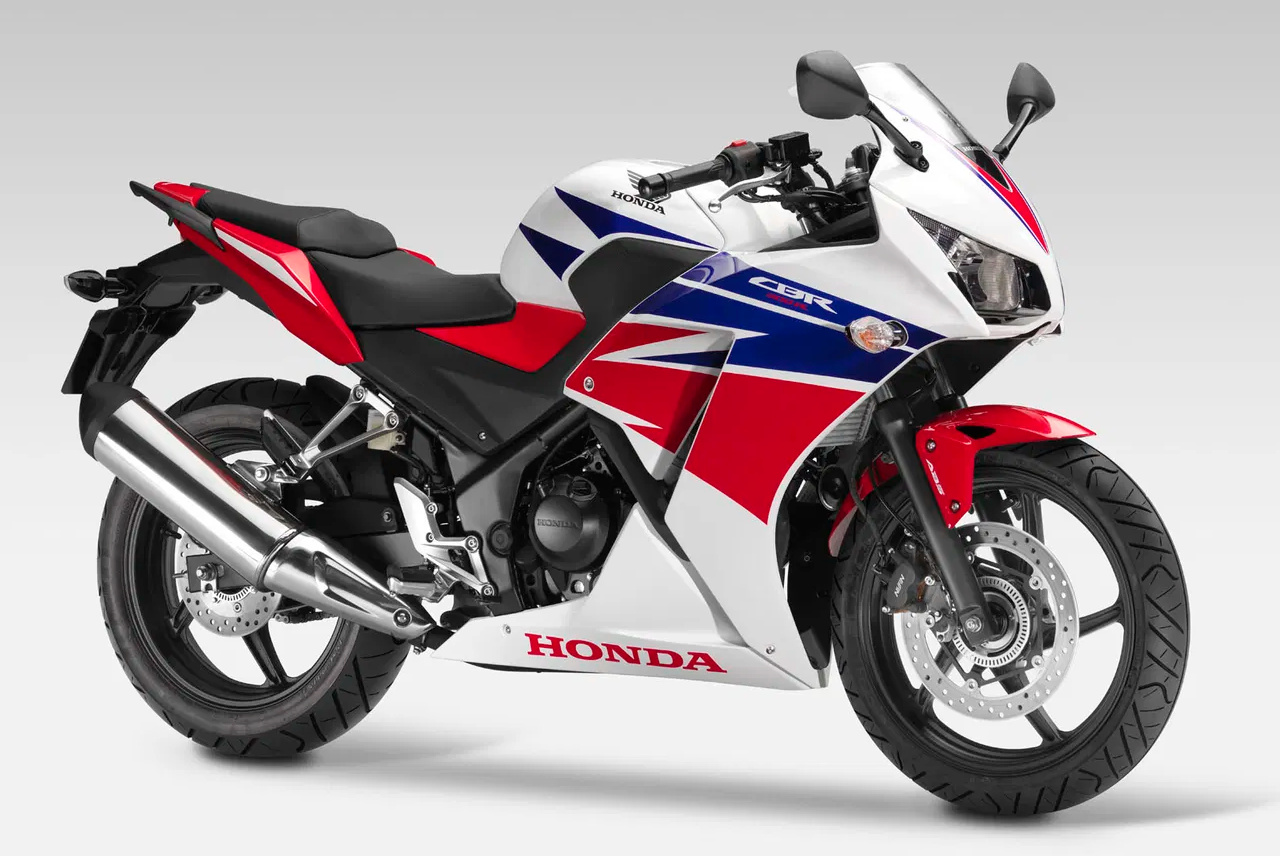
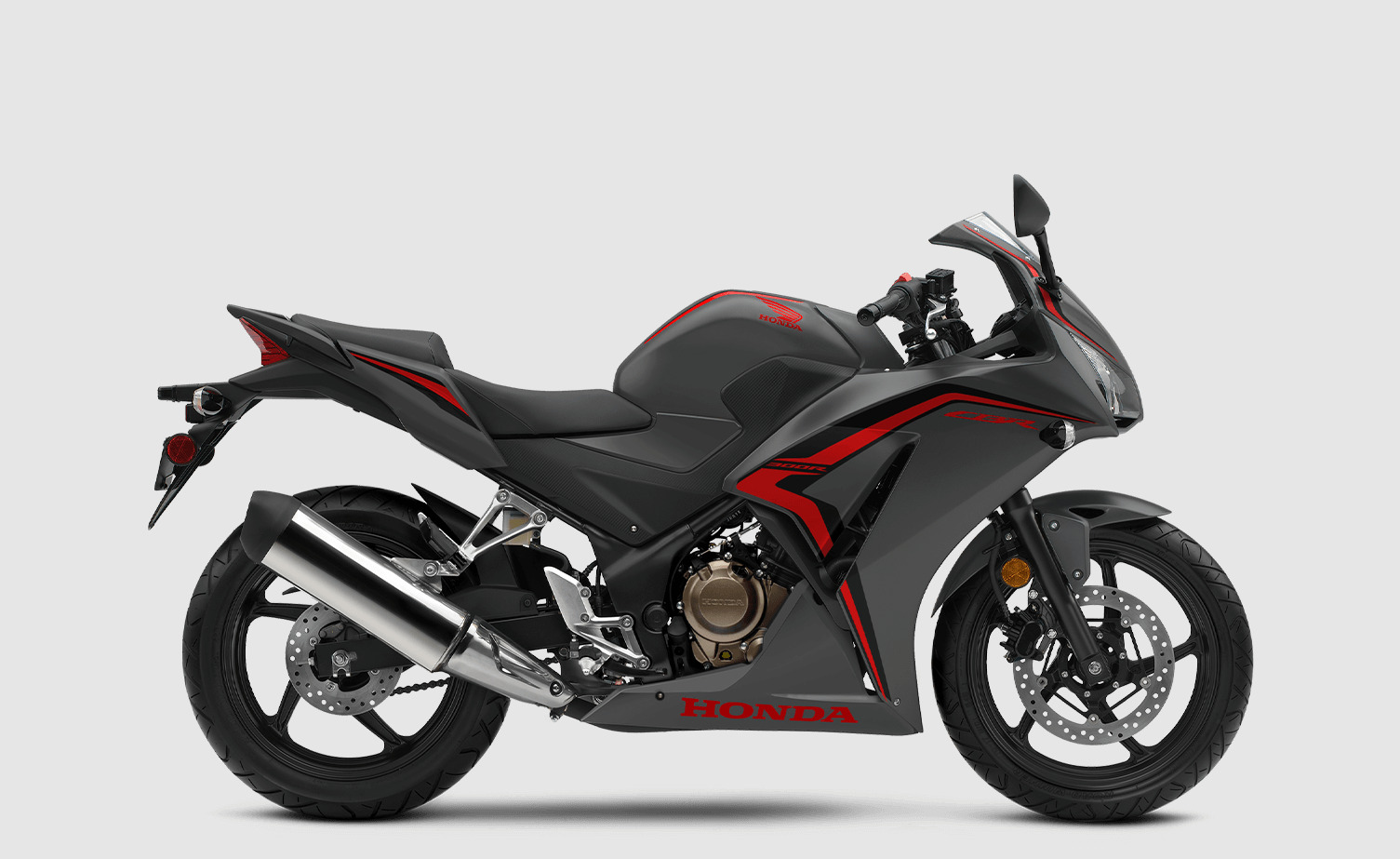
The CBR300R features classic supersport styling, with full fairings and twin headlights that echo Honda’s more aggressive race-bred machines. The bodywork is aerodynamic yet clean, and the overall look feels much more substantial than its displacement might suggest.
Honda uses a steel twin-spar (diamond) frame, which offers a good mix of rigidity and lightweight structure. The riding position is sporty but accessible—clip-on style bars aren’t super aggressive, and the seat height is 30.7 inches (about 780 mm), which helps a variety of riders feel more confident when stopped. (Honda Powersports)
Engine & Performance
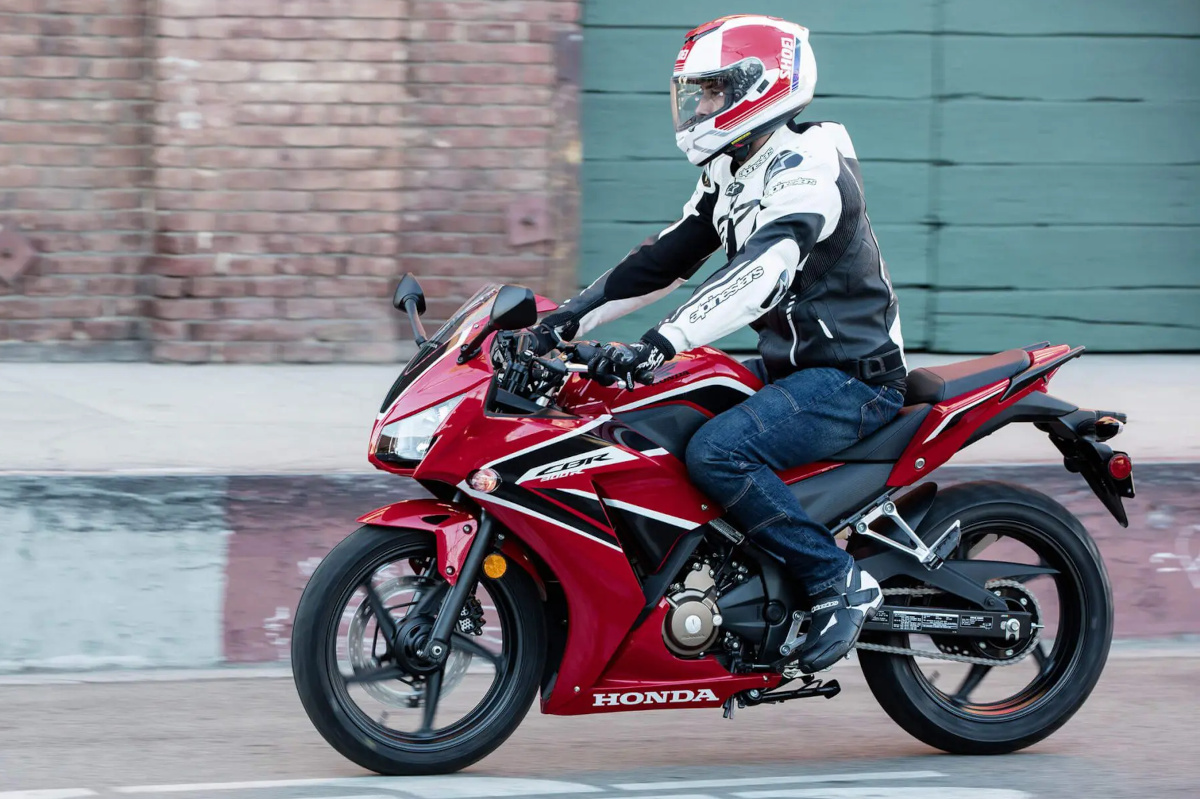
Powering the CBR300R is a 286cc liquid-cooled single-cylinder engine, based on Honda’s PGM-FI fuel-injected setup. The engine offers a good mix of low-end torque and rev-happy behavior, ideal for both city rides and light highway work.
Performance Specs:
- Bore × stroke: 76.0 mm × 63.0 mm
- Compression ratio: 10.7:1
- Transmission: 6-speed manual
- Throttle body: 38 mm
- Claimed power: ~30.4 hp (22.7 kW)
- Claimed torque: ~27 Nm (20 lb-ft)
A counterbalance shaft helps smooth out the single-cylinder vibrations, so while you get the simplicity and narrowness of a “thumper,” the feel is refined.
Chassis, Suspension & Brakes
- Front Suspension: 37 mm telescopic fork (travel around 4.6–4.7 in depending on year/model)
- Rear Suspension: Pro-Link® monoshock with 5-step preload adjustability
- Front Brake: 296 mm single disc
- Rear Brake: 220 mm single disc
- ABS: Available on ABS versions, helping with more controlled stops.
Tire sizes are typical for a lightweight sport bike (110/70-17 front and 140/70-17 rear), which helps maintain nimble handling and good grip for the class.
Electronics & Features
- Fuel Injection (PGM-FI): Provides reliable, efficient fueling, better emissions, and smoother throttle response.
- Instrument Cluster: A mix of analog (tachometer) and digital readouts (speed, fuel, trip, etc.) makes it easy to read while riding.
- Under-Seat Storage: Removing the passenger seat reveals a small compartment under the tail — good for storing small essentials like gloves or a wallet.
- Passenger-Ready: Includes grab rails and peg mounts for a passenger, making the 300R usable for two.
Practicality & Daily Use
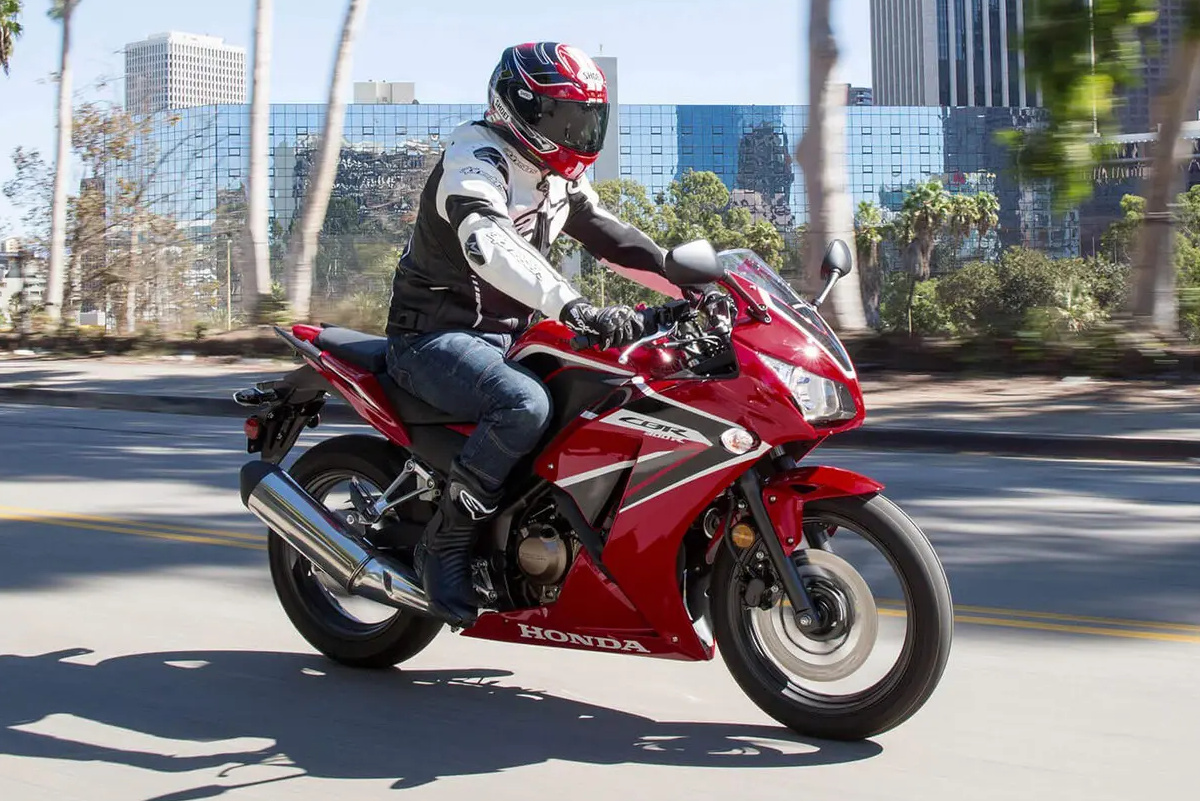
For daily riders or commuters, the CBR300R shines:
- Its lightweight engine and chassis make it easy to handle in traffic.
- The fuel tank capacity is around 3.4 gallons (depending on the model), giving a decent range for city riding.
- Thanks to its single-cylinder design and efficient FI system, fuel economy is strong, making it cost-effective to run.
- The relatively low seat height means many new riders or shorter riders will feel more stable when stopped.
Rider Feedback & Real-World Impressions
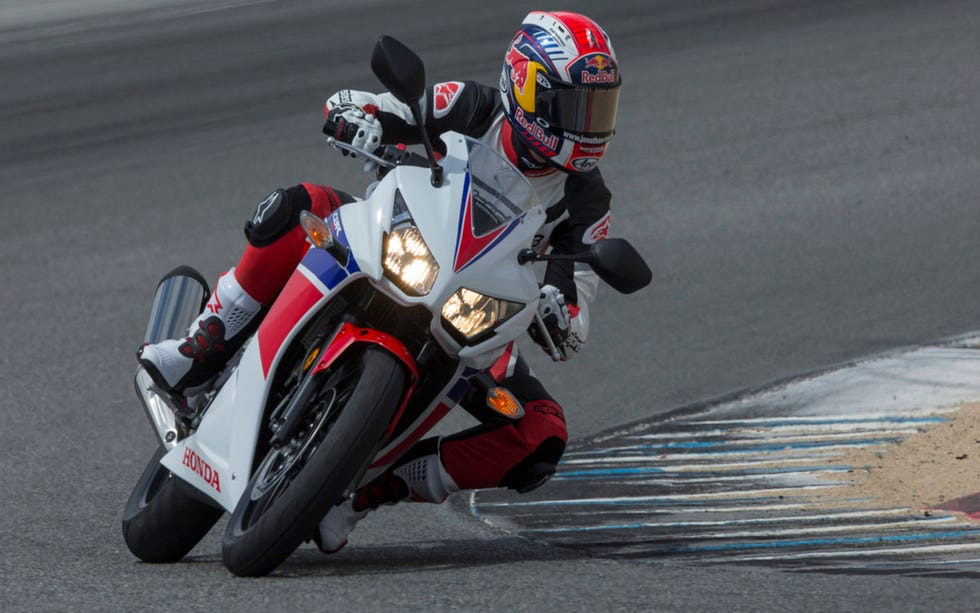
- Some riders appreciate the smooth, vibration-controlled single cylinder, which gives a simpler feel but avoids the harshness common to “thumpers.”
- On the flip side, there’s criticism that the CBR300R lags behind rivals in terms of features:
“it has fallen slightly behind the competition in terms of [electronics]” (MotorCycle News) (MotorCycle News)
- From Reddit:
“Most people prefer the sound of a 2-cyl compared to the CBR’s single … it’s also down about 10-20 hp compared to the R3 and Ninja 400.” (Reddit)
- In terms of reliability, users tend to trust Honda’s reputation: mostly dependable engines and build quality.
Who Is the CBR300R For?
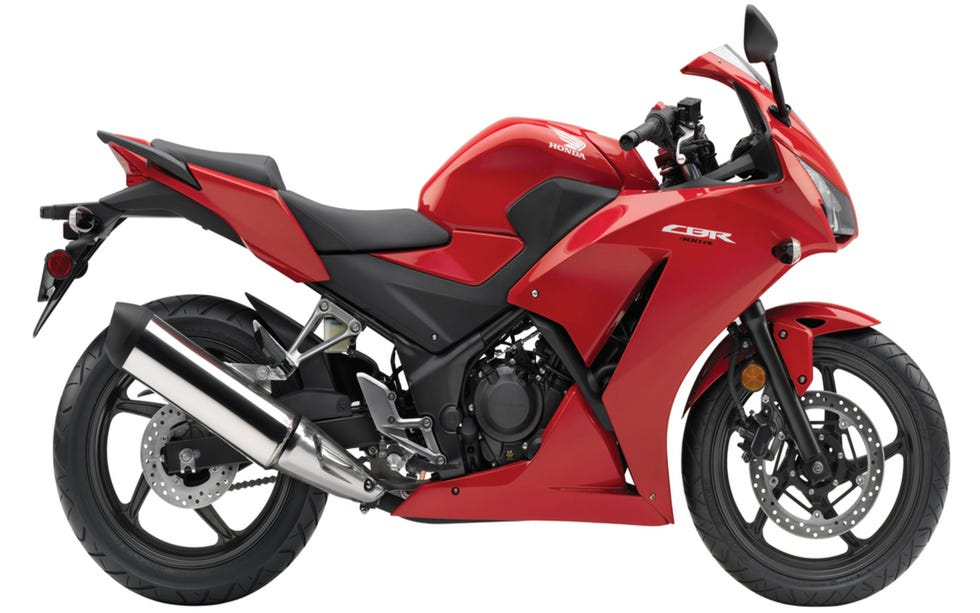
Great For:
- New riders who want a real sport-bike experience without too much power
- Commuters looking for a blend of fun and efficiency
- Riders on a budget who want a low-cost (to buy and run) sport bike
- Those wanting a simple, reliable engine that’s easy to maintain
Less Ideal For:
- Riders who want higher performance or more peak power — there are more powerful lightweight bikes
- Track-day riders looking for very sporty performance — the single-cylinder engine may feel limited
- Riders wanting lots of modern electronics — ABS is optional; no traction control or multiple ride modes
Honda CBR300R Specs
Engine: 286cc liquid-cooled single-cylinder
Power: ~30 hp @ 8,500 rpm
Torque: ~20 lb-ft (27 Nm) @ 7,500 rpm
Transmission: 6-speed manual
Weight: ~365 lbs (wet)
Frame: Steel diamond-type frame
Suspension:
• Front: 37mm telescopic fork
• Rear: Pro-link monoshock
Brakes:
• Front: 296mm single disc with single-piston caliper
• Rear: 220mm disc
• ABS optional
Electronics: Basic ride electronics (fuel-injection, LED lighting)
Seat Height: ~30.7 in
Fuel Capacity: ~3.4 gal
Wheelbase: ~53.9 in
Performance:
• Top Speed: ~95–100 mph (estimated)
• 0–60 mph: Around 6.5–7 s
• Fuel Economy: ~70–80 mpg (varies by riding style)
Options & Packages:
• ABS version upgrade
• Color and graphic package variations
• Lightweight accessories (frame sliders, tail tidy)
CBR300R Pros & Cons
Pros:
- Lightweight and nimble
- Simple, efficient, and smooth single-cylinder engine
- Sporty supersport styling
- Good fuel economy
- Affordable to buy (relatively) and maintain
- Under-seat storage for practicality
Cons:
- Modest horsepower compared to twin-cylinder rivals
- Some models are ABS-optional rather than standard
- Basic electronics setup — lacks advanced aids
- Not the most aggressive in performance or power
Competitors
- Aprilia RS 457
- Honda CBR500R: Larger engine, more expensive.
- Kawsaki Ninja 300: 296 cc parallel twin, so it has more engine capacity and power than the CBR300R.
- Kawasaki Ninja 500: Significantly more powerful, which comes at a higher cost.
- KTM RC 390: Though more powerful, the RC 390 is a strong rival in the “entry sportbike” / small-displacement sport class
- Yamaha R3: Probably the biggest competitor. It’s a 321 cc parallel-twin vs the CBR300R’s 286 cc single.
Verdict
The Honda CBR300R is a smart, well-rounded sport bike that makes a lot of sense for new riders or riders who want a lightweight, efficient, and race-inspired machine without going overboard. It’s not about being the fastest — it’s about being practical, fun, and reliable.
If you’re looking for a dependable, approachable sport bike that still has the look and feel of a supersport — especially for commuting or weekend rides — the CBR300R is a very compelling option.


