 What Bikes are Used in the Dakar Rally?
The Dakar Rally is the most brutal motorsport event on Earth — thousands of miles across deserts, dunes, rocks, rivers, camel grass, and uncharted terrain. Riders face 8-12 hours per day on the bike, extreme temperatures, and some of the harshest navigation challenges anywhere. But what motorcycles are built to withstand this punishment?
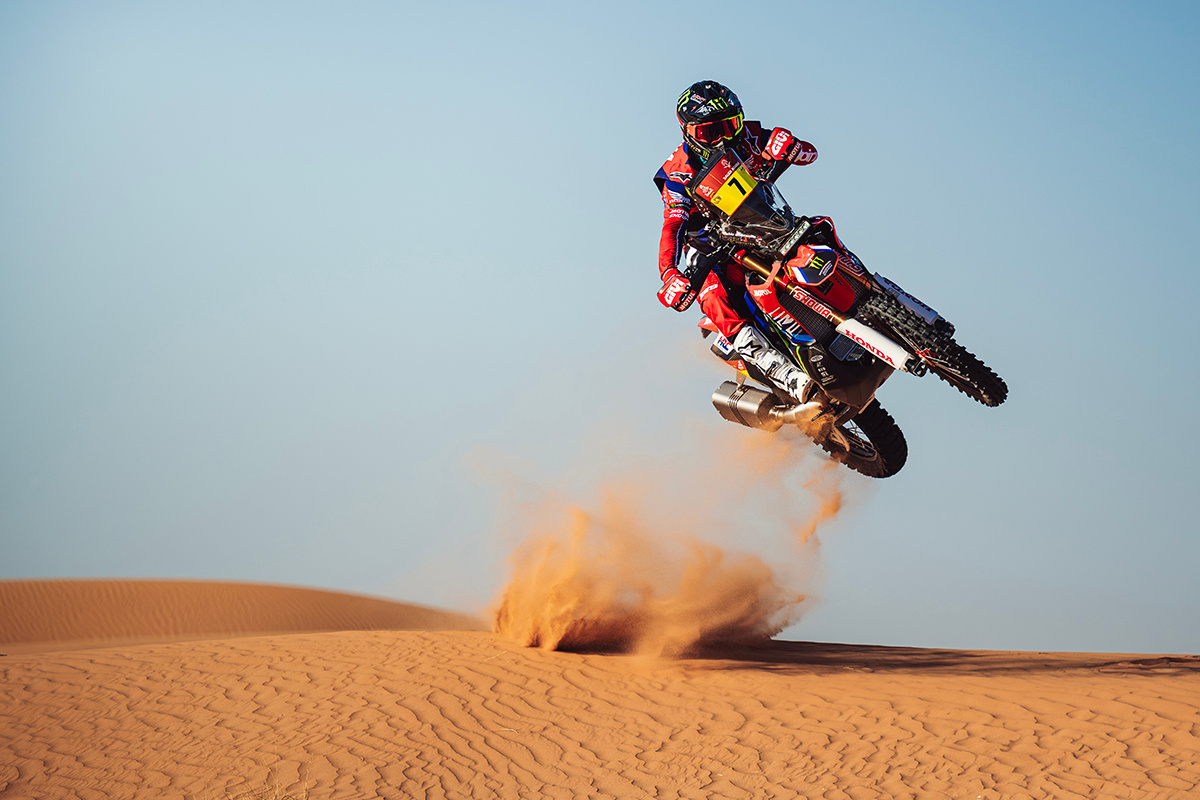
Unlike the Isle of Man TT or MotoGP, Dakar machines aren’t pure-speed weapons — rather, they’re engineered for endurance, durability, and long-range reliability. Today’s Dakar bikes are highly specialized 450cc rally machines designed to survive two weeks of torture at competitive speeds.
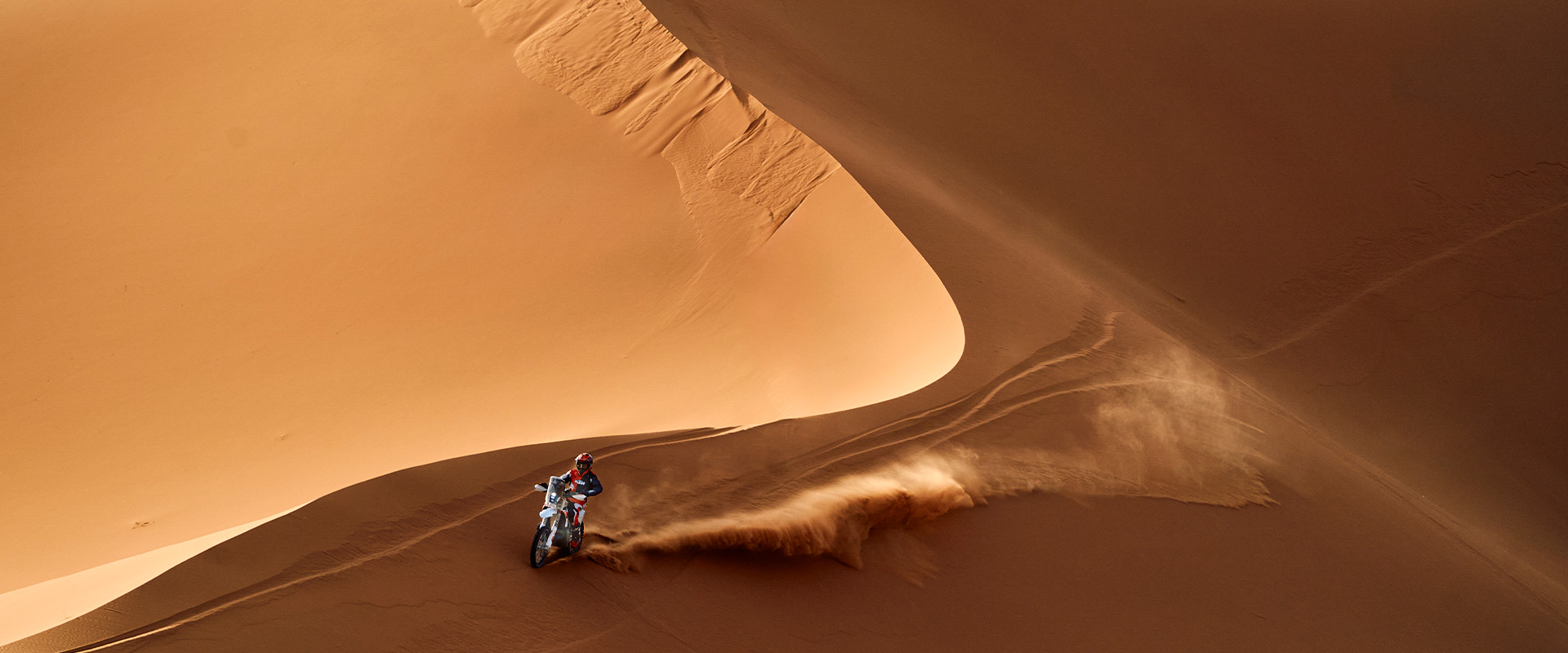
Below is a complete look at Dakar Rally bikes — specs, top speed, weight — and why the 450cc rally platform has become the backbone of the event.
The Core of Dakar: The 450cc Rally Class
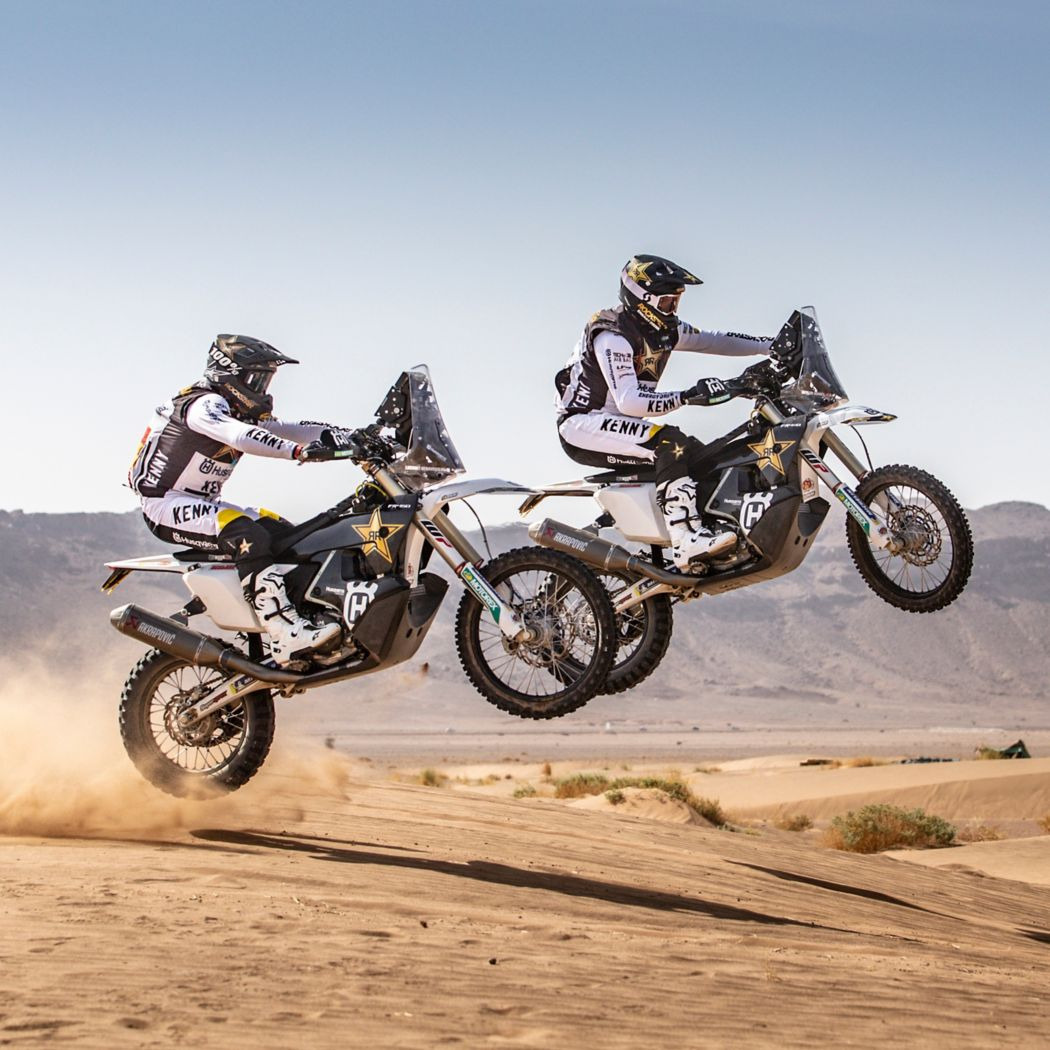
Since 2011, the Dakar motorcycle category has been limited to 450cc four-stroke engines. This rule was introduced for safety — to reduce the extreme speeds reached by the earlier 690cc–950cc monsters.
Typical Dakar Rally 450 Specs:
- Single-cylinder four-stroke
- Max 450cc displacement
- Tuned for 50–60 horsepower (prioritizing longevity over peak power)
- Top Speed: ~105–115 mph (170–185 km/h)
- Weight: ~301 lb (136.5 kg) wet, minimum for RallyGP bikes (FIM regulations)
- Real-world race weight: ~315–335 lb (143–152 kg) wet
For comparison, a typical 450 enduro is ~255–265 lb wet, so a race-ready RallyGP bike is 60–80 lb heavier That extra weight comes almost entirely from:
- Multi-tank fuel systems
- Navigation tower (roadbook, screens, GPS, antennas)
- Reinforced subframes
- Heavy-duty wheels, protection, and wiring
These aren’t motocross bikes with a bigger tank — they’re purpose-built rally machines.
Major Bikes Used in the Dakar Rally
1. KTM 450 Rally
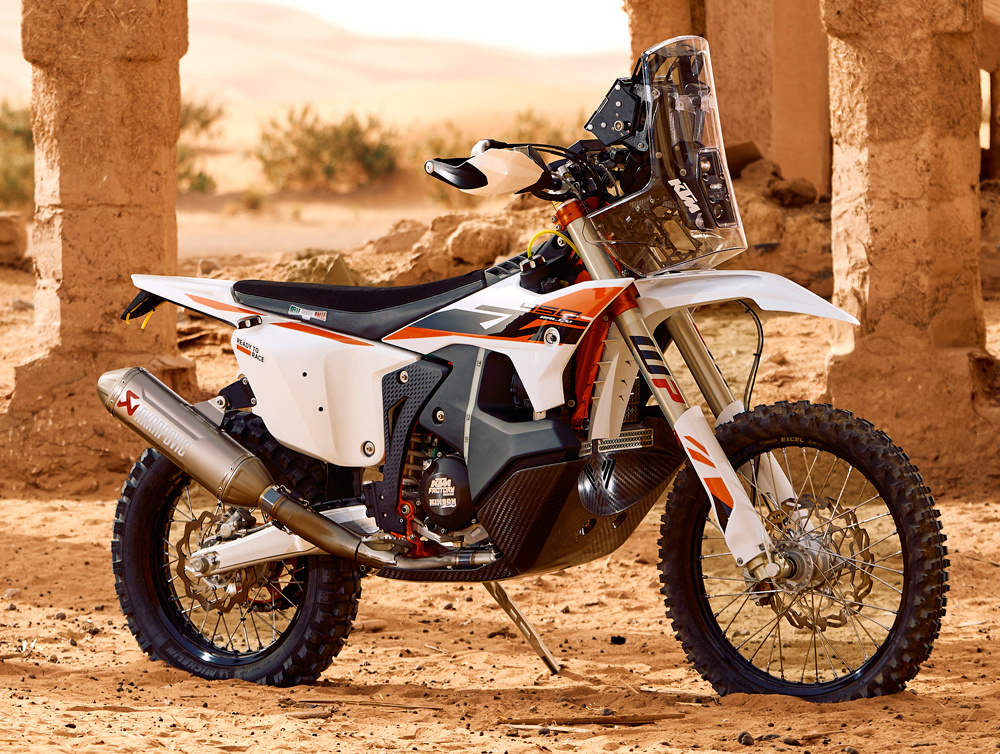
The KTM 450 Rally is the Dakar benchmark. KTM dominated the event for 18 consecutive years, and the factory machine remains the most successful rally bike ever built.
Key traits:
- ~450cc single-cylinder engine
- Tall, stable chassis for high-speed dunes
- Large fuel capacity (~30 liters / 7.9 gallons)
- Advanced navigation tower with roadbook, instruments
KTM’s success is so deep that nearly every privateer rides some derivative of the 450 Rally platform.
2. Honda CRF450 Rally
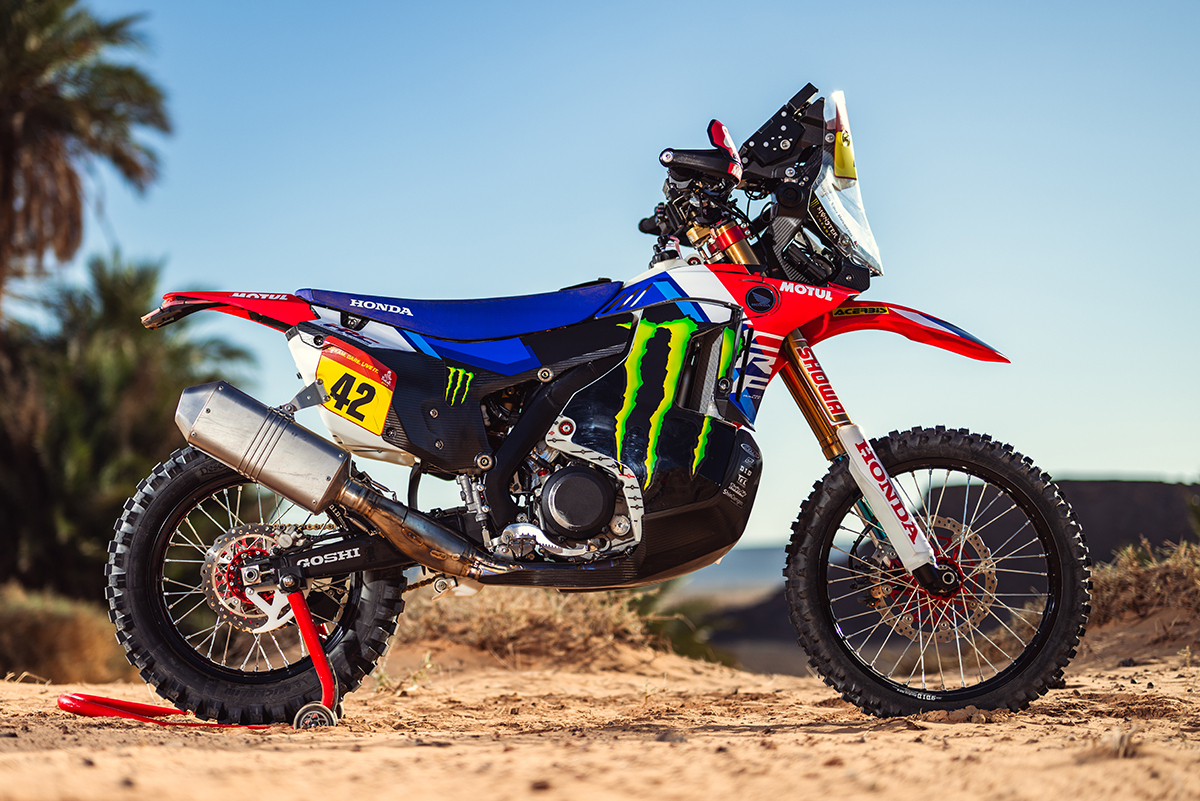
Honda returned to Dakar with a vengeance, breaking KTM’s long winning streak. Their CRF450 Rally is one of the most advanced machines on the grid.
Key traits:
- Fuel-injected 450cc engine
- Slim carbon-fiber navigation tower
- Lower weight distribution for technical sections
- A proven winner in modern Dakar stages
Honda’s factory team remains KTM’s biggest rival.
3. Husqvarna FR 450 Rally
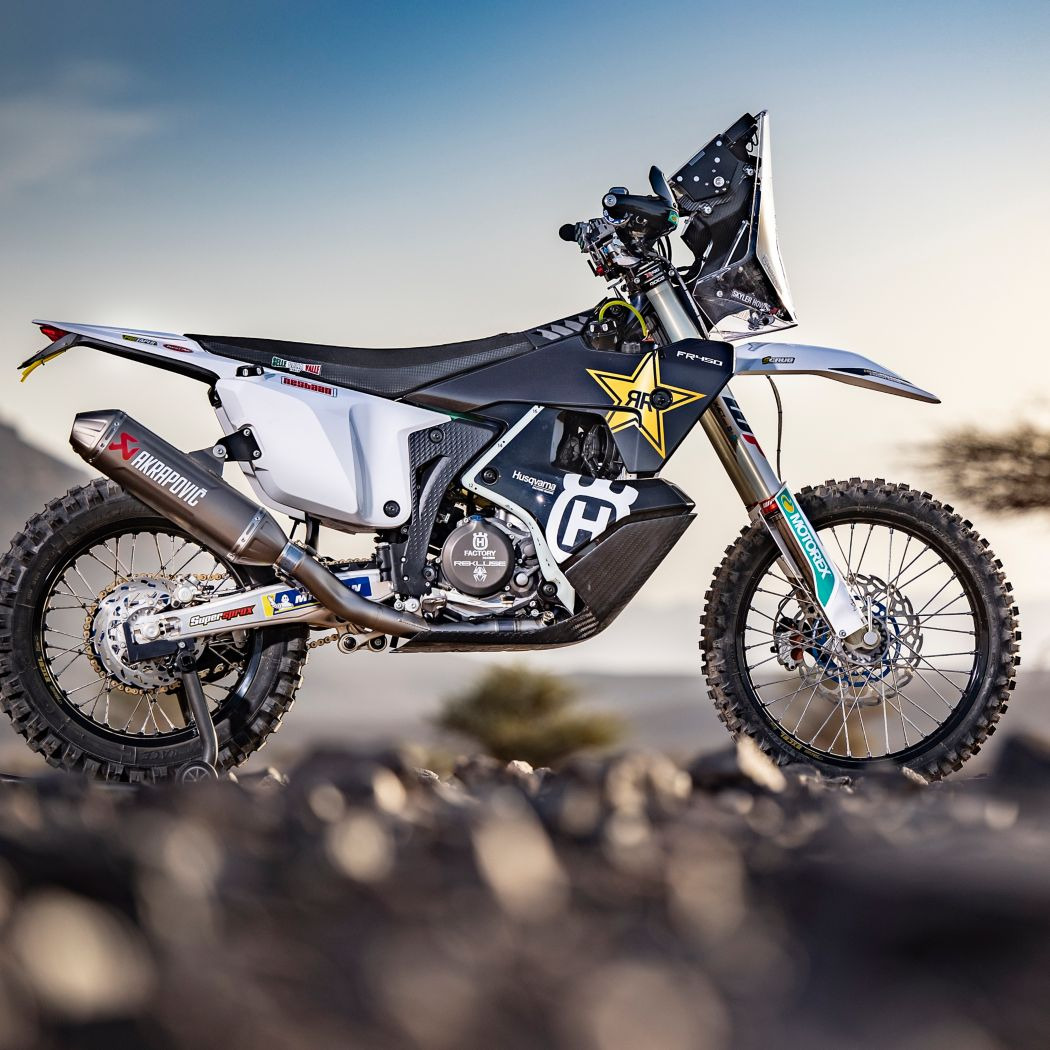
Husqvarna, owned by KTM’s parent company, fields a machine closely related to the KTM 450 Rally — but with Husky-branded engineering and suspension tuning.
Key traits:
- Derived from KTM Rally platform
- Different ergonomics and bodywork
- Heavily used by elite riders
Functionally, it’s a KTM Rally with Husqvarna characteristics.
4. GasGas RX 450F Rally
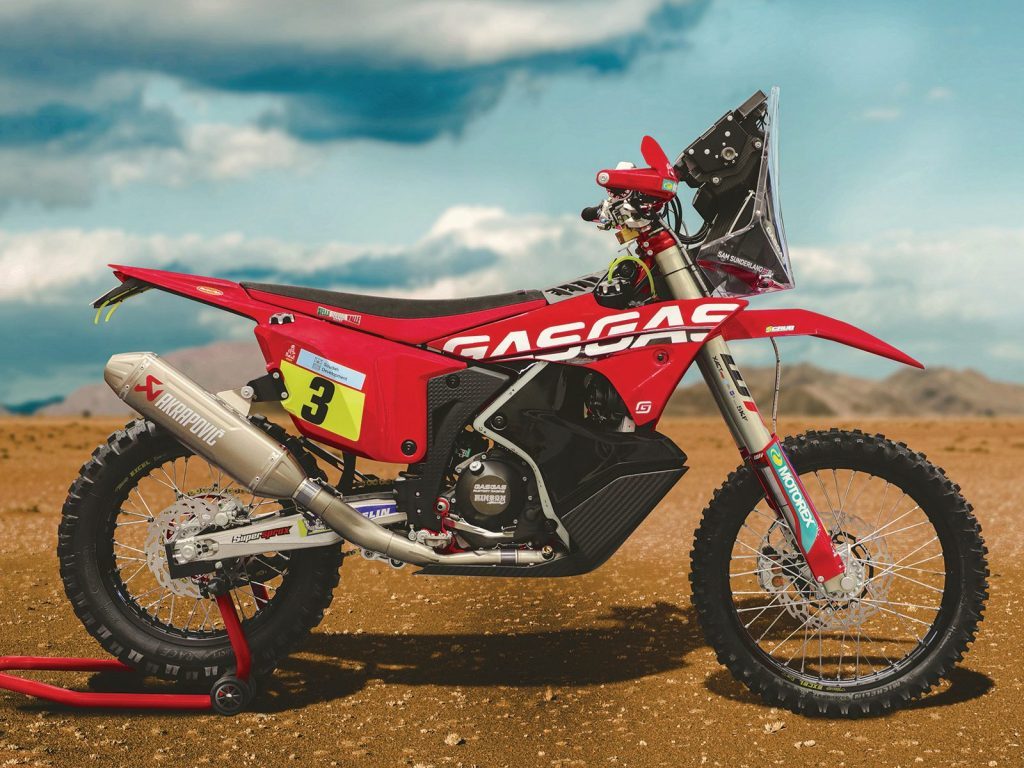
GasGas — also part of the Pierer Mobility Group — uses a rally bike closely tied to the KTM/Husqvarna platform. In 2022, GasGas famously won Dakar with Sam Sunderland.
Key traits:
- Same rally frame lineage as KTM/Husky
- Redesigned bodywork and ergonomics
- A proven Dakar winner
5. Yamaha WR450F Rally (Discontinued Factory Program)
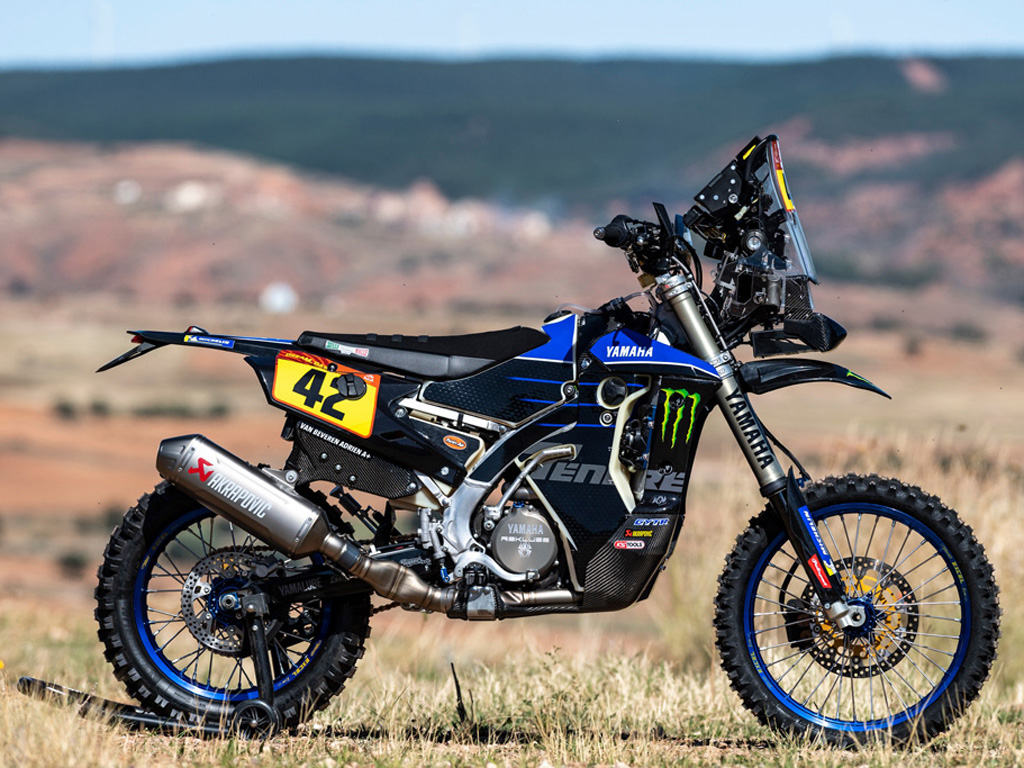
Until 2022, Yamaha fielded a factory WR450F Rally with a completely different approach, using a rearward-tilted 450 engine and distinctive suspension geometry.
Key traits:
- Based loosely on the WR450F enduro
- Carbon-fiber tower and tanks
- Historically strong in technical stages
Yamaha withdrew its factory team but privateers still enter with modified WR450Fs.
6. Hero 450RR (Hero MotoCorp)
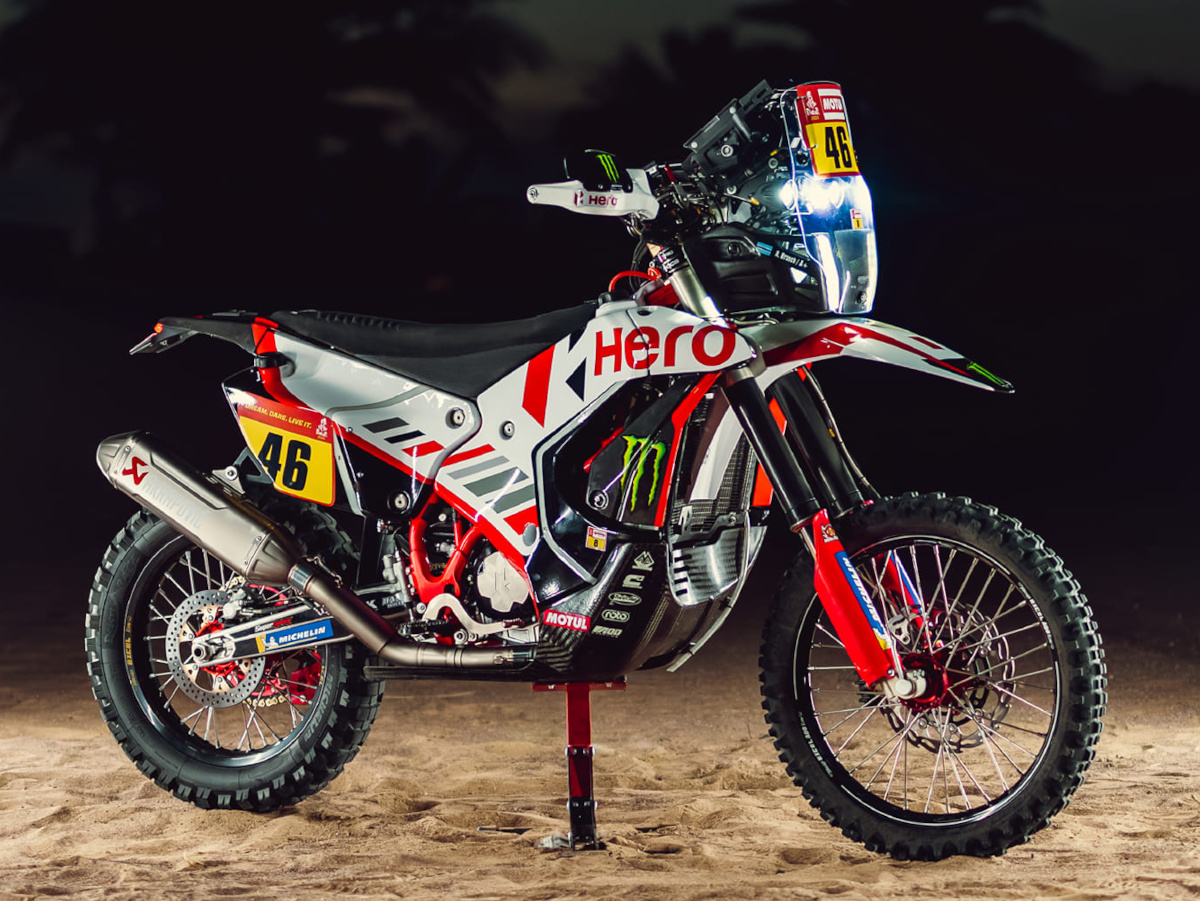
Hero has rapidly become a serious contender, claiming stage wins and podiums in recent years.
Key traits:
- Indian-built factory rally machine
- Strong reliability record
- Increasingly competitive against KTM/Honda
Hero’s momentum in factory rally racing is one of the most exciting developments in modern Dakar.
7. Sherco 450 SEF Rally
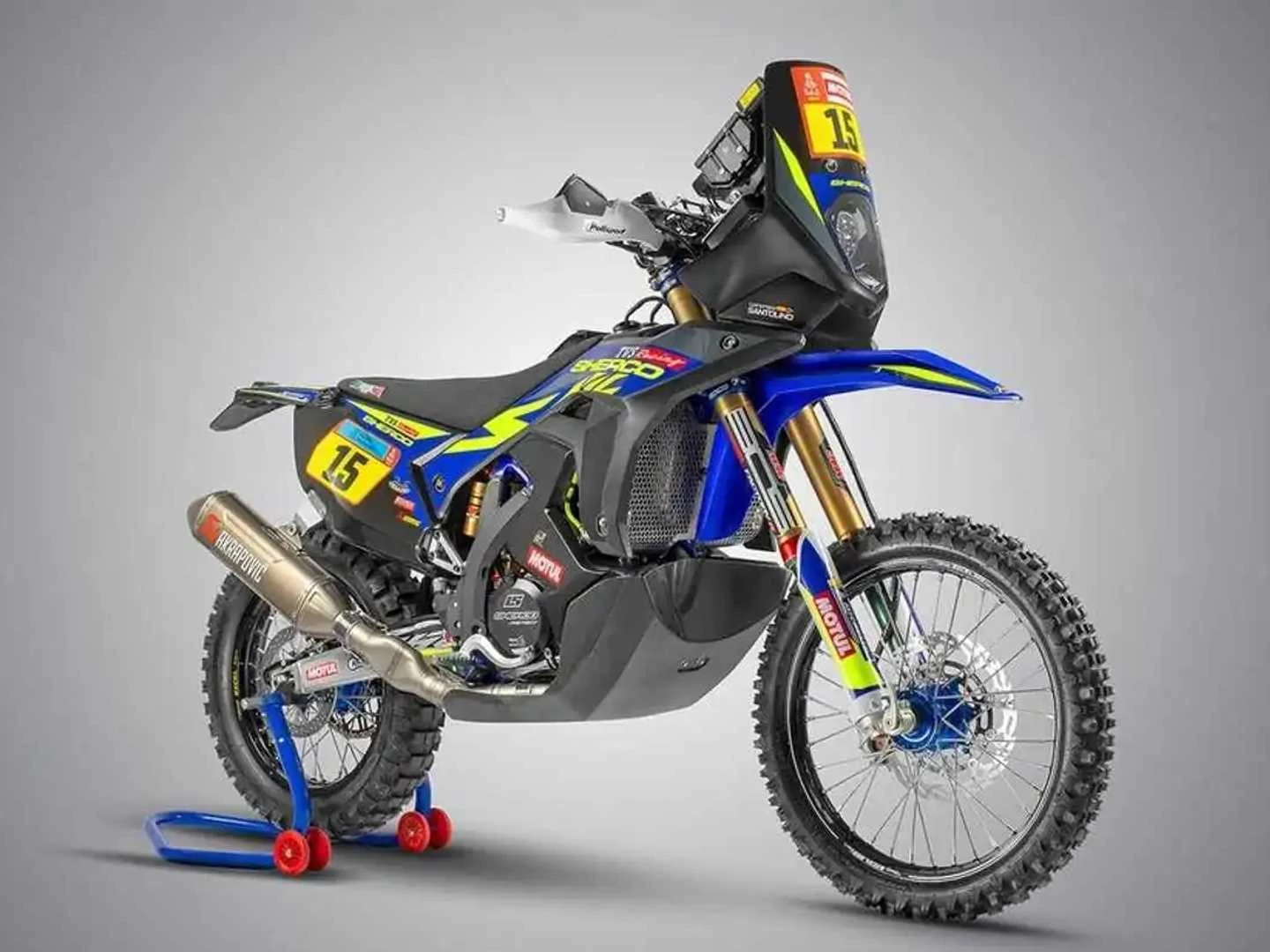
The French company Sherco fields a compact, nimble 450cc rally platform popular with technical riders.
Key traits:
- Lighter feel than some competitors
- Great in rocky, technical terrain
- Factory-backed European team presence
Sherco bikes often excel in more technical stages where agility matters.
8. Kove 450 Rally
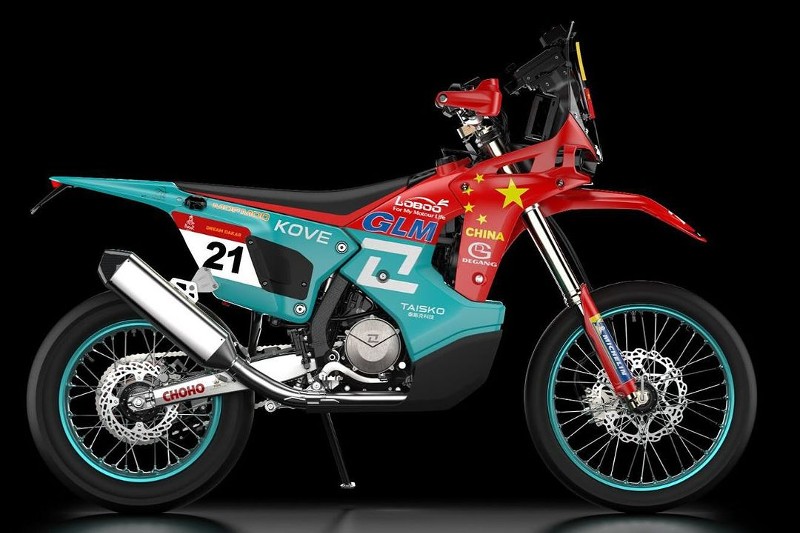
The Chinese manufacturer Kove stunned the rally world when it entered Dakar with a full three-bike factory effort — and all three machines finished the race on the company’s first attempt. This achievement earned global respect and signaled the arrival of a serious new player in rally racing.
Kove’s 450 Rally is now one of the most accessible purpose-built rally bikes available to privateers, offering impressive performance at a comparatively low cost.
Key traits:
- 450cc DOHC single-cylinder engine
- Lightweight chassis engineered specifically for rally use
- Competitive suspension and rally-ready geometry
- Factory-designed navigation tower and multi-tank fuel system
- Strong reliability demonstrated in its debut Dakar completion
Kove is now aggressively developing the platform, and its affordability has made the 450 Rally a breakout hit among aspiring rally racers and adventure riders.
What Makes a Dakar Rally Bike Different?
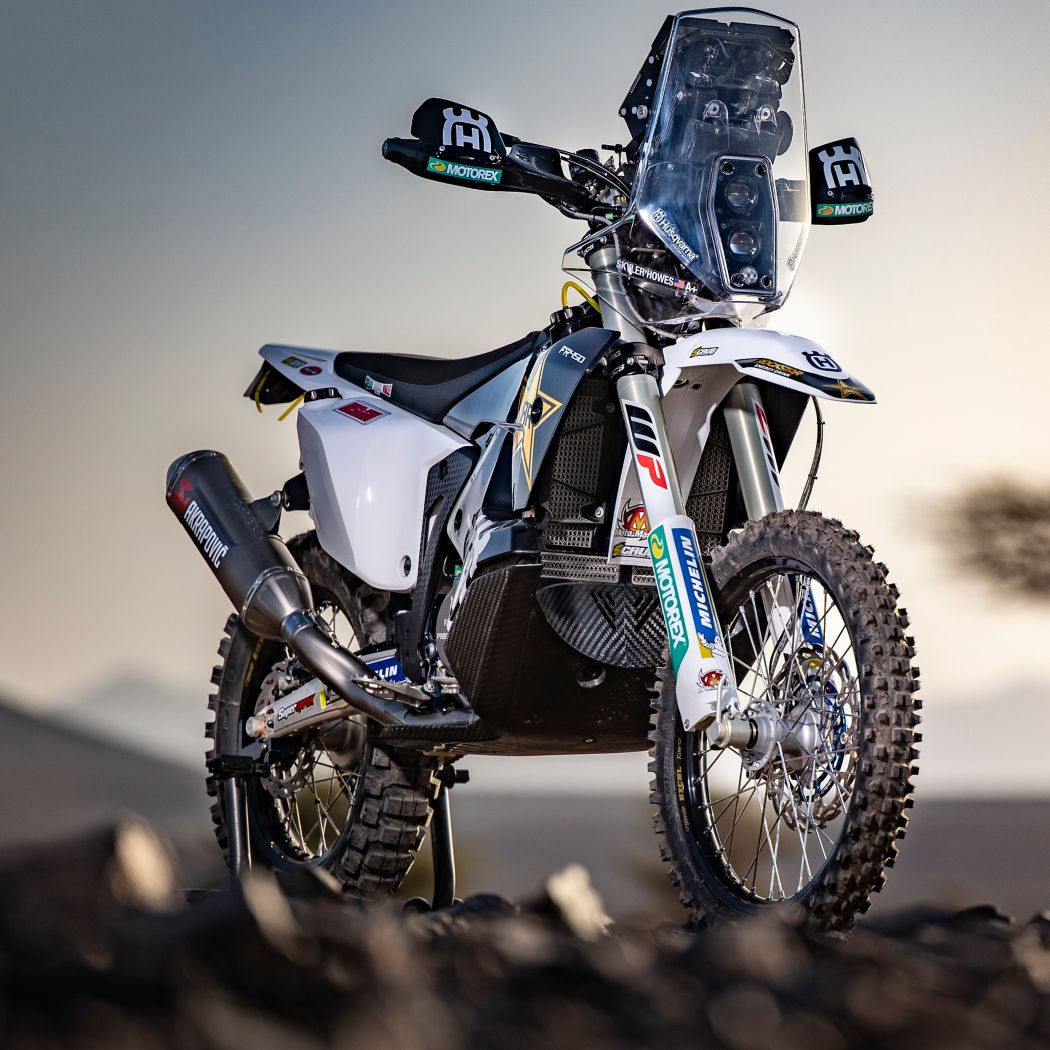
Dakar motorcycles look like futuristic desert enduros — but they’re far more specialized. Key features include:
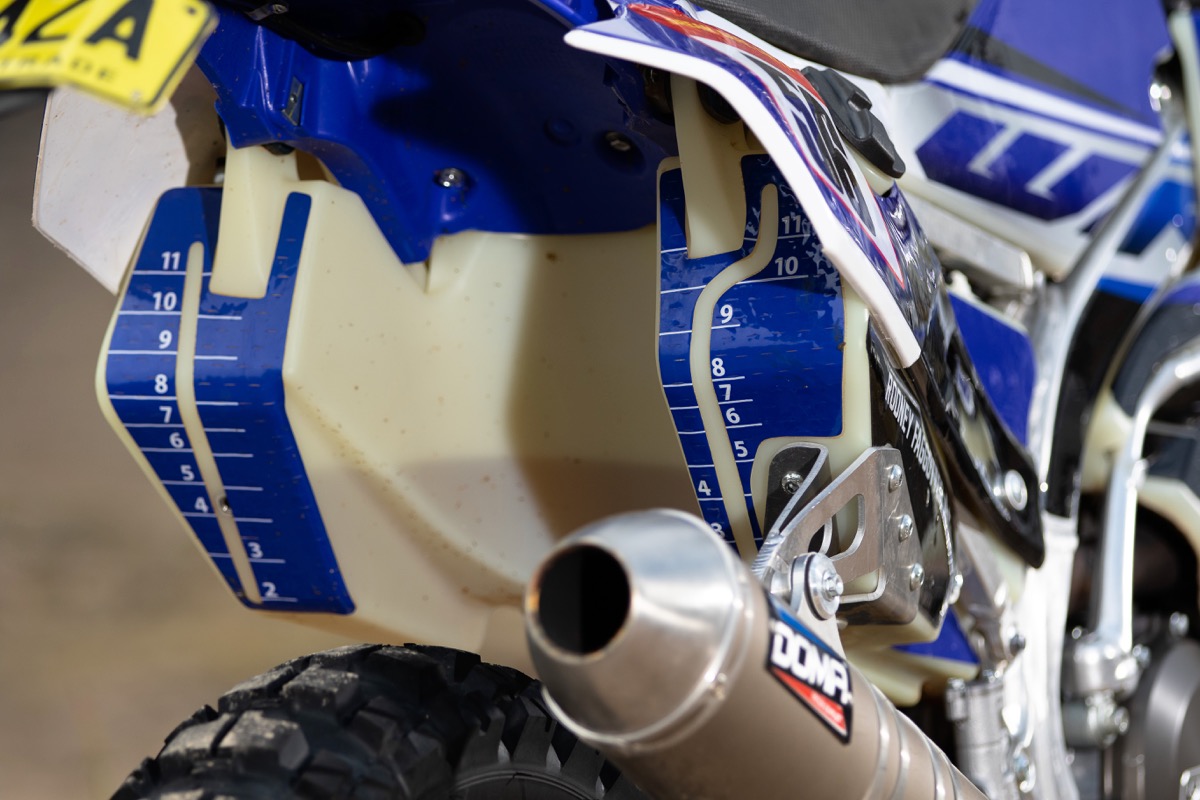
1. Enormous Fuel Range: Rally bikes carry 25–35 liters of fuel across multiple tanks. Long special stages demand ranges of 150–250 miles.
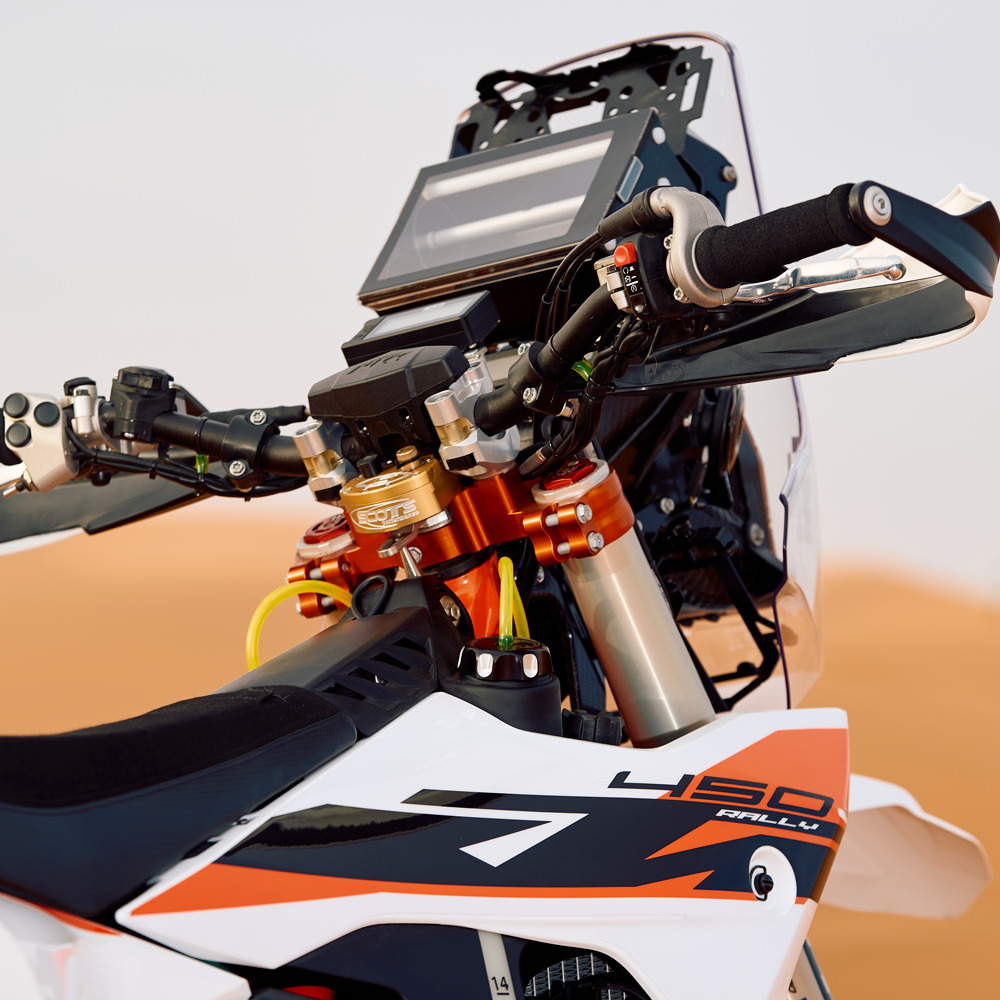
2. Rally Navigation Tower: A complex dashboard includes:
- Roadbook reader or digital roadbook
- ICO tripmasters
- GPS repeater
- Switchgear for scrolling and marking notes
Navigation is a core skill in rally racing.
3. Robust Cooling & Endurance Engineering: The bikes must survive:
- 110°F+ dunes
- 8–10 hours of riding per day
- Zero shade
- Heavy sand load on the engine
Oversized radiators, oil coolers, and airflow solutions are critical.
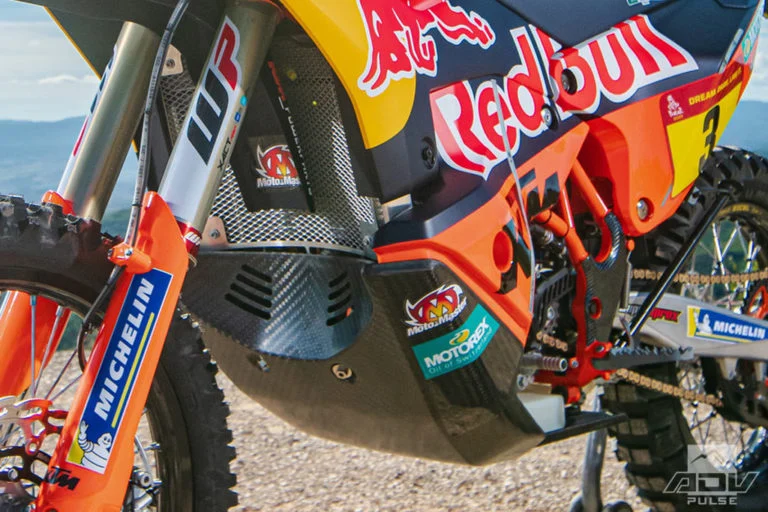
4. High-Speed Stability at 100+ mph: Rally bikes are built to cruise at 80–100 mph over uneven desert terrain. Long-legged gearing allows riders to stretch speeds across massive straightaways.
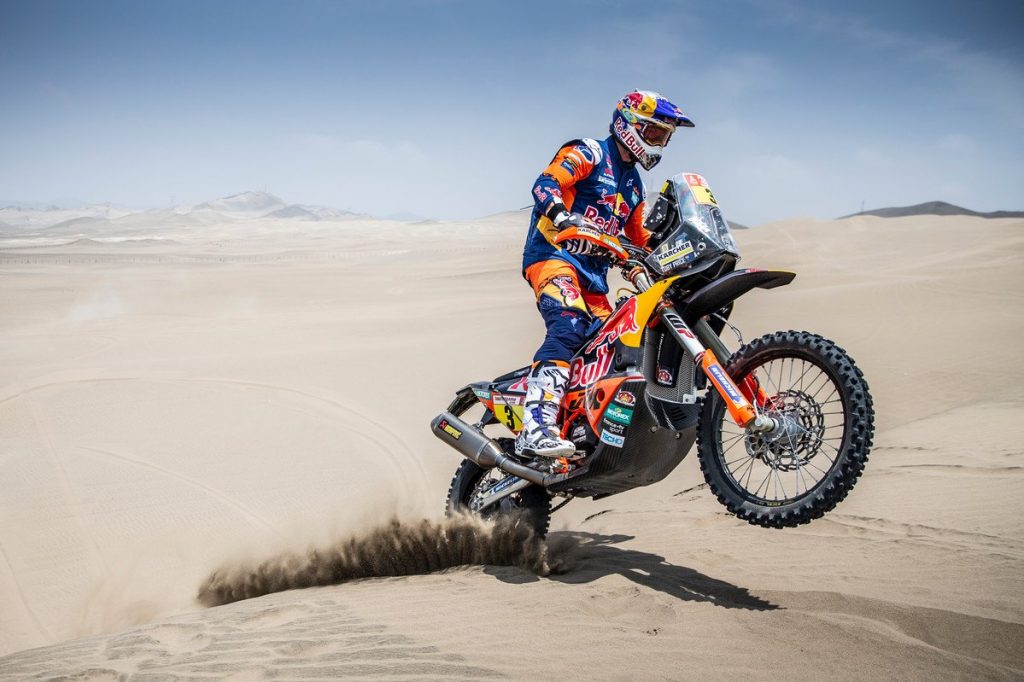
5. Heavy-Duty Suspension
- 30 cm+ (11.8+ inches) of travel
- Tuned for dunes, stone fields, and camel grass
- Must remain predictable even when fully loaded with fuel
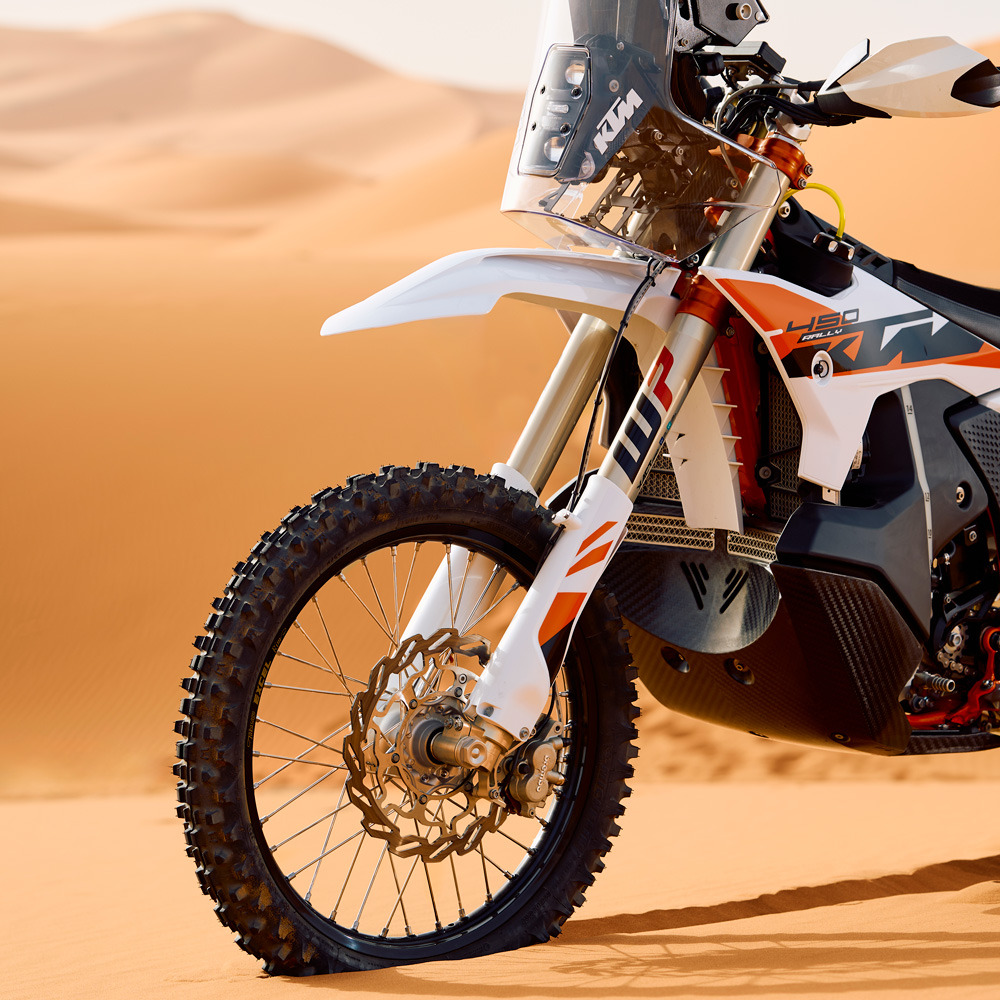
🚫 Why No Big-Bore Bikes? (Death of the 950s and 690s)
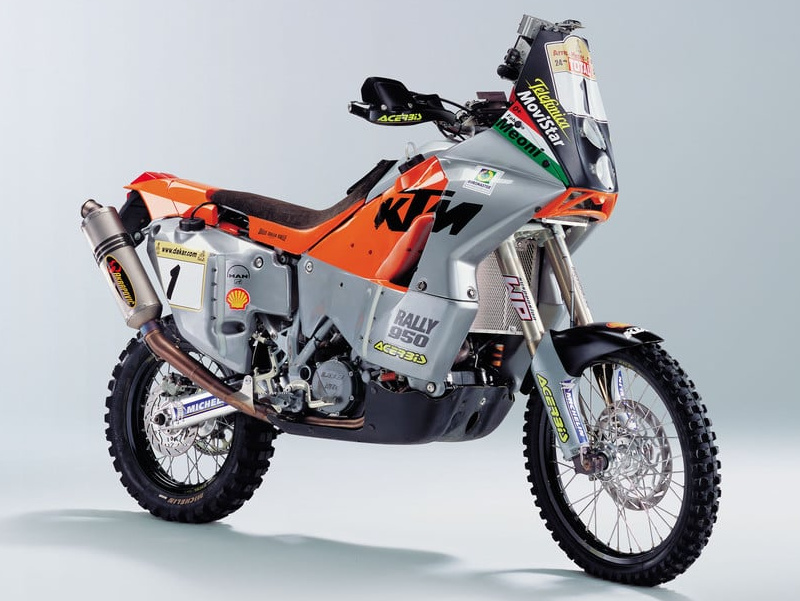
Before 2011, Dakar bikes included:
- KTM 690 Rally
- KTM 950 Rally
- BMW F650RR
- Yamaha 660 Rallye
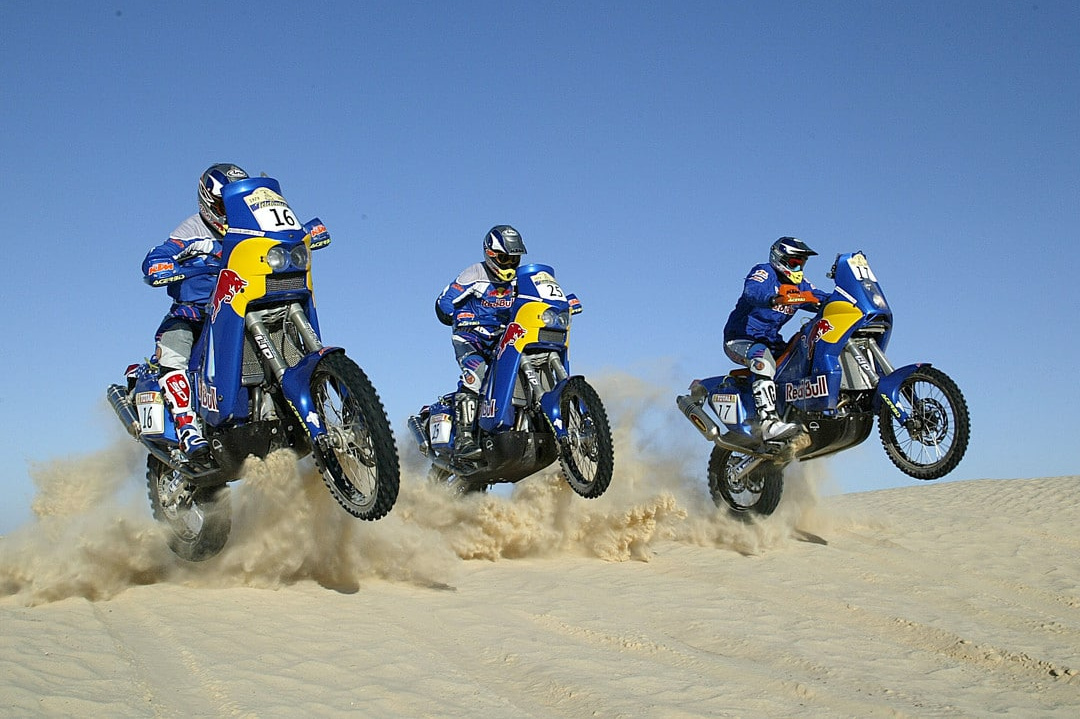
These were monsters — powerful, heavy, and dangerously fast. Average speeds became too high, causing safety concerns. Thus, the 450cc rule was introduced to slow speeds and increase survivability. Even so, today’s 450s still reach 100–115 mph in open desert.
Dakar Rally Bike Specs (Typical Factory RallyGP 450)
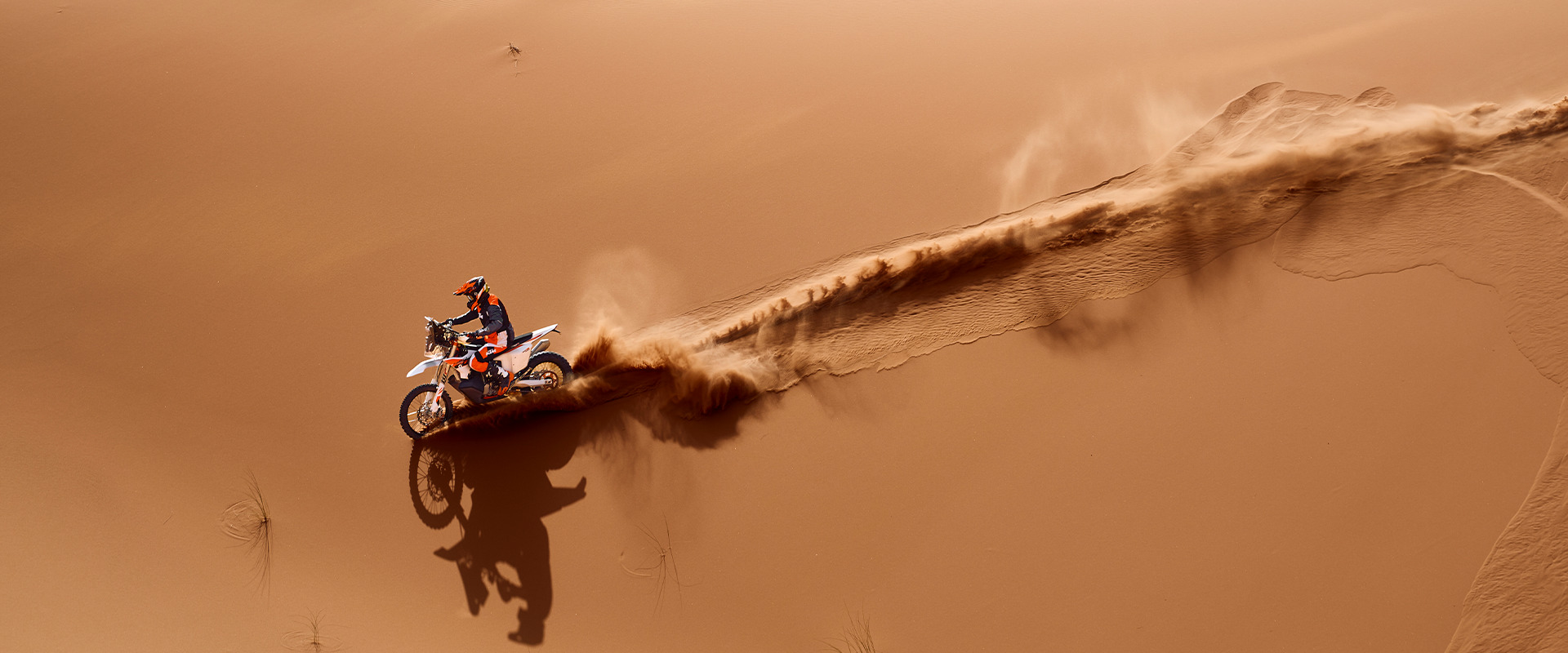
Engine: 450cc FI single, ~55–60 hp
Fuel Capacity: 28–33 liters
Weight: ~140–150 kg (309–331 lbs)
Top Speed: 100–115 mph (depending on gearing)
Suspension Travel: 300mm front / rear
Navigation: Roadbook tower + digital instrumentation
Chassis: Trellis or aluminum frame with large skid plate
Privateer Bikes vs. Factory Bikes
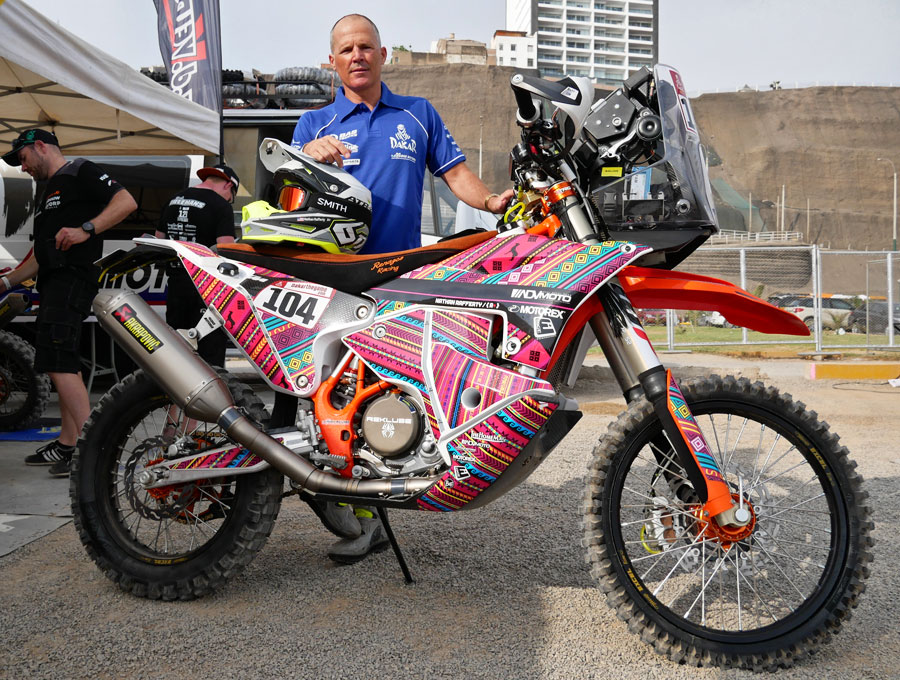
While factory machines are custom-built from the frame up, privateers often ride:
- KTM 450 Rally Replica
- Husqvarna FE 450 Rally conversions
- Honda CRF450RX rally builds
- Yamaha WR450F rally builds
The KTM Rally Replica is the most popular privateer choice.
Built to Survive…
Dakar Rally motorcycles are unlike anything else in motorcycling — purpose-built desert endurance weapons engineered for survival, navigation, and sustained high-speed punishment. Every detail, from the carbon fiber fairings to the triple fuel tanks, is designed to help riders conquer the world’s most demanding off-road race.
Whether you cheer for KTM, Honda, Hero, Sherco, or the privateers who fight through the desert with grit and determination, one thing is clear: There is no motorcycle race in the world like Dakar.
Dakar Legends
Below you’ll find our features of some of the most iconic Paris-Dakar motorcycles in the rally’s history. Many of these bikes served as testbeds for technologies that trickled down to today’s production bikes.
 2WD Dakar Legend: Yamaha WR450F 2-Trac - Remembering Yamaha x Öhlins’ Hydraulic 2WD Enduro… Every so often, a motorcycle appears that seems to point toward an entirely different future. The Yamaha WR450F 2-Trac was one of those machines. At first glance, it […]
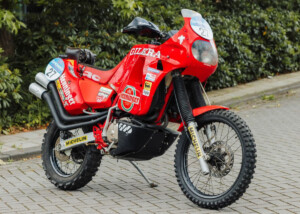 Dakar Legends: Gilera RC600 & RC750 Rallye - Italy’s Big Thumper in the Twin-Cylinder Era… By the late 1980s, the Paris-Dakar Rally was no longer a romantic expedition but an escalating arms race among the major manufacturers. Twin-cylinder prototypes were growing larger and […]
 Desert Bomber: BMW R80G/S Paris-Dakar Rally Bike - The Boxer That Changed the Desert Forever… In 1981, the Paris-Dakar Rally was still raw — more expedition than sport, more survival than spectacle. Riders crossed the Sahara on machines that were barely adapted from […]
 Desert Boxer: BMW R900RR Dakar Rally Bike - Dakar Legends: Last Roar of the Desert Bombers… In the late 1990s and early 2000s, BMW found itself at a turning point in rally-raid racing. The boxer twin had already written one of the most […]
 The Honda EXP-2: The Two-Stroke Desert Racer - Honda’s 400cc “Experimental 2-Stroke” Baja 1000 / Dakar Rally Bike… In the mid-1990s, as emissions regulations tightened worldwide and the future of two-stroke off-road bikes looked increasingly uncertain, Honda did something nobody expected: it built […]
 Dakar Legends: BMW F650RR Rally Bike - BMW F650RR: Grandfather of the Modern Rally Bikes… In the late 1990s, BMW quietly executed one of the most important strategic pivots in rally history. They developed and unleashed the BMW F650RR — a lean, […]
 The Four-Cylinder Dakar Bike: Yamaha FZ750 Ténéré - The Yamaha FZ750 Ténéré (0U26): Yamaha’s Radical Dakar Experiment… Before Super Ténéré, before big twins ruled the desert, before Dakar logic fully settled in, there was the sportbike-powered FZ750T. The 1986 Yamaha FZ750 Ténéré (0U26) […]
 Lucky Explorer: Cagiva Elefant Paris-Dakar Rally Bike - The Italian Powerhouse That Conquered Dakar… The Cagiva Elefant occupies a unique place in Paris-Dakar history. Where other manufacturers leaned on clinical efficiency or engineering conservatism, Cagiva brought Italian audacity to the table: massive V-twin […]
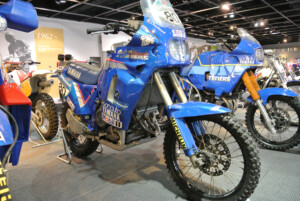 Dakar Legends: Yamaha YZE750T Super Ténéré - The Bike That Built a Dakar Dynasty… The Yamaha YZE750T Super Ténéré is one of the most important motorcycles in rally-raid history. Purpose-built from the ground up for the Paris-Dakar Rally, it was the machine […]
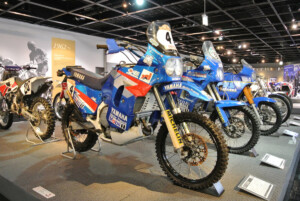 Desert Freight Train: Yamaha XTZ850R Paris-Dakar Rally Bike - The big twin that ruled the desert at the height of the Paris-Dakar era… In the early and mid-1990s, Yamaha dominated the Paris-Dakar Rally, the toughest off-road endurance race on the planet. At the heart […]
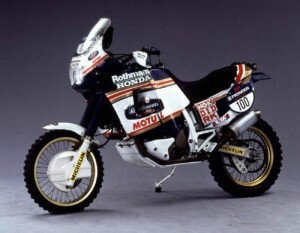 Desert Queen: Honda NXR750 Paris-Dakar Rally Bike - Honda’s NXR750: Queen of the Desert… Few motorcycles in history can claim to have dominated the most brutal race on earth the way Honda’s NXR750 did. Built specifically to conquer the Paris-Dakar Rally, the NXR750 […]


