
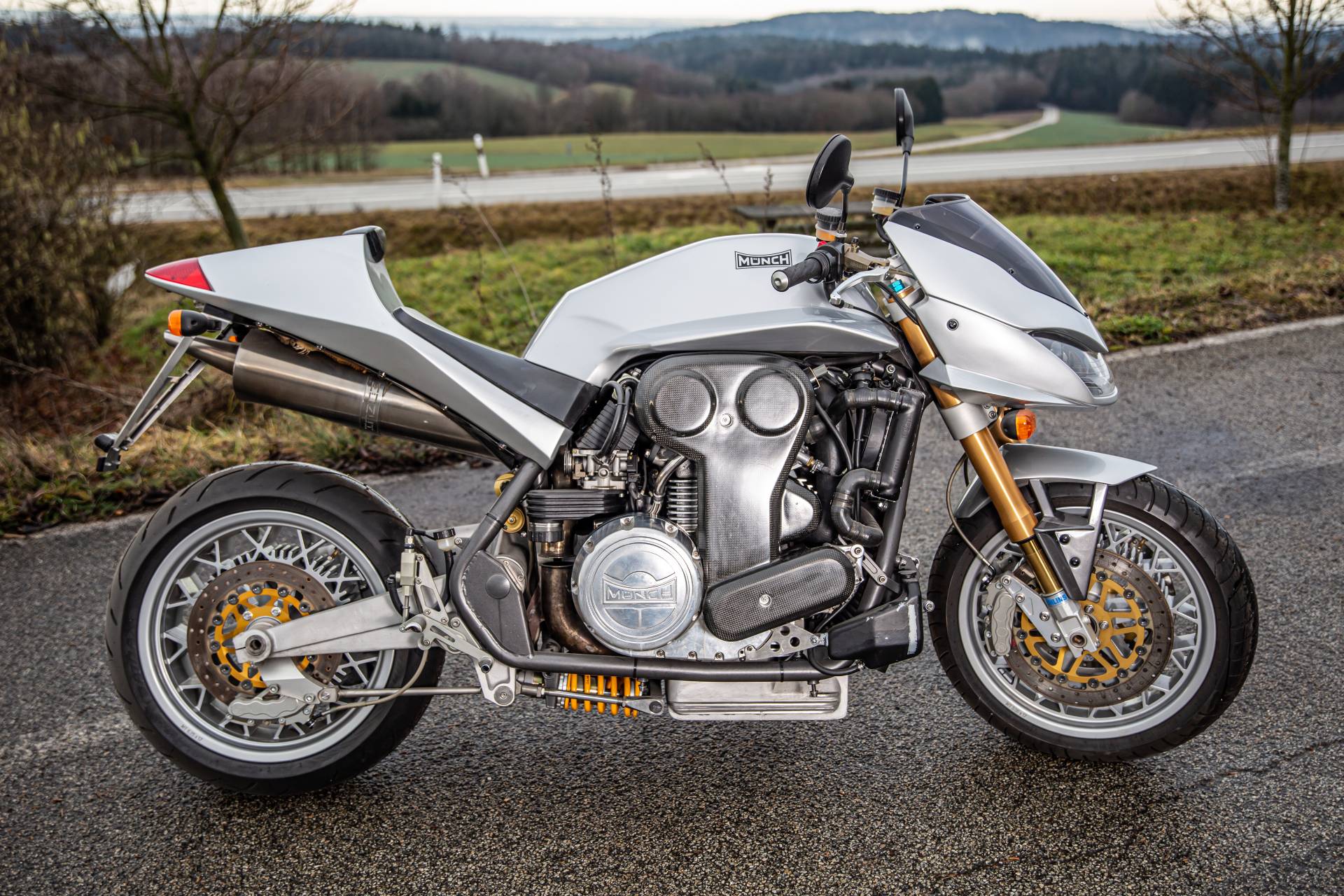
 Übermoto: 2000cc, Turbocharged, 260 horsepower, and 218 lb-ft of torque…
At the turn of the millennium, the motorcycle world was engaged in an escalating superbike arms race. The Suzuki Hayabusa and Kawasaki ZX-12R were pushing production motorcycles toward 200 mph, while Yamaha’s YZF-R1 had demonstrated just how much performance could be packaged into a relatively light liter-class machine.
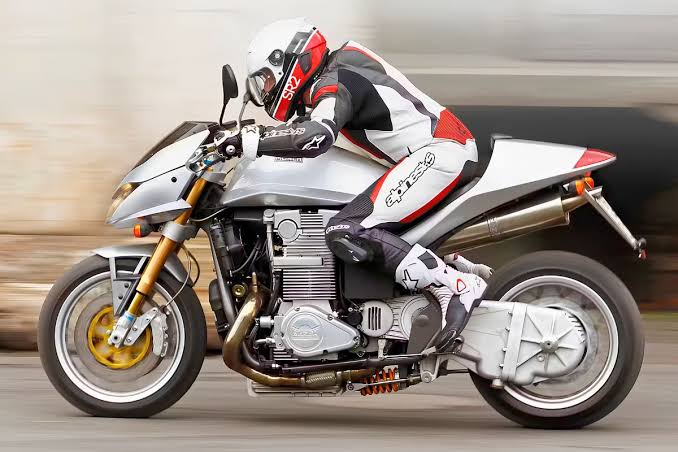
Friedel Münch and German entrepreneur Thomas Petsch took a rather different approach. Their motorcycle — the Mammut 2000 — displaced 1998cc. Its inline-four was turbocharged and intercooled, developing a claimed 260 metric horsepower and 295 Nm / 218 lb-ft of torque. It weighed about 380 kilograms / 838 pounds fully fueled, used eight-piston front brake calipers, and was appropriately named the “Mammut” after the German word for Mammoth.
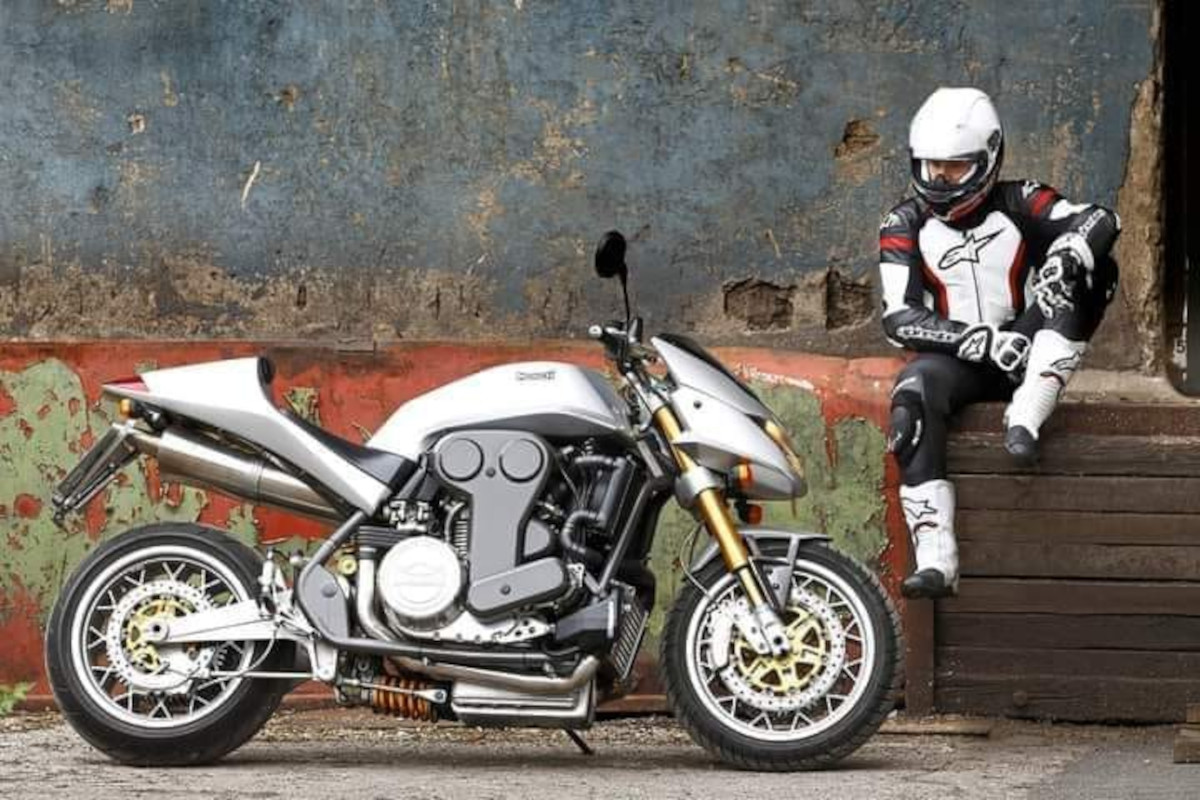
It cost around 170,000-176,000 Deutsche Marks, depending on when you asked — approximately €86,000 by the time production began. The plan was to build 250. Only 15 were completed during the original production program.
The Münch Mammut 2000 was one of the largest, most powerful, most expensive, and most ambitious production motorcycles of its era. And like the original Münch motorcycles of the 1960s and ’70s, it began with a simple idea: If motorcycle engines aren’t powerful enough, why not start with a car engine?
Friedel Münch and the Original Mammut
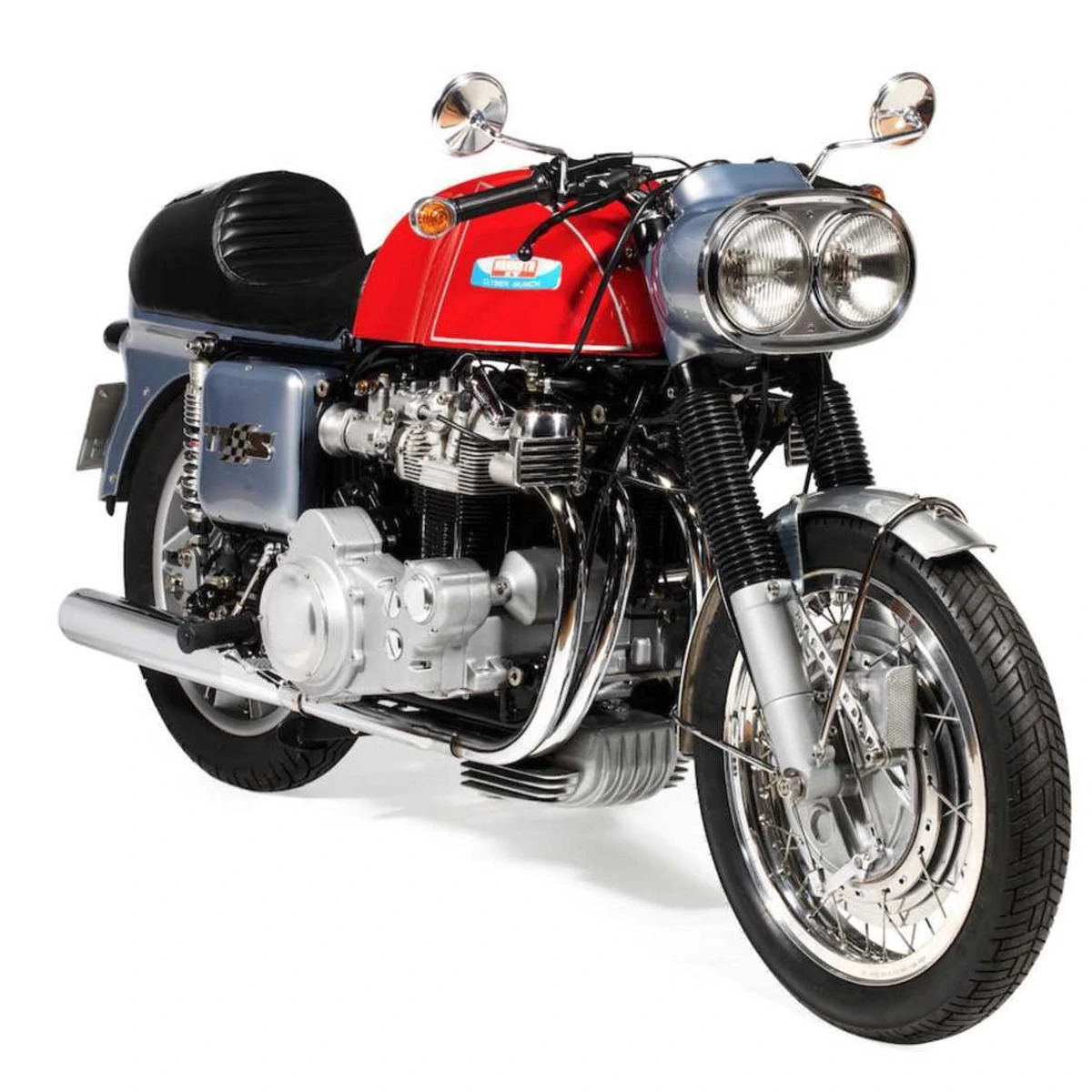
Friedel Münch had been pursuing that idea for more than three decades. In 1966, the German engineer unveiled a motorcycle powered by the air-cooled four-cylinder engine from the NSU Prinz automobile. The original engine displaced roughly one liter and produced around 55 horsepower in road trim — a substantial figure at a time when machines such as the BMW R69S and Honda CB450 represented serious high-performance motorcycles.
But Münch didn’t simply remove an engine from a car and wedge it between two motorcycle wheels. He designed the chassis around it, developed his own enormous front brake, fabricated lightweight components, and continued improving the concept.
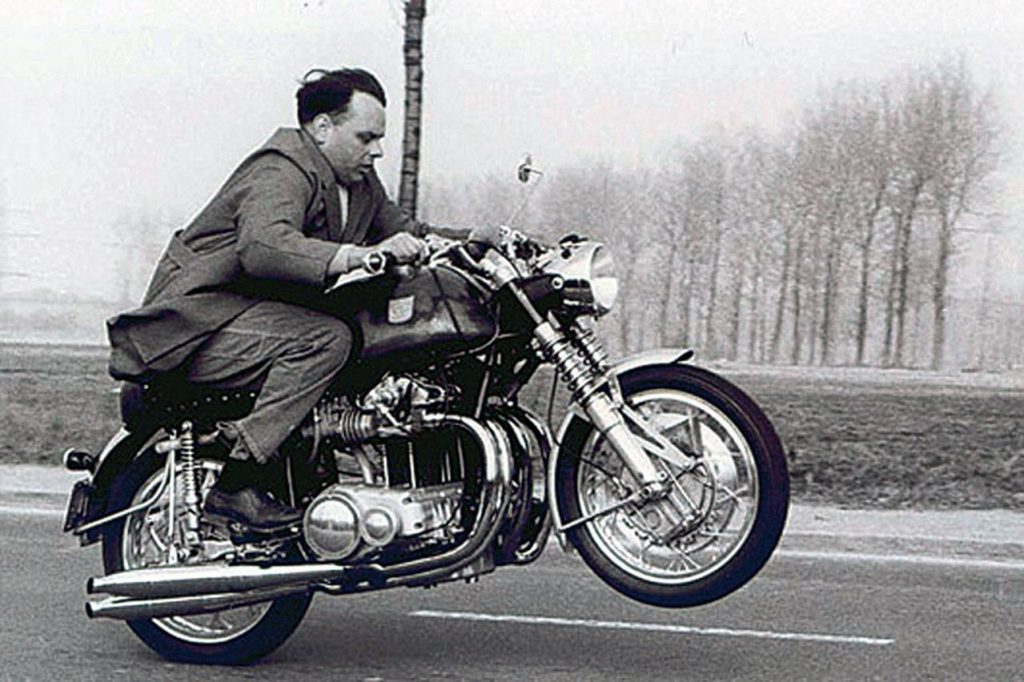
By 1968, the Münch 4 TTS 1200 used the larger 1177cc NSU engine, tuned to roughly 88 horsepower. The engine’s torque was enough to cause problems with conventional rear-wheel spokes, so Münch developed his own cast magnesium rear wheel. Magnesium appeared elsewhere on the motorcycle as well, while the fuel tank and other pieces were formed from aluminum.
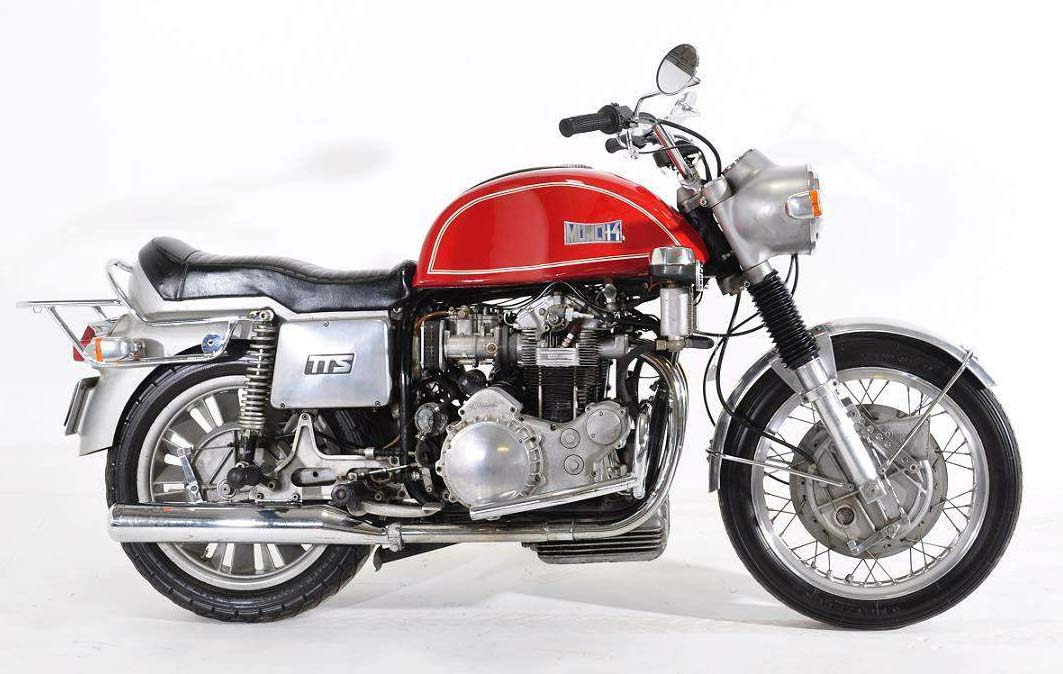
The machines were enormous, expensive, fast, and built in tiny numbers. In other words, they established a formula. A Münch was not supposed to compete with ordinary motorcycles on ordinary terms. It was supposed to represent what could be built if displacement, cost, complexity, and conventional thinking were treated as negotiable. Decades later, Münch would get the chance to apply that philosophy again.
Bringing Back the Mammut…
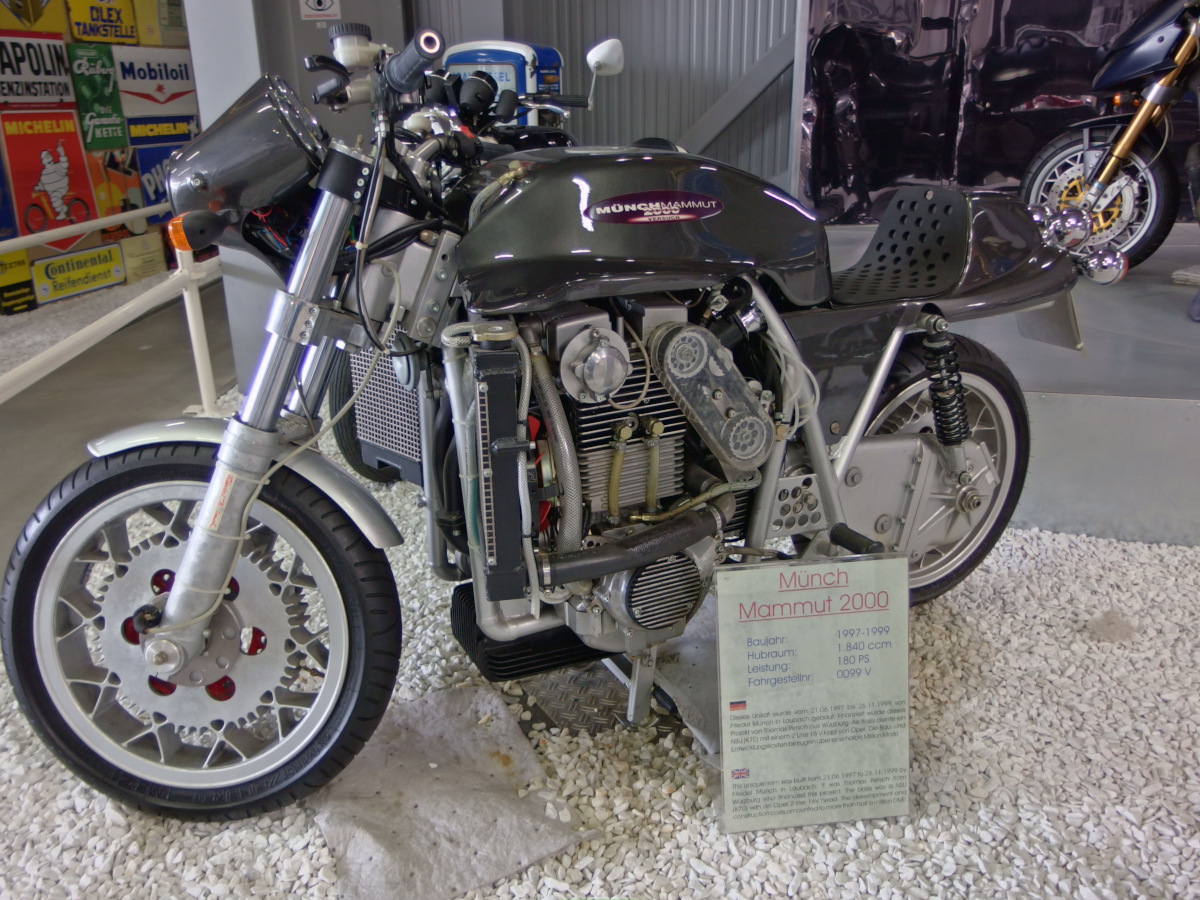
The Mammut 2000 project began in earnest after businessman and Münch enthusiast Thomas Petsch met Friedel Münch in 1997. Petsch was already an owner and admirer of the earlier machines. According to period MOTORRAD reporting, a chance conversation with a fellow passenger on a flight led to an introduction, and Petsch soon found himself visiting Münch at his workshop in Laubach.
Münch had suffered a serious stroke in 1991, but his enthusiasm for building one more extraordinary motorcycle remained intact. Petsch acquired the rights to the Münch name, founded Münch Motorrad Technik GmbH, and put substantial engineering and financial resources behind the idea.
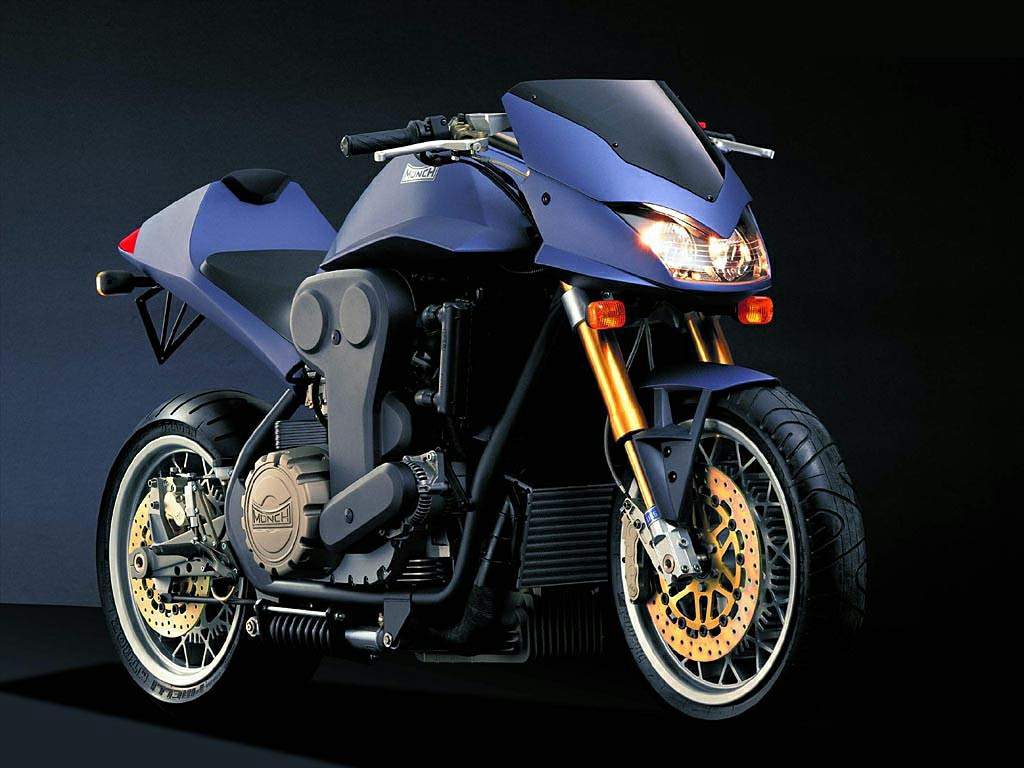
The goal was not to build a retro motorcycle resembling a 1970s Mammut, but to recreate the concept. The original Münch had used an automobile engine because it offered levels of displacement and performance unavailable from contemporary motorcycle powerplants. The Mammut 2000 would do the same thing with the best technology available at the end of the century.
Development was anything but simple. By late 2001, MOTORRAD reported that around 15 engineers had worked on the project in Poland for three years and that investment had reached approximately 25 million Deutsche Marks. Final assembly of customer machines was planned through Sachs in Nuremberg. At the center of all that work was an extraordinary engine.
Two Liters and a Turbocharger
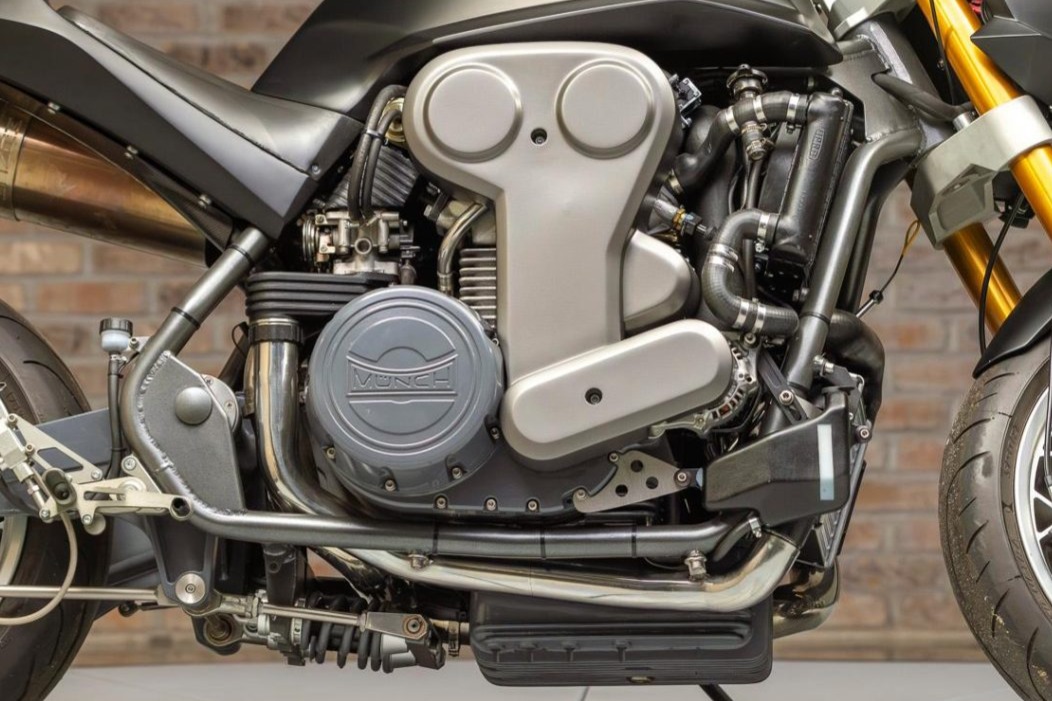
The Mammut 2000 used a liquid-cooled, 1998cc transverse inline-four with an 86 x 86mm bore and stroke. It is often described simply as an Opel car engine, and there is truth behind that description, but it understates how extensively the powerplant was developed for the motorcycle.
The architecture drew on Opel’s two-liter automotive four-cylinder and a 16-valve cylinder head developed by Cosworth. However, period technical accounts describe a purpose-built aluminum engine block, magnesium-alloy oil sump, and a host of motorcycle-specific components. The gearbox, clutch, intake, cooling system, exhaust, and engine installation all had to be engineered specifically for the Mammut. Induction came through electronic fuel injection, while a Schwitzer turbocharger and intercooler supplied the boost.
The official result was 191 kW, or 260 metric horsepower, at just 5700 rpm. In conventional mechanical horsepower that’s roughly 256 hp, though 260 horsepower is the figure by which the Mammut became widely known. Even more remarkable was the torque. Münch officially quoted 295 Nm at only 3500 rpm — that’s approximately 218 lb-ft!
For comparison, the important thing isn’t necessarily to pit that figure against a contemporary Hayabusa or ZX-12R. Those motorcycles developed their performance through high-revving engines designed specifically for motorcycles. The Münch had the character of a large turbocharged automobile engine mounted in a motorcycle. That distinction became obvious the moment the turbocharger started working.
An Old-School Turbo
Period road testing suggests the Mammut’s power delivery was nothing like the carefully managed forced-induction motorcycles we know today. At low rpm, the two-liter engine was remarkably docile. Its substantial rotating mass allowed it to pull smoothly at extremely low engine speeds, with little vibration and none of the frantic character associated with a highly tuned motorcycle four.
Then the turbocharger woke up. MOTORRAD’s 2001 test described significant lag below roughly 3,000 rpm, followed by an abrupt surge as the Schwitzer turbocharger built boost. The pre-production machine was apparently running approximately 0.9 bar of boost and considerably more torque than the eventual official specification.
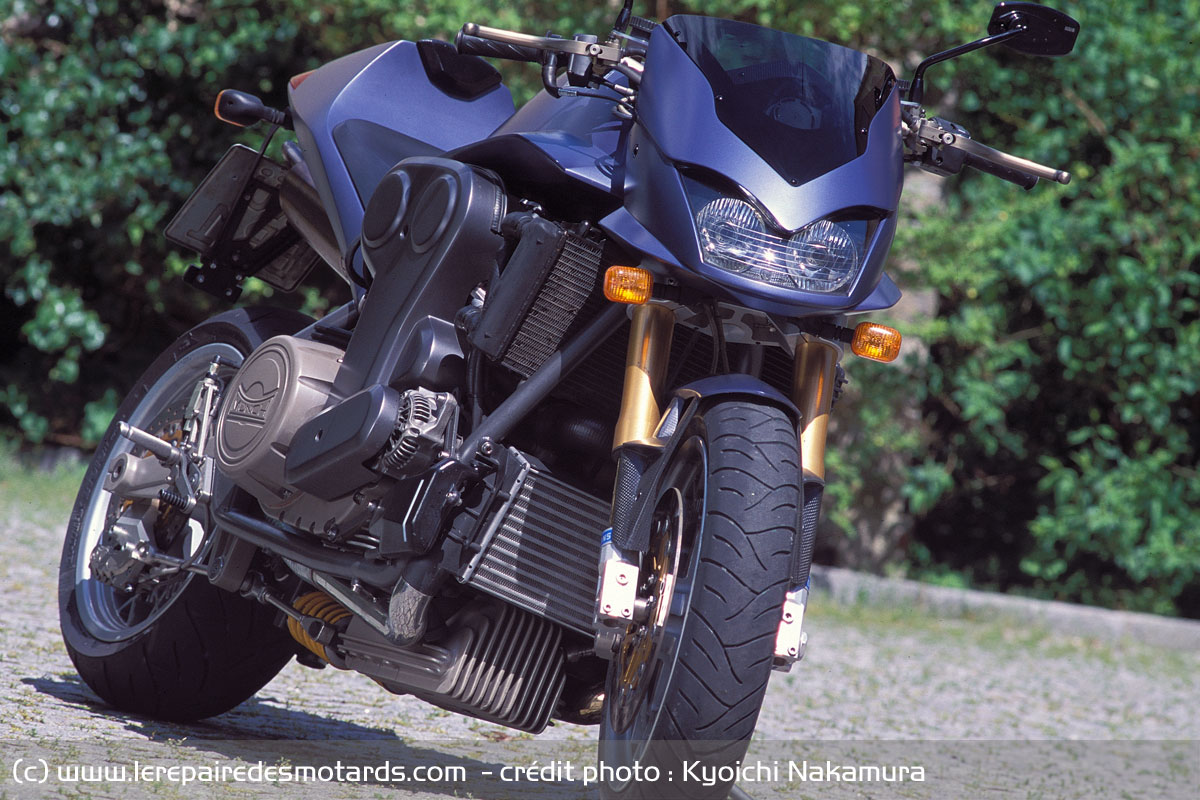
The magazine reported around 265 PS and a remarkable 380 Nm on its test machine. When the rider opened the throttle fully in third gear, the engine accelerated, boost arrived…and the rear tire started spinning. According to the test, wheelspin did not become reasonably manageable until fourth gear, by which point the motorcycle was already traveling above 180 km/h / 112 mph.
Those power figures should not be confused with the Mammut’s official production rating of 260 PS and 295 Nm, as the tested machine was a pre-production example and specification continued to evolve before customer manufacture began. But the test illustrates what made the Mammut so unusual. It wasn’t merely powerful. It delivered that power like an early turbocharged performance car: noticeable lag followed by a very large increase in torque over a relatively short range of engine speed…and no traction control to keep wheelspin in check.
838 Pounds of Motorcycle
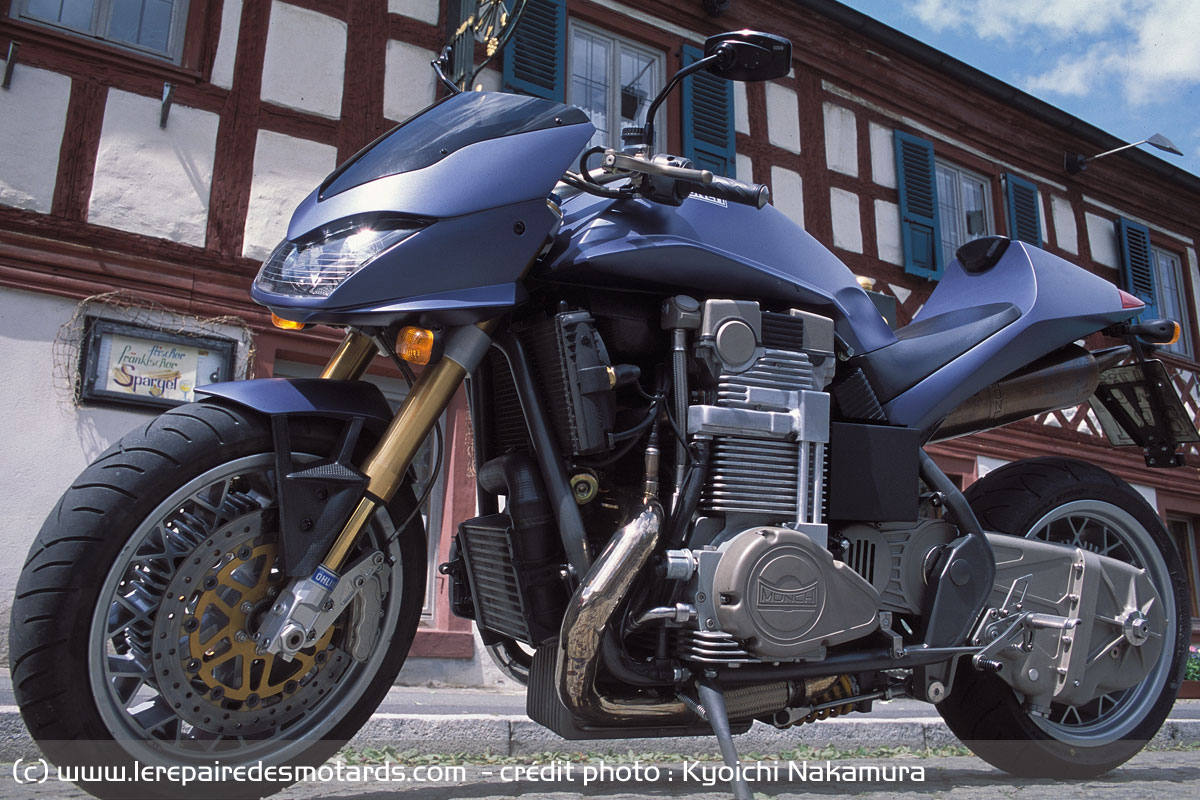
If the engine specification sounds more automotive than conventional motorcycle, the weight does too. Münch listed the Mammut 2000 at approximately 380 kilograms / 838 pounds fully fueled. That makes it almost the conceptual opposite of a modern superbike.
A Hayabusa or ZX-12R attempted to combine enormous performance with aerodynamic bodywork and relatively conventional sportbike mass. Münch accepted that a two-liter turbo engine and the hardware necessary to support it would produce a very heavy motorcycle, then engineered around that fact.
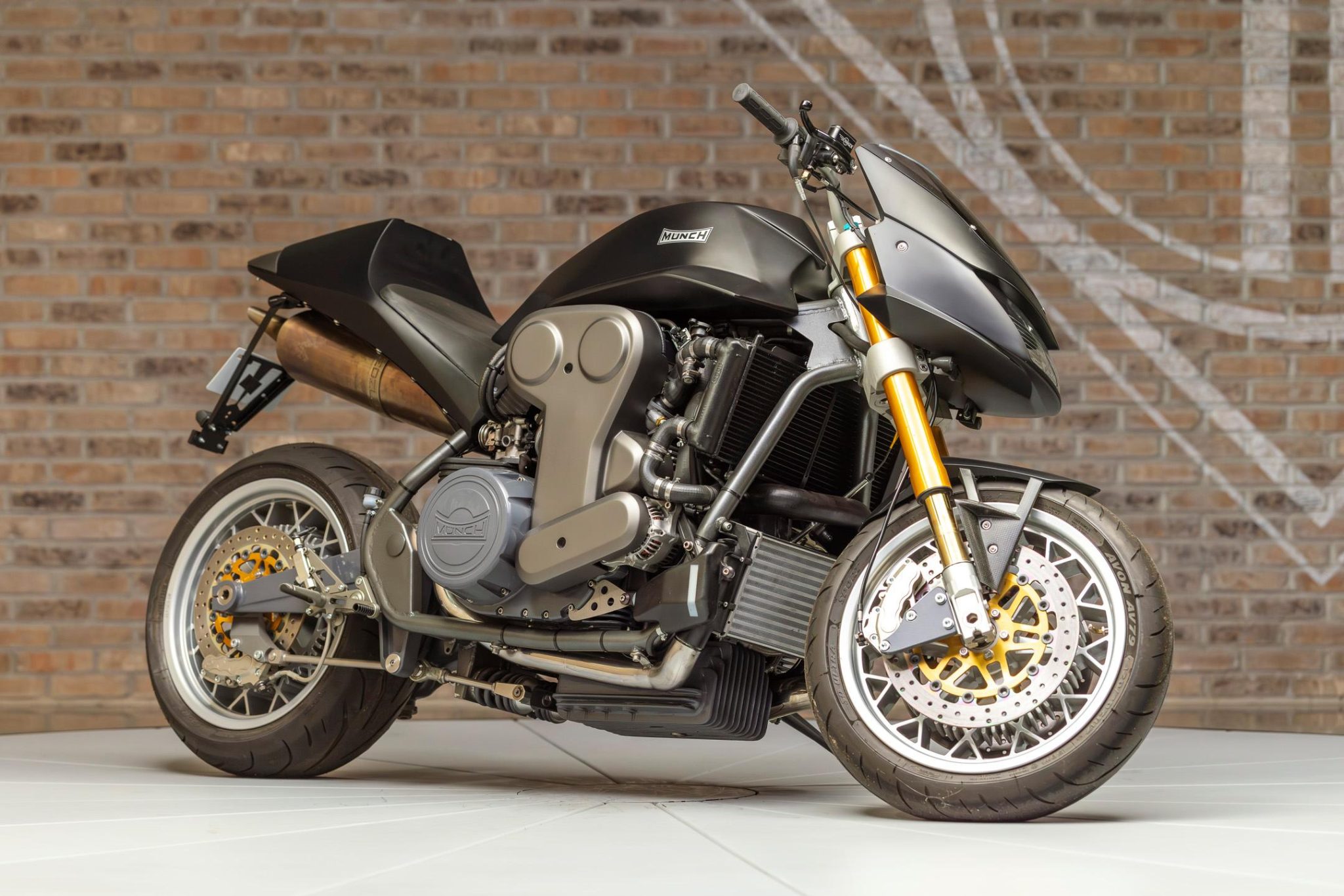
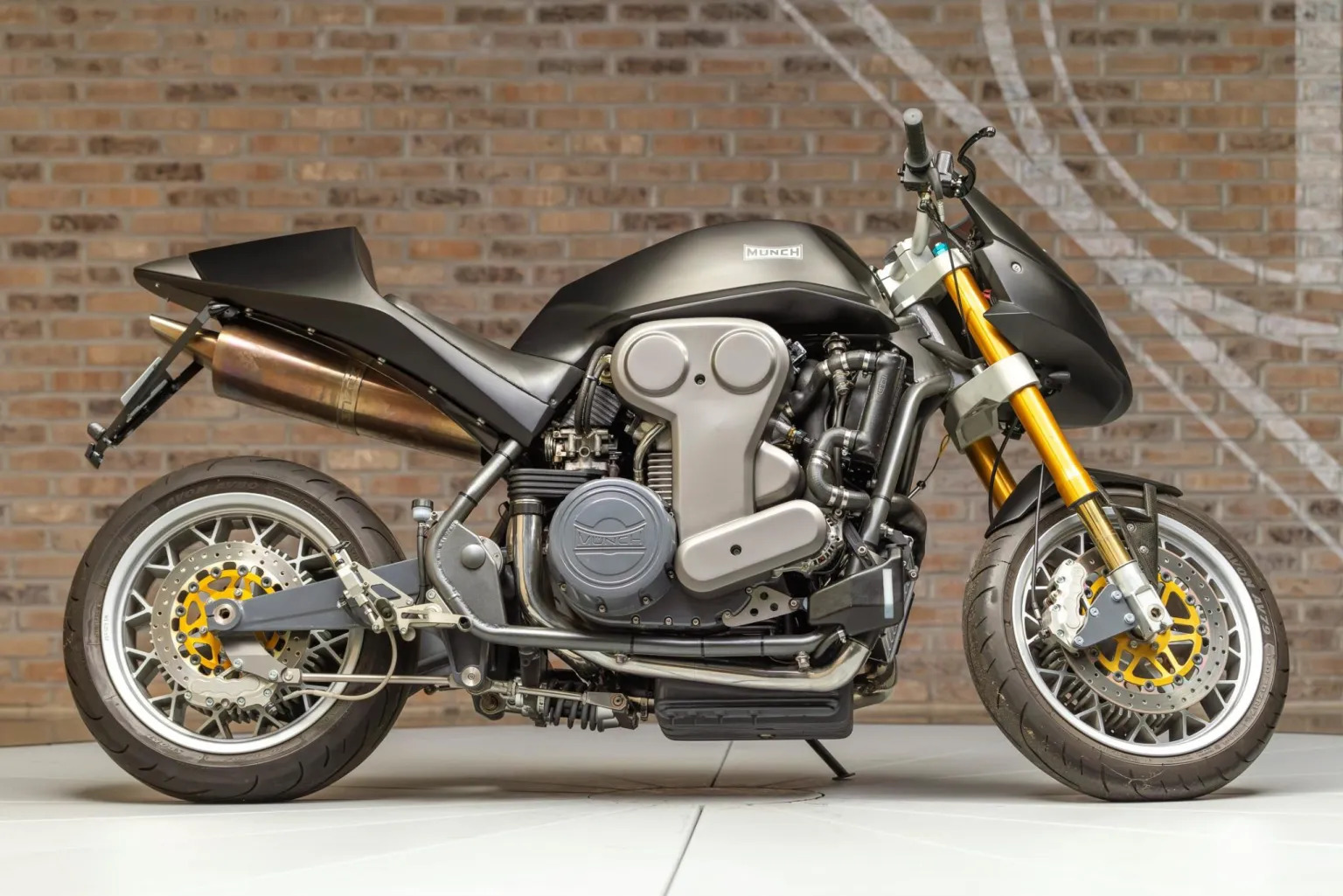
The chassis used a large steel double-cradle frame. Up front was a substantial inverted fork, while the rear used an unusual arrangement of two horizontally mounted shocks working through the rear suspension. The swingarm was a specially developed aluminum casting.
Braking was correspondingly serious. Twin 320mm floating discs at the front were gripped by massive eight-piston Spiegler calipers, with a 280mm disc and four-piston caliper at the rear. The back tire was a 200-section radial mounted to a 6.25-inch wheel.
Even the chain received unusual attention. Like earlier Münch motorcycles, the Mammut 2000 used an enclosed final-drive chain rather than leaving it exposed in conventional fashion. Almost everything had to be created around the demands of the engine.
More Than an Engine Swap…
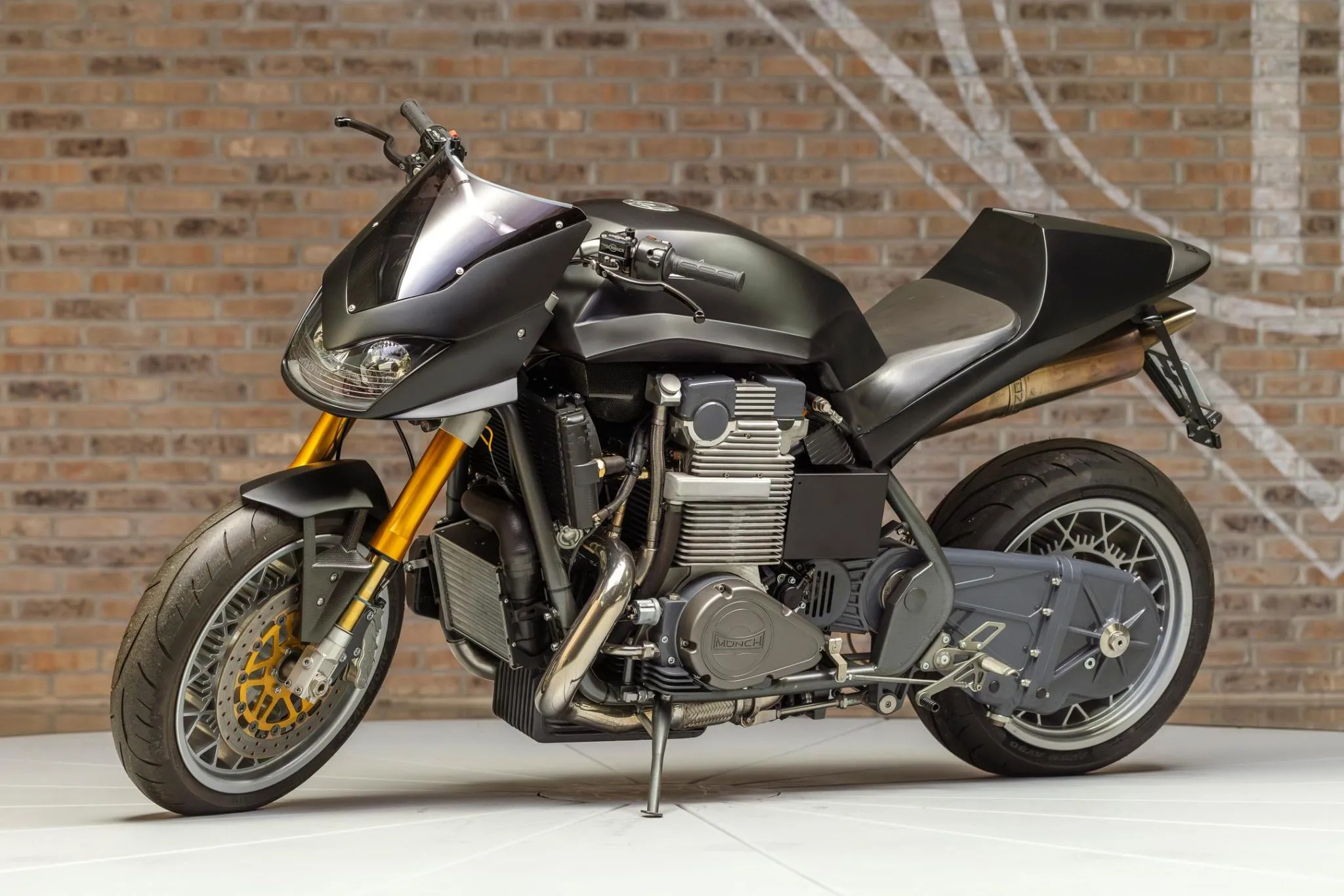
That is an important point in understanding the Mammut 2000. A motorcycle built around a car engine can easily sound like a backyard special writ large: find an enormous engine, construct enough frame around it to hold the thing, and see what happens. But the Mammut was not that.
MOTORRAD‘s later retrospective noted that although the project centered on the Cosworth-developed cylinder-head concept, the frame, wheels, swingarm, clutch, transmission, and other major assemblies were all specifically engineered for the machine.
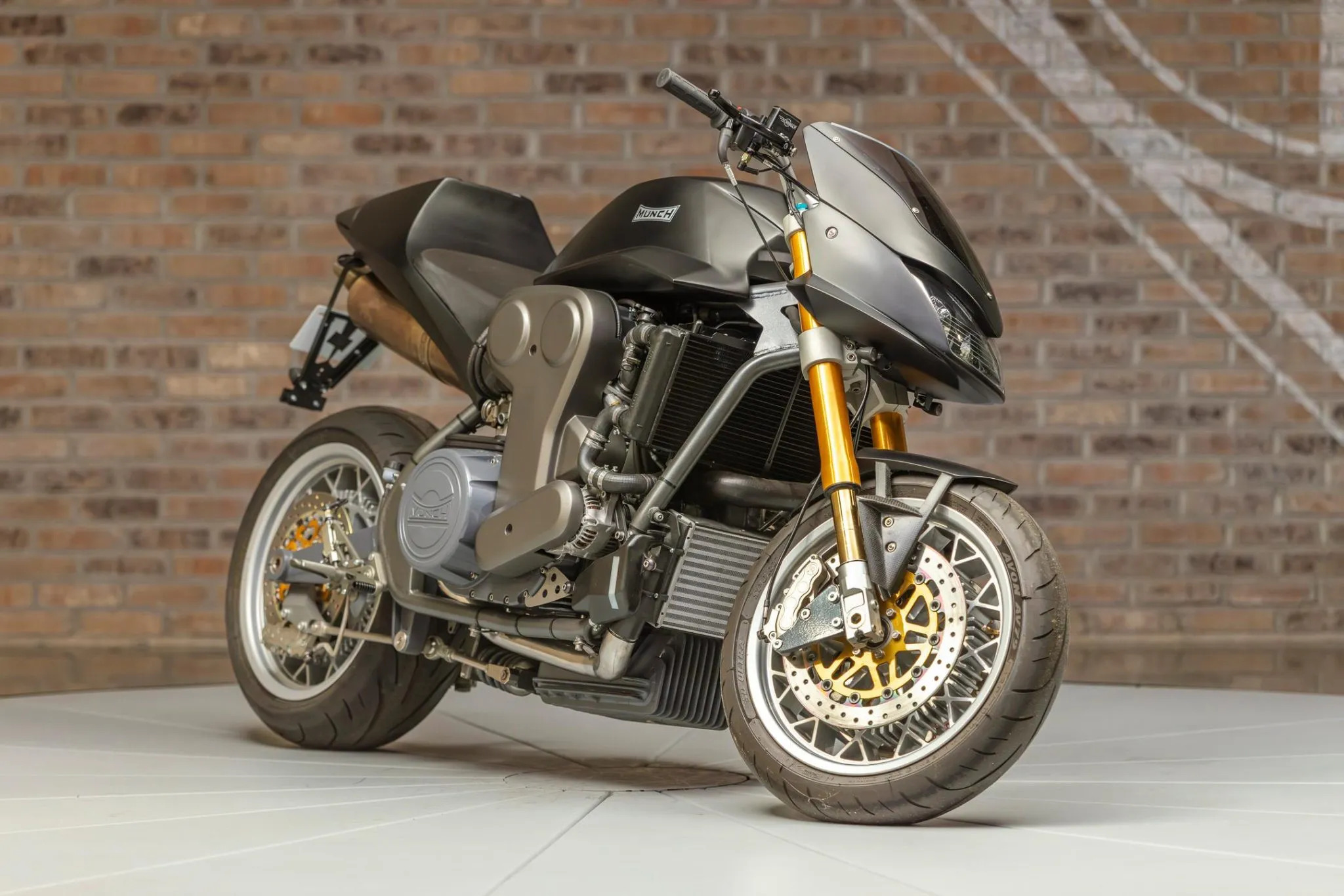
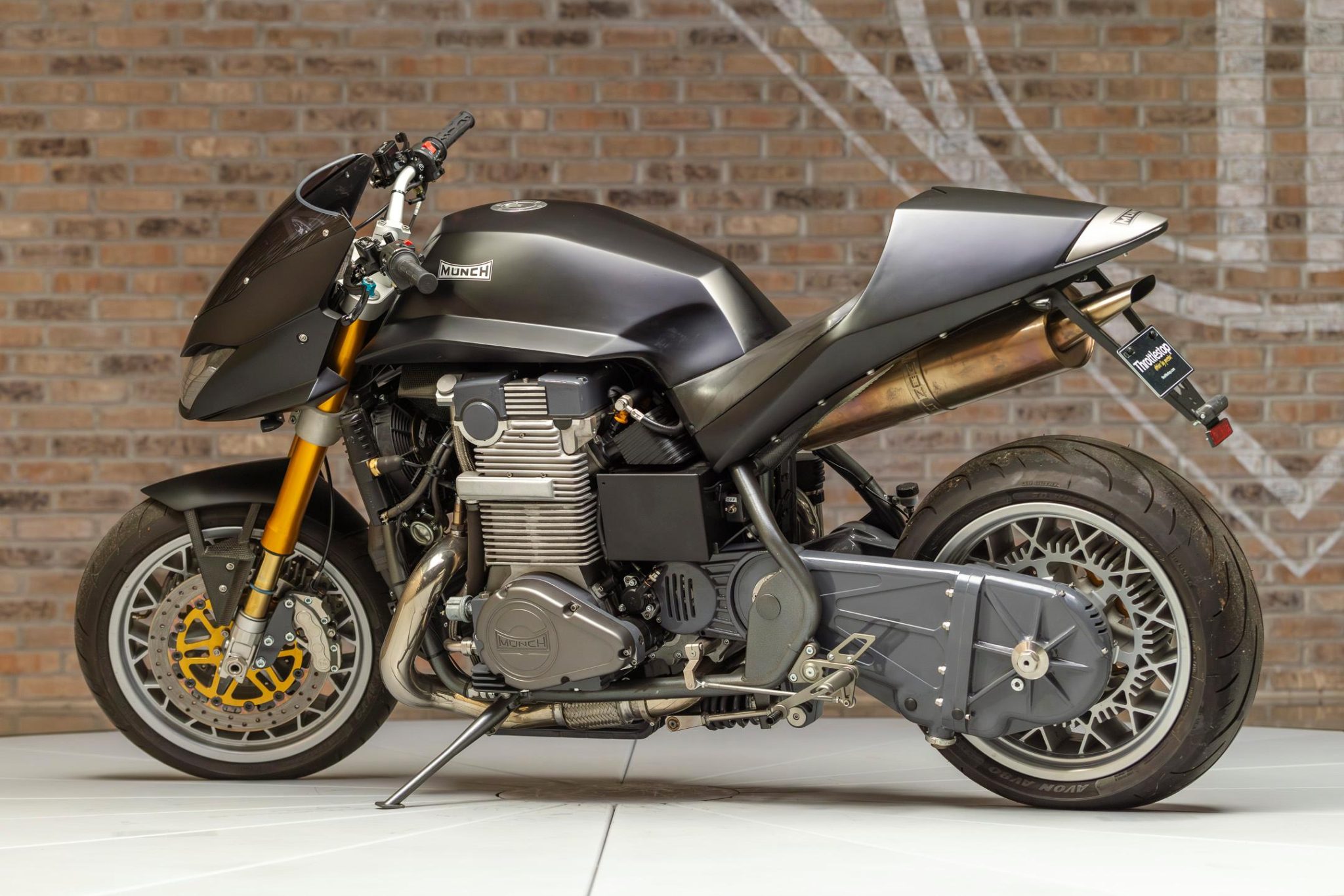
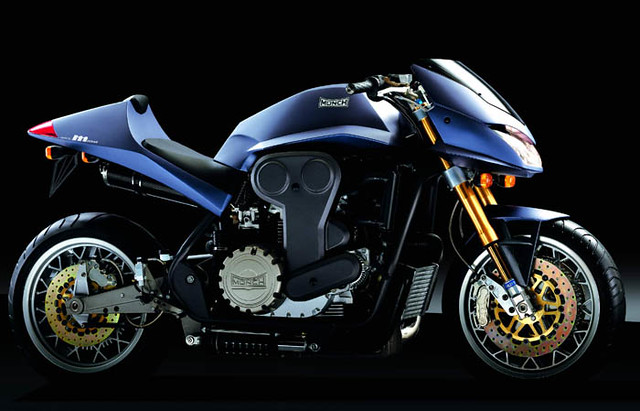
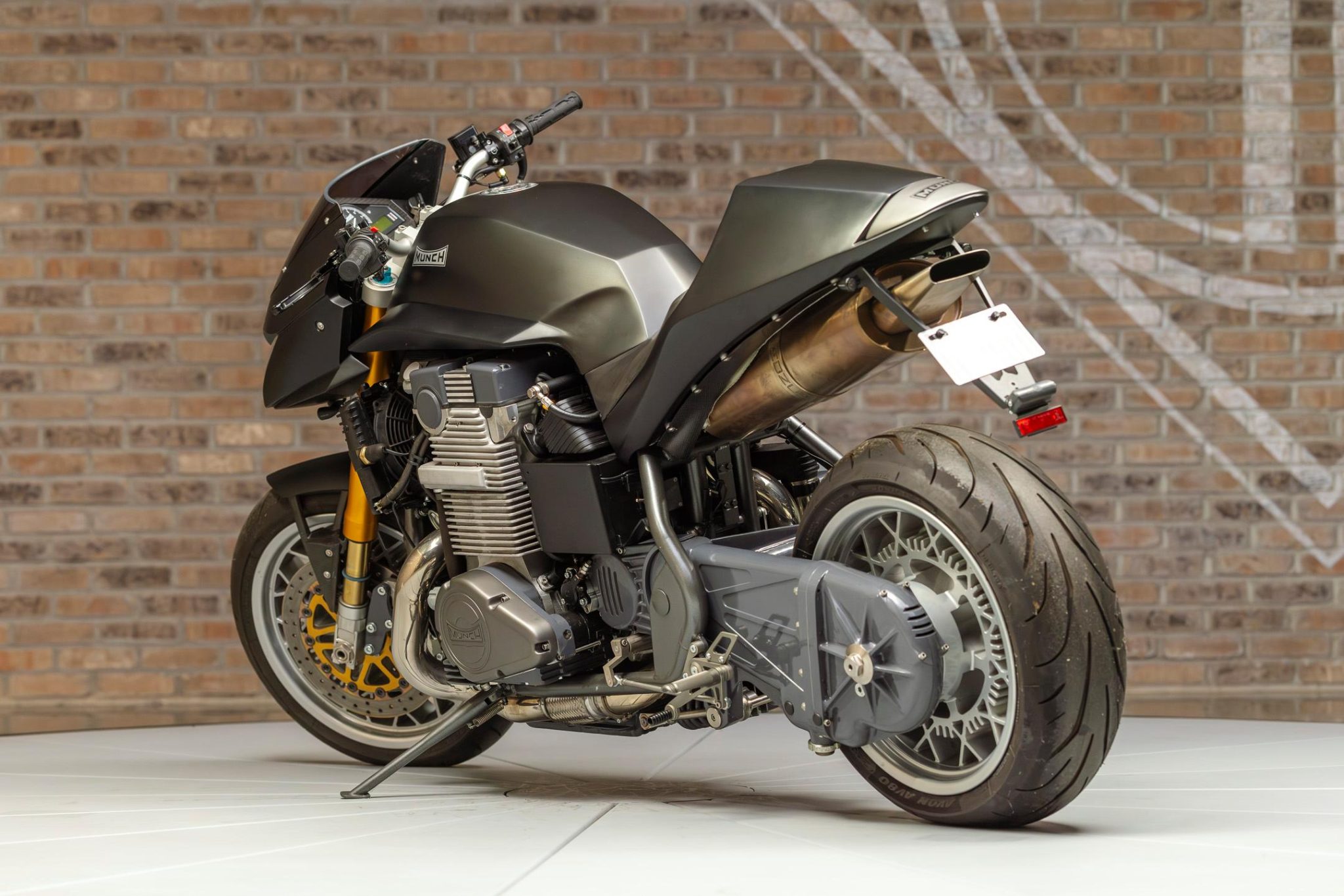
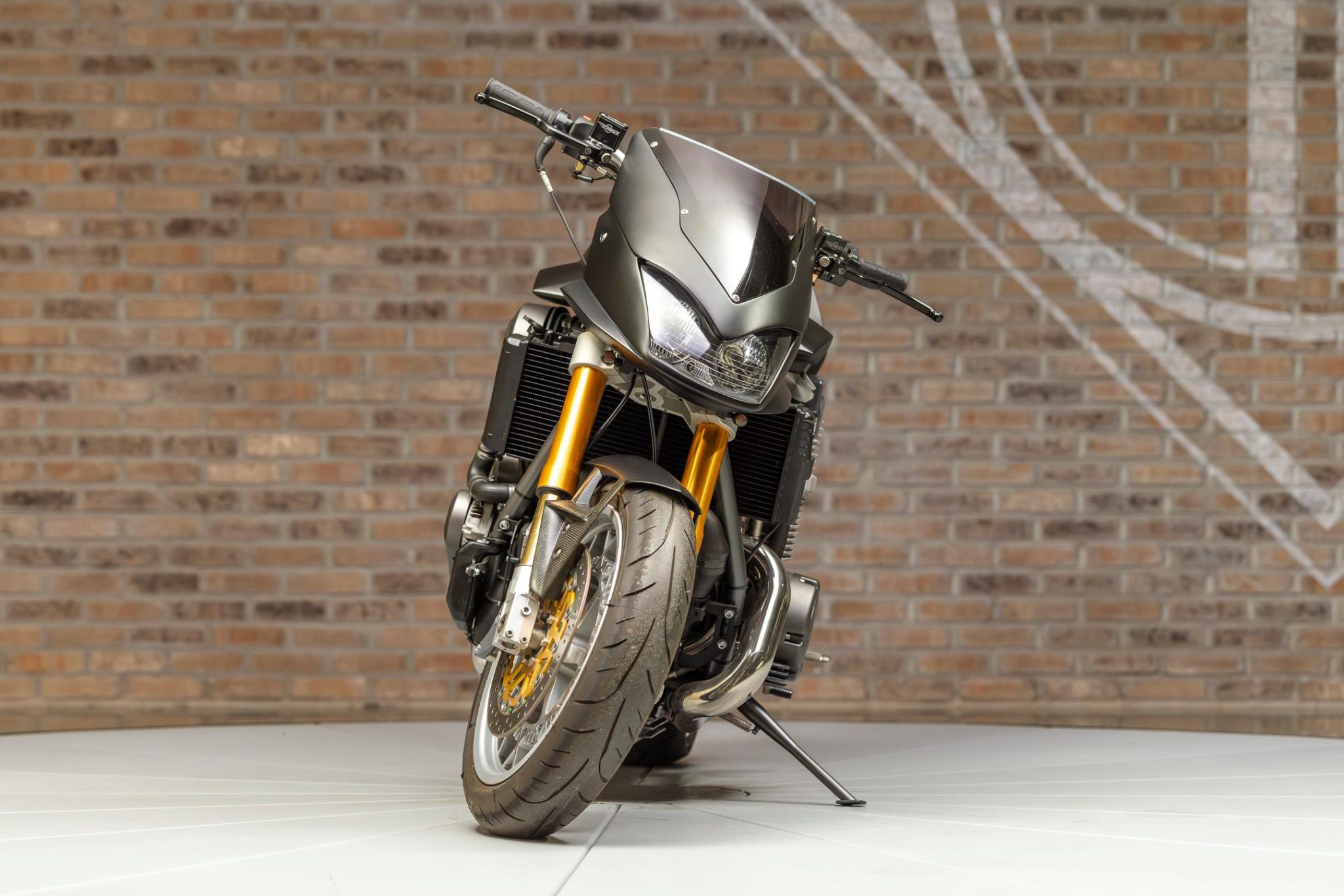
The exterior was equally distinctive. Carbon-fiber bodywork wrapped the enormous mechanical package without attempting to hide its dimensions. Twin headlights sat beneath a small upper fairing, while the exhaust exited high beneath the tail. The huge fuel tank, broad handlebar, exposed engine, substantial chassis, and long visual mass gave the bike proportions unlike almost anything else on the road.
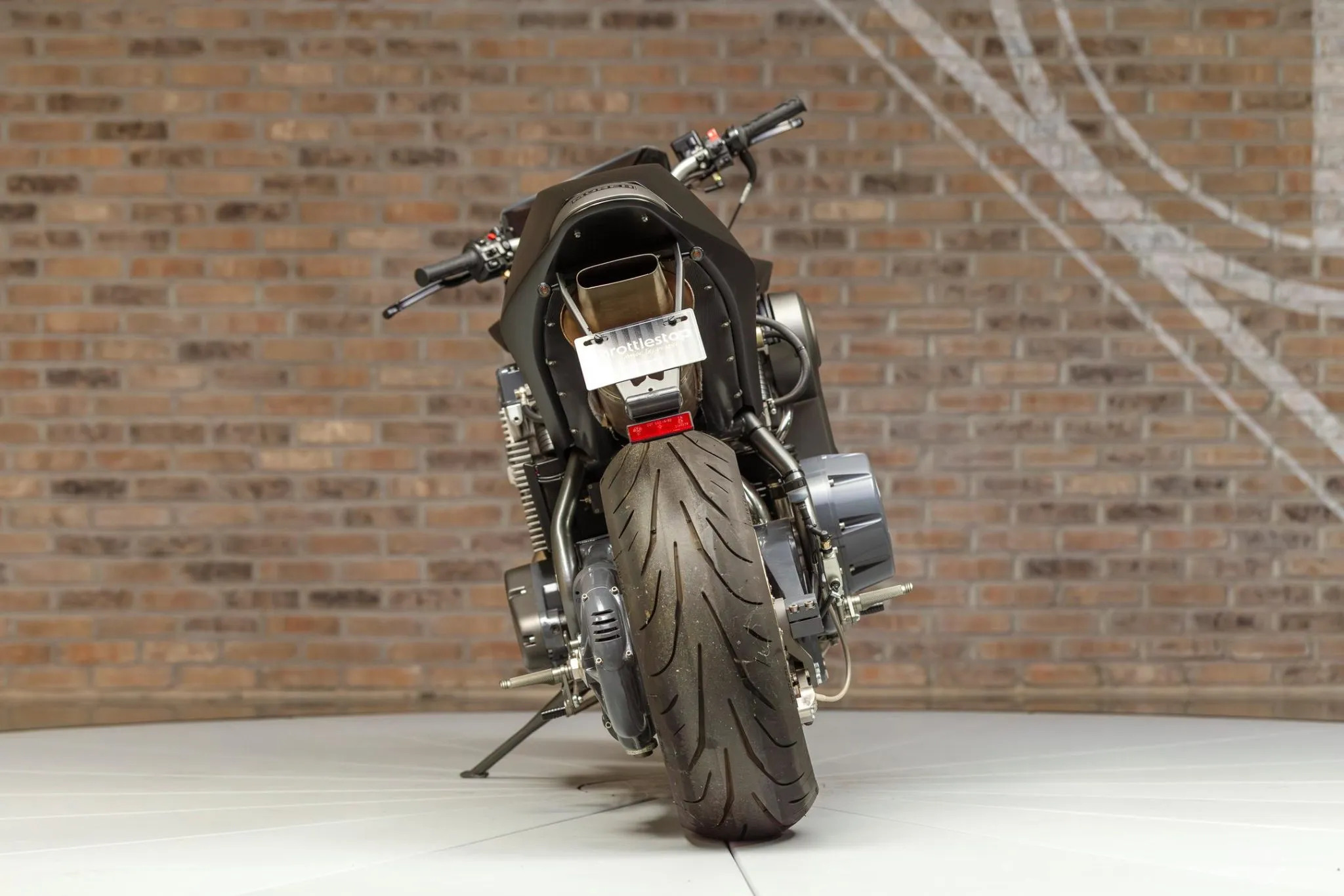
It wasn’t particularly elegant in the conventional Italian-superbike sense. The Mammut looked like the motorcycle it was: a machine designed around an engine that dictated nearly everything else.
What’s a 380-Kilogram Turbo Bike Like to Ride?
Surprisingly, period testers found that the Mammut became much easier to manage once it was moving. Getting it off the sidestand was another matter. The high center of gravity and 380-kilogram wet weight demanded considerable effort at a standstill, while the heavy clutch fitted to handle the enormous torque added another layer of difficulty in town.
Once underway, however, the motorcycle was reportedly stable and relatively manageable at ordinary speeds. The engine’s substantial flywheel effect allowed it to pull smoothly from near idle, and the wide handlebar gave the rider useful leverage over the chassis.
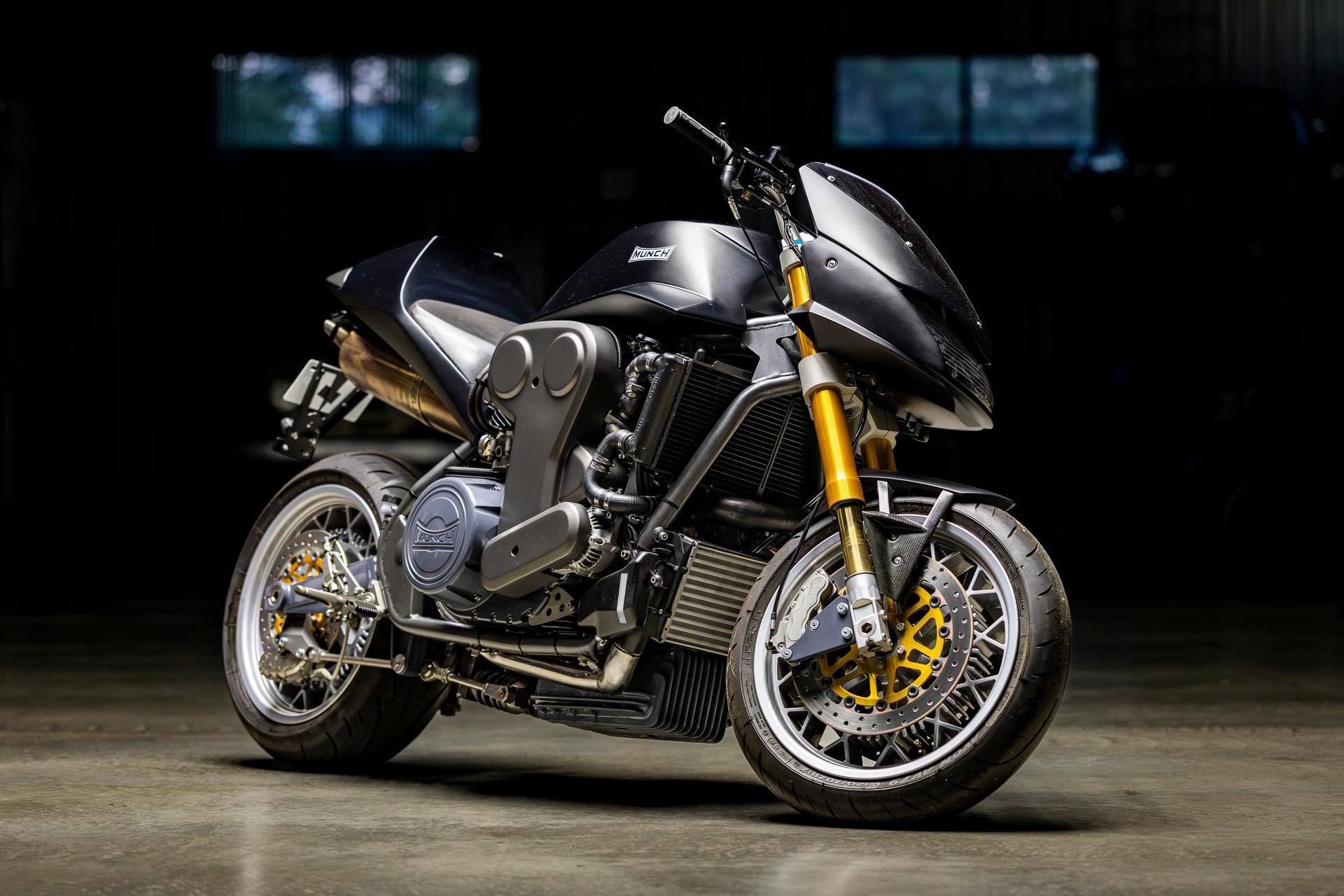
A 2016 MOTORRAD retrospective reached a similar conclusion. At low engine speeds, the two-liter four was smooth and calm, while the chassis felt heavy but predictable.
The problem began when the rider asked for full power. The delayed arrival of boost made precise throttle control difficult. Open the throttle while waiting for acceleration and it was easy to ask for more than intended; a second or two later, the turbocharger would catch up with the request. That was manageable in a straight line — mid-corner was another matter. Period testers therefore tended to keep the engine below the serious boost threshold when negotiating tighter roads, using its enormous displacement rather than constantly calling on the turbocharger.
In that sense, the Mammut offered two very different personalities. Below about 3,000 rpm, it was a massive, understressed two-liter motorcycle with tremendous flexibility. Above that point, it became a monster.
155 MPH — Electronically Limited
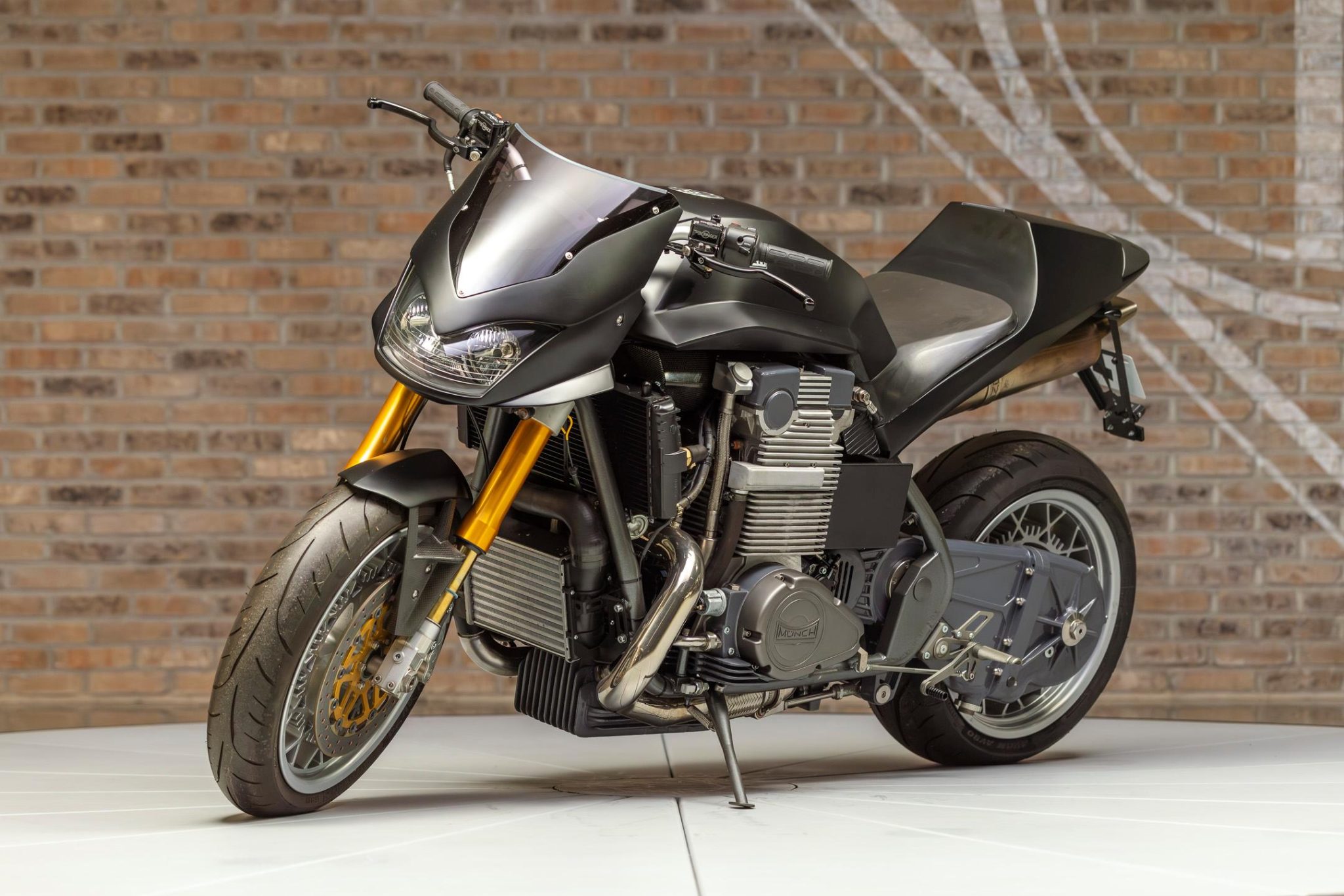
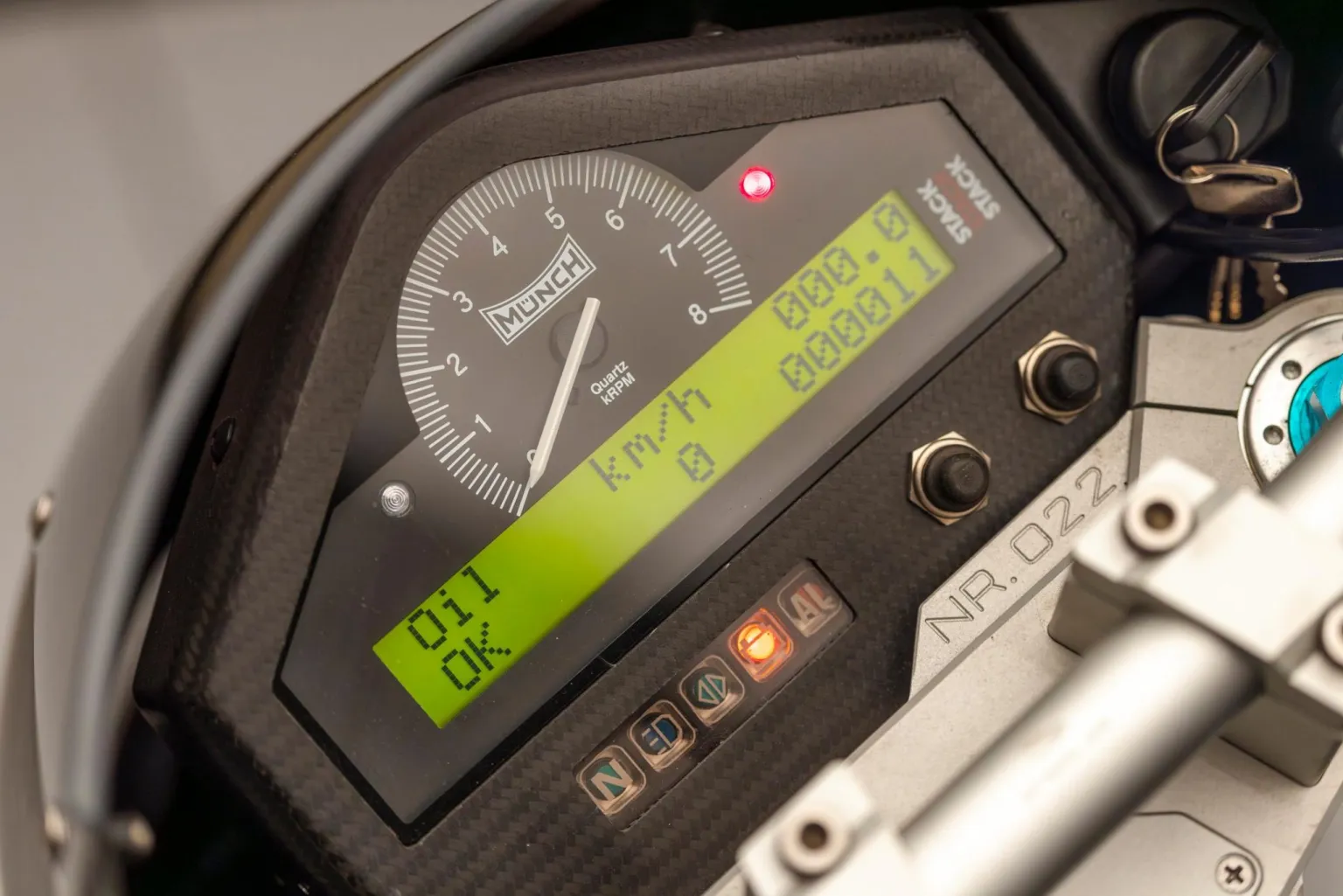
Münch electronically limited the Mammut to 250 km/h / 155 mph. MOTORRAD‘s test machine reached approximately 248 km/h against the limiter, and the magazine noted that at 220 km/h / 137 mph the engine was turning only around 4000 rpm. This wasn’t a highly stressed motorcycle engine requiring five-digit rpm to deliver its performance. The turbocharged two-liter four had vast reserves of torque and comparatively low engine speed.
Without the electronic restriction, gearing and power suggested considerably more top-end potential. But the Mammut was never really about setting a maximum-speed record. The extraordinary part was how much acceleration it could create while carrying nearly 400 kilograms of motorcycle.
The Most Expensive Motorcycle in the Showroom
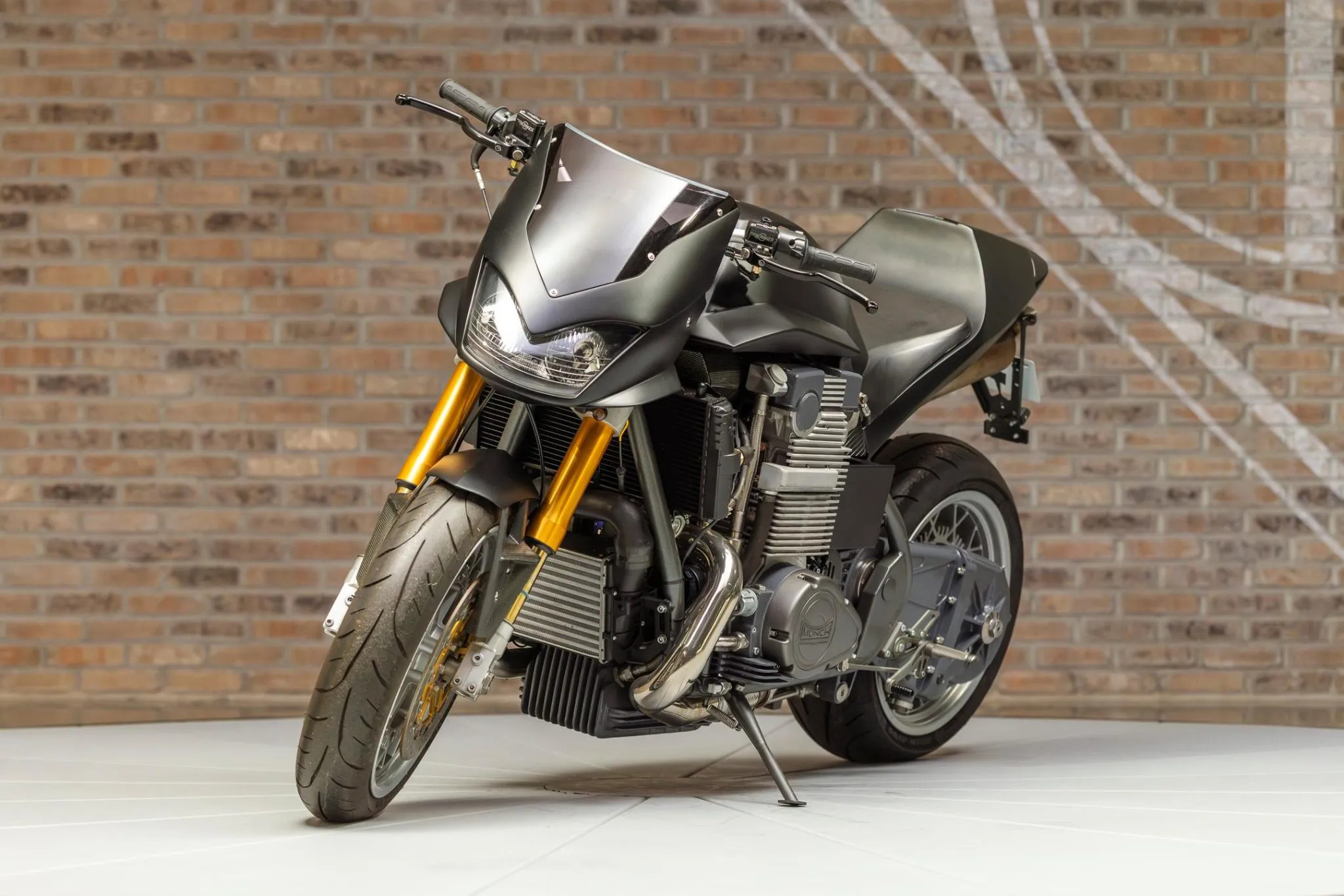
Münch initially announced the Mammut 2000 at around 170,000 Deutsche Marks. By the time production neared, period reports put the price around 174,000-176,000 DM — roughly €86,000. This was around the same period that a Honda CBR929RR cost less than $10,000 in the United States.
The price was extraordinary, but unfortunately for Münch Motorrad Technik, it wasn’t high enough. The company intended to produce 250 examples to order. Early interest was reportedly substantial, and the plan called for low-rate production through Sachs in Nuremberg.
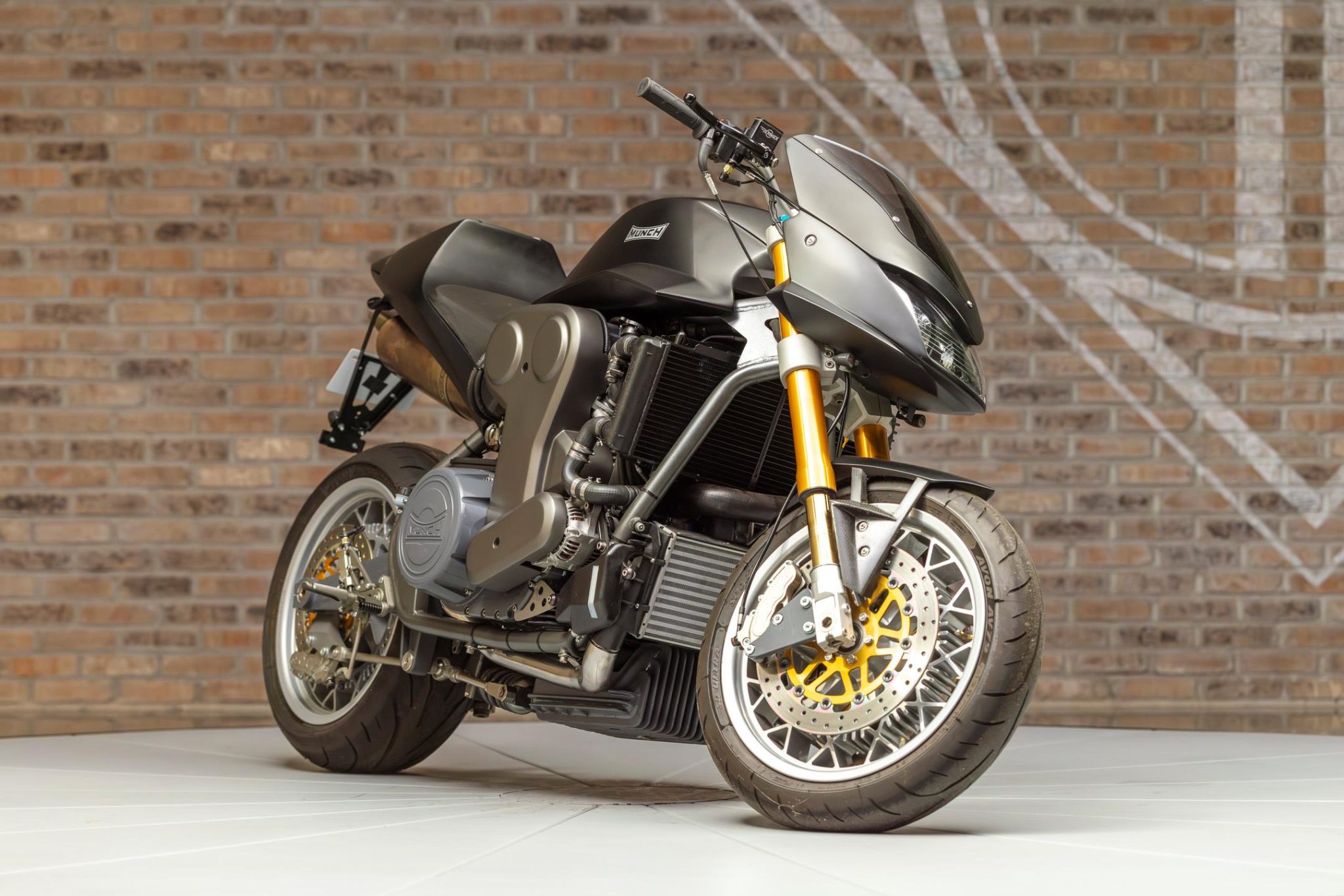
But making a motorcycle on this scale with bespoke components was enormously expensive. MOTORRAD later reported that the project simply became uneconomical: manufacturing costs exceeded even the Mammut’s extraordinary retail price. The original program ended in 2002.
Instead of 250 motorcycles, approximately 15 were completed during the original project. Some accounts indicate that only eight of those reached paying customers before production was stopped. That makes the Mammut 2000 considerably rarer than many exotic homologation specials.
The Mammut After the Mammut
Strangely, even “15 built” isn’t quite the end of the story. After Thomas Petsch’s death in 2017, the Münch rights eventually passed to German craftsman and Münch specialist Markus Pohl. Pohl has worked extensively with original Münch motorcycles, reproducing difficult castings and other unavailable components using modern scanning and 3D-printed foundry tooling.
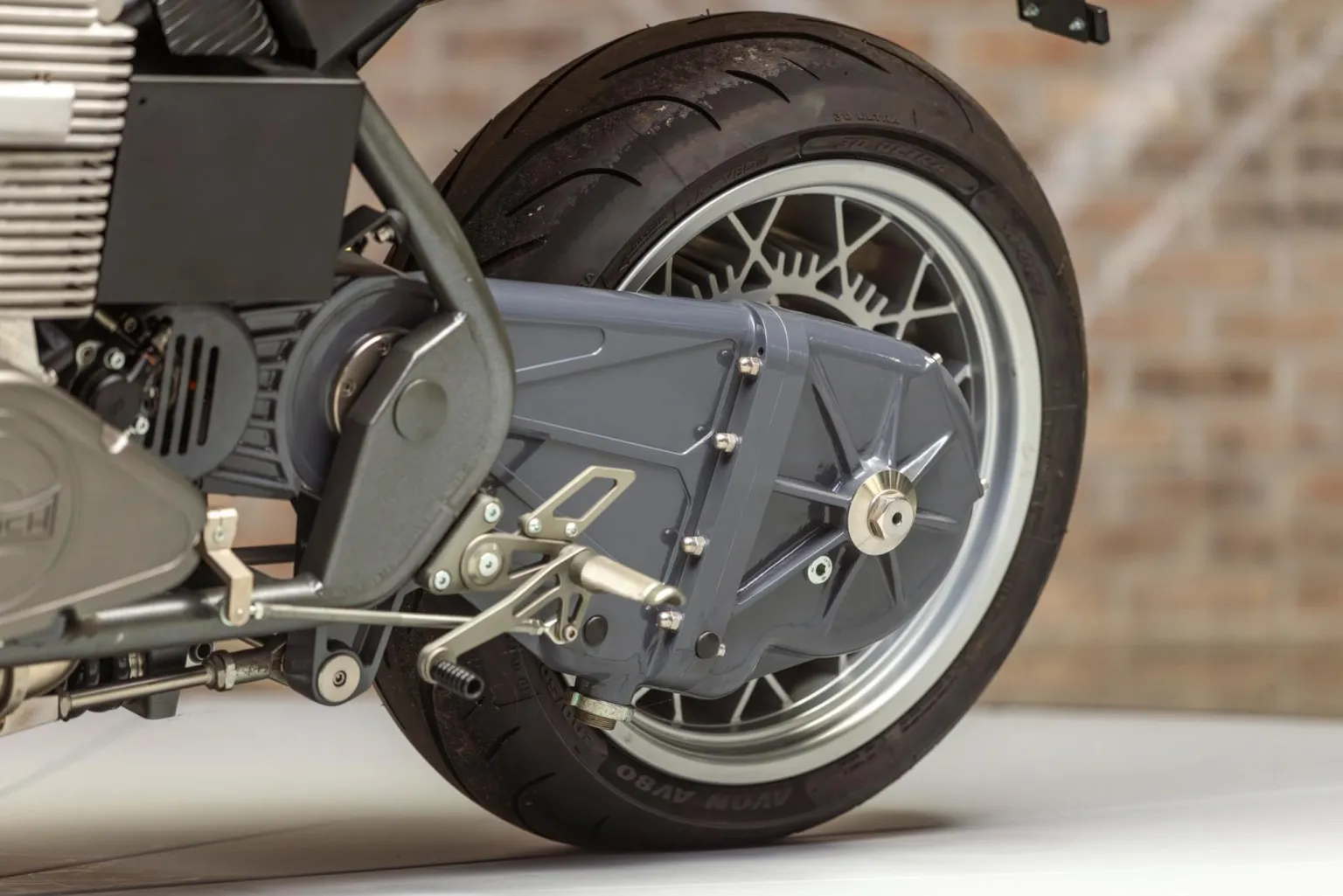
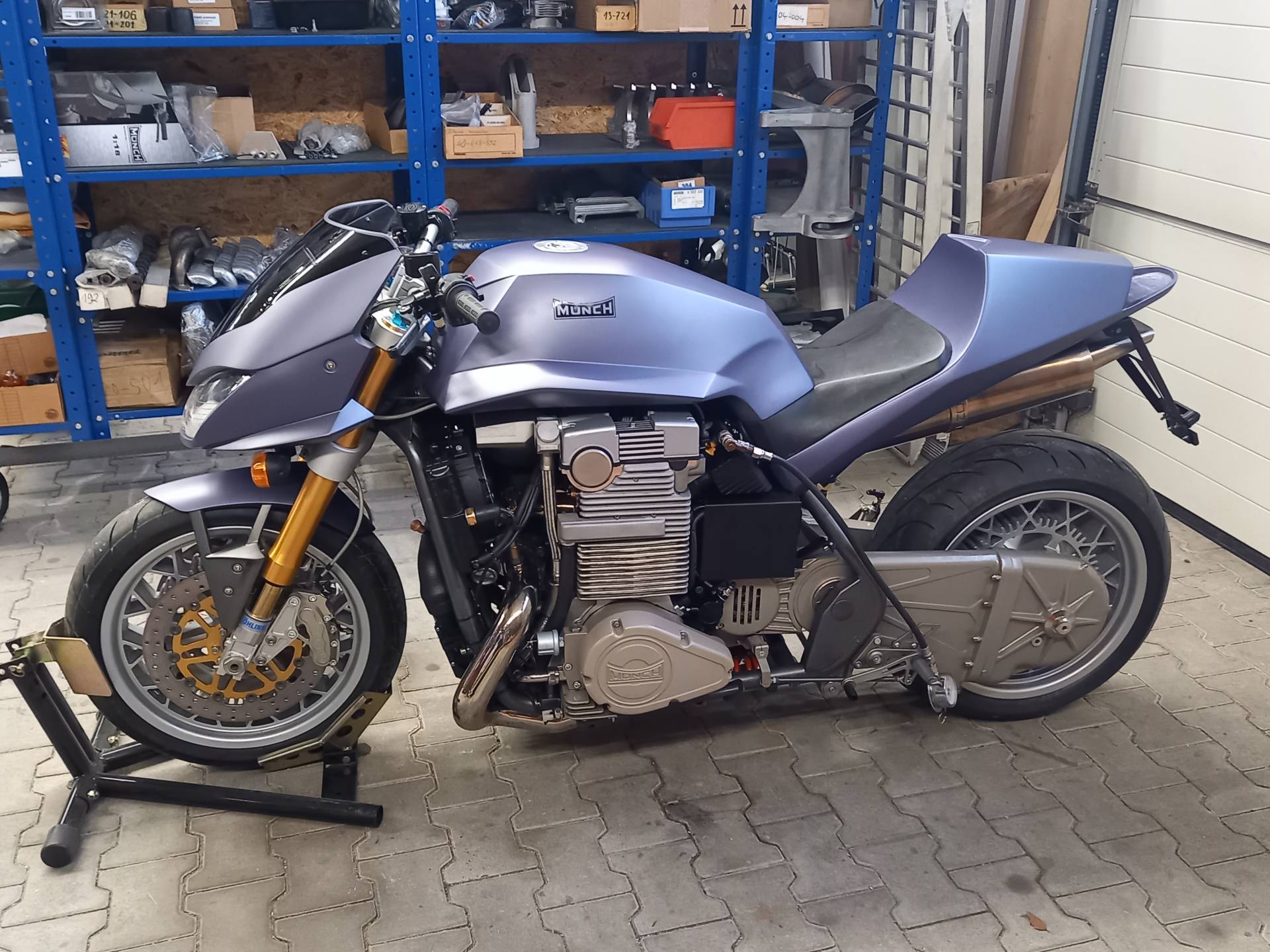
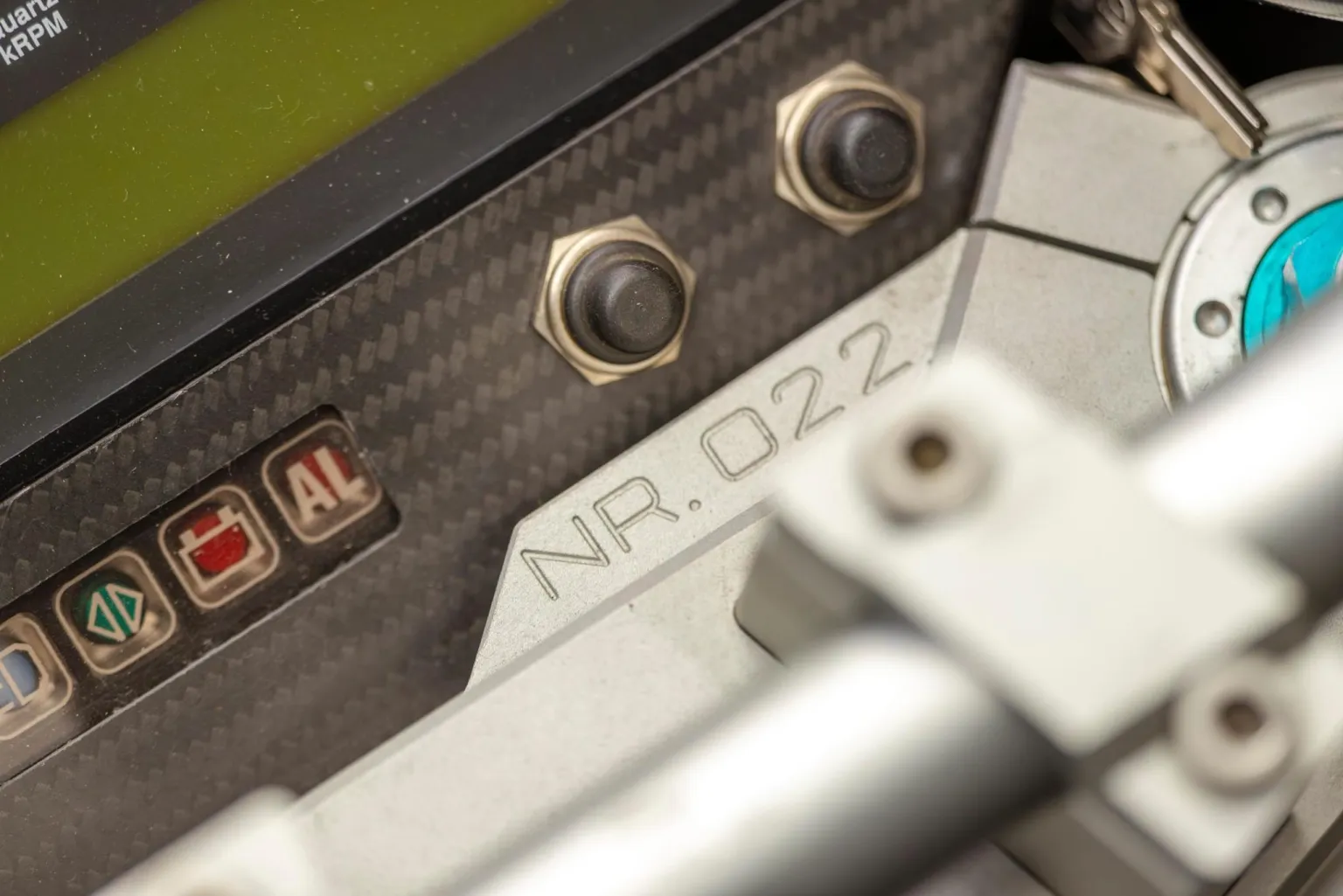
Remaining Mammut 2000 components have allowed a small number of additional motorcycles to be assembled after the original production program. A particularly interesting example surfaced in the United States in 2025, offered by Throttlestop of Elkhart Lake, Wisconsin, and bid to $23,750 on Bring a Trailer. The motorcycle carried chassis number 22 and had reportedly been assembled from remaining original parts in the Netherlands in 2023.
It retained the 1998cc turbocharged engine, carbon bodywork, Öhlins fork, WP rear suspension, and enormous eight-piston front brakes. Because it was a later parts-built example rather than one of the original homologated customer motorcycles, it was offered in the United States for display or off-road use only.
That means the statement “only 15 Mammut 2000s exist” needs some qualification today. About 15 were built during the original Münch Motorrad Technik production program. A handful of additional machines have subsequently been assembled from surviving factory components. Even now, the Mammut refuses to disappear completely.
The Original Idea, One Last Time
The Mammut 2000 makes the most sense when viewed alongside Friedel Münch’s original creation. In 1966, Münch looked at the motorcycle engines available to him and concluded that they weren’t sufficient for the machine he wanted to build. So he turned to an NSU automobile engine, designed a motorcycle around it, and created one of the most extraordinary high-performance bikes of its generation.
Three decades later, the logic remained essentially unchanged. The new machine again started with roughly two questions: How much engine can we put in a motorcycle? And what has to be invented to make that motorcycle work?
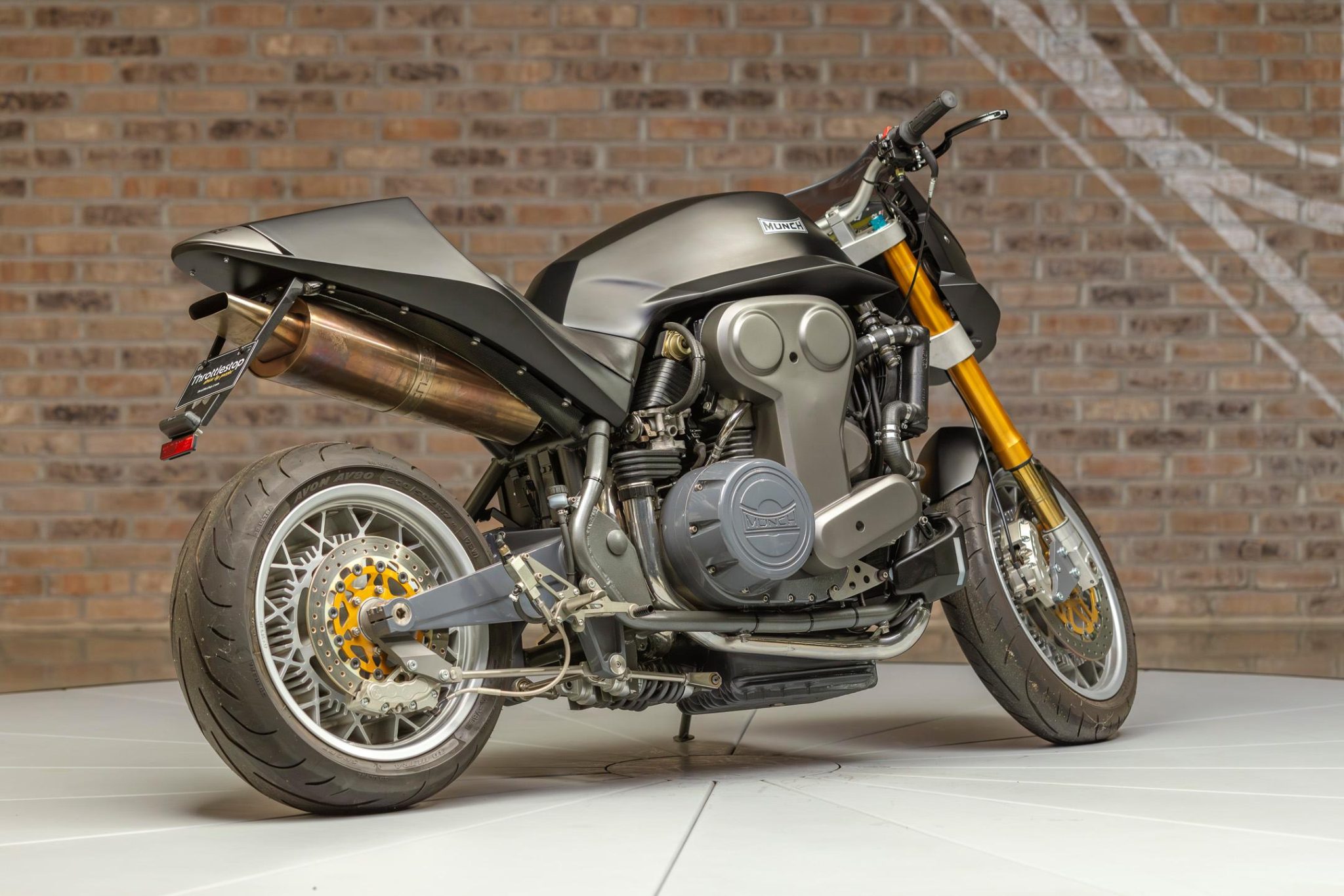
The answers were different because technology had changed. Fuel injection replaced carburetors. A turbocharger and intercooler replaced naturally aspirated tuning. Carbon fiber supplemented magnesium and aluminum. Modern radial tires, huge disc brakes, sophisticated suspension, electronic engine management, and a digital Stack instrument replaced 1960s hardware. But the philosophy remained recognizable. The engine came first, and everything else followed.
They planned to build 250. They managed about 15. Perhaps that was inevitable. A motorcycle like the Münch Mammut 2000 was never really designed for a world in which sensible numbers mattered.
Münch Mammut 2000 Specifications
| Model | Münch Mammut 2000 |
| Engine | Liquid-cooled turbocharged inline-four |
| Displacement | 1,998cc |
| Bore x stroke | 86 x 86mm |
| Valvetrain | DOHC, four valves per cylinder |
| Induction | Electronic fuel injection, turbocharger, intercooler |
| Claimed power | 191 kW / 260 PS @ 5,700 rpm |
| Claimed torque | 295 Nm / 218 lb-ft @ 3,500 rpm |
| Transmission | Five-speed on original production specification |
| Clutch | Multi-plate wet clutch |
| Frame | Steel double-cradle |
| Front suspension | Inverted fork |
| Rear suspension | Twin horizontally mounted shocks |
| Front brakes | Twin 320mm discs, eight-piston calipers |
| Rear brake | 280mm disc, four-piston caliper |
| Front tire | 120/70 ZR17 |
| Rear tire | 200/50 ZR17 |
| Wet weight | Approx. 380 kg / 838 lb |
| Top speed | Electronically limited to 250 km/h / 155 mph |
| Original planned production | 250 motorcycles |
| Original production completed | Approximately 15 |
| Period price | Approx. DM 170,000-176,000 / €86,000 |
More Extreme Bikes…
 Münch Mammut 2000: The 260-hp Turbo Bike - Übermoto: 2000cc, Turbocharged, 260 horsepower, and 218 lb-ft of torque… At the turn of the millennium, the motorcycle world was engaged in an escalating superbike arms race. The Suzuki Hayabusa and Kawasaki ZX-12R were pushing […]
 Honda NR750: The Oval-Piston Superbike - 32-Valve, 15,000-rpm V4: Honda’s attempt to build a V8…without technically building one… In 1992, Honda put one of the strangest engines ever developed for Grand Prix racing into a road-going motorcycle. The resulting Honda NR750 […]
 Suter MMX 500: 195-HP Two-Stroke GP Bike - 195 Horsepower, 280 Pounds, Two Strokes: The Spirit of the 500cc “Unrideables” Reborn… For a generation of motorcycle racing fans, the 500cc two-stroke Grand Prix bike represents something close to the ultimate racing motorcycle. The […]
 ATK 700 Intimidator: The 78-hp 700cc Two-Stroke Dirt Bike - 685cc, 78 Horsepower, 238 Pounds: One of the most outrageous production dirt bikes ever offered in America… There was a time when a 500cc two-stroke motocross bike was the king of the dirt. Honda’s CR500 […]
 Bimota Vdue: 500cc Two-Stroke GP Bike for the Road - Bimota’s first homegrown engine powered one of the wildest superbikes of the 1990s: a featherweight 500cc V-twin smoker with direct fuel injection, carbon bodywork, and GP aspirations… Imagine walking into a motorcycle dealership in the […]
 Crighton CR700W: 220-hp, 286-lb Rotary Superbike - The culmination of Brian Crighton’s four-decade obsession with rotary race bikes makes 220 horsepower from 690cc — and weighs less than a Yamaha R3… The Crighton CR700W is one of those motorcycles whose specifications make […]
 2WD Dakar Legend: Yamaha WR450F 2-Trac - Remembering Yamaha x Öhlins’ Hydraulic 2WD Enduro… Every so often, a motorcycle appears that seems to point toward an entirely different future. The Yamaha WR450F 2-Trac was one of those machines. At first glance, it […]
 Kinetic Art: Brough Superior RMB01 - Brough Superior and Watchmaker Richard Mille join forces on a work of kinetic art… One of the most striking machines at ArtRide 2026 in Biarritz, France, was the Brough Superior RMB01. Built in collaboration with […]
 Up for Auction: Allen Millyard’s 500-hp Viper V10 Motorcycle! - The 8000cc, 500-bhp Millyard Viper V10 crosses the auction block this month… There are custom motorcycles, and then there’s the Millyard Viper V10. Built by legendary British engineer Allen Millyard, this 8000cc V10-powered road-legal motorcycle […]
 Veloce Ethereal: 500cc Two-Stroke Café Racer - 145-hp 500cc Two-Stroke Ethereal from Veloce Motorcycles… In the modern world, a 500cc two-stroke intended for road use seems almost unthinkable. However, that’s exactly what Oxfordshire-based Veloce Motorcycles is promising with the Ethereal — a […]
 Veloce Aperion: 280-BHP 1000cc Two-Stroke Café Racer! - Veloce Motorcycles unveils a 1000cc X8 two-stroke café racer! Built by Oxfordshire-based Veloce Motorcycles, the Aperion is a 1000cc, eight-cylinder, two-stroke naked bike — or perhaps more accurately, an engineering provocation with lights, wheels, and […]


